Toskovat
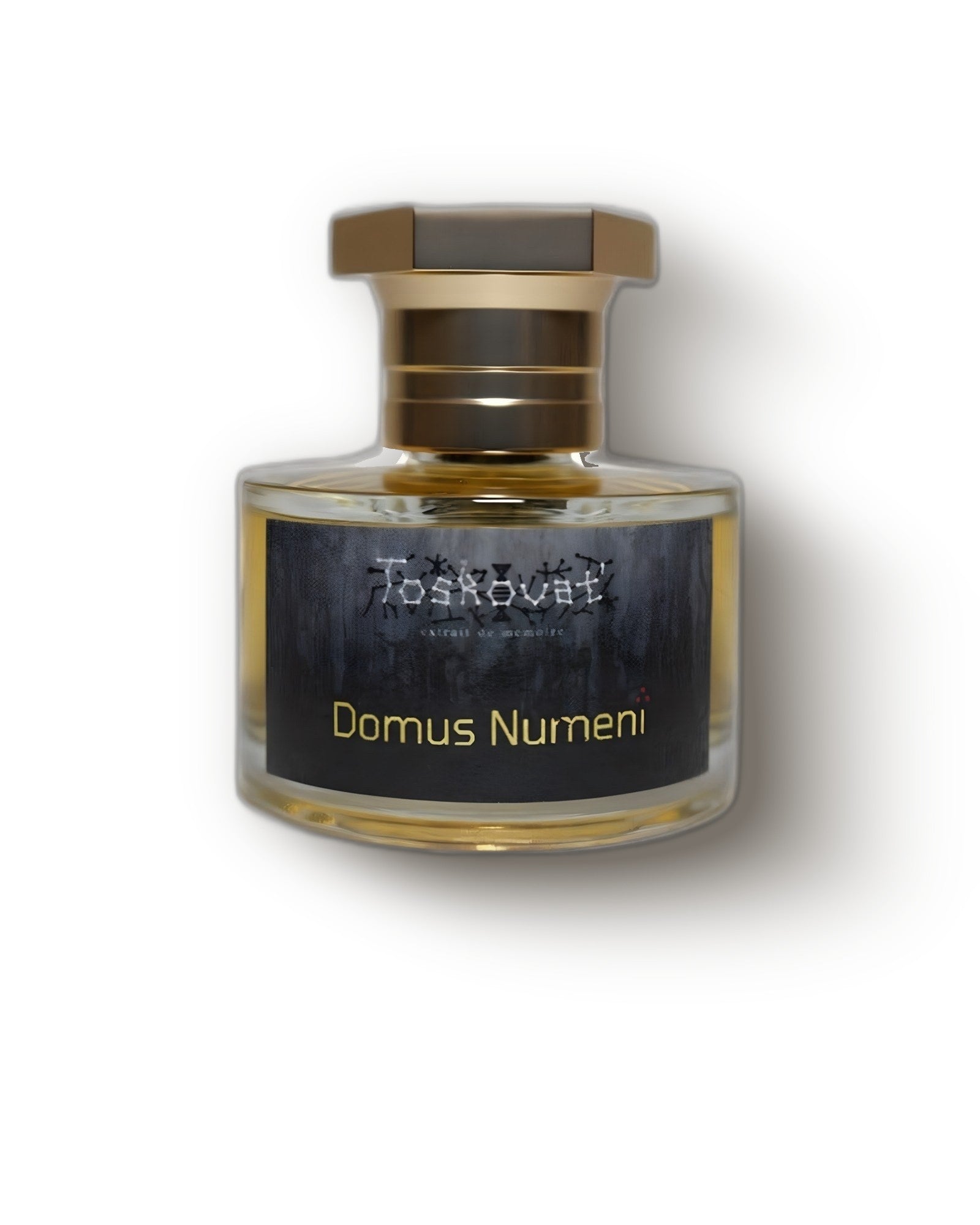
Domus Numeni
The Story
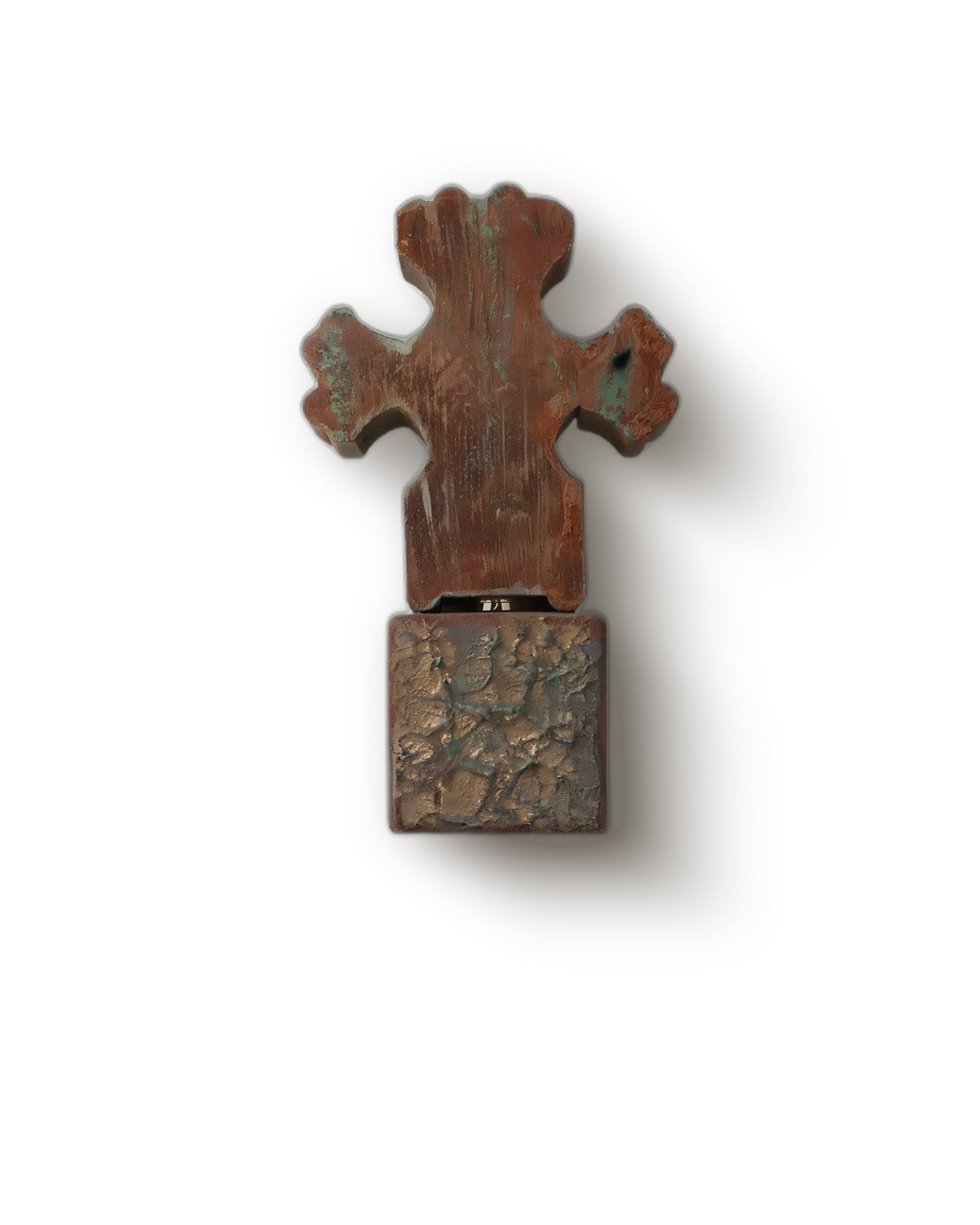
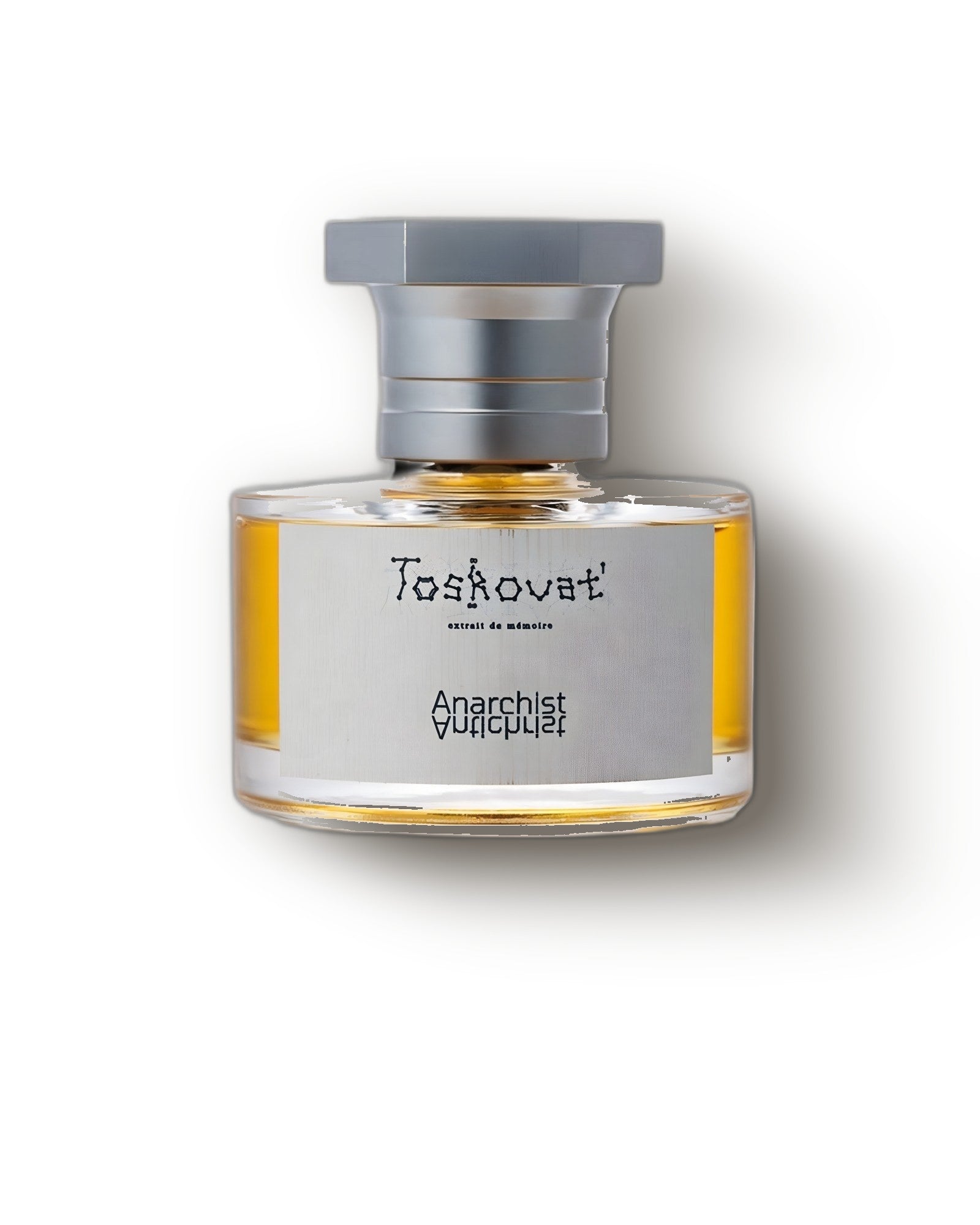
A reworked and intensified version of Toskovat's 2024 Take Me To Church, Domus Numeni was released as a limited run of 300 bottles to mark the house's three-year anniversary. It is an elegy to a lost father figure, its sacred architecture of incense and wax giving way to dust, tar, and burial earth. The house frames it with a single epitaph: Too much truth, Here Lies.


Balsamic
Warm resin and sweet amber
A warm, syrupy richness of tree resins and golden amber, soft and slightly sweet with a vanillic, almost honeyed glow. It feels enveloping and slow, settling into the skin like candlelight, comforting and faintly sacred.


Smoky
Charred wood and rising embers
The dry, charred scent of burning wood, smoldering incense, and lingering ash, sometimes tarry, sometimes wispy and gray. It feels brooding and atmospheric, conjuring a dying fire and a cool current of air carrying its last breath.


Spicy
Heat that prickles the nose
A pungent, peppery warmth of black pepper, cardamom, and dry red chili that stings and tingles. It brings energy and bite, the crackle of a market spice stall, vivid and assertive, raising the temperature of everything around it.


Woody
Dry grain of cut timber
The smell of cedar shavings, sandalwood, and dry vetiver roots, a sanded, resinous warmth with a faint pencil-box rasp. It feels grounded and composed, the quiet backbone that makes a scent read as serious and lasting.


Green
Crushed leaves and cut stems
The sharp, sappy scent of crushed leaves, snapped stems, and bruised grass, cool and slightly bitter with a vivid living freshness. It feels vibrant and outdoorsy, like a garden just after pruning, raw and unmistakably alive.


Metallic Notes
Cold electric shiver of struck steel and blood
What it is
A synthetic accord rather than a single ingredient, since metal cannot be distilled. Perfumers build the impression from aliphatic aldehydes and certain ketones blended in the laboratory, anchored by trace molecules such as trans-4,5-epoxy-(E)-2-decenal, the aldehyde behind blood's iron tang, plus notes echoing struck flint.
How it smells
Cold, sharp and electric, like a coin held on the tongue or the tang of iron on damp skin. It opens bright and almost soapy from the aldehydes, then cools toward wet steel and struck flint with a faint coppery, bloody edge before drying clean and inorganic.
In perfumery
Usually a top or heart accent adding chill, tension and modernity, cutting through florals and ambers. It pairs with rose, violet leaf, incense and aquatic notes. Classic aldehydic florals carry a metallic shimmer, and many modern niche scents lean on the facet for edge.
Good to know
Trans-4,5-epoxy-(E)-2-decenal, the molecule giving blood its iron tang, is detectable around 0.078 parts per trillion in water, among the most potent odorants known. Predators track prey by it, and a few invisible drops can turn a whole composition cold and razor-edged.


Solar Notes
Warm skin and golden suntan-lotion glow
What it is
Solar notes are not a single material but an abstract olfactory effect: the scent-image of sunlight on warm skin. Perfumers conjure it from salicylates such as benzyl salicylate and methyl salicylate, molecules tied to the sunscreen family, alongside ylang, tiare, and coconut facets.
How it smells
Radiant and warm, like sun-heated skin and coconut-rich suntan lotion on a beach. It reads creamy, faintly waxy, and softly sweet, with a milky tropical-floral haze and a powdery glow, evoking heat and light rather than any one identifiable flower or fruit.
In perfumery
Solar notes give summery florals and beachy gourmands their sun-drenched warmth, pairing with tiare, jasmine, vanilla, and coconut. They define the classic beachy solar genre, and lift white-floral compositions with golden, holiday-like radiance.
Good to know
The signature warmth comes largely from salicylates, the same chemical family as several sunscreen UV filters, which is why so many solar fragrances smell uncannily like the memory of suntan lotion and a day spent at the seaside.


Black Pepper
Dry heat that prickles and sharpens
What it is
The dried unripe berry of Piper nigrum, a tropical climbing vine grown in India, Vietnam, Indonesia and Madagascar. Green peppercorns are sun-dried until black and wrinkled, then steam-distilled to an essential oil; a cleaner, more diffusive material is obtained instead by CO2 extraction.
How it smells
Sharp, dry and warm-spicy with a crisp peppery bite that tingles the nose, wrapped in a fresh terpenic, woody-resinous tone and a faint citrus lift. The distilled oil reads bright and airy; the CO2 extract is rounder, warmer and closer to a freshly cracked peppercorn.
In perfumery
A top note adding lift, sparkle and a spicy snap to fresh, woody and fougere compositions, and a foil for rose, vetiver and amber in the heart. Some compositions build an entire scent around its dry, radiant crackle over cedar and woods.
Good to know
The prickly heat of whole pepper comes largely from piperine, a non-volatile compound that does not carry into the distilled oil, so black pepper essential oil smells aromatic but is not pungent on the tongue. Pepper was once so valued it served as currency and rent.


Elemi Resin
Hardened tree blood, warm amber and incense
What it is
Resin is the sticky exudate woody plants secrete when bark is cut, hardening as it meets the air. Sources include frankincense, myrrh, benzoin, labdanum and elemi. The dried tears or gum are gathered, then converted into oils and absolutes by steam distillation or solvent extraction.
How it smells
Broadly warm, balsamic and sweet, with smoky, dry-wood and incense facets. Frankincense reads peppery and citrus-pine, benzoin turns vanillic and ambery, myrrh leans bitter and medicinal. Most resins open slightly sharp, then settle into a soft, glowing, almost honeyed depth that clings for hours.
In perfumery
Primarily base notes prized as fixatives, extending and grounding a composition. Resins build amber accords, anchor orientals and add churchy gravity. They pair naturally with labdanum, vanilla, spice and woods, defining everything from warm balsamic amber compositions to smoky frankincense incense scents.
Good to know
Frankincense and myrrh, both tree resins, were prized in antiquity alongside gold and appear among the biblical gifts of the Magi. Tapping methods are ancient and barely changed, yet over-harvesting now threatens wild Boswellia stands across the Horn of Africa and Arabia.
Boozy Notes
Composed accords that read as spirits and liqueurs
What it is
Boozy notes are the family of accords that read as spirits and liqueurs: rum, cognac, whisky, gin, wine, champagne, absinthe and sweeter liqueur effects. The label describes an effect rather than a single ingredient. With rare exceptions such as cognac oil, distilled from wine lees, these are not extracts of the drink but accords built from aromatic materials.
How it smells
The shared signature is a sharp, volatile lift, the sensation of alcohol rising off a freshly poured glass, laid over something sweet or fermented. The readings diverge from there: rum toward caramel and molasses, cognac toward grape and dried fruit, whisky toward peat, honey and barrel char, gin toward juniper, citrus peel and cool spice.
In perfumery
Boozy accords work mainly across the top and heart, where their volatility gives an opening a warm, slightly unsteady glow before heavier materials take over. Sweet readings are set against tobacco, vanilla, tonka, spice and dark woods, while drier ones lean on juniper, anise, herbs and citrus peel. Used generously, the family tips a composition gourmand.
Good to know
No perfume contains drinkable spirit. The ethanol in a bottle is denatured perfumer's alcohol, a solvent that carries the oils and flashes off within moments of spraying, so the boozy effect comes entirely from the accord. Building blocks such as rum ether, ethyl maltol, vanillin and oak lactones recur across the family, which is why different spirit notes can smell related.


Cloves
Warm pinpricks of dark, resinous spice
What it is
The dried unopened flower buds of Syzygium aromaticum, an evergreen tree native to Indonesia's Maluku Islands and now grown in Madagascar, Zanzibar and Sri Lanka. Buds are picked before they bloom, sun-dried to deep brown, then steam-distilled into clove bud oil rich in eugenol.
How it smells
Hot, sweet and woody-spicy, with a sharp medicinal bite and a faint floral roundness. The top is almost peppery and numbing, recalling dental antiseptic, before drying into a warm, balsamic, slightly fruity base. Eugenol gives that signature tingling, carnation-like edge.
In perfumery
A heart and base accent adding warmth, spice and an old-fashioned carnation effect, paired with rose, ylang, vanilla and ambery resins. Several classic spicy compositions open with clove, and it underpins countless spicy-oriental and carnation compositions.
Good to know
Cloves once drove global trade wars; the Dutch burned whole groves to corner supply. Eugenol is restricted by IFRA as a skin sensitiser, and the limit applies to eugenol however it is made, so modern perfumers dose clove oil sparingly and build the rest of the effect from other spice materials.


Candle Wax
Warm beeswax tapers and a quiet flame
What it is
A note built largely on beeswax, secreted by worker honeybees to form honeycomb and harvested as a byproduct of beekeeping. The wax is melted, filtered and solvent-extracted into beeswax absolute, a golden, soft-textured material; the broader accord may add smoky and waxy facets to suggest a burning taper.
How it smells
Honeyed, soft and waxy, with a warm, slightly powdery sweetness and hints of pollen. Beneath the honey sit hay, cured tobacco and a faint animalic intimacy, plus anise-like and leathery nuances. The candle-wax reading adds a clean, faintly smoky paraffin coolness up top.
In perfumery
A heart-to-base note prized as a natural fixative, slowing volatile florals while contributing golden, ambery warmth. It underpins lavender, rose and oakmoss and rounds gourmands. L'Artisan Parfumeur Seville a l'Aube melts beeswax beneath orange blossom and tobacco, showcasing its honeyed glow against jasmine and benzoin.
Good to know
Beeswax absolute is one of the few naturally animalic perfume materials taken without harming the source animal. Bees consume roughly six to eight pounds of honey to produce a single pound of wax, and yields of finished absolute are small, which keeps the material relatively scarce and costly.


Fabric
The clean glow of laundered cotton
What it is
Fabric is an abstract accord rather than a harvested material, built to evoke freshly washed and line-dried textile. Perfumers assemble it from aldehydes, white musks, soft iris and clean ambrette, plus a touch of starch and powdery florals that suggest cotton, linen and warm ironed cloth.
How it smells
It reads airy, soft and immaculate: a pressed cotton shirt, a sun-dried sheet, the faint warmth of an iron passing over linen. Slightly powdery and sweetly clean, with a cool starched edge that settles into a skin-close, almost weightless comfort.
In perfumery
Fabric notes lend compositions a freshly laundered, intimate cleanness and bridge florals to musks. They lean on Iso E Super and white musks, pairing with cotton flower, iris, lavender and amber. Countless laundry-inspired and clean-skin scents are built almost entirely on this effect.
Good to know
There is no extractable smell of cloth itself. What reads as clean laundry is largely the scent of synthetic musks and aldehydes added to detergents in the twentieth century, which trained noses worldwide to equate those molecules with cleanliness.
Resin
Hardened tree blood, warm amber and incense
What it is
Resin is the sticky exudate woody plants secrete when bark is cut, hardening as it meets the air. Sources include frankincense, myrrh, benzoin, labdanum and elemi. The dried tears or gum are gathered, then converted into oils and absolutes by steam distillation or solvent extraction.
How it smells
Broadly warm, balsamic and sweet, with smoky, dry-wood and incense facets. Frankincense reads peppery and citrus-pine, benzoin turns vanillic and ambery, myrrh leans bitter and medicinal. Most resins open slightly sharp, then settle into a soft, glowing, almost honeyed depth that clings for hours.
In perfumery
Primarily base notes prized as fixatives, extending and grounding a composition. Resins build amber accords, anchor orientals and add churchy gravity. They pair naturally with labdanum, vanilla, spice and woods, defining everything from warm balsamic amber compositions to smoky frankincense incense scents.
Good to know
Frankincense and myrrh, both tree resins, were prized in antiquity alongside gold and appear among the biblical gifts of the Magi. Tapping methods are ancient and barely changed, yet over-harvesting now threatens wild Boswellia stands across the Horn of Africa and Arabia.


Olibanum
Sun-baked resin tears that smell of sacred smoke
What it is
Olibanum is frankincense, the dried gum resin of Boswellia trees, chiefly Boswellia sacra of Oman, Yemen and Somalia, still widely traded under its old synonym Boswellia carterii. Harvesters score the bark, and the milky sap bleeds out and hardens in the sun into amber tears that are then steam-distilled or solvent-extracted.
How it smells
Bright, dry and resinous, opening with cool lemon-pine and green terpenes over a balsamic warmth. Beneath runs peppery incense, a faint waxy sweetness and a smoky, slightly camphoraceous lift. As it dries it turns soft, ambery and meditative, recalling old stone churches and warm dust.
In perfumery
A versatile heart-to-base material prized in incense and oriental compositions, lending lift, cool radiance and a spiritual signature. It pairs with myrrh, rose, citrus and labdanum, and defines the smoky cathedral-incense and dry woody-incense styles built around it.
Good to know
Frankincense was once valued like gold and traded along Arabian caravan routes, and it appears in the Nativity story. Overtapping, overgrazing and pest damage now stress wild Boswellia stands, with Boswellia sacra listed as Near Threatened, raising real sustainability concerns for the trade.


Myrrh
Bitter resin smoke from a wounded desert tree
What it is
An oleo-gum-resin from thorny Commiphora myrrha shrubs of the Horn of Africa and the Arabian Peninsula. Harvesters wound the bark; the tree weeps a pale sap that hardens into reddish-brown tears. These are steam-distilled to an essential oil or solvent-extracted to a darker resinoid.
How it smells
Cool, bitter and resinous on opening, with a medicinal, almost band-aid sharpness over dry earth and licorice. It warms into smoky balsam, soft leather and a faint mushroom-mossy depth, drying down dusty, sweet-bitter and meditative, slower and darker than frankincense.
In perfumery
A base note bringing smoky depth, resinous body and a churchy gravity to orientals, chypres and incense compositions. Pairs naturally with frankincense, rose, labdanum and benzoin. It anchors meditative myrrh-forward incense scents and gives backbone to countless amber and incense accords.
Good to know
One of the oldest traded aromatics, myrrh was burned in Egyptian temples, used in embalming and named among the Magi's gifts. Its name derives from a Semitic root meaning bitter. Wild harvesting and overgrazing now threaten several Commiphora populations across the Horn of Africa.


Frankincense
Sacred smoke distilled from desert tree tears
What it is
Frankincense, or olibanum, is the dried gum resin of Boswellia trees, with Boswellia sacra of Oman, Yemen and Somalia among the most prized. The bark is scored and weeps a milky sap that hardens over weeks into golden tears, later steam-distilled or solvent-extracted for perfumery.
How it smells
Fresh, resinous and luminous, with a clean coniferous-citrus brightness from alpha-pinene and limonene over a dry, balsamic woody base. It carries a cool, peppery, almost lemony lift, then settles into the warm, dusty incense smoke familiar from churches and temples.
In perfumery
Used in heart and base, it adds a meditative, smoky resinous spine and a soaring transparency. It pairs with myrrh, rose, oud and labdanum, and lifts heavy oriental accords. It centers many incense-built compositions and defines the cathedral-incense theme.
Good to know
Frankincense has been traded for thousands of years and once moved along Arabian incense routes as one of antiquity's costliest imports. Wild Boswellia populations are now declining from over-tapping, drought and grazing, raising real concern over the long-term sustainability of the harvest.


Dust
The dry mineral hush of forgotten rooms
What it is
Dust is an abstract, conceptual note rather than a single raw material, evoking the scent of fine settled particles, dry earth and aged paper. Perfumers build it from mineral, papery and faintly metallic materials, often combining dry woods, ambergris-like molecules, chalky isolates and traces of synthetic earth and stone accords.
How it smells
Dry, still and faintly mineral: warm stone in sunlight, chalk, old books and yellowed paper, with a powdery, almost electric tang of static and sun-baked particles. It carries no sweetness or freshness, reading instead as silent, suspended and slightly melancholic, like the air in a closed attic.
In perfumery
A textural heart-to-base effect used to add atmosphere, age and quiet stillness. It deepens woody, mineral and incense compositions and lends gourmand or floral scents a haunted, antique edge. It appears in conceptual paper-and-stone fragrances and the parched mineral facets of avant-garde houses.
Good to know
The smell people associate with dust is largely the scent of its contents: shed skin cells, textile fibers, paper, soil minerals and microbes. Rendering it in perfume is an act of pure suggestion, since no single flower or resin actually smells of dust on its own.


Incense
Sacred smoke curling from resin and embers
What it is
In perfumery, incense usually means olibanum, the oleo-gum-resin of Boswellia trees from Oman, Somalia and Ethiopia. The bark is slashed, weeps a milky exudate that hardens into amber tears, and these are steam-distilled to an essential oil or solvent-extracted to an absolute; blends often add labdanum and styrax.
How it smells
Cool, dry and resinous, with a sharp citrus-pine lift over smoky, peppery warmth. There is a clean church-air quality: balsamic, slightly soapy, faintly green. It opens bright and turpentine-fresh, then settles into a meditative, ashen-sweet woodiness that lingers close to the skin.
In perfumery
A heart-to-base material prized for its contemplative, smoky-resinous character. It cools florals, sharpens woods and lends ritual gravity to oriental and chypre accords. It defines the great church-incense scents and the cold, mineral incense of many a meditative niche composition.
Good to know
Frankincense was among antiquity's costliest imports, carried along ancient Arabian caravan routes to temples across the Mediterranean and beyond. Wild Boswellia stands are now threatened by over-tapping, grazing and climate stress, prompting growing interest in sustainable harvesting and tapping quotas.


Birch Tar
Smoke, leather and campfire distilled from bark
What it is
Birch tar is the dark, viscous oil produced by dry distillation, heating the bark and wood of birch trees (Betula species) in the absence of oxygen until they break down. The crude tar is then vacuum-rectified for perfumery, a redistillation that strips out carcinogenic polycyclic aromatic hydrocarbons.
How it smells
Intensely smoky and phenolic: tar, charred wood, creosote and campfire embers, with a distinct leathery, almost medicinal edge recalling birch-tanned Russia leather. A sweetish balsamic undertone runs underneath. Powerful and persistent, it reads like smoldering wood and freshly oiled leather boots.
In perfumery
A base note and the backbone of classic leather and smoke accords, supplying rugged, tarry, animalic depth. It pairs with labdanum, cade and florals to build leather. Smoky leather-saddle compositions lean on it for their rugged, campfire-and-hide character.
Good to know
Only vacuum-rectified birch tar meets IFRA limits, since crude tar carries roughly 1,000 ppm of benzo[a]pyrene and related carcinogens that must be cut to trace levels. Neanderthals made the same material by heating bark as an adhesive as early as 200,000 years ago, the oldest known manufactured adhesive.


Vietnamese Oud
Refined, sweet Vietnamese agarwood approaching kinam grade
What it is
Oud from Aquilaria crassna grown in central Vietnam, with Khanh Hoa province and the city of Nha Trang holding legendary status among collectors. This is the homeland of kinam, also called kyara or ky nam, the rarest and most prized grade of agarwood ever formed.
How it smells
The most refined of the regional ouds: sweet and honeyed, with candied citrus, creamy milk and buttered-raisin warmth, cool floral lift and clean resinous depth rather than barnyard funk. The finest material turns kinamic, an almost crystalline sweetness that reads spiritual and serene.
In perfumery
Reserved for the highest tier of natural oud work. Its polished sweetness needs little correcting, making it a centerpiece in artisanal mukhallats and rare attars. True Vietnamese oud, and especially kinam, is hoarded by collectors and almost never appears in commercial perfumery.
Good to know
Kinam forms only by an extreme, unpredictable natural accident, which is why connoisseurs say good agarwood is so hard to obtain. Sinking-grade Vietnamese wood now sells by the gram at prices rivaling precious stones, distilled in tiny lots by a handful of artisanal natural-oud houses.


Ambrette
Plant musk pressed from a mallow seed
What it is
Ambrette is the seed of Abelmoschus moschatus, a hibiscus-like mallow plant native to India and grown across tropical Africa, Asia and South America. The small, musky-smelling seeds are steam-distilled or CO2-extracted to yield an oil whose musk comes from ambrettolide, a macrocyclic lactone that makes up only a small fraction of it.
How it smells
Soft, warm and genuinely musky in a way no synthetic quite matches: powdery and skin-like, with a sweet, slightly nutty amber facet and a fruity pear-and-iris floralcy. It feels velvety and human, smoother and rounder than synthetic musks, blooming slowly into a clean, intimate warmth.
In perfumery
A base note and exalting fixative, the finest plant-derived musk available to perfumers. It lifts and rounds blends, adding skin-like sensuality to florals, iris and gourmands. Classic aldehydic florals and modern musk compositions use it to give natural muskiness without animal sources.
Good to know
Ambrette became vital after nitro-musks were restricted and animal musk fell from use, offering a rare botanical alternative whose ambrettolide is chemically akin to muscone. Yields are tiny, making it one of the costliest naturals and a quiet luxury hidden in many fine perfumes.


Immortelle
Sun-baked hay laced with maple and curry
What it is
Immortelle is Helichrysum italicum, a small silvery Mediterranean shrub nicknamed the curry plant, growing wild on rocky scrubland in Corsica, the Balkans and southern France. Its clustered yellow flower heads, which keep their colour when dried, are steam-distilled for an essential oil or solvent-extracted into an absolute.
How it smells
The note opens warm and herbal, like sun-warmed hay and dried chamomile, with a sharp curry-leaf edge. As it settles, sweeter facets surface: burnt maple syrup, caramel, tobacco, liquorice and tree sap. The drydown turns rounder and honeyed, faintly fenugreek-spiced and slightly medicinal underneath.
In perfumery
Used in the heart and base, immortelle lends a tobacco-tea-liqueur warmth and natural depth, pairing with woods, leather, lavender and amber in fougere and oriental builds. It anchors the reference maple-immortelle scents, and elsewhere is set against lavender for a sweeter, aromatic contrast.
Good to know
The name means everlasting: cut flowers hold their shape and colour for years without water, which earned the plant a place in ancient funeral wreaths. Corsican distillation yields are tiny, so true immortelle absolute ranks among the costlier naturals on a perfumer's bench.


Papyrus
Dry reed and ink along a sunlit river
What it is
Papyrus is the tall aquatic sedge Cyperus papyrus, native to Nile wetlands and used by ancient Egyptians for paper. In perfumery the woody-smoky note is mostly reconstructed, often built around cypriol (nagarmotha), the oil distilled from the roots of the related Indian sedge Cyperus scariosus.
How it smells
A dry, papery woodiness with smoky, earthy and faintly inky facets, recalling cut reeds, aged paper and warm sun-baked grass. It reads more arid and mineral than cedar, carrying a subtle resinous bitterness over a clean, slightly green herbal edge.
In perfumery
A base note that brings dry, smoky structure and a modern minimalist woodiness, often extending or standing in for vetiver. It pairs with incense, cedar, citrus and leather. It anchors many contemporary niche woods built around dry, papery smoke.
Good to know
The scent labelled papyrus is usually not the Egyptian plant at all. Because true Cyperus papyrus gives little usable oil, perfumers lean on cypriol from its Indian cousin Cyperus scariosus, so the name evokes the Nile while the smell comes from Madhya Pradesh.
Fragrance Character
It opens with a mineral coldness, metallic and solar at once, clove and black pepper cutting through the haze of boozy elemi like a draft through stone. Frankincense, myrrh, and fabric settle into the heart with the gravity of a midnight mass, candle wax pooling beneath it all. The drydown belongs to birch tar and Vietnamese oud, dust and immortelle softening the edges until it wears as something barely spoken, close to the skin, barely there.


Longevity
how long it stays on skin
This gauge reads the expected wear time, how many hours the fragrance keeps speaking on skin before it fades. A marker near the low end means a few fleeting hours, while a marker pushed to the far end promises a scent still present from morning into night.


Sillage
the size of its scent trail
This reads how far the fragrance reaches beyond you and the trail it leaves behind. Low sits soft against the skin, an intimate whisper noticed only up close; high climbs through moderate and strong toward enormous, filling a room and lingering in the air after you have left it.


Experimental
For the bold and curious
Unconventional, boundary-pushing scents for someone who wants to provoke a reaction and stand apart. Suited to artistic, challenging compositions: inky tar, rubber, fermented fruit, metallic or animalic facets that defy easy liking. On this wheel a glowing coin means it rewards the adventurous nose, a dim one means it plays things safe.


Office
Polished but never overpowering
Close-quarters professional settings where a scent should be noticed only by those near you. Suited to restrained, clean compositions with modest projection: tidy citrus, soft musk, pale woods that read competent and considerate. On this wheel a glowing coin means it works in shared workspaces, a dim one means it carries too far.


Evening
After dark, turned up
Dinners, drinks, and nights out when a fragrance can deepen and project with confidence. Suited to richer, warmer compositions: ambers, resins, smoky woods, or plush florals that bloom under low light. On this wheel a glowing coin means the scent comes alive after sundown, a dim one means it stays better suited to daytime.


Romantic
Close enough to be felt
Intimate moments and date nights meant to draw someone nearer. Suited to warm, sensual compositions that hum against skin: creamy florals, vanilla, soft musk, a touch of spice or amber that invites closeness. On this wheel a glowing coin means it sets an alluring mood, a dim one means it leans more practical than seductive.


Formal
Refined for the occasion that matters
Weddings, ceremonies, galas, and dressed-up affairs that call for composure and elegance. Suited to polished, structured scents with quiet authority: smooth woods, refined florals, soft leather, nothing loud or playful. On this wheel a glowing coin means it carries the right gravitas, a dim one means it feels too casual for the room.


Casual
Easy comfort for unhurried days
Everyday wear with no agenda: errands, coffee, friends, a slow weekend. Suited to soft, approachable scents that feel clean and natural, like fresh citrus, light woods, or a gentle skin warmth. On this wheel a glowing coin means the fragrance fits these laid-back moments, a dim one means it asks for more.


Day to Night
where its mood naturally falls
This slider reads the hour the fragrance was made for. A marker to the left leans luminous and bright, easy in daylight and open air; slide it right and the character turns deeper and warmer, the kind of presence that belongs to evening and candlelit rooms.


Winter
Warmth that carries through cold air
Cold air mutes and slows a fragrance, so winter rewards the dense and the warm: resins, smoke, vanilla, leather, and ambered spice that radiate heat against the chill. The bar shows how strongly this particular scent holds up and glows in cold weather.


Spring
Fresh blooms in mild, rising warmth
Mild, humid air lifts lighter compositions beautifully, so spring favors dewy florals, green stems, soft powder, and transparent citrus that feel alive rather than heavy. The bar shows how well this particular scent matches that fresh, gently warming season.


Summer
Bright and airy in real heat
Heat amplifies and projects scent hard, so summer calls for cool, crisp, breathable things: sharp citrus, salty marine air, aromatic herbs, and watery freshness that refresh instead of cloy. The bar shows how comfortably this particular scent wears in real warmth.


Fall
Spiced warmth for cooling days
As temperatures drop, richer materials read clearly without smothering, so autumn suits dry woods, warm spice, tobacco, amber, and golden fruit that feel cozy and contemplative. The bar shows how naturally this particular scent settles into crisp, cooling days.
Best Worn
Autumn and deep winter, after dark, for moments requiring weight and silence rather than sociability.
Choose options
The Vibe


The Nose

David-Lev Jipa-Slivinschi
Perfumer
Bucharest-based Romanian who came to perfumery from filmmaking and founded Toskovat' in 2022. He composed Toskovat' Inexcusable Evil, Toskovat' Age of Innocence, Toskovat' Anarchist A_, Toskovat' In the Belly of the Beast and Adi ale Van Gethsemane.
More by this noseInexcusable EvilLast Birthday CakePornstar (Noyau Doux)
The Maison

Toskovat
Perfume as short fiction. Gunpowder, cold iodine and burnt sugar tell stories most houses would never print.
A Toskovat feels like a scene from a film you are not sure you were meant to watch. Cold metallic air, smoke, wax, and a gourmand sweetness that always arrives with a shadow behind it. These are conceptual extraits for people who want a fragrance to say something, and the projection tends to match the intensity of the idea.
- Origin
- Russia
- Known for
- Conceptual extraits, Inexcusable Evil
More from Toskovat
You may also like