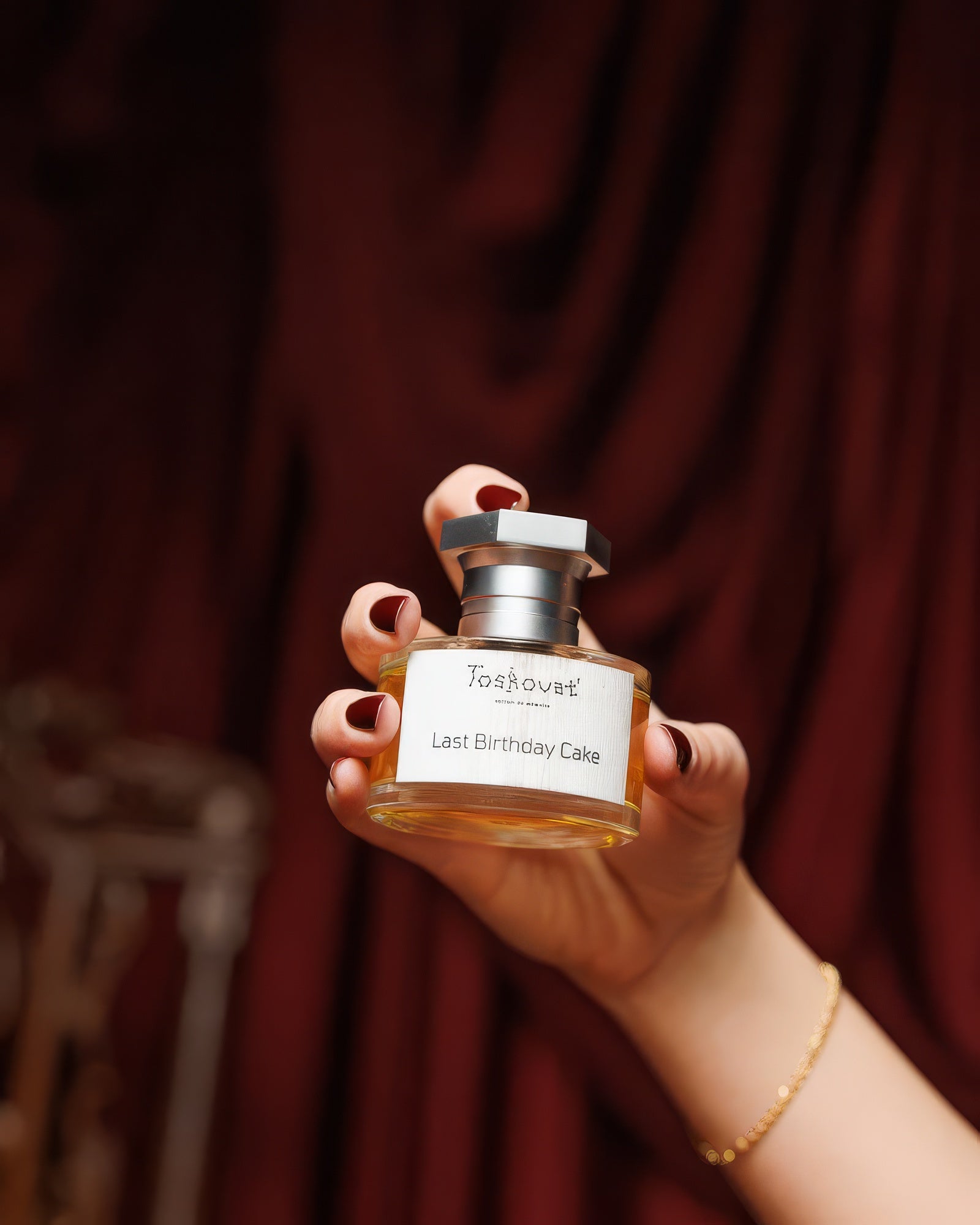


Toskovat
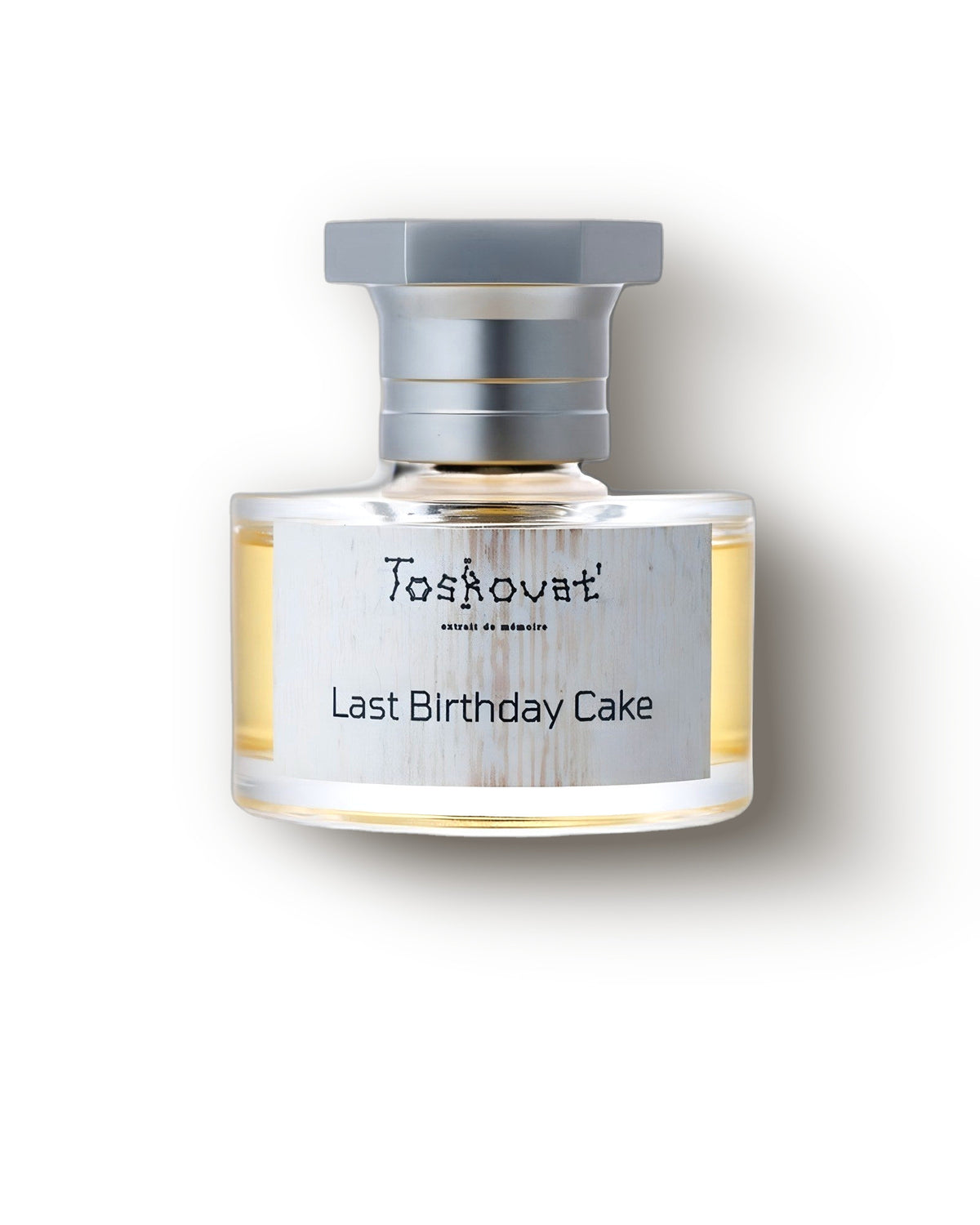
Last Birthday Cake
The Story
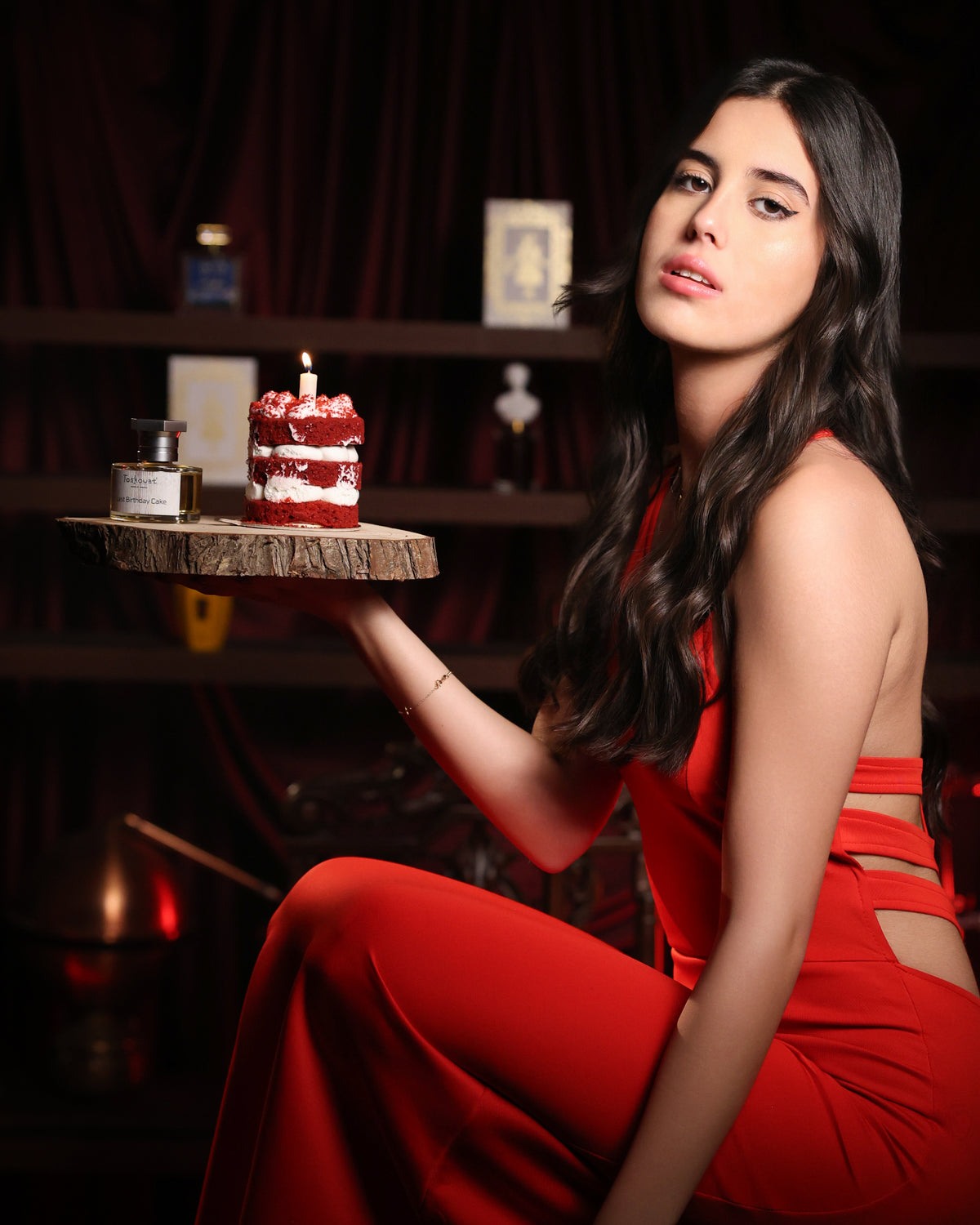
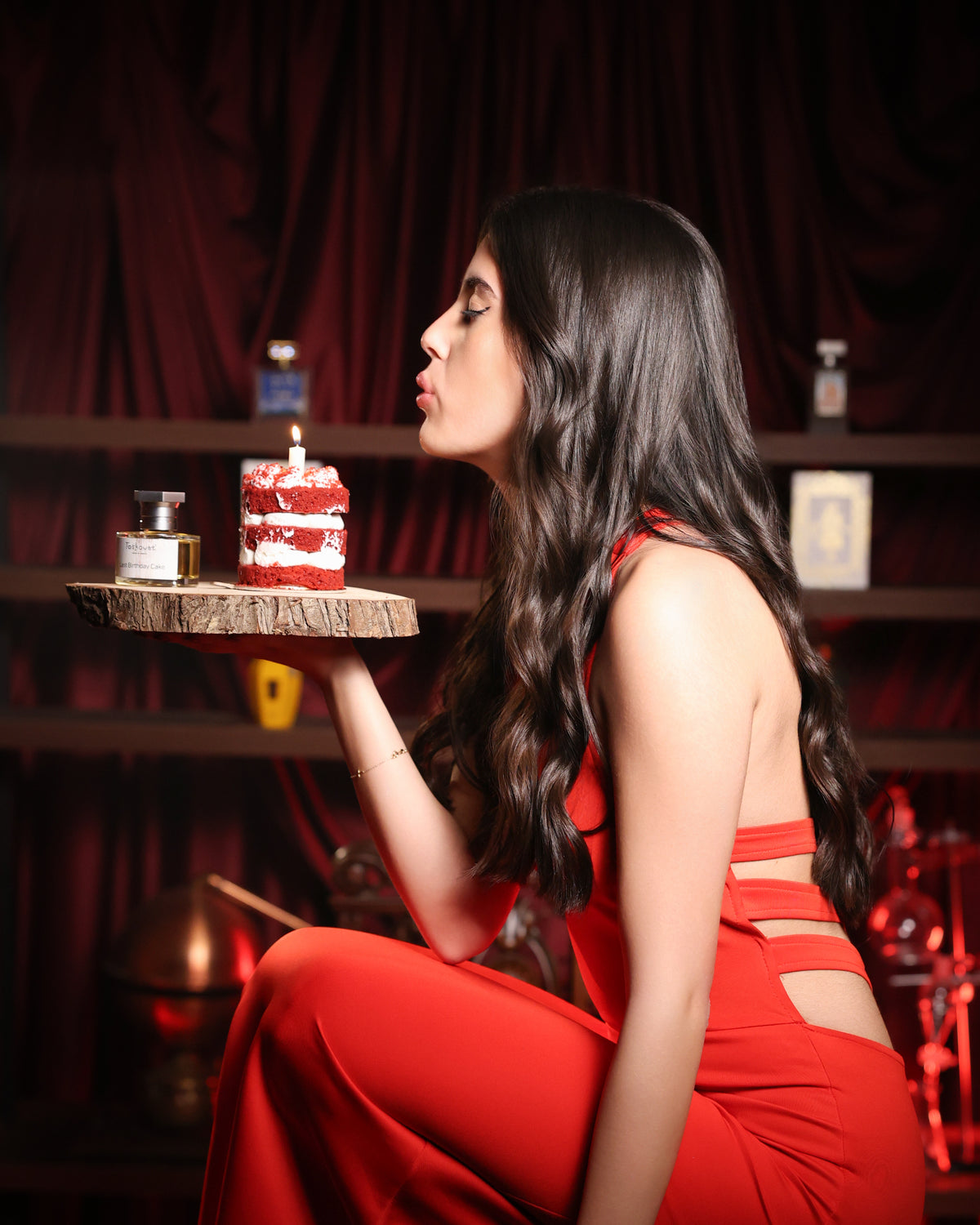
This is a birthday with something wrong in it, worn by someone done pretending to like cake. The reference is a birthday that feels like an ending: a wish nobody can name, fireworks fading as they flare, and a boulder starting to roll down the hill.


Amber
Resin warmed until it goes sweet
Labdanum, benzoin and vanilla melted together into something sweet but dusky, like tree sap gone soft in the sun with a thread of incense smoke through it. Amber does not sparkle or shout. It sits close to the skin and gives off heat for hours.


Sweet
Warm sugar you cannot quite name
Caramel, honey, spun sugar: sweetness that hovers between all three and never settles on one. This is the gourmand pull, the thing that makes someone lean in closer than they meant to, warm and soft and a half step short of edible.


Smoky
Charred wood and rising embers
The dry, charred scent of burning wood, smoldering incense, and lingering ash, sometimes tarry, sometimes wispy and gray. It feels brooding and atmospheric, conjuring a dying fire and a cool current of air carrying its last breath.


Vanilla
Cured pod, boozy under the cream
Cured pods, not frosting. The sweetness here is custardy and balsamic, with something dark and boozy under it, closer to rum and woodsmoke than to sugar. It warms everything above it, blunting sharp edges and slowing the whole thing down.

Warm Spicy
Glowing embers of the spice drawer
The rounded heat of cinnamon, clove, and nutmeg, dry and slightly resinous, like a baking pantry rather than a sharp kitchen. It creates a flushed, enveloping warmth that feels intimate and cool-weather, hugging the skin from within.


Woody
Dry grain of cut timber
The smell of cedar shavings, sandalwood, and dry vetiver roots, a sanded, resinous warmth with a faint pencil-box rasp. It feels grounded and composed, the quiet backbone that makes a scent read as serious and lasting.


Blinding Light
The white second before your eyes adjust
What it is
Not a material but a sensation: the white-hot instant when brightness overwhelms the eye. Aldehydes throw the shimmer, ozonic molecules read as open sky, a thin metallic edge runs beneath like steel in sun. It smells the way staring into glare feels.
In the composition
It detonates on skin, then thins to a veil that makes everything near it seem colder and clearer. Florals get an icy halo. Overdone it goes soapy and shrill; handled right it is the empty space the rest glows into.


Milk
Warm comfort of skin and steamed cream
What it is
Milk is not distilled into perfume; its scent is reconstructed. Perfumers blend lactones, the creamy molecules that form when fats break down, with soft musks, ethyl maltol and benzoin to imitate warm dairy and clean human skin.
How it smells
Soft, warm and lightly sweet, like steamed milk skinning over or the breath of a sleeping infant. It opens with a coconut-tinged creaminess from the lactones, then settles into a powdery, faintly animalic warmth with a scalded-milk finish.
In perfumery
A heart and base accent that rounds the edges off sharper materials. It pairs with sandalwood, fig, almond, rose and warm spices. Lactones underpin many skin-scent gourmands.
Good to know
The same lactones that make milk smell creamy occur naturally in peach, apricot and coconut, which is why milky perfumes keep drifting toward stone fruit. Heat is what adds the burnt-caramel edge that separates scalded milk from cold dairy.

Wick
The breath after the flame
What it is
The smell of a flame just extinguished, caught in the half-second before the room remembers it. Dry char of cotton burned to a black ember, one thread of cool smoke uncoiling toward the ceiling, and beneath it the rounded sweetness of wax gone warm and pliant. Darkness arriving, the heat still ticking, a quiet that smells faintly of having been on fire.
In the composition
At the close of a fragrance it works as a hush: dry, ashen smoke without the campfire weight of incense or birch tar. Beside honeyed beeswax it lingers as a singed grey whisper. Built for the moment a scent goes still rather than loud.


Instant Cocoa
Roasted cocoa, bitter until the sugar arrives
What it is
Chocolate starts as a bean in a pod, packed in white pulp, on a shade-loving American tree now farmed mostly in West Africa. Ferment it, dry it, roast it, and the absolute smells of chocolate with nothing added.
How it smells
Dry, roasted and dusty, like cocoa powder or dark chocolate shaved thin. Bitter up front, with coffee, nut and damp earth behind it, drying to a powdery brown warmth that stays close to the skin for hours.
In perfumery
Heart to base, the note that makes a gourmand edible without making it sugary. It sits with vanilla, tonka, patchouli, orange and chili. Sweeten it and it drifts toward drinking chocolate; leave it bare and it stays bitter.
Good to know
The Maya and the Aztec drank it bitter, frothed and spiced, and held it sacred. Sugar arrived with Europe, centuries later. The material itself never took it up.

Peace Lilly
A cool breath of green water
What it is
There is no peace lily oil. What you get is the houseplant rebuilt as scent: a pale spoon-shaped bloom on broad leaves, watery white and almost mineral, with the snap of a cut stem through it. It smells the way a shaded room feels after rain.
In the composition
Perfumers use it when they want a white floral without the wax and trumpet of a real lily. It keeps brighter blooms from turning shrill, and it works less as a soloist than as the cool air around everything else.


Bitter Almond
Marzipan sweetness with a whisper of danger
What it is
Crush a raw bitter almond and it gives off hydrogen cyanide. The marzipan smell is benzaldehyde, the molecule hiding in those kernels and in apricot and peach stones and cherry pits.
How it smells
Sweet, nutty, unmistakably marzipan, with a cool cherry-stone bite and a nod to amaretto. A faint powderiness sits under the nut. It arrives bright and dries into something soft and creamy.
In perfumery
Perfumers keep it in the heart, where it does gourmand work without turning into dessert, sitting easily with vanilla, tonka and powdery iris. Paired with heliotropin it builds the marzipan-cherry centre of dark gourmand orientals.
Good to know
Detective novels are right about one thing: cyanide is often described as smelling of almonds. What you smell in a bottle is not. Distilled bitter almond oil is treated afterwards to strip the toxin out and leave only the fragrant part behind, and synthetic benzaldehyde never had any.
Cork
Dry sun-warmed bark from a Mediterranean grove
What it is
There is almost no such thing as cork oil. The bark of the cork oak gives up very little aroma, so the note is a perfumer's reconstruction, stitched together from woody, mossy and earthy molecules.
How it smells
Dry wood, more texture than sweetness, closer to the spongy face of a wine stopper than to polished timber. Underneath sit earthy, dusty, mineral facets and a quiet spice. Rustic and matte, like bark left in the sun.
In perfumery
Heart or base, where it supplies a dry, papery texture that reads as natural rather than perfumed. Oakmoss, vetiver, soft florals and ambery woods take to it. It carries wine-cellar themes and quiet, understated woody structures.
Good to know
A cork oak is stripped by hand every nine years or so and simply grows its bark back, which it will do for two centuries without ever being felled. Portugal produces about half the world's supply.


Malt
Warm toasted grain like fresh dark bread
What it is
Barley gets soaked until it sprouts, then kilned to stop it, and the sugars that develop on the way are the smell. Perfume skips the grain entirely and rebuilds that roasted cereal with maltol.
How it smells
Toasted and grainy: malted milk, dark crusty bread, biscuit, with caramel underneath and a nutty edge from the kilning that recalls beer. Cosy and frankly edible. It dries down to gentle cereal warmth, never sharp roast or smoke.
In perfumery
It sits low in gourmands, adding a bready warmth that makes a sweet composition feel like food rather than candy. Coffee, cocoa and tobacco take to it, and it does most of its work deepening boozy whisky accords.
Good to know
Malting is what whisky and beer are built on, and one kiln setting separates pale lager malt from grain roasted nearly black. The toasty smell is Maillard browning, the same reaction that crusts a loaf of bread.


Armagnac
Rustic Gascon brandy, drier and darker than Cognac
What it is
Cognac is distilled twice in copper pots. Armagnac goes through its column still once, comes off weaker, and carries more of the Gascon wine with it. The grapes and the Gascon soil set the two apart as well.
How it smells
Prune and dried fig first, then walnut, orange peel and tannic oak over a warm alcoholic burn. Age it long enough and tobacco, leather and nutty sherry-like rancio arrive. Cognac is the polished one.
In perfumery
Boozy on top, settling into dried fruit and wood. Tonka, vanilla, tobacco, plum and dark woods sit well beside it. On a gourmand base the barrel bitterness cuts the sugar and leaves something drier, more leathery.
Good to know
No Armagnac oil exists. Cognac has one, distilled from wine lees; Armagnac is composed from scratch every time. The spirit is often bottled as a single vintage, where Cognac is nearly always a blend.

Stollen Cake
Baked crumb under a snow of sugar
What it is
No still yields cake. The accord is assembled from vanillin, caramel and toasted-flour molecules, plus heliotropin and benzaldehyde for the almond-marzipan side that a fruited, spiced loaf like stollen leans on.
How it smells
Butter and sugar first, then the crumb: warm, floury, faintly milky. Marzipan sits under it with a cherry-almond powderiness, and in stollen form, rum-soaked raisins, candied peel and warm spice under a lid of icing sugar.
In perfumery
Heart and base of the gourmand family, where it softens sugar into comfort. Layered with caramel, dried fruit, milk or florals, it carries dessert scents from plain sponge to a heavy fruited Christmas loaf.
Good to know
Ethyl maltol had been flavouring food since the 1960s when a perfumer poured it into a landmark fragrance in 1992. That one release made edible notes respectable, and every cake, caramel and praline accord since owes it something.


Brown Sugar
Sugar gone dark in the pan
What it is
Molasses is the whole difference: left in when the cane is refined, or stirred back onto white crystals afterwards. Cooked sugar yields nothing to a still, so the note is built from maltol and ethyl maltol.
How it smells
Damper and deeper than plain sugar, toffee-rich, with a molasses tang leaning toward rum and licorice. Sweet and caramelized first, then smoky and faintly burnt. Not spun sugar. Syrup darkening in a hot pan.
In perfumery
Weight at the base of a gourmand, and the reason so many of them feel cooked rather than candied. It goes with vanilla, tonka, rum, tobacco and coffee; maltol's burnt edge holds up most praline accords.
Good to know
Smell ethyl maltol undiluted and it is pure cotton candy, so loud that perfumers work with it at a whisper. It doubles as a food additive: a trace makes anything taste sweeter than it is.


Vanilla Custard
Warm eggy vanilla cream cooling on the counter
What it is
Not one ingredient but an accord, engineered to smell like a cooked dessert of milk, sugar and egg yolks. Vanillin and vanilla absolute do the sweetness; creamy lactones and trace egg-like sulfur molecules do the rest.
How it smells
Rich, soft and edible, like freshly poured vanilla custard left to cool. Sweet vanilla and warm butter meet a velvety creaminess, with faint caramel and a rounded eggy warmth. Thick and comforting rather than sugary-sharp.
In perfumery
Heart to base, and the backbone of the modern gourmand: it gives body where sugar alone would go thin, and softens woods and ambers.
Good to know
The egg in it is sulfur chemistry. The same molecules that smell harsh and rotten at full strength turn warm, cooked and animalic at trace doses. That is the underside pure vanilla can never reach.

Tonka Beans
Warm almond-vanilla sweetness with a hay-tobacco shadow
What it is
Shelled seeds from a South American legume tree go into alcohol, then dry for weeks until coumarin crystallizes across their skins like frost. That frosted bean is what becomes the absolute perfumers use.
How it smells
Vanilla and bitter almond first, then hay, dried tobacco and something toasted. The opening is close to caramelized custard; the drydown goes powdery and boozy, with cinnamon and cut clover in it. Hazier than vanilla, softer than almond.
In perfumery
Between heart and base, it sweetens without turning sharp. Lavender, amber and tobacco all take to it. Coumarin, first pulled out of this seed, built the fougère family, though the 1882 original ran on the synthetic version.
Good to know
Tonka owes most of its scent to coumarin, which American food regulators banned in 1954 after high doses damaged the livers of lab animals. The bean is effectively illegal in a US kitchen and perfectly legal on skin.


Benzoin
Warm vanilla balsam wept from a tapped tree
What it is
Benzoin does not flow on its own. Someone cuts the bark of a styrax tree in Laos, Vietnam or Sumatra, and the wound weeps a gum that hardens over months into reddish tears.
How it smells
Sweet, warm, unmistakably vanillic, with a powdery amber softness underneath. Siam benzoin is rounder and creamier; Sumatra runs smokier, with a cinnamon bite. Left on skin it turns almost caramelized.
In perfumery
A base note that behaves like a fixative and a sweetener at once, giving amber accords their glow and holding the rest of the composition still. It softens sharp edges beside labdanum, tonka and incense.
Good to know
The word benzene comes from here. Chemists named benzoic acid after this resin, and benzene took its name from the acid. The resin's own name is a worn-down Arabic phrase, luban jawi, frankincense of Java.
Sweet Clover
Sun-dried hay sweetened with almond and vanilla
What it is
Nothing much happens until it dries. This wild legume, tall stems of small yellow flowers, builds its coumarin in the drying herb, which then yields an absolute, though most fragrances reach for synthetic coumarin instead.
How it smells
A meadow drying in the sun: almond, new-mown grass, a creamy vanilla warmth. Keep the dose light and you get hay. Push it and it turns nutty, balsamic and gourmand, right next to tonka and woodruff.
In perfumery
It sweetens and rounds without turning sugary, working from heart into base: body for florals, warmth for fougeres, a hay bridge from fresh top notes down to woods. Lavender, tonka, oakmoss and tobacco are its company.
Good to know
Moldy sweet clover hay sickened cattle with internal bleeding. Tracing that led to dicoumarol, and from dicoumarol came warfarin. The hayfield sweetness in your bottle is the ancestor of a blood thinner.


Rope Necklace
The dry weight of woven fiber
What it is
The smell of a thick braided cord worn against the throat: raw hemp and jute, faintly oiled, hay-sweet, and the fine grey dust that settles into anything woven. Coiled rope holds shade even in a warm room. You feel this one before you name it.
In the composition
It gives a fragrance the sensation of being worn rather than sprayed. Against hay, dried tobacco and warm skin musk it reads sun-bleached and handmade, pulling a polished composition back toward the body: bare shoulders, summer rooms, objects carried close for years.


Chekhov's Gun
The promise of inevitable smoke
What it is
A held breath, built from the idea that nothing introduced is ever idle. Cold blued steel under the fingertips, a slick of machine oil, the dry mineral bite of flint, and beneath it the thinnest curl of sulfur, as though a shot were fired one room away an hour ago. All tension and restraint: the loaded object on the mantel, mute and gleaming.
In the composition
It runs beneath warmer materials as a cold spine and refuses to let them settle, sharpening incense and leather, turning soft musks watchful. Worn alone it is severe. Layered, it is the glint of metal promising the composition will not end where it began.


Styrax
Cured leather, cinnamon and warm skin
What it is
Wound a sweetgum tree, Liquidambar, and it bleeds a grey sticky balsam. That balsam is styrax, also called storax, and confusingly it has nothing to do with the genus Styrax, which yields benzoin instead.
How it smells
Sweet, warm and balsamic, with leather, smoke and a touch of cinnamon. Underneath runs something almost vanillic and skin-warm. It opens faintly medicinal and dries down ambery and clinging, like cured hide.
In perfumery
Perfumers keep it in the base, where it holds the formula in place and supplies the leather itself. Run it through amber and incense and you get the warm animal underside of the classic leathers and chypres.
Good to know
Temples have burned it for thousands of years, and the reason is in the smell: of all the balsams, this is the one that reads as human. Warm skin, not church smoke.


Skin
Your own skin, turned up slightly
What it is
There is no skin oil to extract, so this one is a construction: soft white musks, ambroxan, a little iris or suede, a pinch of cumin for body heat. The target is clean skin, never sweat.
How it smells
Soft, warm and faintly powdery, like the nape of a neck an hour after a shower. Slightly salty, slightly milky, a low musk hum underneath. It has almost no opening. It simply sits there, glowing.
In perfumery
A base that makes everything above it feel worn rather than sprayed, which is the whole point. Iris, suede, vanilla and musk lean on it. Sprayed on paper it can read as nothing at all.
Good to know
Skin scents are notorious for going missing. Some noses cannot smell particular musk molecules at all, so an accord that is obvious on one person is nearly absent on another. Your own warmth handles the rest.

Tolu Balsam
Cinnamon, vanilla and slow amber warmth
What it is
Cut a V into the bark and the tree bleeds a brown, sticky resin that hardens as it meets the air. That is tolu balsam, gathered from a legume tree in Colombia and refined into resinoid or absolute.
How it smells
Warm, sweet and soft, cinnamon threaded through vanilla and dried honey. It opens resinous with a faint floral edge, then spends hours settling into caramelized sugar, old wood and cured tobacco. Nothing about it is sharp.
In perfumery
A base note doing two jobs at once: it sweetens and it holds, giving amber, oriental and gourmand accords their staying power. Vanilla, benzoin, labdanum and tobacco are its natural company.
Good to know
It is named for Tolú in Colombia, though indigenous peoples across the region were using the resin long before any Spanish chronicle wrote it down. Perfumery came late: the balsam spent generations in cough syrup and throat lozenges first.


Incense
The smell of resin hitting hot coal
What it is
What you are smelling is a change of state: resin meeting heat. The resin is usually olibanum, wept by Boswellia trees in Oman and the Horn of Africa, and perfumers round the effect out with labdanum and styrax.
How it smells
Cool and dry to begin with, sharp enough to read as turpentine, then the smoke arrives: peppery, ashen, faintly sweet. There is a stone-church quality to it, soapy and faintly green, and it stays close to the skin.
In perfumery
It works the way silence works in a room. From the heart into the base it cools florals, sharpens woods and drops a weight of ritual into oriental and chypre structures that would otherwise read as merely rich.
Good to know
Long before anyone wore it, this smoke was among antiquity's costliest imports. It moved along the Arabian caravan roads to temples around the Mediterranean, where burning it was the point: the scent was the offering.
Bran Absolute
What the mill sweeps off the wheat
What it is
Milling strips the bran, the outer layers of the wheat kernel, away from the flour. Soak that discarded layer in solvent and you get bran absolute, which smells less of the loaf than of the room where the flour is made.
How it smells
Warm, dry and nutty, like toasted grain or the underside of a bread crust. Then something odd surfaces: apricot and hay, a dried-fruit sweetness nobody expects from bran. Grainy throughout, never sugary.
In perfumery
Heart-to-base texture work. It sits under vanilla, tonka, milk notes and soft musks, giving bakery warmth and a real grain grittiness to bread, oatmeal and rice-pudding accords without ever taking the lead.
Good to know
Do not expect it to carry a fragrance. Bran barely projects; perfumers reach for it the way a baker reaches for salt, to make everything around it taste more like itself.
Papyrus
Dry reed and ink along a sunlit river
What it is
A giant sedge from the Nile marshes, split and pressed into sheets by the Egyptians and written on. The plant yields no oil worth having, so the smell of it has to be built.
How it smells
Dry, papery woodiness with smoke and ink behind it: cut reeds, old documents, grass baked all afternoon. More arid and mineral than cedar, with a resinous bitterness over a thin green herbal edge.
In perfumery
Base note, bringing dry smoke and a stripped-back modern woodiness, often extending vetiver or standing in for it. It sits with incense, cedar, citrus and leather, and anchors a whole shelf of contemporary papery woods.
Good to know
The scent labeled papyrus is rarely the Egyptian plant. Perfumers reach instead for cypriol, distilled from the roots of an Indian cousin, so the name points at the Nile while the smell comes from South Asia.
Fragrance Character
Bitter almond and a burnt wick sharpen the instant cocoa from the start, so the effect reads closer to scorched sugar than to confection. Armagnac and vanilla custard soften the centre, but benzoin and tonka keep it ambiguous, warm yet faintly medicinal. It settles close to skin as incense, tolu balsam and papyrus absorb what remains of the sugar, leaving something dry, resinous and quietly unsettling.


Longevity
how long it stays on skin
The hourglass reads wear time: how many hours the fragrance keeps speaking before it fades. A bar that barely leaves the start means a few fleeting hours. One that runs the full length carries from morning into evening. Treat it as typical, not promised. Oily skin holds scent far longer than dry.


Sillage
the size of its scent trail
Sillage is French for a ship's wake, and that is exactly what this measures: how much of the scent reaches the room instead of staying on you. Low is a whisper only close friends catch. Enormous fills the room, then keeps filling it after you leave.


Experimental
Built to provoke, not to please
Some perfumes are made to be liked. These are made to be argued about: inky tar, hot rubber, fruit on the turn, metal and fur where you expected flowers. The coin glows for a scent that provokes and dims for one that plays it safe, which is sometimes the point.


Office
Polished, and never louder than the room
Scent is manners in a shared room. At this range it should reach the person across the desk and stop there: tidy citrus, soft musk, pale woods, all of it reading competent and considerate. A glowing coin means nobody has to mention it. A dim one means it travels.


Evening
After dark, when it deepens
Dinner, drinks, the night that runs long. Low light is where ambers, resins and smoky woods stop being polite, and where a plush floral finally blooms. A glowing coin means it is waiting for exactly this hour. A dim one means it did its best work in daylight.


Romantic
Close enough to be felt
A fragrance can hum against skin instead of announcing itself across a table. That is the register here: creamy florals, vanilla, soft musk, a thread of spice, warm enough to make someone lean in. The coin glows when a scent sets that mood and dims when it is more practical than seductive.


Formal
Quiet authority in a dressed-up room
A wedding, a ceremony, a room where everyone has thought about their shoes. What works here is structure, not volume: smooth woods, disciplined florals, soft leather. A glowing coin means it holds its posture all evening. A dim one means it is too casual for the room.


Casual
Easy comfort for unhurried days
Errands, coffee, a slow Saturday with nowhere to be. Nothing here has to impress anyone, so the fit is soft and easy: fresh citrus, light woods, a little warmth off the skin. A glowing coin says yes to all that. A dim one means the fragrance is asking for a bigger night.


Day to Night
where its mood naturally falls
A bar running from sun to moon, reading the hour the fragrance was made for. The more of it that stays gold, the more the scent belongs to daylight and open air. The further the blue reaches back toward the sun, the deeper and warmer it turns: evening, candlelight, low rooms.


Winter
Warmth that carries through cold air
Cold air mutes a fragrance and slows it down, which is why winter belongs to the dense and the warm: resin, smoke, vanilla, leather, ambered spice. The bar reads how well this one pushes back, glowing against the chill instead of thinning out in it.


Spring
Fresh blooms in mild, rising warmth
Mild, humid air lifts a light composition, so the season belongs to dewy florals, green stems, soft powder and citrus you can see through. Alive rather than heavy. The further the green runs along the bar, the more comfortably this one wears in that weather.


Summer
Bright and airy in real heat
Heat does the projecting for you, which is why the wrong perfume turns unbearable by noon. What survives is cool and breathable: sharp citrus, salt air, aromatic herbs, water. Things that refresh instead of cloy. A short bar here means save it for cooler months.


Fall
Spiced warmth for cooling days
As the air cools, the rich materials stop smothering and start reading clearly: dry woods, warm spice, tobacco, amber, fruit gone golden. It is the season perfume turns contemplative. The bar fills according to how naturally this one settles into crisp, cooling days.
Best Worn
A cold night, indoors or in movement through winter air, for the wearer who wants sweetness with a lit fuse beneath it.
Choose options
The Vibe


The Nose

David-Lev Jipa-Slivinschi
Founder and perfumer
Bucharest-based Romanian who came to perfumery from filmmaking and founded Toskovat' in 2022. He composed Toskovat' Inexcusable Evil, Toskovat' Age of Innocence, Toskovat' Anarchist A_, Toskovat' In the Belly of the Beast and Adi ale Van Gethsemane.
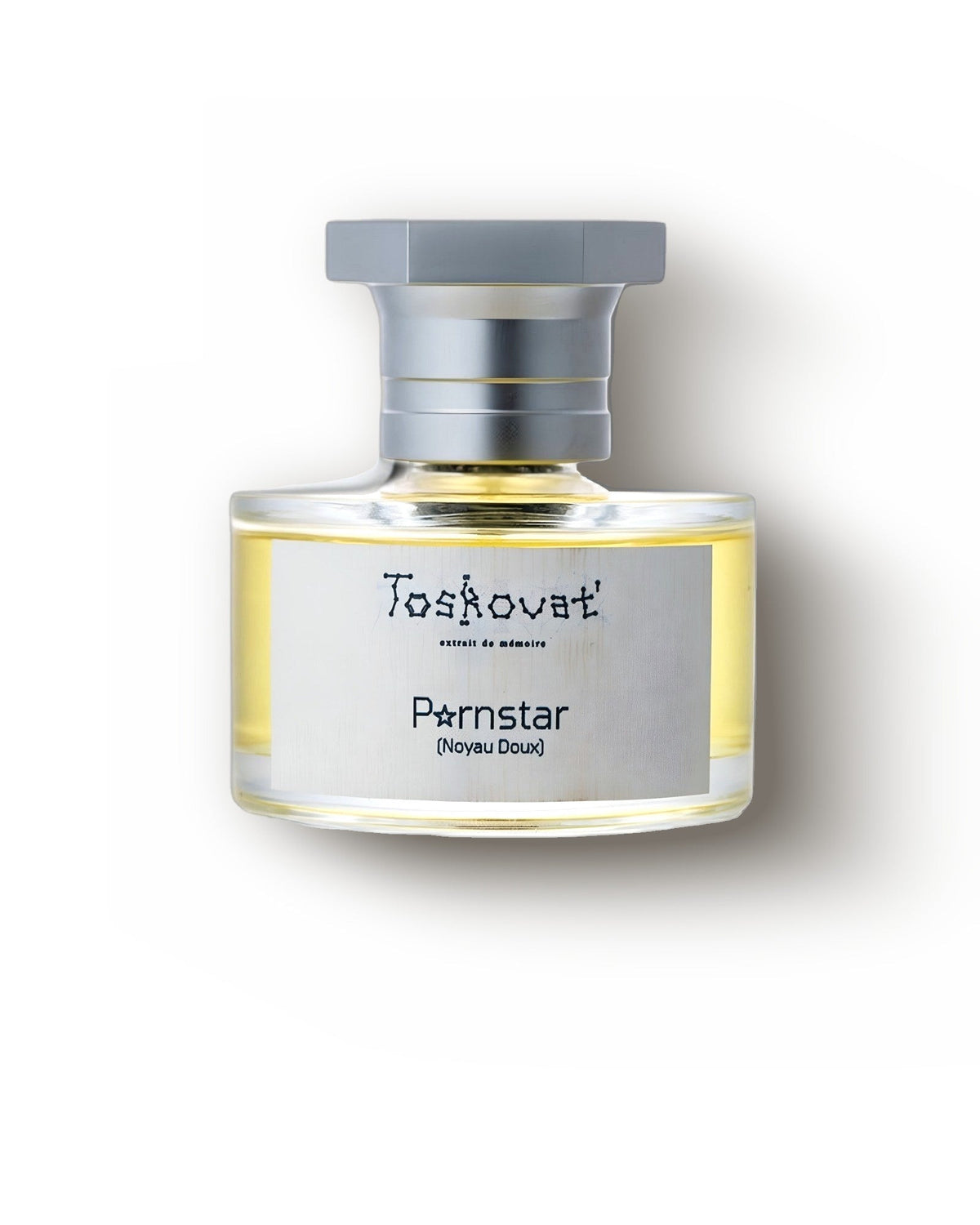
More by this noseInexcusable EvilPornstar (Noyau Doux)Anarchist A♭
The Maison

Perfume as short fiction. Gunpowder, cold iodine and burnt sugar tell stories most houses would never print.
A Toskovat feels like a scene from a film you are not sure you were meant to watch. Cold metallic air, smoke, wax, and a gourmand sweetness that always arrives with a shadow behind it. These are conceptual extraits for people who want a fragrance to say something, and the projection tends to match the intensity of the idea.
- Origin
- Bucharest, Romania
- Founded
- 2022
- Known for
- Conceptual extraits, Inexcusable Evil

EVERY DECANT
From the original bottle to your door
We buy the original flacon at full retail price, direct from the house.
A medical grade Socorex syringe takes the exact millilitres straight from the flacon.
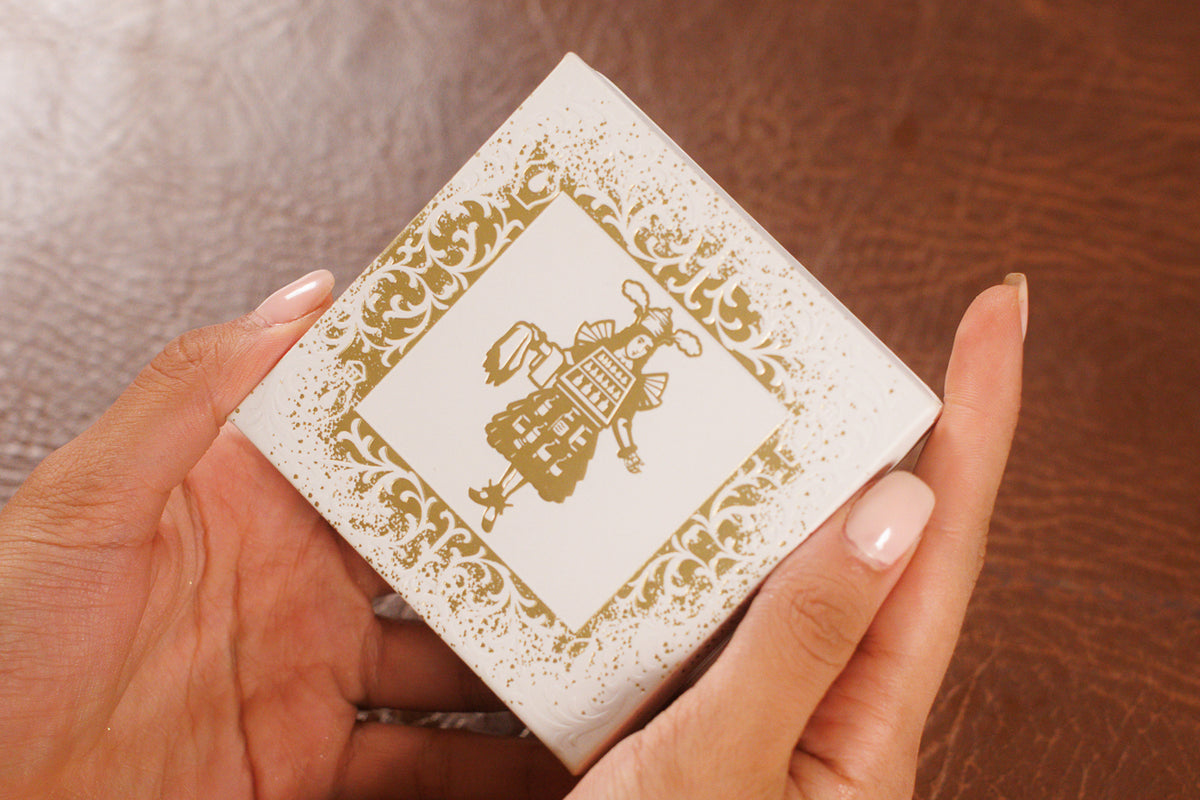
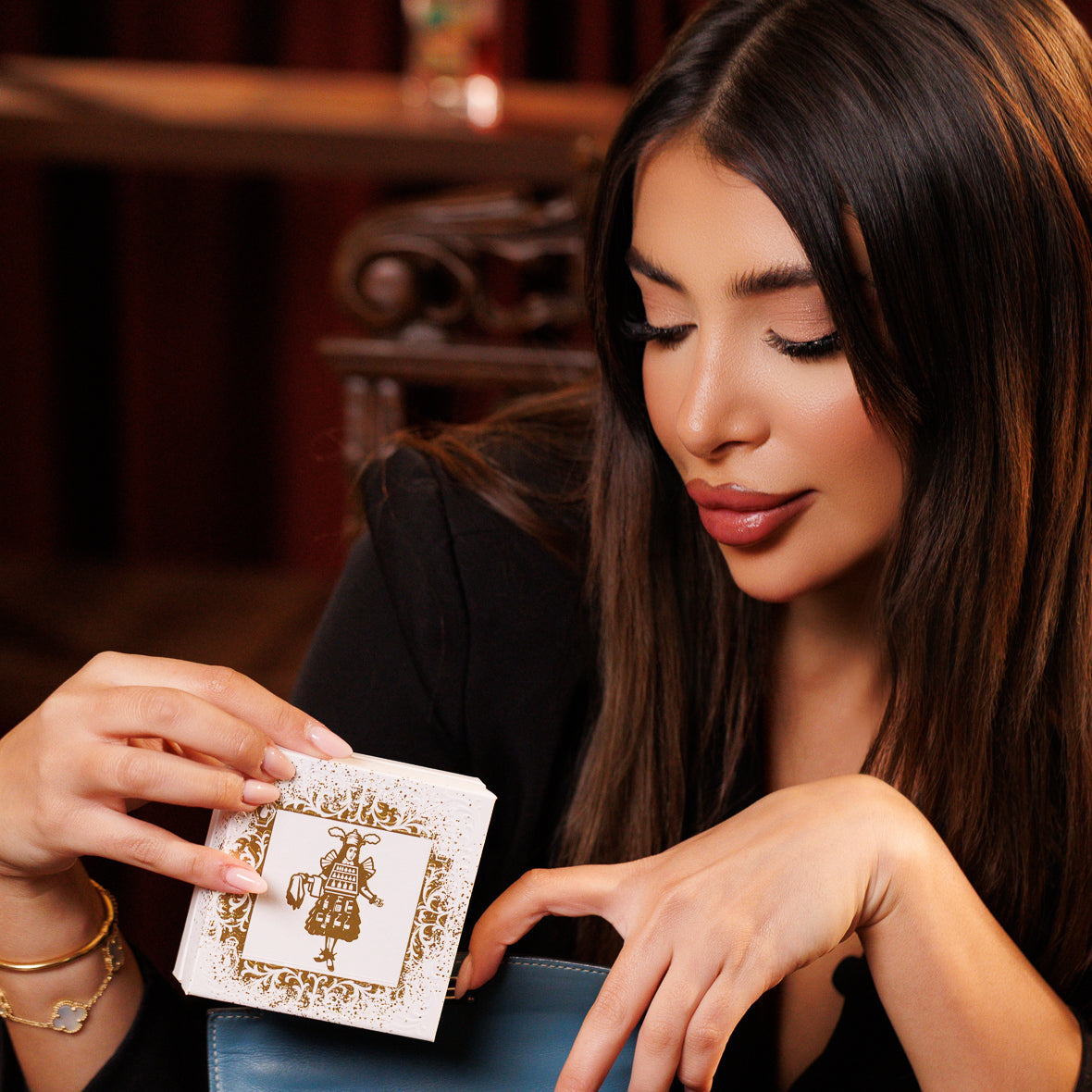
Packed into the hot foiled box and handed to DHL, every duty already paid. How a decant is made
More from Toskovat
You may also like