

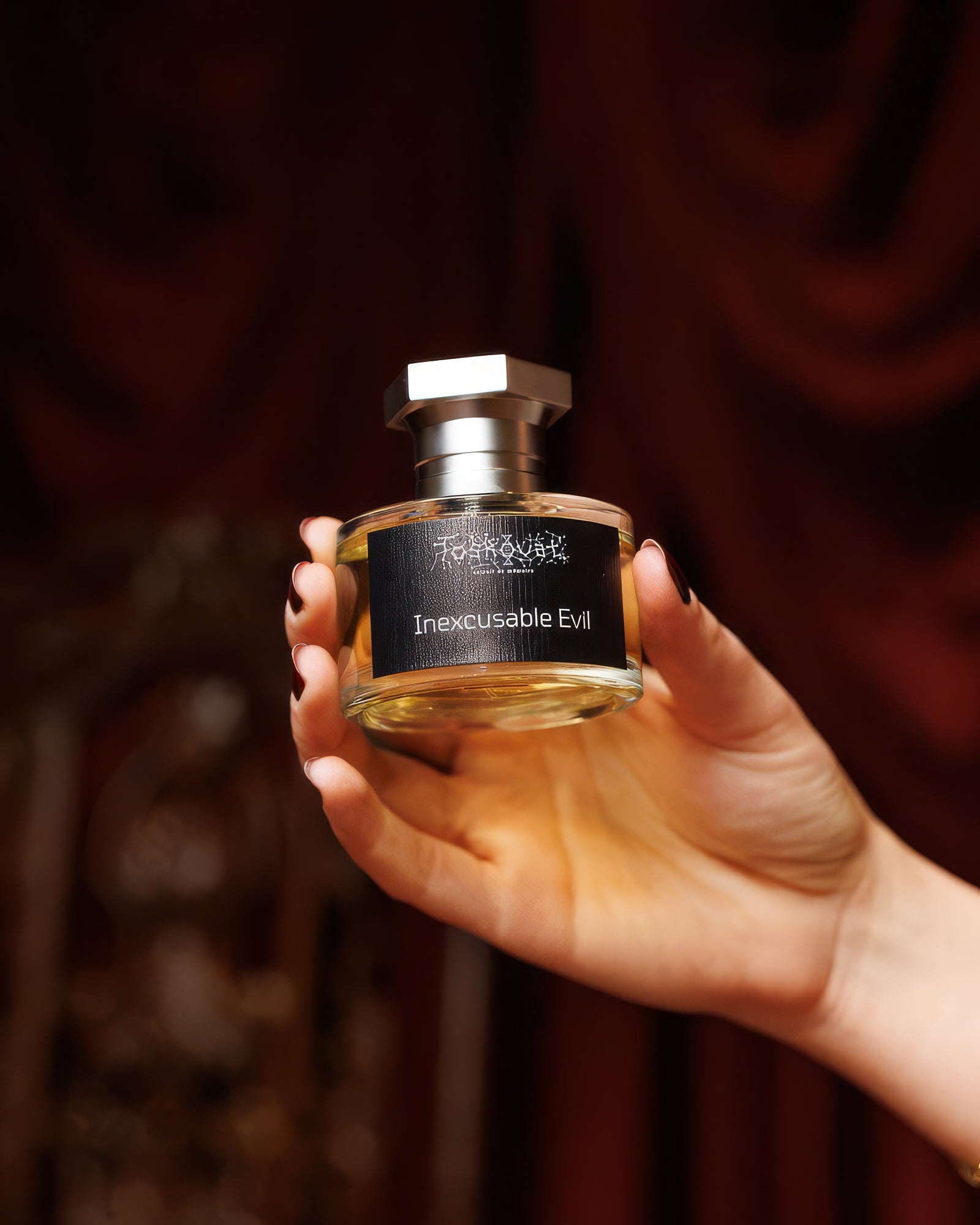

The Story
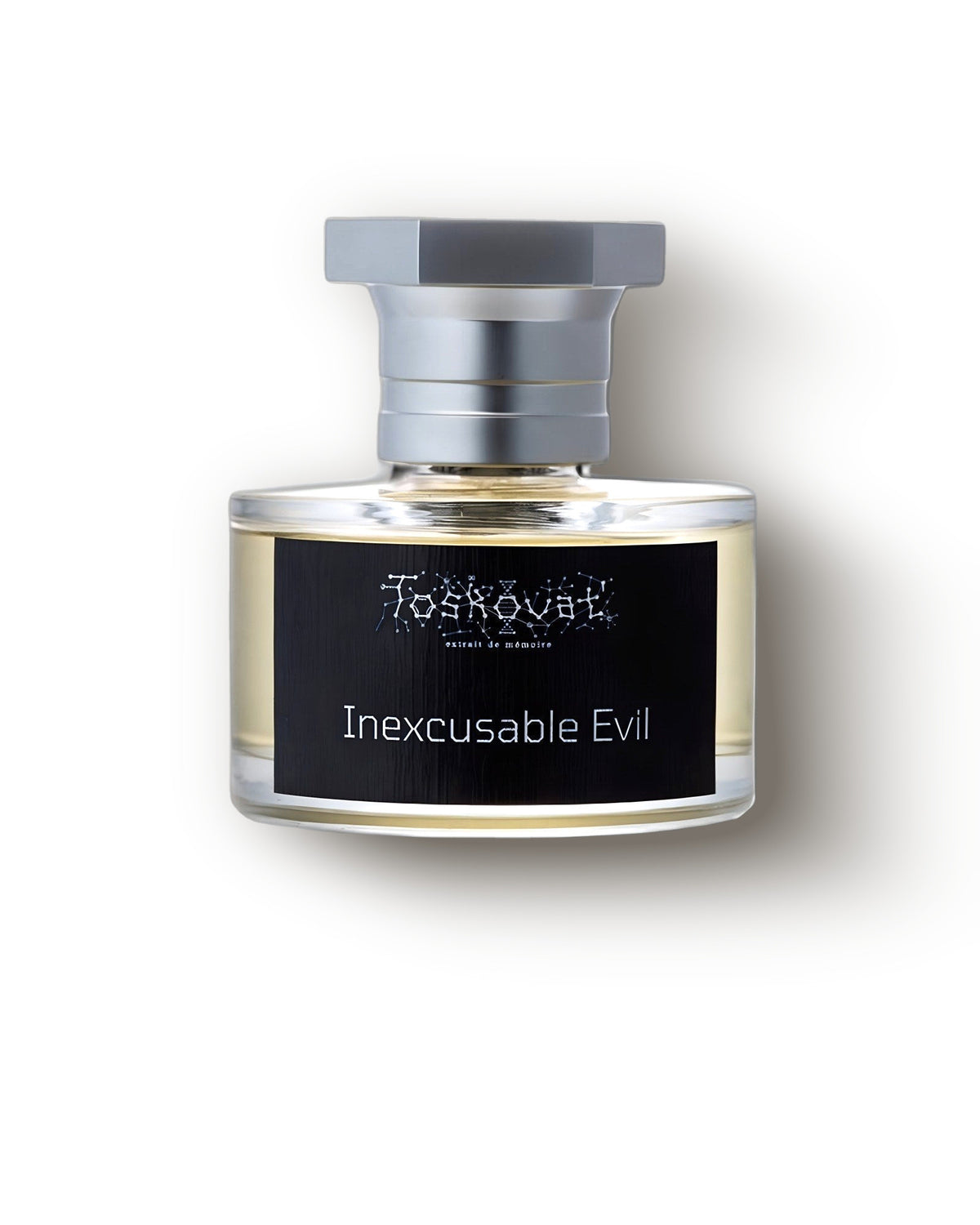
David-Lev Jipa-Slivinschi, who is of both Russian and Ukrainian descent, made this as a statement about modern war, and has said he never made it in the hope that anyone would actually wear it. The gunpowder and ozone opening is meant to repel, and the iodine that follows stands for the need to treat the wound.


Mineral
cool wet stone and salt
The cool, dry smell of wet pebbles, slate, and salt-flecked air, almost metallic and faintly oceanic. It reads clean and austere, adding a stony transparency that feels like rain on hot rock or breath drawn over a quarry.


Smoky
Charred wood and rising embers
The dry, charred scent of burning wood, smoldering incense, and lingering ash, sometimes tarry, sometimes wispy and gray. It feels brooding and atmospheric, conjuring a dying fire and a cool current of air carrying its last breath.


Ozonic
the air before a storm
A clean, airy transparency like the charged sky just before rain or sheets billowing on a line. Crisp and almost electric, it suggests altitude and open windows, weightless and modern, the smell of pure breathable space rather than any single thing.


Metallic
Cold steel and bright blood
A cool shimmer that is not the metal itself, which is odourless, but what skin gives up at the touch of a coin or a blade. Sharp and almost mineral, it lends a clean, modern coldness: a knife edge, the inside of a tin, bracing and faintly electric.


Woody
Dry grain of cut timber
The smell of cedar shavings, sandalwood, and dry vetiver roots, a sanded, resinous warmth with a faint pencil-box rasp. It feels grounded and composed, the quiet backbone that makes a scent read as serious and lasting.


Aquatic
The sea, invented in a laboratory
Real seawater smells of iodine, weed and low tide, which is nothing like this. The aquatic accord is a fiction, built around Calone, a melon-tinged marine molecule that helped give the nineties their ozonic wardrobe, with fresh partners such as dihydromyrcenol beside it. Cool, transparent, mineral: wet stone and cold spray, with none of the tide in it.


Gunpowder
Smoke, sulphur and struck char on the wind
What it is
Nothing here grows. Black powder is saltpetre, charcoal and sulphur, none of it a perfumery material, so the smell has to be reconstructed: burnt-match and sulphurous molecules, tarry birch, smoky woods and a trace of hot metal.
How it smells
Sharp and acrid on the opening, like a freshly struck match: sulphur, hot metal, ash. Beneath it sits charred wood and a flinty mineral edge. The drydown is warm smoke and singed paper, never open flame.
In perfumery
Perfumers use it for tension. A thread under leather, oud, vetiver or saffron puts an edge on a scent that would otherwise just be dark. Too much and the whole thing smells burnt rather than dangerous.
Good to know
Fireworks smell mostly of burnt sulphur and smoke. Chasing that, perfumers lean on birch tar, which is why smoky scents so often drift toward campfire and old leather whether they meant to or not.

Ozonic Notes
The smell of air after lightning
What it is
Ozone itself is too unstable to bottle, so synthetics stand in for it. Calone, Floralozone and certain aldehydes are used to conjure sea spray, open air and the charged tang that hangs around after a storm.
How it smells
Clean, cool and weightless, with a metallic, faintly salty freshness: wind off the water, rain hitting hot pavement. Calone brings a watermelon-marine facet, the aldehydic versions sparkle. It opens bright and thins to a mineral coolness.
In perfumery
A top-note effect that makes space and light. It helped carry the aquatic genre when that arrived in the late 1980s and 1990s, and still pairs with melon, cucumber, dewy florals and clean musks whenever a composition needs room to breathe.
Good to know
Calone 1951 was made at Pfizer in 1966 by chemists chasing sedative-like derivatives. Nobody was looking for the ocean; it turned up anyway. A tiny dose goes far, and too much tips a fragrance straight into soapy-fresh nineties.


Iodine
Salt-sharp tang of seaweed at low tide
What it is
No perfumer uses the element. Iodine here is an effect, built from seaweed absolute pulled out of marine algae with solvent, plus phenolic traces and salty-ozonic synthetics that stand in for coastal air and kelp.
How it smells
Sharp, salty and metallic, like cracked shell and seaweed drying on a beach at low tide. There is a green, faintly medicinal bite to it, and a cool ozonic lift: antiseptic tincture crossed with the open shore.
In perfumery
A little of it turns a generic aquatic into an actual coastline. It cuts sweetness, sharpens brine and adds a raw saline lift where everything else has gone smooth.
Good to know
That smell you call iodine is not iodine at all. It comes from compounds algae release, chiefly dimethyl sulfide, and seabirds follow that scent to find food. Seaweed absolute is near black, and goes in by the drop.

Blood
Metallic warmth at the threshold of the body
What it is
No perfume contains blood. The note is an idea, assembled from metallic and animalic aroma-chemicals, salt, iron and warm skin facets, so what you smell is a suggestion the perfumer builds rather than anything harvested.
How it smells
Sharp, metallic and mineral, like the tang of iron or a coin warmed in your palm, edged with salt and a faint sweetness. It reads as warm skin turned slightly raw, unsettling and intimate at once.
In perfumery
An accent, never a pillar. It shocks, adds carnal realism, or makes a rose feel alive and bodily, and it turns up beside leather, musk and incense in the darker, more provocative corners of niche.
Good to know
The metallic smell of blood and handled coins is largely 1-octen-3-one, which the nose catches at a few parts per trillion. Iron triggers the breakdown of oils on your skin, so the metal smell actually rises off you.


Bandages
Clean gauze, antiseptic and covered skin
What it is
Nobody distils a bandage, and no standard formula sits behind the name. The note gathers what a dressed wound smells like, kept clean: woven cotton, the sting of antiseptic, warm skin underneath.
How it smells
Dry cotton first, faintly starched, then a cool sharpness that reads as alcohol or iodine. Beneath it, something warm and close, skin-like and slightly sweet. Clean rather than clinical, and it stays quiet against the body.
In perfumery
The cloth is aldehydic and cottony, the antiseptic bite phenolic or camphorous, the skin beneath a soft musk. The balance is delicate: too much medicine and you have a hospital, too little and only laundry is left.
Good to know
The medicinal edge shares a phenolic family with birch tar and cade, which is why a bandage accord reads as next door to leather. In Toskovat's Inexcusable Evil it sits in the heart beside Blood and Burning Flowers.


Burning Flowers
Petals gathered, then held over smoke
What it is
No single flower, but a bouquet assembled to stand in for all of them: rose, jasmine and orange blossom naturals wired to aroma-chemicals. Set that bouquet against smoke and resin and it becomes burning flowers.
How it smells
Soft, dewy and many-petalled at first, no one bloom stepping forward. Then the heat arrives. Pollen turns dry and dusty, sweetness curls toward incense, and the edges singe like a garland hung too near a candle.
In perfumery
A heart accord giving body and bloom, bridging sharp tops and warm bases. Push the same bouquet over smoke and it reads as ash and ritual.
Good to know
Lilac, lily of the valley and freesia give no practical natural extract, and true gardenia absolute is a rarity made in tiny quantities. Their scent exists only as reconstruction, which makes any flowers note more chemistry than horticulture: a painted bouquet, never a pressed one.


Copaiba Balm
Amazonian resin that softens everything around it
What it is
Drill a hole in the trunk of a South American Copaifera and it bleeds. The gold-brown oleoresin that drains out is copaiba balm; distil it and it thins into a clear, lighter oil.
How it smells
Warm, balsamic and quietly peppery, with a woody transparency that heavier balsams like benzoin and Peru do not have. Sweet without stickiness. The drydown is a hazy amber-wood glow that blends into things rather than announcing itself.
In perfumery
A base-note fixative first, a scent second: it holds other materials in place and rounds their corners. Amber, woods, incense and florals sit easier beside it, which is why it turns up often and is noticed rarely.
Good to know
One molecule does most of the work: beta-caryophyllene, the spicy, peppery compound that black pepper and cloves also contain. Copaiba is also among the least expensive natural fixatives, and tapped trees are rested for years between draws.

Cypriol Oil or Nagarmotha
A wild river sedge that smells like oud
What it is
This sedge grows wild in the wet ground along Indian rivers. Its roots, dried and steam-distilled, give a thick dark oil, which is how a riverbank sedge became one of perfumery's prized dark materials. India calls it nagarmotha.
How it smells
Vetiver and patchouli crossed with dry tobacco and charred wood, then smeared with something leathery. It has a black-pepper bite that comes from rotundone, and it carries: diffusive, resinous, still there hours later.
In perfumery
It sits in the base and does two jobs: fixative, and the dark oud-like heart of a woody composition without a single animal material. Vetiver, patchouli, saffron, rose and incense all sit well on top of it.
Good to know
Rotundone is the reason a Syrah smells peppery, and it is one of the most odour-active things in this oil. The same molecule, the same bite, one in a wine glass and one in a bottle of perfume.
Guaiac Wood
Smoldering wood with a tea-rose heart
What it is
The oil arrives as a solid. Guaiac is a slow-growing Gran Chaco hardwood whose chipped heartwood steam-distills to a pale amber, waxy oil, one that sets at room temperature and has to be warmed before it will pour.
How it smells
An ember, not an open flame. Warm, smoky and balsamic, with a sweet woodiness and a distinct tea-rose facet running through it, plus powdery, peppery, faintly tarry edges. It dries creamy, closer to incense than to timber.
In perfumery
It earns its place in the base twice over: as a scent, and as a fixative that stretches everything around it. It rounds rough woods and smoky leathers, and sits well with rose, vetiver and tobacco.
Good to know
Demand has outrun the forest. Overharvesting put the species under international protection, so logs, extract and oil all travel on permits. It is still traded, just closely counted.


Concrete
Wet pavement, alkaline dust, cool stone
What it is
Perfumery already had a concrete: a waxy floral paste, the step before an absolute. This one is the building material, cement and sand and water, and it cannot be extracted at all. It has to be built.
How it smells
Cool, dry and alkaline, with a chalky edge and a faint sulfurous bite off hydrating cement. Think wet pavement after rain, or dust on a building site. Grey and airy rather than sweet, lifted with ozone.
In perfumery
It sits in the heart and base, bringing urban coolness and architectural austerity. Vetiver, ozone, metal and dry woods are its company. Those who use it abstract it, leaning on pale sandalwood and spice over literal grit.
Good to know
The smell is stitched together from mineral and dusty aroma-chemicals, Cashmeran among them, which can read like warm damp stone. It is a young note, and it exists because fragrance developed an appetite for raw urban texture.


Rain Notes
The clean ghost of a coming storm
What it is
No rain in the bottle, only chemistry that agrees with your memory of it. Calone, dihydromyrcenol, aldehydes and ozonic molecules over green and mineral facets, arranged to sound like washed air.
How it smells
Cool, transparent and faintly metallic, like wet pavement and ozone after a downpour. It opens sharp and almost saline, then softens toward damp earth, crushed leaves and rain-soaked stone. Weightless, and oddly nostalgic.
In perfumery
A top-to-heart effect that gives a composition weather. It is the engine of the aquatic and ozonic families, and the Calone-driven aquatics of the 1990s built an entire genre on this one sensation.
Good to know
Real rain smells of geosmin, made by soil bacteria and flung back into the air by falling drops. Researchers named that smell petrichor in 1964. Most rain accords leave the geosmin out and chase the clean side instead.


Incense
The smell of resin hitting hot coal
What it is
What you are smelling is a change of state: resin meeting heat. The resin is usually olibanum, wept by Boswellia trees in Oman and the Horn of Africa, and perfumers round the effect out with labdanum and styrax.
How it smells
Cool and dry to begin with, sharp enough to read as turpentine, then the smoke arrives: peppery, ashen, faintly sweet. There is a stone-church quality to it, soapy and faintly green, and it stays close to the skin.
In perfumery
It works the way silence works in a room. From the heart into the base it cools florals, sharpens woods and drops a weight of ritual into oriental and chypre structures that would otherwise read as merely rich.
Good to know
Long before anyone wore it, this smoke was among antiquity's costliest imports. It moved along the Arabian caravan roads to temples around the Mediterranean, where burning it was the point: the scent was the offering.


Sandalwood
Creamy wood, pulled up by the roots
What it is
The richest oil sits in the roots, so the whole tree is pulled up and steam-distilled rather than felled. Mysore in southern India was the classic source, until decades of overcutting pushed the wild trees to the edge.
How it smells
Milk and warm wood, with a rosy, almost buttery edge and nothing sharp at all. What surprises people is how little it moves: no bright opening, no dry-down drama, just the same quiet glow for hours.
In perfumery
It works twice over: as a smell, and as a fixative that holds rose or jasmine in place. Sandalwood is also graded, and the darkest, densest, most resin-heavy old heartwood carries its own name: red meat.
Good to know
A heart worth taking takes about thirty years to form. Plantations of the same species in Western Australia now supply a large share of the world's oil, close to the old Mysore chemistry if not quite its creaminess.
Fragrance Character
Gunpowder and iodine sit blunt and metallic on the skin, clinically sharp, before cypriol adds a rootlike, smoky depth and guaiac wood draws in a dry, pencil-shaving warmth. Blood and burnt flowers hold the heart in a strange tension between organic decay and something almost sacred. The base resolves into wet concrete and incense, sandalwood softening the edges until the whole thing settles close to skin like ash on stone after rain.


Longevity
how long it stays on skin
The hourglass reads wear time: how many hours the fragrance keeps speaking before it fades. A bar that barely leaves the start means a few fleeting hours. One that runs the full length carries from morning into evening. Treat it as typical, not promised. Oily skin holds scent far longer than dry.


Sillage
the size of its scent trail
Sillage is French for a ship's wake, and that is exactly what this measures: how much of the scent reaches the room instead of staying on you. Low is a whisper only close friends catch. Enormous fills the room, then keeps filling it after you leave.


Experimental
Built to provoke, not to please
Some perfumes are made to be liked. These are made to be argued about: inky tar, hot rubber, fruit on the turn, metal and fur where you expected flowers. The coin glows for a scent that provokes and dims for one that plays it safe, which is sometimes the point.


Office
Polished, and never louder than the room
Scent is manners in a shared room. At this range it should reach the person across the desk and stop there: tidy citrus, soft musk, pale woods, all of it reading competent and considerate. A glowing coin means nobody has to mention it. A dim one means it travels.


Evening
After dark, when it deepens
Dinner, drinks, the night that runs long. Low light is where ambers, resins and smoky woods stop being polite, and where a plush floral finally blooms. A glowing coin means it is waiting for exactly this hour. A dim one means it did its best work in daylight.


Romantic
Close enough to be felt
A fragrance can hum against skin instead of announcing itself across a table. That is the register here: creamy florals, vanilla, soft musk, a thread of spice, warm enough to make someone lean in. The coin glows when a scent sets that mood and dims when it is more practical than seductive.


Formal
Quiet authority in a dressed-up room
A wedding, a ceremony, a room where everyone has thought about their shoes. What works here is structure, not volume: smooth woods, disciplined florals, soft leather. A glowing coin means it holds its posture all evening. A dim one means it is too casual for the room.


Casual
Easy comfort for unhurried days
Errands, coffee, a slow Saturday with nowhere to be. Nothing here has to impress anyone, so the fit is soft and easy: fresh citrus, light woods, a little warmth off the skin. A glowing coin says yes to all that. A dim one means the fragrance is asking for a bigger night.


Day to Night
where its mood naturally falls
A bar running from sun to moon, reading the hour the fragrance was made for. The more of it that stays gold, the more the scent belongs to daylight and open air. The further the blue reaches back toward the sun, the deeper and warmer it turns: evening, candlelight, low rooms.


Winter
Warmth that carries through cold air
Cold air mutes a fragrance and slows it down, which is why winter belongs to the dense and the warm: resin, smoke, vanilla, leather, ambered spice. The bar reads how well this one pushes back, glowing against the chill instead of thinning out in it.


Spring
Fresh blooms in mild, rising warmth
Mild, humid air lifts a light composition, so the season belongs to dewy florals, green stems, soft powder and citrus you can see through. Alive rather than heavy. The further the green runs along the bar, the more comfortably this one wears in that weather.


Summer
Bright and airy in real heat
Heat does the projecting for you, which is why the wrong perfume turns unbearable by noon. What survives is cool and breathable: sharp citrus, salt air, aromatic herbs, water. Things that refresh instead of cloy. A short bar here means save it for cooler months.


Fall
Spiced warmth for cooling days
As the air cools, the rich materials stop smothering and start reading clearly: dry woods, warm spice, tobacco, amber, fruit gone golden. It is the season perfume turns contemplative. The bar fills according to how naturally this one settles into crisp, cooling days.
Best Worn
Made for a winter night or an autumn evening deep into the week, for anyone who finds comfort in the austere and slightly dangerous. Few blind buys are riskier, and a couple of millilitres settle the question.
Choose options
The Vibe


The Nose

David-Lev Jipa-Slivinschi
Founder and perfumer
Bucharest-based Romanian who came to perfumery from filmmaking and founded Toskovat' in 2022. He composed Toskovat' Inexcusable Evil, Toskovat' Age of Innocence, Toskovat' Anarchist A_, Toskovat' In the Belly of the Beast and Adi ale Van Gethsemane.
More by this noseLast Birthday CakePornstar (Noyau Doux)Anarchist A♭
The Maison

Perfume as short fiction. Gunpowder, cold iodine and burnt sugar tell stories most houses would never print.
A Toskovat feels like a scene from a film you are not sure you were meant to watch. Cold metallic air, smoke, wax, and a gourmand sweetness that always arrives with a shadow behind it. These are conceptual extraits for people who want a fragrance to say something, and the projection tends to match the intensity of the idea.
- Origin
- Bucharest, Romania
- Founded
- 2022
- Known for
- Conceptual extraits, Inexcusable Evil

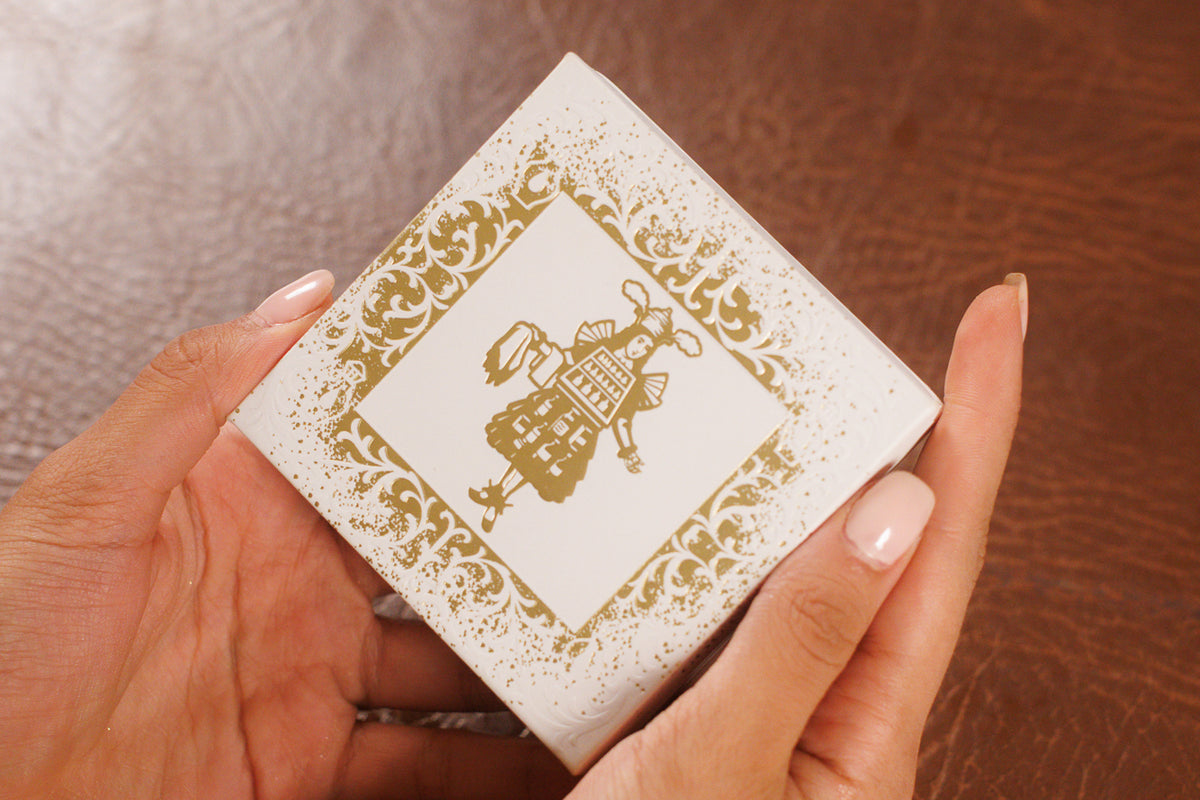

EVERY DECANT
From the original bottle to your door
We buy the original flacon at full retail price, direct from the house.
A medical grade Socorex syringe takes the exact millilitres straight from the flacon.
Packed into the hot foiled box and handed to DHL, every duty already paid. How a decant is made
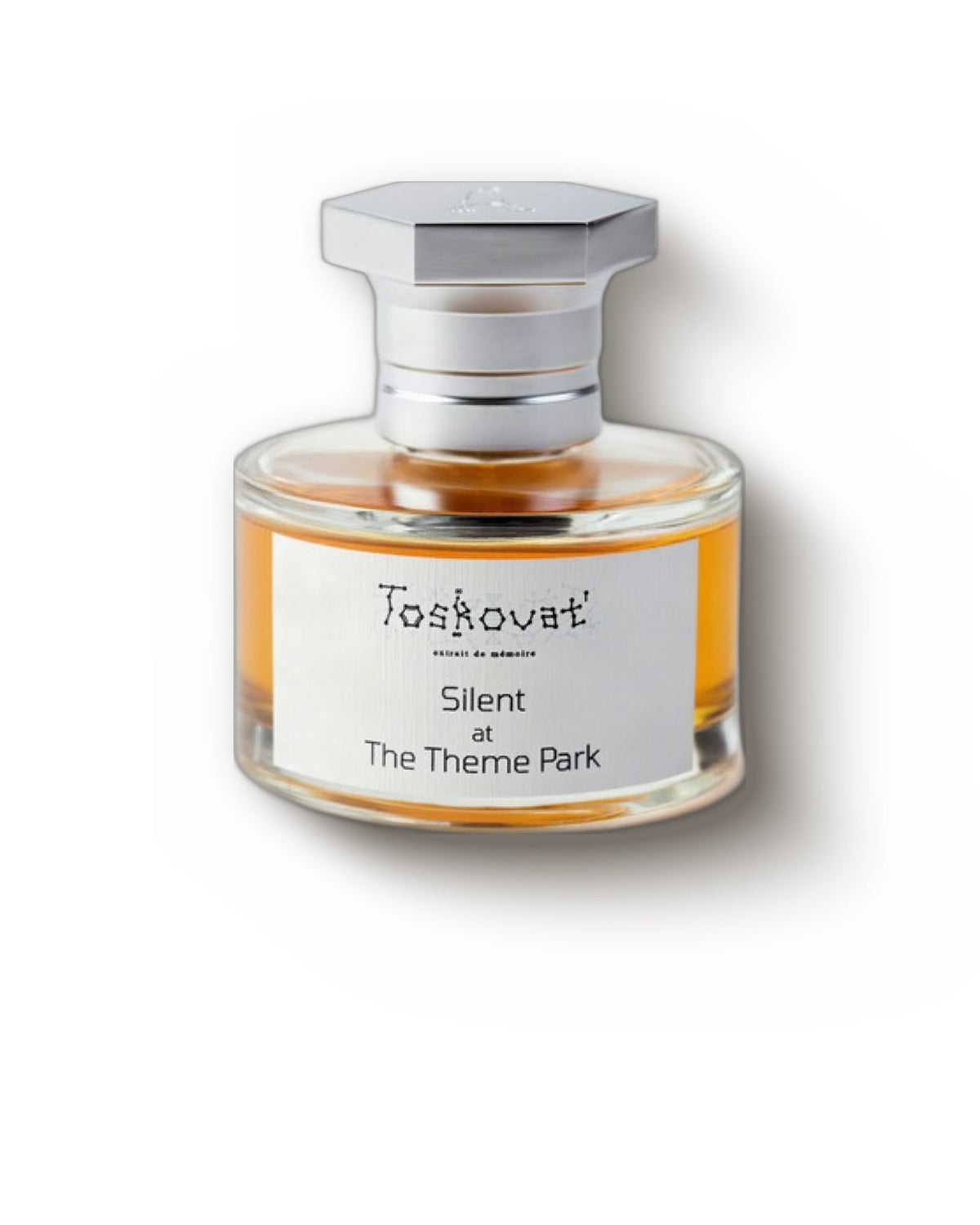
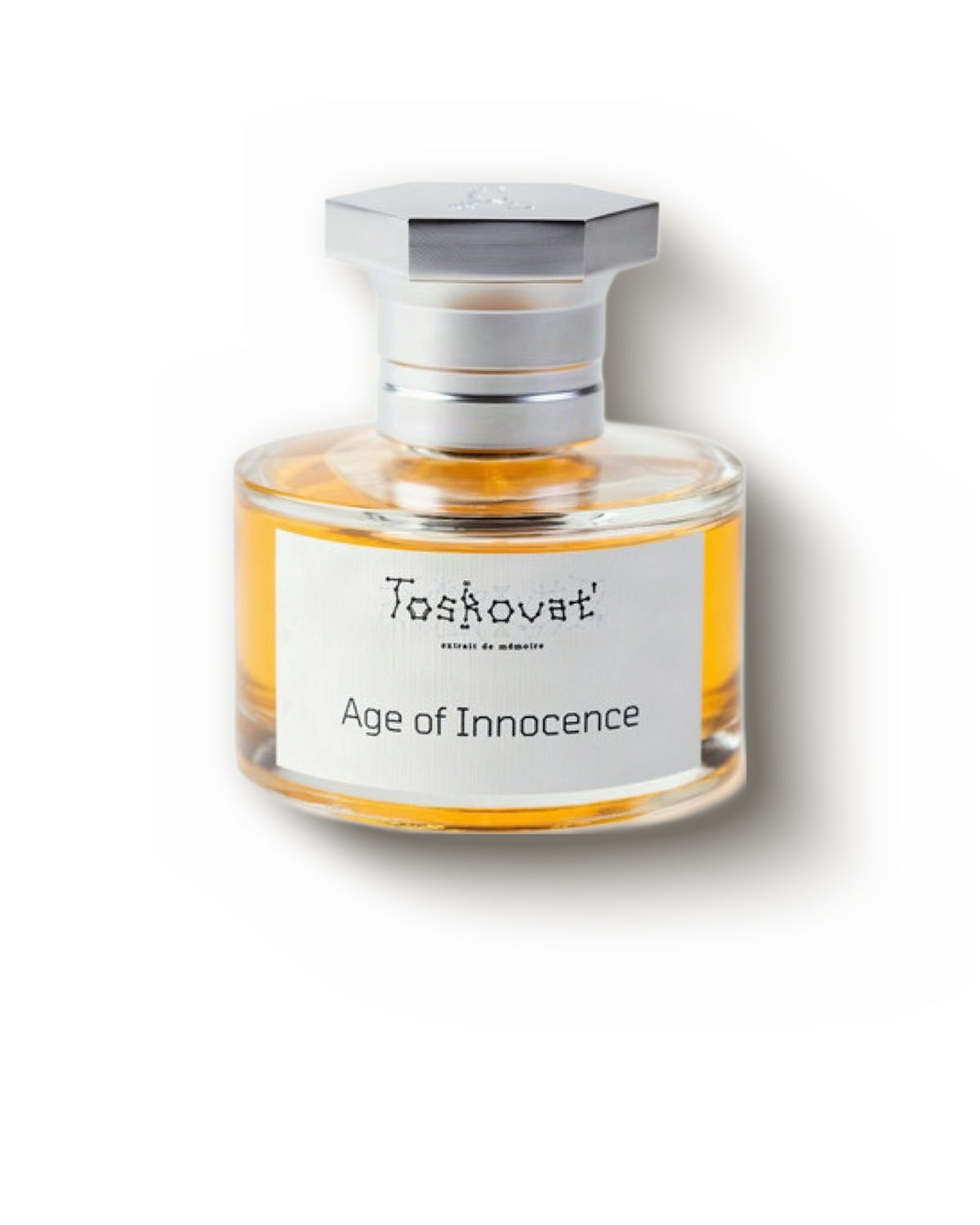
More from Toskovat
You may also like