Filippo Sorcinelli
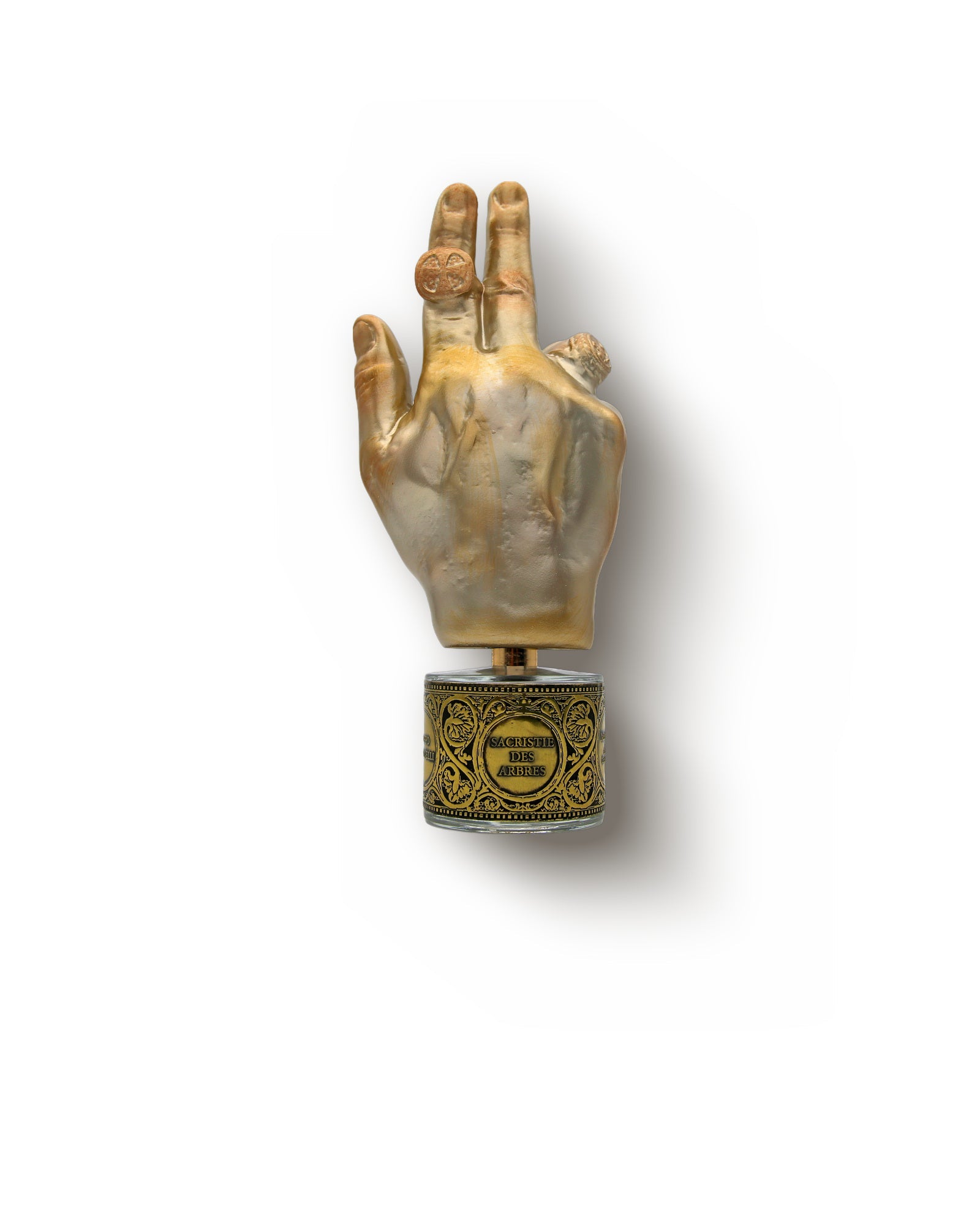
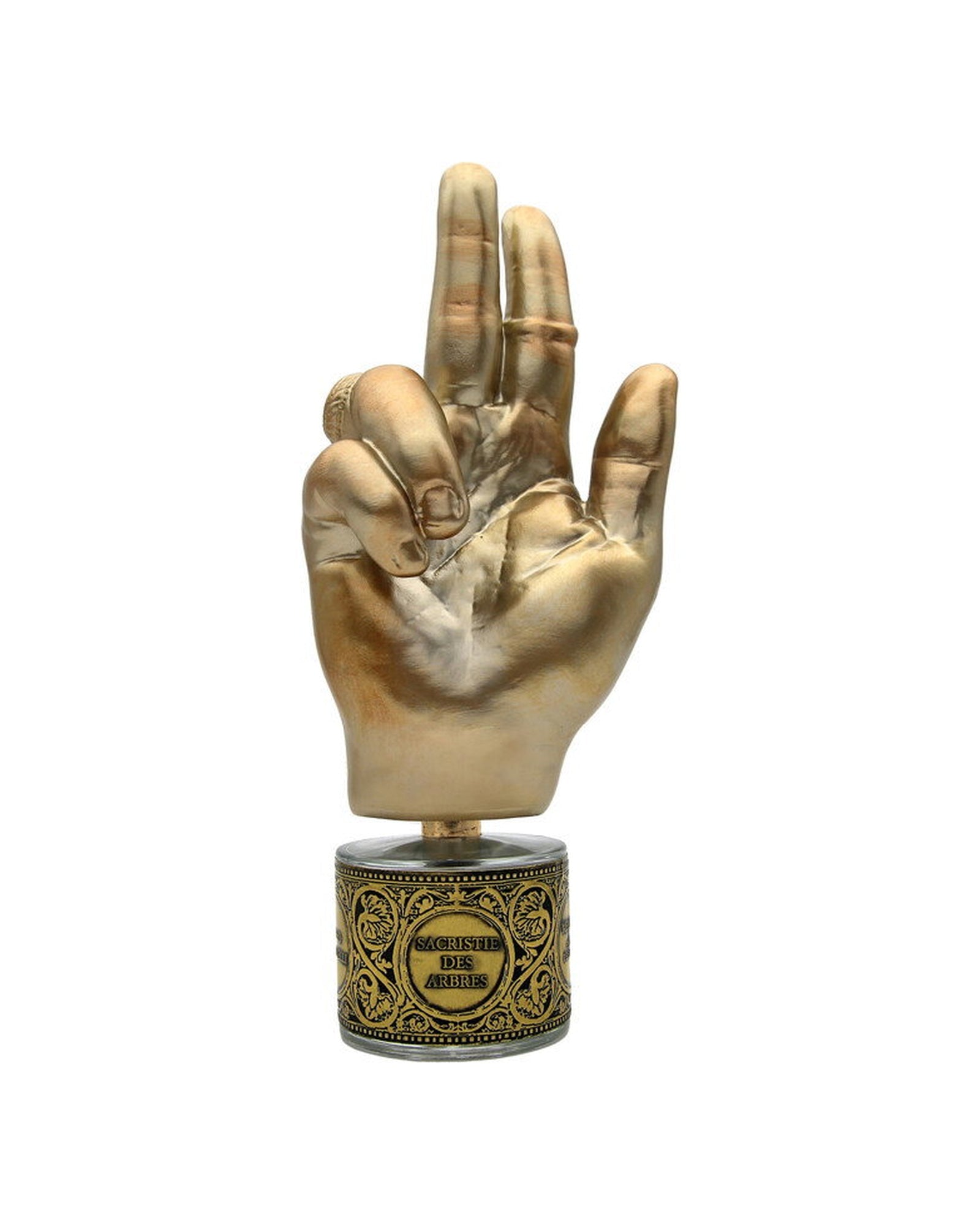
Sacristie Des Arbres
The Story
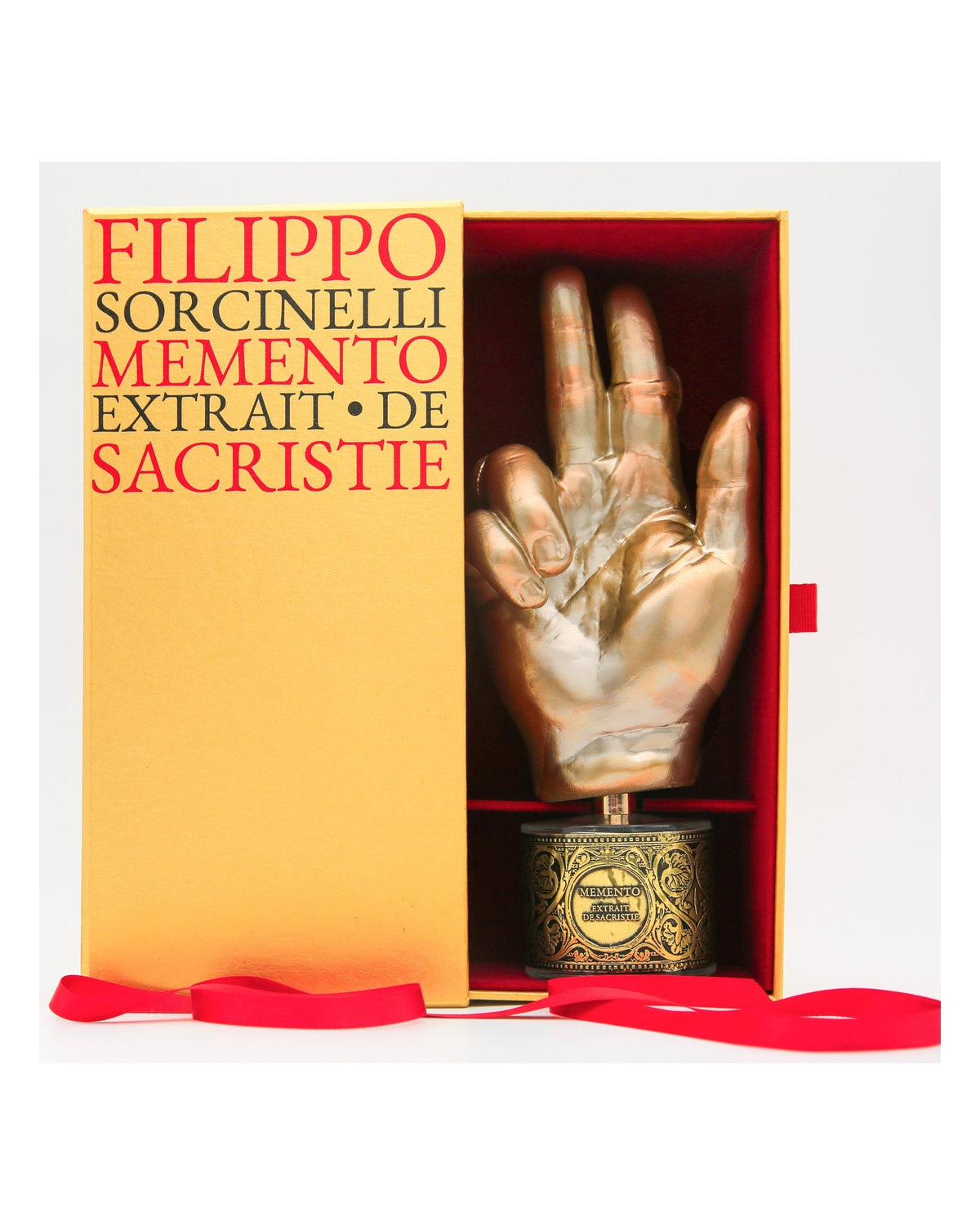
MEMENTO is the Latin word a priest says in the sacristy before Mass, and it names eight extraits Filippo Sorcinelli launched together at Esxence in March 2024. Seven are tied to a real sacristy; this one takes a centuries-old forest instead. Sorcinelli, an organist whose LAVS atelier dresses popes, writes his notes as a fugue: subject, countersubject, tail.


Amber
Resin warmed until it goes sweet
Labdanum, benzoin and vanilla melted together into something sweet but dusky, like tree sap gone soft in the sun with a thread of incense smoke through it. Amber does not sparkle or shout. It sits close to the skin and gives off heat for hours.


Woody
Dry grain of cut timber
The smell of cedar shavings, sandalwood, and dry vetiver roots, a sanded, resinous warmth with a faint pencil-box rasp. It feels grounded and composed, the quiet backbone that makes a scent read as serious and lasting.


Aromatic
Crushed herbs in cool air
The green, camphorous coolness of lavender, rosemary, sage, and thyme, like herbs bruised between the fingers. It feels clean, invigorating, and a touch austere, the crisp backbone of a classic barbershop freshness.


Vanilla
Cured pod, boozy under the cream
Cured pods, not frosting. The sweetness here is custardy and balsamic, with something dark and boozy under it, closer to rum and woodsmoke than to sugar. It warms everything above it, blunting sharp edges and slowing the whole thing down.


Smoky
Charred wood and rising embers
The dry, charred scent of burning wood, smoldering incense, and lingering ash, sometimes tarry, sometimes wispy and gray. It feels brooding and atmospheric, conjuring a dying fire and a cool current of air carrying its last breath.


Balsamic
Tree sap gone thick and golden
Tree resins and golden amber, thickened to syrup and touched with vanilla. It does not sparkle or move; it settles, warming the skin the way candlelight warms a room, and it stays there long after the top notes have gone quiet.


Pine Essence
A conifer branch snapped in cold air
What it is
Needles and young twigs, steam-distilled, mostly from Scots pine. Nothing here comes from the trunk or the resin; this is the smell of the green parts, not the timber.
How it smells
Sharp, green and resinous, with a turpentine bite and a camphor lift at the top. Underneath there is a drier sappy sweetness, faintly citric. Cold and outdoor rather than warm and woody; nothing about it settles into comfort.
In perfumery
A top note used for lift and cold open air: fougeres, chypres, forest accords. It keeps resinous compositions from going heavy and sits well with incense and cedar. Push it too far and it reads as household cleaner.
Good to know
Alpha-pinene, much of it recovered from paper pulping, is the starting point for a long list of synthetic materials: a pine forest stands behind smells that never mention pine. Old pine oil turns sensitising as it oxidises.


Virginia Cedar
Dry pencil-shaving warmth from the eastern redcedar
What it is
Not a cedar at all, but a juniper, growing wild across the eastern United States. The oil is steam-distilled from sawmill shavings and offcuts, the same wood that once became lead pencils.
How it smells
Soft, dry and clean, sweeter than you expect from a wood, with a balsamic edge. It settles into the smell of a cedar closet, rounder and gentler than the sharper Atlas and Texas oils.
In perfumery
A base and heart note doing structural work: dry backbone, fixative weight, the floor under chypres and fougeres. Crystalline cedrol is isolated from it when a perfumer wants that woodiness clean and without the bark.
Good to know
Being a sawmill byproduct makes it one of perfumery's most abundant naturals. It is also the wood long trusted to keep moths away, the reason blanket chests and closet liners were cut from it.


Incense
The smell of resin hitting hot coal
What it is
What you are smelling is a change of state: resin meeting heat. The resin is usually olibanum, wept by Boswellia trees in Oman and the Horn of Africa, and perfumers round the effect out with labdanum and styrax.
How it smells
Cool and dry to begin with, sharp enough to read as turpentine, then the smoke arrives: peppery, ashen, faintly sweet. There is a stone-church quality to it, soapy and faintly green, and it stays close to the skin.
In perfumery
It works the way silence works in a room. From the heart into the base it cools florals, sharpens woods and drops a weight of ritual into oriental and chypre structures that would otherwise read as merely rich.
Good to know
Long before anyone wore it, this smoke was among antiquity's costliest imports. It moved along the Arabian caravan roads to temples around the Mediterranean, where burning it was the point: the scent was the offering.


Mint
Two mints, one icy and one sweet
What it is
Two plants, two different jobs. Peppermint carries menthol and reads cold. Spearmint carries carvone instead and reads sweet, round and herbal. Both are steam-distilled from leaves and flowering tops, and swapping one for the other changes everything.
How it smells
Peppermint is piercing and icy, with a camphor edge that clears your head whether you asked or not. Spearmint is gentler: sweet, faintly fruity, no cold bite. Both start green and watery, then settle to a clean herbal hum.
In perfumery
A top note, and a fast one: it flashes through fougeres, colognes and fresh masculines, then it is gone. Peppermint handles the bracing openings. Both work with lavender, basil, citrus and, less obviously, chocolate.
Good to know
Menthol does not cool anything. It switches on the nerve receptors that report cold, so your brain reads cold where there is none. That is the trick behind toothpaste and gum, and spearmint cannot do it.


Damask Rose
The empress of roses, picked through the morning
What it is
Bulgaria's Rose Valley starts picking in the dark and stops around half past ten, before the day gets hot. Whole blossoms, not petals, go to the still for rose otto or to solvent for rose absolute.
How it smells
Deep and honeyed, with dew and green stem at the top and a peppery warmth underneath. The two forms part ways here: otto is clean and waxy with a clove edge, the absolute darker, jammier, closer to fruit.
In perfumery
It sits at the heart and gives a composition its body. Oud, saffron and patchouli are its usual company, and the dark, jammy rose builds come out of that pairing. It anchors oriental and chypre structures alike.
Good to know
Three to four tonnes of blossom go into a kilo of rose otto; the absolute needs roughly a seventh of that. The damascones found in this flower changed perfumery: they read as rosy at vanishingly small concentrations.
Guaiac Wood
Smoldering wood with a tea-rose heart
What it is
The oil arrives as a solid. Guaiac is a slow-growing Gran Chaco hardwood whose chipped heartwood steam-distills to a pale amber, waxy oil, one that sets at room temperature and has to be warmed before it will pour.
How it smells
An ember, not an open flame. Warm, smoky and balsamic, with a sweet woodiness and a distinct tea-rose facet running through it, plus powdery, peppery, faintly tarry edges. It dries creamy, closer to incense than to timber.
In perfumery
It earns its place in the base twice over: as a scent, and as a fixative that stretches everything around it. It rounds rough woods and smoky leathers, and sits well with rose, vetiver and tobacco.
Good to know
Demand has outrun the forest. Overharvesting put the species under international protection, so logs, extract and oil all travel on permits. It is still traded, just closely counted.

Vanilla
Cured orchid pods, custard and faint smoke
What it is
Green pods come off the orchid vine smelling of almost nothing. The scent is made, not found: months of blanching, sweating in the sun and slow drying before the vanillin appears. Mexico first, Madagascar now.
How it smells
Custard and caramel up front, then something darker underneath: dried fruit and a thread of tobacco smoke. It turns powdery as it dries and sits close to the skin. Real cured vanilla reads deeper than vanillin alone.
In perfumery
Perfumers use it to round off edges. Anything too sharp, too green, too austere gets warmth and body from a vanilla base, which is why it anchors many oriental and gourmand builds alongside tonka, amber, sandalwood and spice.
Good to know
Every flower opens for one day. Miss it and there is no pod, so all of it is pollinated by hand, a trick devised by Edmond Albius, a twelve-year-old enslaved boy on Réunion. Most vanilla flavour today is synthetic.


Vetiver
Cool damp earth pulled from tangled roots
What it is
Everything worth having is underground. Vetiver grows as a tall tropical grass, but the perfume lives in its roots, a dense fibrous mat that gets dug up, washed, dried and steam-distilled into a thick amber-brown oil.
How it smells
Cool damp soil and cut grass over dry wood. Haitian oil runs smoother and faintly hazelnut-sweet; Java is darker, smokier, more leathery. Underneath both, a bitter grapefruit edge and a green mineral streak that holds for hours.
In perfumery
Perfumers use it to hold a formula down, which is why fougères and chypres reach for it. Citrus, leather and tobacco sit well on top. Push its ashier side forward and it turns severe beside cypress and cedar.
Good to know
The same roots that end up in a bottle get planted on hillsides to hold the soil, gripping ground where nothing else will. Haiti supplies about half the world's vetiver oil, most of it grown on smallholder farms.


Benzoin
Warm vanilla balsam wept from a tapped tree
What it is
Benzoin does not flow on its own. Someone cuts the bark of a styrax tree in Laos, Vietnam or Sumatra, and the wound weeps a gum that hardens over months into reddish tears.
How it smells
Sweet, warm, unmistakably vanillic, with a powdery amber softness underneath. Siam benzoin is rounder and creamier; Sumatra runs smokier, with a cinnamon bite. Left on skin it turns almost caramelized.
In perfumery
A base note that behaves like a fixative and a sweetener at once, giving amber accords their glow and holding the rest of the composition still. It softens sharp edges beside labdanum, tonka and incense.
Good to know
The word benzene comes from here. Chemists named benzoic acid after this resin, and benzene took its name from the acid. The resin's own name is a worn-down Arabic phrase, luban jawi, frankincense of Java.

Incense Resinoid
The resin, washed in solvent, not the distilled oil
What it is
Score the bark of a Boswellia and it weeps sap that hardens into tears of frankincense. Wash those tears in solvent rather than steaming them, strip the solvent off, and a thick dark semi-solid is left.
How it smells
Closer to the burning resin than to the distilled oil. The lemon-and-pine lift is largely gone; what is left is dark, sweet and balsamic, dusty and slightly waxy, with censer smoke and a faint bitter-green edge.
In perfumery
This is the incense that stays. Its heavy end barely evaporates, so it holds a composition down and slows the lighter materials escaping. Perfumers reach for it over the oil for exactly that, alongside benzoin, labdanum and myrrh.
Good to know
One tree, two materials. Steam carries only the light fraction over, leaving the heavy acids and waxes behind in the still. Solvent takes everything soluble, weight included. That is the entire difference, and why the same tears smell like two things.
Ambrette
The one musk that grows on a bush
What it is
The seeds of a mallow, a scruffy hibiscus relative, smell of musk before anyone does anything to them. Steam distillation, CO2 or a solvent wash for an absolute all draw out the same musk, carried by ambrettolide.
How it smells
Warm, powdery and closer to skin than any synthetic quite manages. There is a pear-like fruitiness in it, a nutty amber sweetness, a touch of iris. It blooms slowly, and reads as a person rather than a perfume.
In perfumery
A base note that works as an exalter: it rounds and lifts whatever sits above it, giving florals, iris and gourmands a skin-warm undertow. Nothing else from a plant smells this much like musk.
Good to know
Yields are tiny, which puts ambrette among the costliest things on a perfumer's shelf. Its ambrettolide is close kin to muscone, the musk molecule itself, which is why a seed does the job at all.

Amber
A warm resinous glow built, not harvested
What it is
There is no amber tree. Perfumers assemble the smell from labdanum, the sticky gum that bleeds off a Mediterranean rockrose in summer heat, plus benzoin and vanilla. The fossilized resin in museum cases is odorless on skin.
How it smells
Honeyed and faintly animalic at first, then it settles into golden powdery warmth: beeswax, old tobacco, worn leather, a thread of smoke underneath. It stays close to the skin rather than filling the room.
In perfumery
It sits at the base and holds everything above it in place, which is why oriental compositions lean on it so hard. Vanilla and patchouli push it sweet; more resin, spice and dry herbs push it austere.
Good to know
The word once meant ambergris, the waxy secretion of sperm whales, and the confusion never cleared. The trade now uses amber for two things: this resin accord, almost always plant and synthetic, and the ambergris substitutes like Ambroxan.
Fragrance Character
Pine, mint and Virginia cedar open cold and resinous, incense already threaded through them. Damask rose and guaiac warm the middle without turning floral, the wood smoky and dry. Then it settles: vanilla, benzoin and amber over vetiver and ambrette, sweet but powdery rather than rich, incense still holding the whole thing together.


Longevity
how long it stays on skin
The hourglass reads wear time: how many hours the fragrance keeps speaking before it fades. A bar that barely leaves the start means a few fleeting hours. One that runs the full length carries from morning into evening. Treat it as typical, not promised. Oily skin holds scent far longer than dry.


Sillage
the size of its scent trail
Sillage is French for a ship's wake, and that is exactly what this measures: how much of the scent reaches the room instead of staying on you. Low is a whisper only close friends catch. Enormous fills the room, then keeps filling it after you leave.


Experimental
Built to provoke, not to please
Some perfumes are made to be liked. These are made to be argued about: inky tar, hot rubber, fruit on the turn, metal and fur where you expected flowers. The coin glows for a scent that provokes and dims for one that plays it safe, which is sometimes the point.


Office
Polished, and never louder than the room
Scent is manners in a shared room. At this range it should reach the person across the desk and stop there: tidy citrus, soft musk, pale woods, all of it reading competent and considerate. A glowing coin means nobody has to mention it. A dim one means it travels.


Evening
After dark, when it deepens
Dinner, drinks, the night that runs long. Low light is where ambers, resins and smoky woods stop being polite, and where a plush floral finally blooms. A glowing coin means it is waiting for exactly this hour. A dim one means it did its best work in daylight.


Romantic
Close enough to be felt
A fragrance can hum against skin instead of announcing itself across a table. That is the register here: creamy florals, vanilla, soft musk, a thread of spice, warm enough to make someone lean in. The coin glows when a scent sets that mood and dims when it is more practical than seductive.


Formal
Quiet authority in a dressed-up room
A wedding, a ceremony, a room where everyone has thought about their shoes. What works here is structure, not volume: smooth woods, disciplined florals, soft leather. A glowing coin means it holds its posture all evening. A dim one means it is too casual for the room.


Casual
Easy comfort for unhurried days
Errands, coffee, a slow Saturday with nowhere to be. Nothing here has to impress anyone, so the fit is soft and easy: fresh citrus, light woods, a little warmth off the skin. A glowing coin says yes to all that. A dim one means the fragrance is asking for a bigger night.


Day to Night
where its mood naturally falls
A bar running from sun to moon, reading the hour the fragrance was made for. The more of it that stays gold, the more the scent belongs to daylight and open air. The further the blue reaches back toward the sun, the deeper and warmer it turns: evening, candlelight, low rooms.


Winter
Warmth that carries through cold air
Cold air mutes a fragrance and slows it down, which is why winter belongs to the dense and the warm: resin, smoke, vanilla, leather, ambered spice. The bar reads how well this one pushes back, glowing against the chill instead of thinning out in it.


Spring
Fresh blooms in mild, rising warmth
Mild, humid air lifts a light composition, so the season belongs to dewy florals, green stems, soft powder and citrus you can see through. Alive rather than heavy. The further the green runs along the bar, the more comfortably this one wears in that weather.


Summer
Bright and airy in real heat
Heat does the projecting for you, which is why the wrong perfume turns unbearable by noon. What survives is cool and breathable: sharp citrus, salt air, aromatic herbs, water. Things that refresh instead of cloy. A short bar here means save it for cooler months.


Fall
Spiced warmth for cooling days
As the air cools, the rich materials stop smothering and start reading clearly: dry woods, warm spice, tobacco, amber, fruit gone golden. It is the season perfume turns contemplative. The bar fills according to how naturally this one settles into crisp, cooling days.
Best Worn
Daylight suits it best, through autumn and winter and into cool spring, on someone who wants gravity without volume. It reaches moderately, close enough for an office or a long walk under bare trees, composed enough for something formal after. It holds eight to ten hours without changing much, which is what makes it versatile across a day.
Choose options
The Vibe


The Nose

Filippo Sorcinelli
Founder and perfumer
Italian organist and sacred-vestment maker whose LAVS atelier has dressed Popes Benedict XVI, Francis and Leo XIV. He created the UNUM line, and no perfumer is named on its scents. The line includes UNUM LAVS, Opus 1144, Rosa Nigra and Ennui Noir.
The Maison

Sacristy incense and cold cathedral stone, turned into extrait.
Filippo Sorcinelli builds fragrance the way a cathedral organist builds sound: slow, resinous and unafraid of the dark. As the mind behind UNUM he works in incense and smoke, in the hush of stone interiors and the weight of vestments, so a composition feels less like a scent you spray and more like a room you step into. The blending itself is left to a nose who prefers to stay anonymous.
- Origin
- Mondolfo, Italy
- Founded
- 2014
- Known for
- Liturgical incense, UNUM

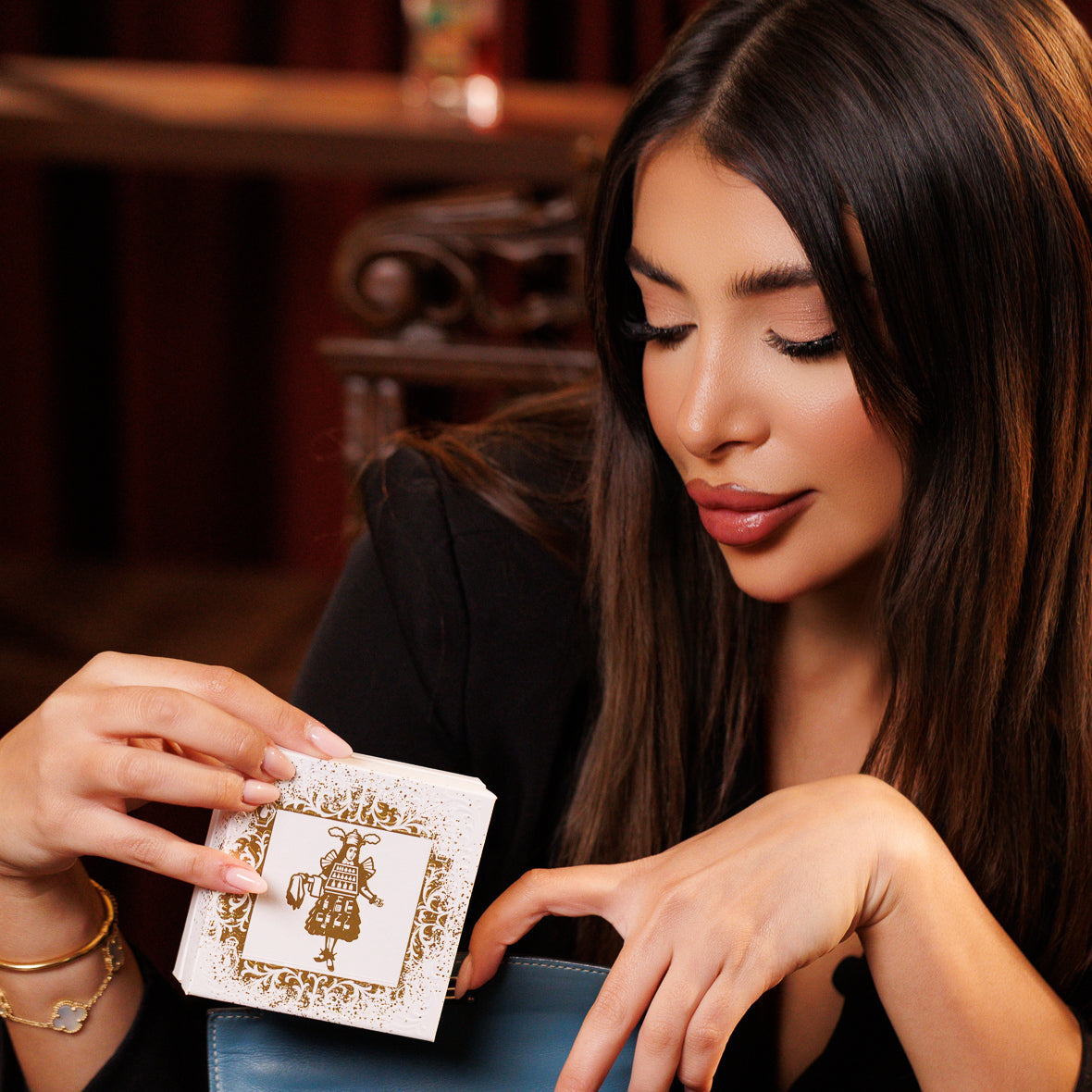
EVERY DECANT
From the original bottle to your door
We buy the original flacon at full retail price, direct from the house.
A medical grade Socorex syringe takes the exact millilitres straight from the flacon.
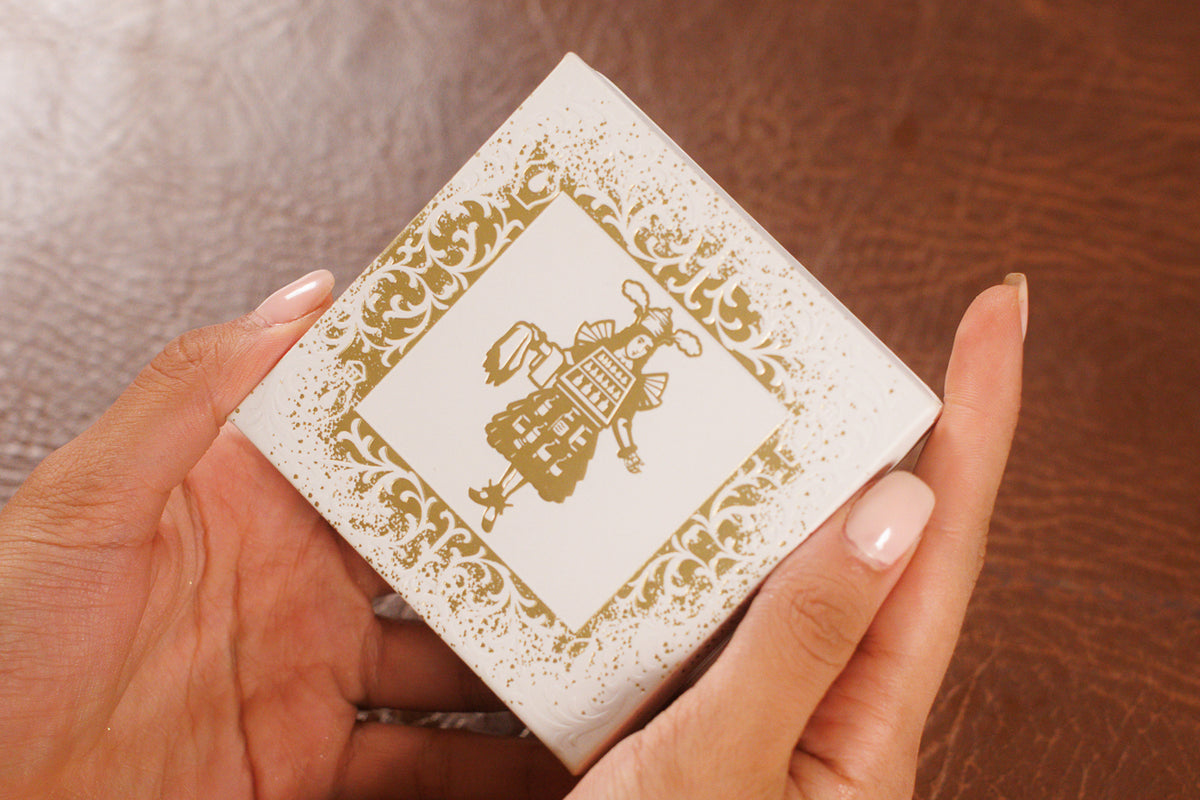
Packed into the hot foiled box and handed to DHL, every duty already paid. How a decant is made
More from Filippo Sorcinelli
You may also like