

Filippo Sorcinelli
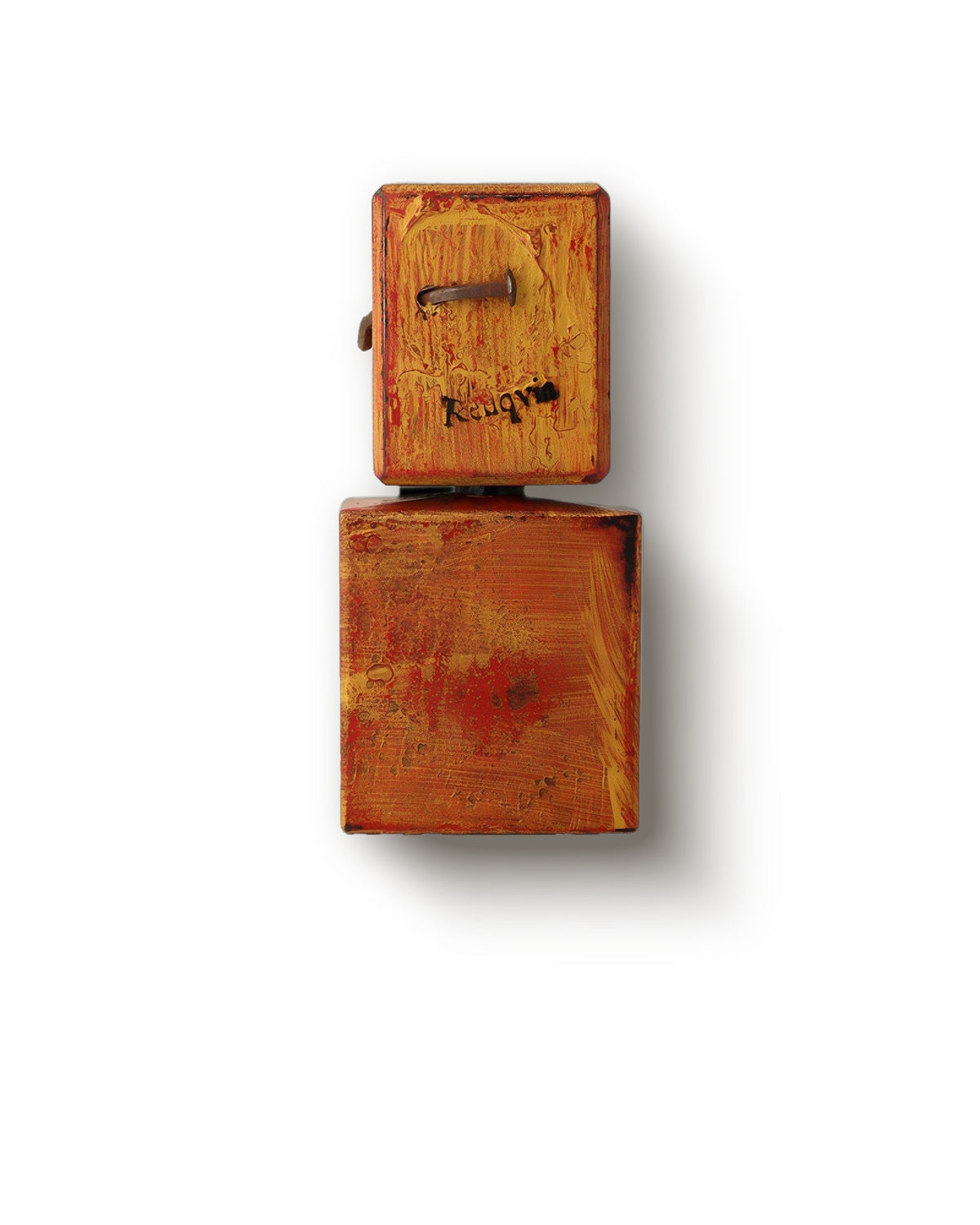
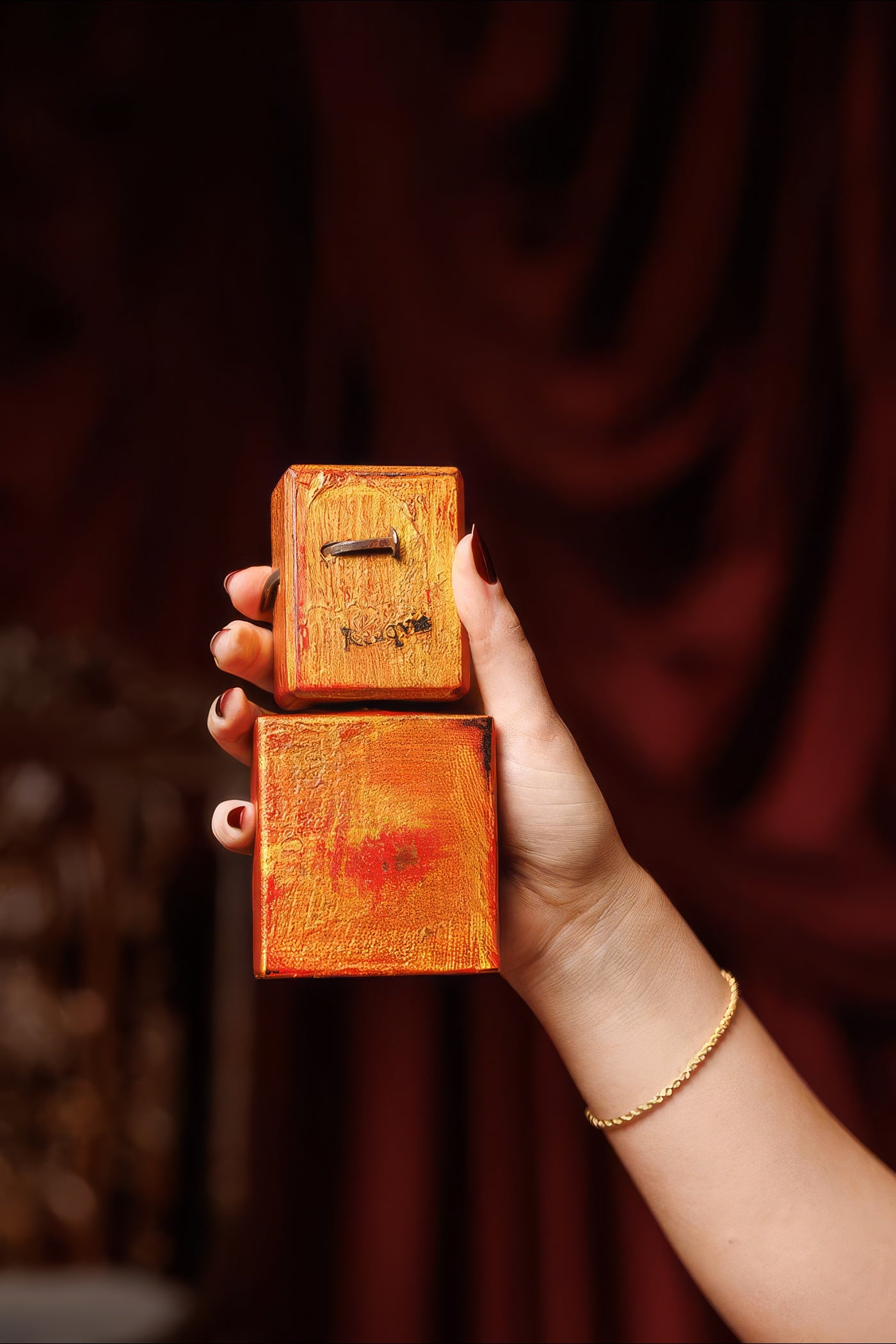
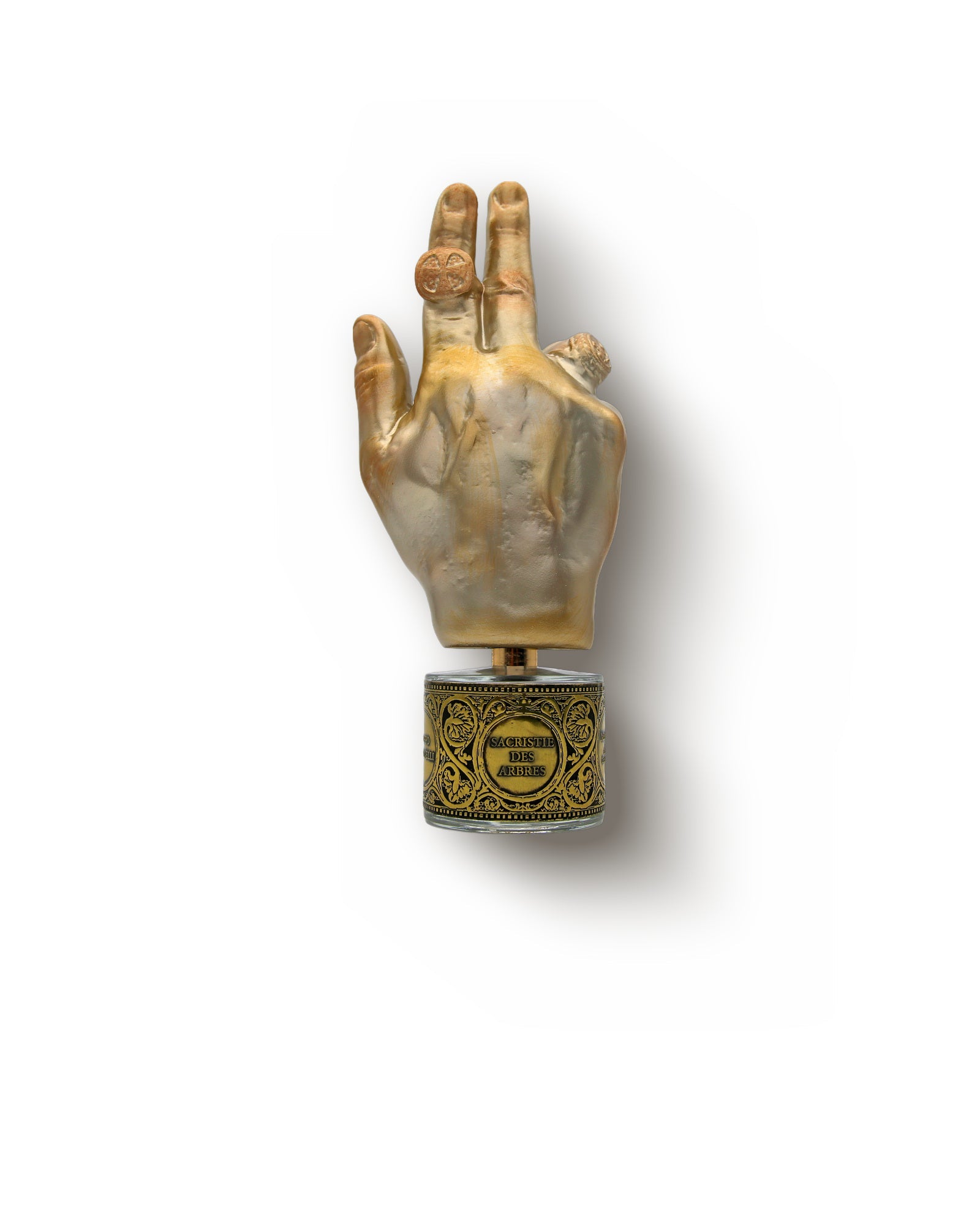
Reliqvia
The Story
Reliqvia takes its name from the relic and its scene from the place that keeps them: the Church of the Cross in Senigallia, a 1608 baroque oratory of gilded wood and incensed steps. Sorcinelli started with music, his first source of inspiration, and it is audible in how slowly this one resolves.


Woody
Dry grain of cut timber
The smell of cedar shavings, sandalwood, and dry vetiver roots, a sanded, resinous warmth with a faint pencil-box rasp. It feels grounded and composed, the quiet backbone that makes a scent read as serious and lasting.


Smoky
Charred wood and rising embers
The dry, charred scent of burning wood, smoldering incense, and lingering ash, sometimes tarry, sometimes wispy and gray. It feels brooding and atmospheric, conjuring a dying fire and a cool current of air carrying its last breath.


Balsamic
Tree sap gone thick and golden
Tree resins and golden amber, thickened to syrup and touched with vanilla. It does not sparkle or move; it settles, warming the skin the way candlelight warms a room, and it stays there long after the top notes have gone quiet.


Aromatic
Crushed herbs in cool air
The green, camphorous coolness of lavender, rosemary, sage, and thyme, like herbs bruised between the fingers. It feels clean, invigorating, and a touch austere, the crisp backbone of a classic barbershop freshness.


Amber
Resin warmed until it goes sweet
Labdanum, benzoin and vanilla melted together into something sweet but dusky, like tree sap gone soft in the sun with a thread of incense smoke through it. Amber does not sparkle or shout. It sits close to the skin and gives off heat for hours.

Warm Spicy
Glowing embers of the spice drawer
The rounded heat of cinnamon, clove, and nutmeg, dry and slightly resinous, like a baking pantry rather than a sharp kitchen. It creates a flushed, enveloping warmth that feels intimate and cool-weather, hugging the skin from within.


Patchouli
Damp earth and dark wood after rain
What it is
Nobody guesses mint, but that is the family: a leafy bush whose leaves are dried and left to cure, close to fermenting, before distillation pulls out an oil thick and dark as syrup.
How it smells
Wet soil, forest floor, an old cellar, with a winey sweetness underneath. Young oil can come at you sharp and green, almost camphorous. Aged oil goes the other way, into chocolate and leather, and stays put for hours.
In perfumery
Almost nothing holds a composition down like it. Chypres and orientals are built on that anchor, and a few drops under rose, vetiver or labdanum will hold the whole thing on skin for hours.
Good to know
Nineteenth-century Kashmiri shawls travelled packed in dried patchouli leaves to keep moths off, and Europeans learned to tell a real one by smell alone. The oil improves with age, which almost no essential oil does, mellowing like wine.


Incense
The smell of resin hitting hot coal
What it is
What you are smelling is a change of state: resin meeting heat. The resin is usually olibanum, wept by Boswellia trees in Oman and the Horn of Africa, and perfumers round the effect out with labdanum and styrax.
How it smells
Cool and dry to begin with, sharp enough to read as turpentine, then the smoke arrives: peppery, ashen, faintly sweet. There is a stone-church quality to it, soapy and faintly green, and it stays close to the skin.
In perfumery
It works the way silence works in a room. From the heart into the base it cools florals, sharpens woods and drops a weight of ritual into oriental and chypre structures that would otherwise read as merely rich.
Good to know
Long before anyone wore it, this smoke was among antiquity's costliest imports. It moved along the Arabian caravan roads to temples around the Mediterranean, where burning it was the point: the scent was the offering.


Cashmere Wood
A made-up wood that smells of warm skin
What it is
There is no cashmere tree. What you are smelling is one molecule, Cashmeran, made in an IFF lab around 1970 and named after the fabric rather than anything that grows.
How it smells
Dry blond wood and clean musk, wrapped in a spicy, faintly vanillic warmth with an edge of old paper and pine resin. Used lightly it stops smelling like wood at all and reads as salty, sun-warmed skin.
In perfumery
A base note that lies over a formula like a haze of wool, blurring sharp edges and stretching the wear. It hides inside a great many modern woody musks.
Good to know
On a note pyramid it often turns up as Cashmere Wood or Cashmere Musk, and sometimes inside a looser name like Blond Woods, all of them dressing a lab material in a name that sounds picked. Some perfumers use it alone: it arrives sounding like a finished accord.
Guaiac Wood
Smoldering wood with a tea-rose heart
What it is
The oil arrives as a solid. Guaiac is a slow-growing Gran Chaco hardwood whose chipped heartwood steam-distills to a pale amber, waxy oil, one that sets at room temperature and has to be warmed before it will pour.
How it smells
An ember, not an open flame. Warm, smoky and balsamic, with a sweet woodiness and a distinct tea-rose facet running through it, plus powdery, peppery, faintly tarry edges. It dries creamy, closer to incense than to timber.
In perfumery
It earns its place in the base twice over: as a scent, and as a fixative that stretches everything around it. It rounds rough woods and smoky leathers, and sits well with rose, vetiver and tobacco.
Good to know
Demand has outrun the forest. Overharvesting put the species under international protection, so logs, extract and oil all travel on permits. It is still traded, just closely counted.


Sandalwood
Creamy wood, pulled up by the roots
What it is
The richest oil sits in the roots, so the whole tree is pulled up and steam-distilled rather than felled. Mysore in southern India was the classic source, until decades of overcutting pushed the wild trees to the edge.
How it smells
Milk and warm wood, with a rosy, almost buttery edge and nothing sharp at all. What surprises people is how little it moves: no bright opening, no dry-down drama, just the same quiet glow for hours.
In perfumery
It works twice over: as a smell, and as a fixative that holds rose or jasmine in place. Sandalwood is also graded, and the darkest, densest, most resin-heavy old heartwood carries its own name: red meat.
Good to know
A heart worth taking takes about thirty years to form. Plantations of the same species in Western Australia now supply a large share of the world's oil, close to the old Mysore chemistry if not quite its creaminess.


Orange Blossom
White petals between honey and bitter green
What it is
Neroli and orange blossom absolute come off the same hand-picked white flower of the bitter orange tree: one steam-distilled, the other drawn out with solvent into a waxy concrete. Tunisia, Morocco and the Mediterranean supply most of it.
How it smells
Honeyed nectar at the centre, cut by a clean bitter-green edge and a faint metallic cool. Neroli is the brighter, soapier of the two; the absolute runs warmer and more indolic, with a musky depth under the sweetness.
In perfumery
It is the hinge between citrus and skin: bright enough to follow a lemon top, warm enough to melt into musk. Colognes use the sparkling side; big white florals use the plush, indolic one.
Good to know
Neroli is named for a seventeenth-century princess of Nerola who scented her gloves and her bathwater with it. A kilo of the oil takes roughly a tonne of hand-picked blossoms.

Scots Pine
Cold forest air with a turpentine bite
What it is
Snap a needle and you have most of it. Pine oil is steam-distilled from needles and young twigs across the northern forests; the absolute, pulled with solvent instead, comes out darker, greener and heavier.
How it smells
Cold, dry and resinous, with a green balsamic edge and a turpentine bite that turns medicinal. Sappy up top, like standing in a wood in January. It softens as it goes, ending sweeter and warmer than it began.
In perfumery
A top note for anything that has to smell like outdoors: woody-forest accords, fougeres, the bracing open air of an alpine theme. Lavender, cedar, fir and clean musks all hold it in place.
Good to know
Twentieth-century cleaning products ran on pine oil for its disinfectant power, and that is why a forest note also reads as a mopped floor. The nose gets both at once: wild woodland and household hygiene.
Cloves
Warm pinpricks of dark, resinous spice
What it is
A clove never gets to flower. The buds come off the tree still shut, dry in the sun until they are hard and dark brown, and go either to the spice rack or to the still.
How it smells
Hot and sweet at once, with a numbing medicinal bite anyone who has sat in a dentist's chair will know. Underneath, woody and balsamic and faintly fruity. The tingle is eugenol, and it reads as carnation.
In perfumery
A few drops in the heart pull rose and ylang somewhere warmer and more old-fashioned, and give vanilla and ambery resins a dry, biting edge. Plenty of classic spicy fragrances open on clove.
Good to know
Cloves once started trade wars: the Dutch cut down whole groves to corner the supply. The modern constraint is duller but real. Eugenol sensitises skin, so perfumers dose the oil lightly and build the rest from other spices.

Lentisk
Green resin of the wild coast
What it is
Mastic grips the limestone of the Mediterranean coast, and in high summer growers score the trunk by hand for its hardened tears. Cut foliage and that resin read as crushed-leaf green over thin pine sap, with balsamic warmth underneath, like turpentine rounded off and sweetened by sea wind.
In the composition
The green thread a composition pulls taut. A few drops up top throw light across the opening with a resinous, herbal snap; lower down it behaves like a soft balsam, giving body to woods and gluing florals to earth without weight. Sun, stone, salt-bitten coast.


Amyris
Caribbean wood that whispers like soft sandalwood
What it is
The branches are so loaded with oil that people once lit them as torches, which is where candlewood and torchwood come from. Fallen, aged wood is distilled slowly into a soft heartwood oil sold as West Indian sandalwood.
How it smells
Dry, soft and low-volume: clean cedar-like woodiness with a faint balsamic warmth and a peppery wisp of smoke. Next to true sandalwood it is thinner and much less creamy, a little oily, happy to sit underneath everything else.
In perfumery
Base-note plumbing: an affordable fixative that holds lighter materials down and stretches the woods. It goes with citrus, lavender, cedar and sandalwood, and props up more colognes and soliflores than ever list it.
Good to know
West Indian sandalwood is a sales name, nothing more. The tree is a Caribbean relative of citrus and shares almost no chemistry with Santalum, which costs many times more, and the two smell alike only from a distance.


Elemi
The bright, lemon-peppered cousin of frankincense
What it is
Cut the bark of a Philippine tree and it weeps a soft white gum that yellows in the air. Steam-distilled, that resin becomes elemi: a first cousin of frankincense that arrives smelling of lemon peel.
How it smells
Sharp lemon and pine up front, with a green pepper snap. Underneath, something oddly herbal: dill and fennel over warm balsam, threaded with incense smoke. It dries soft and woody, much lighter than its frankincense relatives.
In perfumery
Perfumers use it as a hinge. It sits high in the blend, carrying citrus brightness down into woods and incense so the join never shows, and it lets a resinous composition glow without turning heavy or smoky.
Good to know
Its name is usually traced to the Greek enhaemon, a blood-staunching medicine described by Pliny. Long before perfumery it went into Renaissance healing balms and varnish, and the resin still yields oil generously enough to stay affordable.


Sweet Orange
Sunlit zest squeezed straight from the peel
What it is
The oil is pressed cold out of the peel. Most of the world's supply is a side effect of breakfast: the juice industry squeezes the fruit, and the discarded rind is what the perfumer wants.
How it smells
Juicy and immediately recognisable: ripe orange flesh with a sherbet fizz and a green bitterness hiding behind it. It arrives round and sunny and does not stay long, leaving a soft waxy sweetness rather than lemon's sharp tang.
In perfumery
A top note with the edibility of the fruit itself, used to round off citruses that would otherwise cut. It opens eaux de cologne, and sits happily beside neroli, clove, cinnamon and vanilla when a gourmand needs lifting.
Good to know
Bergamot burns skin in sunlight. Sweet orange, pressed from the same kind of rind, carries almost none of that molecule, so a sunny day is no risk. It is also one of the least expensive naturals there is.


Black Currant
Tart cassis with a wild, animalic snarl
What it is
Perfumery mostly ignores the berry. The material that matters is cassis bud absolute, extracted from the sticky, resinous leaf buds of the shrub, usually propped up with sulphur molecules that carry the fruit's tart snap.
How it smells
Sharp, tart, unmistakably purple, then something feral cuts across it: a green, leafy, faintly sweaty pungency that sits closer to cat than to fruit. Ripe berry with a growl behind it.
In perfumery
A top note with claws. It cuts through sweetness, puts an edge on rose, and gives a fruity-floral something to push against. It still jolts open modern fruity compositions.
Good to know
The catty edge comes from thiols your nose can catch at parts per trillion, the same family behind tomcat spray and a glass of Sauvignon Blanc. Perfumers dose cassis in drops, not millilitres.

Nutmeg
Warm baking spice with a hidden narcotic edge
What it is
Two spices come out of one fruit. Split the apricot-like flesh and there is a hard brown seed, nutmeg, wrapped in a scarlet lace of mace. The seed is ground for the kitchen or steam-distilled for perfumery.
How it smells
Warm and dry rather than sweet, with a cool camphor lift on top that stops it feeling like dessert. Underneath, soft wood and a faint balsamic resin. Cozy at first, then oddly sharp, almost pine.
In perfumery
It works high in a fragrance, giving warmth and an ambery glow without the sugar a gourmand note brings. Vanilla, tobacco, lavender and woods take it well. The warm-spice signature of a barbershop fougere is mostly this.
Good to know
Nutmeg holds myristicin, mildly psychoactive and toxic in quantity. In the 1600s the world's entire supply grew on one small cluster of islands, the Banda, and Europe went to war over them.


Smoke Notes
Cooled ash and a bonfire two fields away
What it is
Nobody distills smoke. It is assembled: birch bark smoldered down to tar, cade oil, guaiacwood, a little lapsang souchong tea, and phenols like guaiacol that the nose files under burning.
How it smells
Cooled embers and singed paper. It leans tarry and leathery, or resinous like incense, or sweet as a campfire. Acrid at first, it smolders down to a dry warmth that clings like smoke in a wool coat.
In perfumery
Perfumers work it into the base, where it does what a shadow does in a painting. Leather, oud, vetiver, incense and dry woods all get darker and further away with a little smoke behind them.
Good to know
The most convincing material of the lot, birch tar, carries carcinogens in its crude grades, so its use is tightly capped. What goes into a bottle now is a rectified, cleaned-up version, helped along by synthetic phenols.


Tobacco Leaves
Dried leaf curing into honey and hay
What it is
Nothing is burning. The leaf is cured and fermented first, then solvent-extracted into a dark, sticky absolute, and what comes out smells of hay and honey rather than of an ashtray.
How it smells
Warm, dry, sweet: cured hay and pipe tobacco with honey, dried fruit and a trace of cocoa behind it. A green, leathery bite at the start softens into something ambery and balsamic, sometimes with a powdery floral edge.
In perfumery
It sits from the heart down, where vanilla, tonka, honey and leather all cling to it. Give it vanilla and you get the sweet, edible kind; give it leather and spice and you get the dark, dry kind.
Good to know
A living tobacco plant smells sharp and green. Everything sweet in the absolute is made during curing and fermentation. Authentic absolute is costly and restricted in some markets, so many tobacco notes are rebuilt from coumarin and hay.
Fragrance Character
Mastic and pine project a cool, medicinal clarity before clove and amyris push warmth into the frame. Incense and patchouli run underneath from the start, guaiac and cashmere wood pulling the smoke down from the rafters into something earthier and closer to skin. The base is where it lingers, tobacco and elemi fused with the faint sweetness of orange and black currant, worn like a second skin by the late hours.


Longevity
how long it stays on skin
The hourglass reads wear time: how many hours the fragrance keeps speaking before it fades. A bar that barely leaves the start means a few fleeting hours. One that runs the full length carries from morning into evening. Treat it as typical, not promised. Oily skin holds scent far longer than dry.


Sillage
the size of its scent trail
Sillage is French for a ship's wake, and that is exactly what this measures: how much of the scent reaches the room instead of staying on you. Low is a whisper only close friends catch. Enormous fills the room, then keeps filling it after you leave.


Experimental
Built to provoke, not to please
Some perfumes are made to be liked. These are made to be argued about: inky tar, hot rubber, fruit on the turn, metal and fur where you expected flowers. The coin glows for a scent that provokes and dims for one that plays it safe, which is sometimes the point.


Office
Polished, and never louder than the room
Scent is manners in a shared room. At this range it should reach the person across the desk and stop there: tidy citrus, soft musk, pale woods, all of it reading competent and considerate. A glowing coin means nobody has to mention it. A dim one means it travels.


Evening
After dark, when it deepens
Dinner, drinks, the night that runs long. Low light is where ambers, resins and smoky woods stop being polite, and where a plush floral finally blooms. A glowing coin means it is waiting for exactly this hour. A dim one means it did its best work in daylight.


Romantic
Close enough to be felt
A fragrance can hum against skin instead of announcing itself across a table. That is the register here: creamy florals, vanilla, soft musk, a thread of spice, warm enough to make someone lean in. The coin glows when a scent sets that mood and dims when it is more practical than seductive.


Formal
Quiet authority in a dressed-up room
A wedding, a ceremony, a room where everyone has thought about their shoes. What works here is structure, not volume: smooth woods, disciplined florals, soft leather. A glowing coin means it holds its posture all evening. A dim one means it is too casual for the room.


Casual
Easy comfort for unhurried days
Errands, coffee, a slow Saturday with nowhere to be. Nothing here has to impress anyone, so the fit is soft and easy: fresh citrus, light woods, a little warmth off the skin. A glowing coin says yes to all that. A dim one means the fragrance is asking for a bigger night.


Day to Night
where its mood naturally falls
A bar running from sun to moon, reading the hour the fragrance was made for. The more of it that stays gold, the more the scent belongs to daylight and open air. The further the blue reaches back toward the sun, the deeper and warmer it turns: evening, candlelight, low rooms.


Winter
Warmth that carries through cold air
Cold air mutes a fragrance and slows it down, which is why winter belongs to the dense and the warm: resin, smoke, vanilla, leather, ambered spice. The bar reads how well this one pushes back, glowing against the chill instead of thinning out in it.


Spring
Fresh blooms in mild, rising warmth
Mild, humid air lifts a light composition, so the season belongs to dewy florals, green stems, soft powder and citrus you can see through. Alive rather than heavy. The further the green runs along the bar, the more comfortably this one wears in that weather.


Summer
Bright and airy in real heat
Heat does the projecting for you, which is why the wrong perfume turns unbearable by noon. What survives is cool and breathable: sharp citrus, salt air, aromatic herbs, water. Things that refresh instead of cloy. A short bar here means save it for cooler months.


Fall
Spiced warmth for cooling days
As the air cools, the rich materials stop smothering and start reading clearly: dry woods, warm spice, tobacco, amber, fruit gone golden. It is the season perfume turns contemplative. The bar fills according to how naturally this one settles into crisp, cooling days.
Best Worn
Deep autumn and midwinter, worn after dark into candlelit rooms or cold night air, by someone who finds ceremony in the ordinary.
Choose options
The Vibe


The Nose

Filippo Sorcinelli
Founder and perfumer
Italian organist and sacred-vestment maker whose LAVS atelier has dressed Popes Benedict XVI, Francis and Leo XIV. He created the UNUM line, and no perfumer is named on its scents. The line includes UNUM LAVS, Opus 1144, Rosa Nigra and Ennui Noir.
More by this noseLAVSSacristie Des Arbres
The Maison

Sacristy incense and cold cathedral stone, turned into extrait.
Filippo Sorcinelli builds fragrance the way a cathedral organist builds sound: slow, resinous and unafraid of the dark. As the mind behind UNUM he works in incense and smoke, in the hush of stone interiors and the weight of vestments, so a composition feels less like a scent you spray and more like a room you step into. The blending itself is left to a nose who prefers to stay anonymous.
- Origin
- Mondolfo, Italy
- Founded
- 2014
- Known for
- Liturgical incense, UNUM

EVERY DECANT
From the original bottle to your door
We buy the original flacon at full retail price, direct from the house.
A medical grade Socorex syringe takes the exact millilitres straight from the flacon.
Packed into the hot foiled box and handed to DHL, every duty already paid. How a decant is made
More from Filippo Sorcinelli
You may also like