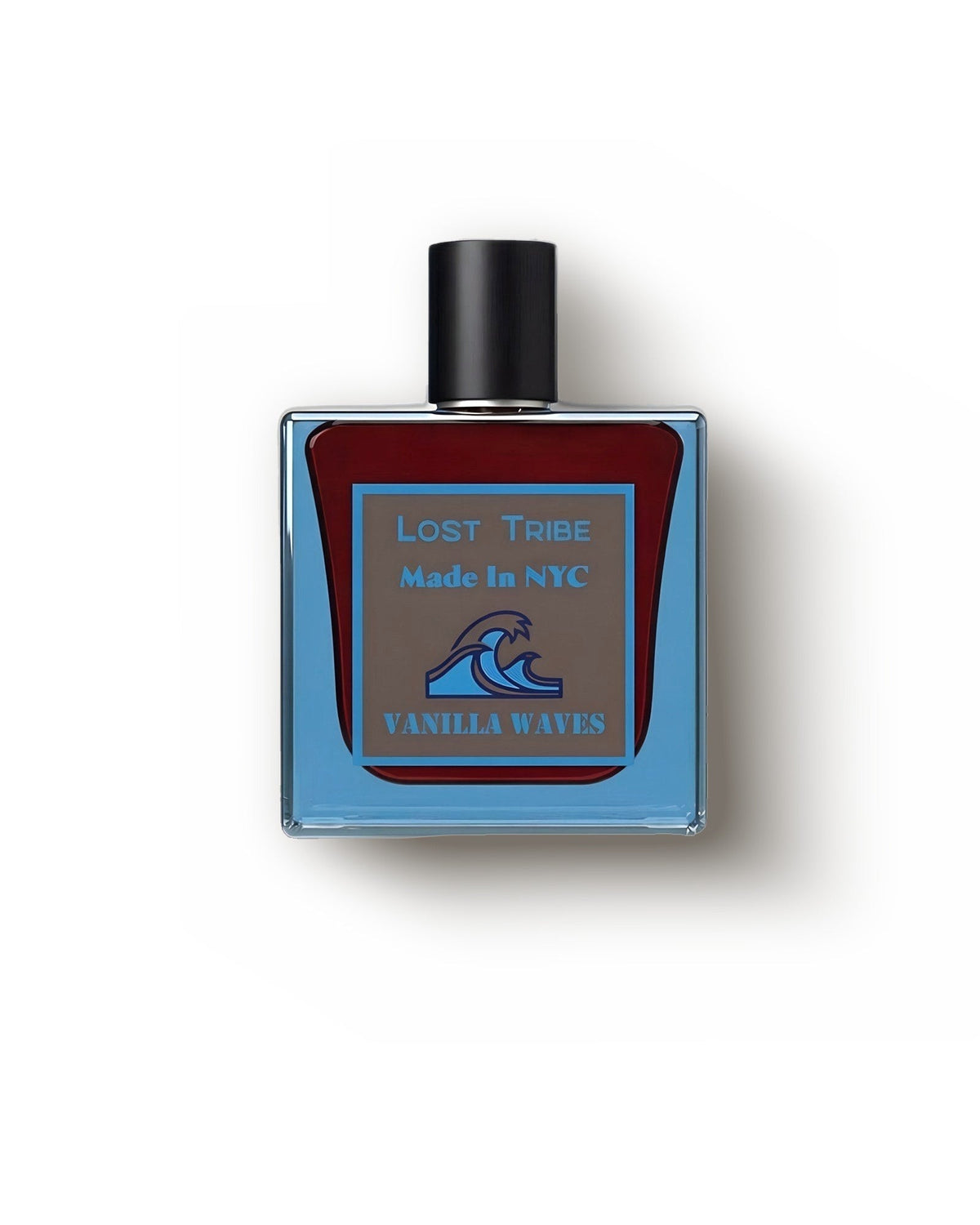


Lost Tribe
Vanilla Waves V2 Extra Musk
The Story
Vanilla Waves blends French vanilla with balsam of Peru, cinnamon, benzoin and tonka over Palembang oud and Mongolian deer musk, all in naturals. For the Extra Musk edition the house adds a fine mesh pouch of musk grains to the bottle, so the perfume slowly picks up more musk over time. A decant carries the musk the bottle had reached when it was poured.


Amber
Resin warmed until it goes sweet
Labdanum, benzoin and vanilla melted together into something sweet but dusky, like tree sap gone soft in the sun with a thread of incense smoke through it. Amber does not sparkle or shout. It sits close to the skin and gives off heat for hours.


Vanilla
Cured pod, boozy under the cream
Cured pods, not frosting. The sweetness here is custardy and balsamic, with something dark and boozy under it, closer to rum and woodsmoke than to sugar. It warms everything above it, blunting sharp edges and slowing the whole thing down.


Balsamic
Tree sap gone thick and golden
Tree resins and golden amber, thickened to syrup and touched with vanilla. It does not sparkle or move; it settles, warming the skin the way candlelight warms a room, and it stays there long after the top notes have gone quiet.

Warm Spicy
Glowing embers of the spice drawer
The rounded heat of cinnamon, clove, and nutmeg, dry and slightly resinous, like a baking pantry rather than a sharp kitchen. It creates a flushed, enveloping warmth that feels intimate and cool-weather, hugging the skin from within.


Oud
What a tree makes when it is wounded
A dense, resinous wood that smells warm and slightly medicinal, with a leathery, animal-tinged smokiness and a sweet, almost barnyard funk underneath. It feels ancient and brooding, wrapping the skin in something thick and quietly powerful.


Musky
Warm breath of bare skin
The softly animalic warmth of natural musk, whether deer musk or a plant musk such as ambrette seed: warm skin and soft fur, powdery, intimate and faintly sweet. It hums quietly underneath a fragrance, a second skin that only registers when someone is already standing close enough to catch it.

Vanilla
Cured orchid pods, custard and faint smoke
What it is
Green pods come off the orchid vine smelling of almost nothing. The scent is made, not found: months of blanching, sweating in the sun and slow drying before the vanillin appears. Mexico first, Madagascar now.
How it smells
Custard and caramel up front, then something darker underneath: dried fruit and a thread of tobacco smoke. It turns powdery as it dries and sits close to the skin. Real cured vanilla reads deeper than vanillin alone.
In perfumery
Perfumers use it to round off edges. Anything too sharp, too green, too austere gets warmth and body from a vanilla base, which is why it anchors many oriental and gourmand builds alongside tonka, amber, sandalwood and spice.
Good to know
Every flower opens for one day. Miss it and there is no pod, so all of it is pollinated by hand, a trick devised by Edmond Albius, a twelve-year-old enslaved boy on Réunion. Most vanilla flavour today is synthetic.


Peru Balsam
Warm vanilla cinnamon bleeding from wounded bark
What it is
Harvesters scorch the tree, beat the bark until it splits, then pack the wound with cloth and boil the resin out. Almost all of it comes from one stretch of El Salvador, the Costa del Balsamo.
How it smells
Vanilla and cinnamon in a deep sticky resin, with something almost cola-like underneath and a whisper of smoked leather. It starts tarry, then goes soft and powdery, with clove and dried fruit hanging around the edges.
In perfumery
Base note and fixative, the thing that makes an amber last, at home with vanilla, tonka, labdanum and tobacco. The raw exudation is a potent contact allergen, so only purified extracts and distillates ever reach a bottle.
Good to know
The name is a lie of logistics. The resin sailed for Europe out of a Peruvian port and Europe named it after the harbor, while the trees themselves stand in Central America.


Cinnamon
Sweet bark heat, glowing rather than stinging
What it is
The prized part is the inner bark. Strips are peeled from the tree and curled into quills for the spice trade; the oil is steam-distilled from the trimmings and broken bark. Sri Lanka's true cinnamon is the delicate one; the coarser, lower-priced cassia is what fills most kitchen jars.
How it smells
Warm, dry and sweet, with a red glow from cinnamaldehyde and a clove-like edge behind it. True cinnamon smells rounder and faintly floral; cassia bites. The dry-down goes woody and balsamic, with a whisper of leather.
In perfumery
A heart note, and the reason gourmands and orientals feel like a warm room. It works with vanilla, amber, rose, apple and tobacco, and the whole trick is restraint: a touch gives glow, a fraction more gives sting.
Good to know
The Dutch once burned their own stockpiles to keep the price up, back when this bark outvalued gold and Ceylon was worth conquering for it. Modern caution is duller: cinnamaldehyde sensitizes skin, so the dose is capped.

Tonka Bean
Warm almond-vanilla sweetness with a hay-tobacco shadow
What it is
Shelled seeds from a South American legume tree go into alcohol, then dry for weeks until coumarin crystallizes across their skins like frost. That frosted bean is what becomes the absolute perfumers use.
How it smells
Vanilla and bitter almond first, then hay, dried tobacco and something toasted. The opening is close to caramelized custard; the drydown goes powdery and boozy, with cinnamon and cut clover in it. Hazier than vanilla, softer than almond.
In perfumery
Between heart and base, it sweetens without turning sharp. Lavender, amber and tobacco all take to it. Coumarin, first pulled out of this seed, built the fougère family, though the 1882 original ran on the synthetic version.
Good to know
Tonka owes most of its scent to coumarin, which American food regulators banned in 1954 after high doses damaged the livers of lab animals. The bean is effectively illegal in a US kitchen and perfectly legal on skin.


Benzoin
Warm vanilla balsam wept from a tapped tree
What it is
Benzoin does not flow on its own. Someone cuts the bark of a styrax tree in Laos, Vietnam or Sumatra, and the wound weeps a gum that hardens over months into reddish tears.
How it smells
Sweet, warm, unmistakably vanillic, with a powdery amber softness underneath. Siam benzoin is rounder and creamier; Sumatra runs smokier, with a cinnamon bite. Left on skin it turns almost caramelized.
In perfumery
A base note that behaves like a fixative and a sweetener at once, giving amber accords their glow and holding the rest of the composition still. It softens sharp edges beside labdanum, tonka and incense.
Good to know
The word benzene comes from here. Chemists named benzoic acid after this resin, and benzene took its name from the acid. The resin's own name is a worn-down Arabic phrase, luban jawi, frankincense of Java.


Palembang Oud
Understated Sumatran oud with a dark caramel edge
What it is
Real agarwood oil from Palembang, in South Sumatra, the origin of the oud in this version of the perfume. Sumatran oud comes from Aquilaria trees in lowland rainforest, and the house works only in naturals, so this is real oud oil rather than an oud accord.
How it smells
Understated, with a deep dark caramel edge. Beneath it sits a dark resinous woodiness, quietly sweet rather than fruity, with the earthy, forest-floor depth Sumatran oils are known for. It hums under the vanilla rather than taking over.
In perfumery
Here it is a base note, laid under French vanilla, Peru balsam, benzoin and tonka so the sweetness has something dark to rest on. Beside Mysore sandalwood and Mongolian musk it gives the drydown its depth without the barnyard charge of a Hindi oil.
Good to know
Indonesia is not one oud: the camphorous blue character often credited to the country belongs to Kalimantan on Borneo, while Sumatran oil runs darker and earthier. The first Vanilla Waves used wild Malaysian oud; the house moved to Palembang oud for this version.


Mysore Sandalwood
Creamy heartwood, pulled up roots and all
What it is
Harvesting means uprooting: the oil runs richest in the roots, so in Karnataka the whole tree comes out of the ground. Heartwood only begins forming around ten years, but a heart worth taking is closer to thirty.
How it smells
Cream and warm milk over sawn wood, with a sour-buttery edge that turns almost lactic. Something rosy and balsamic sits underneath. It never sharpens and never smokes, just settles on skin, quiet and close, for hours.
In perfumery
Perfumers use it to hold a blend together: it rounds sharp edges and makes everything above it last longer. Rose, jasmine, violet and oud all soften against it. The great vintage milky-woody orientals are built on it.
Good to know
India cut its own supply almost to collapse. Standing trees and sales now fall under government licence and auction, and genuine Mysore oil has grown scarce, so most sandalwood you meet is Australian plantation wood or a synthetic sandalwood molecule.


Sweet Mongolian Musk
Chocolate, dust and a warm animal hum
What it is
Deer musk from the cold end of its range, the forested mountains where Mongolia meets southern Siberia. Perfumers grade it against Tonkin, the prized Tibetan and Chinese grade every other musk is measured by.
How it smells
Sweeter than expected, almost chocolatey, with earth and resin underneath and a dry sandy warmth close to ambergris. Muddier than the floral prettiness of Tonkin, softer than the feral Siberian grade. It sits on skin, not above it.
In perfumery
A trace holds everything above it in place for hours and gives a blend its brooding, skin-close weight. All-natural houses set it against oud, where its earthy backbone meets the smoke halfway.
Good to know
Almost everything sold as musk today is synthetic and unrelated to any deer, which is why the word tells you so little on a note list. Tonkin stays the benchmark; taiga grades read rougher and more barnyard.
Fragrance Character
Balsam and vanilla stack immediately into something close to incense-warm confection, cinnamon keeping it from tipping into sugar. Tonka and benzoin pull it toward a softer, powdery resin in the heart, rounding the spice. On the drydown, oud and Mysore sandalwood settle in beneath a vanilla that stays creamy at the core, the musk pressing everything flat against the skin in a quiet, persistent warmth.


Longevity
how long it stays on skin
The hourglass reads wear time: how many hours the fragrance keeps speaking before it fades. A bar that barely leaves the start means a few fleeting hours. One that runs the full length carries from morning into evening. Treat it as typical, not promised. Oily skin holds scent far longer than dry.


Sillage
the size of its scent trail
Sillage is French for a ship's wake, and that is exactly what this measures: how much of the scent reaches the room instead of staying on you. Low is a whisper only close friends catch. Enormous fills the room, then keeps filling it after you leave.


Experimental
Built to provoke, not to please
Some perfumes are made to be liked. These are made to be argued about: inky tar, hot rubber, fruit on the turn, metal and fur where you expected flowers. The coin glows for a scent that provokes and dims for one that plays it safe, which is sometimes the point.


Office
Polished, and never louder than the room
Scent is manners in a shared room. At this range it should reach the person across the desk and stop there: tidy citrus, soft musk, pale woods, all of it reading competent and considerate. A glowing coin means nobody has to mention it. A dim one means it travels.


Evening
After dark, when it deepens
Dinner, drinks, the night that runs long. Low light is where ambers, resins and smoky woods stop being polite, and where a plush floral finally blooms. A glowing coin means it is waiting for exactly this hour. A dim one means it did its best work in daylight.


Romantic
Close enough to be felt
A fragrance can hum against skin instead of announcing itself across a table. That is the register here: creamy florals, vanilla, soft musk, a thread of spice, warm enough to make someone lean in. The coin glows when a scent sets that mood and dims when it is more practical than seductive.


Formal
Quiet authority in a dressed-up room
A wedding, a ceremony, a room where everyone has thought about their shoes. What works here is structure, not volume: smooth woods, disciplined florals, soft leather. A glowing coin means it holds its posture all evening. A dim one means it is too casual for the room.


Casual
Easy comfort for unhurried days
Errands, coffee, a slow Saturday with nowhere to be. Nothing here has to impress anyone, so the fit is soft and easy: fresh citrus, light woods, a little warmth off the skin. A glowing coin says yes to all that. A dim one means the fragrance is asking for a bigger night.


Day to Night
where its mood naturally falls
A bar running from sun to moon, reading the hour the fragrance was made for. The more of it that stays gold, the more the scent belongs to daylight and open air. The further the blue reaches back toward the sun, the deeper and warmer it turns: evening, candlelight, low rooms.


Winter
Warmth that carries through cold air
Cold air mutes a fragrance and slows it down, which is why winter belongs to the dense and the warm: resin, smoke, vanilla, leather, ambered spice. The bar reads how well this one pushes back, glowing against the chill instead of thinning out in it.


Spring
Fresh blooms in mild, rising warmth
Mild, humid air lifts a light composition, so the season belongs to dewy florals, green stems, soft powder and citrus you can see through. Alive rather than heavy. The further the green runs along the bar, the more comfortably this one wears in that weather.


Summer
Bright and airy in real heat
Heat does the projecting for you, which is why the wrong perfume turns unbearable by noon. What survives is cool and breathable: sharp citrus, salt air, aromatic herbs, water. Things that refresh instead of cloy. A short bar here means save it for cooler months.


Fall
Spiced warmth for cooling days
As the air cools, the rich materials stop smothering and start reading clearly: dry woods, warm spice, tobacco, amber, fruit gone golden. It is the season perfume turns contemplative. The bar fills according to how naturally this one settles into crisp, cooling days.
Best Worn
Cold-weather evenings and formal occasions where the darkness and heat of a room can coax the oud and sandalwood into full bloom.
Choose options
The Vibe


The Nose
Mathew Schmuelian
Founder and perfumer
Founder and perfumer of Lost Tribe, who moved from collecting artisanal naturals to macerating his own musks in 2022; his first release was Lost Tribe Hope You Like It. He composed Lost Tribe Sultry Sambac, Lost Tribe Smoky Bear and Lost Tribe Prince of Persia.
More by this noseNeon PalmsLost LotusPrince of Persia
The Maison

Small tribe, real musk, no compromises, poured while stock of the originals lasts.
Lost Tribe makes fragrance that feels lived in and loud, the kind that arrives before you do and lingers after you leave. There is a maximalist streak running through the whole house, from sun drunk tropical fruit to resin thick vanilla to rare oud built on aged Kinam.
- Known for
- Maximalist naturals, aged Kinam

EVERY DECANT
From the original bottle to your door
We buy the original flacon at full retail price, direct from the house.
A medical grade Socorex syringe takes the exact millilitres straight from the flacon.
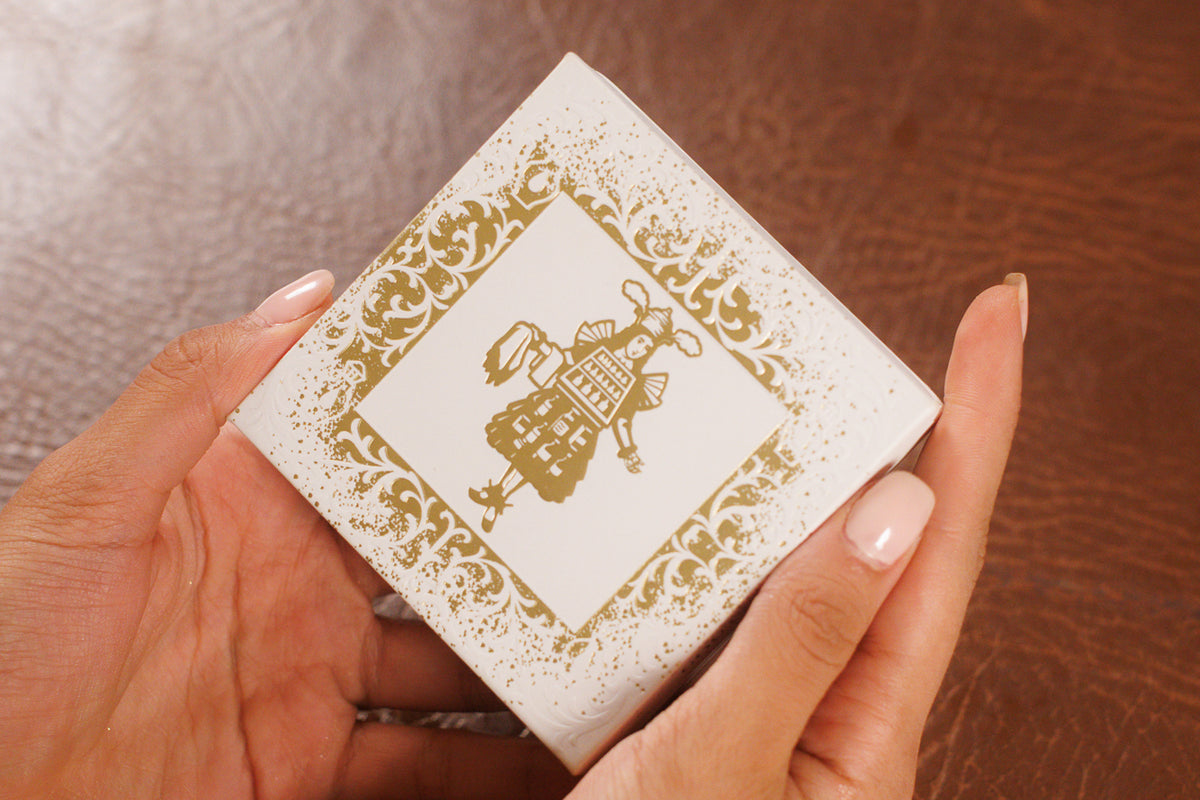
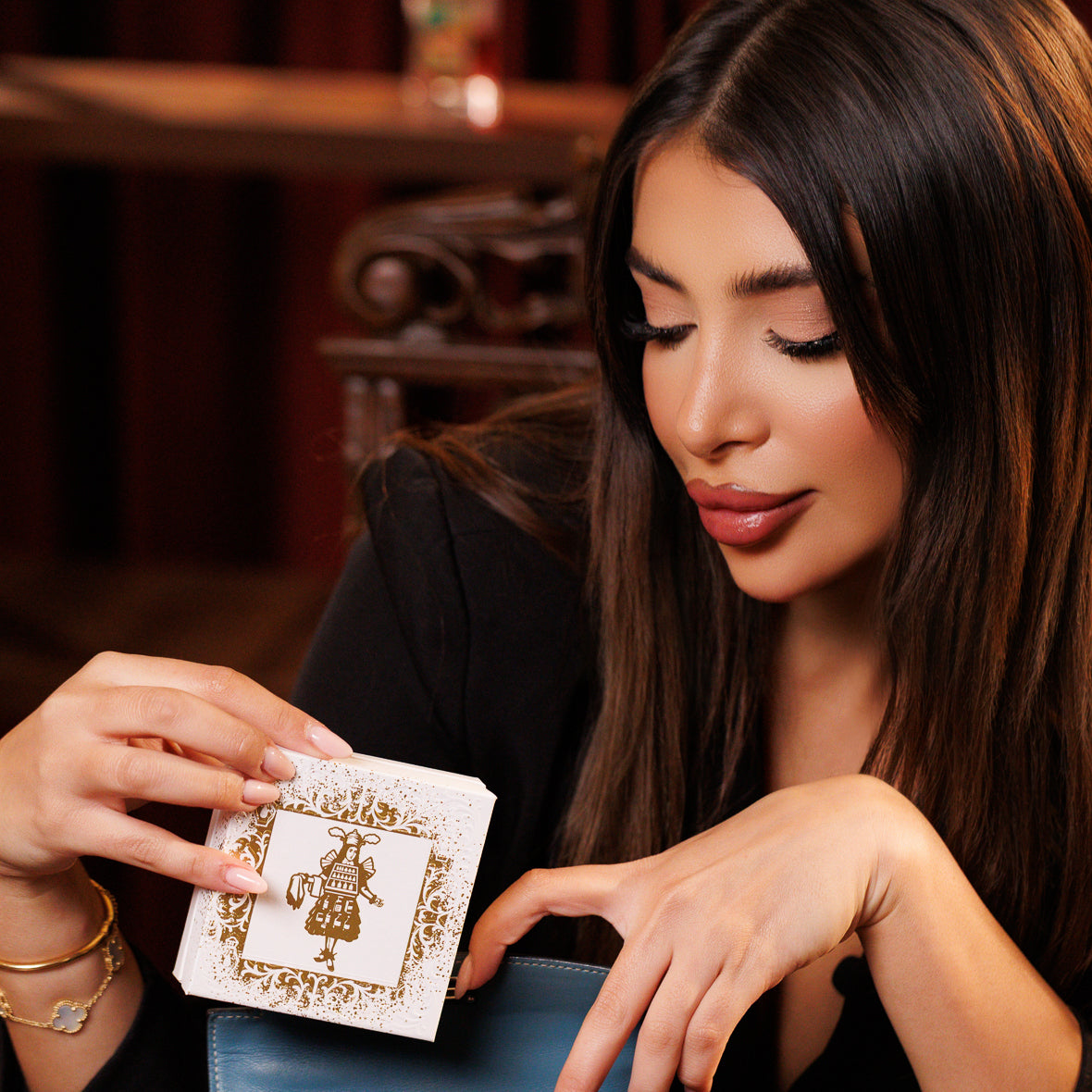
Packed into the hot foiled box and handed to DHL, every duty already paid. How a decant is made
More from Lost Tribe
You may also like