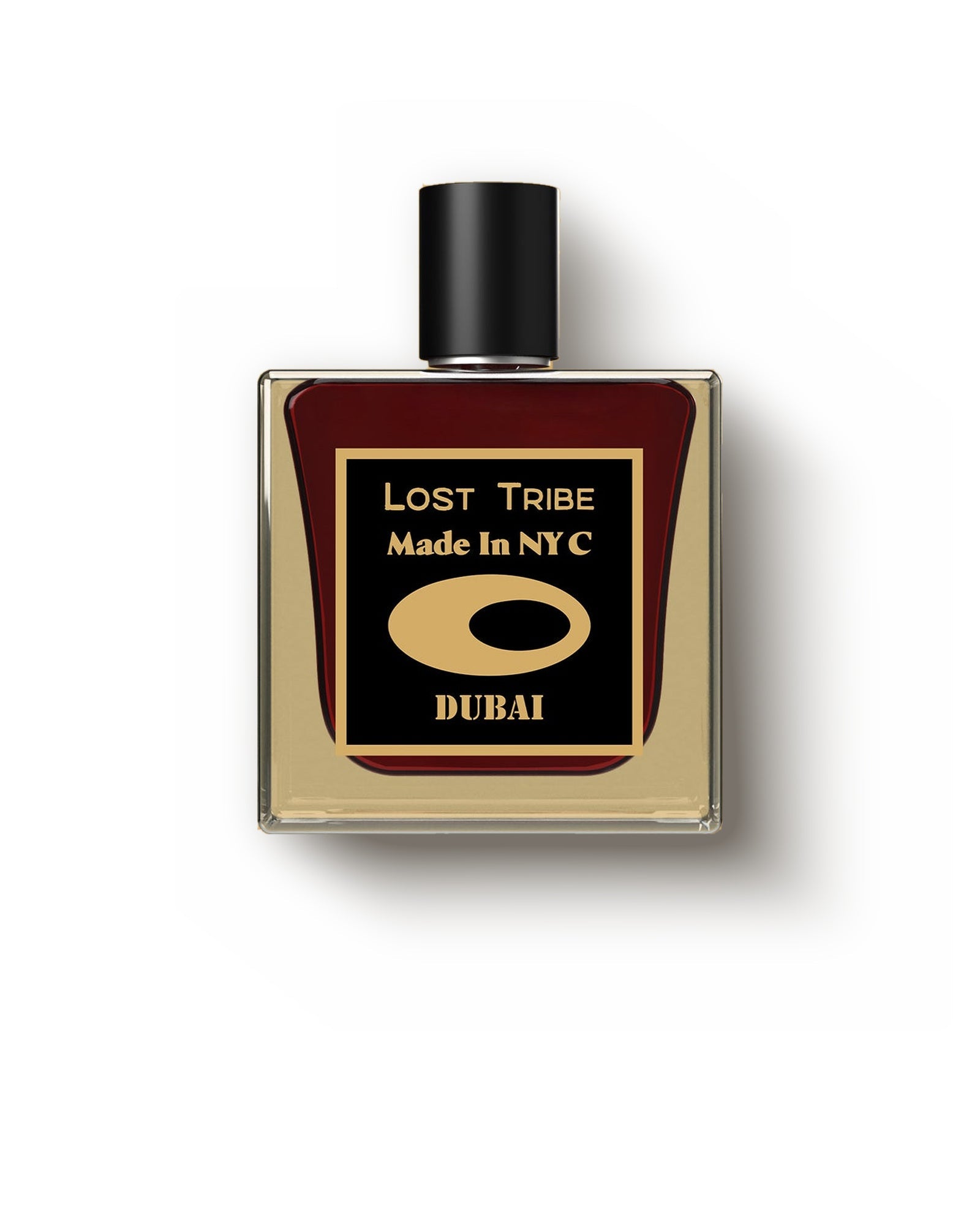
Lost Tribe
Dubai
The Story
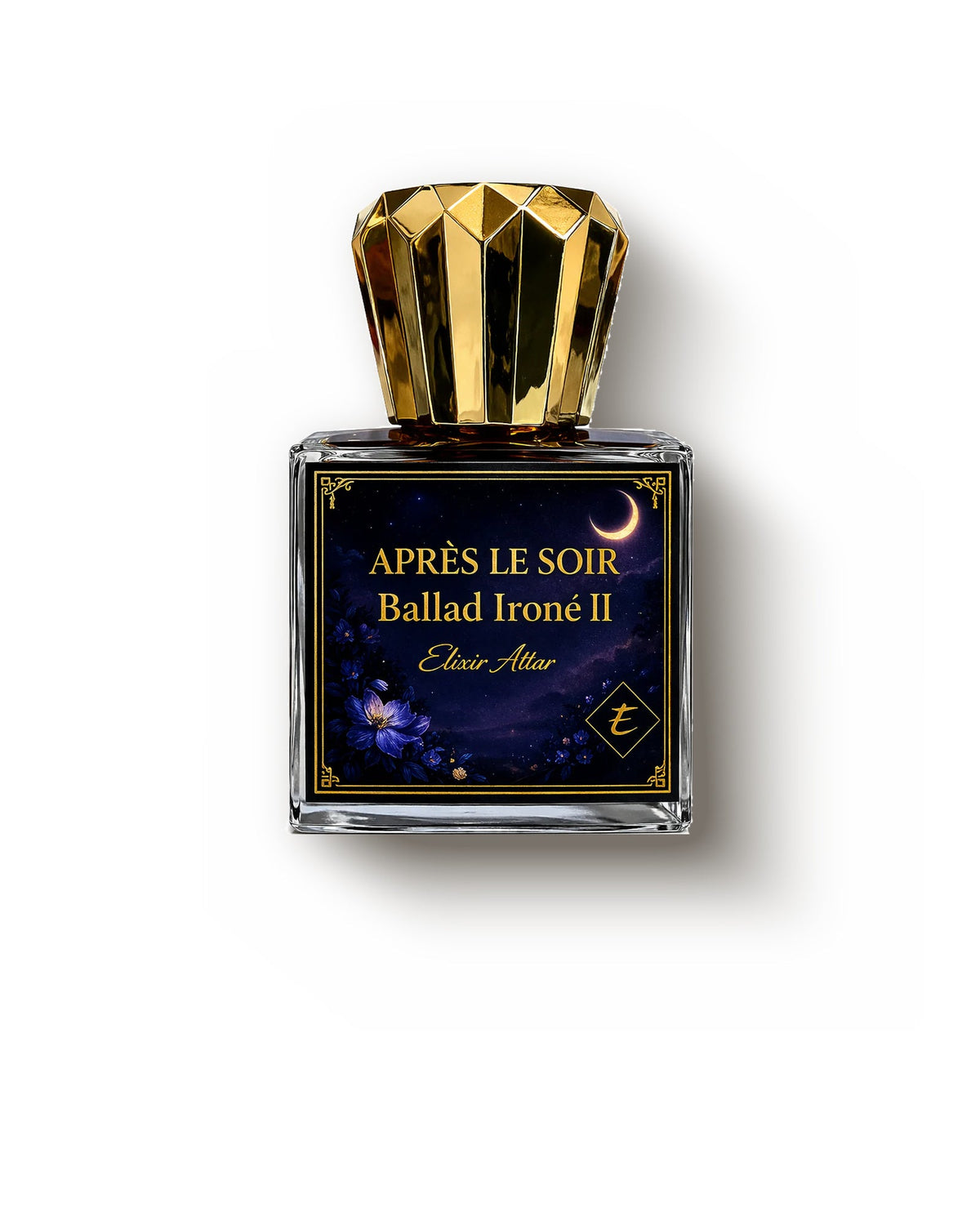
Dubai is Lost Tribe's fruit-over-oud composition, made in New York. Each bottle carries 1.5 grams of aged Chiang Mai oud, set beneath a purple heart of grape accord and a high-irone iris that the opening's black currant runs down into.


Fruity
Peach skin, not lemon peel
Peach, pear, apple, berry: this is sweetness in the flesh rather than the rind, dewy and nectar-heavy where citrus is sharp and thin. It plays young and slightly greedy, the sort of ripeness you can almost feel running down a wrist.


Oud
What a tree makes when it is wounded
A dense, resinous wood that smells warm and slightly medicinal, with a leathery, animal-tinged smokiness and a sweet, almost barnyard funk underneath. It feels ancient and brooding, wrapping the skin in something thick and quietly powerful.


Sweet
Warm sugar you cannot quite name
Caramel, honey, spun sugar: sweetness that hovers between all three and never settles on one. This is the gourmand pull, the thing that makes someone lean in closer than they meant to, warm and soft and a half step short of edible.


Woody
Dry grain of cut timber
The smell of cedar shavings, sandalwood, and dry vetiver roots, a sanded, resinous warmth with a faint pencil-box rasp. It feels grounded and composed, the quiet backbone that makes a scent read as serious and lasting.


Iris
cool powder over damp earth
A cool, silvery powderiness with a buttery, slightly carroty rootiness and a whisper of damp soil. It feels elegant and restrained, almost melancholic, like fine face powder and suede laid over something quietly earthy.


Citrus
First bright zest of morning
The juicy, rind-snapping brightness of lemon, bergamot, and orange peel, tart and effervescent with a clean bitter edge. It opens a scent with instant lift and sparkle, fresh and energizing, evaporating quickly like sunlight on water.


Amber
Resin warmed until it goes sweet
Labdanum, benzoin and vanilla melted together into something sweet but dusky, like tree sap gone soft in the sun with a thread of incense smoke through it. Amber does not sparkle or shout. It sits close to the skin and gives off heat for hours.

Japanese Yuzu
Tart Japanese citrus, crisp as winter air
What it is
A knobbly, thick-skinned citrus grown in Japan, Korea and China, long used in Japanese cooking and bathing. The fragrance sits in the bumpy rind, cold-pressed from the peel; smaller amounts are steam-distilled.
How it smells
Sharp and mouth-watering, like grapefruit crossed with mandarin and a squeeze of lime. A green, faintly herbal bitterness sits under the brightness, with cool floral facets that belong to yuzu alone. Then it thins to clean zest.
In perfumery
Perfumers reach for it when a citrus opening should read sharp rather than sweet: it is fresher and more savory than orange, and it sits well with shiso, tea, vetiver and clean musks.
Good to know
Yuzu trees take years to fruit, long enough to feed a proverb about waiting eighteen years for the harvest. On the winter solstice whole yuzu are floated in a hot bath, the yuzuyu, to scent the water.


Honeysuckle
Sun-warmed hedgerow nectar dripping golden evening sweetness
What it is
The flowers are full of nectar and give up almost none of it to a perfumer. This climbing hedgerow vine yields no worthwhile oil, so natural perfumers capture it by enfleurage or tincture, use a rare absolute, or compose it from jasmine, orange blossom, linden and beeswax absolutes.
How it smells
Sweet and green at the same time, honeyed petals with a dewy lift that borrows from jasmine and orange blossom. Bright at first, like a hedge in flower at dusk, then it clings, sweet and faintly waxy.
In perfumery
Rarely a soloist. In the heart it lends radiance and transparency, sweetening lily-of-the-valley, jasmine, tuberose and neroli without adding weight, and it carries the whole of a honeysuckle soliflore when one is attempted.
Good to know
Children have long pinched the base of a bloom to draw out one bead of nectar, which is where the folk name comes from. Anything labeled honeysuckle absolute is a rarity; most commercial honeysuckle is made from aroma-chemicals, and a natural one is the rarer thing.


Black Currant
Tart cassis with a wild, animalic snarl
What it is
Perfumery mostly ignores the berry. The material that matters is cassis bud absolute, extracted from the sticky, resinous leaf buds of the shrub, and its own trace sulphur compounds carry the fruit's tart snap.
How it smells
Sharp, tart, unmistakably purple, then something feral cuts across it: a green, leafy, faintly sweaty pungency that sits closer to cat than to fruit. Ripe berry with a growl behind it.
In perfumery
A top note with claws. It cuts through sweetness, puts an edge on rose, and gives a fruity-floral something to push against. It still jolts open modern fruity compositions.
Good to know
The catty edge comes from thiols your nose can catch at parts per trillion, the same family behind tomcat spray and a glass of Sauvignon Blanc. Perfumers dose cassis in drops, not millilitres.

Pineapple Myrtle
Tropical fruit salad from an Australian tea tree
What it is
A few hectares of floodplain in northern New South Wales hold the wild population, noticed there only in 2014. The name says myrtle. Botanically it is a tea tree, kin to manuka and not a eucalypt at all.
How it smells
Lemon hits you first, sharp and clean, and then the whole thing turns into fruit salad: pineapple, banana, a soft citrus sweetness with a little floral behind it. No menthol, no chest rub, no cold.
In perfumery
Bottled for sale only since 2022, it arrives with almost no track record in fragrance. At the top it lifts like a citrus, then hands the opening to tropical fruit rather than a cold green sting.
Good to know
One Australian grower found it, propagated it and named it, which is why the name is a brand rather than a species. Leaves and green twigs go into the still on site, straight after cutting.


Grapefruit
Bitter-bright citrus burst with a sulfurous tang
What it is
The oil is in the rind, not the flesh: pressure ruptures the glands and it runs out cold. The fruit was an accident, a chance cross of pomelo and sweet orange that turned up in the Caribbean.
How it smells
Tart and fizzing, with a bitter rind edge and, underneath, something faintly sweaty and sulfurous that is exactly what makes it read as grapefruit rather than orange. It goes quickly, leaving a clean, soapy, bitter-green trace.
In perfumery
Perfumers use it for the opening, the cold slap of freshness before anything else arrives. It sits well with neroli and mint, and turns modern and dry over vetiver or a woody amber base.
Good to know
Almost all of that character is trace: grapefruit mercaptan, which the nose catches at a fraction of a part per trillion, and nootkatone. The oil also leaves skin sun-sensitive, so it is usually stripped or kept low.


White Ambergris
Salt, skin and driftwood, bleached pale
What it is
White is where the journey ends. A waxy mass forms in the gut of a sperm whale, drifts for years, and sun and saltwater bleach it from black toward dusty white, oxidizing near-odorless ambrein into something fragrant.
How it smells
Soft, sweet and marine, the most rounded of the grades. Clean skin, warm musk, tobacco and sea air over a velvety mineral sweetness. Whatever fecal edge the fresher, darker pieces carry has weathered out of it.
In perfumery
Used as a tincture, it works less like a note than like a light behind the others, adding warmth, diffusion and a skin-close glow while making everything around it last. Ambroxan now reproduces the core of that effect.
Good to know
Nothing is taken from a whale: every piece is picked off a beach, often years after it was expelled. Each lump is a one-off find, and no two smell quite alike.


Iris 20% Irones
Cold powdery violet, softened by its own wax
What it is
Iris perfume comes from the rhizome, not the flower. The fresh root is green and acrid; only after years of drying do odorless compounds inside it oxidize into irones, the molecules that smell of violets.
How it smells
Cold, powdery violet, the way a compact of face powder smells, with suede and dry earth behind it. Give it a minute and something rooty and carrot-like surfaces, softened by the fat it comes packed in.
In perfumery
The number on the label is the irone share, so matching an 80 percent grade takes four times as much of this. The extra material brings its wax: soft, skin-close body under rose, sandalwood and musk.
Good to know
Perfumers call this orris butter, though no dairy comes near it. It sets solid at room temperature because the four fifths that is not irone is mostly myristic acid, a waxy fatty acid found in coconut oil.

Nightbloom Jasmine
The heady white flower at perfumery's beating heart
What it is
Picking runs by hand in the dark, from before first light into the morning. The blossoms are too fragile to distill, so solvent lifts their oil into a waxy concrete, and alcohol washes the absolute out of that.
How it smells
Sweet, heavy and honeyed, with something faintly animal underneath. Sambac reads green, tea-like and luminous; grandiflorum is fruitier, creamier, heavier on the skin. Both dry down warm and soft, with a mushroomy musk you notice only up close.
In perfumery
Put it in the heart and it ties a citrus opening to the woods underneath, adding volume to both. Rose, tuberose, sandalwood and musk all take it well. Plenty of perfumes are built on jasmine and nothing else.
Good to know
Roughly five thousand hand-picked blossoms go into one gram of absolute, among the costliest materials in perfumery. Part of its depth is indole, which smells like decay when concentrated and turns radiant at the trace the flower carries.


Port Oxford Cedar
Ginger-warm wood from a false cypress
What it is
Cedar in name only. Port Orford is a false cypress, no relation to fir, and it grows wild on a single coastal strip about 175 miles long where Oregon meets California.
How it smells
Nothing like a Christmas tree. The wood smells dry and clean, warm the way fresh ginger is warm, with a green herbal snap of fennel underneath and none of fir's sticky balsam sweetness.
In perfumery
Perfumers get it from the wood, steam distilled from sawmill offcuts and stumps rather than needles or twigs. That makes it a base note rather than a green top: cedar's dry structure, lifted by spice.
Good to know
A water mould kills these trees, and it travels in wet soil stuck to tyres, boots and hooves. Forests in its range close roads through the rainy months and wash vehicles down at the gate.


Grape Accord
A chord of materials playing a single grape
What it is
No grape gets pressed, distilled or squeezed into this. It is a chord of botanicals, for example orange-flower and mandarin-leaf materials that carry natural anthranilates, cassis bud for dark fruit and a green stem note, tuned until your nose hears one fruit rather than a parts list.
How it smells
Purple before it is fruit: grape must and young red wine, a skin-and-stalk greenness underneath that stops it going pure sugar. A floral tug runs through it too, one you cannot quite place as orange blossom.
In perfumery
Because it is built rather than sourced, no two houses land on the same grape. The dial runs from fizzy soda to wine-dark must, and a heavy hand turns a composition into candy, so it is kept low.
Good to know
The molecule behind the classic grape note, methyl anthranilate, occurs naturally in orange blossom and in Concord grapes. Sprayed over vineyards and airfields, it does one other job: keeping birds away.


Gypsy Rose Accord
A rose composed, not a rose distilled
What it is
No single rose made this. It is assembled at the bench from separate materials, and the name on it tells you which rose the perfumer was chasing.
How it smells
Warmer and dustier than a garden rose, with a worn, slightly vintage edge under the sweetness. Here it sits between powdery iris and stewed grape, and you notice it as the thing holding those two together.
In perfumery
Building a rose rather than buying one hands the perfumer control. Every material in it is still a crop that shifts with the harvest, but the blend can be pushed toward jam, leather, dust or metal further than any single distillation goes.
Good to know
Real rose oil hides a trick. Damascenone is barely a tenth of a percent of it and, with a few other trace molecules, carries most of what the nose calls rose, while the geraniol and citronellol that give it body also run through geranium and palmarosa.


Chiang Mai Oud
Robust, dark Thai oud, aged for depth
What it is
Agarwood oil from Chiang Mai, in the hills of northern Thailand, several hundred kilometres from the better-known Trat and Chanthaburi belt on the eastern seaboard. It was harvested with care and aged for depth, and every bottle carries 1.5 grams of it.
How it smells
It is robust, dark and resinous, with a naturally dense profile that grounds the whole composition. It takes centre stage in the base, never overpowering but always present.
In perfumery
Here it anchors the base with Red Meat Sandalwood, Atlas cedar and an amber accord, beneath the purple note the house forms from black currant and a grape accord. It brings the kind of resinous warmth and sacred gravity that Arabian perfumery is revered for.
Good to know
Thai oud is not one profile. Eastern Thailand, sharing the Cardamom range with Cambodia, gives the leathery, smoky oils the country is best known for, while the northern hills around Chiang Mai are a separate source with a character of their own.


Red Meat Sandalwood
Creamy heartwood, pulled up roots and all
What it is
Harvesting means uprooting: the oil runs richest in the roots, so in Karnataka the whole tree comes out of the ground. Heartwood begins forming at five to ten years, but a heart worth taking is closer to thirty.
How it smells
Cream and warm milk over sawn wood, with a sour-buttery edge that turns almost lactic. Something rosy and balsamic sits underneath. It never sharpens and never smokes, just settles on skin, quiet and close, for hours.
In perfumery
Perfumers use it to hold a blend together: it rounds sharp edges and makes everything above it last longer. Rose, jasmine, violet and oud all soften against it. The great vintage milky-woody orientals are built on it.
Good to know
India cut its own supply almost to collapse. Standing trees and sales now fall under government licence and auction, and genuine Mysore oil has grown scarce, so most sandalwood you meet is Australian plantation wood or synthetic Javanol.


Cedar Atlas
Dry mountain wood, sweet balsam and warm resin
What it is
A true cedar, and a mountain one: it comes from the high Atlas ranges of Morocco and Algeria. The oil is steam-distilled from chips, offcuts and sawdust, largely what the lumber trade has already finished with.
How it smells
Warm and dry with a sweet balsamic core, lifted by something camphorous and faintly smoky over an earthy base. Sweeter and more resinous than the dry pencil-shaving bite of Virginian cedar. It dries down clean and tenacious.
In perfumery
A workhorse in the base, giving structure, dryness and something for the rest to hold onto. It sits under rose, vetiver, patchouli, oakmoss and labdanum, and it holds up chypre and woody oriental builds from underneath.
Good to know
Atlas cedar is endangered in its own range now, and the forests are shrinking. It is the rare case where the responsible material is the leftover one: sawmill waste, not a standing tree.


Amber Accord
A warm resinous glow built, not harvested
What it is
There is no amber tree. Perfumers assemble the smell from labdanum, the sticky gum that bleeds off a Mediterranean rockrose in summer heat, plus benzoin and vanilla. The fossilized resin in museum cases is odorless on skin.
How it smells
Honeyed and faintly animalic at first, then it settles into golden powdery warmth: beeswax, old tobacco, worn leather, a thread of smoke underneath. It stays close to the skin rather than filling the room.
In perfumery
It sits at the base and holds everything above it in place, which is why oriental compositions lean on it so hard. Vanilla and patchouli push it sweet; more resin, spice and dry herbs push it austere.
Good to know
The word once meant ambergris, the waxy secretion of sperm whales, and the confusion never cleared. The trade now uses amber for two things: this resin accord, almost always plant and synthetic, and the ambergris substitutes like Ambroxan.
Fragrance Character
It opens loud: yuzu and grapefruit sharp on top of black currant, with honeysuckle and pineapple myrtle making the fruit read candied rather than fresh. The iris then thickens the middle into something powdery and slightly rooty while the grape accord keeps it purple. In the drydown the fruit thins and dark oud, creamy sandalwood and heavy amber take over.


Longevity
how long it stays on skin
The hourglass reads wear time: how many hours the fragrance keeps speaking before it fades. A bar that barely leaves the start means a few fleeting hours. One that runs the full length carries from morning into evening. Treat it as typical, not promised. Oily skin holds scent far longer than dry.


Sillage
the size of its scent trail
Sillage is French for a ship's wake, and that is exactly what this measures: how much of the scent reaches the room instead of staying on you. Low is a whisper only close friends catch. Enormous fills the room, then keeps filling it after you leave.


Experimental
Built to provoke, not to please
Some perfumes are made to be liked. These are made to be argued about: inky tar, hot rubber, fruit on the turn, metal and fur where you expected flowers. The coin glows for a scent that provokes and dims for one that plays it safe, which is sometimes the point.


Office
Polished, and never louder than the room
Scent is manners in a shared room. At this range it should reach the person across the desk and stop there: tidy citrus, soft musk, pale woods, all of it reading competent and considerate. A glowing coin means nobody has to mention it. A dim one means it travels.


Evening
After dark, when it deepens
Dinner, drinks, the night that runs long. Low light is where ambers, resins and smoky woods stop being polite, and where a plush floral finally blooms. A glowing coin means it is waiting for exactly this hour. A dim one means it did its best work in daylight.


Romantic
Close enough to be felt
A fragrance can hum against skin instead of announcing itself across a table. That is the register here: creamy florals, vanilla, soft musk, a thread of spice, warm enough to make someone lean in. The coin glows when a scent sets that mood and dims when it is more practical than seductive.


Formal
Quiet authority in a dressed-up room
A wedding, a ceremony, a room where everyone has thought about their shoes. What works here is structure, not volume: smooth woods, disciplined florals, soft leather. A glowing coin means it holds its posture all evening. A dim one means it is too casual for the room.


Casual
Easy comfort for unhurried days
Errands, coffee, a slow Saturday with nowhere to be. Nothing here has to impress anyone, so the fit is soft and easy: fresh citrus, light woods, a little warmth off the skin. A glowing coin says yes to all that. A dim one means the fragrance is asking for a bigger night.


Day to Night
where its mood naturally falls
A bar running from sun to moon, reading the hour the fragrance was made for. The more of it that stays gold, the more the scent belongs to daylight and open air. The further the blue reaches back toward the sun, the deeper and warmer it turns: evening, candlelight, low rooms.


Winter
Warmth that carries through cold air
Cold air mutes a fragrance and slows it down, which is why winter belongs to the dense and the warm: resin, smoke, vanilla, leather, ambered spice. The bar reads how well this one pushes back, glowing against the chill instead of thinning out in it.


Spring
Fresh blooms in mild, rising warmth
Mild, humid air lifts a light composition, so the season belongs to dewy florals, green stems, soft powder and citrus you can see through. Alive rather than heavy. The further the green runs along the bar, the more comfortably this one wears in that weather.


Summer
Bright and airy in real heat
Heat does the projecting for you, which is why the wrong perfume turns unbearable by noon. What survives is cool and breathable: sharp citrus, salt air, aromatic herbs, water. Things that refresh instead of cloy. A short bar here means save it for cooler months.


Fall
Spiced warmth for cooling days
As the air cools, the rich materials stop smothering and start reading clearly: dry woods, warm spice, tobacco, amber, fruit gone golden. It is the season perfume turns contemplative. The bar fills according to how naturally this one settles into crisp, cooling days.
Best Worn
Evenings and cool nights, on skin rather than cloth and sprayed sparingly; the fruit opening carries across a room and the oud and amber base is the part that lingers.
Choose options
The Vibe


The Nose
Mathew Schmuelian
Founder and perfumer
Founder and perfumer of Lost Tribe, who moved from collecting artisanal naturals to macerating his own musks in 2022; his first release was Lost Tribe Hope You Like It. He composed Lost Tribe Sultry Sambac, Lost Tribe Smoky Bear and Lost Tribe Prince of Persia.
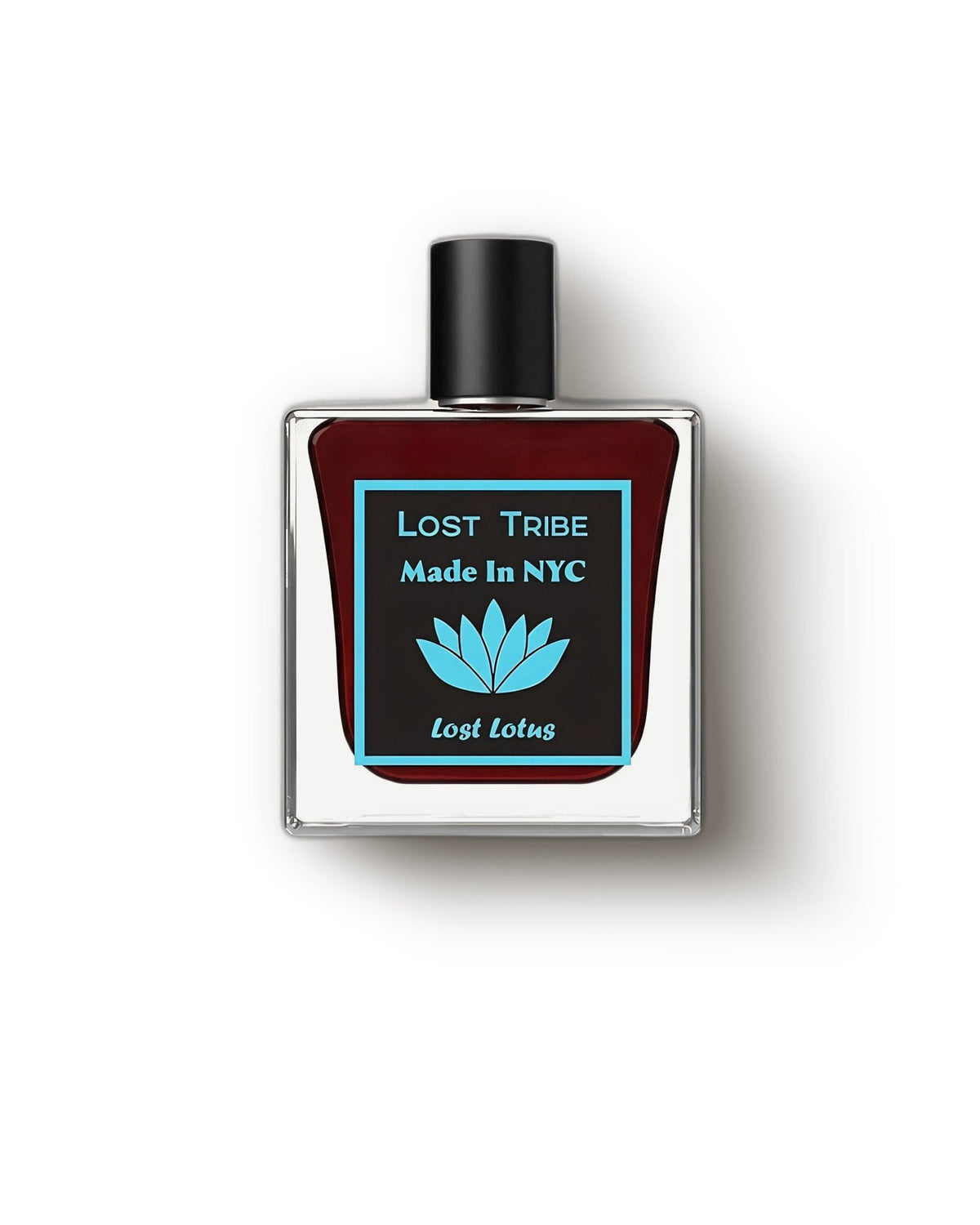
More by this noseNeon PalmsVanilla Waves V2 Extra MuskLost Lotus
The Maison

Small tribe, real musk, no compromises, poured while stock of the originals lasts.
Lost Tribe makes fragrance that feels lived in and loud, the kind that arrives before you do and lingers after you leave. There is a maximalist streak running through the whole house, from sun drunk tropical fruit to resin thick vanilla to rare oud built on aged Kinam.
- Known for
- Maximalist naturals, aged Kinam

EVERY DECANT
From the original bottle to your door
We buy the original flacon at full retail price, direct from the house.
A medical grade Socorex syringe takes the exact millilitres straight from the flacon.
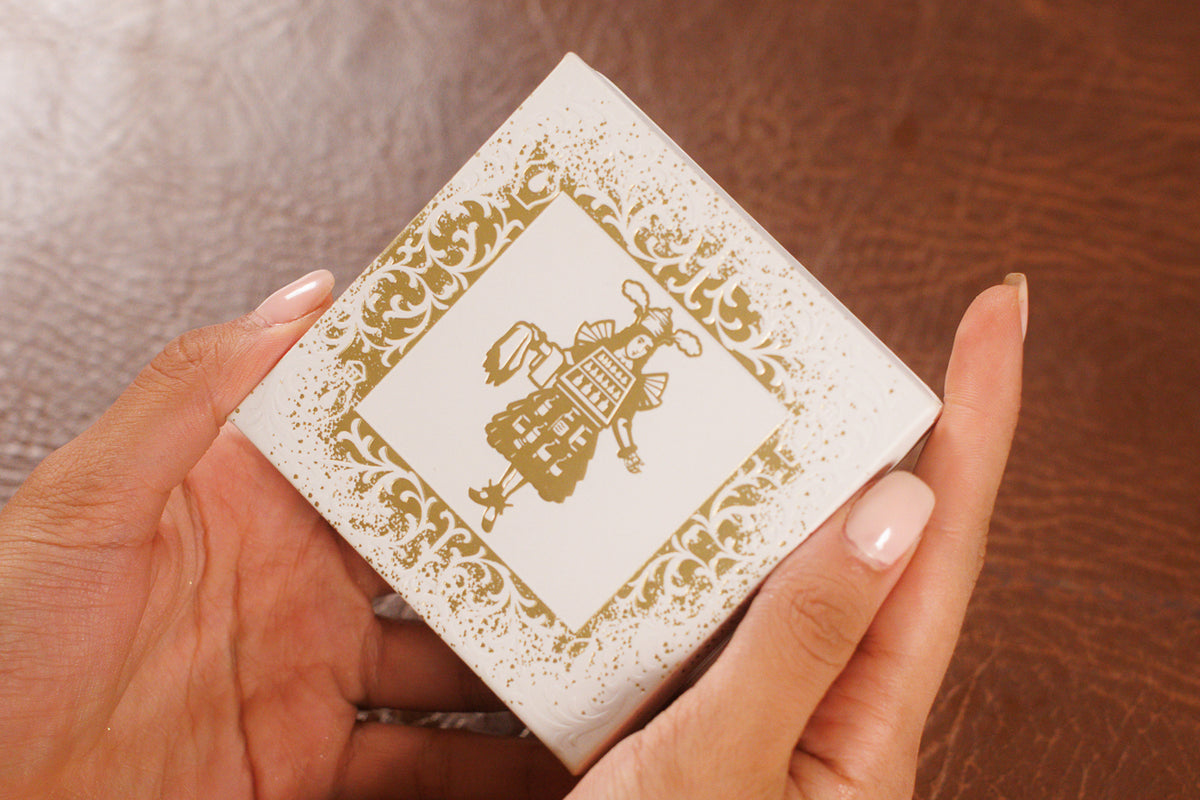
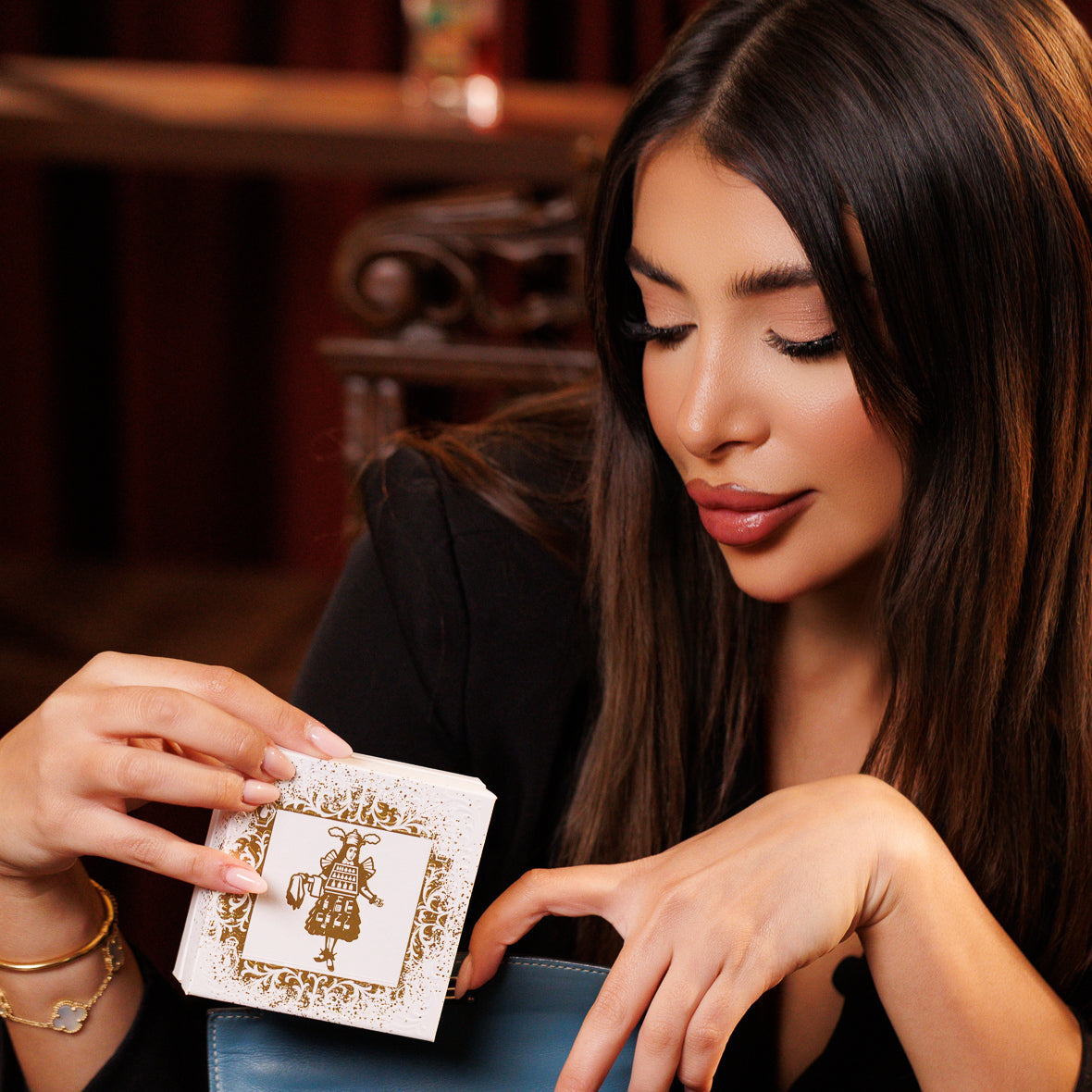
Packed into the hot foiled box and handed to DHL, every duty already paid. How a decant is made
More from Lost Tribe

You may also like