
The Story
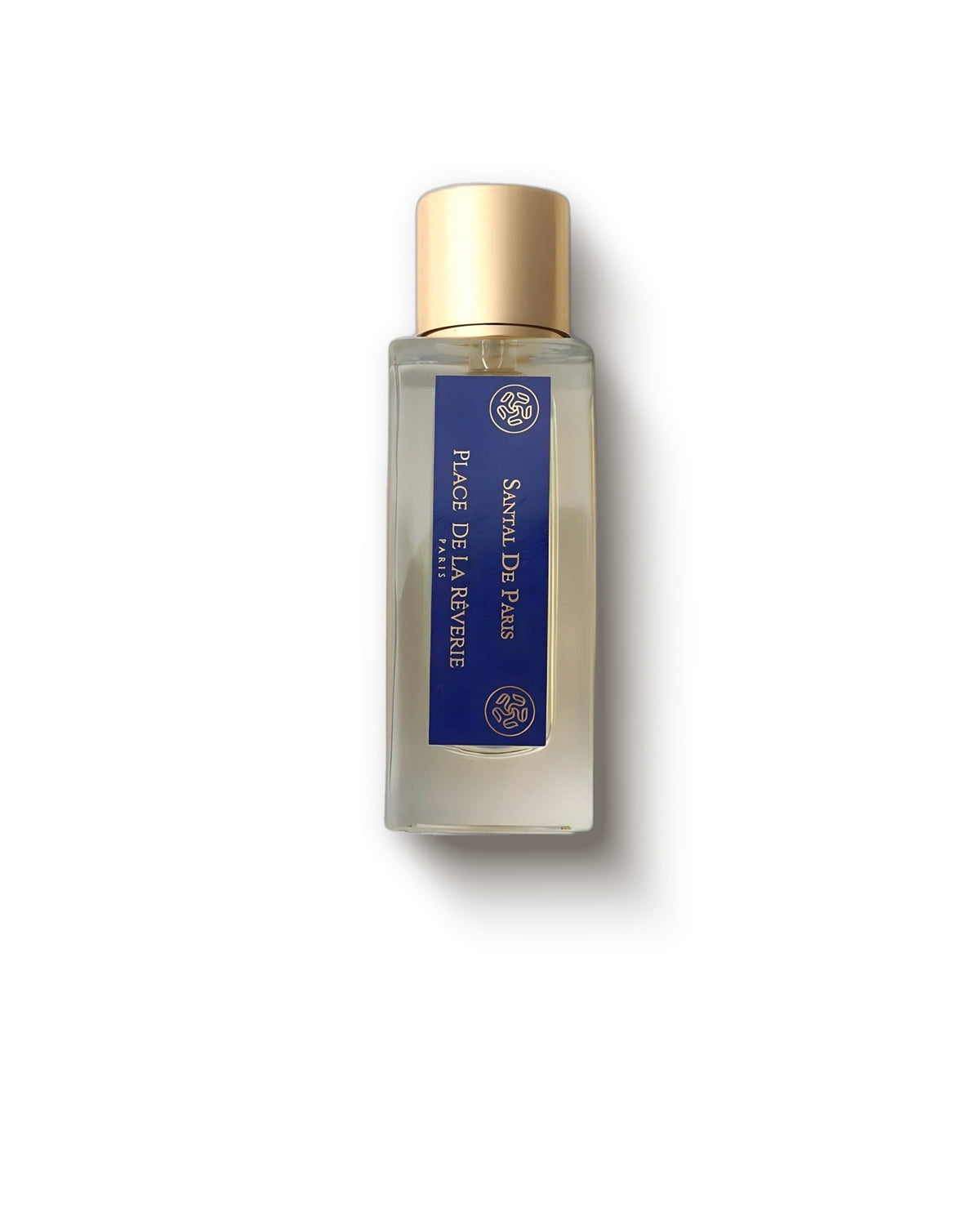
Nathalie Feisthauer composed Santal de Paris as a tribute to Parisian glamour, treating sandalwood as creamy and powdered instead of dry. The result sits close, more a veil on skin than a projection.


Amber
Resin warmed until it goes sweet
Labdanum, benzoin and vanilla melted together into something sweet but dusky, like tree sap gone soft in the sun with a thread of incense smoke through it. Amber does not sparkle or shout. It sits close to the skin and gives off heat for hours.


Musky
Warm breath of clean skin
A soft, slightly animalic warmth that smells like clean skin and freshly dried laundry, intimate and faintly sweet. It hums quietly underneath a fragrance, a second skin that only registers when someone is already standing close enough to catch it.


Vanilla
Cured pod, boozy under the cream
Cured pods, not frosting. The sweetness here is custardy and balsamic, with something dark and boozy under it, closer to rum and woodsmoke than to sugar. It warms everything above it, blunting sharp edges and slowing the whole thing down.


Powdery
Soft hush of dressed skin
A velvety, slightly dry softness of iris root, violet, and fine talc, like face powder or clean linen warmed by skin. It feels intimate, refined, and nostalgic, blurring a fragrance into a gentle, cushioned haze.


Floral
A whole garden, never one flower
Not one flower but the impression of many, usually rose, jasmine and orange blossom leaning on each other until no single one is recognizable. Sweet, dewy, faintly powdery, with nectar underneath. It is what people mean when a perfume smells like flowers and they cannot say which.


Balsamic
Tree sap gone thick and golden
Tree resins and golden amber, thickened to syrup and touched with vanilla. It does not sparkle or move; it settles, warming the skin the way candlelight warms a room, and it stays there long after the top notes have gone quiet.


Powdery Notes
Talcum, lipstick and warm clean skin
What it is
Nobody grows powder. It is an effect, conjured mostly from orris root, ionones, heliotropin and a musk or two, and the perfumer's aim is a texture rather than a smell: something you feel on the air.
How it smells
Dry, soft, a little sweet: talcum, the inside of a lipstick, warm skin just out of a bath. Orris pulls it cool and rooty, vanilla and heliotropin pull it almond-sweet. It hazes rather than announces.
In perfumery
Powder is connective tissue, running from the heart into the base, rounding off sharp corners and helping a scent bloom outward. Florals, vanillas and musks all soften against it. Some compositions make the haze the whole point.
Good to know
The ionones behind all this were the first synthetics that could convincingly fake a flower, and the flower was violet. That is the trick: it smells less like anything growing than like a dressing table.


Lily
Cool white trumpet, peppery under the pollen
What it is
The true lilies, genus Lilium: big trumpet flowers like Casablanca and stargazer that scent a whole room. Squeeze them and you get nothing usable, so the note is rebuilt from headspace readings taken off the living bloom.
How it smells
Cool and creamy white floral with a green, waxy edge and an unexpected peppery lift. A watery transparency sits on top of something honeyed underneath, warmed by pollen. It falls between tuberose lushness and the cool of magnolia.
In perfumery
A heart note that gives a bouquet volume without weight, opening it up rather than filling it in. It runs with rose, freesia, magnolia, green notes and soft musks, and carries lily soliflores on its own.
Good to know
Lily of the valley, muguet, is a different plant entirely and also a reconstruction, so two notes called lily can smell nothing alike. One is a trumpet. The other is a stem of tiny bells.


Amyris
Caribbean wood that whispers like soft sandalwood
What it is
The branches are so loaded with oil that people once lit them as torches, which is where candlewood and torchwood come from. Fallen, aged wood is distilled slowly into a soft heartwood oil sold as West Indian sandalwood.
How it smells
Dry, soft and low-volume: clean cedar-like woodiness with a faint balsamic warmth and a peppery wisp of smoke. Next to true sandalwood it is thinner and much less creamy, a little oily, happy to sit underneath everything else.
In perfumery
Base-note plumbing: an affordable fixative that holds lighter materials down and stretches the woods. It goes with citrus, lavender, cedar and sandalwood, and props up more colognes and soliflores than ever list it.
Good to know
West Indian sandalwood is a sales name, nothing more. The tree is a Caribbean relative of citrus and shares almost no chemistry with Santalum, which costs many times more, and the two smell alike only from a distance.


Ambrette
The one musk that grows on a bush
What it is
The seeds of a mallow, a scruffy hibiscus relative, smell of musk before anyone does anything to them. Steam distillation, CO2 or a solvent wash for an absolute all draw out the same musk, carried by ambrettolide.
How it smells
Warm, powdery and closer to skin than any synthetic quite manages. There is a pear-like fruitiness in it, a nutty amber sweetness, a touch of iris. It blooms slowly, and reads as a person rather than a perfume.
In perfumery
A base note that works as an exalter: it rounds and lifts whatever sits above it, giving florals, iris and gourmands a skin-warm undertow. Nothing else from a plant smells this much like musk.
Good to know
Yields are tiny, which puts ambrette among the costliest things on a perfumer's shelf. Its ambrettolide is close kin to muscone, the musk molecule itself, which is why a seed does the job at all.


Ambroxan
Synthetic ambergris that glows like warm skin
What it is
A molecule built to stand in for ambergris, and it starts in a field: clary sage yields sclareol, which is converted into ambroxide. Newer routes skip the plant: microbes ferment sugar into a precursor and an enzyme closes it into ambroxide.
How it smells
Put your nose right on it and there is almost nothing there. Step back and it fills the room: dry, warm, faintly salty, mineral, blond woods and sun-warmed skin. It diffuses without a single sharp edge.
In perfumery
Plenty of modern scents that seem to hang in the air owe it to this molecule. It pushes woods and ambers outward and hands a whole composition its reach. A few are built on almost nothing else.
Good to know
Real ambergris forms inside sperm whales and washes ashore when it does, a supply no one can plan. Ambroxan gives the part that matters, no whale involved, and the fermentation route made it far greener to produce.


Mysore Sandalwood
Creamy heartwood, pulled up roots and all
What it is
Harvesting means uprooting: the oil runs richest in the roots, so in Karnataka the whole tree comes out of the ground. Heartwood only begins forming around ten years, but a heart worth taking is closer to thirty.
How it smells
Cream and warm milk over sawn wood, with a sour-buttery edge that turns almost lactic. Something rosy and balsamic sits underneath. It never sharpens and never smokes, just settles on skin, quiet and close, for hours.
In perfumery
Perfumers use it to hold a blend together: it rounds sharp edges and makes everything above it last longer. Rose, jasmine, violet and oud all soften against it. The great vintage milky-woody orientals are built on it.
Good to know
India cut its own supply almost to collapse. Standing trees and sales now fall under government licence and auction, and genuine Mysore oil has grown scarce, so most sandalwood you meet is Australian plantation wood or a synthetic sandalwood molecule.


Vanilla
Cured orchid pods, custard and faint smoke
What it is
Green pods come off the orchid vine smelling of almost nothing. The scent is made, not found: months of blanching, sweating in the sun and slow drying before the vanillin appears. Mexico first, Madagascar now.
How it smells
Custard and caramel up front, then something darker underneath: dried fruit and a thread of tobacco smoke. It turns powdery as it dries and sits close to the skin. Real cured vanilla reads deeper than vanillin alone.
In perfumery
Perfumers use it to round off edges. Anything too sharp, too green, too austere gets warmth and body from a vanilla base, which is why it anchors many oriental and gourmand builds alongside tonka, amber, sandalwood and spice.
Good to know
Every flower opens for one day. Miss it and there is no pod, so all of it is pollinated by hand, a trick devised by Edmond Albius, a twelve-year-old enslaved boy on Réunion. Most vanilla flavour today is synthetic.


Amber
A warm resinous glow built, not harvested
What it is
There is no amber tree. Perfumers assemble the smell from labdanum, the sticky gum that bleeds off a Mediterranean rockrose in summer heat, plus benzoin and vanilla. The fossilized resin in museum cases is odorless on skin.
How it smells
Honeyed and faintly animalic at first, then it settles into golden powdery warmth: beeswax, old tobacco, worn leather, a thread of smoke underneath. It stays close to the skin rather than filling the room.
In perfumery
It sits at the base and holds everything above it in place, which is why oriental compositions lean on it so hard. Vanilla and patchouli push it sweet; more resin, spice and dry herbs push it austere.
Good to know
The word once meant ambergris, the waxy secretion of sperm whales, and the confusion never cleared. The trade now uses amber for two things: this resin accord, almost always plant and synthetic, and the ambergris substitutes like Ambroxan.


Benzoin
Warm vanilla balsam wept from a tapped tree
What it is
Benzoin does not flow on its own. Someone cuts the bark of a styrax tree in Laos, Vietnam or Sumatra, and the wound weeps a gum that hardens over months into reddish tears.
How it smells
Sweet, warm, unmistakably vanillic, with a powdery amber softness underneath. Siam benzoin is rounder and creamier; Sumatra runs smokier, with a cinnamon bite. Left on skin it turns almost caramelized.
In perfumery
A base note that behaves like a fixative and a sweetener at once, giving amber accords their glow and holding the rest of the composition still. It softens sharp edges beside labdanum, tonka and incense.
Good to know
The word benzene comes from here. Chemists named benzoic acid after this resin, and benzene took its name from the acid. The resin's own name is a worn-down Arabic phrase, luban jawi, frankincense of Java.
Fragrance Character
At the opening, powdery lily and amyris read as a luminous, slightly waxy brightness that projects with real weight. As the sandalwood takes hold, the composition thickens, pulling close to the skin with a creamy, resinous density. The drydown is long and unhurried, benzoin and amber feeding the vanilla a smokier, resinous quality that clings well past midnight.


Longevity
how long it stays on skin
The hourglass reads wear time: how many hours the fragrance keeps speaking before it fades. A bar that barely leaves the start means a few fleeting hours. One that runs the full length carries from morning into evening. Treat it as typical, not promised. Oily skin holds scent far longer than dry.


Sillage
the size of its scent trail
Sillage is French for a ship's wake, and that is exactly what this measures: how much of the scent reaches the room instead of staying on you. Low is a whisper only close friends catch. Enormous fills the room, then keeps filling it after you leave.


Experimental
Built to provoke, not to please
Some perfumes are made to be liked. These are made to be argued about: inky tar, hot rubber, fruit on the turn, metal and fur where you expected flowers. The coin glows for a scent that provokes and dims for one that plays it safe, which is sometimes the point.


Office
Polished, and never louder than the room
Scent is manners in a shared room. At this range it should reach the person across the desk and stop there: tidy citrus, soft musk, pale woods, all of it reading competent and considerate. A glowing coin means nobody has to mention it. A dim one means it travels.


Evening
After dark, when it deepens
Dinner, drinks, the night that runs long. Low light is where ambers, resins and smoky woods stop being polite, and where a plush floral finally blooms. A glowing coin means it is waiting for exactly this hour. A dim one means it did its best work in daylight.


Romantic
Close enough to be felt
A fragrance can hum against skin instead of announcing itself across a table. That is the register here: creamy florals, vanilla, soft musk, a thread of spice, warm enough to make someone lean in. The coin glows when a scent sets that mood and dims when it is more practical than seductive.


Formal
Quiet authority in a dressed-up room
A wedding, a ceremony, a room where everyone has thought about their shoes. What works here is structure, not volume: smooth woods, disciplined florals, soft leather. A glowing coin means it holds its posture all evening. A dim one means it is too casual for the room.


Casual
Easy comfort for unhurried days
Errands, coffee, a slow Saturday with nowhere to be. Nothing here has to impress anyone, so the fit is soft and easy: fresh citrus, light woods, a little warmth off the skin. A glowing coin says yes to all that. A dim one means the fragrance is asking for a bigger night.


Day to Night
where its mood naturally falls
A bar running from sun to moon, reading the hour the fragrance was made for. The more of it that stays gold, the more the scent belongs to daylight and open air. The further the blue reaches back toward the sun, the deeper and warmer it turns: evening, candlelight, low rooms.


Winter
Warmth that carries through cold air
Cold air mutes a fragrance and slows it down, which is why winter belongs to the dense and the warm: resin, smoke, vanilla, leather, ambered spice. The bar reads how well this one pushes back, glowing against the chill instead of thinning out in it.


Spring
Fresh blooms in mild, rising warmth
Mild, humid air lifts a light composition, so the season belongs to dewy florals, green stems, soft powder and citrus you can see through. Alive rather than heavy. The further the green runs along the bar, the more comfortably this one wears in that weather.


Summer
Bright and airy in real heat
Heat does the projecting for you, which is why the wrong perfume turns unbearable by noon. What survives is cool and breathable: sharp citrus, salt air, aromatic herbs, water. Things that refresh instead of cloy. A short bar here means save it for cooler months.


Fall
Spiced warmth for cooling days
As the air cools, the rich materials stop smothering and start reading clearly: dry woods, warm spice, tobacco, amber, fruit gone golden. It is the season perfume turns contemplative. The bar fills according to how naturally this one settles into crisp, cooling days.
Best Worn
Suited to the cold months of winter and fall, its creamy sandalwood moving from professional daytime settings into intimate evenings worn close, like a second skin rather than a perfume.
Choose options
The Vibe


The Nose

Nathalie Feisthauer
Perfumer
Nathalie Feisthauer trained at the Roure school in Grasse, worked at Givaudan and Symrise, and in 2014 opened her own Paris laboratory, LAB Scent. She co-signed Hermès Eau des Merveilles with Ralf Schwieger and composed Amouage Honour Man, Etat Libre d'Orange Putain des Palaces and Cartier Must pour Homme.
The Maison

A quiet, very French kind of luxury that never raises its voice.
Place de la Rêverie builds soft, close wearing compositions with a powdery drape over them, the sort of thing that reads as expensive without announcing itself. Santal de Paris is creamy sandalwood done exactly that way, and it lasts far longer than its volume suggests.
- Origin
- Paris, France
- Known for
- Santal de Paris, soft sandalwood

EVERY DECANT
From the original bottle to your door
We buy the original flacon at full retail price, direct from the house.
A medical grade Socorex syringe takes the exact millilitres straight from the flacon.
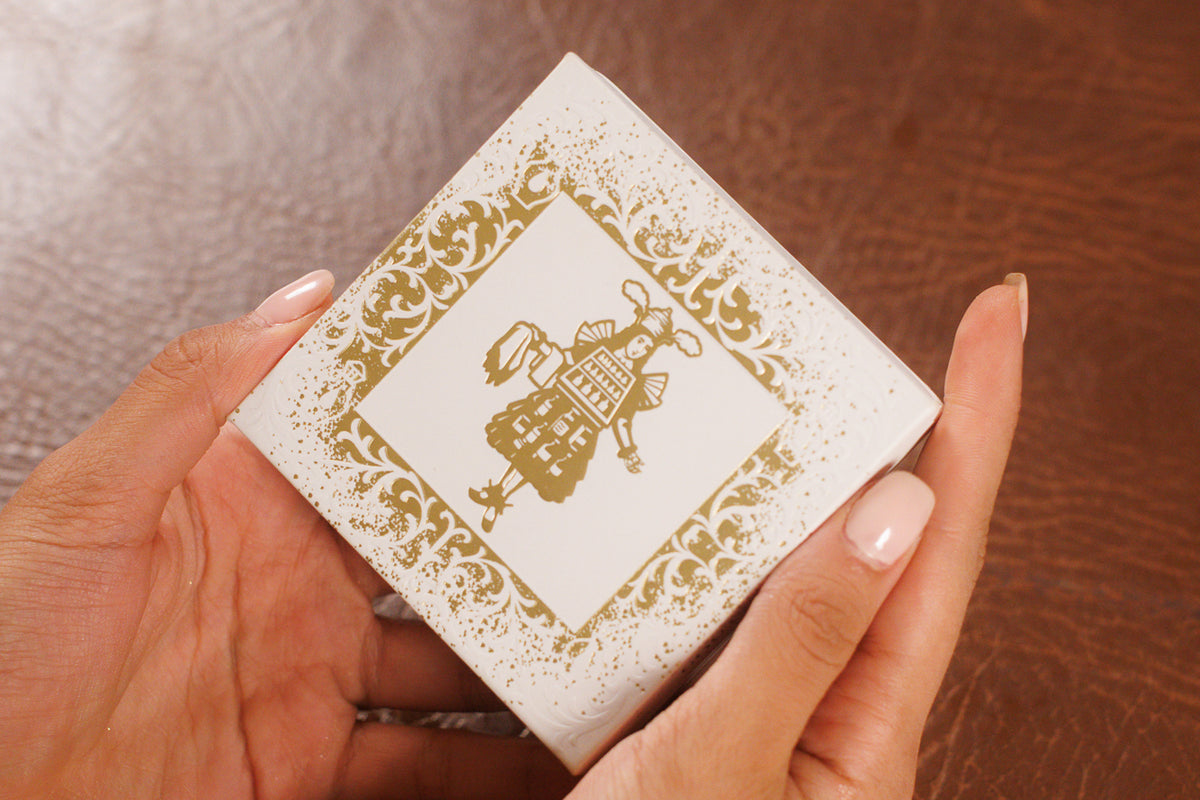
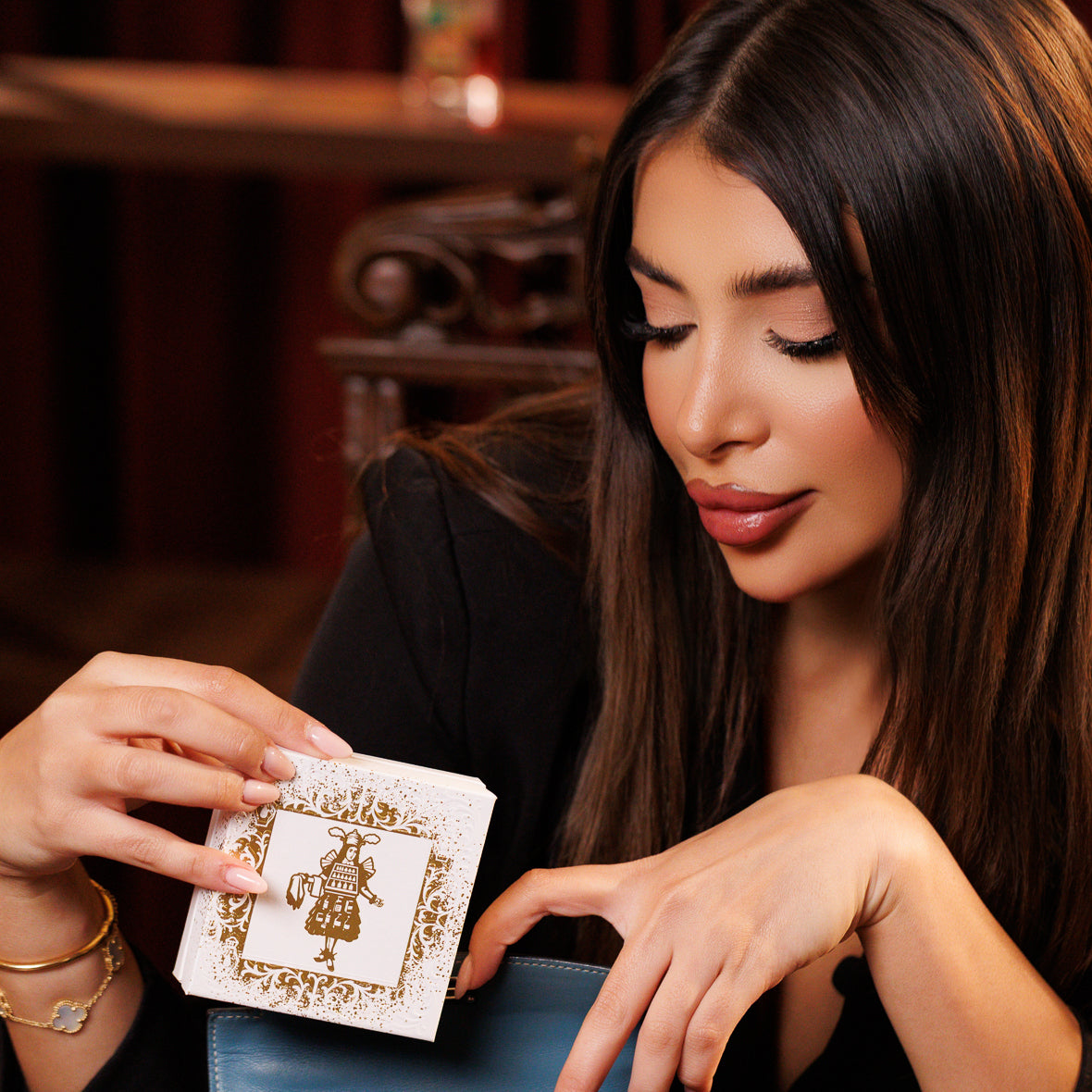
Packed into the hot foiled box and handed to DHL, every duty already paid. How a decant is made
Similar fragrances

You may also like