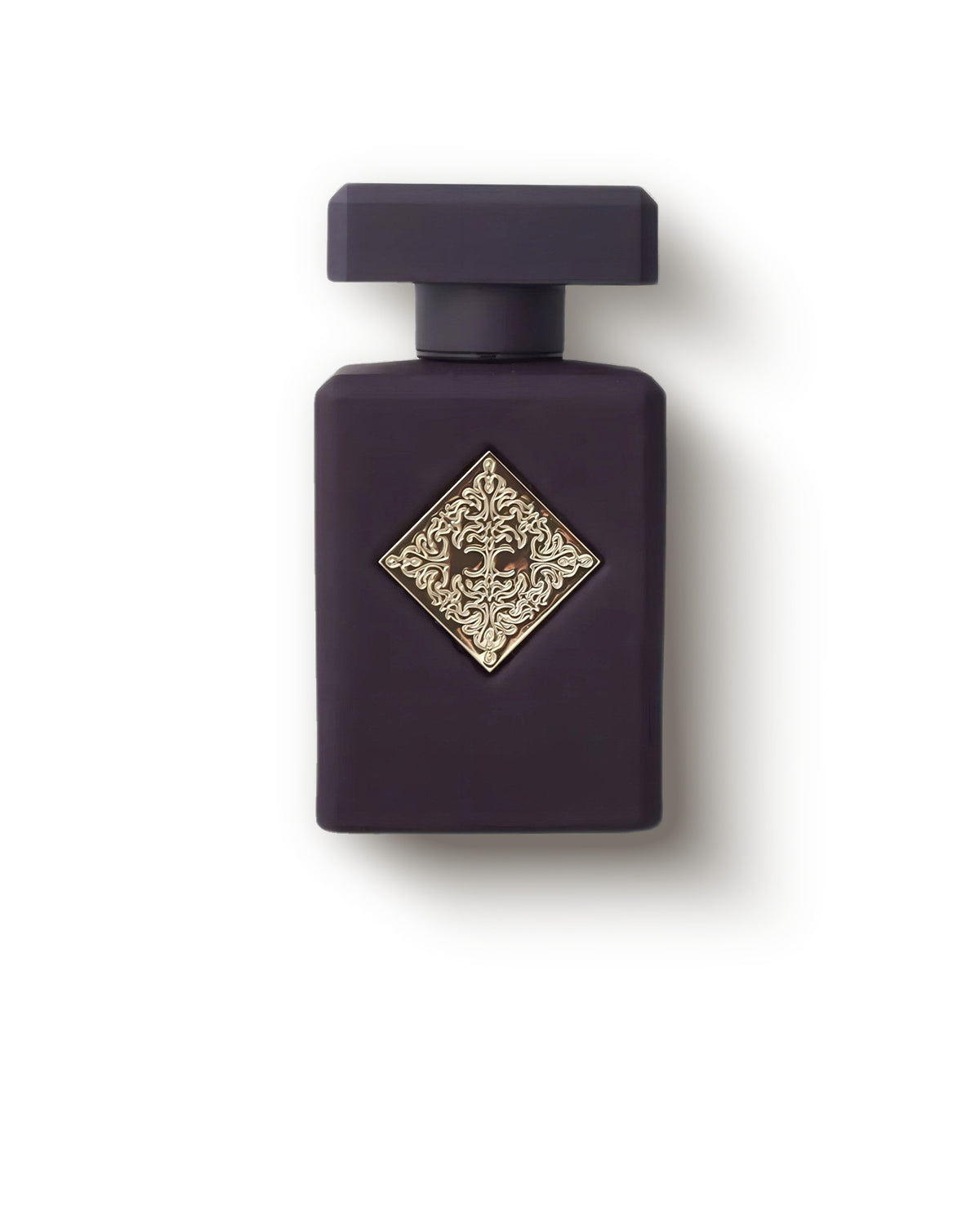
Les Indémodables
Vanille Havane
The Story
Havane is French for Havana, and Antoine Lie built it on a gourmet grade black vanilla bean, pushing its own rum, dried fruit and cigar facets rather than dessert. An ambery leather base keeps the sweetness dark and never sugary.


Spicy
A spice stall in the open air
Black pepper, cardamom and pimento berry, dry rather than sweet, with a heat that catches at the top of the nose before you have finished inhaling. It does not sit quietly under anything. Spice raises the temperature of whatever it is put next to.


Gourmand
edible sweetness good enough to bite
A dessert-like warmth built from vanilla, ethyl maltol, caramelic furanones, and creamy lactones, the smells of sugar cooked rather than sugar itself. It feels cozy and comforting, wrapping the wearer in something soft, sweet, and almost edible.


Sweet
Warm sugar you cannot quite name
Caramel, honey, spun sugar: sweetness that hovers between all three and never settles on one. This is the gourmand pull, the thing that makes someone lean in closer than they meant to, warm and soft and a half step short of edible.


Smoky
Charred wood and rising embers
The dry, charred scent of burning wood, smoldering incense, and lingering ash, sometimes tarry, sometimes wispy and gray. It feels brooding and atmospheric, conjuring a dying fire and a cool current of air carrying its last breath.


Rum
Dark molasses and oak with a boozy kick
What it is
There is no such thing as rum oil. The note is assembled molecule by molecule from ethyl maltol, rum ether, vanillin and oak lactones, chasing a spirit distilled from sugarcane and left to sit in oak.
How it smells
Burnt sugar and molasses first, with the warm sting of alcohol behind them. Vanilla and dried fruit fill in, oak adds a little smoke, and the whole thing slumps into toffee, spice and old tobacco.
In perfumery
It sits high in a gourmand and works downward, warming tobacco, vanilla, tonka and cinnamon on the way. Set it against cacao and cardamom instead of sugar and the composition turns darker, drier, more adult.
Good to know
Rum ether, the backbone of the accord, also flavours sweets and baked goods, so the line between a perfume and a dessert gets thin. Since every house builds its own rum, no two smell quite the same.


Dried Fruits
Sun-soaked larder of figs, dates and prunes
What it is
Not one material but an accord, built to smell like a shelf of sun-dried figs, dates, prunes and raisins. Perfumers reach for fig and prune absolutes and add lactones and damascones to get that concentrated, dehydrated depth.
How it smells
Deep, jammy and syrup-sweet, with the chewy concentration that drying brings: stewed plum, sticky date, leathery fig skin and the boozy edge of raisin steeped in rum. A faint nutty, tobacco-like dryness keeps it from turning cloying.
In perfumery
It sits between heart and base, where its stickiness gives amber and tobacco compositions something to chew on. Add rum or honey and the whole thing turns boozy; add spice and it reads like fruitcake.
Good to know
Drying doesn't just remove water; it concentrates sugars and triggers reactions that build aroma molecules the fresh fruit never had. That is why a dried fig smells leathery and caramelized rather than like a shrunken fresh one.


Colombian Cocoa
Roasted cocoa, bitter until the sugar arrives
What it is
Chocolate starts as a bean in a pod, packed in white pulp, on a shade-loving American tree now farmed mostly in West Africa. Ferment it, dry it, roast it, and the absolute smells of chocolate with nothing added.
How it smells
Dry, roasted and dusty, like cocoa powder or dark chocolate shaved thin. Bitter up front, with coffee, nut and damp earth behind it, drying to a powdery brown warmth that stays close to the skin for hours.
In perfumery
Heart to base, the note that makes a gourmand edible without making it sugary. It sits with vanilla, tonka, patchouli, orange and chili. Sweeten it and it drifts toward drinking chocolate; leave it bare and it stays bitter.
Good to know
The Maya and the Aztec drank it bitter, frothed and spiced, and held it sacred. Sugar arrived with Europe, centuries later. The material itself never took it up.

Egyptian Jasmine
The narcotic queen of jasmines, Egypt's indolic benchmark
What it is
Around six million hand-picked blossoms go into one kilo of absolute, gathered from before first light into the morning. Heat would flatten the most fragile of it, so the Nile Delta harvest is extracted cold rather than distilled.
How it smells
Overripe banana and apricot over a creamy heart, then the indole: warm, animalic, a flower at the edge of decay rather than a clean one. Black tea and hay stop it cloying. Riper and more carnal than sambac.
In perfumery
Behind most white-floral and chypre hearts, this is the body, and rose is its classic partner. Natural houses use it neat. A drop reads opulent; one too many tips into the overripe register grandiflorum lovers chase.
Good to know
If your only jasmine is shampoo, the real thing reads shockingly animalic at first. That 'is something off?' moment is the indole, and it settles into honeyed warmth. Batches vary with the harvest, which is the material, not a flaw.


Tobacco
Dried leaf curing into honey and hay
What it is
Nothing is burning. The leaf is cured and fermented first, then solvent-extracted into a dark, sticky absolute, and what comes out smells of hay and honey rather than of an ashtray.
How it smells
Warm, dry, sweet: cured hay and pipe tobacco with honey, dried fruit and a trace of cocoa behind it. A green, leathery bite at the start softens into something ambery and balsamic, sometimes with a powdery floral edge.
In perfumery
It sits from the heart down, where vanilla, tonka, honey and leather all cling to it. Give it vanilla and you get the sweet, edible kind; give it leather and spice and you get the dark, dry kind.
Good to know
A living tobacco plant smells sharp and green. Everything sweet in the absolute is made during curing and fermentation. Authentic absolute is costly and restricted in some markets, so many tobacco notes are rebuilt from coumarin and hay.


Leather
Tanned hide, smoke and animal warmth
What it is
There is no leather essential oil. Perfumers rebuild the smell from birch tar and cade, smoky distilled woods, plus styrax and labdanum resins, isobutyl quinoline and safraleine-type molecules, echoing the tannins and oils once used to cure hides.
How it smells
Smoky, dry and animalic, ranging from supple new suede to tarry old saddle. Birch-tar versions read sooty and phenolic, almost campfire and band-aid; softer suede accords turn powdery, floral and skin-warm.
In perfumery
A base note that lends spine and a carnal edge. It does its best work under rose and violet, alongside tobacco and oud, and a floral heart set on leather turns unmistakably human.
Good to know
Scented leather began with European glovemakers, while the smoky strand comes from Russia, where hides for boots and book bindings were dressed with birch tar, and Russian leather still means that smell. The real tanning oils were mostly restricted on safety grounds, so today's leathers are reconstructions.


Comorian Vanilla
Volcanic-soil vanilla, boozy with a spicy lift
What it is
Same bean as Madagascar Bourbon, different island. The Comoros are volcanic, the lots small, the curing small-scale, and perfumers buy the pods whole as a tincture or extract rather than as a vanillin isolate.
How it smells
Rum poured over warm custard, lighter and more aromatic than the deepest Madagascar lots, nothing like the cherry-blossom Tahitian. A clove-and-blossom shimmer runs through the sweetness, with a balsamic warmth underneath that keeps it from collapsing into dessert.
In perfumery
Natural houses use it as a base and fixative when they want warmth with an edge instead of pure sweetness; the spicy-balsamic side bridges into woods, tobacco, labdanum and incense. Dose it small, because the booziness amplifies.
Good to know
A whole-bean extract moves with its harvest; no two batches match, and that is the point. The Comoros grow a single-digit share of the world's vanilla, so the extract is scarce. Flat, one-note sweetness is vanillin, not this.


Amber
A warm resinous glow built, not harvested
What it is
There is no amber tree. Perfumers assemble the smell from labdanum, the sticky gum that bleeds off a Mediterranean rockrose in summer heat, plus benzoin and vanilla. The fossilized resin in museum cases is odorless on skin.
How it smells
Honeyed and faintly animalic at first, then it settles into golden powdery warmth: beeswax, old tobacco, worn leather, a thread of smoke underneath. It stays close to the skin rather than filling the room.
In perfumery
It sits at the base and holds everything above it in place, which is why oriental compositions lean on it so hard. Vanilla and patchouli push it sweet; more resin, spice and dry herbs push it austere.
Good to know
The word once meant ambergris, the waxy secretion of sperm whales, and the confusion never cleared. The trade now uses amber for two things: this resin accord, almost always plant and synthetic, and the ambergris substitutes like Ambroxan.
Fragrance Character
After a rum and dried fruit opening, cocoa adds a dry, almost bitter edge, grounding the sweetness before jasmine lends a creamy, slightly indolic warmth to the heart. The late-harvested Comoros vanilla joins a Madagascar vanilla absolute in the base and takes over, turning powdery and full-bodied on skin. It wears big at first, then contracts into something intimate and long-lasting.


Longevity
how long it stays on skin
The hourglass reads wear time: how many hours the fragrance keeps speaking before it fades. A bar that barely leaves the start means a few fleeting hours. One that runs the full length carries from morning into evening. Treat it as typical, not promised. Oily skin holds scent far longer than dry.


Sillage
the size of its scent trail
Sillage is French for a ship's wake, and that is exactly what this measures: how much of the scent reaches the room instead of staying on you. Low is a whisper only close friends catch. Enormous fills the room, then keeps filling it after you leave.


Experimental
Built to provoke, not to please
Some perfumes are made to be liked. These are made to be argued about: inky tar, hot rubber, fruit on the turn, metal and fur where you expected flowers. The coin glows for a scent that provokes and dims for one that plays it safe, which is sometimes the point.


Office
Polished, and never louder than the room
Scent is manners in a shared room. At this range it should reach the person across the desk and stop there: tidy citrus, soft musk, pale woods, all of it reading competent and considerate. A glowing coin means nobody has to mention it. A dim one means it travels.


Evening
After dark, when it deepens
Dinner, drinks, the night that runs long. Low light is where ambers, resins and smoky woods stop being polite, and where a plush floral finally blooms. A glowing coin means it is waiting for exactly this hour. A dim one means it did its best work in daylight.


Romantic
Close enough to be felt
A fragrance can hum against skin instead of announcing itself across a table. That is the register here: creamy florals, vanilla, soft musk, a thread of spice, warm enough to make someone lean in. The coin glows when a scent sets that mood and dims when it is more practical than seductive.


Formal
Quiet authority in a dressed-up room
A wedding, a ceremony, a room where everyone has thought about their shoes. What works here is structure, not volume: smooth woods, disciplined florals, soft leather. A glowing coin means it holds its posture all evening. A dim one means it is too casual for the room.


Casual
Easy comfort for unhurried days
Errands, coffee, a slow Saturday with nowhere to be. Nothing here has to impress anyone, so the fit is soft and easy: fresh citrus, light woods, a little warmth off the skin. A glowing coin says yes to all that. A dim one means the fragrance is asking for a bigger night.


Day to Night
where its mood naturally falls
A bar running from sun to moon, reading the hour the fragrance was made for. The more of it that stays gold, the more the scent belongs to daylight and open air. The further the blue reaches back toward the sun, the deeper and warmer it turns: evening, candlelight, low rooms.


Winter
Warmth that carries through cold air
Cold air mutes a fragrance and slows it down, which is why winter belongs to the dense and the warm: resin, smoke, vanilla, leather, ambered spice. The bar reads how well this one pushes back, glowing against the chill instead of thinning out in it.


Spring
Fresh blooms in mild, rising warmth
Mild, humid air lifts a light composition, so the season belongs to dewy florals, green stems, soft powder and citrus you can see through. Alive rather than heavy. The further the green runs along the bar, the more comfortably this one wears in that weather.


Summer
Bright and airy in real heat
Heat does the projecting for you, which is why the wrong perfume turns unbearable by noon. What survives is cool and breathable: sharp citrus, salt air, aromatic herbs, water. Things that refresh instead of cloy. A short bar here means save it for cooler months.


Fall
Spiced warmth for cooling days
As the air cools, the rich materials stop smothering and start reading clearly: dry woods, warm spice, tobacco, amber, fruit gone golden. It is the season perfume turns contemplative. The bar fills according to how naturally this one settles into crisp, cooling days.
Best Worn
Made for cold evenings and dim interiors, this suits anyone who wears fragrance like a second skin and intends to be remembered.
Choose options
The Vibe


The Nose

Antoine Lie
Perfumer
Antoine Lie studied chemistry, then trained at Givaudan's perfumery school. He worked at Givaudan, moved to Takasago in 2011 and seven years later set up his own consultancy, Aloe. He is creative director of Les Indémodables. He co-signed Giorgio Armani Code with Antoine Maisondieu, and composed Versace Crystal Noir, Comme des Garçons Wonderwood and Etat Libre d'Orange Sécrétions Magnifiques.
The Maison

French classicism rebuilt with modern materials, and no rush about it.
Les Indémodables works in the old genres, chypre, fougère, vanilla, tobacco, and treats them as forms worth doing properly rather than nostalgia. The naturals content is high and the compositions are unhurried, which makes them wear far better over a day than a first spray suggests.
- Origin
- France
- Known for
- Classical genres, Vanille Havane

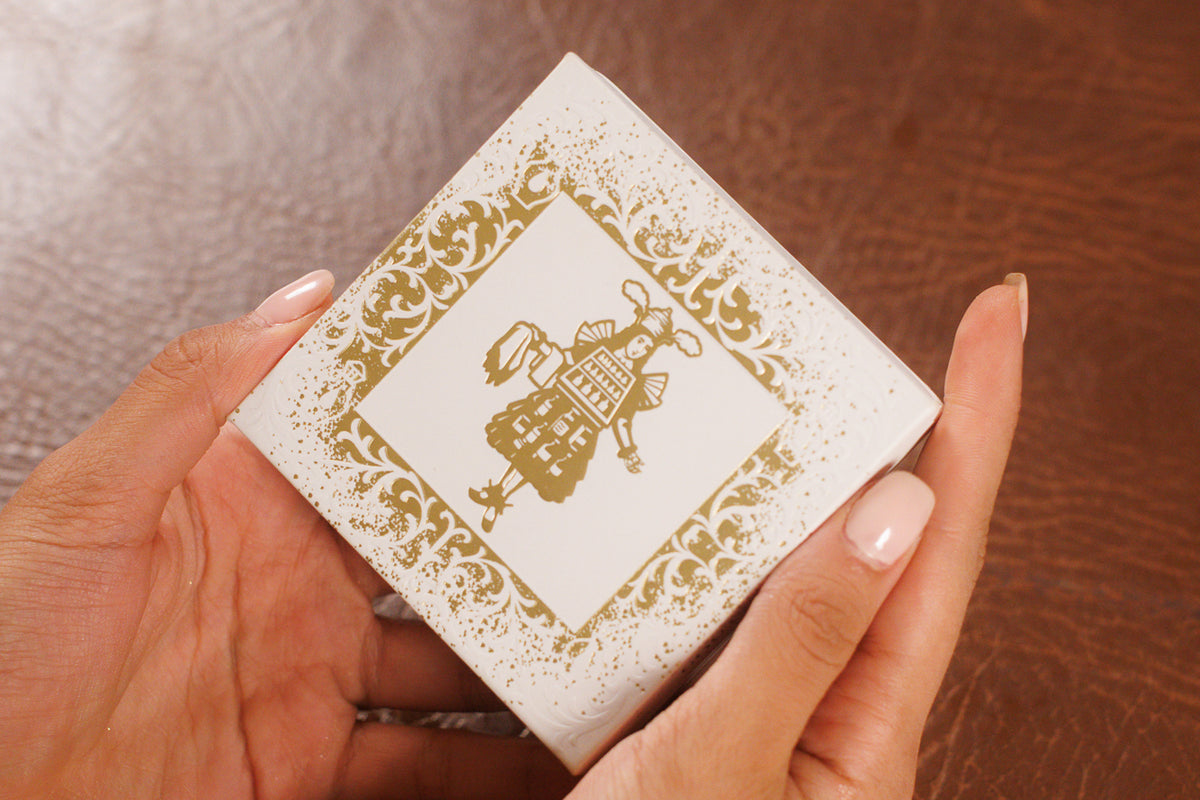
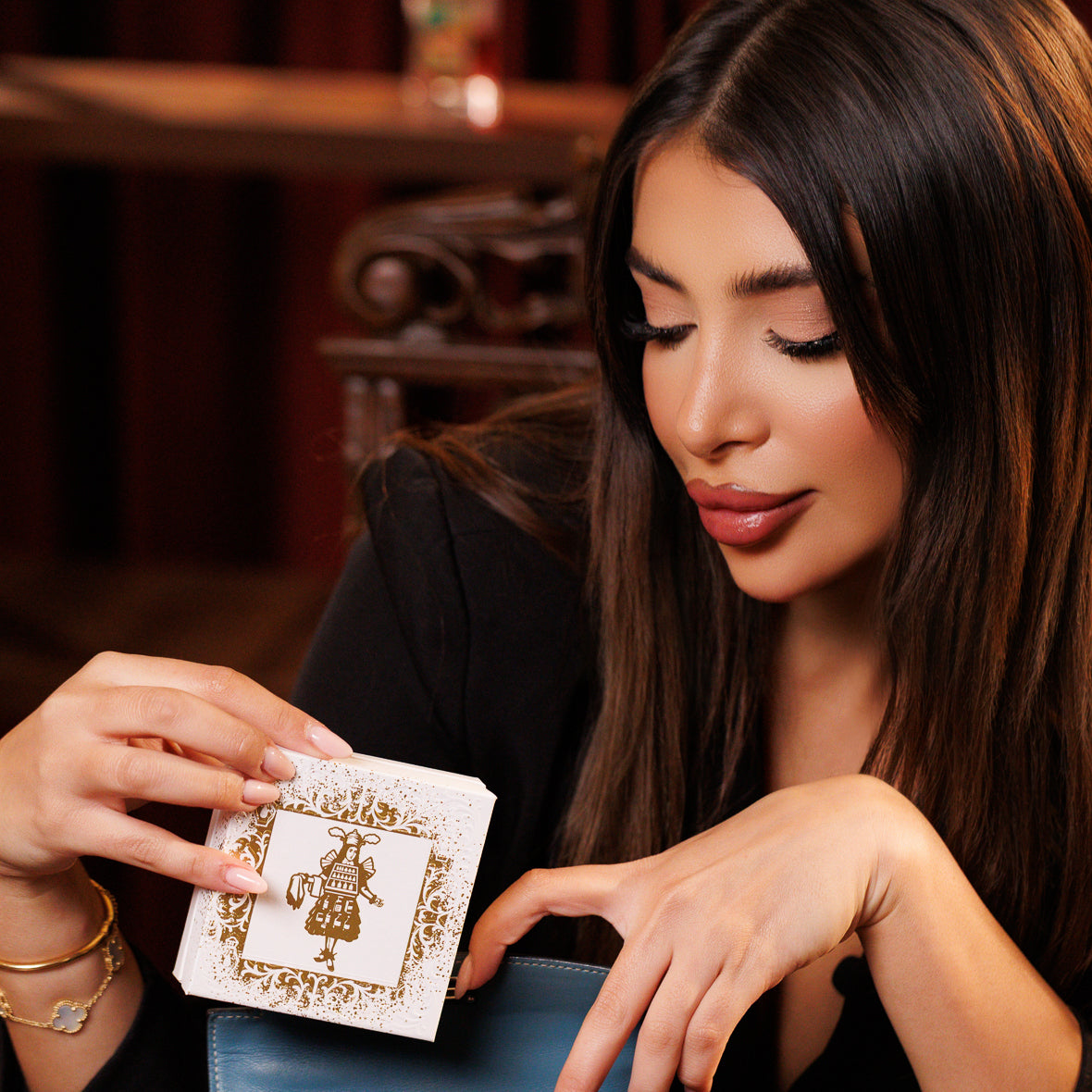
EVERY DECANT
From the original bottle to your door
We buy the original flacon at full retail price, direct from the house.
A medical grade Socorex syringe takes the exact millilitres straight from the flacon.
Packed into the hot foiled box and handed to DHL, every duty already paid. How a decant is made
Similar fragrances
You may also like