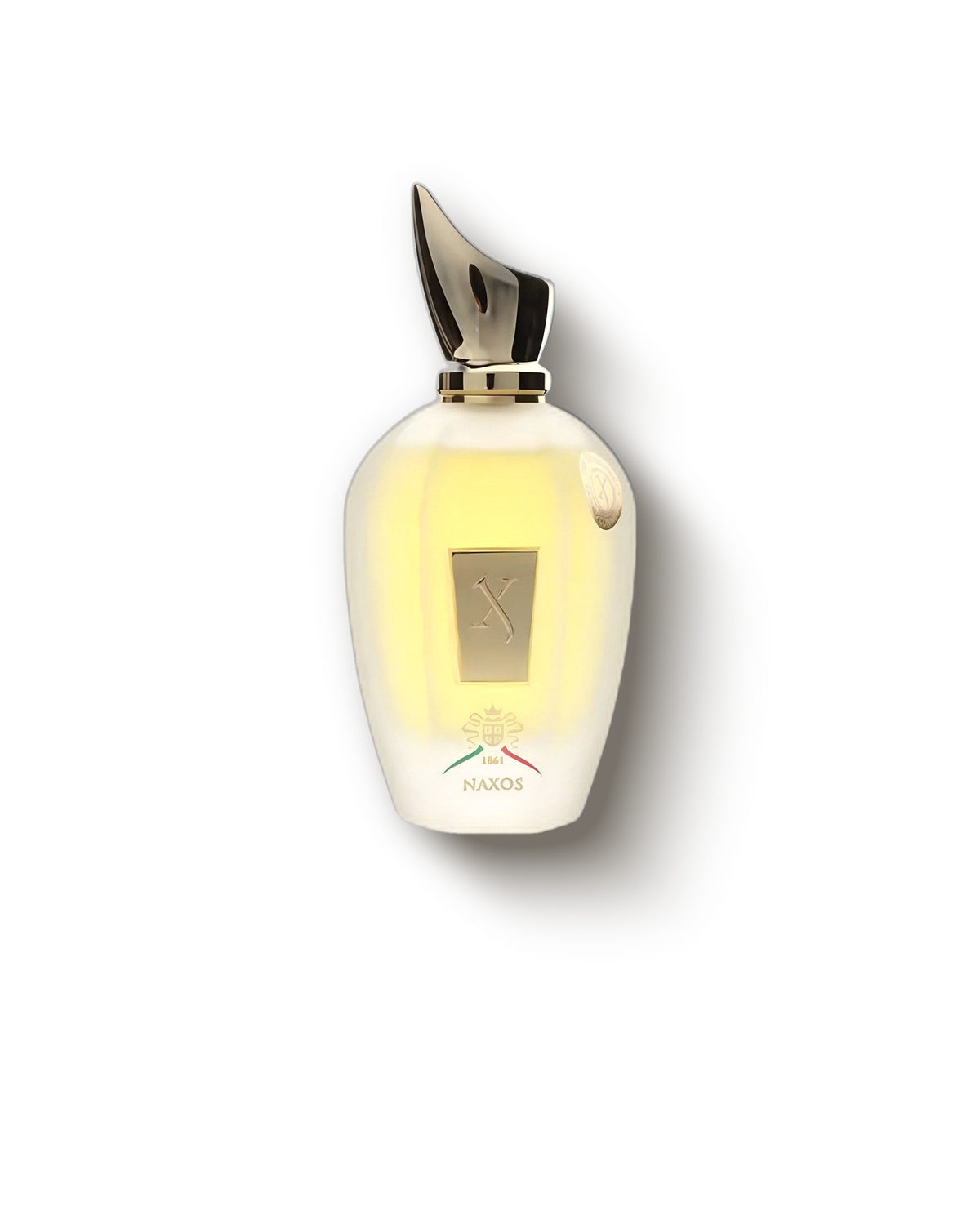

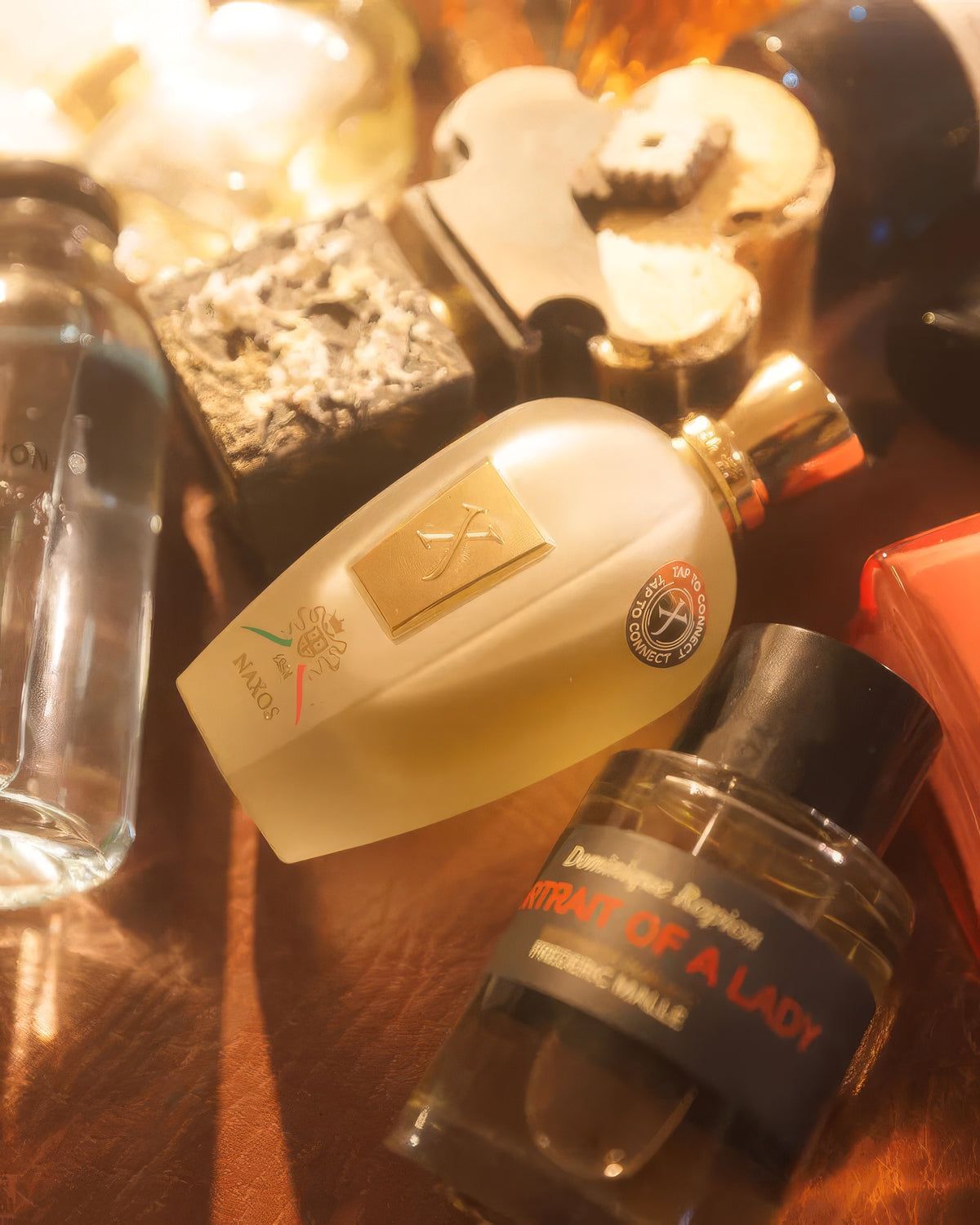


Xerjoff
Naxos
The Story
Naxos is Xerjoff's tribute to Sicily, part of the 1861 collection named for the year Italy was unified. It carries the island's heat, its architecture and a heritage shaped by the many civilisations that crossed it over the centuries, which is why the honey and tobacco are pitched at that scale rather than kept polite.


Sweet
Warm sugar you cannot quite name
Caramel, honey, spun sugar: sweetness that hovers between all three and never settles on one. This is the gourmand pull, the thing that makes someone lean in closer than they meant to, warm and soft and a half step short of edible.


Honey
golden sweetness with animal warmth
A thick, waxy sweetness with a faintly animalic, almost leathery undertone beneath the nectar. It hums warm and skin-close, comb-fresh florals on top and something darker and stickier underneath, closer to the hive itself than to anything poured from a jar.


Vanilla
Cured pod, boozy under the cream
Cured pods, not frosting. The sweetness here is custardy and balsamic, with something dark and boozy under it, closer to rum and woodsmoke than to sugar. It warms everything above it, blunting sharp edges and slowing the whole thing down.


Tobacco
dried leaf, honey and smoke
Dried, golden leaves steeped in honey, hay, and a whisper of smoke, sweet and faintly fermented like an open pipe tin. It feels masculine and lived-in, warm and contemplative: a room somebody smoked in for years.


Lavender
Clean herbal calm with a bite
Cool and camphorous at first, closer to a crushed stem than a drawer sachet, then softening into a powdery, faintly sweet hush. Freshly pressed linen, barbershop polish, a grey-purple quiet. The bite is what keeps it from being merely soothing.


Citrus
First bright zest of morning
The juicy, rind-snapping brightness of lemon, bergamot, and orange peel, tart and effervescent with a clean bitter edge. It opens a scent with instant lift and sparkle, fresh and energizing, evaporating quickly like sunlight on water.


Lavender
Cool herbal blue from a sunlit hillside
What it is
The flowering tops are cut at peak bloom and go straight to the still, the purple spikes giving up a pale oil. Solvent extraction yields a darker absolute instead. Provence and Bulgaria supply most of it.
How it smells
Sharp and green at first, almost minty, with a cool camphor lift over soft floral sweetness. The dry-down warms into hay, faint vanilla and a powdery calm. True lavender is rounder and sweeter than the lavandin hybrid.
In perfumery
Set it against oakmoss, coumarin and tonka and you have a fougere, the barbershop structure behind countless aromatic masculines. Lavender runs from the top into the heart, cooling bright florals and softening citrus colognes.
Good to know
Those Provence fields the tourists photograph are mostly lavandin, a sterile hybrid that yields far more oil per hectare. True lavender is retreating uphill: a bacterial disease carried by sap-sucking insects has pushed plantings to cooler altitudes.

Bergamot
Sparkling citrus light with a bitter edge
What it is
Nobody eats bergamot. It is sour, seedy and disappointing, and almost the whole world's supply grows on one strip of Calabrian coast, farmed purely for the oil pressed cold from its green rind.
How it smells
Zest and green light in the first second, then something rounder than lemon: a floral, tea-like smoothness sitting on a faintly bitter warmth. It burns off fast. What stays behind is a quiet, slightly spiced hum.
In perfumery
It defines eau de cologne, and sits on top of nearly every fougère alongside lavender and oakmoss. Perfumers want the first bright second it gives, and the oil is also what makes Earl Grey smell like Earl Grey.
Good to know
The thing that makes it sparkle can also burn. Bergamot carries bergapten, which leaves skin hypersensitive to sunlight, so perfumers either keep the dose low or reach for a grade with the molecule stripped out.


Lemon
Cold yellow zest snapping into bright sun
What it is
Squeezed, not distilled: the colored rind is pressed and scraped until the glands give up their oil. Argentina presses the most, and Sicily gives the classic perfumery grade. The tree's white blossom is a different note entirely.
How it smells
Tart, green and fizzing, all cold rind and mouth-watering sourness, with a faint sweet pith underneath and a waxy edge from the peel itself. Enjoy it fast: it is gone within minutes.
In perfumery
It powers the eau de cologne tradition, working with bergamot, neroli and petitgrain to open a fragrance in full sunlight. Because it burns off so fast, perfumers reinforce it with citral.
Good to know
Cold-pressed lemon carries furocoumarins that leave skin liable to burn in sunlight, so perfumers often reach for a grade with the sun-sensitizing compounds removed. It also spoils in the bottle, oxidizing toward turpentine, which is why citrus fragrances are hard to stabilize.


Incense (Oman)
The smell of resin hitting hot coal
What it is
What you are smelling is a change of state: resin meeting heat. The resin is usually olibanum, wept by Boswellia trees in Oman and the Horn of Africa, and perfumers round the effect out with labdanum and styrax.
How it smells
Cool and dry to begin with, sharp enough to read as turpentine, then the smoke arrives: peppery, ashen, faintly sweet. There is a stone-church quality to it, soapy and faintly green, and it stays close to the skin.
In perfumery
It works the way silence works in a room. From the heart into the base it cools florals, sharpens woods and drops a weight of ritual into oriental and chypre structures that would otherwise read as merely rich.
Good to know
Long before anyone wore it, this smoke was among antiquity's costliest imports. It moved along the Arabian caravan roads to temples around the Mediterranean, where burning it was the point: the scent was the offering.


Honey
Beeswax and dried fruit turning faintly feral
What it is
Bees concentrate flower nectar into a syrup that smells of whatever they foraged. Raw honey resists clean extraction, so the note in a bottle is nearly always built from beeswax absolute and aroma chemicals.
How it smells
Thick and golden, sticky with dried fruit and warm wax, and never quite polite. Under the sweetness runs something animal, closer to skin than to a jar. Push the dose and it turns leathery.
In perfumery
A heart-to-base warmth that rounds tobacco, orange blossom, immortelle and leather, softening their edges while smuggling in body heat. Orientals use it to make sweetness feel lived-in rather than confected.
Good to know
Much of that feral edge comes from phenylacetic acid, which smells of honey with an animal undertone and edges toward civet. Overdose it and the perfume goes barnyard, so perfumers weigh it in fractions.


Cinnamon
Sweet bark heat, glowing rather than stinging
What it is
The prized part is the inner bark. Strips are peeled from the tree and curled into quills for the spice trade; the oil is steam-distilled from the trimmings and broken bark. Sri Lanka's true cinnamon is the delicate one; the coarser, lower-priced cassia is what fills most kitchen jars.
How it smells
Warm, dry and sweet, with a red glow from cinnamaldehyde and a clove-like edge behind it. True cinnamon smells rounder and faintly floral; cassia bites. The dry-down goes woody and balsamic, with a whisper of leather.
In perfumery
A heart note, and the reason gourmands and orientals feel like a warm room. It works with vanilla, amber, rose, apple and tobacco, and the whole trick is restraint: a touch gives glow, a fraction more gives sting.
Good to know
The Dutch once burned their own stockpiles to keep the price up, back when this bark outvalued gold and Ceylon was worth conquering for it. Modern caution is duller: cinnamaldehyde sensitizes skin, so the dose is capped.


Cashmeran
Named for wool, built in a lab
What it is
A single synthetic molecule, trademarked by IFF and found by the chemist John B. Hall around 1970. Nothing about it is grown. The name was picked to suggest the feel of cashmere, and that is the whole connection.
How it smells
Warm and soft and vaguely woody, though you could not name the wood. Pine resin, a little spice, a vanillic dustiness like old paper, all smeared together into something you feel more than identify.
In perfumery
It bridges musk and wood, holds a formula in place and pushes everything else outward. Modern woody-ambers lean on it hard: if a scent promises skin-warm cashmere softness, this is usually the molecule doing the promising.
Good to know
Nobody set out to make it. It turned up as a by-product on a chromatogram and has since become one of the most heavily used woody-musky materials in perfumery, sitting under far more scents than admit to it.

Jasmine Sambac
Tea-green jasmine that opens after dark
What it is
The flowers open after dark, which is when they smell strongest, so pickers take them as buds in the early morning, before they unfurl. Solvent extraction gives a waxy concrete, and washing that with alcohol gives the absolute.
How it smells
Greener and more tea-like than the grandiflorum kind, and much less fruity. It starts crisp and a little waxy, almost banana-tinged, then warms into indolic sweetness. That indole is the animal in it: heady up close, still luminous.
In perfumery
A heart note that gives white-floral bouquets their body and their lift. It works with rose, tuberose, sandalwood and green tea, rounds off sharp citrus, and some night-blooming soliflores are built on almost nothing else.
Good to know
This is sampaguita, the national flower of the Philippines, strung into garlands and used to scent Chinese tea. Tiny blooms picked by hand every morning across a long season put the absolute among the costliest florals.

Tobacco Leaf
Cured leaf, sweet hay, a thread of honey
What it is
The pouch and the cigar box, never the burning cigarette. Tobacco is a nightshade, kin to the tomato, and its leaves are cured by air, sun or fire before solvent draws them into a dark, syrupy absolute.
How it smells
Dry and sweet at once: cured leaf, hay drying in a barn, a curl of honeyed smoke. Cocoa, dried fig and worn leather run underneath. It ends soft, powdery and ambery on the skin.
In perfumery
It sits in the heart and stays into the base, giving warmth and a lived-in richness that reads as someone else's study. Vanilla, tonka and dried fruit sweeten it; leather and labdanum push it darker.
Good to know
Virginia and Burley are the milder leaf types behind many tobacco notes. Latakia is the outlier, fire-cured until it turns tarry and heavy, and a little darkens everything around it.

Vanilla
Cured orchid pods, custard and faint smoke
What it is
Green pods come off the orchid vine smelling of almost nothing. The scent is made, not found: months of blanching, sweating in the sun and slow drying before the vanillin appears. Mexico first, Madagascar now.
How it smells
Custard and caramel up front, then something darker underneath: dried fruit and a thread of tobacco smoke. It turns powdery as it dries and sits close to the skin. Real cured vanilla reads deeper than vanillin alone.
In perfumery
Perfumers use it to round off edges. Anything too sharp, too green, too austere gets warmth and body from a vanilla base, which is why it anchors many oriental and gourmand builds alongside tonka, amber, sandalwood and spice.
Good to know
Every flower opens for one day. Miss it and there is no pod, so all of it is pollinated by hand, a trick devised by Edmond Albius, a twelve-year-old enslaved boy on Réunion. Most vanilla flavour today is synthetic.

Tonka Bean
Warm almond-vanilla sweetness with a hay-tobacco shadow
What it is
Shelled seeds from a South American legume tree go into alcohol, then dry for weeks until coumarin crystallizes across their skins like frost. That frosted bean is what becomes the absolute perfumers use.
How it smells
Vanilla and bitter almond first, then hay, dried tobacco and something toasted. The opening is close to caramelized custard; the drydown goes powdery and boozy, with cinnamon and cut clover in it. Hazier than vanilla, softer than almond.
In perfumery
Between heart and base, it sweetens without turning sharp. Lavender, amber and tobacco all take to it. Coumarin, first pulled out of this seed, built the fougère family, though the 1882 original ran on the synthetic version.
Good to know
Tonka owes most of its scent to coumarin, which American food regulators banned in 1954 after high doses damaged the livers of lab animals. The bean is effectively illegal in a US kitchen and perfectly legal on skin.
Fragrance Character
Bergamot and lemon give the first minutes a clean, almost sharp lift, but cinnamon moves in quickly, dulling that edge with spice while honey and jasmine sambac add a dense, floral sweetness. Cashmeran smooths the transition into the base, where tobacco leaf and vanilla settle into something close and resinous. It projects with real weight early on, then draws inward, finishing as a warm skin-close amber with just enough smokiness to keep it from reading as simple gourmand.


Longevity
how long it stays on skin
The hourglass reads wear time: how many hours the fragrance keeps speaking before it fades. A bar that barely leaves the start means a few fleeting hours. One that runs the full length carries from morning into evening. Treat it as typical, not promised. Oily skin holds scent far longer than dry.


Sillage
the size of its scent trail
Sillage is French for a ship's wake, and that is exactly what this measures: how much of the scent reaches the room instead of staying on you. Low is a whisper only close friends catch. Enormous fills the room, then keeps filling it after you leave.


Experimental
Built to provoke, not to please
Some perfumes are made to be liked. These are made to be argued about: inky tar, hot rubber, fruit on the turn, metal and fur where you expected flowers. The coin glows for a scent that provokes and dims for one that plays it safe, which is sometimes the point.


Office
Polished, and never louder than the room
Scent is manners in a shared room. At this range it should reach the person across the desk and stop there: tidy citrus, soft musk, pale woods, all of it reading competent and considerate. A glowing coin means nobody has to mention it. A dim one means it travels.


Evening
After dark, when it deepens
Dinner, drinks, the night that runs long. Low light is where ambers, resins and smoky woods stop being polite, and where a plush floral finally blooms. A glowing coin means it is waiting for exactly this hour. A dim one means it did its best work in daylight.


Romantic
Close enough to be felt
A fragrance can hum against skin instead of announcing itself across a table. That is the register here: creamy florals, vanilla, soft musk, a thread of spice, warm enough to make someone lean in. The coin glows when a scent sets that mood and dims when it is more practical than seductive.


Formal
Quiet authority in a dressed-up room
A wedding, a ceremony, a room where everyone has thought about their shoes. What works here is structure, not volume: smooth woods, disciplined florals, soft leather. A glowing coin means it holds its posture all evening. A dim one means it is too casual for the room.


Casual
Easy comfort for unhurried days
Errands, coffee, a slow Saturday with nowhere to be. Nothing here has to impress anyone, so the fit is soft and easy: fresh citrus, light woods, a little warmth off the skin. A glowing coin says yes to all that. A dim one means the fragrance is asking for a bigger night.


Day to Night
where its mood naturally falls
A bar running from sun to moon, reading the hour the fragrance was made for. The more of it that stays gold, the more the scent belongs to daylight and open air. The further the blue reaches back toward the sun, the deeper and warmer it turns: evening, candlelight, low rooms.


Winter
Warmth that carries through cold air
Cold air mutes a fragrance and slows it down, which is why winter belongs to the dense and the warm: resin, smoke, vanilla, leather, ambered spice. The bar reads how well this one pushes back, glowing against the chill instead of thinning out in it.


Spring
Fresh blooms in mild, rising warmth
Mild, humid air lifts a light composition, so the season belongs to dewy florals, green stems, soft powder and citrus you can see through. Alive rather than heavy. The further the green runs along the bar, the more comfortably this one wears in that weather.


Summer
Bright and airy in real heat
Heat does the projecting for you, which is why the wrong perfume turns unbearable by noon. What survives is cool and breathable: sharp citrus, salt air, aromatic herbs, water. Things that refresh instead of cloy. A short bar here means save it for cooler months.


Fall
Spiced warmth for cooling days
As the air cools, the rich materials stop smothering and start reading clearly: dry woods, warm spice, tobacco, amber, fruit gone golden. It is the season perfume turns contemplative. The bar fills according to how naturally this one settles into crisp, cooling days.
Best Worn
Best suited to cool evenings and autumn nights, worn by someone comfortable commanding a room before the conversation turns quiet.
Choose options
The Vibe


The Nose

Chris Maurice
Master perfumer
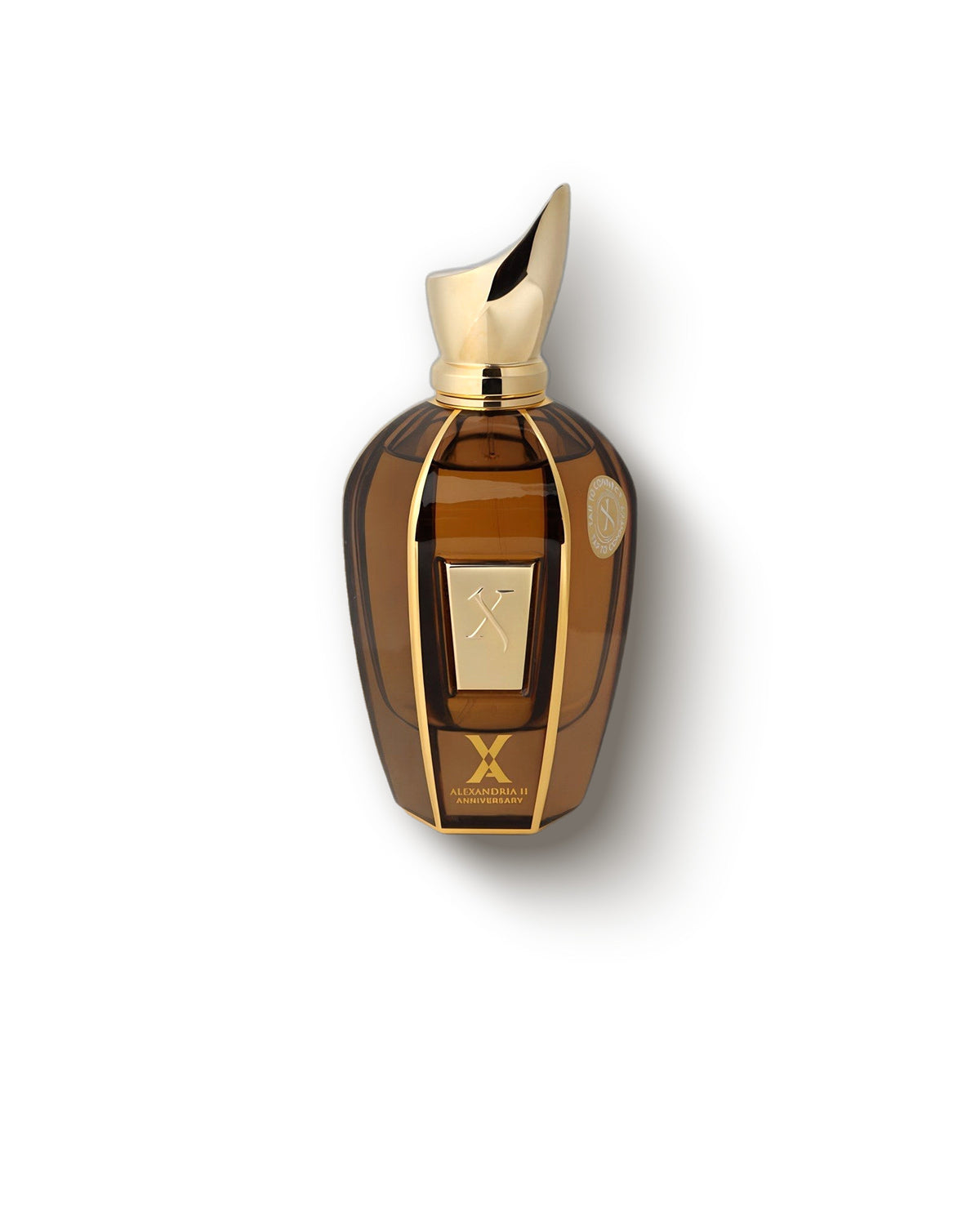
His full name is Christian Maurice Carbonnel, and he signs as Chris Maurice or Christian Carbonnel depending on the brand. He is the third generation of the family fragrance company Carbonnel, founded in 1925, where he trained in its own lab. He composed Xerjoff Erba Pura, Xerjoff Alexandria II, Xerjoff More Than Words and Nishane Nefs.
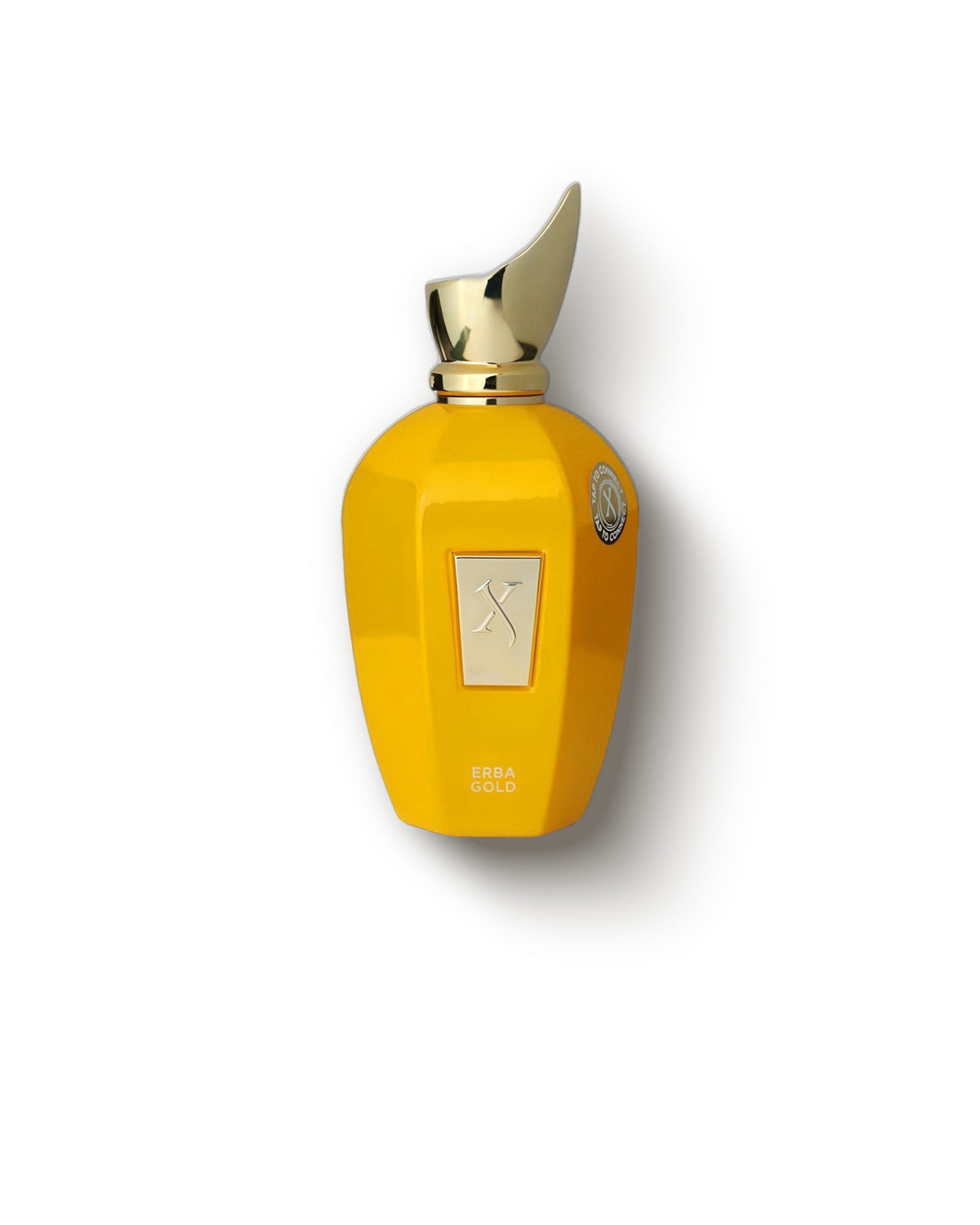
More by this noseLiraErba GoldTiger Blue
The Maison

Italian maximalism done properly, in pours that let you audition the gold.
Xerjoff is built to fill a room and hold it, glossy and confident, an entrance rather than a whisper. There is a lot of sweetness and a lot of polish, but real craft sits underneath the shine, and the gap between the loud first impression and how a composition settles over an evening is exactly why the house rewards sampling.
- Origin
- Turin, Italy
- Founded
- 2007
- Known for
- Naxos, Alexandria II, honeyed tobacco

EVERY DECANT
From the original bottle to your door
We buy the original flacon at full retail price, direct from the house.
A medical grade Socorex syringe takes the exact millilitres straight from the flacon.
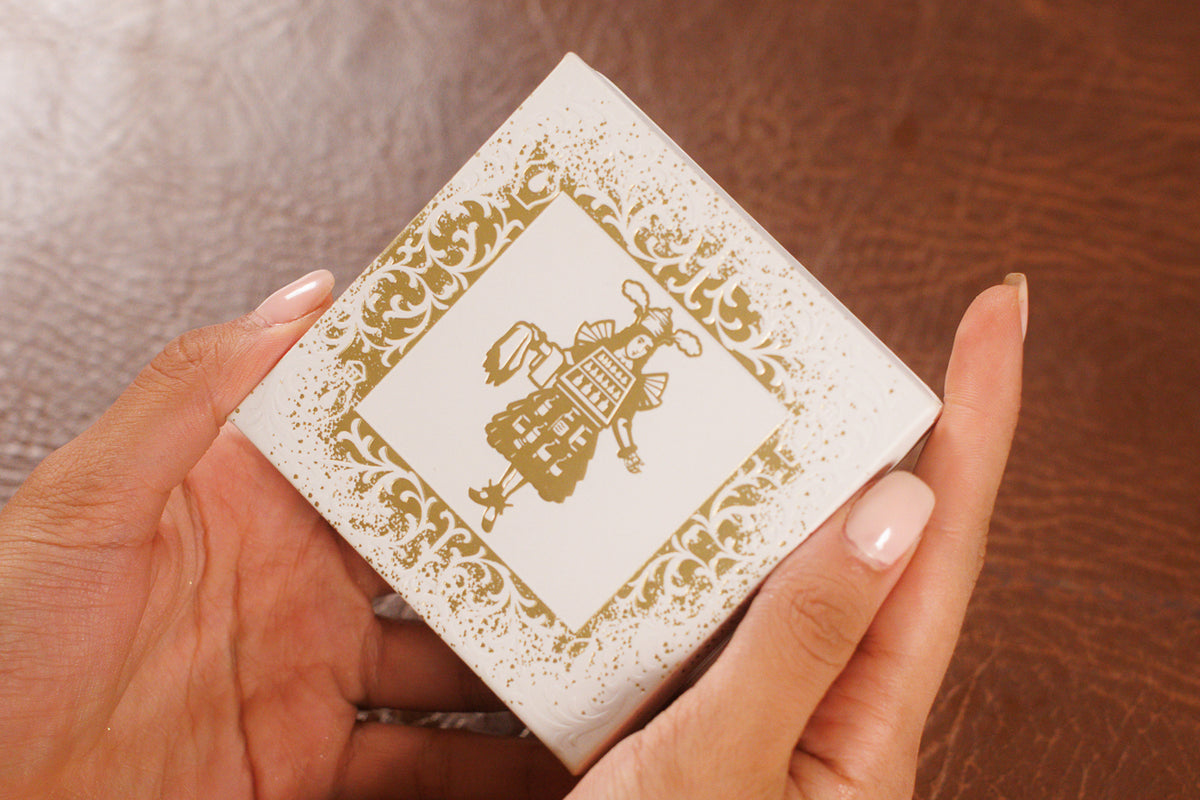
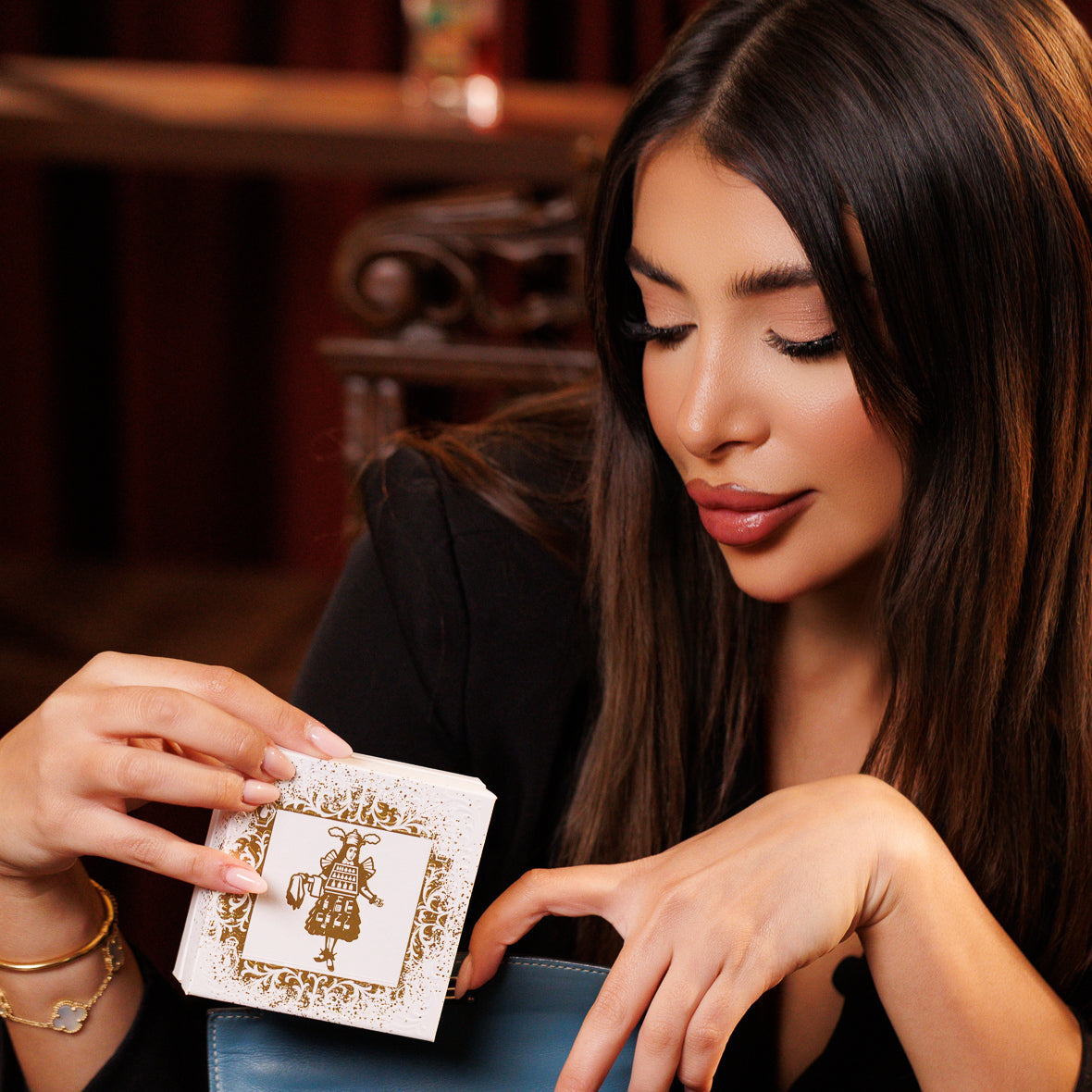
Packed into the hot foiled box and handed to DHL, every duty already paid. How a decant is made
More from Xerjoff
You may also like