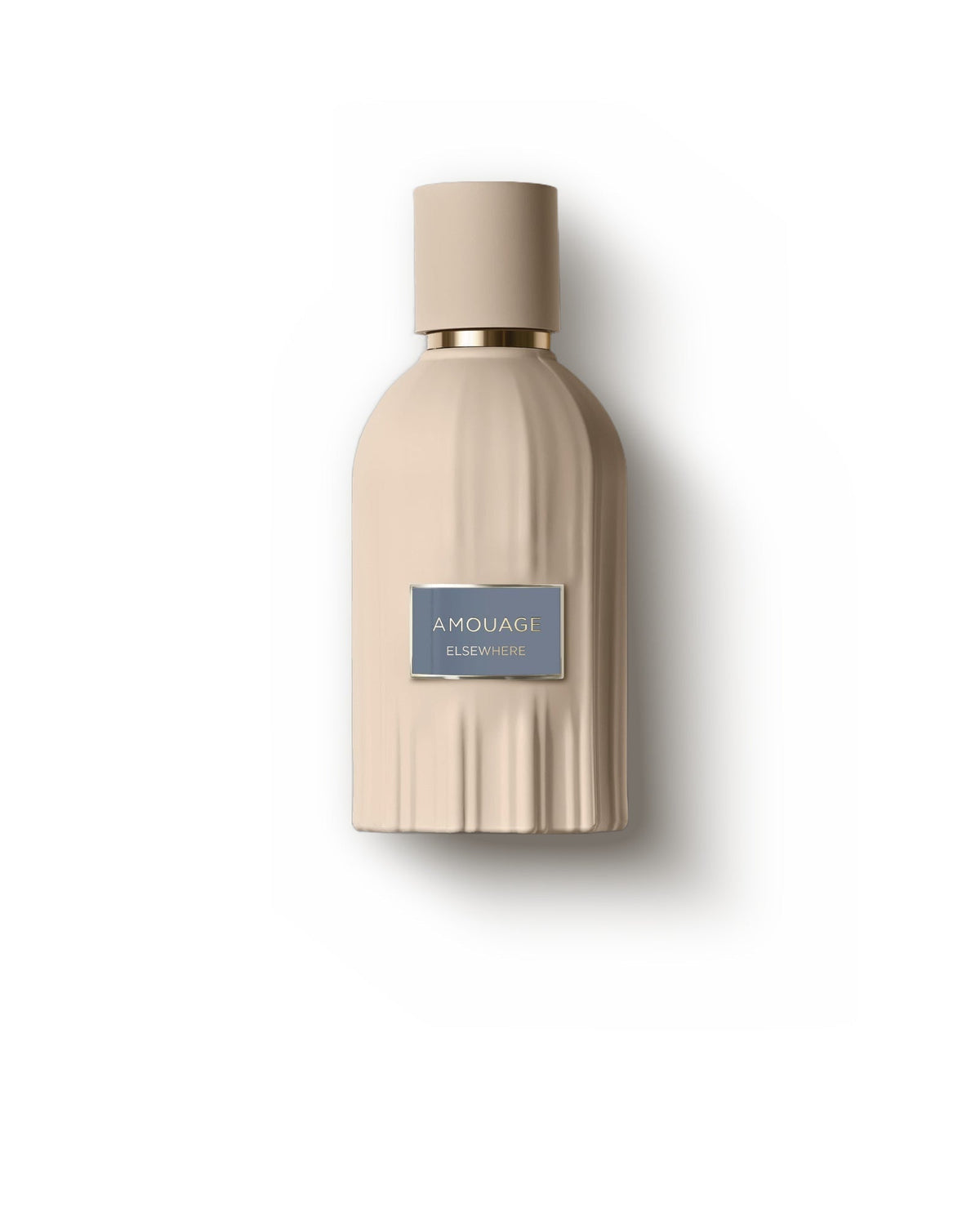
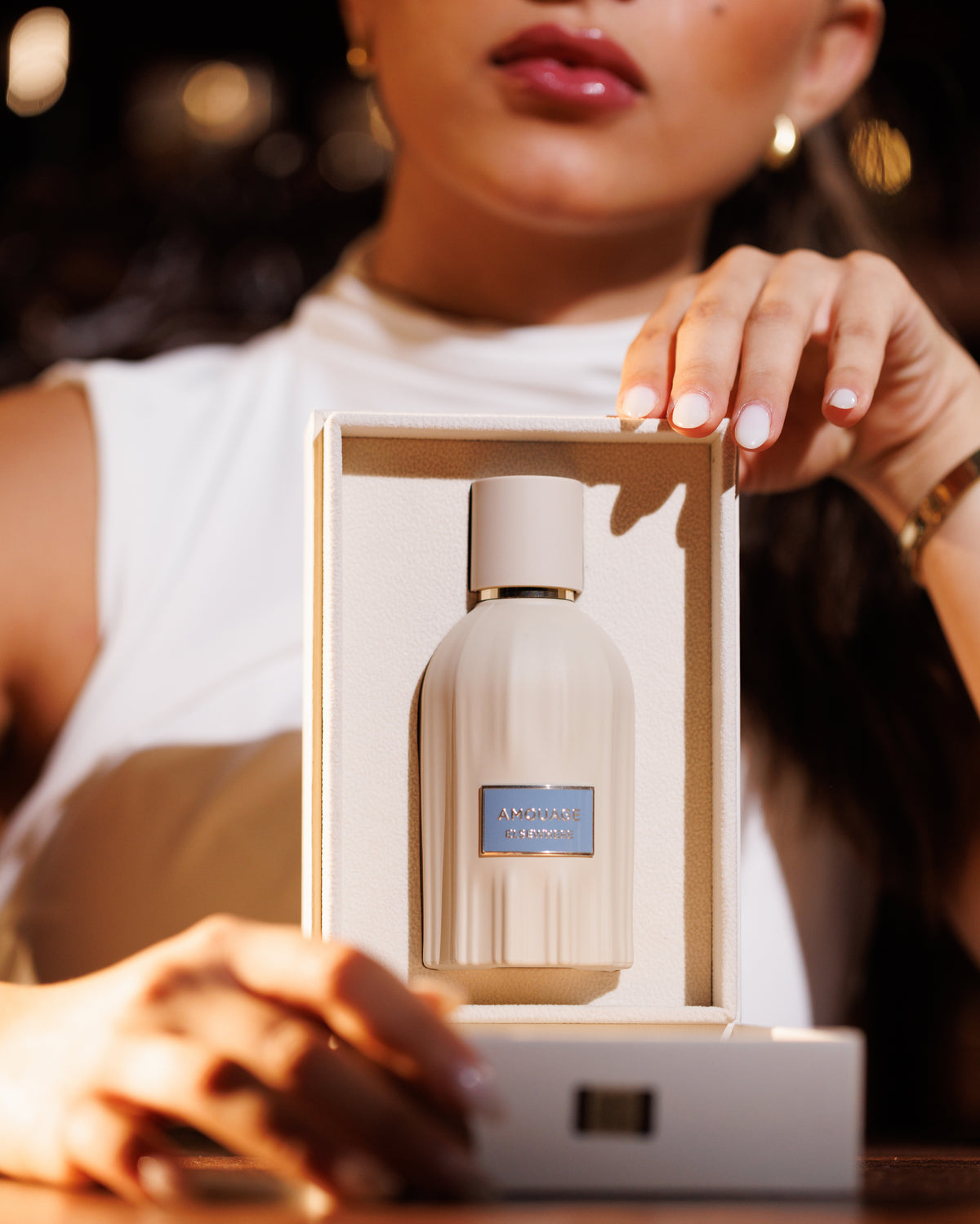
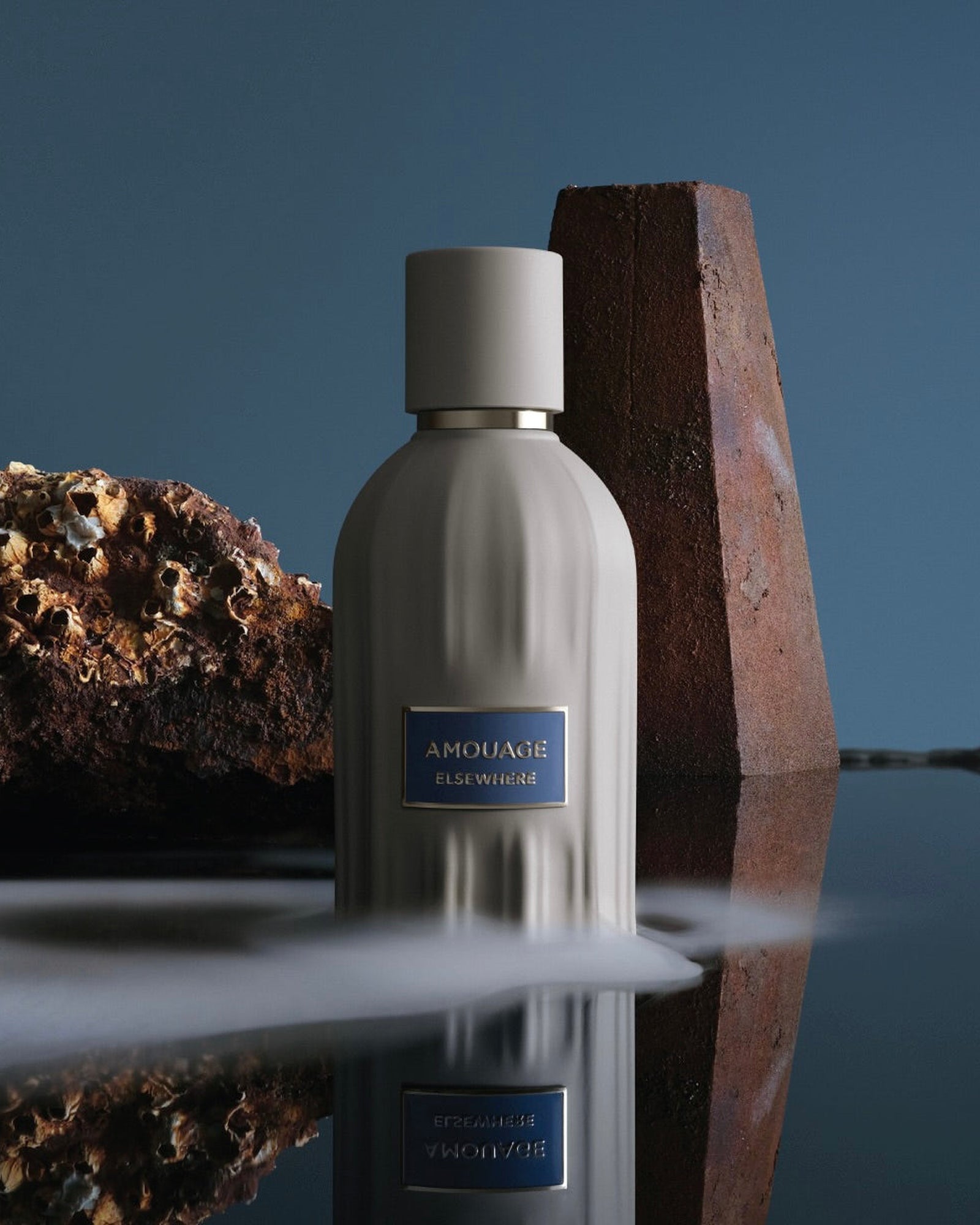
Amouage
Elsewhere
The Story
Amouage first sold this in 2025 as Sindbad, in Oman only; Elsewhere is the same juice, now released worldwide. It belongs to The Essences, the one Amouage line given an extended ageing ritual: six months of bio ethanol in oakwood barrels, six months of concentrate infused with sandalwood chips, then two weeks of maceration.


Sweet
Warm sugar you cannot quite name
Caramel, honey, spun sugar: sweetness that hovers between all three and never settles on one. This is the gourmand pull, the thing that makes someone lean in closer than they meant to, warm and soft and a half step short of edible.


Honey
golden sweetness with animal warmth
A thick, waxy sweetness with a faintly animalic, almost leathery undertone beneath the nectar. It hums warm and skin-close, comb-fresh florals on top and something darker and stickier underneath, closer to the hive itself than to anything poured from a jar.


Woody
Dry grain of cut timber
The smell of cedar shavings, sandalwood, and dry vetiver roots, a sanded, resinous warmth with a faint pencil-box rasp. It feels grounded and composed, the quiet backbone that makes a scent read as serious and lasting.


Fruity
Peach skin, not lemon peel
Peach, pear, apple, berry: this is sweetness in the flesh rather than the rind, dewy and nectar-heavy where citrus is sharp and thin. It plays young and slightly greedy, the sort of ripeness you can almost feel running down a wrist.


Vanilla
Cured pod, boozy under the cream
Cured pods, not frosting. The sweetness here is custardy and balsamic, with something dark and boozy under it, closer to rum and woodsmoke than to sugar. It warms everything above it, blunting sharp edges and slowing the whole thing down.


Aromatic
Crushed herbs in cool air
The green, camphorous coolness of lavender, rosemary, sage, and thyme, like herbs bruised between the fingers. It feels clean, invigorating, and a touch austere, the crisp backbone of a classic barbershop freshness.


Honey
Beeswax and dried fruit turning faintly feral
What it is
Bees concentrate flower nectar into a syrup that smells of whatever they foraged. Raw honey resists clean extraction, so the note in a bottle is nearly always built from beeswax absolute and aroma chemicals.
How it smells
Thick and golden, sticky with dried fruit and warm wax, and never quite polite. Under the sweetness runs something animal, closer to skin than to a jar. Push the dose and it turns leathery.
In perfumery
A heart-to-base warmth that rounds tobacco, orange blossom, immortelle and leather, softening their edges while smuggling in body heat. Orientals use it to make sweetness feel lived-in rather than confected.
Good to know
Much of that feral edge comes from phenylacetic acid, which smells of honey with an animal undertone and edges toward civet. Overdose it and the perfume goes barnyard, so perfumers weigh it in fractions.


Tangerine
Sun-warmed peel, sweet and gone in minutes
What it is
A loose-skinned mandarin, so loose the rind lifts off in one piece. That rind is the perfume, its oil held in tiny glands that burst when you peel, then cold-pressed rather than distilled.
How it smells
Sweeter and rounder than orange, with none of lemon's edge. Think candied peel and a squeeze of juice, a faint bitterness from the zest, a flicker of something almost floral. Then it is gone, fast.
In perfumery
The job is the first ten seconds. Tangerine hands a fragrance its sparkle and its good mood, then steps back for neroli, bergamot or a light musk to take over. It also keeps gourmands from turning heavy.
Good to know
The fruit carries a port's name. It was shipped to Europe from the Moroccan port of Tangier, and Tangier is what people called it from then on.


Grapefruit
Bitter-bright citrus burst with a sulfurous tang
What it is
The oil is in the rind, not the flesh: pressure ruptures the glands and it runs out cold. The fruit was an accident, a chance cross of pomelo and sweet orange that turned up in the Caribbean.
How it smells
Tart and fizzing, with a bitter rind edge and, underneath, something faintly sweaty and sulfurous that is exactly what makes it read as grapefruit rather than orange. It goes quickly, leaving a clean, soapy, bitter-green trace.
In perfumery
Perfumers use it for the opening, the cold slap of freshness before anything else arrives. It sits well with neroli and mint, and turns modern and dry over vetiver or a woody amber base.
Good to know
Almost all of that character is trace: grapefruit mercaptan, which the nose catches at a fraction of a part per trillion, and nootkatone. The oil also leaves skin sun-sensitive, so it is usually stripped or kept low.


Mango
Mango flesh gives nothing, so perfumers reconstruct it
What it is
Squeeze a mango and you get juice, not oil. Natural mango materials do exist but are rare: a green leaf absolute and a scarce fruit absolute. The note is therefore usually assembled: lactones and esters, or davana and osmanthus.
How it smells
Built from lactones it comes out sweet and golden, creamy under a juicy top, one bright shape from opening to drydown. The botanical build is softer and hazier: jammy, faintly boozy, apricot at the edges, blurring as it wears.
In perfumery
Mango anchors tropical and gourmand builds, sitting easily with coconut and white florals. Lactones hold it into the drydown; the esters flash and go. A botanical build needs constant rebalancing, every material dragging a floral tail with it.
Good to know
Neither version is the fruit. The lactone route is stable and identical every time, which is why mango turns up everywhere. Osmanthus and davana shift with the harvest, so an all-botanical mango is rare, and reads warmer and quieter.


Pomegranate
Tart ruby seeds, crisp and bittersweet
What it is
Each ruby seed sits in a bead of tart juice that barely smells of anything, and no essential oil can be had from it. So the note is invented: a fantasy accord of fruity and green molecules.
How it smells
Bright and juicy but never sugary, with a winey red-fruit edge. There is something watery and faintly metallic on top, a cranberry sharpness in the middle, and a dry tannic bitterness underneath that stops it turning cloying.
In perfumery
Its job is to sharpen. A tart red edge on rose, peony or citrus keeps a fruity-floral from going syrupy, and set against patchouli or musk it gives dark spicy roses their glint.
Good to know
Latin called it the seeded apple; the French call it grenade. When soldiers met a small round bomb packed with fragments, they borrowed the fruit's name for it, and the grenade has kept it ever since.


Apricot
Sun-warmed velvet with no fruit in it
What it is
There is no apricot in apricot. The fruit gives up nothing worth distilling, so the note gets built: lactones and bright esters in most hands, or osmanthus absolute, which smells of dried apricot and leather on its own.
How it smells
Velvety and sun-warmed, the blush of ripe skin over something creamy and waxy. The lab build holds one apricot shape start to finish. The naturals build is hazier, threaded with tea and honey, and will not sit still.
In perfumery
It sits in the top and heart of fruity florals, chypres and gourmands, adding plush sweetness and lift. Lactones dose predictably and give volume. Osmanthus and davana are costly and harvest-dependent, so they get treated as the centrepiece.
Good to know
Osmanthus and davana turn up in mainstream formulas too, so seeing them on a list proves nothing about how natural a perfume is. The tell is behaviour: a lab apricot stays put and projects, a botanical one wanders.


Ginger
Fresh peppery zing with a fibrous warmth
What it is
Not a root, whatever the greengrocer calls it, but a swollen underground stem. Perfumers take it two ways: steam-distilled to an essential oil, or extracted with CO2, and the two are not interchangeable.
How it smells
Bright and dry, a fizzy lemon-pine sparkle with pepper behind it and a fibrous, earthy warmth underneath. None of the sweetness of cooked ginger. The CO2 extract is rounder and juicier, closer to a rhizome snapped in half.
In perfumery
It works between the top and the heart, waking up citrus, putting an edge on woods, keeping aquatic and fougere structures from going flat. When a crisp, peppery scent has a pulse to it, ginger is usually why.
Good to know
Ginger barely flowers in cultivation. Every plant is grown from a piece of another plant, which makes the world's ginger something close to one enormous clone, passed hand to hand along trade routes for five thousand years.


Cardamom
Green spice cracking open with citrus heat
What it is
Pickers take the pods before they ripen, which means doing it by hand. A ginger relative from the forests of southern India, now farmed widely in Guatemala. The seeds inside are what gets distilled.
How it smells
Crack one and you get cool eucalyptus lift over warm pepper, lemon peel and a little pine resin. There is a smoky breadiness in it too, the smell of chai. Sharp and effervescent first, then soft and balsamic.
In perfumery
It sits between top and heart, a spice sparkle that stays cool, letting a composition move from citrus into woody amber without the weight of clove or cinnamon. Rose, leather and oud all take it well.
Good to know
The pod is packaging. Sealed, it keeps the oil intact; cracked, the aroma starts escaping straight away, which is why distillers work fast and why pre-ground cardamom is a ghost of the whole pod.

Pink Pepper
Bright rosy berries with a spice fizz
What it is
It is not pepper. The rose-colored berries come from a South American tree with no botanical link to the pepper vine at all, dried and then steam-distilled or extracted with CO2.
How it smells
Rosier and fruitier than black pepper, with only a prickle of heat. Crushed berries, a juniper-ish resin, a flick of citrus. It flashes on the opening and is gone quickly, leaving a gentle warm spiciness behind.
In perfumery
Perfumers reach for it when a composition needs spice without heat. It puts a rosy fizz over florals, freshens woods and ambers, and sits well with bergamot and patchouli. The fizz is a signature of the modern fruity-floral.
Good to know
The family it actually belongs to is the cashews, close enough that people who react to cashew or mango sometimes react to these berries too. Worth knowing before you cook with them.


Black Tea
Dry leaves, tannin and a whisper of smoke
What it is
Leaves withered, rolled, then left to oxidise right through: that is what turns them black and takes the smell from grassy to dark. China has done this for centuries. Real tea absolute is rare, so perfumery rebuilds it.
How it smells
Dry and astringent, the way the third cup of the pot tastes. Hay and worn leather sit under it, with a rose-and-jasmine softness held down by powder. It starts crisp and airy, then goes quiet, smoky and woody.
In perfumery
A heart note that does the job of a brake: its tannin cuts sweetness and keeps a floral from turning syrupy. Citrus lifts it, woods carry it, and most modern tea fragrances are some version of this balance.
Good to know
Linalool and geraniol carry the floral core, while two trace molecules give it character. Theaspirane throws a blackcurrant brightness over a cool green edge; tabanone brings tobacco and something like acorn. Ionones and guaiacwood fill in the powder and the wood around them.


Cappuccino
Bitter roast gone soft under milk foam
What it is
Half of this is real. Roasted coffee beans give up an absolute or a CO2 extract that smells convincingly of the roast. Milk gives up nothing usable, so the creamy half is built from lactones.
How it smells
Bitter, slightly burnt coffee folded into something warm and milky. Not the black bite of espresso but the softened version: toasted, nutty, faintly cocoa-like, with a powdery foam sweetness on top and roasted-grain dryness underneath.
In perfumery
It works in the heart of gourmands and woody-ambers, where its bitterness stops sweetness running away. Tonka, vanilla, honey, tobacco and cedar all take it. Few beverage notes can carry a composition without turning it into dessert.
Good to know
Hundreds of compounds come off a roast, and your nose builds the whole cup from about two dozen. Perfumers cheat the same way, with a handful of roasted molecules. A coffee note smells like the idea of coffee.

Davana
Boozy apricot herb that shifts on every wearer
What it is
A small aromatic herb of the daisy family, grown around Mysore in southern India and steam-distilled from its green flowering tops into a dark, powerful oil. Almost none of it is grown for food.
How it smells
Apricot and plum steeped in mulled wine, boozy and thick, over a green, tea-like sweetness with dried prune and warm hay in it. Sweet but never sugary, tenacious, and rarely the same on two people.
In perfumery
Perfumers use it in drops, not doses. It swells peach, apricot and rose, smooths the seam between top and base, and pours boozy lift into chypres and fruity florals.
Good to know
That shifting is the point: davana is nicknamed chameleon oil because its fruit tilts with each wearer's skin chemistry. In India the fresh flowers are woven into temple garlands offered to Shiva.

Tonka Bean
Warm almond-vanilla sweetness with a hay-tobacco shadow
What it is
Shelled seeds from a South American legume tree go into alcohol, then dry for weeks until coumarin crystallizes across their skins like frost. That frosted bean is what becomes the absolute perfumers use.
How it smells
Vanilla and bitter almond first, then hay, dried tobacco and something toasted. The opening is close to caramelized custard; the drydown goes powdery and boozy, with cinnamon and cut clover in it. Hazier than vanilla, softer than almond.
In perfumery
Between heart and base, it sweetens without turning sharp. Lavender, amber and tobacco all take to it. Coumarin, first pulled out of this seed, built the fougère family, though the 1882 original ran on the synthetic version.
Good to know
Tonka owes most of its scent to coumarin, which American food regulators banned in 1954 after high doses damaged the livers of lab animals. The bean is effectively illegal in a US kitchen and perfectly legal on skin.

Vanilla
Cured orchid pods, custard and faint smoke
What it is
Green pods come off the orchid vine smelling of almost nothing. The scent is made, not found: months of blanching, sweating in the sun and slow drying before the vanillin appears. Mexico first, Madagascar now.
How it smells
Custard and caramel up front, then something darker underneath: dried fruit and a thread of tobacco smoke. It turns powdery as it dries and sits close to the skin. Real cured vanilla reads deeper than vanillin alone.
In perfumery
Perfumers use it to round off edges. Anything too sharp, too green, too austere gets warmth and body from a vanilla base, which is why it anchors many oriental and gourmand builds alongside tonka, amber, sandalwood and spice.
Good to know
Every flower opens for one day. Miss it and there is no pod, so all of it is pollinated by hand, a trick devised by Edmond Albius, a twelve-year-old enslaved boy on Réunion. Most vanilla flavour today is synthetic.

Cedarwood
Dry pencil shavings and sun-warmed timber
What it is
The cedar in your closet or cedar chest is usually a juniper. Virginia and Texas cedar both are; among the cedars of perfumery, only Atlas and Himalayan are true Cedrus. The oil is steam-distilled from heartwood chips and sawmill dust.
How it smells
Freshly sharpened pencils, and the inside of a cedar chest. Virginia leans pencil-dry and balsamic; Atlas is sweeter, almost honeyed. Both carry a clean, faintly camphor-cool smoke that settles into sappy warmth.
In perfumery
A heart-to-base workhorse: dry structure other materials can lean on. It sits well with vetiver, rose, citrus and incense, and it is the smoke in the drydown of countless modern woody-ambers.
Good to know
Cedar rarely appears alone. Its molecules, reworked in the lab, form the backbone of a great many contemporary woody fragrances, which is why so much of the modern woody shelf smells faintly of a sharpened pencil.


Labdanum
Sticky amber resin scraped from sun-baked rockrose
What it is
A Mediterranean rockrose sweats gum through its leaves in summer, dark and sticky enough to glue your fingers together. Harvesters boil or scrape the branches to get it off, then extract that crude gum into absolute and resinoid.
How it smells
Balsamic warmth, then leather, dried fruit, honey and a curl of smoke. There is something almost ambergris-like in the opening. Hours later it has settled into brown tobacco and worn skin, still going.
In perfumery
Take labdanum out and most amber accords collapse; it is what vanilla and benzoin get built on. It fixes a formula in place, gives chypres and leathers their depth, and sits well with rose, oakmoss and incense.
Good to know
Before there was distillation, there were goats. Herds browsed through cistus scrub all summer, the gum matted into their beards and thighs, and shepherds combed it out. Labdanum is one of the oldest aromatic materials still in use.

Cypriol
Dark smoky root from an Indian riverbed
What it is
Nagarmotha, a sedge that grows wild in the marshy riverbeds of Madhya Pradesh. The roots are dug up, dried, crushed and steam-distilled into a thick, dark oil, and the yield is low.
How it smells
Woody and earthy with a cold smoky underbelly, drier than patchouli and rootier than vetiver. A peppery sharpness first, then leather, dry amber and a little tar. It ends dark, mineral and ashy, close to burnt agarwood.
In perfumery
Base note and natural fixative, the affordable stand-in when a formula wants oud. It works with patchouli, saffron, cedar and incense, and holds up most of the smoky woody blends that lean agarwood.
Good to know
In India the same rhizome has long been used in Ayurvedic medicine and in attar making. Its sister sedge, meanwhile, is a stubborn farm weed cursed by growers worldwide.


Vetiver
Cool damp earth pulled from tangled roots
What it is
Everything worth having is underground. Vetiver grows as a tall tropical grass, but the perfume lives in its roots, a dense fibrous mat that gets dug up, washed, dried and steam-distilled into a thick amber-brown oil.
How it smells
Cool damp soil and cut grass over dry wood. Haitian oil runs smoother and faintly hazelnut-sweet; Java is darker, smokier, more leathery. Underneath both, a bitter grapefruit edge and a green mineral streak that holds for hours.
In perfumery
Perfumers use it to hold a formula down, which is why fougères and chypres reach for it. Citrus, leather and tobacco sit well on top. Push its ashier side forward and it turns severe beside cypress and cedar.
Good to know
The same roots that end up in a bottle get planted on hillsides to hold the soil, gripping ground where nothing else will. Haiti supplies about half the world's vetiver oil, most of it grown on smallholder farms.


Patchouli
Damp earth and dark wood after rain
What it is
Nobody guesses mint, but that is the family: a leafy bush whose leaves are dried and left to cure, close to fermenting, before distillation pulls out an oil thick and dark as syrup.
How it smells
Wet soil, forest floor, an old cellar, with a winey sweetness underneath. Young oil can come at you sharp and green, almost camphorous. Aged oil goes the other way, into chocolate and leather, and stays put for hours.
In perfumery
Almost nothing holds a composition down like it. Chypres and orientals are built on that anchor, and a few drops under rose, vetiver or labdanum will hold the whole thing on skin for hours.
Good to know
Nineteenth-century Kashmiri shawls travelled packed in dried patchouli leaves to keep moths off, and Europeans learned to tell a real one by smell alone. The oil improves with age, which almost no essential oil does, mellowing like wine.
Fragrance Character
Honey leads from the first minute, cut with tangerine, grapefruit and mango so it never turns cloying, ginger and pink pepper keeping an edge. The heart is the odd part, black tea and a cappuccino accord threaded through with davana. Tonka, vanilla and labdanum close it, cypriol, vetiver and cedar pulling the sweetness back toward dry wood.


Longevity
how long it stays on skin
The hourglass reads wear time: how many hours the fragrance keeps speaking before it fades. A bar that barely leaves the start means a few fleeting hours. One that runs the full length carries from morning into evening. Treat it as typical, not promised. Oily skin holds scent far longer than dry.


Sillage
the size of its scent trail
Sillage is French for a ship's wake, and that is exactly what this measures: how much of the scent reaches the room instead of staying on you. Low is a whisper only close friends catch. Enormous fills the room, then keeps filling it after you leave.


Experimental
Built to provoke, not to please
Some perfumes are made to be liked. These are made to be argued about: inky tar, hot rubber, fruit on the turn, metal and fur where you expected flowers. The coin glows for a scent that provokes and dims for one that plays it safe, which is sometimes the point.


Office
Polished, and never louder than the room
Scent is manners in a shared room. At this range it should reach the person across the desk and stop there: tidy citrus, soft musk, pale woods, all of it reading competent and considerate. A glowing coin means nobody has to mention it. A dim one means it travels.


Evening
After dark, when it deepens
Dinner, drinks, the night that runs long. Low light is where ambers, resins and smoky woods stop being polite, and where a plush floral finally blooms. A glowing coin means it is waiting for exactly this hour. A dim one means it did its best work in daylight.


Romantic
Close enough to be felt
A fragrance can hum against skin instead of announcing itself across a table. That is the register here: creamy florals, vanilla, soft musk, a thread of spice, warm enough to make someone lean in. The coin glows when a scent sets that mood and dims when it is more practical than seductive.


Formal
Quiet authority in a dressed-up room
A wedding, a ceremony, a room where everyone has thought about their shoes. What works here is structure, not volume: smooth woods, disciplined florals, soft leather. A glowing coin means it holds its posture all evening. A dim one means it is too casual for the room.


Casual
Easy comfort for unhurried days
Errands, coffee, a slow Saturday with nowhere to be. Nothing here has to impress anyone, so the fit is soft and easy: fresh citrus, light woods, a little warmth off the skin. A glowing coin says yes to all that. A dim one means the fragrance is asking for a bigger night.


Day to Night
where its mood naturally falls
A bar running from sun to moon, reading the hour the fragrance was made for. The more of it that stays gold, the more the scent belongs to daylight and open air. The further the blue reaches back toward the sun, the deeper and warmer it turns: evening, candlelight, low rooms.


Winter
Warmth that carries through cold air
Cold air mutes a fragrance and slows it down, which is why winter belongs to the dense and the warm: resin, smoke, vanilla, leather, ambered spice. The bar reads how well this one pushes back, glowing against the chill instead of thinning out in it.


Spring
Fresh blooms in mild, rising warmth
Mild, humid air lifts a light composition, so the season belongs to dewy florals, green stems, soft powder and citrus you can see through. Alive rather than heavy. The further the green runs along the bar, the more comfortably this one wears in that weather.


Summer
Bright and airy in real heat
Heat does the projecting for you, which is why the wrong perfume turns unbearable by noon. What survives is cool and breathable: sharp citrus, salt air, aromatic herbs, water. Things that refresh instead of cloy. A short bar here means save it for cooler months.


Fall
Spiced warmth for cooling days
As the air cools, the rich materials stop smothering and start reading clearly: dry woods, warm spice, tobacco, amber, fruit gone golden. It is the season perfume turns contemplative. The bar fills according to how naturally this one settles into crisp, cooling days.
Best Worn
Winter and late autumn suit it best, worn after dark. At 30% concentration, eight to ten hours of honeyed wood carries strongly across a room, so a restrained hand at the atomiser goes a long way. It belongs to cold air, heavy coats and lit interiors, and to someone unbothered by being noticed.
Choose options
The Vibe


The Nose

Pierre Négrin
Perfumer
Pierre Négrin is a perfumer based in Connecticut and working in New York, long associated with Firmenich. He co-signed Tom Ford Black Orchid with David Apel and Ralph Lauren Polo Black with Ellen Molner, and composed Amouage Interlude Man and Amouage Portrayal Man. Amouage Opus VII is his with Alberto Morillas.
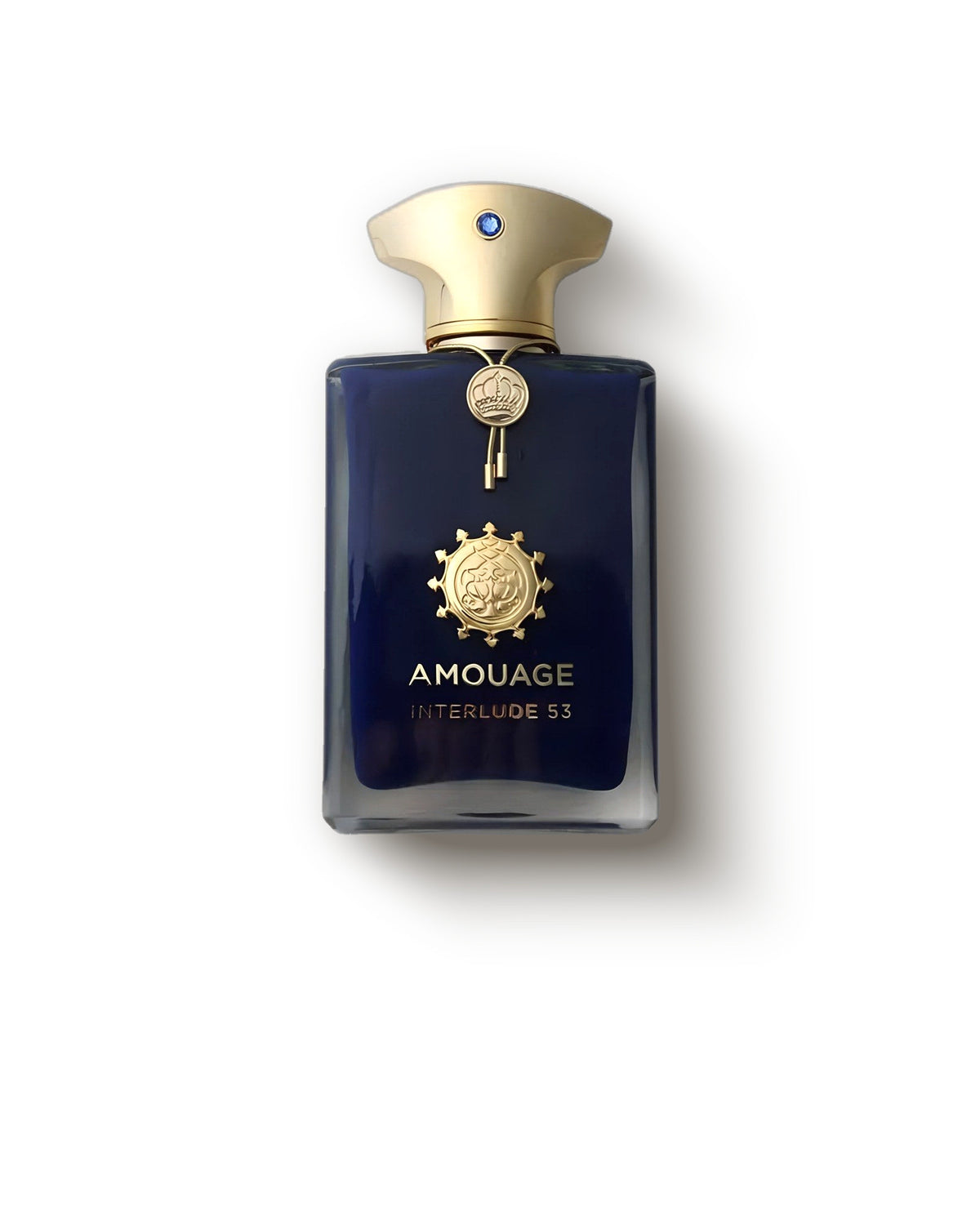
More by this noseInterlude 53
The Maison

Frankincense and rose at royal scale, sampled without the leap of faith a full bottle asks for.
Amouage does not do quiet. Every bottle feels built for a room you have to earn your way into, all high ceilings, incense in the air and light coming through something precious. The house pours frankincense, rose and oud like it has an endless supply, and the results wear big and last long without ever tipping into loud for its own sake.
- Origin
- Muscat, Oman
- Founded
- 1983
- Known for
- Frankincense, rose, oud

EVERY DECANT
From the original bottle to your door
We buy the original flacon at full retail price, direct from the house.
A medical grade Socorex syringe takes the exact millilitres straight from the flacon.
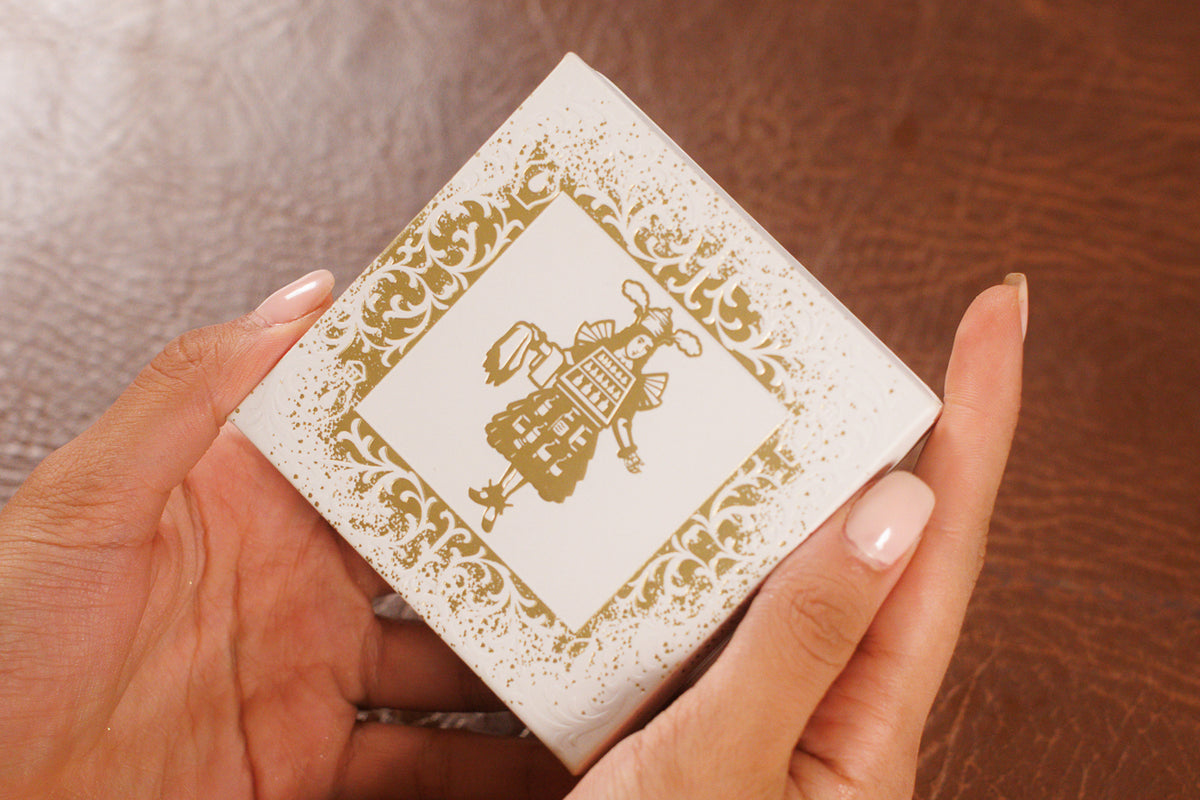
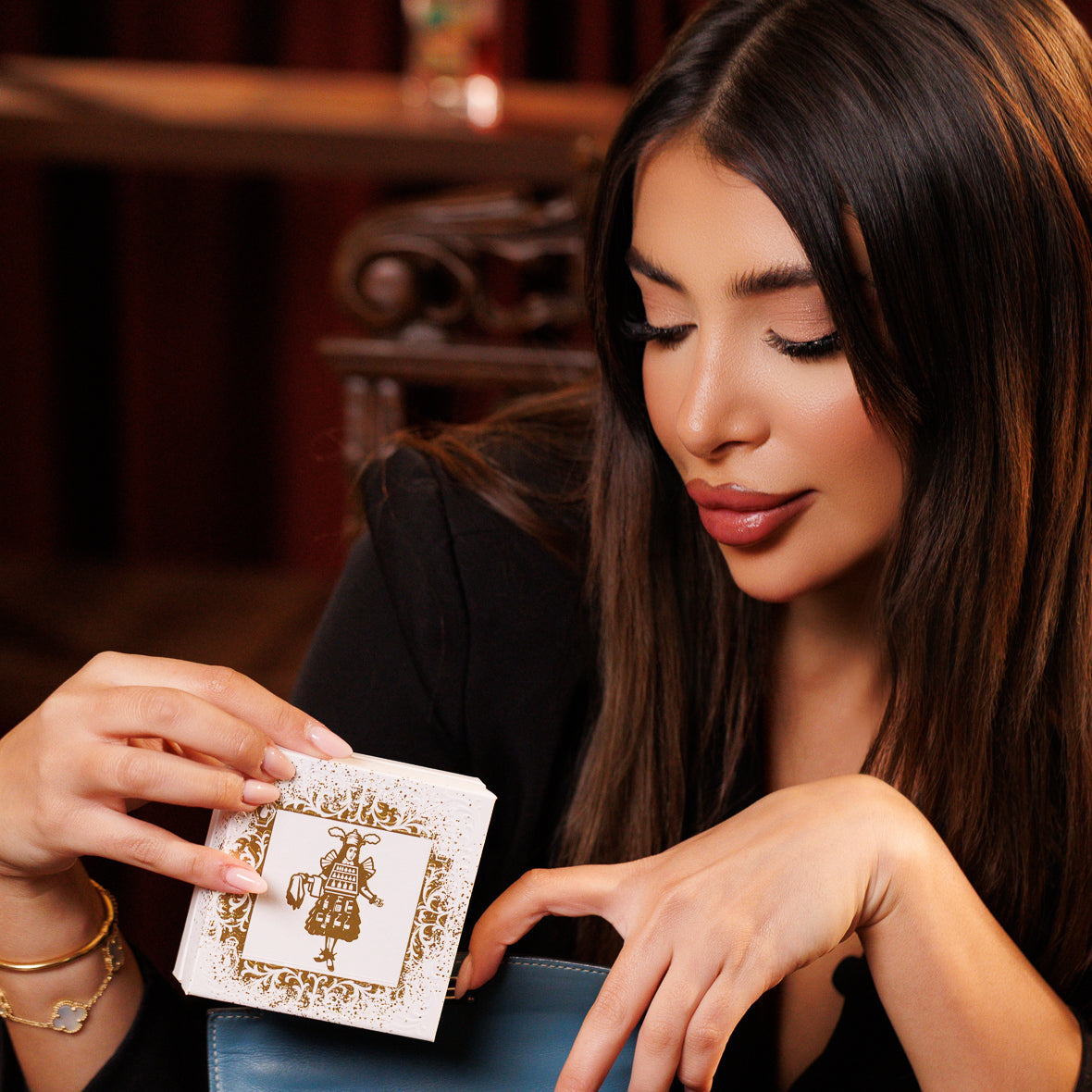
Packed into the hot foiled box and handed to DHL, every duty already paid. How a decant is made
More from Amouage
You may also like