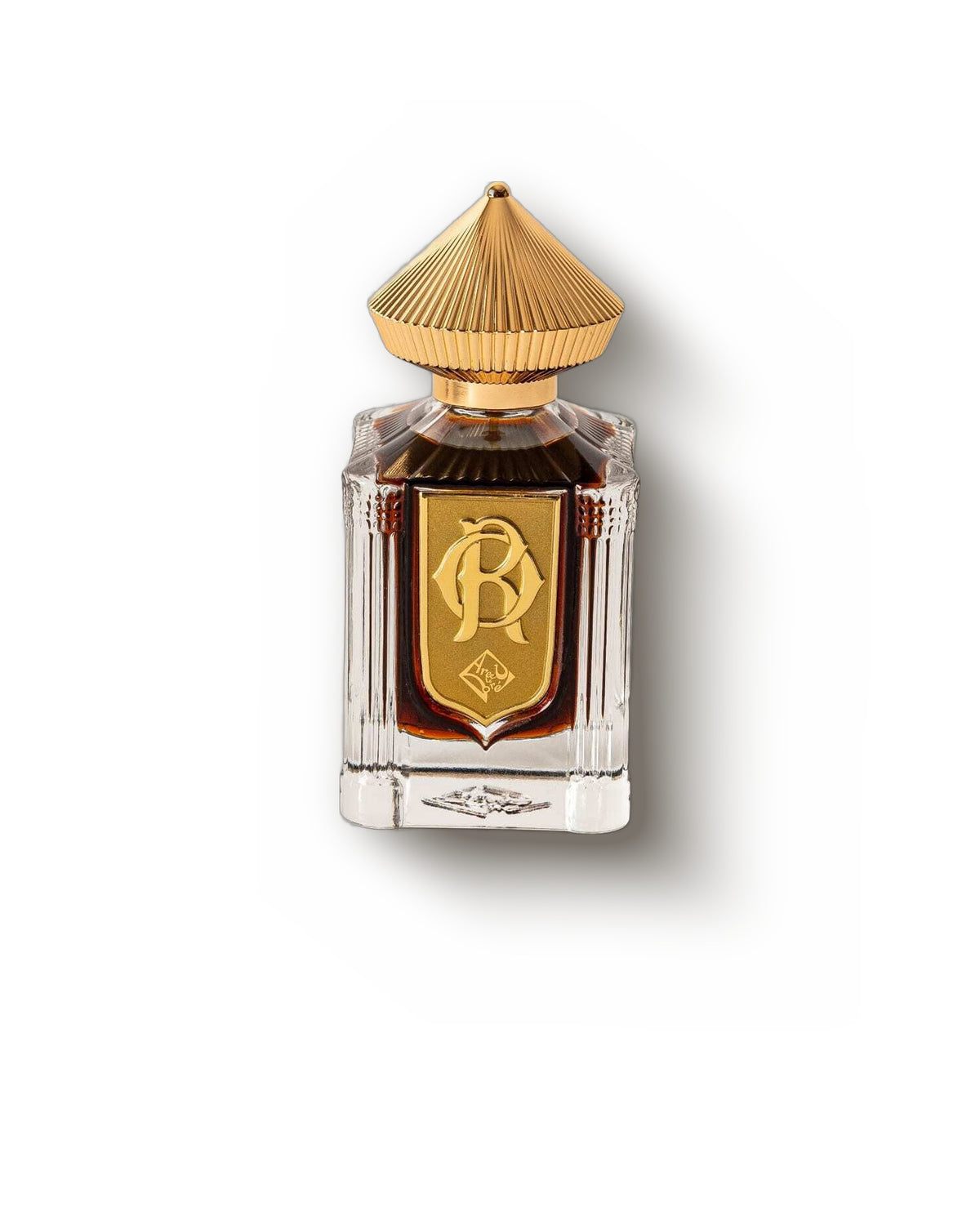


Areej Le Doré
Russian Oud 2
The Story
The first Russian Oud arrived after its own grandchildren. Russian Adam made about 300 bottles in 2018 and called it "the grandfather of our previous sought-after compositions, Oud Zen and Oud Picante", though both were already out. He brought it back as Russian Oud II alongside other returning classics and kept the grandfather's name. He changed the oil: the first had stood on a Choco-Borai oud and a maceration from a single giant musk pod, this one on an Indian oud distilled the old way.


Gourmand
edible sweetness good enough to bite
A dessert-like warmth drawn from natural materials such as vanilla, tonka, benzoin, and honey or cocoa absolutes, the smells of sugar cooked rather than sugar itself. It feels cozy and comforting, wrapping the wearer in something soft, sweet, and almost edible.


Oud
What a tree makes when it is wounded
A dense, resinous wood that smells warm and slightly medicinal, with a leathery, animal-tinged smokiness and a sweet, almost barnyard funk underneath. It feels ancient and brooding, wrapping the skin in something thick and quietly powerful.


Amber
Resin warmed until it goes sweet
Labdanum, benzoin and vanilla melted together into something sweet but dusky, like tree sap gone soft in the sun with a thread of incense smoke through it. Amber does not sparkle or shout. It sits close to the skin and gives off heat for hours.


Woody
Dry grain of cut timber
The smell of cedar shavings, sandalwood, and dry vetiver roots, a sanded, resinous warmth with a faint pencil-box rasp. It feels grounded and composed, the quiet backbone that makes a scent read as serious and lasting.


Musky
Warm breath of bare skin
The softly animalic warmth of natural musk, whether deer musk or a plant musk such as ambrette seed: warm skin and soft fur, powdery, intimate and faintly sweet. It hums quietly underneath a fragrance, a second skin that only registers when someone is already standing close enough to catch it.


Powdery
Soft hush of dressed skin
A velvety, slightly dry softness of iris root, violet, and fine talc, like face powder or clean linen warmed by skin. It feels intimate, refined, and nostalgic, blurring a fragrance into a gentle, cushioned haze.


Animalic
Skin, fur and something not quite tame
A raw, body-warm muskiness that reads of skin, hair and fur, sometimes sweet and powdery, sometimes sharp and faintly feral. At its best you cannot tell where the perfume stops and the wearer starts. At its strongest, it is the reason some people back away.


Deer Musk
Goatish when raw, warm bare skin once aged
What it is
The musk pod is a pouch beneath the skin of the male musk deer's belly. Its reddish-brown paste dries into dark, crumbly grains, which are steeped in alcohol for many months, often a year or more, to make the tincture perfumers use.
How it smells
Neat, it is rank and fatty, closer to a billy goat than a perfume, and perfumers note a black-coffee darkness. Thinned and matured in alcohol, it turns sweet, earthy and warm, with the intimate smell of bare skin.
In perfumery
A base material worked in drops. It steadies the more volatile notes above it, gives a blend roundness and fullness, and keeps it wearing far longer. It sits most naturally with oud, ambergris, castoreum and rose.
Good to know
The word itself is anatomy. Musk runs back through Greek and Persian to the Sanskrit muska, testicle, because the pod was thought to resemble one. And the musk inside a single pod comes to only about twenty-five grams.


Ambergris
Sea-aged whale gold breathing warm salt air
What it is
This is real ambergris, the material Ambroxan was made to echo. Perhaps one sperm whale in a hundred makes it: a waxy mass in the gut, thought to coat the squid beaks it cannot digest. Expelled, it can drift for years, curing in sun and salt before washing ashore.
How it smells
Fresh from the whale it is faecal and marine. Cured by years at sea it turns sweet, animalic and softly mineral, all tobacco, dry seaweed and old wood. It reads less as an odour than as warmth, diffusion and breath.
In perfumery
Perfumers traditionally work it as a tincture, the grated lumps steeped in alcohol for months until the liquid matures. In a base it slows everything down, lends a skin-like radiance and makes the notes around it bloom and last.
Good to know
Today it is found rather than harvested: lumps wash up on shorelines or are spotted drifting at sea. Pieces are judged largely by colour, from fresh black through grey to white, and the palest, longest-cured ones are the most prized for their sweetness.


Cacao
Roasted cocoa, bitter until the sugar arrives
What it is
Chocolate starts as a bean in a pod, packed in white pulp, on a shade-loving American tree now farmed mostly in West Africa. Ferment it, dry it, roast it, and the absolute smells of chocolate with nothing added.
How it smells
Dry, roasted and dusty, like cocoa powder or dark chocolate shaved thin. Bitter up front, with coffee, nut and damp earth behind it, drying to a powdery brown warmth that stays close to the skin for hours.
In perfumery
Heart to base, the note that makes a gourmand edible without making it sugary. It sits with vanilla, tonka, patchouli, orange and chili. Sweeten it and it drifts toward drinking chocolate; leave it bare and it stays bitter.
Good to know
The Maya and the Aztec drank it bitter, frothed and spiced, and held it sacred. Sugar arrived with Europe, centuries later. The material itself never took it up.


Indian Oud
Chocolaty Indian oud from a traditional distillation
What it is
Agarwood oil distilled in India, the style collectors call Hindi. Traditional Hindi distillation soaks and ferments the wood for days before it goes into a copper still.
How it smells
Cocoa and dried fruit first, then buttery leather, dry hay, black pepper and clove over a deep smoky base. The chocolate is in the oil itself.
In perfumery
Rose is its classic partner, though a fine Hindi oil is often worn neat.
Good to know
Cambodi is sweet and honeyed, Borneo cool with pine, Thai medicinal, while India owns the fermented register. Young, a Hindi hits hardest; ageing turns the funk to smooth leather.


Resins
Tree wounds that harden into incense
What it is
Every resin starts as an injury. Cut the bark of a frankincense or myrrh tree and it bleeds milky tears that harden in the air; labdanum is boiled or scraped from the leaves of a rock rose.
How it smells
Warm, sweet and balsamic underneath, but each pulls a different way: frankincense cool and peppery with lemon-pine smoke, myrrh bittersweet and medicinal, benzoin all vanilla caramel, labdanum leathery honey. They open bright and dry down sticky.
In perfumery
Nothing holds a base together like resin. It slows evaporation, so everything above lasts longer, and supplies the glow under amber and incense compositions. Frankincense builds the cathedral ones; benzoin and labdanum the warm ones.
Good to know
Frankincense and myrrh once traded at the price of gold, carried north along the Incense Route and named among the Magi's gifts. The wild trees are thinning now from over-tapping, which is a problem for perfumery's oldest material.


Cedar
Dry sharpened pencils and sun-warmed timber
What it is
Most perfumery cedar is not cedar. It is juniper, from the Virginia and Texas trees, steam-distilled from chips and sawmill shavings. True Atlas cedar exists and is used, but it is the smaller source.
How it smells
Freshly sharpened pencils, then the inside of a cedar-lined closet. Atlas leans warm, smoky and balsamic; Virginia reads sharper and cleaner. Either way it settles into soft sawdust warmth and stays there for hours.
In perfumery
A workhorse. It gives woody compositions their backbone and holds lighter materials in place, sitting comfortably beside vetiver, rose, citrus and amber. Its plummy-woody core runs through most modern unisex woods.
Good to know
Egyptian embalmers poured cedar oil into the body rather than burning it, and cedar timber lined the tombs and coffins they meant to outlast them. The true cedars and the junipers share a name through smell, not lineage.
Fragrance Character
A soft touch of deer musk opens it, nothing bright. Cacao and oud then read as a single powdery sweetness, because the oud oil carries that cacao tone on its own. People nearby get something dark and dusty with an animal edge under it, and it holds ten to twelve hours, ending balsamic and dry.


Longevity
how long it stays on skin
The hourglass reads wear time: how many hours the fragrance keeps speaking before it fades. A bar that barely leaves the start means a few fleeting hours. One that runs the full length carries from morning into evening. Treat it as typical, not promised. Oily skin holds scent far longer than dry.


Sillage
the size of its scent trail
Sillage is French for a ship's wake, and that is exactly what this measures: how much of the scent reaches the room instead of staying on you. Low is a whisper only close friends catch. Enormous fills the room, then keeps filling it after you leave.


Experimental
Built to provoke, not to please
Some perfumes are made to be liked. These are made to be argued about: inky tar, hot rubber, fruit on the turn, metal and fur where you expected flowers. The coin glows for a scent that provokes and dims for one that plays it safe, which is sometimes the point.


Office
Polished, and never louder than the room
Scent is manners in a shared room. At this range it should reach the person across the desk and stop there: tidy citrus, soft musk, pale woods, all of it reading competent and considerate. A glowing coin means nobody has to mention it. A dim one means it travels.


Evening
After dark, when it deepens
Dinner, drinks, the night that runs long. Low light is where ambers, resins and smoky woods stop being polite, and where a plush floral finally blooms. A glowing coin means it is waiting for exactly this hour. A dim one means it did its best work in daylight.


Romantic
Close enough to be felt
A fragrance can hum against skin instead of announcing itself across a table. That is the register here: creamy florals, vanilla, soft musk, a thread of spice, warm enough to make someone lean in. The coin glows when a scent sets that mood and dims when it is more practical than seductive.


Formal
Quiet authority in a dressed-up room
A wedding, a ceremony, a room where everyone has thought about their shoes. What works here is structure, not volume: smooth woods, disciplined florals, soft leather. A glowing coin means it holds its posture all evening. A dim one means it is too casual for the room.


Casual
Easy comfort for unhurried days
Errands, coffee, a slow Saturday with nowhere to be. Nothing here has to impress anyone, so the fit is soft and easy: fresh citrus, light woods, a little warmth off the skin. A glowing coin says yes to all that. A dim one means the fragrance is asking for a bigger night.


Day to Night
where its mood naturally falls
A bar running from sun to moon, reading the hour the fragrance was made for. The more of it that stays gold, the more the scent belongs to daylight and open air. The further the blue reaches back toward the sun, the deeper and warmer it turns: evening, candlelight, low rooms.


Winter
Warmth that carries through cold air
Cold air mutes a fragrance and slows it down, which is why winter belongs to the dense and the warm: resin, smoke, vanilla, leather, ambered spice. The bar reads how well this one pushes back, glowing against the chill instead of thinning out in it.


Spring
Fresh blooms in mild, rising warmth
Mild, humid air lifts a light composition, so the season belongs to dewy florals, green stems, soft powder and citrus you can see through. Alive rather than heavy. The further the green runs along the bar, the more comfortably this one wears in that weather.


Summer
Bright and airy in real heat
Heat does the projecting for you, which is why the wrong perfume turns unbearable by noon. What survives is cool and breathable: sharp citrus, salt air, aromatic herbs, water. Things that refresh instead of cloy. A short bar here means save it for cooler months.


Fall
Spiced warmth for cooling days
As the air cools, the rich materials stop smothering and start reading clearly: dry woods, warm spice, tobacco, amber, fruit gone golden. It is the season perfume turns contemplative. The bar fills according to how naturally this one settles into crisp, cooling days.
Best Worn
Late on a winter night, two people at home with the lamps turned low. Go lightly, because it reaches further than its soft start suggests, and pass if animal warmth puts you off.
Choose options
The Vibe


The Nose

Russian Adam
Founder and perfumer
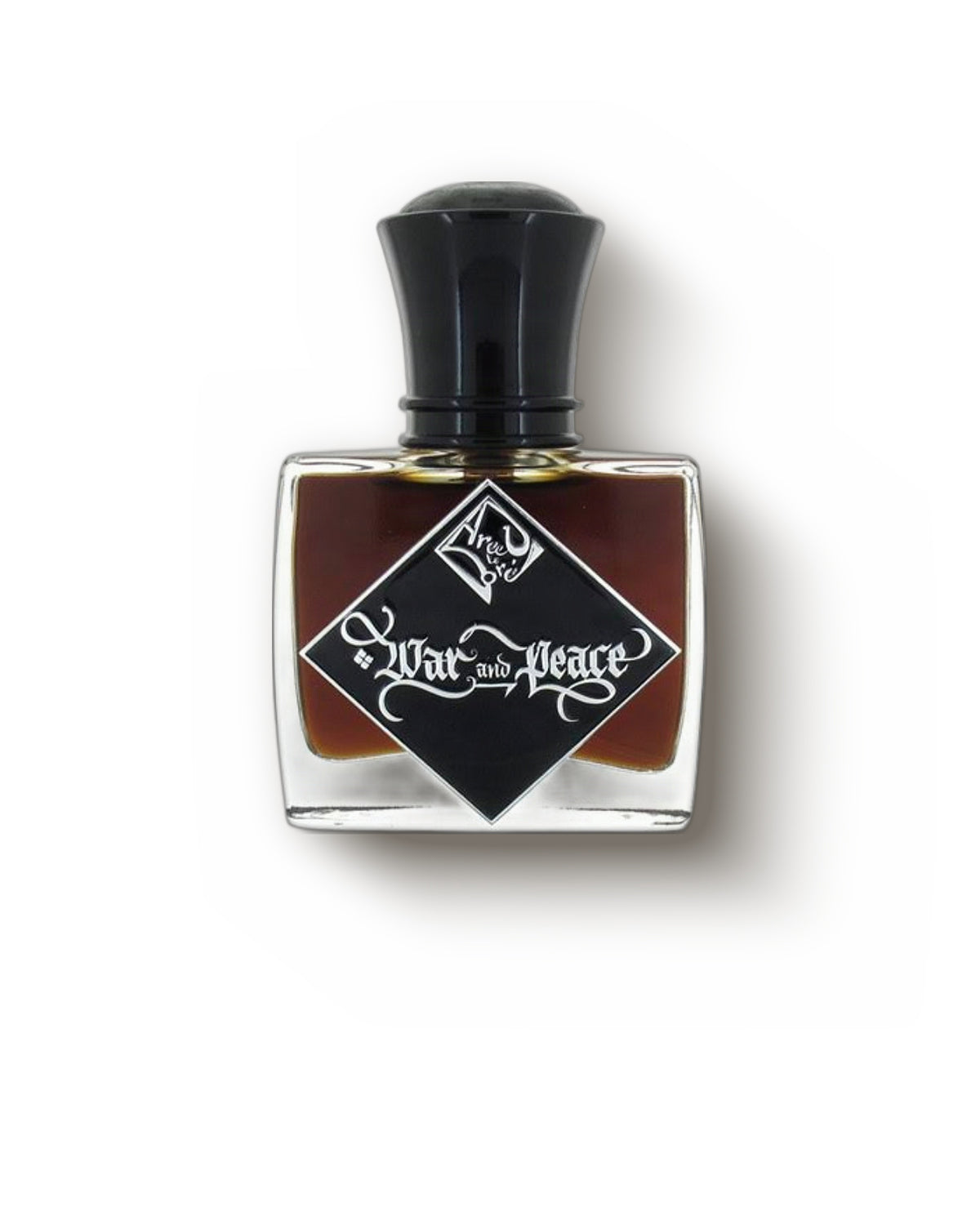
A distiller turned perfumer. He ran the Feel Oud distillery, cooking his own agarwood and sandalwood oils, and now blends them into small numbered batches under Areej Le Doré: Siberian Musk, Russian Oud, War and Peace and Ottoman Empire.
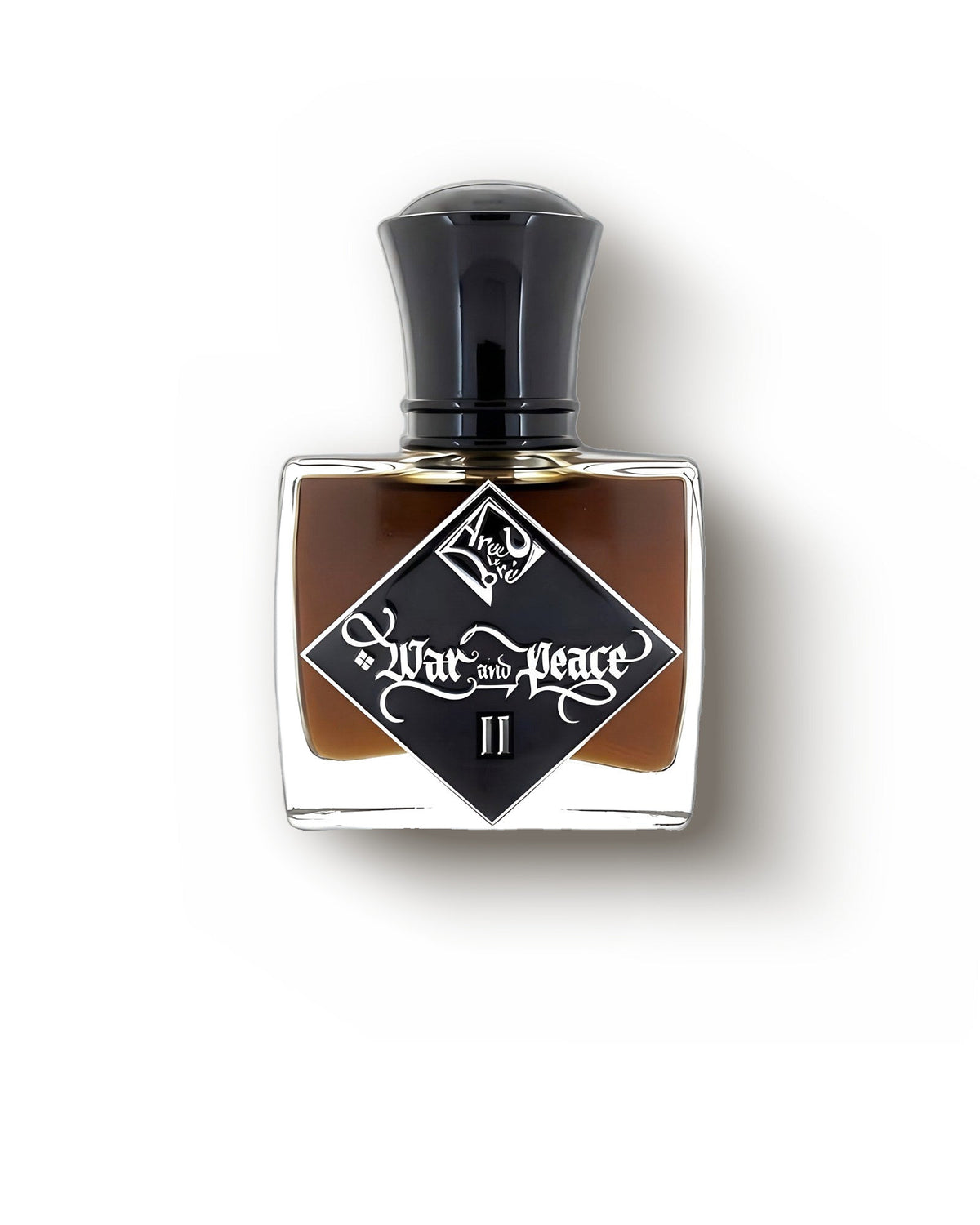
More by this noseAl MajmuaWar and Peace 2Nepalese Patchouli
The Maison

Vintage orientals built on real musk, aged oud and ambergris, decanted while the originals still exist.
Russian Adam works mostly with natural and vintage materials, real oakmoss, hand distilled attars, aged animalics and precious ambergris, so wearing one of these feels less like spraying a fragrance and more like opening a drawer of old world treasures. The batches are tiny, numbered, and rarely return in the same form once they sell out.
- Origin
- Indonesia
- Founded
- 2017
- Known for
- Deer musk, aged oud, ambergris

EVERY DECANT
From the original bottle to your door
We buy the original flacon at full retail price, direct from the house.
A medical grade Socorex syringe takes the exact millilitres straight from the flacon.
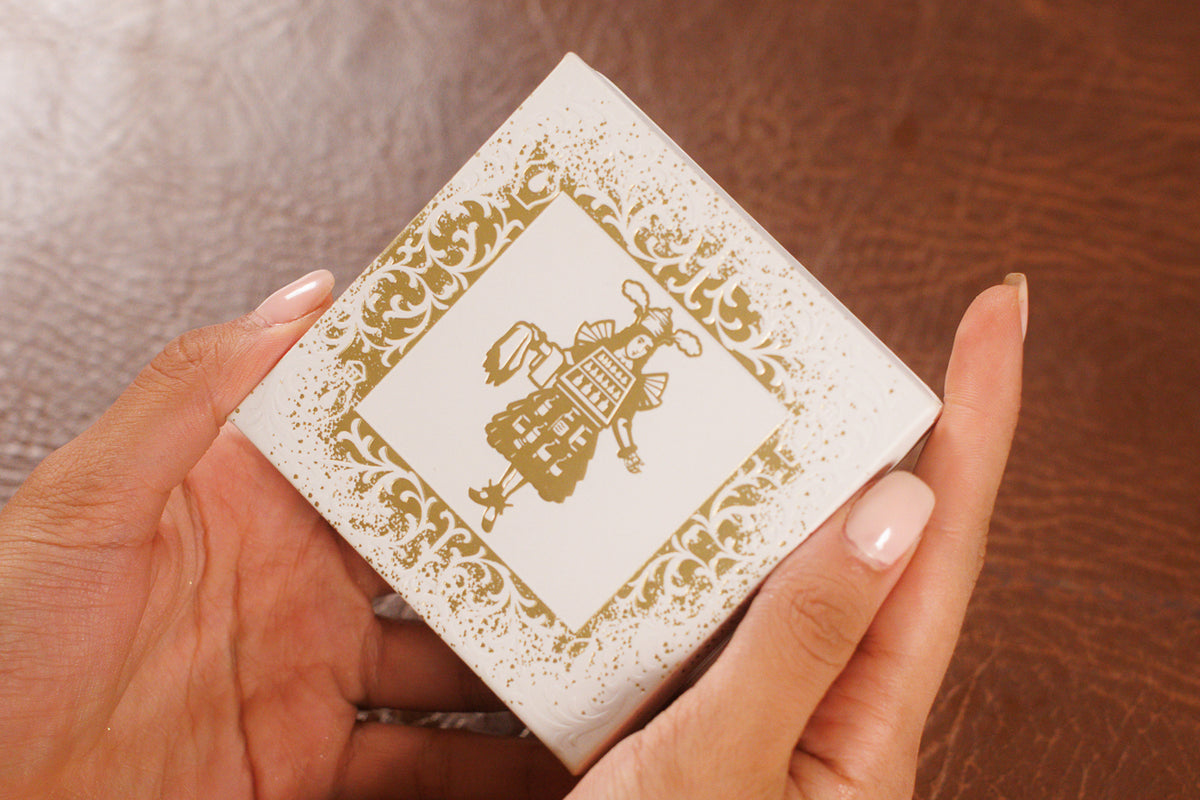
Packed into the hot foiled box and handed to DHL, with customs kept to a minimum. How a decant is made
More from Areej Le Doré
You may also like


From the collectors
The quality of the decants is excellent, the fragrances are authentic, and everything always arrives carefully packaged and in perfect condition.
Beautiful experience. This is my second time, and it will definitely not be my last!
Trusted by collectors in 28 countries