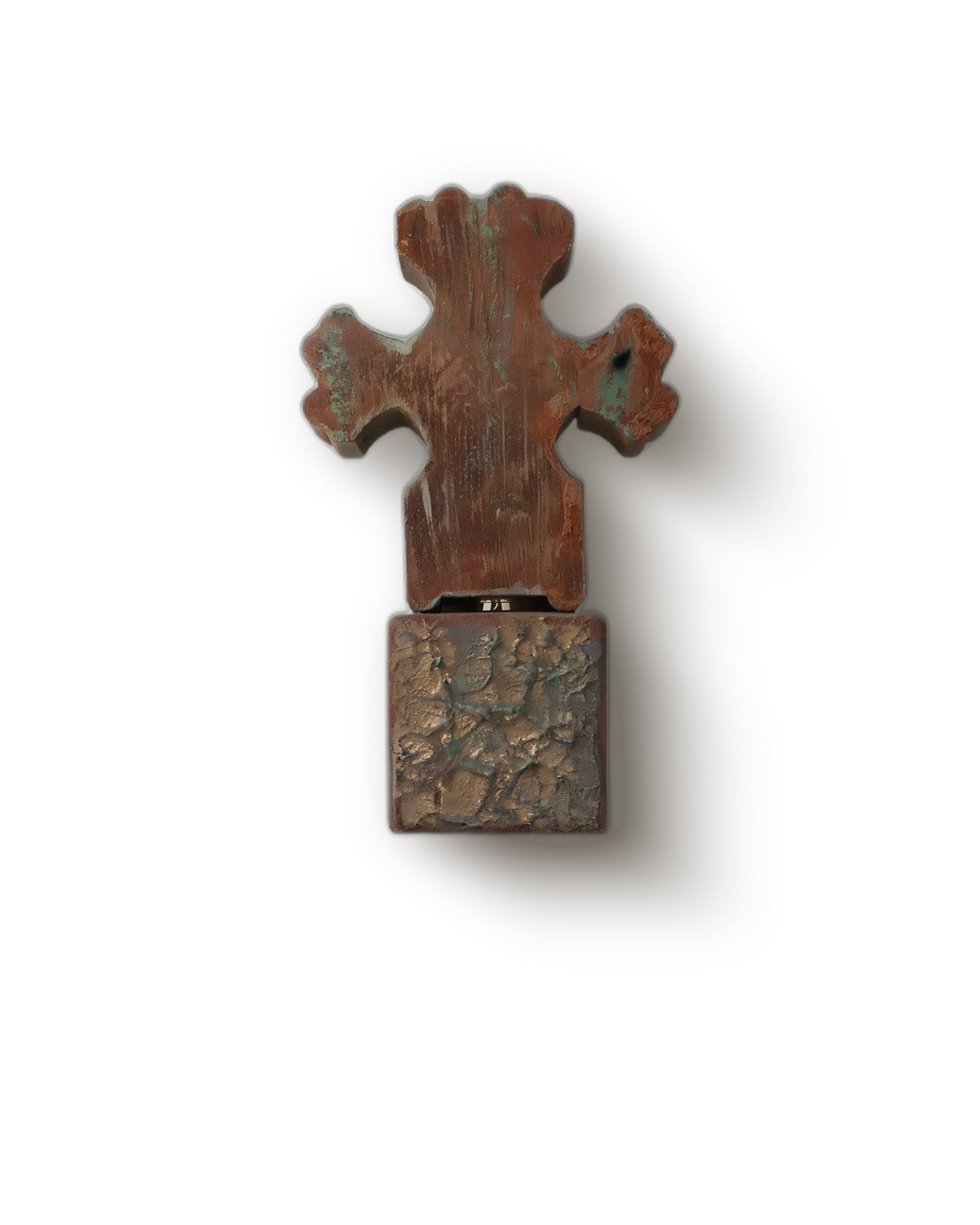


Areej Le Doré
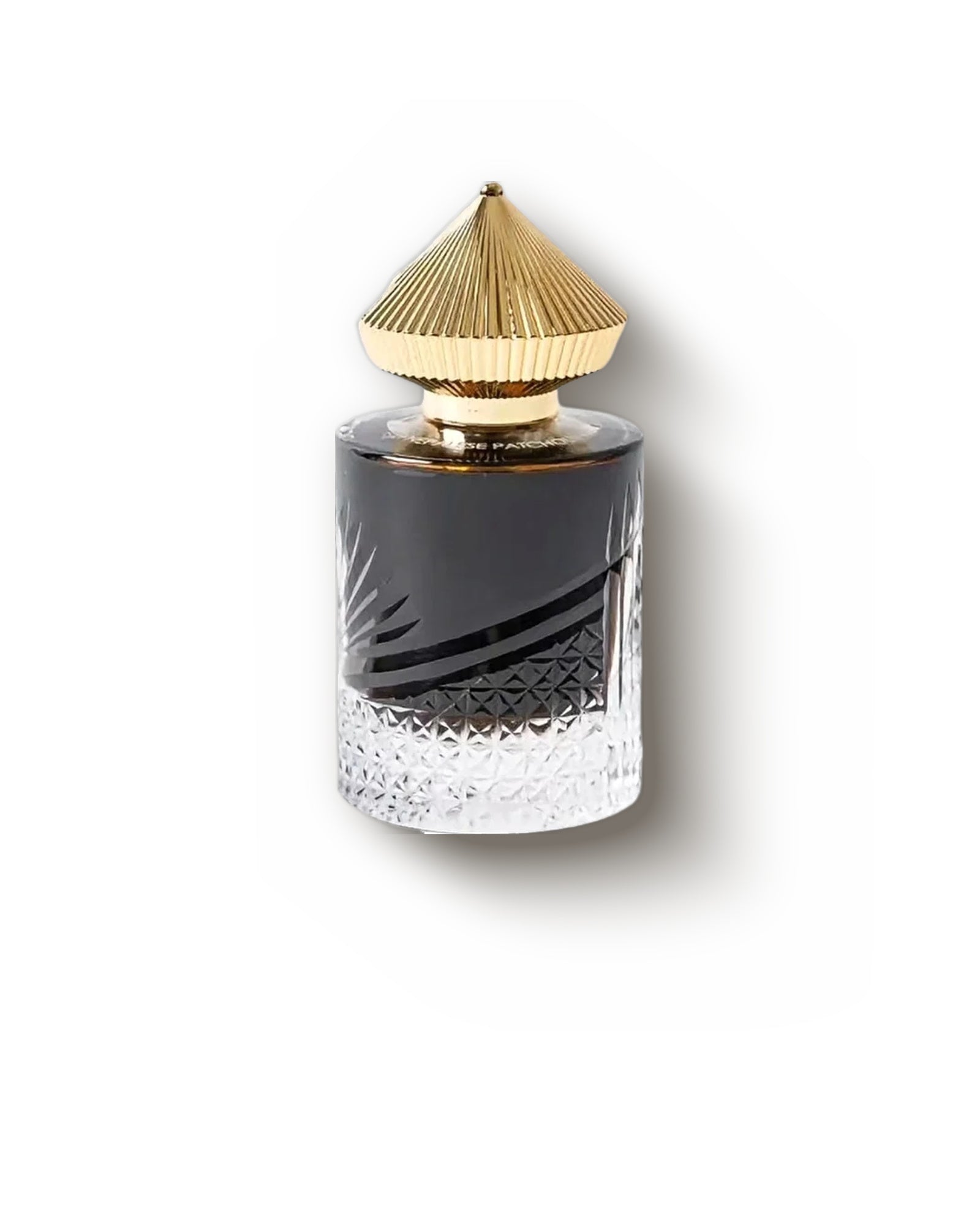
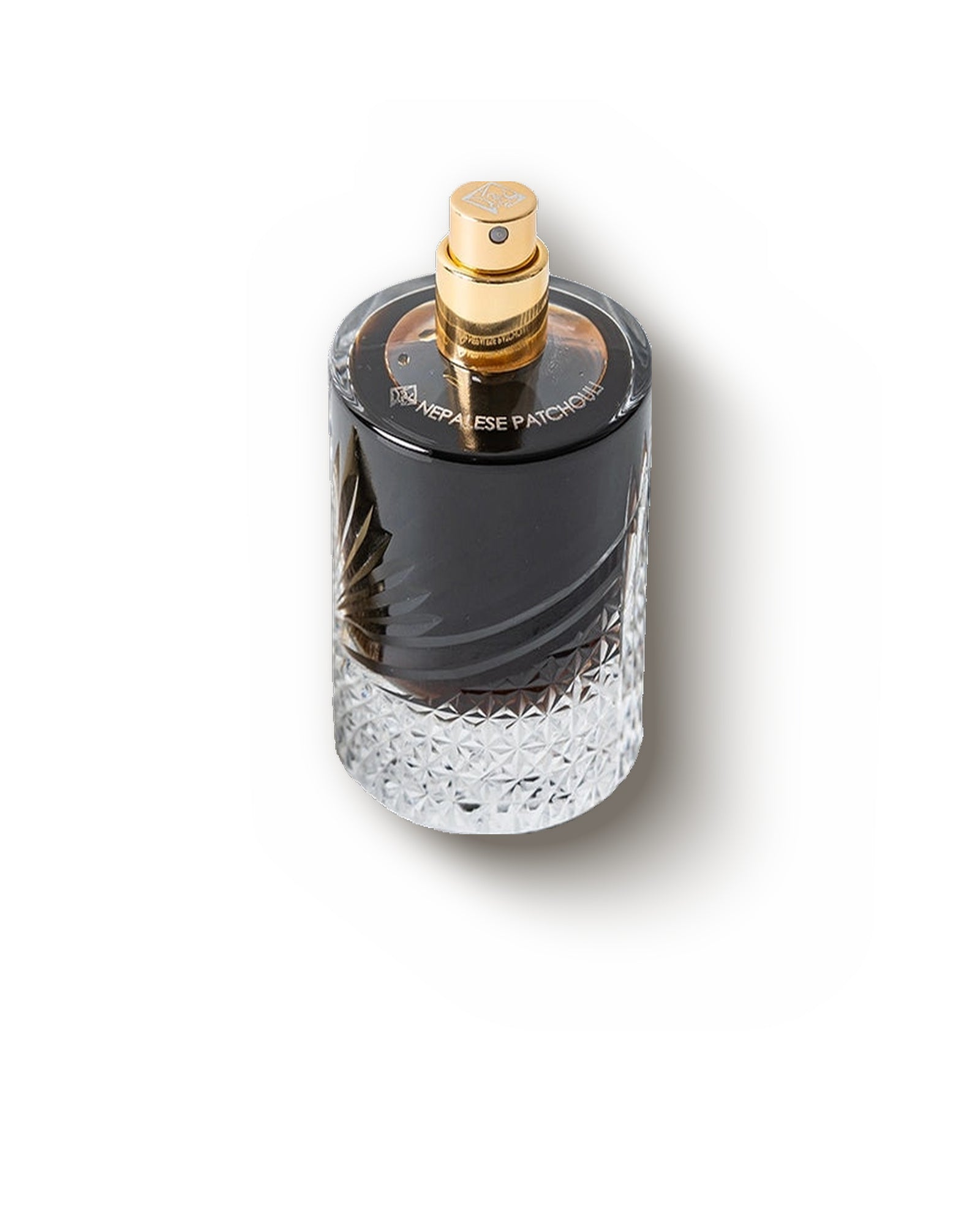
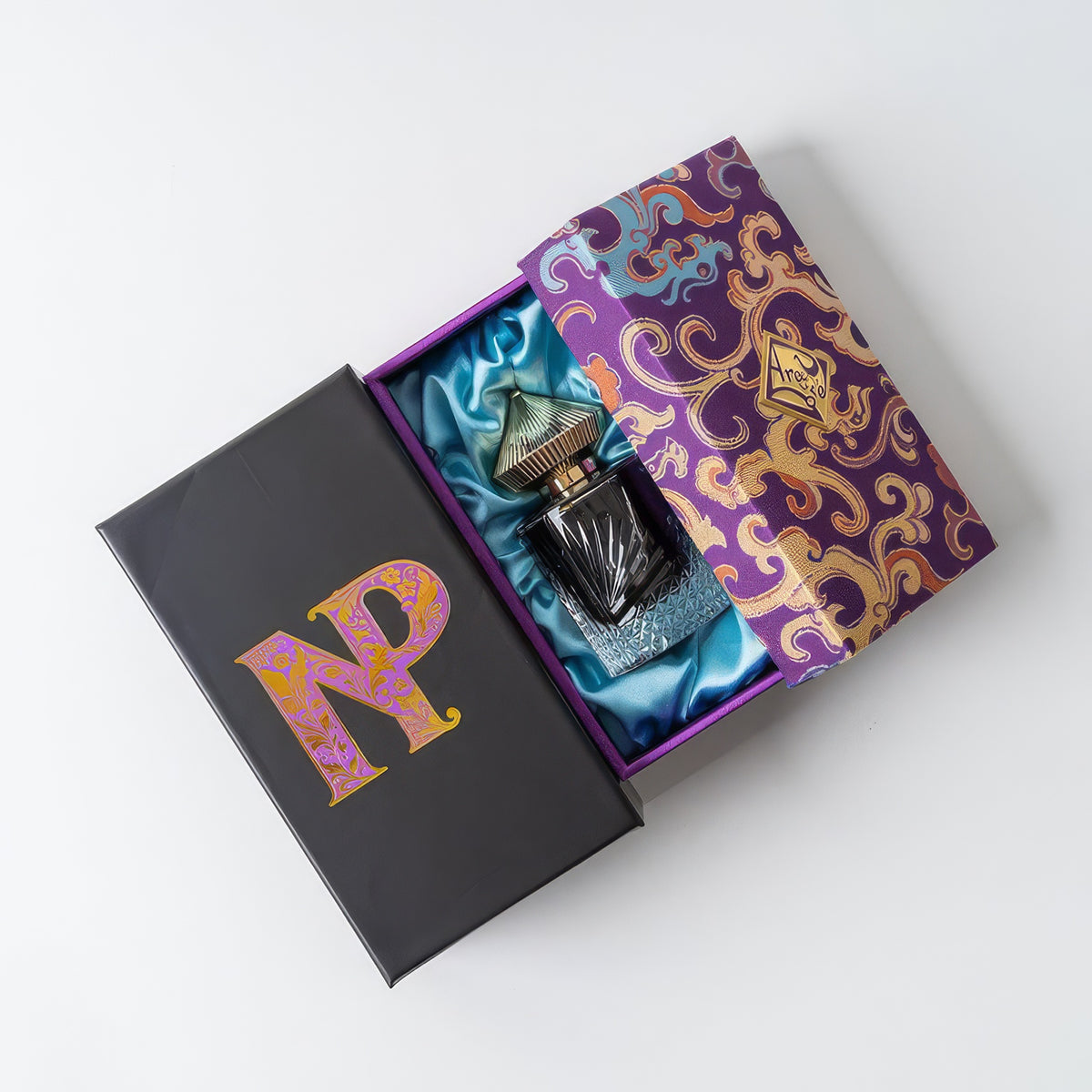
Nepalese Patchouli
The Story
Russian Adam built this around a single material rather than around a structure. The house calls it one of the rarest patchouli oils from the misty mountains of Nepal, deep and highly faceted, and says plainly that this is not a conventional patchouli fragrance but a composition made to reveal the raw material itself. The base is the centrepiece: a co-tincture of black truffle, orris, wild Siberian deer musk and Ethiopian civet, made with ultrasound and vacuum infusion and used as the carrier the whole perfume is built in.


Patchouli
Damp earth and dark cocoa
A deep, earthy darkness that smells of damp soil, dry wood, and a faint bitter-sweet cocoa, with a cool, almost camphorous edge. It feels grounding and a little mysterious, lending weight and shadow to whatever it touches.


Earthy
Damp soil after the rain
The mineral smell of wet ground, and of beets pulled straight from the dirt with the soil still on them. Cool, raw and faintly bitter, it grounds a fragrance with the dark, humid breath of the forest floor.


Powdery
Soft hush of dressed skin
A velvety, slightly dry softness of iris root, violet, and fine talc, like face powder or clean linen warmed by skin. It feels intimate, refined, and nostalgic, blurring a fragrance into a gentle, cushioned haze.


Animalic
Skin, fur and something not quite tame
A raw, body-warm muskiness that reads of skin, hair and fur, sometimes sweet and powdery, sometimes sharp and faintly feral. At its best you cannot tell where the perfume stops and the wearer starts. At its strongest, it is the reason some people back away.


Floral
A whole garden, never one flower
Not one flower but the impression of many, usually rose, jasmine and orange blossom leaning on each other until no single one is recognizable. Sweet, dewy, faintly powdery, with nectar underneath. It is what people mean when a perfume smells like flowers and they cannot say which.


Mossy
inky green shade under old oaks
The damp, inky smell of oakmoss and treemoss, lichens rather than true mosses, gathered from shaded oak and fir bark, faintly bitter with a cool woody depth. It grounds a fragrance in forest-floor shadow, lending an old, melancholy elegance that feels like breathing in a rain-soaked wood.


Lilac
Cool spring blossom with a green stem underneath
What it is
A few weeks of flowers in late spring, and almost nothing to show for it. Lilac gives up so little to distillation that no usable natural oil exists. Every lilac in perfumery is built by hand.
How it smells
Fresh, cool and powdery, a light sweetness over a green, watery stem. A faint bitterness and some almond keep it from going sugary. Where rose is warm and jasmine heavy, lilac stays airy and a little wistful.
In perfumery
The build usually runs on terpineol, cinnamic alcohol and heliotropin, with a trace of indole. It belongs to spring florals and pale, cool compositions, where it carries an old-garden nostalgia, and it sits easily with hyacinth and violet.
Good to know
Chasing the missing oil is one of perfumery's oldest frustrations. Enfleurage was tried, then headspace analysis, and both came back with an interpretation rather than the flower. What you smell is a portrait of lilac, painted from memory.


Hyacinth
Cold spring blooms, green honeyed and narcotic
What it is
A dense spring spike of bells, Dutch-grown by the field, whose true absolute, solvent-extracted from fresh blooms, is so rare and costly that nearly every hyacinth in perfumery is a reconstruction.
How it smells
Green before it is floral: cold, leafy, watery, with a sharp honeyed sweetness cutting through and something narcotic underneath. There is soil in it too, and bulb. Crisp and sappy at first, then soft and indolic.
In perfumery
In the heart it gives green florals their volume and lift, working with galbanum, narcissus, rose and violet leaf. It supplies the cool, dewy texture of an early-spring garden just after rain.
Good to know
One molecule does almost all the work. Phenylacetaldehyde makes up barely one percent of the absolute, yet the nose catches it at vanishingly small amounts, which is why a laboratory version of it can pass for the flower.


Blue Lotus
The sacred water lily of pharaohs and dreams
What it is
Egypt made this flower sacred, though the absolute sold today comes mostly from Thailand and India. The lily roots in mud; its star-shaped blossoms are washed with solvent, then alcohol, into a thick dark extract.
How it smells
Cool and watery to begin with, like a pond at dawn, with a honeyed sweetness and a lychee-soft fruitiness underneath. Then it warms: earthy, faintly spicy, powdery, drying down resinous rather than bright. More meditative than pretty.
In perfumery
A heart note that bridges water and warmth. Perfumers reach for it when a floral needs to feel ancient rather than fresh, mostly in niche work and in amber-incense accords on Egyptian themes.
Good to know
Tomb walls are full of it, a symbol of the sun and rebirth, and the Egyptians steeped it in wine for a mild psychoactive lift. The symbolism was earned: it opens with the sun and closes by afternoon.


Nepalese Patchouli
Damp earth and dark wood after rain
What it is
Nobody guesses mint, but that is the family: a leafy bush whose leaves are dried and left to cure, close to fermenting, before distillation pulls out an oil thick and dark as syrup.
How it smells
Wet soil, forest floor, an old cellar, with a winey sweetness underneath. Young oil can come at you sharp and green, almost camphorous. Aged oil goes the other way, into chocolate and leather, and stays put for hours.
In perfumery
Almost nothing holds a composition down like it. Chypres and orientals are built on that anchor, and a few drops under rose, vetiver or labdanum will hold the whole thing on skin for hours.
Good to know
Nineteenth-century Kashmiri shawls travelled packed in dried patchouli leaves to keep moths off, and Europeans learned to tell a real one by smell alone. The oil improves with age, which almost no essential oil does, mellowing like wine.


Orris Butter
Violet powder from a root dried for years
What it is
Iris grown for its roots, not its flowers, in the hills of Tuscany. The rhizomes are dug, dried, then left three to five years before anyone grinds and steam-distils them into a waxy ivory butter.
How it smells
Cool and powdery, a violet with no sweetness in it, closer to face powder and soft suede than to a flower. Raw carrot and flour, damp soil underneath, a faint metallic shine over all of it.
In perfumery
Perfumers use it for body: a little in the heart or base rounds off sharp florals and raw woods and leaves powder behind. Violet, rose and ambrette are its company, and it underpins every great iris fragrance.
Good to know
Dig the root up and it smells green and acrid, nothing like a violet. The irones form as the dried rhizome oxidises, so the years make the violet, not the plant. A tonne gives two kilos of butter.


Egyptian Violet Leaf
Cool green leaf breathing crushed grass and cucumber
What it is
This is the leaf, not the flower, and it smells nothing like it. A ton of leaves from the fields around Grasse or in Egypt, washed down with solvent, yields under a kilogram of thick, deep-green absolute.
How it smells
Green and watery rather than floral. Crushed leaf and cut grass first, over a cold cucumber tang with something faintly metallic in it. Then it dries: leathery, earthy, a long way from the candied purple sweet everyone expects.
In perfumery
A top-to-heart note that cools a fougere down and gives leather a transparent, green lift. It works with iris, rose and cucumber, and signs the classic green-leather compositions. Many violet-leaf openings lean on methyl octine carbonate.
Good to know
Cut a cucumber and you are smelling the same molecule: violet leaf aldehyde. It makes up around one percent of the absolute and does almost all of the smelling.


Russian Oakmoss
The damp green soul of the forest floor
What it is
Not a moss at all, but a lichen, scraped off oak and other deciduous bark across temperate Europe, Russia and North Africa. Solvents turn the harvested growth into a dark, viscous concrete, then the absolute perfumers actually use.
How it smells
Wet stone, damp bark and something inky and leathery underneath, dry and faintly bitter. This is not fresh green: it is the cool floor beneath old trees after rain has soaked the ground.
In perfumery
The backbone of the chypre: a base note that gives a fragrance its shadow and its spine, classically under bergamot, beside labdanum and patchouli. Anything described as mossy, vintage or green-masculine is usually leaning on it.
Good to know
Oakmoss carries two allergens, atranol and chloroatranol, potent enough that the EU banned them from cosmetics outright. Perfumers use stripped grades now, but it was the earlier cap on the extract that changed how the classic chypre smells.


Black Truffle
Damp earth, cellar stone and something faintly animal
What it is
Underground, on the roots of oak and hazel, a fungus swells into a fruiting body and ripens through winter. What the dogs follow is dimethyl sulphide, the sulphur compound carrying most of the smell.
How it smells
Wet soil, cellar stone and mushroom, with something faintly animal beneath. Its sweetness runs closer to cocoa than to sugar. You feel it more than you smell it, and it fills a room without ever announcing itself.
In perfumery
Almost every truffle note is reconstructed, built from the same sulphur molecules the fungus makes for itself. In traces it does not read as truffle at all: it makes woods and roots feel alive instead of dry.
Good to know
Truffle aroma survives neither heat nor time, which is why chefs shave it raw at the last second. A few perfumers tincture the fresh fungus anyway, slowly and at real cost, and the result never keeps for long.


Orris Root
Cool powdery violet wrung from patient roots
What it is
The iris flower gives nothing. Everything is in the rhizome, which comes out of the ground green and acrid, then waits three to five years before grinding and distillation turn it into a waxy butter.
How it smells
Cool, dry and powdery, a violet sweetness with something rooty behind it, carrot and suede. It reads silvery and almost edible, iris over warm rice powder, and it never raises its voice. Think makeup rather than bouquet.
In perfumery
Perfumers use it from heart to base for the irones, the molecules that read as violet and suede at once. It sits well with rose, violet, leather and musk, and it is the powder in most iris-forward masculines.
Good to know
Hundreds of kilos of root come down to barely one kilo of butter, and the years of waiting cannot be hurried, which puts orris among the most expensive naturals a perfumer can reach for.


Wild Siberian Deer Musk
The taiga's own musk, traded as Cabardine
What it is
Old traders called it Cabardine, and the name still does the sorting: true deer musk out of the Siberian taiga, a regional grade alongside the benchmark Tonquin and the Assam and Nepal types.
How it smells
Fresh, it is startling: sharp, ammoniac, close to fecal. Months in alcohol turn that into something warm, dry and faintly leathery, with a powdery radiance that sits on skin like fur. Coarser than Tonquin, and less honeyed.
In perfumery
Fixative and animalic heart, tinctured for months before it met a blend. Less muscone than Tonquin and a rougher edge put it a tier lower, yet it still commanded extraordinary sums back when natural musk underpinned the fougeres.
Good to know
When a modern list says musk, it almost never means this. Synthetics took the word over generations ago, and genuine Cabardine now turns up mostly in vintage bottles and the odd all-natural artisan release.


Ethiopian Civet
Animal warmth that makes flowers bloom indecent
What it is
A paste scraped from a pouch under the tail of the African civet, a nocturnal cat-like animal, then tinctured in alcohol. Nearly all perfumery civet today is civetone, made in a lab.
How it smells
Undiluted it is shocking: fecal, indolic, more soiled stable than perfume. At a trace it turns honeyed and leathery, warm as skin, with a low tobacco hum. The shift from repellent to alluring happens entirely through dilution.
In perfumery
Perfumers use it in traces, as base and fixative, to make jasmine and rose smell like they are growing on a living body rather than sitting in a bottle. Animalic chypres and orientals run on it.
Good to know
Animals are still caged and scraped for it in Ethiopia, on a small scale, decades after the lab made that unnecessary. And this is not the palm civet behind kopi luwak coffee: same family, different animal.
Fragrance Character
It opens cool and misted rather than warm, pale florals with an animal musk already flickering underneath. The patchouli then takes command, earthy and textured but refined, unfolding green, woody and mineral facets. Orris butter smooths it into powdered softness, violet leaf adds a green edge and Russian oakmoss pulls it toward forest floor. The drydown is damp, rooty and animalic, with the truffle and civet supporting the patchouli rather than overwhelming it.


Longevity
how long it stays on skin
The hourglass reads wear time: how many hours the fragrance keeps speaking before it fades. A bar that barely leaves the start means a few fleeting hours. One that runs the full length carries from morning into evening. Treat it as typical, not promised. Oily skin holds scent far longer than dry.


Sillage
the size of its scent trail
Sillage is French for a ship's wake, and that is exactly what this measures: how much of the scent reaches the room instead of staying on you. Low is a whisper only close friends catch. Enormous fills the room, then keeps filling it after you leave.


Experimental
Built to provoke, not to please
Some perfumes are made to be liked. These are made to be argued about: inky tar, hot rubber, fruit on the turn, metal and fur where you expected flowers. The coin glows for a scent that provokes and dims for one that plays it safe, which is sometimes the point.


Office
Polished, and never louder than the room
Scent is manners in a shared room. At this range it should reach the person across the desk and stop there: tidy citrus, soft musk, pale woods, all of it reading competent and considerate. A glowing coin means nobody has to mention it. A dim one means it travels.


Evening
After dark, when it deepens
Dinner, drinks, the night that runs long. Low light is where ambers, resins and smoky woods stop being polite, and where a plush floral finally blooms. A glowing coin means it is waiting for exactly this hour. A dim one means it did its best work in daylight.


Romantic
Close enough to be felt
A fragrance can hum against skin instead of announcing itself across a table. That is the register here: creamy florals, vanilla, soft musk, a thread of spice, warm enough to make someone lean in. The coin glows when a scent sets that mood and dims when it is more practical than seductive.


Formal
Quiet authority in a dressed-up room
A wedding, a ceremony, a room where everyone has thought about their shoes. What works here is structure, not volume: smooth woods, disciplined florals, soft leather. A glowing coin means it holds its posture all evening. A dim one means it is too casual for the room.


Casual
Easy comfort for unhurried days
Errands, coffee, a slow Saturday with nowhere to be. Nothing here has to impress anyone, so the fit is soft and easy: fresh citrus, light woods, a little warmth off the skin. A glowing coin says yes to all that. A dim one means the fragrance is asking for a bigger night.


Day to Night
where its mood naturally falls
A bar running from sun to moon, reading the hour the fragrance was made for. The more of it that stays gold, the more the scent belongs to daylight and open air. The further the blue reaches back toward the sun, the deeper and warmer it turns: evening, candlelight, low rooms.


Winter
Warmth that carries through cold air
Cold air mutes a fragrance and slows it down, which is why winter belongs to the dense and the warm: resin, smoke, vanilla, leather, ambered spice. The bar reads how well this one pushes back, glowing against the chill instead of thinning out in it.


Spring
Fresh blooms in mild, rising warmth
Mild, humid air lifts a light composition, so the season belongs to dewy florals, green stems, soft powder and citrus you can see through. Alive rather than heavy. The further the green runs along the bar, the more comfortably this one wears in that weather.


Summer
Bright and airy in real heat
Heat does the projecting for you, which is why the wrong perfume turns unbearable by noon. What survives is cool and breathable: sharp citrus, salt air, aromatic herbs, water. Things that refresh instead of cloy. A short bar here means save it for cooler months.


Fall
Spiced warmth for cooling days
As the air cools, the rich materials stop smothering and start reading clearly: dry woods, warm spice, tobacco, amber, fruit gone golden. It is the season perfume turns contemplative. The bar fills according to how naturally this one settles into crisp, cooling days.
Best Worn
Autumn and winter, damp cool weather, evenings and close company. Its radius is intimate to moderate rather than room-filling, which for a composition this dense is a feature.
Choose options
The Vibe


The Nose
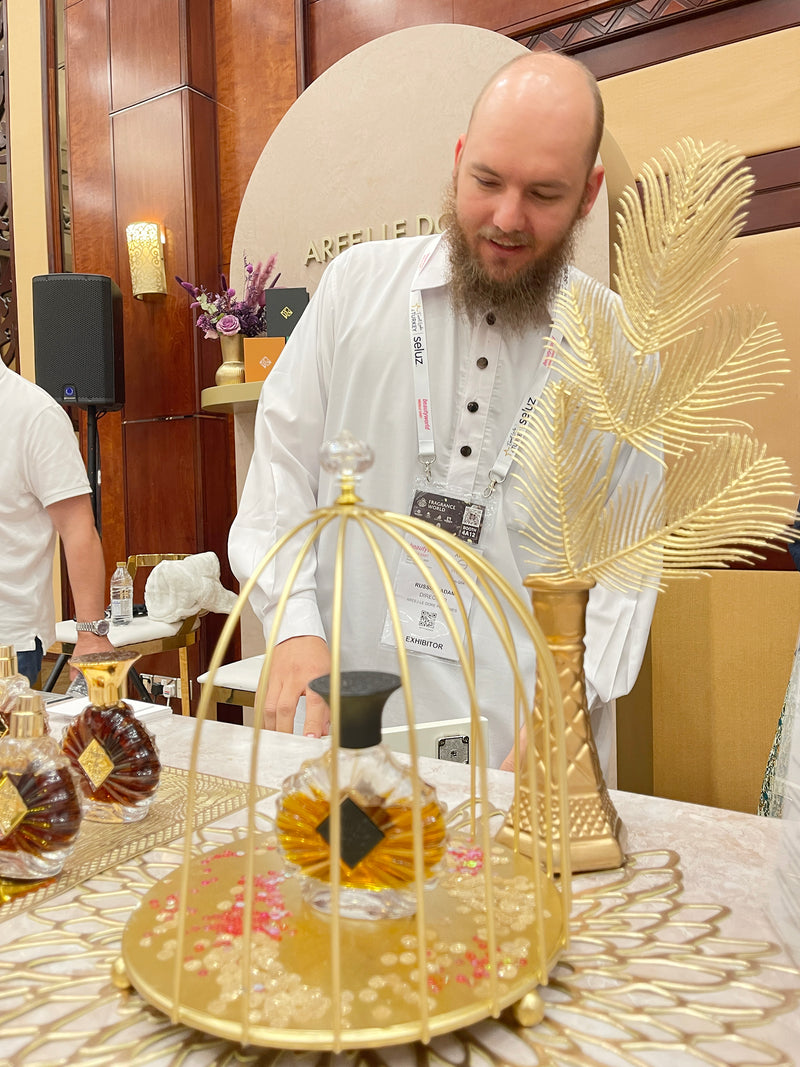
Russian Adam
Founder and perfumer
A Russian distiller working in Southeast Asia. He runs the Feel Oud distillery, cooking his own agarwood and sandalwood oils, and blends them into small numbered batches under Areej Le Dore: Siberian Musk, Russian Oud, War and Peace and Ottoman Empire.
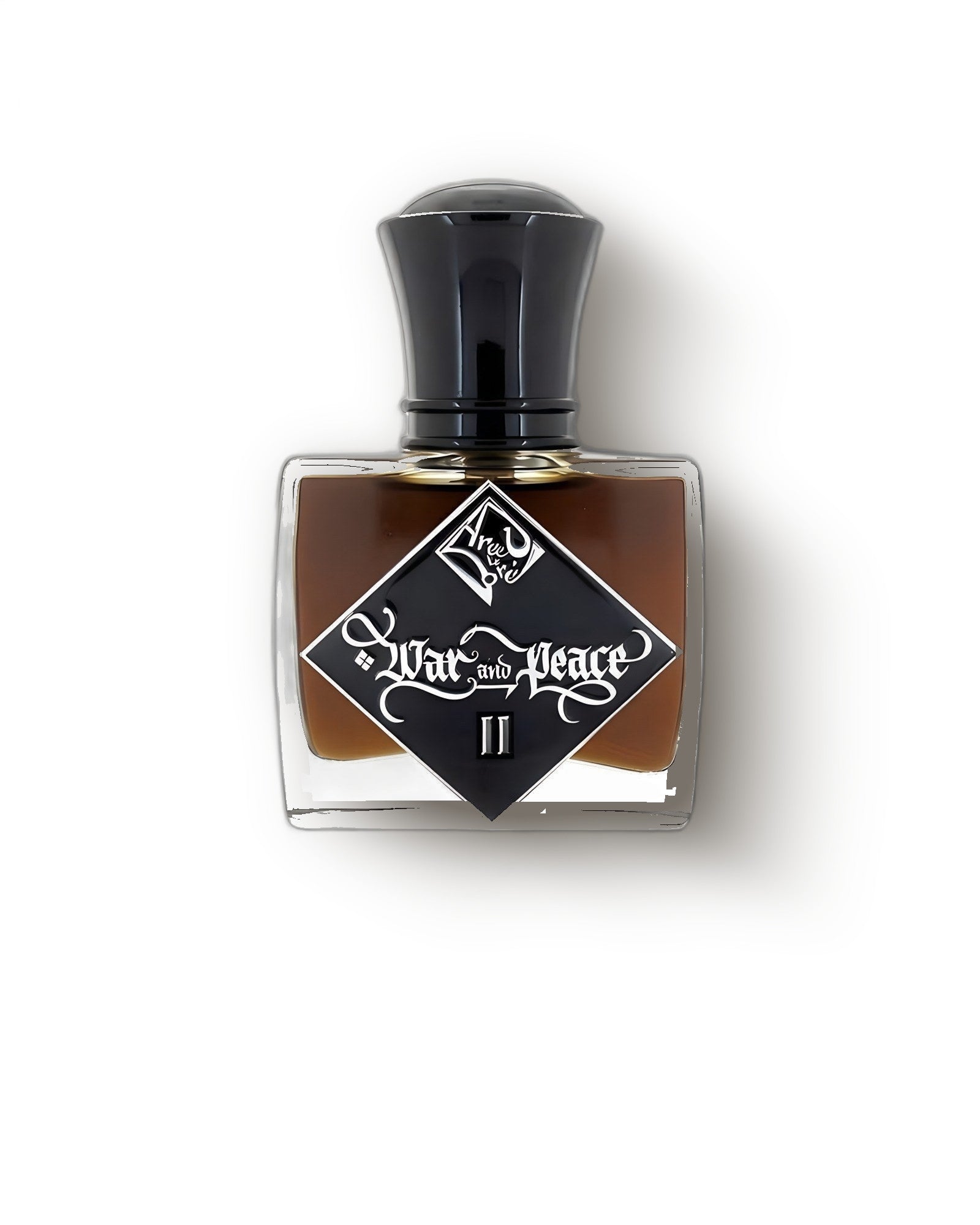
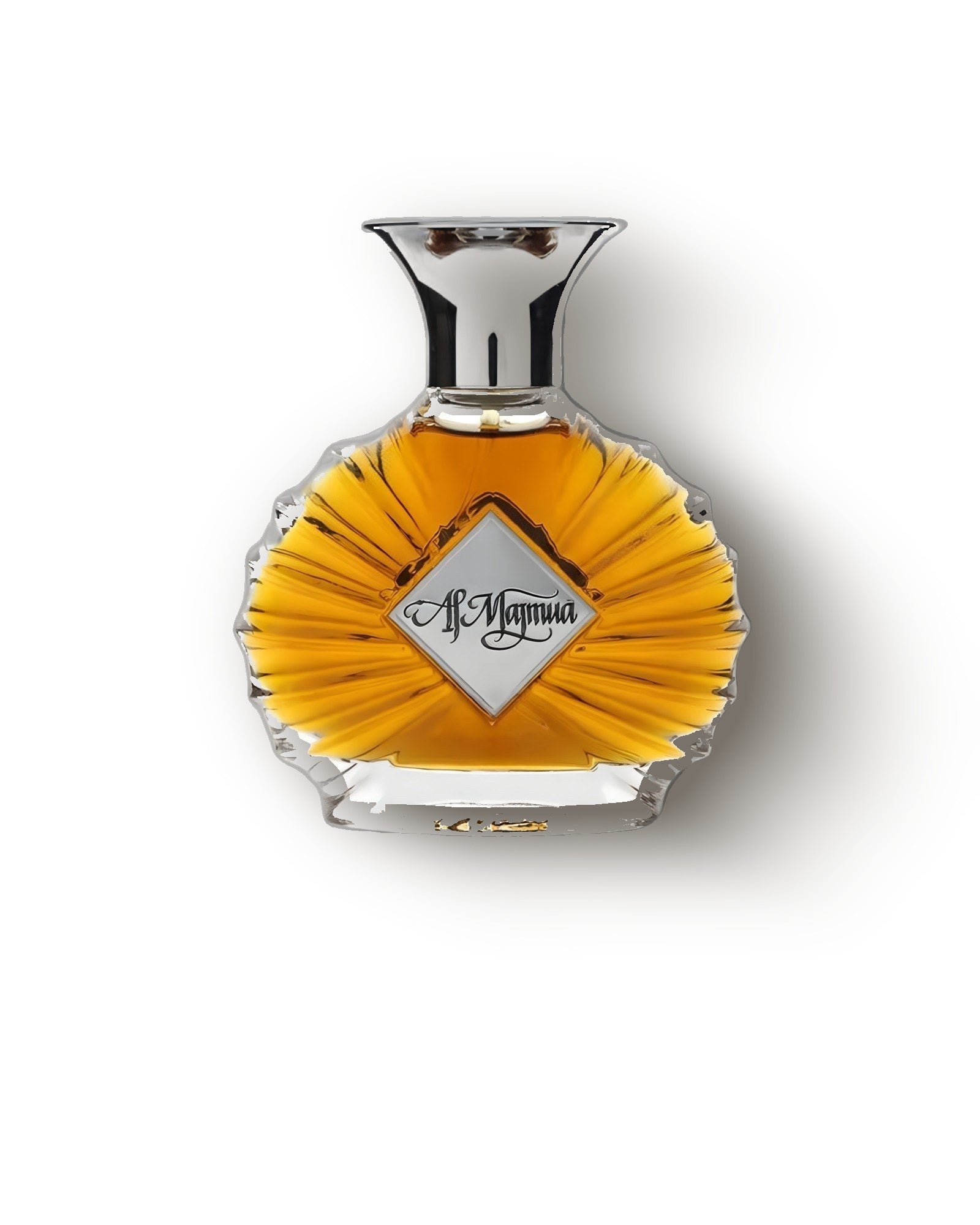
More by this noseAl MajmuaWar and Peace 2
The Maison

Vintage orientals built on real musk, aged oud and ambergris, decanted while the originals still exist.
Russian Adam works only with natural and vintage materials, real oakmoss, hand distilled attars, aged animalics and precious ambergris, so wearing one of these feels less like spraying a fragrance and more like opening a drawer of old world treasures. The batches are tiny, numbered, and rarely return in the same form once they sell out.
- Origin
- Thailand
- Founded
- 2016
- Known for
- Deer musk, aged oud, ambergris
More from Areej Le Doré
You may also like