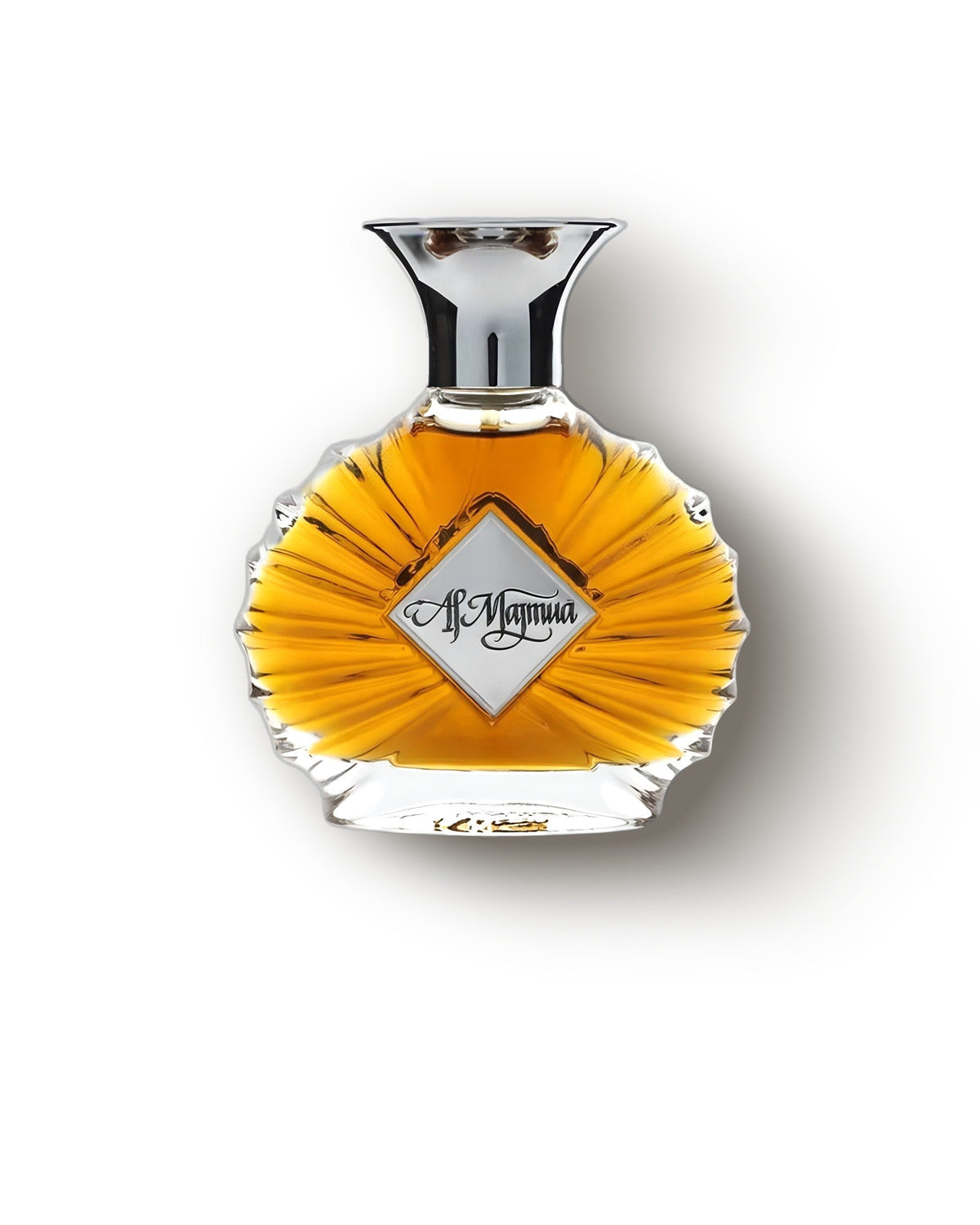
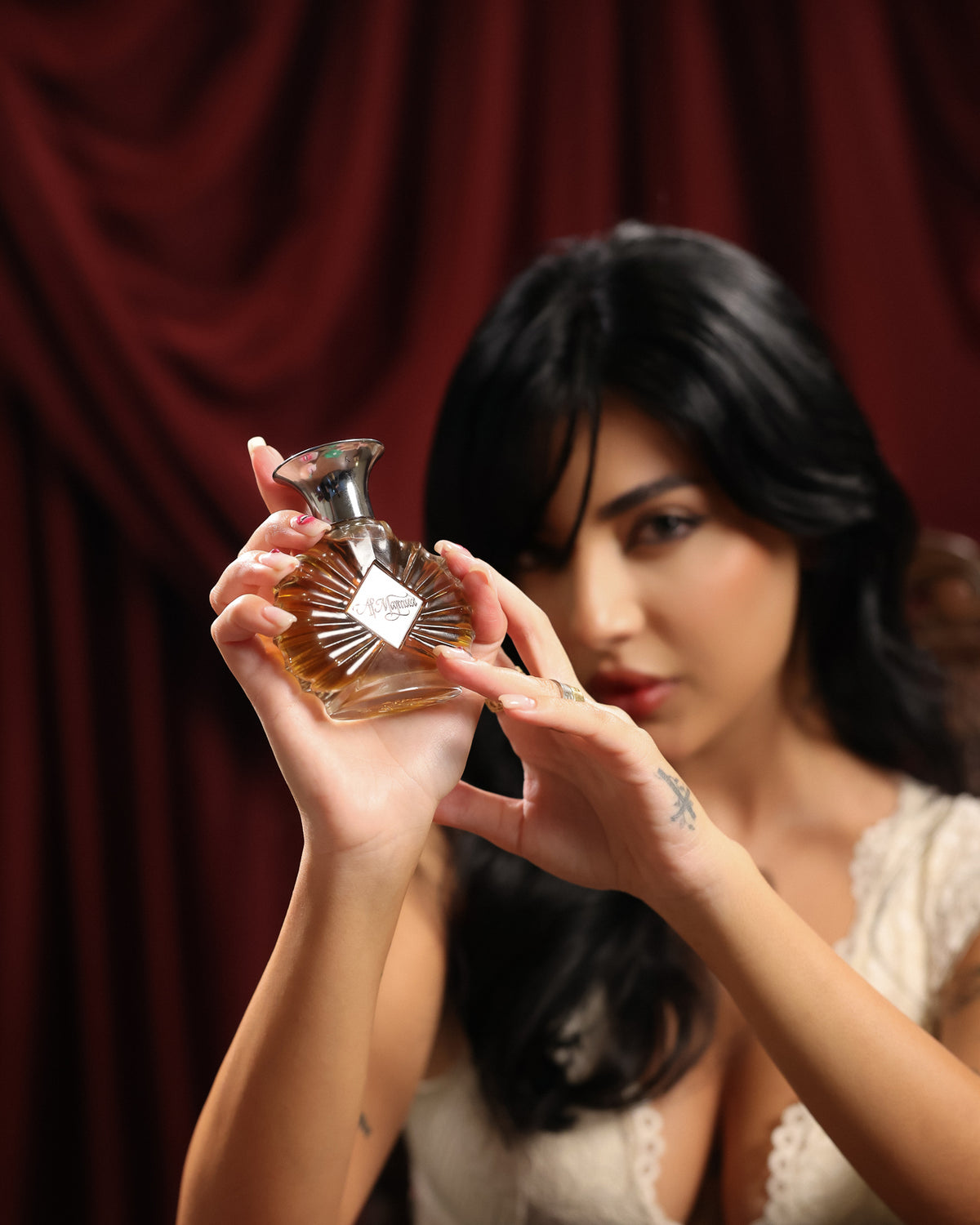


Areej Le Doré
Al Majmua
The Story
Russian Adam's Areej Le Doré works mainly in natural and vintage materials, and Al Majmua, "the gathering", is a chypre-leaning blend of raw vetiver, real oakmoss and Indian attars: earthy, green and old-world.


Green
Sap on your hands after weeding
Snap a stem and this is what comes off: sappy, cool, a little bitter, more vegetable than floral. Cut grass, bruised leaves, the inside of a hedge after the shears. Nothing here is sweet.


Earthy
Damp soil after the rain
The mineral smell of wet ground, and of beets pulled straight from the dirt with the soil still on them. Cool, raw and faintly bitter, it grounds a fragrance with the dark, humid breath of the forest floor.


Mossy
inky green shade under old oaks
The damp, inky smell of oakmoss and treemoss, lichens rather than true mosses, gathered from shaded oak and fir bark, faintly bitter with a cool woody depth. It grounds a fragrance in forest-floor shadow, lending an old, melancholy elegance that feels like breathing in a rain-soaked wood.


Woody
Dry grain of cut timber
The smell of cedar shavings, sandalwood, and dry vetiver roots, a sanded, resinous warmth with a faint pencil-box rasp. It feels grounded and composed, the quiet backbone that makes a scent read as serious and lasting.


Fresh
Cold water, open air, washed skin
Cool water, laundered cotton, air with nothing in it yet. The lift can go citrus-zesty or salt-aquatic, but the effect is the same either way: it registers as clean rather than as a scent, the way a room reads different five minutes after you open a window.


Powdery
Soft hush of dressed skin
A velvety, slightly dry softness of iris root, violet, and fine talc, like face powder or clean linen warmed by skin. It feels intimate, refined, and nostalgic, blurring a fragrance into a gentle, cushioned haze.


Bergamot
Sparkling citrus light with a bitter edge
What it is
Nobody eats bergamot. It is sour, seedy and disappointing, and almost the whole world's supply grows on one strip of Calabrian coast, farmed purely for the oil pressed cold from its green rind.
How it smells
Zest and green light in the first second, then something rounder than lemon: a floral, tea-like smoothness sitting on a faintly bitter warmth. It burns off fast. What stays behind is a quiet, slightly spiced hum.
In perfumery
It defines eau de cologne, and sits on top of nearly every fougère alongside lavender and oakmoss. Perfumers want the first bright second it gives, and the oil is also what makes Earl Grey smell like Earl Grey.
Good to know
The thing that makes it sparkle can also burn. Bergamot carries bergapten, which leaves skin hypersensitive to sunlight, so perfumers either keep the dose low or reach for a grade with the molecule stripped out.


Blackcurrant
Tart cassis with a wild, animalic snarl
What it is
Perfumery mostly ignores the berry. The material that matters is cassis bud absolute, extracted from the sticky, resinous leaf buds of the shrub, usually propped up with sulphur molecules that carry the fruit's tart snap.
How it smells
Sharp, tart, unmistakably purple, then something feral cuts across it: a green, leafy, faintly sweaty pungency that sits closer to cat than to fruit. Ripe berry with a growl behind it.
In perfumery
A top note with claws. It cuts through sweetness, puts an edge on rose, and gives a fruity-floral something to push against. The classic chypre opening starts here, and it still jolts open modern fruity compositions.
Good to know
The catty edge comes from thiols your nose can catch at parts per trillion, the same family behind tomcat spray and a glass of Sauvignon Blanc. Perfumers dose cassis in drops, not millilitres.


Vetiver
Cool damp earth pulled from tangled roots
What it is
Everything worth having is underground. Vetiver grows as a tall tropical grass, but the perfume lives in its roots, a dense fibrous mat that gets dug up, washed, dried and steam-distilled into a thick amber-brown oil.
How it smells
Cool damp soil and cut grass over dry wood. Haitian oil runs smoother and faintly hazelnut-sweet; Java is darker, smokier, more leathery. Underneath both, a bitter grapefruit edge and a green mineral streak that holds for hours.
In perfumery
Perfumers use it to hold a formula down, which is why fougères and chypres reach for it. Citrus, leather and tobacco sit well on top. Push its ashier side forward and it turns severe beside cypress and cedar.
Good to know
The same roots that end up in a bottle get planted on hillsides to hold the soil, gripping ground where nothing else will. Haiti supplies about half the world's vetiver oil, most of it grown on smallholder farms.


Pandanus (Kewda)
Screwpine blossom, rosy and honeyed over cool water
What it is
The male flowers of a coastal screwpine, hand-plucked at dawn and distilled the same morning, often straight into sandalwood oil. Indian attar makers call them kewda, or kewra.
How it smells
Heady and honey-sweet with a rosy warmth, and then something cool and watery slips underneath. There is a fruity, hyacinth-like richness to the opening; it settles balmy, faintly spiced, more tropical than any rose.
In perfumery
At the heart of Indian attars and incense it does what neither rose nor jasmine can. Sandalwood, saffron and oud take it well, and niche florals reach for it when they want an unfamiliar blossom.
Good to know
A kewda flower is scentless within hours of opening, so the picking is a race, and only the male blooms are worth taking. Ganjam in Odisha supplies most of India's kewda and holds a Geographical Indication on it.


Patchouli
Damp earth and dark wood after rain
What it is
Nobody guesses mint, but that is the family: a leafy bush whose leaves are dried and left to cure, close to fermenting, before distillation pulls out an oil thick and dark as syrup.
How it smells
Wet soil, forest floor, an old cellar, with a winey sweetness underneath. Young oil can come at you sharp and green, almost camphorous. Aged oil goes the other way, into chocolate and leather, and stays put for hours.
In perfumery
Almost nothing holds a composition down like it. Chypres and orientals are built on that anchor, and a few drops under rose, vetiver or labdanum will hold the whole thing on skin for hours.
Good to know
Nineteenth-century Kashmiri shawls travelled packed in dried patchouli leaves to keep moths off, and Europeans learned to tell a real one by smell alone. The oil improves with age, which almost no essential oil does, mellowing like wine.


Kadam
Honeyed monsoon bloom of Krishna's sacred tree
What it is
Orange, ball-shaped flower clusters on a tall tree of the Indian subcontinent. They go into the still fresh and are distilled the old way in Kannauj: copper vessels, the vapor caught not in water but in sandalwood oil.
How it smells
Creamy and honey-sweet, a warm tropical floral with soft fruit and a green, faintly spicy edge. The sandalwood underneath turns it milky and woody. Nothing sharp here: it opens floral and settles into a calm balsamic warmth.
In perfumery
Mostly a heart note in traditional attars, lush and naturalistic. Because the sandalwood base does the holding, it lasts long enough to wear alone as a soliflore, and it rounds off other florals and warm woody-amber blends.
Good to know
In Hindu lore the tree is Krishna's, and its flowering marks the monsoon. The flowers go into the still soon after picking.


Sandalwood
Creamy wood, pulled up by the roots
What it is
The richest oil sits in the roots, so the whole tree is pulled up and steam-distilled rather than felled. Mysore in southern India was the classic source, until decades of overcutting pushed the wild trees to the edge.
How it smells
Milk and warm wood, with a rosy, almost buttery edge and nothing sharp at all. What surprises people is how little it moves: no bright opening, no dry-down drama, just the same quiet glow for hours.
In perfumery
It works twice over: as a smell, and as a fixative that holds rose or jasmine in place. Sandalwood is also graded, and the darkest, densest, most resin-heavy old heartwood carries its own name: red meat.
Good to know
A heart worth taking takes about thirty years to form. Plantations of the same species in Western Australia now supply a large share of the world's oil, close to the old Mysore chemistry if not quite its creaminess.


Oakmoss
The damp green soul of the forest floor
What it is
Not a moss at all, but a lichen, scraped off oak and other deciduous bark across temperate Europe, Russia and North Africa. Solvents turn the harvested growth into a dark, viscous concrete, then the absolute perfumers actually use.
How it smells
Wet stone, damp bark and something inky and leathery underneath, dry and faintly bitter. This is not fresh green: it is the cool floor beneath old trees after rain has soaked the ground.
In perfumery
The backbone of the chypre: a base note that gives a fragrance its shadow and its spine, classically under bergamot, beside labdanum and patchouli. Anything described as mossy, vintage or green-masculine is usually leaning on it.
Good to know
Oakmoss carries two allergens, atranol and chloroatranol, potent enough that the EU banned them from cosmetics outright. Perfumers use stripped grades now, but it was the earlier cap on the extract that changed how the classic chypre smells.


Iris
Cool powdered earth from a patiently aged root
What it is
Perfumery iris comes not from the flower but from the root. The dug rhizomes are dried and left to age three to five years while the aromatic irones form, then ground and steam-distilled into a waxy orris butter.
How it smells
Cool, powdery and rooty: violet, suede and fresh-sawn wood dusted with face powder. Underneath sits a damp mineral earthiness, a faint carrot sweetness, a buttery softness. It feels more texture than perfume, and it stays quiet on skin.
In perfumery
Nothing else gives a blend that cool, powdered restraint. It steadies chypres and florals, takes the shine off rose and violet, and lends sandalwood and ambrette a velvet finish. Iris makes a perfume behave.
Good to know
A tonne of dried, aged rhizome yields about two kilograms of butter. Add the years of waiting before it can even be distilled and you see why real orris turns up in so few bottles.


Cedarwood
Dry pencil shavings and sun-warmed timber
What it is
The cedar in your pencil and your closet is usually a juniper. Virginia and Texas cedar both are; among the cedars of perfumery, only Atlas and Himalayan are true Cedrus. The oil is steam-distilled from heartwood chips and sawmill dust.
How it smells
Freshly sharpened pencils, and the inside of a cedar chest. Virginia leans pencil-dry and balsamic; Atlas is sweeter, almost honeyed. Both carry a clean, faintly camphor-cool smoke that settles into sappy warmth.
In perfumery
A heart-to-base workhorse: dry structure other materials can lean on. It sits well with vetiver, rose, citrus and incense, and it is the smoke in the drydown of countless modern woody-ambers.
Good to know
Cedar rarely appears alone. Its molecules, reworked in the lab, form the backbone of a great many contemporary woody fragrances, which is why so much of the modern woody shelf smells faintly of a sharpened pencil.
Fragrance Character
Tart blackcurrant and bergamot open onto a deep green heart, grassy vetiver and dark patchouli threaded with the heady, honeyed scent of kewda and kadam. Oakmoss, iris and cedar close it dry and mossy, a proper chypre base. It reads like a formal garden after rain, clipped and dark.


Longevity
how long it stays on skin
The hourglass reads wear time: how many hours the fragrance keeps speaking before it fades. A bar that barely leaves the start means a few fleeting hours. One that runs the full length carries from morning into evening. Treat it as typical, not promised. Oily skin holds scent far longer than dry.


Sillage
the size of its scent trail
Sillage is French for a ship's wake, and that is exactly what this measures: how much of the scent reaches the room instead of staying on you. Low is a whisper only close friends catch. Enormous fills the room, then keeps filling it after you leave.


Experimental
Built to provoke, not to please
Some perfumes are made to be liked. These are made to be argued about: inky tar, hot rubber, fruit on the turn, metal and fur where you expected flowers. The coin glows for a scent that provokes and dims for one that plays it safe, which is sometimes the point.


Office
Polished, and never louder than the room
Scent is manners in a shared room. At this range it should reach the person across the desk and stop there: tidy citrus, soft musk, pale woods, all of it reading competent and considerate. A glowing coin means nobody has to mention it. A dim one means it travels.


Evening
After dark, when it deepens
Dinner, drinks, the night that runs long. Low light is where ambers, resins and smoky woods stop being polite, and where a plush floral finally blooms. A glowing coin means it is waiting for exactly this hour. A dim one means it did its best work in daylight.


Romantic
Close enough to be felt
A fragrance can hum against skin instead of announcing itself across a table. That is the register here: creamy florals, vanilla, soft musk, a thread of spice, warm enough to make someone lean in. The coin glows when a scent sets that mood and dims when it is more practical than seductive.


Formal
Quiet authority in a dressed-up room
A wedding, a ceremony, a room where everyone has thought about their shoes. What works here is structure, not volume: smooth woods, disciplined florals, soft leather. A glowing coin means it holds its posture all evening. A dim one means it is too casual for the room.


Casual
Easy comfort for unhurried days
Errands, coffee, a slow Saturday with nowhere to be. Nothing here has to impress anyone, so the fit is soft and easy: fresh citrus, light woods, a little warmth off the skin. A glowing coin says yes to all that. A dim one means the fragrance is asking for a bigger night.


Day to Night
where its mood naturally falls
A bar running from sun to moon, reading the hour the fragrance was made for. The more of it that stays gold, the more the scent belongs to daylight and open air. The further the blue reaches back toward the sun, the deeper and warmer it turns: evening, candlelight, low rooms.


Winter
Warmth that carries through cold air
Cold air mutes a fragrance and slows it down, which is why winter belongs to the dense and the warm: resin, smoke, vanilla, leather, ambered spice. The bar reads how well this one pushes back, glowing against the chill instead of thinning out in it.


Spring
Fresh blooms in mild, rising warmth
Mild, humid air lifts a light composition, so the season belongs to dewy florals, green stems, soft powder and citrus you can see through. Alive rather than heavy. The further the green runs along the bar, the more comfortably this one wears in that weather.


Summer
Bright and airy in real heat
Heat does the projecting for you, which is why the wrong perfume turns unbearable by noon. What survives is cool and breathable: sharp citrus, salt air, aromatic herbs, water. Things that refresh instead of cloy. A short bar here means save it for cooler months.


Fall
Spiced warmth for cooling days
As the air cools, the rich materials stop smothering and start reading clearly: dry woods, warm spice, tobacco, amber, fruit gone golden. It is the season perfume turns contemplative. The bar fills according to how naturally this one settles into crisp, cooling days.
Best Worn
An after-dark green for autumn and winter nights, its tart opening giving way to a dark, mossy chypre depth, suited to the adventurous and to refined, dressed-up occasions.
Choose options
The Vibe


The Nose

Russian Adam
Founder and perfumer
A distiller turned perfumer. He ran the Feel Oud distillery, cooking his own agarwood and sandalwood oils, and now blends them into small numbered batches under Areej Le Doré: Siberian Musk, Russian Oud, War and Peace and Ottoman Empire.
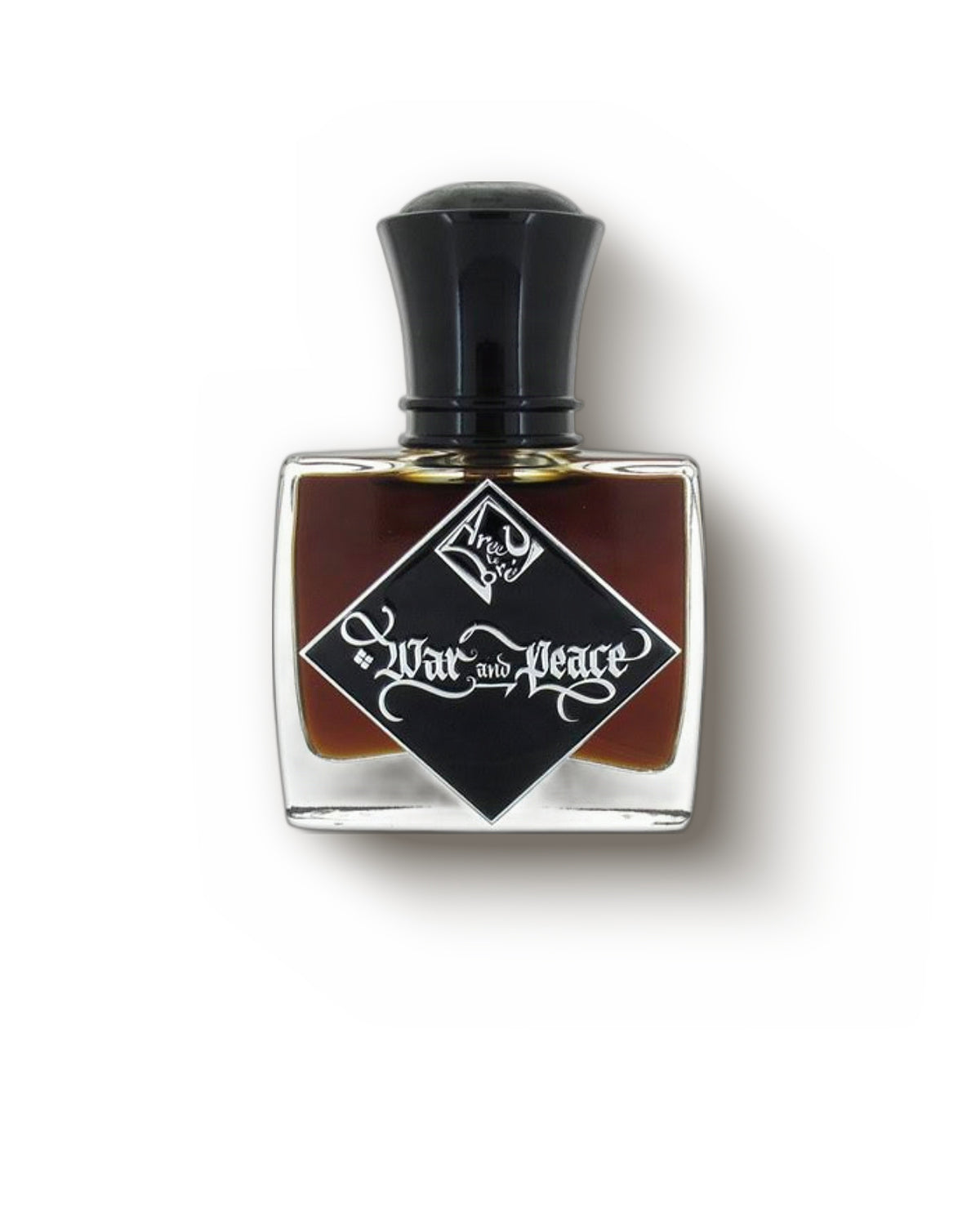
More by this noseWar and Peace 2Nepalese PatchouliWar and Peace
The Maison

Vintage orientals built on real musk, aged oud and ambergris, decanted while the originals still exist.
Russian Adam works mostly with natural and vintage materials, real oakmoss, hand distilled attars, aged animalics and precious ambergris, so wearing one of these feels less like spraying a fragrance and more like opening a drawer of old world treasures. The batches are tiny, numbered, and rarely return in the same form once they sell out.
- Origin
- Indonesia
- Founded
- 2017
- Known for
- Deer musk, aged oud, ambergris

EVERY DECANT
From the original bottle to your door
We buy the original flacon at full retail price, direct from the house.
A medical grade Socorex syringe takes the exact millilitres straight from the flacon.
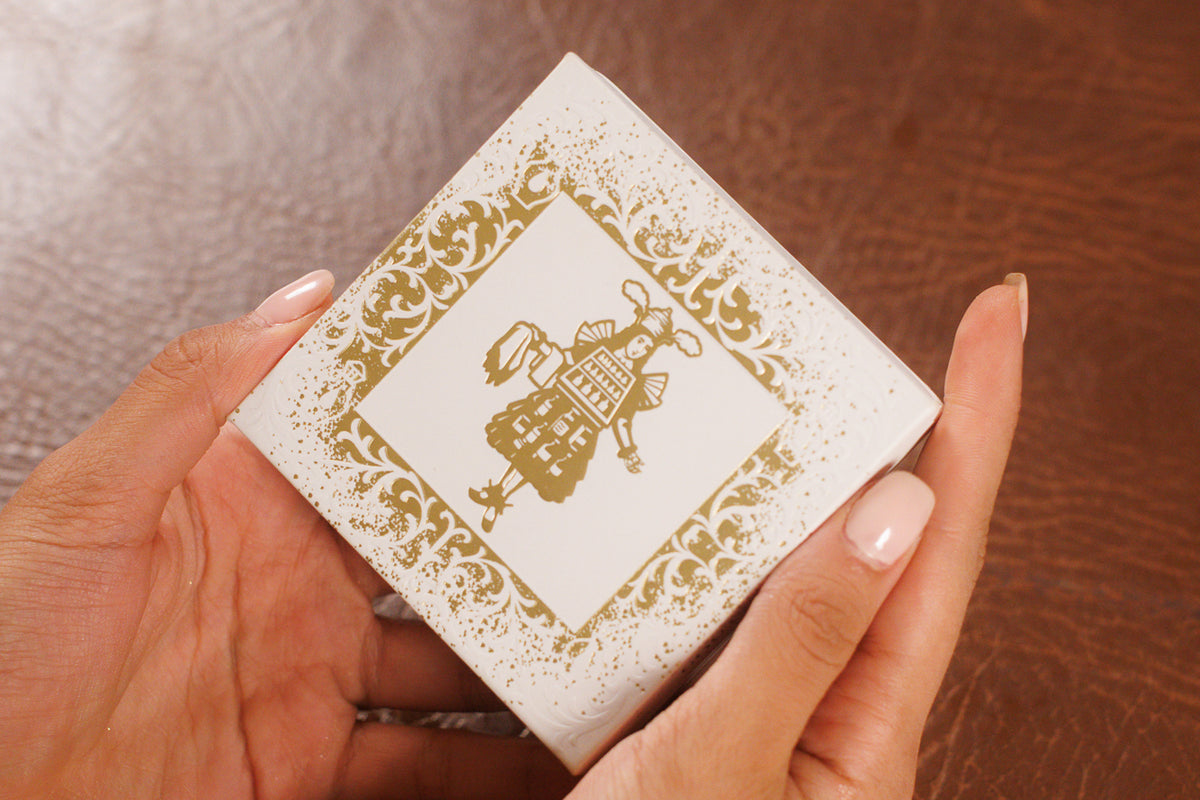
Packed into the hot foiled box and handed to DHL, every duty already paid. How a decant is made
More from Areej Le Doré
You may also like