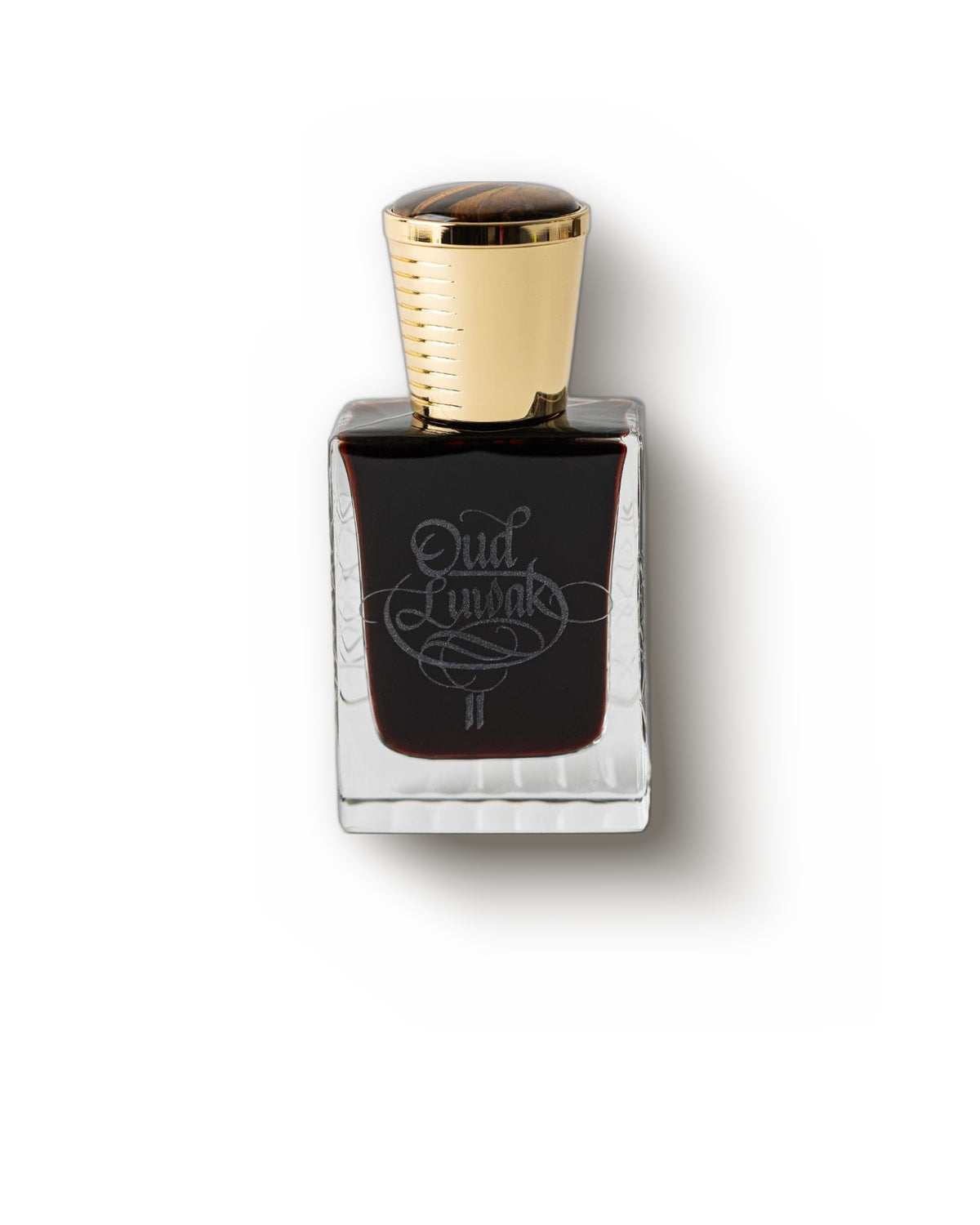


Areej Le Doré
Oud Luwak 2
The Story
Five kilograms of fresh kopi luwak beans went into the absolute Russian Adam made for the first Oud Luwak. He infused that perfume, still in oil, with the smoke of sinking-grade oud chips, a step he believed had most likely never been done in perfumery. For Oud Luwak II he reworked the formula and fermented the coffee for two months in teak barrels. The first carried its civet in the coffee; this one sets vintage civet beside vintage Burmese and Indian ouds in the base.


Oud
What a tree makes when it is wounded
A dense, resinous wood that smells warm and slightly medicinal, with a leathery, animal-tinged smokiness and a sweet, almost barnyard funk underneath. It feels ancient and brooding, wrapping the skin in something thick and quietly powerful.


Woody
Dry grain of cut timber
The smell of cedar shavings, sandalwood, and dry vetiver roots, a sanded, resinous warmth with a faint pencil-box rasp. It feels grounded and composed, the quiet backbone that makes a scent read as serious and lasting.


Earthy
Damp soil after the rain
The mineral smell of wet ground, and of beets pulled straight from the dirt with the soil still on them. Cool, raw and faintly bitter, it grounds a fragrance with the dark, humid breath of the forest floor.


Smoky
Charred wood and rising embers
The dry, charred scent of burning wood, smoldering incense, and lingering ash, sometimes tarry, sometimes wispy and gray. It feels brooding and atmospheric, conjuring a dying fire and a cool current of air carrying its last breath.


Animalic
Skin, fur and something not quite tame
A raw, body-warm muskiness that reads of skin, hair and fur, sometimes sweet and powdery, sometimes sharp and faintly feral. At its best you cannot tell where the perfume stops and the wearer starts. At its strongest, it is the reason some people back away.


Balsamic
Tree sap gone thick and golden
Tree resins and golden amber, thickened to syrup and touched with vanilla. It does not sparkle or move; it settles, warming the skin the way candlelight warms a room, and it stays there long after the top notes have gone quiet.


Coffee
Gourmand with the sugar burned off
Ground beans and pulled espresso, oily and bitter, smoke under the roast. A trace darkens vanilla, sharpens chocolate, stops caramel turning to syrup. Never dessert.


Aceh Coffee
The dark heart of morning, bottled
What it is
Not a bean at all: coffee is the seed of a tropical cherry, two to a fruit, and the smell arrives only with the roast. Perfumers use a roasted-bean absolute or a CO2 extract.
How it smells
Bitter cocoa, toasted nuts and a grainy, just-ground sharpness with smoke behind it. Then it softens: burnt sugar, chocolate, a little tobacco, and a milky, oily roundness that keeps the bitterness from turning harsh.
In perfumery
It sits in the heart, or at the top of the base, where bitterness does what sugar cannot and stops vanilla, tonka and amber going syrupy. A whole run of sweet masculine scents was built on that trick.
Good to know
One molecule does most of the talking. Your nose catches 2-furfurylthiol at 0.01 parts per billion, so a trace reads instantly as fresh brew. In this perfume that note comes from the coffee itself, a fragile top that mainstream houses often rebuild instead.


Wild Papua Oud
Dry, earthy wild oud with no barnyard edge
What it is
Agarwood oil from Papua, on the island of New Guinea, a source first tapped in the late twentieth century. Wild Papuan oil is often sold under the name Maroke.
How it smells
Dry and earthy rather than sweet, dark and resinous, with an almost cola-like richness. It carries none of the barnyard sharpness many ouds open with; what it has instead is a loamy, resin-laden depth.
In perfumery
Wild Papuan oil is barely a commercial material, distilled in small batches by artisanal oud houses. Its dry, earthy grain sits naturally with roasted, bitter notes such as coffee.
Good to know
Wild Papuan agarwood is known for its low yield, so supply is limited.
Vintage Burmese Oud
Smoky vintage Burmese oud, infused with civet
What it is
Agarwood oil from Burma, now Myanmar: the resin an agarwood tree lays into its own heartwood when it is wounded, distilled into oil. This one is a vintage Royal Burmese oud, infused with vintage civet paste.
How it smells
It is smoky, with the civet adding a profound, luxurious weight. Burmese oud in general runs honeyed and plush, supple leather over a rounded animal hum, with dark chocolate, tobacco and an incense smoke that turns tea-like as it dries.
In perfumery
Attar makers treat Burmese oud as the diplomat, bridging the animalic Indian style and the fruity Southeast Asian one. Here it carries the heart, with spikenard, cistus and cinnamon leaf around it and a soft trace of tonka beneath.
Good to know
Oud oil mellows as it ages, its sharper edges rounding into smooth leather, which is why collectors prize vintage oils. Aged Burmese oil is scarce, so a vintage one at the heart of a perfume is a rare thing.


Vintage Civet
Real civet, the animal warmth that makes flowers bloom
What it is
This is real civet rather than a synthetic built to echo it: a soft paste gathered from a scent pouch under the tail of the civet, a nocturnal, cat-like animal. It has long reached perfumery mainly from the African civet, and perfumers usually work it into a tincture or absolute before it goes into a formula.
How it smells
Neat, the paste is fierce: faecal, indolic, more soiled stable than perfume. At a trace it turns honeyed and leathery, warm as skin, with a low tobacco hum. The whole shift from feral to alluring happens through dilution.
In perfumery
Perfumers use it in traces, as base and fixative, to make jasmine and rose smell like they are growing on a living body rather than sitting in a bottle. Natural perfumers sometimes infuse it into oud or tincture it together with musk, so its warmth melts into the whole.
Good to know
Its name came into European languages from the Arabic zabad, and it has scented Europe for centuries. Shakespeare's King Lear calls for an ounce of civet to sweeten his imagination.
Spikenard
High-mountain root of damp earth and old wood
What it is
Dug by hand from Himalayan slopes three to five thousand metres up, then dried and steam-distilled. The knotted rhizomes come out of Nepal, Sikkim and Bhutan, and the oil runs amber.
How it smells
Damp earth, old wood, wet moss. It leans animalic, almost goat-like at full strength, and sits close to valerian but darker and warmer, with a bitter spice underneath that settles into something calm and soil-deep.
In perfumery
A base note with gravity. It gives chypres, incense blends and meditative compositions a rooted, ancient floor, and it holds its own under vetiver, patchouli, oakmoss and frankincense without turning polite.
Good to know
Overharvesting has made the wild plant a protected, threatened species. This is the nard the Gospel describes being poured over Christ's feet, and it was reckoned costly then too.


Cistus
Sun-baked Mediterranean shrub that bleeds amber resin
What it is
Cistus, the rockrose, survives dry Mediterranean hillsides by sweating a sticky brown resin across its leaves and stems. The resin is labdanum, boiled out of the cut branches or lifted with solvent.
How it smells
Warm, dark and balsamic around a leathery amber core. It opens green and medicinal, then settles into resinous sweetness laced with honey, dried fruit and a faint muskiness. The drydown recalls ambergris, tobacco and old polished wood.
In perfumery
Most amber accords are built on it. Labdanum fixes a composition and gives chypres and orientals their leather-and-resin backbone, sitting under oakmoss, patchouli and bergamot long after the citrus has burned off.
Good to know
Cretan and Cypriot shepherds gathered labdanum by combing it from the beards and thighs of goats that had browsed through the sticky shrubs. Some scholars call it the onycha of the biblical holy incense.
Cinnamon Leaf
Clove heat from the cinnamon tree's leaves
What it is
The leaves, not the bark. When true cinnamon, Cinnamomum verum, is cut back for peeling, the leaves and young twigs left over are steam-distilled into a pale yellow oil that turns browner as it ages.
How it smells
Closer to clove than to cinnamon: phenolic heat, a dry woody rasp and a musky undertone. The candied sweetness of the bark barely shows; a faint cinnamon shadow lingers as it settles into a warm, spicy residue.
In perfumery
A spice modifier worked into the heart. It suits carnation accords, which run on the same eugenol, lends amber accords a spiced edge, and sits well with cardamom, nutmeg and vanilla in oriental, fougere and woody compositions.
Good to know
Leaf and bark are not interchangeable: the leaf runs on eugenol, usually 70 percent or more, the bark on cinnamaldehyde. Eugenol is an IFRA-restricted skin sensitiser, so the eugenol it brings counts toward a capped total in the finished perfume.

Tonka Bean
Warm almond-vanilla sweetness with a hay-tobacco shadow
What it is
Shelled seeds from a South American legume tree go into alcohol, then dry for weeks until coumarin crystallizes across their skins like frost. That frosted bean is what becomes the absolute perfumers use.
How it smells
Vanilla and bitter almond first, then hay, dried tobacco and something toasted. The opening is close to caramelized custard; the drydown goes powdery and boozy, with cinnamon and cut clover in it. Hazier than vanilla, softer than almond.
In perfumery
Between heart and base, it sweetens without turning sharp. Lavender, amber and tobacco all take to it. Coumarin, first pulled out of this seed, built the fougère family, though the 1882 original ran on the synthetic version.
Good to know
Tonka owes most of its scent to coumarin, which American food regulators banned in 1954 after high doses damaged the livers of lab animals. The bean is effectively illegal in a US kitchen and perfectly legal on skin.
Vintage Indian Oud
The fermented, leathered, animalic king of agarwood
What it is
Agarwood distilled in India, the style collectors call Hindi. What makes an oud Hindi is not the tree but the method: it soaks and ferments for days, then goes into a copper still with the water it rotted in.
How it smells
The opening is not pretty: barnyard, stable floor, frankly fecal. Give it twenty minutes. It resolves into buttery leather, dry hay, black pepper and clove, then a deep smoky base. Aged oils add chai and dried fruit.
In perfumery
Every other oud is measured against this one. The intensity that sends newcomers running is exactly what collectors pay for. Rose is the classic partner, the Arabian mukhallat, though in practice a Hindi oil is usually worn neat.
Good to know
Cambodi is sweet and honeyed, Borneo cool with pine, Thai medicinal. India is where the fermented register is most at home. Young, a Hindi hits hardest; ageing turns the funk to smooth leather. Loudness proves nothing: a badly cured oil shouts too.


Benzoin
Warm vanilla balsam wept from a tapped tree
What it is
Benzoin does not flow on its own. Someone cuts the bark of a styrax tree in Laos, Vietnam or Sumatra, and the wound weeps a gum that hardens over months into reddish tears.
How it smells
Sweet, warm, unmistakably vanillic, with a powdery amber softness underneath. Siam benzoin is rounder and creamier; Sumatra runs smokier, with a cinnamon bite. Left on skin it turns almost caramelized.
In perfumery
A base note that behaves like a fixative and a sweetener at once, giving amber accords their glow and holding the rest of the composition still. It softens sharp edges beside labdanum, tonka and incense.
Good to know
The word benzene comes from here. Chemists named benzoic acid after this resin, and benzene took its name from the acid. The resin's own name is a worn-down Arabic phrase, luban jawi, frankincense of Java.


Vetiver
Cool damp earth pulled from tangled roots
What it is
Everything worth having is underground. Vetiver grows as a tall tropical grass, but the perfume lives in its roots, a dense fibrous mat that gets dug up, washed, dried and steam-distilled into a thick amber-brown oil.
How it smells
Cool damp soil and cut grass over dry wood. Haitian oil runs smoother and faintly hazelnut-sweet; Java is darker, smokier, more leathery. Underneath both, a bitter grapefruit edge and a green mineral streak that holds for hours.
In perfumery
Perfumers use it to hold a formula down, which is why fougères and chypres reach for it. Citrus, leather and tobacco sit well on top. Push its ashier side forward and it turns severe beside cypress and cedar.
Good to know
The same roots that end up in a bottle get planted on hillsides to hold the soil, gripping ground where nothing else will. Haiti supplies about half the world's vetiver oil, most of it grown on smallholder farms.


Cedar
Dry sharpened pencils and sun-warmed timber
What it is
Most perfumery cedar is not cedar. It is juniper, from the Virginia and Texas trees, steam-distilled from chips and sawmill shavings. True Atlas cedar exists and is used, but it is the smaller source.
How it smells
Freshly sharpened pencils, then the inside of a cedar-lined closet. Atlas leans warm, smoky and balsamic; Virginia reads sharper and cleaner. Either way it settles into soft sawdust warmth and stays there for hours.
In perfumery
A workhorse. It gives woody compositions their backbone and holds lighter materials in place, sitting comfortably beside vetiver, rose, citrus and amber. Its plummy-woody core runs through most modern unisex woods.
Good to know
Egyptian embalmers poured cedar oil into the body rather than burning it, and cedar timber lined the tombs and coffins they meant to outlast them. The true cedars and the junipers share a name through smell, not lineage.
Fragrance Character
Bitter coffee first, earthy and faintly smoky, loud enough to cross a table. Under the smoke the civet brings a warm animal depth. It starts as dark grounds and ends as dry wood and resin, with a boozy trace of benzoin that carries it deep into the night.


Longevity
how long it stays on skin
The hourglass reads wear time: how many hours the fragrance keeps speaking before it fades. A bar that barely leaves the start means a few fleeting hours. One that runs the full length carries from morning into evening. Treat it as typical, not promised. Oily skin holds scent far longer than dry.


Sillage
the size of its scent trail
Sillage is French for a ship's wake, and that is exactly what this measures: how much of the scent reaches the room instead of staying on you. Low is a whisper only close friends catch. Enormous fills the room, then keeps filling it after you leave.


Experimental
Built to provoke, not to please
Some perfumes are made to be liked. These are made to be argued about: inky tar, hot rubber, fruit on the turn, metal and fur where you expected flowers. The coin glows for a scent that provokes and dims for one that plays it safe, which is sometimes the point.


Office
Polished, and never louder than the room
Scent is manners in a shared room. At this range it should reach the person across the desk and stop there: tidy citrus, soft musk, pale woods, all of it reading competent and considerate. A glowing coin means nobody has to mention it. A dim one means it travels.


Evening
After dark, when it deepens
Dinner, drinks, the night that runs long. Low light is where ambers, resins and smoky woods stop being polite, and where a plush floral finally blooms. A glowing coin means it is waiting for exactly this hour. A dim one means it did its best work in daylight.


Romantic
Close enough to be felt
A fragrance can hum against skin instead of announcing itself across a table. That is the register here: creamy florals, vanilla, soft musk, a thread of spice, warm enough to make someone lean in. The coin glows when a scent sets that mood and dims when it is more practical than seductive.


Formal
Quiet authority in a dressed-up room
A wedding, a ceremony, a room where everyone has thought about their shoes. What works here is structure, not volume: smooth woods, disciplined florals, soft leather. A glowing coin means it holds its posture all evening. A dim one means it is too casual for the room.


Casual
Easy comfort for unhurried days
Errands, coffee, a slow Saturday with nowhere to be. Nothing here has to impress anyone, so the fit is soft and easy: fresh citrus, light woods, a little warmth off the skin. A glowing coin says yes to all that. A dim one means the fragrance is asking for a bigger night.


Day to Night
where its mood naturally falls
A bar running from sun to moon, reading the hour the fragrance was made for. The more of it that stays gold, the more the scent belongs to daylight and open air. The further the blue reaches back toward the sun, the deeper and warmer it turns: evening, candlelight, low rooms.


Winter
Warmth that carries through cold air
Cold air mutes a fragrance and slows it down, which is why winter belongs to the dense and the warm: resin, smoke, vanilla, leather, ambered spice. The bar reads how well this one pushes back, glowing against the chill instead of thinning out in it.


Spring
Fresh blooms in mild, rising warmth
Mild, humid air lifts a light composition, so the season belongs to dewy florals, green stems, soft powder and citrus you can see through. Alive rather than heavy. The further the green runs along the bar, the more comfortably this one wears in that weather.


Summer
Bright and airy in real heat
Heat does the projecting for you, which is why the wrong perfume turns unbearable by noon. What survives is cool and breathable: sharp citrus, salt air, aromatic herbs, water. Things that refresh instead of cloy. A short bar here means save it for cooler months.


Fall
Spiced warmth for cooling days
As the air cools, the rich materials stop smothering and start reading clearly: dry woods, warm spice, tobacco, amber, fruit gone golden. It is the season perfume turns contemplative. The bar fills according to how naturally this one settles into crisp, cooling days.
Best Worn
Evenings in the cold months with friends who already wear oud, nothing dressed up. Give it time before deciding, because the bitter coffee is loud at first and the civet only shows once it thins.
Choose options
The Vibe


The Nose

Russian Adam
Founder and perfumer
A distiller turned perfumer. He ran the Feel Oud distillery, cooking his own agarwood and sandalwood oils, and now blends them into small numbered batches under Areej Le Doré: Siberian Musk, Russian Oud, War and Peace and Ottoman Empire.
More by this noseAl MajmuaWar and Peace 2Nepalese Patchouli
The Maison

Vintage orientals built on real musk, aged oud and ambergris, decanted while the originals still exist.
Russian Adam works mostly with natural and vintage materials, real oakmoss, hand distilled attars, aged animalics and precious ambergris, so wearing one of these feels less like spraying a fragrance and more like opening a drawer of old world treasures. The batches are tiny, numbered, and rarely return in the same form once they sell out.
- Origin
- Indonesia
- Founded
- 2017
- Known for
- Deer musk, aged oud, ambergris

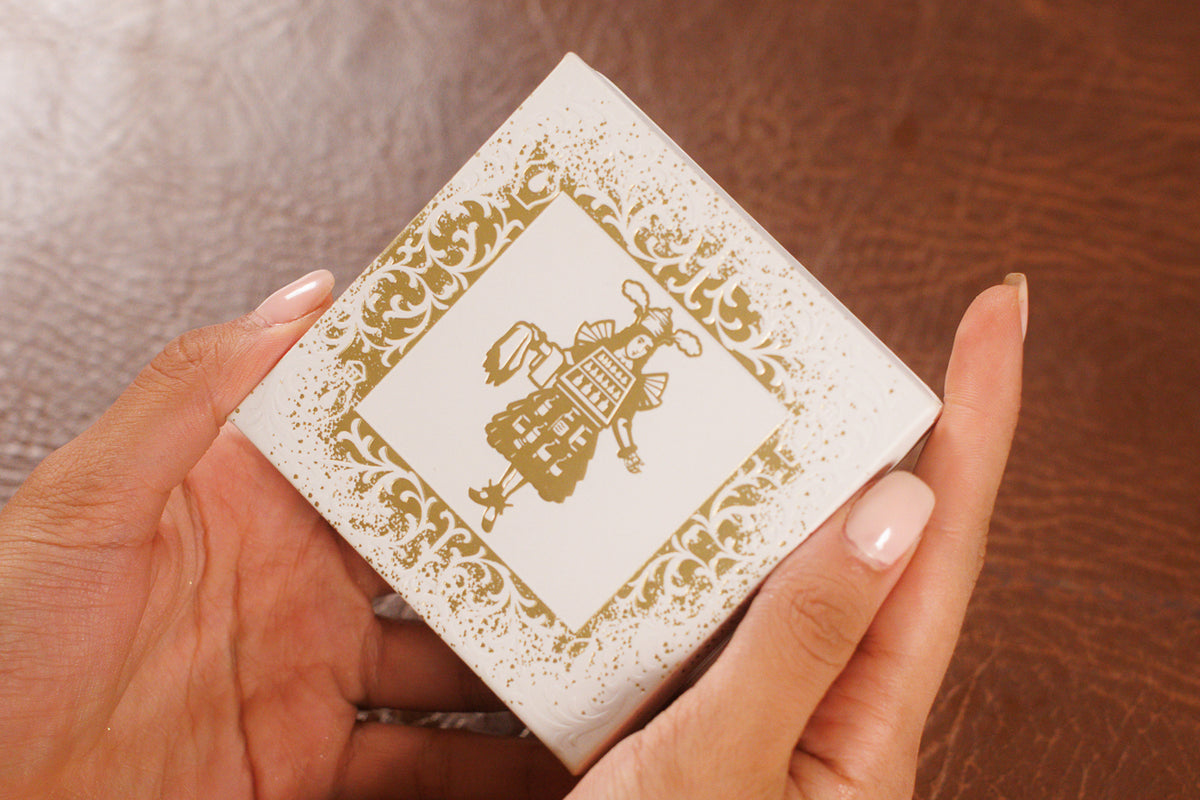
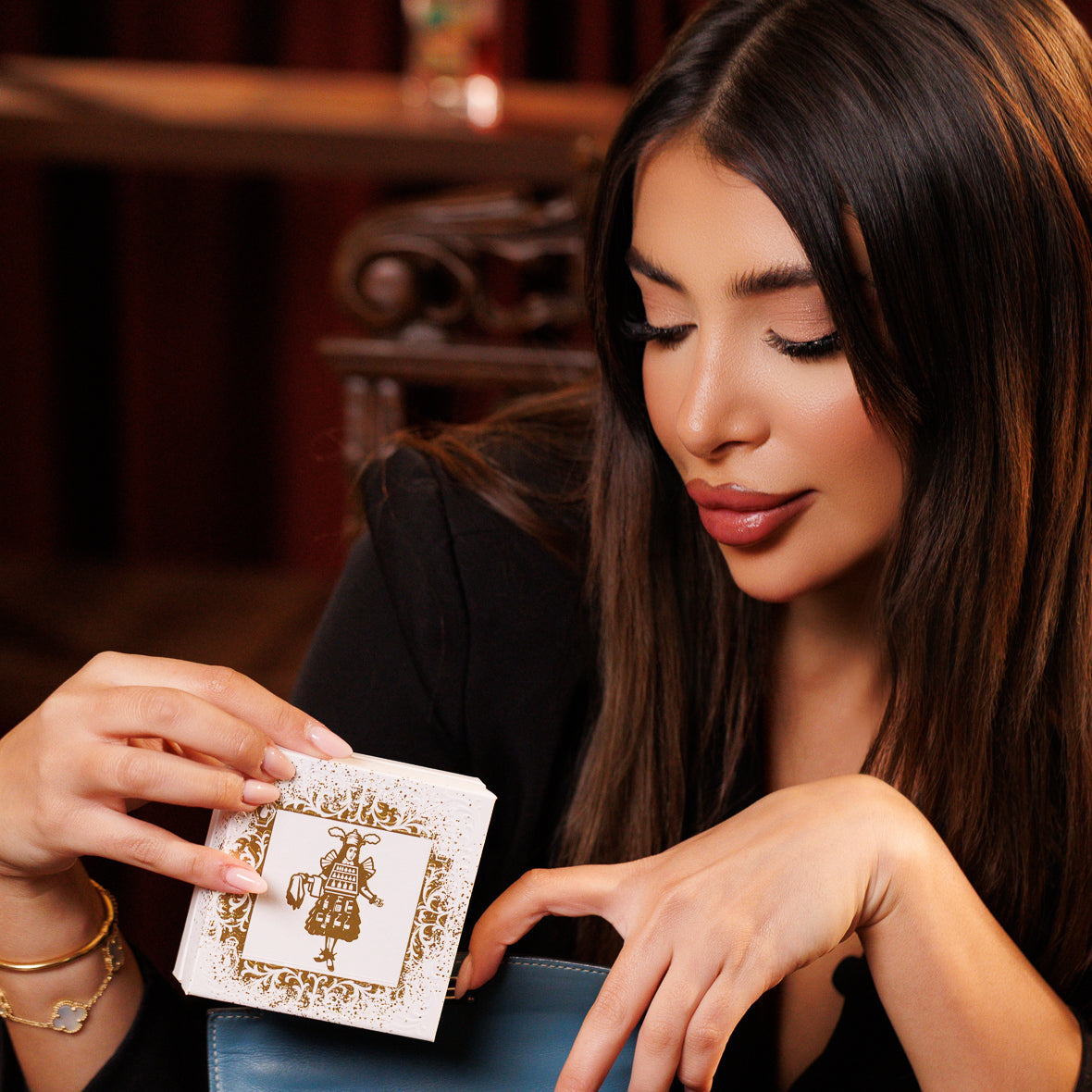
EVERY DECANT
From the original bottle to your door
We buy the original flacon at full retail price, direct from the house.
A medical grade Socorex syringe takes the exact millilitres straight from the flacon.
Packed into the hot foiled box and handed to DHL, with customs kept to a minimum. How a decant is made
More from Areej Le Doré
You may also like
From the collectors
The quality of the decants is excellent, the fragrances are authentic, and everything always arrives carefully packaged and in perfect condition.
Beautiful experience. This is my second time, and it will definitely not be my last!
Trusted by collectors in 28 countries