
Bortnikoff
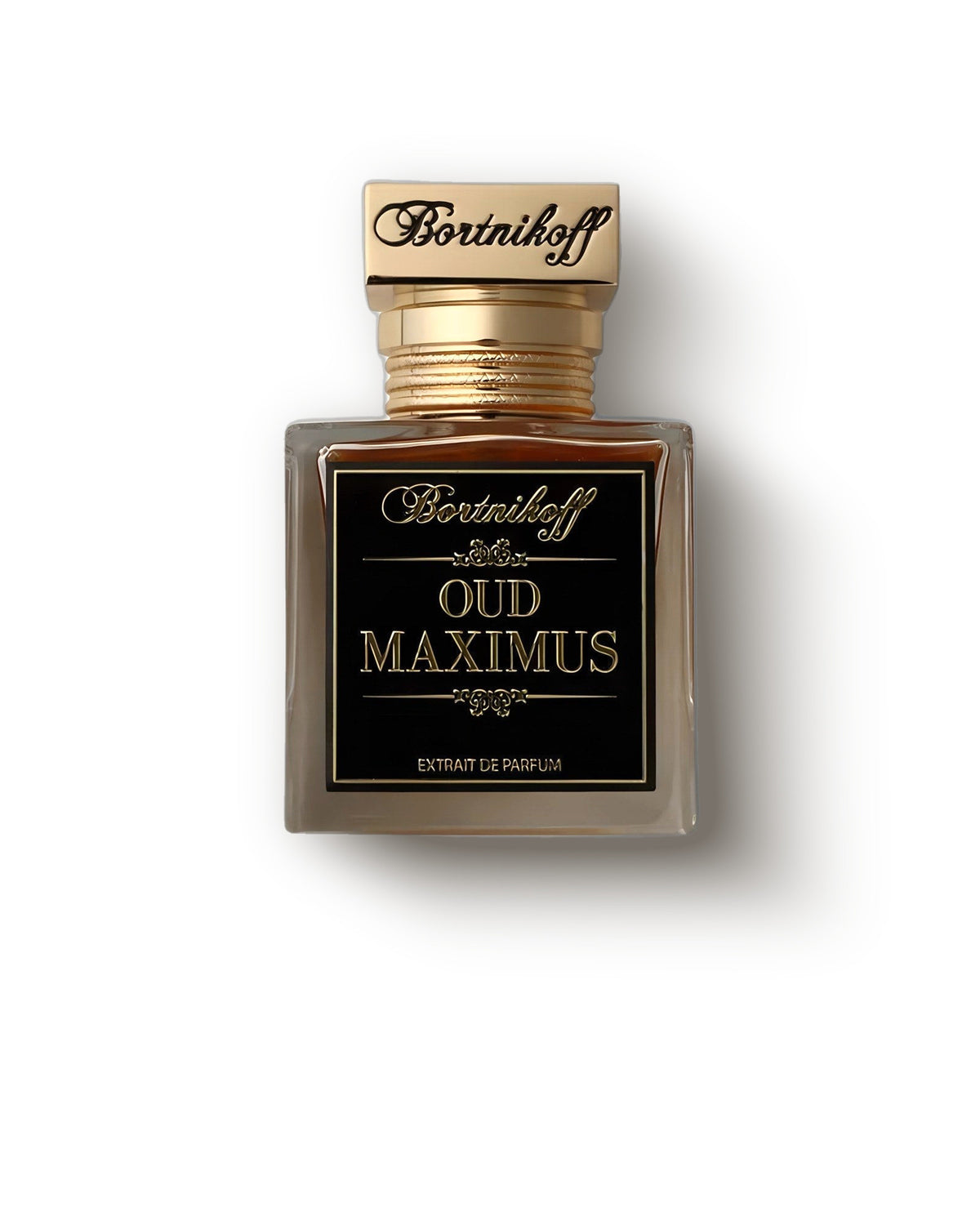
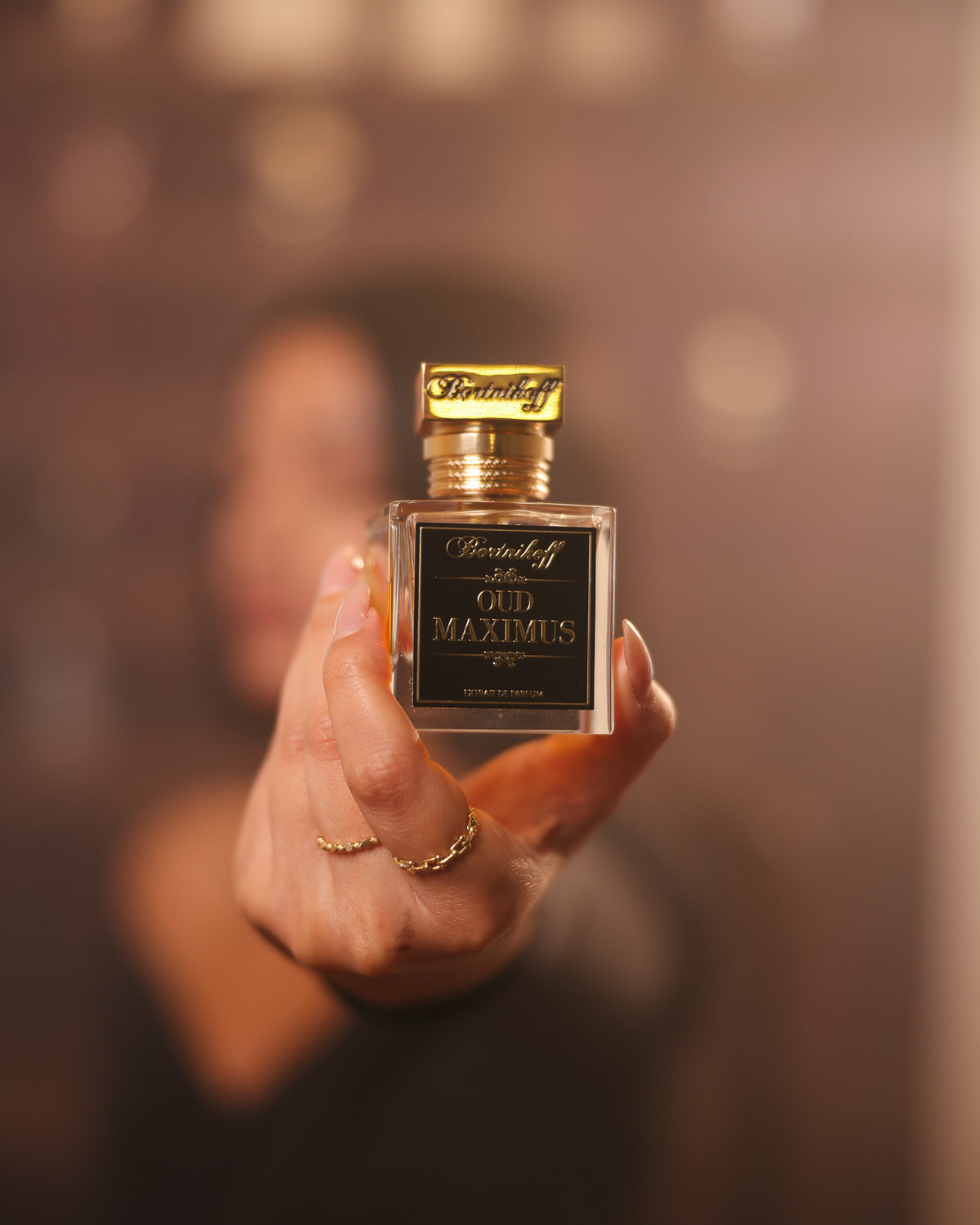
Oud Maximus
The Story
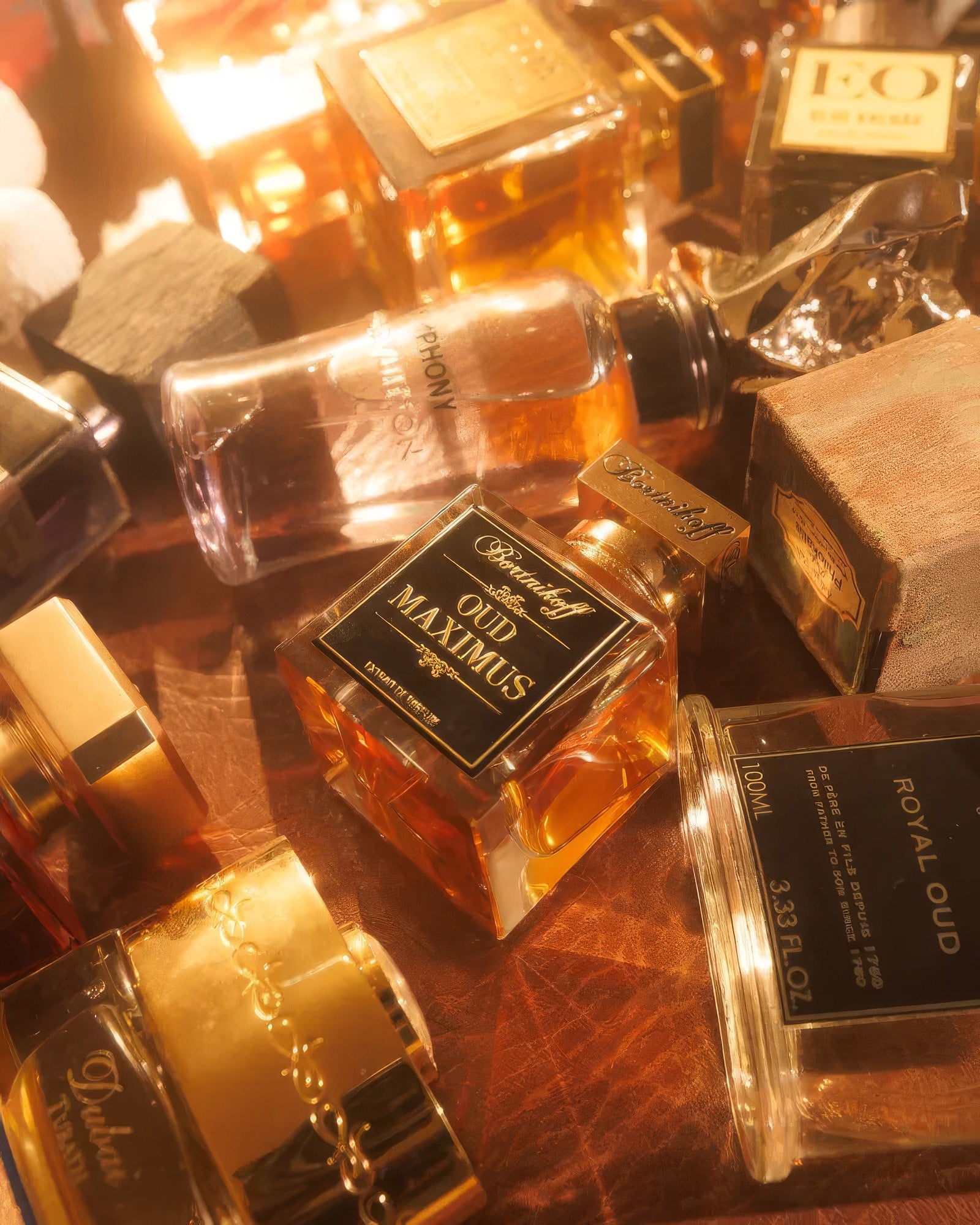
Dmitry Bortnikoff builds Oud Maximus from genuine artisanal materials, real Indian oud and Thai and Sri Lankan distillations among them, layering a vast bouquet of roses over a dark, animalic, smoky base. It is maximalism in the truest sense: an oud extrait built for richness and longevity rather than restraint.


Oud
What a tree makes when it is wounded
A dense, resinous wood that smells warm and slightly medicinal, with a leathery, animal-tinged smokiness and a sweet, almost barnyard funk underneath. It feels ancient and brooding, wrapping the skin in something thick and quietly powerful.


Musky
Warm breath of bare skin
The softly animalic warmth of natural musk, whether deer musk or a plant musk such as ambrette seed: warm skin and soft fur, powdery, intimate and faintly sweet. It hums quietly underneath a fragrance, a second skin that only registers when someone is already standing close enough to catch it.


Animalic
Skin, fur and something not quite tame
A raw, body-warm muskiness that reads of skin, hair and fur, sometimes sweet and powdery, sometimes sharp and faintly feral. At its best you cannot tell where the perfume stops and the wearer starts. At its strongest, it is the reason some people back away.


Rose
Velvet petals, honey and thorn
Dewy and fruity on top, then a jammy, honeyed heart with a green peppery bite underneath. Here the rose is largely the real flower, rose otto or absolute, rather than an accord built from aroma-chemicals.


Powdery
Soft hush of dressed skin
A velvety, slightly dry softness of iris root, violet, and fine talc, like face powder or clean linen warmed by skin. It feels intimate, refined, and nostalgic, blurring a fragrance into a gentle, cushioned haze.


Citrus
First bright zest of morning
The juicy, rind-snapping brightness of lemon, bergamot, and orange peel, tart and effervescent with a clean bitter edge. It opens a scent with instant lift and sparkle, fresh and energizing, evaporating quickly like sunlight on water.

Bergamot
Sparkling citrus light with a bitter edge
What it is
Nobody eats bergamot. It is sour, seedy and disappointing, and almost the whole world's supply grows on one strip of Calabrian coast, farmed purely for the oil pressed cold from its green rind.
How it smells
Zest and green light in the first second, then something rounder than lemon: a floral, tea-like smoothness sitting on a faintly bitter warmth. It burns off fast. What stays behind is a quiet, slightly spiced hum.
In perfumery
It defines eau de cologne, and sits on top of nearly every fougère alongside lavender and oakmoss. Perfumers want the first bright second it gives, and the oil is also what makes Earl Grey smell like Earl Grey.
Good to know
The thing that makes it sparkle can also burn. Bergamot carries bergapten, which leaves skin hypersensitive to sunlight, so perfumers either keep the dose low or reach for a grade with the molecule stripped out.


Sweet Orange
Sunlit zest squeezed straight from the peel
What it is
The oil is pressed cold out of the peel. Most of the world's supply is a side effect of breakfast: the juice industry squeezes the fruit, and the discarded rind is what the perfumer wants.
How it smells
Juicy and immediately recognisable: ripe orange flesh with a sherbet fizz and a green bitterness hiding behind it. It arrives round and sunny and does not stay long, leaving a soft waxy sweetness rather than lemon's sharp tang.
In perfumery
A top note with the edibility of the fruit itself, used to round off citruses that would otherwise cut. It opens eaux de cologne, and sits happily beside neroli, clove, cinnamon and vanilla when a gourmand needs lifting.
Good to know
Bergamot burns skin in sunlight. Sweet orange, pressed from the same kind of rind, carries almost none of that molecule, so a sunny day is no risk. It is also one of the least expensive naturals there is.

Pink Pepper
Bright rosy berries with a spice fizz
What it is
It is not pepper. The rose-colored berries come from a South American tree with no botanical link to the pepper vine at all, dried and then steam-distilled or extracted with CO2.
How it smells
Rosier and fruitier than black pepper, with only a prickle of heat. Crushed berries, a juniper-ish resin, a flick of citrus. It flashes on the opening and is gone quickly, leaving a gentle warm spiciness behind.
In perfumery
Perfumers reach for it when a composition needs spice without heat. It puts a rosy fizz over florals, freshens woods and ambers, and sits well with bergamot and patchouli. The fizz is a signature of the modern fruity-floral.
Good to know
The family it actually belongs to is the cashews, close enough that people who react to cashew or mango sometimes react to these berries too. Worth knowing before you cook with them.

Jasmine Sambac
Tea-green jasmine that opens after dark
What it is
The flowers open after dark, which is when they smell strongest, so pickers take them as buds in the early morning, before they unfurl. Solvent extraction gives a waxy concrete, and washing that with alcohol gives the absolute.
How it smells
Greener and more tea-like than the grandiflorum kind, and much less fruity. It starts crisp and a little waxy, almost banana-tinged, then warms into indolic sweetness. That indole is the animal in it: heady up close, still luminous.
In perfumery
A heart note that gives white-floral bouquets their body and their lift. It works with rose, tuberose, sandalwood and green tea, rounds off sharp citrus, and some night-blooming soliflores are built on almost nothing else.
Good to know
This is sampaguita, the national flower of the Philippines, strung into garlands and used to scent Chinese tea. Tiny blooms picked by hand every morning across a long season put the absolute among the costliest florals.


Cardamom
Green spice cracking open with citrus heat
What it is
Pickers take the pods before they ripen, which means doing it by hand. A ginger relative from the forests of southern India, now farmed widely in Guatemala. The seeds inside are what gets distilled.
How it smells
Crack one and you get cool eucalyptus lift over warm pepper, lemon peel and a little pine resin. There is a smoky breadiness in it too, the smell of chai. Sharp and effervescent first, then soft and balsamic.
In perfumery
It sits between top and heart, a spice sparkle that stays cool, letting a composition move from citrus into woody amber without the weight of clove or cinnamon. Rose, leather and oud all take it well.
Good to know
The pod is packaging. Sealed, it keeps the oil intact; cracked, the aroma starts escaping straight away, which is why distillers work fast and why pre-ground cardamom is a ghost of the whole pod.


Rose de Mai
The honeyed May rose of Grasse
What it is
The hundred-petalled rose of Provence, picked by hand for a few weeks each May around Grasse. Fresh blossoms go into solvent, which draws out a waxy concrete; the concrete is washed with alcohol to give the absolute.
How it smells
Rounder and softer than Damascena rose, honeyed and jammy, with green leaf and a lychee-and-pear fruitiness running through. It dries to warm honey-wax sweetness dusted with pollen, without the sharp metallic bite.
In perfumery
Used in the heart for radiance rather than volume, it makes a floral seem lit from within. Perfumers set it against jasmine, violet and oakmoss, and the Grasse harvest supplies many of the French couture houses.
Good to know
Roughly 600 kilograms of freshly picked blossoms yield one kilogram of absolute. Between that ratio, the few weeks of May and the small Grasse acreage, genuine Rose de Mai stays one of the costliest naturals in perfumery.


Himalayan Rose
Mountain-grown otto, dewy where other roses turn jammy
What it is
Same damask species as Bulgaria's, grown where the nights are cold and the air is thin. Slow ripening on Himalayan terraces in Nepal and northern India yields a steam-distilled otto, pale gold in the vial, not an absolute.
How it smells
A rose just cut, not one steeped in jam. The damask heart is there, honeyed and faintly spicy, but crisp green stem and a lemony brightness lift it. Airy, high-pitched, almost watery in its freshness.
In perfumery
Perfumers reach for it when rose must read living rather than preserved: dew on an oud, lift in a chypre. Roughly three to four tonnes of whole blossoms go into a single kilo of oil, so it is dosed by the drop.
Good to know
Set beside the classic ottos it is the lightest and greenest, clarity where they have honeyed depth. Naturals like this fade sooner on skin than a synthetic rose accord, and hold a complexity no single molecule imitates.


Indian Rose
The honeyed, gulkand-rich soul of Kannauj rose
What it is
Rooh gulab means the soul of the rose, and Kannauj has been drawing it for centuries in copper deg and bhapka stills. Let those rose vapors condense into sandalwood instead of water and you have attar gulab.
How it smells
The most edible rose in the palette: honeyed, jammy, faintly fermented, like gulkand, the rose-petal preserve, folded into warm milk. Clove and saffron warmth underneath, dewy green petal on top. Other roses float. This one sits low and thick.
In perfumery
It is the rose that stands next to Hindi oud and sandalwood without being erased, the reason perfumers reach for it in their richest oud-rose builds. In attar form the sandalwood stretches its trail and rounds the fermented edge.
Good to know
Taif rose carries a sharp ginger-citrus spice; Bulgarian is sweet, powdery and clean; Indian gulab is the jammiest and most fermented of the three. Hand-distilled, it varies by harvest, and true single-origin bottles are sold by the drop.


Hybrid Rose
Dewy sweetness over a green, peppery bite
What it is
Most perfumery rose is one of two: damascena from Bulgaria and Turkey, centifolia from Grasse. Whole blossoms are picked by hand from before sunrise until about ten thirty, then distilled into otto or solvent-extracted into absolute.
How it smells
Fresh, honeyed, green at the edges, with something dewy still on it. Spice and fruit sit underneath, and in the absolute a jammy darkness. Otto opens crisp and bright; absolute is warmer, smokier, closer to skin.
In perfumery
Rose behaves less like one note than a whole palette. It carries a perfume alone or vanishes into a chypre, turns dark against oud and patchouli, goes powdery beside violet, and holds a floral heart together.
Good to know
The two extractions are not the same bargain. Otto takes three to four thousand kilograms of blossoms to yield one kilogram of oil. Absolute, pulled out with solvent, gets there on roughly a seventh of the flowers.


Attar Gulab
Rose distilled straight into sandalwood
What it is
The traditional Indian attar form of rose: petals are hydro-distilled in a copper deg and the vapour led not into water but into a receiver already charged with sandalwood oil, so the rose condenses directly into the wood and the two mature together. It is made around Kannauj in Uttar Pradesh, and unlike rooh gulab, which is the rose alone, an attar gulab is by definition rose and sandalwood in one material.
How it smells
Rose and sandalwood inseparable rather than layered. The honeyed, jammy gulkand sweetness of Indian rose is there but rounded and slowed by the creamy, milky-woody body underneath, which takes the sharp edge off the petals and stretches them for hours. Warmer, softer and far more tenacious than any rose oil on its own.
In perfumery
Used where a rose has to last and to sit low in a composition, particularly in oud-rose builds, where the sandalwood carrier gives the rose the weight to stand against agarwood. It is also worn neat as a soliflore in the Indian and Gulf tradition, which is what it was made for.
Good to know
The name describes a method, not a grade: in the Kannauj trade an attar is a distillate received into a base oil. Because sandalwood is that base, a genuine attar gulab now costs what genuine sandalwood costs, and a great deal of what is sold under the name uses a synthetic or a lower-cost carrier instead. Do not expect it to smell like a rose absolute; the wood is half the material.


Magnolia
Lemon-cream petals breathing over a southern garden
What it is
An ancient flower. Magnolias were already blooming in the age of the dinosaurs, and their petals are tough enough to survive the beetles that pollinate them. The absolute comes from fresh petals.
How it smells
Lemon peel and cream, pitched between citrus and tea rose. It opens fizzy, softens into milky petal, green stem and a small clove warmth, then dries clean and faintly fruity. Lighter on its feet than jasmine.
In perfumery
Perfumers reach for it in the heart when a white flower needs to stay light: dewy and luminous, without the indolic weight of tuberose or gardenia. It sits easily with citrus, peony, lily and soft musks.
Good to know
The absolute is rare and costly to extract, so the magnolia in most mainstream bottles is built from aroma-chemicals, a portrait rather than a photograph. Natural perfumers draw it from the flower itself, as an absolute or a distilled flower oil.


Frangipani
Tropical petals breathing coconut and almond cream
What it is
Five waxy petals on a small tropical tree, plumeria, grown across the Pacific, the Caribbean and India. Solvent or CO2 lifts the scent from picked blooms into an absolute few perfumers ever get to use.
How it smells
Coconut and almond cream, ripe peach behind it, and a green spicy edge that stops it turning syrupy. Milkier and sunnier than jasmine or tuberose, and nowhere near as indolic. It smells like heat on skin.
In perfumery
In the heart it does the work of sunlight, turning a composition creamy. Coconut, ylang, jasmine, sandalwood and vanilla sit alongside it, and when a fragrance smells of hot skin on a beach, this is usually why.
Good to know
Yields are tiny, so true frangipani absolute is scarce and costly: mainstream frangipani is usually a reconstruction, while natural houses use the absolute or CO2 extract itself, sparingly. The name comes from a Renaissance Roman family whose famous glove perfume it is said to recall.
Clove
Warm spice with a numbing, dentist-chair bite
What it is
The clove you know is a flower stopped before it opened. Buds come off the tree as they flush pink, dry to small brown nails, and go to the still as clove bud oil.
How it smells
Hot and dry, with a tingle that turns numb: eugenol, the same compound a dentist uses. Under the burn sits a woody, fruity sweetness and a slow balsamic trail of pomanders and mulled wine.
In perfumery
Perfumers use it in the heart for heat and old-world richness, beside carnation, rose and vanilla. The same spice warms a shelf of chypres, fougeres and spicy carnation accords.
Good to know
Clove was once among the most prized spices in Europe, and the Dutch razed whole groves in the Spice Islands to control supply. Eugenol can turn skin allergic, so IFRA caps the eugenol in a finished perfume, whichever material it comes from.

Tonka Bean
Warm almond-vanilla sweetness with a hay-tobacco shadow
What it is
Shelled seeds from a South American legume tree go into alcohol, then dry for weeks until coumarin crystallizes across their skins like frost. That frosted bean is what becomes the absolute perfumers use.
How it smells
Vanilla and bitter almond first, then hay, dried tobacco and something toasted. The opening is close to caramelized custard; the drydown goes powdery and boozy, with cinnamon and cut clover in it. Hazier than vanilla, softer than almond.
In perfumery
Between heart and base, it sweetens without turning sharp. Lavender, amber and tobacco all take to it. Coumarin, first pulled out of this seed, built the fougère family, though the 1882 original ran on the synthetic version.
Good to know
Tonka owes most of its scent to coumarin, which American food regulators banned in 1954 after high doses damaged the livers of lab animals. The bean is effectively illegal in a US kitchen and perfectly legal on skin.


Indian Oud
The fermented, leathered, animalic king of agarwood
What it is
Agarwood from Assam, and collectors call it Hindi. What makes an oud Hindi is not the tree but the method: it soaks and ferments for days, then goes into a copper still with the water it rotted in.
How it smells
The opening is not pretty: barnyard, stable floor, frankly fecal. Give it twenty minutes. It resolves into buttery leather, dry hay, black pepper and clove, then a deep smoky base. Aged oils add chai and dried fruit.
In perfumery
Every other oud is measured against this one. The intensity that sends newcomers running is exactly what collectors pay for. Rose is the classic partner, the Arabian mukhallat, though in practice a Hindi oil is usually worn neat.
Good to know
Cambodi is sweet and honeyed, Borneo cool with pine, Thai medicinal. India alone owns the fermented register. Young, a Hindi hits hardest; ageing turns the funk to smooth leather. Loudness proves nothing: a badly cured oil shouts too.


Oud Roots Trat
Distilled from the root, not the trunk
What it is
An oud distilled from the root wood of mature plantation Aquilaria crassna in Trat, the province on Thailand's eastern seaboard where the Cardamom range crosses into Cambodia. Roots are lifted and distilled separately from trunk wood, which is unusual: most Trat oil, and most oud of any origin, comes from the trunk and branches.
How it smells
The familiar Trat core is there, sweet resinous wood with a honeyed thread, but it sits lower and heavier. Root wood brings damp soil, a rooty density and a darker balsamic weight in place of the brighter fruit of a trunk distillation, and it clings to skin longer.
In perfumery
A base material in the strictest sense, used for gravity and tenacity beneath sweeter woods. Because it reads as earth rather than as smoke, it can deepen a composition without pushing it towards the medicinal, and it fixes rose, amber and tobacco unusually well.
Good to know
Root distillations are a specialist category rather than a grade: the label describes which part of the tree went into the still, not how good the oil is. Trat's plantations are among the best-established in Thailand, so root material is available in a way genuinely wild oud is not.

Oud Purple Co Chang
Caramel and cocoa from the island off Trat
What it is
Oud from Koh Chang, the large island lying off Trat province in the Gulf of Thailand near the Cambodian border. The island sits at the meeting point of the Thai and Khmer agarwood countries, and its oils are widely held to belong to neither camp cleanly. Purple is the distiller's own designation for this cut.
How it smells
Distinctly sweet, with caramel and a cocoa nuance running under dry fruit and soft leather. There is an aged, settled quality to it and, notably, none of the barn-like edge that shows up elsewhere in the region. It grows rootier and earthier the longer it is worn.
In perfumery
Used where a composition wants Thai sweetness with a Cambodian roundness, particularly against rose, honey, dried fruit and tobacco. Its lack of animalic bite makes it one of the easier single-origin ouds to place in a wearable blend, and its caramel tone reads almost gourmand at low dosage.
Good to know
Koh Chang is a single island, so the name pins this oud to one place rather than a whole province or country. With no barnyard to get past, it is also an easy first oud for anyone wary of the animalic kind.


Oud From Sri Lanka
Ceylon's green, spiced agarwood from a different tree
What it is
Sri Lankan agarwood forms not in Aquilaria but in walla patta, Gyrinops walla, a slender tree of the island's wet-zone forests. Bortnikoff credits this oil to Feel-Oud, the agarwood and sandalwood distiller Dmitry Bortnikoff co-founded in 2013.
How it smells
The bright, sour-fruity face of oud. It opens green and almost tropical, frangipani and cooling mimosa over a faint salt edge, then a dry spice caught somewhere between cinnamon and pink pepper. Clean resin underneath, never funk.
In perfumery
In Oud Maximus it is one of four ouds in the base, beside Indian oud, Trat root oud and Oud Purple co Chang. Where the Indian oil brings weight and leather, the Sri Lankan one adds a greener, fruitier lift beside the roses of the heart.
Good to know
If Hindi oud reads too barnyard and Cambodi too sweet, the Sri Lankan style is the one to try. Oud Maximus carries four ouds in its base, and this is one of them.


Birch Tar
Smoke, leather and campfire distilled from bark
What it is
Birch bark cooked without oxygen until it breaks down into a black, sticky tar. What perfumery uses is that tar redistilled under vacuum, which takes out the carcinogens the crude tar carries.
How it smells
Smoke first, and a lot of it: tar, charred wood, creosote, embers. Under that runs old leather, faintly medicinal, the birch-oiled smell of Russia leather, with a sweet balsamic thread that keeps it from being purely grim.
In perfumery
Birch tar is one of perfumery's classic leather materials, the smoky note behind Russian-leather accords. A base note with real force, it pairs with labdanum and cade to build hide, and a drop under florals turns them smoky. It does not do subtle.
Good to know
Two hundred thousand years ago, Neanderthals were heating birch bark to make glue. It is the oldest manufactured adhesive we know of, and it is still in the perfumer's cabinet, doing a different job.


Tolu Balsam
Cinnamon, vanilla and slow amber warmth
What it is
Cut a V into the bark and the tree bleeds a brown, sticky resin that hardens as it meets the air. That is tolu balsam, gathered from a legume tree in Colombia and refined into resinoid or absolute.
How it smells
Warm, sweet and soft, cinnamon threaded through vanilla and dried honey. It opens resinous with a faint floral edge, then spends hours settling into caramelized sugar, old wood and cured tobacco. Nothing about it is sharp.
In perfumery
A base note doing two jobs at once: it sweetens and it holds, giving amber, oriental and gourmand accords their staying power. Vanilla, benzoin, labdanum and tobacco are its natural company.
Good to know
It is named for Tolú in Colombia, though indigenous peoples across the region were using the resin long before any Spanish chronicle wrote it down. Perfumery came late: the balsam spent generations in cough syrup and throat lozenges first.


Vanilla
Cured orchid pods, custard and faint smoke
What it is
Green pods come off the orchid vine smelling of almost nothing. The scent is made, not found: months of blanching, sweating in the sun and slow drying before the vanillin appears. Mexico first, Madagascar now.
How it smells
Custard and caramel up front, then something darker underneath: dried fruit and a thread of tobacco smoke. It turns powdery as it dries and sits close to the skin. Real cured vanilla reads deeper than vanillin alone.
In perfumery
Perfumers use it to round off edges. Anything too sharp, too green, too austere gets warmth and body from a vanilla base, which is why it anchors many oriental and gourmand builds alongside tonka, amber, sandalwood and spice.
Good to know
Every flower opens for one day. Miss it and there is no pod, so all of it is pollinated by hand, a trick devised by Edmond Albius, a twelve-year-old enslaved boy on Réunion. Most vanilla flavour today is synthetic.


Musk
One word for two entirely different materials
What it is
Two things answer to the name. A family of synthetic musks, built to carry warmth and softness, does most of the work in perfumery today. Deer musk is the older road, long used in perfume and incense, and now tightly controlled because musk deer are protected.
How it smells
Deer musk is animalic and heavy up close, and turns warm, sweet and radiantly skin-like the moment it is diluted to a whisper. The synthetics run cleaner: hot-ironed linen, warm cotton, skin rather than fur.
In perfumery
Musk is the floor a composition stands on: it fixes what sits above, stretches the wear and adds that second-skin glow. A lychee or a rose often has one underneath, holding the fruit in place long after it should have faded.
Good to know
One bottle can smell radiant on you and like almost nothing on the next person. A large number of people cannot smell certain synthetic musks at all, a quirk called specific anosmia.


Civet
Animal warmth that makes flowers bloom indecent
What it is
A paste scraped from a pouch under the tail of the African civet, a nocturnal cat-like animal, then tinctured in alcohol. Nearly all perfumery civet today is civetone, made in a lab.
How it smells
Undiluted it is shocking: fecal, indolic, more soiled stable than perfume. At a trace it turns honeyed and leathery, warm as skin, with a low tobacco hum. The shift from repellent to alluring happens entirely through dilution.
In perfumery
Perfumers use it in traces, as base and fixative, to make jasmine and rose smell like they are growing on a living body rather than sitting in a bottle. Animalic chypres and orientals run on it.
Good to know
Animals are still caged and scraped for it in Ethiopia, on a small scale, decades after the lab made that unnecessary. And this is not the palm civet behind kopi luwak coffee: same family, different animal.
Fragrance Character
The opening sparkles with citrus and pepper before the roses take over, jammy, honeyed and layered many ways. Clove and cardamom spice it; magnolia and frangipani add creamy white-floral lift. Underneath, real oud, birch tar and civet bring smoke and leathery depth, while tonka, vanilla, tolu and musk give a long, warm, animalic drydown.


Longevity
how long it stays on skin
The hourglass reads wear time: how many hours the fragrance keeps speaking before it fades. A bar that barely leaves the start means a few fleeting hours. One that runs the full length carries from morning into evening. Treat it as typical, not promised. Oily skin holds scent far longer than dry.


Sillage
the size of its scent trail
Sillage is French for a ship's wake, and that is exactly what this measures: how much of the scent reaches the room instead of staying on you. Low is a whisper only close friends catch. Enormous fills the room, then keeps filling it after you leave.


Experimental
Built to provoke, not to please
Some perfumes are made to be liked. These are made to be argued about: inky tar, hot rubber, fruit on the turn, metal and fur where you expected flowers. The coin glows for a scent that provokes and dims for one that plays it safe, which is sometimes the point.


Office
Polished, and never louder than the room
Scent is manners in a shared room. At this range it should reach the person across the desk and stop there: tidy citrus, soft musk, pale woods, all of it reading competent and considerate. A glowing coin means nobody has to mention it. A dim one means it travels.


Evening
After dark, when it deepens
Dinner, drinks, the night that runs long. Low light is where ambers, resins and smoky woods stop being polite, and where a plush floral finally blooms. A glowing coin means it is waiting for exactly this hour. A dim one means it did its best work in daylight.


Romantic
Close enough to be felt
A fragrance can hum against skin instead of announcing itself across a table. That is the register here: creamy florals, vanilla, soft musk, a thread of spice, warm enough to make someone lean in. The coin glows when a scent sets that mood and dims when it is more practical than seductive.


Formal
Quiet authority in a dressed-up room
A wedding, a ceremony, a room where everyone has thought about their shoes. What works here is structure, not volume: smooth woods, disciplined florals, soft leather. A glowing coin means it holds its posture all evening. A dim one means it is too casual for the room.


Casual
Easy comfort for unhurried days
Errands, coffee, a slow Saturday with nowhere to be. Nothing here has to impress anyone, so the fit is soft and easy: fresh citrus, light woods, a little warmth off the skin. A glowing coin says yes to all that. A dim one means the fragrance is asking for a bigger night.


Day to Night
where its mood naturally falls
A bar running from sun to moon, reading the hour the fragrance was made for. The more of it that stays gold, the more the scent belongs to daylight and open air. The further the blue reaches back toward the sun, the deeper and warmer it turns: evening, candlelight, low rooms.


Winter
Warmth that carries through cold air
Cold air mutes a fragrance and slows it down, which is why winter belongs to the dense and the warm: resin, smoke, vanilla, leather, ambered spice. The bar reads how well this one pushes back, glowing against the chill instead of thinning out in it.


Spring
Fresh blooms in mild, rising warmth
Mild, humid air lifts a light composition, so the season belongs to dewy florals, green stems, soft powder and citrus you can see through. Alive rather than heavy. The further the green runs along the bar, the more comfortably this one wears in that weather.


Summer
Bright and airy in real heat
Heat does the projecting for you, which is why the wrong perfume turns unbearable by noon. What survives is cool and breathable: sharp citrus, salt air, aromatic herbs, water. Things that refresh instead of cloy. A short bar here means save it for cooler months.


Fall
Spiced warmth for cooling days
As the air cools, the rich materials stop smothering and start reading clearly: dry woods, warm spice, tobacco, amber, fruit gone golden. It is the season perfume turns contemplative. The bar fills according to how naturally this one settles into crisp, cooling days.
Best Worn
Made for cold weather and long evenings, formal or casual, worn by someone who likes their oud unapologetically big and has no interest in wearing it quietly.
Choose options
The Vibe


The Nose

Dmitry Bortnikoff
Founder and perfumer
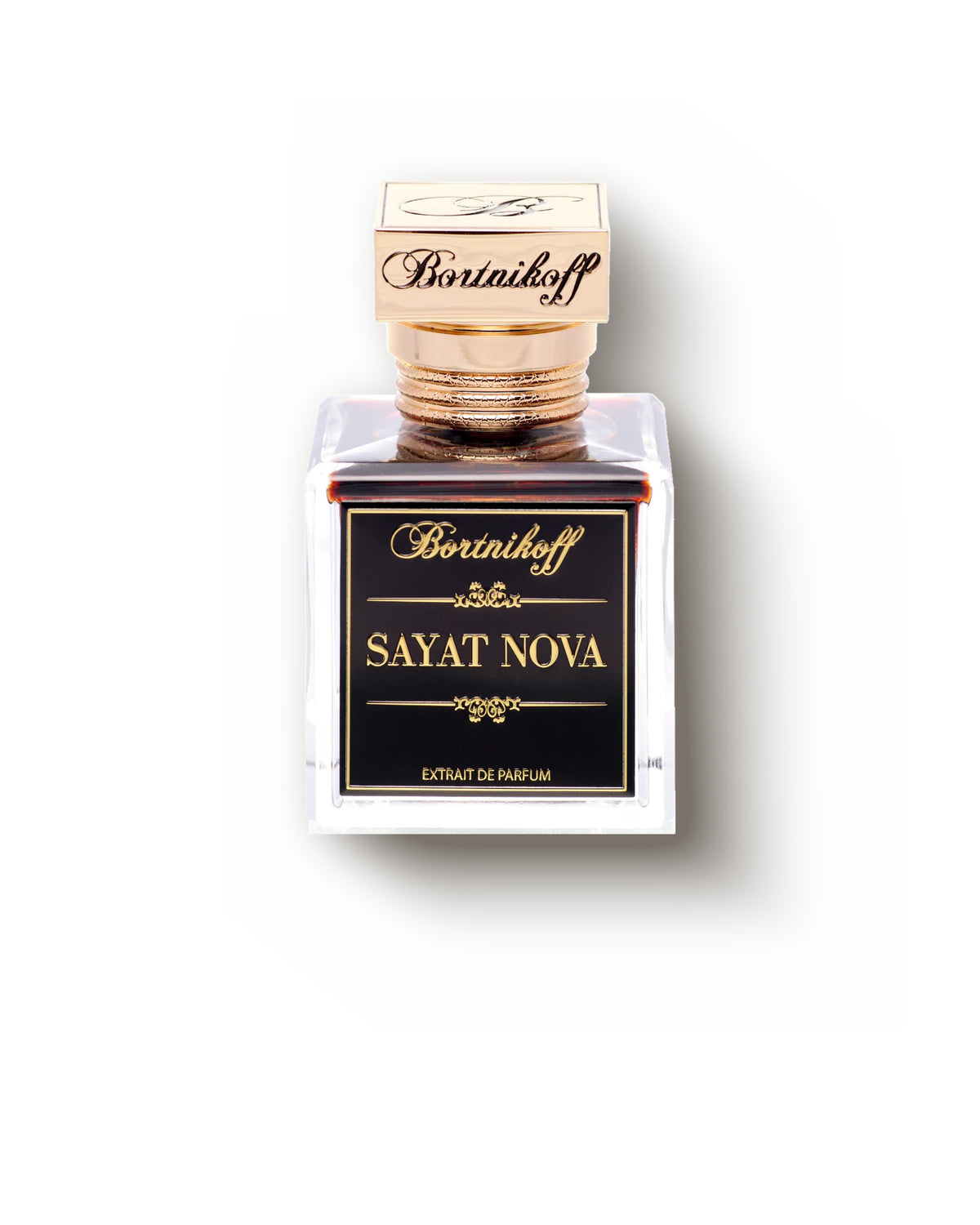
An architect by profession who turned to distilling. He co-founded Feel Oud in 2013, distilling agarwood and sandalwood oils, then launched Bortnikoff in Thailand in 2018. Its perfumes run 95 to 100 per cent natural. He composed Bortnikoff Oud Maximus, and Bortnikoff Sayat Nova and Bortnikoff Santa Sangre with Rajesh Balkrishnan.
More by this noseMusk KhabibMusk CologneOud Monarch
The Maison

Real oud, true ambergris. Small batch extraits made of living materials.
Dmitry Bortnikoff builds the slow, artisanal way, from naturals most makers simply cannot get their hands on. Real Indian oud, honeyed roses distilled straight into sandalwood, and many oils distilled in house with nineteenth century techniques. The result feels alive on skin, warm and a little unruly.
- Origin
- Thailand
- Founded
- 2018
- Known for
- Real animalics, tiny batches

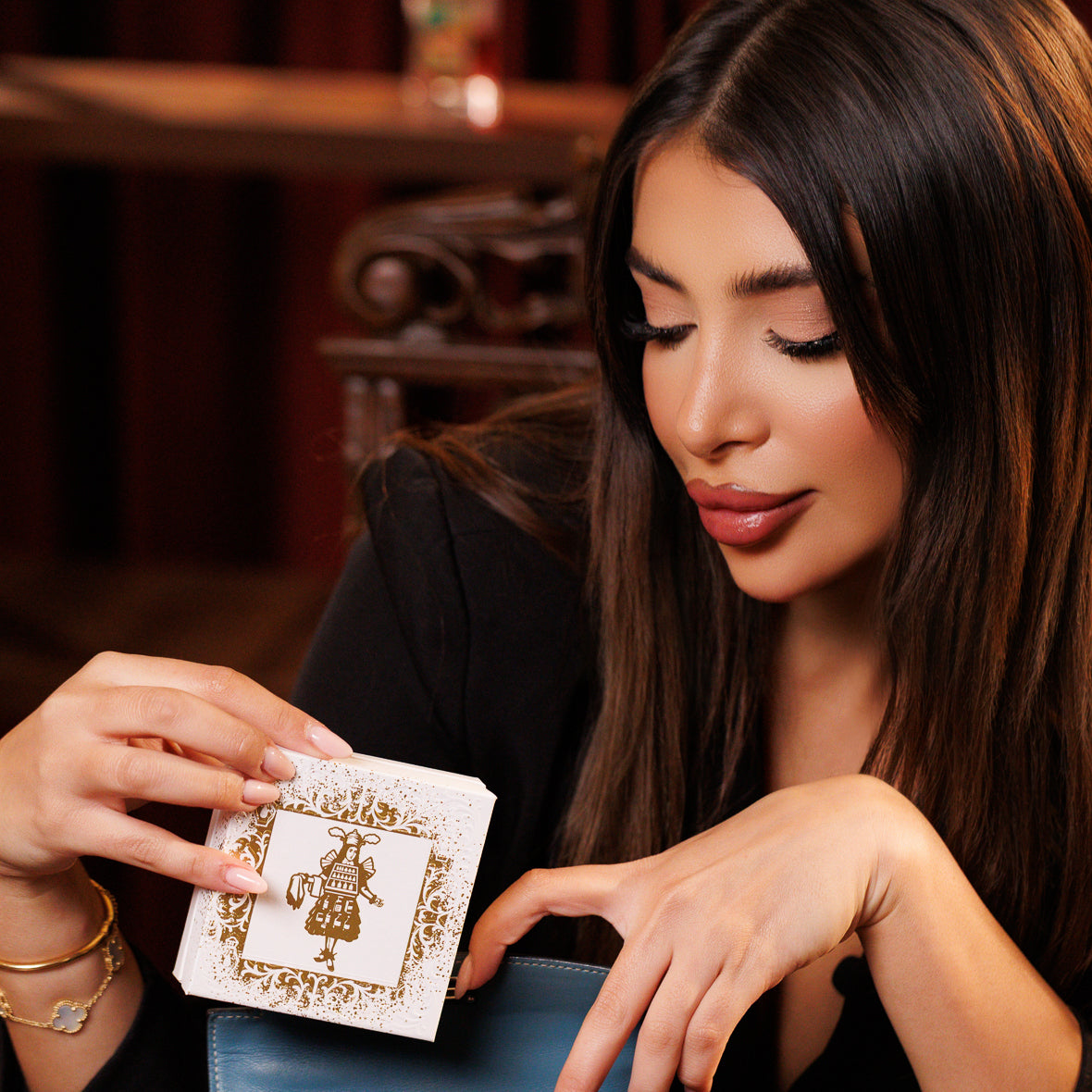
EVERY DECANT
From the original bottle to your door
We buy the original flacon at full retail price, direct from the house.
A medical grade Socorex syringe takes the exact millilitres straight from the flacon.
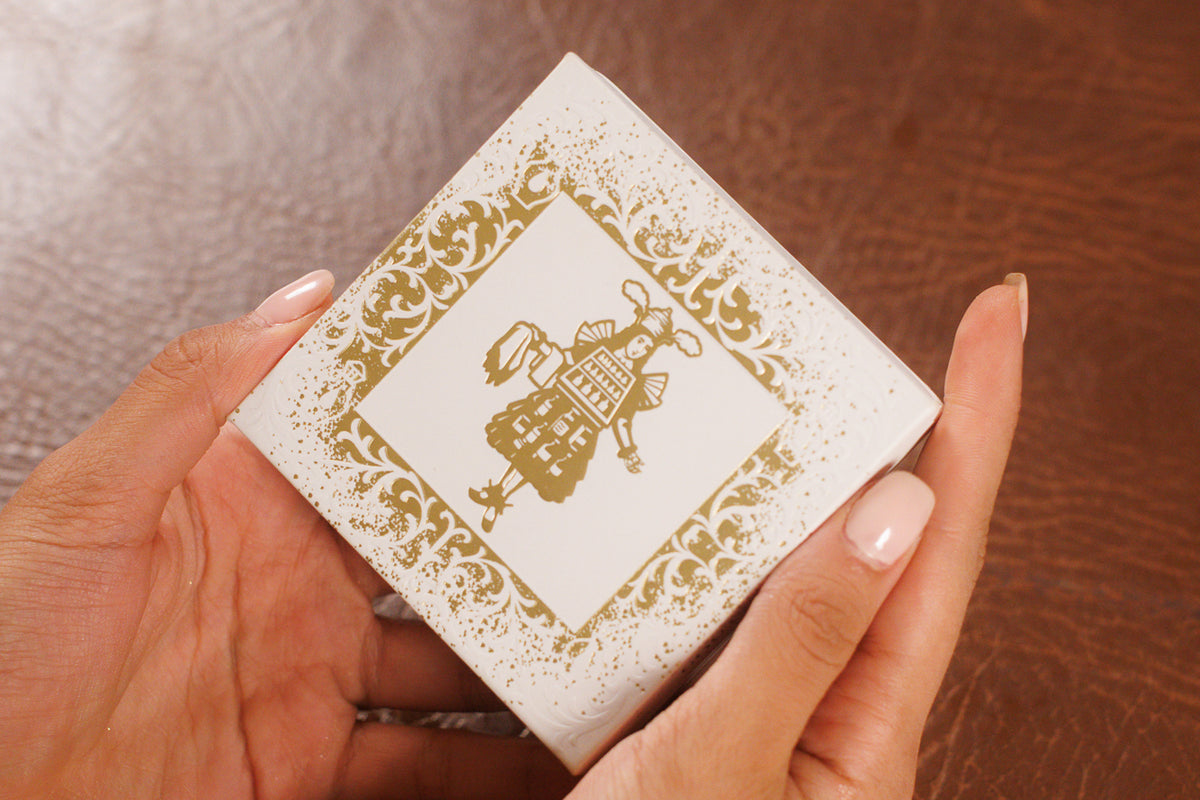
Packed into the hot foiled box and handed to DHL, every duty already paid. How a decant is made
More from Bortnikoff

You may also like