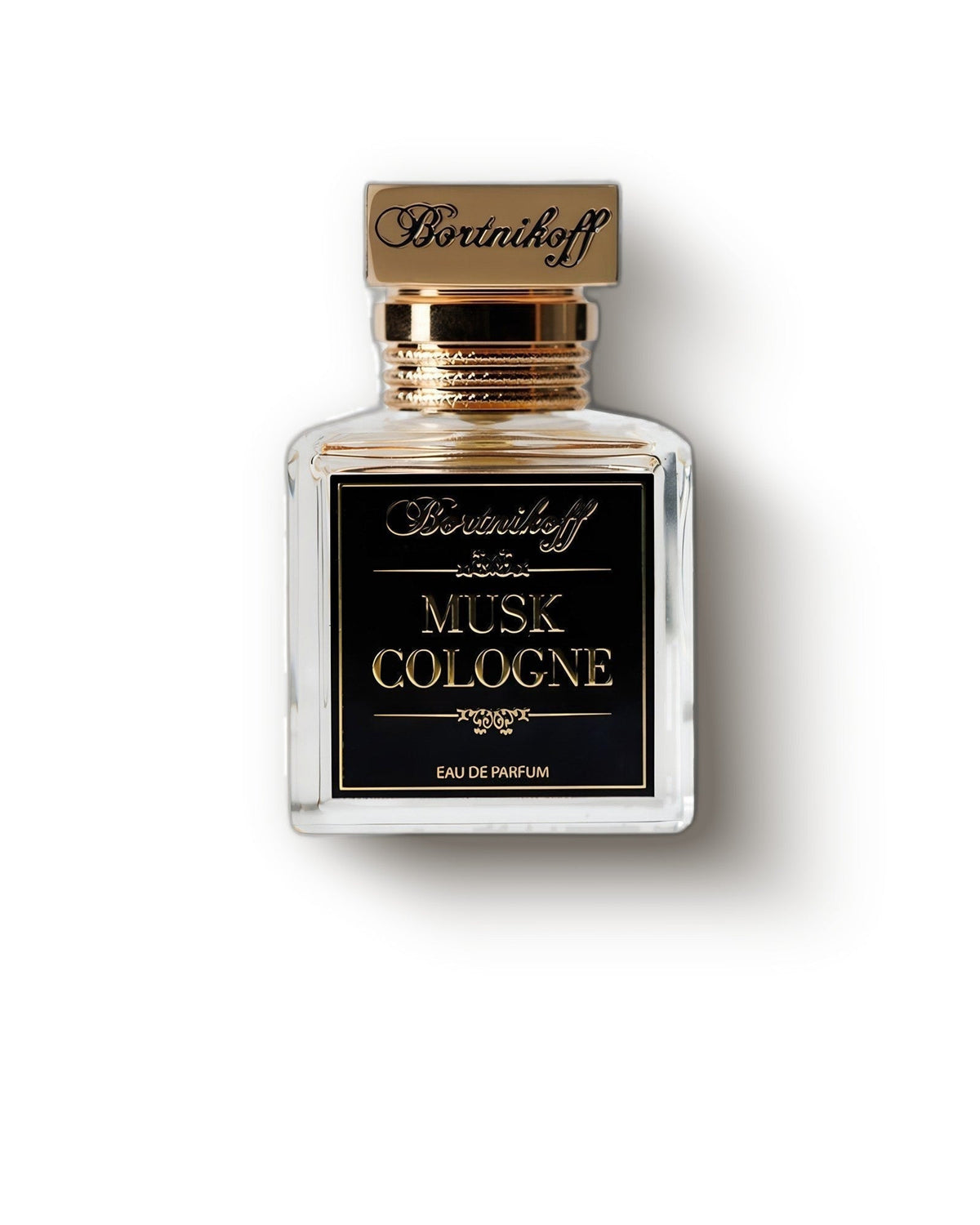
Bortnikoff
Musk Cologne
The Story
This takes one of the oldest structures in perfumery, the citrus cologne, and puts musk in its base, where a cologne would normally have almost nothing. The top behaves conventionally; the drydown is where the substitution shows.


Citrus
First bright zest of morning
The juicy, rind-snapping brightness of lemon, bergamot, and orange peel, tart and effervescent with a clean bitter edge. It opens a scent with instant lift and sparkle, fresh and energizing, evaporating quickly like sunlight on water.


Musky
Warm breath of bare skin
The softly animalic warmth of natural musk, whether deer musk or a plant musk such as ambrette seed: warm skin and soft fur, powdery, intimate and faintly sweet. It hums quietly underneath a fragrance, a second skin that only registers when someone is already standing close enough to catch it.


Woody
Dry grain of cut timber
The smell of cedar shavings, sandalwood, and dry vetiver roots, a sanded, resinous warmth with a faint pencil-box rasp. It feels grounded and composed, the quiet backbone that makes a scent read as serious and lasting.


Sweet
Warm sugar you cannot quite name
Caramel, honey, spun sugar: sweetness that hovers between all three and never settles on one. This is the gourmand pull, the thing that makes someone lean in closer than they meant to, warm and soft and a half step short of edible.


Powdery
Soft hush of dressed skin
A velvety, slightly dry softness of iris root, violet, and fine talc, like face powder or clean linen warmed by skin. It feels intimate, refined, and nostalgic, blurring a fragrance into a gentle, cushioned haze.


Yellow Floral
Sunlit mimosa, ylang and champaca
Mimosa, ylang-ylang, champaca, broom: the flowers that smell yellow. Honeyed and faintly buttery, with an indolic hum under the sweetness and none of a white floral's coolness. A garden at noon, pushed to the edge of overripe.


Tangerine
Sun-warmed peel, sweet and gone in minutes
What it is
A loose-skinned mandarin, so loose the rind lifts off in one piece. That rind is the perfume, its oil held in tiny glands that burst when you peel, then cold-pressed rather than distilled.
How it smells
Sweeter and rounder than orange, with none of lemon's edge. Think candied peel and a squeeze of juice, a faint bitterness from the zest, a flicker of something almost floral. Then it is gone, fast.
In perfumery
The job is the first ten seconds. Tangerine hands a fragrance its sparkle and its good mood, then steps back for neroli, bergamot or a light musk to take over. It also keeps gourmands from turning heavy.
Good to know
The fruit carries a port's name. It was shipped to Europe from the Moroccan port of Tangier, and Tangier is what people called it from then on.


Sweet Orange
Sunlit zest squeezed straight from the peel
What it is
The oil is pressed cold out of the peel. Most of the world's supply is a side effect of breakfast: the juice industry squeezes the fruit, and the discarded rind is what the perfumer wants.
How it smells
Juicy and immediately recognisable: ripe orange flesh with a sherbet fizz and a green bitterness hiding behind it. It arrives round and sunny and does not stay long, leaving a soft waxy sweetness rather than lemon's sharp tang.
In perfumery
A top note with the edibility of the fruit itself, used to round off citruses that would otherwise cut. It opens eaux de cologne, and sits happily beside neroli, clove, cinnamon and vanilla when a gourmand needs lifting.
Good to know
Bergamot burns skin in sunlight. Sweet orange, pressed from the same kind of rind, carries almost none of that molecule, so a sunny day is no risk. It is also one of the least expensive naturals there is.


Lemon
Cold yellow zest snapping into bright sun
What it is
Squeezed, not distilled: the colored rind is pressed and scraped until the glands give up their oil. Argentina presses the most, and Sicily gives the classic perfumery grade. The tree's white blossom is a different note entirely.
How it smells
Tart, green and fizzing, all cold rind and mouth-watering sourness, with a faint sweet pith underneath and a waxy edge from the peel itself. Enjoy it fast: it is gone within minutes.
In perfumery
It powers the eau de cologne tradition, working with bergamot, neroli and petitgrain to open a fragrance in full sunlight. Because it burns off so fast, perfumers reinforce it with citral.
Good to know
Cold-pressed lemon carries furocoumarins that leave skin liable to burn in sunlight, so perfumers often reach for a grade with the sun-sensitizing compounds removed. It also spoils in the bottle, oxidizing toward turpentine, which is why citrus fragrances are hard to stabilize.

Bergamot
Sparkling citrus light with a bitter edge
What it is
Nobody eats bergamot. It is sour, seedy and disappointing, and almost the whole world's supply grows on one strip of Calabrian coast, farmed purely for the oil pressed cold from its green rind.
How it smells
Zest and green light in the first second, then something rounder than lemon: a floral, tea-like smoothness sitting on a faintly bitter warmth. It burns off fast. What stays behind is a quiet, slightly spiced hum.
In perfumery
It defines eau de cologne, and sits on top of nearly every fougère alongside lavender and oakmoss. Perfumers want the first bright second it gives, and the oil is also what makes Earl Grey smell like Earl Grey.
Good to know
The thing that makes it sparkle can also burn. Bergamot carries bergapten, which leaves skin hypersensitive to sunlight, so perfumers either keep the dose low or reach for a grade with the molecule stripped out.


Ylang-Ylang
Sun-warmed tropical bloom, banana-cream and jasmine
What it is
A drooping yellow star of a flower, hand-picked from a tropical tree and held in the still for fifteen to twenty hours. The run is drawn off in stages, each one a different grade, Extra down to Third.
How it smells
Creamy and heady, jasmine over something like banana custard, with rubber and clove threaded through. Extra grade is the bright, fruity, spicy one; the later fractions go deeper, fatter and faintly medicinal, drying down waxy and round.
In perfumery
In the heart it bridges jasmine, rose and tuberose, and it keeps citrus tops from turning thin. It carries the floral bouquet inside the aldehydic classics, and it is the reason a solar tiare accord smells tropical.
Good to know
In Indonesia the blossoms are scattered over the beds of newlyweds. The name is Tagalog, ilang-ilang, from ilang, wilderness, after the wild places where the tree grows. The most fragrant blooms are taken at dawn, while they are still cool.


Magnolia
Lemon-cream petals breathing over a southern garden
What it is
An ancient flower. Magnolias were already blooming in the age of the dinosaurs, and their petals are tough enough to survive the beetles that pollinate them. The absolute comes from fresh petals.
How it smells
Lemon peel and cream, pitched between citrus and tea rose. It opens fizzy, softens into milky petal, green stem and a small clove warmth, then dries clean and faintly fruity. Lighter on its feet than jasmine.
In perfumery
Perfumers reach for it in the heart when a white flower needs to stay light: dewy and luminous, without the indolic weight of tuberose or gardenia. It sits easily with citrus, peony, lily and soft musks.
Good to know
The absolute is rare and costly to extract, so the magnolia in most mainstream bottles is built from aroma-chemicals, a portrait rather than a photograph. Natural perfumers draw it from the flower itself, as an absolute or a distilled flower oil.

Green Tea
Steamed leaves, cool and quietly bittersweet
What it is
Black tea and green tea come off the same bush. The difference is speed: green leaves are steamed or pan-fired soon after picking so they never oxidise. As a note it is CO2 extract or pure reconstruction.
How it smells
Cool, dry and faintly bitter, like steam off a cup someone brewed a minute ago. Hay and cut grass at the edges, a wisp of smoke, and a papery transparency. It ends mineral rather than sweet.
In perfumery
It works at the top and into the heart, where its job is calm. Bergamot, neroli, mint and pale woods are the usual company, and the note reads as restraint rather than freshness for its own sake.
Good to know
The tea in tea fragrance was largely a suggestion. The genre opened in 1992 with little real leaf in it: citrus, neroli and woods, arranged until the brain filled in a cup. Real leaf extract came later, and it whispers.
Tuberose
Carnal white flower that opens after dark
What it is
Cut a tuberose and it carries on. The waxy white flower keeps making scent for hours after picking, which is why perfumers once laid blossoms on trays of cold fat to catch it. Solvents do that job now.
How it smells
Creamy and buttery, with a cool mentholated snap on top and green sap beneath. Stay with it and something almost fleshy surfaces, warm and indolic, faintly clove-spiced. This is the flower people call too much.
In perfumery
It sits in the heart and pushes outward, three-dimensional in a way few florals manage. Gardenia, jasmine, orange blossom and coconut round it off. The great tuberose soliflores are still the benchmark everyone else is measured against.
Good to know
Six to eight thousand kilos of fresh flowers go into one kilo of absolute. Picture a field, then a small bottle. That ratio is why tuberose sits among the most costly florals in perfumery.


Lily-of-the-Valley
Spring's white bell in cool green shade
What it is
Tiny white bells on a shade-loving woodland perennial, and one of perfumery's great frustrations: the flower gives up almost nothing to a still or solvent. For decades mainstream muguet was built from scratch, on hydroxycitronellal and Lyral, rather than taken from the plant.
How it smells
Cool, green and wet: white petals, crushed stem sap, rain. It never goes heady, staying crystalline where jasmine would thicken. The drydown turns soft and clean, faintly soapy, with a last lemony-green glow.
In perfumery
In the heart it works like a window opening: it lifts rose, jasmine and lilac and puts green sparkle into aldehydic bouquets. The great mid-century soliflores were built around this accord, and it still brightens most spring florals.
Good to know
Every part of the plant is poisonous. Botanical perfumers evoke muguet with floral naturals, or capture the bells themselves in a rare enfleurage or tincture, and a first commercial extract of the flower appeared in 2021.


Musk
One word for two entirely different materials
What it is
Two things answer to the name. A family of synthetic musks, built to carry warmth and softness, does most of the work in perfumery today. Deer musk is the older road, long used in perfume and incense, and now tightly controlled because musk deer are protected.
How it smells
Deer musk is animalic and heavy up close, and turns warm, sweet and radiantly skin-like the moment it is diluted to a whisper. The synthetics run cleaner: hot-ironed linen, warm cotton, skin rather than fur.
In perfumery
Musk is the floor a composition stands on: it fixes what sits above, stretches the wear and adds that second-skin glow. A lychee or a rose often has one underneath, holding the fruit in place long after it should have faded.
Good to know
One bottle can smell radiant on you and like almost nothing on the next person. A large number of people cannot smell certain synthetic musks at all, a quirk called specific anosmia.


Sandalwood
Creamy wood, pulled up by the roots
What it is
The richest oil sits in the roots, so the whole tree is pulled up and steam-distilled rather than felled. Mysore in southern India was the classic source, until decades of overcutting pushed the wild trees to the edge.
How it smells
Milk and warm wood, with a rosy, almost buttery edge and nothing sharp at all. What surprises people is how little it moves: no bright opening, no dry-down drama, just the same quiet glow for hours.
In perfumery
It works twice over: as a smell, and as a fixative that holds rose or jasmine in place. Sandalwood is also graded, and the darkest, densest, most resin-heavy old heartwood carries its own name: red meat.
Good to know
A heart worth taking takes about thirty years to form. Plantations of the same species in Western Australia now supply a large share of the world's oil, close to the old Mysore chemistry if not quite its creaminess.
Guaiac Wood
Smoldering wood with a tea-rose heart
What it is
The oil arrives as a solid. Guaiac is a slow-growing Gran Chaco hardwood whose chipped heartwood steam-distills to a pale amber, waxy oil, one that sets at room temperature and has to be warmed before it will pour.
How it smells
An ember, not an open flame. Warm, smoky and balsamic, with a sweet woodiness and a distinct tea-rose facet running through it, plus powdery, peppery, faintly tarry edges. It dries creamy, closer to incense than to timber.
In perfumery
It earns its place in the base twice over: as a scent, and as a fixative that stretches everything around it. It rounds rough woods and smoky leathers, and sits well with rose, vetiver and tobacco.
Good to know
Demand has outrun the forest. Overharvesting put the species under international protection, so logs, extract and oil all travel on permits. It is still traded, just closely counted.
Fragrance Character
Juicy tangerine, orange, lemon and bergamot make a crisp, uplifting opening; magnolia, tuberose and lily-of-the-valley give a soft floral heart; and soft musk with sandalwood and guaiac keeps it warm and lasting rather than fleeting like most colognes.


Longevity
how long it stays on skin
The hourglass reads wear time: how many hours the fragrance keeps speaking before it fades. A bar that barely leaves the start means a few fleeting hours. One that runs the full length carries from morning into evening. Treat it as typical, not promised. Oily skin holds scent far longer than dry.


Sillage
the size of its scent trail
Sillage is French for a ship's wake, and that is exactly what this measures: how much of the scent reaches the room instead of staying on you. Low is a whisper only close friends catch. Enormous fills the room, then keeps filling it after you leave.


Experimental
Built to provoke, not to please
Some perfumes are made to be liked. These are made to be argued about: inky tar, hot rubber, fruit on the turn, metal and fur where you expected flowers. The coin glows for a scent that provokes and dims for one that plays it safe, which is sometimes the point.


Office
Polished, and never louder than the room
Scent is manners in a shared room. At this range it should reach the person across the desk and stop there: tidy citrus, soft musk, pale woods, all of it reading competent and considerate. A glowing coin means nobody has to mention it. A dim one means it travels.


Evening
After dark, when it deepens
Dinner, drinks, the night that runs long. Low light is where ambers, resins and smoky woods stop being polite, and where a plush floral finally blooms. A glowing coin means it is waiting for exactly this hour. A dim one means it did its best work in daylight.


Romantic
Close enough to be felt
A fragrance can hum against skin instead of announcing itself across a table. That is the register here: creamy florals, vanilla, soft musk, a thread of spice, warm enough to make someone lean in. The coin glows when a scent sets that mood and dims when it is more practical than seductive.


Formal
Quiet authority in a dressed-up room
A wedding, a ceremony, a room where everyone has thought about their shoes. What works here is structure, not volume: smooth woods, disciplined florals, soft leather. A glowing coin means it holds its posture all evening. A dim one means it is too casual for the room.


Casual
Easy comfort for unhurried days
Errands, coffee, a slow Saturday with nowhere to be. Nothing here has to impress anyone, so the fit is soft and easy: fresh citrus, light woods, a little warmth off the skin. A glowing coin says yes to all that. A dim one means the fragrance is asking for a bigger night.


Day to Night
where its mood naturally falls
A bar running from sun to moon, reading the hour the fragrance was made for. The more of it that stays gold, the more the scent belongs to daylight and open air. The further the blue reaches back toward the sun, the deeper and warmer it turns: evening, candlelight, low rooms.


Winter
Warmth that carries through cold air
Cold air mutes a fragrance and slows it down, which is why winter belongs to the dense and the warm: resin, smoke, vanilla, leather, ambered spice. The bar reads how well this one pushes back, glowing against the chill instead of thinning out in it.


Spring
Fresh blooms in mild, rising warmth
Mild, humid air lifts a light composition, so the season belongs to dewy florals, green stems, soft powder and citrus you can see through. Alive rather than heavy. The further the green runs along the bar, the more comfortably this one wears in that weather.


Summer
Bright and airy in real heat
Heat does the projecting for you, which is why the wrong perfume turns unbearable by noon. What survives is cool and breathable: sharp citrus, salt air, aromatic herbs, water. Things that refresh instead of cloy. A short bar here means save it for cooler months.


Fall
Spiced warmth for cooling days
As the air cools, the rich materials stop smothering and start reading clearly: dry woods, warm spice, tobacco, amber, fruit gone golden. It is the season perfume turns contemplative. The bar fills according to how naturally this one settles into crisp, cooling days.
Best Worn
Made for spring and warm daytime hours and worn as an everyday signature, with the musk underneath giving it a persistence a cologne this bright has no business having.
Choose options
The Vibe


The Nose

Dmitry Bortnikoff
Founder and perfumer
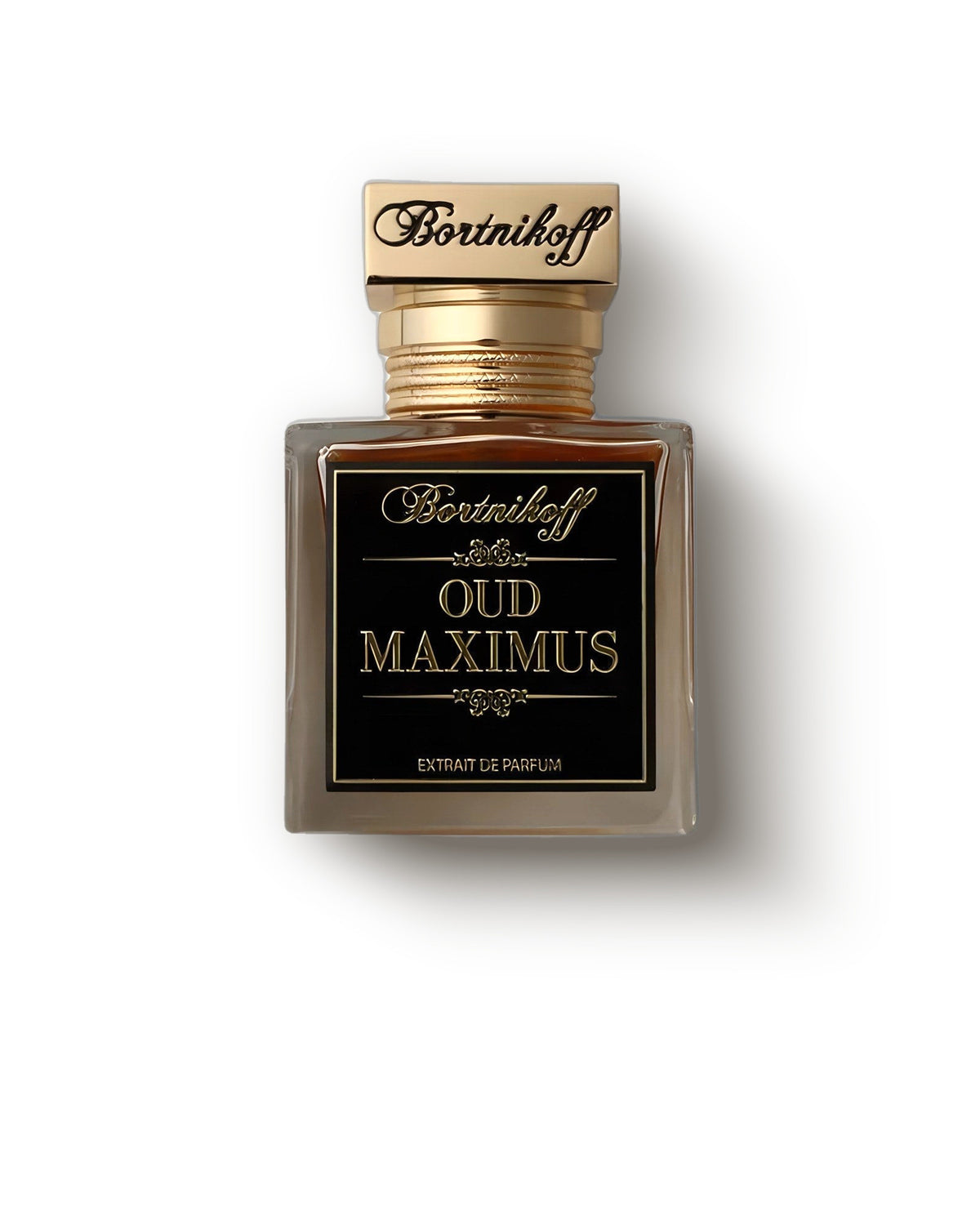
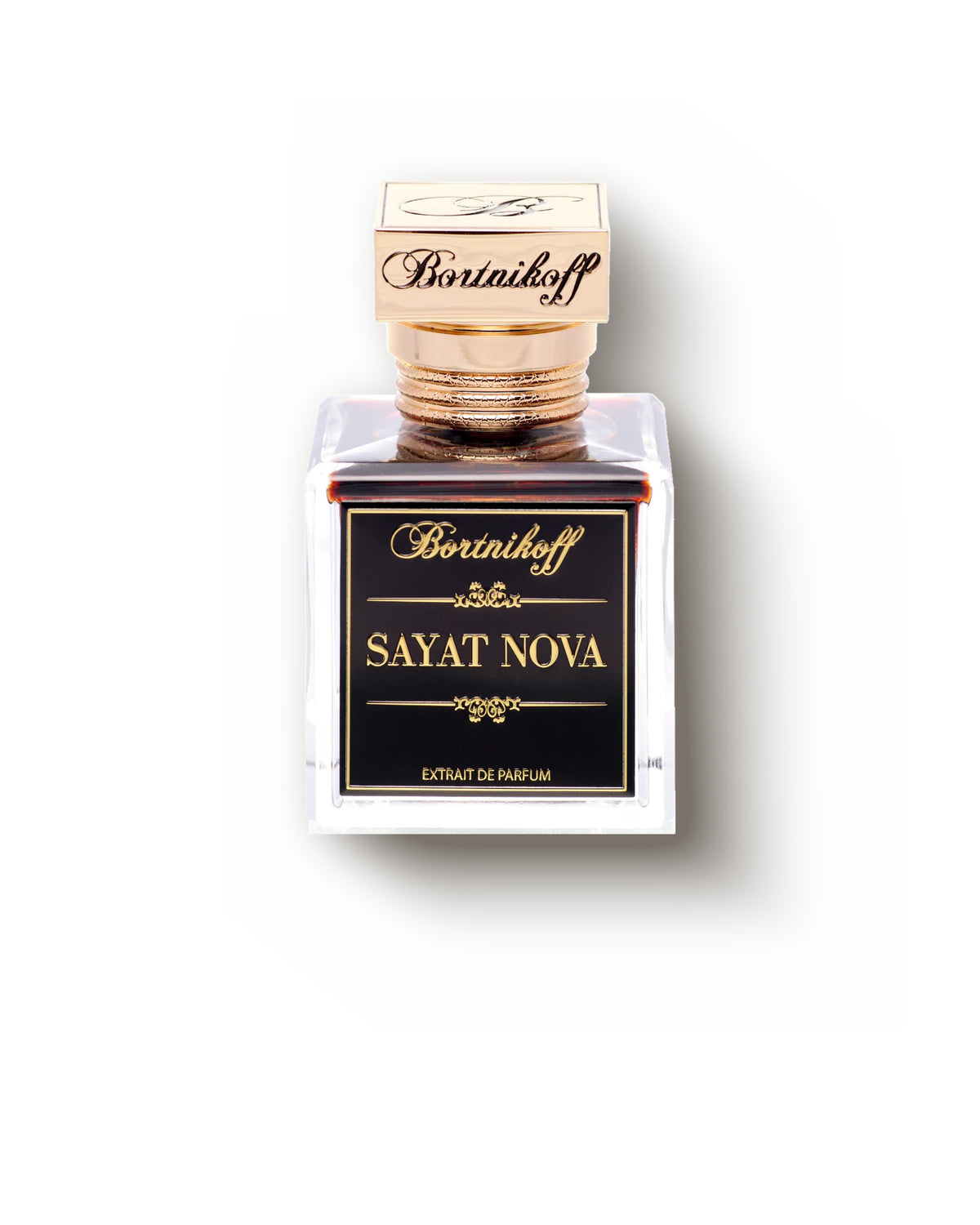
An architect by profession who turned to distilling. He co-founded Feel Oud in 2013, distilling agarwood and sandalwood oils, then launched Bortnikoff in Thailand in 2018. Its perfumes run 95 to 100 per cent natural. He composed Bortnikoff Oud Maximus, and Bortnikoff Sayat Nova and Bortnikoff Santa Sangre with Rajesh Balkrishnan.
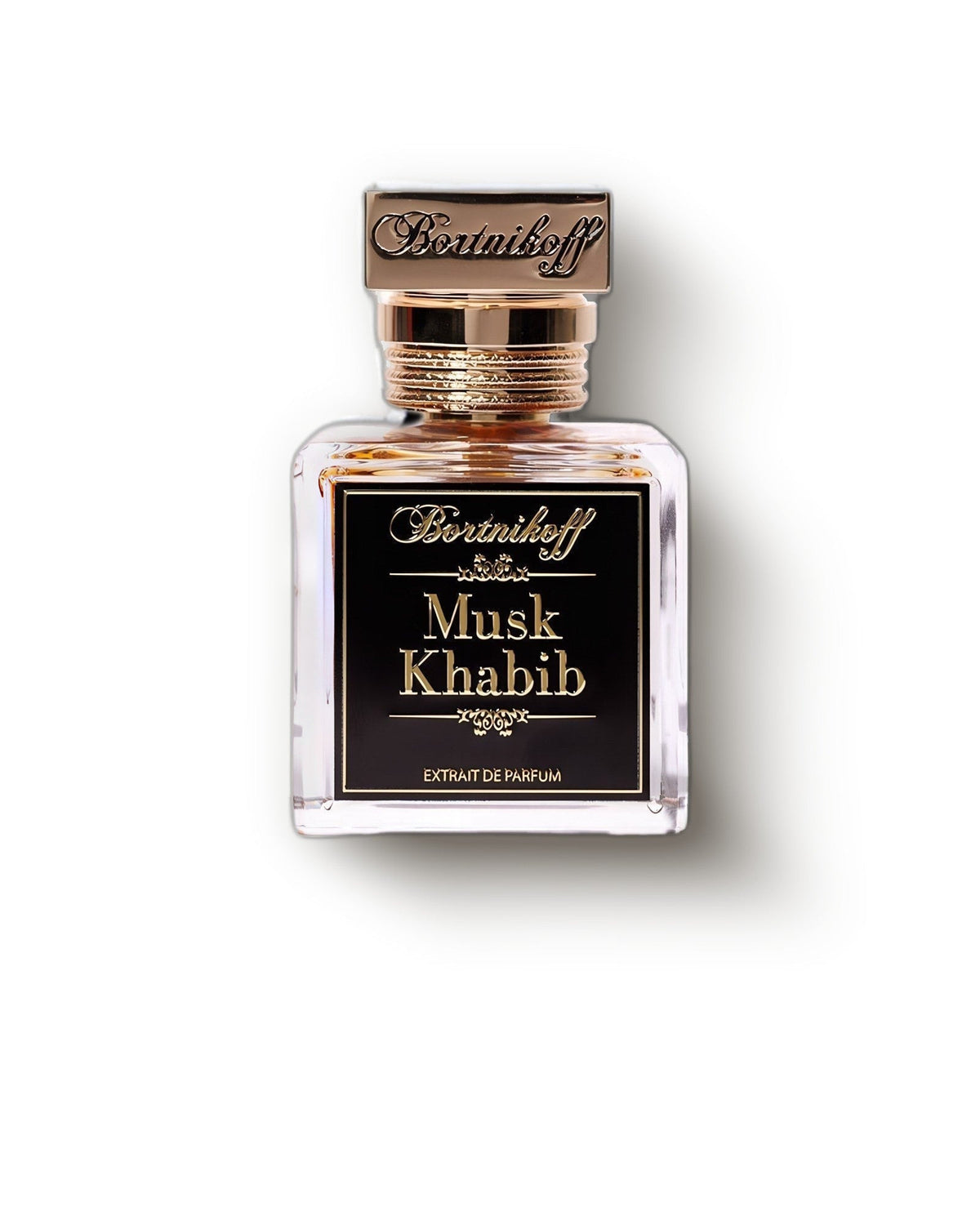
More by this noseOud MaximusMusk KhabibOud Monarch
The Maison

Real oud, true ambergris. Small batch extraits made of living materials.
Dmitry Bortnikoff builds the slow, artisanal way, from naturals most makers simply cannot get their hands on. Real Indian oud, honeyed roses distilled straight into sandalwood, and many oils distilled in house with nineteenth century techniques. The result feels alive on skin, warm and a little unruly.
- Origin
- Thailand
- Founded
- 2018
- Known for
- Real animalics, tiny batches

EVERY DECANT
From the original bottle to your door
We buy the original flacon at full retail price, direct from the house.
A medical grade Socorex syringe takes the exact millilitres straight from the flacon.
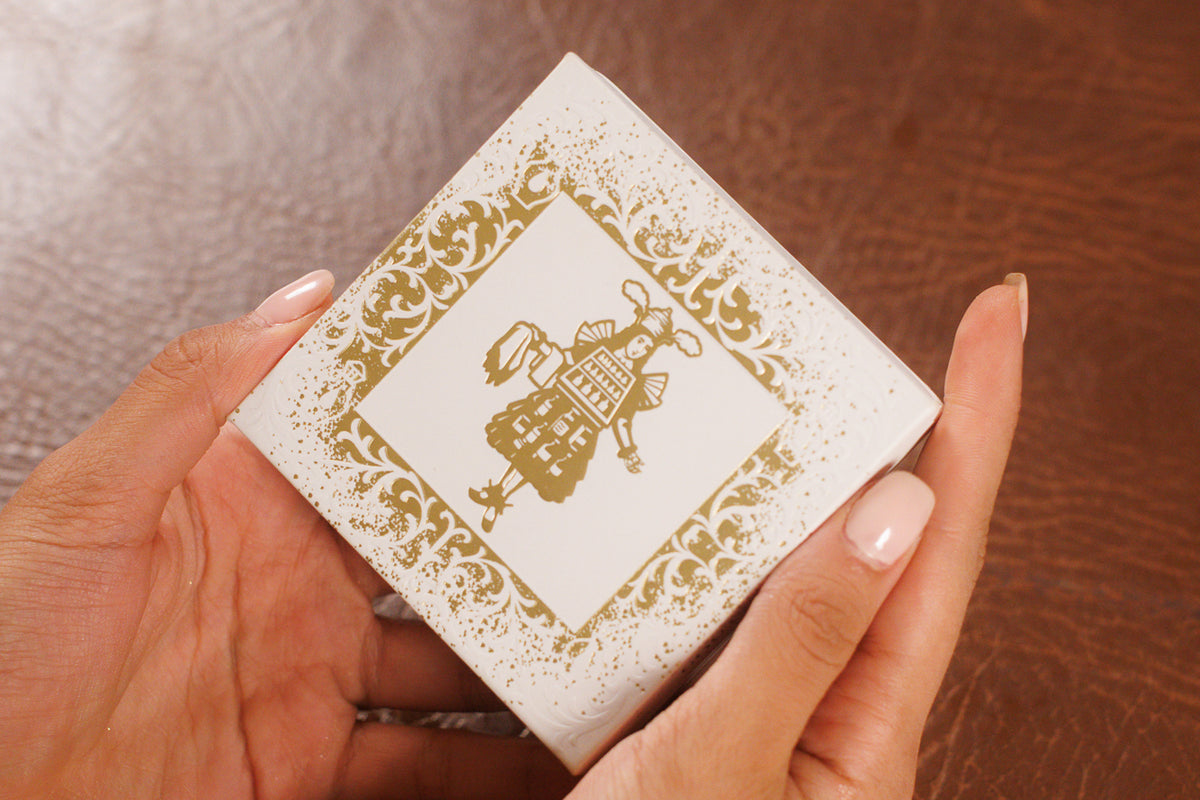
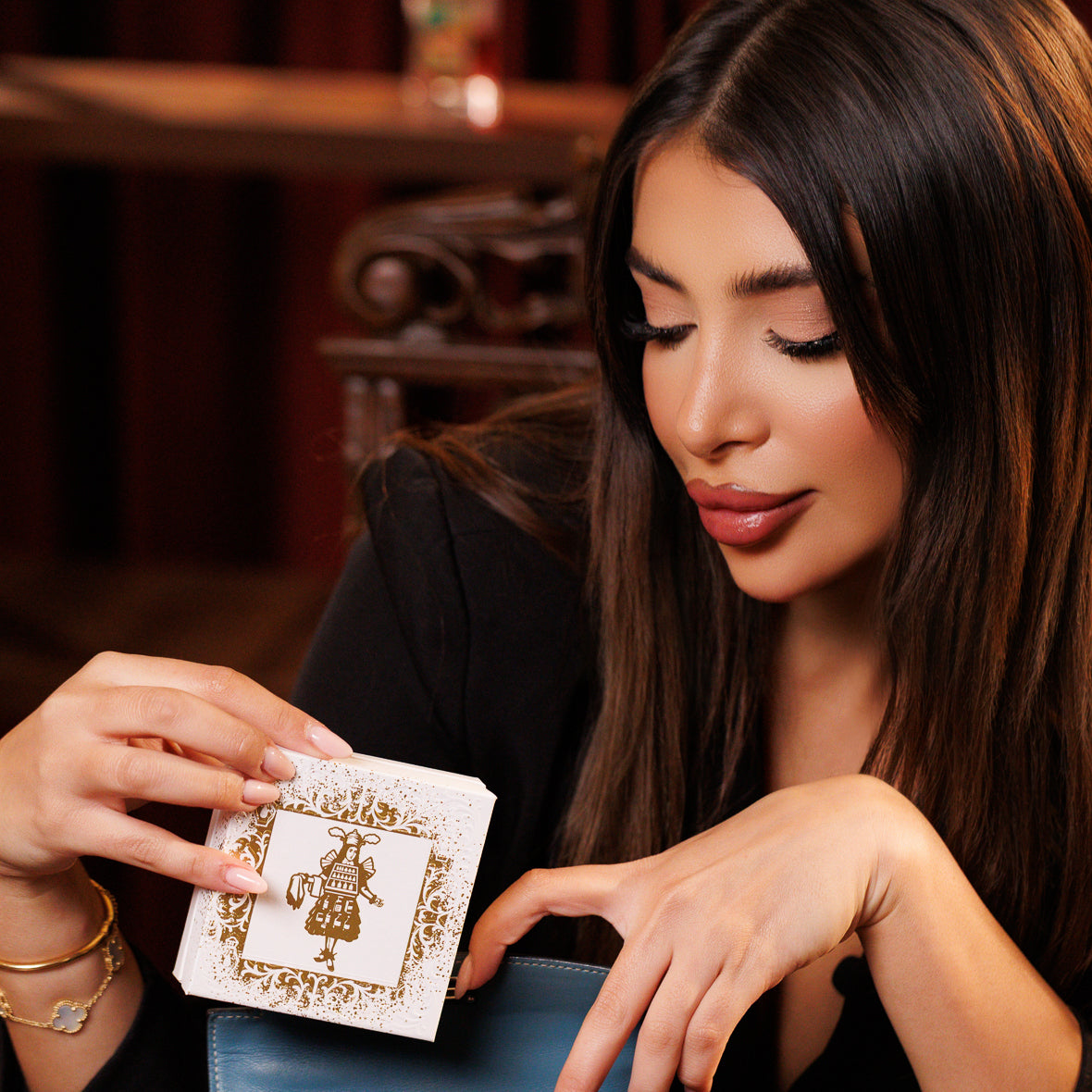
Packed into the hot foiled box and handed to DHL, every duty already paid. How a decant is made
More from Bortnikoff

You may also like