

Creed
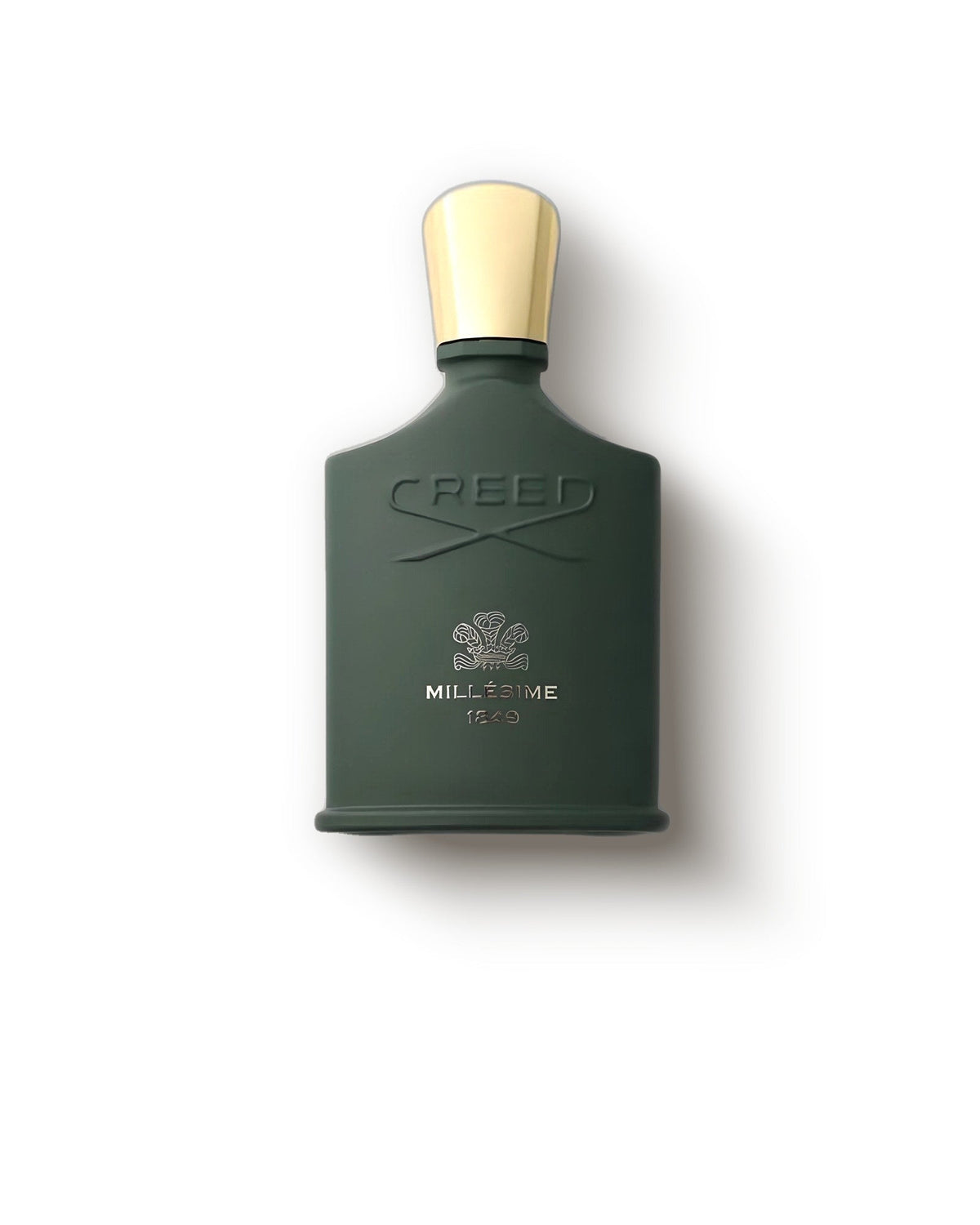
Millésime 1849
The Story
Olivier Creed created Millésime 1849 for Harrods, the year in the name marking the year Harrods was established. It is one of the few places the house turns its archive toward oud.


Woody
Dry grain of cut timber
The smell of cedar shavings, sandalwood, and dry vetiver roots, a sanded, resinous warmth with a faint pencil-box rasp. It feels grounded and composed, the quiet backbone that makes a scent read as serious and lasting.


Yellow Floral
Sunlit mimosa, ylang and champaca
Mimosa, ylang-ylang, champaca, broom: the flowers that smell yellow. Honeyed and faintly buttery, with an indolic hum under the sweetness and none of a white floral's coolness. A garden at noon, pushed to the edge of overripe.


Powdery
Soft hush of dressed skin
A velvety, slightly dry softness of iris root, violet, and fine talc, like face powder or clean linen warmed by skin. It feels intimate, refined, and nostalgic, blurring a fragrance into a gentle, cushioned haze.


White Floral
The flowers you smell across a garden
Jasmine and tuberose share it: thick creamy petals with a ripe, almost animal sweetness underneath, the indole that keeps big florals from ever smelling polite. Green at the edges, overripe fruit in the middle, and louder on warm skin.


Sweet
Warm sugar you cannot quite name
Caramel, honey, spun sugar: sweetness that hovers between all three and never settles on one. This is the gourmand pull, the thing that makes someone lean in closer than they meant to, warm and soft and a half step short of edible.

Warm Spicy
Glowing embers of the spice drawer
The rounded heat of cinnamon, clove, and nutmeg, dry and slightly resinous, like a baking pantry rather than a sharp kitchen. It creates a flushed, enveloping warmth that feels intimate and cool-weather, hugging the skin from within.


Calabrian Bergamot
The radiant top note born on one Italian coast
What it is
Almost every bergamot in every bottle comes from one strip of the Ionian coast around Reggio Calabria. The fruit is too sour to eat. It is grown for the oil pressed cold from its green-gold peel.
How it smells
Brighter than lemon but never as sharp: a sparkling citrus with floral lift, a faint spice, and a green bitterness that keeps the sweetness honest. There is tea in it too, which is not a coincidence.
In perfumery
This is the opening of a thousand colognes, and the reason is diplomatic: it gets citrus to sit down with florals, leather and moss without a fight. Earl Grey is black tea plus this same oil.
Good to know
What makes it sparkle can also burn: bergapten leaves skin hypersensitive to sunlight, so perfumers keep the dose low or strip the molecule out. Like a wine, the oil is protected by name, Bergamotto di Reggio Calabria.


Lemon
Cold yellow zest snapping into bright sun
What it is
Squeezed, not distilled: the colored rind is pressed and scraped until the glands give up their oil. Italy and California grow most of what perfumery uses. The tree's white blossom is a different note entirely.
How it smells
Tart, green and fizzing, all cold rind and mouth-watering sourness, with a faint sweet pith underneath and a waxy edge from the peel itself. Enjoy it fast: it is gone within minutes.
In perfumery
It powers the eau de cologne tradition, working with bergamot, neroli and petitgrain to open a fragrance in full sunlight. Because it burns off so fast, perfumers reinforce it with citral.
Good to know
Cold-pressed lemon carries furocoumarins that leave skin liable to burn in sunlight, so perfumers often reach for a grade with the sun-sensitizing compounds removed. It also spoils in the bottle, oxidizing toward turpentine, which is why citrus fragrances are hard to stabilize.


Grapefruit
Bitter-bright citrus burst with a sulfurous tang
What it is
The oil is in the rind, not the flesh: pressure ruptures the glands and it runs out cold. The fruit was an accident, a chance cross of pomelo and sweet orange that turned up in the Caribbean.
How it smells
Tart and fizzing, with a bitter rind edge and, underneath, something faintly sweaty and sulfurous that is exactly what makes it read as grapefruit rather than orange. It goes quickly, leaving a clean, soapy, bitter-green trace.
In perfumery
Perfumers use it for the opening, the cold slap of freshness before anything else arrives. It sits well with neroli and mint, and turns modern and dry over vetiver or a woody amber base.
Good to know
Almost all of that character is trace: grapefruit mercaptan, which the nose catches at a fraction of a part per trillion, and nootkatone. The oil also leaves skin sun-sensitive, so it is usually stripped or kept low.


Cypress
Dry evergreen breath of the Mediterranean coast
What it is
The tall dark spires along Mediterranean hillsides from Italy to the Levant. Fresh needles and twigs go to the still, and a hundred kilos of green gives up barely one.
How it smells
Crisper and drier than pine, with a cold camphor edge and none of cedar's sweetness. Under the green there is something smoky and mineral, like stone. It dries down resinous and airy rather than heavy.
In perfumery
Perfumers use it for dryness and lift: it sharpens a citrus opening, builds the spine of fougeres and forest accords, and gives chypres an austere backbone without adding weight.
Good to know
From Tuscany to Persia it is the graveyard tree, planted for a wood so rot-resistant it seemed to outlast death. Egyptians cut sarcophagi from it. The scent still carries that hush.


Jasmine
The heady white flower at perfumery's beating heart
What it is
Picking runs by hand in the dark, from before first light into the morning. The blossoms are too fragile to distill, so solvent lifts their oil into a waxy concrete, and alcohol washes the absolute out of that.
How it smells
Sweet, heavy and honeyed, with something faintly animal underneath. Sambac reads green, tea-like and luminous; grandiflorum is fruitier, creamier, heavier on the skin. Both dry down warm and soft, with a mushroomy musk you notice only up close.
In perfumery
Put it in the heart and it ties a citrus opening to the woods underneath, adding volume to both. Rose, tuberose, sandalwood and musk all take it well. Plenty of perfumes are built on jasmine and nothing else.
Good to know
Roughly six thousand hand-picked blossoms go into one gram of absolute, among the costliest materials in perfumery. Part of its depth is indole, which smells like decay when concentrated and turns radiant at the trace the flower carries.


Ylang-Ylang
Sun-warmed tropical bloom, banana-cream and jasmine
What it is
A drooping yellow star of a flower, hand-picked from a tropical tree and held in the still for fifteen to twenty hours. The run is drawn off in stages, each one a different grade, Extra down to Third.
How it smells
Creamy and heady, jasmine over something like banana custard, with rubber and clove threaded through. Extra grade is the bright, fruity, spicy one; the later fractions go deeper, fatter and faintly medicinal, drying down waxy and round.
In perfumery
In the heart it bridges jasmine, rose and tuberose, and it keeps citrus tops from turning thin. It carries the floral bouquet inside the aldehydic classics, and it is the reason a solar tiare accord smells tropical.
Good to know
In Indonesia the blossoms are scattered over the beds of newlyweds. The name is Tagalog, ilang-ilang, flower of flowers. The most fragrant blooms are taken at dawn, while they are still cool.


Orris
Violet powder from a root dried for years
What it is
Iris grown for its roots, not its flowers, in the hills of Tuscany. The rhizomes are dug, dried, then left three to five years before anyone grinds and steam-distils them into a waxy ivory butter.
How it smells
Cool and powdery, a violet with no sweetness in it, closer to face powder and soft suede than to a flower. Raw carrot and flour, damp soil underneath, a faint metallic shine over all of it.
In perfumery
Perfumers use it for body: a little in the heart or base rounds off sharp florals and raw woods and leaves powder behind. Violet, rose and ambrette are its company, and it underpins every great iris fragrance.
Good to know
Dig the root up and it has almost no scent, and nothing like a violet. The irones form as the dried rhizome oxidises, so the years make the violet, not the plant. A tonne gives two kilos of butter.


Turkish Rose
Spiced honey petals from the Isparta valleys
What it is
The valleys around Isparta are planted with damask rose, picked in the dark and finished by mid-morning, before the heat scatters the oil. The still gives rose otto; solvent gives the darker, redder absolute, jammier and fuller.
How it smells
Honey and spice more than dew. Against the brighter Bulgarian rose this one reads warmer and denser, opening fresh and green-edged before settling into something clove-like and deep. There is a peppery flick at the edges.
In perfumery
Put it in the heart and the whole fragrance turns radiant and slightly restless, never one flat rose. Oud, saffron, patchouli and geranium all take it well, in florals, chypres and orientals alike.
Good to know
Three to four tonnes of hand-picked blossoms go into one kilogram of otto. The name is protected as well: Isparta Rose is a registered name of origin covering the provinces of Isparta, Burdur, Afyon and Denizli, and a grower outside that line cannot use it.


Bulgarian Rose
The fresh dawn breath of the Rose Valley
What it is
Damask roses around Kazanlak, in the valley Bulgaria named after them. Three to four tonnes of blossoms go into the still for a single kilo of rose otto. Solvent extraction gives a deep red absolute.
How it smells
Dewy and lemon-bright on top, then honey, then a velvet spice underneath. It is the clearer of the two great damask roses. Give it time and a clove warmth surfaces, with something waxy and close to black tea.
In perfumery
Transparency is what perfumers want from it: it holds its shape next to patchouli, oud, sandalwood or something fruity like lychee, and most of the great rose fragrances lean on it.
Good to know
The harvest is three or four weeks, mid-May into June, and that is the whole year. Pickers are out before sunrise because the day's heat drives the oil off. Left somewhere cool, the otto crystallises in the bottle.


Cedarwood
Dry pencil shavings and sun-warmed timber
What it is
The cedar in your pencil and your closet is usually a juniper. Virginia and Texas cedar both are; among the cedars of perfumery, only Atlas and Himalayan are true Cedrus. The oil is steam-distilled from heartwood chips and sawmill dust.
How it smells
Freshly sharpened pencils, and the inside of a cedar chest. Virginia leans pencil-dry and balsamic; Atlas is sweeter, almost honeyed. Both carry a clean, faintly camphor-cool smoke that settles into sappy warmth.
In perfumery
A heart-to-base workhorse: dry structure other materials can lean on. It sits well with vetiver, rose, citrus and incense, and it is the smoke in the drydown of countless modern woody-ambers.
Good to know
Cedar rarely appears alone. Its molecules, reworked in the lab, form the backbone of a great many contemporary woody fragrances, which is why so much of the modern woody shelf smells faintly of a sharpened pencil.


Sandalwood
Creamy wood, pulled up by the roots
What it is
The richest oil sits in the roots, so the whole tree is pulled up and steam-distilled rather than felled. Mysore in southern India was the classic source, until decades of overcutting pushed the wild trees to the edge.
How it smells
Milk and warm wood, with a rosy, almost buttery edge and nothing sharp at all. What surprises people is how little it moves: no bright opening, no dry-down drama, just the same quiet glow for hours.
In perfumery
It works twice over: as a smell, and as a fixative that holds rose or jasmine in place. Sandalwood is also graded, and the darkest, densest, most resin-heavy old heartwood carries its own name: red meat.
Good to know
A heart worth taking takes about thirty years to form. Plantations of the same species in Western Australia now supply a large share of the world's oil, close to the old Mysore chemistry if not quite its creaminess.


Incense
The smell of resin hitting hot coal
What it is
What you are smelling is a change of state: resin meeting heat. The resin is usually olibanum, wept by Boswellia trees in Oman and the Horn of Africa, and perfumers round the effect out with labdanum and styrax.
How it smells
Cool and dry to begin with, sharp enough to read as turpentine, then the smoke arrives: peppery, ashen, faintly sweet. There is a stone-church quality to it, soapy and faintly green, and it stays close to the skin.
In perfumery
It works the way silence works in a room. From the heart into the base it cools florals, sharpens woods and drops a weight of ritual into oriental and chypre structures that would otherwise read as merely rich.
Good to know
Long before anyone wore it, this smoke was among antiquity's costliest imports. It moved along the Arabian caravan roads to temples around the Mediterranean, where burning it was the point: the scent was the offering.


Agarwood
The wounded heartwood where oud begins
What it is
Wound an Aquilaria tree and it fights back, flooding the injury with resin until the pale, odourless wood turns dense. Burn that or distil it and you have oud. The two words name one thing at different stages.
How it smells
On a charcoal burner it goes warm and sweet, woody smoke threaded with resin and spice. The best wood drifts toward honey, incense and a cool camphor lift. Younger wood is greener, sharper, closer to fermented damp earth.
In perfumery
Most of it never becomes perfume: it is burned as wood, from Gulf bakhoor to Japanese incense. Aquilaria is CITES listed, so trade is regulated rather than closed, and much of today's oil comes from inoculated plantation trees.
Good to know
Grade is weight: the most resin-soaked pieces sink in water, which is why East Asian names for it mean sinking incense. The rarest, kyara, is cooler and sweeter than the rest, treated as almost sacred and priced accordingly.


Thyme
Sun-warmed scrub herb, bracing or oddly sweet
What it is
A knee-high woody shrub of the mint family, wild over dry Mediterranean hillsides and farmed from southern France to North Africa. The flowering tops are steam-distilled, usually after partial drying, into an oil loaded with phenols.
How it smells
Green and intensely herbal, and at its sharpest more medicine cabinet than kitchen, with a warm camphorous edge behind the bite. Dry and peppery first, then a softer woody warmth, the smell of scrub baking at noon.
In perfumery
A top-to-heart lift that keeps a formula from going soft. Thyme sharpens fougeres and aromatic chypres beside lavender, rosemary and oakmoss, and gives barbershop compositions their clean herbal snap.
Good to know
Thyme comes in chemotypes: plants that look identical but are born to make different oils, with altitude and climate deciding which takes over a hillside. Thymol thyme is the medicinal one. Wild hill thyme leans linalool, softer and sweeter.


Bay Leaf
Victors' laurel, kitchen spice, barbershop rum
What it is
The leaf that crowned poets and emperors also goes into the stew pot. Its oil is steam-distilled from Mediterranean bay laurel, and the word laureate comes straight from it. A second, unrelated leaf is also sold as bay.
How it smells
Cool and green up front, a eucalyptus-camphor lift, then warm clove spice and a peppery, faintly medicinal edge underneath. Mediterranean laurel stays herbal and resinous; the West Indian leaf runs sweeter, more clove, almost smoky as it dries.
In perfumery
It sits near the top, green and cool enough to sparkle over lavender, citrus, rum and tonka in fougeres, chypres and old masculine accords. West Indian bay is the leaf behind bay rum itself.
Good to know
Botanically the two have nothing to do with each other. The Caribbean one is an allspice cousin, steeped and distilled with rum in the Danish West Indies from the 1840s, which is where barbershops got their tonic.
Fragrance Character
The bergamot lifts sharply at first, bright and citric, then retreats quickly as orris and roses claim the middle. Ylang-ylang pushes forward with a rubbery, almost narcotic sweetness, held in check by the dry woodiness beneath. On the drydown, agarwood and incense merge over Texas cedarwood into a smoky, skin-close resin that lingers with quiet persistence.


Longevity
how long it stays on skin
The hourglass reads wear time: how many hours the fragrance keeps speaking before it fades. A bar that barely leaves the start means a few fleeting hours. One that runs the full length carries from morning into evening. Treat it as typical, not promised. Oily skin holds scent far longer than dry.


Sillage
the size of its scent trail
Sillage is French for a ship's wake, and that is exactly what this measures: how much of the scent reaches the room instead of staying on you. Low is a whisper only close friends catch. Enormous fills the room, then keeps filling it after you leave.


Experimental
Built to provoke, not to please
Some perfumes are made to be liked. These are made to be argued about: inky tar, hot rubber, fruit on the turn, metal and fur where you expected flowers. The coin glows for a scent that provokes and dims for one that plays it safe, which is sometimes the point.


Office
Polished, and never louder than the room
Scent is manners in a shared room. At this range it should reach the person across the desk and stop there: tidy citrus, soft musk, pale woods, all of it reading competent and considerate. A glowing coin means nobody has to mention it. A dim one means it travels.


Evening
After dark, when it deepens
Dinner, drinks, the night that runs long. Low light is where ambers, resins and smoky woods stop being polite, and where a plush floral finally blooms. A glowing coin means it is waiting for exactly this hour. A dim one means it did its best work in daylight.


Romantic
Close enough to be felt
A fragrance can hum against skin instead of announcing itself across a table. That is the register here: creamy florals, vanilla, soft musk, a thread of spice, warm enough to make someone lean in. The coin glows when a scent sets that mood and dims when it is more practical than seductive.


Formal
Quiet authority in a dressed-up room
A wedding, a ceremony, a room where everyone has thought about their shoes. What works here is structure, not volume: smooth woods, disciplined florals, soft leather. A glowing coin means it holds its posture all evening. A dim one means it is too casual for the room.


Casual
Easy comfort for unhurried days
Errands, coffee, a slow Saturday with nowhere to be. Nothing here has to impress anyone, so the fit is soft and easy: fresh citrus, light woods, a little warmth off the skin. A glowing coin says yes to all that. A dim one means the fragrance is asking for a bigger night.


Day to Night
where its mood naturally falls
A bar running from sun to moon, reading the hour the fragrance was made for. The more of it that stays gold, the more the scent belongs to daylight and open air. The further the blue reaches back toward the sun, the deeper and warmer it turns: evening, candlelight, low rooms.


Winter
Warmth that carries through cold air
Cold air mutes a fragrance and slows it down, which is why winter belongs to the dense and the warm: resin, smoke, vanilla, leather, ambered spice. The bar reads how well this one pushes back, glowing against the chill instead of thinning out in it.


Spring
Fresh blooms in mild, rising warmth
Mild, humid air lifts a light composition, so the season belongs to dewy florals, green stems, soft powder and citrus you can see through. Alive rather than heavy. The further the green runs along the bar, the more comfortably this one wears in that weather.


Summer
Bright and airy in real heat
Heat does the projecting for you, which is why the wrong perfume turns unbearable by noon. What survives is cool and breathable: sharp citrus, salt air, aromatic herbs, water. Things that refresh instead of cloy. A short bar here means save it for cooler months.


Fall
Spiced warmth for cooling days
As the air cools, the rich materials stop smothering and start reading clearly: dry woods, warm spice, tobacco, amber, fruit gone golden. It is the season perfume turns contemplative. The bar fills according to how naturally this one settles into crisp, cooling days.
Best Worn
At ease through the workday yet refined enough for dressed-up moments, this is a spring and fall signature that carries its bright-then-woody weight from daylight hours into the evening, worn deliberately rather than loudly.
Choose options
The Vibe


The Nose

Olivier Creed
Perfumer
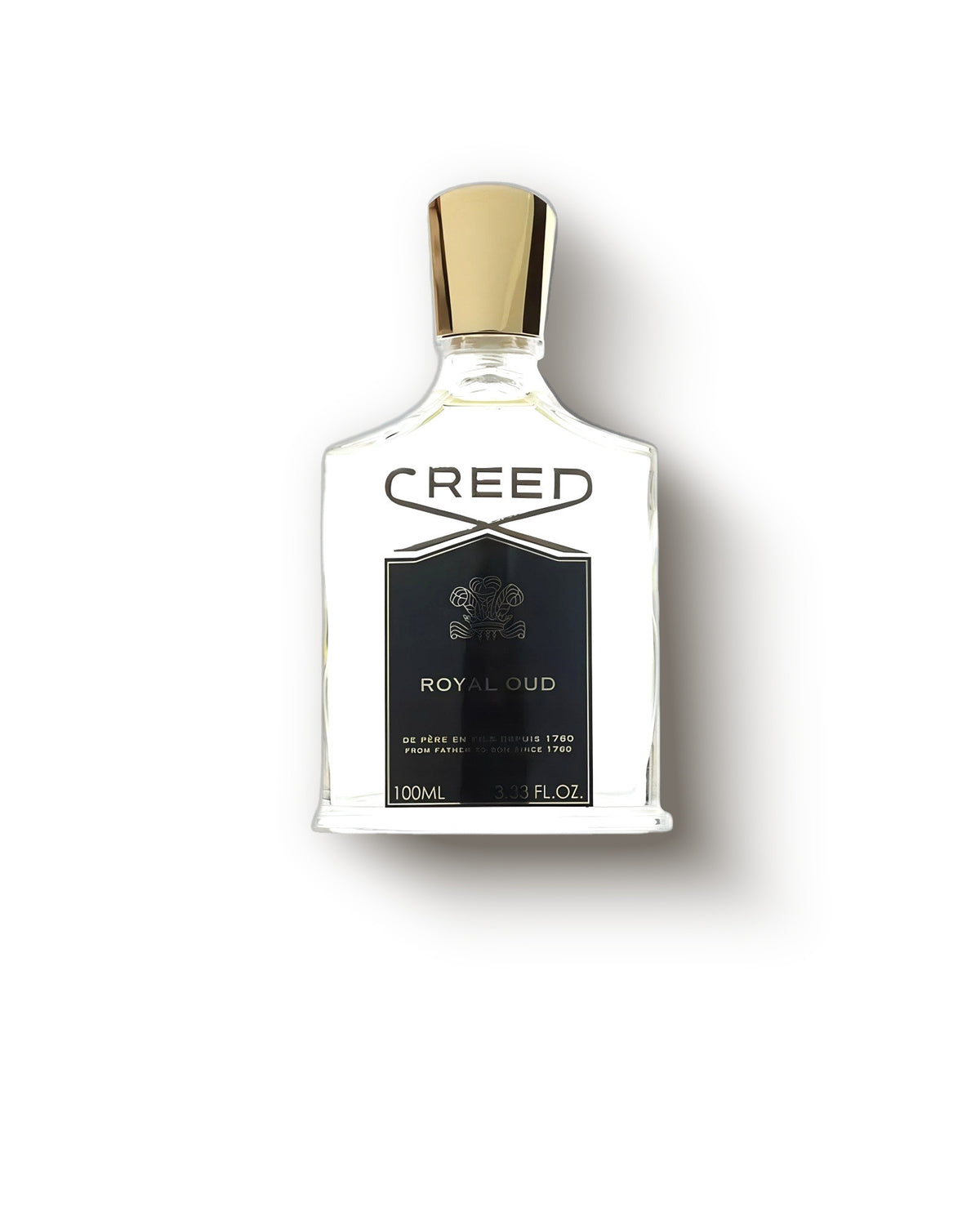
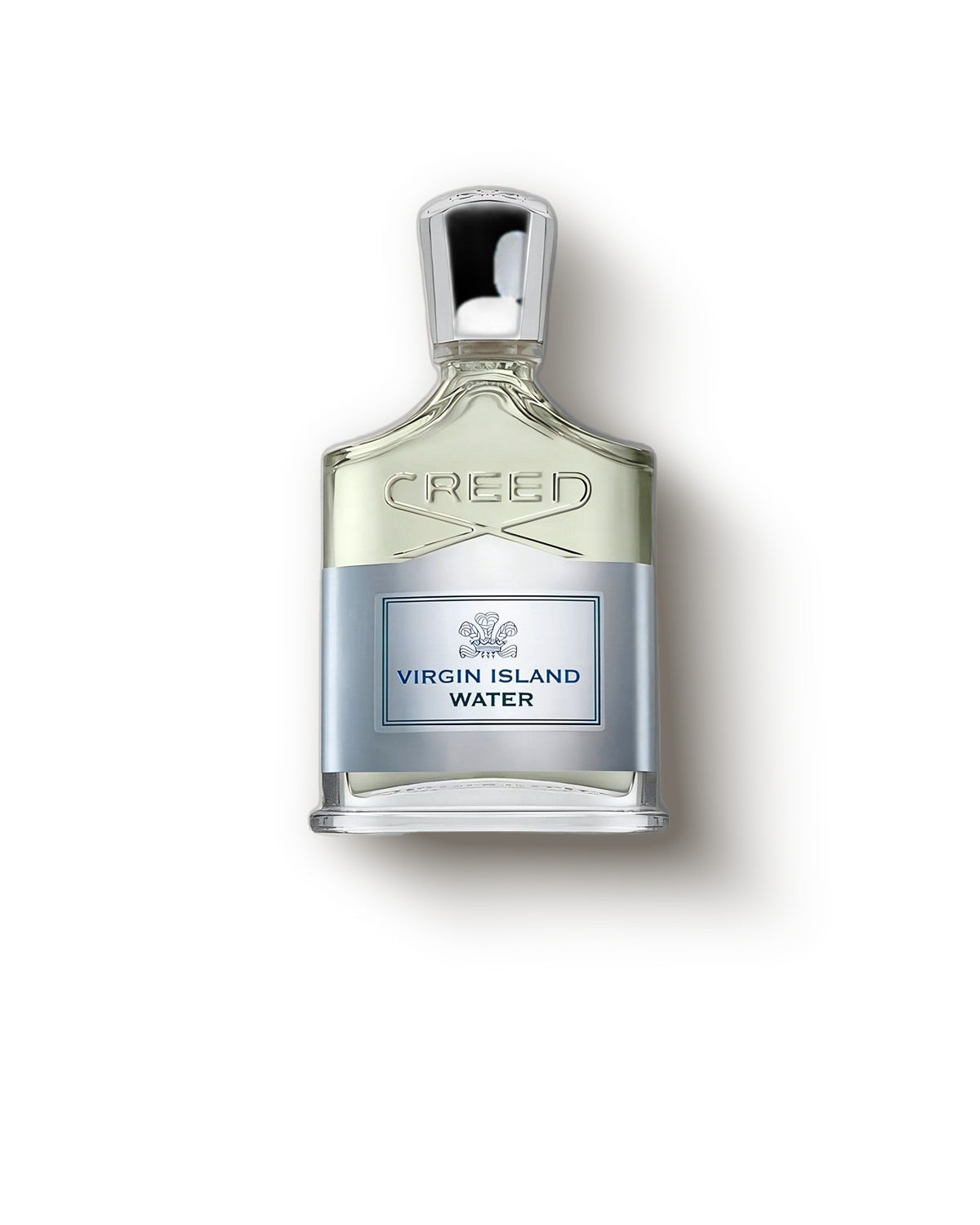
Sixth-generation head of the House of Creed, master perfumer until his death in May 2026. He joined the family business at 18, beside his father James. Under his direction the house launched Creed Aventus, Creed Green Irish Tweed, Creed Silver Mountain Water, Creed Virgin Island Water and Creed Royal Oud.
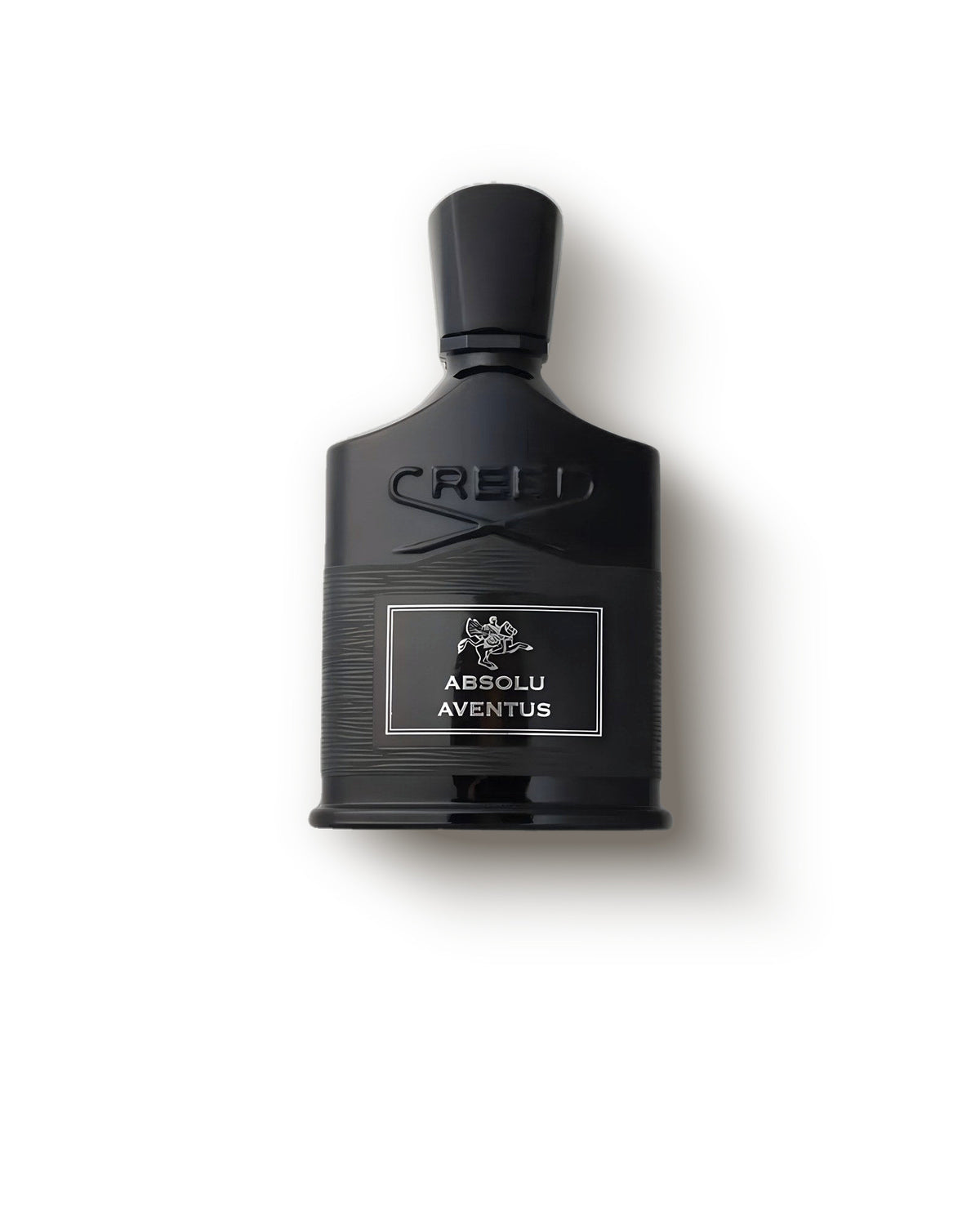
More by this noseAbsolu AventusCarminaRoyal Oud

Erwin Creed
Perfumer
Seventh-generation Creed, son of Olivier, trained by his father inside the family house rather than at a perfumery school. With his father he co-created Creed Love in White, Creed Virgin Island Water, Creed Fleurs de Gardenia, Creed Himalaya and Creed Original Vetiver. Creed Millésime 1849 was his first project with Harrods.
More by this noseAbsolu AventusVirgin Island Water
The Maison

The polished entrance, from Green Irish Tweed’s cut grass to the swagger of Aventus, tried by the millilitre.
Creed is the fragrance you notice before you notice the person wearing it. Fresh citrus caught over old wood, a lavender that reads like a pressed collar, a pineapple sparkle that has become shorthand for confidence. These are scents people commit to for years, which is exactly why they reward trying first.
- Origin
- Paris, France
- Founded
- 1760
- Known for
- Aventus, Green Irish Tweed, Royal Oud

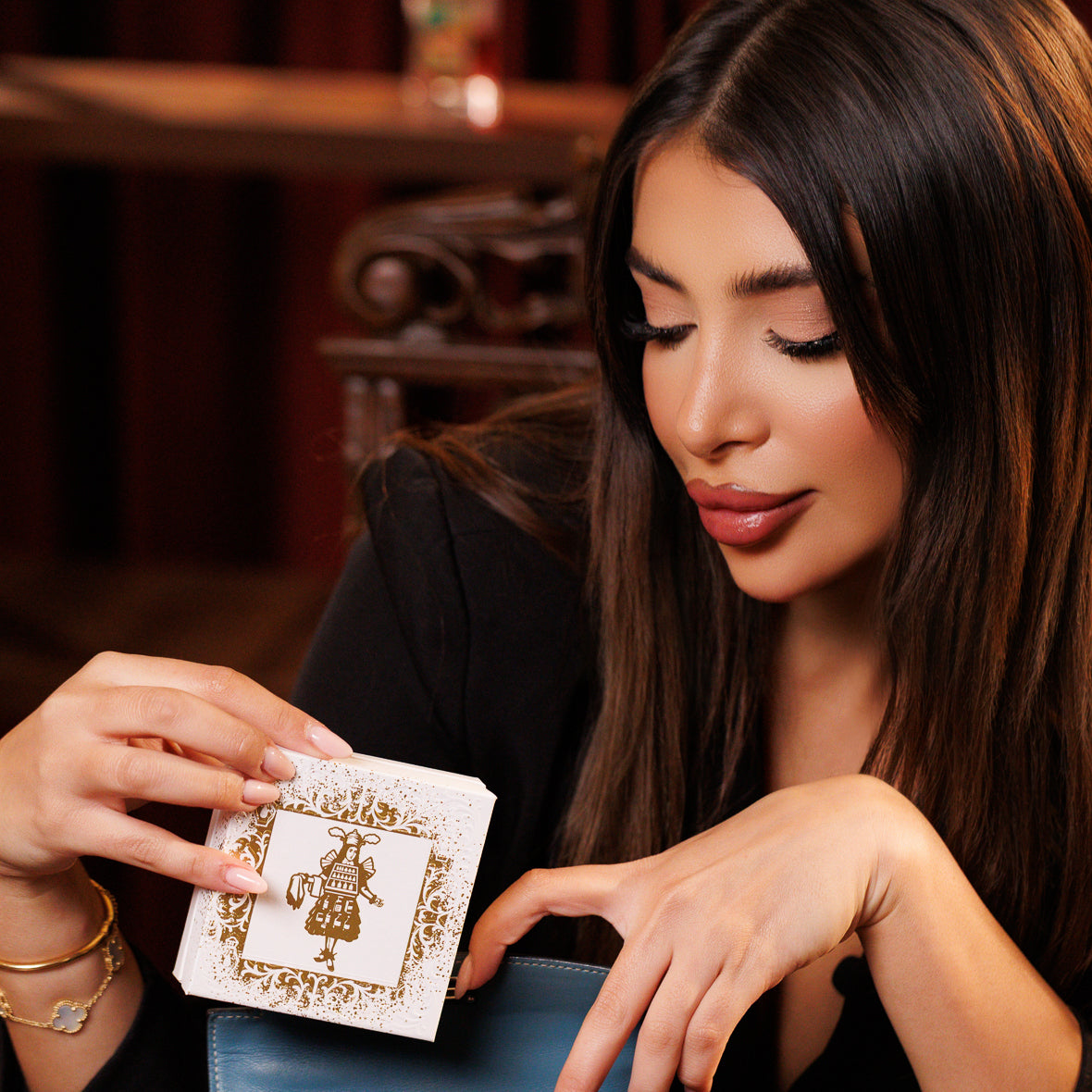
EVERY DECANT
From the original bottle to your door
We buy the original flacon at full retail price, direct from the house.
A medical grade Socorex syringe takes the exact millilitres straight from the flacon.
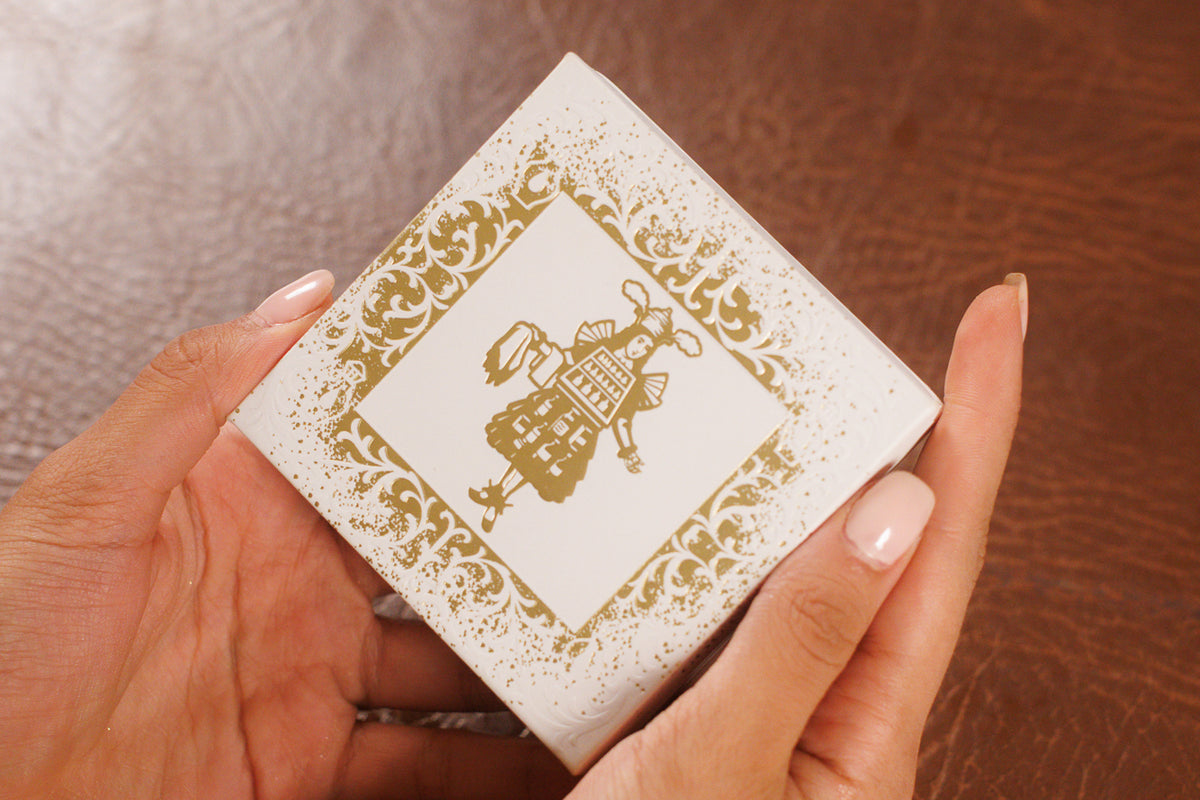
Packed into the hot foiled box and handed to DHL, every duty already paid. How a decant is made
More from Creed
You may also like