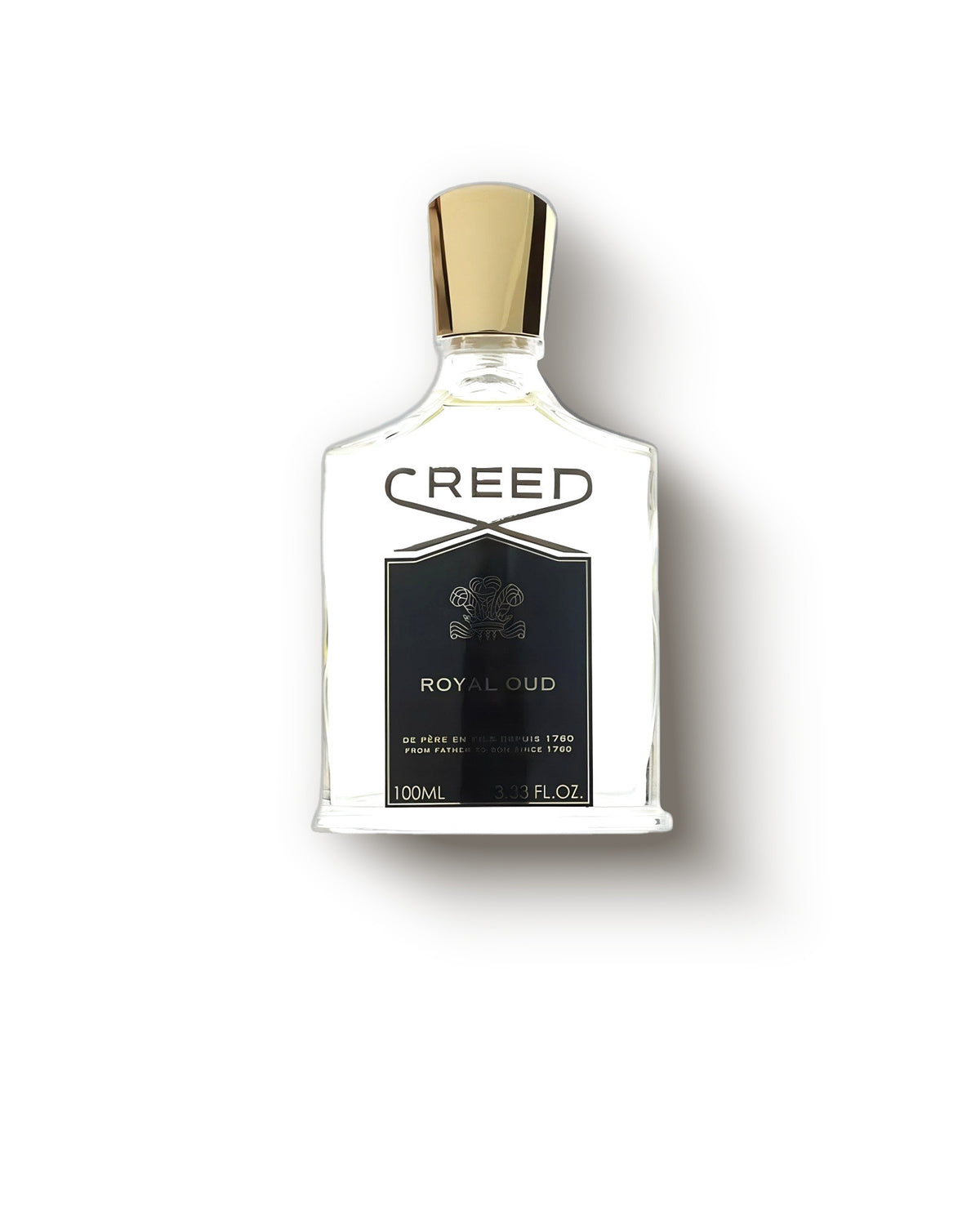


Creed
Royal Oud
The Story
Royal Oud was built from a single image, the interior of a Persian palace read through wood, leather, marble and gold. Creed built the oud as a precious, sweet agarwood note, and Olivier Creed keeps it in balance with cedar and angelica rather than letting it dominate, which is what separates it from the Middle Eastern oud tradition it borrows from.


Woody
Dry grain of cut timber
The smell of cedar shavings, sandalwood, and dry vetiver roots, a sanded, resinous warmth with a faint pencil-box rasp. It feels grounded and composed, the quiet backbone that makes a scent read as serious and lasting.


Musky
Warm breath of clean skin
A soft, slightly animalic warmth that smells like clean skin and freshly dried laundry, intimate and faintly sweet. It hums quietly underneath a fragrance, a second skin that only registers when someone is already standing close enough to catch it.


Powdery
Soft hush of dressed skin
A velvety, slightly dry softness of iris root, violet, and fine talc, like face powder or clean linen warmed by skin. It feels intimate, refined, and nostalgic, blurring a fragrance into a gentle, cushioned haze.


Citrus
First bright zest of morning
The juicy, rind-snapping brightness of lemon, bergamot, and orange peel, tart and effervescent with a clean bitter edge. It opens a scent with instant lift and sparkle, fresh and energizing, evaporating quickly like sunlight on water.


Aromatic
Crushed herbs in cool air
The green, camphorous coolness of lavender, rosemary, sage, and thyme, like herbs bruised between the fingers. It feels clean, invigorating, and a touch austere, the crisp backbone of a classic barbershop freshness.


Soft Spicy
the mild end of the spice rack
Something spice-dusted, cooling on a counter. Clove, nutmeg and powdered cinnamon with all the heat gone out of them, worn down into a low warm hum that stays close to the skin and asks nothing of anyone. Comfort, not fire.


Grapefruit
Bitter-bright citrus burst with a sulfurous tang
What it is
The oil is in the rind, not the flesh: pressure ruptures the glands and it runs out cold. The fruit was an accident, a chance cross of pomelo and sweet orange that turned up in the Caribbean.
How it smells
Tart and fizzing, with a bitter rind edge and, underneath, something faintly sweaty and sulfurous that is exactly what makes it read as grapefruit rather than orange. It goes quickly, leaving a clean, soapy, bitter-green trace.
In perfumery
Perfumers use it for the opening, the cold slap of freshness before anything else arrives. It sits well with neroli and mint, and turns modern and dry over vetiver or a woody amber base.
Good to know
Almost all of that character is trace: grapefruit mercaptan, which the nose catches at a fraction of a part per trillion, and nootkatone. The oil also leaves skin sun-sensitive, so it is usually stripped or kept low.


Cardamom
Green spice cracking open with citrus heat
What it is
Pickers take the pods before they ripen, which means doing it by hand. A ginger relative from the forests of southern India, now farmed widely in Guatemala. The seeds inside are what gets distilled.
How it smells
Crack one and you get cool eucalyptus lift over warm pepper, lemon peel and a little pine resin. There is a smoky breadiness in it too, the smell of chai. Sharp and effervescent first, then soft and balsamic.
In perfumery
It sits between top and heart, a spice sparkle that stays cool, letting a composition move from citrus into woody amber without the weight of clove or cinnamon. Rose, leather and oud all take it well.
Good to know
The pod is packaging. Sealed, it keeps the oil intact; cracked, the aroma starts escaping straight away, which is why distillers work fast and why pre-ground cardamom is a ghost of the whole pod.

Angelica
A root that makes its own musk
What it is
Most musk in perfumery is made in a lab. Angelica is one of the few plants that makes its own: dry the root, age it, distil it, and out come the same ring-shaped lactones that carry musk's warmth.
How it smells
Earthy and warm, with a green pepper bite and something faintly animal beneath, like soil freshly turned. It darkens as it wears, never sweetening. The seed oil is another creature: herbaceous, spicy, gin-clean.
In perfumery
It enters at the top, runs through the heart, then holds the rest of the formula in place. Chypres take it; so do gin accords. Vetiver, juniper and incense are its natural company.
Good to know
Phototoxicity is the catch. The oil turns skin sensitive to sunlight, so the dose stays small no matter how good it smells. Small suits it anyway: overdo the root by a fraction and it takes the perfume over.


Geranium
A rose with green stems and crushed mint
What it is
The perfumer's geranium is not a geranium at all. It is a pelargonium, and the rose smell sits in the leaves and stems, which is the part that goes into the still.
How it smells
Crush a leaf and you get rose, but rose with the stem still attached: green, crisp, a little peppery, cooled by something minty. Lemon and a powdery sweetness thread through it.
In perfumery
It works the heart, bridging florals and fougeres, and its herbal edge is the reason so much of it ends up in scents marketed to men. Rose, mint, clove, bergamot and vetiver all take it well.
Good to know
Geranium and rose share citronellol, which is why geranium can stand in for part of a rose accord far more affordably. Reunion's Bourbon crop, once the benchmark, has thinned as growing shifted to Egypt and China.


Oud
Sweet agarwood that Creed's own copy traced to India
What it is
Oud is the dark resin an agarwood tree lays down in its heartwood to seal a wound, and the oil drawn from that wood. Creed's own product copy described a precious, sweet oud extracted from agarwood trees that grow only in certain parts of India. The current house page lists it simply as oud.
How it smells
Here it reads lean and polished rather than dense or smoky: dry, sweet wood with a soft resinous warmth and a faint leathery shadow. Cedar, angelica and incense keep it upright, and it settles close to the skin without the barnyard weight of a heavy oud attar.
In perfumery
The house says Royal Oud marries classic base notes of oud and cedarwood, set here beside benzoin and an incense accord. The oud gives the base its depth and quiet richness while the cedar keeps it dry, a Western reading of a material at the heart of Middle Eastern perfumery.
Good to know
Creed's copy called the oud a carefully guarded resource and its raw materials coveted. Real agarwood forms only where a tree has been wounded, and resin-rich wood takes years to develop, which is why good oud has always been scarce.


Incense
The smell of resin hitting hot coal
What it is
What you are smelling is a change of state: resin meeting heat. The resin is usually olibanum, wept by Boswellia trees in Oman and the Horn of Africa, and perfumers round the effect out with labdanum and styrax.
How it smells
Cool and dry to begin with, sharp enough to read as turpentine, then the smoke arrives: peppery, ashen, faintly sweet. There is a stone-church quality to it, soapy and faintly green, and it stays close to the skin.
In perfumery
It works the way silence works in a room. From the heart into the base it cools florals, sharpens woods and drops a weight of ritual into oriental and chypre structures that would otherwise read as merely rich.
Good to know
Long before anyone wore it, this smoke was among antiquity's costliest imports. It moved along the Arabian caravan roads to temples around the Mediterranean, where burning it was the point: the scent was the offering.


Benzoin
Warm vanilla balsam wept from a tapped tree
What it is
Benzoin does not flow on its own. Someone cuts the bark of a styrax tree in Laos, Vietnam or Sumatra, and the wound weeps a gum that hardens over months into reddish tears.
How it smells
Sweet, warm, unmistakably vanillic, with a powdery amber softness underneath. Siam benzoin is rounder and creamier; Sumatra runs smokier, with a cinnamon bite. Left on skin it turns almost caramelized.
In perfumery
A base note that behaves like a fixative and a sweetener at once, giving amber accords their glow and holding the rest of the composition still. It softens sharp edges beside labdanum, tonka and incense.
Good to know
The word benzene comes from here. Chemists named benzoic acid after this resin, and benzene took its name from the acid. The resin's own name is a worn-down Arabic phrase, luban jawi, frankincense of Java.


Cedar
Dry sharpened pencils and sun-warmed timber
What it is
Most perfumery cedar is not cedar. It is juniper, from the Virginia and Texas trees, steam-distilled from chips and sawmill shavings. True Atlas cedar exists and is used, but it is the smaller source.
How it smells
Freshly sharpened pencils, then the inside of a cedar-lined closet. Atlas leans warm, smoky and balsamic; Virginia reads sharper and cleaner. Either way it settles into soft sawdust warmth and stays there for hours.
In perfumery
A workhorse. It gives woody compositions their backbone and holds lighter materials in place, sitting comfortably beside vetiver, rose, citrus and amber. Its plummy-woody core runs through most modern unisex woods.
Good to know
Egyptian embalmers poured cedar oil into the body rather than burning it, and cedar timber lined the tombs and coffins they meant to outlast them. The true cedars and the junipers share a name through smell, not lineage.
Fragrance Character
The opening projects with genuine authority, grapefruit and cardamom giving way to a crisp, rosy-green geranium heart stiffened by the faint root-like pull of angelica. As warmth fades from the skin, the oud emerges not as a dense smoke but as a lean, polished woodiness, the benzoin and dry cedar rounding its edges. It settles into a clean, skin-close drydown that lasts well into the hours without ever turning heavy.


Longevity
how long it stays on skin
The hourglass reads wear time: how many hours the fragrance keeps speaking before it fades. A bar that barely leaves the start means a few fleeting hours. One that runs the full length carries from morning into evening. Treat it as typical, not promised. Oily skin holds scent far longer than dry.


Sillage
the size of its scent trail
Sillage is French for a ship's wake, and that is exactly what this measures: how much of the scent reaches the room instead of staying on you. Low is a whisper only close friends catch. Enormous fills the room, then keeps filling it after you leave.


Experimental
Built to provoke, not to please
Some perfumes are made to be liked. These are made to be argued about: inky tar, hot rubber, fruit on the turn, metal and fur where you expected flowers. The coin glows for a scent that provokes and dims for one that plays it safe, which is sometimes the point.


Office
Polished, and never louder than the room
Scent is manners in a shared room. At this range it should reach the person across the desk and stop there: tidy citrus, soft musk, pale woods, all of it reading competent and considerate. A glowing coin means nobody has to mention it. A dim one means it travels.


Evening
After dark, when it deepens
Dinner, drinks, the night that runs long. Low light is where ambers, resins and smoky woods stop being polite, and where a plush floral finally blooms. A glowing coin means it is waiting for exactly this hour. A dim one means it did its best work in daylight.


Romantic
Close enough to be felt
A fragrance can hum against skin instead of announcing itself across a table. That is the register here: creamy florals, vanilla, soft musk, a thread of spice, warm enough to make someone lean in. The coin glows when a scent sets that mood and dims when it is more practical than seductive.


Formal
Quiet authority in a dressed-up room
A wedding, a ceremony, a room where everyone has thought about their shoes. What works here is structure, not volume: smooth woods, disciplined florals, soft leather. A glowing coin means it holds its posture all evening. A dim one means it is too casual for the room.


Casual
Easy comfort for unhurried days
Errands, coffee, a slow Saturday with nowhere to be. Nothing here has to impress anyone, so the fit is soft and easy: fresh citrus, light woods, a little warmth off the skin. A glowing coin says yes to all that. A dim one means the fragrance is asking for a bigger night.


Day to Night
where its mood naturally falls
A bar running from sun to moon, reading the hour the fragrance was made for. The more of it that stays gold, the more the scent belongs to daylight and open air. The further the blue reaches back toward the sun, the deeper and warmer it turns: evening, candlelight, low rooms.


Winter
Warmth that carries through cold air
Cold air mutes a fragrance and slows it down, which is why winter belongs to the dense and the warm: resin, smoke, vanilla, leather, ambered spice. The bar reads how well this one pushes back, glowing against the chill instead of thinning out in it.


Spring
Fresh blooms in mild, rising warmth
Mild, humid air lifts a light composition, so the season belongs to dewy florals, green stems, soft powder and citrus you can see through. Alive rather than heavy. The further the green runs along the bar, the more comfortably this one wears in that weather.


Summer
Bright and airy in real heat
Heat does the projecting for you, which is why the wrong perfume turns unbearable by noon. What survives is cool and breathable: sharp citrus, salt air, aromatic herbs, water. Things that refresh instead of cloy. A short bar here means save it for cooler months.


Fall
Spiced warmth for cooling days
As the air cools, the rich materials stop smothering and start reading clearly: dry woods, warm spice, tobacco, amber, fruit gone golden. It is the season perfume turns contemplative. The bar fills according to how naturally this one settles into crisp, cooling days.
Best Worn
Composed and deliberate, it belongs to autumn and winter, equally at ease through the working day and into the evening, its resinous cedar and oud settling against the skin as the cold deepens.
Choose options
The Vibe


The Nose
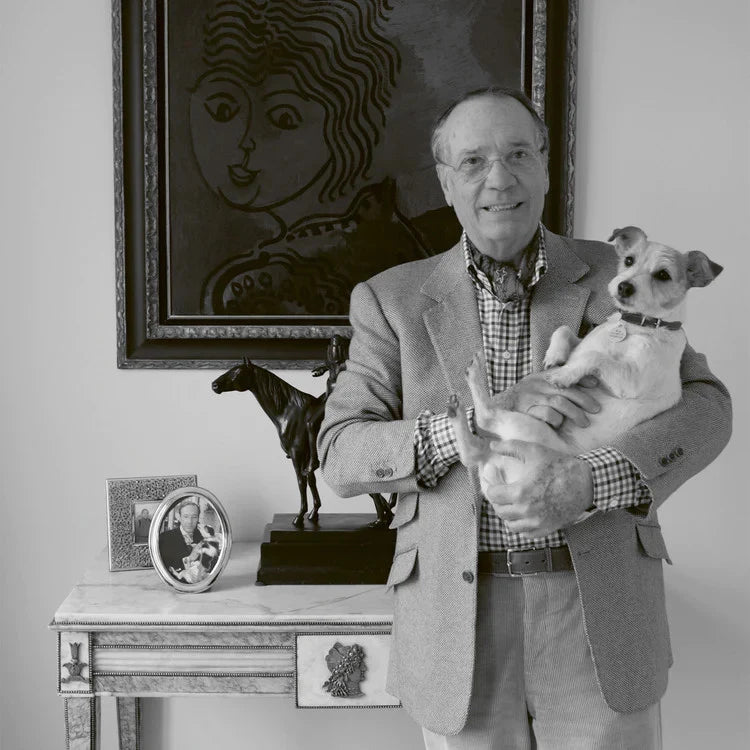
Olivier Creed
Perfumer
Sixth-generation head of the House of Creed, master perfumer until his death in May 2026. He joined the family business at 18, beside his father James. Under his direction the house launched Creed Aventus, Creed Green Irish Tweed, Creed Silver Mountain Water, Creed Virgin Island Water and Creed Royal Oud.
More by this noseMillésime 1849Absolu AventusCarmina

Julien Rasquinet
Senior perfumer
Senior perfumer at CPL Aromas in France, taught privately by Pierre Bourdon rather than at ISIPCA, with earlier stints at Creed and IFF. He composed Amouage Enclave, Frédéric Malle The Moon and Naomi Goodsir Bois d'Ascèse, and crafted Creed Royal Oud during his five years with the house.
More by this noseThe Moon
The Maison

The polished entrance, from Green Irish Tweed’s cut grass to the swagger of Aventus, tried by the millilitre.
Creed is the fragrance you notice before you notice the person wearing it. Fresh citrus caught over old wood, a lavender that reads like a pressed collar, a pineapple sparkle that has become shorthand for confidence. These are scents people commit to for years, which is exactly why they reward trying first.
- Origin
- Paris, France
- Founded
- 1760
- Known for
- Aventus, Green Irish Tweed, Royal Oud

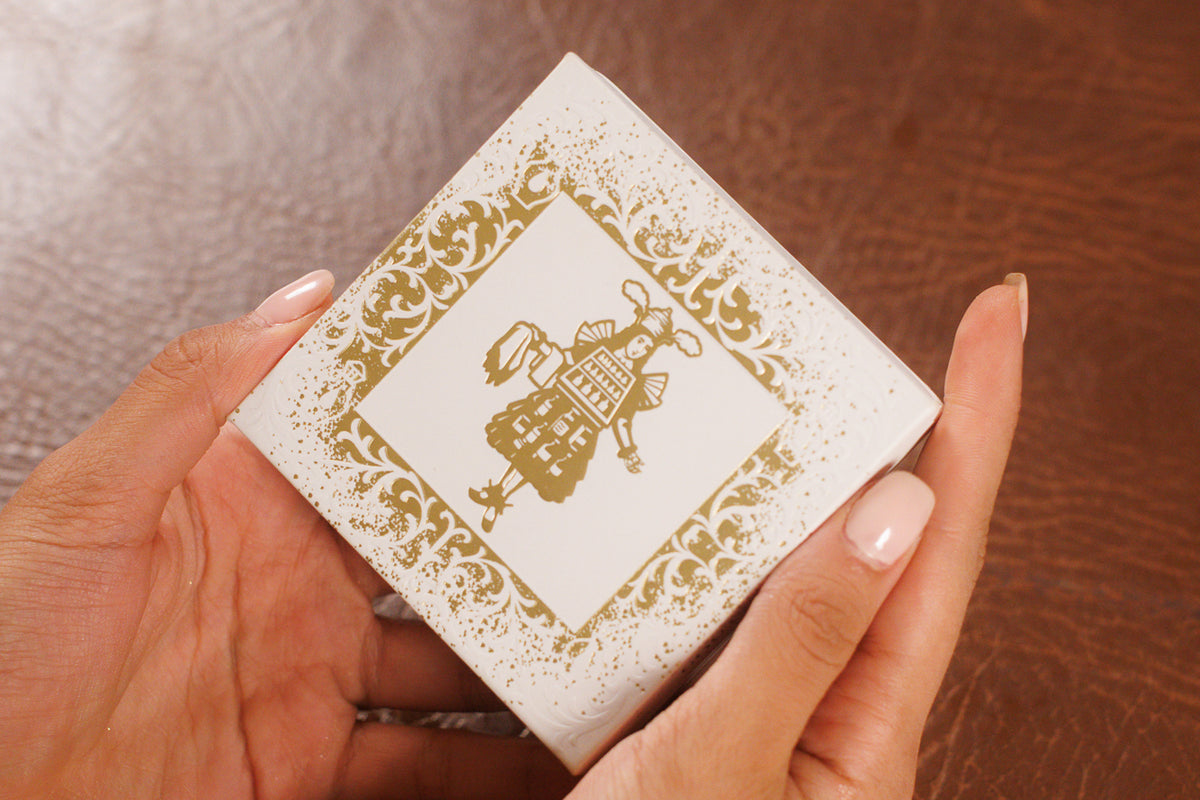
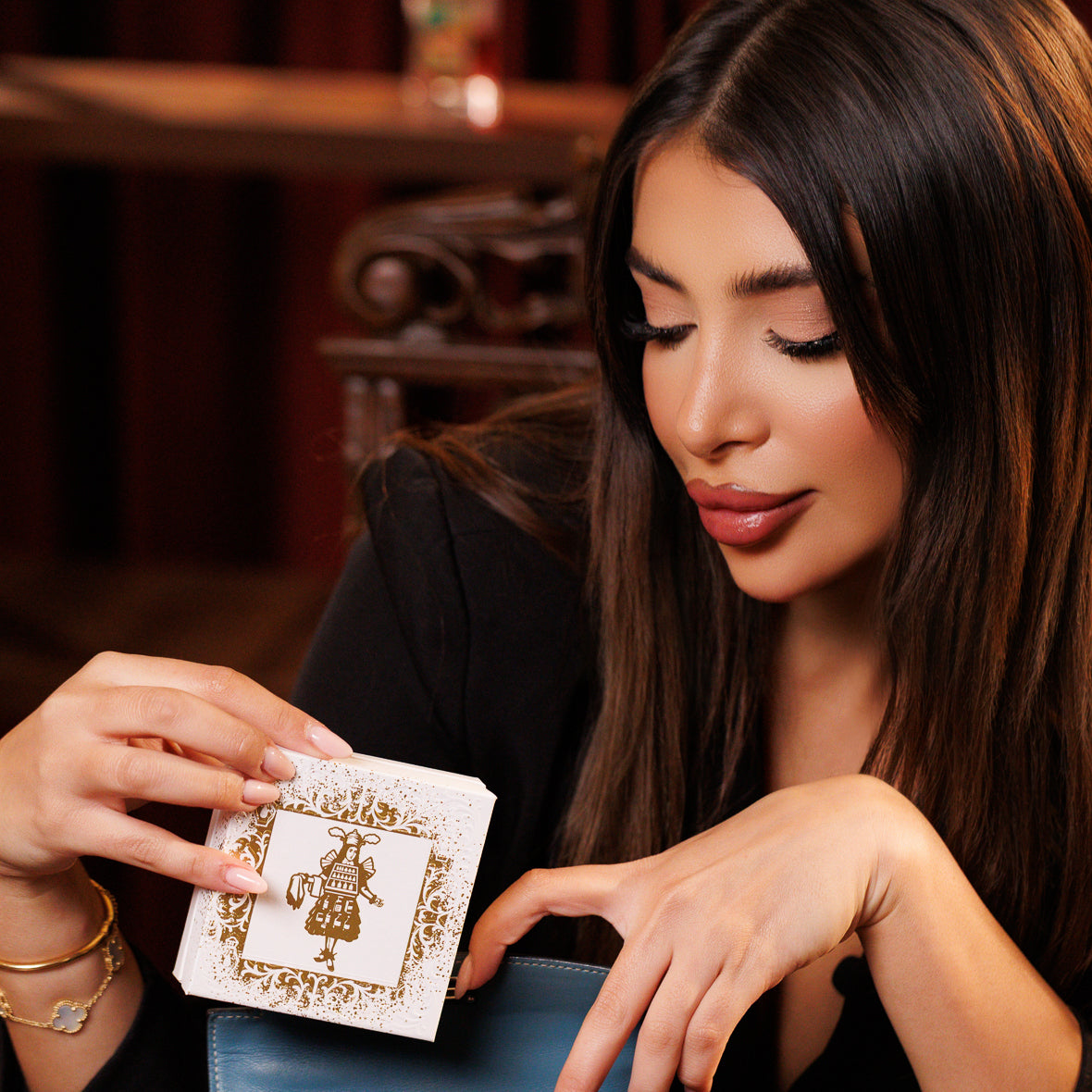
EVERY DECANT
From the original bottle to your door
We buy the original flacon at full retail price, direct from the house.
A medical grade Socorex syringe takes the exact millilitres straight from the flacon.
Packed into the hot foiled box and handed to DHL, every duty already paid. How a decant is made
More from Creed
You may also like