
Orto Parisi
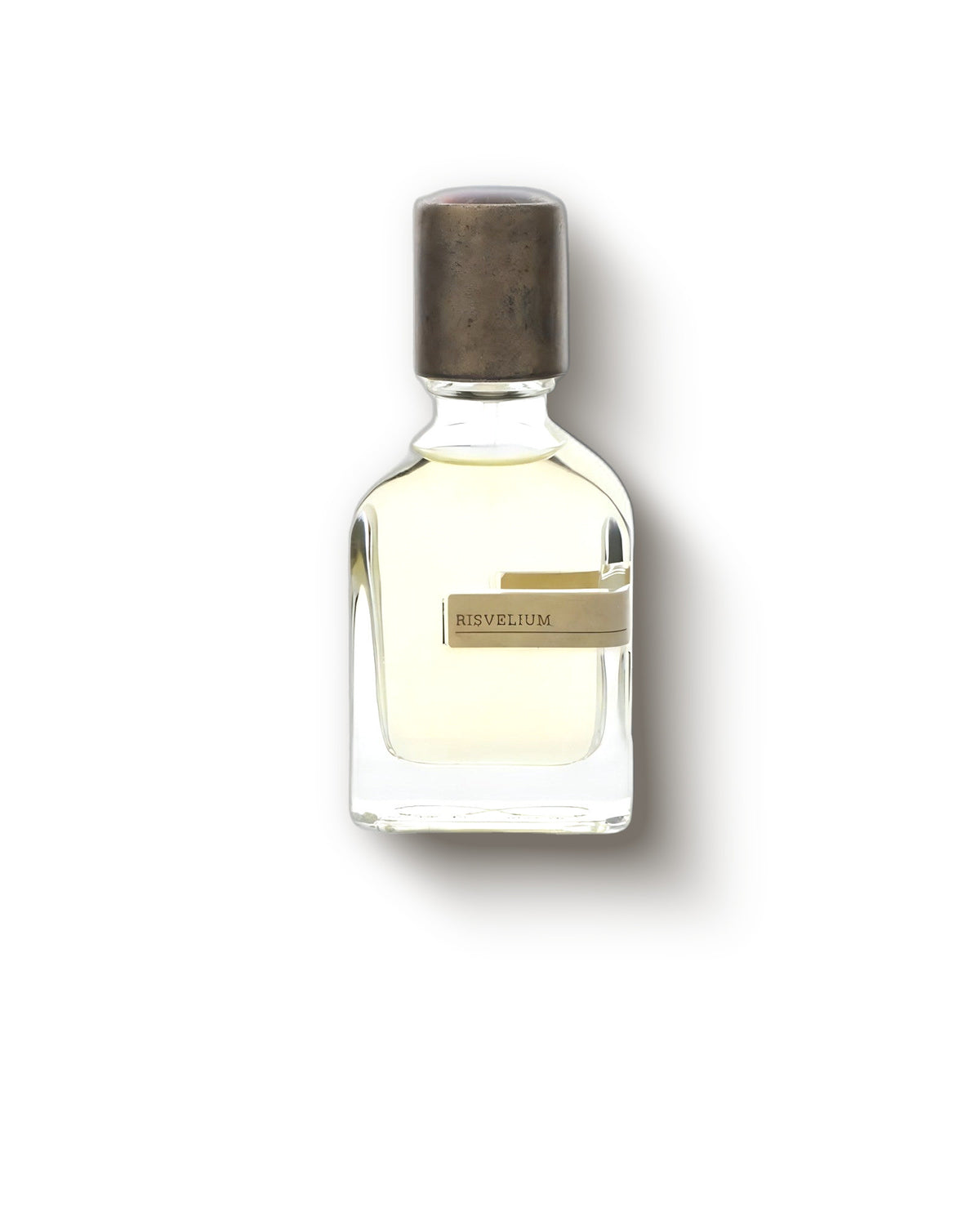
Risvelium
The Story
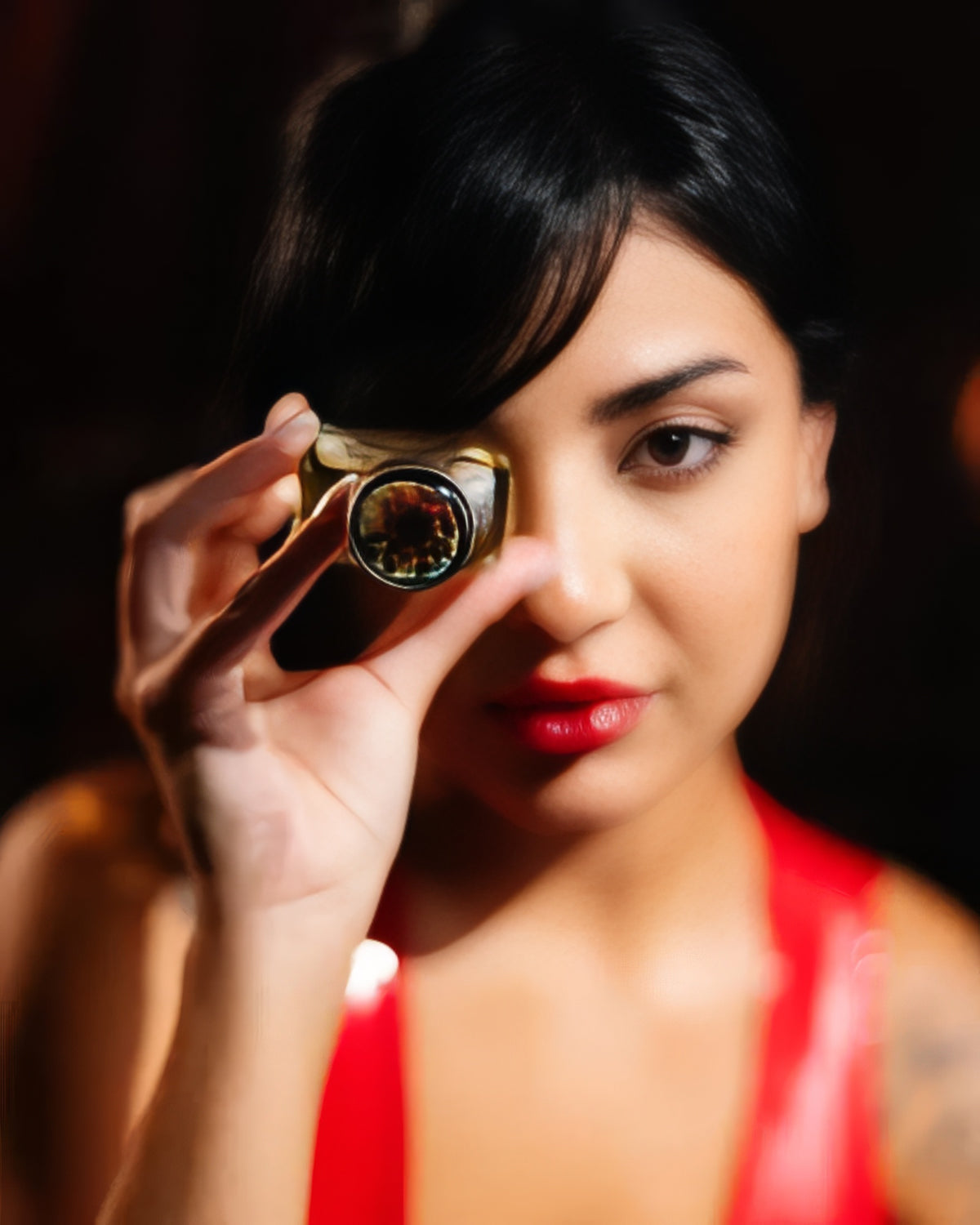
Risvelium takes its name from the Italian risveglio, an awakening, and Gualtieri traces it to an ayahuasca experience. It is built to sit between the physical and the spiritual rather than settle into either, which is why it keeps shifting on skin instead of resolving.


Citrus
First bright zest of morning
The juicy, rind-snapping brightness of lemon, bergamot, and orange peel, tart and effervescent with a clean bitter edge. It opens a scent with instant lift and sparkle, fresh and energizing, evaporating quickly like sunlight on water.


Musky
Warm breath of clean skin
A soft, slightly animalic warmth that smells like clean skin and freshly dried laundry, intimate and faintly sweet. It hums quietly underneath a fragrance, a second skin that only registers when someone is already standing close enough to catch it.


Amber
Resin warmed until it goes sweet
Labdanum, benzoin and vanilla melted together into something sweet but dusky, like tree sap gone soft in the sun with a thread of incense smoke through it. Amber does not sparkle or shout. It sits close to the skin and gives off heat for hours.


Fruity
Peach skin, not lemon peel
Peach, pear, apple, berry: this is sweetness in the flesh rather than the rind, dewy and nectar-heavy where citrus is sharp and thin. It plays young and slightly greedy, the sort of ripeness you can almost feel running down a wrist.


Fresh Spicy
Cool bite of cracked pepper
Pink pepper, cardamom and ginger, spice that prickles rather than warms. It fizzes near the top of a fragrance, dry and faceted, closer to crushed peppercorns and a split cardamom pod than to anything simmering in a kitchen. Bright, never comforting.


Powdery
Soft hush of dressed skin
A velvety, slightly dry softness of iris root, violet, and fine talc, like face powder or clean linen warmed by skin. It feels intimate, refined, and nostalgic, blurring a fragrance into a gentle, cushioned haze.


Grapefruit
Bitter-bright citrus burst with a sulfurous tang
What it is
The oil is in the rind, not the flesh: pressure ruptures the glands and it runs out cold. The fruit was an accident, a chance cross of pomelo and sweet orange that turned up in the Caribbean.
How it smells
Tart and fizzing, with a bitter rind edge and, underneath, something faintly sweaty and sulfurous that is exactly what makes it read as grapefruit rather than orange. It goes quickly, leaving a clean, soapy, bitter-green trace.
In perfumery
Perfumers use it for the opening, the cold slap of freshness before anything else arrives. It sits well with neroli and mint, and turns modern and dry over vetiver or a woody amber base.
Good to know
Almost all of that character is trace: grapefruit mercaptan, which the nose catches at a fraction of a part per trillion, and nootkatone. The oil also leaves skin sun-sensitive, so it is usually stripped or kept low.

Bergamot
Sparkling citrus light with a bitter edge
What it is
Nobody eats bergamot. It is sour, seedy and disappointing, and almost the whole world's supply grows on one strip of Calabrian coast, farmed purely for the oil pressed cold from its green rind.
How it smells
Zest and green light in the first second, then something rounder than lemon: a floral, tea-like smoothness sitting on a faintly bitter warmth. It burns off fast. What stays behind is a quiet, slightly spiced hum.
In perfumery
It defines eau de cologne, and sits on top of nearly every fougère alongside lavender and oakmoss. Perfumers want the first bright second it gives, and the oil is also what makes Earl Grey smell like Earl Grey.
Good to know
The thing that makes it sparkle can also burn. Bergamot carries bergapten, which leaves skin hypersensitive to sunlight, so perfumers either keep the dose low or reach for a grade with the molecule stripped out.


Blackcurrant
Tart cassis with a wild, animalic snarl
What it is
Perfumery mostly ignores the berry. The material that matters is cassis bud absolute, extracted from the sticky, resinous leaf buds of the shrub, usually propped up with sulphur molecules that carry the fruit's tart snap.
How it smells
Sharp, tart, unmistakably purple, then something feral cuts across it: a green, leafy, faintly sweaty pungency that sits closer to cat than to fruit. Ripe berry with a growl behind it.
In perfumery
A top note with claws. It cuts through sweetness, puts an edge on rose, and gives a fruity-floral something to push against. It still jolts open modern fruity compositions.
Good to know
The catty edge comes from thiols your nose can catch at parts per trillion, the same family behind tomcat spray and a glass of Sauvignon Blanc. Perfumers dose cassis in drops, not millilitres.


Pineapple
Tropical sweetness with no fruit behind it
What it is
Squeeze a pineapple, distil it, and you get nothing a perfumer can use. The note is always a construction: a synthetic route led by allyl caproate, or a botanical one assembled from ylang-ylang, balsams, citrus and isolates.
How it smells
The ester version is hard-candy bright and sits exactly where it is put. The botanical one is warmer and rounder, more flesh than candy, green-tart at the edge, and it blooms and fades instead of holding still.
In perfumery
A trace lifts an opening; a heavy hand turns the whole thing into fruit punch. It sits easily with coconut, citrus, jasmine and warm resins, and the botanical version goes jammy the moment it is overdosed.
Good to know
Stability decides it. The synthetic behaves identically every time, so it turns up wherever a tropical accent is wanted, while the botanical costs more, shifts from batch to batch, and carries less distance.


Musk
Soft, skin-close warmth that anchors the base
What it is
The house lists musk without saying which material it uses. In modern perfumery a musk note almost always means one of the synthetic musks, a large family of molecules, because natural deer musk is restricted and rarely used.
How it smells
Synthetic musks smell clean, soft and warm: hot-ironed linen, fresh cotton, skin rather than fur. Depending on the molecule they lean sweet and faintly fruity, powdery, or smooth and almost waxy, but all share a quiet, rounded warmth.
In perfumery
Musk is the floor a composition stands on: it fixes what sits above, stretches the wear and adds that second-skin glow. Synthetic musks do this so reliably that most modern fragrances carry at least one in the base.
Good to know
One bottle can smell radiant on you and like almost nothing on the next person. Many people cannot smell certain synthetic musks at all, a quirk called specific anosmia, which is one reason perfumers often blend several musks together.


Ambroxan
Synthetic ambergris that glows like warm skin
What it is
A molecule built to stand in for ambergris, and it starts in a field: clary sage yields sclareol, which is converted into ambroxide. Newer routes skip the plant: microbes ferment sugar into a precursor and an enzyme closes it into ambroxide.
How it smells
Put your nose right on it and there is almost nothing there. Step back and it fills the room: dry, warm, faintly salty, mineral, blond woods and sun-warmed skin. It diffuses without a single sharp edge.
In perfumery
Plenty of modern scents that seem to hang in the air owe it to this molecule. It pushes woods and ambers outward and hands a whole composition its reach. A few are built on almost nothing else.
Good to know
Real ambergris forms inside sperm whales and washes ashore when it does, a supply no one can plan. Ambroxan gives the part that matters, no whale involved, and the fermentation route made it far greener to produce.

Amber
A warm resinous glow built, not harvested
What it is
There is no amber tree. Perfumers assemble the smell from labdanum, the sticky gum that bleeds off a Mediterranean rockrose in summer heat, plus benzoin and vanilla. The fossilized resin in museum cases is odorless on skin.
How it smells
Honeyed and faintly animalic at first, then it settles into golden powdery warmth: beeswax, old tobacco, worn leather, a thread of smoke underneath. It stays close to the skin rather than filling the room.
In perfumery
It sits at the base and holds everything above it in place, which is why oriental compositions lean on it so hard. Vanilla and patchouli push it sweet; more resin, spice and dry herbs push it austere.
Good to know
The word once meant ambergris, the waxy secretion of sperm whales, and the confusion never cleared. The trade now uses amber for two things: this resin accord, almost always plant and synthetic, and the ambergris substitutes like Ambroxan.
Fragrance Character
The citrus top burns off quickly, leaving blackcurrant's dark, almost catty tartness to meet the sweet humid pull of pineapple. Ambroxan drives the heart outward with considerable force, its skin-amplifying warmth merging with a heavy musk and amber foundation. As it settles, it clings close, a dense, skin-fused warmth that reads almost biological.


Longevity
how long it stays on skin
The hourglass reads wear time: how many hours the fragrance keeps speaking before it fades. A bar that barely leaves the start means a few fleeting hours. One that runs the full length carries from morning into evening. Treat it as typical, not promised. Oily skin holds scent far longer than dry.


Sillage
the size of its scent trail
Sillage is French for a ship's wake, and that is exactly what this measures: how much of the scent reaches the room instead of staying on you. Low is a whisper only close friends catch. Enormous fills the room, then keeps filling it after you leave.


Experimental
Built to provoke, not to please
Some perfumes are made to be liked. These are made to be argued about: inky tar, hot rubber, fruit on the turn, metal and fur where you expected flowers. The coin glows for a scent that provokes and dims for one that plays it safe, which is sometimes the point.


Office
Polished, and never louder than the room
Scent is manners in a shared room. At this range it should reach the person across the desk and stop there: tidy citrus, soft musk, pale woods, all of it reading competent and considerate. A glowing coin means nobody has to mention it. A dim one means it travels.


Evening
After dark, when it deepens
Dinner, drinks, the night that runs long. Low light is where ambers, resins and smoky woods stop being polite, and where a plush floral finally blooms. A glowing coin means it is waiting for exactly this hour. A dim one means it did its best work in daylight.


Romantic
Close enough to be felt
A fragrance can hum against skin instead of announcing itself across a table. That is the register here: creamy florals, vanilla, soft musk, a thread of spice, warm enough to make someone lean in. The coin glows when a scent sets that mood and dims when it is more practical than seductive.


Formal
Quiet authority in a dressed-up room
A wedding, a ceremony, a room where everyone has thought about their shoes. What works here is structure, not volume: smooth woods, disciplined florals, soft leather. A glowing coin means it holds its posture all evening. A dim one means it is too casual for the room.


Casual
Easy comfort for unhurried days
Errands, coffee, a slow Saturday with nowhere to be. Nothing here has to impress anyone, so the fit is soft and easy: fresh citrus, light woods, a little warmth off the skin. A glowing coin says yes to all that. A dim one means the fragrance is asking for a bigger night.


Day to Night
where its mood naturally falls
A bar running from sun to moon, reading the hour the fragrance was made for. The more of it that stays gold, the more the scent belongs to daylight and open air. The further the blue reaches back toward the sun, the deeper and warmer it turns: evening, candlelight, low rooms.


Winter
Warmth that carries through cold air
Cold air mutes a fragrance and slows it down, which is why winter belongs to the dense and the warm: resin, smoke, vanilla, leather, ambered spice. The bar reads how well this one pushes back, glowing against the chill instead of thinning out in it.


Spring
Fresh blooms in mild, rising warmth
Mild, humid air lifts a light composition, so the season belongs to dewy florals, green stems, soft powder and citrus you can see through. Alive rather than heavy. The further the green runs along the bar, the more comfortably this one wears in that weather.


Summer
Bright and airy in real heat
Heat does the projecting for you, which is why the wrong perfume turns unbearable by noon. What survives is cool and breathable: sharp citrus, salt air, aromatic herbs, water. Things that refresh instead of cloy. A short bar here means save it for cooler months.


Fall
Spiced warmth for cooling days
As the air cools, the rich materials stop smothering and start reading clearly: dry woods, warm spice, tobacco, amber, fruit gone golden. It is the season perfume turns contemplative. The bar fills according to how naturally this one settles into crisp, cooling days.
Best Worn
Best on warm days from spring into early autumn, Risvelium suits those who wear fragrance as a statement rather than a courtesy.
Choose options
The Vibe


The Nose

Alessandro Gualtieri
Founder and perfumer
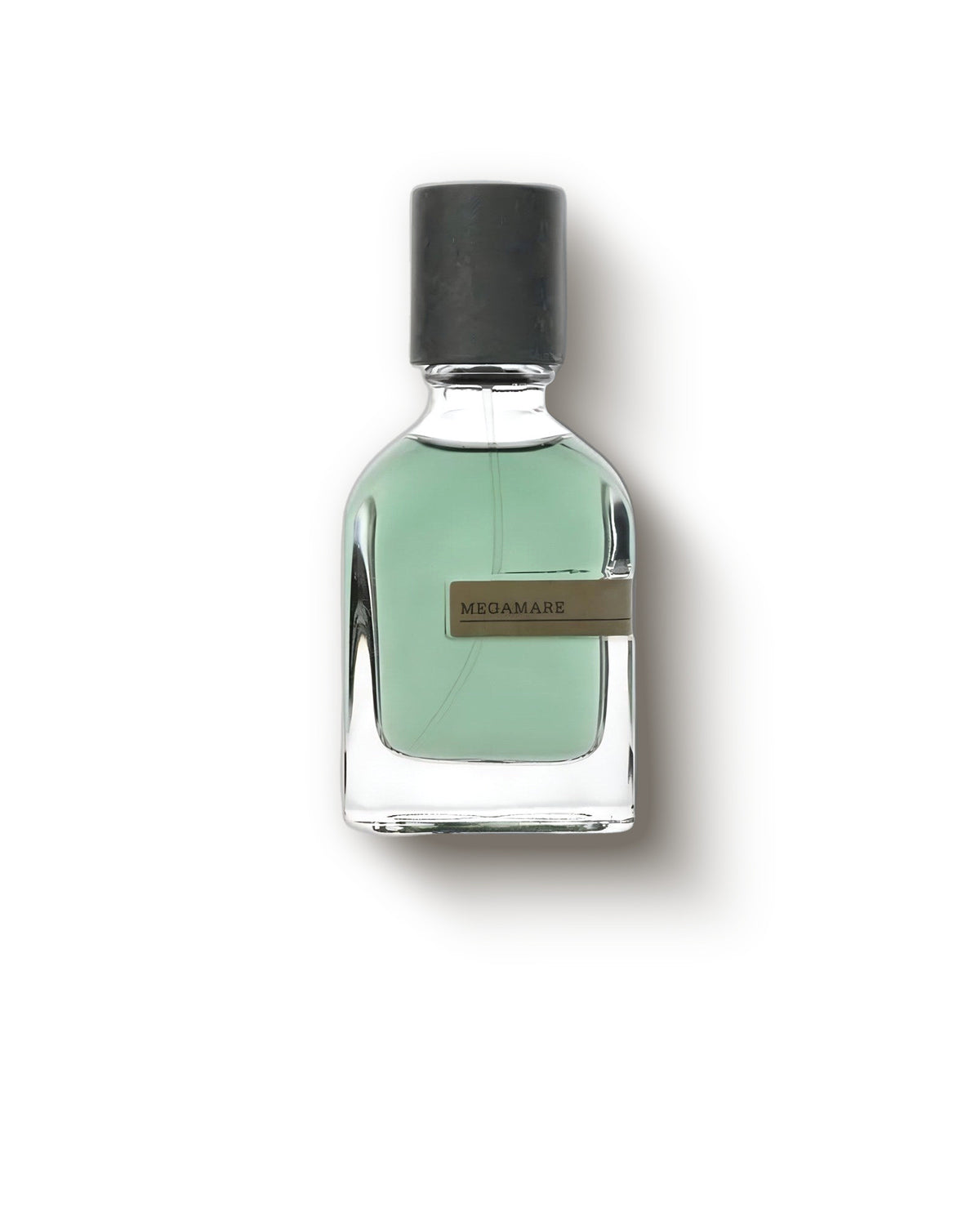
Italian perfumer who began in a German fragrance lab, then made scents for Fendi, Versace and Helmut Lang before founding his own Amsterdam houses Nasomatto and Orto Parisi. He composes them himself, including Nasomatto Black Afgano, Nasomatto Silver Musk, Orto Parisi Megamare and Orto Parisi Bergamask.
More by this noseMegamareBlack AfganoBaraonda
The Maison

The body, bottled. Perfumery pushed to its visceral edge, best approached in 2ml.
Orto Parisi is Alessandro Gualtieri working without restraint, the same nose behind Nasomatto. These are built at full volume, radiant and animalic and unmistakably human. Wearing one feels less like putting on a perfume and more like putting on a mood.
- Origin
- Amsterdam, Netherlands
- Founded
- 2014
- Known for
- Megamare, Stercus

EVERY DECANT
From the original bottle to your door
We buy the original flacon at full retail price, direct from the house.
A medical grade Socorex syringe takes the exact millilitres straight from the flacon.
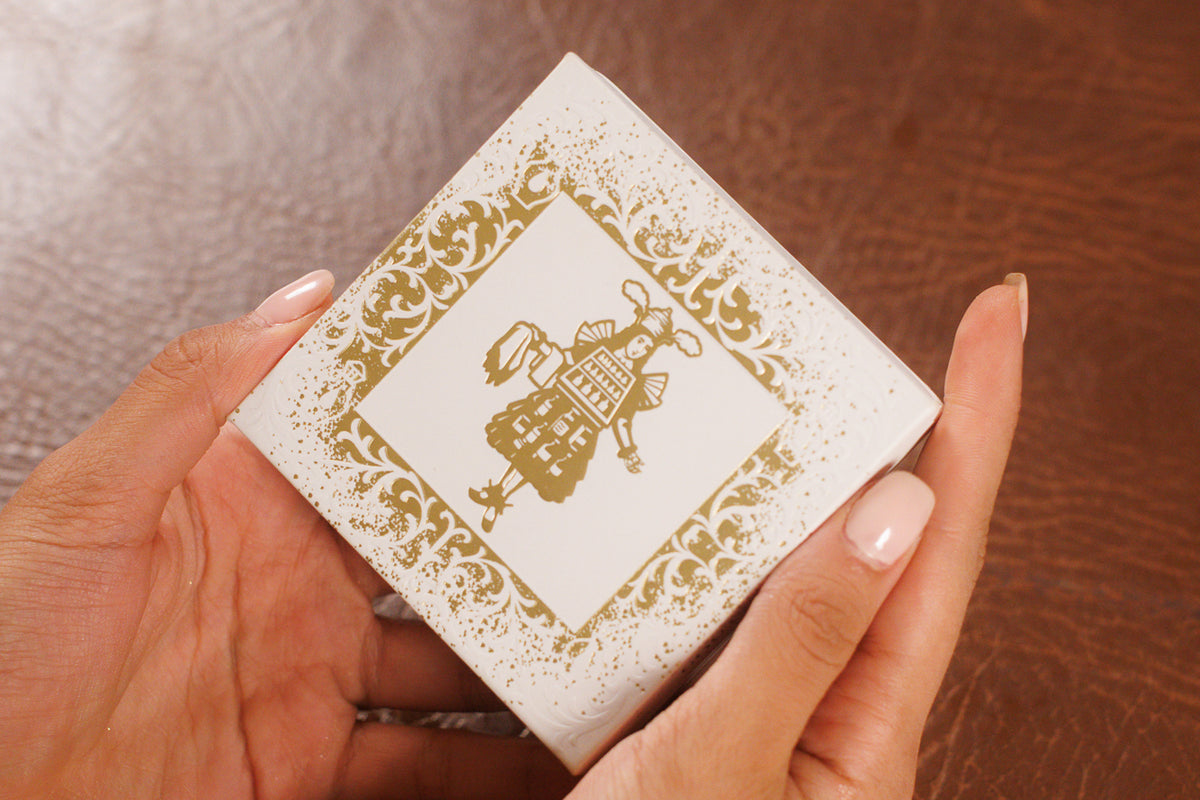
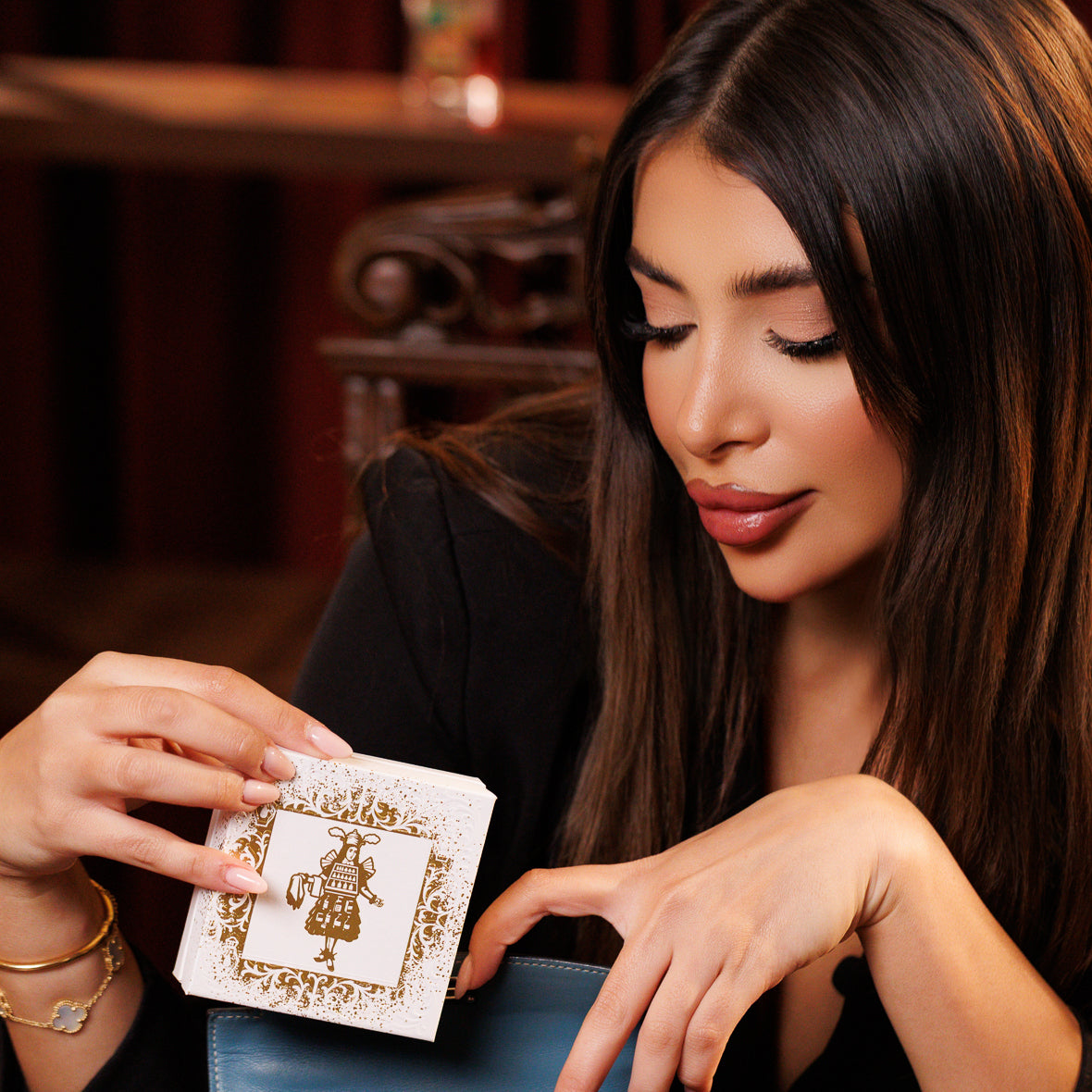
Packed into the hot foiled box and handed to DHL, every duty already paid. How a decant is made
More from Orto Parisi
You may also like