
Nasomatto
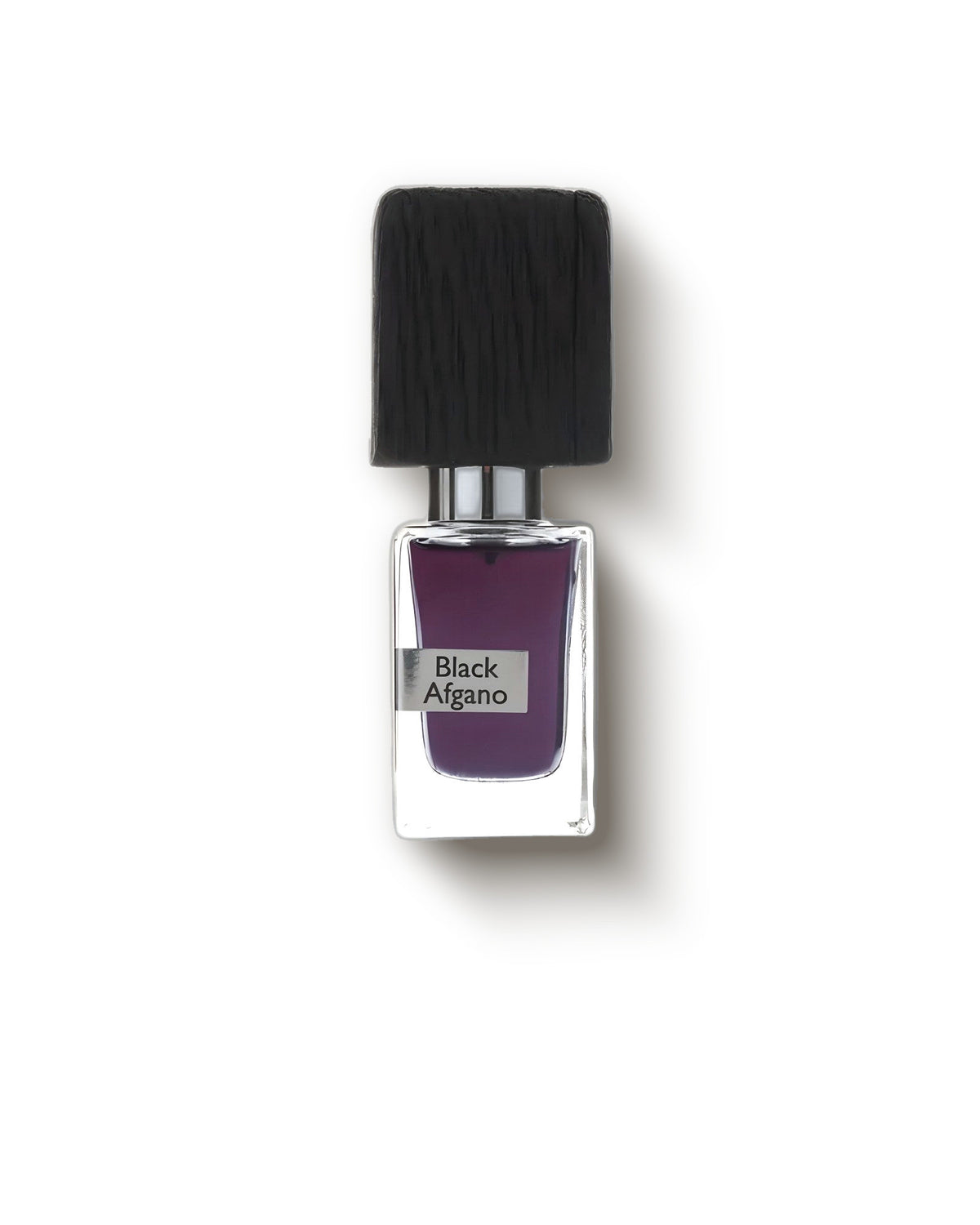
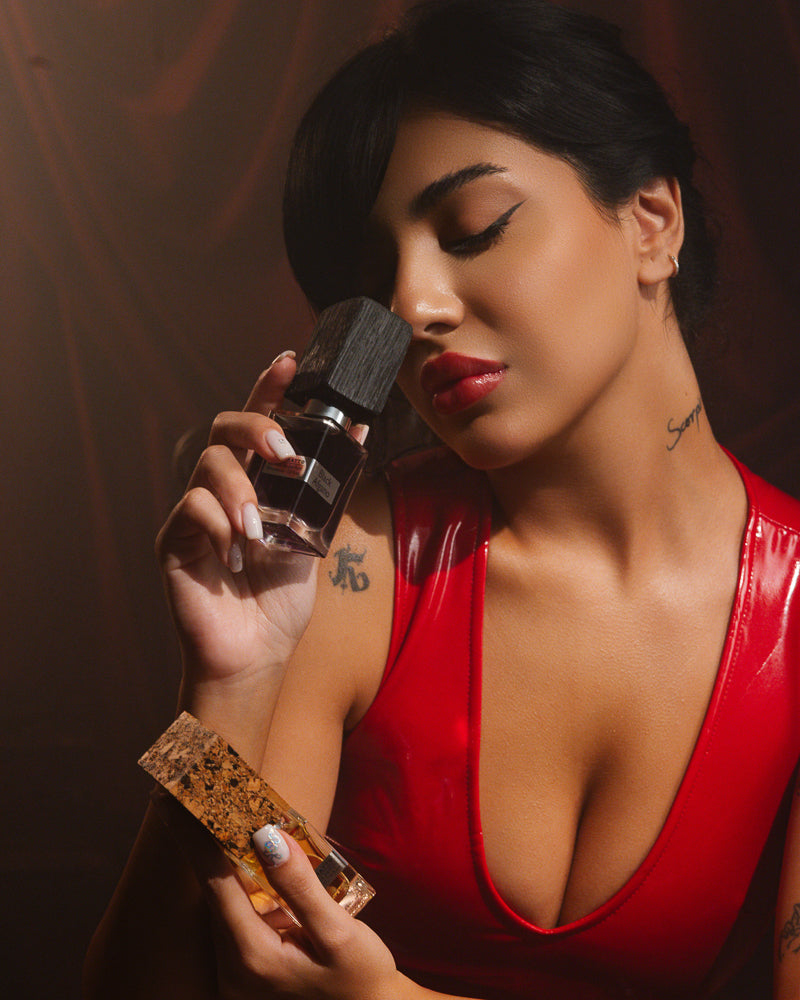
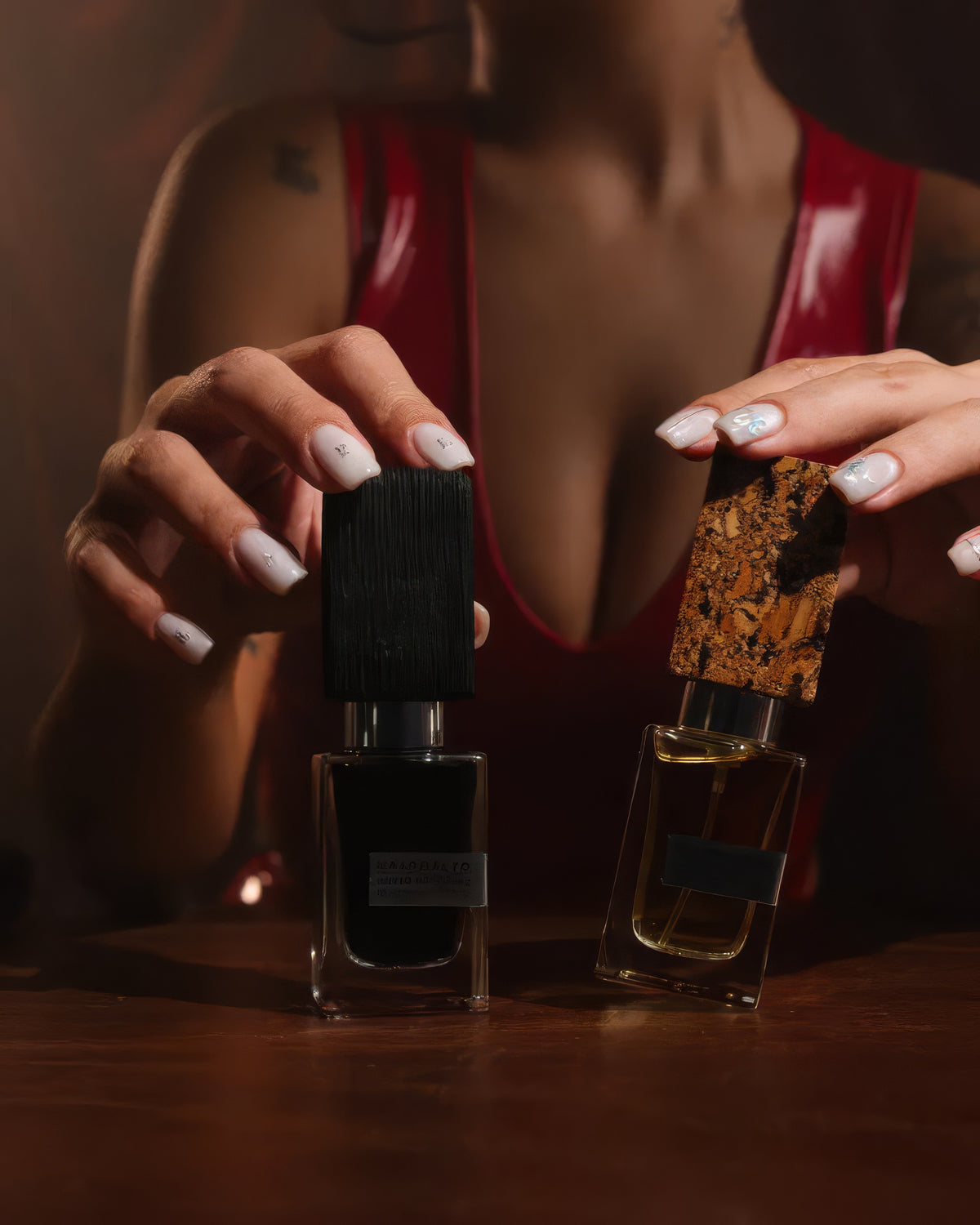
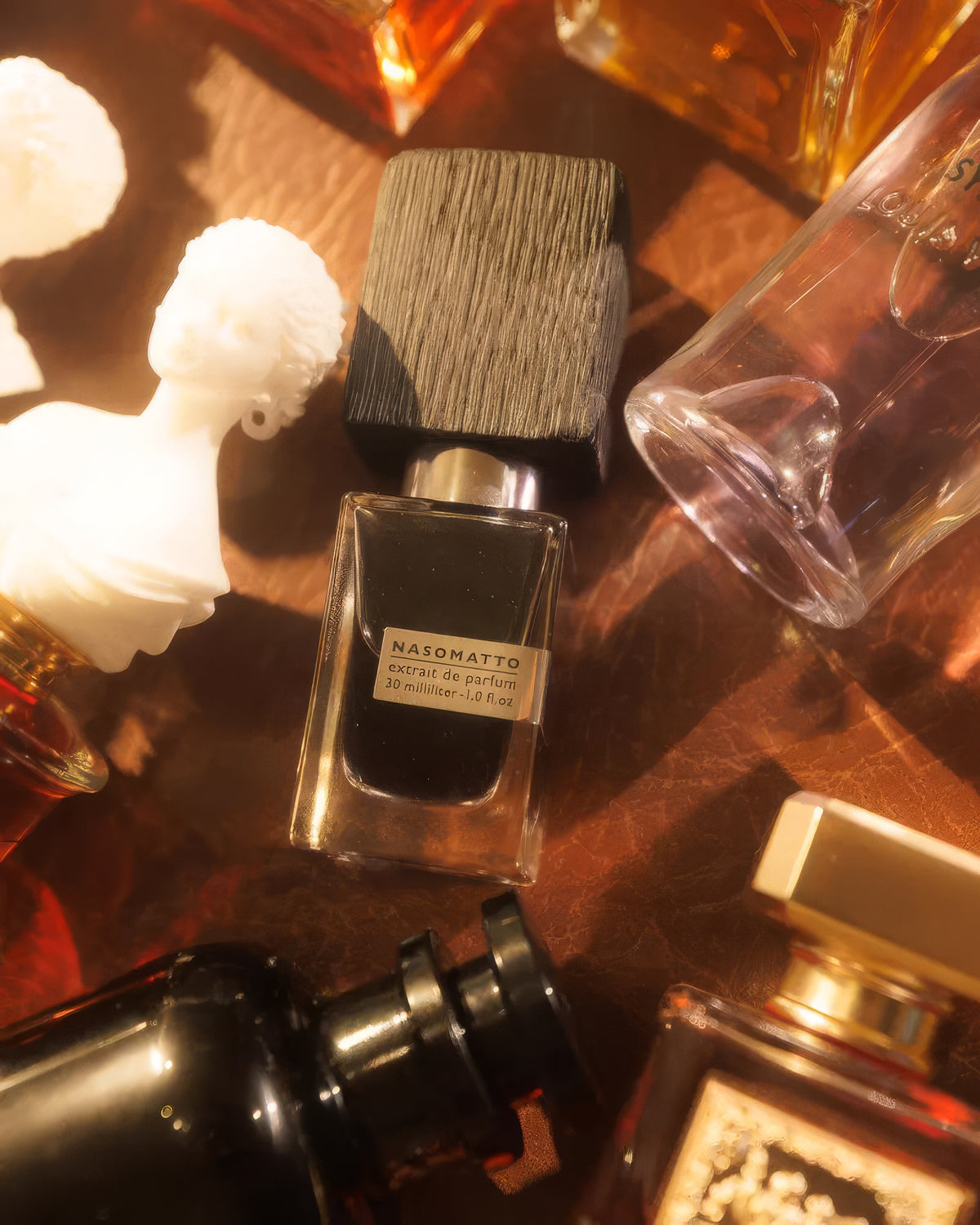
Black Afgano
The Story
Black Afgano is named for Afghan black hashish, and it is the result of a research process meant to provoke a state of temporary bliss. Gualtieri has never published a note list for it, on the principle that it should be met whole rather than read as a set of ingredients.


Amber
Resin warmed until it goes sweet
Labdanum, benzoin and vanilla melted together into something sweet but dusky, like tree sap gone soft in the sun with a thread of incense smoke through it. Amber does not sparkle or shout. It sits close to the skin and gives off heat for hours.


Smoky
Charred wood and rising embers
The dry, charred scent of burning wood, smoldering incense, and lingering ash, sometimes tarry, sometimes wispy and gray. It feels brooding and atmospheric, conjuring a dying fire and a cool current of air carrying its last breath.


Woody
Dry grain of cut timber
The smell of cedar shavings, sandalwood, and dry vetiver roots, a sanded, resinous warmth with a faint pencil-box rasp. It feels grounded and composed, the quiet backbone that makes a scent read as serious and lasting.


Oud
What a tree makes when it is wounded
A dense, resinous wood that smells warm and slightly medicinal, with a leathery, animal-tinged smokiness and a sweet, almost barnyard funk underneath. It feels ancient and brooding, wrapping the skin in something thick and quietly powerful.


Cannabis
green haze, herbal and faintly disreputable
A pungent green resinousness, herbal and slightly skunky, with smoky, peppery edges and a hint of dried hay. It feels hazy and rebellious, a narcotic, faintly dirty warmth that sits between fresh crushed herb and the smoke that comes off it.


Balsamic
Tree sap gone thick and golden
Tree resins and golden amber, thickened to syrup and touched with vanilla. It does not sparkle or move; it settles, warming the skin the way candlelight warms a room, and it stays there long after the top notes have gone quiet.

Cannabis
Green smoke off a damp forest floor
What it is
Perfumers cannot use the resin's psychoactive compounds, and do not try. The smell is reconstructed from green, smoky and herbal aroma-chemicals, occasionally with legal hemp aroma helping, to catch leaf, stem and burning bud.
How it smells
Green, smoky and dirty, with a sour herbal edge. Damp soil and crushed leaves underneath, sage, basil and pine resin above, a peppery bite running through. Some versions stay vegetal; others smoulder like a lit joint.
In perfumery
In the heart it works alongside vetiver, patchouli, cedar and black pepper, which keep it suggestive rather than literal. Pushed too far it announces itself; held back, it reads as someone who has been outdoors.
Good to know
It carries no THC and breaks no law. What you smell is terpenes and synthetics arranged to fool you, and enough houses launch these around 4/20 that the wink is now part of the genre.


Green Notes
The cool snap of bruised stems and leaves
What it is
Not one material but a whole family: cut grass, snapped stems, crushed leaves, sap on your fingers. Perfumers build it from galbanum, violet leaf and tomato leaf, sharpened with the aroma-chemicals that stand in for torn foliage.
How it smells
Cool, watery and sharp, like a stem broken between your fingers. The opening bites, almost bitter, all sap and crushed leaf; some versions turn dewy and cucumber-fresh, others smoky. It quiets into vegetal coolness under the heart.
In perfumery
Mostly a top and heart effect, valued for realism, lift and the way it cuts sweetness. Galbanum and violet leaf carry the classic green signatures, with the galbanum-rich green florals of the late 1940s setting the template.
Good to know
Tear a leaf and the plant answers instantly with cis-3-hexenol, leaf alcohol, part of a chemical alarm signal. That is what your nose reads as freshly mown grass and newly cut stems.

Davana
Boozy apricot herb that shifts on every wearer
What it is
A small aromatic herb of the daisy family, grown around Mysore in southern India and steam-distilled from its green flowering tops into a dark, powerful oil. Almost none of it is grown for food.
How it smells
Apricot and plum steeped in mulled wine, boozy and thick, over a green, tea-like sweetness with dried prune and warm hay in it. Sweet but never sugary, tenacious, and rarely the same on two people.
In perfumery
Perfumers use it in drops, not doses. It swells peach, apricot and rose, smooths the seam between top and base, and pours boozy lift into chypres and fruity florals.
Good to know
That shifting is the point: davana is nicknamed chameleon oil because its fruit tilts with each wearer's skin chemistry. In India the fresh flowers are woven into temple garlands offered to Shiva.

Saffron
Crimson threads breathing leather, honey and dry hay
What it is
Three crimson threads sit inside each autumn crocus flower, and a hand pulls every one. Dried, those stigmas are steeped into a tincture or extracted into an absolute. That is the entire supply chain.
How it smells
Hay and honey and warm toast first, then something metallic and leathery underneath, the work of a molecule called safranal. It dries down into suede, tobacco and dusty amber, bitter at the edges.
In perfumery
It lives in the heart, glowing reddish, the hinge between spice and leather. Perfumers wed it to rose so often the pairing became a genre, and entire leather accords get built on it alone.
Good to know
A kilogram of saffron costs about 150,000 hand-picked flowers and many days of stooped labor, which is why almost none of it reaches perfume. Most saffron notes are built from synthetic safranal instead.


Thyme
Sun-warmed scrub herb, bracing or oddly sweet
What it is
A knee-high woody shrub of the mint family, wild over dry Mediterranean hillsides and farmed from southern France to North Africa. The flowering tops are steam-distilled, usually after partial drying, into an oil loaded with phenols.
How it smells
Green and intensely herbal, and at its sharpest more medicine cabinet than kitchen, with a warm camphorous edge behind the bite. Dry and peppery first, then a softer woody warmth, the smell of scrub baking at noon.
In perfumery
A top-to-heart lift that keeps a formula from going soft. Thyme sharpens fougeres and aromatic chypres beside lavender, rosemary and oakmoss, and gives barbershop compositions their clean herbal snap.
Good to know
Thyme comes in chemotypes: plants that look identical but are born to make different oils, with altitude and climate deciding which takes over a hillside. Thymol thyme is the medicinal one. Wild hill thyme leans linalool, softer and sweeter.


Resins
Tree wounds that harden into incense
What it is
Every resin starts as an injury. Cut the bark of a frankincense or myrrh tree and it bleeds milky tears that harden in the air; labdanum is boiled or scraped from the leaves of a rock rose.
How it smells
Warm, sweet and balsamic underneath, but each pulls a different way: frankincense cool and peppery with lemon-pine smoke, myrrh bittersweet and medicinal, benzoin all vanilla caramel, labdanum leathery honey. They open bright and dry down sticky.
In perfumery
Nothing holds a base together like resin. It slows evaporation, so everything above lasts longer, and supplies the glow under amber and incense compositions. Frankincense builds the cathedral ones; benzoin and labdanum the warm ones.
Good to know
Frankincense and myrrh once traded at the price of gold, carried north along the Incense Route and named among the Magi's gifts. The wild trees are thinning now from over-tapping, which is a problem for perfumery's oldest material.


Woodsy Notes
The forest floor distilled into one impression
What it is
Cedar, sandalwood, vetiver root, patchouli leaf, oakmoss: when a pyramid lists woodsy notes, it means some blend of these, distilled or extracted from heartwood, root, leaf or lichen rather than from any single tree.
How it smells
Sawn timber, pencil shavings, damp bark, the floor of a wood after rain. Cedar is the sharp dry edge, sandalwood the cream, vetiver a smoky root, oakmoss an inky green. Together they read grounded and quietly resinous.
In perfumery
Nothing light stays put without them. Woods hold the base, stretching citrus and florals over hours, anchoring chypres, fougeres and woody orientals alongside leather, incense and amber, and forming the dry backbone of oud-wood blends.
Good to know
Demand outran the trees. Mysore sandalwood was cut faster than it grew, and natural oakmoss is now capped for allergens, so much of the modern woody effect comes from farmed Australian sandalwood and synthetic amber-woods.


Tobacco
Dried leaf curing into honey and hay
What it is
Nothing is burning. The leaf is cured and fermented first, then solvent-extracted into a dark, sticky absolute, and what comes out smells of hay and honey rather than of an ashtray.
How it smells
Warm, dry, sweet: cured hay and pipe tobacco with honey, dried fruit and a trace of cocoa behind it. A green, leathery bite at the start softens into something ambery and balsamic, sometimes with a powdery floral edge.
In perfumery
It sits from the heart down, where vanilla, tonka, honey and leather all cling to it. Give it vanilla and you get the sweet, edible kind; give it leather and spice and you get the dark, dry kind.
Good to know
A living tobacco plant smells sharp and green. Everything sweet in the absolute is made during curing and fermentation. Authentic absolute is costly and restricted in some markets, so many tobacco notes are rebuilt from coumarin and hay.


Coffee
The dark heart of morning, bottled
What it is
Not a bean at all: coffee is the seed of a tropical cherry, two to a fruit, and the smell arrives only with the roast. Perfumers use a roasted-bean absolute or a CO2 extract.
How it smells
Bitter cocoa, toasted nuts and a grainy, just-ground sharpness with smoke behind it. Then it softens: burnt sugar, chocolate, a little tobacco, and a milky, oily roundness that keeps the bitterness from turning harsh.
In perfumery
It sits in the heart, or at the top of the base, where bitterness does what sugar cannot and stops vanilla, tonka and amber going syrupy. A whole run of sweet masculine scents was built on that trick.
Good to know
One molecule does most of the talking. Your nose catches 2-furfurylthiol at 0.01 parts per billion, so a trace reads instantly as fresh brew. Coffee absolute and CO2 extract exist, but they are costly, and many coffee notes are built or boosted with roasted-smelling molecules.


Cinnamon
Sweet bark heat, glowing rather than stinging
What it is
The prized part is the inner bark. Strips are peeled from the tree and curled into quills for the spice trade; the oil is steam-distilled from the trimmings and broken bark. Sri Lanka's true cinnamon is the delicate one; the coarser, lower-priced cassia is what fills most kitchen jars.
How it smells
Warm, dry and sweet, with a red glow from cinnamaldehyde and a clove-like edge behind it. True cinnamon smells rounder and faintly floral; cassia bites. The dry-down goes woody and balsamic, with a whisper of leather.
In perfumery
A heart note, and the reason gourmands and orientals feel like a warm room. It works with vanilla, amber, rose, apple and tobacco, and the whole trick is restraint: a touch gives glow, a fraction more gives sting.
Good to know
The Dutch once burned their own stockpiles to keep the price up, back when this bark outvalued gold and Ceylon was worth conquering for it. Modern caution is duller: cinnamaldehyde sensitizes skin, so the dose is capped.


Violet
Powdery purple petals that vanish as you reach
What it is
Almost no violet in perfumery comes from violets. The flower yields so little oil that it is hardly produced any more, so the note is built from ionones, aroma-chemicals first made in a lab in the 1890s.
How it smells
Soft, cool and powdery, with a sugar-dusted candied sweetness and a thin green wetness behind it. It reads tender and nostalgic: Parma violet sweets, face powder, petals crushed in a pocket.
In perfumery
In the heart it does something unusual: it takes the sugar out of sweetness and leaves powder behind. Iris, rose, leather and almond all bend toward it, and violet soliflores wear it like an old makeup box.
Good to know
Ionones saturate the receptors fast, so the scent seems to vanish, then return as your nose recovers: perfumery's textbook case of olfactory fatigue. Violet leaf is another material entirely, green and cucumber-cool.


Raspberry
A berry conjured, since none can be extracted
What it is
The fruit gives up nothing: no oil, no absolute. The note is always built, from raspberry ketone with beta-ionone for a violet edge and furaneol for cooked sweetness, or from boronia absolute, davana, rose and violet leaf.
How it smells
Jammy and ripe, sweeter than it is sharp, with a powdery floral shadow that surfaces as it dries. The lab version is brighter, a little candied, and holds its shape. The boronia route runs warmer, greener, wilder.
In perfumery
It lives in fruity-florals and gourmands, next to rose, violet and vanilla. Raspberry ketone is unusual among fruit materials for its tenacity: it is still there in the dry-down, long after pear and peach have evaporated.
Good to know
Raspberry leaf absolute exists, but it reads green, leathery and balsamic with a jammy sweetness, closer to mulled wine than fresh fruit. Boronia smells of raspberry jam and tea, and is scarce enough that botanical raspberry stays rare.


Agarwood
Dark, dry woods of smoke, leather and resin
What it is
In Western perfumery an oud note is usually an oud accord, often built from guaiacwood, cypriol and other dry, smoky, leathery materials, and sometimes lifted with a trace of real oil.
How it smells
An accord reads dry, woody and smoky, with a leathery, slightly medicinal edge, and it holds steady from first minute to last. A distilled oil shifts more as it wears, through leather, dried fruit, honey and warm resin.
In perfumery
An oud accord gives a composition the dark gravity of agarwood with an even character from bottle to bottle. It sits naturally with rose, saffron, leather and incense, the pairings that made oud famous in Western perfumery.
Good to know
Oud and agarwood name the same thing. Oud is the Arabic word for wood, and agarwood is the resin-soaked heartwood an Aquilaria tree forms when it is wounded, the material that oud oils are distilled from and that oud accords echo.


Incense
The smell of resin hitting hot coal
What it is
What you are smelling is a change of state: resin meeting heat. The resin is usually olibanum, wept by Boswellia trees in Oman and the Horn of Africa, and perfumers round the effect out with labdanum and styrax.
How it smells
Cool and dry to begin with, sharp enough to read as turpentine, then the smoke arrives: peppery, ashen, faintly sweet. There is a stone-church quality to it, soapy and faintly green, and it stays close to the skin.
In perfumery
It works the way silence works in a room. From the heart into the base it cools florals, sharpens woods and drops a weight of ritual into oriental and chypre structures that would otherwise read as merely rich.
Good to know
Long before anyone wore it, this smoke was among antiquity's costliest imports. It moved along the Arabian caravan roads to temples around the Mediterranean, where burning it was the point: the scent was the offering.

Amber
A warm resinous glow built, not harvested
What it is
There is no amber tree. Perfumers assemble the smell from labdanum, the sticky gum that bleeds off a Mediterranean rockrose in summer heat, plus benzoin and vanilla. The fossilized resin in museum cases is odorless on skin.
How it smells
Honeyed and faintly animalic at first, then it settles into golden powdery warmth: beeswax, old tobacco, worn leather, a thread of smoke underneath. It stays close to the skin rather than filling the room.
In perfumery
It sits at the base and holds everything above it in place, which is why oriental compositions lean on it so hard. Vanilla and patchouli push it sweet; more resin, spice and dry herbs push it austere.
Good to know
The word once meant ambergris, the waxy secretion of sperm whales, and the confusion never cleared. The trade now uses amber for two things: this resin accord, almost always plant and synthetic, and the ambergris substitutes like Ambroxan.


Animal Notes
The warm, skin-close growl beneath a fragrance
What it is
Not one material but a register: the warm, body-close end of a formula, the part that smells lived in. The old sources have mostly left the palette, and ambrette, labdanum and aroma-chemicals stand in their place.
How it smells
A spectrum of warmth. Musk reads soft and skin-like; civet is sharp and faecal in trace, velvety once diluted; castoreum leathery and smoky; ambergris salty and marine. Together: fur, breath, and the line where clean tips into dirty.
In perfumery
Built into the base, they are what makes a scent feel worn rather than sprayed. Without them a formula stays polite; with them it develops a pulse. The great animalic orientals, chypres and leathers all turn on that warmth.
Good to know
Almost every animalic in a modern bottle is built from aroma-chemicals and plants, which is why they smell like skin and not like an animal. What you get is warmth that reads as a person.
Guaiac Wood
Smoldering wood with a tea-rose heart
What it is
The oil arrives as a solid. Guaiac is a slow-growing Gran Chaco hardwood whose chipped heartwood steam-distills to a pale amber, waxy oil, one that sets at room temperature and has to be warmed before it will pour.
How it smells
An ember, not an open flame. Warm, smoky and balsamic, with a sweet woodiness and a distinct tea-rose facet running through it, plus powdery, peppery, faintly tarry edges. It dries creamy, closer to incense than to timber.
In perfumery
It earns its place in the base twice over: as a scent, and as a fixative that stretches everything around it. It rounds rough woods and smoky leathers, and sits well with rose, vetiver and tobacco.
Good to know
Demand has outrun the forest. Overharvesting put the species under international protection, so logs, extract and oil all travel on permits. It is still traded, just closely counted.


Musk
Soft, skin-close warmth that anchors the base
What it is
Nasomatto publishes no list of notes, so the house never says which material this musk is. In modern perfumery a musk note almost always means one of the synthetic musks, a large family of molecules, because natural deer musk is restricted and rarely used.
How it smells
Synthetic musks smell clean, soft and warm: hot-ironed linen, fresh cotton, skin rather than fur. Depending on the molecule they lean sweet and faintly fruity, powdery, or smooth and almost waxy, but all share a quiet, rounded warmth.
In perfumery
Musk is the floor a composition stands on: it fixes what sits above, stretches the wear and adds that second-skin glow. Synthetic musks do this so reliably that most modern fragrances carry at least one in the base.
Good to know
One bottle can smell radiant on you and like almost nothing on the next person. Many people cannot smell certain synthetic musks at all, a quirk called specific anosmia, which is one reason perfumers often blend several musks together.

Tonka
Almond and hay with a soft rum warmth
What it is
Rum is part of the recipe. The wrinkled black seeds of a South American legume tree, mostly Venezuelan and Brazilian, are soaked in alcohol, then dried until coumarin frosts them with crystals, and extracted.
How it smells
Vanilla, bitter almond and fresh-cut hay, with tobacco and caramel behind them and a powdery, faintly boozy edge. The coumarin pushes it toward cherry cake. It opens cozy and dries into a creamy nuttiness that stays for hours.
In perfumery
Sweetness without weight, which is why it turns up in so many bases. Tonka is a natural source of the coumarin at the heart of the fougere accord, and it softens vanilla, lavender, amber and tobacco alike, from powdery vintage orientals to modern tobacco gourmands.
Good to know
The bean is barred from American food. Coumarin, which gives tonka its hay and almond sweetness, is toxic to the liver in high doses. The smell of dessert, legal only in a bottle you wear.


Cedar
Dry sharpened pencils and sun-warmed timber
What it is
Most perfumery cedar is not cedar. It is juniper, from the Virginia and Texas trees, steam-distilled from chips and sawmill shavings. True Atlas cedar exists and is used, but it is the smaller source.
How it smells
Freshly sharpened pencils, then the inside of a cedar-lined closet. Atlas leans warm, smoky and balsamic; Virginia reads sharper and cleaner. Either way it settles into soft sawdust warmth and stays there for hours.
In perfumery
A workhorse. It gives woody compositions their backbone and holds lighter materials in place, sitting comfortably beside vetiver, rose, citrus and amber. Its plummy-woody core runs through most modern unisex woods.
Good to know
Egyptian embalmers poured cedar oil into the body rather than burning it, and cedar timber lined the tombs and coffins they meant to outlast them. The true cedars and the junipers share a name through smell, not lineage.


Gurjan Balsam
Smoky woody resin with a talent for impersonation
What it is
Wound one of the tall gurjun hardwoods of South and Southeast Asia and it pushes out a thick aromatic balsam to seal the cut. Tappers collect that resin by season, and steam distillation turns it into oil.
How it smells
Soft and dry at first, plain timber, then it turns balsamic. A thread of sweetness runs through, then mild spice, then a smoky patchouli-like facet doing most of the work. It never raises its voice.
In perfumery
A base note bought as a fixative and a blender, stretching a composition the way guaiacwood or copaiba does. It rounds and grounds woody, oriental and chypre accords, and routinely stands in for costlier patchouli, vetiver and sandalwood.
Good to know
Being both low in price and convincingly woody-patchouli makes it the trade's favourite adulterant, quietly cut into patchouli, sandalwood, vetiver and ylang-ylang. The same resin has varnished wood and fuelled torches across Asia for generations.


Ambroxan
Synthetic ambergris that glows like warm skin
What it is
A molecule built to stand in for ambergris, and it starts in a field: clary sage yields sclareol, which is converted into ambroxide. Newer routes skip the plant: microbes ferment sugar into a precursor and an enzyme closes it into ambroxide.
How it smells
Put your nose right on it and there is almost nothing there. Step back and it fills the room: dry, warm, faintly salty, mineral, blond woods and sun-warmed skin. It diffuses without a single sharp edge.
In perfumery
Plenty of modern scents that seem to hang in the air owe it to this molecule. It pushes woods and ambers outward and hands a whole composition its reach. A few are built on almost nothing else.
Good to know
Real ambergris forms inside sperm whales and washes ashore when it does, a supply no one can plan. Ambroxan gives the part that matters, no whale involved, and the fermentation route made it far greener to produce.


Vanilla
Cured orchid pods, custard and faint smoke
What it is
Green pods come off the orchid vine smelling of almost nothing. The scent is made, not found: months of blanching, sweating in the sun and slow drying before the vanillin appears. Mexico first, Madagascar now.
How it smells
Custard and caramel up front, then something darker underneath: dried fruit and a thread of tobacco smoke. It turns powdery as it dries and sits close to the skin. Real cured vanilla reads deeper than vanillin alone.
In perfumery
Perfumers use it to round off edges. Anything too sharp, too green, too austere gets warmth and body from a vanilla base, which is why it anchors many oriental and gourmand builds alongside tonka, amber, sandalwood and spice.
Good to know
Every flower opens for one day. Miss it and there is no pod, so all of it is pollinated by hand, a trick devised by Edmond Albius, a twelve-year-old enslaved boy on Réunion. Most vanilla flavour today is synthetic.
Fragrance Character
Cannabis and resins hit first, abrasive and intentional, projecting hard before the davana softens the edges with a faintly fruity, herbal warmth. Coffee and tobacco anchor the heart, joined by a low violet and flickers of cinnamon that add dimension without lightening the load. On the drydown it becomes almost skin-like, a dark woody, resinous warmth that wearers and retailers commonly read as oud, sitting close and persistent, long after the smoke has settled.


Longevity
how long it stays on skin
The hourglass reads wear time: how many hours the fragrance keeps speaking before it fades. A bar that barely leaves the start means a few fleeting hours. One that runs the full length carries from morning into evening. Treat it as typical, not promised. Oily skin holds scent far longer than dry.


Sillage
the size of its scent trail
Sillage is French for a ship's wake, and that is exactly what this measures: how much of the scent reaches the room instead of staying on you. Low is a whisper only close friends catch. Enormous fills the room, then keeps filling it after you leave.


Experimental
Built to provoke, not to please
Some perfumes are made to be liked. These are made to be argued about: inky tar, hot rubber, fruit on the turn, metal and fur where you expected flowers. The coin glows for a scent that provokes and dims for one that plays it safe, which is sometimes the point.


Office
Polished, and never louder than the room
Scent is manners in a shared room. At this range it should reach the person across the desk and stop there: tidy citrus, soft musk, pale woods, all of it reading competent and considerate. A glowing coin means nobody has to mention it. A dim one means it travels.


Evening
After dark, when it deepens
Dinner, drinks, the night that runs long. Low light is where ambers, resins and smoky woods stop being polite, and where a plush floral finally blooms. A glowing coin means it is waiting for exactly this hour. A dim one means it did its best work in daylight.


Romantic
Close enough to be felt
A fragrance can hum against skin instead of announcing itself across a table. That is the register here: creamy florals, vanilla, soft musk, a thread of spice, warm enough to make someone lean in. The coin glows when a scent sets that mood and dims when it is more practical than seductive.


Formal
Quiet authority in a dressed-up room
A wedding, a ceremony, a room where everyone has thought about their shoes. What works here is structure, not volume: smooth woods, disciplined florals, soft leather. A glowing coin means it holds its posture all evening. A dim one means it is too casual for the room.


Casual
Easy comfort for unhurried days
Errands, coffee, a slow Saturday with nowhere to be. Nothing here has to impress anyone, so the fit is soft and easy: fresh citrus, light woods, a little warmth off the skin. A glowing coin says yes to all that. A dim one means the fragrance is asking for a bigger night.


Day to Night
where its mood naturally falls
A bar running from sun to moon, reading the hour the fragrance was made for. The more of it that stays gold, the more the scent belongs to daylight and open air. The further the blue reaches back toward the sun, the deeper and warmer it turns: evening, candlelight, low rooms.


Winter
Warmth that carries through cold air
Cold air mutes a fragrance and slows it down, which is why winter belongs to the dense and the warm: resin, smoke, vanilla, leather, ambered spice. The bar reads how well this one pushes back, glowing against the chill instead of thinning out in it.


Spring
Fresh blooms in mild, rising warmth
Mild, humid air lifts a light composition, so the season belongs to dewy florals, green stems, soft powder and citrus you can see through. Alive rather than heavy. The further the green runs along the bar, the more comfortably this one wears in that weather.


Summer
Bright and airy in real heat
Heat does the projecting for you, which is why the wrong perfume turns unbearable by noon. What survives is cool and breathable: sharp citrus, salt air, aromatic herbs, water. Things that refresh instead of cloy. A short bar here means save it for cooler months.


Fall
Spiced warmth for cooling days
As the air cools, the rich materials stop smothering and start reading clearly: dry woods, warm spice, tobacco, amber, fruit gone golden. It is the season perfume turns contemplative. The bar fills according to how naturally this one settles into crisp, cooling days.
Best Worn
Cold nights or close, crowded rooms where its density reads as deliberate. A fragrance to meet in a small size first.
Choose options
The Vibe


The Nose

Alessandro Gualtieri
Founder and perfumer
Italian perfumer who began in a German fragrance lab, then made scents for Fendi, Versace and Helmut Lang before founding his own Amsterdam houses Nasomatto and Orto Parisi. He composes them himself, including Nasomatto Black Afgano, Nasomatto Silver Musk, Orto Parisi Megamare and Orto Parisi Bergamask.
The Maison

Gualtieri’s wordless extraits. Short names, long shadows, small vials.
Nasomatto treats a bottle less like a fragrance and more like a substance you keep behind glass, dense extrait concentrations that lean animalic, resinous and a little disobedient. A Nasomatto walks into the room as a smell first and a perfume second.
- Origin
- Amsterdam, Netherlands
- Founded
- 2007
- Known for
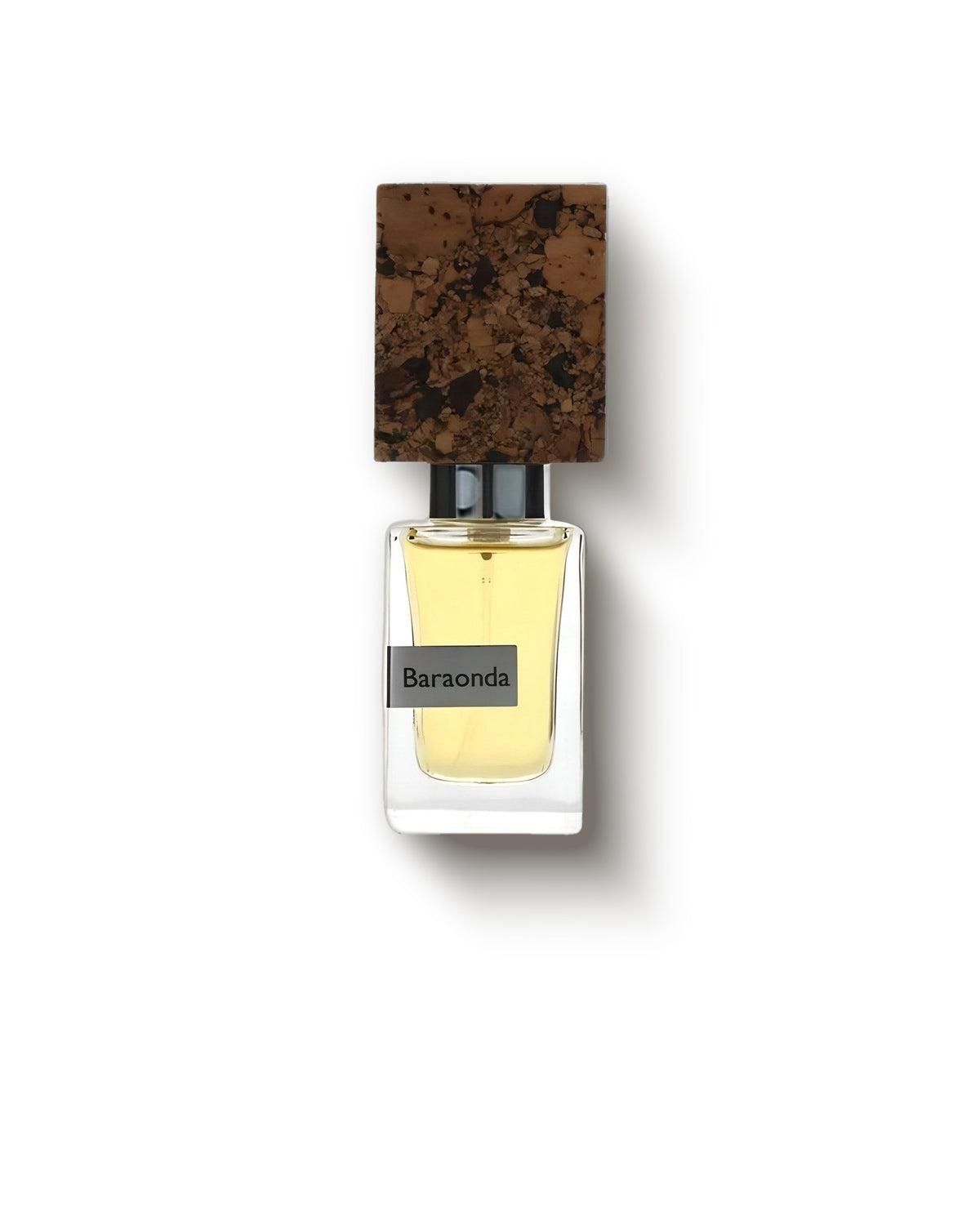
- Black Afgano, Baraonda

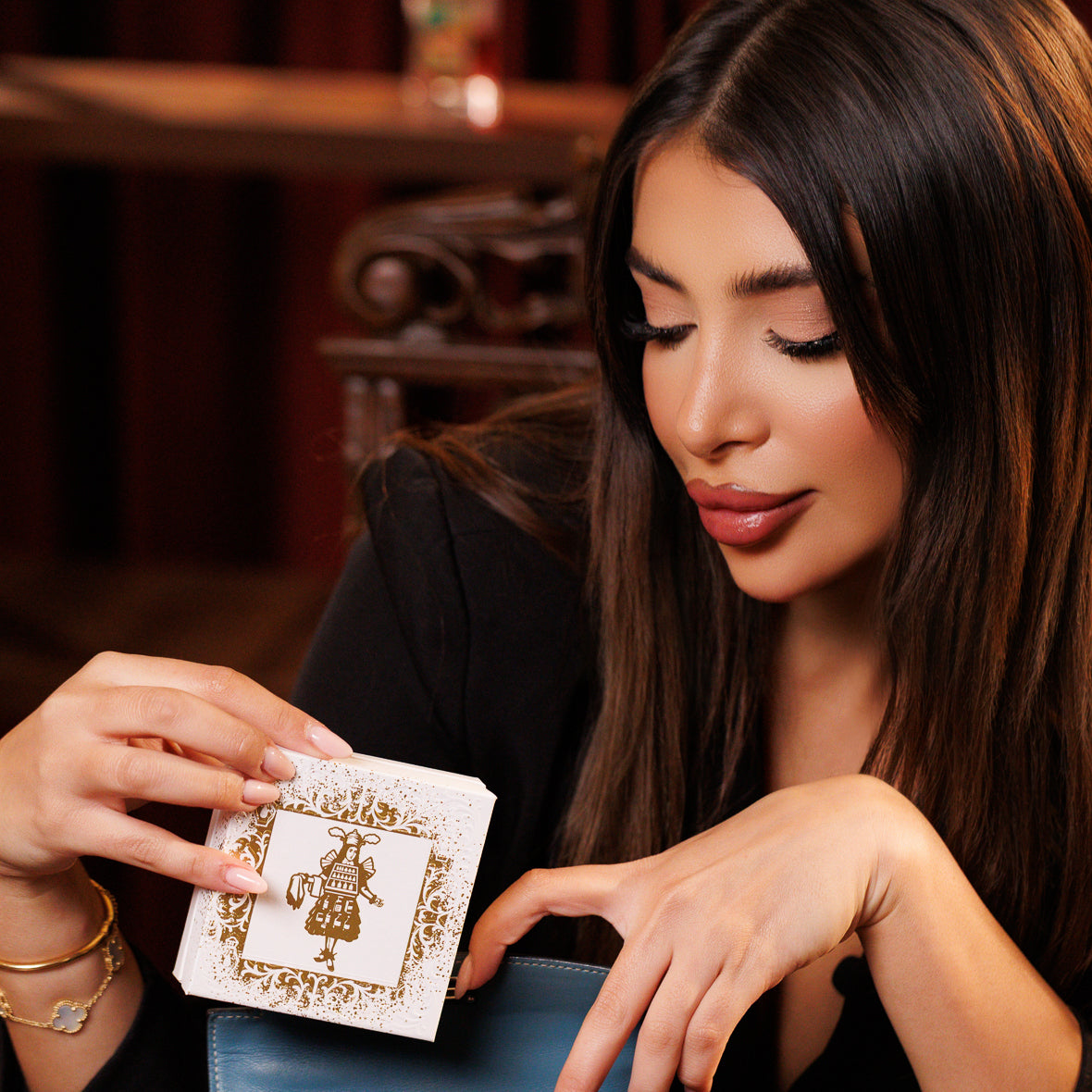
EVERY DECANT
From the original bottle to your door
We buy the original flacon at full retail price, direct from the house.
A medical grade Socorex syringe takes the exact millilitres straight from the flacon.
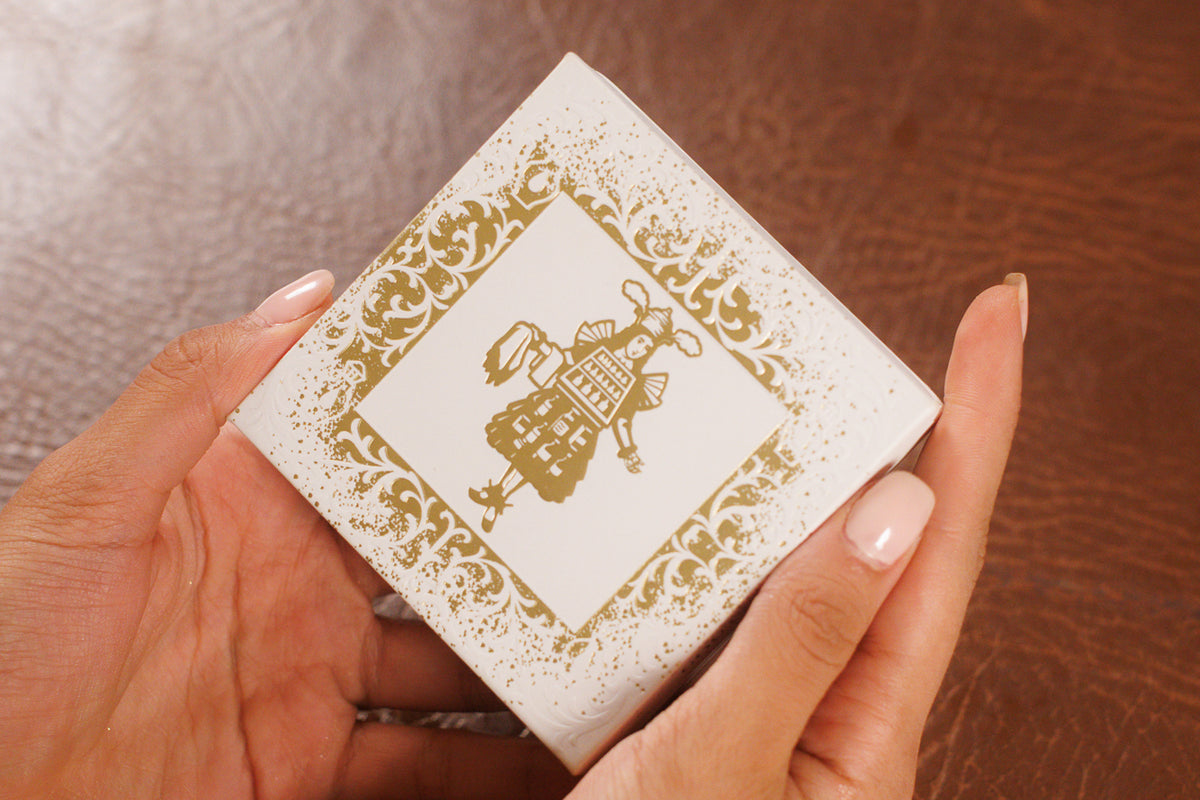
Packed into the hot foiled box and handed to DHL, every duty already paid. How a decant is made
More from Nasomatto

You may also like