
Creed
Carmina
The Story
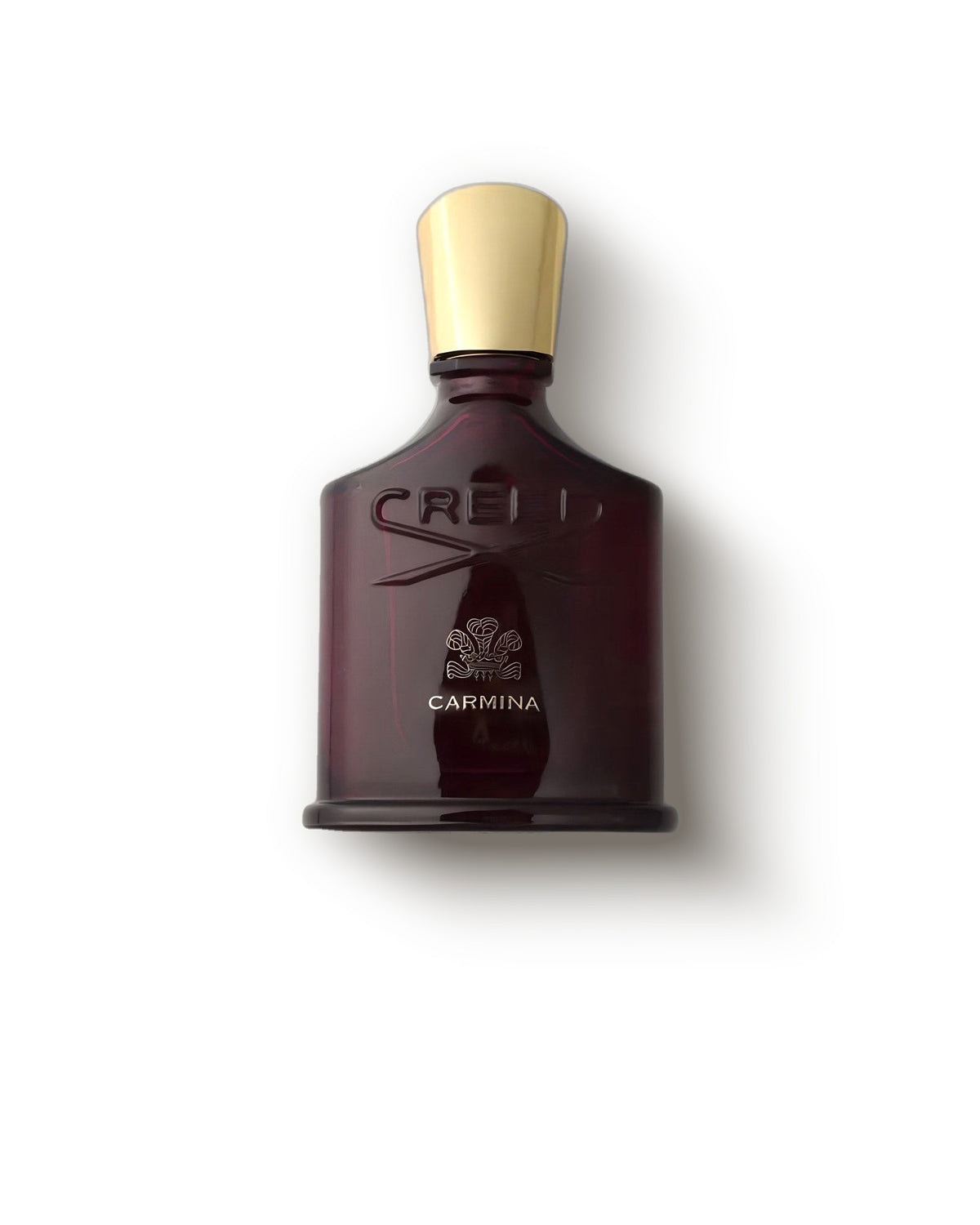
Carmina came out of haute couture sketches by Henry Creed, discovered in the original Paris maison. The composition is written to follow the line of those drawings, which is why the black cherry and saffron opening resolves into something structured rather than sweet.


Rose
Velvet petals, honey and thorn
Dewy and fruity on top, then a jammy, honeyed heart with a green peppery bite underneath. Very little of it is distilled flower. A rose accord is built, and a good one can smell more like a rose than the rose does.


Amber
Resin warmed until it goes sweet
Labdanum, benzoin and vanilla melted together into something sweet but dusky, like tree sap gone soft in the sun with a thread of incense smoke through it. Amber does not sparkle or shout. It sits close to the skin and gives off heat for hours.


Musky
Warm breath of clean skin
A soft, slightly animalic warmth that smells like clean skin and freshly dried laundry, intimate and faintly sweet. It hums quietly underneath a fragrance, a second skin that only registers when someone is already standing close enough to catch it.


Floral
A whole garden, never one flower
Not one flower but the impression of many, usually rose, jasmine and orange blossom leaning on each other until no single one is recognizable. Sweet, dewy, faintly powdery, with nectar underneath. It is what people mean when a perfume smells like flowers and they cannot say which.


Cherry
plump red orchard sweetness
Ripe red cherry, juicy and syrupy, with a soft almond bitterness hiding in the stone. Sweet and glossy, but carrying a faintly liqueur-like depth that stops it short of candy.

Warm Spicy
Glowing embers of the spice drawer
The rounded heat of cinnamon, clove, and nutmeg, dry and slightly resinous, like a baking pantry rather than a sharp kitchen. It creates a flushed, enveloping warmth that feels intimate and cool-weather, hugging the skin from within.


Black Cherry
Candied red fruit with a bitter stone
What it is
Cherry gives no usable oil, so the note is always assembled. Benzaldehyde carries it: the bitter-almond molecule behind the Prunus stone fruits. Build it from esters, or from bitter almond oil with davana, rose and tonka around it.
How it smells
The chemical version is loud and one-shaped, cherry as cordial and confectionery. The botanical route reads softer, jammier, nuttier at the pit, and it moves as it warms, davana pulling toward dried fruit and rose quieting it underneath.
In perfumery
It belongs in the opening, not the base. Benzaldehyde is volatile and short-lived on skin, so the accord is legible early, then hands off to the almond, vanilla or tonka underneath. It is dosed for that handover.
Good to know
Natural and synthetic benzaldehyde are the same molecule, and supply is overwhelmingly synthetic. The molecule is not the tell. What separates the routes is everything set around it: botanicals shift with the harvest, a chemical build never varies.


Saffron
Crimson threads breathing leather, honey and dry hay
What it is
Three crimson threads sit inside each autumn crocus flower, and a hand pulls every one. Dried, those stigmas are steeped into a tincture or extracted into an absolute. That is the entire supply chain.
How it smells
Hay and honey and warm toast first, then something metallic and leathery underneath, the work of a molecule called safranal. It dries down into suede, tobacco and dusty amber, bitter at the edges.
In perfumery
It lives in the heart, glowing reddish, the hinge between spice and leather. Perfumers wed it to rose so often the pairing became a genre, and entire leather accords get built on it alone.
Good to know
A kilogram of saffron costs about 150,000 hand-picked flowers and many days of stooped labor, which is why almost none of it reaches perfume. Most saffron notes are built from synthetic safranal instead.


Pink Pepper
Bright rosy berries with a spice fizz
What it is
It is not pepper. The rose-colored berries come from a South American tree with no botanical link to the pepper vine at all, dried and then steam-distilled or extracted with CO2.
How it smells
Rosier and fruitier than black pepper, with only a prickle of heat. Crushed berries, a juniper-ish resin, a flick of citrus. It flashes on the opening and is gone quickly, leaving a gentle warm spiciness behind.
In perfumery
Perfumers reach for it when a composition needs spice without heat. It puts a rosy fizz over florals, freshens woods and ambers, and sits well with bergamot and patchouli. The fizz is a signature of the modern fruity-floral.
Good to know
The family it actually belongs to is the cashews, close enough that people who react to cashew or mango sometimes react to these berries too. Worth knowing before you cook with them.


Rose de Mai
The honeyed May rose of Grasse
What it is
The hundred-petalled rose of Provence, picked by hand for a few weeks each May around Grasse. Fresh blossoms go into solvent, which draws out a waxy concrete; the concrete is washed with alcohol to give the absolute.
How it smells
Rounder and softer than Damascena rose, honeyed and jammy, with green leaf and a lychee-and-pear fruitiness running through. It dries to warm honey-wax sweetness dusted with pollen, without the sharp metallic bite.
In perfumery
Used in the heart for radiance rather than volume, it makes a floral seem lit from within. Perfumers set it against jasmine, violet and oakmoss, and the Grasse harvest supplies many of the French couture houses.
Good to know
Roughly 600 kilograms of freshly picked blossoms yield one kilogram of absolute. Between that ratio, the few weeks of May and the small Grasse acreage, genuine Rose de Mai stays one of the costliest naturals in perfumery.


Peony
Dewy ruffles, fresh and quietly green
What it is
Ruffled spring bloom of the Paeonia genus, herbaceous bushes and tree peonies alike. The living flower yields no oil at usable scale, so every peony in a bottle is assembled from rosy, green and watery aroma-chemicals.
How it smells
Cool, dewy and see-through: a soft rose heart lifted by crisp green stems and a faint honey. Think pale pink rather than red, a bud just opening, water on the petal. It never turns jammy.
In perfumery
The heart note of a thousand pink florals, radiant and light where rose would be heavy. It leans on lychee, freesia, magnolia and white musks, and shimmers through countless spring-toned bouquets.
Good to know
Since there is nothing to distil, every peony is a perfumer's guess at a flower, so two of them can smell almost unrelated. China has called it the king of flowers, a symbol of honor and wealth.


Violet
Powdery purple petals that vanish as you reach
What it is
Almost no violet in perfumery comes from violets. The flower yields so little oil that it is hardly produced any more, so the note is built from ionones, aroma-chemicals first made in a lab in the 1890s.
How it smells
Soft, cool and powdery, with a sugar-dusted candied sweetness and a thin green wetness behind it. It reads tender and nostalgic: Parma violet sweets, face powder, petals crushed in a pocket.
In perfumery
In the heart it does something unusual: it takes the sugar out of sweetness and leaves powder behind. Iris, rose, leather and almond all bend toward it, and violet soliflores wear it like an old makeup box.
Good to know
Ionones saturate the receptors fast, so the scent seems to vanish, then return as your nose recovers: perfumery's textbook case of olfactory fatigue. Violet leaf is another material entirely, green and cucumber-cool.


Cashmere Wood
A made-up wood that smells of warm skin
What it is
There is no cashmere tree. What you are smelling is one molecule, Cashmeran, made in an IFF lab around 1970 and named after the fabric rather than anything that grows.
How it smells
Dry blond wood and clean musk, wrapped in a spicy, faintly vanillic warmth with an edge of old paper and pine resin. Used lightly it stops smelling like wood at all and reads as salty, sun-warmed skin.
In perfumery
A base note that lies over a formula like a haze of wool, blurring sharp edges and stretching the wear. Donna Karan built Black Cashmere around it, and it hides inside a great many modern woody musks.
Good to know
On a note pyramid it turns up as Cashmere Wood, Cashmere Musk or Blond Woods, all dressing one lab molecule in a name that sounds picked. Some perfumers use it alone: it arrives sounding like a finished accord.


Frankincense
Golden tears hardened on a cut trunk
What it is
A scored Boswellia bleeds a milky sap that hardens over weeks into golden tears. The sacra trees of Oman and Somalia give the most prized resin. Steam or solvent turns the tears into oil.
How it smells
Brighter than you expect from something called incense: cool, lemony, almost pine-fresh, with a peppery lift. Underneath it is dry and balsamic, and it ends in the warm dusty smoke you already know.
In perfumery
It does something odd for a resin: it makes heavy things lighter. Sitting in the heart and base, it opens up oud, labdanum and thick oriental accords, and gives rose a cool, quiet space to stand in.
Good to know
The trees are in trouble. Wild Boswellia stands are thinning under over-tapping, drought and grazing, and the long-term supply of a resin the world has burned for thousands of years is now a real question.


Myrrh
Bitter resin smoke from a wounded desert tree
What it is
Cut the bark of a thorny desert shrub in the Horn of Africa or Arabia and it bleeds. The pale sap hardens on the branch into reddish-brown tears, steam-distilled into oil or solvent-extracted into a darker resinoid.
How it smells
Cool and bitter at first, medicinal enough to recall a fresh bandage, over dry earth and licorice. Then it warms: smoky balsam, soft leather, a mushroomy damp underneath. Slower and darker than frankincense, and dustier.
In perfumery
Perfumers keep it low in the blend, where it gives incense, amber and chypre compositions their gravity, the churchy weight under rose, labdanum and benzoin. Where frankincense lifts a composition, myrrh holds it down.
Good to know
Its name comes from a Semitic root meaning bitter. Egypt burned it in temples and packed it into the bodies of the dead. Most of it is still gathered from wild trees, and drought and browsing livestock are straining the stands.


Amber
A warm resinous glow built, not harvested
What it is
There is no amber tree. Perfumers assemble the smell from labdanum, the sticky gum that bleeds off a Mediterranean rockrose in summer heat, plus benzoin and vanilla. The fossilized resin in museum cases is odorless on skin.
How it smells
Honeyed and faintly animalic at first, then it settles into golden powdery warmth: beeswax, old tobacco, worn leather, a thread of smoke underneath. It stays close to the skin rather than filling the room.
In perfumery
It sits at the base and holds everything above it in place, which is why oriental compositions lean on it so hard. Vanilla and patchouli push it sweet; more resin, spice and dry herbs push it austere.
Good to know
The word once meant ambergris, the waxy secretion of sperm whales, and the confusion never cleared. The trade now uses amber for two things: this resin accord, almost always plant and synthetic, and the ambergris substitutes like Ambroxan.


Musk
One word for two entirely different materials
What it is
Two things answer to the name. A family of synthetic musks, built to carry warmth and softness, does most of the work in perfumery today. Deer musk is the older road, and traditional attar work still runs on it.
How it smells
Deer musk is animalic and heavy up close, and turns warm, sweet and radiantly skin-like the moment it is diluted to a whisper. The synthetics run cleaner: hot-ironed linen, warm cotton, skin rather than fur.
In perfumery
Musk is the floor a composition stands on: it fixes what sits above, stretches the wear and adds that second-skin glow. A lychee or a rose often has one underneath, holding the fruit in place long after it should have faded.
Good to know
One bottle can smell radiant on you and like almost nothing on the next person. A large number of people cannot smell certain synthetic musks at all, a quirk called specific anosmia.
Fragrance Character
Black cherry and saffron give a rich, almost liqueur-like opening; the heart is a creamy rose with peony and violet; and musk and amber with frankincense and myrrh keep the base smooth and refined.


Longevity
how long it stays on skin
The hourglass reads wear time: how many hours the fragrance keeps speaking before it fades. A bar that barely leaves the start means a few fleeting hours. One that runs the full length carries from morning into evening. Treat it as typical, not promised. Oily skin holds scent far longer than dry.


Sillage
the size of its scent trail
Sillage is French for a ship's wake, and that is exactly what this measures: how much of the scent reaches the room instead of staying on you. Low is a whisper only close friends catch. Enormous fills the room, then keeps filling it after you leave.


Experimental
Built to provoke, not to please
Some perfumes are made to be liked. These are made to be argued about: inky tar, hot rubber, fruit on the turn, metal and fur where you expected flowers. The coin glows for a scent that provokes and dims for one that plays it safe, which is sometimes the point.


Office
Polished, and never louder than the room
Scent is manners in a shared room. At this range it should reach the person across the desk and stop there: tidy citrus, soft musk, pale woods, all of it reading competent and considerate. A glowing coin means nobody has to mention it. A dim one means it travels.


Evening
After dark, when it deepens
Dinner, drinks, the night that runs long. Low light is where ambers, resins and smoky woods stop being polite, and where a plush floral finally blooms. A glowing coin means it is waiting for exactly this hour. A dim one means it did its best work in daylight.


Romantic
Close enough to be felt
A fragrance can hum against skin instead of announcing itself across a table. That is the register here: creamy florals, vanilla, soft musk, a thread of spice, warm enough to make someone lean in. The coin glows when a scent sets that mood and dims when it is more practical than seductive.


Formal
Quiet authority in a dressed-up room
A wedding, a ceremony, a room where everyone has thought about their shoes. What works here is structure, not volume: smooth woods, disciplined florals, soft leather. A glowing coin means it holds its posture all evening. A dim one means it is too casual for the room.


Casual
Easy comfort for unhurried days
Errands, coffee, a slow Saturday with nowhere to be. Nothing here has to impress anyone, so the fit is soft and easy: fresh citrus, light woods, a little warmth off the skin. A glowing coin says yes to all that. A dim one means the fragrance is asking for a bigger night.


Day to Night
where its mood naturally falls
A bar running from sun to moon, reading the hour the fragrance was made for. The more of it that stays gold, the more the scent belongs to daylight and open air. The further the blue reaches back toward the sun, the deeper and warmer it turns: evening, candlelight, low rooms.


Winter
Warmth that carries through cold air
Cold air mutes a fragrance and slows it down, which is why winter belongs to the dense and the warm: resin, smoke, vanilla, leather, ambered spice. The bar reads how well this one pushes back, glowing against the chill instead of thinning out in it.


Spring
Fresh blooms in mild, rising warmth
Mild, humid air lifts a light composition, so the season belongs to dewy florals, green stems, soft powder and citrus you can see through. Alive rather than heavy. The further the green runs along the bar, the more comfortably this one wears in that weather.


Summer
Bright and airy in real heat
Heat does the projecting for you, which is why the wrong perfume turns unbearable by noon. What survives is cool and breathable: sharp citrus, salt air, aromatic herbs, water. Things that refresh instead of cloy. A short bar here means save it for cooler months.


Fall
Spiced warmth for cooling days
As the air cools, the rich materials stop smothering and start reading clearly: dry woods, warm spice, tobacco, amber, fruit gone golden. It is the season perfume turns contemplative. The bar fills according to how naturally this one settles into crisp, cooling days.
Best Worn
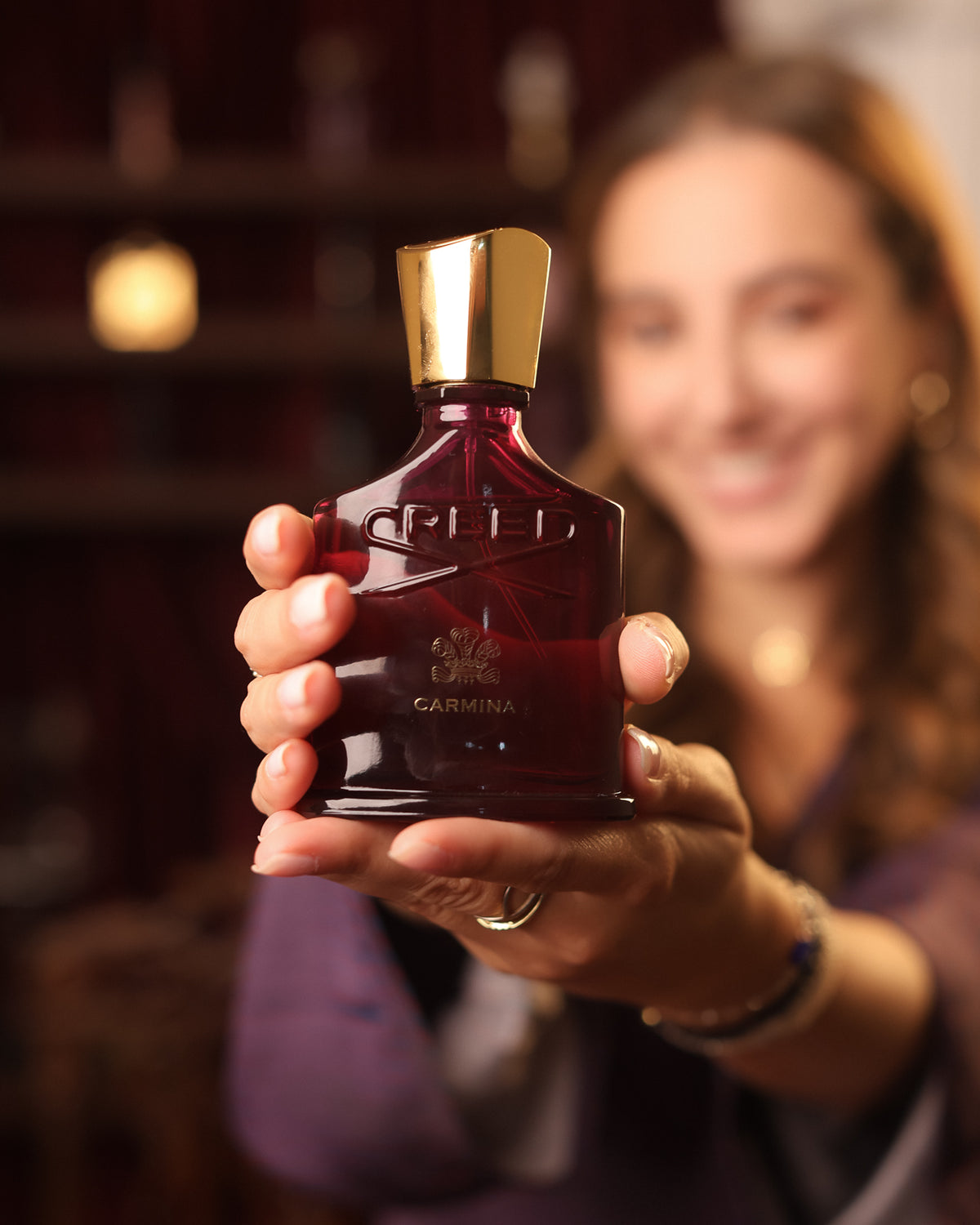
Worn close on autumn and winter nights, intimate enough for a date yet at ease from a quiet evening out to nothing more than an unhurried day, its liqueur-like cherry and creamy rose deepening as the cold sets in.
Choose options
The Vibe


The Nose

Olivier Creed
Perfumer
Sixth-generation head of the House of Creed, master perfumer until his death in May 2026. He joined the family business at 18, beside his father James. Under his direction the house launched Creed Aventus, Creed Green Irish Tweed, Creed Silver Mountain Water, Creed Virgin Island Water and Creed Royal Oud.
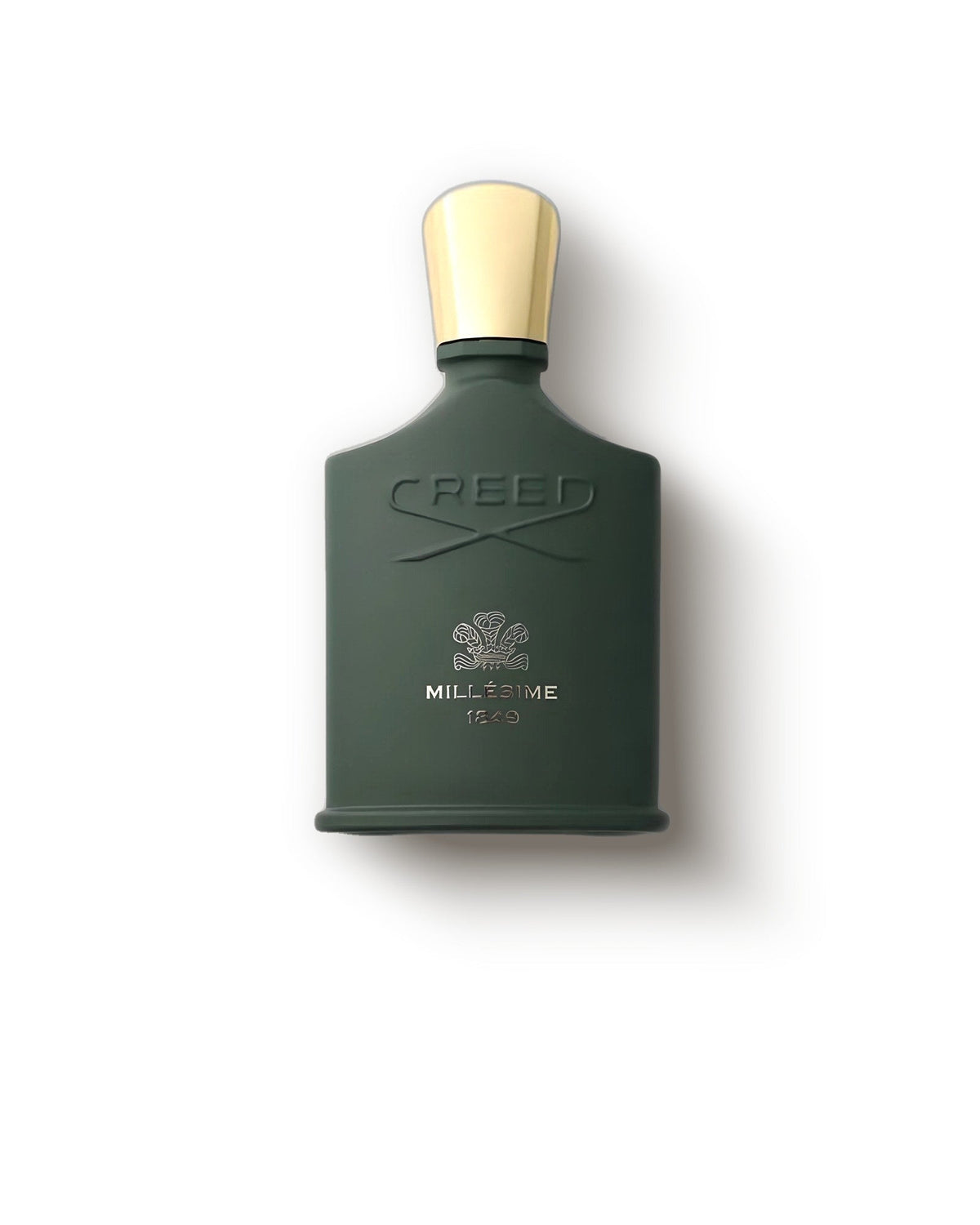
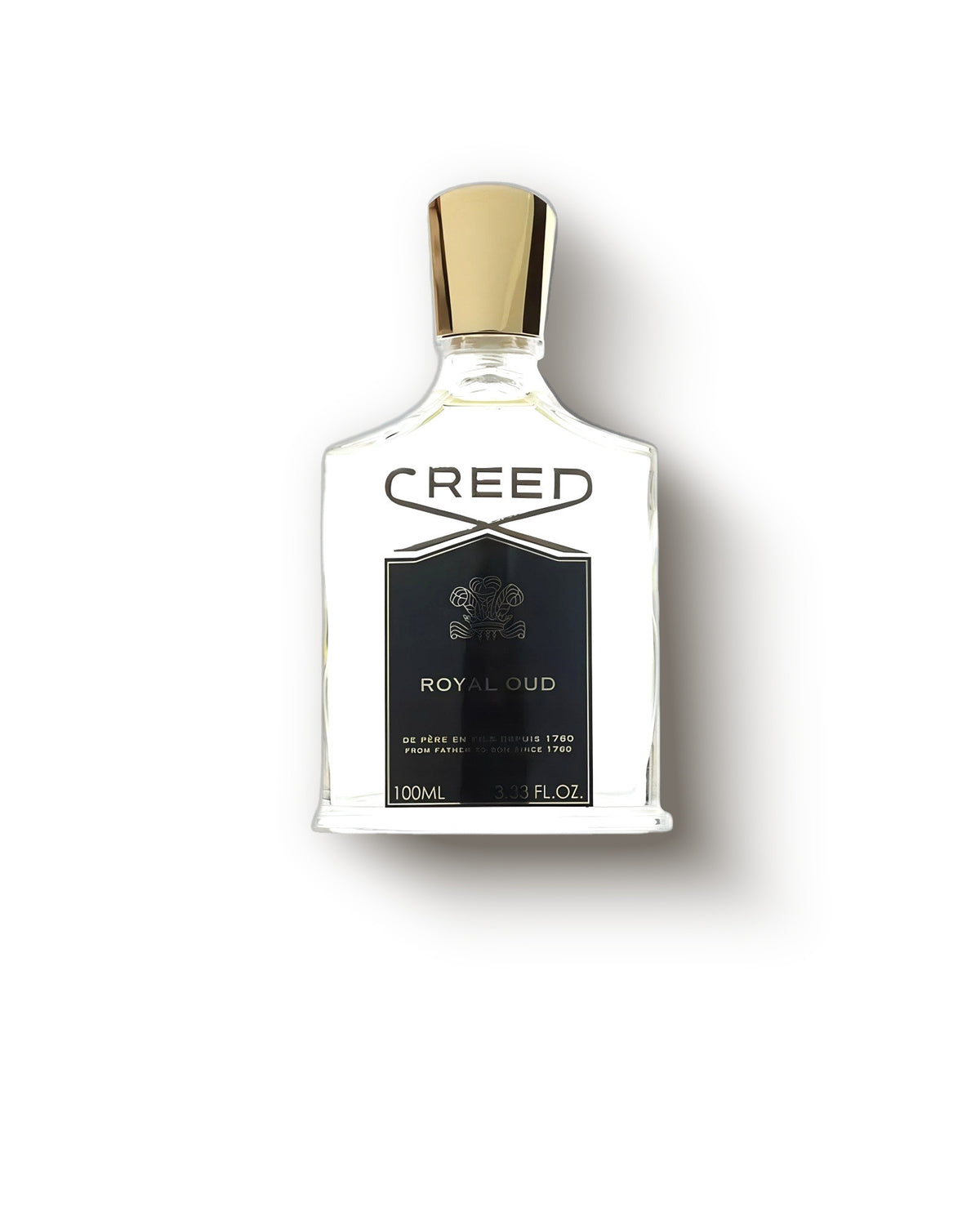
More by this noseMillésime 1849Absolu AventusRoyal Oud
The Maison

The polished entrance, from Green Irish Tweed’s cut grass to the swagger of Aventus, tried by the millilitre.
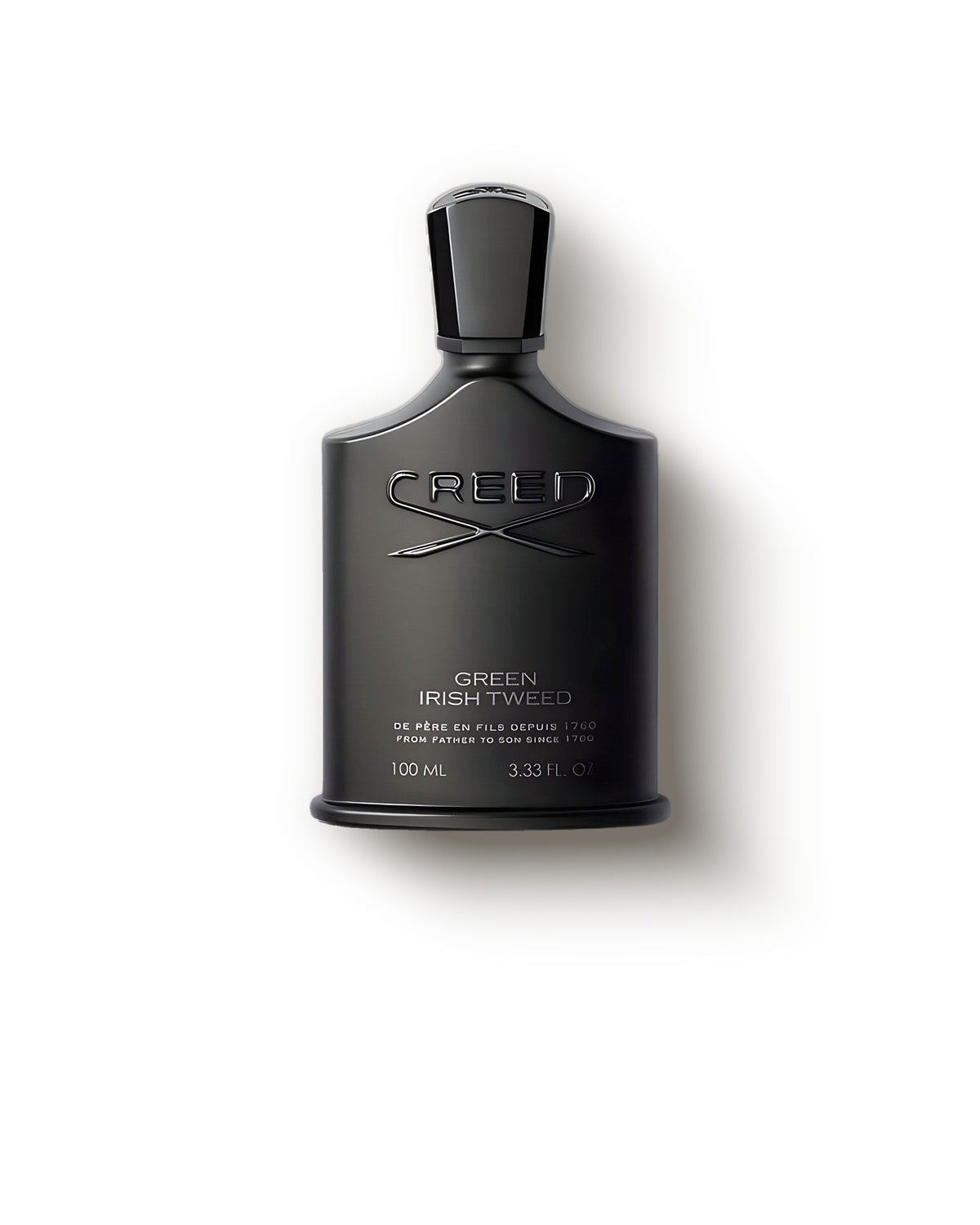
Creed is the fragrance you notice before you notice the person wearing it. Fresh citrus caught over old wood, a lavender that reads like a pressed collar, a pineapple sparkle that has become shorthand for confidence. These are scents people commit to for years, which is exactly why they reward trying first.
- Origin
- Paris, France
- Founded
- 1760
- Known for
- Aventus, Green Irish Tweed, Royal Oud

EVERY DECANT
From the original bottle to your door
We buy the original flacon at full retail price, direct from the house.
A medical grade Socorex syringe takes the exact millilitres straight from the flacon.
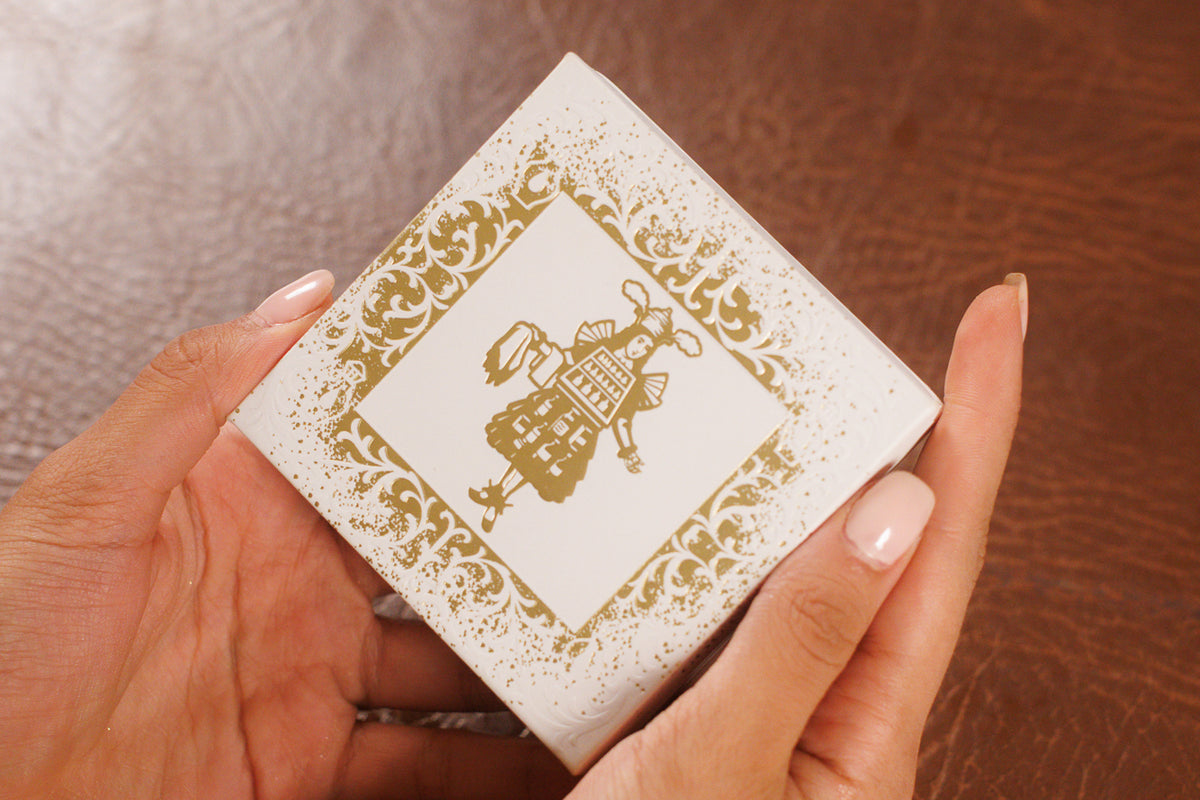
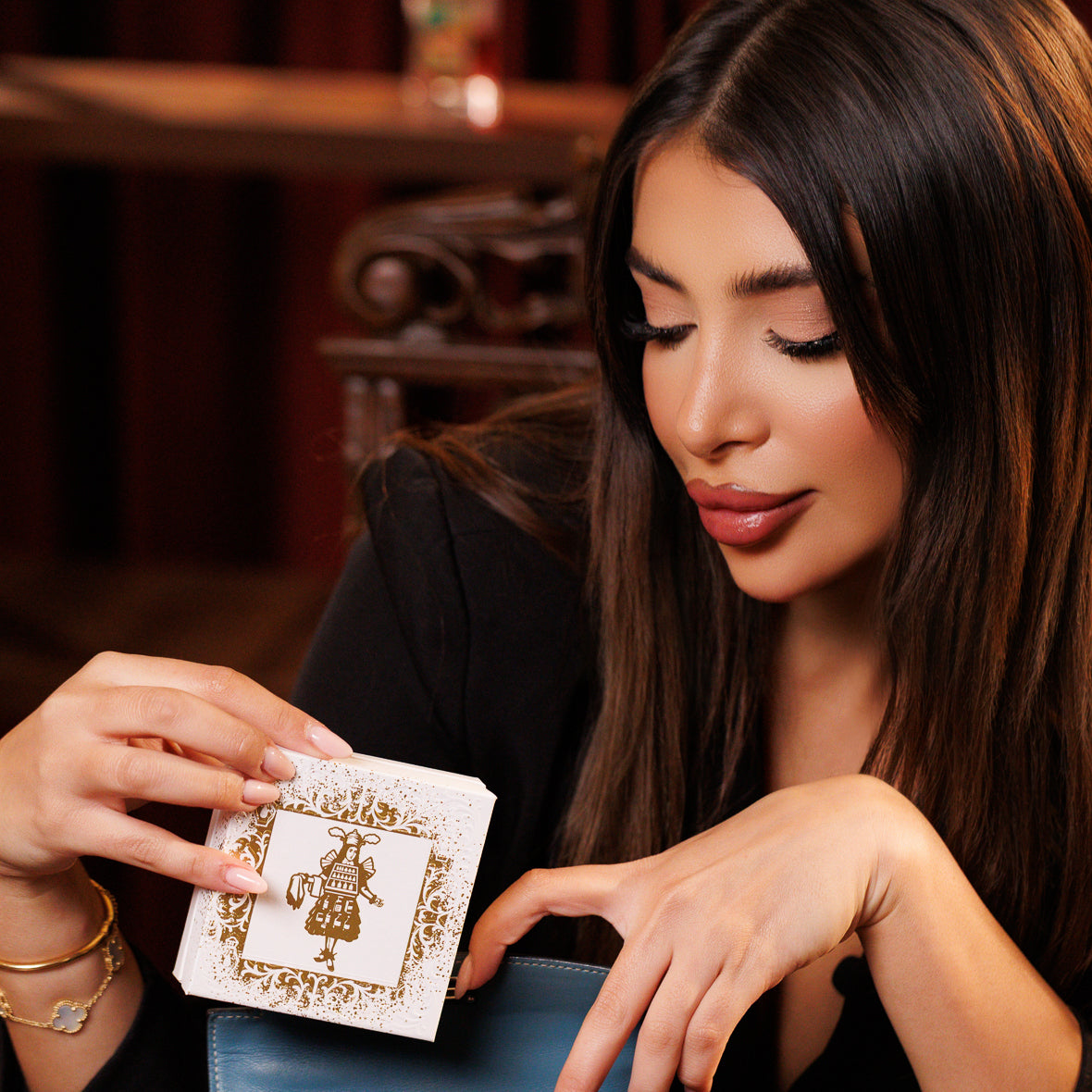
Packed into the hot foiled box and handed to DHL, every duty already paid. How a decant is made
More from Creed
You may also like