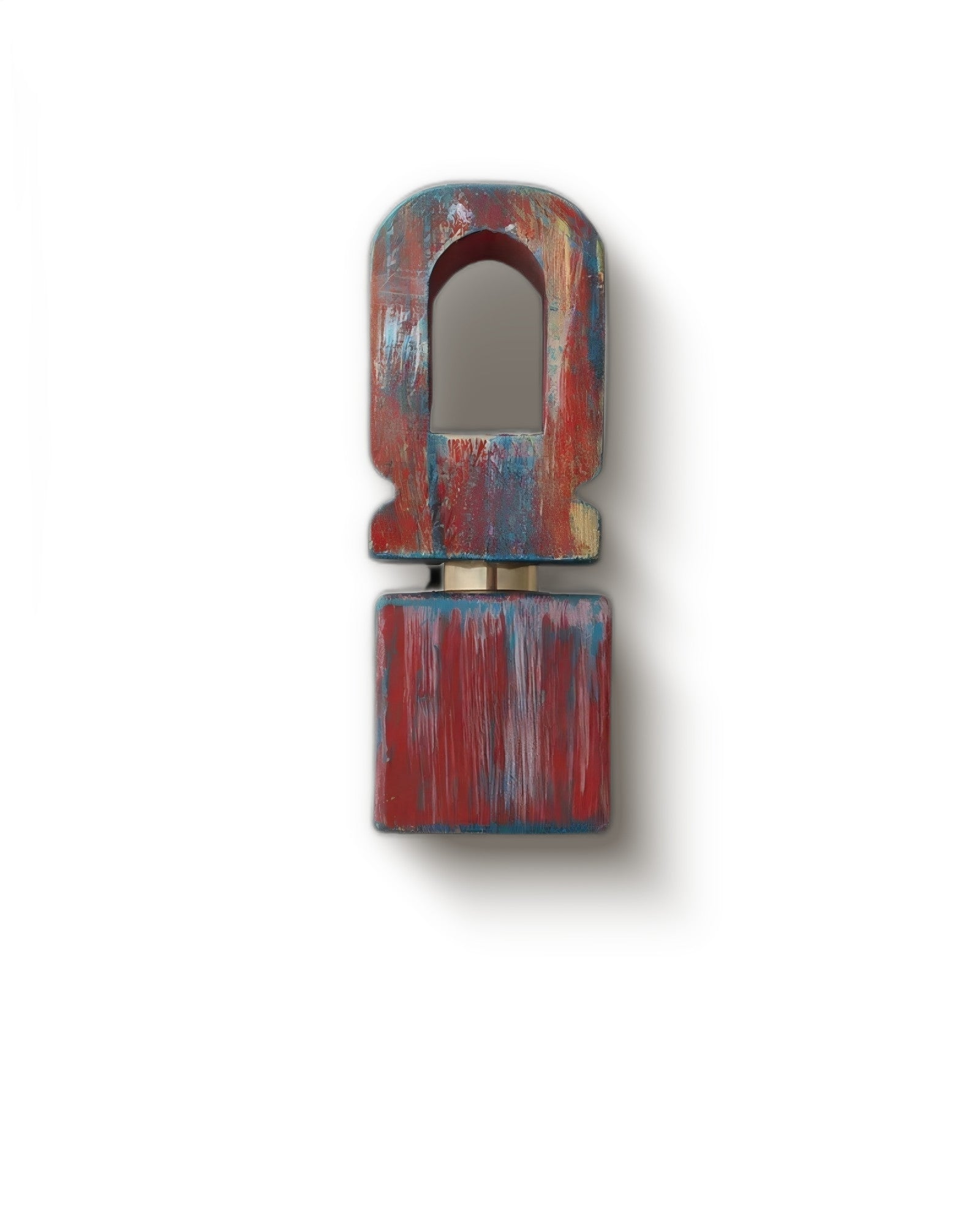
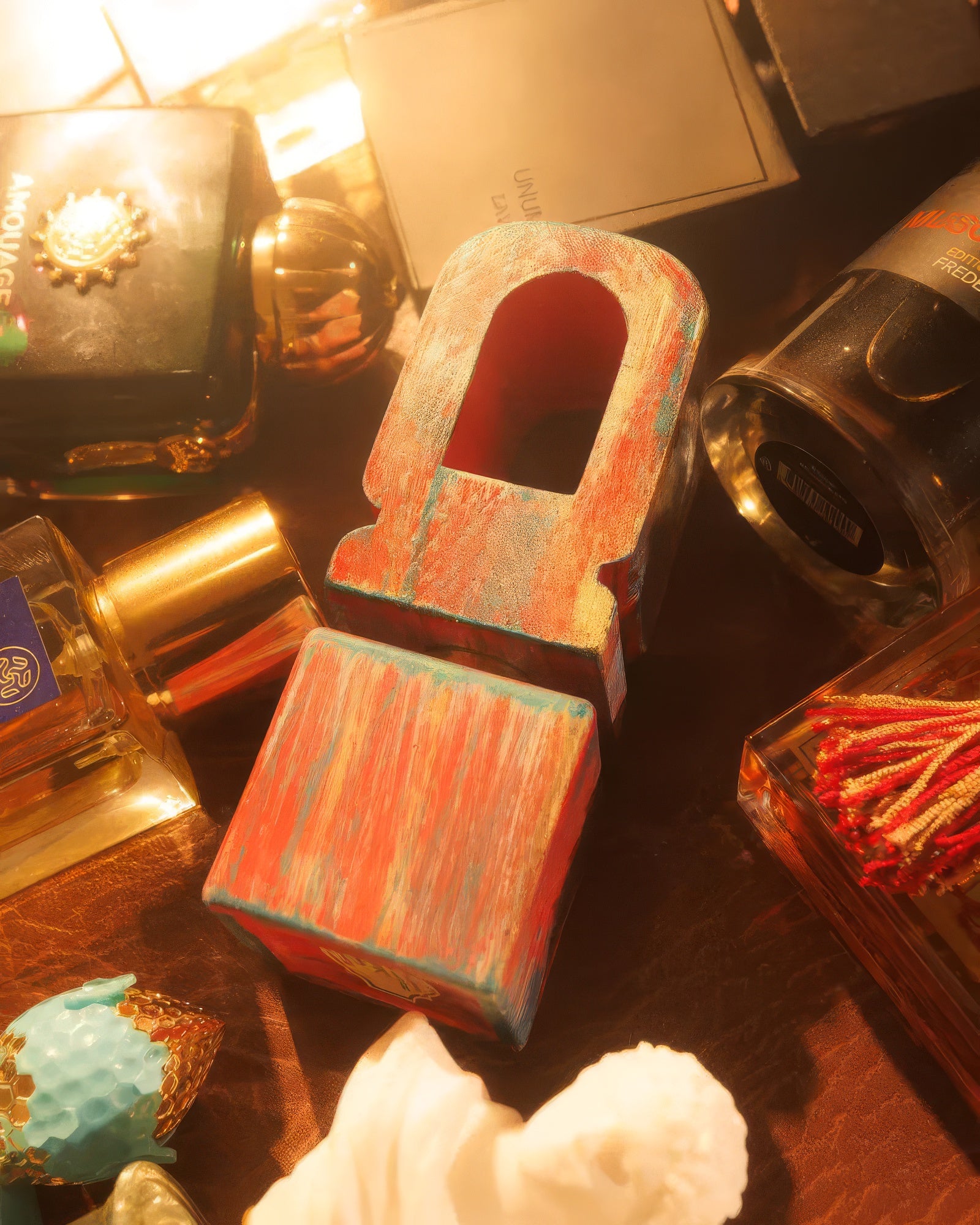


Adi Ale Van
Coliva Gourmand Potion
The Story
Named for coliva, the wheat-and-honey dish served at Romanian memorials, Adi Ale Van's gourmand turns mourning into something edible and strange: comforting bread and cocoa shadowed by incense, bitter herbs and skin-like musk. It is dessert with a memory of the funeral table.


Sweet
Warm sugar you cannot quite name
Caramel, honey, spun sugar: sweetness that hovers between all three and never settles on one. This is the gourmand pull, the thing that makes someone lean in closer than they meant to, warm and soft and a half step short of edible.


Warm Spicy
Glowing embers of the spice drawer
The rounded heat of cinnamon, clove, and nutmeg, dry and slightly resinous, like a baking pantry rather than a sharp kitchen. It creates a flushed, enveloping warmth that feels intimate and cool-weather, hugging the skin from within.


Vanilla
Cured pod, boozy under the cream
Cured pods, not frosting. The sweetness here is custardy and balsamic, with something dark and boozy under it, closer to rum and woodsmoke than to sugar. It warms everything above it, blunting sharp edges and slowing the whole thing down.


Amber
Resin warmed until it goes sweet
Labdanum, benzoin and vanilla melted together into something sweet but dusky, like tree sap gone soft in the sun with a thread of incense smoke through it. Amber does not sparkle or shout. It sits close to the skin and gives off heat for hours.


Animalic
Skin, fur and something not quite tame
A raw, body-warm muskiness that reads of skin, hair and fur, sometimes sweet and powdery, sometimes sharp and faintly feral. At its best you cannot tell where the perfume stops and the wearer starts. At its strongest, it is the reason some people back away.


Musky
Warm breath of clean skin
A soft, slightly animalic warmth that smells like clean skin and freshly dried laundry, intimate and faintly sweet. It hums quietly underneath a fragrance, a second skin that only registers when someone is already standing close enough to catch it.


White Chocolate
Cocoa butter, condensed milk and warm vanilla
What it is
Take the cocoa solids out of chocolate and what is left is fat, milk and sugar. That is the confection, and it is also the note: nothing to distil here, so the accord is assembled from creamy and vanillic materials.
How it smells
A bar going soft in your hand: melted cocoa butter, warm cream, a nutty condensed-milk richness with vanilla rounding it. No roast anywhere in it, and none of the dry bitterness a cocoa absolute brings.
In perfumery
Gourmand work uses it heart to base, where its job is to blunt anything sharp. Heliotropin, lactones and musks do the building; caramel, coconut, tonka and red fruit are the usual neighbours. It reads as comfort.
Good to know
For years regulators in several countries argued over whether a bar with no cocoa solids may be sold as chocolate at all. Perfumery had already answered: the smell people mean by white chocolate is cocoa butter and vanilla.


Coffee
The dark heart of morning, bottled
What it is
Not a bean at all: coffee is the seed of a tropical cherry, two to a fruit, and the smell arrives only with the roast. Perfumers use a roasted-bean absolute or a CO2 extract.
How it smells
Bitter cocoa, toasted nuts and a grainy, just-ground sharpness with smoke behind it. Then it softens: burnt sugar, chocolate, a little tobacco, and a milky, oily roundness that keeps the bitterness from turning harsh.
In perfumery
It sits in the heart, or at the top of the base, where bitterness does what sugar cannot and stops vanilla, tonka and amber going syrupy. A whole run of sweet masculine scents was built on that trick.
Good to know
One molecule does most of the talking. Your nose catches 2-furfurylthiol at 0.01 parts per billion, so a trace reads instantly as fresh brew. Natural coffee extracts fade and go flat, so most coffee notes are rebuilt.


Cacao Pod
Raw tropical fruit before chocolate exists
What it is
Football-shaped, ridged, and hanging on a small understory tree of Central and South America. The note is the whole raw fruit, husk and pale juicy pulp, caught before fermenting and roasting turn the beans into chocolate.
How it smells
Green, tart and alive, closer to tropical fruit than to chocolate. The pulp recalls lychee, mangosteen and passion fruit with a citric tang and a faint fermenting sourness; the husk adds wet wood and a yeasty bitterness.
In perfumery
Heart-note surprise rather than sweetness, and nothing like a dark-chocolate note. It sits in green tropical blends with passion fruit, lychee and leaf accords, showing cacao as it is before anyone makes dessert of it.
Good to know
Where it grows, the white pulp is the treat, not the beans. People eat it off the seeds, press it into juice and ferment it into wine, from a fruit the world meets only as chocolate.


Licorice
Black sweetness with an anise heartbeat
What it is
Most of what perfumery calls licorice is not the root at all. The smell is anethole, one molecule, distilled and chilled out of anise, star anise and fennel seed oils. The root mostly lends its name.
How it smells
Sweet, dark and faintly medicinal, with a cool anise-fennel bite up front. Beneath it, rooty warmth edged with tobacco and something chewy and balsamic. Candy or shadow depending on the dose; it dries down soft, powdery, slightly woody.
In perfumery
It sits in the heart, bridging spice, vanilla and woods with a gourmand-aromatic twist, and takes well to violet, immortelle, lavender and tonka. The anise-licorice accord is the whole signature of Lolita Lempicka.
Good to know
Chew a piece of the root and it floods your mouth with sweetness while barely smelling of anything. That is glycyrrhizin, roughly fifty times sweeter than sugar, and it is a taste, not a smell.


Cardamom
Green spice cracking open with citrus heat
What it is
Pickers take the pods before they ripen, which means doing it by hand. A ginger relative from the forests of southern India, now farmed widely in Guatemala. The seeds inside are what gets distilled.
How it smells
Crack one and you get cool eucalyptus lift over warm pepper, lemon peel and a little pine resin. There is a smoky breadiness in it too, the smell of chai. Sharp and effervescent first, then soft and balsamic.
In perfumery
It sits between top and heart, a spice sparkle that stays cool, letting a composition move from citrus into woody amber without the weight of clove or cinnamon. Rose, leather and oud all take it well.
Good to know
The pod is packaging. Sealed, it keeps the oil intact; cracked, the aroma starts escaping straight away, which is why distillers work fast and why pre-ground cardamom is a ghost of the whole pod.


Olibanum
Sun-baked resin tears that smell of sacred smoke
What it is
Olibanum and frankincense are the same thing, one word older than the other. Harvesters score the bark of Boswellia trees in Oman, Yemen and Somalia; the milky sap bleeds out and hardens in the sun into amber tears.
How it smells
Bright and dry, lemon-peel and pine over a balsamic warmth, with pepper and a cool camphor lift running through it. It softens as it goes, turning ambery and still. Old stone, warm dust, an empty church.
In perfumery
Perfumers reach for it when a blend needs air: it gives incense and amber compositions lift and a cool radiance rather than weight. Myrrh, rose, citrus and labdanum all sit comfortably beside it.
Good to know
Frankincense was once valued like gold and moved north along the Arabian caravan roads, which is why it turns up in the Nativity. Overtapping, overgrazing and beetle damage are now thinning the wild stands.


Wormwood
Bitter silvery herb of absinthe and vermouth
What it is
The bitter green heart of absinthe, and of traditional vermouth too: a silvery, finely cut shrub whose flowering tops and leaves distil into a dark oil thick with thujone.
How it smells
Sharp, cold and relentlessly bitter, with a camphorous, anise-tinged prickle on top and a faint blue-chamomile hush beneath it. Under that, a warm medicinal wood. Read it as crushed sage and mugwort, never anything sweet.
In perfumery
It works from the top into the heart, sharpening fougeres and chypres with a green bite and an unmistakable absinthe signal. Lavender, citrus, jasmine and oakmoss all take it well, and it is dosed in traces.
Good to know
Thujone made wormwood notorious. It is restricted in food and long took the blame for absinthe's supposed madness, though modern science points squarely at the alcohol. Wermut, the German name for the plant, is where vermouth comes from.


Bread
The warm hush of a morning oven
What it is
Fresh bread cannot be extracted. The smell is hundreds of volatile compounds from fermentation and browning, and most are gone minutes after the loaf leaves the oven, so perfumers build it from yeast, caramel and toasted-grain molecules.
How it smells
Soft, warm and starchy, with the tang of living yeast and a nutty crust edge. It opens slightly sour, then settles into doughy sweetness. Crusty versions turn almost caramel; brioche ones go buttery and milky.
In perfumery
Heart-to-base warmth in gourmands. Beside vanilla, honey and caramel it turns cozy; beside iris and dry woods it turns strange. L'Artisan Parfumeur's Bois Farine smells of raw flour and bakery air, not a finished loaf.
Good to know
For years bread sat at the awkward edge of the gourmand family, too plain next to chocolate and caramel. Niche houses picked it up precisely for that, and warm dough became a thing people want to wear.


Cedar
Dry sharpened pencils and sun-warmed timber
What it is
Most perfumery cedar is not cedar. It is juniper, from the Virginia and Texas trees, steam-distilled from chips and sawmill shavings. True Atlas cedar exists and is used, but it is the smaller source.
How it smells
Freshly sharpened pencils, then the inside of a cedar-lined closet. Atlas leans warm, smoky and balsamic; Virginia reads sharper and cleaner. Either way it settles into soft sawdust warmth and stays there for hours.
In perfumery
A workhorse. It gives woody compositions their backbone and holds lighter materials in place, sitting comfortably beside vetiver, rose, citrus and amber. Its plummy-woody core runs through most modern unisex woods.
Good to know
Egyptian embalmers poured cedar oil into the body rather than burning it, and cedar timber lined the tombs and coffins they meant to outlast them. The true cedars and the junipers share a name through smell, not lineage.


Iris
Cool powdered earth from a patiently aged root
What it is
Perfumery iris comes not from the flower but from the root. The dug rhizomes are dried and left to age three to five years while the aromatic irones form, then ground and steam-distilled into a waxy orris butter.
How it smells
Cool, powdery and rooty: violet, suede and fresh-sawn wood dusted with face powder. Underneath sits a damp mineral earthiness, a faint carrot sweetness, a buttery softness. It feels more texture than perfume, and it stays quiet on skin.
In perfumery
Nothing else gives a blend that cool, powdered restraint. It steadies chypres and florals, takes the shine off rose and violet, and lends sandalwood and ambrette a velvet finish. Iris makes a perfume behave.
Good to know
A tonne of dried, aged rhizome yields about two kilograms of butter. Add the years of waiting before it can even be distilled and you see why real orris turns up in so few bottles.


Cypriol
Dark smoky root from an Indian riverbed
What it is
Nagarmotha, a sedge that grows wild in the marshy riverbeds of Madhya Pradesh. The roots are dug up, dried, crushed and steam-distilled, and the yield is under a tenth of one percent: a thick, dark oil.
How it smells
Woody and earthy with a cold smoky underbelly, drier than patchouli and rootier than vetiver. A peppery sharpness first, then leather, dry amber and a little tar. It ends dark, mineral and ashy, close to burnt agarwood.
In perfumery
Base note and natural fixative, the affordable stand-in when a formula wants oud. It works with patchouli, saffron, cedar and incense, and holds up most of the smoky woody blends that lean agarwood.
Good to know
The same rhizome is motha, a workhorse base of Indian perfumery, and it has flavored Ayurvedic tonics for centuries. Its sister sedge, meanwhile, is a stubborn farm weed cursed by growers worldwide.


Animal Notes
The warm, skin-close growl beneath a fragrance
What it is
Not one material but a register: the warm, body-close end of a formula, the part that smells lived in. The old sources have mostly left the palette, and ambrette, labdanum and aroma-chemicals stand in their place.
How it smells
A spectrum of warmth. Musk reads soft and skin-like; civet is sharp and faecal in trace, velvety once diluted; castoreum leathery and smoky; ambergris salty and marine. Together: fur, breath, and the line where clean tips into dirty.
In perfumery
Built into the base, they are what makes a scent feel worn rather than sprayed. Without them a formula stays polite; with them it develops a pulse. The great animalic orientals, chypres and leathers all turn on that warmth.
Good to know
Almost every animalic in a modern bottle is built from aroma-chemicals and plants, which is why they smell like skin and not like an animal. What you get is warmth that reads as a person.


Vanilla
Cured orchid pods, custard and faint smoke
What it is
Green pods come off the orchid vine smelling of almost nothing. The scent is made, not found: months of blanching, sweating in the sun and slow drying before the vanillin appears. Mexico first, Madagascar now.
How it smells
Custard and caramel up front, then something darker underneath: dried fruit and a thread of tobacco smoke. It turns powdery as it dries and sits close to the skin. Real cured vanilla reads deeper than vanillin alone.
In perfumery
Perfumers use it to round off edges. Anything too sharp, too green, too austere gets warmth and body from a vanilla base, which is why it anchors many oriental and gourmand builds alongside tonka, amber, sandalwood and spice.
Good to know
Every flower opens for one day. Miss it and there is no pod, so all of it is pollinated by hand, a trick devised by Edmond Albius, a twelve-year-old enslaved boy on Réunion. Most vanilla flavour today is synthetic.


Tonka Bean
Warm almond-vanilla sweetness with a hay-tobacco shadow
What it is
Shelled seeds from a South American legume tree go into alcohol, then dry for weeks until coumarin crystallizes across their skins like frost. That frosted bean is what becomes the absolute perfumers use.
How it smells
Vanilla and bitter almond first, then hay, dried tobacco and something toasted. The opening is close to caramelized custard; the drydown goes powdery and boozy, with cinnamon and cut clover in it. Hazier than vanilla, softer than almond.
In perfumery
Between heart and base, it sweetens without turning sharp. Lavender, amber and tobacco all take to it. Coumarin, first pulled out of this seed, built the fougère family, though the 1882 original ran on the synthetic version.
Good to know
Tonka owes most of its scent to coumarin, which American food regulators banned in 1954 after high doses damaged the livers of lab animals. The bean is effectively illegal in a US kitchen and perfectly legal on skin.


Butter
Warm yellow fat melting in a pan
What it is
No one extracts butter. The note is assembled: lactones for the creamy roundness, a diacetyl touch for the cultured tang of the churn, sometimes vanilla and caramel folded in to warm it.
How it smells
Fatty, milky and yellow, warm rather than sweet. Think butter going soft in a hot pan, sliding toward toffee and pastry. Underneath, the lactones give a custardy, faintly coconut roundness that keeps it plush instead of sugary.
In perfumery
A heart-to-base texture more than a smell: it rounds sharp edges and gives gourmands their bakery weight. It sits with caramel, vanilla, praline and almond, turning a brioche or croissant accord into pastry rather than sugar.
Good to know
Lactones are why ripe peaches, coconut and osmanthus all carry that same creamy roundness: one family of molecules, three unrelated smells. Orris butter is something else entirely, the waxy extract of aged iris root, with no dairy in it.


Amber
A warm resinous glow built, not harvested
What it is
There is no amber tree. Perfumers assemble the smell from labdanum, the sticky gum that bleeds off a Mediterranean rockrose in summer heat, plus benzoin and vanilla. The fossilized sap in museum cases is odorless on skin.
How it smells
Honeyed and faintly animalic at first, then it settles into golden powdery warmth: beeswax, old tobacco, worn leather, a thread of smoke underneath. It stays close to the skin rather than filling the room.
In perfumery
It sits at the base and holds everything above it in place, which is why oriental compositions lean on it so hard. Vanilla and patchouli push it sweet; more resin, spice and dry herbs push it austere.
Good to know
The word once meant ambergris, the waxy secretion of sperm whales, and the confusion never cleared. The trade now uses amber for two things: this resin accord, almost always plant and synthetic, and the ambergris substitutes like Ambroxan.


Labdanum
Sticky amber resin scraped from sun-baked rockrose
What it is
A Mediterranean rockrose sweats gum through its leaves in summer, dark and sticky enough to glue your fingers together. Harvesters boil or scrape the branches to get it off, then extract that crude gum into absolute and resinoid.
How it smells
Balsamic warmth, then leather, dried fruit, honey and a curl of smoke. There is something almost ambergris-like in the opening. Hours later it has settled into brown tobacco and worn skin, still going.
In perfumery
Take labdanum out and most amber accords collapse; it is what vanilla and benzoin get built on. It fixes a formula in place, gives chypres and leathers their depth, and sits well with rose, oakmoss and incense.
Good to know
Before there was distillation, there were goats. Herds browsed through cistus scrub all summer, the gum matted into their beards and thighs, and shepherds combed it out. Labdanum is one of the oldest aromatic materials still in use.


Musk
One word for two entirely different materials
What it is
Two things answer to the name. A family of synthetic musks, built to carry warmth and softness, does most of the work in perfumery today. Deer musk is the older road, and traditional attar work still runs on it.
How it smells
Deer musk is animalic and heavy up close, and turns warm, sweet and radiantly skin-like the moment it is diluted to a whisper. The synthetics run cleaner: hot-ironed linen, warm cotton, skin rather than fur.
In perfumery
Musk is the floor a composition stands on: it fixes what sits above, stretches the wear and adds that second-skin glow. A lychee or a rose often has one underneath, holding the fruit in place long after it should have faded.
Good to know
One bottle can smell radiant on you and like almost nothing on the next person. A large number of people cannot smell certain synthetic musks at all, a quirk called specific anosmia.
Fragrance Character
It opens rich and edible, chocolate, roasted coffee and cacao, before bread, butter and cedar give it the warmth of a kitchen. Iris and cypriol add a cool, rooty grey; olibanum and wormwood keep the sweetness from cloying; and a base of vanilla, tonka, amber and musk closes it like the last warm bite.


Longevity
how long it stays on skin
The hourglass reads wear time: how many hours the fragrance keeps speaking before it fades. A bar that barely leaves the start means a few fleeting hours. One that runs the full length carries from morning into evening. Treat it as typical, not promised. Oily skin holds scent far longer than dry.


Sillage
the size of its scent trail
Sillage is French for a ship's wake, and that is exactly what this measures: how much of the scent reaches the room instead of staying on you. Low is a whisper only close friends catch. Enormous fills the room, then keeps filling it after you leave.


Experimental
Built to provoke, not to please
Some perfumes are made to be liked. These are made to be argued about: inky tar, hot rubber, fruit on the turn, metal and fur where you expected flowers. The coin glows for a scent that provokes and dims for one that plays it safe, which is sometimes the point.


Office
Polished, and never louder than the room
Scent is manners in a shared room. At this range it should reach the person across the desk and stop there: tidy citrus, soft musk, pale woods, all of it reading competent and considerate. A glowing coin means nobody has to mention it. A dim one means it travels.


Evening
After dark, when it deepens
Dinner, drinks, the night that runs long. Low light is where ambers, resins and smoky woods stop being polite, and where a plush floral finally blooms. A glowing coin means it is waiting for exactly this hour. A dim one means it did its best work in daylight.


Romantic
Close enough to be felt
A fragrance can hum against skin instead of announcing itself across a table. That is the register here: creamy florals, vanilla, soft musk, a thread of spice, warm enough to make someone lean in. The coin glows when a scent sets that mood and dims when it is more practical than seductive.


Formal
Quiet authority in a dressed-up room
A wedding, a ceremony, a room where everyone has thought about their shoes. What works here is structure, not volume: smooth woods, disciplined florals, soft leather. A glowing coin means it holds its posture all evening. A dim one means it is too casual for the room.


Casual
Easy comfort for unhurried days
Errands, coffee, a slow Saturday with nowhere to be. Nothing here has to impress anyone, so the fit is soft and easy: fresh citrus, light woods, a little warmth off the skin. A glowing coin says yes to all that. A dim one means the fragrance is asking for a bigger night.


Day to Night
where its mood naturally falls
A bar running from sun to moon, reading the hour the fragrance was made for. The more of it that stays gold, the more the scent belongs to daylight and open air. The further the blue reaches back toward the sun, the deeper and warmer it turns: evening, candlelight, low rooms.


Winter
Warmth that carries through cold air
Cold air mutes a fragrance and slows it down, which is why winter belongs to the dense and the warm: resin, smoke, vanilla, leather, ambered spice. The bar reads how well this one pushes back, glowing against the chill instead of thinning out in it.


Spring
Fresh blooms in mild, rising warmth
Mild, humid air lifts a light composition, so the season belongs to dewy florals, green stems, soft powder and citrus you can see through. Alive rather than heavy. The further the green runs along the bar, the more comfortably this one wears in that weather.


Summer
Bright and airy in real heat
Heat does the projecting for you, which is why the wrong perfume turns unbearable by noon. What survives is cool and breathable: sharp citrus, salt air, aromatic herbs, water. Things that refresh instead of cloy. A short bar here means save it for cooler months.


Fall
Spiced warmth for cooling days
As the air cools, the rich materials stop smothering and start reading clearly: dry woods, warm spice, tobacco, amber, fruit gone golden. It is the season perfume turns contemplative. The bar fills according to how naturally this one settles into crisp, cooling days.
Best Worn
A deep-winter evening gourmand made for cold nights and candlelit rooms, and for occasions that call for comfort and ceremony in the same breath.
Choose options
The Vibe


The Nose

Giovanni Festa
Perfumer
Italian perfumer who founded the cosmetics company da galeno in 1990 and later launched its fragrance label Aulentissima, where he is the only credited nose. He composed Aulentissima Sull'Onda, Aulentissima Capodimonte, Aulentissima Jardin de Marrakesh, Adi ale Van Odaie and Adi ale Van Deceneu.
More by this noseAfterlife PotionDiamonitirion Elixir Atonit
The Maison

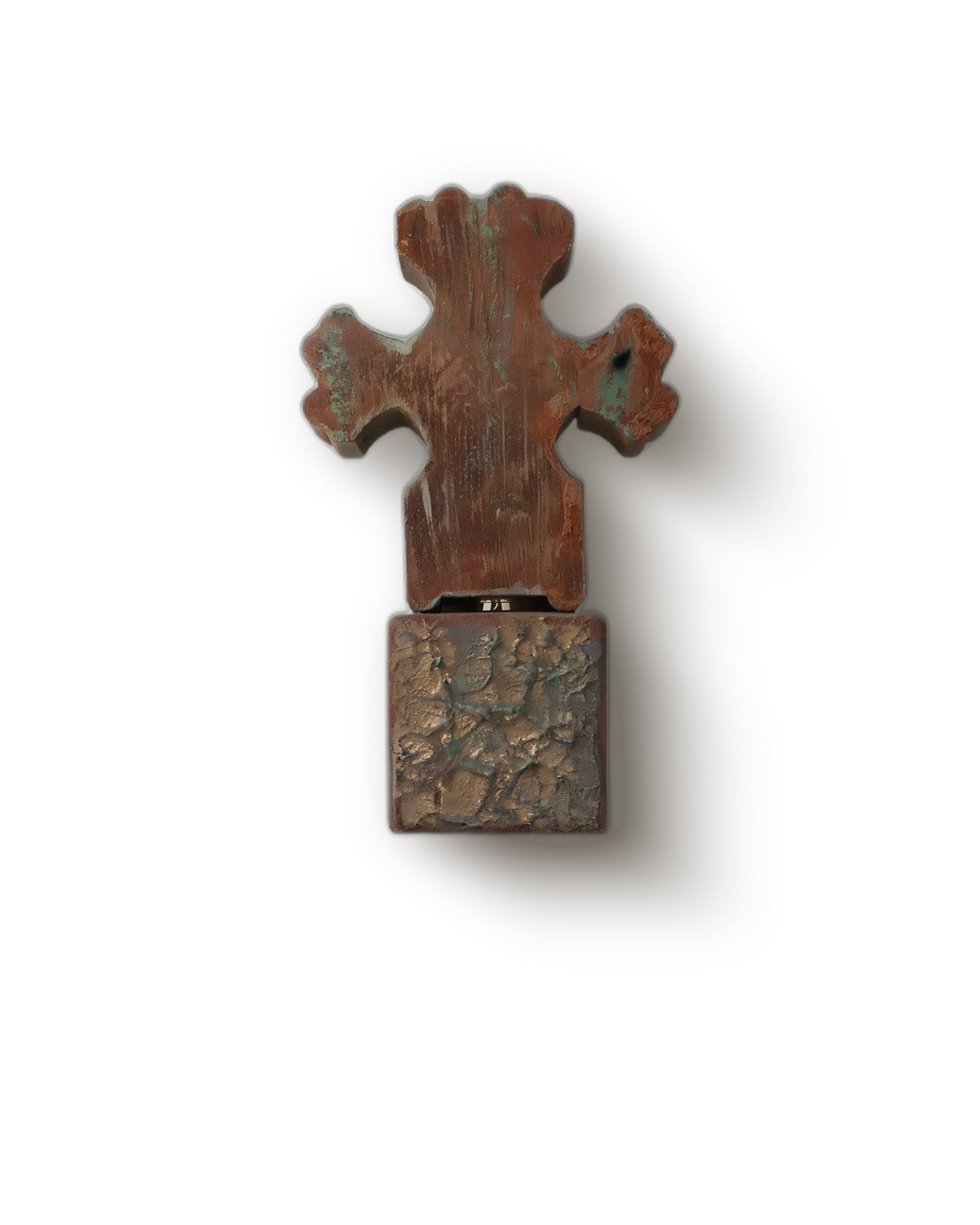
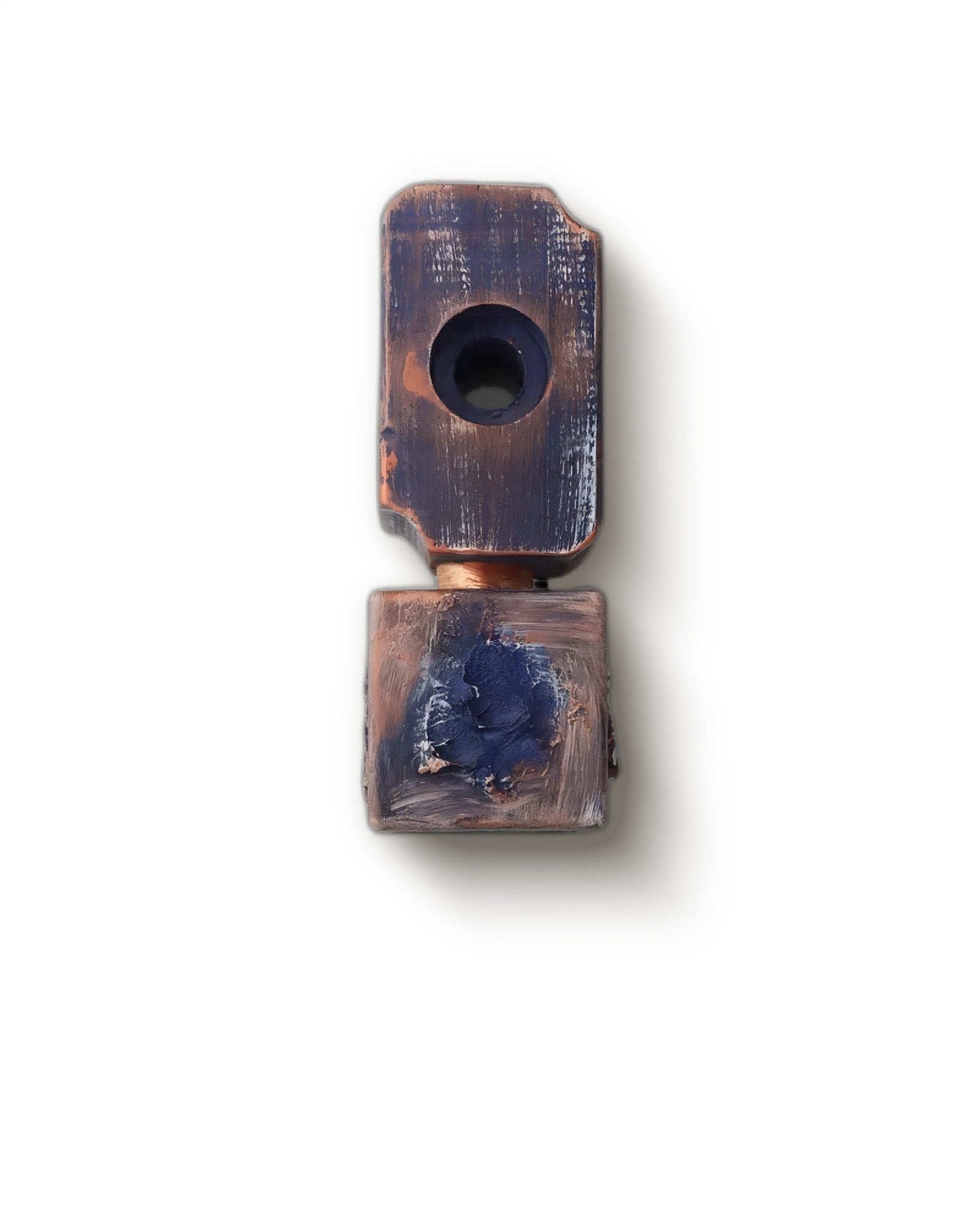
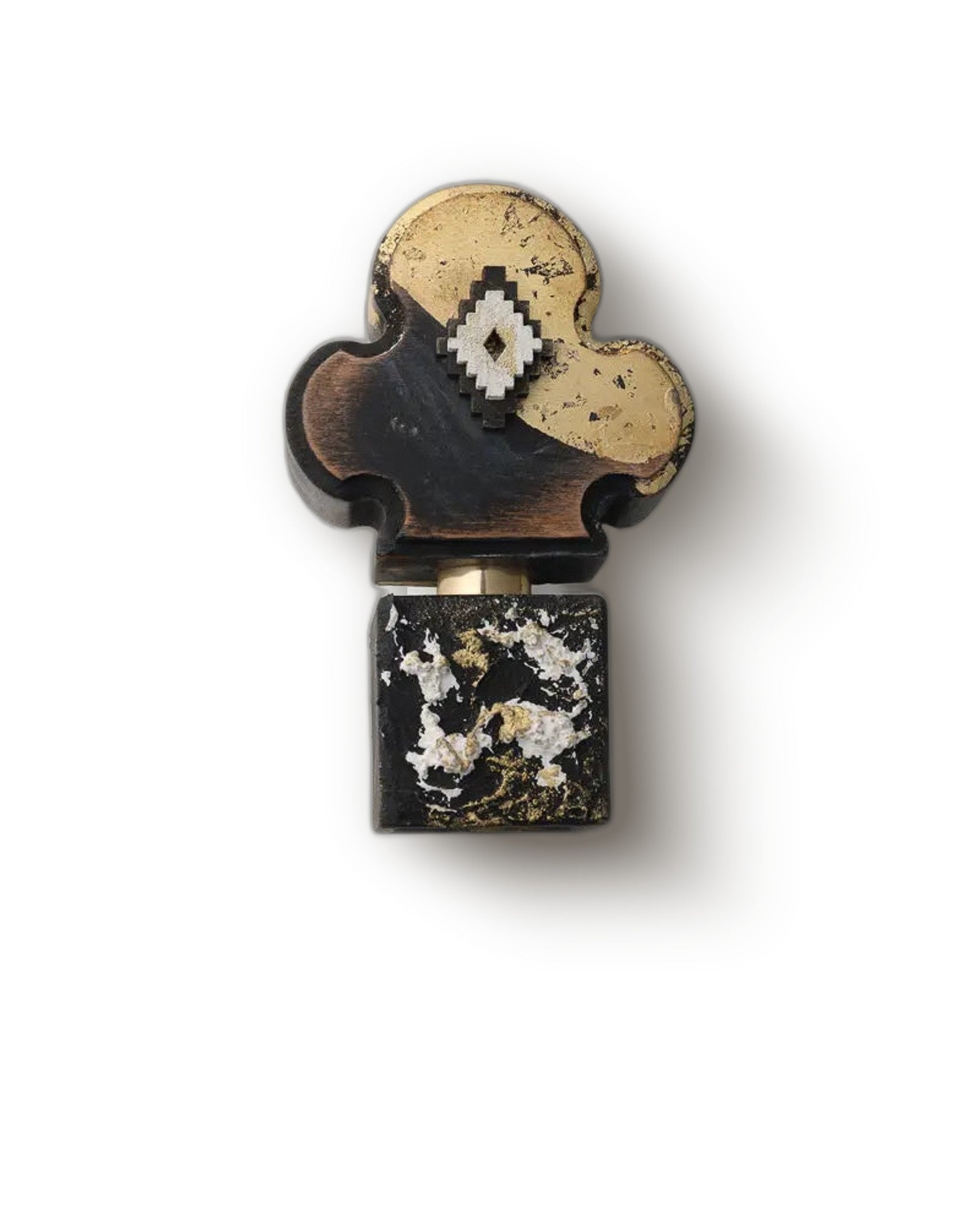
Hand painted bottles, memories distilled. Ritual and childhood smoke poured into wearable sculpture.
Adi Ale Van treats a fragrance like a small piece of folklore, drawing on old Romanian faith, ritual and memory and translating them into something you can actually wear. One moment you are standing in candle smoke and church incense, the next you are in a warm kitchen full of vanilla and rum.
- Origin
- Romania
- Known for
- Ritual smoke, hand painted flacons
More from Adi Ale Van
You may also like