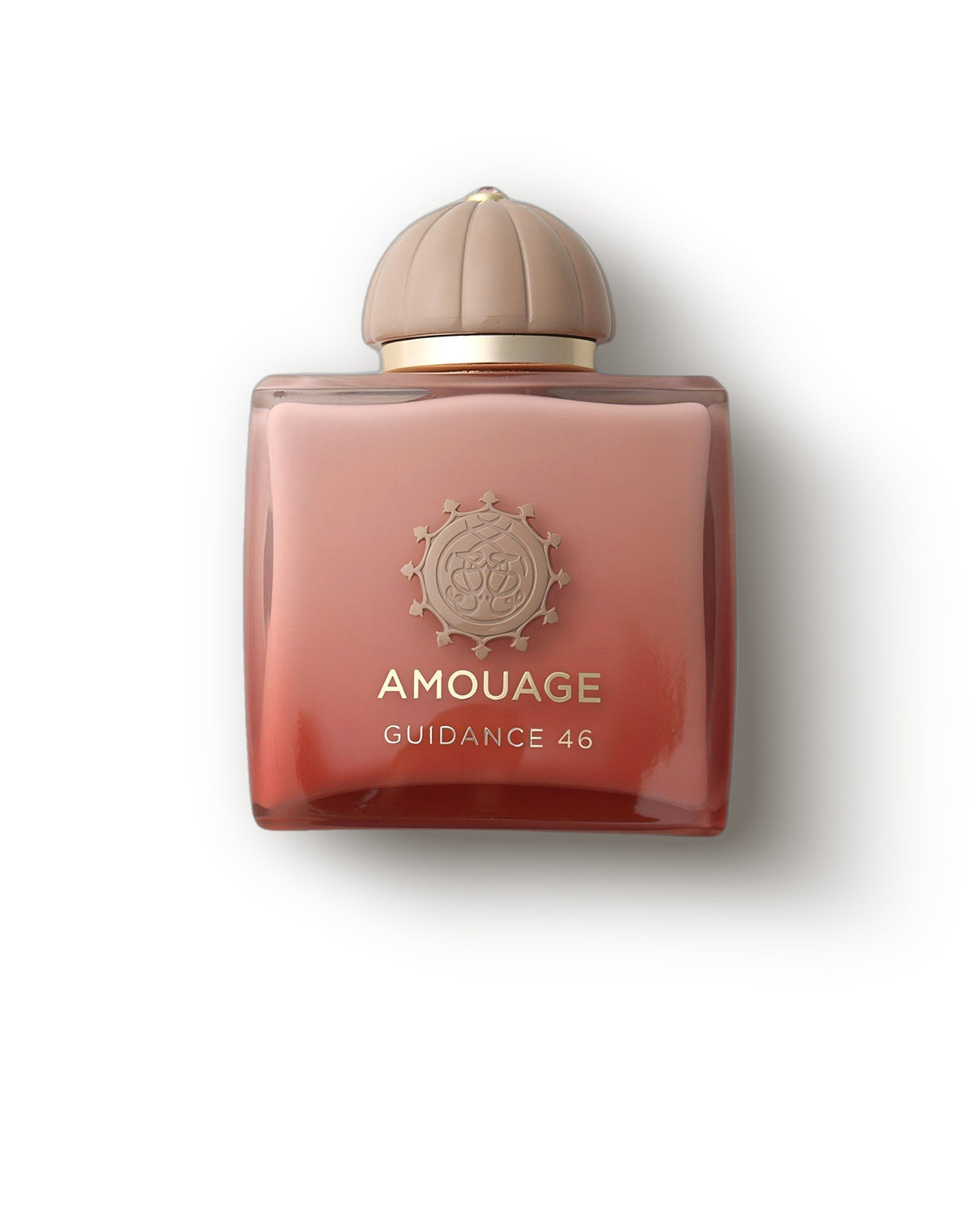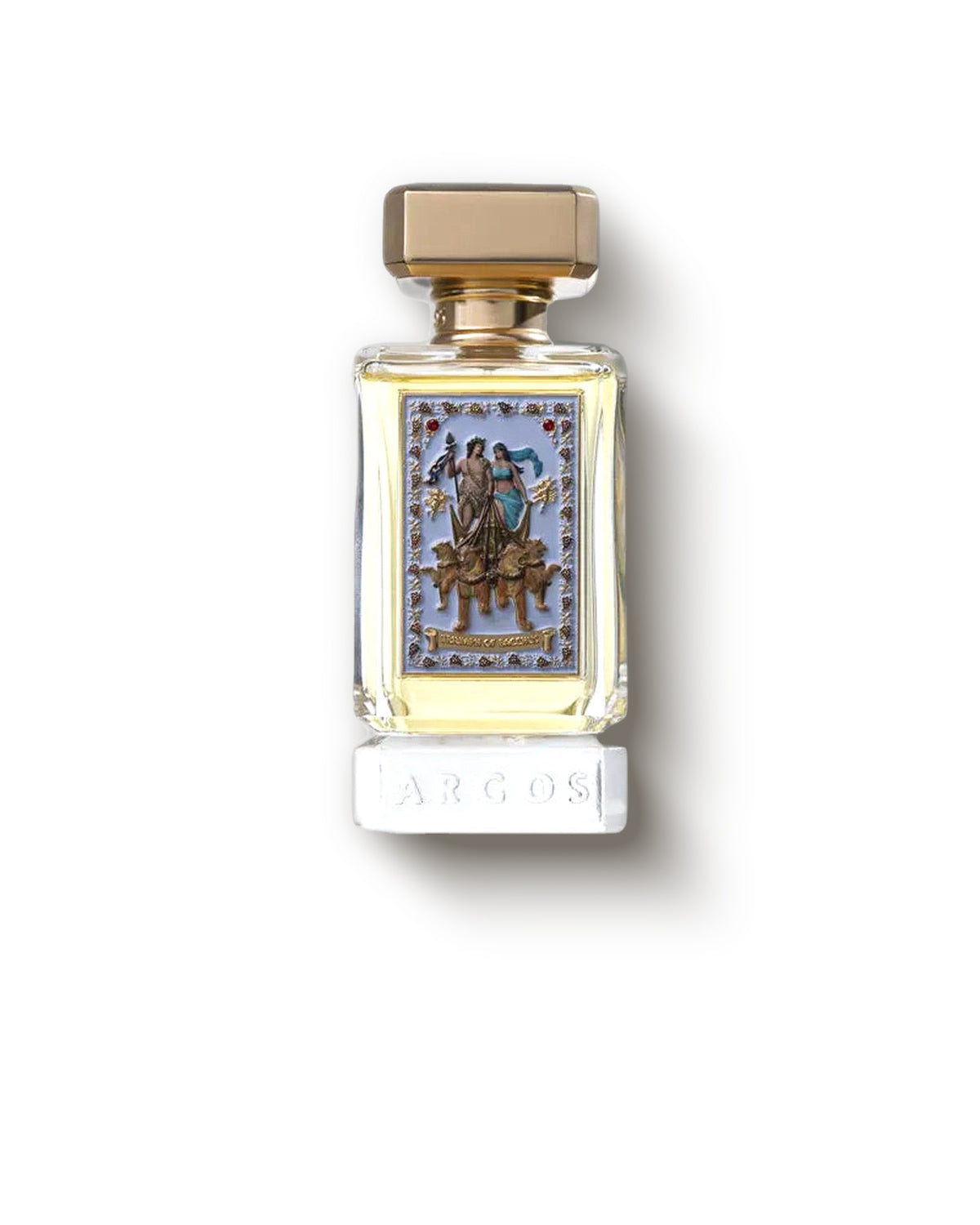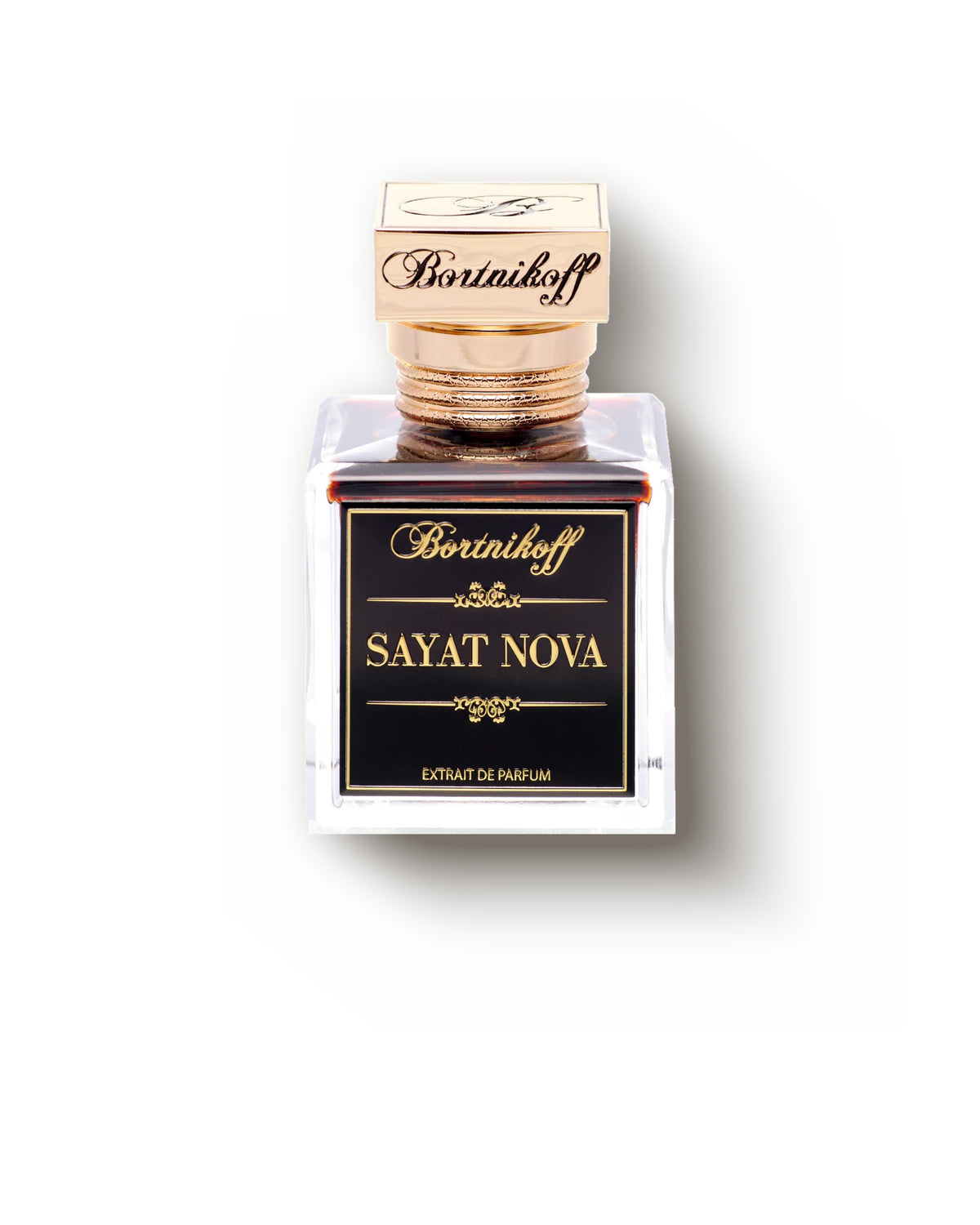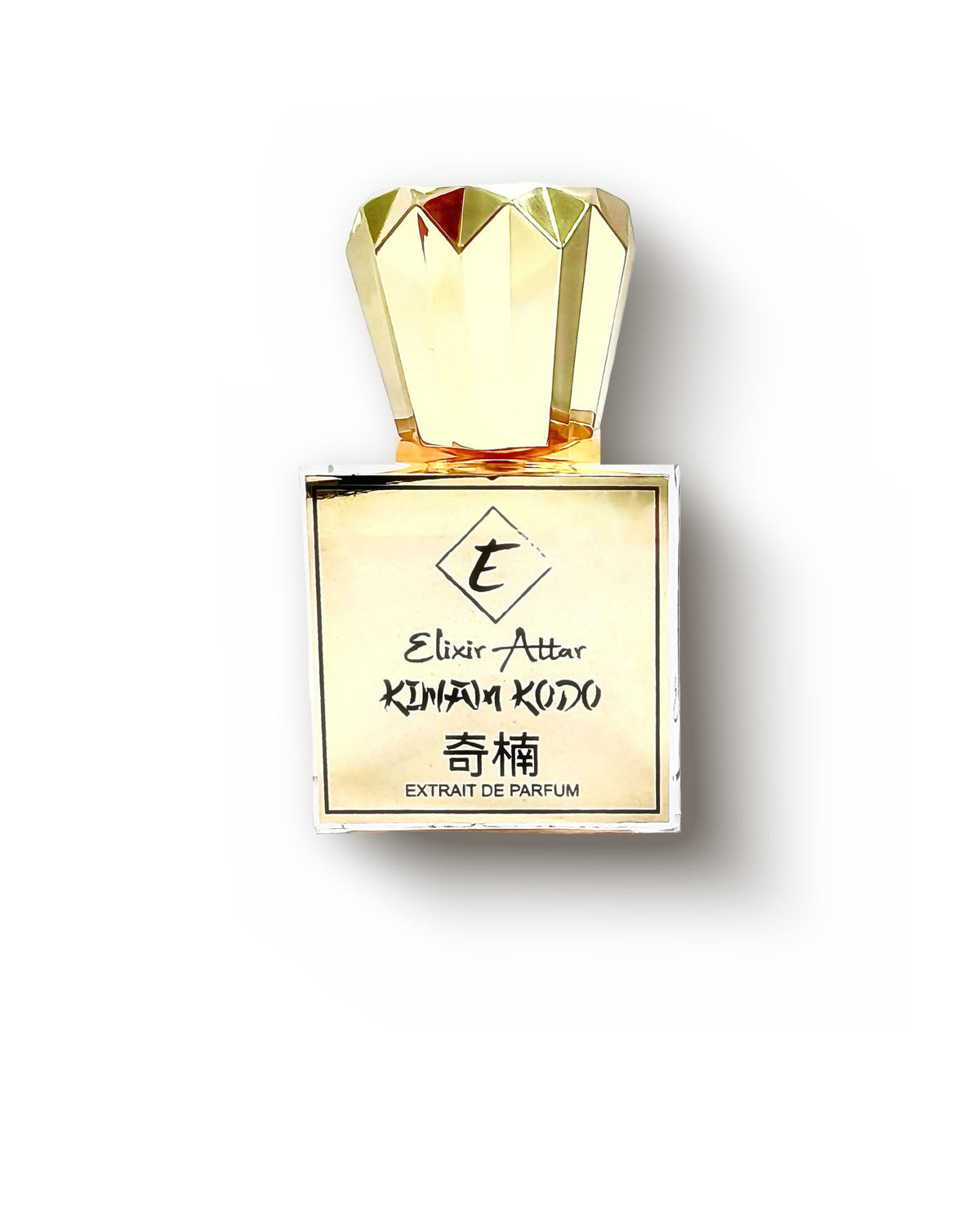


The Story
Named for Romania's December 1989 revolution, Adi Ale Van's elixir bottles the giddy warmth of newfound freedom, a maximal gourmand of triple vanilla, dark rum and roasted nuts, enormous in projection and built to last.


Vanilla
Cured pod, boozy under the cream
Cured pods, not frosting. The sweetness here is custardy and balsamic, with something dark and boozy under it, closer to rum and woodsmoke than to sugar. It warms everything above it, blunting sharp edges and slowing the whole thing down.


Nutty
the moment nuts turn golden
Skins toasting in a warm pan: hazelnut, almond and walnut going brown, with a buttery praline softness and a whisper of marzipan behind them. It reads cozy and edible, warm rather than sugary.


Woody
Dry grain of cut timber
The smell of cedar shavings, sandalwood, and dry vetiver roots, a sanded, resinous warmth with a faint pencil-box rasp. It feels grounded and composed, the quiet backbone that makes a scent read as serious and lasting.


Citrus
First bright zest of morning
The juicy, rind-snapping brightness of lemon, bergamot, and orange peel, tart and effervescent with a clean bitter edge. It opens a scent with instant lift and sparkle, fresh and energizing, evaporating quickly like sunlight on water.


Fruity
Peach skin, not lemon peel
Peach, pear, apple, berry: this is sweetness in the flesh rather than the rind, dewy and nectar-heavy where citrus is sharp and thin. It plays young and slightly greedy, the sort of ripeness you can almost feel running down a wrist.


Rum
dark molasses and warm spice
A sticky, sugar-cane sweetness gone slightly fermented, dark with molasses, brown sugar, and a heady alcoholic lift. It reads as festive and indulgent, conjuring spiced cake and the heat of something poured neat.


Apple
An apple with no apple in it
What it is
Squeeze an apple and you get juice, not perfume. There is no apple oil, no absolute, nothing to distil, so every apple note is assembled: fruity esters in most hands, Roman chamomile and davana in all-botanical ones.
How it smells
Cold, tart and green, the snap of skin breaking under a bite, with something candied behind it. The ester build is bright and holds one clear shape. The chamomile build is hazier, honeyed, more cider than orchard.
In perfumery
A trace lifts fruity florals, chypres, aquatics and gourmands, beside rose, musk and light woods. With esters the green and the candy can be dialled precisely. With botanicals the whole accord is rebalanced by hand.
Good to know
Neither route is the fruit, so the honest difference is stability rather than authenticity. Ester-built apple survives soap, heat and detergent and repeats identically. The botanical one is costly, shifts with the harvest, speaks quietly, and stays rare.


Lemon
Cold yellow zest snapping into bright sun
What it is
Squeezed, not distilled: the colored rind is pressed and scraped until the glands give up their oil. Argentina presses the most, and Sicily gives the classic perfumery grade. The tree's white blossom is a different note entirely.
How it smells
Tart, green and fizzing, all cold rind and mouth-watering sourness, with a faint sweet pith underneath and a waxy edge from the peel itself. Enjoy it fast: it is gone within minutes.
In perfumery
It powers the eau de cologne tradition, working with bergamot, neroli and petitgrain to open a fragrance in full sunlight. Because it burns off so fast, perfumers reinforce it with citral.
Good to know
Cold-pressed lemon carries furocoumarins that leave skin liable to burn in sunlight, so perfumers often reach for a grade with the sun-sensitizing compounds removed. It also spoils in the bottle, oxidizing toward turpentine, which is why citrus fragrances are hard to stabilize.


Orange
Sun in the rind, bright and bittersweet
What it is
Squeeze a fresh peel and the mist that flies off it is the perfume material, pressed cold from the rind rather than distilled. Bitter orange is a separate tree, its blossom giving neroli and its leaves petitgrain.
How it smells
Sweet pulp over a rind that bites back. It opens sparkling, sunlit and briefly tart, then rounds off into something candied. Next to lemon it is warmer and softer, less a knife than a glass of juice.
In perfumery
Nearly always a top note: the burst is bright and gone within the hour. It works with neroli, bergamot, clove and warm spice, and carries the whole eau de cologne tradition.
Good to know
Cold-pressed sweet orange peel carries almost none of the molecules behind citrus photosensitivity, so it is not treated as phototoxic the way bergamot, lime and bitter orange are. It is volatile, though, and oxidizes fast: brilliant, brief.


Vanilla Bean
A black pod holding boozy, smoky sweetness
What it is
Vanilla climbs. The plant is an orchid whose flowers open for a single day each and must be pollinated by hand; the green pod that follows is blanched, sweated and sun-dried for months until it blackens.
How it smells
Deep, dark and resinous rather than sugar. The opening is balsamic and boozy, with rum, dried fig and tobacco. Beneath sits creamy vanillin, a hint of smoke, leather and prune. It dries soft, powdery, lightly animalic and warm.
In perfumery
A base note that rounds edges and holds everything down. It bridges wood, amber, tobacco and florals without announcing itself, and absolutes and CO2 extracts carry the darkest, most resinous character of all.
Good to know
Only saffron is a more expensive spice. Real bean extract runs so far above synthetic vanillin that most affordable vanilla scents are largely lab-made, which is why so many of them smell sweet and flat rather than dark.
Hazelnut
Toasted, buttery, one step from praline
What it is
Press a hazelnut and you get almost nothing fragrant. The smell only exists after roasting, so perfumery skips the nut and rebuilds the toasted part from aroma-chemicals. The nuts themselves are grown mostly in Turkey, with Italy next.
How it smells
Warm, buttery and roasted, with toasted bread and praline and a faint cocoa shadow. Rounded rather than sharp. It lands somewhere between coffee, hot milk and sugar caught just before it burns.
In perfumery
From the heart down it makes a fragrance edible without making it sugary, sitting with coffee, cocoa, vanilla, tonka and caramel. Praline gourmands lean on it for the warm, dense part of a dessert-shop trail.
Good to know
Much of the world's hazelnut crop ends up in chocolate spread, which is why the roasted smell reads as gianduja first. The toastiness comes from pyrazines, the molecules behind coffee, cocoa and a crust of bread.
Madagascar Vanilla
Cured black pods breathing deep boozy sweetness
What it is
An orchid pod, blanched, sweated, sun-dried and then left to condition for months until it turns black and pliable. Madagascar's northeast coast supplies more of it than anywhere else on earth, extracted as absolute or tincture.
How it smells
Custard and dried fruit over a rum-like depth, with smoke, wood and a faint tobacco curl that synthetic vanillin never has. Rich and balsamic at first, then a soft powdery sweetness that turns almost leathery.
In perfumery
Base note, fixative, and the reason a gourmand holds all day. It settles alongside amber, tonka, sandalwood and spice, and the natural material carries a depth that smoky orientals and vanilla soliflores are built on.
Good to know
Outside Mexico the orchid has no bee that will pollinate it, so every flower is fertilized by hand within hours of opening. The trick was worked out in 1841 by Edmond Albius, an enslaved twelve-year-old on Reunion.

Vanilla Absolute
Cured orchid pods rendered into dark sweet resin
What it is
An orchid, and a demanding one. Every flower is pollinated by hand, and the green pods it sets are blanched, sweated and sun-dried for months before alcohol pulls the cured resin out of them.
How it smells
Deep, dark and balsamic rather than bakery sweet: rum, dried prune, tobacco, a wisp of smoke left by the curing. It opens warm and rounded, then goes resinous and faintly leathery. Synthetic vanillin has none of this shadow.
In perfumery
It works as glue. Vanilla absolute holds a composition together and slows it down, softening anything too sharp, and it sits comfortably under amber, tonka, sandalwood and oud. Gourmands often lean on vanillin for sweetness, and the absolute is the costly extra that adds depth.
Good to know
Only saffron costs more. About six hundred hand-pollinated blossoms go into a single kilo of cured pods, which is why a bad Madagascar season is felt across the whole fragrance trade.

Rum
Dark molasses and oak with a boozy kick
What it is
There is no such thing as rum oil. The note is assembled molecule by molecule from ethyl maltol, rum ether, vanillin and oak lactones, chasing a spirit distilled from sugarcane and left to sit in oak.
How it smells
Burnt sugar and molasses first, with the warm sting of alcohol behind them. Vanilla and dried fruit fill in, oak adds a little smoke, and the whole thing slumps into toffee, spice and old tobacco.
In perfumery
It sits high in a gourmand and works downward, warming tobacco, vanilla, tonka and cinnamon on the way. Set it against cacao and cardamom instead of sugar and the composition turns darker, drier, more adult.
Good to know
Rum ether, the backbone of the accord, also flavours sweets and baked goods, so the line between a perfume and a dessert gets thin. Since every house builds its own rum, no two smell quite the same.
Fragrance Character
Bright fruit and lemon flash at the top, then give way fast to a thick, creamy vanilla core. Rum keeps it boozy and adult; hazelnut adds praline richness; and the triple-vanilla base runs long and loud.


Longevity
how long it stays on skin
The hourglass reads wear time: how many hours the fragrance keeps speaking before it fades. A bar that barely leaves the start means a few fleeting hours. One that runs the full length carries from morning into evening. Treat it as typical, not promised. Oily skin holds scent far longer than dry.


Sillage
the size of its scent trail
Sillage is French for a ship's wake, and that is exactly what this measures: how much of the scent reaches the room instead of staying on you. Low is a whisper only close friends catch. Enormous fills the room, then keeps filling it after you leave.


Experimental
Built to provoke, not to please
Some perfumes are made to be liked. These are made to be argued about: inky tar, hot rubber, fruit on the turn, metal and fur where you expected flowers. The coin glows for a scent that provokes and dims for one that plays it safe, which is sometimes the point.


Office
Polished, and never louder than the room
Scent is manners in a shared room. At this range it should reach the person across the desk and stop there: tidy citrus, soft musk, pale woods, all of it reading competent and considerate. A glowing coin means nobody has to mention it. A dim one means it travels.


Evening
After dark, when it deepens
Dinner, drinks, the night that runs long. Low light is where ambers, resins and smoky woods stop being polite, and where a plush floral finally blooms. A glowing coin means it is waiting for exactly this hour. A dim one means it did its best work in daylight.


Romantic
Close enough to be felt
A fragrance can hum against skin instead of announcing itself across a table. That is the register here: creamy florals, vanilla, soft musk, a thread of spice, warm enough to make someone lean in. The coin glows when a scent sets that mood and dims when it is more practical than seductive.


Formal
Quiet authority in a dressed-up room
A wedding, a ceremony, a room where everyone has thought about their shoes. What works here is structure, not volume: smooth woods, disciplined florals, soft leather. A glowing coin means it holds its posture all evening. A dim one means it is too casual for the room.


Casual
Easy comfort for unhurried days
Errands, coffee, a slow Saturday with nowhere to be. Nothing here has to impress anyone, so the fit is soft and easy: fresh citrus, light woods, a little warmth off the skin. A glowing coin says yes to all that. A dim one means the fragrance is asking for a bigger night.


Day to Night
where its mood naturally falls
A bar running from sun to moon, reading the hour the fragrance was made for. The more of it that stays gold, the more the scent belongs to daylight and open air. The further the blue reaches back toward the sun, the deeper and warmer it turns: evening, candlelight, low rooms.


Winter
Warmth that carries through cold air
Cold air mutes a fragrance and slows it down, which is why winter belongs to the dense and the warm: resin, smoke, vanilla, leather, ambered spice. The bar reads how well this one pushes back, glowing against the chill instead of thinning out in it.


Spring
Fresh blooms in mild, rising warmth
Mild, humid air lifts a light composition, so the season belongs to dewy florals, green stems, soft powder and citrus you can see through. Alive rather than heavy. The further the green runs along the bar, the more comfortably this one wears in that weather.


Summer
Bright and airy in real heat
Heat does the projecting for you, which is why the wrong perfume turns unbearable by noon. What survives is cool and breathable: sharp citrus, salt air, aromatic herbs, water. Things that refresh instead of cloy. A short bar here means save it for cooler months.


Fall
Spiced warmth for cooling days
As the air cools, the rich materials stop smothering and start reading clearly: dry woods, warm spice, tobacco, amber, fruit gone golden. It is the season perfume turns contemplative. The bar fills according to how naturally this one settles into crisp, cooling days.
Best Worn
Made for winter nights and celebrations, casual or dressed, when the occasion calls for warmth and presence rather than restraint.
Choose options
The Vibe


The Nose

Jimmy Bodin
Co-founder and perfumer
Self-taught French perfumer who co-founded Jousset Parfums with his wife Melis and is also the nose behind The Unleashed Apothecary. He composed Jousset Accident à la Vanille, Jousset Le Gourmand, Jousset Ciao Bello Pistachio and Adi ale Van Miez.
More by this noseMy Judgement Day
The Maison

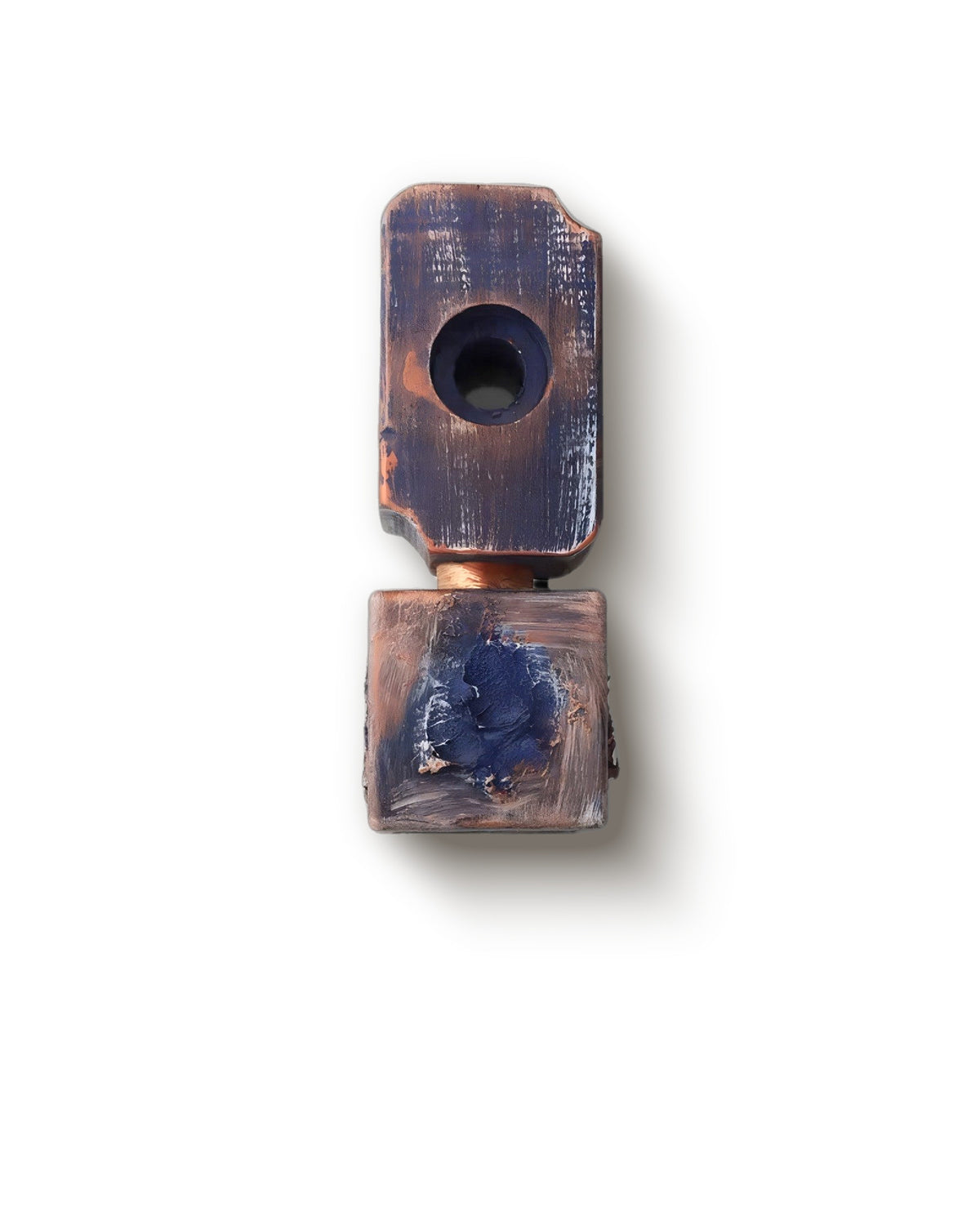
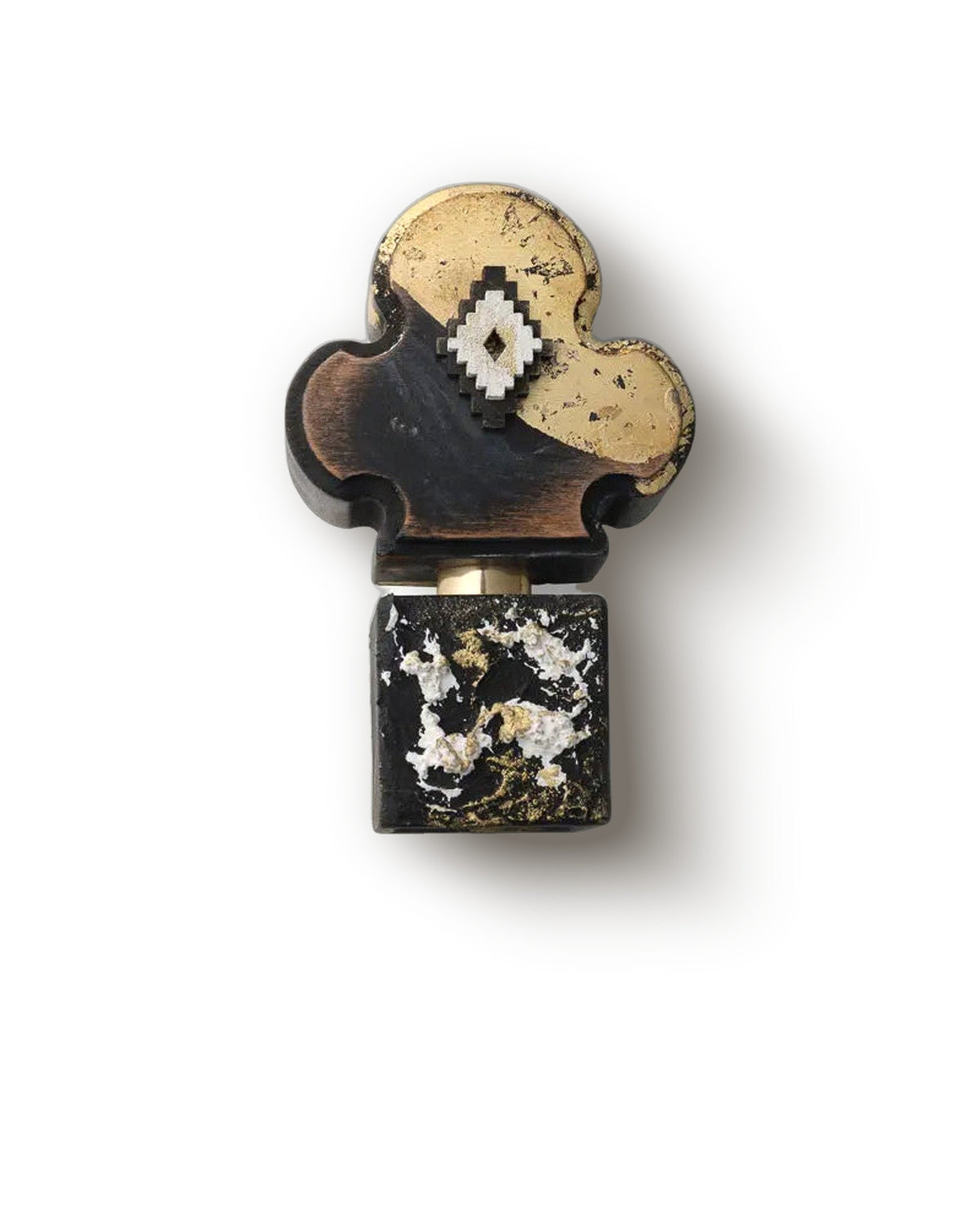
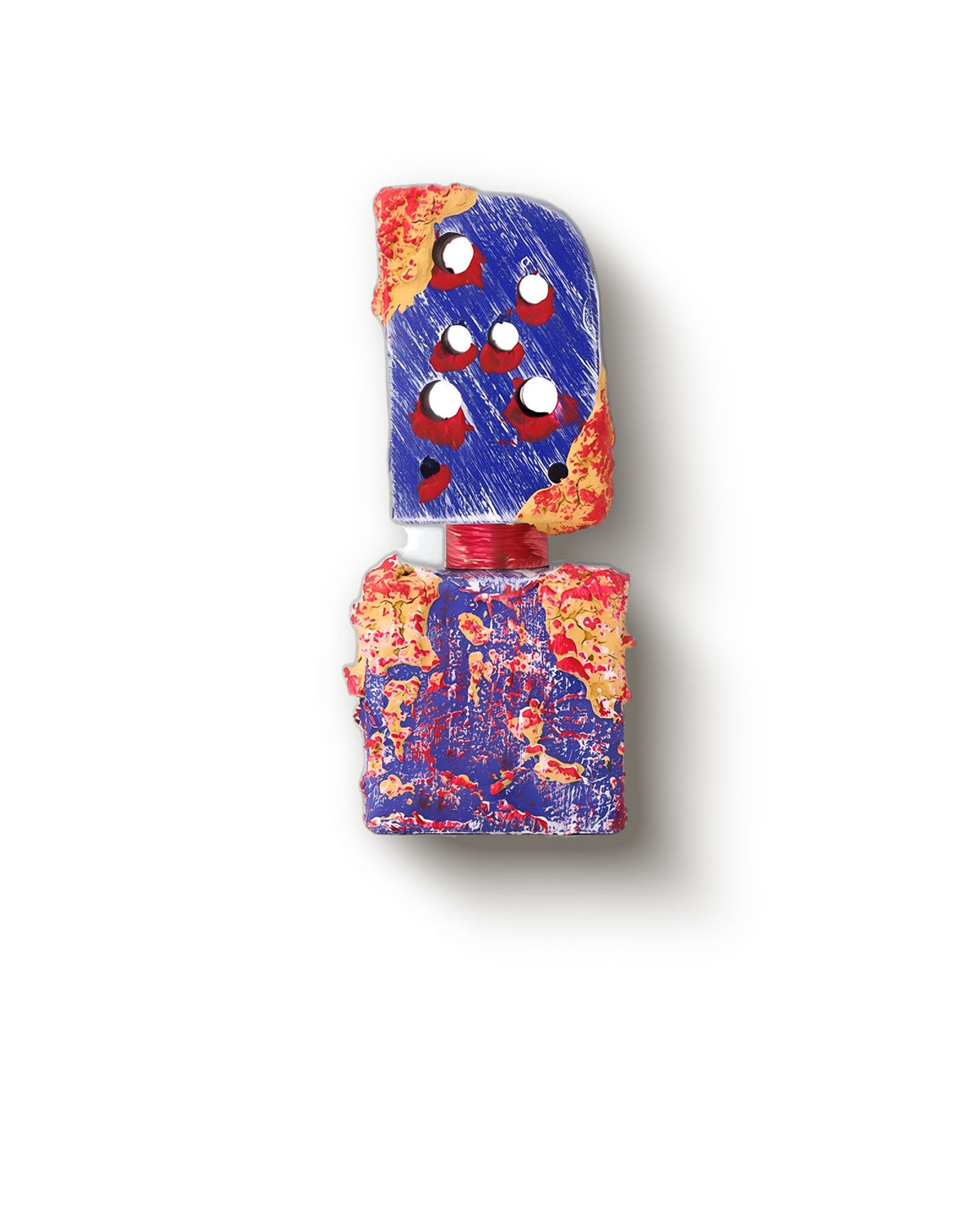
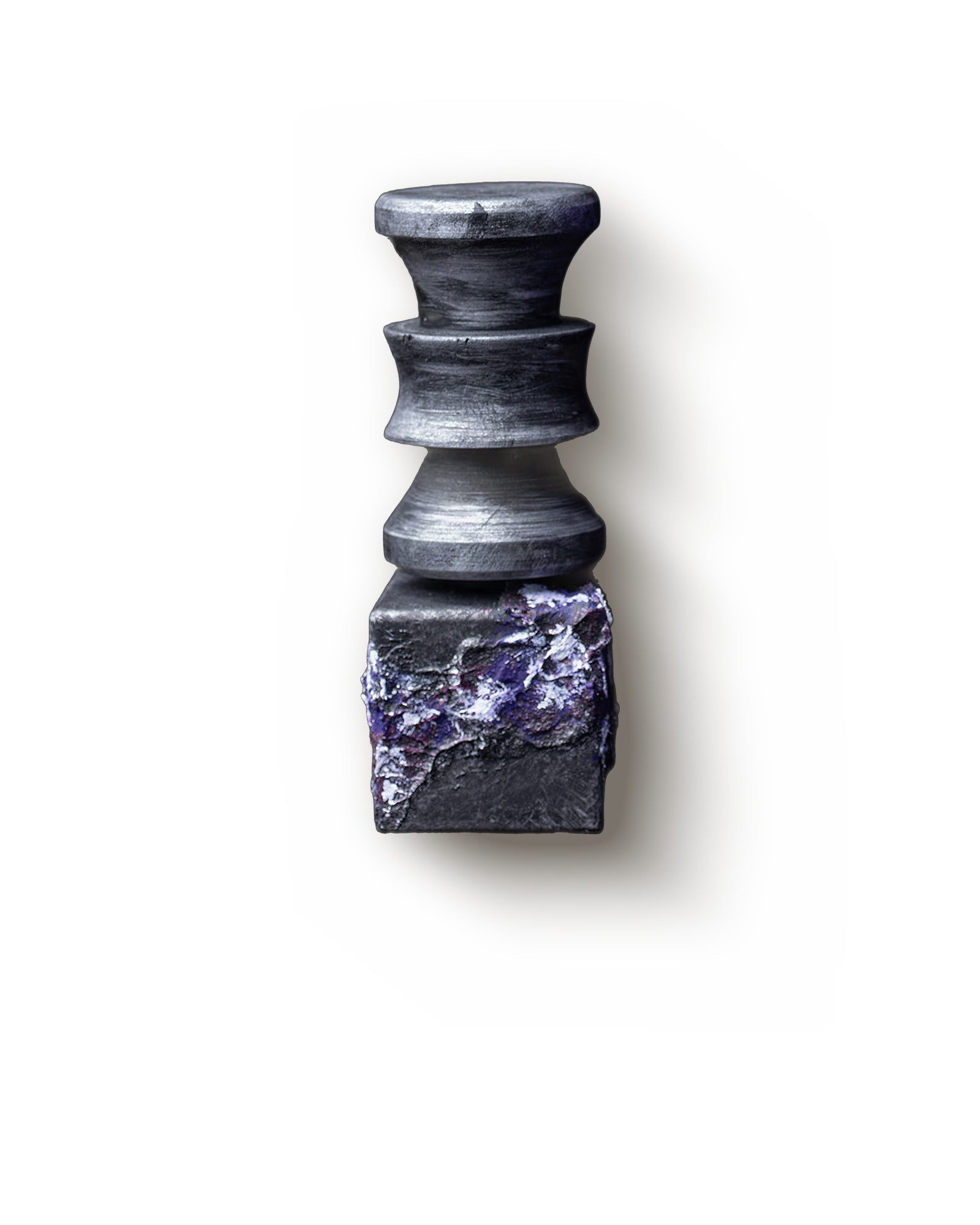
Hand painted bottles, memories distilled. Ritual and childhood smoke poured into wearable sculpture.
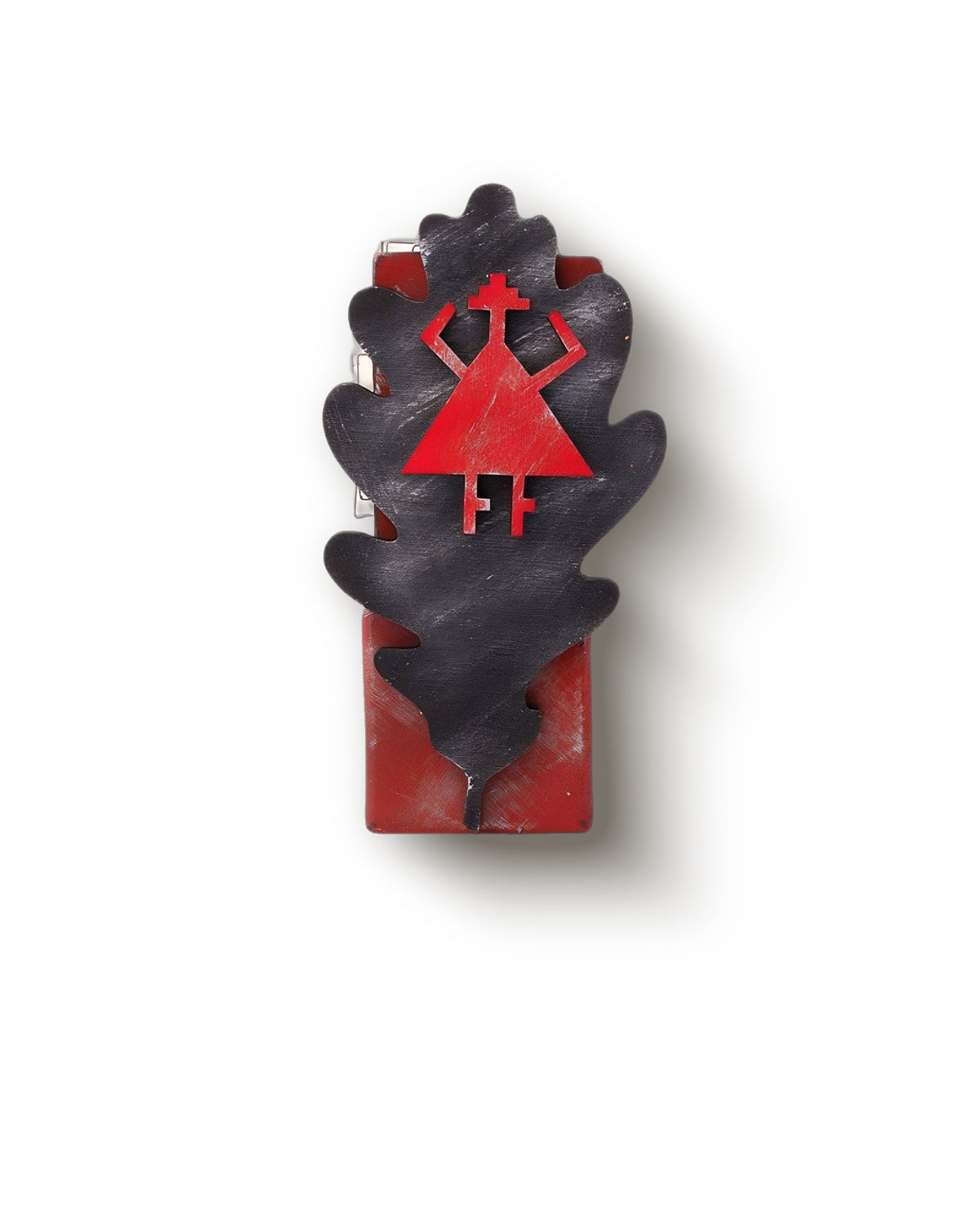
Adi Ale Van treats a fragrance like a small piece of folklore, drawing on old Romanian faith, ritual and memory and translating them into something you can actually wear. One moment you are standing in candle smoke and church incense, the next you are in a warm kitchen full of vanilla and rum.
- Origin
- Romania
- Known for
- Ritual smoke, hand painted flacons

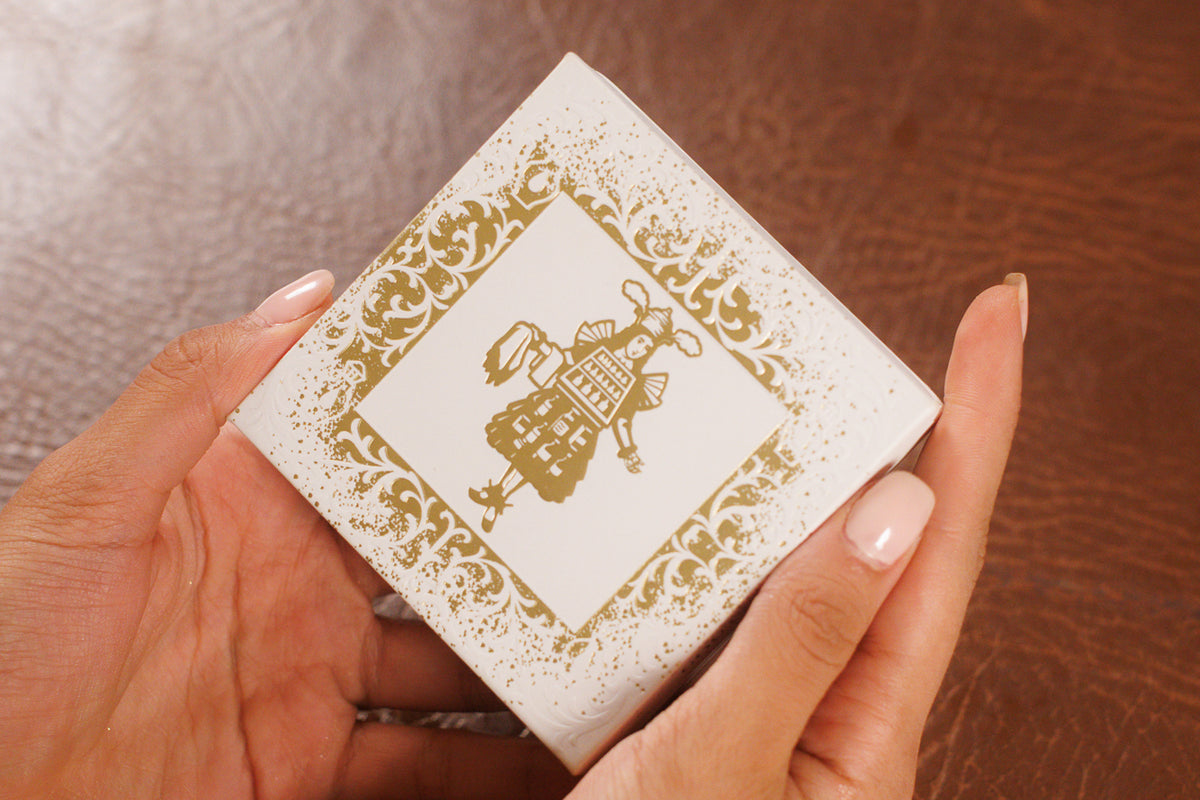
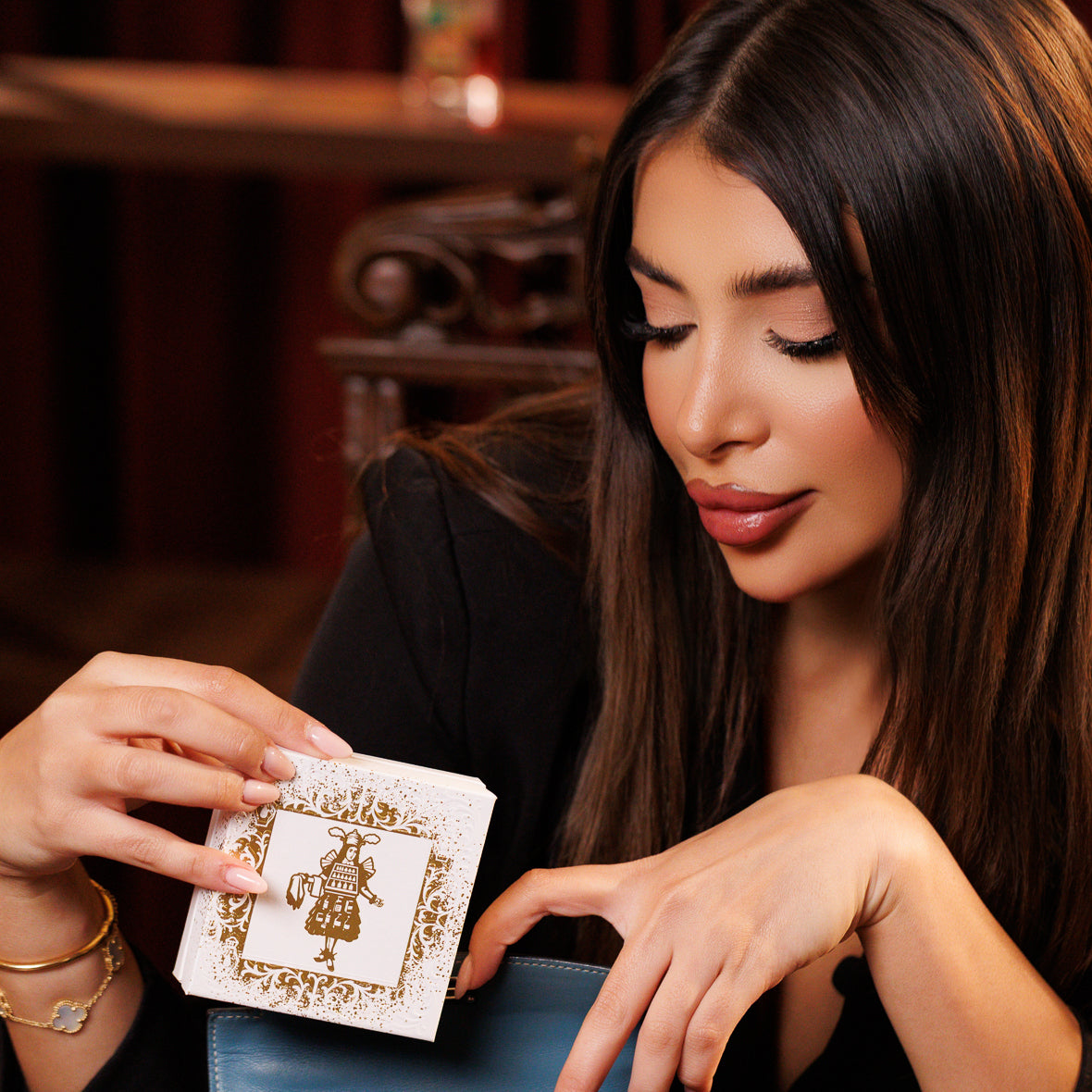
EVERY DECANT
From the original bottle to your door
We buy the original flacon at full retail price, direct from the house.
A medical grade Socorex syringe takes the exact millilitres straight from the flacon.
Packed into the hot foiled box and handed to DHL, every duty already paid. How a decant is made
More from Adi Ale Van
You may also like