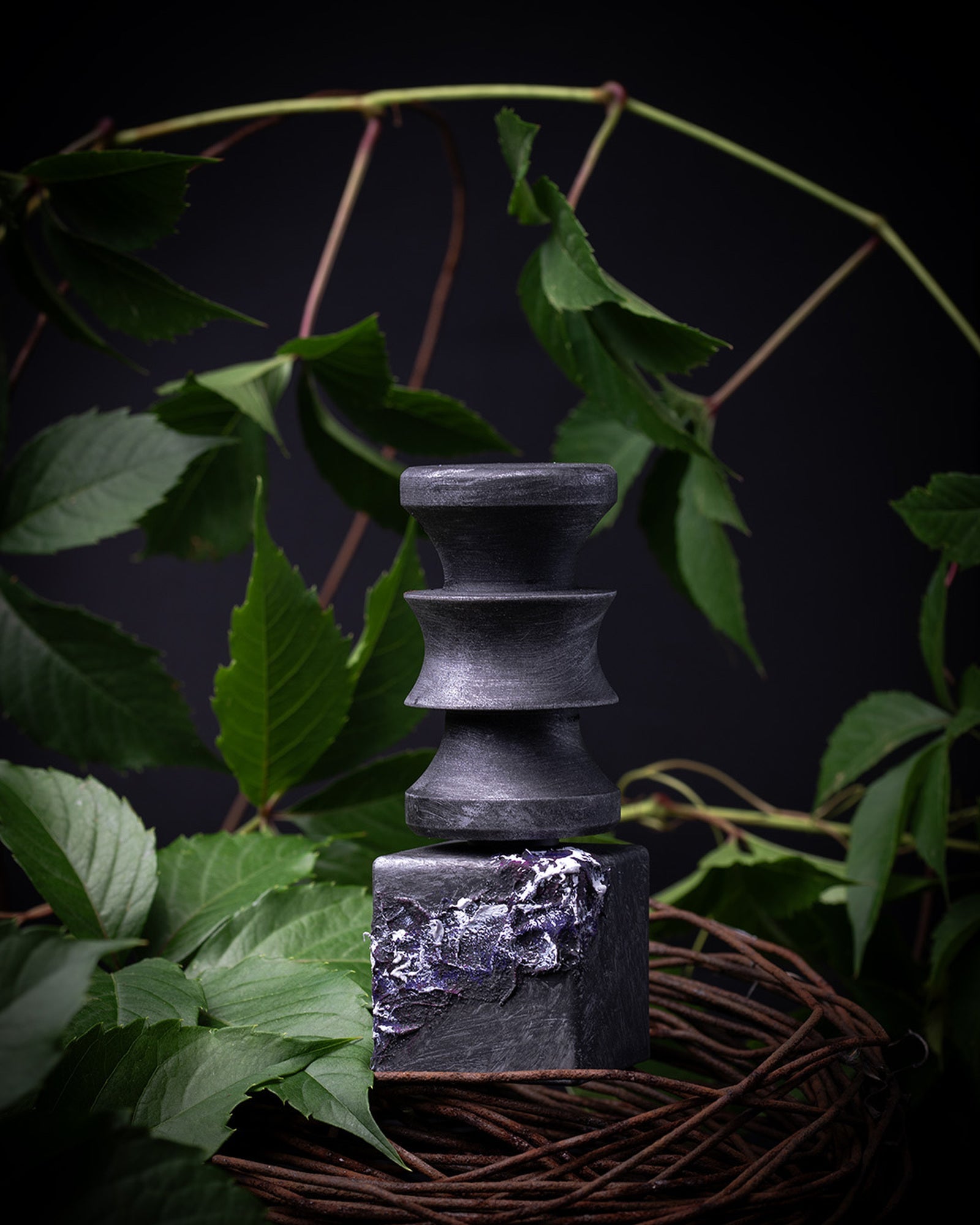
Adi Ale Van
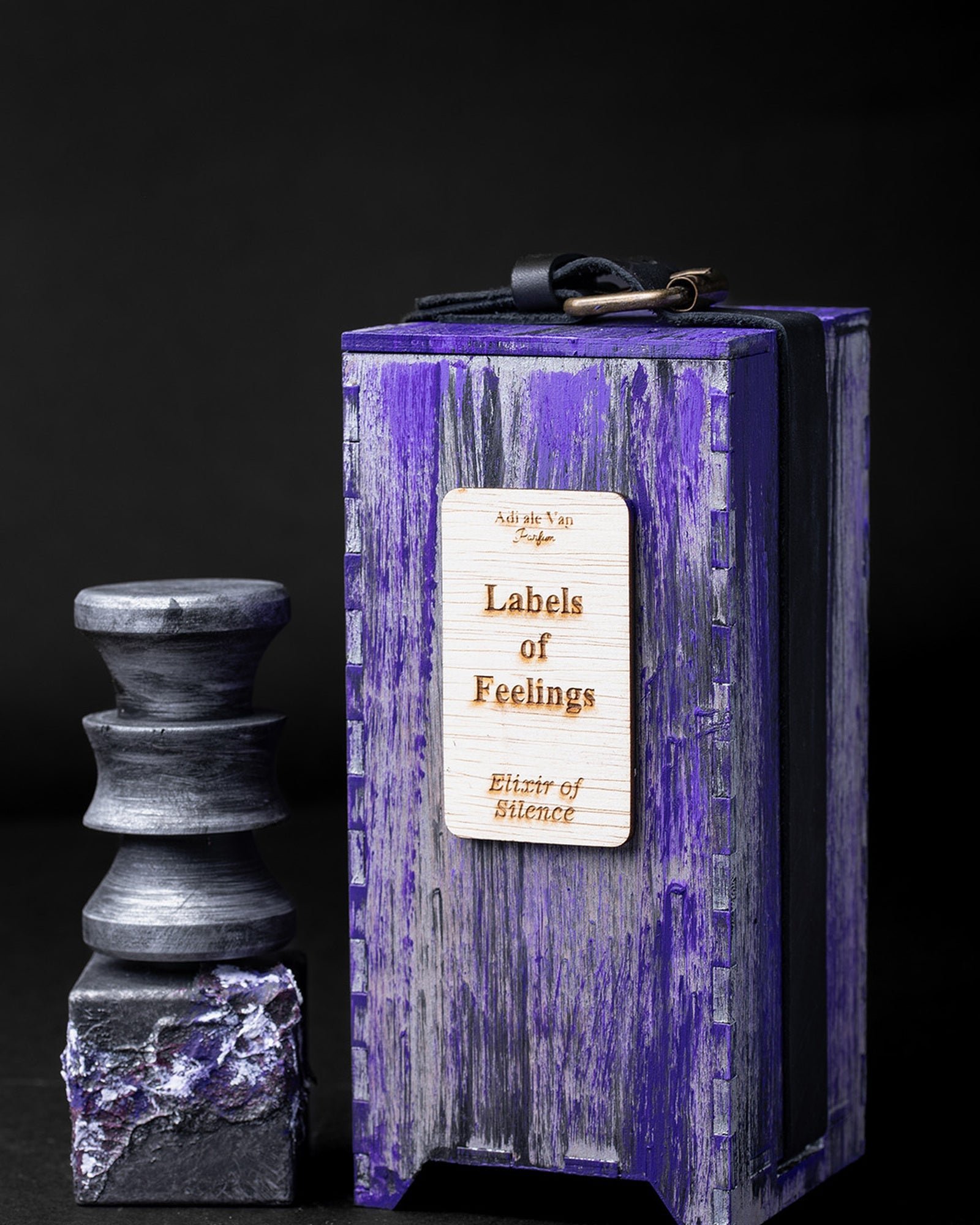
Labels of Feelings
The Story
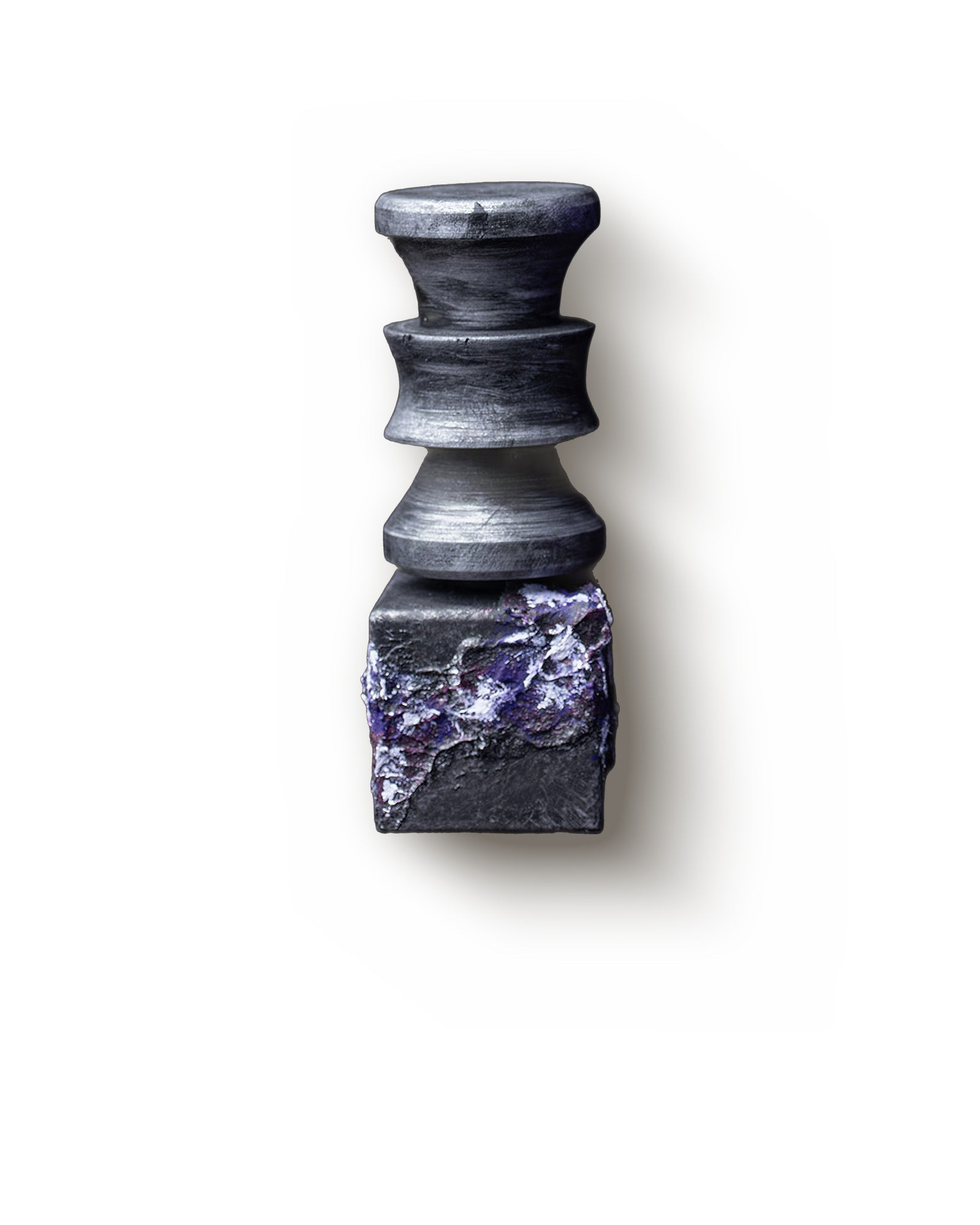
Two months of maturation and eleven months of maceration go into this one, more than a year of settling in all. Adi ale Van supplied the vision, the story and the hand craft in Romania; the Sicilian perfumer Antonio Alessandria composed the juice, an extrait at twenty-five percent.


Fruity
Peach skin, not lemon peel
Peach, pear, apple, berry: this is sweetness in the flesh rather than the rind, dewy and nectar-heavy where citrus is sharp and thin. It plays young and slightly greedy, the sort of ripeness you can almost feel running down a wrist.


Woody
Dry grain of cut timber
The smell of cedar shavings, sandalwood, and dry vetiver roots, a sanded, resinous warmth with a faint pencil-box rasp. It feels grounded and composed, the quiet backbone that makes a scent read as serious and lasting.


Smoky
Charred wood and rising embers
The dry, charred scent of burning wood, smoldering incense, and lingering ash, sometimes tarry, sometimes wispy and gray. It feels brooding and atmospheric, conjuring a dying fire and a cool current of air carrying its last breath.


White Floral
The flowers you smell across a garden
Jasmine and tuberose share it: thick creamy petals with a ripe, almost animal sweetness underneath, the indole that keeps big florals from ever smelling polite. Green at the edges, overripe fruit in the middle, and louder on warm skin.


Amber
Resin warmed until it goes sweet
Labdanum, benzoin and vanilla melted together into something sweet but dusky, like tree sap gone soft in the sun with a thread of incense smoke through it. Amber does not sparkle or shout. It sits close to the skin and gives off heat for hours.


Sweet
Warm sugar you cannot quite name
Caramel, honey, spun sugar: sweetness that hovers between all three and never settles on one. This is the gourmand pull, the thing that makes someone lean in closer than they meant to, warm and soft and a half step short of edible.


Passionfruit
Juicy tropical tang built on sulfur molecules
What it is
Overdose the materials that make it and you get a cat, not a fruit. The tang comes from sulfur molecules, chiefly Oxane and two thiols. Naturals-only builds borrow the same twang from buchu leaf and blackcurrant bud.
How it smells
Juicy and tart with something savoury under the sweetness, the smell of fruit just past ripe. The lab build bursts sharp and clean and holds its shape. A botanical one is softer, mintier and greener, and drifts.
In perfumery
Fruity-florals and tropical summer compositions use it for sparkle up top and a mouth-watering lift under white flowers. The sulfur materials are extreme in strength and go in by the trace. Buchu is handled the same way.
Good to know
No passionfruit oil exists, so every version is a reconstruction and neither route is the honest one. Buchu and blackcurrant bud sit in mainstream formulas too, so the word on the label tells you nothing.

Blackcurrant Buds Absolute
Green, catty sparkle from a winter bud
What it is
Not the berry but the bud. The buds are picked off bare winter bushes before the leaves break, still resinous and tight, and solvent-extracted into a dark green absolute. Burgundy is the classic source.
How it smells
Fiercely green and sharp, nothing like blackcurrant syrup. There is fruit in it, tart and faintly sulphurous, wrapped in crushed leaf and twig and an animalic tang everyone calls catty. Diluted down it turns bright, juicy, almost minty.
In perfumery
A top note of enormous power, dosed in traces: a green fruity flash across florals and chypres, an electric lift under rose. Galbanum, mint, grapefruit and vetiver sit near it. Overdose it and the cat takes the composition.
Good to know
The catty streak is sulphur, a thiol nicknamed cat ketone, which your nose catches at tiny concentrations. It also gives sauvignon blanc and boxwood their smell, and is why one note can read fresh and feral at once.

Plum
Stewed dark fruit, wine-sweet and never juicy
What it is
Peach comes from lactones, apple from esters. Plum comes from damascones, honeyed and wine-like, which is why it reads dark rather than juicy. No plum oil exists; a botanical build leans on rose, which carries damascenone, with osmanthus and davana adding fruit of their own.
How it smells
The lab build is jammy, a little candied, bright and steady from top to base. The botanical one runs darker: fruit slow-cooked and left to cool, the sweetness pulling back as a dried-fruit edge surfaces late.
In perfumery
Rose, patchouli, woods and amber all take it well, and it slots into gourmands and chypres without turning either one sugary. Where peach lifts a composition, plum weighs it down. More velvet than juice.
Good to know
A trace of damascenone does the work; much more takes over the formula. Davana is used the same way, in small amounts. Osmanthus is one of the few naturals that smells of stone fruit on its own, and a flower absolute at that.


Juniper Tar
Creosote, doused campfire and old leather
What it is
Cade oil is not steamed out of the wood, it is burnt out. Branches of the prickly Mediterranean juniper are heated without air until they break down into thick black tar. Perfumery uses the rectified oil.
How it smells
Smoke first, and a harsh kind: creosote, hot tar, a doused campfire, the inside of a smokehouse. Underneath runs something phenolic and medicinal, close to coal tar soap and old leather. No sweetness in it, no fruit.
In perfumery
Most convincing leather and smoke accords have this underneath, alongside birch tar, styrax and labdanum. It goes in by traces because it swallows whatever sits near it. Or it drags a bright opening down into something charred.
Good to know
Long before perfumery wanted it, this tar was painted on livestock and on human skin complaints, which is where the medicinal streak comes from. Crude cade is barred from perfumery by the IFRA standard: only the rectified grade may be used.


Lily-of-the-Valley
Spring's white bell, rebuilt molecule by molecule
What it is
Tiny white bells on a shade-loving woodland perennial, and one of perfumery's great frustrations: the flower gives up no usable oil. For decades muguet was built from scratch, on hydroxycitronellal and Lyral, rather than taken from the plant.
How it smells
Cool, green and wet: white petals, crushed stem sap, rain. It never goes heady, staying crystalline where jasmine would thicken. The drydown turns soft and clean, faintly soapy, with a last lemony-green glow.
In perfumery
In the heart it works like a window opening: it lifts rose, jasmine and lilac and puts green sparkle into aldehydic bouquets. The great mid-century soliflores were built around this accord, and it still brightens most spring florals.
Good to know
Every part of the plant is poisonous. No still or solvent ever drew scent from those bells, and a first commercial extract appeared only in 2021; by then the Lyral ban had already forced perfumers to rebuild it.


Magnolia
Lemon-cream petals breathing over a southern garden
What it is
Magnolia belongs to one of the oldest lineages of flowering plants, with fossils some 95 million years old, and its petals are tough enough to survive the beetles that pollinate them. The absolute comes from fresh petals.
How it smells
Lemon peel and cream, pitched between citrus and tea rose. It opens fizzy, softens into milky petal, green stem and a small clove warmth, then dries clean and faintly fruity. Lighter on its feet than jasmine.
In perfumery
Perfumers reach for it in the heart when a white flower needs to stay light: dewy and luminous, without the indolic weight of tuberose or gardenia. It sits easily with citrus, peony, lily and soft musks.
Good to know
The absolute is rare and costly to extract, so the magnolia in most bottles is built from aroma-chemicals rather than drawn from flowers. A good reconstruction is convincing. It is still a portrait, not a photograph.

Jasmine
The heady white flower at perfumery's beating heart
What it is
Picking runs by hand in the dark, from before first light into the morning. The blossoms are too fragile to distill, so solvent lifts their oil into a waxy concrete, and alcohol washes the absolute out of that.
How it smells
Sweet, heavy and honeyed, with something faintly animal underneath. Sambac reads green, tea-like and luminous; grandiflorum is fruitier, creamier, heavier on the skin. Both dry down warm and soft, with a mushroomy musk you notice only up close.
In perfumery
Put it in the heart and it ties a citrus opening to the woods underneath, adding volume to both. Rose, tuberose, sandalwood and musk all take it well. Plenty of perfumes are built on jasmine and nothing else.
Good to know
Roughly six thousand hand-picked blossoms go into one gram of absolute, among the costliest materials in perfumery. Part of its depth is indole, which smells like decay when concentrated and turns radiant at the trace the flower carries.

Saffron
Crimson threads breathing leather, honey and dry hay
What it is
Three crimson threads sit inside each autumn crocus flower, and a hand pulls every one. Dried, those stigmas are steeped into a tincture or extracted into an absolute. That is the entire supply chain.
How it smells
Hay and honey and warm toast first, then something metallic and leathery underneath, the work of a molecule called safranal. It dries down into suede, tobacco and dusty amber, bitter at the edges.
In perfumery
It lives in the heart, glowing reddish, the hinge between spice and leather. Perfumers wed it to rose so often the pairing became a genre, and entire leather accords get built on it alone.
Good to know
A kilogram of saffron costs about 150,000 hand-picked flowers and many days of stooped labor, which is why almost none of it reaches perfume. Most saffron notes are built from synthetic safranal instead.

Cedarwood
Dry pencil shavings and sun-warmed timber
What it is
The cedar in your closet or cedar chest is usually a juniper. Virginia and Texas cedar both are; among the cedars of perfumery, only Atlas and Himalayan are true Cedrus. The oil is steam-distilled from heartwood chips and sawmill dust.
How it smells
Freshly sharpened pencils, and the inside of a cedar chest. Virginia leans pencil-dry and balsamic; Atlas is sweeter, almost honeyed. Both carry a clean, faintly camphor-cool smoke that settles into sappy warmth.
In perfumery
A heart-to-base workhorse: dry structure other materials can lean on. It sits well with vetiver, rose, citrus and incense, and it is the smoke in the drydown of countless modern woody-ambers.
Good to know
Cedar rarely appears alone. Its molecules, reworked in the lab, form the backbone of a great many contemporary woody fragrances, which is why so much of the modern woody shelf smells faintly of a sharpened pencil.


Olibanum
Sun-baked resin tears that smell of sacred smoke
What it is
Olibanum and frankincense are the same thing, one word older than the other. Harvesters score the bark of Boswellia trees in Oman, Yemen and Somalia; the milky sap bleeds out and hardens in the sun into amber tears.
How it smells
Bright and dry, lemon-peel and pine over a balsamic warmth, with pepper and a cool camphor lift running through it. It softens as it goes, turning ambery and still. Old stone, warm dust, an empty church.
In perfumery
Perfumers reach for it when a blend needs air: it gives incense and amber compositions lift and a cool radiance rather than weight. Myrrh, rose, citrus and labdanum all sit comfortably beside it.
Good to know
Frankincense was once valued like gold and moved north along the Arabian caravan roads, which is why it turns up in the Nativity. Overtapping, overgrazing and beetle damage are now thinning the wild stands.


Labdanum
Sticky amber resin scraped from sun-baked rockrose
What it is
A Mediterranean rockrose sweats gum through its leaves in summer, dark and sticky enough to glue your fingers together. Harvesters boil or scrape the branches to get it off, then extract that crude gum into absolute and resinoid.
How it smells
Balsamic warmth, then leather, dried fruit, honey and a curl of smoke. There is something almost ambergris-like in the opening. Hours later it has settled into brown tobacco and worn skin, still going.
In perfumery
Take labdanum out and most amber accords collapse; it is what vanilla and benzoin get built on. It fixes a formula in place, gives chypres and leathers their depth, and sits well with rose, oakmoss and incense.
Good to know
Before there was distillation, there were goats. Herds browsed through cistus scrub all summer, the gum matted into their beards and thighs, and shepherds combed it out. Labdanum is one of the oldest aromatic materials still in use.


Leather
Tanned hide, smoke and animal warmth
What it is
There is no leather essential oil. Perfumers rebuild the smell from birch tar and cade, smoky distilled woods, plus styrax and labdanum resins, isobutyl quinoline and safraleine-type molecules, echoing the tannins and oils once used to cure hides.
How it smells
Smoky, dry and animalic, ranging from supple new suede to tarry old saddle. Birch-tar versions read sooty and phenolic, almost campfire and band-aid; softer suede accords turn powdery, floral and skin-warm.
In perfumery
A base note that lends spine and a carnal edge. It does its best work under rose and violet, alongside tobacco and oud, and a floral heart set on leather turns unmistakably human.
Good to know
Scented leather began with European glovemakers, while the smoky strand comes from Russia, where hides for boots and book bindings were dressed with birch tar, and Russian leather still means that smell. The real tanning oils were mostly restricted on safety grounds, so today's leathers are reconstructions.


Smoke
Cooled ash and a bonfire two fields away
What it is
Nobody distills smoke. It is assembled: birch bark smoldered down to tar, cade oil, guaiacwood, a little lapsang souchong tea, and phenols like guaiacol that the nose files under burning.
How it smells
Cooled embers and singed paper. It leans tarry and leathery, or resinous like incense, or sweet as a campfire. Acrid at first, it smolders down to a dry warmth that clings like smoke in a wool coat.
In perfumery
Perfumers work it into the base, where it does what a shadow does in a painting. Leather, oud, vetiver, incense and dry woods all get darker and further away with a little smoke behind them.
Good to know
The most convincing material of the lot, birch tar, carries carcinogens in its crude grades, so its use is tightly capped. What goes into a bottle now is a rectified, cleaned-up version, helped along by synthetic phenols.


Ambergris Accord
Warm salt skin built without the whale
What it is
In this perfume the ambergris is an accord, not the real material: a blend built around Ambroxan-type molecules. They echo the warm, salty, skin-like glow of aged ambergris, and perfumers often round them out with labdanum and a dry, mineral edge.
How it smells
Warm, salty and skin-like, closer to a glow than to a smell. Driftwood and tobacco run through it with a mineral sweetness, and it never turns faecal the way raw ambergris can. Up close it can seem faint; a step away it fills the air.
In perfumery
An accord that buys radiance and hold, slowing the evaporation of everything lighter above it. Labdanum, incense, leather, woods and musks all take it, and it gives many modern ambers their salty, breathing quality.
Good to know
Ambroxan, the workhorse of these accords, has never been near a whale. It is usually made from sclareol, a compound from clary sage, and it is one of the molecules that forms naturally as real ambergris cures in sun and seawater.


Musks
Soft, skin-close warmth that anchors the base
What it is
A musk note rarely says which material it is. In modern perfumery a musk note almost always means one of the synthetic musks, a large family of molecules, because natural deer musk is restricted and rarely used.
How it smells
Synthetic musks smell clean, soft and warm: hot-ironed linen, fresh cotton, skin rather than fur. Depending on the molecule they lean sweet and faintly fruity, powdery, or smooth and almost waxy, but all share a quiet, rounded warmth.
In perfumery
Musk is the floor a composition stands on: it fixes what sits above, stretches the wear and adds that second-skin glow. Synthetic musks do this so reliably that most modern fragrances carry at least one in the base.
Good to know
One bottle can smell radiant on you and like almost nothing on the next person. Many people cannot smell certain synthetic musks at all, a quirk called specific anosmia, which is one reason perfumers often blend several musks together.
Fragrance Character
Passion fruit, plum and blackcurrant bud open juicy and bright, then juniper tar drags a black line through them. Lily of the valley, magnolia and jasmine hold the middle, saffron keeping the flowers dry rather than sweet. Cedarwood, olibanum, labdanum and leather close it in smoke, ambergris accord and musks softening the edge.


Longevity
how long it stays on skin
The hourglass reads wear time: how many hours the fragrance keeps speaking before it fades. A bar that barely leaves the start means a few fleeting hours. One that runs the full length carries from morning into evening. Treat it as typical, not promised. Oily skin holds scent far longer than dry.


Sillage
the size of its scent trail
Sillage is French for a ship's wake, and that is exactly what this measures: how much of the scent reaches the room instead of staying on you. Low is a whisper only close friends catch. Enormous fills the room, then keeps filling it after you leave.


Experimental
Built to provoke, not to please
Some perfumes are made to be liked. These are made to be argued about: inky tar, hot rubber, fruit on the turn, metal and fur where you expected flowers. The coin glows for a scent that provokes and dims for one that plays it safe, which is sometimes the point.


Office
Polished, and never louder than the room
Scent is manners in a shared room. At this range it should reach the person across the desk and stop there: tidy citrus, soft musk, pale woods, all of it reading competent and considerate. A glowing coin means nobody has to mention it. A dim one means it travels.


Evening
After dark, when it deepens
Dinner, drinks, the night that runs long. Low light is where ambers, resins and smoky woods stop being polite, and where a plush floral finally blooms. A glowing coin means it is waiting for exactly this hour. A dim one means it did its best work in daylight.


Romantic
Close enough to be felt
A fragrance can hum against skin instead of announcing itself across a table. That is the register here: creamy florals, vanilla, soft musk, a thread of spice, warm enough to make someone lean in. The coin glows when a scent sets that mood and dims when it is more practical than seductive.


Formal
Quiet authority in a dressed-up room
A wedding, a ceremony, a room where everyone has thought about their shoes. What works here is structure, not volume: smooth woods, disciplined florals, soft leather. A glowing coin means it holds its posture all evening. A dim one means it is too casual for the room.


Casual
Easy comfort for unhurried days
Errands, coffee, a slow Saturday with nowhere to be. Nothing here has to impress anyone, so the fit is soft and easy: fresh citrus, light woods, a little warmth off the skin. A glowing coin says yes to all that. A dim one means the fragrance is asking for a bigger night.


Day to Night
where its mood naturally falls
A bar running from sun to moon, reading the hour the fragrance was made for. The more of it that stays gold, the more the scent belongs to daylight and open air. The further the blue reaches back toward the sun, the deeper and warmer it turns: evening, candlelight, low rooms.


Winter
Warmth that carries through cold air
Cold air mutes a fragrance and slows it down, which is why winter belongs to the dense and the warm: resin, smoke, vanilla, leather, ambered spice. The bar reads how well this one pushes back, glowing against the chill instead of thinning out in it.


Spring
Fresh blooms in mild, rising warmth
Mild, humid air lifts a light composition, so the season belongs to dewy florals, green stems, soft powder and citrus you can see through. Alive rather than heavy. The further the green runs along the bar, the more comfortably this one wears in that weather.


Summer
Bright and airy in real heat
Heat does the projecting for you, which is why the wrong perfume turns unbearable by noon. What survives is cool and breathable: sharp citrus, salt air, aromatic herbs, water. Things that refresh instead of cloy. A short bar here means save it for cooler months.


Fall
Spiced warmth for cooling days
As the air cools, the rich materials stop smothering and start reading clearly: dry woods, warm spice, tobacco, amber, fruit gone golden. It is the season perfume turns contemplative. The bar fills according to how naturally this one settles into crisp, cooling days.
Best Worn
The smoke and leather read best in cold air, so reach for it on autumn and winter evenings rather than in heat. It suits occasions that ask for a certain formality, a dinner, a concert, a long walk home, worn by someone who would rather be read than announced. One restrained spray is the dose.
Choose options
The Vibe


The Maison

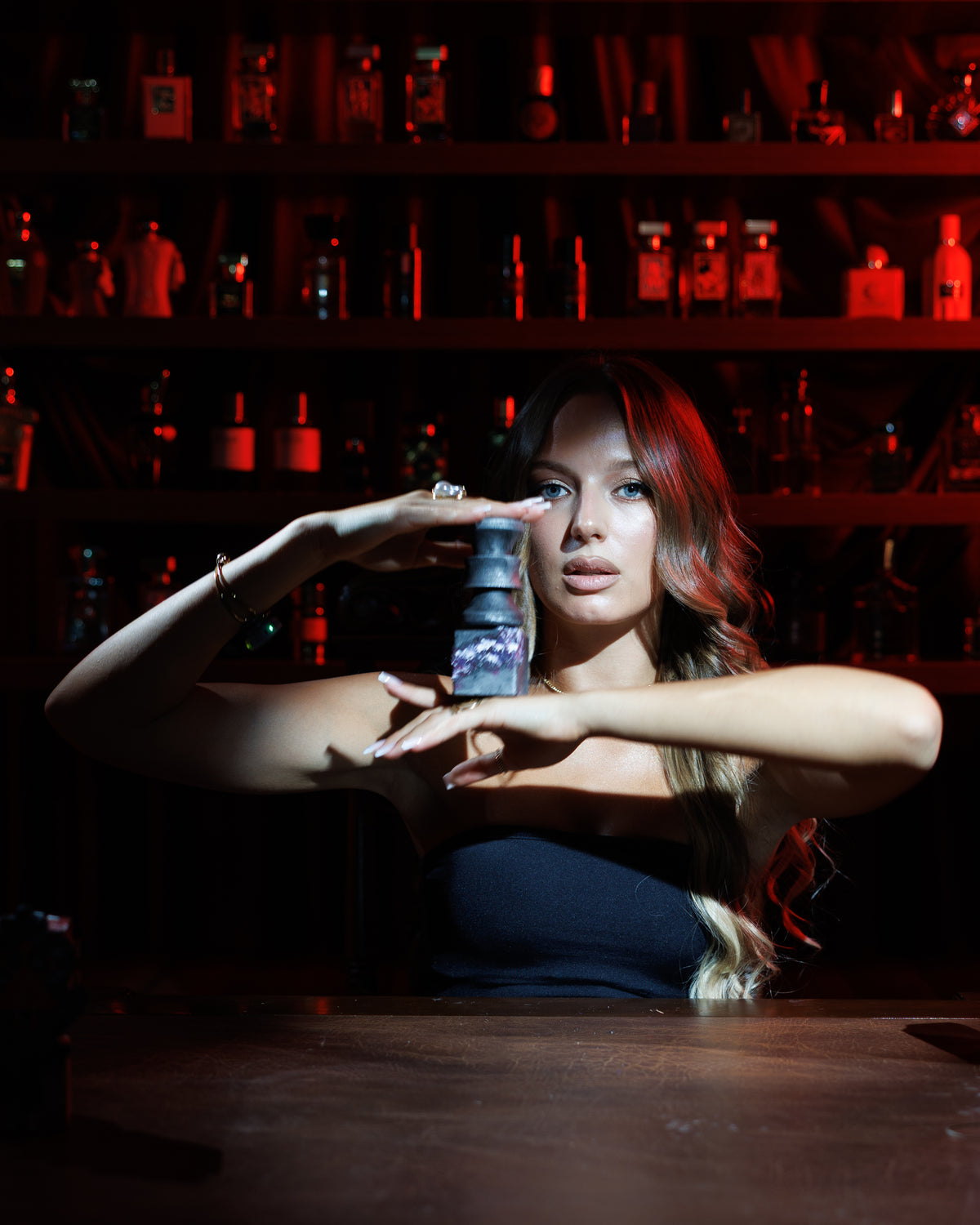
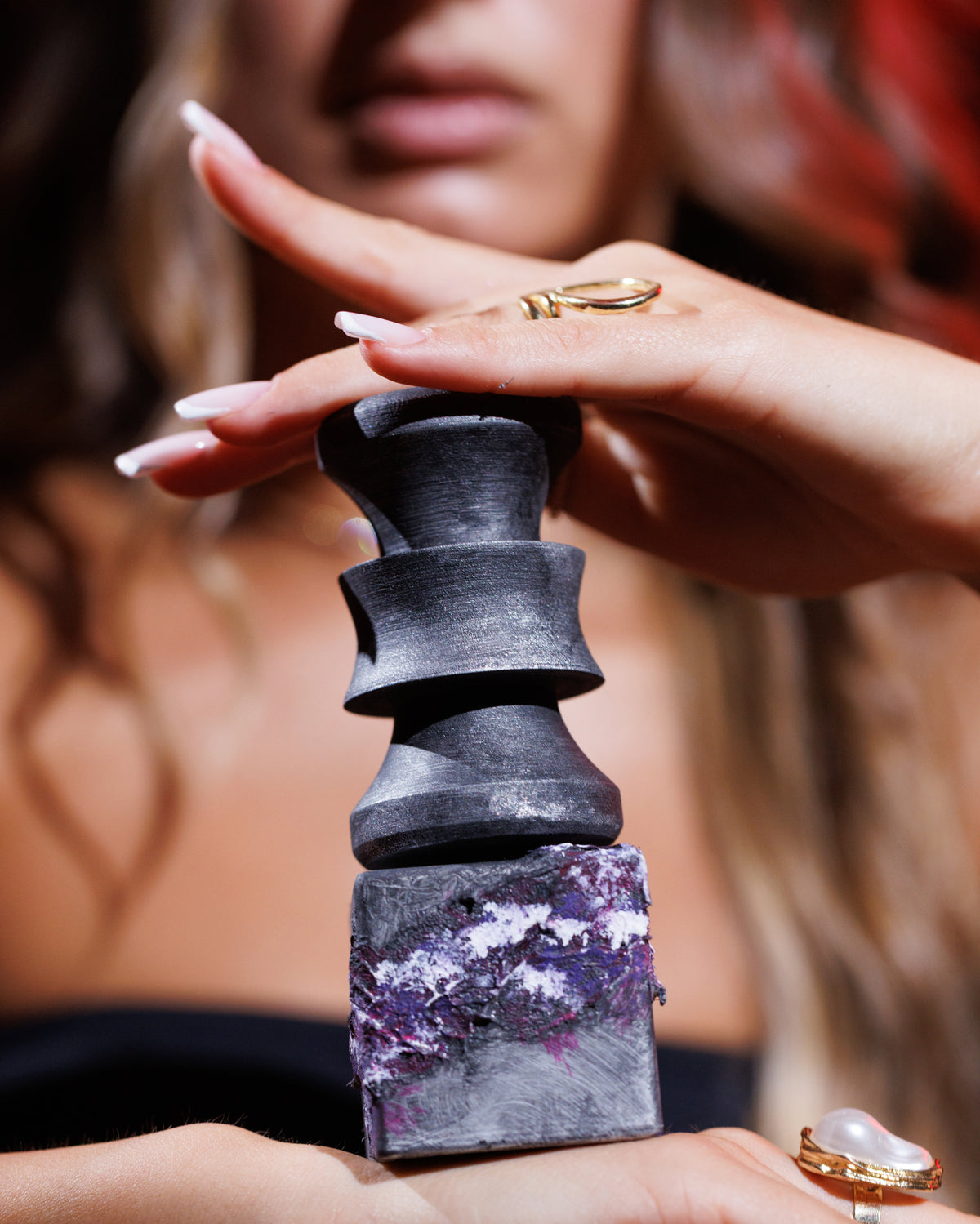
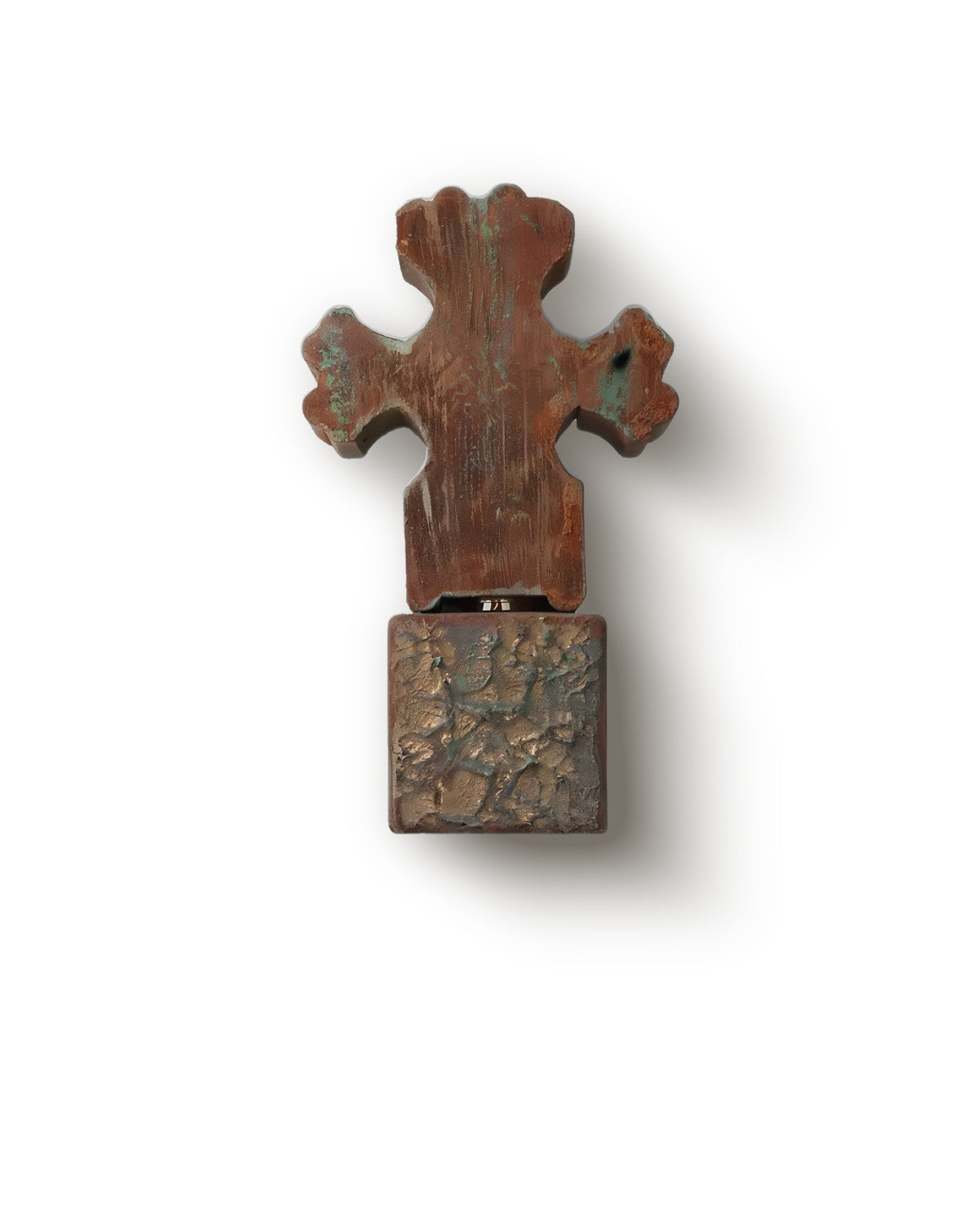
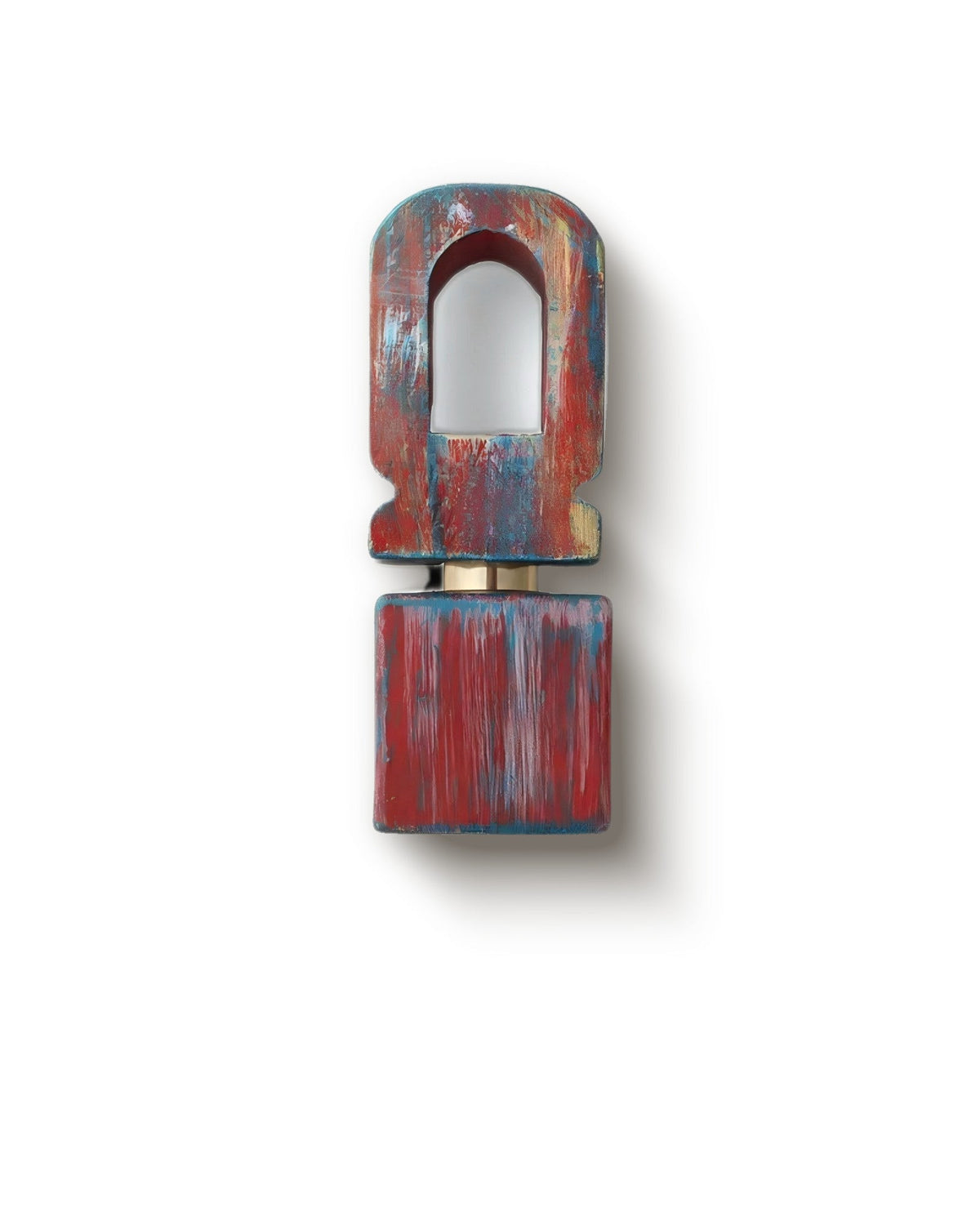
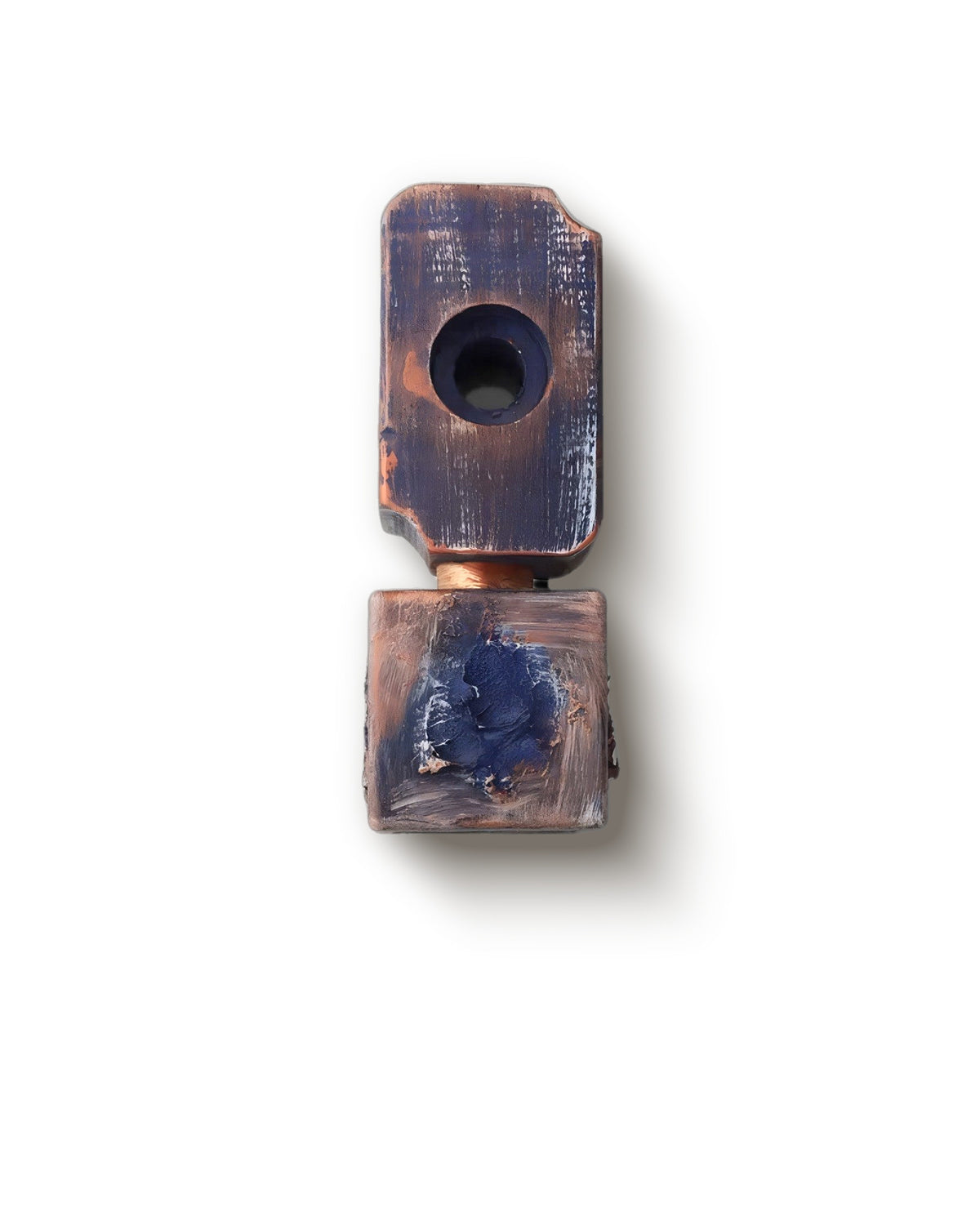
Hand painted bottles, memories distilled. Ritual and childhood smoke poured into wearable sculpture.
Adi Ale Van treats a fragrance like a small piece of folklore, drawing on old Romanian faith, ritual and memory and translating them into something you can actually wear. One moment you are standing in candle smoke and church incense, the next you are in a warm kitchen full of vanilla and rum.
- Origin
- Romania
- Known for
- Ritual smoke, hand painted flacons

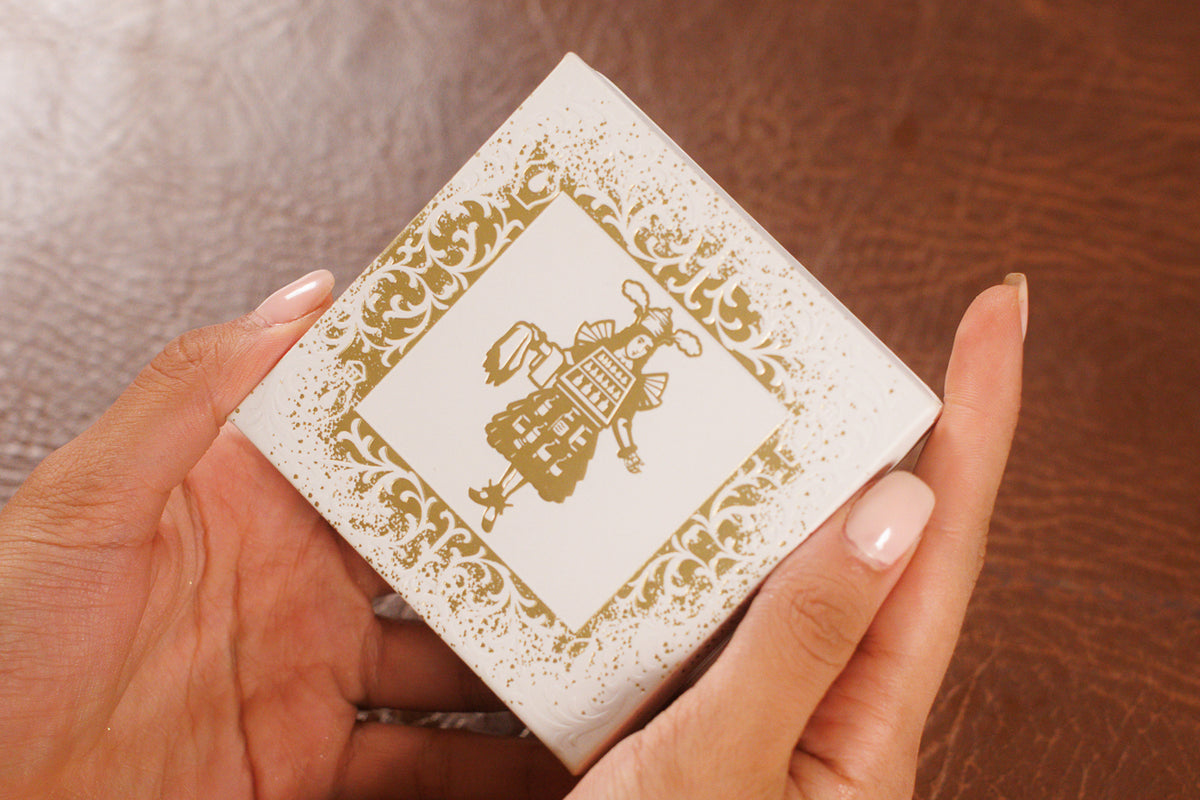
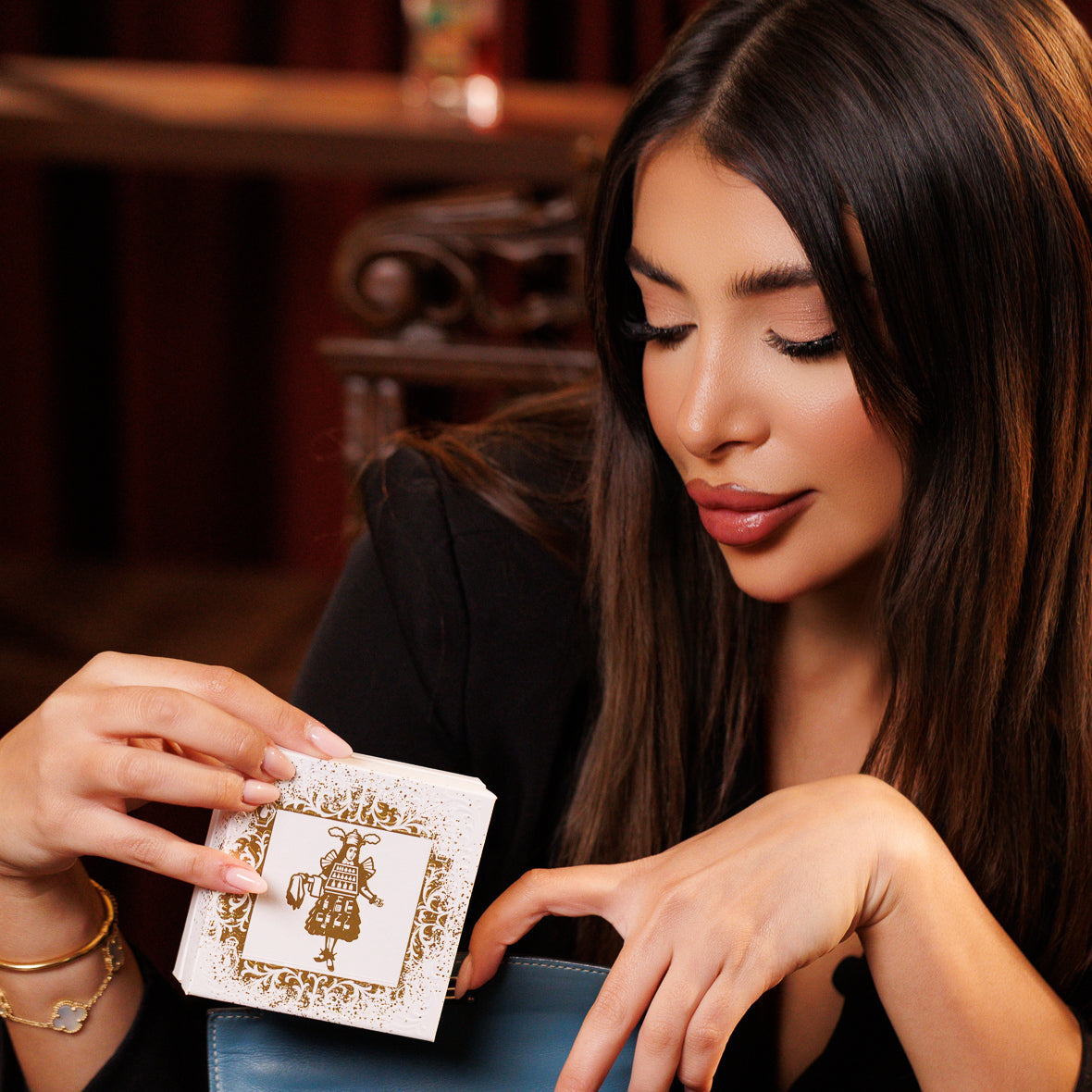
EVERY DECANT
From the original bottle to your door
We buy the original flacon at full retail price, direct from the house.
A medical grade Socorex syringe takes the exact millilitres straight from the flacon.
Packed into the hot foiled box and handed to DHL, every duty already paid. How a decant is made
More from Adi Ale Van
You may also like