
Adi Ale Van
My Judgement Day
The Story
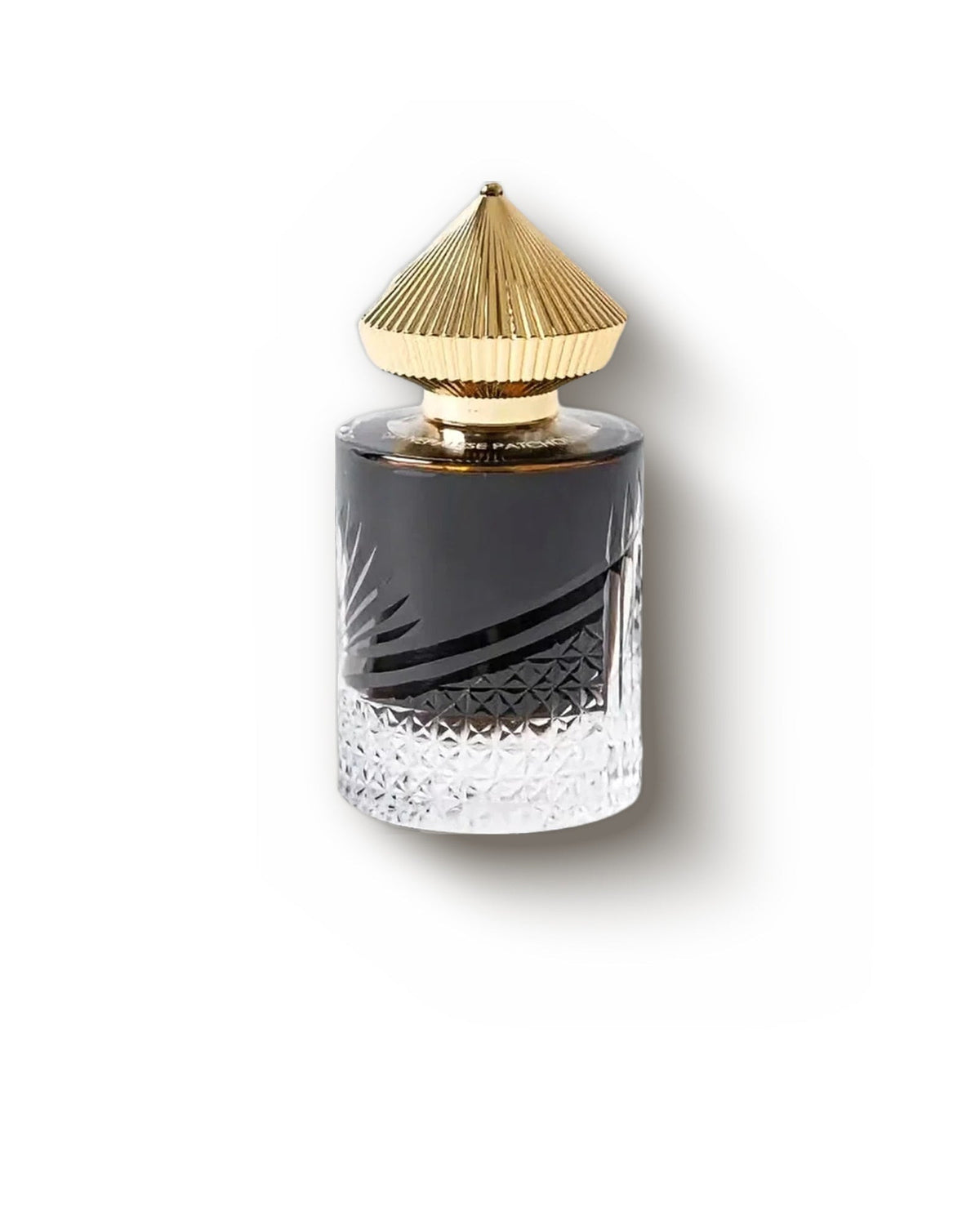
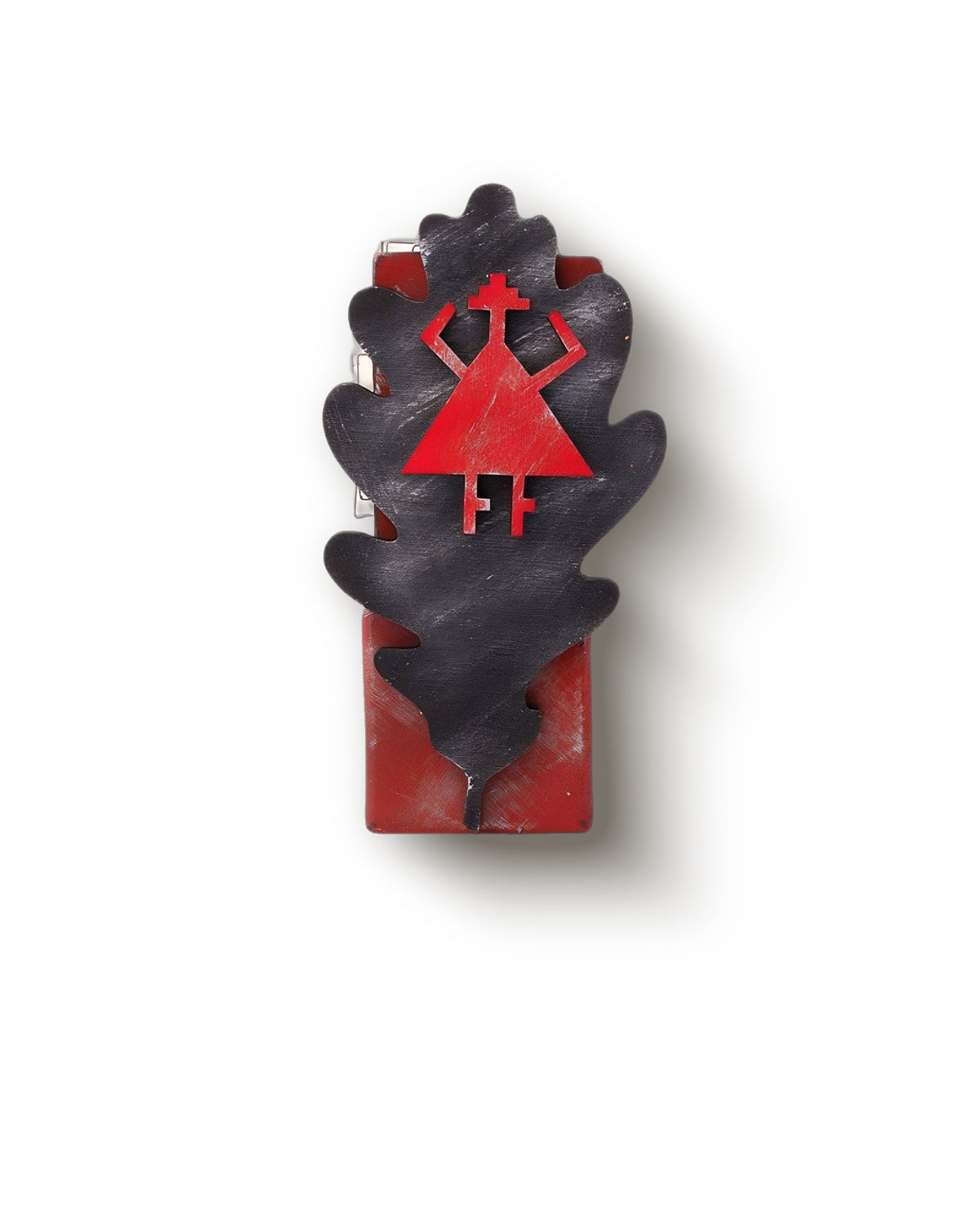
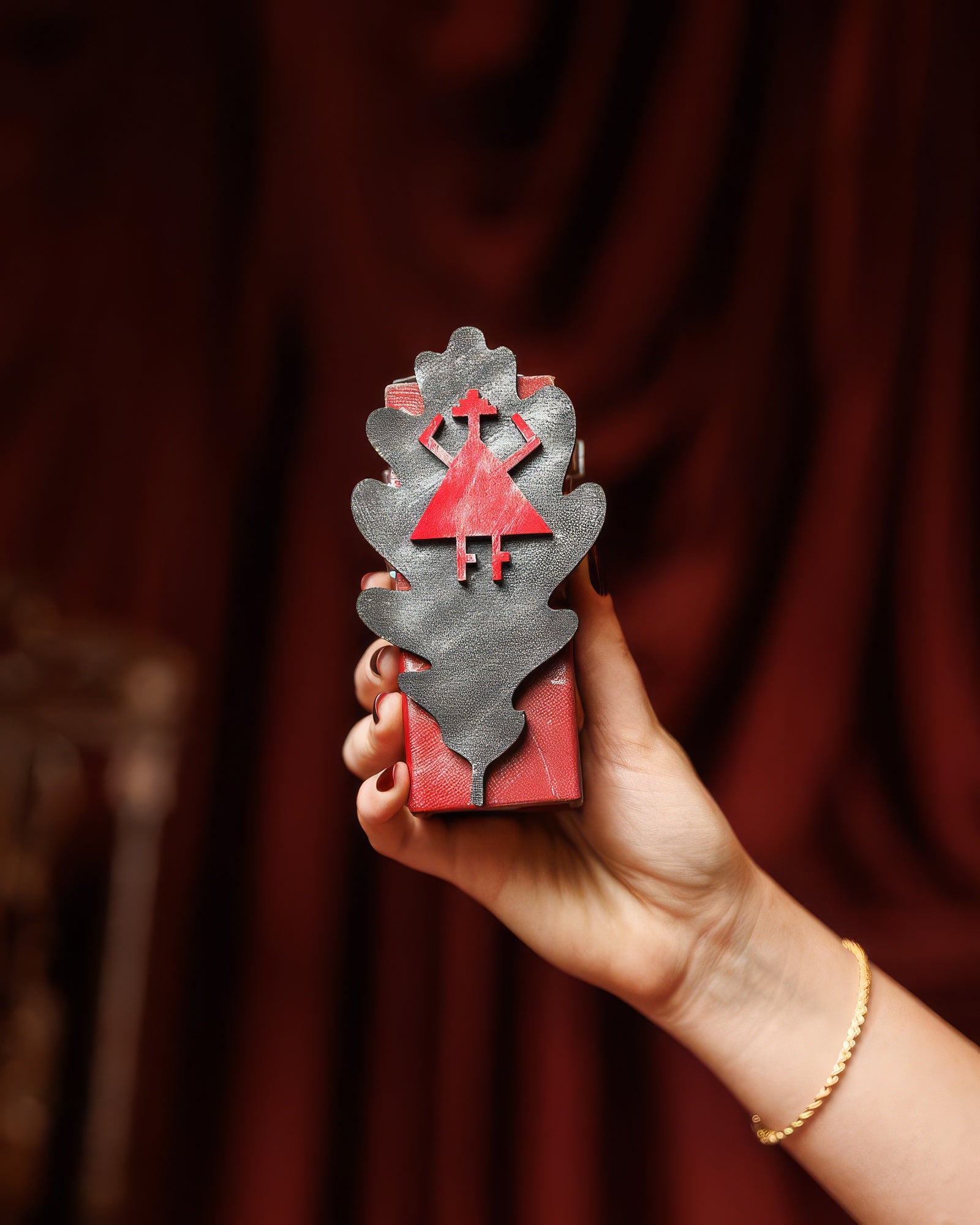
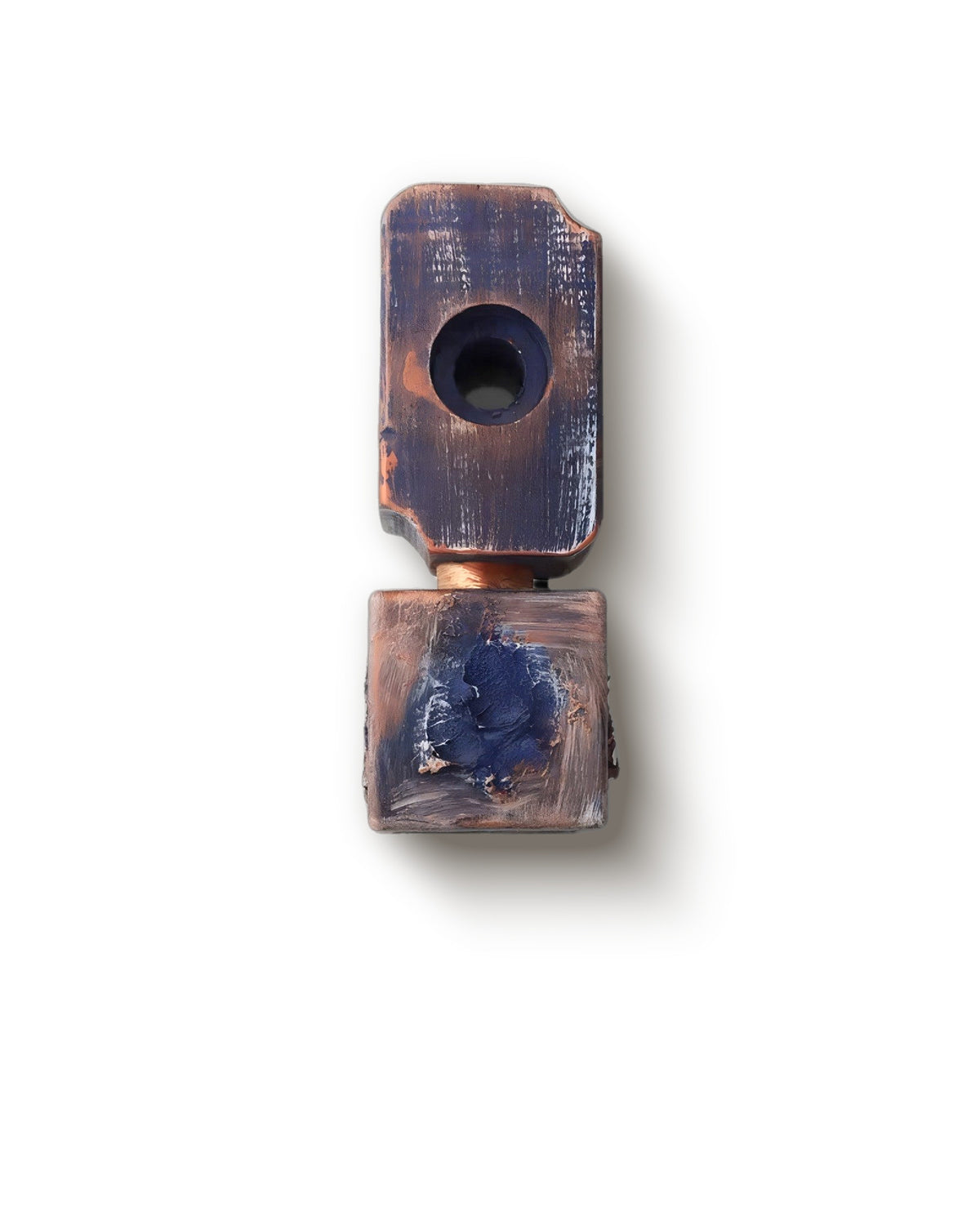
Adi Ale Van draws from old Romanian rural faith and tradition, envisioning a soul carried heavenward on an oak leaf, the oak a symbol of power, on the wind before the final judgment. The handmade object encodes the theme directly: metal staples on the lid represent life's obstacles, and an hourglass marks both the passage of time and the soul's reckoning. Its subtitle, Elixirul Vecerniei, translates as Elixir of Vespers, anchoring the fragrance in the atmosphere of Orthodox evening prayer. Each of the 75 bottles was made individually in Romania, making this a genuinely singular artifact.


Amber
Resin warmed until it goes sweet
Labdanum, benzoin and vanilla melted together into something sweet but dusky, like tree sap gone soft in the sun with a thread of incense smoke through it. Amber does not sparkle or shout. It sits close to the skin and gives off heat for hours.


Mossy
inky green shade under old oaks
The damp, inky smell of oakmoss and treemoss, lichens rather than true mosses, gathered from shaded oak and fir bark, faintly bitter with a cool woody depth. It grounds a fragrance in forest-floor shadow, lending an old, melancholy elegance that feels like breathing in a rain-soaked wood.


Woody
Dry grain of cut timber
The smell of cedar shavings, sandalwood, and dry vetiver roots, a sanded, resinous warmth with a faint pencil-box rasp. It feels grounded and composed, the quiet backbone that makes a scent read as serious and lasting.


Earthy
Damp soil after the rain
The mineral smell of wet ground, and of beets pulled straight from the dirt with the soil still on them. Cool, raw and faintly bitter, it grounds a fragrance with the dark, humid breath of the forest floor.


Warm Spicy
Glowing embers of the spice drawer
The rounded heat of cinnamon, clove, and nutmeg, dry and slightly resinous, like a baking pantry rather than a sharp kitchen. It creates a flushed, enveloping warmth that feels intimate and cool-weather, hugging the skin from within.


Balsamic
Tree sap gone thick and golden
Tree resins and golden amber, thickened to syrup and touched with vanilla. It does not sparkle or move; it settles, warming the skin the way candlelight warms a room, and it stays there long after the top notes have gone quiet.


Benzoin
Warm vanilla balsam wept from a tapped tree
What it is
Benzoin does not flow on its own. Someone cuts the bark of a styrax tree in Laos, Vietnam or Sumatra, and the wound weeps a gum that hardens over months into reddish tears.
How it smells
Sweet, warm, unmistakably vanillic, with a powdery amber softness underneath. Siam benzoin is rounder and creamier; Sumatra runs smokier, with a cinnamon bite. Left on skin it turns almost caramelized.
In perfumery
A base note that behaves like a fixative and a sweetener at once, giving amber accords their glow and holding the rest of the composition still. It softens sharp edges beside labdanum, tonka and incense.
Good to know
The word benzene comes from here. Chemists named benzoic acid after this resin, and benzene took its name from the acid. The resin's own name is a worn-down Arabic phrase, luban jawi, frankincense of Java.


Frankincense
Golden tears hardened on a cut trunk
What it is
A scored Boswellia bleeds a milky sap that hardens over weeks into golden tears. The sacra trees of Oman and Somalia give the most prized resin. Steam or solvent turns the tears into oil.
How it smells
Brighter than you expect from something called incense: cool, lemony, almost pine-fresh, with a peppery lift. Underneath it is dry and balsamic, and it ends in the warm dusty smoke you already know.
In perfumery
It does something odd for a resin: it makes heavy things lighter. Sitting in the heart and base, it opens up oud, labdanum and thick oriental accords, and gives rose a cool, quiet space to stand in.
Good to know
The trees are in trouble. Wild Boswellia stands are thinning under over-tapping, drought and grazing, and the long-term supply of a resin the world has burned for thousands of years is now a real question.


Lavender
Cool herbal blue from a sunlit hillside
What it is
The flowering tops are cut at peak bloom and go straight to the still, the purple spikes giving up a pale oil. Solvent extraction yields a darker absolute instead. Provence and Bulgaria supply most of it.
How it smells
Sharp and green at first, almost minty, with a cool camphor lift over soft floral sweetness. The dry-down warms into hay, faint vanilla and a powdery calm. True lavender is rounder and sweeter than the lavandin hybrid.
In perfumery
Set it against oakmoss, coumarin and tonka and you have a fougere, the barbershop structure behind countless aromatic masculines. Lavender runs from the top into the heart, cooling bright florals and softening citrus colognes.
Good to know
Those Provence fields the tourists photograph are mostly lavandin, a sterile hybrid that yields far more oil per hectare. True lavender is retreating uphill: a bacterial disease carried by sap-sucking insects has pushed plantings to cooler altitudes.


Cistus Incanus
Pink rockrose sticky with sunbaked resin
What it is
A scrubby shrub of the Greek and Levantine hillsides whose hairy leaves sweat labdanum, a resin so tenacious it is either boiled out of the foliage or pulled from the gum with solvent.
How it smells
Balsamic and resinous like all rockrose, but greener, with hay and a faint tea leaf running through it. The drydown turns honeyed and ambery, soft leather and dried apricot, sunbaked and lighter than the western kind.
In perfumery
It anchors amber, leather and chypre accords and holds the other materials in place. That herbal lift is the reason to choose it over heavier ladanifer labdanum, and it takes well to oakmoss, clary sage, pine and citrus.
Good to know
Order Cistus incanus and what arrives is almost always Cistus creticus. The name has been loose for so long that nobody corrects it. The same leaves are brewed as a herbal tea across Greece and Turkey.


Oakmoss
The damp green soul of the forest floor
What it is
Not a moss at all, but a lichen, scraped off oak and other deciduous bark across temperate Europe, Russia and North Africa. Solvents turn the harvested growth into a dark, viscous concrete, then the absolute perfumers actually use.
How it smells
Wet stone, damp bark and something inky and leathery underneath, dry and faintly bitter. This is not fresh green: it is the cool floor beneath old trees after rain has soaked the ground.
In perfumery
The backbone of the chypre: a base note that gives a fragrance its shadow and its spine, classically under bergamot, beside labdanum and patchouli. Anything described as mossy, vintage or green-masculine is usually leaning on it.
Good to know
Oakmoss carries two allergens, atranol and chloroatranol, potent enough that the EU banned them from cosmetics outright. Perfumers use stripped grades now, but it was the earlier cap on the extract that changed how the classic chypre smells.


Labdanum
Sticky amber resin scraped from sun-baked rockrose
What it is
A Mediterranean rockrose sweats gum through its leaves in summer, dark and sticky enough to glue your fingers together. Harvesters boil or scrape the branches to get it off, then extract that crude gum into absolute and resinoid.
How it smells
Balsamic warmth, then leather, dried fruit, honey and a curl of smoke. There is something almost ambergris-like in the opening. Hours later it has settled into brown tobacco and worn skin, still going.
In perfumery
Take labdanum out and most amber accords collapse; it is what vanilla and benzoin get built on. It fixes a formula in place, gives chypres and leathers their depth, and sits well with rose, oakmoss and incense.
Good to know
Before there was distillation, there were goats. Herds browsed through cistus scrub all summer, the gum matted into their beards and thighs, and shepherds combed it out. Labdanum is one of the oldest aromatic materials still in use.


Myrrh
Bitter resin smoke from a wounded desert tree
What it is
Cut the bark of a thorny desert shrub in the Horn of Africa or Arabia and it bleeds. The pale sap hardens on the branch into reddish-brown tears, steam-distilled into oil or solvent-extracted into a darker resinoid.
How it smells
Cool and bitter at first, medicinal enough to recall a fresh bandage, over dry earth and licorice. Then it warms: smoky balsam, soft leather, a mushroomy damp underneath. Slower and darker than frankincense, and dustier.
In perfumery
Perfumers keep it low in the blend, where it gives incense, amber and chypre compositions their gravity, the churchy weight under rose, labdanum and benzoin. Where frankincense lifts a composition, myrrh holds it down.
Good to know
Its name comes from a Semitic root meaning bitter. Egypt burned it in temples and packed it into the bodies of the dead. Overgrazing and hard tapping are now thinning the wild stands that supply it.


Vetiver
Cool damp earth pulled from tangled roots
What it is
Everything worth having is underground. Vetiver grows as a tall tropical grass, but the perfume lives in its roots, a dense fibrous mat that gets dug up, washed, dried and steam-distilled into a thick amber-brown oil.
How it smells
Cool damp soil and cut grass over dry wood. Haitian oil runs smoother and faintly hazelnut-sweet; Java is darker, smokier, more leathery. Underneath both, a bitter grapefruit edge and a green mineral streak that holds for hours.
In perfumery
Perfumers use it to hold a formula down, which is why fougères and chypres reach for it. Citrus, leather and tobacco sit well on top. Push its ashier side forward and it turns severe beside cypress and cedar.
Good to know
The same roots that end up in a bottle get planted on hillsides to hold the soil, gripping ground where nothing else will. Haiti supplies about half the world's vetiver oil, most of it grown on smallholder farms.


Cypriol Oil or Nagarmotha
A stubborn weed that smells like oud
What it is
This sedge behaves like a weed, stubborn and unwanted. Its roots, dried and steam-distilled, give a thick dark oil, which is how a nuisance plant became one of perfumery's prized dark materials. India calls it nagarmotha.
How it smells
Vetiver and patchouli crossed with dry tobacco and charred wood, then smeared with something leathery. It has a black-pepper bite that comes from rotundone, and it carries: diffusive, resinous, still there hours later.
In perfumery
It sits in the base and does two jobs: fixative, and the dark oud-like heart of a woody composition without a single animal material. Vetiver, patchouli, saffron, rose and incense all sit well on top of it.
Good to know
Rotundone is the reason a Syrah smells peppery, and it is one of the most odour-active things in this oil. The same molecule, the same bite, one in a wine glass and one in a bottle of perfume.
Fragrance Character
Frankincense and benzoin project immediately with weight and smoke, the lavender giving an herbal, almost medicinal lift that prevents the opening from becoming purely ecclesiastical. In the heart, cistus incanus introduces a dark, ambery resin that knits with the frankincense into something close to hardened church incense. The base of oakmoss, labdanum, myrrh, vetiver, and cypriol is dense and earthen; it pulls the fragrance close to the skin and holds there for hours, a slow smolder rather than a fade.


Longevity
how long it stays on skin
The hourglass reads wear time: how many hours the fragrance keeps speaking before it fades. A bar that barely leaves the start means a few fleeting hours. One that runs the full length carries from morning into evening. Treat it as typical, not promised. Oily skin holds scent far longer than dry.


Sillage
the size of its scent trail
Sillage is French for a ship's wake, and that is exactly what this measures: how much of the scent reaches the room instead of staying on you. Low is a whisper only close friends catch. Enormous fills the room, then keeps filling it after you leave.


Experimental
Built to provoke, not to please
Some perfumes are made to be liked. These are made to be argued about: inky tar, hot rubber, fruit on the turn, metal and fur where you expected flowers. The coin glows for a scent that provokes and dims for one that plays it safe, which is sometimes the point.


Office
Polished, and never louder than the room
Scent is manners in a shared room. At this range it should reach the person across the desk and stop there: tidy citrus, soft musk, pale woods, all of it reading competent and considerate. A glowing coin means nobody has to mention it. A dim one means it travels.


Evening
After dark, when it deepens
Dinner, drinks, the night that runs long. Low light is where ambers, resins and smoky woods stop being polite, and where a plush floral finally blooms. A glowing coin means it is waiting for exactly this hour. A dim one means it did its best work in daylight.


Romantic
Close enough to be felt
A fragrance can hum against skin instead of announcing itself across a table. That is the register here: creamy florals, vanilla, soft musk, a thread of spice, warm enough to make someone lean in. The coin glows when a scent sets that mood and dims when it is more practical than seductive.


Formal
Quiet authority in a dressed-up room
A wedding, a ceremony, a room where everyone has thought about their shoes. What works here is structure, not volume: smooth woods, disciplined florals, soft leather. A glowing coin means it holds its posture all evening. A dim one means it is too casual for the room.


Casual
Easy comfort for unhurried days
Errands, coffee, a slow Saturday with nowhere to be. Nothing here has to impress anyone, so the fit is soft and easy: fresh citrus, light woods, a little warmth off the skin. A glowing coin says yes to all that. A dim one means the fragrance is asking for a bigger night.


Day to Night
where its mood naturally falls
A bar running from sun to moon, reading the hour the fragrance was made for. The more of it that stays gold, the more the scent belongs to daylight and open air. The further the blue reaches back toward the sun, the deeper and warmer it turns: evening, candlelight, low rooms.


Winter
Warmth that carries through cold air
Cold air mutes a fragrance and slows it down, which is why winter belongs to the dense and the warm: resin, smoke, vanilla, leather, ambered spice. The bar reads how well this one pushes back, glowing against the chill instead of thinning out in it.


Spring
Fresh blooms in mild, rising warmth
Mild, humid air lifts a light composition, so the season belongs to dewy florals, green stems, soft powder and citrus you can see through. Alive rather than heavy. The further the green runs along the bar, the more comfortably this one wears in that weather.


Summer
Bright and airy in real heat
Heat does the projecting for you, which is why the wrong perfume turns unbearable by noon. What survives is cool and breathable: sharp citrus, salt air, aromatic herbs, water. Things that refresh instead of cloy. A short bar here means save it for cooler months.


Fall
Spiced warmth for cooling days
As the air cools, the rich materials stop smothering and start reading clearly: dry woods, warm spice, tobacco, amber, fruit gone golden. It is the season perfume turns contemplative. The bar fills according to how naturally this one settles into crisp, cooling days.
Best Worn
Autumn evenings and the deep of winter suit this best, worn when the light is low and the occasion calls for stillness, whether formal or solitary and contemplative.
Choose options
The Vibe


The Nose

Jimmy Bodin
Co-founder and perfumer
Self-taught French perfumer who co-founded Jousset Parfums with his wife Melis and is also the nose behind The Unleashed Apothecary. He composed Jousset Accident à la Vanille, Jousset Le Gourmand, Jousset Ciao Bello Pistachio and Adi ale Van Miez.
More by this noseDecembrie 89 Freedom Elixir
The Maison

Hand painted bottles, memories distilled. Ritual and childhood smoke poured into wearable sculpture.
Adi Ale Van treats a fragrance like a small piece of folklore, drawing on old Romanian faith, ritual and memory and translating them into something you can actually wear. One moment you are standing in candle smoke and church incense, the next you are in a warm kitchen full of vanilla and rum.
- Origin
- Romania
- Known for
- Ritual smoke, hand painted flacons

More from Adi Ale Van
You may also like