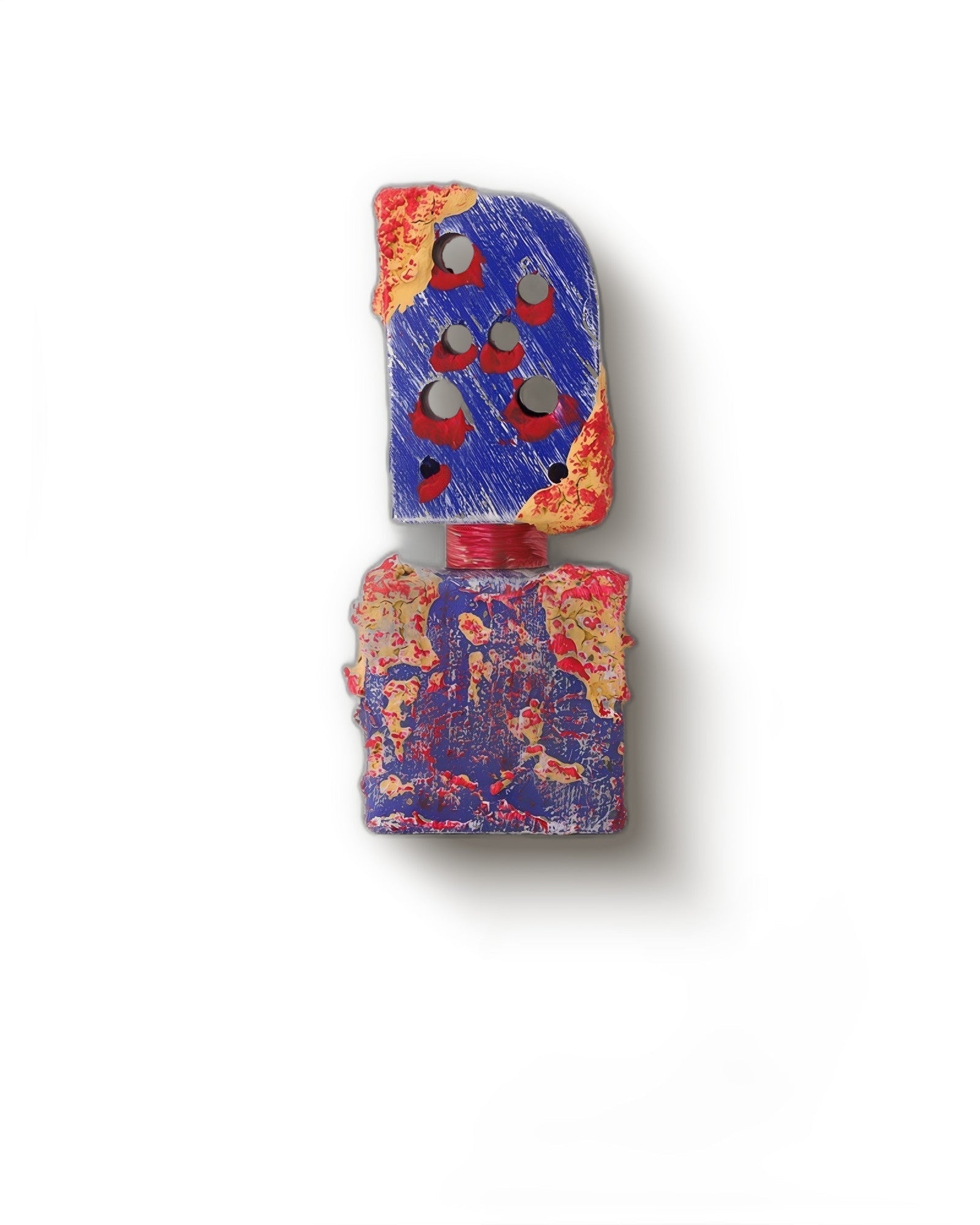


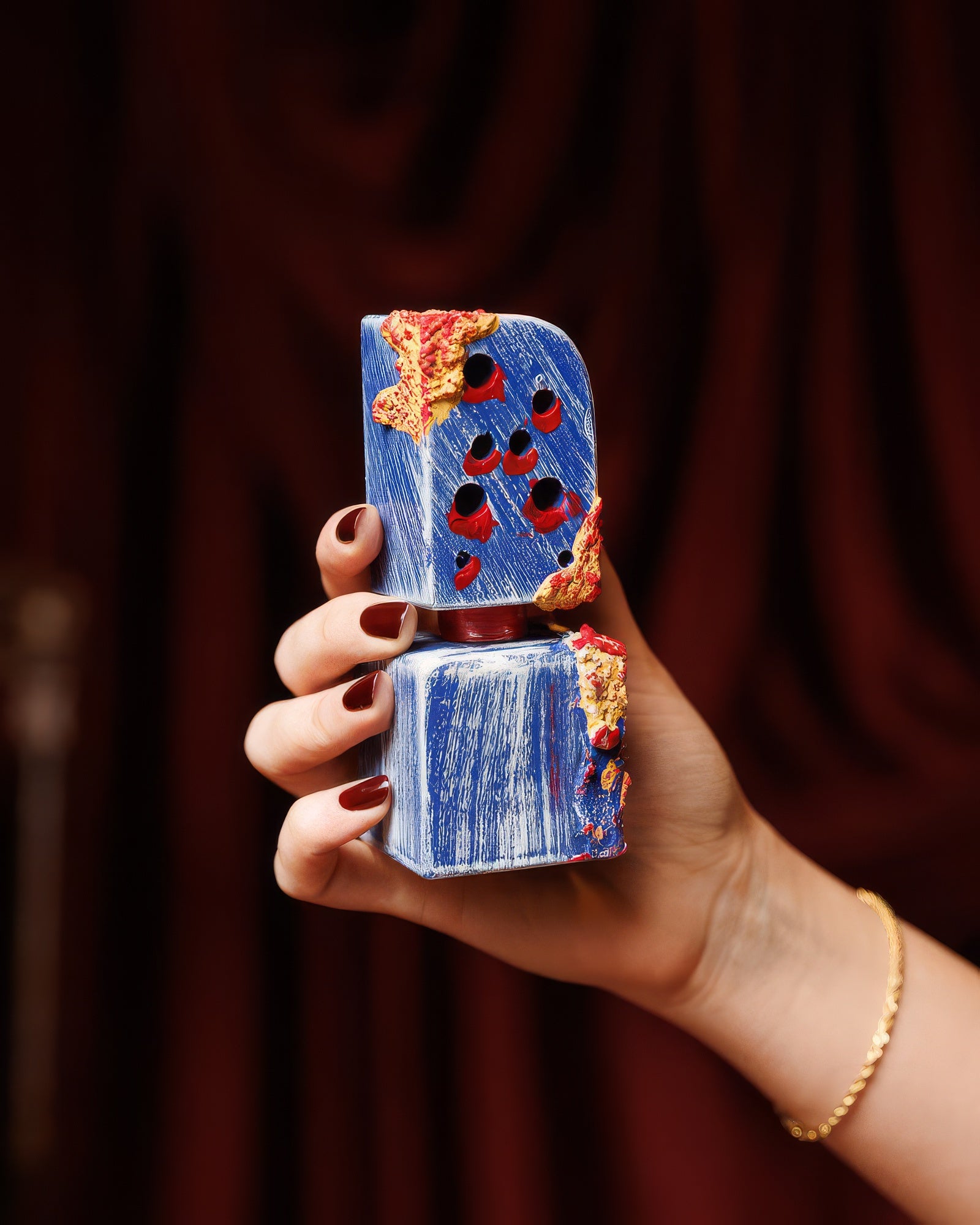
Adi Ale Van
Hai Hui
The Story
Named for the Romanian sense of carefree wandering, Adi Ale Van's Hai Hui is a bright, slightly resinous green fragrance: fruity and minty up top, woody-dry beneath, relaxed and warm-weather-ready.


Woody
Dry grain of cut timber
The smell of cedar shavings, sandalwood, and dry vetiver roots, a sanded, resinous warmth with a faint pencil-box rasp. It feels grounded and composed, the quiet backbone that makes a scent read as serious and lasting.


Aromatic
Crushed herbs in cool air
The green, camphorous coolness of lavender, rosemary, sage, and thyme, like herbs bruised between the fingers. It feels clean, invigorating, and a touch austere, the crisp backbone of a classic barbershop freshness.


Green
Sap on your hands after weeding
Snap a stem and this is what comes off: sappy, cool, a little bitter, more vegetable than floral. Cut grass, bruised leaves, the inside of a hedge after the shears. Nothing here is sweet.


Fruity
Peach skin, not lemon peel
Peach, pear, apple, berry: this is sweetness in the flesh rather than the rind, dewy and nectar-heavy where citrus is sharp and thin. It plays young and slightly greedy, the sort of ripeness you can almost feel running down a wrist.


Fresh Spicy
Cool bite of cracked pepper
Pink pepper, cardamom and ginger, spice that prickles rather than warms. It fizzes near the top of a fragrance, dry and faceted, closer to crushed peppercorns and a split cardamom pod than to anything simmering in a kitchen. Bright, never comforting.


Sweet
Warm sugar you cannot quite name
Caramel, honey, spun sugar: sweetness that hovers between all three and never settles on one. This is the gourmand pull, the thing that makes someone lean in closer than they meant to, warm and soft and a half step short of edible.


Mint
Two mints, one icy and one sweet
What it is
Two plants, two different jobs. Peppermint carries menthol and reads cold. Spearmint carries carvone instead and reads sweet, round and herbal. Both are steam-distilled from leaves and flowering tops, and swapping one for the other changes everything.
How it smells
Peppermint is piercing and icy, with a camphor edge that clears your head whether you asked or not. Spearmint is gentler: sweet, faintly fruity, no cold bite. Both start green and watery, then settle to a clean herbal hum.
In perfumery
A top note, and a fast one: it flashes through fougeres, colognes and fresh masculines, then it is gone. Peppermint handles the bracing openings. Both work with lavender, basil, citrus and, less obviously, chocolate.
Good to know
Menthol does not cool anything. It switches on the nerve receptors that report cold, so your brain reads cold where there is none. That is the trick behind toothpaste and gum, and spearmint cannot do it.


Pineapple
Tropical sweetness with no fruit behind it
What it is
Squeeze a pineapple, distil it, and you get nothing a perfumer can use. The note is always a construction: a synthetic route led by allyl caproate, or a botanical one assembled from ylang-ylang, balsams, citrus and isolates.
How it smells
The ester version is hard-candy bright and sits exactly where it is put. The botanical one is warmer and rounder, more flesh than candy, green-tart at the edge, and it blooms and fades instead of holding still.
In perfumery
A trace lifts an opening; a heavy hand turns the whole thing into fruit punch. It sits easily with coconut, citrus, jasmine and warm resins, and the botanical version goes jammy the moment it is overdosed.
Good to know
Stability decides it. The synthetic behaves identically every time, so it turns up wherever a tropical accent is wanted, while the botanical costs more, shifts from batch to batch, and carries less distance.


Black Pepper
Dry heat that prickles and sharpens
What it is
Peppercorns start out green; the sun is what turns them black and wrinkled. They grow on a climbing vine, and the scent is drawn out by steam or by CO2.
How it smells
Sharp and dry, a bite that tingles the inside of your nose. Underneath, woody and resinous with a lift of citrus. The distilled oil is airy; the CO2 extract smells like a peppercorn cracked a second ago.
In perfumery
It snaps a fragrance awake from the top, then works lower down as a foil for rose, vetiver and amber. Some are built on nothing but that dry crackle over cedar, which turns out to be enough.
Good to know
Pepper was once used as currency and accepted as rent. And the heat you taste is piperine, which is too heavy to travel in a distillation, so the oil smells peppery without burning anything at all.


Cardamom
Green spice cracking open with citrus heat
What it is
Pickers take the pods before they ripen, which means doing it by hand. A ginger relative from the forests of southern India, now farmed widely in Guatemala. The seeds inside are what gets distilled.
How it smells
Crack one and you get cool eucalyptus lift over warm pepper, lemon peel and a little pine resin. There is a smoky breadiness in it too, the smell of chai. Sharp and effervescent first, then soft and balsamic.
In perfumery
It sits between top and heart, a spice sparkle that stays cool, letting a composition move from citrus into woody amber without the weight of clove or cinnamon. Rose, leather and oud all take it well.
Good to know
The pod is packaging. Sealed, it keeps the oil intact; cracked, the aroma starts escaping straight away, which is why distillers work fast and why pre-ground cardamom is a ghost of the whole pod.


Fig
Green milky leaf over warm sunlit fruit
What it is
Fig the note is the whole tree, not the fruit. Figs give up almost no oil, so perfumers build the smell instead, out of leaf extract and green aroma molecules: sap, bark, shade and ripe fruit together.
How it smells
Green and lactic at the top, like a snapped leaf weeping bitter white sap, over the milky, coconut-tinged sweetness of warm fruit. Underneath, a dry, almost cedar-like wood. Shady and sun-warmed at once, more garden than fruit bowl.
In perfumery
Few notes stretch like this one: green at the top, milky in the middle, woody at the bottom, so it can carry a whole composition alone. Coconut, cedar, milk and citrus sit naturally beside it.
Good to know
Before 1994 there were almost no fig perfumes, because nobody could make a fig leaf smell like a fig leaf. One molecule, stemone, solved it, and the note has been a niche signature ever since.


Elemi
The bright, lemon-peppered cousin of frankincense
What it is
Cut the bark of a Philippine tree and it weeps a soft white gum that yellows in the air. Steam-distilled, that resin becomes elemi: a first cousin of frankincense that arrives smelling of lemon peel.
How it smells
Sharp lemon and pine up front, with a green pepper snap. Underneath, something oddly herbal: dill and fennel over warm balsam, threaded with incense smoke. It dries soft and woody, much lighter than its frankincense relatives.
In perfumery
Perfumers use it as a hinge. It sits high in the blend, carrying citrus brightness down into woods and incense so the join never shows, and it lets a resinous composition glow without turning heavy or smoky.
Good to know
Its name is usually traced to an Arabic phrase meaning roughly as above, so below. Long before perfumery it went into Renaissance healing balms and varnish, and the resin still yields oil generously enough to stay affordable.


Almond
Marzipan warmth from a hidden kernel
What it is
Crack a peach stone or a cherry pit and you meet the same smell: benzaldehyde, the molecule behind bitter almond, formed there from a compound called amygdalin. Most of what perfumers use is now synthetic, for good reason.
How it smells
Marzipan, amaretto and cherry stone, sweet and nutty with a powdery bitter edge. The natural bitter-almond oil is sharper and more medicinal; the almond in most perfumes is the soft dessert version, slipping easily into cherry and heliotrope.
In perfumery
A heart note that behaves like pastry, softening and powdering whatever it touches. Set it against vanilla and tonka and you get marzipan; against cherry and coffee it turns dark, and the bitter opening becomes the point.
Good to know
Natural bitter-almond oil carries traces of hydrogen cyanide. The almond smell that detective novels pin on cyanide is really the benzaldehyde travelling with it. Perfumers use a grade with the prussic acid stripped out, or the synthetic.


Papyrus
Dry reed and ink along a sunlit river
What it is
A giant sedge from the Nile marshes, split and pressed into sheets by the Egyptians and written on. The plant yields no oil worth having, so the smell of it has to be built.
How it smells
Dry, papery woodiness with smoke and ink behind it: cut reeds, old documents, grass baked all afternoon. More arid and mineral than cedar, with a resinous bitterness over a thin green herbal edge.
In perfumery
Base note, bringing dry smoke and a stripped-back modern woodiness, often extending vetiver or standing in for it. It sits with incense, cedar, citrus and leather, and anchors a whole shelf of contemporary papery woods.
Good to know
The scent labeled papyrus is rarely the Egyptian plant. Perfumers reach instead for cypriol, distilled from the roots of an Indian cousin, so the name points at the Nile while the smell comes from Madhya Pradesh.


Vetiver
Cool damp earth pulled from tangled roots
What it is
Everything worth having is underground. Vetiver grows as a tall tropical grass, but the perfume lives in its roots, a dense fibrous mat that gets dug up, washed, dried and steam-distilled into a thick amber-brown oil.
How it smells
Cool damp soil and cut grass over dry wood. Haitian oil runs smoother and faintly hazelnut-sweet; Java is darker, smokier, more leathery. Underneath both, a bitter grapefruit edge and a green mineral streak that holds for hours.
In perfumery
Perfumers use it to hold a formula down, which is why fougères and chypres reach for it. Citrus, leather and tobacco sit well on top. Push its ashier side forward and it turns severe beside cypress and cedar.
Good to know
The same roots that end up in a bottle get planted on hillsides to hold the soil, gripping ground where nothing else will. Haiti supplies about half the world's vetiver oil, most of it grown on smallholder farms.


Woody Notes
Sawn timber, pencil shavings, warm bark
What it is
Not one material but a whole shelf: sandalwood, cedar, vetiver, guaiac, patchouli, plus the lab-made woody-ambers that stretch them further. Roots, bark and heartwood, steam-distilled or solvent-extracted, sitting beside molecules built from nothing at all.
How it smells
Dry at one end, creamy at the other. Cedar reads pencil-sharp, sandalwood milky, vetiver rooty and damp, guaiac smoky-sweet. Together they smell of sawn timber and sun-warmed bark, grounding whatever gets built on top.
In perfumery
Heart and base work, mostly. Woods give a composition its spine: structure, staying power, something for florals and ambers to hang on. The dry cedar-vetiver register drives a great deal of what has been released this century.
Good to know
Most woodiness comes from a lab, partly because sandalwood and rosewood were overharvested into protection. Iso E Super grew so dominant that Escentric Molecules built Molecule 01 around it almost neat: barely there up close, glowing on skin.
Fragrance Character
Mint and pineapple give a crisp, juicy opening; black pepper and cardamom add spice; fig, elemi and almond bring a creamy green heart; and papyrus, vetiver and woods dry it down.


Longevity
how long it stays on skin
The hourglass reads wear time: how many hours the fragrance keeps speaking before it fades. A bar that barely leaves the start means a few fleeting hours. One that runs the full length carries from morning into evening. Treat it as typical, not promised. Oily skin holds scent far longer than dry.


Sillage
the size of its scent trail
Sillage is French for a ship's wake, and that is exactly what this measures: how much of the scent reaches the room instead of staying on you. Low is a whisper only close friends catch. Enormous fills the room, then keeps filling it after you leave.


Experimental
Built to provoke, not to please
Some perfumes are made to be liked. These are made to be argued about: inky tar, hot rubber, fruit on the turn, metal and fur where you expected flowers. The coin glows for a scent that provokes and dims for one that plays it safe, which is sometimes the point.


Office
Polished, and never louder than the room
Scent is manners in a shared room. At this range it should reach the person across the desk and stop there: tidy citrus, soft musk, pale woods, all of it reading competent and considerate. A glowing coin means nobody has to mention it. A dim one means it travels.


Evening
After dark, when it deepens
Dinner, drinks, the night that runs long. Low light is where ambers, resins and smoky woods stop being polite, and where a plush floral finally blooms. A glowing coin means it is waiting for exactly this hour. A dim one means it did its best work in daylight.


Romantic
Close enough to be felt
A fragrance can hum against skin instead of announcing itself across a table. That is the register here: creamy florals, vanilla, soft musk, a thread of spice, warm enough to make someone lean in. The coin glows when a scent sets that mood and dims when it is more practical than seductive.


Formal
Quiet authority in a dressed-up room
A wedding, a ceremony, a room where everyone has thought about their shoes. What works here is structure, not volume: smooth woods, disciplined florals, soft leather. A glowing coin means it holds its posture all evening. A dim one means it is too casual for the room.


Casual
Easy comfort for unhurried days
Errands, coffee, a slow Saturday with nowhere to be. Nothing here has to impress anyone, so the fit is soft and easy: fresh citrus, light woods, a little warmth off the skin. A glowing coin says yes to all that. A dim one means the fragrance is asking for a bigger night.


Day to Night
where its mood naturally falls
A bar running from sun to moon, reading the hour the fragrance was made for. The more of it that stays gold, the more the scent belongs to daylight and open air. The further the blue reaches back toward the sun, the deeper and warmer it turns: evening, candlelight, low rooms.


Winter
Warmth that carries through cold air
Cold air mutes a fragrance and slows it down, which is why winter belongs to the dense and the warm: resin, smoke, vanilla, leather, ambered spice. The bar reads how well this one pushes back, glowing against the chill instead of thinning out in it.


Spring
Fresh blooms in mild, rising warmth
Mild, humid air lifts a light composition, so the season belongs to dewy florals, green stems, soft powder and citrus you can see through. Alive rather than heavy. The further the green runs along the bar, the more comfortably this one wears in that weather.


Summer
Bright and airy in real heat
Heat does the projecting for you, which is why the wrong perfume turns unbearable by noon. What survives is cool and breathable: sharp citrus, salt air, aromatic herbs, water. Things that refresh instead of cloy. A short bar here means save it for cooler months.


Fall
Spiced warmth for cooling days
As the air cools, the rich materials stop smothering and start reading clearly: dry woods, warm spice, tobacco, amber, fruit gone golden. It is the season perfume turns contemplative. The bar fills according to how naturally this one settles into crisp, cooling days.
Best Worn
An effortless choice for easy spring days and warm summer afternoons, its crisp green-fig freshness carrying just as gracefully from a casual outing into the workday.
Choose options
The Vibe


The Nose

Anne-Sophie Behaghel
Perfumer
Anne-Sophie Behaghel trained at Cinquième Sens under Monique Schlienger, worked at Symrise and Firmenich, and now creates at the independent Paris studio Flair with Amélie Bourgeois. She composed BORNTOSTANDOUT Sugar Addict, BDK Parfums Sel d'Argent and Mendittorosa Le Mat, and co-signed Room 1015 Atramental with Bourgeois.
The Maison

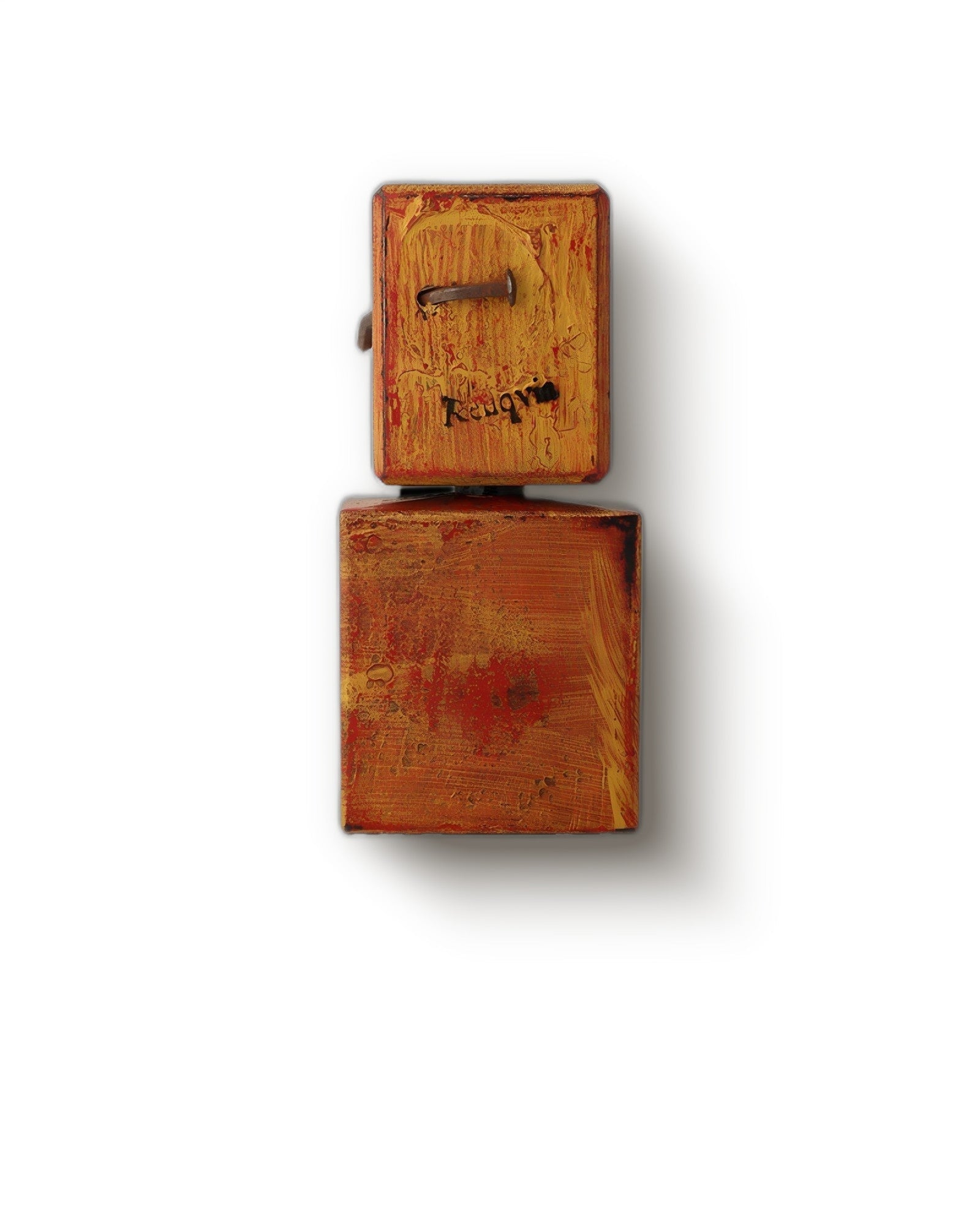
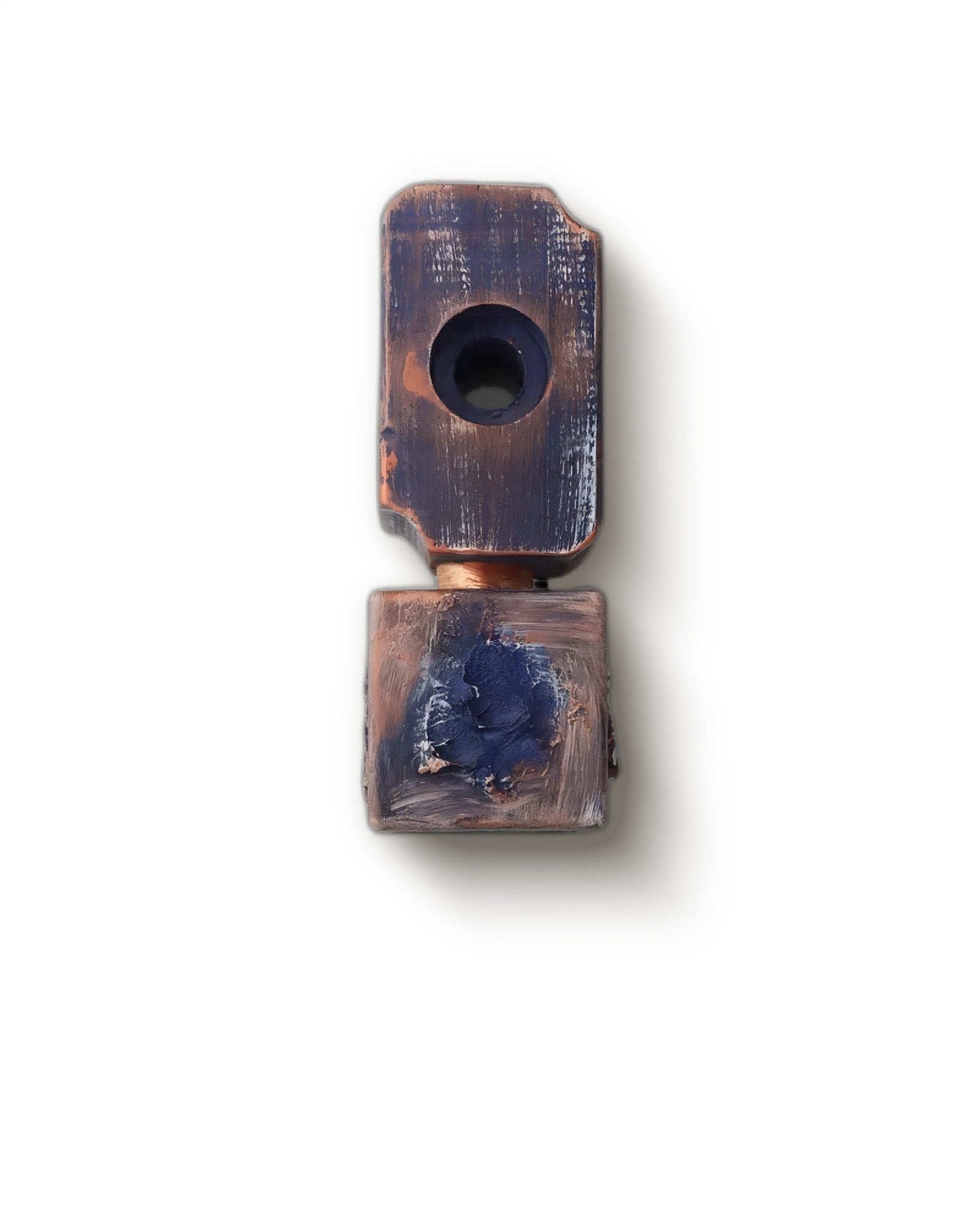
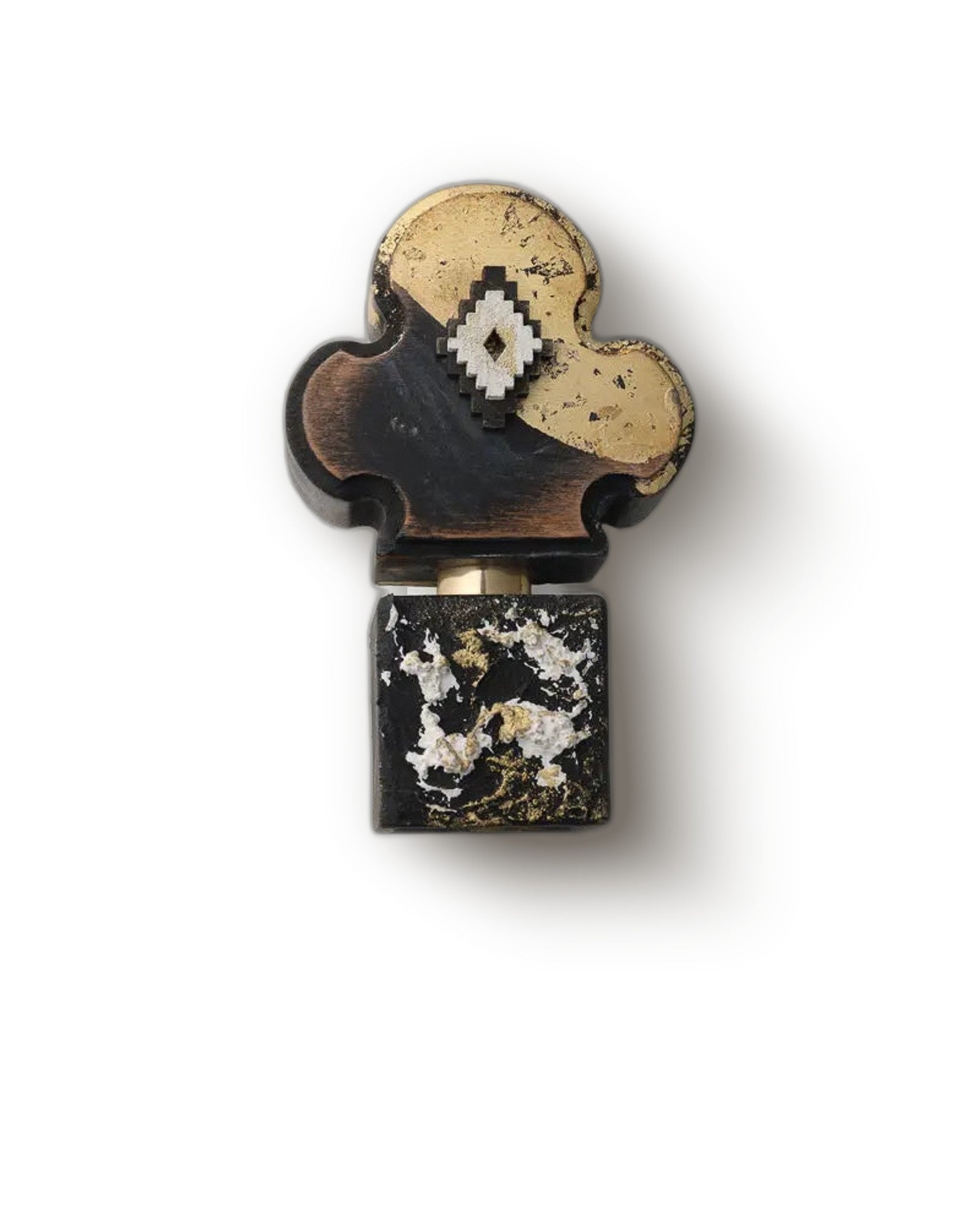
Hand painted bottles, memories distilled. Ritual and childhood smoke poured into wearable sculpture.
Adi Ale Van treats a fragrance like a small piece of folklore, drawing on old Romanian faith, ritual and memory and translating them into something you can actually wear. One moment you are standing in candle smoke and church incense, the next you are in a warm kitchen full of vanilla and rum.
- Origin
- Romania
- Known for
- Ritual smoke, hand painted flacons
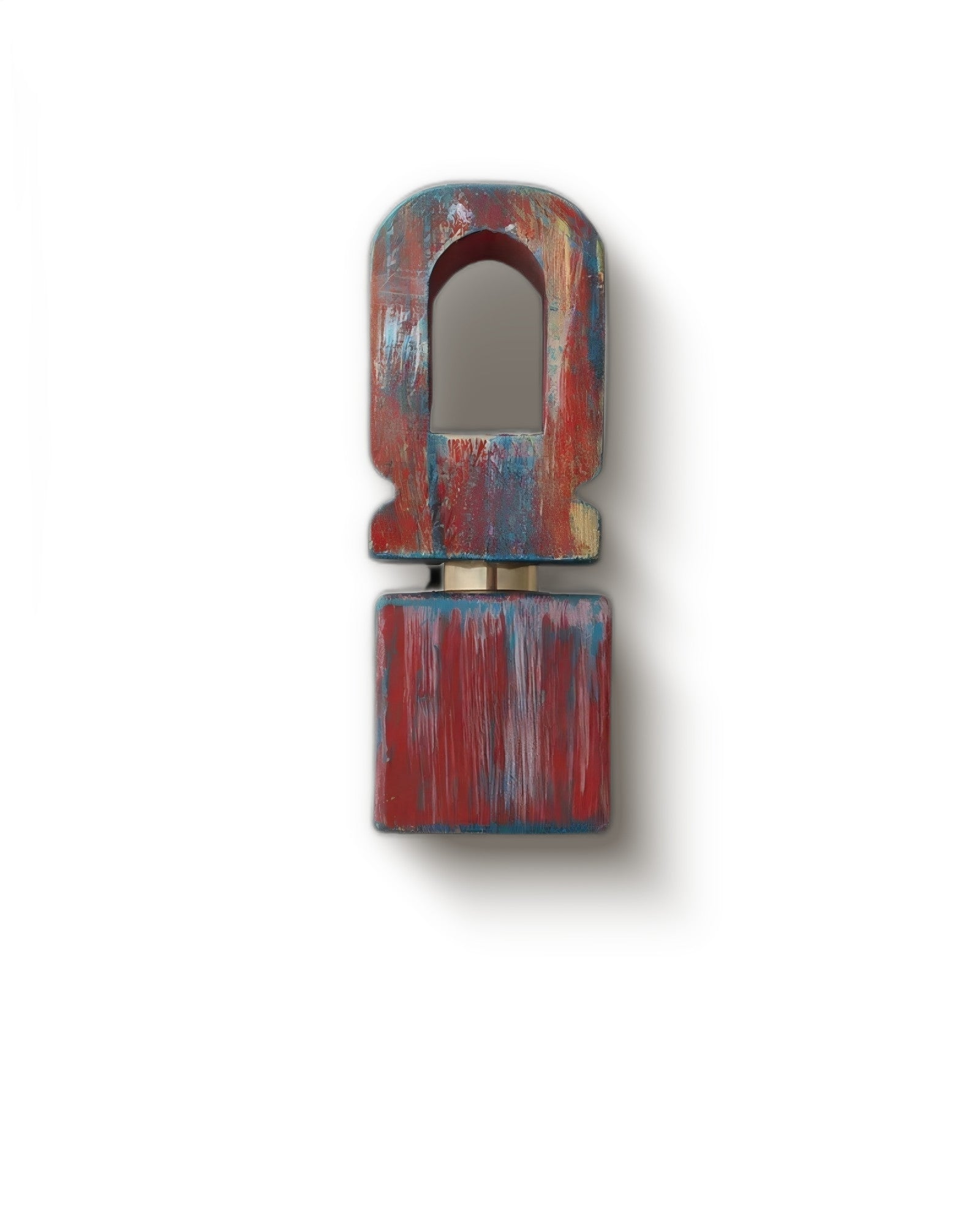
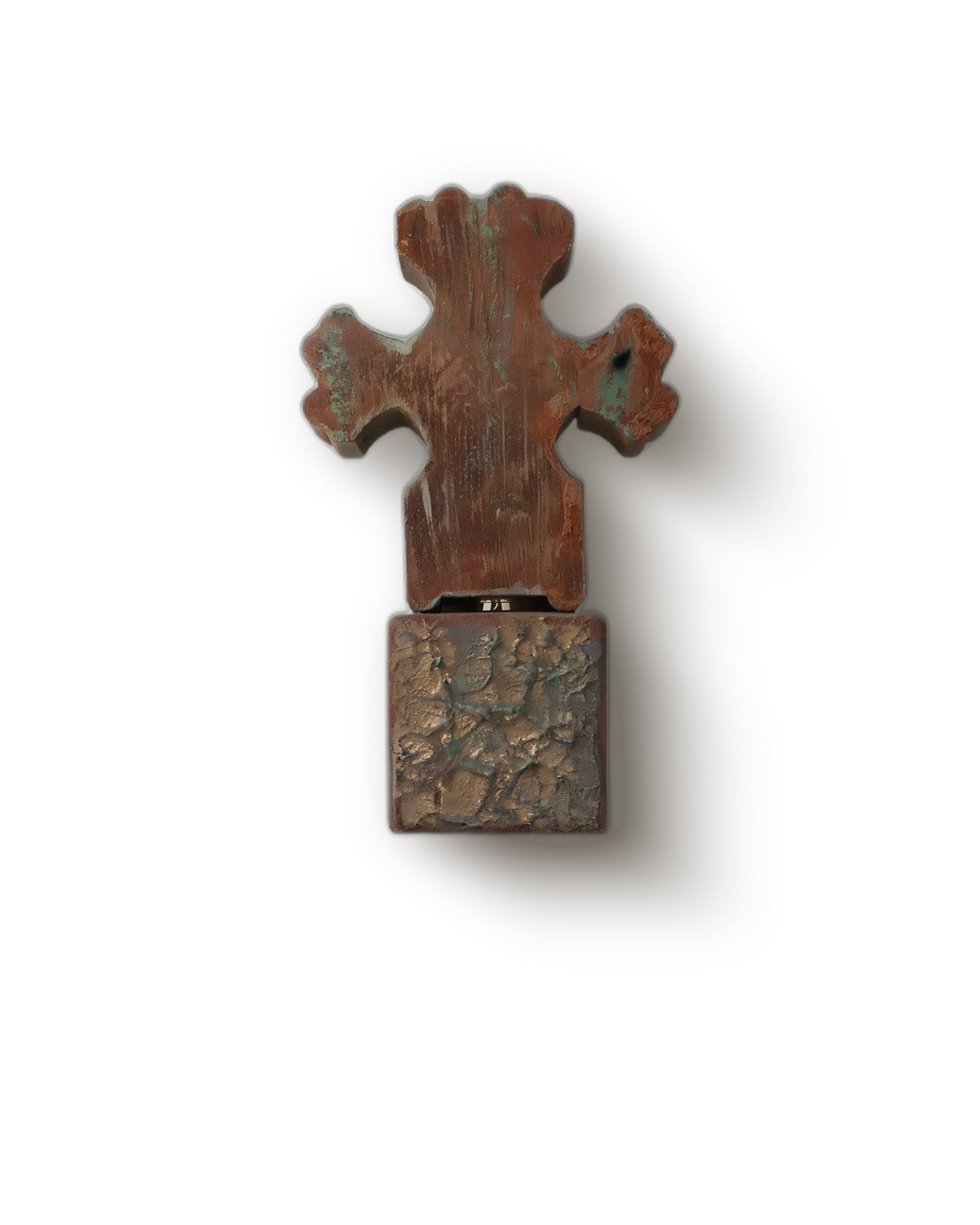
More from Adi Ale Van
You may also like