

The Story
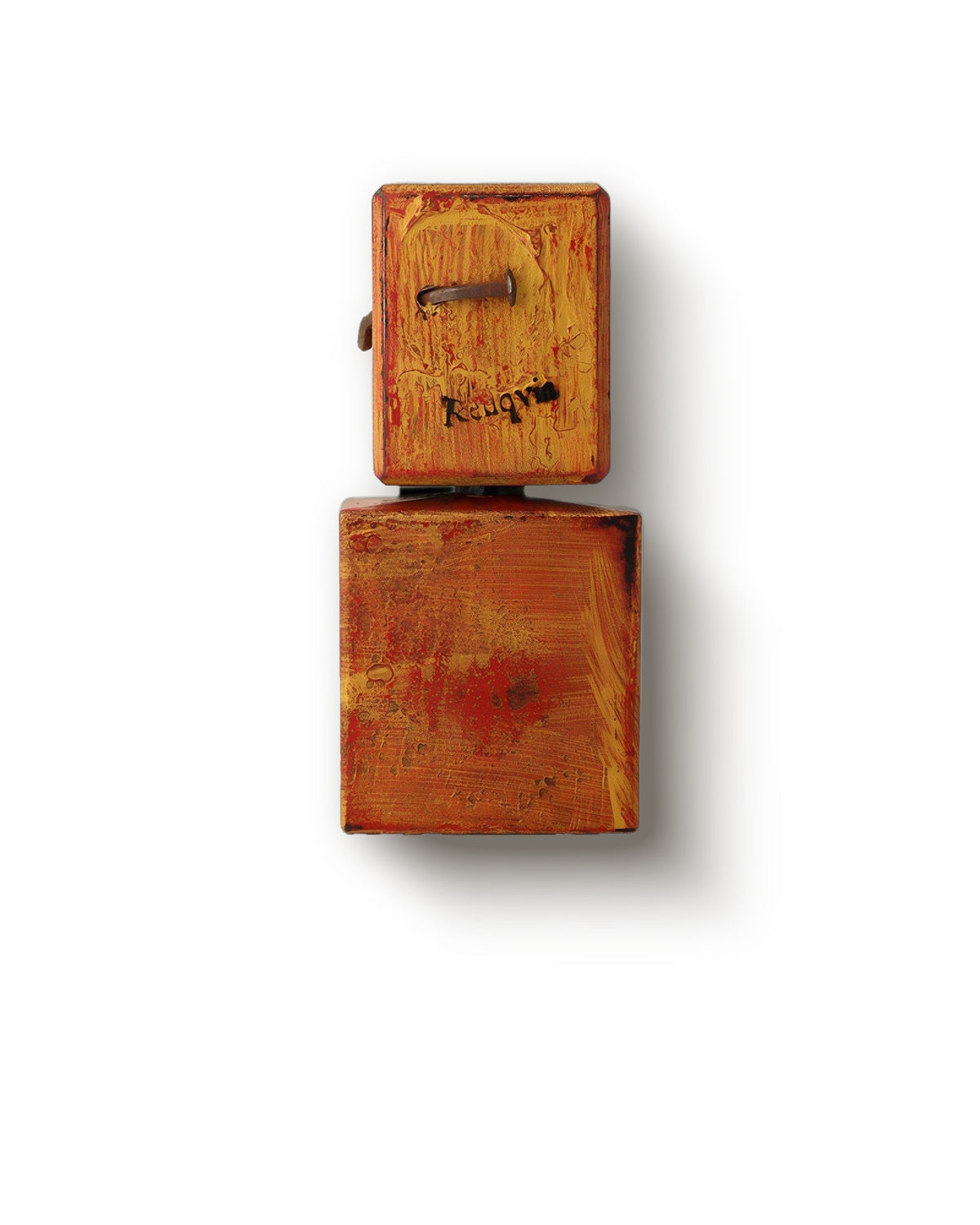
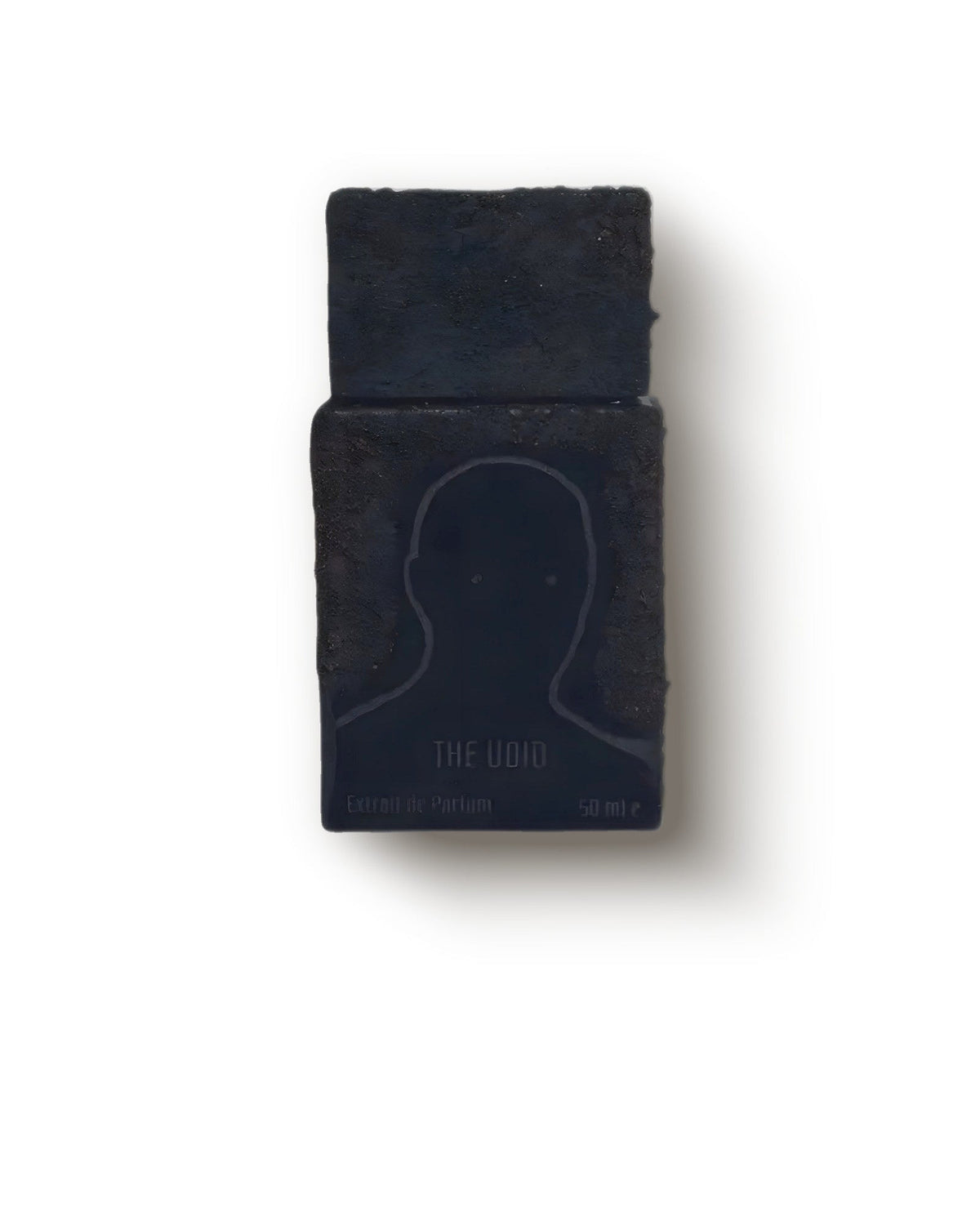
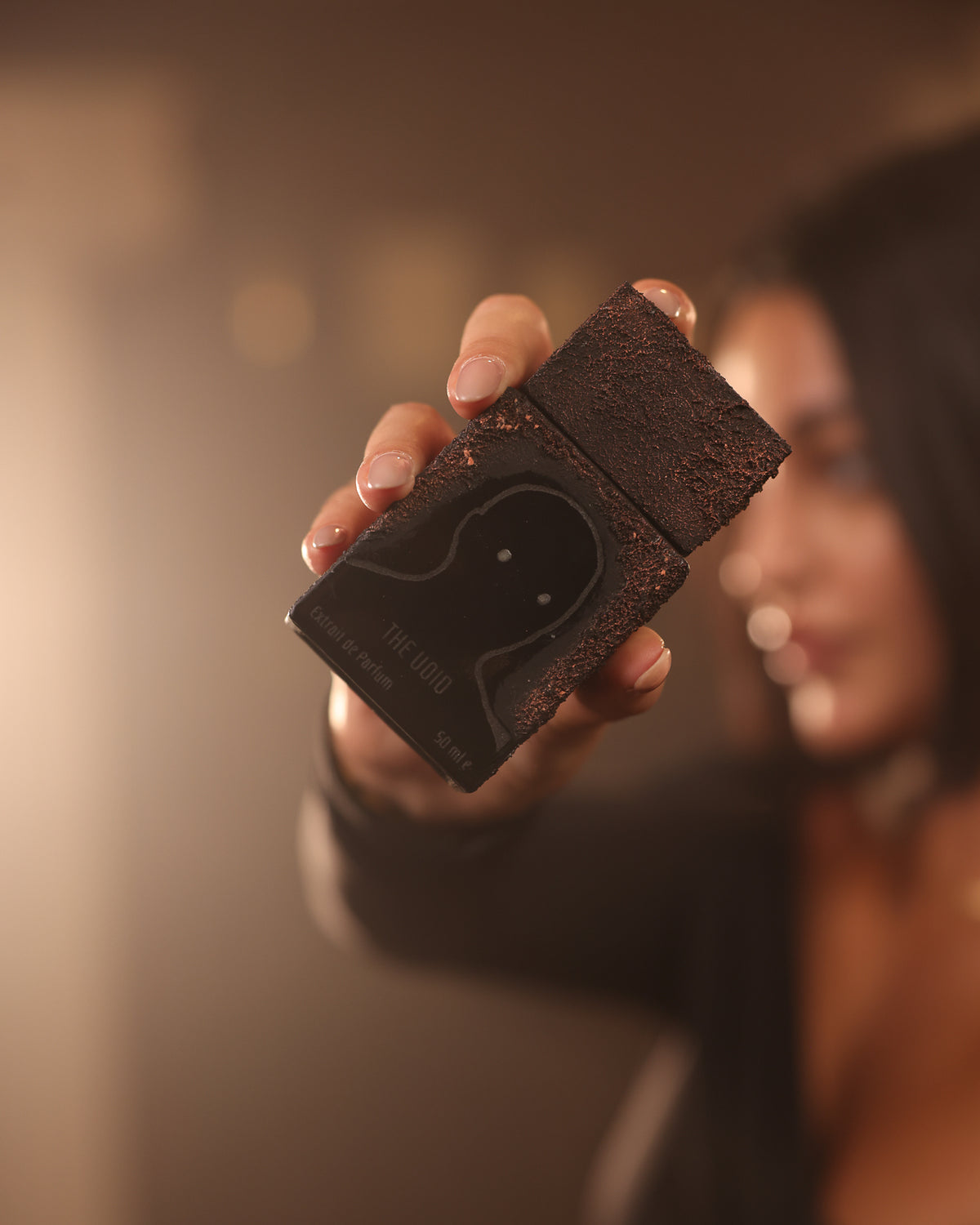
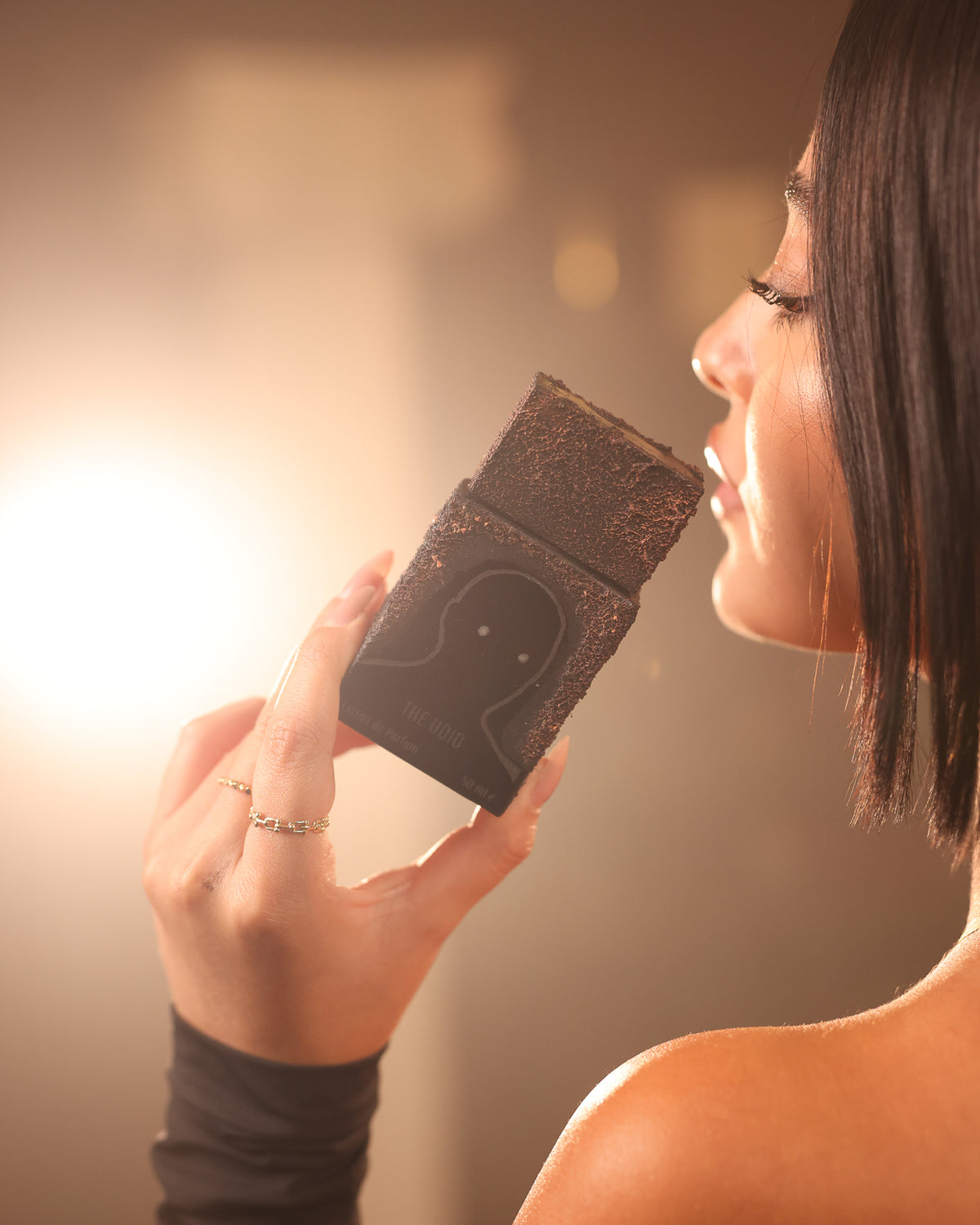
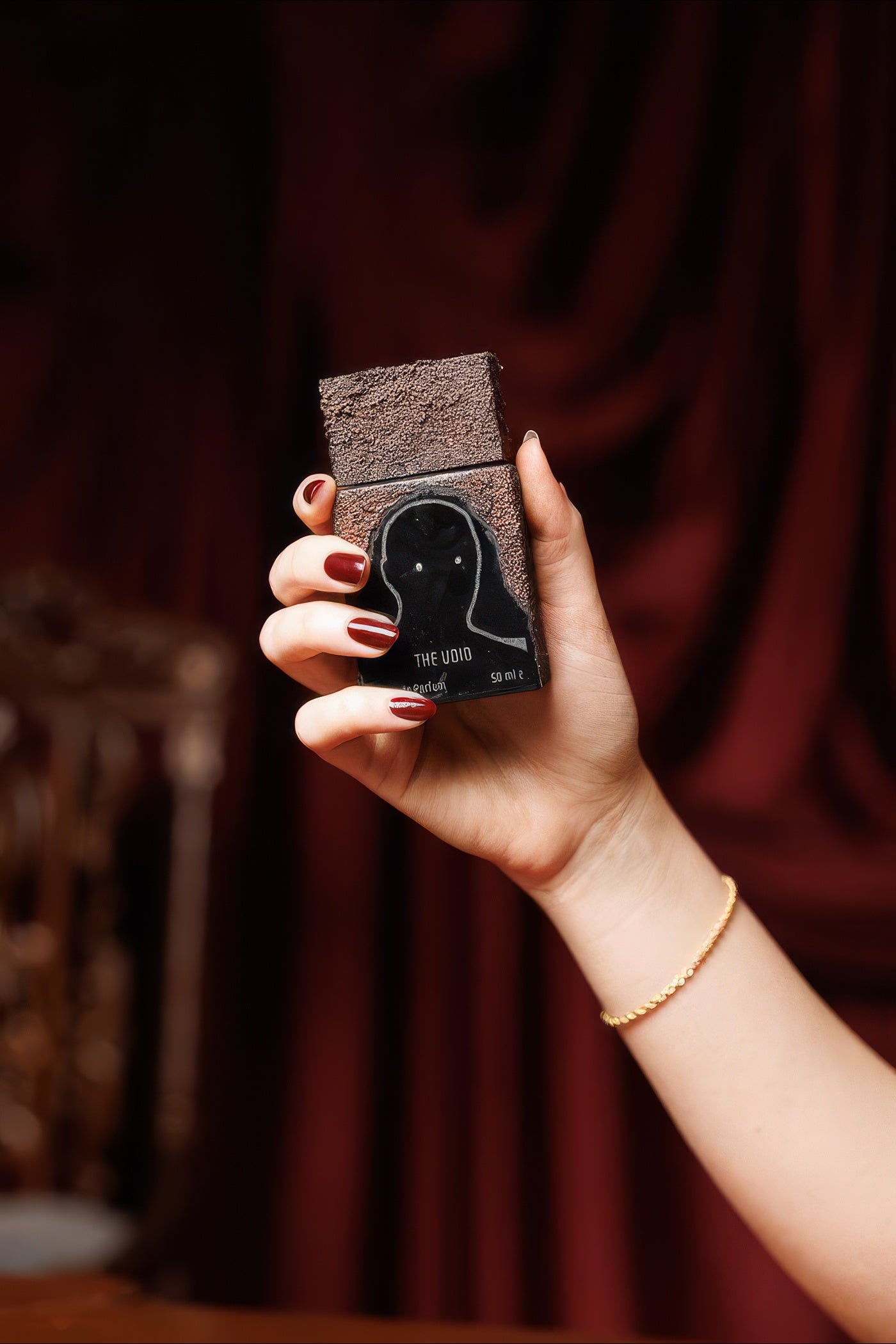
The Void is the third chapter of a set written as a story, after The Lover and The Stranger, and it is the one that goes furthest. It is built on gasoline, gunpowder, charcoal, ash and rubber, on the premise that destruction is where becoming starts.


Smoky
Charred wood and rising embers
The dry, charred scent of burning wood, smoldering incense, and lingering ash, sometimes tarry, sometimes wispy and gray. It feels brooding and atmospheric, conjuring a dying fire and a cool current of air carrying its last breath.


Aromatic
Crushed herbs in cool air
The green, camphorous coolness of lavender, rosemary, sage, and thyme, like herbs bruised between the fingers. It feels clean, invigorating, and a touch austere, the crisp backbone of a classic barbershop freshness.


Cannabis
green haze, herbal and faintly disreputable
A pungent green resinousness, herbal and slightly skunky, with smoky, peppery edges and a hint of dried hay. It feels hazy and rebellious, a narcotic, faintly dirty warmth that sits between fresh crushed herb and the smoke that comes off it.


Woody
Dry grain of cut timber
The smell of cedar shavings, sandalwood, and dry vetiver roots, a sanded, resinous warmth with a faint pencil-box rasp. It feels grounded and composed, the quiet backbone that makes a scent read as serious and lasting.


Metallic
Cold steel and bright blood
A cool shimmer that is not the metal itself, which is odourless, but what skin gives up at the touch of a coin or a blade. Sharp and almost mineral, it lends a clean, modern coldness: a knife edge, the inside of a tin, bracing and faintly electric.


Gasoline
Sweetish fumes over hot asphalt and rubber
What it is
Never actual petrol, which is toxic and volatile. The note is engineered: solvent-bright isoparaffins, rubbery and phenolic facets, a mineral sweetness, all of it aimed at a smell most people enjoy and few admit to.
How it smells
Sharp and chemical, a sweet solvent rush over warm rubber, hot asphalt and metal. Something faintly narcotic lifts off the top before it dries into smoky, tarry warmth. Equal parts repellent and hard to stop smelling.
In perfumery
A provocative top-to-heart accent in niche and avant-garde work, shorthand for machinery, speed and city grit. Leather, rubber, incense and metallic notes hold it steady. Whole fragrances have been built on fuel and asphalt alone.
Good to know
That sweet lift everyone secretly likes comes largely from benzene and its relatives, which are carcinogenic and capped by regulators in fuel for exactly that reason. The accord keeps the thrill and leaves the chemistry in the tank.


Smoke
Cooled ash and a bonfire two fields away
What it is
Nobody distills smoke. It is assembled: birch bark smoldered down to tar, cade oil, guaiacwood, a little lapsang souchong tea, and phenols like guaiacol that the nose files under burning.
How it smells
Cooled embers and singed paper. It leans tarry and leathery, or resinous like incense, or sweet as a campfire. Acrid at first, it smolders down to a dry warmth that clings like smoke in a wool coat.
In perfumery
Perfumers work it into the base, where it does what a shadow does in a painting. Leather, oud, vetiver, incense and dry woods all get darker and further away with a little smoke behind them.
Good to know
The most convincing material of the lot, birch tar, carries carcinogens in its crude grades, so its use is tightly capped. What goes into a bottle now is a rectified, cleaned-up version, helped along by synthetic phenols.


Gunpowder
Smoke, sulphur and struck char on the wind
What it is
Nothing here grows. Black powder is saltpetre, charcoal and sulphur, none of it a perfumery material, so the smell has to be reconstructed: burnt-match and sulphurous molecules, tarry birch, smoky woods and a trace of hot metal.
How it smells
Sharp and acrid on the opening, like a freshly struck match: sulphur, hot metal, ash. Beneath it sits charred wood and a flinty mineral edge. The drydown is warm smoke and singed paper, never open flame.
In perfumery
Perfumers use it for tension. A thread under leather, oud, vetiver or saffron puts an edge on a scent that would otherwise just be dark. Too much and the whole thing smells burnt rather than dangerous.
Good to know
Fireworks smell mostly of burnt sulphur and smoke. Chasing that, perfumers lean on birch tar, which is why smoky scents so often drift toward campfire and old leather whether they meant to or not.


Woody Notes
Sawn timber, pencil shavings, warm bark
What it is
Not one material but a whole shelf: sandalwood, cedar, vetiver, guaiac, patchouli, plus the lab-made woody-ambers that stretch them further. Roots, bark and heartwood, steam-distilled or solvent-extracted, sitting beside molecules built from nothing at all.
How it smells
Dry at one end, creamy at the other. Cedar reads pencil-sharp, sandalwood milky, vetiver rooty and damp, guaiac smoky-sweet. Together they smell of sawn timber and sun-warmed bark, grounding whatever gets built on top.
In perfumery
Heart and base work, mostly. Woods give a composition its spine: structure, staying power, something for florals and ambers to hang on. The dry cedar-vetiver register drives a great deal of what has been released this century.
Good to know
Most woodiness comes from a lab, partly because sandalwood and rosewood were overharvested into protection. Iso E Super grew so dominant that Escentric Molecules built Molecule 01 around it almost neat: barely there up close, glowing on skin.


Metallic Notes
Cold electric shiver of struck steel and blood
What it is
Metal cannot be distilled, so this one gets built. Aldehydes and ketones do the cold work, sharpened by a trace of what makes blood smell of iron, plus a flick of struck flint.
How it smells
Cold, sharp, electric. Like a coin held on the tongue, or iron on damp skin. It opens almost soapy from the aldehydes, cools toward wet steel, shows a coppery edge, then dries clean and inorganic.
In perfumery
A top or heart accent that puts a chill into florals and ambers, next to rose, violet leaf and incense. The old aldehydic florals shimmer with it; modern niche work uses it for edge.
Good to know
Predators track wounded prey by that same molecule. Trans-4,5-epoxy-(E)-2-decenal registers at fractions of a part per trillion, among the most potent odorants known, which is why a few invisible drops can turn a whole composition cold.


Coal
Smouldering embers, cold ash, mineral dark
What it is
Nothing gets burned to make this. The note is reconstructed, not extracted: soot, tar and cold mineral built from aroma-chemicals, chasing the smell of a rock that was once swamp forest pressed flat over millions of years.
How it smells
Dark, dry and dusty: smouldering embers and a fire just put out. Sooty smoke over a cold, almost metallic edge, then gritty earthen char. Less sweet than incense, harder and more rusted than woodsmoke.
In perfumery
Heart and base, where it lends grit and brooding industrial tension. It sits well with incense, leather, tar and dry woods. Andrea Maack's Coal builds the whole idea from smoky papyrus, juniper and leather.
Good to know
Synthetic perfumery began in coal tar. From the 1860s chemists drew the first lab-made aroma materials, coumarin among them, out of coal-tar distillation. The smoky note now called coal is a separate, much later invention.


Cannabis
Green smoke off a damp forest floor
What it is
Perfumers cannot use the resin's psychoactive compounds, and do not try. The smell is reconstructed from green, smoky and herbal aroma-chemicals, occasionally with legal hemp aroma helping, to catch leaf, stem and burning bud.
How it smells
Green, smoky and dirty, with a sour herbal edge. Damp soil and crushed leaves underneath, sage, basil and pine resin above, a peppery bite running through. Some versions stay vegetal; others smoulder like a lit joint.
In perfumery
In the heart it works alongside vetiver, patchouli, cedar and black pepper, which keep it suggestive rather than literal. Pushed too far it announces itself; held back, it reads as someone who has been outdoors.
Good to know
It carries no THC and breaks no law. What you smell is terpenes and synthetics arranged to fool you, and enough houses launch these around 4/20 that the wink is now part of the genre.


Incense
The smell of resin hitting hot coal
What it is
What you are smelling is a change of state: resin meeting heat. The resin is usually olibanum, wept by Boswellia trees in Oman and the Horn of Africa, and perfumers round the effect out with labdanum and styrax.
How it smells
Cool and dry to begin with, sharp enough to read as turpentine, then the smoke arrives: peppery, ashen, faintly sweet. There is a stone-church quality to it, soapy and faintly green, and it stays close to the skin.
In perfumery
It works the way silence works in a room. From the heart into the base it cools florals, sharpens woods and drops a weight of ritual into oriental and chypre structures that would otherwise read as merely rich.
Good to know
Long before anyone wore it, this smoke was among antiquity's costliest imports. It moved along the Arabian caravan roads to temples around the Mediterranean, where burning it was the point: the scent was the offering.


Ash
Cold embers, mineral dust and dying smoke
What it is
Ash is what is left when there is nothing left, and it cannot be distilled. Perfumers reach for smoke materials, birch tar, cade, guaiacol, then strip out everything warm and resinous until only the grey remains.
How it smells
Dry, smoky, faintly bitter: a fireplace the morning after. Burnt wood and cold charcoal, a chalky mineral edge, the slightly metallic dust of cooled embers. Nothing sweet, nothing resinous, nothing to soften it.
In perfumery
A base note for atmosphere rather than beauty. Vetiver, cedar and birch tar push it further into the cold; jasmine or incense will warm it back if you want it habitable. Niche houses use it to build ruins.
Good to know
Cold ash barely smells at all. What the nose reads as ash is the smoke residue left clinging to it, lignin broken apart by heat, the same molecules that scent smoked food.


Frankincense
Golden tears hardened on a cut trunk
What it is
A scored Boswellia bleeds a milky sap that hardens over weeks into golden tears. The sacra trees of Oman and Somalia give the most prized resin. Steam or solvent turns the tears into oil.
How it smells
Brighter than you expect from something called incense: cool, lemony, almost pine-fresh, with a peppery lift. Underneath it is dry and balsamic, and it ends in the warm dusty smoke you already know.
In perfumery
It does something odd for a resin: it makes heavy things lighter. Sitting in the heart and base, it opens up oud, labdanum and thick oriental accords, and gives rose a cool, quiet space to stand in.
Good to know
The trees are in trouble. Wild Boswellia stands are thinning under over-tapping, drought and grazing, and the long-term supply of a resin the world has burned for thousands of years is now a real question.


Myrrh
Bitter resin smoke from a wounded desert tree
What it is
Cut the bark of a thorny desert shrub in the Horn of Africa or Arabia and it bleeds. The pale sap hardens on the branch into reddish-brown tears, steam-distilled into oil or solvent-extracted into a darker resinoid.
How it smells
Cool and bitter at first, medicinal enough to recall a fresh bandage, over dry earth and licorice. Then it warms: smoky balsam, soft leather, a mushroomy damp underneath. Slower and darker than frankincense, and dustier.
In perfumery
Perfumers keep it low in the blend, where it gives incense, amber and chypre compositions their gravity, the churchy weight under rose, labdanum and benzoin. Where frankincense lifts a composition, myrrh holds it down.
Good to know
Its name comes from a Semitic root meaning bitter. Egypt burned it in temples and packed it into the bodies of the dead. Most of it is still gathered from wild trees, and drought and browsing livestock are straining the stands.


Rubber
Fresh tire and warm latex, smoky and addictive
What it is
Nobody taps a tree for this. The note is assembled: birch tar and guaiacol for the smoke, leathery synthetics for the vulcanised part, none of it anywhere near a rubber plantation.
How it smells
Bitter, dry and powdery: a bicycle inner tube, a new car interior, a balloon held to your face. There is soot in it, and a thin sweetness, and then it warms into something soft and leathery, like skin.
In perfumery
It works best as a heart-to-base accent, giving a composition a dark, smoky edge without announcing itself. Vanilla, tar, leather and incense are its usual company, and in a well-built formula you notice the texture, not the rubber.
Good to know
A 1998 cult classic, discontinued in 2017, put a new-tire accord next to smoky lapsang tea and vanilla, and turned an industrial smell into a comfort scent people still hunt for.


Basement Air
The hush beneath the floorboards
What it is
Stillness held underground, where no wind has stirred in years. Cool, faintly damp air, chalky dust on a shelf, the wet-mineral edge of concrete that never fully dries, a green whisper of something growing in the dark. A room that remembers being closed.
In the composition
It sits low under brighter accords, its damp-concrete chill sharpening earthy roots and oakmoss, its dust softening anything too polished. Too much and the whole scent goes cold and abandoned. A note for perfumes that want to feel found rather than made.
Fragrance Character
It opens loud and chemical, petrol and smoke cutting through the air with an almost aggressive clarity. The heart deepens into something stranger: cannabis leaf and rust press against incense and charcoal, industrial and ritual at once. On the drydown, ash and rubber recede slowly, leaving frankincense and myrrh to hold the skin in something dark, quiet, and faintly sacred.


Longevity
how long it stays on skin
The hourglass reads wear time: how many hours the fragrance keeps speaking before it fades. A bar that barely leaves the start means a few fleeting hours. One that runs the full length carries from morning into evening. Treat it as typical, not promised. Oily skin holds scent far longer than dry.


Sillage
the size of its scent trail
Sillage is French for a ship's wake, and that is exactly what this measures: how much of the scent reaches the room instead of staying on you. Low is a whisper only close friends catch. Enormous fills the room, then keeps filling it after you leave.


Experimental
Built to provoke, not to please
Some perfumes are made to be liked. These are made to be argued about: inky tar, hot rubber, fruit on the turn, metal and fur where you expected flowers. The coin glows for a scent that provokes and dims for one that plays it safe, which is sometimes the point.


Office
Polished, and never louder than the room
Scent is manners in a shared room. At this range it should reach the person across the desk and stop there: tidy citrus, soft musk, pale woods, all of it reading competent and considerate. A glowing coin means nobody has to mention it. A dim one means it travels.


Evening
After dark, when it deepens
Dinner, drinks, the night that runs long. Low light is where ambers, resins and smoky woods stop being polite, and where a plush floral finally blooms. A glowing coin means it is waiting for exactly this hour. A dim one means it did its best work in daylight.


Romantic
Close enough to be felt
A fragrance can hum against skin instead of announcing itself across a table. That is the register here: creamy florals, vanilla, soft musk, a thread of spice, warm enough to make someone lean in. The coin glows when a scent sets that mood and dims when it is more practical than seductive.


Formal
Quiet authority in a dressed-up room
A wedding, a ceremony, a room where everyone has thought about their shoes. What works here is structure, not volume: smooth woods, disciplined florals, soft leather. A glowing coin means it holds its posture all evening. A dim one means it is too casual for the room.


Casual
Easy comfort for unhurried days
Errands, coffee, a slow Saturday with nowhere to be. Nothing here has to impress anyone, so the fit is soft and easy: fresh citrus, light woods, a little warmth off the skin. A glowing coin says yes to all that. A dim one means the fragrance is asking for a bigger night.


Day to Night
where its mood naturally falls
A bar running from sun to moon, reading the hour the fragrance was made for. The more of it that stays gold, the more the scent belongs to daylight and open air. The further the blue reaches back toward the sun, the deeper and warmer it turns: evening, candlelight, low rooms.


Winter
Warmth that carries through cold air
Cold air mutes a fragrance and slows it down, which is why winter belongs to the dense and the warm: resin, smoke, vanilla, leather, ambered spice. The bar reads how well this one pushes back, glowing against the chill instead of thinning out in it.


Spring
Fresh blooms in mild, rising warmth
Mild, humid air lifts a light composition, so the season belongs to dewy florals, green stems, soft powder and citrus you can see through. Alive rather than heavy. The further the green runs along the bar, the more comfortably this one wears in that weather.


Summer
Bright and airy in real heat
Heat does the projecting for you, which is why the wrong perfume turns unbearable by noon. What survives is cool and breathable: sharp citrus, salt air, aromatic herbs, water. Things that refresh instead of cloy. A short bar here means save it for cooler months.


Fall
Spiced warmth for cooling days
As the air cools, the rich materials stop smothering and start reading clearly: dry woods, warm spice, tobacco, amber, fruit gone golden. It is the season perfume turns contemplative. The bar fills according to how naturally this one settles into crisp, cooling days.
Best Worn
A fragrance for the coldest months and the latest hours, worn by someone who finds conventional evening fare too agreeable.
Choose options
The Vibe


The Nose
This house does not name its perfumer.
The Maison

A house that works in contrast, and rewards patience over a first blotter spray.
The Antagonist builds dark, resinous, oddly weightless compositions that hold close to the skin and then surprise you hours later. The Void is the best known of them, and it is a good illustration of why this house is worth living with for a full day rather than judging in three minutes.
- Origin
- Romania
- Known for
- The Void, dark resins

EVERY DECANT
From the original bottle to your door
We buy the original flacon at full retail price, direct from the house.
A medical grade Socorex syringe takes the exact millilitres straight from the flacon.
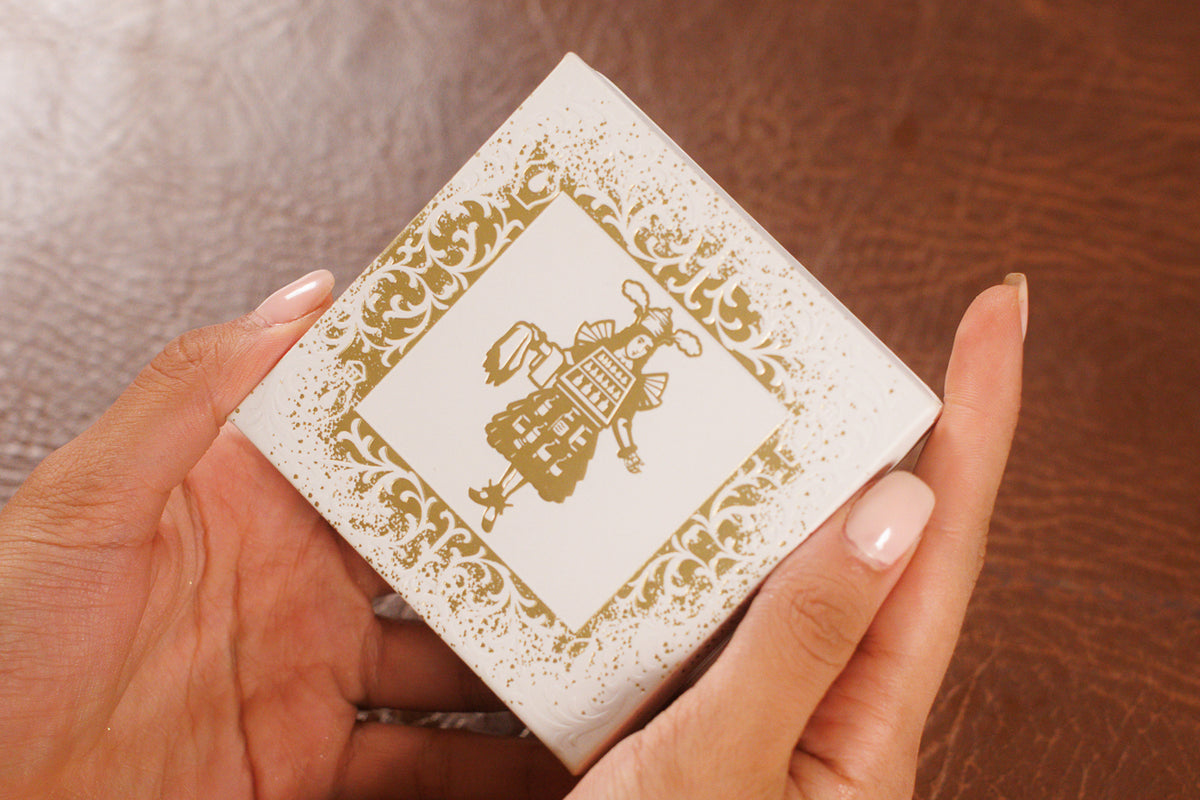
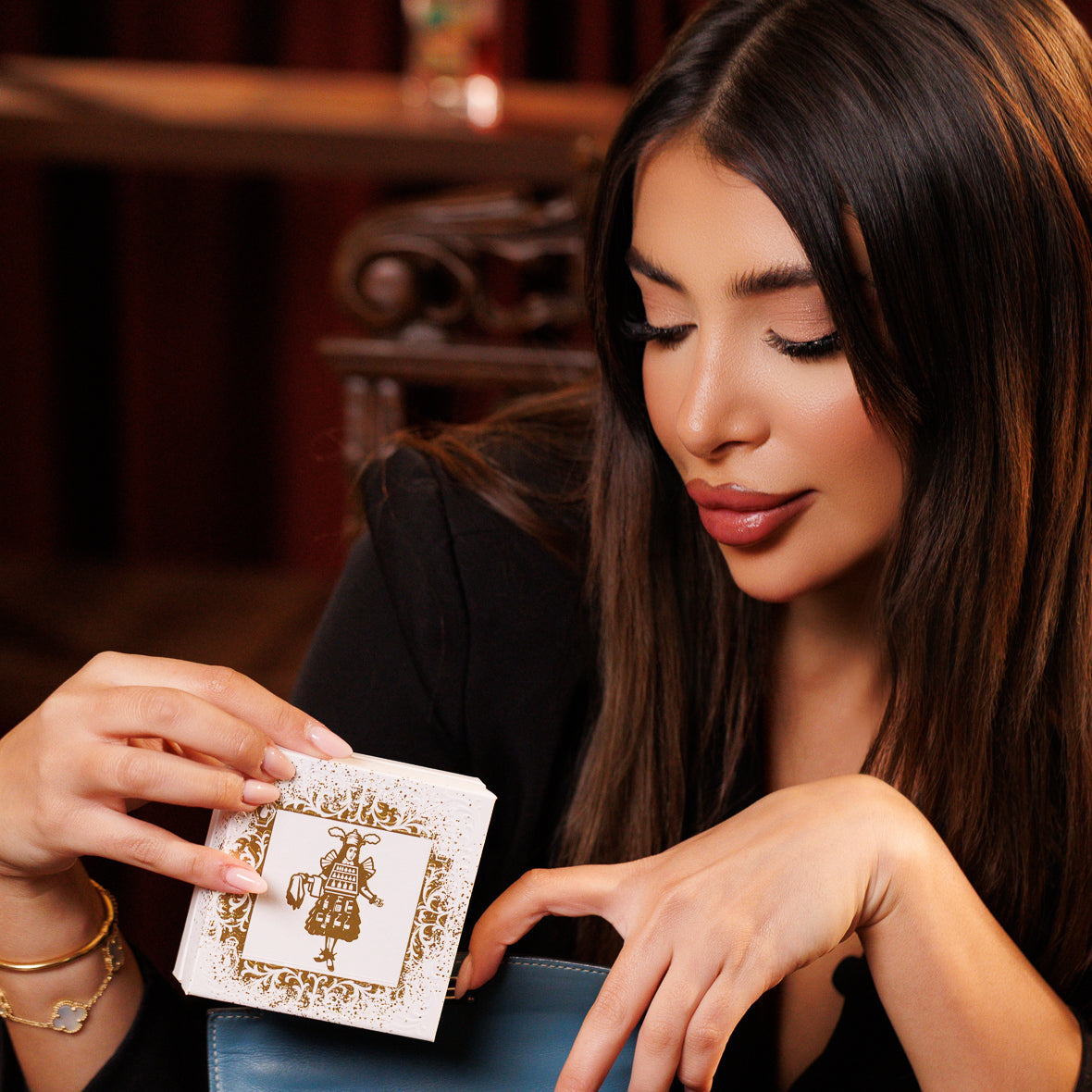
Packed into the hot foiled box and handed to DHL, every duty already paid. How a decant is made
More from The Antagonist
You may also like