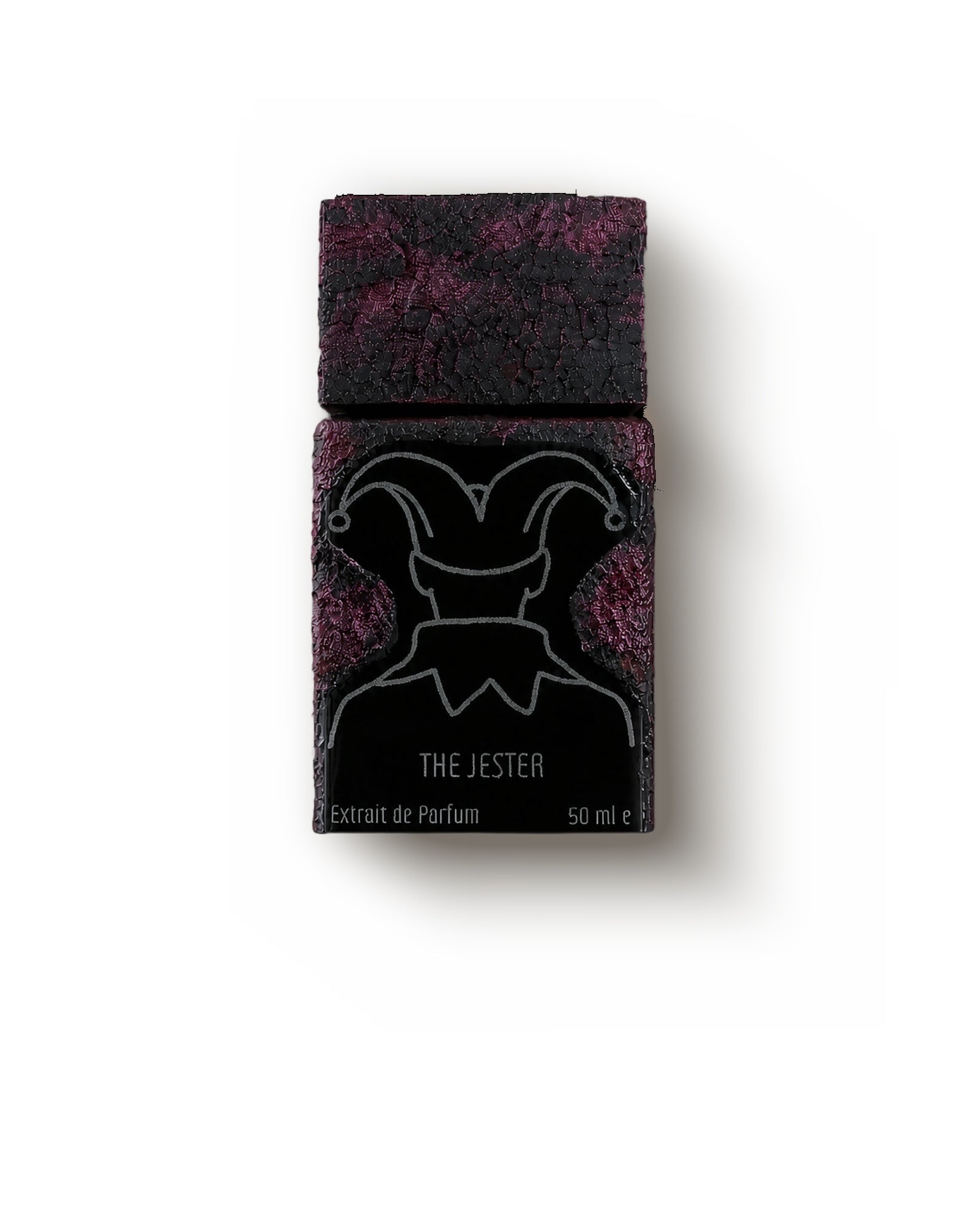
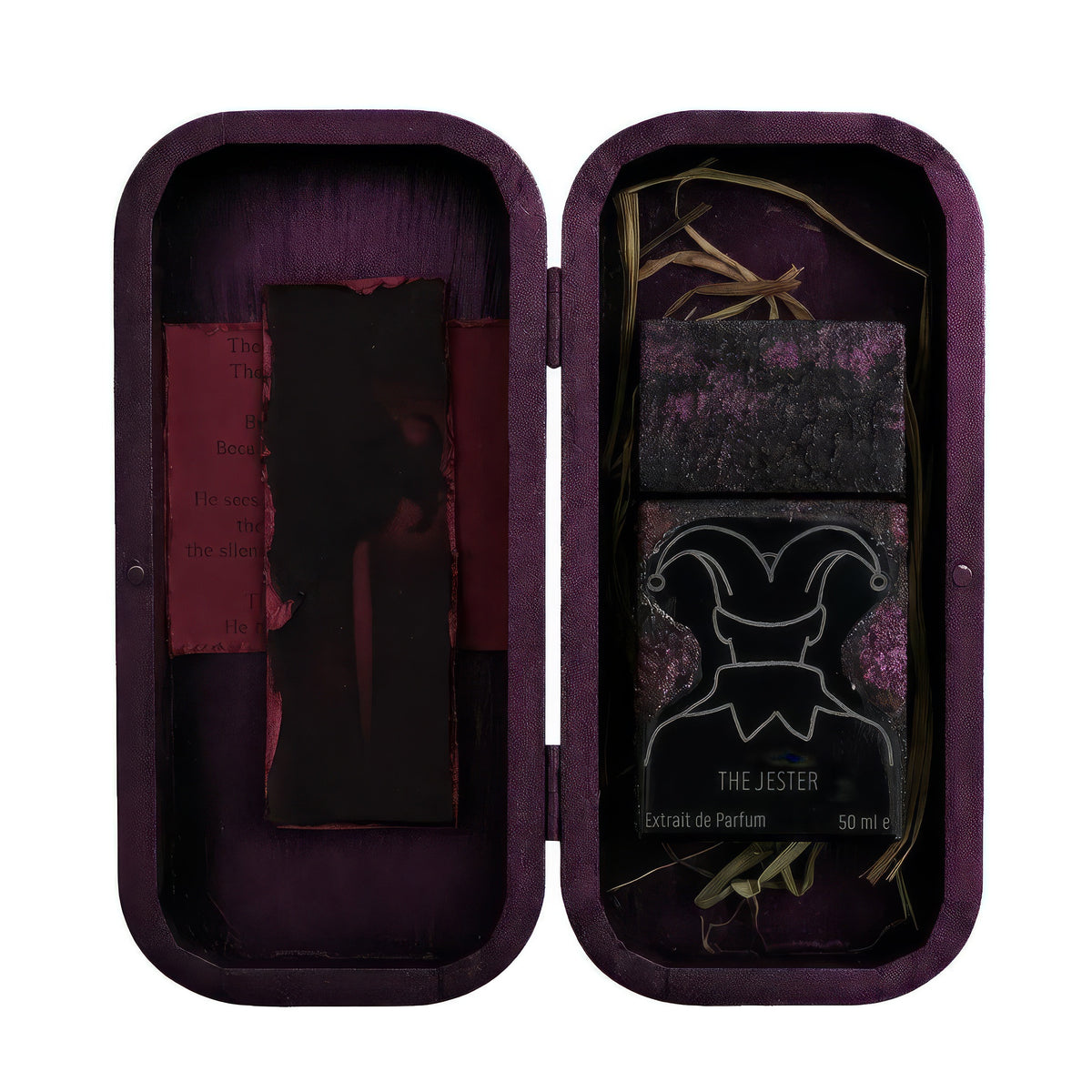

The Antagonist
The Jester
The Story
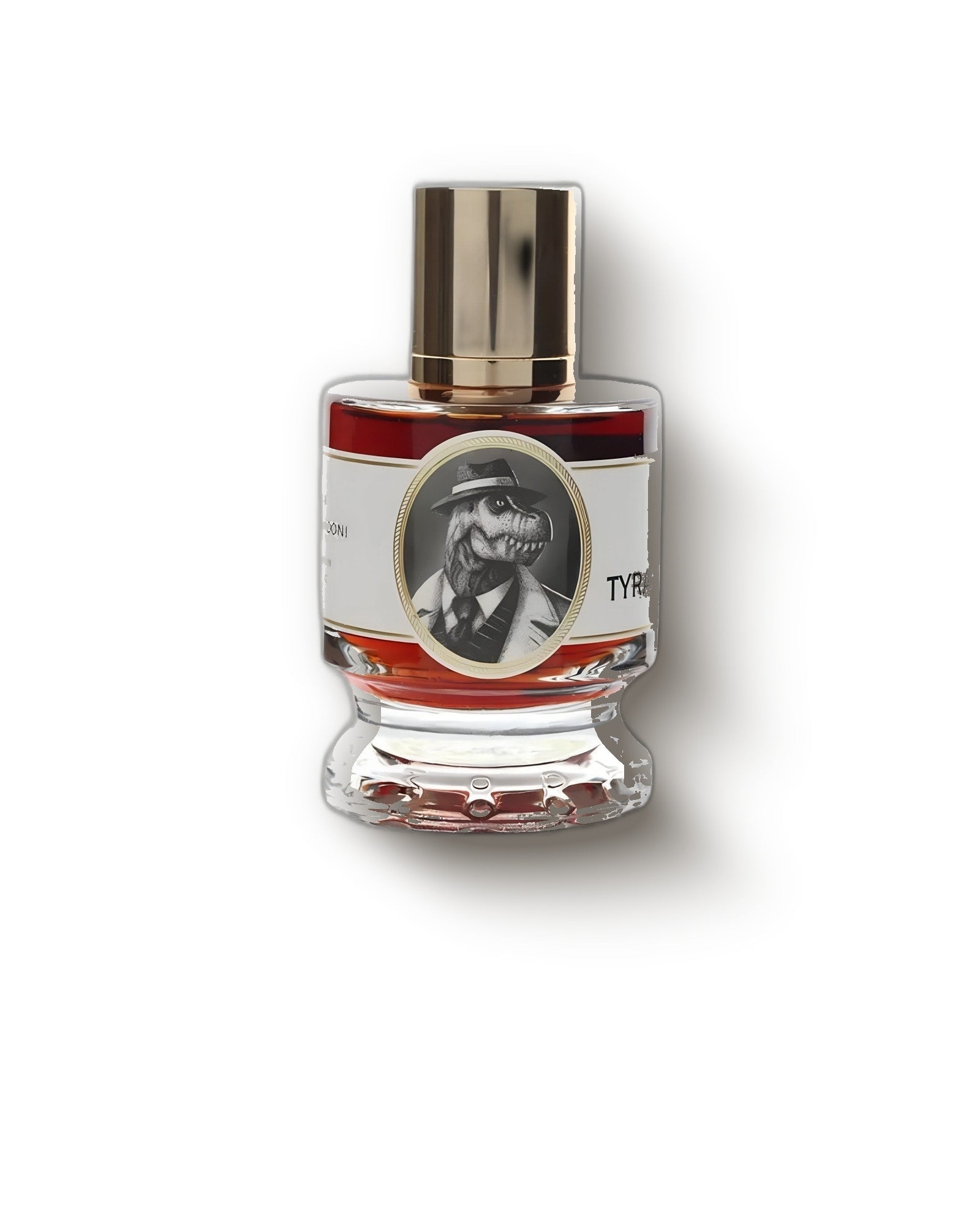
The Jester is the fourth in the WHO AM I collection, after The Lover, The Stranger and The Void. The house works anonymously and means it: the manifesto opens by saying it does not matter who I am, and no nose is credited on any release. It is handmade in small batches in Romania at a stated 50 percent perfume oil, which is genuine extrait strength.


Leather
A jacket with some miles on it
Tanned hide and birch tar, dry, smoky, a bitter rasp and tobacco under it. Sometimes new and lacquered, like a car interior; sometimes worn soft, like suede gloves gone thin. Either way, it smells used.


Tobacco
dried leaf, honey and smoke
Dried, golden leaves steeped in honey, hay, and a whisper of smoke, sweet and faintly fermented like an open pipe tin. It feels masculine and lived-in, warm and contemplative: a room somebody smoked in for years.


Warm Spicy
Glowing embers of the spice drawer
The rounded heat of cinnamon, clove, and nutmeg, dry and slightly resinous, like a baking pantry rather than a sharp kitchen. It creates a flushed, enveloping warmth that feels intimate and cool-weather, hugging the skin from within.


Woody
Dry grain of cut timber
The smell of cedar shavings, sandalwood, and dry vetiver roots, a sanded, resinous warmth with a faint pencil-box rasp. It feels grounded and composed, the quiet backbone that makes a scent read as serious and lasting.


Fruity
Peach skin, not lemon peel
Peach, pear, apple, berry: this is sweetness in the flesh rather than the rind, dewy and nectar-heavy where citrus is sharp and thin. It plays young and slightly greedy, the sort of ripeness you can almost feel running down a wrist.


Smoky
Charred wood and rising embers
The dry, charred scent of burning wood, smoldering incense, and lingering ash, sometimes tarry, sometimes wispy and gray. It feels brooding and atmospheric, conjuring a dying fire and a cool current of air carrying its last breath.


Leather
Tanned hide, smoke and animal warmth
What it is
There is no leather essential oil. Perfumers rebuild the smell from birch tar and cade, smoky distilled woods, plus styrax and labdanum resins, isobutyl quinoline and safraleine-type molecules, echoing the tannins and oils once used to cure hides.
How it smells
Smoky, dry and animalic, ranging from supple new suede to tarry old saddle. Birch-tar versions read sooty and phenolic, almost campfire and band-aid; softer suede accords turn powdery, floral and skin-warm.
In perfumery
A base note that lends spine and a carnal edge. It does its best work under rose and violet, alongside tobacco and oud, and a floral heart set on leather turns unmistakably human.
Good to know
The genre was born in Russia, where boots and book bindings were treated with birch tar, and Russian leather still means that smell. The real tanning oils were mostly restricted on safety grounds, so today's leathers are reconstructions.


Tobacco
Dried leaf curing into honey and hay
What it is
Nothing is burning. The leaf is cured and fermented first, then solvent-extracted into a dark, sticky absolute, and what comes out smells of hay and honey rather than of an ashtray.
How it smells
Warm, dry, sweet: cured hay and pipe tobacco with honey, dried fruit and a trace of cocoa behind it. A green, leathery bite at the start softens into something ambery and balsamic, sometimes with a powdery floral edge.
In perfumery
It sits from the heart down, where vanilla, tonka, honey and leather all cling to it. Give it vanilla and you get the sweet, edible kind; give it leather and spice and you get the dark, dry kind.
Good to know
A living tobacco plant smells sharp and green. Everything sweet in the absolute is made during curing and fermentation. Authentic absolute is costly and restricted in some markets, so many tobacco notes are rebuilt from coumarin and hay.


Raspberry
A berry conjured, since none can be extracted
What it is
The fruit gives up nothing: no oil, no absolute. The note is always built, from raspberry ketone with beta-ionone for a violet edge and furaneol for cooked sweetness, or from boronia absolute, davana, rose and violet leaf.
How it smells
Jammy and ripe, sweeter than it is sharp, with a powdery floral shadow that surfaces as it dries. The lab version is brighter, a little candied, and holds its shape. The boronia route runs warmer, greener, wilder.
In perfumery
It lives in fruity-florals and gourmands, next to rose, violet and vanilla. Raspberry ketone is unusual among fruit materials for its tenacity: it is still there in the dry-down, long after pear and peach have evaporated.
Good to know
Raspberry leaf absolute exists, but it smells green and leafy, nothing like the fruit. Boronia, the one natural that comes close, smells of raspberry jam and tea, and is scarce enough that botanical raspberry stays rare.


Black Pomegranate
Tart ruby seeds, crisp and bittersweet
What it is
Each ruby seed sits in a bead of tart juice that barely smells of anything, and no essential oil can be had from it. So the note is invented: a fantasy accord of fruity and green molecules.
How it smells
Bright and juicy but never sugary, with a winey red-fruit edge. There is something watery and faintly metallic on top, a cranberry sharpness in the middle, and a dry tannic bitterness underneath that stops it turning cloying.
In perfumery
Its job is to sharpen. A tart red edge on rose, peony or citrus keeps a fruity-floral from going syrupy, and set against patchouli or musk it gives dark spicy roses their glint.
Good to know
Latin called it the seeded apple; the French call it grenade. When soldiers met a small round bomb packed with fragments, they borrowed the fruit's name for it, and the grenade has kept it ever since.


Spiced Red Wine
Dark berry and clove heat, no wine involved
What it is
Not a raw material but a reconstruction: red wine warmed with cinnamon, clove, star anise and citrus peel. Perfumers build it from wine lactones and grape esters over warm spice, because real wine loses everything interesting the moment it is distilled.
How it smells
Fruity and boozy at once, dark berry sweetness cut by clove heat and a bright thread of orange peel. A faint sourness underneath stands in for the tannin and stops the whole thing collapsing into mulled-cider sweetness.
In perfumery
It sits between gourmand and spicy without belonging to either. Useful for warming a leather, or for giving a dark fruit somewhere to go, and almost always read as a winter effect.
Good to know
The boozy impression comes from esters rather than from alcohol; ethanol itself smells of very little once a perfume dries. What you read as wine is fruit and spice arranged to imply it.


Black Tea
Dry leaves, tannin and a whisper of smoke
What it is
Leaves withered, rolled, then left to oxidise right through: that is what turns them black and takes the smell from grassy to dark. China has done this for centuries. Real tea absolute is rare, so perfumery rebuilds it.
How it smells
Dry and astringent, the way the third cup of the pot tastes. Hay and worn leather sit under it, with a rose-and-jasmine softness held down by powder. It starts crisp and airy, then goes quiet, smoky and woody.
In perfumery
A heart note that does the job of a brake: its tannin cuts sweetness and keeps a floral from turning syrupy. Citrus lifts it, woods carry it, and most modern tea fragrances are some version of this balance.
Good to know
Two molecules do most of the work. Theaspirane throws a blackcurrant brightness over a cool green edge; tabanone brings tobacco and something like acorn. Ionones and guaiacwood fill in the powder and the wood around them.


Black Pepper
Dry heat that prickles and sharpens
What it is
Peppercorns start out green; the sun is what turns them black and wrinkled. They grow on a climbing vine, and the scent is drawn out by steam or by CO2.
How it smells
Sharp and dry, a bite that tingles the inside of your nose. Underneath, woody and resinous with a lift of citrus. The distilled oil is airy; the CO2 extract smells like a peppercorn cracked a second ago.
In perfumery
It snaps a fragrance awake from the top, then works lower down as a foil for rose, vetiver and amber. Some are built on nothing but that dry crackle over cedar, which turns out to be enough.
Good to know
Pepper was once used as currency and accepted as rent. And the heat you taste is piperine, which is too heavy to travel in a distillation, so the oil smells peppery without burning anything at all.


Beeswax Candles
Golden honeyed wax, the warmth of the hive
What it is
Worker bees secrete wax to build the comb, and the comb keeps everything that happens inside it. Solvent-extracted, it becomes a dark gold absolute still carrying honey, pollen and propolis.
How it smells
Honey first, then the smell of a candle just blown out. Underneath there is hay, a little tobacco, and something faintly animal from the propolis. Golden, waxy, round, and warmer than any of those words suggest.
In perfumery
Heart to base, where it rounds a floral and thickens an amber with something close to texture. Orange blossom, immortelle, tobacco and labdanum are its usual neighbours. Niche houses often leave it raw and let the hive show.
Good to know
Bees eat about eight kilos of honey to make one kilo of wax, and a hundred kilos of that wax renders down to a single kilo of absolute. Very little of it ever reaches a bottle.


Velvet Drapes
The weightless clean of laundered cloth
What it is
Nothing is harvested here. Fabric is an accord, assembled to smell like clean cloth: aldehydes, white musks, soft iris and ambrette, a pinch of starch and powdery florals standing in for cotton, linen and warm ironed sheets.
How it smells
Airy, soft and immaculate: a pressed shirt, a sheet dried outdoors, the warmth left behind an iron. Slightly powdery, sweetly clean, with a cool starched edge that settles skin-close and almost weightless.
In perfumery
Perfumers use it as connective tissue, bridging florals to musks and lending a composition the intimacy of clothes rather than skin. Iso E Super and white musks do the work, with cotton flower, iris, lavender and amber alongside.
Good to know
Cloth has no smell to extract. What reads as clean laundry is really the synthetic musks and aldehydes that went into detergents last century, which quietly taught most of the world what clean is supposed to smell like.


Aged Parchment
Dry paper, dust and closed rooms
What it is
Parchment is untanned animal skin, stretched and scraped, used for documents long before paper. As a note it stands for the smell of old paper and the rooms it is kept in rather than for anything distillable.
How it smells
Dry, faintly sweet and dusty, with a papery flatness and a trace of the animal it once was. The vanilla you catch is real chemistry: ageing paper releases vanillin as its lignin breaks down.
In perfumery
Libraries and archives, mostly, and a quiet floor for leather and tobacco to rest on. Dry woody-ambery materials carry it, a little vanillin does the paper, and a trace of castoreum puts the skin back underneath.
Good to know
The old-book smell is genuinely measurable, and conservators use it to assess a document's condition without touching it. Your nose is reading chemical decay.


Sandalwood
Creamy wood, pulled up by the roots
What it is
The richest oil sits in the roots, so the whole tree is pulled up and steam-distilled rather than felled. Mysore in southern India was the classic source, until decades of overcutting pushed the wild trees to the edge.
How it smells
Milk and warm wood, with a rosy, almost buttery edge and nothing sharp at all. What surprises people is how little it moves: no bright opening, no dry-down drama, just the same quiet glow for hours.
In perfumery
It works twice over: as a smell, and as a fixative that holds rose or jasmine in place. Sandalwood is also graded, and the darkest, densest, most resin-heavy old heartwood carries its own name: red meat.
Good to know
A heart worth taking takes about thirty years to form. Plantations of the same species in Western Australia now supply most of the world's oil, close to the old Mysore chemistry if not quite its creaminess.


Patchouli
Damp earth and dark wood after rain
What it is
Nobody guesses mint, but that is the family: a leafy bush whose leaves are dried and left to cure, close to fermenting, before distillation pulls out an oil thick and dark as syrup.
How it smells
Wet soil, forest floor, an old cellar, with a winey sweetness underneath. Young oil can come at you sharp and green, almost camphorous. Aged oil goes the other way, into chocolate and leather, and stays put for hours.
In perfumery
Almost nothing holds a composition down like it. Chypres and orientals are built on that anchor, and a few drops under rose, vetiver or labdanum will hold the whole thing on skin for hours.
Good to know
Nineteenth-century Kashmiri shawls travelled packed in dried patchouli leaves to keep moths off, and Europeans learned to tell a real one by smell alone. The oil improves with age, which almost no essential oil does, mellowing like wine.


Saffron
Crimson threads breathing leather, honey and dry hay
What it is
Three crimson threads sit inside each autumn crocus flower, and a hand pulls every one. Dried, those stigmas are steeped into a tincture or extracted into an absolute. That is the entire supply chain.
How it smells
Hay and honey and warm toast first, then something metallic and leathery underneath, the work of a molecule called safranal. It dries down into suede, tobacco and dusty amber, bitter at the edges.
In perfumery
It lives in the heart, glowing reddish, the hinge between spice and leather. Perfumers wed it to rose so often the pairing became a genre, and entire leather accords get built on it alone.
Good to know
A kilogram of saffron costs about 150,000 hand-picked flowers and many days of stooped labor, which is why almost none of it reaches perfume. Most saffron notes are built from synthetic safranal instead.


Cedarwood
Dry pencil shavings and sun-warmed timber
What it is
The cedar in your pencil and your closet is usually a juniper. Virginia and Texas cedar both are; only Atlas and Himalayan cedars are true Cedrus. The oil is steam-distilled from heartwood chips and sawmill dust.
How it smells
Freshly sharpened pencils, and the inside of a cedar chest. Virginia leans pencil-dry and balsamic; Atlas is sweeter, almost honeyed. Both carry a clean, faintly camphor-cool smoke that settles into sappy warmth.
In perfumery
A heart-to-base workhorse: dry structure other materials can lean on. It sits well with vetiver, rose, citrus and incense, and it is the smoke in the drydown of countless modern woody-ambers.
Good to know
Cedar rarely appears alone. Its molecules, reworked in the lab, form the backbone of a great many contemporary woody fragrances, which is why so much of the modern woody shelf smells faintly of a sharpened pencil.


Burnt Incense
The smell of resin hitting hot coal
What it is
What you are smelling is a change of state: resin meeting heat. The resin is usually olibanum, wept by Boswellia trees in Oman and the Horn of Africa, and perfumers round the effect out with labdanum and styrax.
How it smells
Cool and dry to begin with, sharp enough to read as turpentine, then the smoke arrives: peppery, ashen, faintly sweet. There is a stone-church quality to it, soapy and faintly green, and it stays close to the skin.
In perfumery
It works the way silence works in a room. From the heart into the base it cools florals, sharpens woods and drops a weight of ritual into oriental and chypre structures that would otherwise read as merely rich.
Good to know
Long before anyone wore it, this smoke was among antiquity's costliest imports. It moved along the Arabian caravan roads to temples around the Mediterranean, where burning it was the point: the scent was the offering.


Ancient Oak
The warm grain of the cooper's barrel
What it is
The scent lives in the heartwood, and perfumers take it three ways: distilled or extracted from chips, borrowed from the toasted staves of wine and whisky barrels, or rebuilt from vanillin and oak lactones.
How it smells
Dry sawdust grain that turns warm and vanillic once the wood is charred. Untreated it reads of pencil shavings and cool bark. Barrel-aged or smoked it goes nutty, tannic and faintly boozy, edging toward leather and toasted coconut.
In perfumery
It works as a backbone, the barrel-warm dryness holding up leather, tobacco and boozy gourmands, and it gives woody accords their structure. Add vanilla or whisky and the whole cask reassembles around it.
Good to know
Char a barrel and its lignin breaks down into vanillin, the molecule that makes vanilla smell like vanilla. Much of an aged spirit's sweetness came out of the wood, from a tree that took a century to grow.
Fragrance Character
Leather leads throughout with tobacco right behind it, warm spice and woods filling the middle, and enough dark fruit to keep it from being austere.


Longevity
how long it stays on skin
The hourglass reads wear time: how many hours the fragrance keeps speaking before it fades. A bar that barely leaves the start means a few fleeting hours. One that runs the full length carries from morning into evening. Treat it as typical, not promised. Oily skin holds scent far longer than dry.


Sillage
the size of its scent trail
Sillage is French for a ship's wake, and that is exactly what this measures: how much of the scent reaches the room instead of staying on you. Low is a whisper only close friends catch. Enormous fills the room, then keeps filling it after you leave.


Experimental
Built to provoke, not to please
Some perfumes are made to be liked. These are made to be argued about: inky tar, hot rubber, fruit on the turn, metal and fur where you expected flowers. The coin glows for a scent that provokes and dims for one that plays it safe, which is sometimes the point.


Office
Polished, and never louder than the room
Scent is manners in a shared room. At this range it should reach the person across the desk and stop there: tidy citrus, soft musk, pale woods, all of it reading competent and considerate. A glowing coin means nobody has to mention it. A dim one means it travels.


Evening
After dark, when it deepens
Dinner, drinks, the night that runs long. Low light is where ambers, resins and smoky woods stop being polite, and where a plush floral finally blooms. A glowing coin means it is waiting for exactly this hour. A dim one means it did its best work in daylight.


Romantic
Close enough to be felt
A fragrance can hum against skin instead of announcing itself across a table. That is the register here: creamy florals, vanilla, soft musk, a thread of spice, warm enough to make someone lean in. The coin glows when a scent sets that mood and dims when it is more practical than seductive.


Formal
Quiet authority in a dressed-up room
A wedding, a ceremony, a room where everyone has thought about their shoes. What works here is structure, not volume: smooth woods, disciplined florals, soft leather. A glowing coin means it holds its posture all evening. A dim one means it is too casual for the room.


Casual
Easy comfort for unhurried days
Errands, coffee, a slow Saturday with nowhere to be. Nothing here has to impress anyone, so the fit is soft and easy: fresh citrus, light woods, a little warmth off the skin. A glowing coin says yes to all that. A dim one means the fragrance is asking for a bigger night.


Day to Night
where its mood naturally falls
A bar running from sun to moon, reading the hour the fragrance was made for. The more of it that stays gold, the more the scent belongs to daylight and open air. The further the blue reaches back toward the sun, the deeper and warmer it turns: evening, candlelight, low rooms.


Winter
Warmth that carries through cold air
Cold air mutes a fragrance and slows it down, which is why winter belongs to the dense and the warm: resin, smoke, vanilla, leather, ambered spice. The bar reads how well this one pushes back, glowing against the chill instead of thinning out in it.


Spring
Fresh blooms in mild, rising warmth
Mild, humid air lifts a light composition, so the season belongs to dewy florals, green stems, soft powder and citrus you can see through. Alive rather than heavy. The further the green runs along the bar, the more comfortably this one wears in that weather.


Summer
Bright and airy in real heat
Heat does the projecting for you, which is why the wrong perfume turns unbearable by noon. What survives is cool and breathable: sharp citrus, salt air, aromatic herbs, water. Things that refresh instead of cloy. A short bar here means save it for cooler months.


Fall
Spiced warmth for cooling days
As the air cools, the rich materials stop smothering and start reading clearly: dry woods, warm spice, tobacco, amber, fruit gone golden. It is the season perfume turns contemplative. The bar fills according to how naturally this one settles into crisp, cooling days.
Best Worn
Evening, cold weather, and rooms with some drama in them. At 50% oil a very small application is the correct amount.
Choose options
The Vibe


The Nose
This house does not name its perfumer.
The Maison

A house that works in contrast, and rewards patience over a first blotter spray.
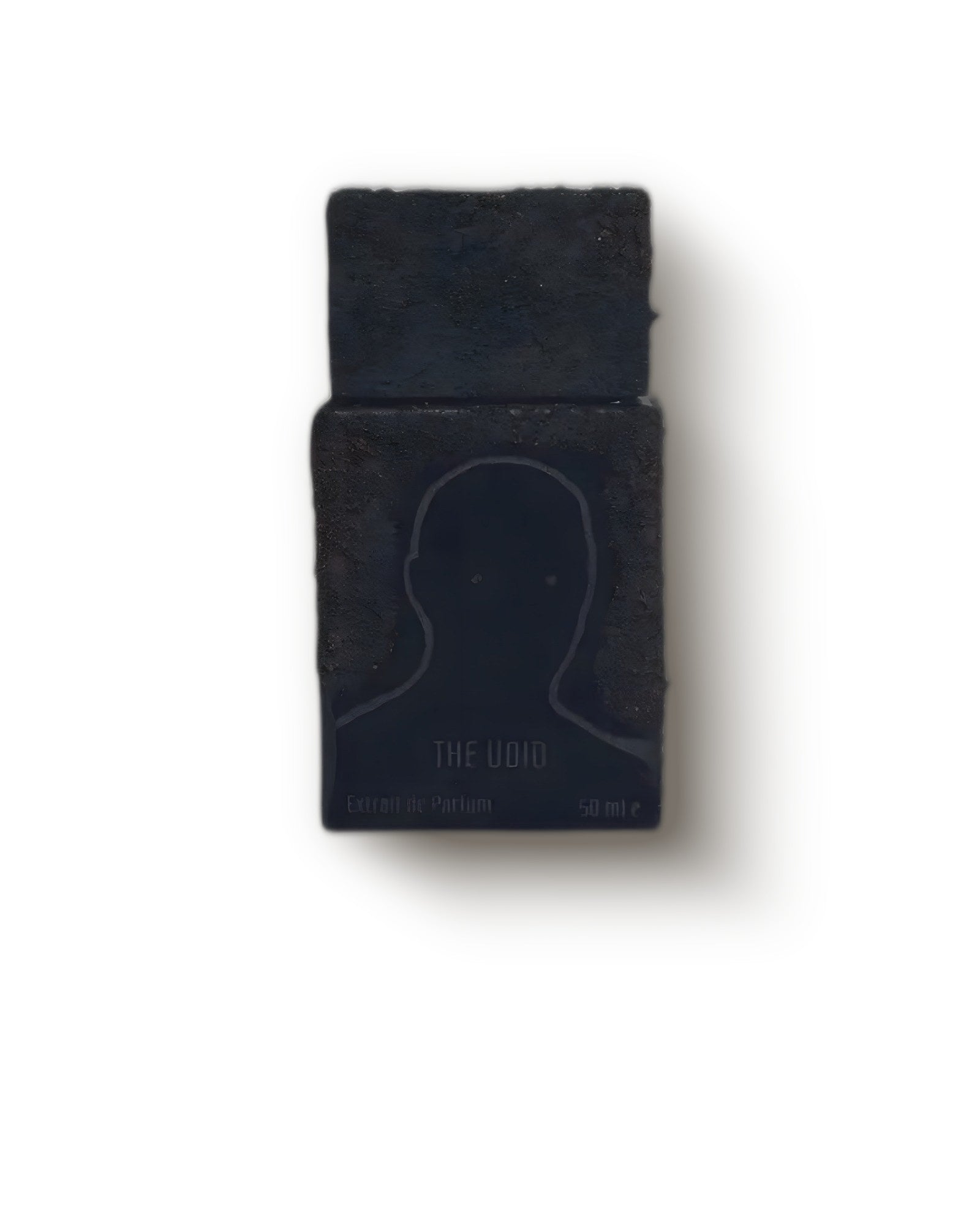
The Antagonist builds dark, resinous, oddly weightless compositions that hold close to the skin and then surprise you hours later. The Void is the best known of them, and it is a good illustration of why this house is worth living with for a full day rather than judging in three minutes.
- Known for
- The Void, dark resins
More from The Antagonist
You may also like