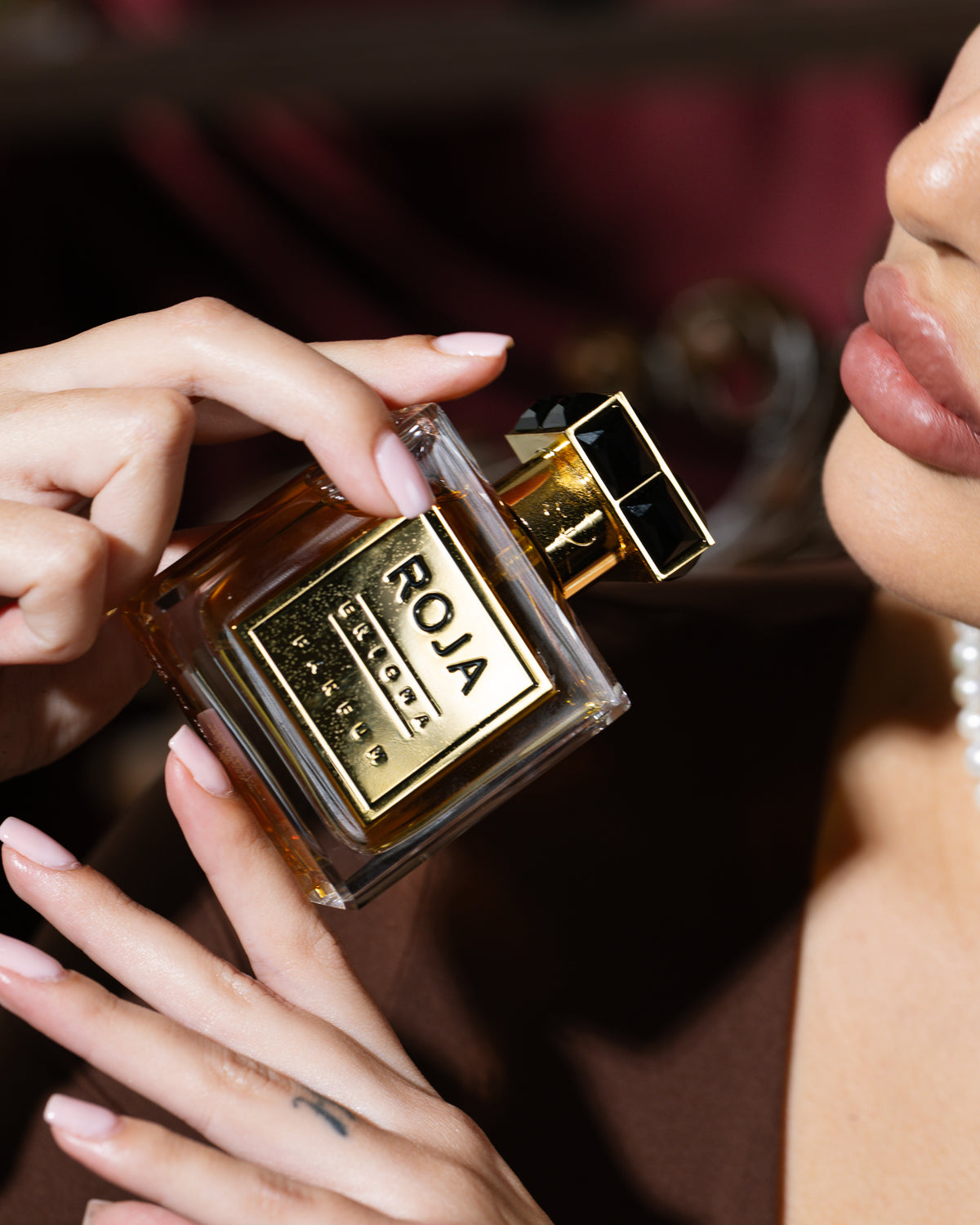

Roja - Enigma parfum
The Story
Enigma Pour Homme is given a precise setting: a figure at the bar of a private members' club, cool and composed inside a swirl of cognac and tobacco, dressed in a way that quietly breaks the club's rules. The composition is built to hold that contradiction rather than resolve it.

Warm Spicy
Glowing embers of the spice drawer
The rounded heat of cinnamon, clove, and nutmeg, dry and slightly resinous, like a baking pantry rather than a sharp kitchen. It creates a flushed, enveloping warmth that feels intimate and cool-weather, hugging the skin from within.


Vanilla
Cured pod, boozy under the cream
Cured pods, not frosting. The sweetness here is custardy and balsamic, with something dark and boozy under it, closer to rum and woodsmoke than to sugar. It warms everything above it, blunting sharp edges and slowing the whole thing down.


Fresh Spicy
Cool bite of cracked pepper
Pink pepper, cardamom and ginger, spice that prickles rather than warms. It fizzes near the top of a fragrance, dry and faceted, closer to crushed peppercorns and a split cardamom pod than to anything simmering in a kitchen. Bright, never comforting.


Woody
Dry grain of cut timber
The smell of cedar shavings, sandalwood, and dry vetiver roots, a sanded, resinous warmth with a faint pencil-box rasp. It feels grounded and composed, the quiet backbone that makes a scent read as serious and lasting.


Amber
Resin warmed until it goes sweet
Labdanum, benzoin and vanilla melted together into something sweet but dusky, like tree sap gone soft in the sun with a thread of incense smoke through it. Amber does not sparkle or shout. It sits close to the skin and gives off heat for hours.


Tobacco
dried leaf, honey and smoke
Dried, golden leaves steeped in honey, hay, and a whisper of smoke, sweet and faintly fermented like an open pipe tin. It feels masculine and lived-in, warm and contemplative: a room somebody smoked in for years.

Bergamot
Sparkling citrus light with a bitter edge
What it is
Nobody eats bergamot. It is sour, seedy and disappointing, and almost the whole world's supply grows on one strip of Calabrian coast, farmed purely for the oil pressed cold from its green rind.
How it smells
Zest and green light in the first second, then something rounder than lemon: a floral, tea-like smoothness sitting on a faintly bitter warmth. It burns off fast. What stays behind is a quiet, slightly spiced hum.
In perfumery
It defines eau de cologne, and sits on top of nearly every fougère alongside lavender and oakmoss. Perfumers want the first bright second it gives, and the oil is also what makes Earl Grey smell like Earl Grey.
Good to know
The thing that makes it sparkle can also burn. Bergamot carries bergapten, which leaves skin hypersensitive to sunlight, so perfumers either keep the dose low or reach for a grade with the molecule stripped out.


Geranium
A rose with green stems and crushed mint
What it is
The perfumer's geranium is not a geranium at all. It is a pelargonium, and the rose smell sits in the leaves and stems, which is the part that goes into the still.
How it smells
Crush a leaf and you get rose, but rose with the stem still attached: green, crisp, a little peppery, cooled by something minty. Lemon and a powdery sweetness thread through it.
In perfumery
It works the heart, bridging florals and fougeres, and its herbal edge is the reason so much of it ends up in scents marketed to men. Rose, mint, clove, bergamot and vetiver all take it well.
Good to know
Geranium and rose share citronellol, which is why geranium can stand in for part of a rose accord far more affordably. Reunion's Bourbon crop, once the benchmark, has thinned as growing shifted to Egypt and China.


Rose
Dewy sweetness over a green, peppery bite
What it is
Most perfumery rose is one of two: damascena from Bulgaria and Turkey, centifolia from Grasse. Whole blossoms are picked by hand from before sunrise until about ten thirty, then distilled into otto or solvent-extracted into absolute.
How it smells
Fresh, honeyed, green at the edges, with something dewy still on it. Spice and fruit sit underneath, and in the absolute a jammy darkness. Otto opens crisp and bright; absolute is warmer, smokier, closer to skin.
In perfumery
Rose behaves less like one note than a whole palette. It carries a perfume alone or vanishes into a chypre, turns dark against oud and patchouli, goes powdery beside violet, and holds a floral heart together.
Good to know
The two extractions are not the same bargain. Otto takes three to four thousand kilograms of blossoms to yield one kilogram of oil. Absolute, pulled out with solvent, gets there on roughly a seventh of the flowers.


Neroli
Bittersweet orange blossom distilled into white light
What it is
One flower, two perfumes. Steam the fresh blossoms of the bitter orange and you get neroli; wash them in solvent and you get orange blossom absolute, heavier and sweeter. Both go in the day they are picked.
How it smells
Clean and green with a honeyed metallic shimmer, closer to freshly ironed linen than to anything sugary. It opens cool and citrus-crisp, then softens into waxy petal warmth. A bitter edge keeps it from turning sweet.
In perfumery
Colognes are built on it. It gives the top of a fragrance somewhere to go, opening outward instead of sitting still, with bergamot and petitgrain either side and jasmine and musk underneath.
Good to know
Neroli carries the name of a seventeenth-century princess of Nerola who scented her gloves and her bathwater with it until half of Europe copied her. It still takes about a tonne of hand-picked blossom to make one kilo.

Jasmine
The heady white flower at perfumery's beating heart
What it is
Picking runs by hand in the dark, from before first light into the morning. The blossoms are too fragile to distill, so solvent lifts their oil into a waxy concrete, and alcohol washes the absolute out of that.
How it smells
Sweet, heavy and honeyed, with something faintly animal underneath. Sambac reads green, tea-like and luminous; grandiflorum is fruitier, creamier, heavier on the skin. Both dry down warm and soft, with a mushroomy musk you notice only up close.
In perfumery
Put it in the heart and it ties a citrus opening to the woods underneath, adding volume to both. Rose, tuberose, sandalwood and musk all take it well. Plenty of perfumes are built on jasmine and nothing else.
Good to know
Roughly six thousand hand-picked blossoms go into one gram of absolute, among the costliest materials in perfumery. Part of its depth is indole, which smells like decay when concentrated and turns radiant at the trace the flower carries.

Heliotrope
Powdered almonds, marzipan and warm vanilla skin
What it is
The flower is real, a purple garden shrub, but it gives up no usable extract. Everything you smell under the name is heliotropin, a molecule that has stood in for the plant since the nineteenth century.
How it smells
Soft, sweet, powdery: bitter almond and marzipan over a creamy vanilla heart, with a faint cherry-and-anise lift. Meringue dusted with face powder. It opens tender and dries down warm, milky and faintly spiced.
In perfumery
It works from heart to base, adding powdery sweetness and almond comfort, and it flatters vanilla, tonka, violet, iris and cherry.
Good to know
Piperonal was christened heliotropin because it mimicked the flower, not because anyone ever got it out of one. It sweetens confectionery, fixes fougeres, and is now tracked as a drug precursor along with the safrole it came from.


Cardamom
Green spice cracking open with citrus heat
What it is
Pickers take the pods before they ripen, which means doing it by hand. A ginger relative from the forests of southern India, now farmed widely in Guatemala. The seeds inside are what gets distilled.
How it smells
Crack one and you get cool eucalyptus lift over warm pepper, lemon peel and a little pine resin. There is a smoky breadiness in it too, the smell of chai. Sharp and effervescent first, then soft and balsamic.
In perfumery
It sits between top and heart, a spice sparkle that stays cool, letting a composition move from citrus into woody amber without the weight of clove or cinnamon. Rose, leather and oud all take it well.
Good to know
The pod is packaging. Sealed, it keeps the oil intact; cracked, the aroma starts escaping straight away, which is why distillers work fast and why pre-ground cardamom is a ghost of the whole pod.


Ginger
Fresh peppery zing with a fibrous warmth
What it is
Not a root, whatever the greengrocer calls it, but a swollen underground stem. Perfumers take it two ways: steam-distilled to an essential oil, or extracted with CO2, and the two are not interchangeable.
How it smells
Bright and dry, a fizzy lemon-pine sparkle with pepper behind it and a fibrous, earthy warmth underneath. None of the sweetness of cooked ginger. The CO2 extract is rounder and juicier, closer to a rhizome snapped in half.
In perfumery
It works between the top and the heart, waking up citrus, putting an edge on woods, keeping aquatic and fougere structures from going flat. When a crisp, peppery scent has a pulse to it, ginger is usually why.
Good to know
Ginger barely flowers in cultivation. Every plant is grown from a piece of another plant, which makes the world's ginger something close to one enormous clone, passed hand to hand along trade routes for five thousand years.


Black Pepper
Dry heat that prickles and sharpens
What it is
Peppercorns start out green; drying is what turns them black and wrinkled. They grow on a climbing vine, and the scent is drawn out by steam or by CO2.
How it smells
Sharp and dry, a bite that tingles the inside of your nose. Underneath, woody and resinous with a lift of citrus. The distilled oil is airy; the CO2 extract smells like a peppercorn cracked a second ago.
In perfumery
It snaps a fragrance awake from the top, then works lower down as a foil for rose, vetiver and amber. Some are built on nothing but that dry crackle over cedar, which turns out to be enough.
Good to know
Pepper was once used as currency and accepted as rent. And the heat you taste is piperine, which is too heavy to travel in a distillation, so the oil smells peppery without burning anything at all.


Patchouli
Damp earth and dark wood after rain
What it is
Nobody guesses mint, but that is the family: a leafy bush whose leaves are dried and left to cure, close to fermenting, before distillation pulls out an oil thick and dark as syrup.
How it smells
Wet soil, forest floor, an old cellar, with a winey sweetness underneath. Young oil can come at you sharp and green, almost camphorous. Aged oil goes the other way, into chocolate and leather, and stays put for hours.
In perfumery
Almost nothing holds a composition down like it. Chypres and orientals are built on that anchor, and a few drops under rose, vetiver or labdanum will hold the whole thing on skin for hours.
Good to know
Nineteenth-century Kashmiri shawls travelled packed in dried patchouli leaves to keep moths off, and Europeans learned to tell a real one by smell alone. The oil improves with age, which almost no essential oil does, mellowing like wine.


Cognac
Boozy grape warmth with a green champagne lift
What it is
Nothing here comes out of a brandy bottle. Cognac oil is steam-distilled from wine lees, the yeasty sludge left at the bottom after fermentation. Copper stills turn it emerald green; inert stills leave it white.
How it smells
Tart, wine-dark and fatty at once: grape, raisin and spirit over something waxy and fermented. The green grade adds crisp apple skin and champagne fizz.
In perfumery
It works from the heart into the base, throwing spirituous lift into tobacco, plum, leather and vanilla. Perfumers reach for it whenever a composition needs to smell as though it has been drinking.
Good to know
Wildly potent and wildly variable, it can read anywhere from candied green apple to harsh and oily-fatty, depending on the lot. One drop too many wrecks a formula, so it is dosed like a sharp spice, never as a base.
Tobacco
Dried leaf curing into honey and hay
What it is
Nothing is burning. The leaf is cured and fermented first, then solvent-extracted into a dark, sticky absolute, and what comes out smells of hay and honey rather than of an ashtray.
How it smells
Warm, dry, sweet: cured hay and pipe tobacco with honey, dried fruit and a trace of cocoa behind it. A green, leathery bite at the start softens into something ambery and balsamic, sometimes with a powdery floral edge.
In perfumery
It sits from the heart down, where vanilla, tonka, honey and leather all cling to it. Give it vanilla and you get the sweet, edible kind; give it leather and spice and you get the dark, dry kind.
Good to know
A living tobacco plant smells sharp and green. Everything sweet in the absolute is made during curing and fermentation. Authentic absolute is costly and restricted in some markets, so many tobacco notes are rebuilt from coumarin and hay.


Sandalwood
Creamy wood, pulled up by the roots
What it is
The richest oil sits in the roots, so the whole tree is pulled up and steam-distilled rather than felled. Mysore in southern India was the classic source, until decades of overcutting pushed the wild trees to the edge.
How it smells
Milk and warm wood, with a rosy, almost buttery edge and nothing sharp at all. What surprises people is how little it moves: no bright opening, no dry-down drama, just the same quiet glow for hours.
In perfumery
It works twice over: as a smell, and as a fixative that holds rose or jasmine in place. Sandalwood is also graded, and the darkest, densest, most resin-heavy old heartwood carries its own name: red meat.
Good to know
A heart worth taking takes about thirty years to form. Plantations of the same species in Western Australia now supply a large share of the world's oil, close to the old Mysore chemistry if not quite its creaminess.


Benzoin
Warm vanilla balsam wept from a tapped tree
What it is
Benzoin does not flow on its own. Someone cuts the bark of a styrax tree in Laos, Vietnam or Sumatra, and the wound weeps a gum that hardens over months into reddish tears.
How it smells
Sweet, warm, unmistakably vanillic, with a powdery amber softness underneath. Siam benzoin is rounder and creamier; Sumatra runs smokier, with a cinnamon bite. Left on skin it turns almost caramelized.
In perfumery
A base note that behaves like a fixative and a sweetener at once, giving amber accords their glow and holding the rest of the composition still. It softens sharp edges beside labdanum, tonka and incense.
Good to know
The word benzene comes from here. Chemists named benzoic acid after this resin, and benzene took its name from the acid. The resin's own name is a worn-down Arabic phrase, luban jawi, frankincense of Java.

Vanilla
Cured orchid pods, custard and faint smoke
What it is
Green pods come off the orchid vine smelling of almost nothing. The scent is made, not found: months of blanching, sweating in the sun and slow drying before the vanillin appears. Mexico first, Madagascar now.
How it smells
Custard and caramel up front, then something darker underneath: dried fruit and a thread of tobacco smoke. It turns powdery as it dries and sits close to the skin. Real cured vanilla reads deeper than vanillin alone.
In perfumery
Perfumers use it to round off edges. Anything too sharp, too green, too austere gets warmth and body from a vanilla base, which is why it anchors many oriental and gourmand builds alongside tonka, amber, sandalwood and spice.
Good to know
Every flower opens for one day. Miss it and there is no pod, so all of it is pollinated by hand, a trick devised by Edmond Albius, a twelve-year-old enslaved boy on Réunion. Most vanilla flavour today is synthetic.


Ambergris
Sea-aged whale gold breathing warm salt air
What it is
This is real ambergris, the material Ambroxan was made to echo. Perhaps one sperm whale in a hundred makes it: a waxy mass in the gut, thought to coat the squid beaks it cannot digest. Expelled, it can drift for years, curing in sun and salt before washing ashore.
How it smells
Fresh from the whale it is faecal and marine. Cured by years at sea it turns sweet, animalic and softly mineral, all tobacco, dry seaweed and old wood. It reads less as an odour than as warmth, diffusion and breath.
In perfumery
Perfumers traditionally work it as a tincture, the grated lumps steeped in alcohol for months until the liquid matures. In a base it slows everything down, lends a skin-like radiance and makes the notes around it bloom and last.
Good to know
Today it is found rather than harvested: lumps wash up on shorelines or are spotted drifting at sea. Pieces are judged largely by colour, from fresh black through grey to white, and the palest, longest-cured ones are the most prized for their sweetness.
Fragrance Character
Bergamot flares briefly before the spices move in, cardamom and ginger warming against geranium and neroli. Cognac and tobacco arrive at the heart of it, honeyed and faintly smoky, rounded by heliotrope's soft powder. By the drydown it is benzoin, sandalwood and vanilla, with ambergris holding the last sweet smoke of the evening.


Longevity
how long it stays on skin
The hourglass reads wear time: how many hours the fragrance keeps speaking before it fades. A bar that barely leaves the start means a few fleeting hours. One that runs the full length carries from morning into evening. Treat it as typical, not promised. Oily skin holds scent far longer than dry.


Sillage
the size of its scent trail
Sillage is French for a ship's wake, and that is exactly what this measures: how much of the scent reaches the room instead of staying on you. Low is a whisper only close friends catch. Enormous fills the room, then keeps filling it after you leave.


Experimental
Built to provoke, not to please
Some perfumes are made to be liked. These are made to be argued about: inky tar, hot rubber, fruit on the turn, metal and fur where you expected flowers. The coin glows for a scent that provokes and dims for one that plays it safe, which is sometimes the point.


Office
Polished, and never louder than the room
Scent is manners in a shared room. At this range it should reach the person across the desk and stop there: tidy citrus, soft musk, pale woods, all of it reading competent and considerate. A glowing coin means nobody has to mention it. A dim one means it travels.


Evening
After dark, when it deepens
Dinner, drinks, the night that runs long. Low light is where ambers, resins and smoky woods stop being polite, and where a plush floral finally blooms. A glowing coin means it is waiting for exactly this hour. A dim one means it did its best work in daylight.


Romantic
Close enough to be felt
A fragrance can hum against skin instead of announcing itself across a table. That is the register here: creamy florals, vanilla, soft musk, a thread of spice, warm enough to make someone lean in. The coin glows when a scent sets that mood and dims when it is more practical than seductive.


Formal
Quiet authority in a dressed-up room
A wedding, a ceremony, a room where everyone has thought about their shoes. What works here is structure, not volume: smooth woods, disciplined florals, soft leather. A glowing coin means it holds its posture all evening. A dim one means it is too casual for the room.


Casual
Easy comfort for unhurried days
Errands, coffee, a slow Saturday with nowhere to be. Nothing here has to impress anyone, so the fit is soft and easy: fresh citrus, light woods, a little warmth off the skin. A glowing coin says yes to all that. A dim one means the fragrance is asking for a bigger night.


Day to Night
where its mood naturally falls
A bar running from sun to moon, reading the hour the fragrance was made for. The more of it that stays gold, the more the scent belongs to daylight and open air. The further the blue reaches back toward the sun, the deeper and warmer it turns: evening, candlelight, low rooms.


Winter
Warmth that carries through cold air
Cold air mutes a fragrance and slows it down, which is why winter belongs to the dense and the warm: resin, smoke, vanilla, leather, ambered spice. The bar reads how well this one pushes back, glowing against the chill instead of thinning out in it.


Spring
Fresh blooms in mild, rising warmth
Mild, humid air lifts a light composition, so the season belongs to dewy florals, green stems, soft powder and citrus you can see through. Alive rather than heavy. The further the green runs along the bar, the more comfortably this one wears in that weather.


Summer
Bright and airy in real heat
Heat does the projecting for you, which is why the wrong perfume turns unbearable by noon. What survives is cool and breathable: sharp citrus, salt air, aromatic herbs, water. Things that refresh instead of cloy. A short bar here means save it for cooler months.


Fall
Spiced warmth for cooling days
As the air cools, the rich materials stop smothering and start reading clearly: dry woods, warm spice, tobacco, amber, fruit gone golden. It is the season perfume turns contemplative. The bar fills according to how naturally this one settles into crisp, cooling days.
Best Worn
Dinners, dark bars, and nights that end later than planned; one measured spray carries a whole evening.
Choose options
The Vibe


The Nose

Roja Dove
Founder and perfumer
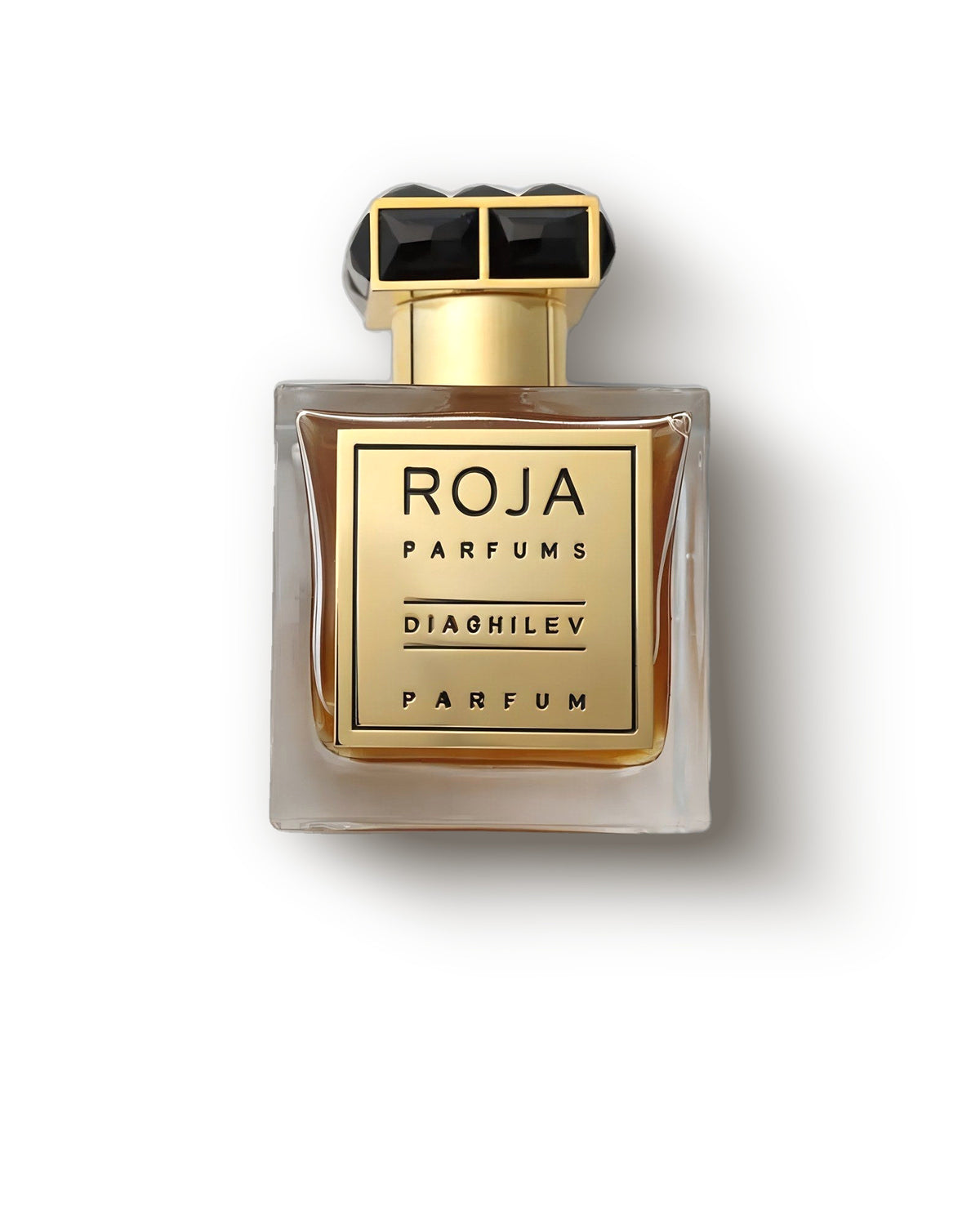
Founder of ROJA London (formerly Roja Parfums) and its consultant since Extravaganza Beauty bought it in 2026. He spent nearly twenty years at Guerlain, rising from training and PR to global ambassador, with no perfumery school behind him. His line includes Roja Elysium Pour Homme, Roja Enigma Pour Homme, Roja Amber Aoud and Roja Diaghilev, made for the V&A.
The Maison

British opulence at its most unapologetic, decanted from bottles priced like jewellery.
Roja Dove built his London house on extrait strength concentrations and the costliest naturals, which is what makes the juice so rich and the bottles so dear. These are dense, deliberate compositions that fill a room and stay on a scarf for days. There is nothing shy or minimal here.
- Origin
- London, England
- Founded
- 2011
- Known for
- Diaghilev, Enigma, Elysium

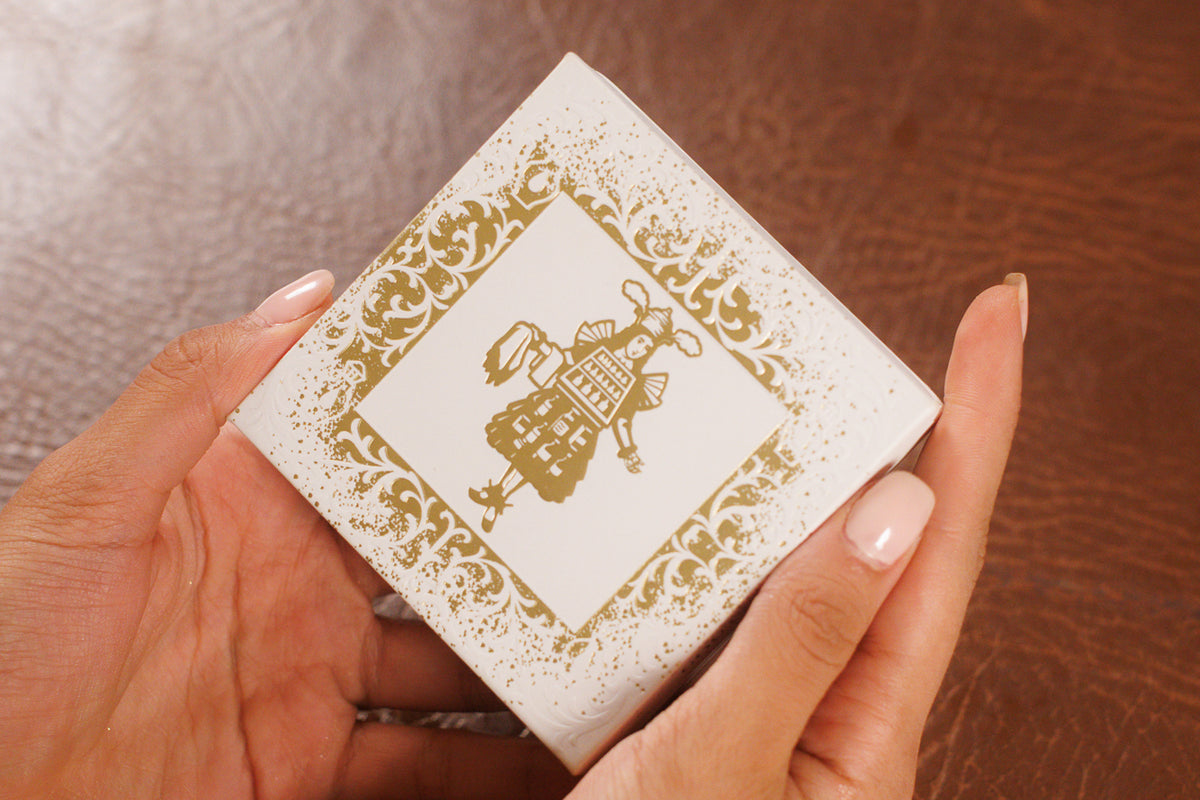
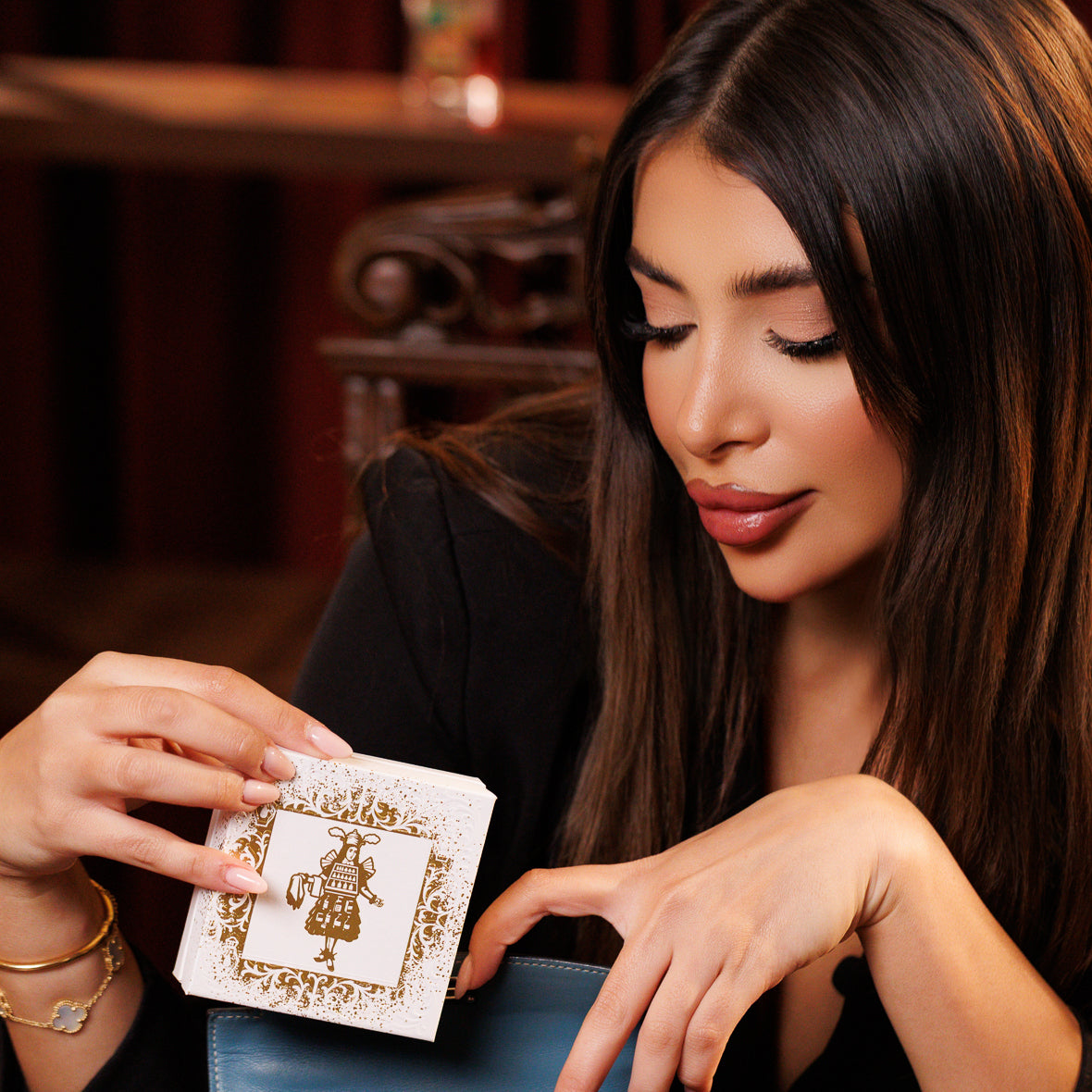
EVERY DECANT
From the original bottle to your door
We buy the original flacon at full retail price, direct from the house.
A medical grade Socorex syringe takes the exact millilitres straight from the flacon.
Packed into the hot foiled box and handed to DHL, every duty already paid. How a decant is made
More from Roja Dove
You may also like