Bidzina Kanchaveli
Envy
The Story
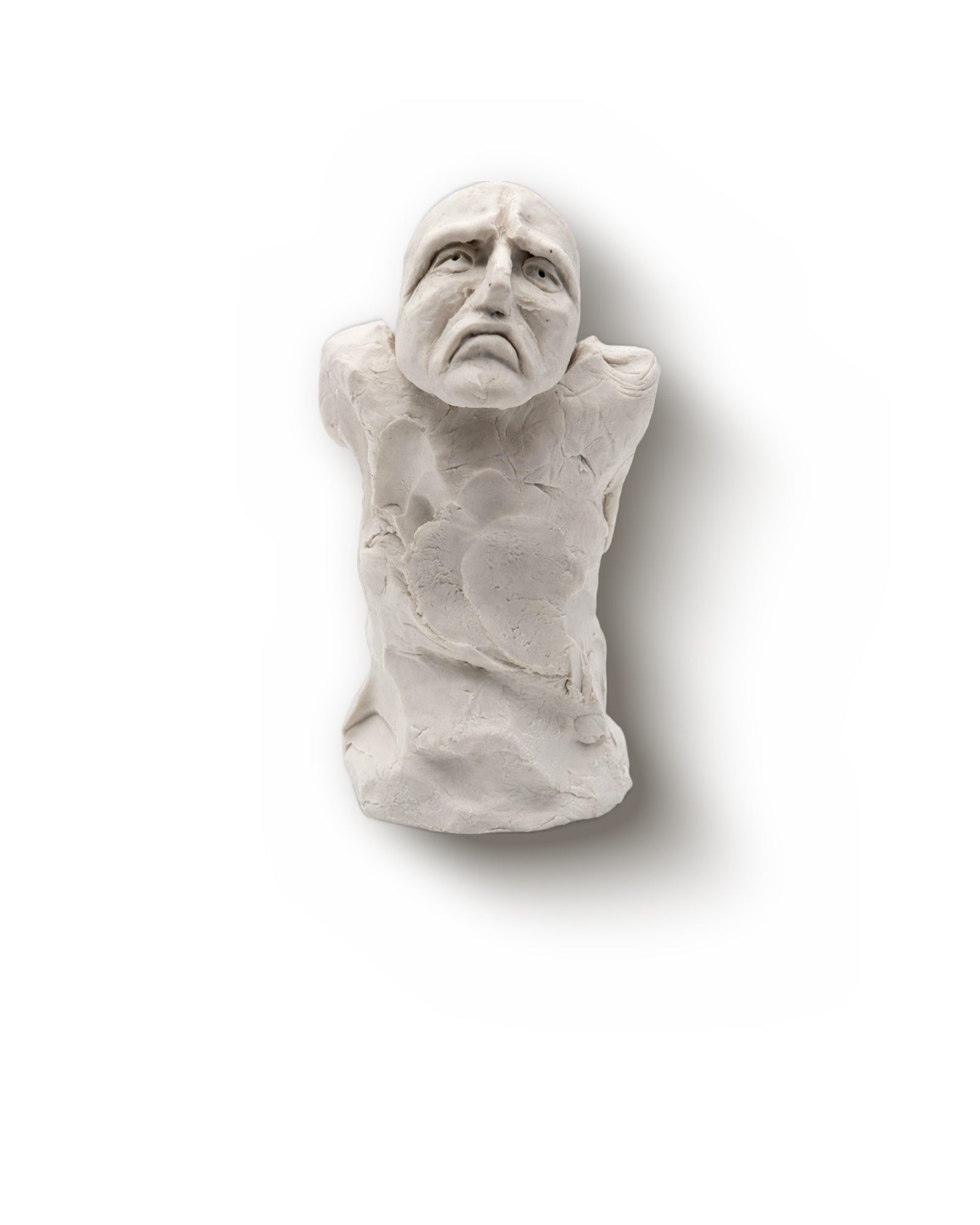
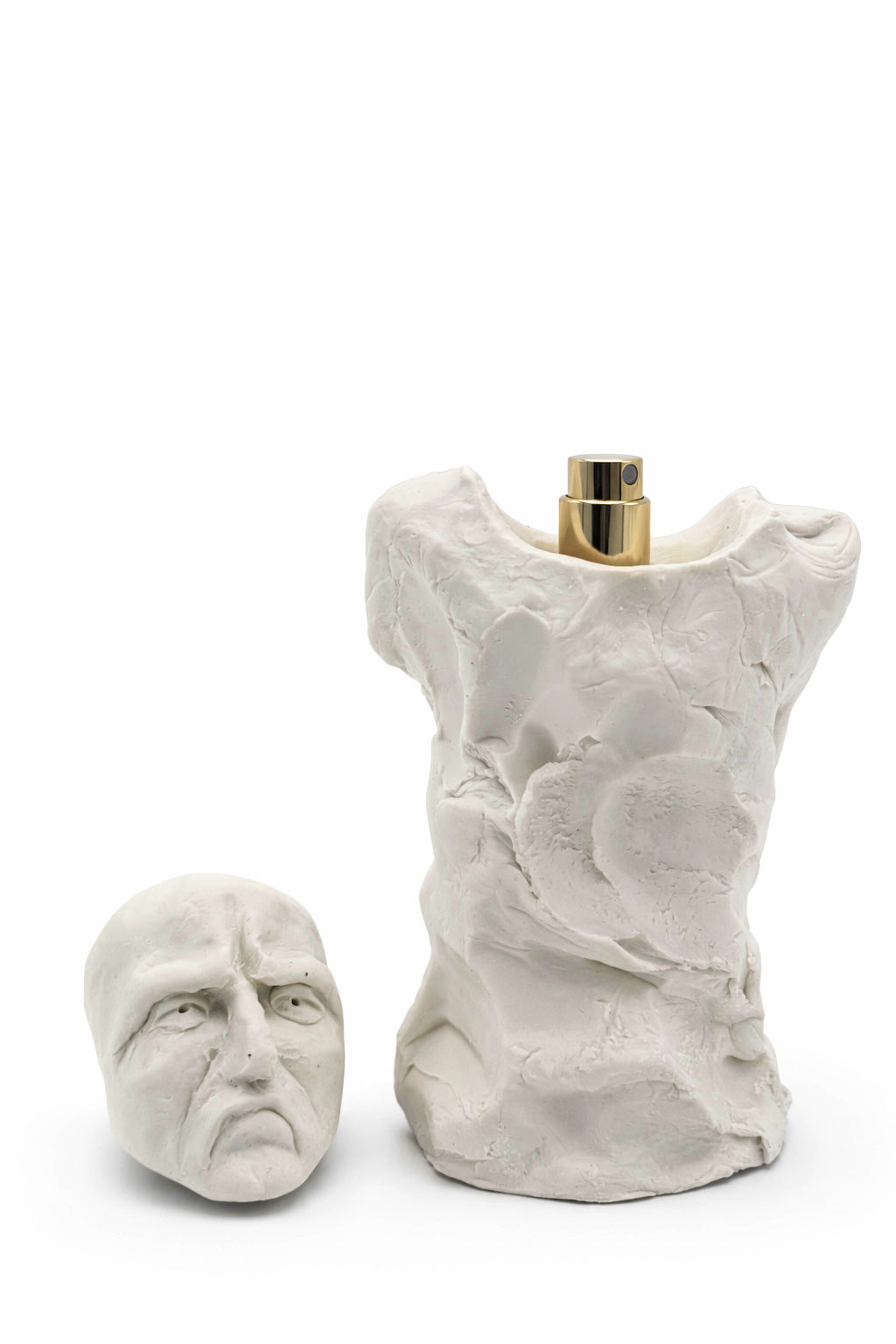
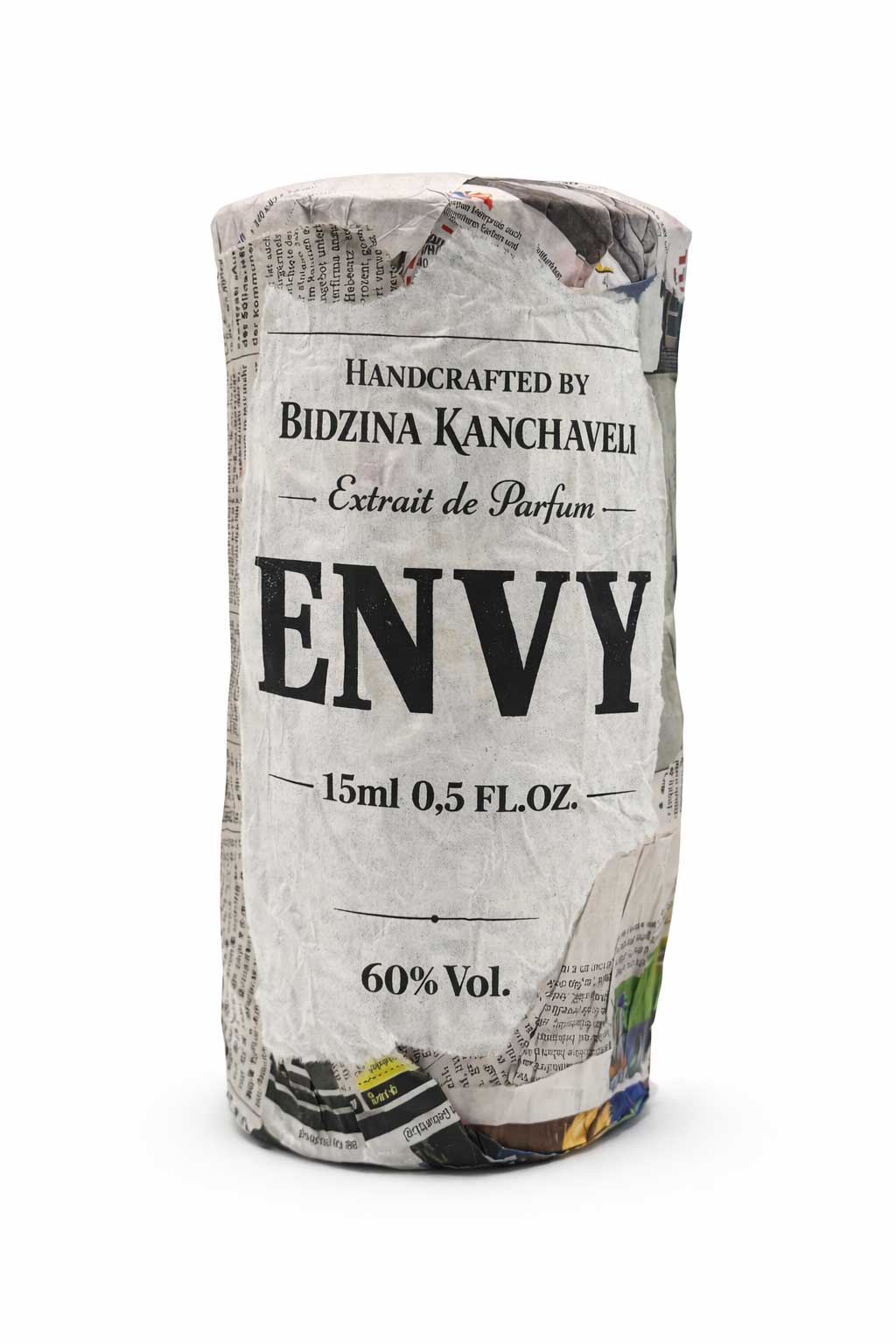
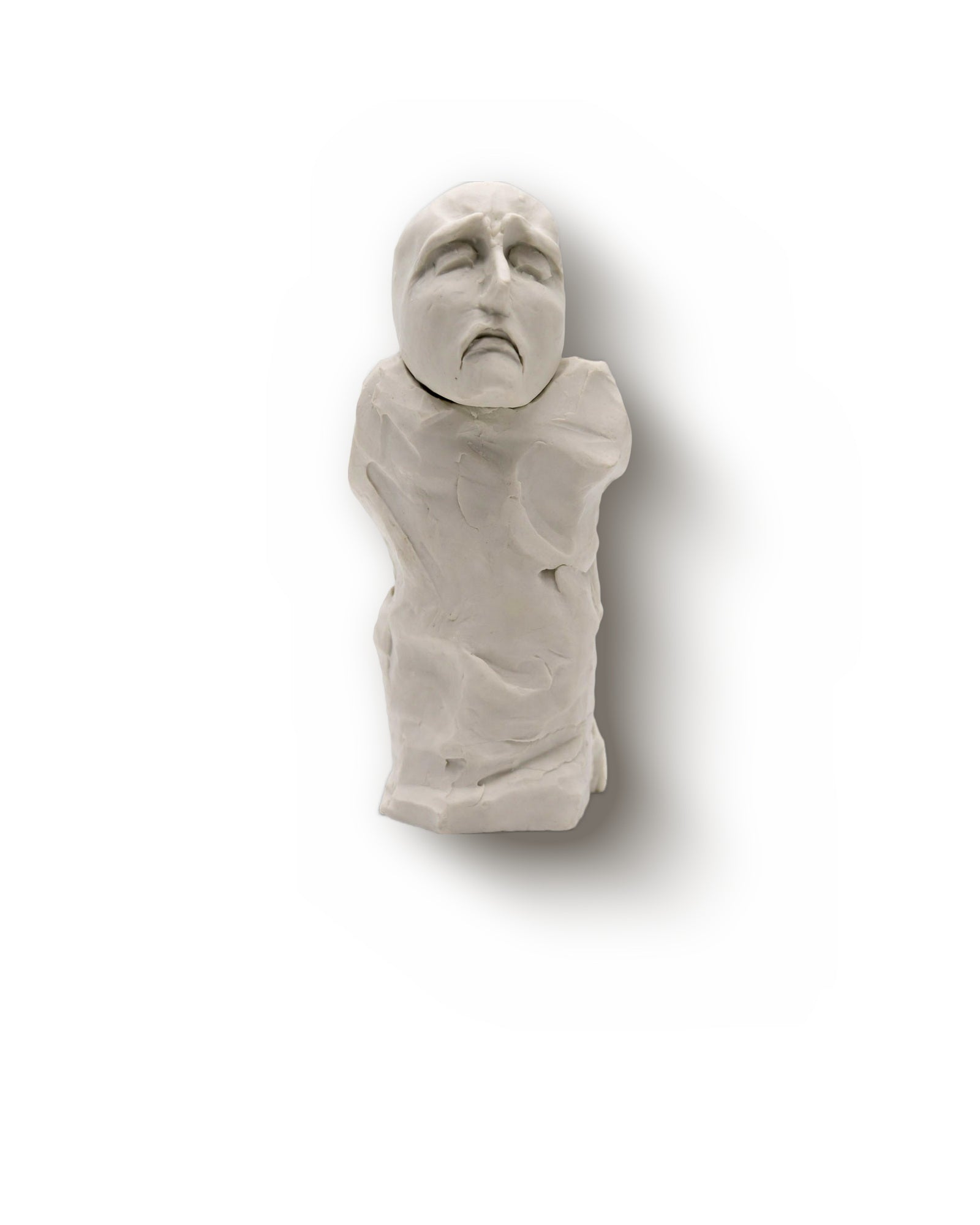
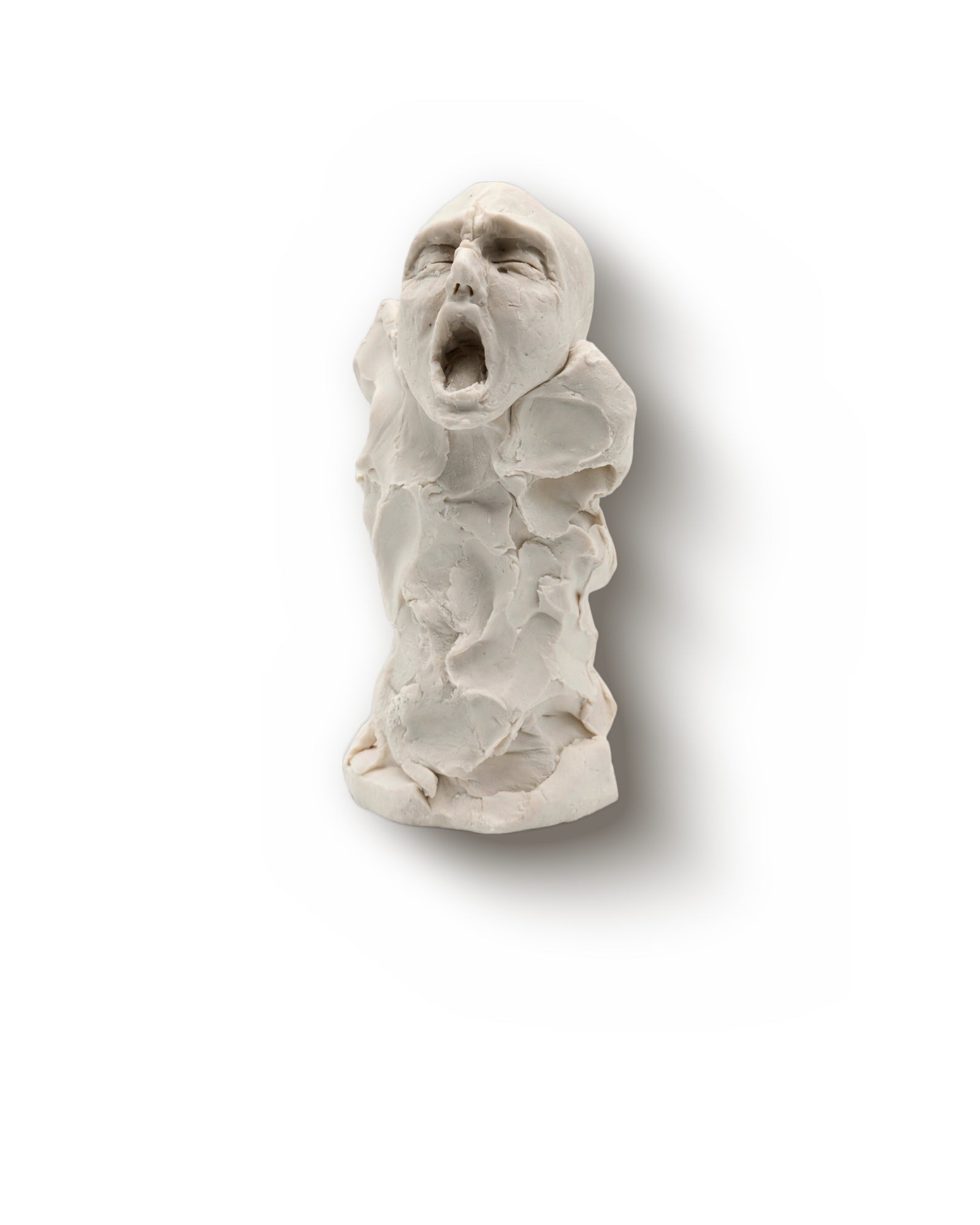
Envy is spicy, animalic and leathery, and it is composed to arrive late: restrained at first, then steadily more present and harder to ignore. Kanchaveli writes that the scent is perceived only briefly and does not meet expectations, and that moments later something seems missing, a subtle gap that draws the nose back to it. The attraction, he says, is born from missing something that was seemingly never there. Every bottle is a hand-made porcelain sculpture, numbered and unique.


Leather
A jacket with some miles on it
Tanned hide and birch tar, dry, smoky, a bitter rasp and tobacco under it. Sometimes new and lacquered, like a car interior; sometimes worn soft, like suede gloves gone thin. Either way, it smells used.


Animalic
Skin, fur and something not quite tame
A raw, body-warm muskiness that reads of skin, hair and fur, sometimes sweet and powdery, sometimes sharp and faintly feral. At its best you cannot tell where the perfume stops and the wearer starts. At its strongest, it is the reason some people back away.


Warm Spicy
Glowing embers of the spice drawer
The rounded heat of cinnamon, clove, and nutmeg, dry and slightly resinous, like a baking pantry rather than a sharp kitchen. It creates a flushed, enveloping warmth that feels intimate and cool-weather, hugging the skin from within.


Smoky
Charred wood and rising embers
The dry, charred scent of burning wood, smoldering incense, and lingering ash, sometimes tarry, sometimes wispy and gray. It feels brooding and atmospheric, conjuring a dying fire and a cool current of air carrying its last breath.


Spicy Notes
The warm crackle that wakes a fragrance up
What it is
Not one material but a family: clove buds, cinnamon bark, black pepper, cardamom, ginger. Some arrive as distilled oils, others as single molecules such as eugenol, the one that carries clove.
How it smells
You feel it before you name it, a dry prickle at the top of the nose. Pepper reads sharp, clove numbing, cinnamon sweet and woody, nutmeg dusty. The biting edge burns off and leaves a rounded ambery warmth.
In perfumery
Spice sits in the heart, or as a top accent, and its job is contrast. It bridges citrus to woody-ambery bases and stops a soft floral from going sleepy. Rose, leather and tobacco all sharpen next to it.
Good to know
The molecules that make clove and cinnamon sting are also skin sensitisers, so perfumers dose them carefully. Once, a pound of pepper cost a craftsman several days' wages, and the voyages sent to fetch it redrew the map.


Animal Notes
The warm, skin-close growl beneath a fragrance
What it is
Not one material but a register: the warm, body-close end of a formula, the part that smells lived in. The old sources have mostly left the palette, and ambrette, labdanum and aroma-chemicals stand in their place.
How it smells
A spectrum of warmth. Musk reads soft and skin-like; civet is sharp and faecal in trace, velvety once diluted; castoreum leathery and smoky; ambergris salty and marine. Together: fur, breath, and the line where clean tips into dirty.
In perfumery
Built into the base, they are what makes a scent feel worn rather than sprayed. Without them a formula stays polite; with them it develops a pulse. The great animalic orientals, chypres and leathers all turn on that warmth.
Good to know
Almost every animalic in a modern bottle is built from aroma-chemicals and plants, which is why they smell like skin and not like an animal. What you get is warmth that reads as a person.


Leather
Tanned hide, smoke and animal warmth
What it is
There is no leather essential oil. Perfumers rebuild the smell from birch tar and cade, smoky distilled woods, plus styrax and labdanum resins, isobutyl quinoline and safraleine-type molecules, echoing the tannins and oils once used to cure hides.
How it smells
Smoky, dry and animalic, ranging from supple new suede to tarry old saddle. Birch-tar versions read sooty and phenolic, almost campfire and band-aid; softer suede accords turn powdery, floral and skin-warm.
In perfumery
A base note that lends spine and a carnal edge. It does its best work under rose and violet, alongside tobacco and oud, and a floral heart set on leather turns unmistakably human.
Good to know
The genre was born in Russia, where boots and book bindings were treated with birch tar, and Russian leather still means that smell. The real tanning oils were mostly restricted on safety grounds, so today's leathers are reconstructions.
Fragrance Character
Leather leads throughout, with an animal warmth beneath it, warm spice on top and a smoky thread running the length of it. It opens quieter than it finishes, and the restraint is the composition rather than a fault in it.


Longevity
how long it stays on skin
The hourglass reads wear time: how many hours the fragrance keeps speaking before it fades. A bar that barely leaves the start means a few fleeting hours. One that runs the full length carries from morning into evening. Treat it as typical, not promised. Oily skin holds scent far longer than dry.


Sillage
the size of its scent trail
Sillage is French for a ship's wake, and that is exactly what this measures: how much of the scent reaches the room instead of staying on you. Low is a whisper only close friends catch. Enormous fills the room, then keeps filling it after you leave.


Experimental
Built to provoke, not to please
Some perfumes are made to be liked. These are made to be argued about: inky tar, hot rubber, fruit on the turn, metal and fur where you expected flowers. The coin glows for a scent that provokes and dims for one that plays it safe, which is sometimes the point.


Office
Polished, and never louder than the room
Scent is manners in a shared room. At this range it should reach the person across the desk and stop there: tidy citrus, soft musk, pale woods, all of it reading competent and considerate. A glowing coin means nobody has to mention it. A dim one means it travels.


Evening
After dark, when it deepens
Dinner, drinks, the night that runs long. Low light is where ambers, resins and smoky woods stop being polite, and where a plush floral finally blooms. A glowing coin means it is waiting for exactly this hour. A dim one means it did its best work in daylight.


Romantic
Close enough to be felt
A fragrance can hum against skin instead of announcing itself across a table. That is the register here: creamy florals, vanilla, soft musk, a thread of spice, warm enough to make someone lean in. The coin glows when a scent sets that mood and dims when it is more practical than seductive.


Formal
Quiet authority in a dressed-up room
A wedding, a ceremony, a room where everyone has thought about their shoes. What works here is structure, not volume: smooth woods, disciplined florals, soft leather. A glowing coin means it holds its posture all evening. A dim one means it is too casual for the room.


Casual
Easy comfort for unhurried days
Errands, coffee, a slow Saturday with nowhere to be. Nothing here has to impress anyone, so the fit is soft and easy: fresh citrus, light woods, a little warmth off the skin. A glowing coin says yes to all that. A dim one means the fragrance is asking for a bigger night.


Day to Night
where its mood naturally falls
A bar running from sun to moon, reading the hour the fragrance was made for. The more of it that stays gold, the more the scent belongs to daylight and open air. The further the blue reaches back toward the sun, the deeper and warmer it turns: evening, candlelight, low rooms.


Winter
Warmth that carries through cold air
Cold air mutes a fragrance and slows it down, which is why winter belongs to the dense and the warm: resin, smoke, vanilla, leather, ambered spice. The bar reads how well this one pushes back, glowing against the chill instead of thinning out in it.


Spring
Fresh blooms in mild, rising warmth
Mild, humid air lifts a light composition, so the season belongs to dewy florals, green stems, soft powder and citrus you can see through. Alive rather than heavy. The further the green runs along the bar, the more comfortably this one wears in that weather.


Summer
Bright and airy in real heat
Heat does the projecting for you, which is why the wrong perfume turns unbearable by noon. What survives is cool and breathable: sharp citrus, salt air, aromatic herbs, water. Things that refresh instead of cloy. A short bar here means save it for cooler months.


Fall
Spiced warmth for cooling days
As the air cools, the rich materials stop smothering and start reading clearly: dry woods, warm spice, tobacco, amber, fruit gone golden. It is the season perfume turns contemplative. The bar fills according to how naturally this one settles into crisp, cooling days.
Best Worn
Evenings and cool weather, on skin rather than over clothing, where its slow build has somewhere to go.
Choose options
The Vibe


The Nose

Bidzina Kanchaveli
Founder and perfumer
Georgian artist and former filmmaker who runs his own Berlin atelier, sculpting each concrete or porcelain flacon by hand alongside the scent. His Color Series holds Kanchaveli White and Kanchaveli Yellow; the Emotion Series extraits are Kanchaveli Hate, Kanchaveli Fear, Kanchaveli Grief and Kanchaveli Envy.
The Maison

One fragrance composed from inside one emotion, in a flacon cast by hand.
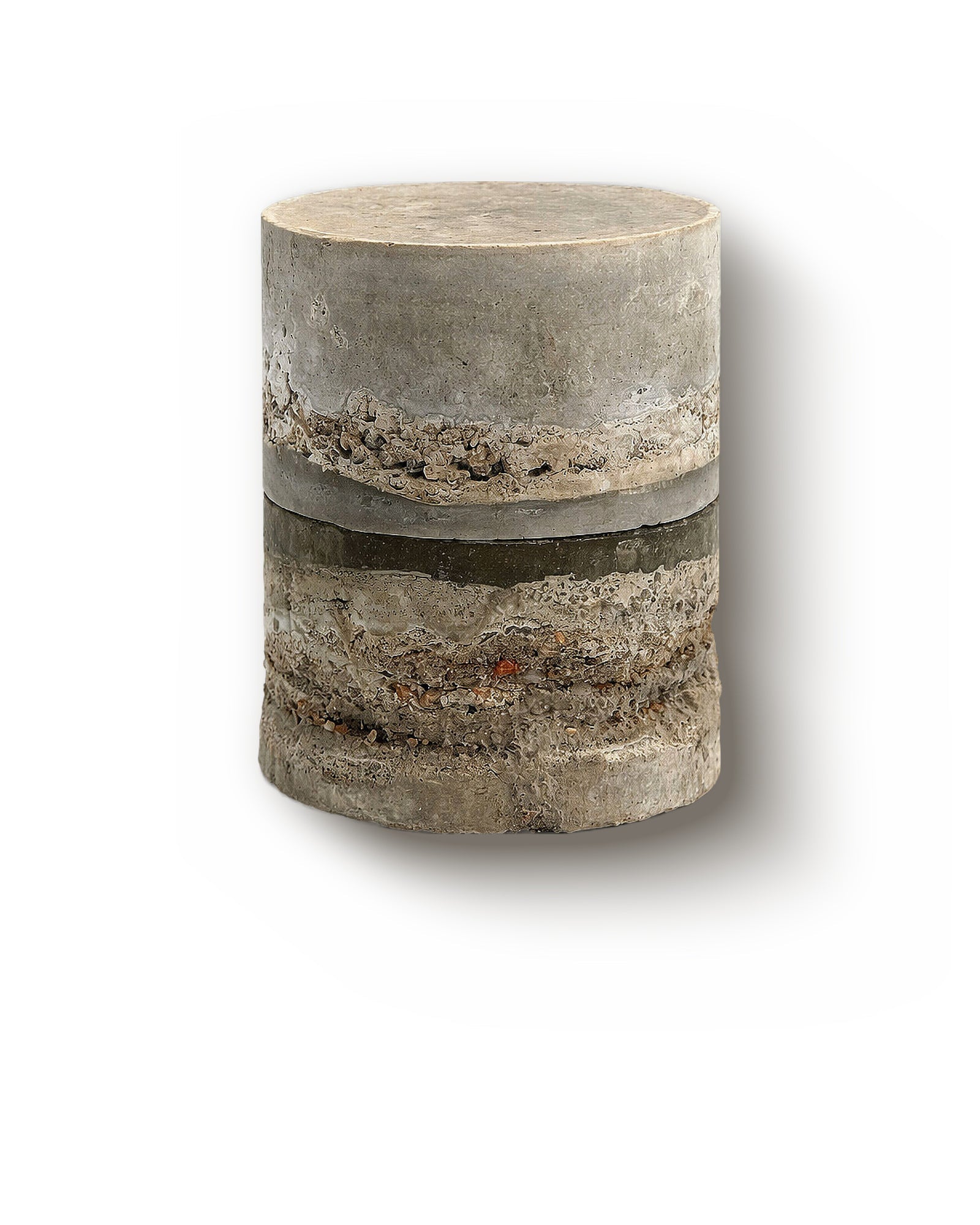
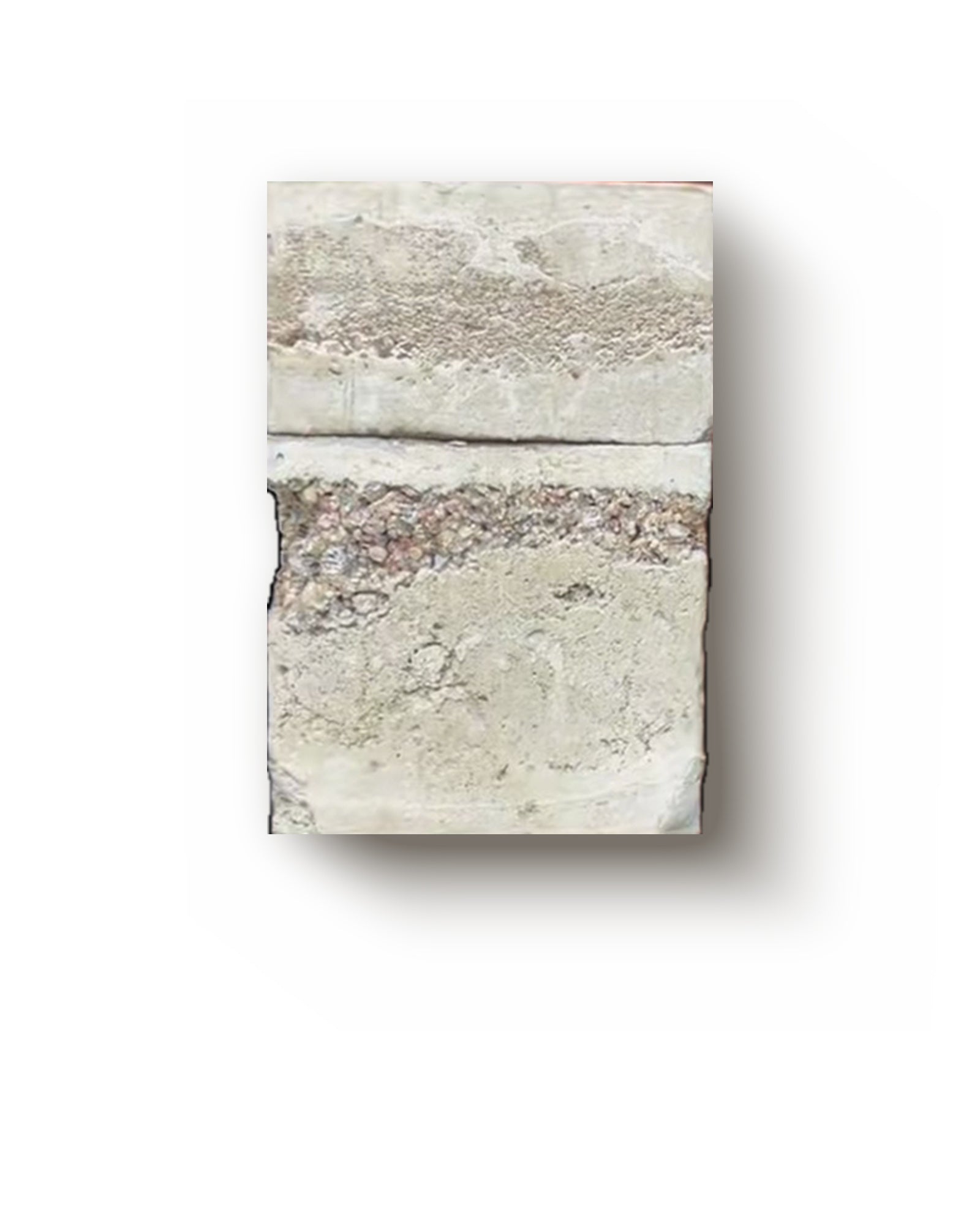
Bidzina Kanchaveli is a Georgian artist and film maker working out of a Berlin atelier, and he builds each extrait from inside a single emotional state rather than around a note pyramid. Every bottle is thrown by hand in porcelain or cast in concrete, so the object and the scent arrive as one piece.
- Origin
- Berlin, Germany
- Known for
- The Emotions and Colour series
More from Bidzina Kanchaveli
You may also like