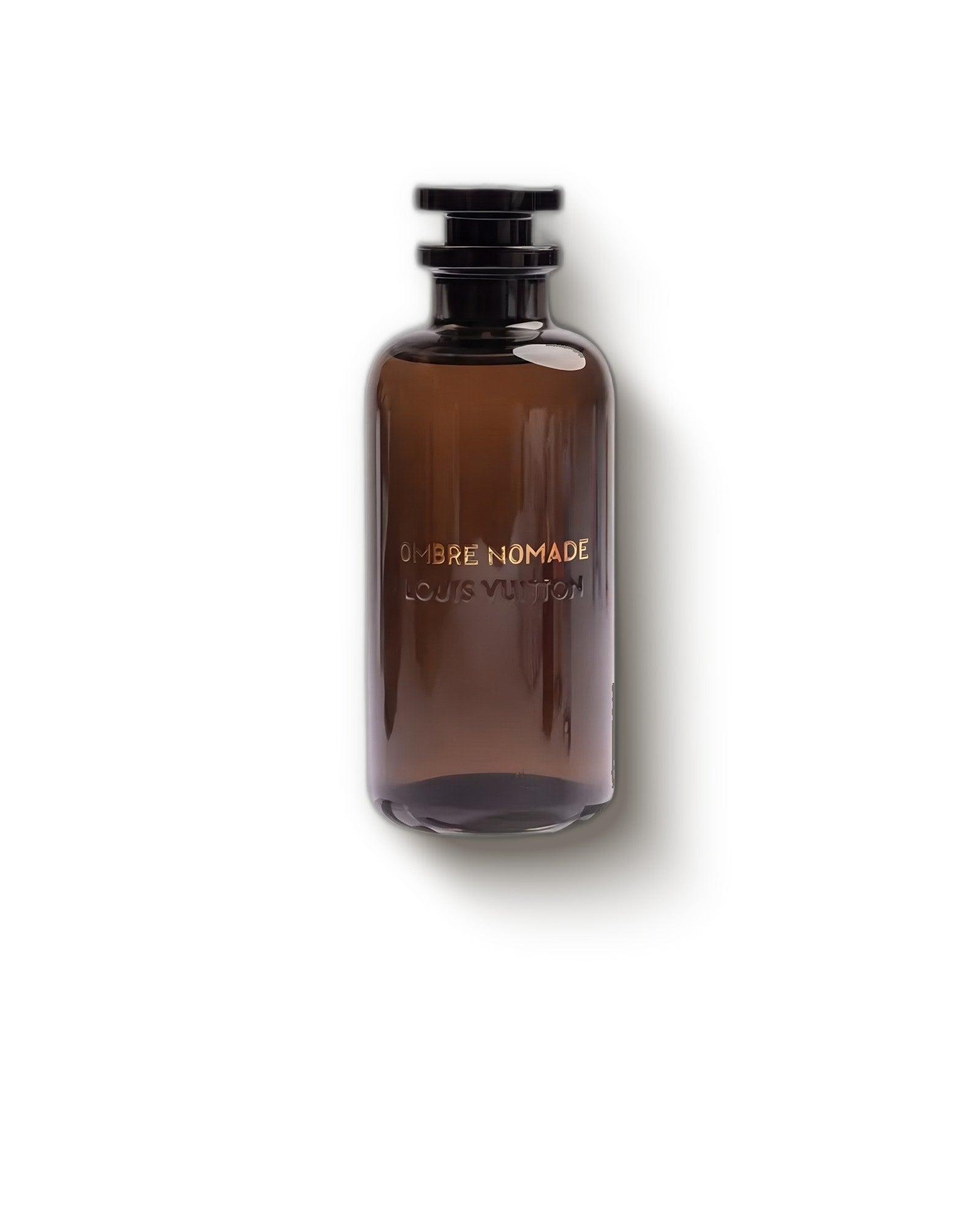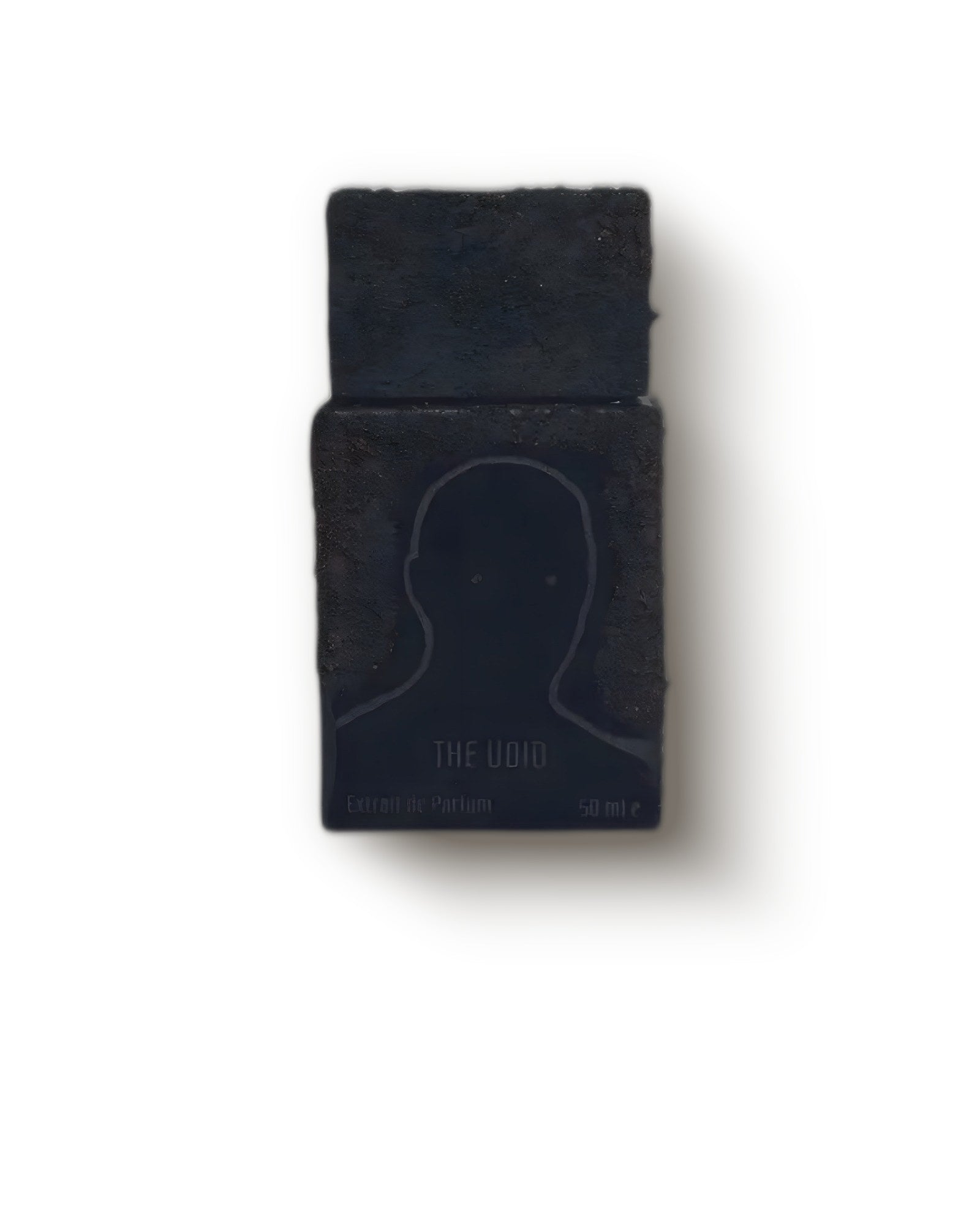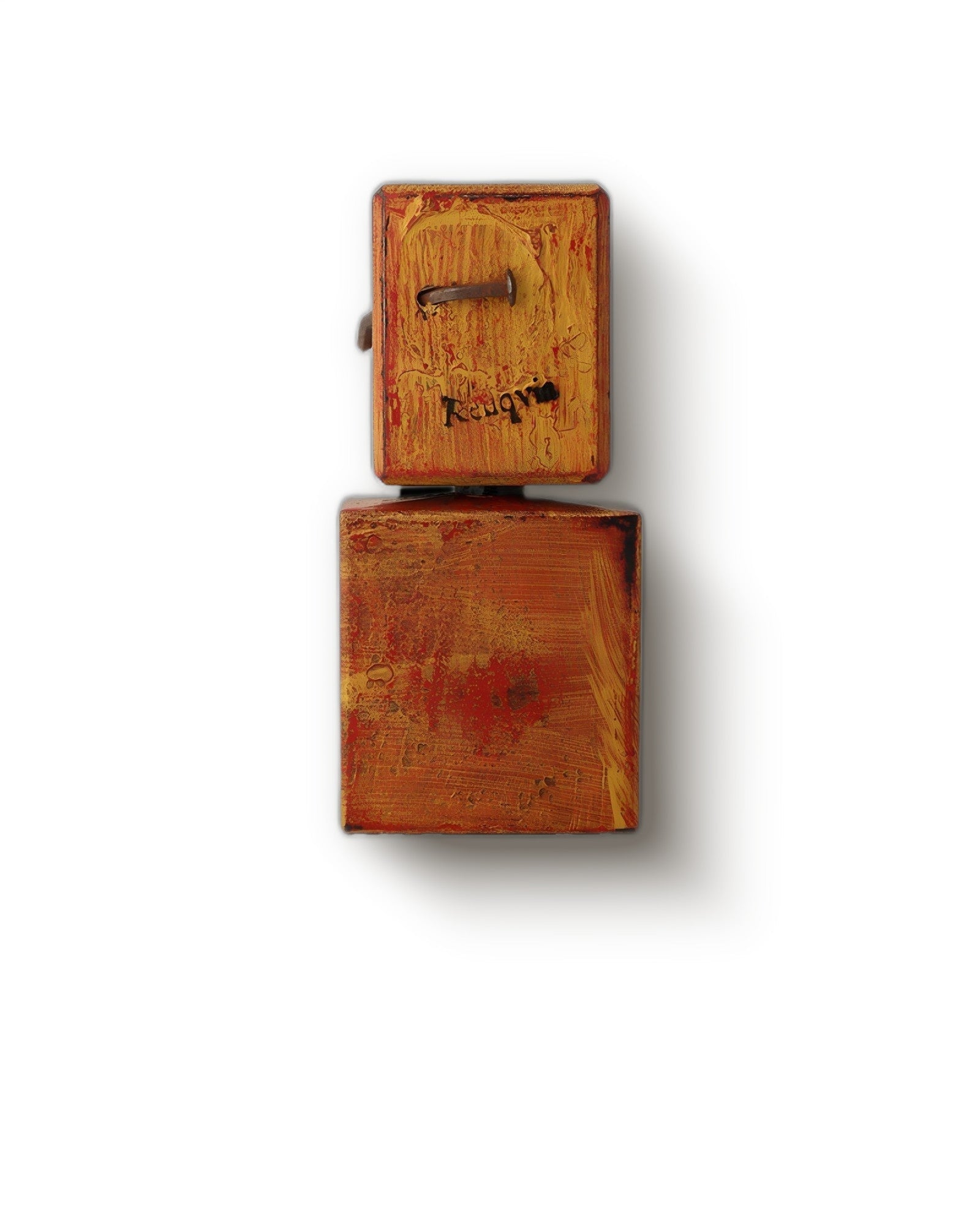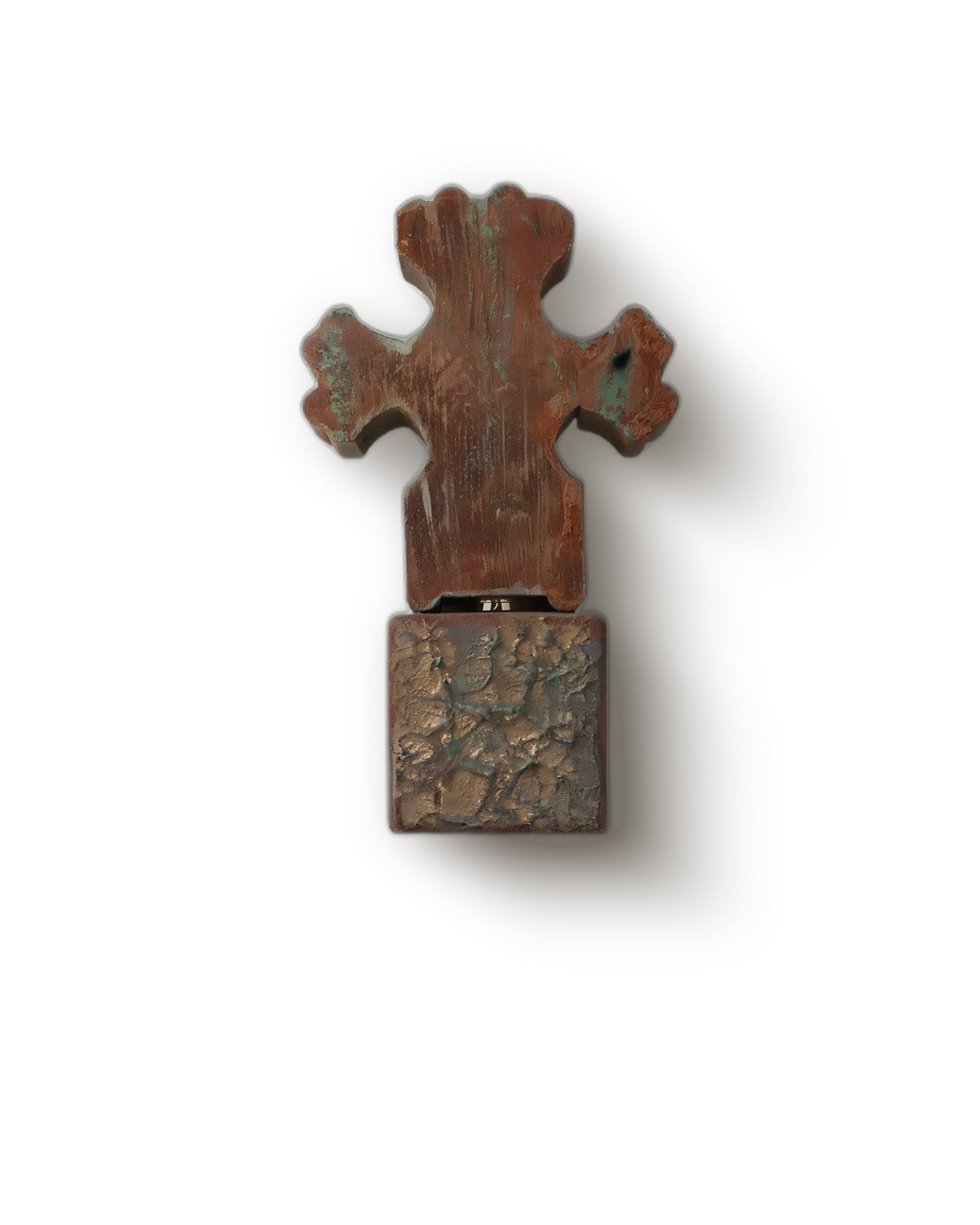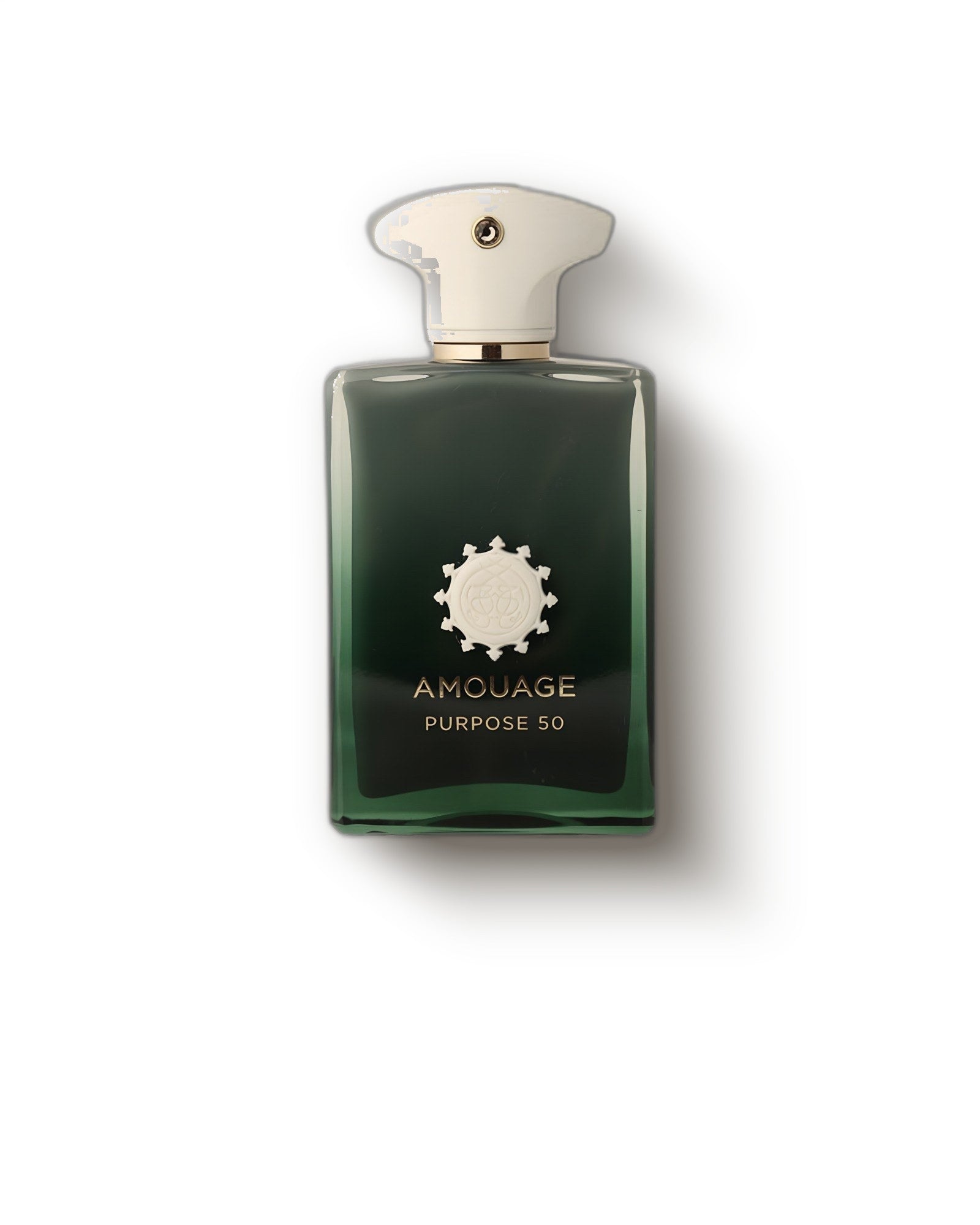


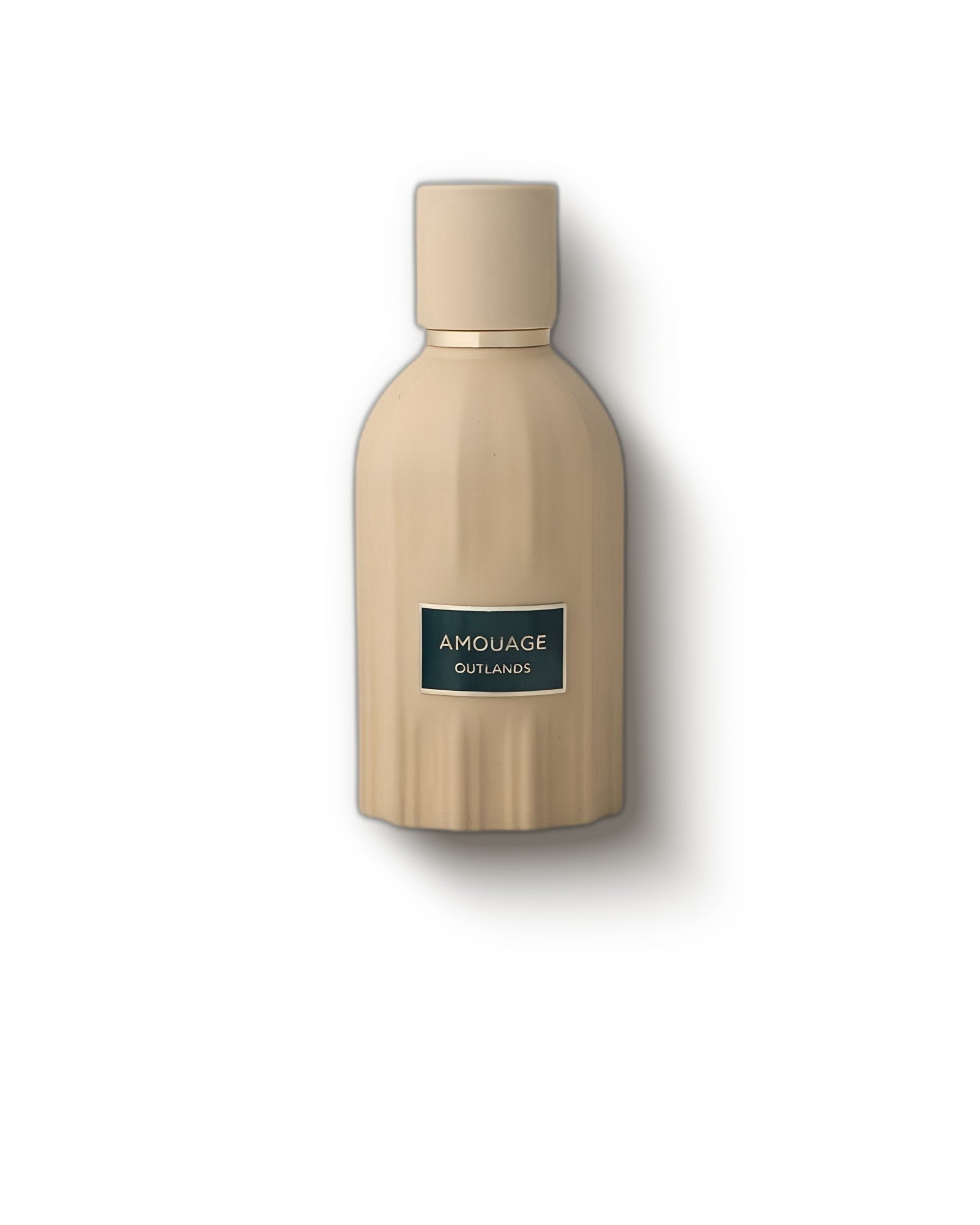
Amouage
Purpose 50
The Story
Purpose 50 is 50 percent pure perfume, made the way Amouage builds all its numbered extraits: the original perfumer returns and the concentrate is aged for months at the manufacture in Oman. Quentin Bisch sets incense and pepper against suede, and the concentration is what keeps something this smooth projecting.


Woody
Dry grain of cut timber
The smell of cedar shavings, sandalwood, and dry vetiver roots, a sanded, resinous warmth with a faint pencil-box rasp. It feels grounded and composed, the quiet backbone that makes a scent read as serious and lasting.


Warm Spicy
Glowing embers of the spice drawer
The rounded heat of cinnamon, clove, and nutmeg, dry and slightly resinous, like a baking pantry rather than a sharp kitchen. It creates a flushed, enveloping warmth that feels intimate and cool-weather, hugging the skin from within.


Amber
Resin warmed until it goes sweet
Labdanum, benzoin and vanilla melted together into something sweet but dusky, like tree sap gone soft in the sun with a thread of incense smoke through it. Amber does not sparkle or shout. It sits close to the skin and gives off heat for hours.


Oud
What a tree makes when it is wounded
A dense, resinous wood that smells warm and slightly medicinal, with a leathery, animal-tinged smokiness and a sweet, almost barnyard funk underneath. It feels ancient and brooding, wrapping the skin in something thick and quietly powerful.


Fresh Spicy
Cool bite of cracked pepper
Pink pepper, cardamom and ginger, spice that prickles rather than warms. It fizzes near the top of a fragrance, dry and faceted, closer to crushed peppercorns and a split cardamom pod than to anything simmering in a kitchen. Bright, never comforting.


Leather
A jacket with some miles on it
Tanned hide and birch tar, dry, smoky, a bitter rasp and tobacco under it. Sometimes new and lacquered, like a car interior; sometimes worn soft, like suede gloves gone thin. Either way, it smells used.


Bergamot
Sparkling citrus light with a bitter edge
What it is
Nobody eats bergamot. It is sour, seedy and disappointing, and almost the whole world's supply grows on one strip of Calabrian coast, farmed purely for the oil pressed cold from its green rind.
How it smells
Zest and green light in the first second, then something rounder than lemon: a floral, tea-like smoothness sitting on a faintly bitter warmth. It burns off fast. What stays behind is a quiet, slightly spiced hum.
In perfumery
It defines eau de cologne, and sits on top of nearly every fougère alongside lavender and oakmoss. Perfumers want the first bright second it gives, and the oil is also what makes Earl Grey smell like Earl Grey.
Good to know
The thing that makes it sparkle can also burn. Bergamot carries bergapten, which leaves skin hypersensitive to sunlight, so perfumers either keep the dose low or reach for a grade with the molecule stripped out.


Pink Pepper
Bright rosy berries with a spice fizz
What it is
It is not pepper. The rose-colored berries come from a South American tree with no botanical link to the pepper vine at all, dried and then steam-distilled or extracted with CO2.
How it smells
Rosier and fruitier than black pepper, with only a prickle of heat. Crushed berries, a juniper-ish resin, a flick of citrus. It flashes on the opening and is gone quickly, leaving a gentle warm spiciness behind.
In perfumery
Perfumers reach for it when a composition needs spice without heat. It puts a rosy fizz over florals, freshens woods and ambers, and sits well with bergamot and patchouli. The fizz is a signature of the modern fruity-floral.
Good to know
The family it actually belongs to is the cashews, close enough that people who react to cashew or mango sometimes react to these berries too. Worth knowing before you cook with them.


Frankincense
Golden tears hardened on a cut trunk
What it is
A scored Boswellia bleeds a milky sap that hardens over weeks into golden tears. The sacra trees of Oman and Somalia give the most prized resin. Steam or solvent turns the tears into oil.
How it smells
Brighter than you expect from something called incense: cool, lemony, almost pine-fresh, with a peppery lift. Underneath it is dry and balsamic, and it ends in the warm dusty smoke you already know.
In perfumery
It does something odd for a resin: it makes heavy things lighter. Sitting in the heart and base, it opens up oud, labdanum and thick oriental accords, and gives rose a cool, quiet space to stand in.
Good to know
The trees are in trouble. Wild Boswellia stands are thinning under over-tapping, drought and grazing, and the long-term supply of a resin the world has burned for thousands of years is now a real question.


Pimento Berry
Clove and pepper packed into one berry
What it is
Allspice, picked green and dried hard. The best trees are Jamaican, and the berry is loaded with eugenol, the same molecule that gives clove its bite, so it distils into something far hotter than its size suggests.
How it smells
Clove first, then cinnamon, then a crack of black pepper. A cool camphor lift sits on top for a moment before the whole thing settles sweet, woody and balsamic, with something faintly of tea and nutmeg underneath.
In perfumery
It lives in the heart of a formula, throwing heat and lift through fougeres and ambery blends. Carnation, bay and tobacco all take it well. Most of the barbershop classics carry a little, sitting just behind the clove.
Good to know
English colonists named it allspice around 1621, convinced one berry had somehow trapped cinnamon, clove and nutmeg together. That eugenol is also the catch: it is restricted in fine fragrance, so the oil goes in by drops.


Rose
Dewy sweetness over a green, peppery bite
What it is
Most perfumery rose is one of two: damascena from Bulgaria and Turkey, centifolia from Grasse. Whole blossoms are picked by hand from before sunrise until about ten thirty, then distilled into otto or solvent-extracted into absolute.
How it smells
Fresh, honeyed, green at the edges, with something dewy still on it. Spice and fruit sit underneath, and in the absolute a jammy darkness. Otto opens crisp and bright; absolute is warmer, smokier, closer to skin.
In perfumery
Rose behaves less like one note than a whole palette. It carries a perfume alone or vanishes into a chypre, turns dark against oud and patchouli, goes powdery beside violet, and holds a floral heart together.
Good to know
The two extractions are not the same bargain. Otto takes three to four thousand kilograms of blossoms to yield one kilogram of oil. Absolute, pulled out with solvent, gets there on roughly a seventh of the flowers.


Sand Vetiver
Vetiver bleached pale, dry as warm dune sand
What it is
Not a species, a facet. Sand Vetiver names the dry, pale, mineral side of the root, the Bourbon and lighter Haitian character rather than the heavy Javanese one, and it is real root oil, not a reconstructed base.
How it smells
Picture vetiver with the wet soil scrubbed out: dry, airy, faintly powdery, warm sand and pale stone instead of a freshly dug bed. Bitter grapefruit peel on top, nutty mineral dryness below, the smallest wisp of smoke.
In perfumery
It gives a composition a spine without dragging it into the damp basement, threading through citrus, incense, dry woods and ambers where smoky Javanese would trample everything. Ageing or tincturing takes the raw rasp off first.
Good to know
Real Réunion Bourbon oil has become scarce, so this sandy dryness is now coaxed from selected Haitian cuts rather than one named estate. It is the least earthy vetiver, and flat synthetic bases cannot fake it.


Sandalwood
Creamy wood, pulled up by the roots
What it is
The richest oil sits in the roots, so the whole tree is pulled up and steam-distilled rather than felled. Mysore in southern India was the classic source, until decades of overcutting pushed the wild trees to the edge.
How it smells
Milk and warm wood, with a rosy, almost buttery edge and nothing sharp at all. What surprises people is how little it moves: no bright opening, no dry-down drama, just the same quiet glow for hours.
In perfumery
It works twice over: as a smell, and as a fixative that holds rose or jasmine in place. Sandalwood is also graded, and the darkest, densest, most resin-heavy old heartwood carries its own name: red meat.
Good to know
A heart worth taking takes about thirty years to form. Plantations of the same species in Western Australia now supply most of the world's oil, close to the old Mysore chemistry if not quite its creaminess.


Papyrus
Dry reed and ink along a sunlit river
What it is
A giant sedge from the Nile marshes, split and pressed into sheets by the Egyptians and written on. The plant yields no oil worth having, so the smell of it has to be built.
How it smells
Dry, papery woodiness with smoke and ink behind it: cut reeds, old documents, grass baked all afternoon. More arid and mineral than cedar, with a resinous bitterness over a thin green herbal edge.
In perfumery
Base note, bringing dry smoke and a stripped-back modern woodiness, often extending vetiver or standing in for it. It sits with incense, cedar, citrus and leather, and anchors a whole shelf of contemporary papery woods.
Good to know
The scent labeled papyrus is rarely the Egyptian plant. Perfumers reach instead for cypriol, distilled from the roots of an Indian cousin, so the name points at the Nile while the smell comes from Madhya Pradesh.


Saffron
Crimson threads breathing leather, honey and dry hay
What it is
Three crimson threads sit inside each autumn crocus flower, and a hand pulls every one. Dried, those stigmas are steeped into a tincture or extracted into an absolute. That is the entire supply chain.
How it smells
Hay and honey and warm toast first, then something metallic and leathery underneath, the work of a molecule called safranal. It dries down into suede, tobacco and dusty amber, bitter at the edges.
In perfumery
It lives in the heart, glowing reddish, the hinge between spice and leather. Perfumers wed it to rose so often the pairing became a genre, and entire leather accords get built on it alone.
Good to know
A kilogram of saffron costs about 150,000 hand-picked flowers and many days of stooped labor, which is why almost none of it reaches perfume. Most saffron notes are built from synthetic safranal instead.


Suede
Soft brushed leather without the tannery bite
What it is
The napped underside of a tanned hide barely smells of anything, which is the joke at the centre of this note. Perfumers build the impression instead, from soft musks, ionones and gentle leather molecules like Suederal and safraleine.
How it smells
Dry, powdery and soft, like the inside of a good glove. Where birch-tar leather shouts, this murmurs: a little almond, a little violet, warm skin underneath. It starts smooth and ends up sitting very close to you.
In perfumery
Base note, and the cushion the rest of a formula sits on. It takes the tannery out of leather, sands the edge off a wood, and gives iris, violet and amber somewhere soft to land.
Good to know
Suede takes its name from gants de Suede, gloves of Sweden, where the soft napped finish caught on. The French kept the country and dropped the glove, and perfumery kept the feel and dropped the leather entirely.


Mystikal
The synthetic that smells of burning frankincense
What it is
Not a resin but an acid, and the closest thing perfumery has to frankincense actually alight. Givaudan introduced it around 2008; its structure echoes the olibanic acids found in trace amounts in real olibanum smoke.
How it smells
Resin smouldering on a charcoal disc, caught as it starts to char: dry, smoky, a little sour, thoroughly churchy, with a waxy undertone. Other synthetics in this territory give amber-wood warmth. This one gives smoke.
In perfumery
It works from the heart down, putting a sacred, burnt edge into woody and ambery compositions. Perfumers use it to give a frankincense accord some literal fire, alongside labdanum, myrrh, pepper and cardamom.
Good to know
Researchers only identified the olibanic acids as the true smell of frankincense in 2016, years after this molecule was already in use. It stays a Givaudan captive, so you will not find it on the open market.


Akigalawood
Patchouli leftovers remade as peppery wood
What it is
The patchouli industry throws off a residue nobody wanted. Givaudan put an enzyme to work on it, with water and salts and no petrochemistry, and got a wood that had never existed before. It counts as natural.
How it smells
Patchouli with the cellar taken out. What is left is dry and warm, peppery in a pink-pepper way, with a thin line of agarwood running through it. Transparent where oud is dense, and unmistakably contemporary.
In perfumery
It runs from heart to base, giving woody radiance and an oud impression without the animalic weight, which is why it turns up in so much modern niche. Pink pepper, rose, leather and amber are its usual company.
Good to know
A captive material, so only perfumers inside Givaudan can use it: every fragrance that smells of it traces back to one house. It has become the flagship example of upcycling in fragrance.


Vanilla
Cured orchid pods, custard and faint smoke
What it is
Green pods come off the orchid vine smelling of almost nothing. The scent is made, not found: months of blanching, sweating in the sun and slow drying before the vanillin appears. Mexico first, Madagascar now.
How it smells
Custard and caramel up front, then something darker underneath: dried fruit and a thread of tobacco smoke. It turns powdery as it dries and sits close to the skin. Real cured vanilla reads deeper than vanillin alone.
In perfumery
Perfumers use it to round off edges. Anything too sharp, too green, too austere gets warmth and body from a vanilla base, which is why it anchors many oriental and gourmand builds alongside tonka, amber, sandalwood and spice.
Good to know
Every flower opens for one day. Miss it and there is no pod, so all of it is pollinated by hand, a trick devised by Edmond Albius, a twelve-year-old enslaved boy on Réunion. Most vanilla flavour today is synthetic.
Fragrance Character
A peppery, incense-bright opening gives way to a dry, woody rose; saffron and suede bring a soft-leather warmth; and akigalawood and vanilla round the long drydown.


Longevity
how long it stays on skin
The hourglass reads wear time: how many hours the fragrance keeps speaking before it fades. A bar that barely leaves the start means a few fleeting hours. One that runs the full length carries from morning into evening. Treat it as typical, not promised. Oily skin holds scent far longer than dry.


Sillage
the size of its scent trail
Sillage is French for a ship's wake, and that is exactly what this measures: how much of the scent reaches the room instead of staying on you. Low is a whisper only close friends catch. Enormous fills the room, then keeps filling it after you leave.


Experimental
Built to provoke, not to please
Some perfumes are made to be liked. These are made to be argued about: inky tar, hot rubber, fruit on the turn, metal and fur where you expected flowers. The coin glows for a scent that provokes and dims for one that plays it safe, which is sometimes the point.


Office
Polished, and never louder than the room
Scent is manners in a shared room. At this range it should reach the person across the desk and stop there: tidy citrus, soft musk, pale woods, all of it reading competent and considerate. A glowing coin means nobody has to mention it. A dim one means it travels.


Evening
After dark, when it deepens
Dinner, drinks, the night that runs long. Low light is where ambers, resins and smoky woods stop being polite, and where a plush floral finally blooms. A glowing coin means it is waiting for exactly this hour. A dim one means it did its best work in daylight.


Romantic
Close enough to be felt
A fragrance can hum against skin instead of announcing itself across a table. That is the register here: creamy florals, vanilla, soft musk, a thread of spice, warm enough to make someone lean in. The coin glows when a scent sets that mood and dims when it is more practical than seductive.


Formal
Quiet authority in a dressed-up room
A wedding, a ceremony, a room where everyone has thought about their shoes. What works here is structure, not volume: smooth woods, disciplined florals, soft leather. A glowing coin means it holds its posture all evening. A dim one means it is too casual for the room.


Casual
Easy comfort for unhurried days
Errands, coffee, a slow Saturday with nowhere to be. Nothing here has to impress anyone, so the fit is soft and easy: fresh citrus, light woods, a little warmth off the skin. A glowing coin says yes to all that. A dim one means the fragrance is asking for a bigger night.


Day to Night
where its mood naturally falls
A bar running from sun to moon, reading the hour the fragrance was made for. The more of it that stays gold, the more the scent belongs to daylight and open air. The further the blue reaches back toward the sun, the deeper and warmer it turns: evening, candlelight, low rooms.


Winter
Warmth that carries through cold air
Cold air mutes a fragrance and slows it down, which is why winter belongs to the dense and the warm: resin, smoke, vanilla, leather, ambered spice. The bar reads how well this one pushes back, glowing against the chill instead of thinning out in it.


Spring
Fresh blooms in mild, rising warmth
Mild, humid air lifts a light composition, so the season belongs to dewy florals, green stems, soft powder and citrus you can see through. Alive rather than heavy. The further the green runs along the bar, the more comfortably this one wears in that weather.


Summer
Bright and airy in real heat
Heat does the projecting for you, which is why the wrong perfume turns unbearable by noon. What survives is cool and breathable: sharp citrus, salt air, aromatic herbs, water. Things that refresh instead of cloy. A short bar here means save it for cooler months.


Fall
Spiced warmth for cooling days
As the air cools, the rich materials stop smothering and start reading clearly: dry woods, warm spice, tobacco, amber, fruit gone golden. It is the season perfume turns contemplative. The bar fills according to how naturally this one settles into crisp, cooling days.
Best Worn
Made for autumn and winter evenings and dressed occasions, when the suede and incense read composed rather than loud despite carrying a long way.
Choose options
The Vibe


The Nose

Quentin Bisch
Perfumer
Givaudan perfumer based in Paris. He spent a year as an assistant perfumer at Robertet in Grasse under Michel Almairac, then trained at the Givaudan Perfumery School. His work includes Parfums de Marly Delina, Chloé Nomade, Ex Nihilo Fleur Narcotique and Mugler Angel Muse.
More by this noseGuidance 46Delina ExclusifValaya
The Maison

Frankincense and rose at royal scale, sampled without the leap of faith a full bottle asks for.
Amouage does not do quiet. Every bottle feels built for a room you have to earn your way into, all high ceilings, incense in the air and light coming through something precious. The house pours frankincense, rose and oud like it has an endless supply, and the results wear big and last long without ever tipping into loud for its own sake.
- Origin
- Muscat, Oman
- Founded
- 1983
- Known for
- Frankincense, rose, oud
More from Amouage
You may also like