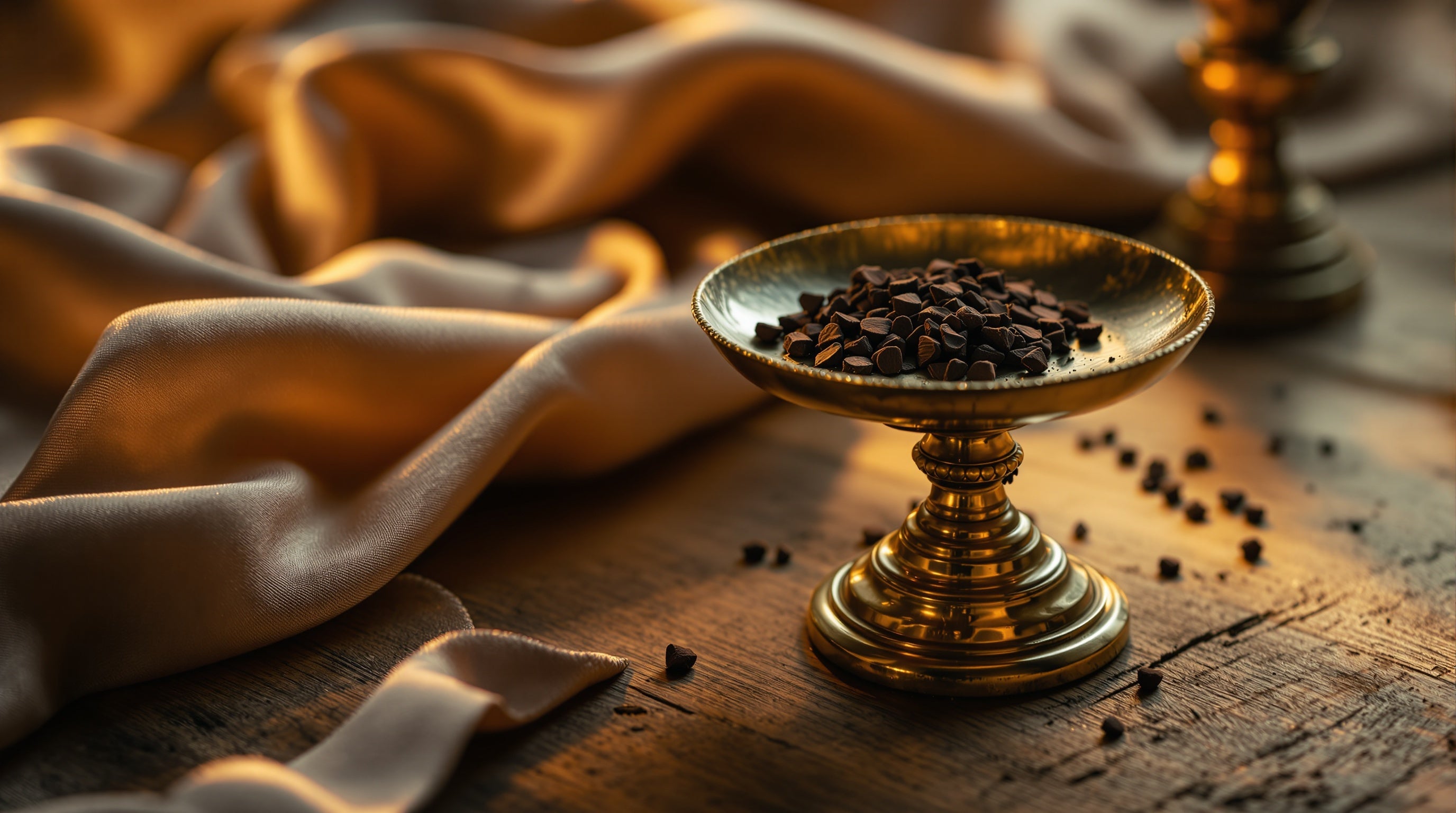
Oud Samples: How to Start Exploring Oud Without Buying a Full Bottle
Oud is the deep end of perfumery. Resin formed in the heart of infected agarwood trees, worth more than gold by weight, smelling of everything at once: leather and honey, smoke and fruit, a barn and a cathedral. People spend decades exploring it. Nobody should start it with a $400 blind buy.
The right way in is small. Oud rewards patience and punishes haste, and a 2ml sample gives you four or five real wearings to decide whether a fragrance is a curiosity or a companion. Here is the path we would walk if we were starting again, in three steps, each one deeper than the last.
Step one: the smooth gateways
Blended ouds wrap the note in silk. They are unmistakably oud, but polished for the modern wardrobe, and they teach your nose the shape of the material without demanding anything.
- MFK Oud Satin Mood: oud dressed in rose and vanilla, as plush as the name promises.
- Ombre Nomade: dark, smoky and confident, the blended oud most often worn as a signature.
- Initio Oud for Greatness: saffron and lavender over a bold, clean oud, built to project.
Step two: the character ouds
Once the shape is familiar, meet the ouds with opinions. These are the fragrances where the note stops being a texture and starts being a story.
- Amouage Interlude 53: incense, smoke and controlled chaos, one of the great compositions of modern perfumery.
- Nasomatto Black Afgano: dark, resinous and infamous, a cult legend for a reason.
- Bortnikoff Oud Maximus: an artisan blend built on real Hindi oud, halfway between perfume and oil.
Step three: pure artisanal oil
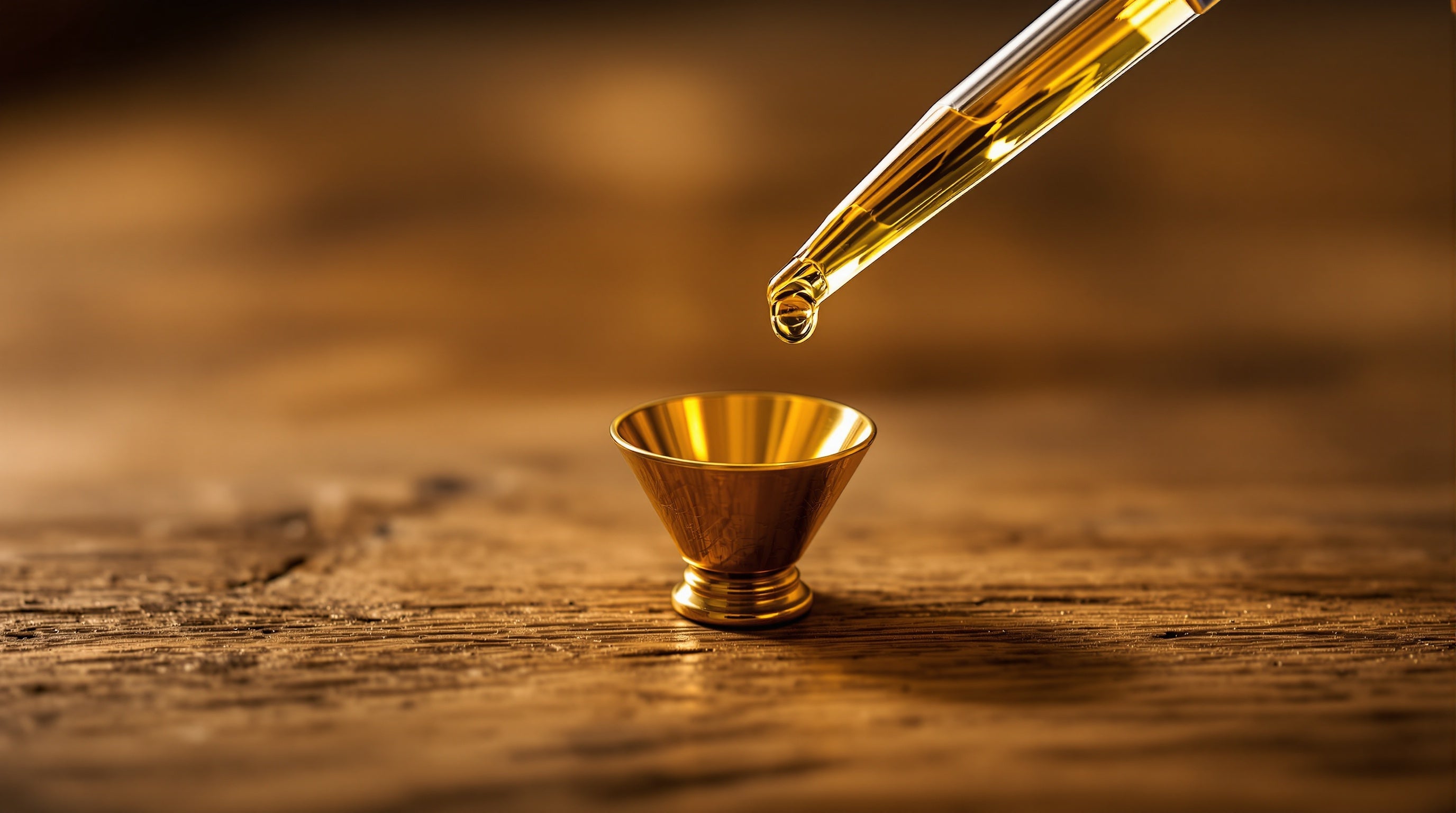
This is the destination. Pure oud oil, distilled from agarwood in small batches, worn as a single drop on the wrist. No alcohol, no composition, just the material itself changing hour by hour. Start with Ensar Oud, whose distillations set the standard collectors argue about, or the artisan ouds of El Khaldi. At this level a 1ml or 2ml sample is not a compromise. It is genuinely how these oils are bought, tried and worn.
How to wear an oud sample properly
- Give it skin, not paper. Oud transforms with warmth, and a blotter tells you almost nothing.
- Give it a full day. The opening can be challenging and the drydown can be transcendent, or the reverse.
- Try it in different weather. Oud blooms in heat and turns intimate in cold.
- Take notes. By the third oud, patterns emerge: you will discover you are a Hindi person or a Cambodi person, a smoke person or a honey person. Our guide to real versus synthetic oud explains the vocabulary.
Frequently asked questions
What does oud actually smell like?
Depending on origin and treatment: sweet hay, dark leather, ripe fruit, medicinal smoke, aged wood and warm animal skin. That range is the whole appeal. No other perfumery material contains this much territory.
Why are oud samples still relatively expensive?
Because real agarwood is one of the costliest raw materials on earth, and pure artisanal oils are distilled in tiny batches. A few dollars for a wearing of something rarer than gold remains the best value in perfumery.
What is the difference between oud oil and an oud perfume?
An oud perfume is an alcohol based composition where oud plays a role among many notes. A pure oil is the undiluted distillate, applied as a drop rather than a spray, and it evolves on skin far longer.

Leave a comment
This site is protected by hCaptcha and the hCaptcha Privacy Policy and Terms of Service apply.