Article: Oud, "Liquid Gold" - A Guided Tour Through the Most Mysterious Wood in Perfumery
Oud, "Liquid Gold" - A Guided Tour Through the Most Mysterious Wood in Perfumery
Oud is one of those materials that changes a room the moment it appears. Often called "liquid gold", it's treasured in the Middle East and Asia, burned in homes and mosques, and today it's also the star of some of the most talked-about niche perfumes.
This article is a guided, documentary-style tour through oud:
- what it actually is,
- the main "families" of oud,
- how modern synthetic oud accords work,
- and how all of this comes alive in the Gouttes Rares catalogue - where you can explore these styles through decants instead of blind-buying full bottles.
1. What is oud, really?
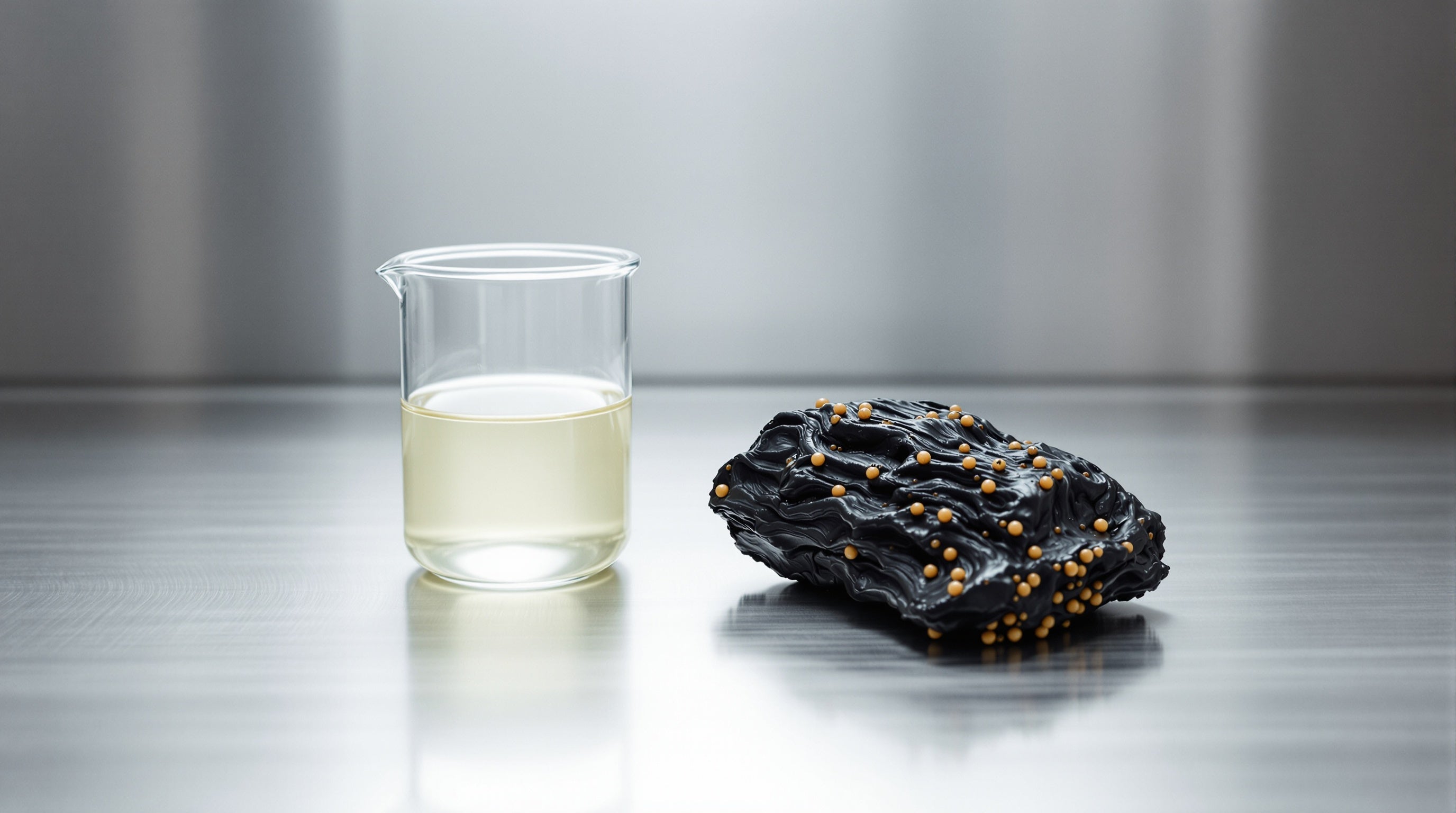
Oud (also called agarwood) is a dark, resin-rich heartwood produced when certain Aquilaria trees in Asia are infected by a specific type of mould. The tree defends itself by producing an aromatic resin that gradually saturates the wood. The more resin, the darker and more fragrant the wood becomes.
Only a small fraction of trees ever produce agarwood, and even then, extracting the oil is slow and wasteful: many kilos of wood for a few millilitres of oil. Add to that the fact that several agarwood-producing species are now protected, and you begin to understand why high-grade oud is one of the most expensive materials in perfumery.
Traditionally:
- Oud chips are heated over charcoal or electric burners, scenting clothes, homes and hair.
- Distilled oud oil is worn neat on skin or blended with florals and musks into attars and mukhallats.
In the last two decades, Western perfumery has fallen in love with oud, translating this ancient material into modern eau de parfum and extrait de parfum - from mainstream releases to rare artisanal extraits.
2. The main "styles" of natural oud
Because oud is shaped by species, soil, climate and distillation style, collectors often talk about styles rather than just countries. These are broad families, not strict rules - but they're helpful when you're smelling.
Hindi / Indian style
Often the most challenging to Western noses at first.
- Animalic, barnyard-like opening: hay, leather, smoke, stables.
- A drydown that becomes spiritual, leathery, tea-like and spicy.
For a taste of this deep, smoky character, Bortnikoff's Oud Maximus layers several real oud oils with smoke and incense.
Cambodi style
- Jammy red fruits, plums and figs.
- Honeyed sweetness, soft chocolatey woods.
- Little to no barnyard funk - often very beginner-friendly.
Borneo style
- Airy, almost minty freshness.
- Pine needles, light woods, touches of vanilla and pale flowers.
- Often described as "sparkling" or meditative.
In the catalogue, Ensar Oud Blue Kalbar from West Kalimantan captures this cool, airy Borneo character.
Papuan style
- Green, leafy, slightly bitter facets.
- Herbal, tea-like, sometimes with a violet leaf nuance.
- A cool, rainforest feeling rather than dense smoke.
Vietnamese / Kyara style
- Rich, savory depth with tart edges.
- Complex incense and "aged temple wood" nuances.
- A very dignified, almost solemn style of oud.
Most modern oud oils and blends aren't 100% from one terroir; distillers often aim for a style (Cambodi sweetness, Hindi smoke, Borneo freshness) using plantation wood and careful distillation.
3. Natural oud vs. synthetic oud accords
This is a quick primer. For a deeper walkthrough of how to spot real oud versus synthetic accords, see our full guide on how to tell real oud from synthetic oud.
Natural oud is:
- extremely rare and expensive, and
- tightly linked to sustainability and conservation issues.
So most spray perfumes use:
- a mix of real oud and synthetic "oud-like" molecules, or
- in many mainstream cases, mainly synthetics designed to evoke oud.
How real oud behaves in perfume
Real oud oil is extremely complex. It can smell of:
- woods and smoke,
- leather and incense,
- dried fruits and honey,
- damp earth, cocoa, even white florals - often all in one oil, evolving over hours.
This complexity is why artisanal houses such as Bortnikoff, Ensar Oud and Areej Le Doré build entire perfumes around real oud oils. You'll find several of these in decant form here at Gouttes Rares.
How synthetic oud accords work
- some focus on the dry, medicinal "band-aid" side you may know from mainstream ouds,
- some recreate the smoky, incense-like smell of oud chips on a burner,
- others emphasize the creamy, leathery warmth.
These accords are consistent, affordable, and very versatile. They let perfumers explore fruit, florals, leather and gourmand ideas without needing grams of precious wood.
4. How oud comes alive in the Gouttes Rares catalogue
At Gouttes Rares, we curate a spectrum of oud fragrances: from smooth, Western-styled "suit and tie" oud to unapologetically intense artisan extraits. For the full line-up, see our guide to the best oud fragrances to try as decants.
All of the perfumes below are available as authentic decants (typically 2 ml, 5 ml and 10 ml), with sealed full bottles made to order (about 3 weeks).
4.1. Gateway oud: elegant, wearable, office-safe
Creed - Royal Oud
Royal Oud treats oud as one wood among many in a classy, woody-spicy construction. Bright pink pepper and lemon sit over sandalwood and cedar, making it polished and easy to wear to the office.
Maison Francis Kurkdjian - Oud Satin Mood
Oud Satin Mood is all about silk and glow, wrapping oud in plush rose, violet and vanillic benzoin for a sweet, cozy second-skin warmth.
4.2. Fruit & fire: the new wave of playful ouds
Maison Crivelli - Oud Maracuja
Oud Maracuja shows how modern perfumery is having fun with oud, pairing it with juicy passionfruit for a bright, tropical-fruity twist on the wood.
Frédéric Malle - The Moon
The Moon is a blazing duet of red fruits and oud, lifted by incense and musk into something radiant, sweet and unapologetically loud.
Fragrance Du Bois - Rude Oud
Rude Oud pairs tart raspberry and saffron with plush leather, giving a smooth fruity-leathery oud that stays soft rather than smoky.
4.3. Deep, smoky and atmospheric ouds
Louis Vuitton - Ombre Nomade
A tribute to desert nights, balancing smoky oud and incense against a touch of raspberry and resinous benzoin for a warm, beam-like sillage. See how the strongest ouds rank in our oud decants ranked by performance.
Initio - Oud for Greatness
A modern cult favourite, blending oud and saffron with creamy lavender and musk into a powerful, slightly gourmand woody scent.
4.4. Artisanal oud for connoisseurs
Bortnikoff - Oud Maximus
Layers several real ouds with smoke, dried fruit and incense, showcasing the depth and evolution only natural oud oils can give.
Ensar Oud - Blue Kalbar
A meditative, artisanal Borneo oud from West Kalimantan, opening cool and airy on blue cypress and lavender before soft florals and a touch of nutmeg settle into clean, calm woods rather than barnyard funk.
Areej Le Doré - Al Majmua
Dense, mysterious, textured, weaving real oud through musk, ambergris and soft florals for a rich, slow-evolving artisanal experience.
5. How to choose your first (or next) oud from Gouttes Rares
"I'm new to oud and a bit scared"
"I love strong scents and want a statement"
"I'm an oud nerd - give me the real complexity"
Because we specialise in decants, you can turn this into your own private study of oud:
Start with 2 ml or 5 ml of a few different styles, wear each several times, and notice which direction you're drawn to - fruity, floral, smoky, leathery or airy.
New to sampling oud? Our guide on oud samples and how to start walks through the first steps.
6. Oud as a journey, not a single smell
One of the biggest myths about oud is that it is "just one very strong smell". In reality, oud can be:
- clean and airy (Borneo style),
- fruity and honeyed (Cambodi style),
- smoky and spiritual (Hindi/Assam style),
- tropical and playful (as in the passionfruit-tinged Oud Maracuja),
- or dark, leathery and ceremonial (as in Ombre Nomade or Oud for Greatness).
The Gouttes Rares catalogue reflects this diversity - from the Western polish of Royal Oud to the deep artisanal character of Oud Maximus and Blue Kalbar.
By offering these fragrances as decants, we want Gouttes Rares to be more than just a shop. Think of it as a school of oud: a place where you can smell, compare and slowly fall in love with one of perfumery's most fascinating materials - one tiny drop at a time.

Leave a comment
This site is protected by hCaptcha and the hCaptcha Privacy Policy and Terms of Service apply.