


Xerjoff - Naxos
Naxos opens on a burst of lavender and bright citrus before honey and cinnamon pull it into warmer, more intimate territory, the whole structure anchored in vanilla-soaked tobacco and tonka that lingers for hours against the skin.
The Nose
Composed by Chris Maurice for Xerjoff, also behind Lira, Alexandria II and More Than Words.
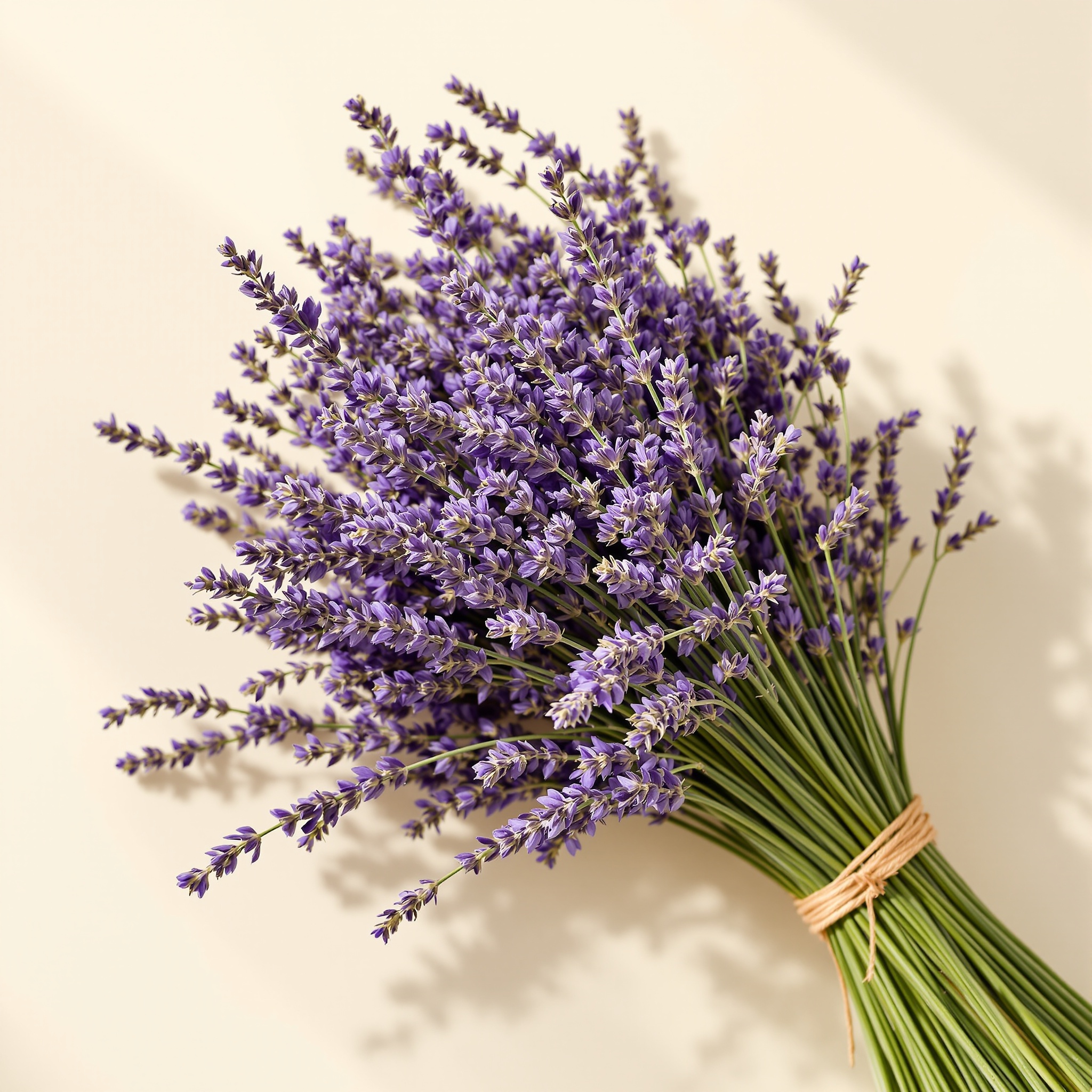
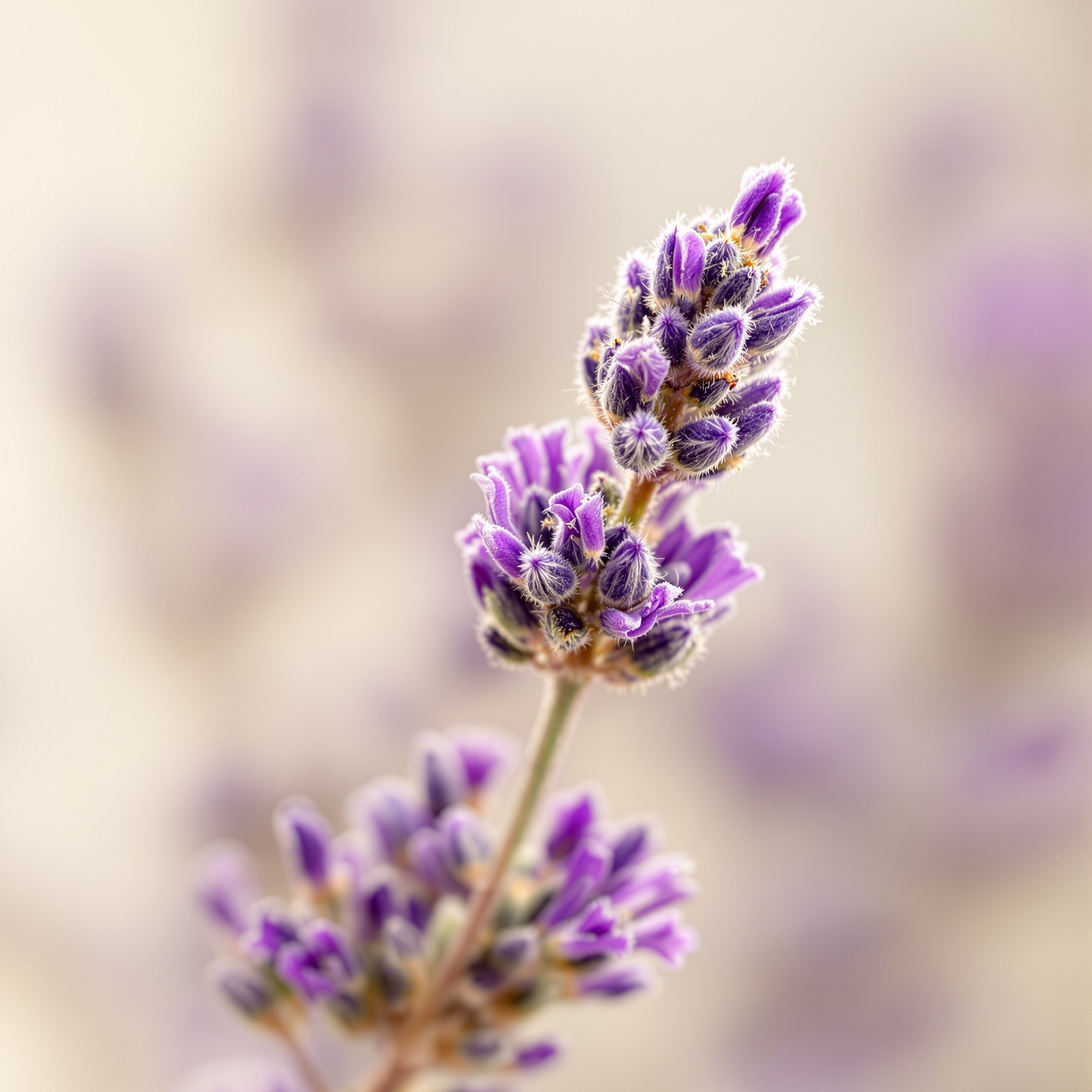
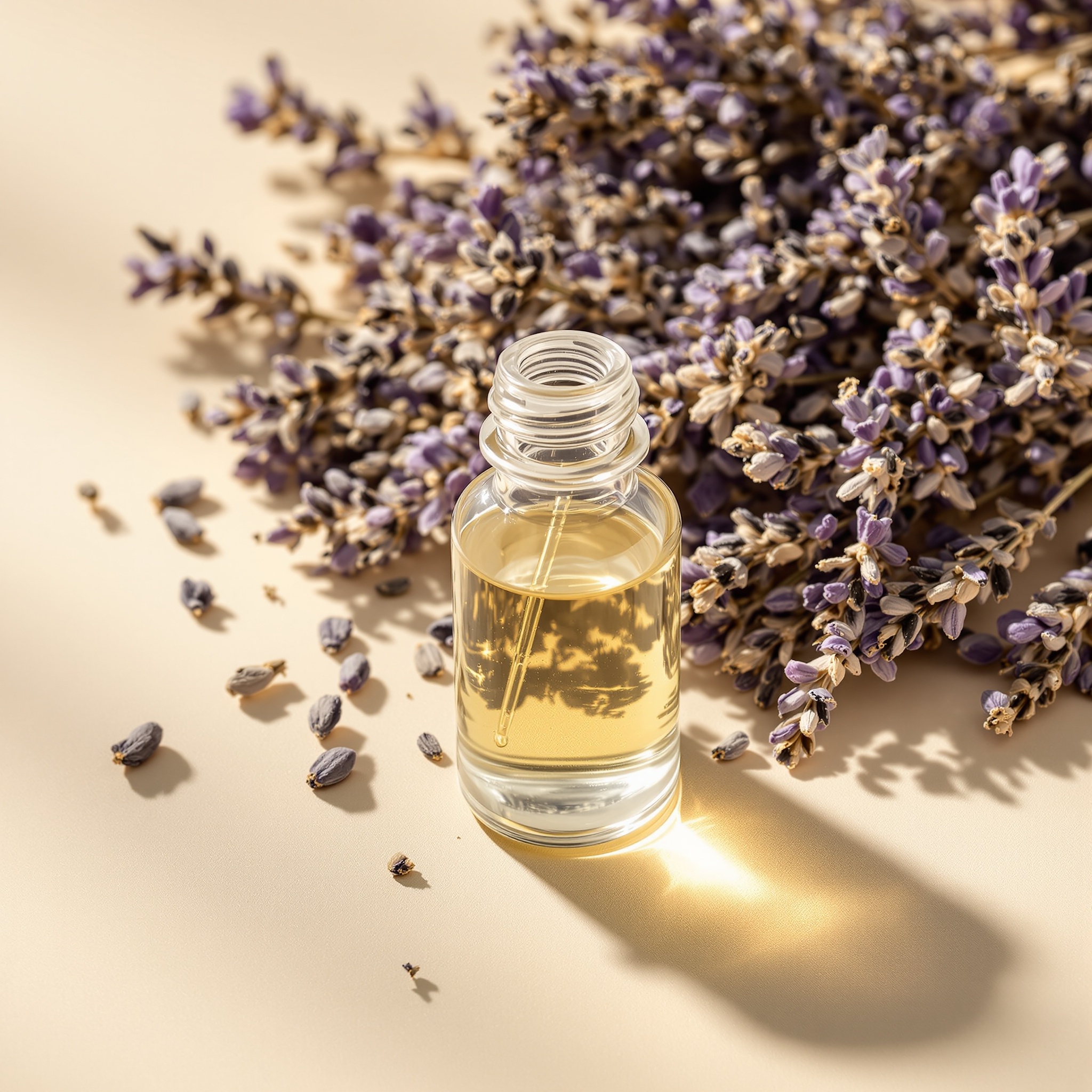
Lavender
Cool herbal blue from a sunlit hillside
What it is
Lavender is a woody Mediterranean shrub in the mint family, mainly Lavandula angustifolia, grown across Provence and Bulgaria. The flowering tops are cut at peak bloom and steam-distilled, the purple spikes yielding a pale essential oil; solvent extraction of the flowers gives a darker, richer absolute.
How it smells
Clean, herbal and aromatic, with a cool camphor lift over soft floral sweetness. The opening is sharp, green, almost minty; the dry-down warms into hay, faint vanilla and a powdery, slightly fruity calm. True angustifolia smells rounder and sweeter than the harsher lavandin hybrid.
In perfumery
A top-to-heart note and the backbone of the fougere family, pairing with oakmoss, coumarin and tonka in barbershop accords. It also softens citrus colognes and bright florals. It anchors the great pioneering aromatic fougeres and countless aromatic masculine scents.
Good to know
Provence lavender fields draw millions of visitors, yet much commercial oil is actually lavandin, a sterile hybrid yielding far more per hectare. A spreading bacterial disease, phytoplasma decline spread by sap-sucking planthoppers, has pushed true angustifolia plantings higher into cooler mountain altitudes.
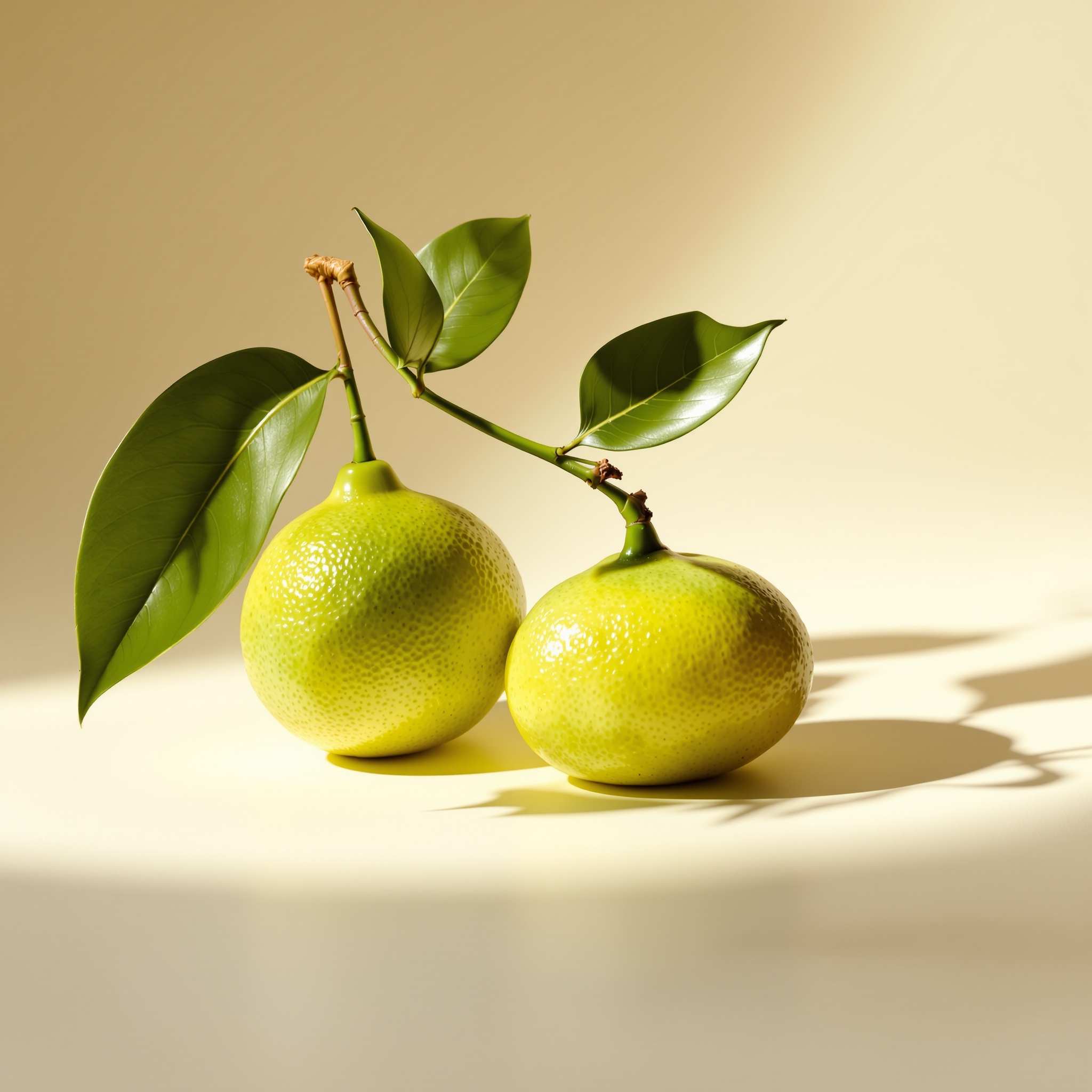
Bergamot
Sparkling citrus light with a bittersweet edge
What it is
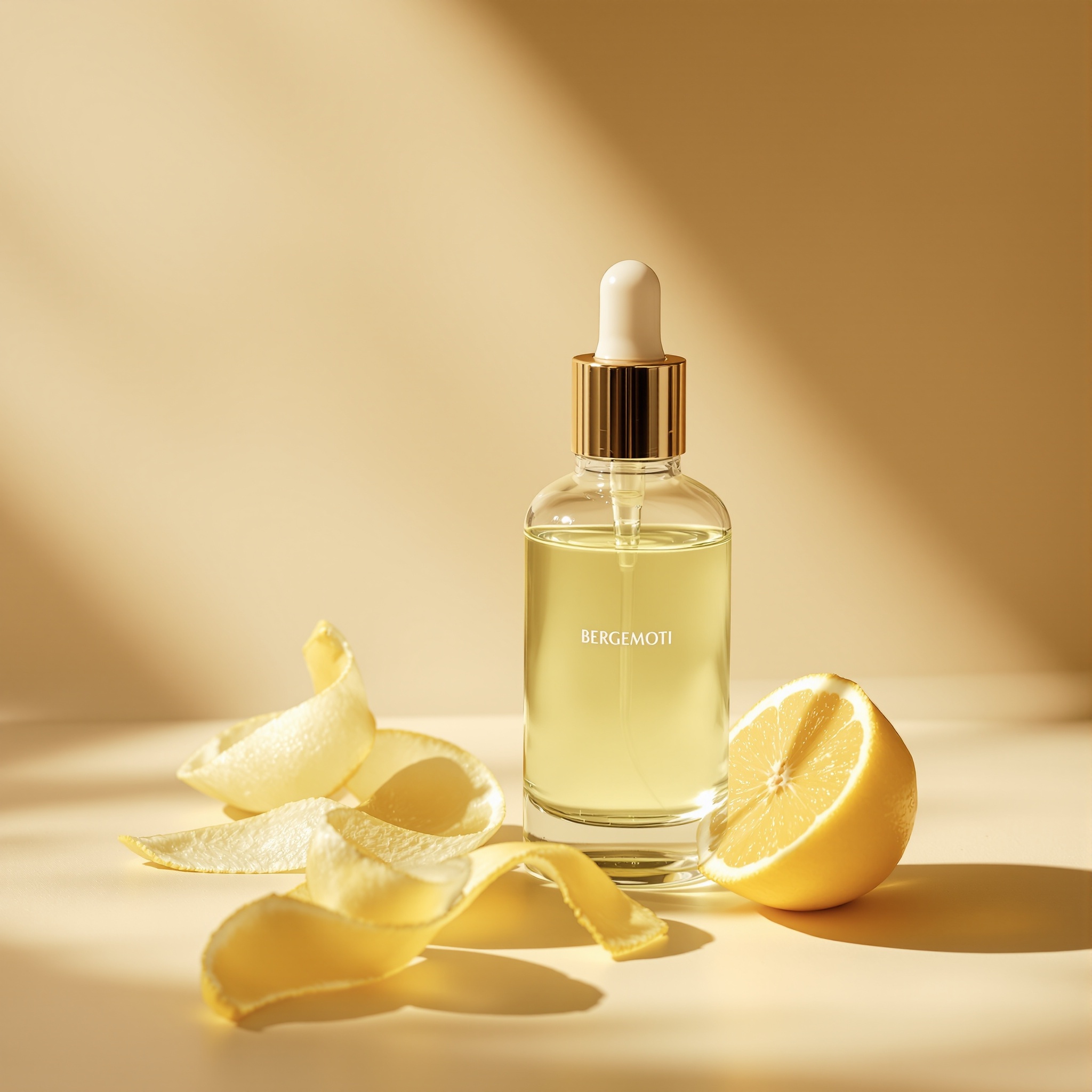
Bergamot is a small citrus fruit, Citrus bergamia, grown almost entirely along the Calabrian coast of southern Italy. The aromatic oil sits in glands in the rind of the unripe green-yellow fruit and is cold-pressed mechanically from the peel rather than distilled, preserving its fresh brightness.
How it smells
Bright, zesty and green, a sweet citrus sparkle softened by a floral, almost tea-like smoothness. Underneath runs a faintly bitter, balsamic warmth that sets it apart from lemon or orange. It flashes lively on opening, then fades quickly into a soft, slightly spicy hum.
In perfumery
The classic top note, bergamot adds freshness and lift while blending sharp citrus into the heart. It defines eau de cologne and the fougère family, harmonizing with lavender, neroli and oakmoss. It opens countless modern fresh-floral compositions, and its oil gives Earl Grey tea its scent.
Good to know
Natural bergamot oil contains bergapten, a furocoumarin that makes skin highly sensitive to sunlight and can cause burns. Modern perfumery uses bergapten-free (FCF) oil to meet IFRA safety limits, so most contemporary bergamot in fragrance is purified rather than raw cold-pressed oil.
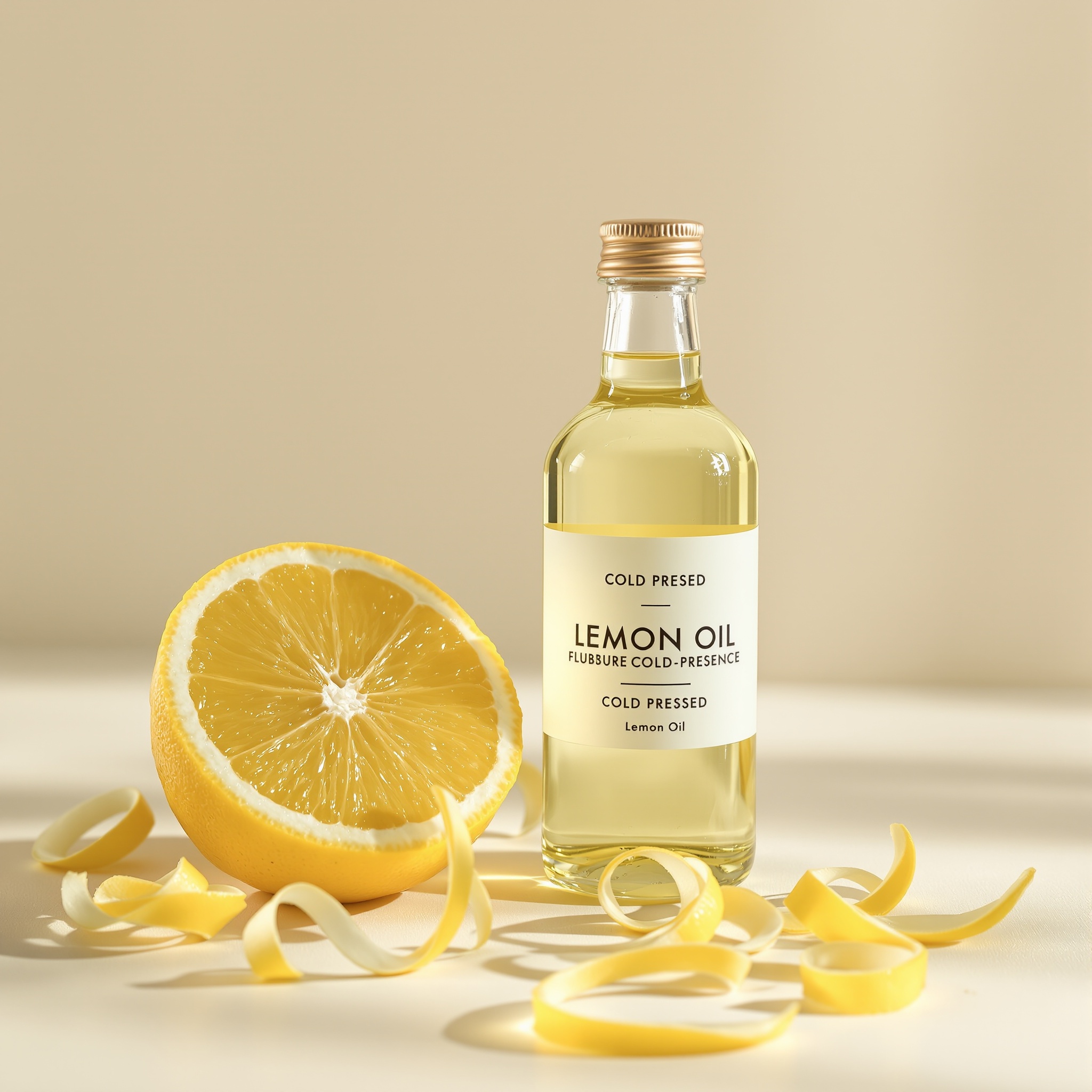
Lemon
Cold yellow zest snapping into bright sun
What it is
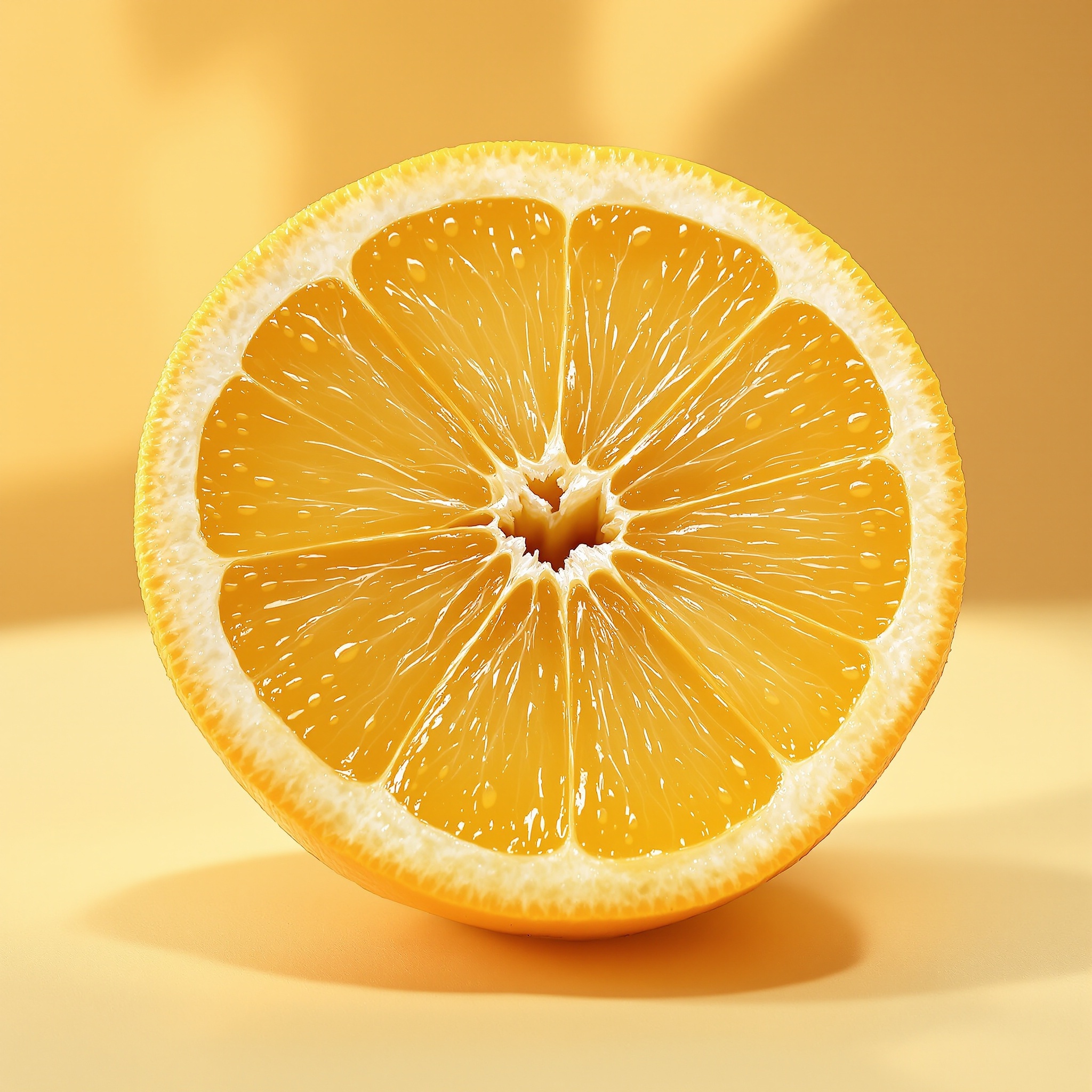
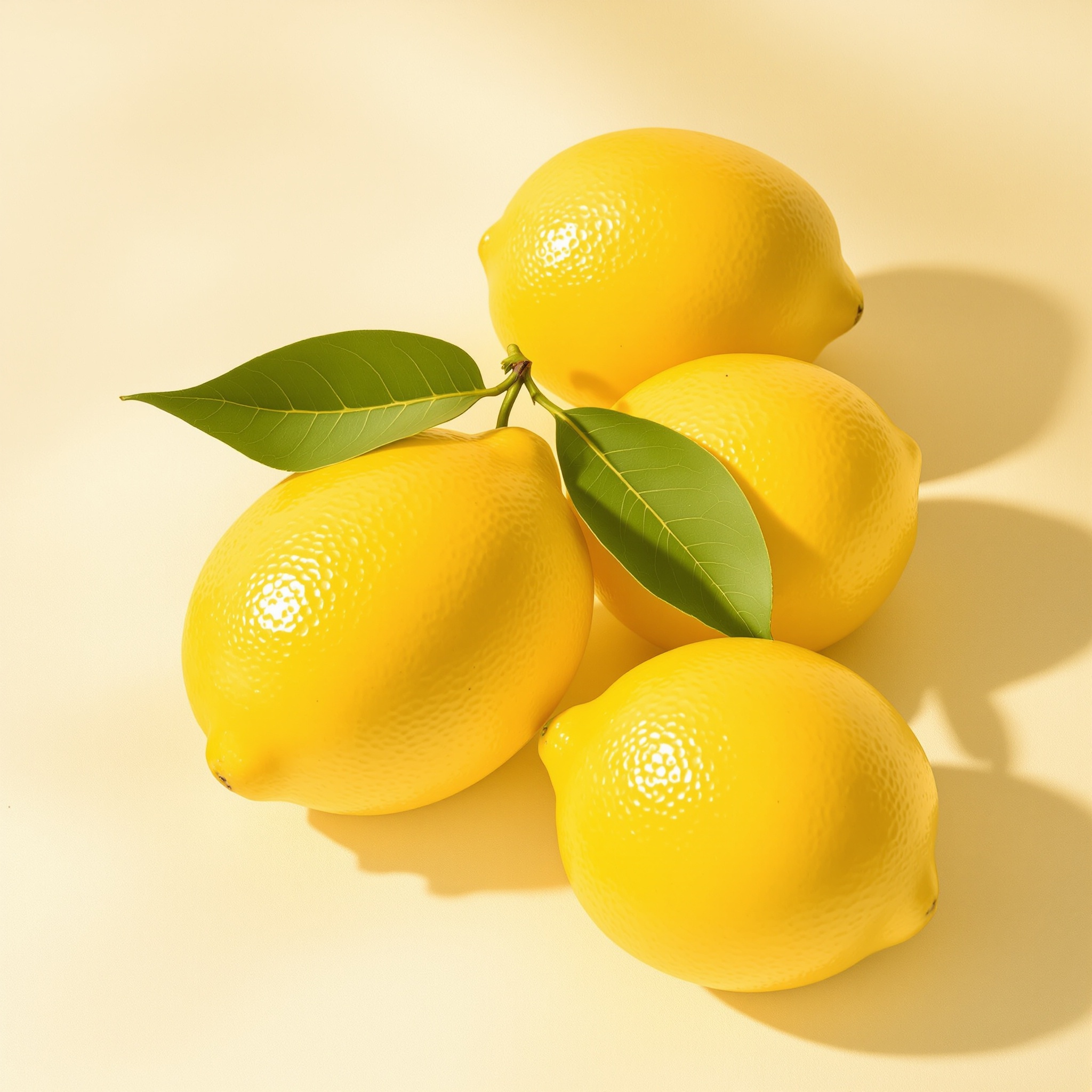
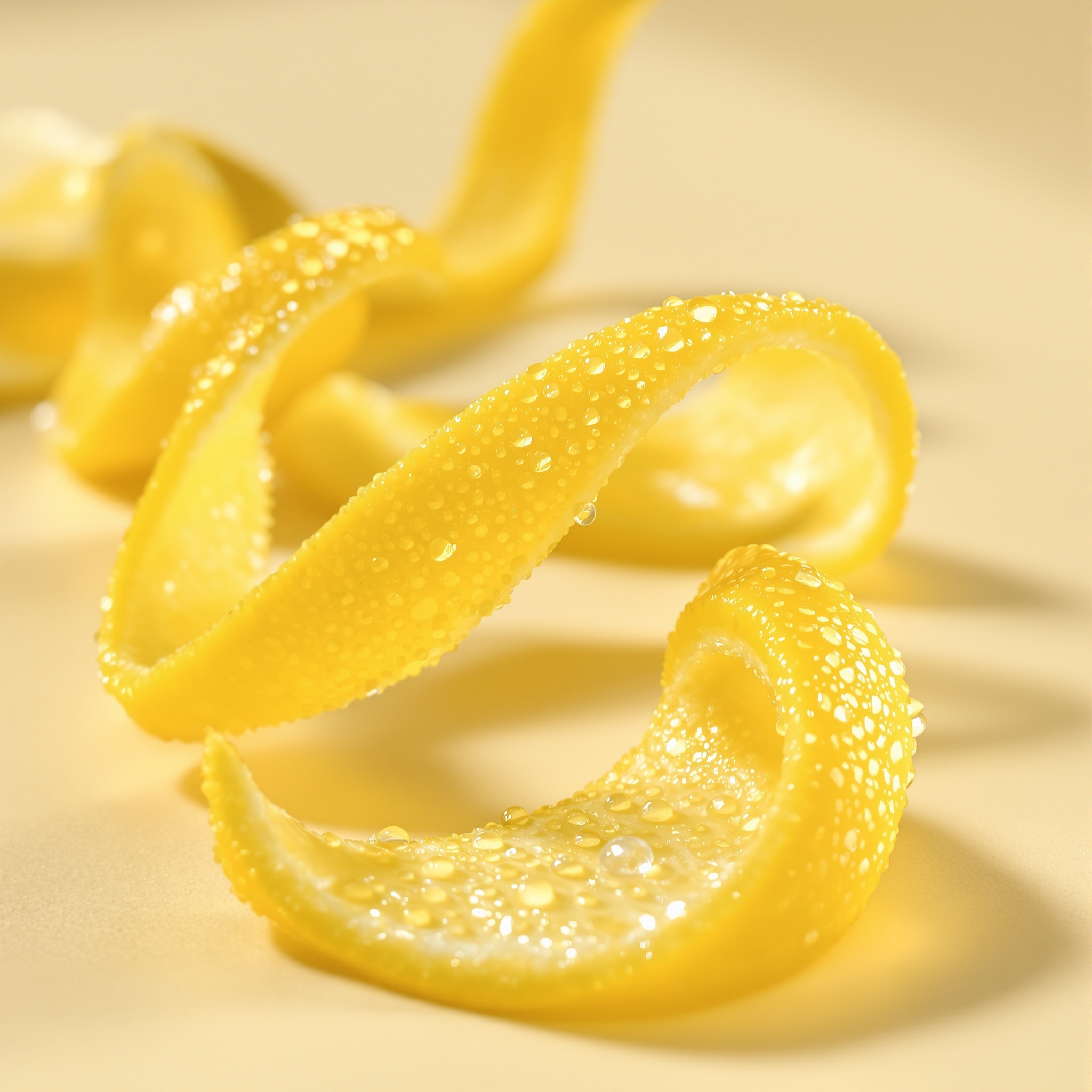
Lemon is the fruit of Citrus limon, a small evergreen tree grown around the Mediterranean, especially Sicily and Calabria, and in California. The aromatic oil sits in tiny glands in the colored peel and is cold-pressed mechanically from the rind, a squeezing and scraping rather than distillation.
How it smells
Sharp, juicy and instantly recognizable, a cold bright zest with sparkling sourness. The opening is tart, green and effervescent, driven by limonene and citral; beneath sits a faint sweet pith and a clean, slightly waxy peel facet. It is fleeting, fading within minutes.
In perfumery
A classic top note prized for lift, freshness and instant cleanliness, it powers the eau de cologne tradition alongside bergamot, neroli and petitgrain. Because it evaporates fast, it is often reinforced with citral. It defines the great classic colognes and the bright, sparkling opening of countless fresh fragrances.
Good to know
Cold-pressed lemon oil contains photosensitizing furocoumarins that can trigger sun-induced skin burns, so perfumers often use a furocoumarin-free version. It also oxidizes quickly, turning harsh and turpentine-like, which is why citrus fragrances are notoriously hard to keep stable in the bottle.
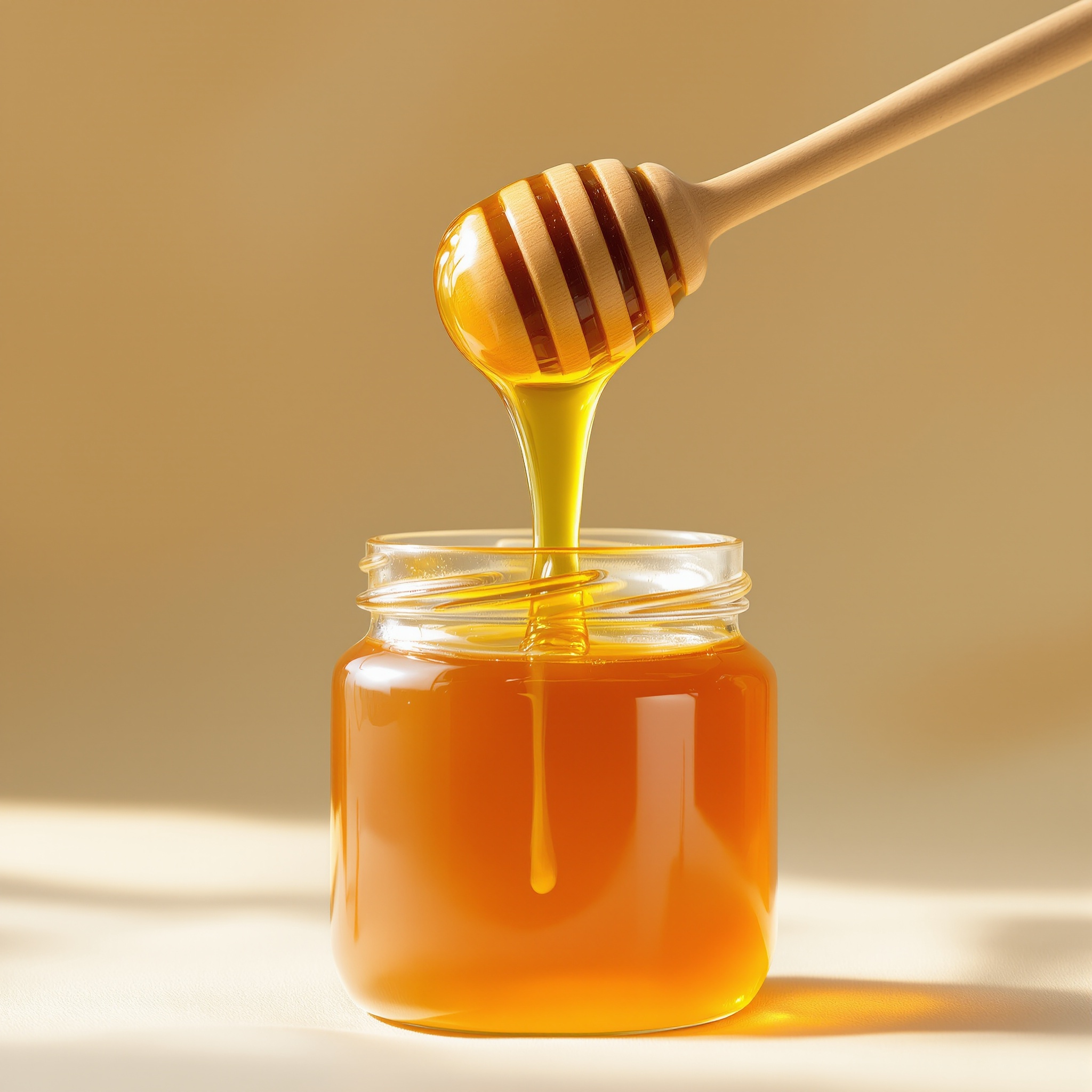
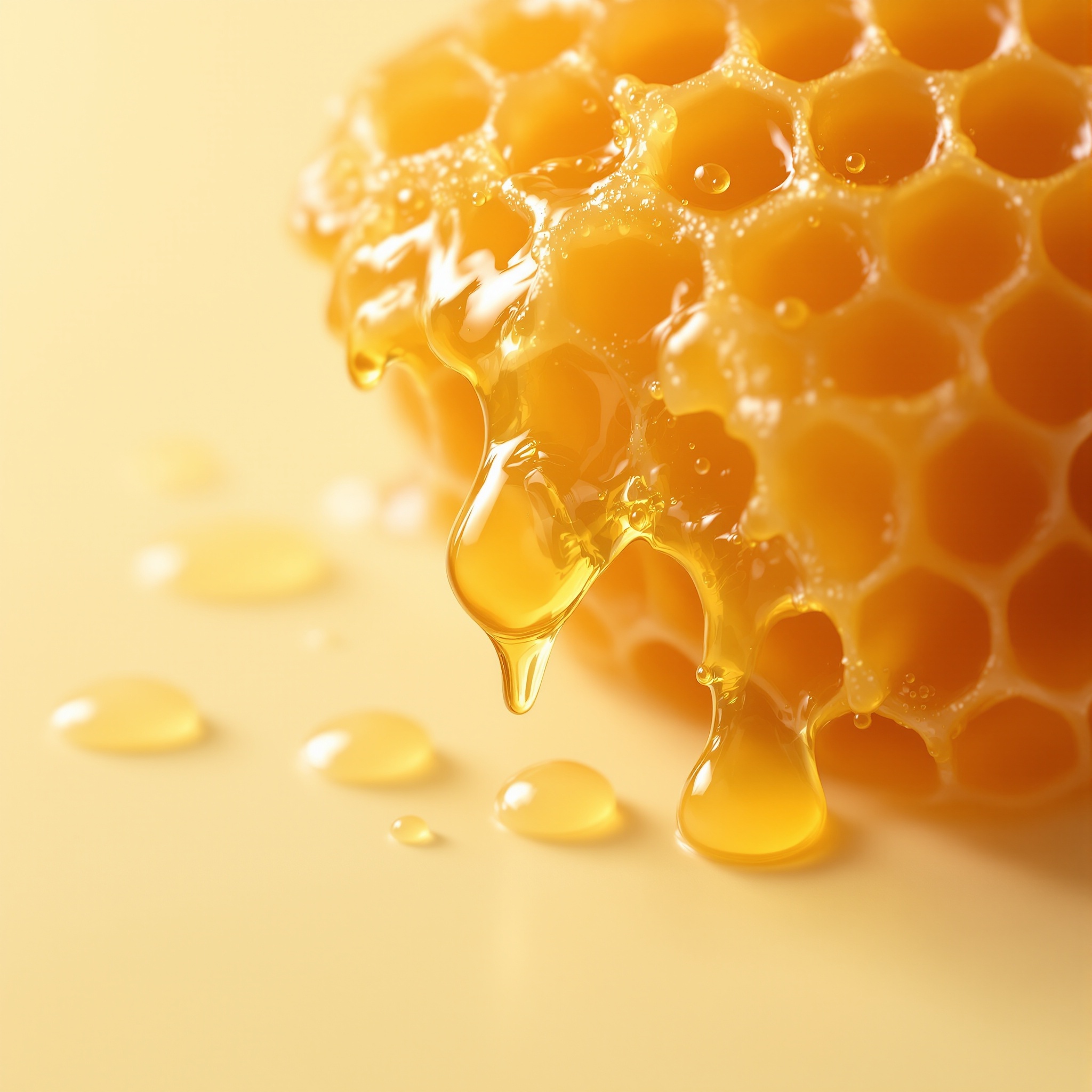
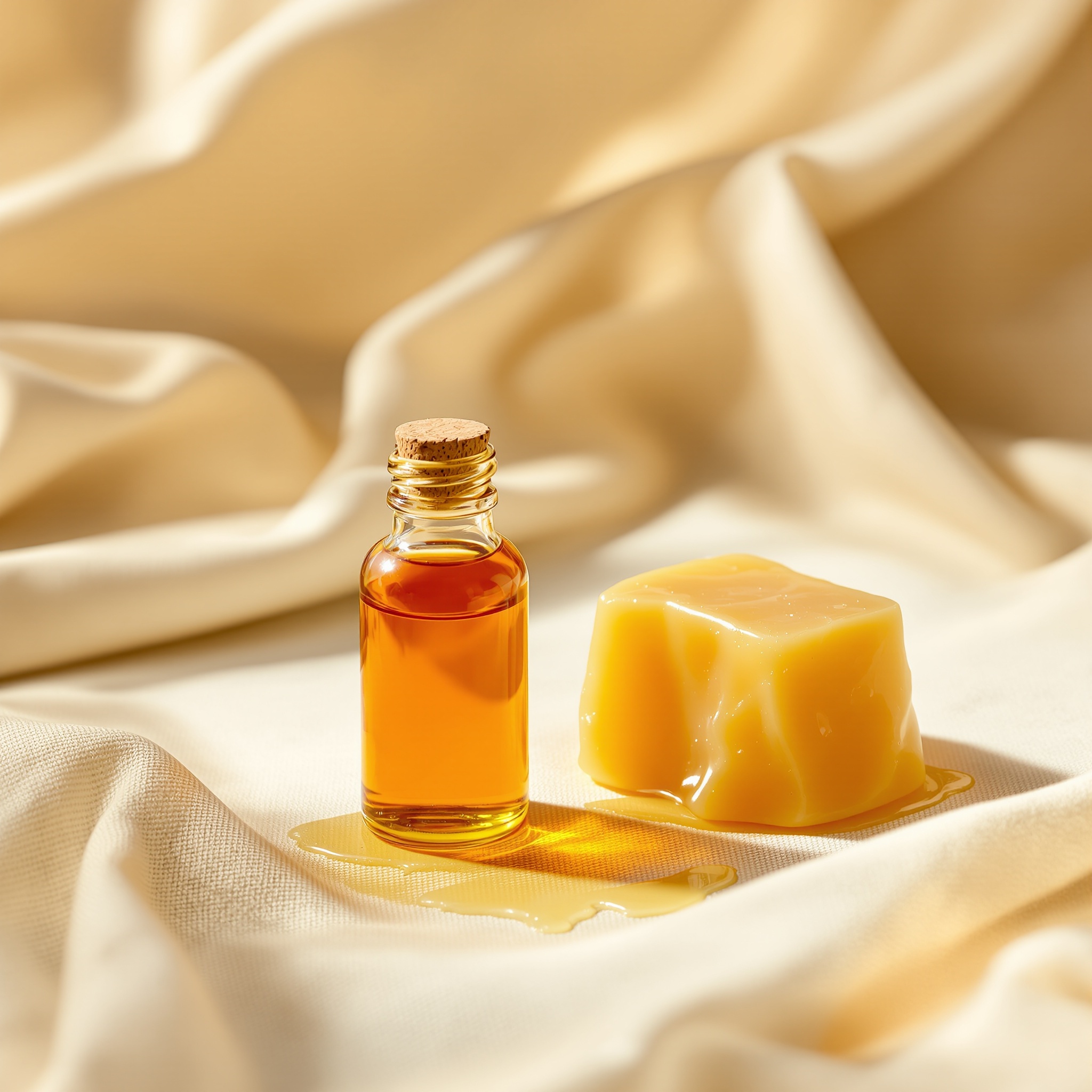
Honey
Golden nectar, warm waxy and faintly animal
What it is
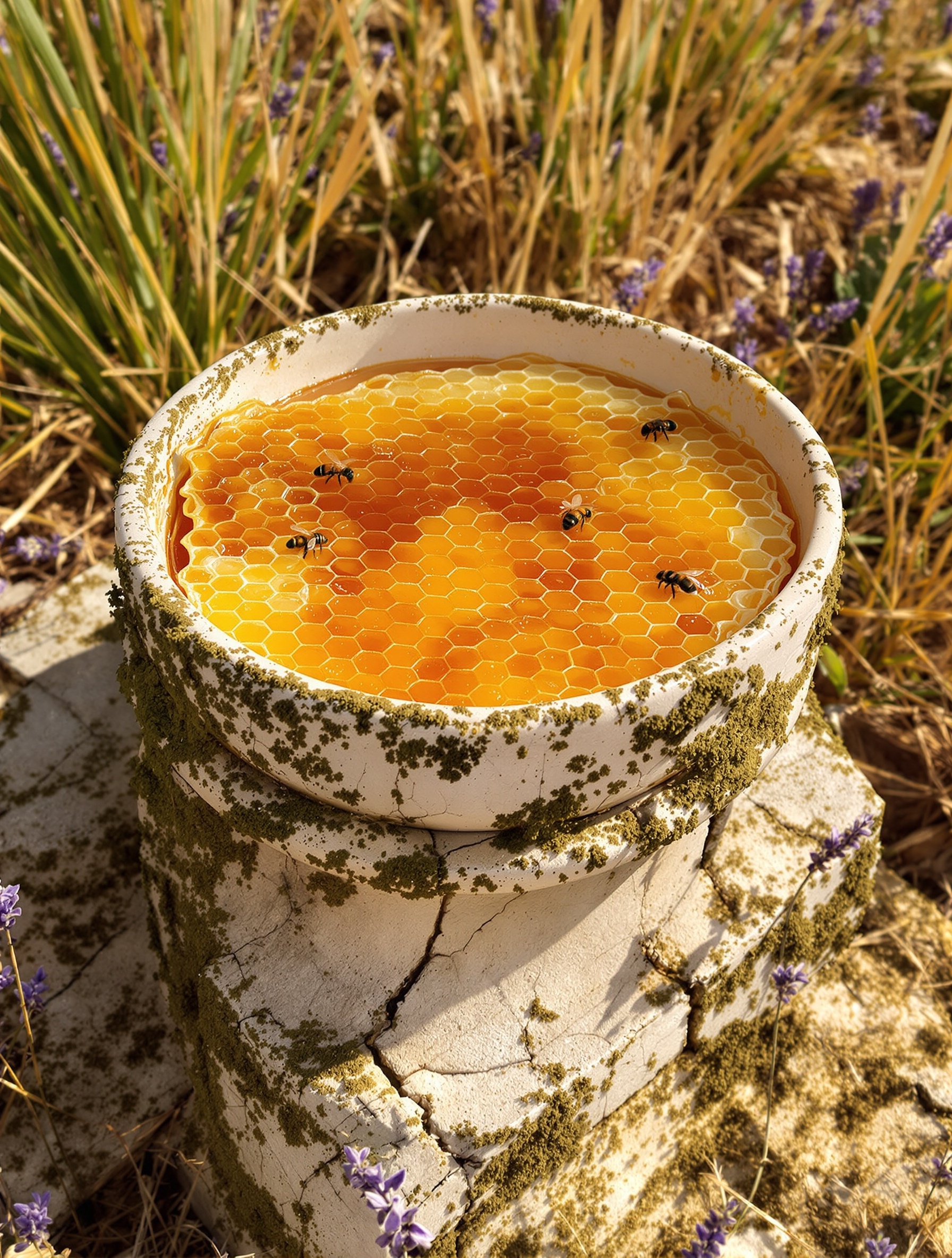
A natural product made by bees from flower nectar, concentrated in the hive into a thick golden syrup whose scent reflects the flowers foraged. In perfume it is usually built from aroma-chemicals like phenylacetic acid and from beeswax absolute, since raw honey itself resists clean extraction.
How it smells
Sweet, dense and viscous, with warm beeswax, dried fruit and a distinctly animalic, almost urinous undertone from phenylacetic acid. It can read floral and powdery or leathery and sour depending on dosage. The richness sits heavy, golden and very slightly fermented.
In perfumery
A heart-to-base material adding warmth, sweetness and a sensual animalic lift. It pairs with tobacco, orange blossom, immortelle, beeswax and leather. Some niche compositions explore its raw, woody and feral side, while many tobacco and oriental scents use honey to round their sweetness.
Good to know
The animalic, almost feral edge of honey comes largely from phenylacetic acid, which smells of both honey and stale sweat and even hints at civet. Used heavily, a honey note turns surprisingly dirty and barnyard-like, which is why perfumers dose it with great restraint.
Cinnamon
Red bark warmth dusted with sweet fire
What it is
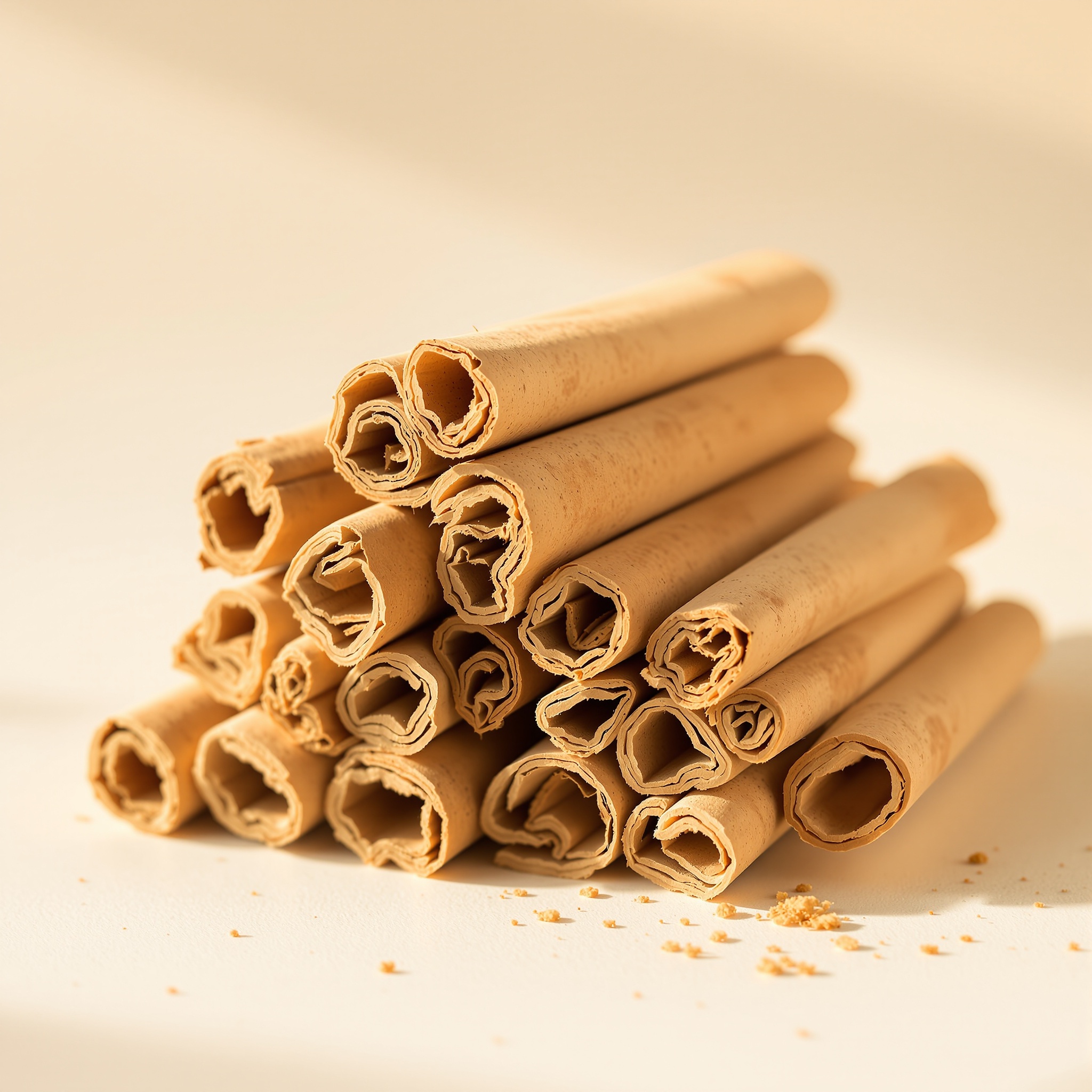
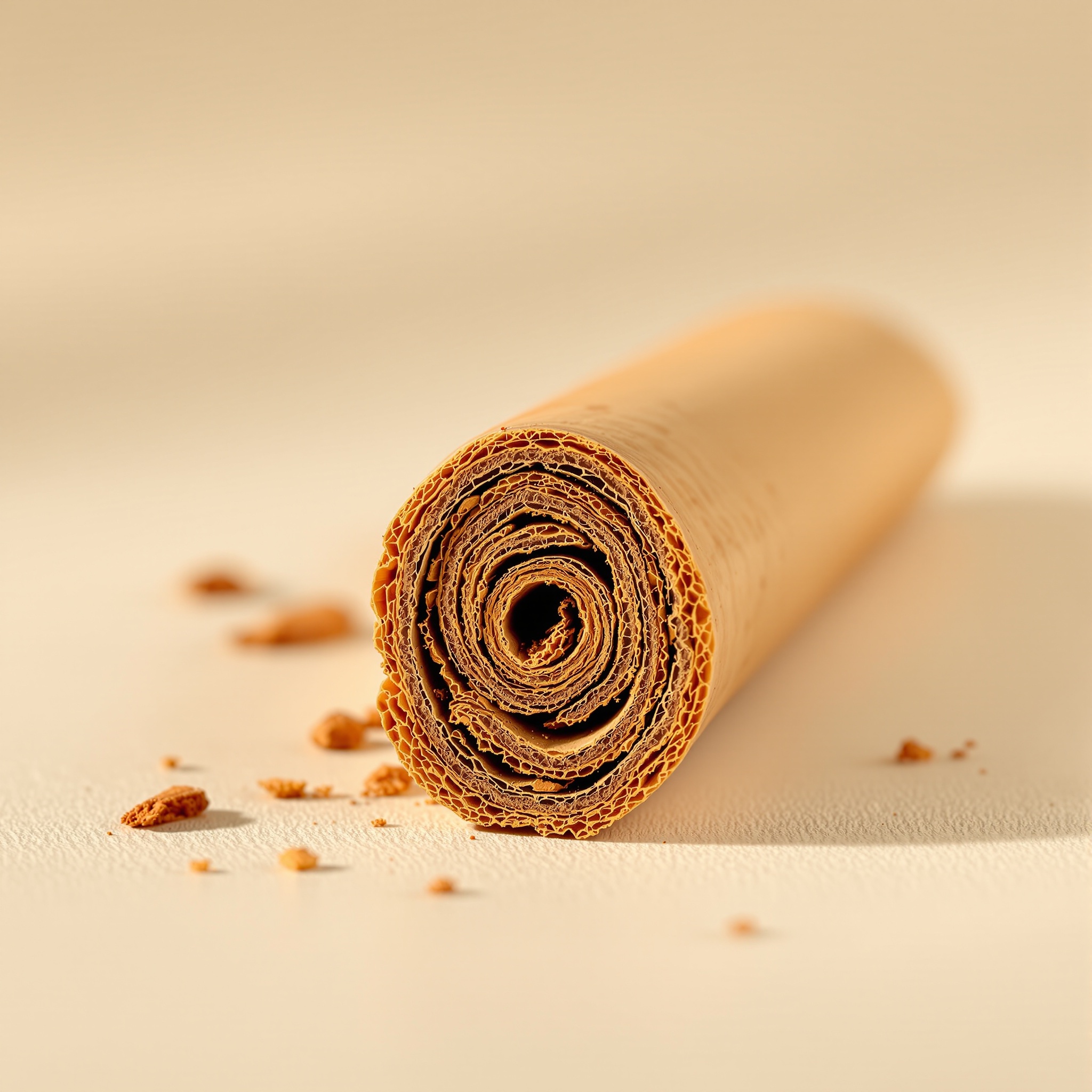
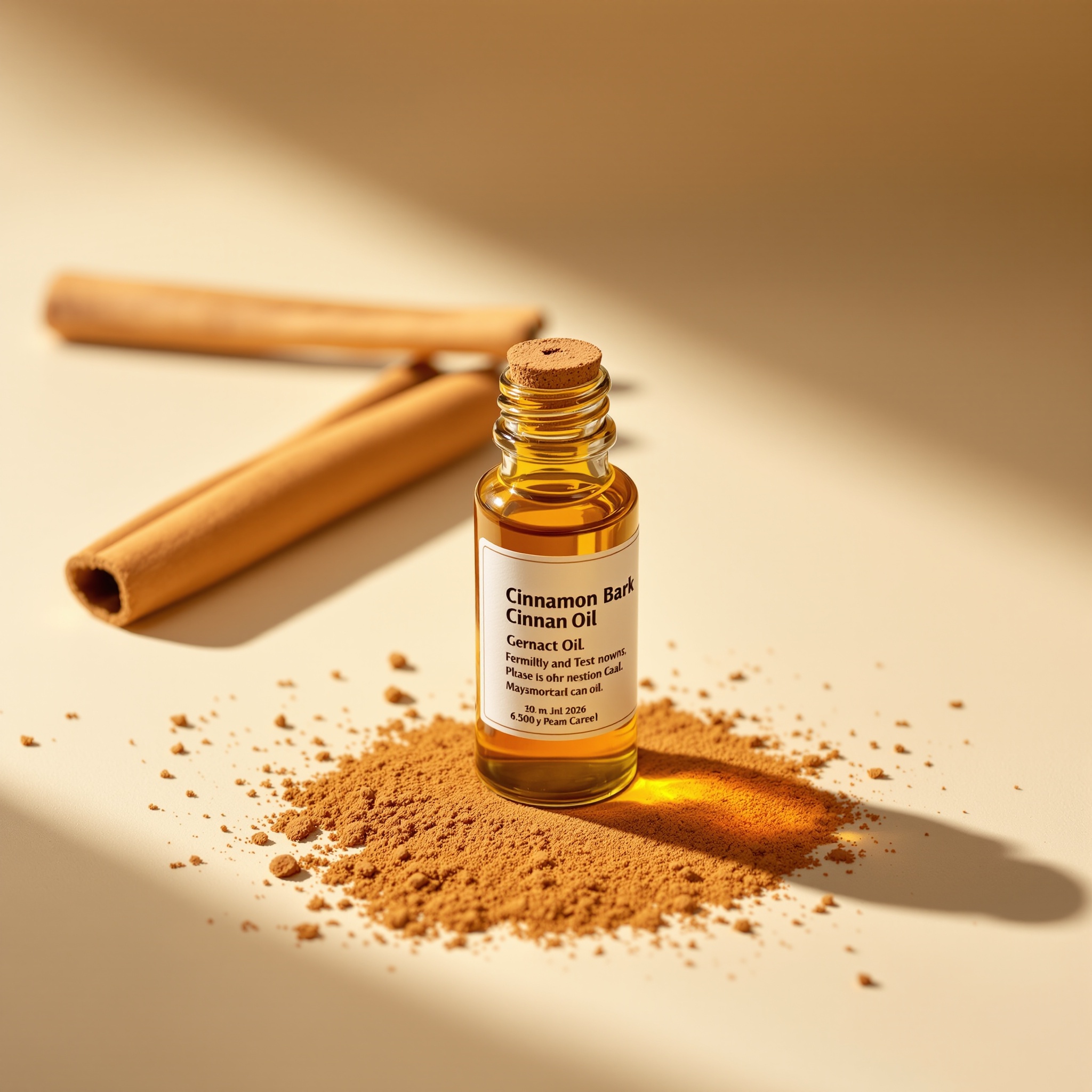
Cinnamon is the dried inner bark of evergreen Cinnamomum trees. True Ceylon cinnamon, C. verum, comes from Sri Lanka; the coarser, cheaper cassia from C. cassia is common in food. Bark strips are peeled, curled into quills, and steam-distilled into a bark oil rich in cinnamaldehyde.
How it smells
Warm, sweet and dry-spicy, with a glowing red-hot quality from cinnamaldehyde and a soft clove-like nuance from eugenol. Ceylon bark is rounder, faintly floral and refined; cassia is sharper and more biting. The dry-down feels woody, balsamic and faintly leathery.
In perfumery
A heart-note spice giving oriental and gourmand scents their cozy heat, it pairs with vanilla, amber, rose, apple and tobacco. Used sparingly, it adds glow without sting. It marks the classic spicy oriental and the spiced heart of many autumn fragrances.
Good to know
Cinnamaldehyde and related compounds are skin sensitizers, so IFRA strictly caps cinnamon bark oil in fragrance. Once worth more than its weight in gold, cinnamon helped drive Portuguese and later Dutch control of Ceylon; the Dutch even burned stockpiles to keep prices high.
Cashmeran
Soft synthetic warmth between wood and musk
What it is
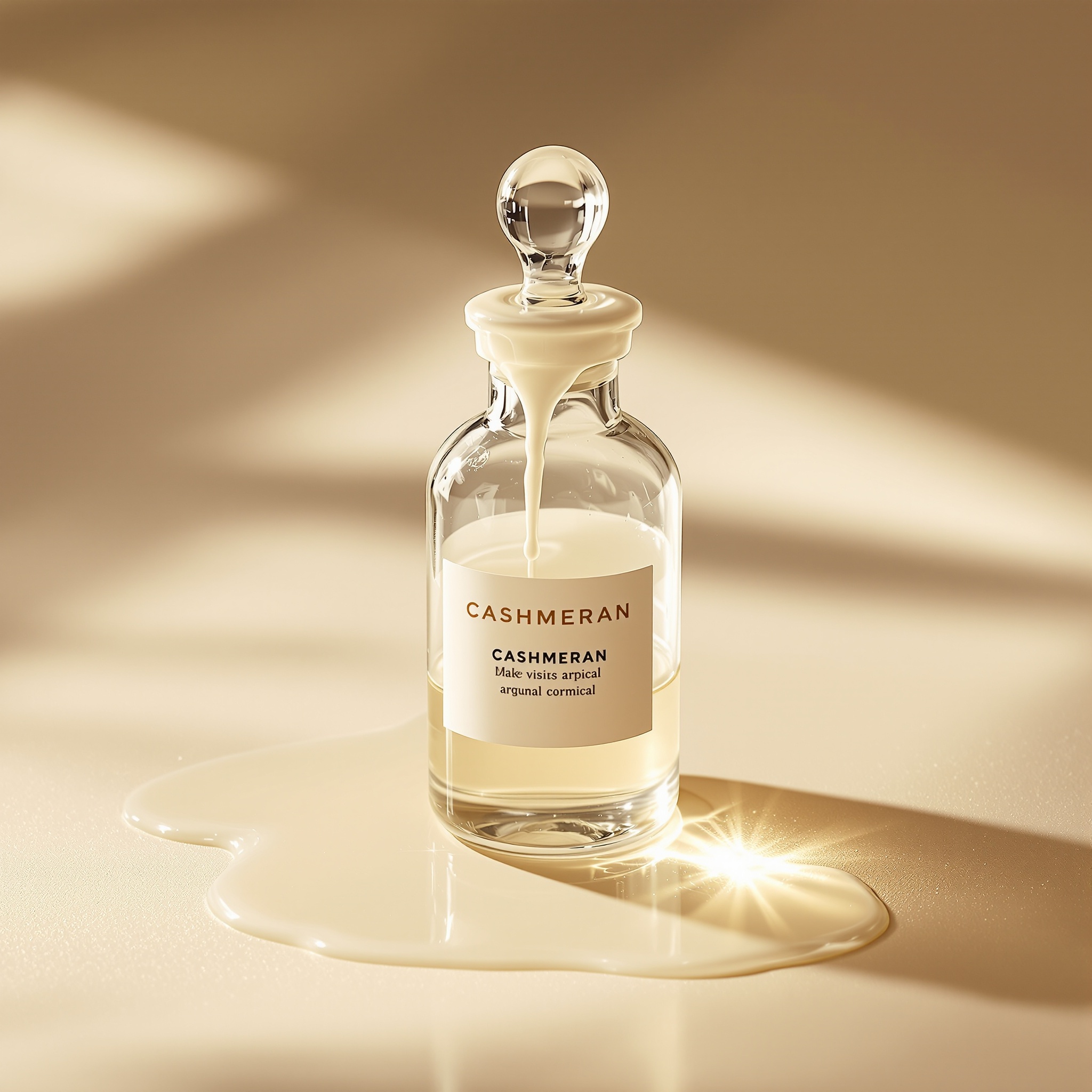
A purely synthetic aroma-chemical trademarked by IFF, an indanone ketone also called DPMI, discovered by chemist John B. Hall around 1970. It is built through chemical synthesis from petrochemical feedstocks, not extracted from any plant, and named to evoke the feel of cashmere wool.
How it smells
Woody and musky without resembling a specific wood, with a warm, soft, slightly spicy character. Facets of pine resin and balsam, a vanillic balminess recalling old paper, and a faint fruitiness blur together into a smooth, enveloping, tactile warmth.
In perfumery
A versatile base material bridging musk and wood accords, valued for smoothness and strong fixative power. It blends with almost anything and amplifies warmth and diffusion. Heavily dosed in modern woody-ambers, it underpins the cozy signature of many fragrances marketed around cashmere skin warmth.
Good to know
Despite the name, Cashmeran has nothing to do with goats, wool or any cashmere wood; the reference is pure marketing for its soft tactile feel. The molecule first turned up as a by-product during chromatographic analysis, and is now one of the most widely used woody-musky materials in perfumery.
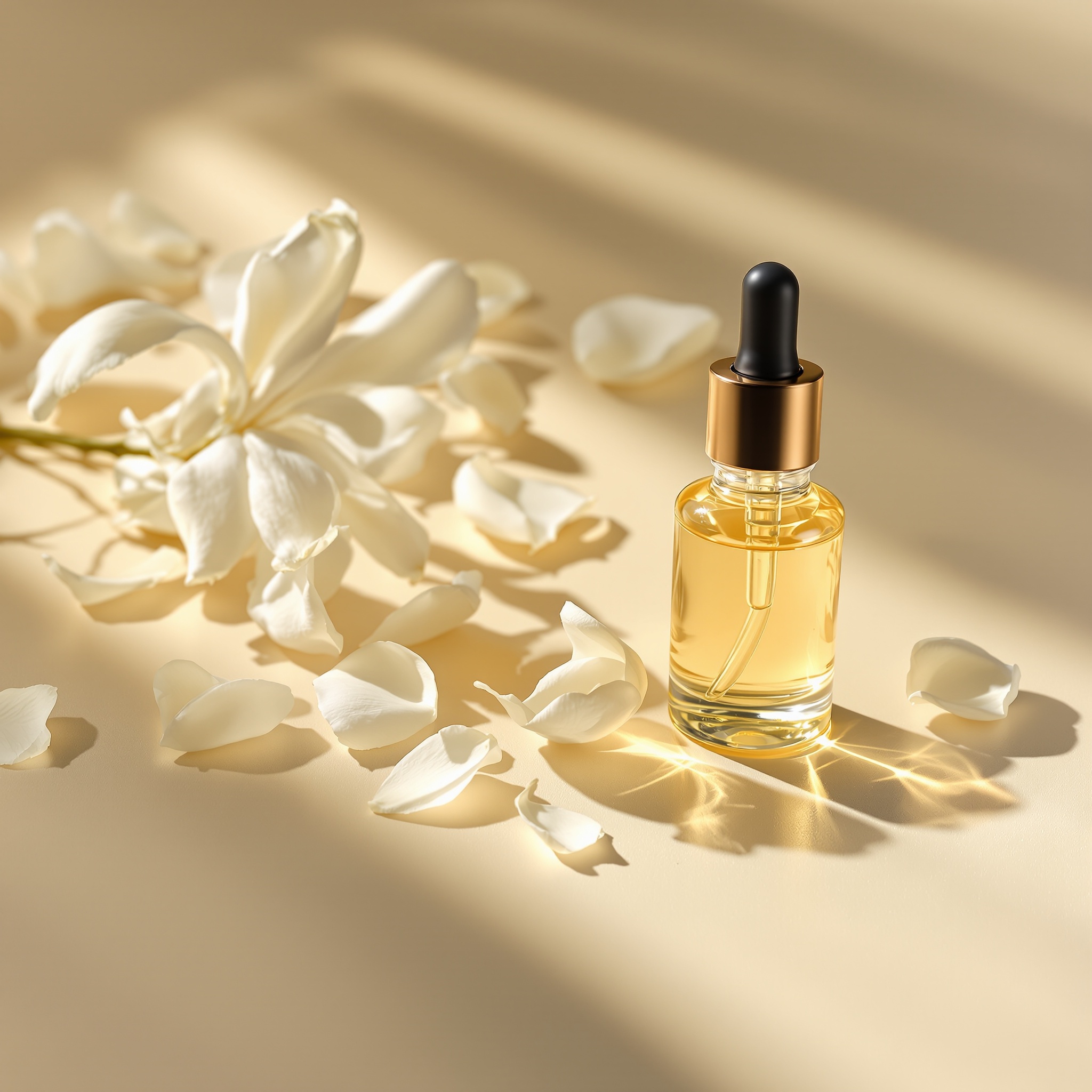
Jasmine Sambac
The white flower of warm Eastern nights
What it is
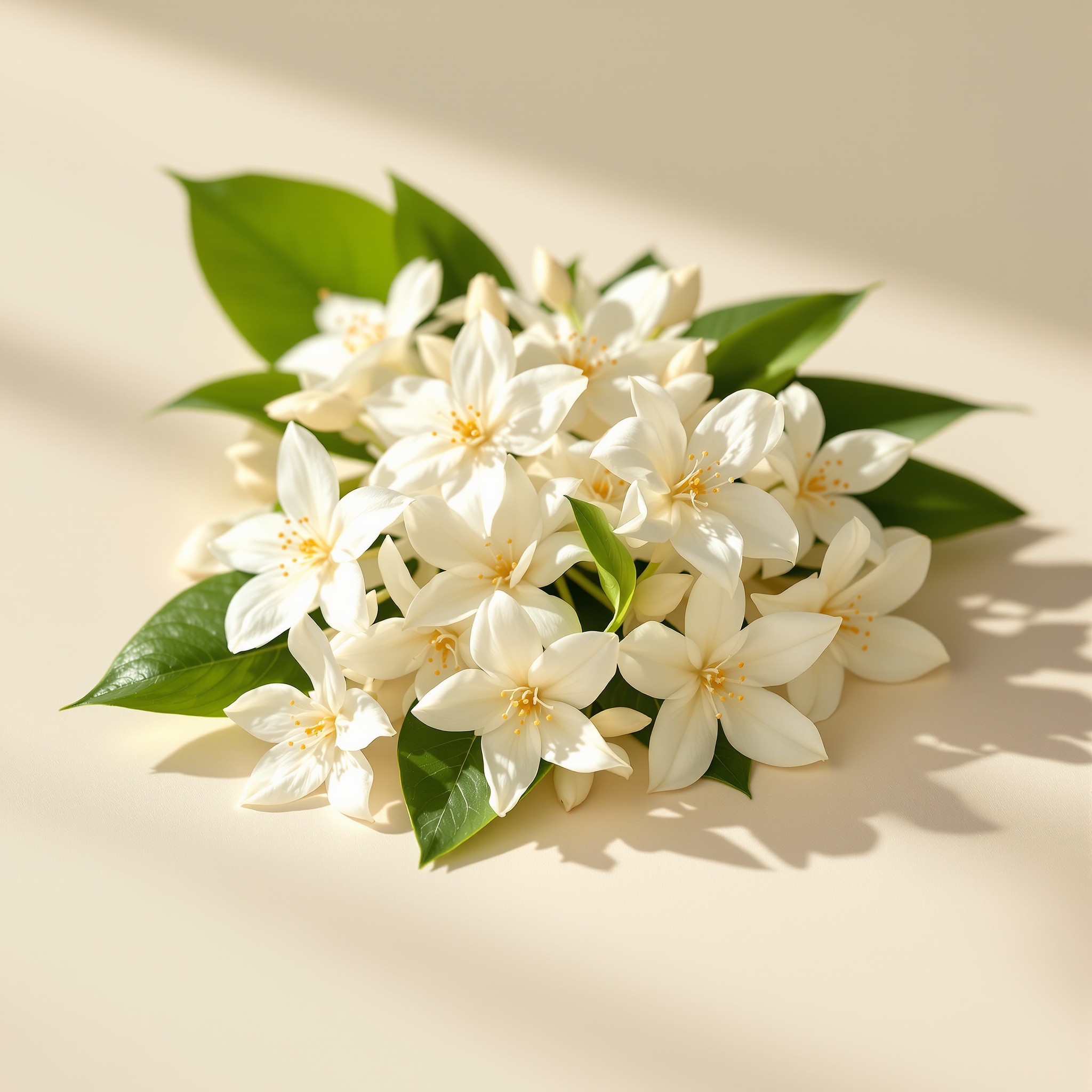
Jasmine Sambac is a climbing shrub, Jasminum sambac, in the olive family, cultivated in India, China and the Philippines. Its small white flowers open after dusk and are hand-picked before dawn, when scent peaks. Solvent extraction yields a waxy concrete, washed with alcohol into the absolute.
How it smells
Brighter, greener and more tea-like than grandiflorum jasmine, with less fruity heaviness. It opens crisp and slightly waxy, almost banana-tinged, then deepens into warm indolic sweetness. That indole carries an animalic, narcotic undertone that turns heady up close yet stays clear and luminous.
In perfumery
A heart note prized for lift and body, blending with rose, tuberose, sandalwood and green tea accords. It anchors white-floral bouquets and rounds sharp citrus. Some night-blooming soliflores build almost entirely on Sambac, and it threads through countless tea-floral compositions.
Good to know
Sambac is the Philippine national flower, sampaguita, strung into garlands and used to scent Chinese jasmine tea. Because the blooms are tiny and picked by hand nightly across a long season, the absolute ranks among the costliest florals in a perfumer's palette.
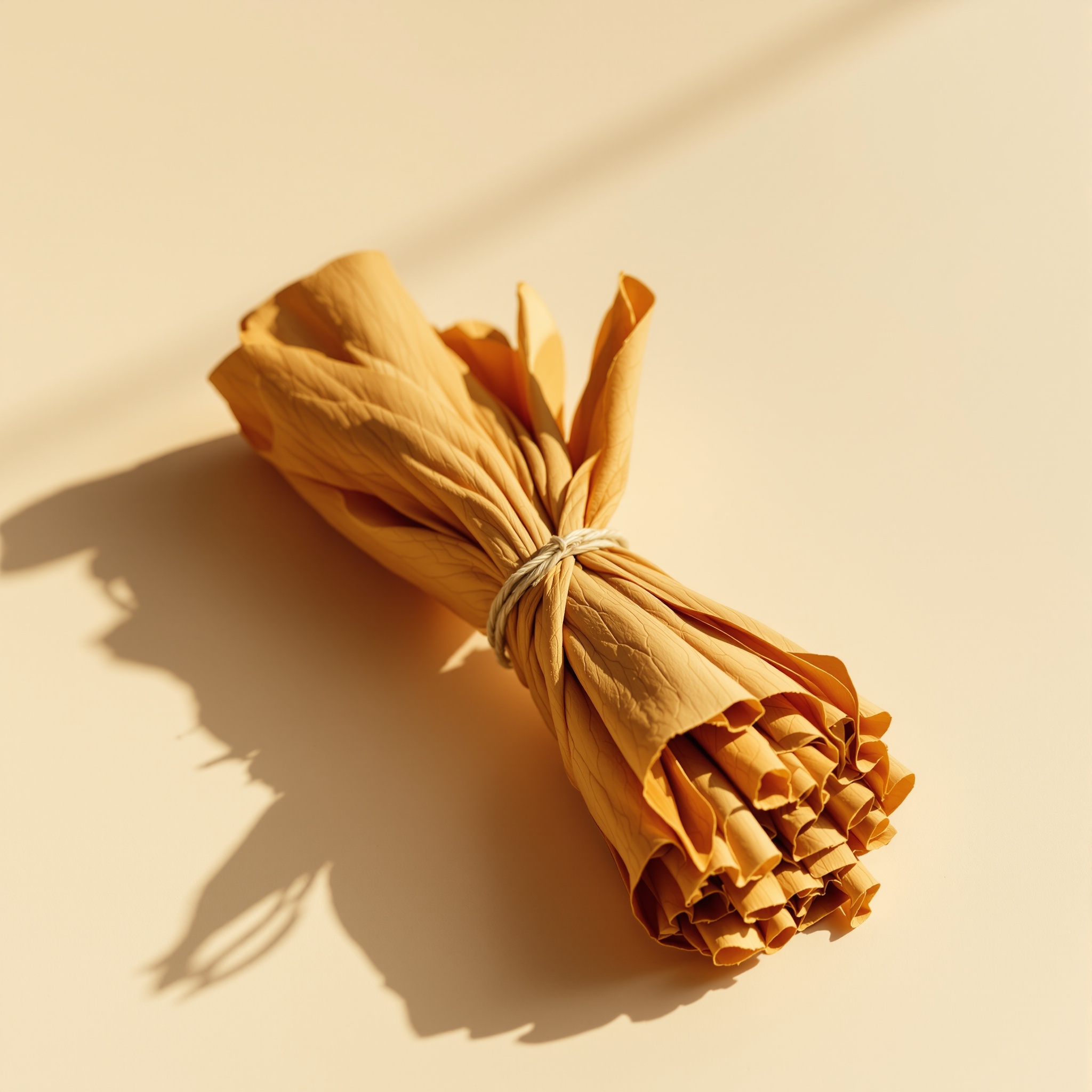
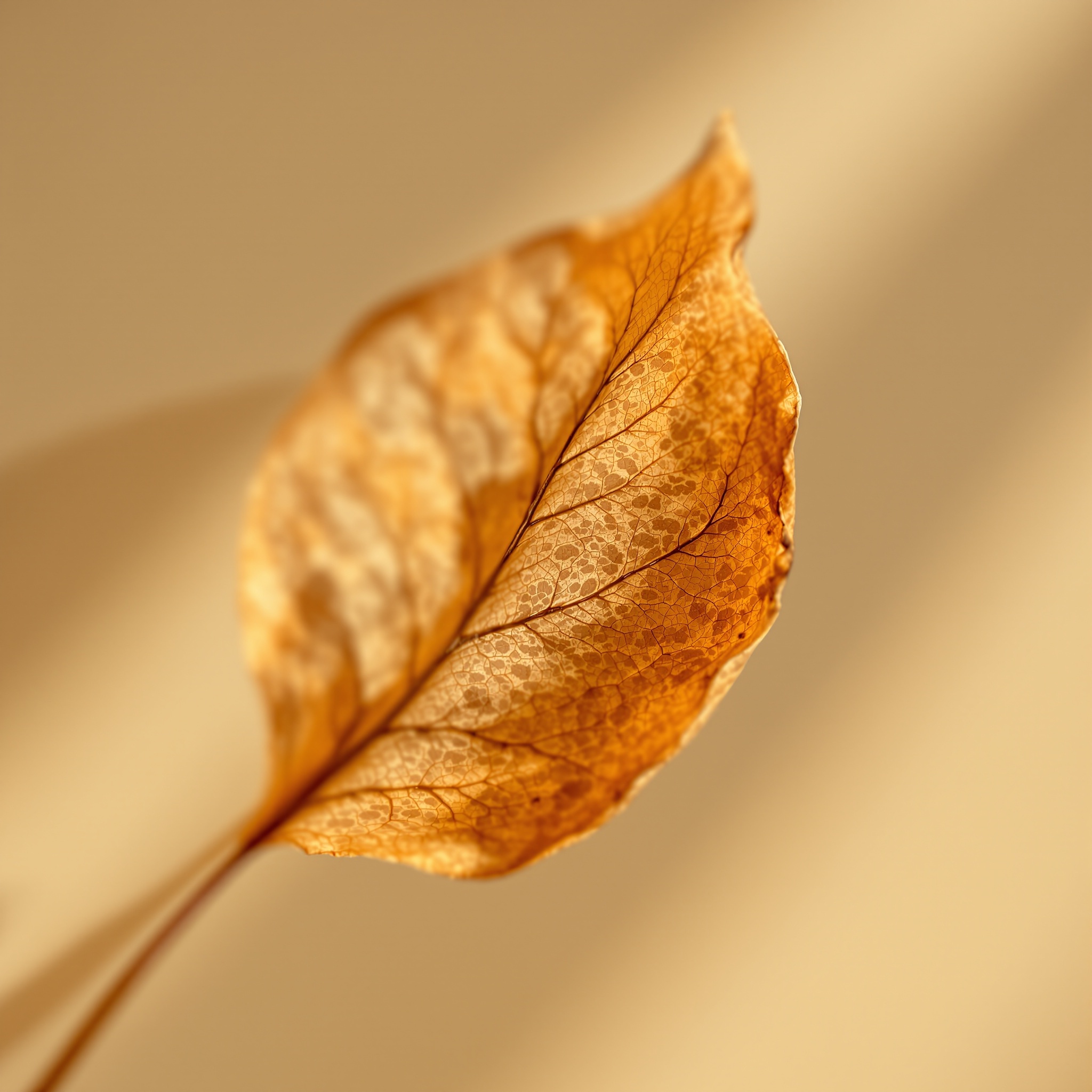
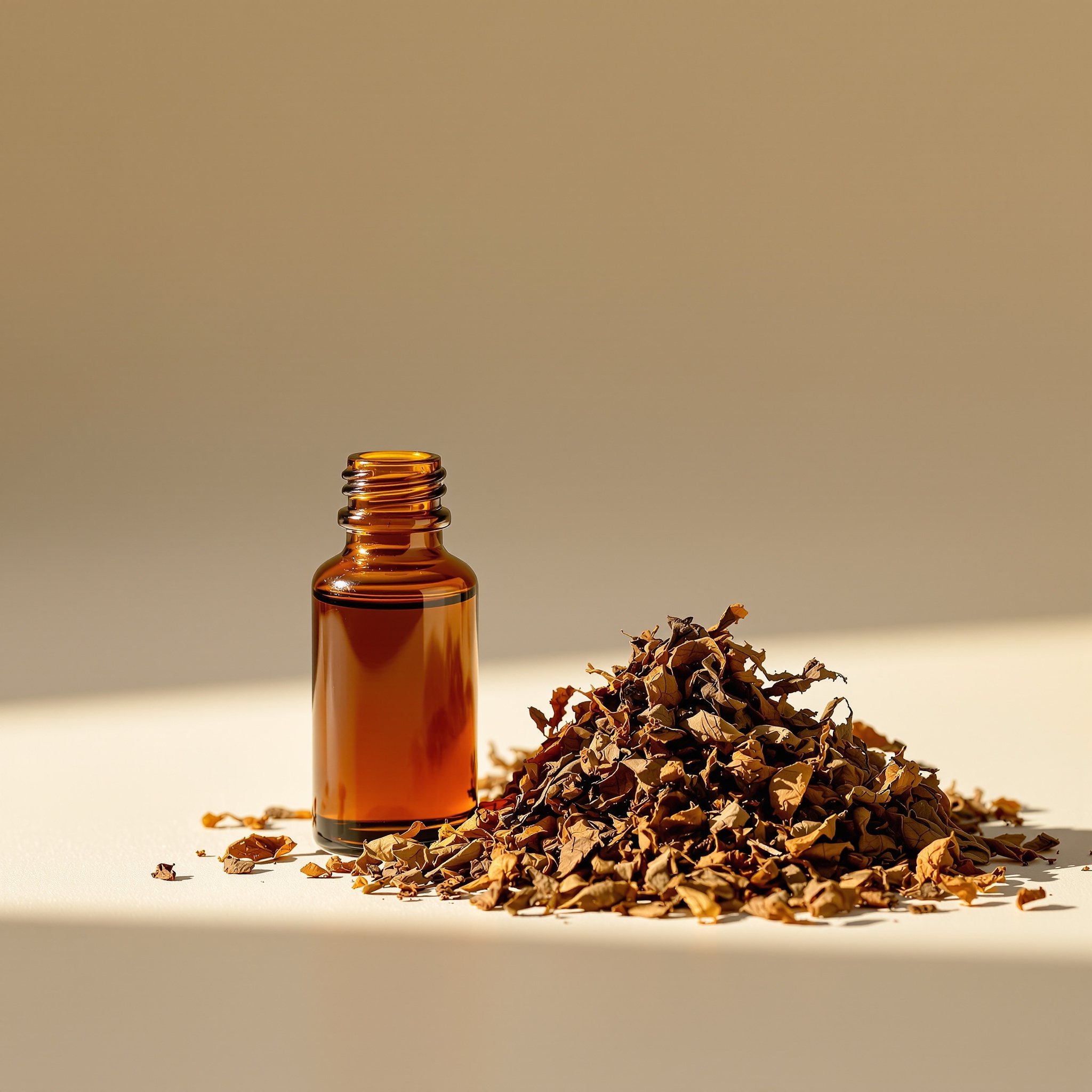
Tobacco Leaf
Cured leaf, hay and honeyed pipe smoke
What it is
Tobacco leaf comes from Nicotiana tabacum, a tall plant of the nightshade family grown across the Americas, Cuba, Turkey and beyond. The harvested leaves are cured by air, sun, fire or flue, developing aroma; perfumers extract them with solvent to produce a dark, viscous tobacco absolute.
How it smells
Dry and aromatic, with cured leaf, sweet hay and a hint of honeyed smoke. Facets range from cocoa and dried fruit to leather and a faint medicinal greenness. It opens warm and resinous, then settles into a soft, ambery, slightly powdery dryness.
In perfumery
A heart-to-base note prized in masculine and unisex orientals, it adds warmth, smoky depth and a lived-in richness. It pairs with vanilla, tonka, leather, dried fruits and labdanum. Sweet gourmand tobacco compositions and honey-and-plum tobacco accords are built around its character.
Good to know
Tobacco absolute contains no meaningful nicotine and is not smoked; the aroma evokes the pouch and the cigar box rather than the burning cigarette. Much perfumery tobacco draws on Virginia and Burley leaf, with fire-cured Latakia lending a heavier, tarry, smokier edge.
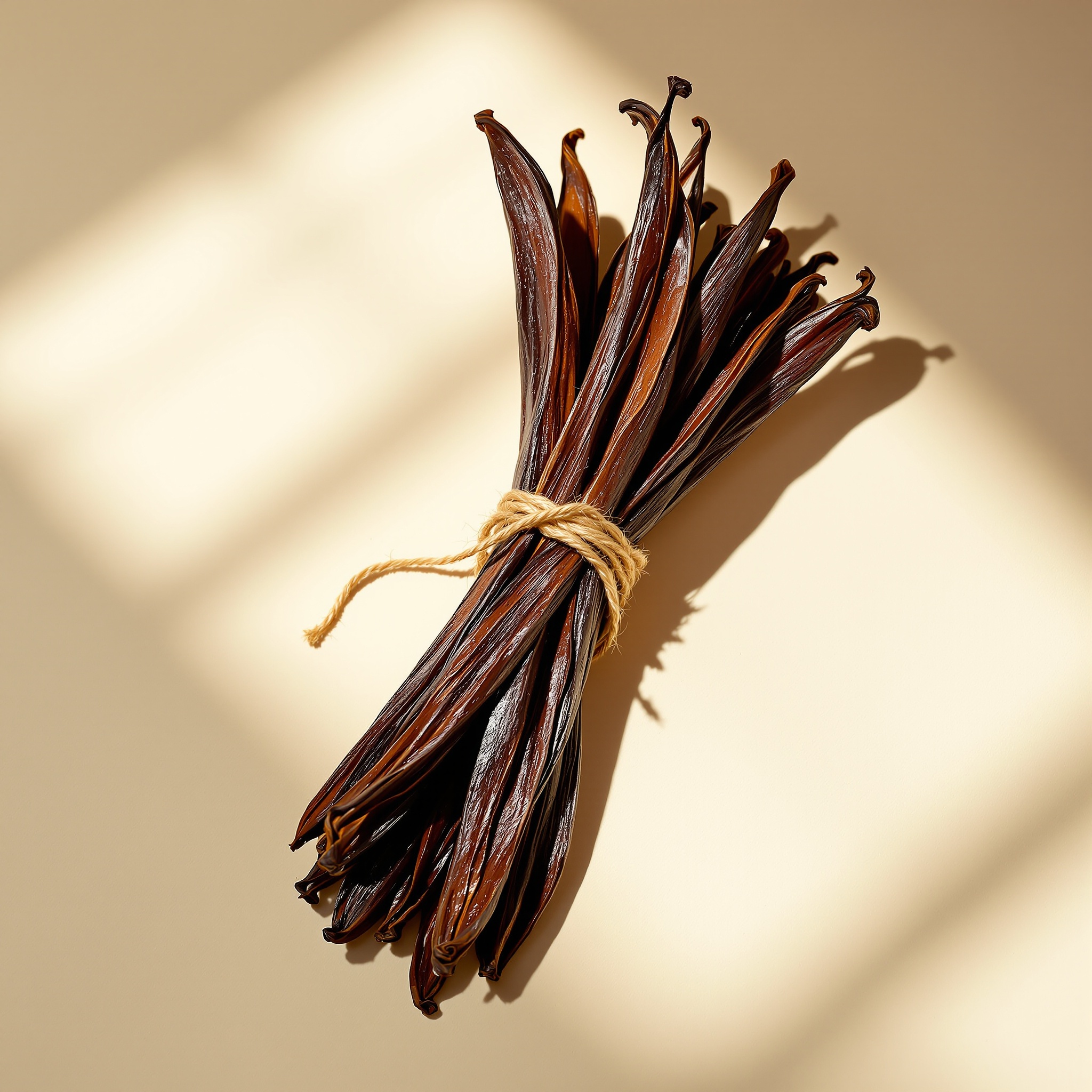
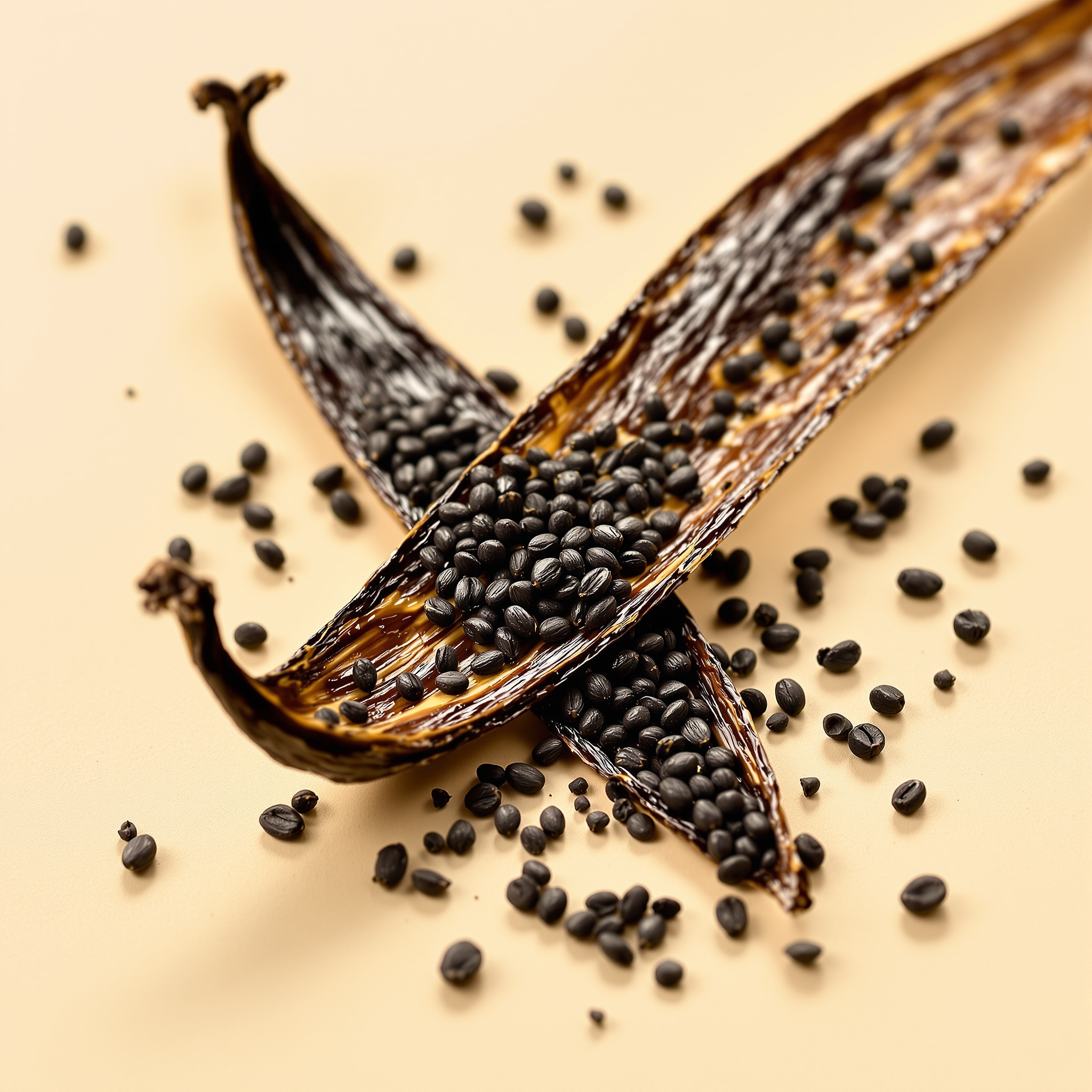
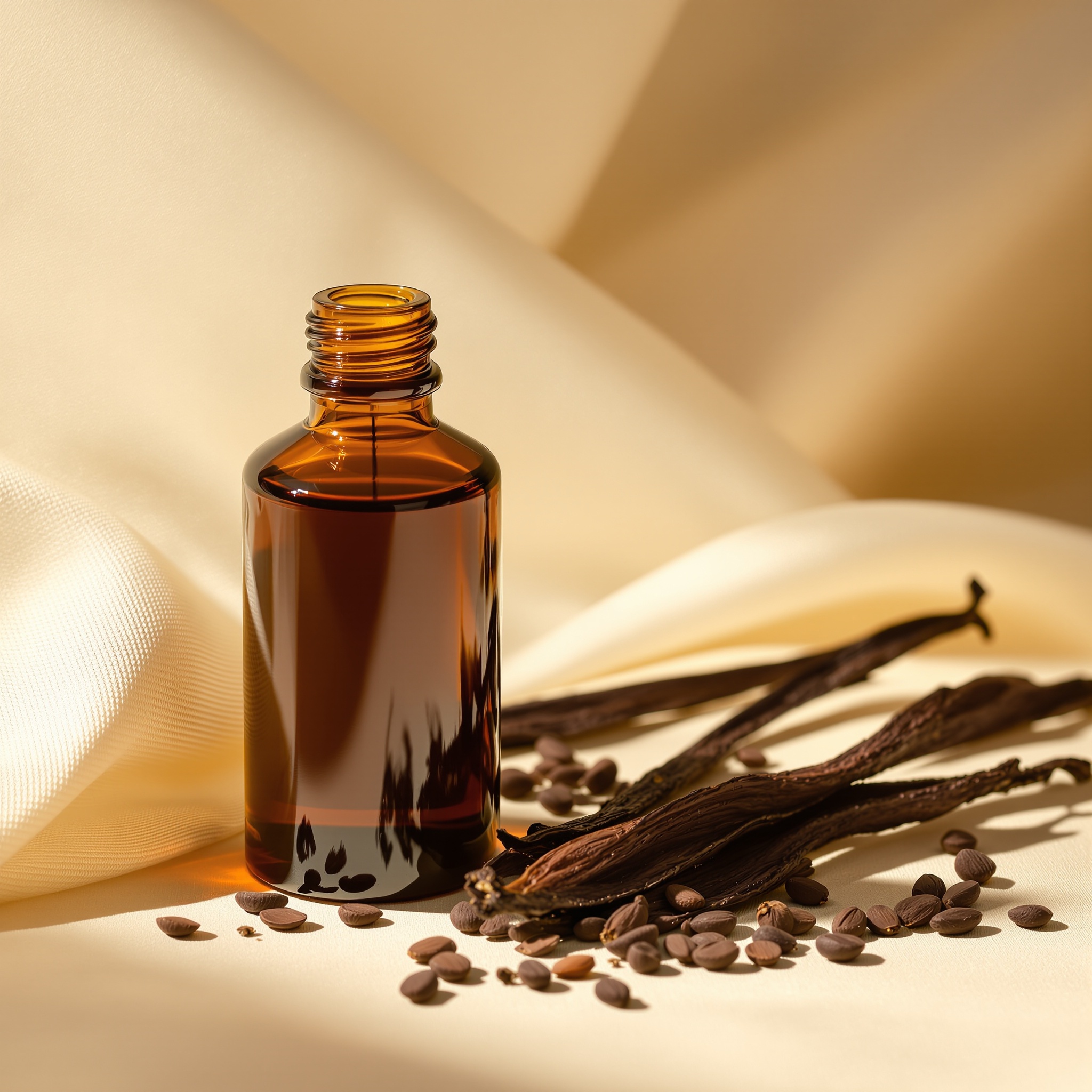
Vanilla
The warm sweet heart of comfort itself
What it is
Vanilla comes from the cured seed pods of Vanilla planifolia, a climbing orchid native to Mexico now grown mainly in Madagascar, Réunion and Tahiti. Green pods are picked unripe, then blanched, sweated in the sun and slow-dried over months until they darken and develop their aroma and vanillin.
How it smells
Sweet, warm and creamy, with a balsamic depth recalling custard, caramel and dried fruit, a faint smoky tobacco-like edge sitting underneath. It opens soft and gourmand, then dries into a powdery resinous warmth that clings close to skin and reads richer than synthetic vanillin alone.
In perfumery
A base note prized for richness and lasting warmth, vanilla rounds sharp edges and anchors oriental and gourmand compositions. It pairs naturally with tonka, amber, sandalwood and spice. Many of the most enduring oriental and tobacco fragrances build their core around it.
Good to know
Vanilla ranks among the costliest spices because each orchid flower opens for one day and must be hand-pollinated, a technique devised in 1841 by Edmond Albius, a twelve-year-old enslaved boy on Réunion. Most commercial vanilla flavor now relies on synthetic vanillin.
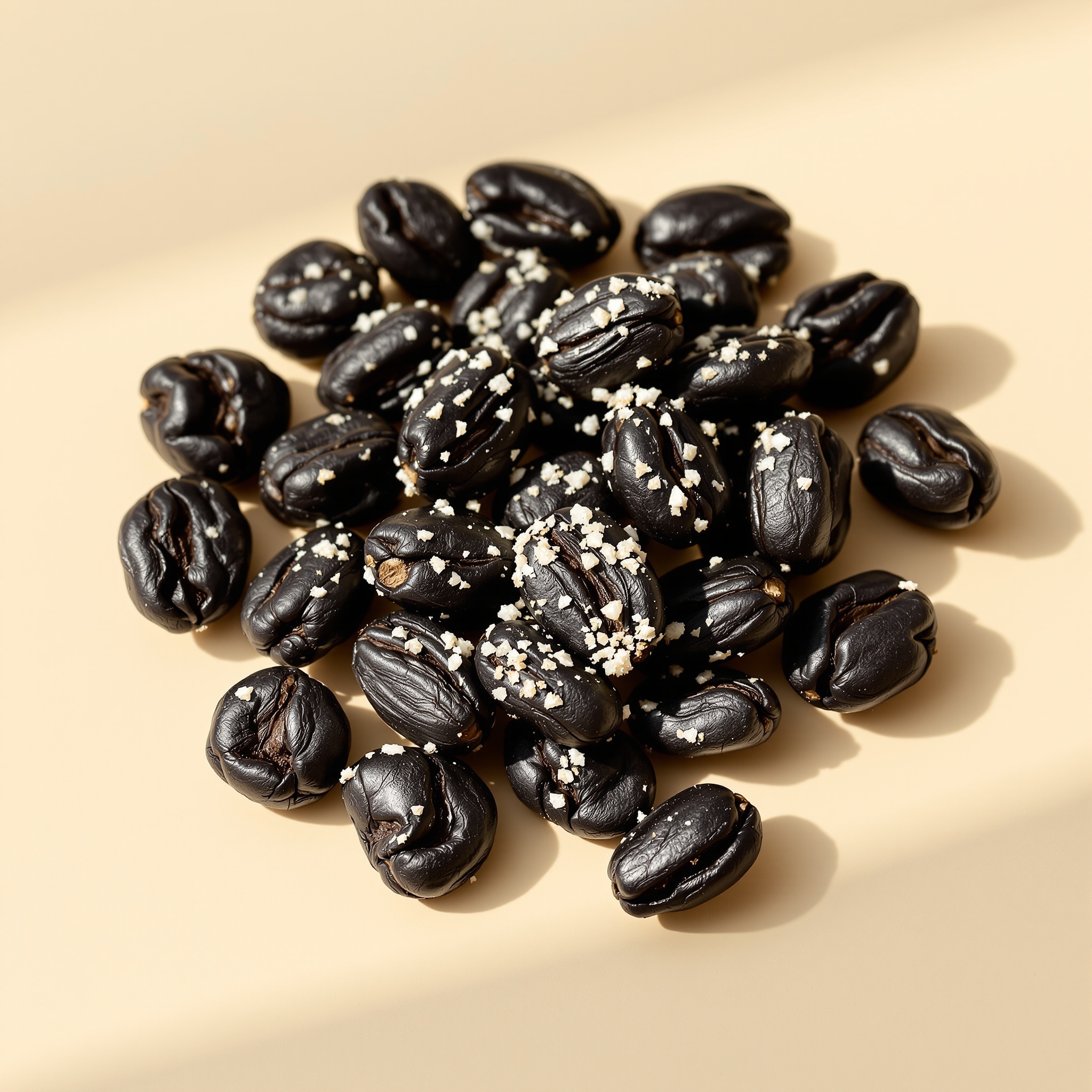
Tonka Bean
Warm almond-vanilla sweetness with a hay-tobacco shadow
What it is
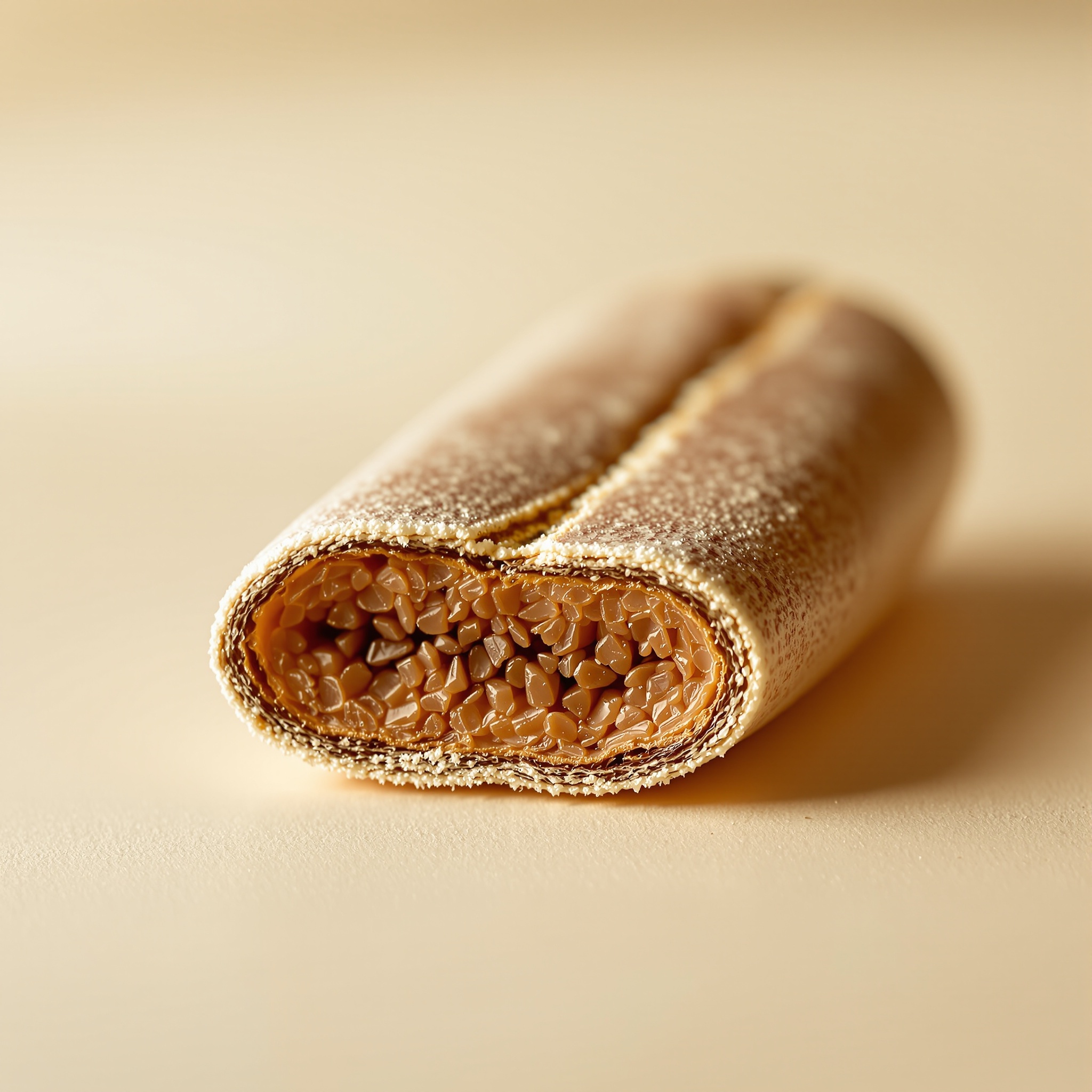
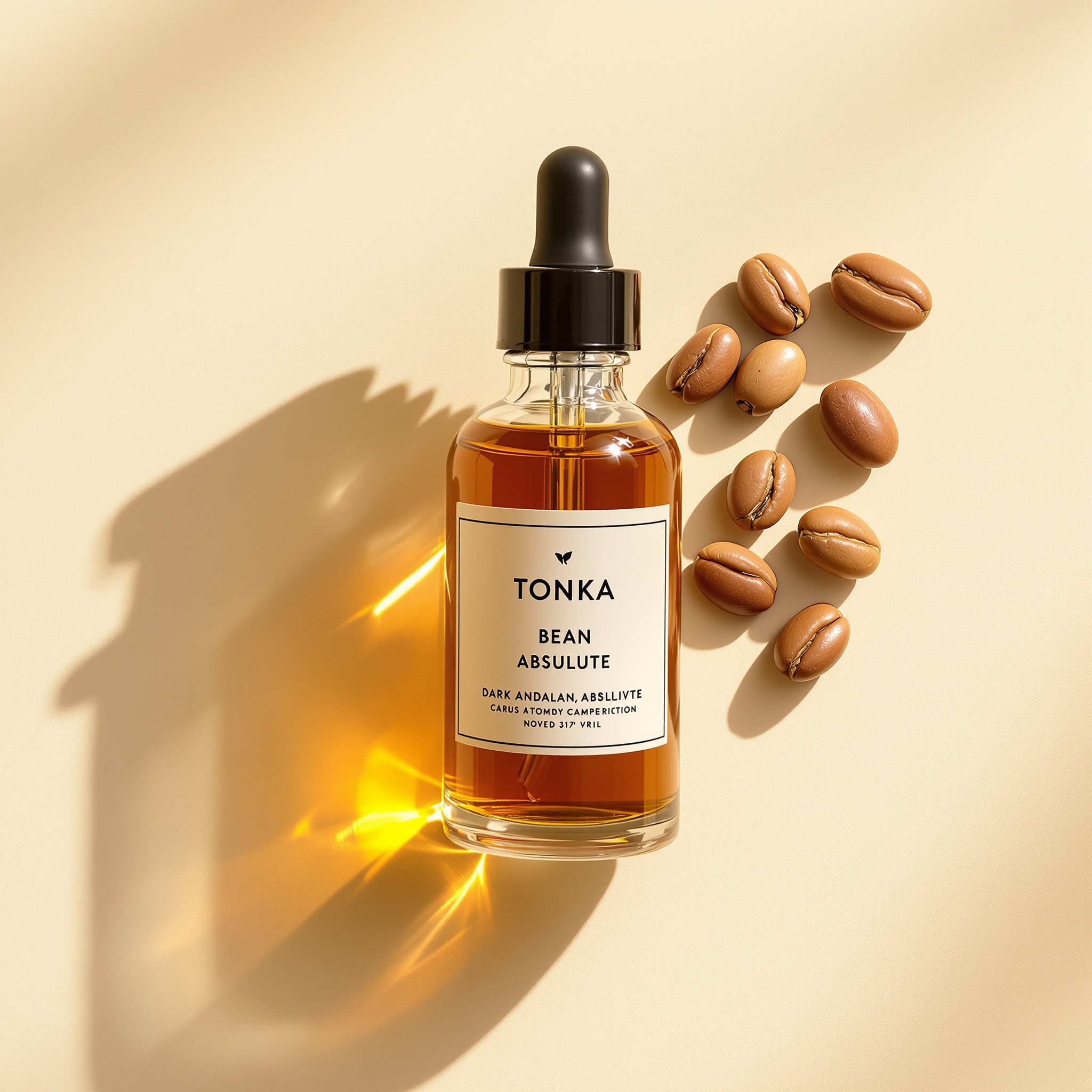
Tonka bean is the cured seed of Dipteryx odorata, a tall South American legume tree of Venezuela, Brazil and Guyana. Shelled seeds are soaked in alcohol, then dried for weeks until coumarin frosts their surface. Perfumers use a solvent-extracted absolute drawn from these cured beans.
How it smells
A warm, sweet bouquet of vanilla and bitter almond, threaded with hay, dried tobacco and toasted nuts. The opening recalls caramelized custard; the drydown turns powdery and faintly boozy, with cinnamon and cut clover. Rounder and hazier than vanilla, softer and less sharp than almond.
In perfumery
A base and heart material prized for warmth, sweetness and soft persistence. It bridges gourmand, oriental and fougère accords, pairing with vanilla, lavender, amber and tobacco. Tonka and its coumarin shaped the very first fougère, and underpin the sweet drydown of countless oriental-gourmand blends.
Good to know
Tonka owes most of its scent to coumarin, which the FDA banned as a food additive in 1954 after hepatotoxicity appeared in animal studies at high doses. So tonka is effectively illegal in American kitchens, yet remains entirely legal, and widely loved, in fine fragrance.
Fragrance Character
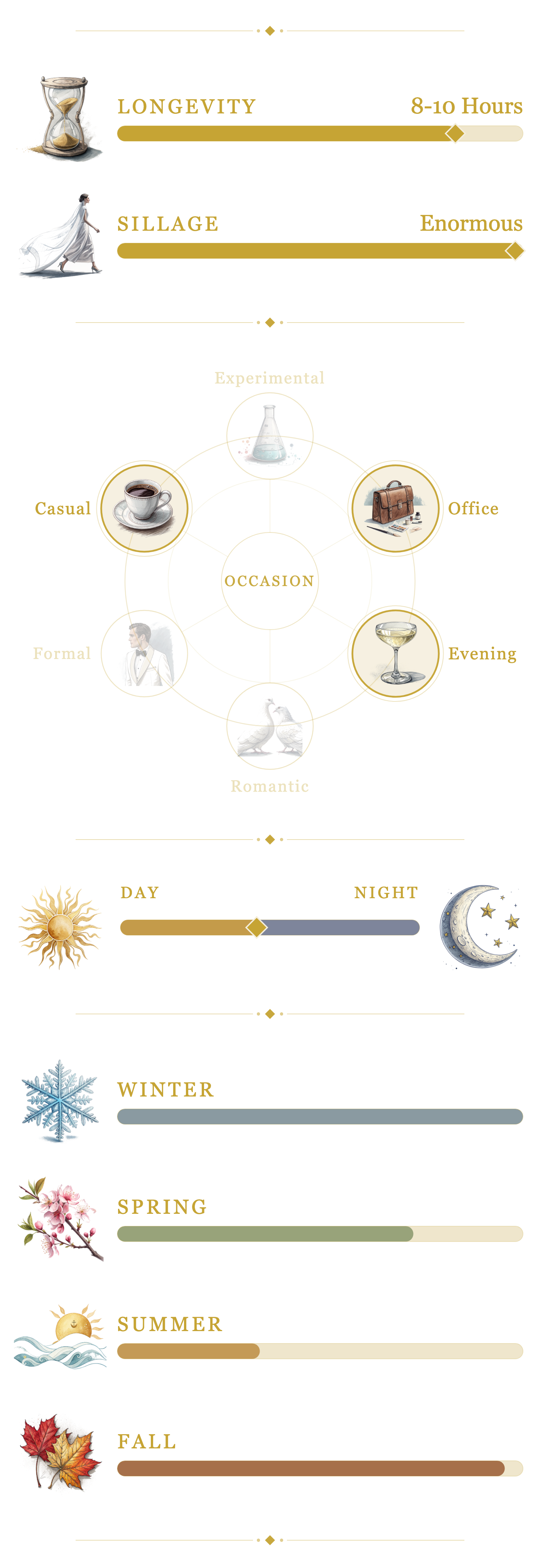
Bergamot and lemon give the first minutes a clean, almost sharp lift, but cinnamon moves in quickly, dulling that edge with spice while honey and jasmine sambac add a dense, floral sweetness. Cashmeran smooths the transition into the base, where tobacco leaf and vanilla settle into something close and resinous. It projects with real weight early on, then draws inward, finishing as a warm skin-close amber with just enough smokiness to keep it from reading as simple gourmand.
Best Worn
Best suited to cool evenings and autumn nights, worn by someone comfortable commanding a room before the conversation turns quiet.
Why the Naxos Decant
Naxos is an intensely sweet, high-projection fragrance that can overwhelm in the wrong context or on the wrong skin chemistry, making a decant the only sensible way to test its full arc before committing.
Official Notes
Lavender · Bergamot · Lemon · Honey · Cinnamon · Cashmeran · Jasmine Sambac · Tobacco Leaf · Vanilla · Tonka Bean
Explore more: Ultra-Niche Perfume Decants · All Fragrance Decants
Choose options
The Vibe

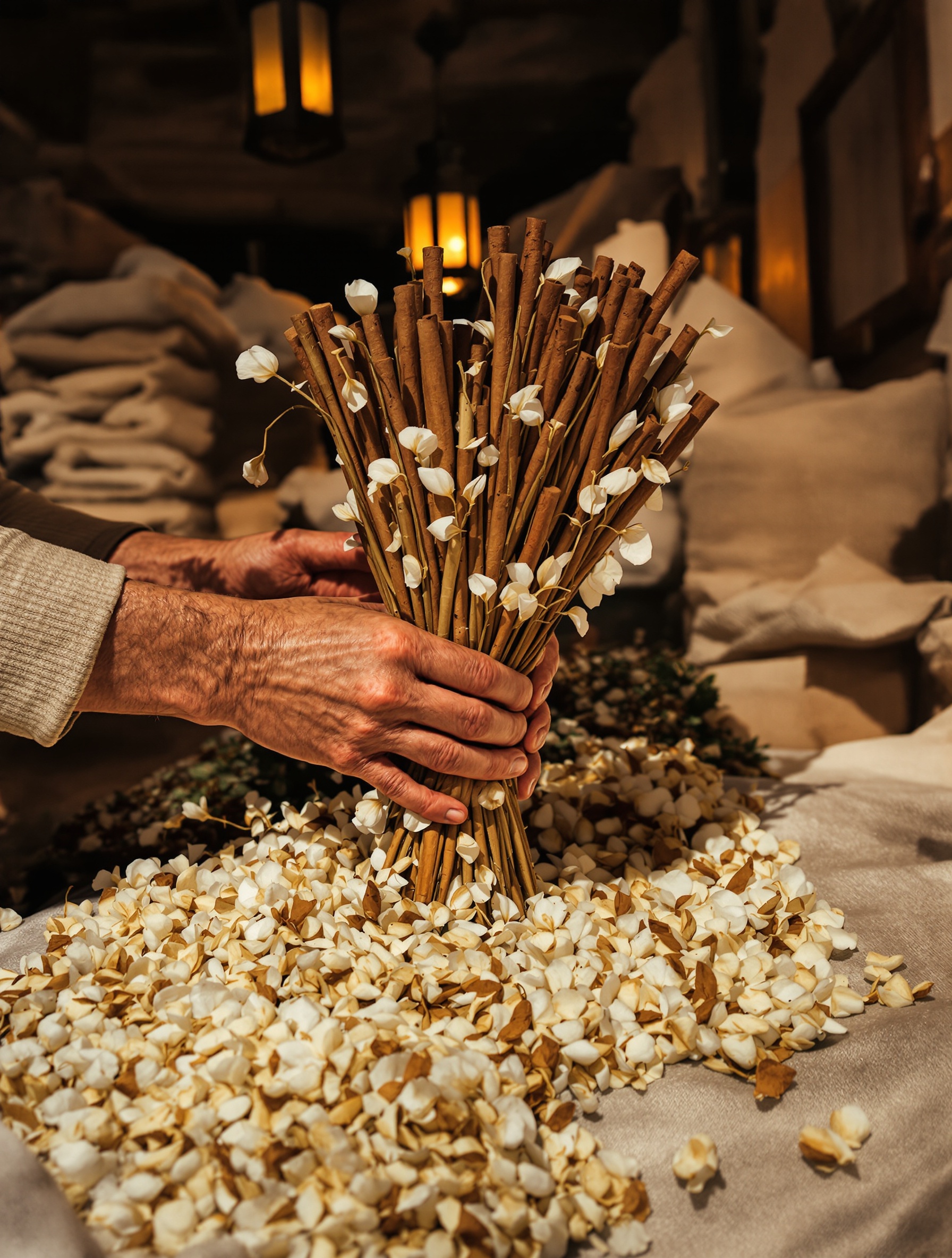
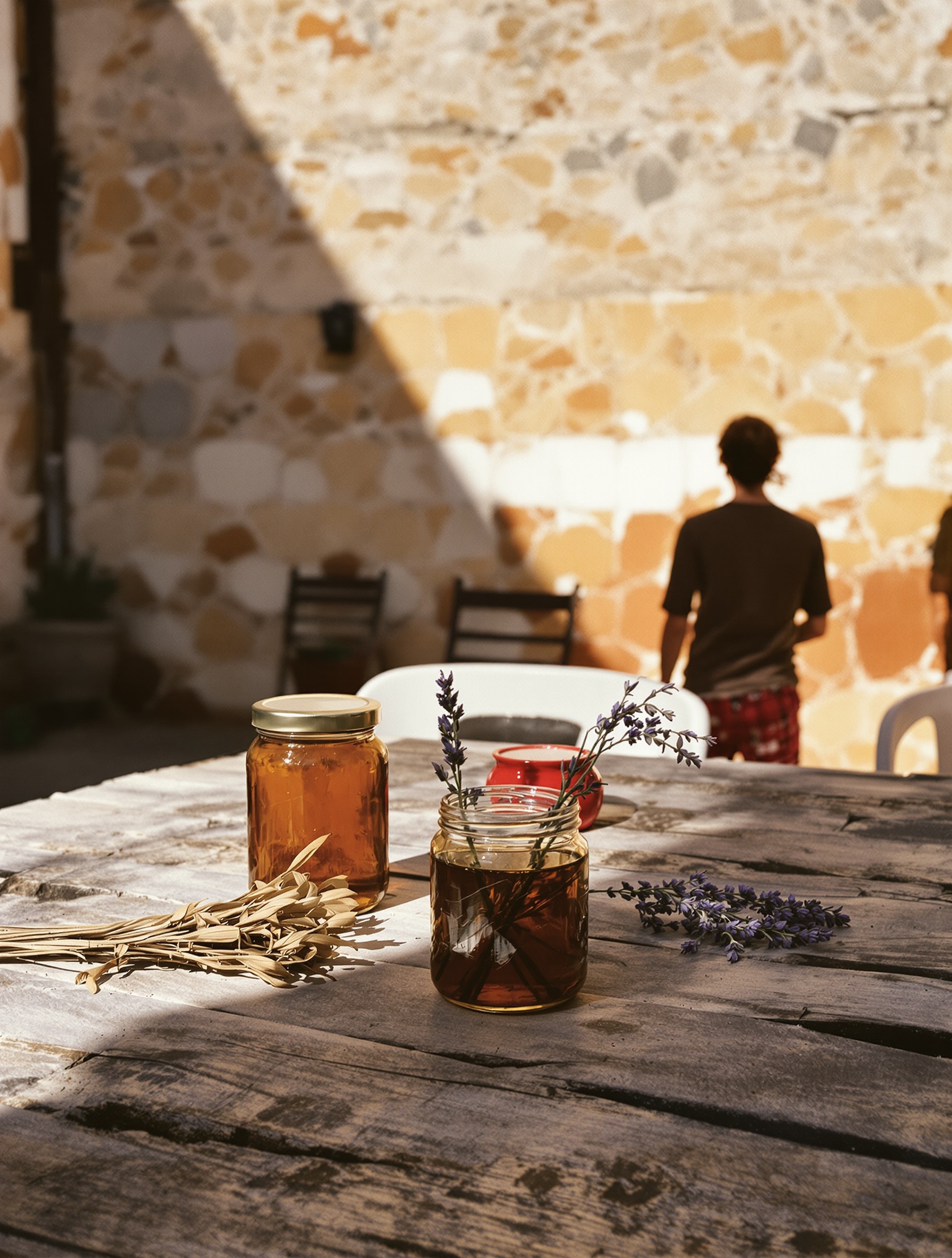
Select your decant size

You are selecting a decant size, not the full bottle