


Toskovat - Last Birthday Cake
Last Birthday Cake opens with bitter almond and hazelnut cocoa spread cut by cork and gunpowder, a gourmand that refuses to be sweet without consequence. Beneath the malt and calla lily lies a heart of brandy-soaked cake, custard, and benzoin that slowly yields to a base of incense, styrax, and dry papyrus, the sugar burning down to something darker.
The Nose
Composed by David-Lev Jipa-Slivinschi for Toskovat, also behind Inexcusable Evil and Age of Innocence.
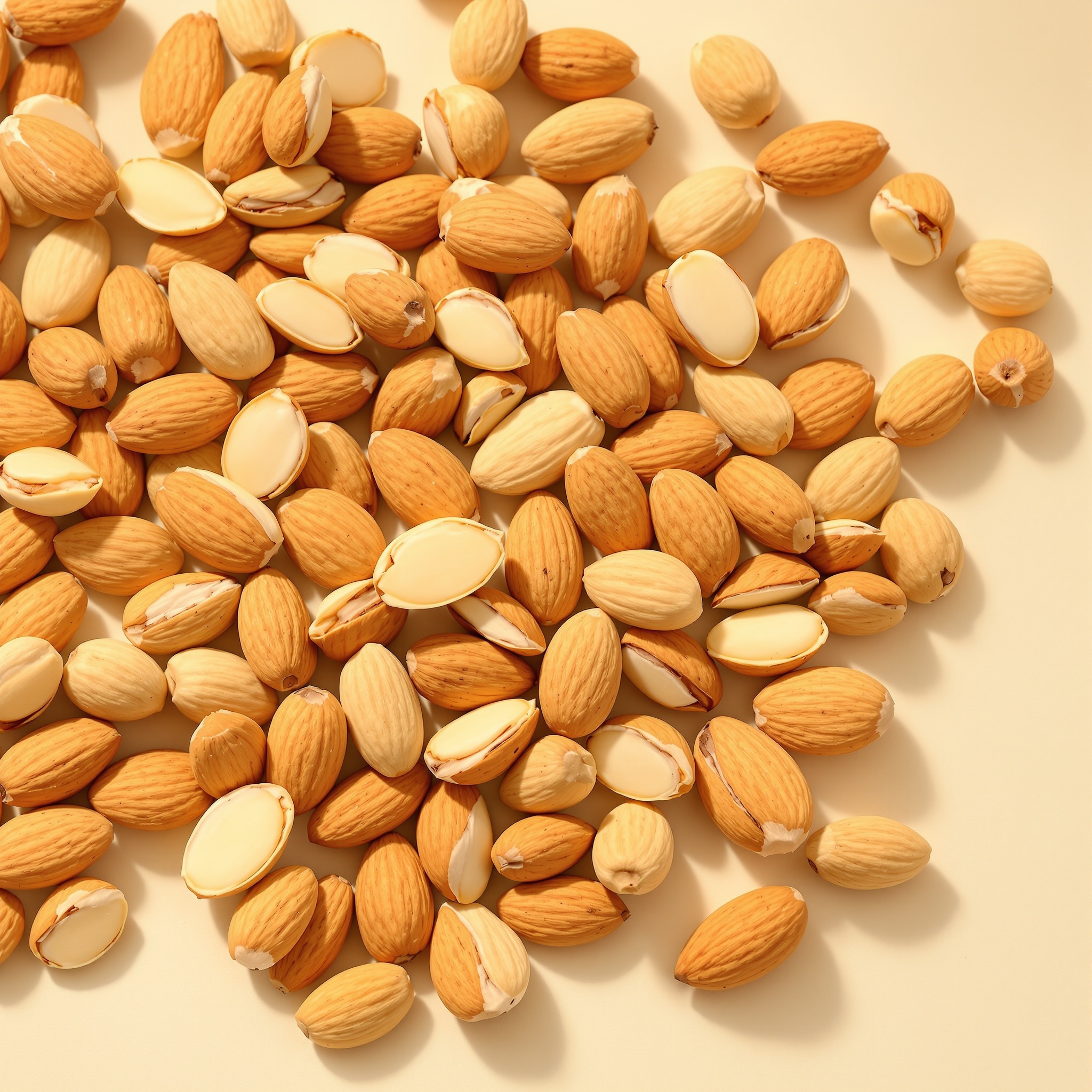
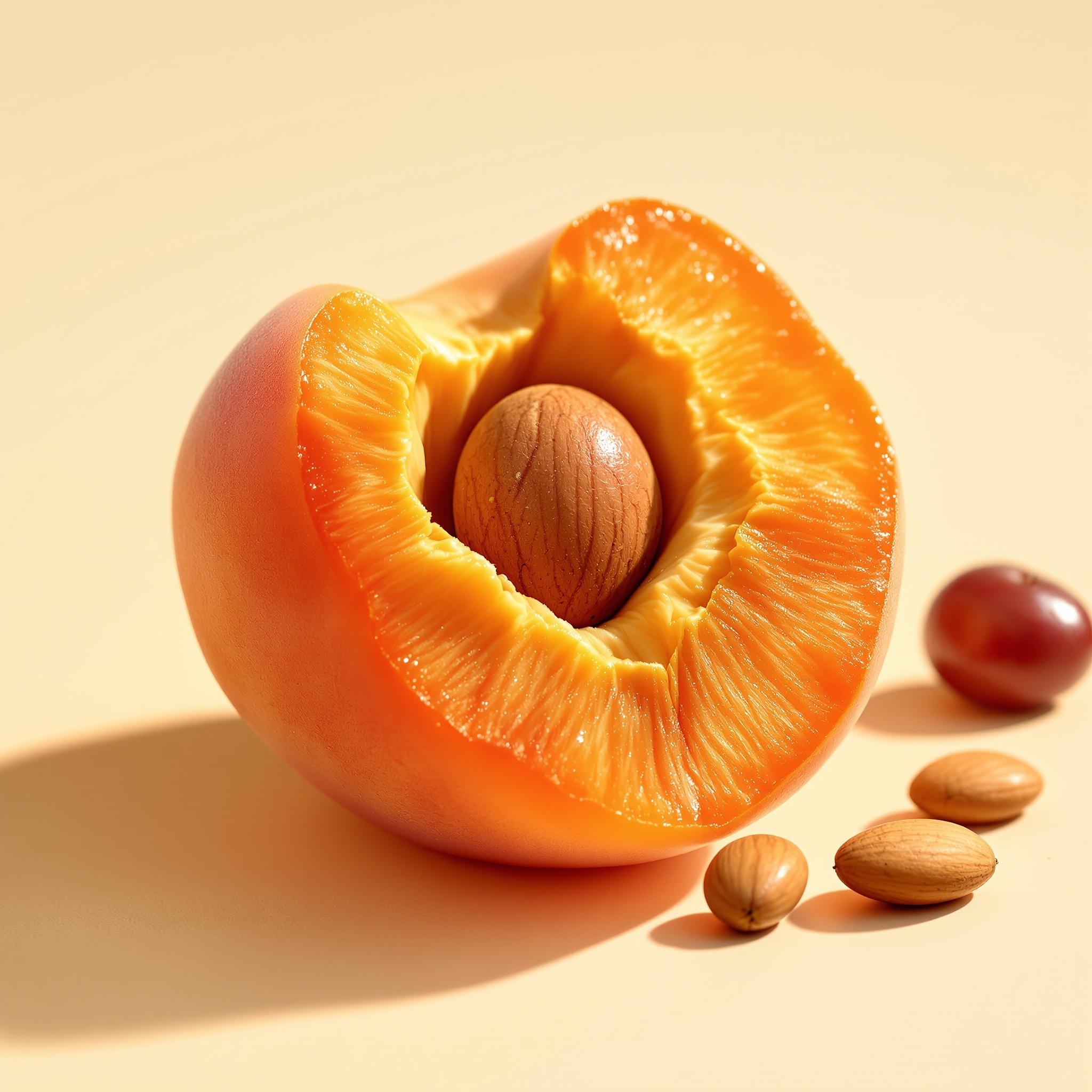
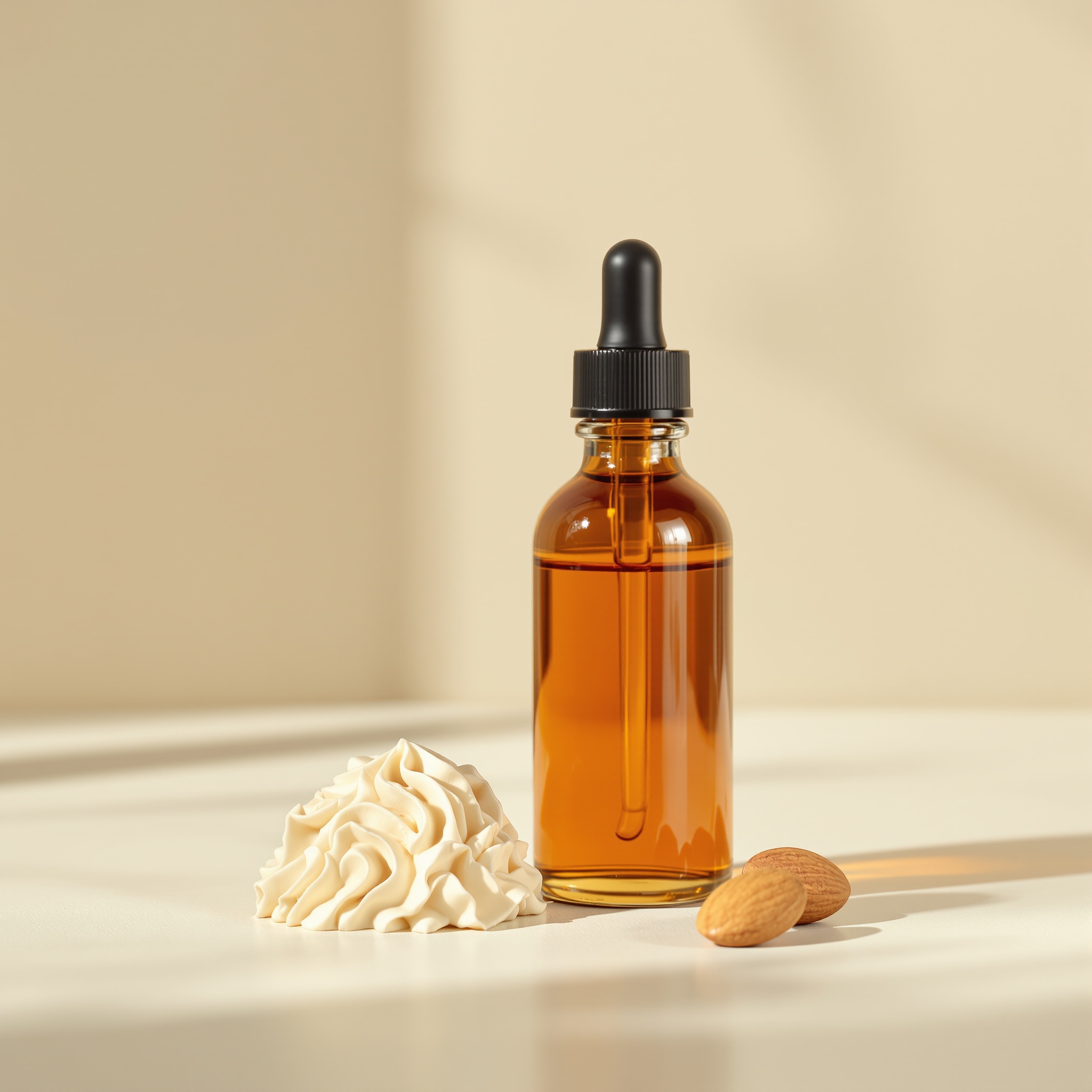
Bitter Almond
Marzipan sweetness with a whisper of danger
What it is
The classic scent comes from benzaldehyde, the molecule in the kernels of bitter almonds, apricot and peach stones, and cherry pits. Natural bitter almond oil is steam-distilled from pressed kernels, but the perfumery version is almost always synthesized benzaldehyde, free of toxic residues.
How it smells
Sweet, nutty and unmistakably marzipan, with a cool cherry-stone and amaretto edge. A clean, slightly powdery facet sits beneath the nutty core, recalling almond paste and crushed peach pits. It reads bright at first, then settles into a soft, creamy warmth.
In perfumery
A heart and accent note bringing gourmand sweetness and an almond-cherry signature. It pairs with heliotrope, vanilla, tonka and powdery iris in soft oriental and gourmand accords. With heliotropin it builds the marzipan-cherry heart of dark gourmand orientals and countless heliotrope-driven compositions.
Good to know
Raw bitter almonds carry amygdalin, which releases hydrogen cyanide when crushed, so the almond scent is sometimes called the smell of cyanide itself. Properly distilled or synthetic material is purified of the toxin, leaving only the fragrant benzaldehyde behind.
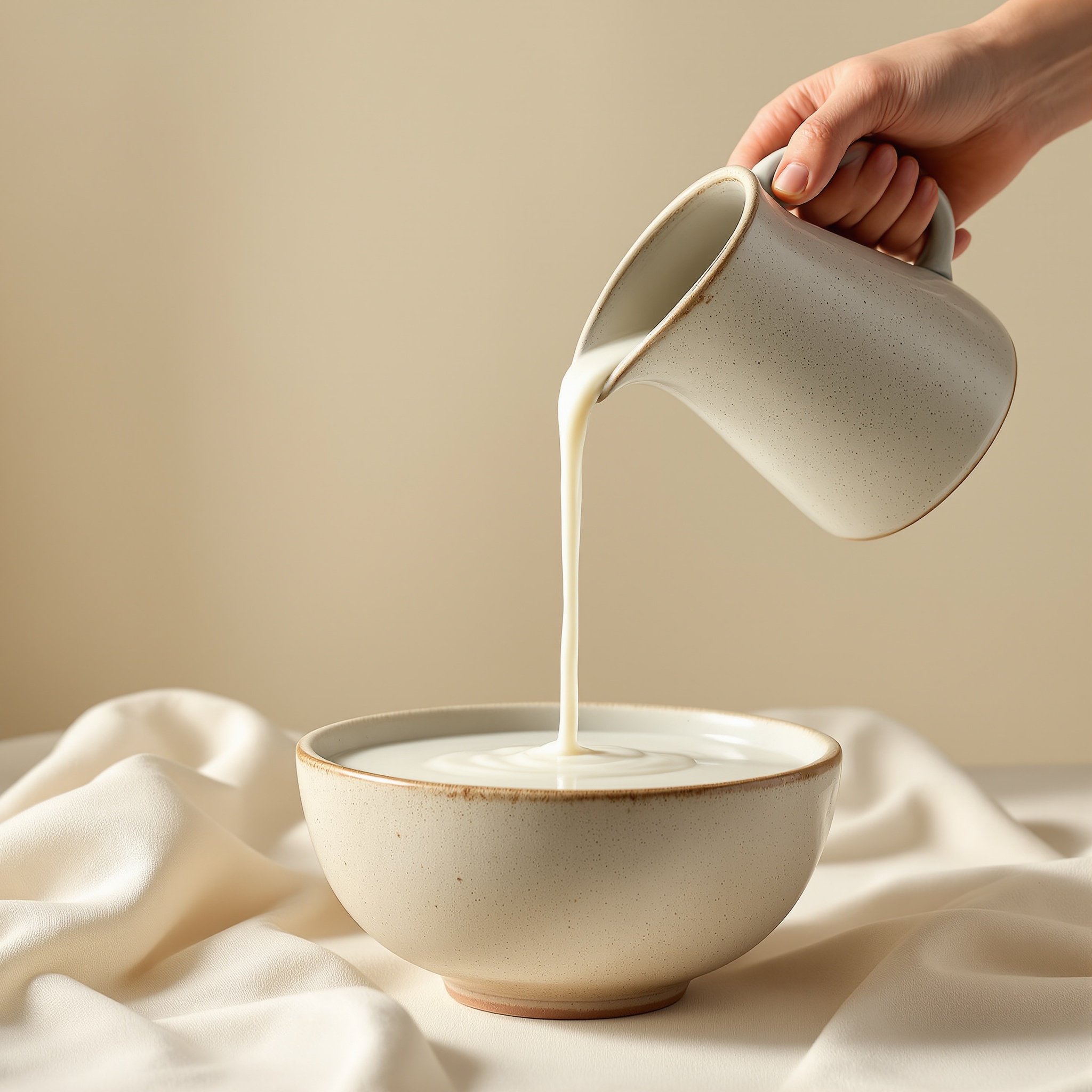
Milk
Warm comfort of skin and steamed cream
What it is
Milk is not distilled into perfume; its scent is reconstructed. Perfumers blend lactones, the creamy molecules formed when fats break down, such as gamma-decalactone and delta-decalactone, with soft musks, ethyl maltol and benzoin to imitate the smell of warm dairy and clean human skin.
How it smells
Soft, warm and lightly sweet, like steamed milk skinning over or the breath of a sleeping infant. It opens with a faint coconut-tinged creaminess from the lactones, then settles into a powdery, faintly animalic warmth with a clean, gently caramelized finish recalling scalded milk.
In perfumery
A heart and base accent adding cosy, comforting roundness that softens sharper materials. It pairs with sandalwood, fig, almond, rose and warm spices. The milky-dessert warmth of Kenzo Amour, often likened to rice pudding, showcases it, and lactones underpin countless modern skin-scent gourmands.
Good to know
The same lactones that make milk smell creamy occur naturally in peach, apricot and coconut, which is why milky perfumes often drift toward stone fruit. Heat-driven sugar reactions add the cooked, slightly burnt-caramel edge that distinguishes scalded milk from cold dairy.
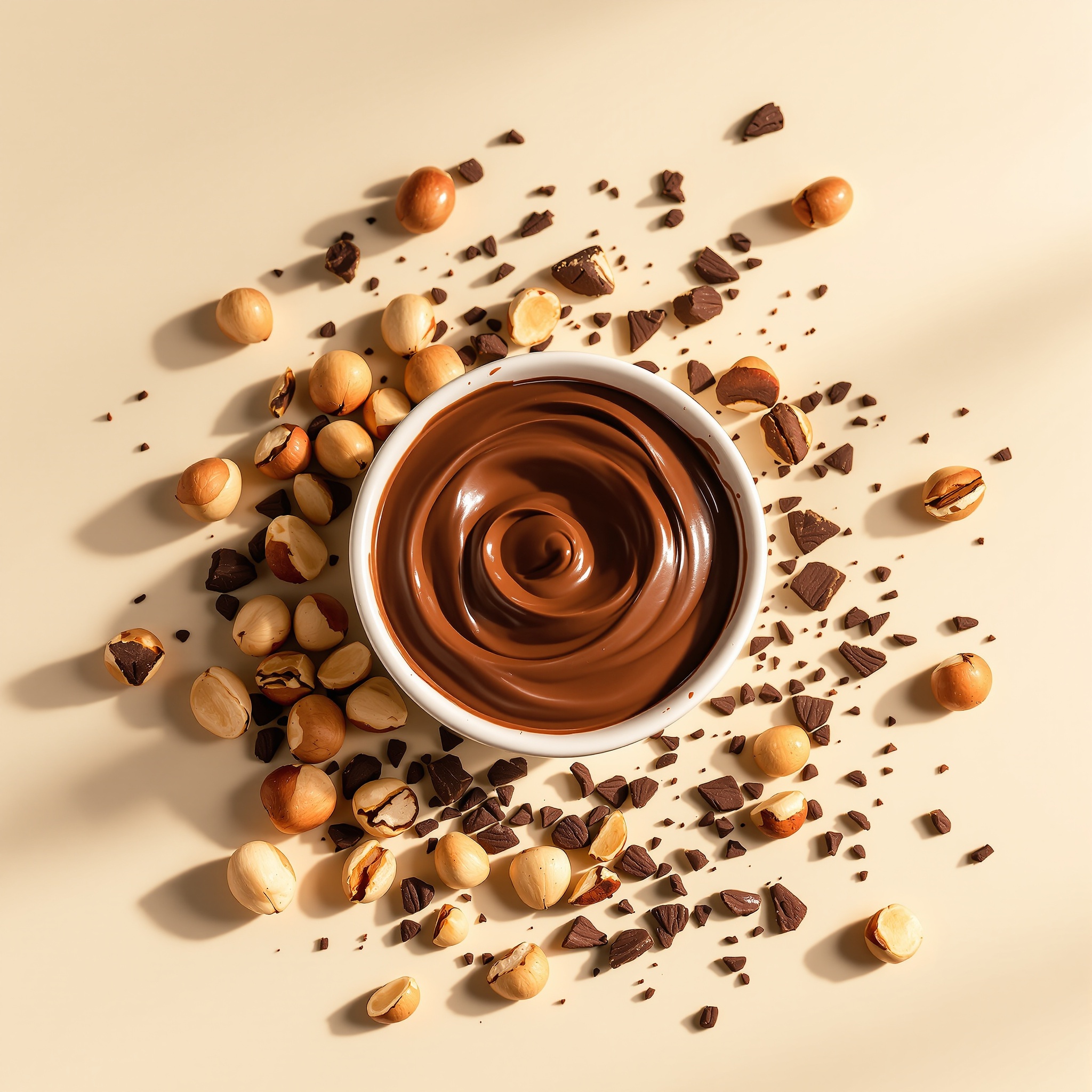
Hazelnut Cocoa Spread
Childhood jar of chocolate-hazelnut on warm toast
What it is
A gourmand accord recreating jarred chocolate-hazelnut spread, not a single material but a built effect. It combines roasted-hazelnut notes from pyrazines and nutty aroma-chemicals with cocoa absolute or chocolate accords, plus sweet milky and vanillic facets that mimic the smooth emulsified paste.
How it smells
Thick, sweet and edible: warm roasted hazelnut over melted milk chocolate, smoothed by creamy vanilla and a faint dairy roundness. It reads as the jar opening rather than the raw nut, glossy and dense. Toasted, buttery and cocoa-rich, with a sugary, spoonable quality.
In perfumery
A heart-to-base gourmand accord lending dessert-like comfort and density, anchoring sweet, foodie compositions. It pairs with vanilla, tonka, coffee, praline and caramel, and appears in playful gourmands chasing a literal hazelnut-cocoa-spread effect, often beside roasted, boozy or salted-caramel notes for depth.
Good to know
Roasted-nut and chocolate aromas owe much to the Maillard reaction, the browning chemistry that also flavors toasted bread and seared meat. Cocoa absolute, used to deepen these accords, is extracted from roasted cacao beans and is intensely dark, bitter and powdery in concentrated form.
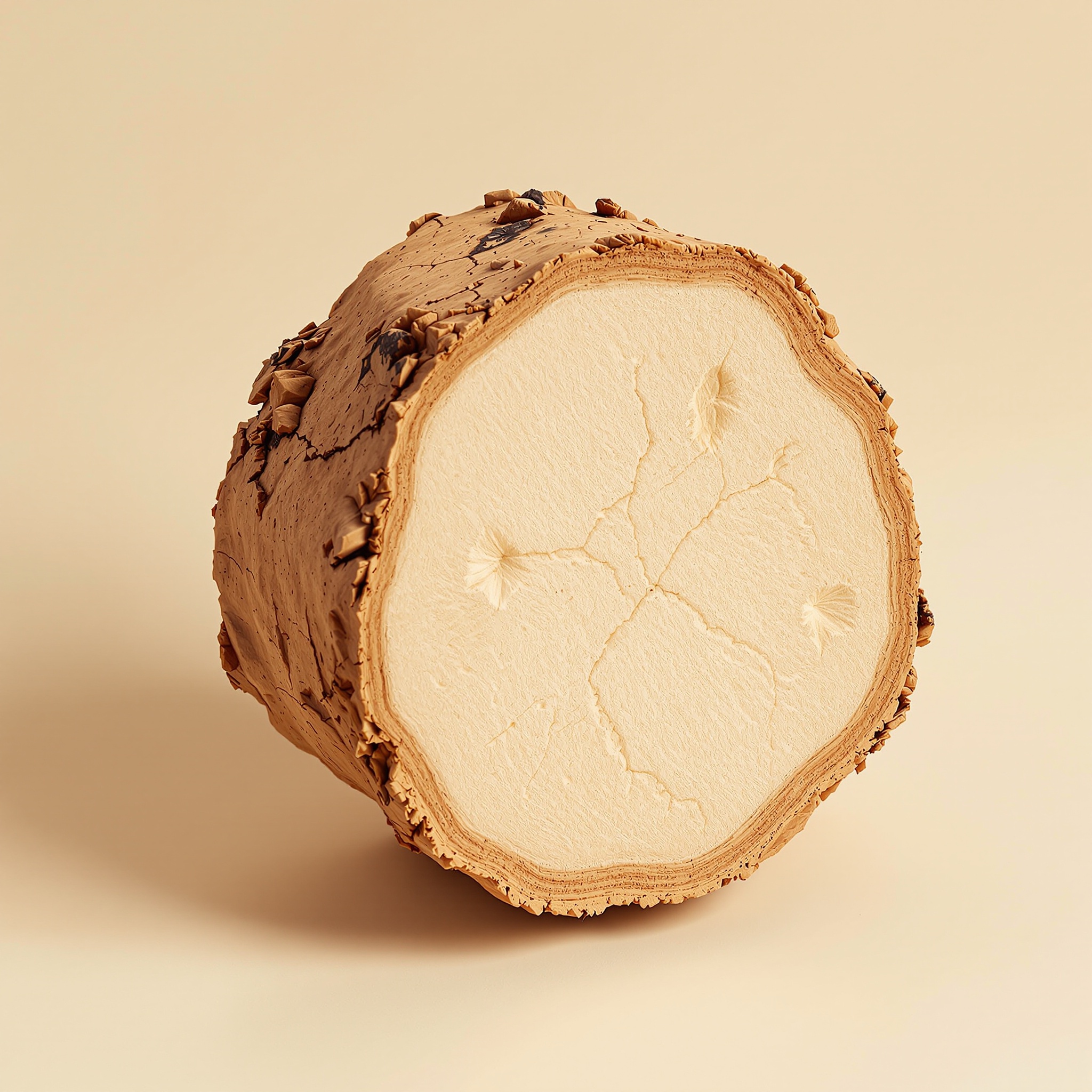
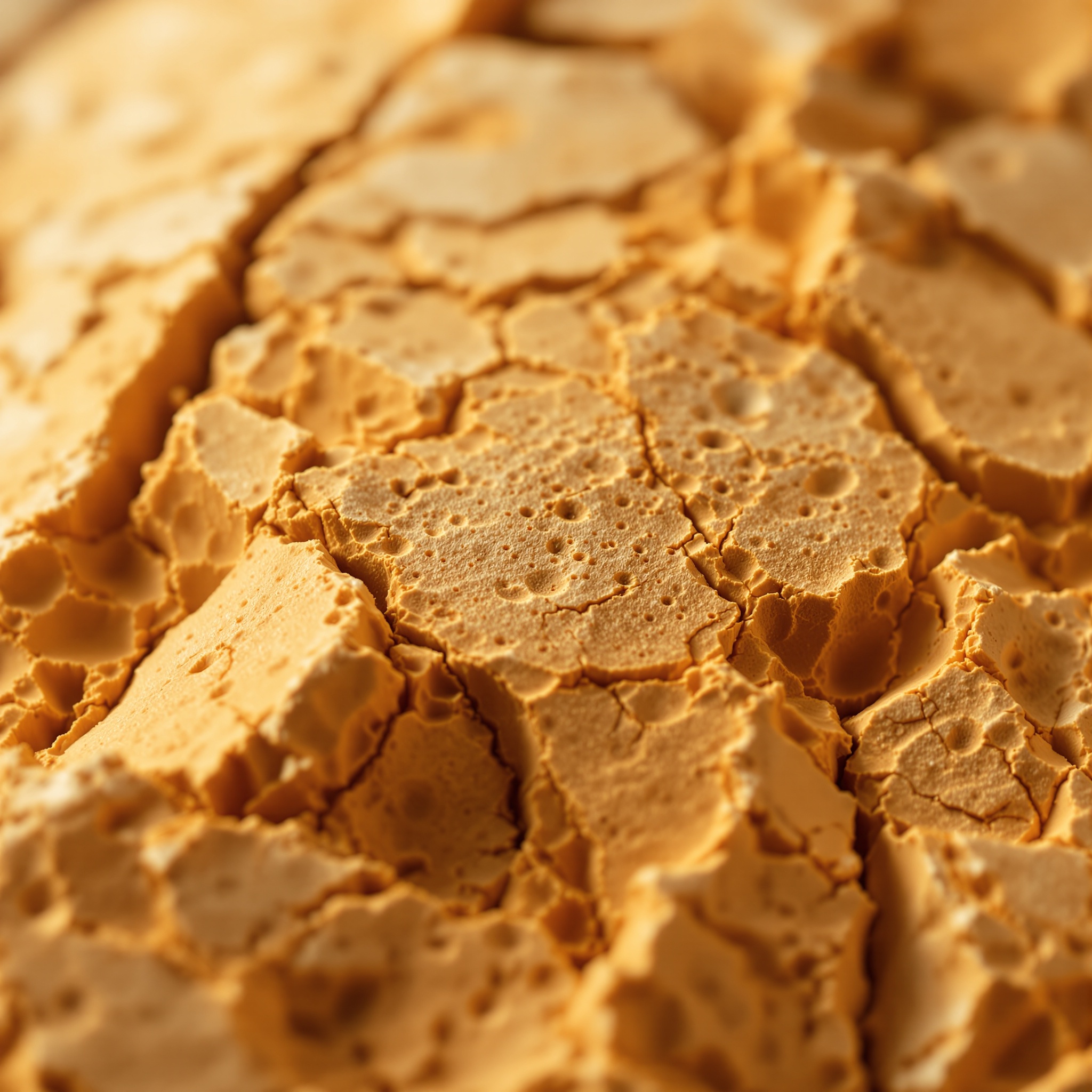
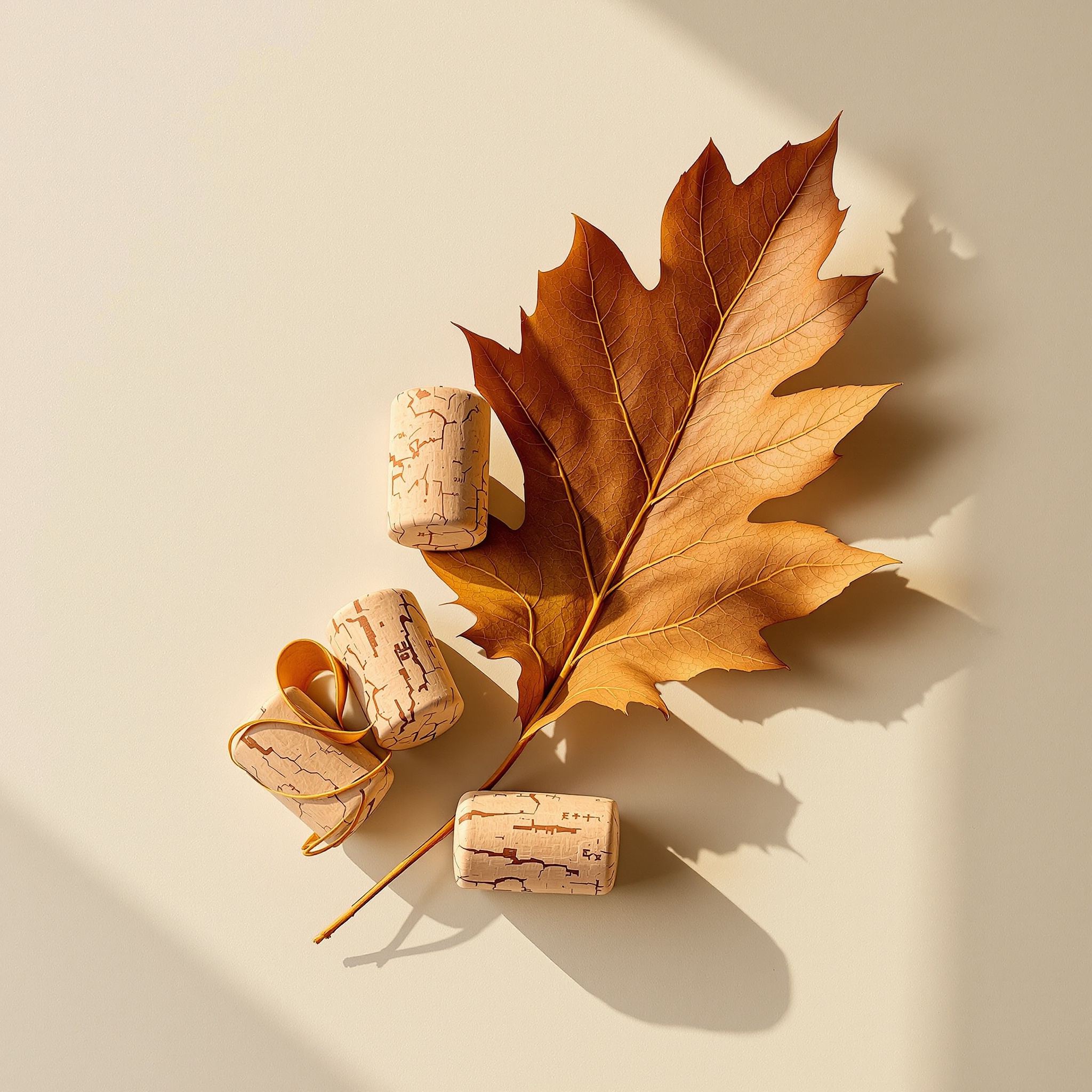
Cork
Dry sun-warmed bark from a Mediterranean grove
What it is
The thick outer bark of the cork oak, Quercus suber, an evergreen native to the western Mediterranean, chiefly Portugal and Spain. The bark is stripped by hand from living trees roughly every nine years and regrows. In perfumery the scent is largely recreated as an accord rather than distilled from the bark.
How it smells
A soft, dry woodiness, more textural than sweet, evoking the spongy surface of a wine stopper. Beneath the wood sit earthy, faintly dusty and mineral facets with a quiet spicy warmth. It feels rustic and matte, suggesting sun-warmed bark rather than polished or resinous timber.
In perfumery
Used in the heart or base to lend dry, natural woodiness and a tactile, papery texture. It pairs readily with oakmoss, vetiver, soft florals and ambery woods, reinforcing rustic or wine-cellar themes. It anchors compositions built around Portuguese landscapes and understated, gentlemanly woody structures.
Good to know
Portugal produces roughly half the world's cork, and a cork oak can be harvested for two centuries without being felled. Because true cork yields little usable aroma material, the note is essentially a perfumer's reconstruction stitched together from woody, mossy and earthy molecules.
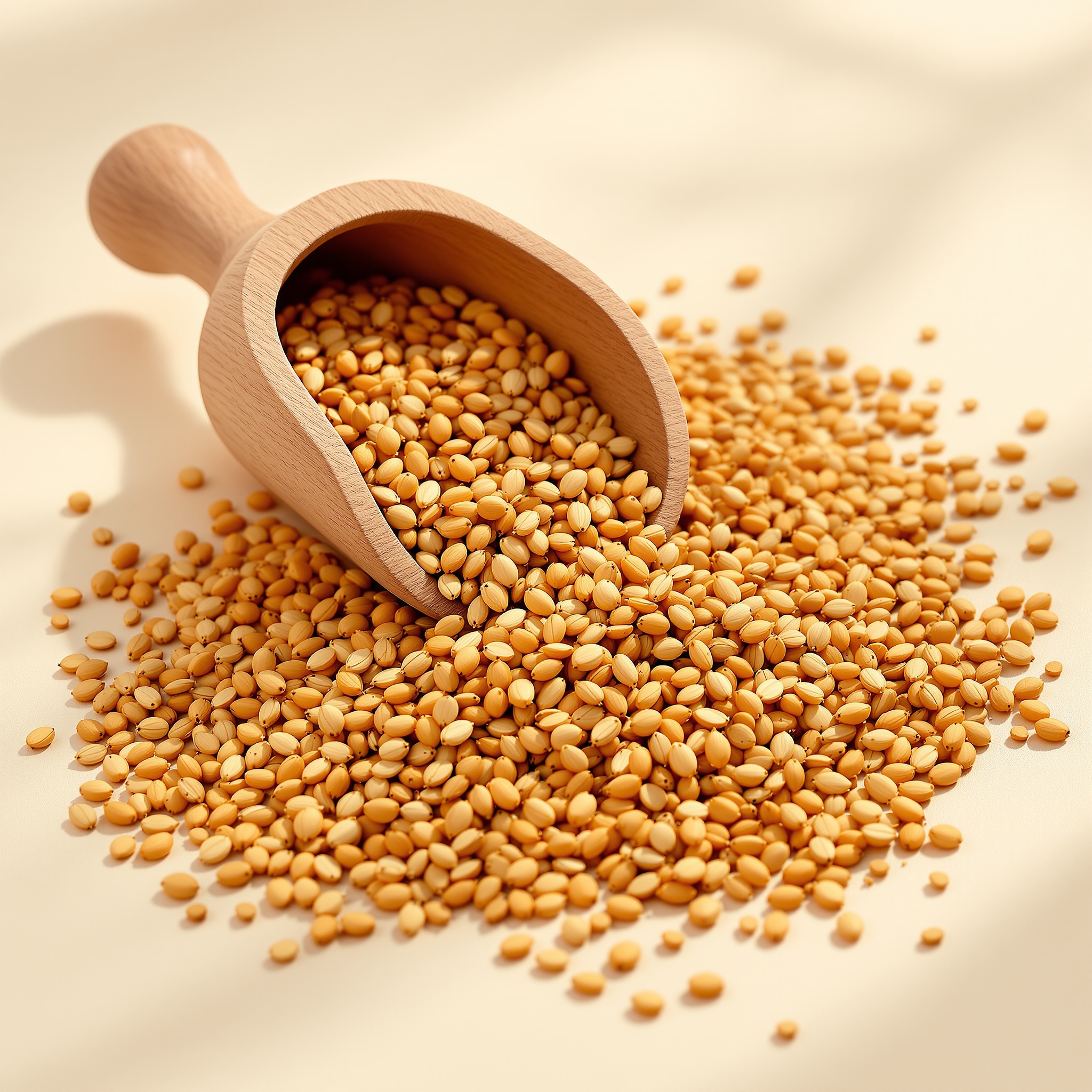
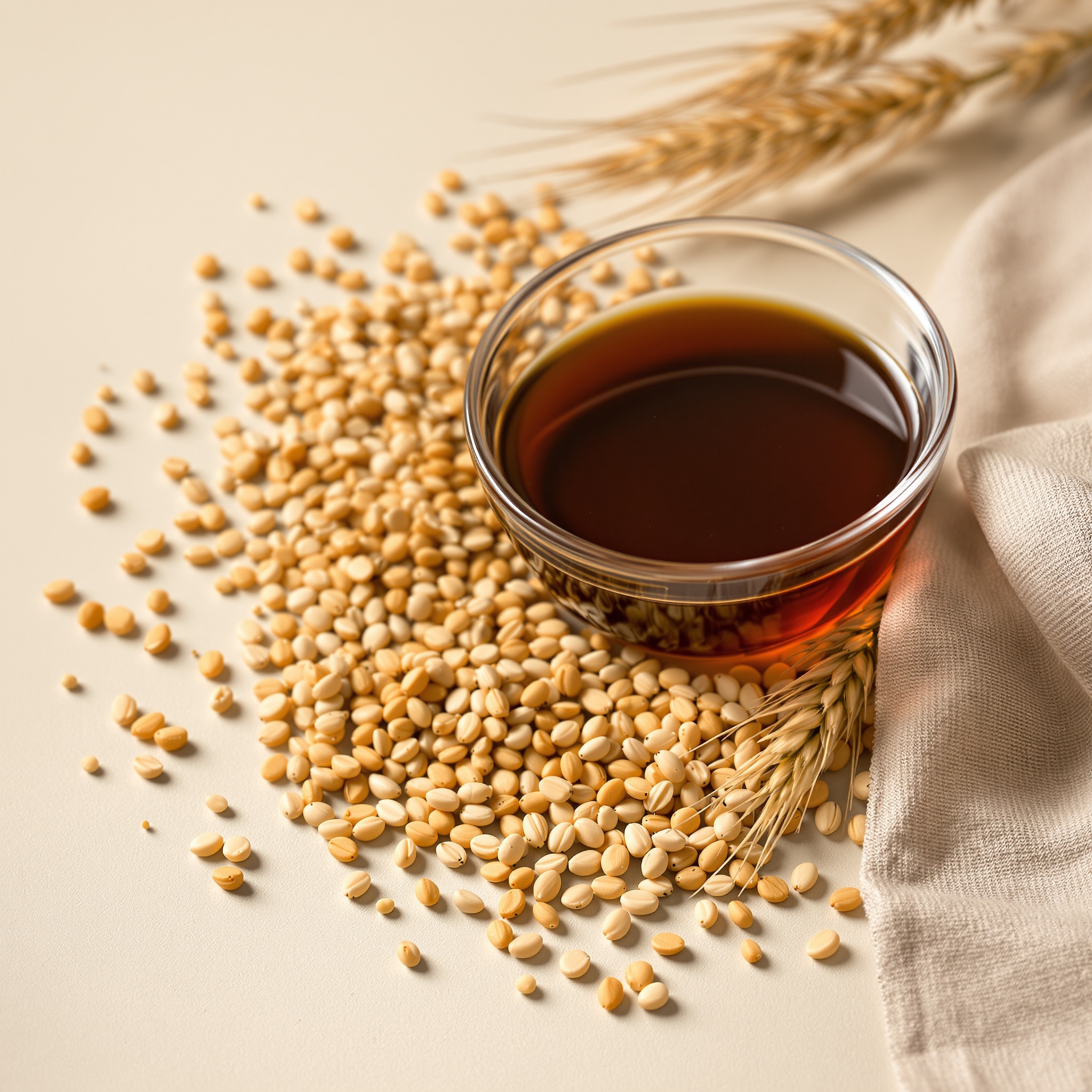
Malt
Warm toasted grain like fresh dark bread
What it is
Malt is grain, usually barley, that has been steeped in water to germinate, then dried or kiln-roasted to halt sprouting while developing sugars and aroma. The perfumery note captures this roasted-cereal smell, reconstructed with aroma chemicals such as maltol rather than distilled from the grain itself.
How it smells
Toasted and grainy, like warm malted milk, dark crusty bread and biscuit, with a soft caramel sweetness underneath and a faint nutty, beer-like fermentation edge. It feels cozy and edible, drying into a gentle cereal warmth rather than sharp roast or smoke.
In perfumery
A heart-to-base gourmand accent, Malt adds toasty bready warmth and a comforting edible quality to sweet and oriental compositions. It works alongside coffee, cocoa, honey, vanilla and tobacco, deepening boozy whisky-style accords and rounding caramelized notes in modern dessert-leaning fragrances.
Good to know
Malting underpins both whisky and beer, where kilning temperature decides everything from pale lager malt to near-black roasted grain. The toasty aroma comes from Maillard browning during kilning, the same chemistry that browns toast and forms the crust on baking bread.

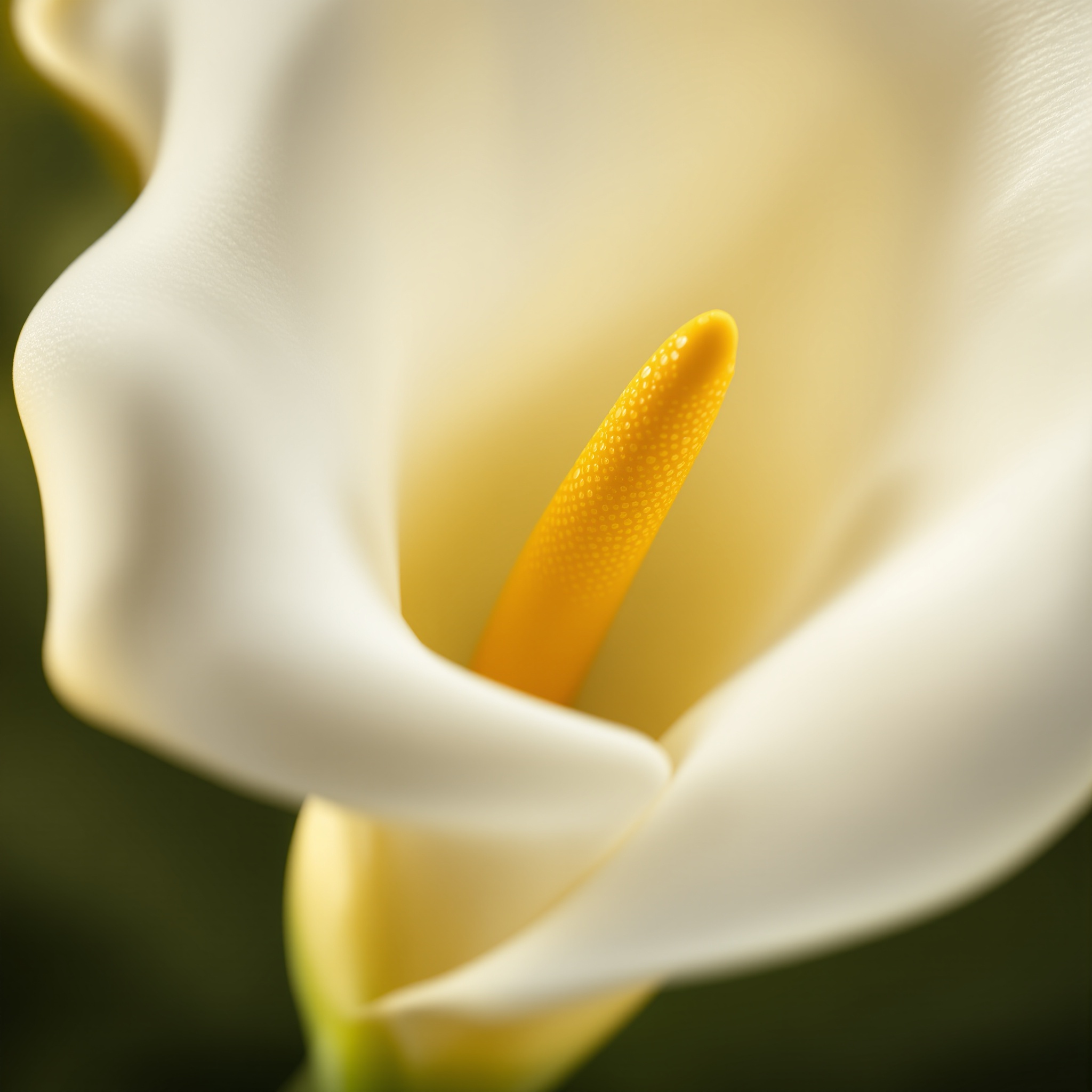
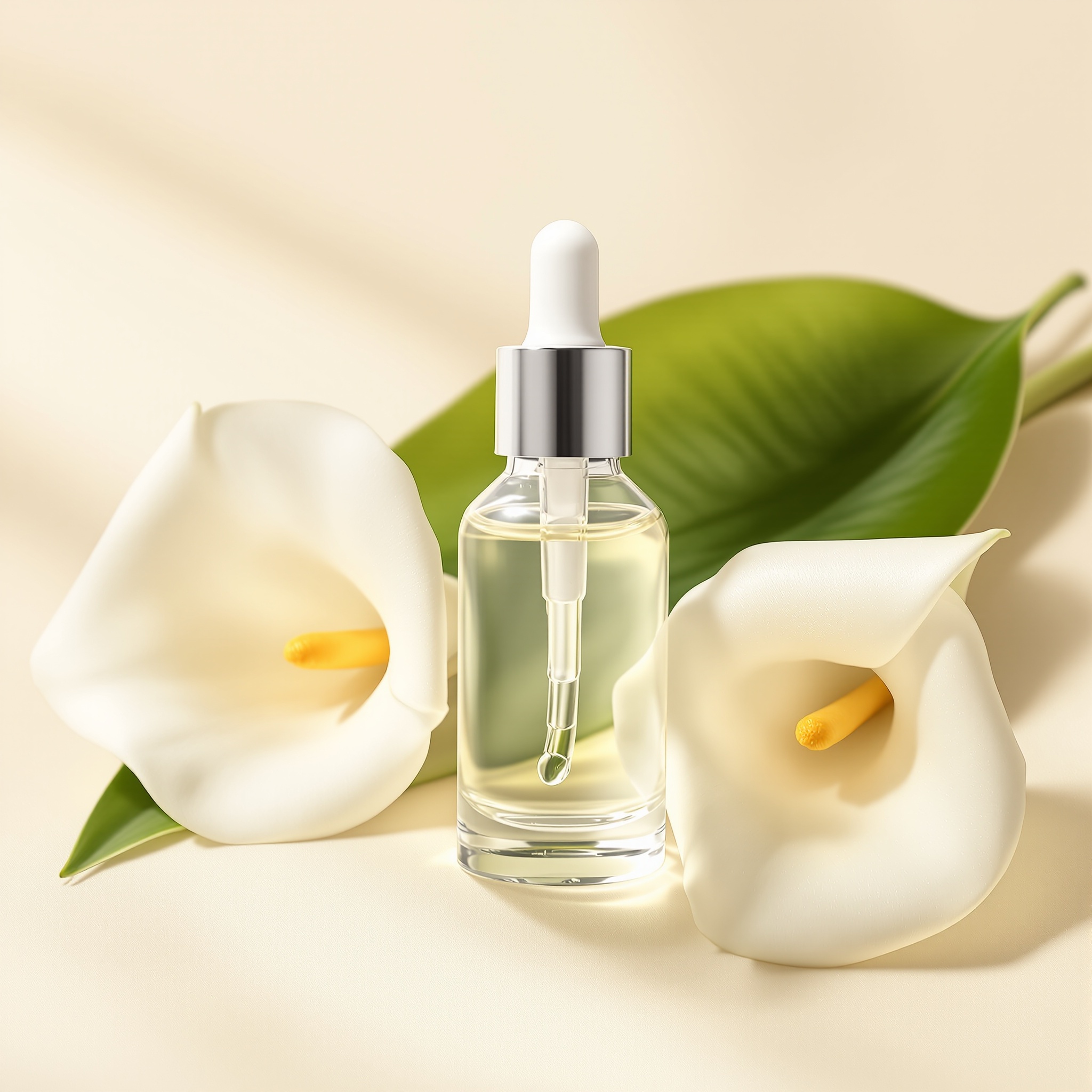
Calla Lily
Cool green trumpet of a white flower
What it is
The calla lily, Zantedeschia, is a South African plant grown worldwide for its sculptural white spathe. Its bloom yields too little usable oil to extract commercially, so perfumery calla lily is a reconstruction built from green, watery and white-floral aroma materials, often guided by headspace analysis of the living flower.
How it smells
Cool, green and watery with a clean white-floral heart. It suggests crushed leaf and stem, a faint peppery sharpness and a dewy aquatic transparency, lighter and far less indolic than lily or jasmine. The effect is crisp and modern rather than heady, drying down soft and slightly powdery.
In perfumery
A heart note used for fresh, minimalist white bouquets and clean aquatic florals. It pairs with muguet, green leaves, watery melon notes, musk and soft woods. As a reconstructed accord it appears as a listed note across sleek contemporary feminine compositions rather than dominating any single famous scent.
Good to know
Despite the name, the calla lily is not a true lily but a member of the arum family, related to philodendrons and peace lilies. The whole plant is toxic, rich in calcium oxalate crystals, one reason its fragrance reaches perfume only through synthetic recreation.
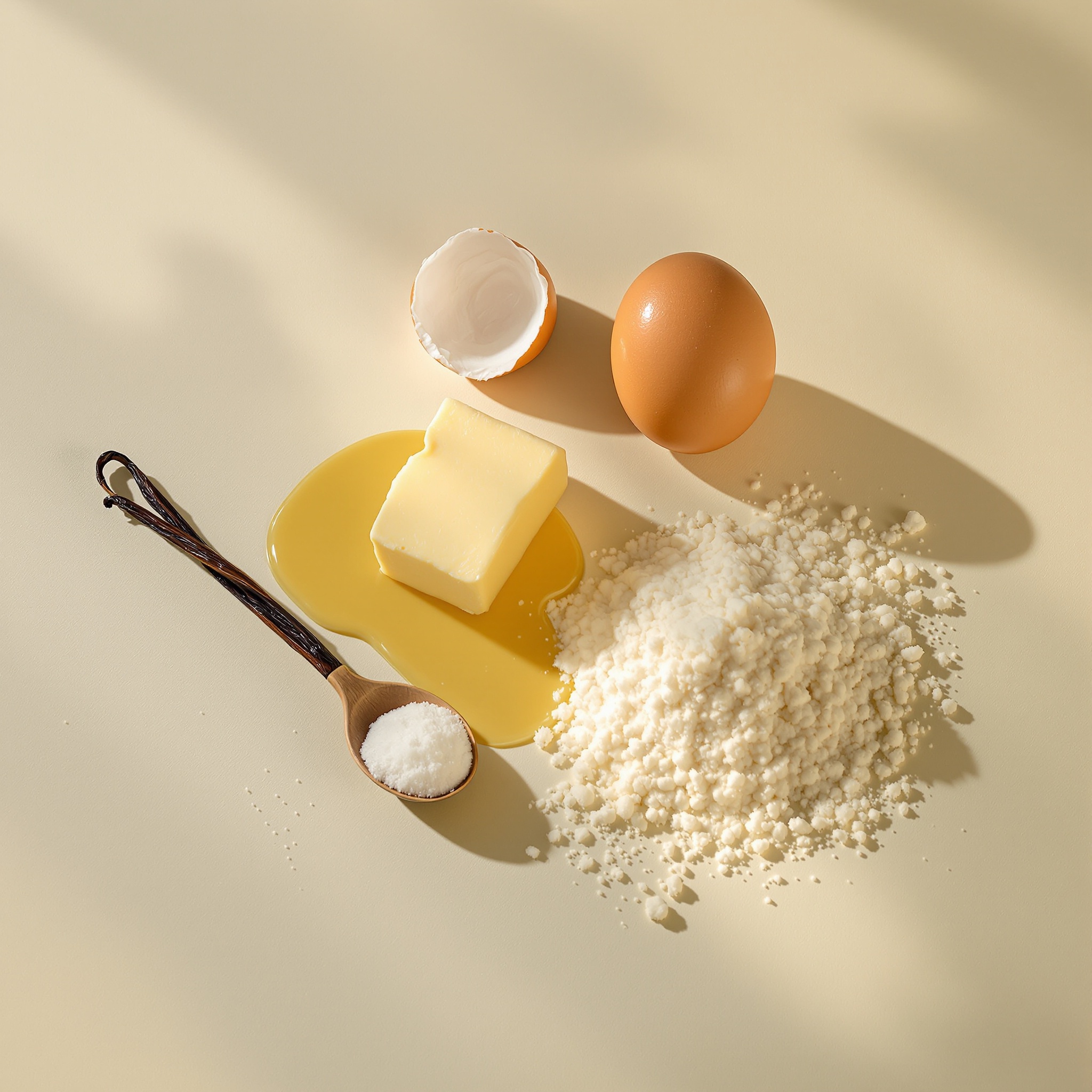
Cake
Warm vanilla sponge fresh from the oven
What it is
Not a single ingredient but an abstract gourmand accord built to evoke baked cake. Perfumers assemble it from aroma materials such as vanillin, ethyl maltol, heliotropin, benzaldehyde and butyric or lactonic notes, combining sugar, egg, butter and toasted-flour facets into one edible impression.
How it smells
Soft, sweet and floury, like warm sponge cooling on a rack. Caramelised sugar and vanilla lead, wrapped in buttery richness and a powdery almond-cherry edge from heliotropin and benzaldehyde. Depending on the supporting materials it leans toward marzipan, custard or fresh pastry, sometimes with a milky lactonic warmth.
In perfumery
A heart and base accord central to gourmand fragrances, layered with caramel, milk, fruit or florals to soften sweetness into comfort. It anchors dessert-themed scents and countless birthday-cake and bakery compositions across the sweet niche category.
Good to know
Ethyl maltol, the molecule that gives the accord its candied cotton-candy lift, had flavoured food since the 1960s before perfumer Olivier Cresp built it into a landmark 1992 release, the perfume widely credited with launching the modern gourmand genre and making edible notes respectable in fine fragrance.

Brandy
Aged spirit warmth, fruity, oaky and intoxicating
What it is
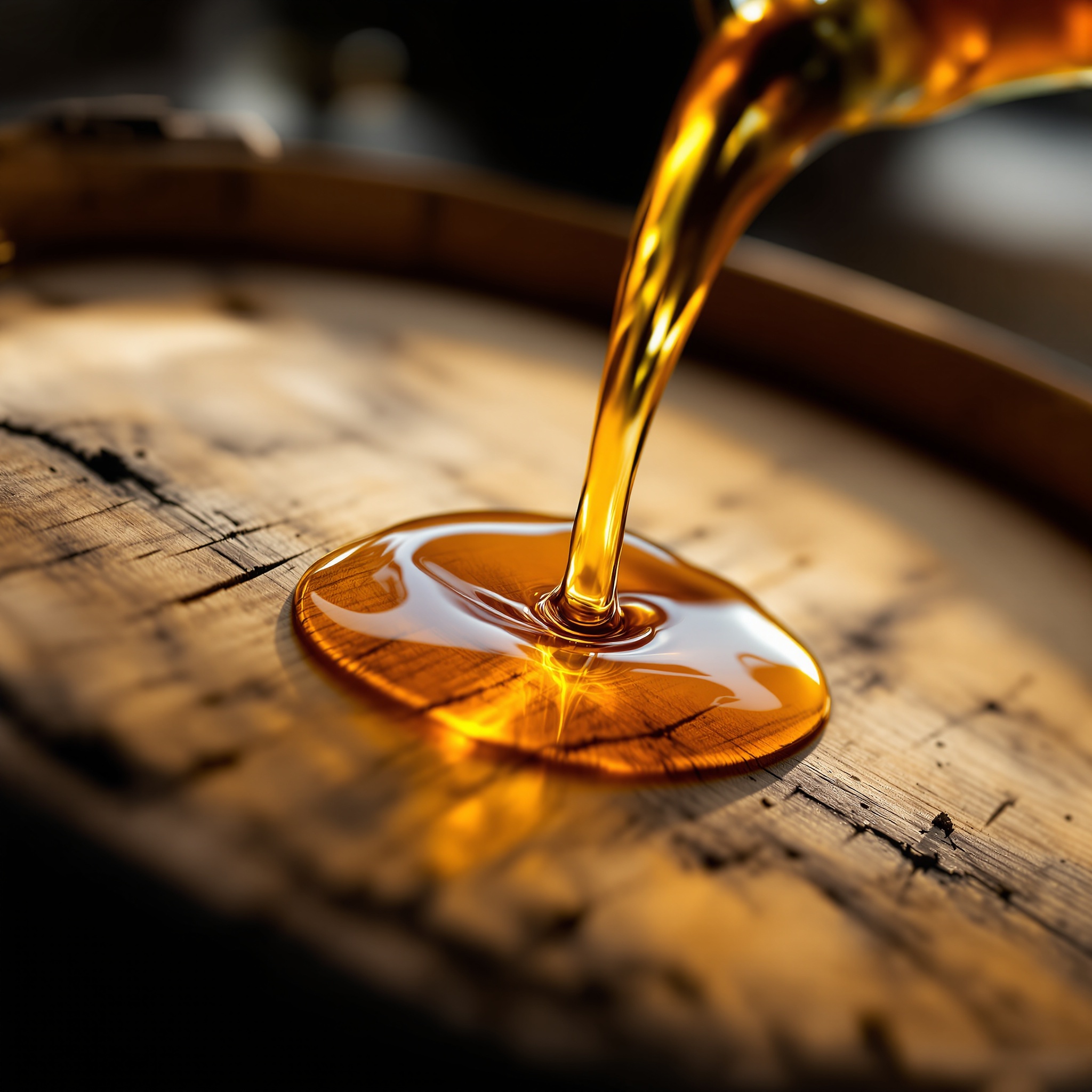
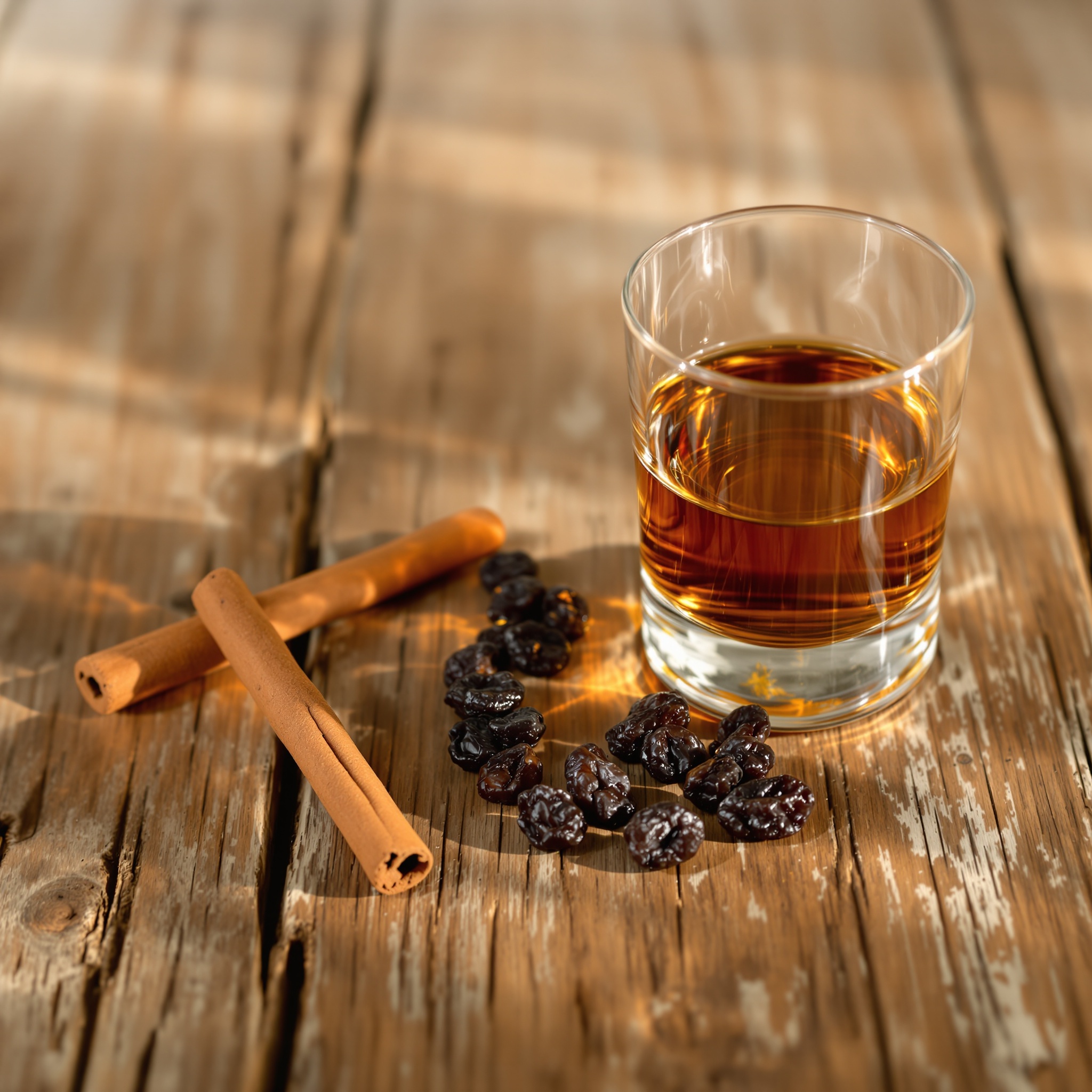
Brandy is a spirit distilled from fermented grapes or other fruit, then aged in oak barrels that lend color and depth, as in Cognac and Armagnac. In perfumery the note is an accord built from fruity esters, grape and wine facets, oak, and warm spirituous molecules rather than a single extract.
How it smells
Warm and boozy, with dried-fruit sweetness of raisin, fig, and plum over a vinous grape tang. Oak aging adds vanilla, caramel, and a faint woody bite, plus a heady alcoholic lift. It reads rich and mature, like the vapor rising above a swirled snifter.
In perfumery
A top-to-heart accent that injects festive warmth and adult indulgence. It pairs with tobacco, vanilla, dried fruits, plum, and chestnut to build gourmand and oriental depth. Brandied accords animate boozy fragrances built around spirit-soaked, tobacco-rich themes.
Good to know
The boozy radiance perfumers chase echoes the angels' share, the portion of spirit that evaporates through the barrel during aging. Because alcohol itself flashes off skin fast, the note is recreated through fruity and oaky molecules that hold the impression of liquor longer.
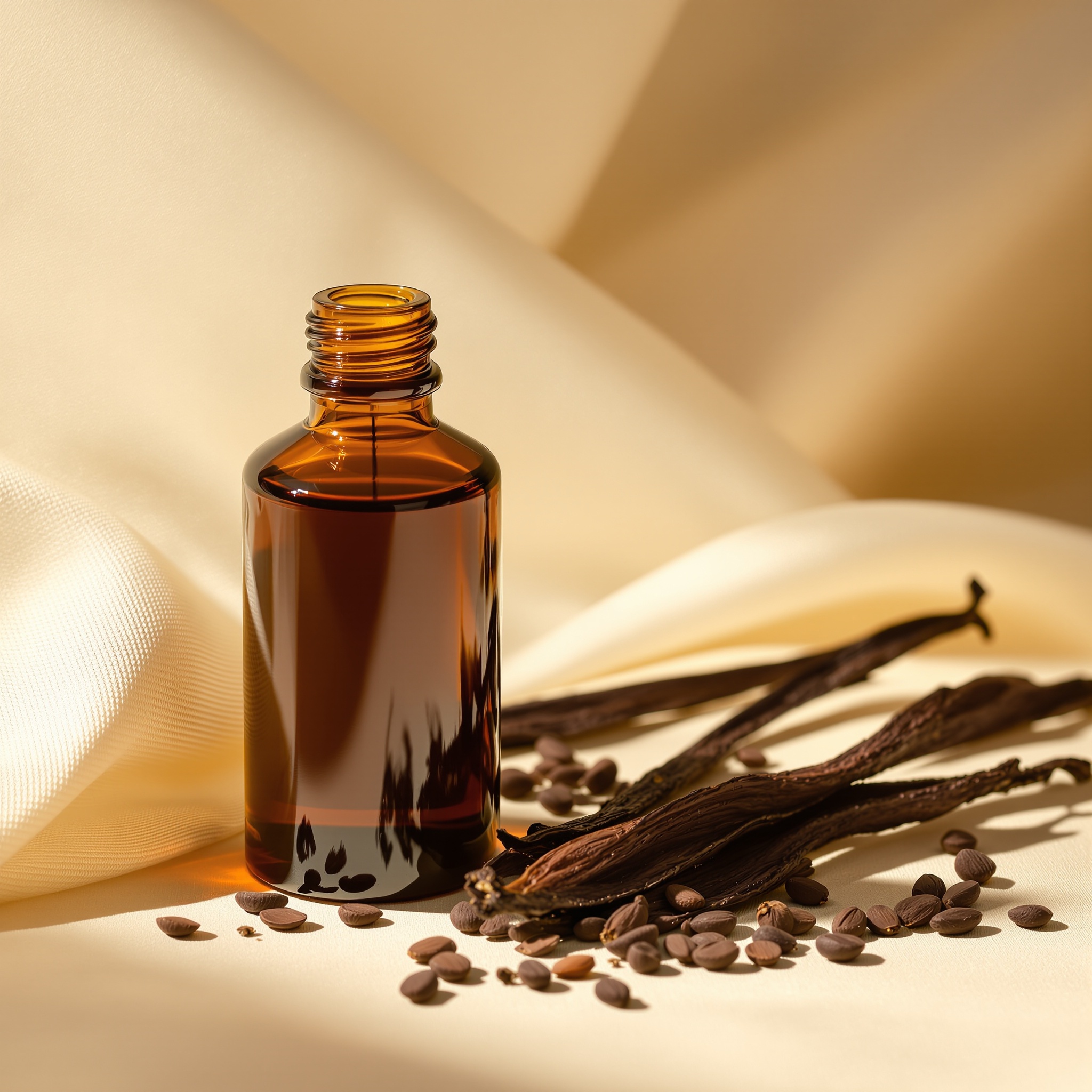
Vanilla
The warm sweet heart of comfort itself
What it is
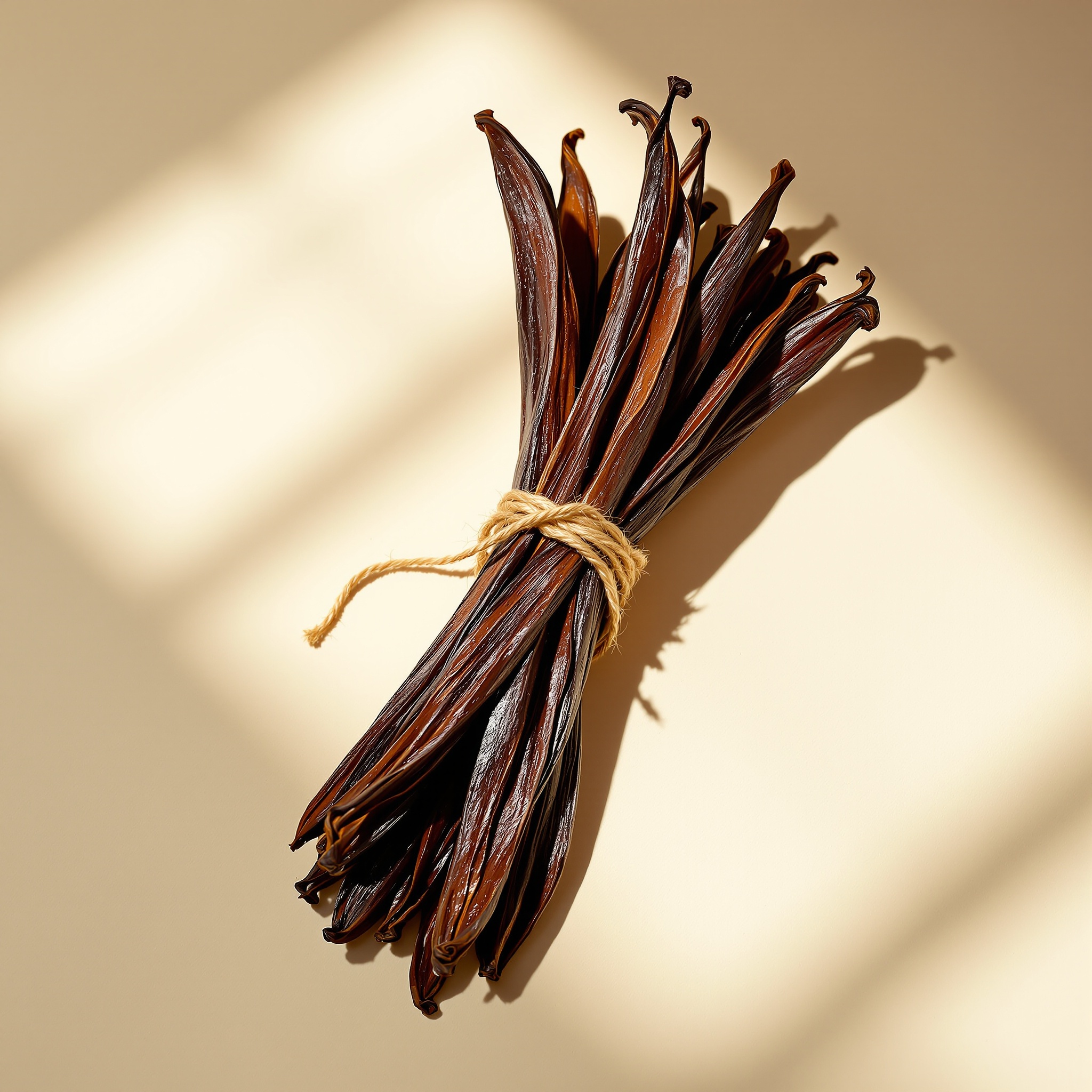
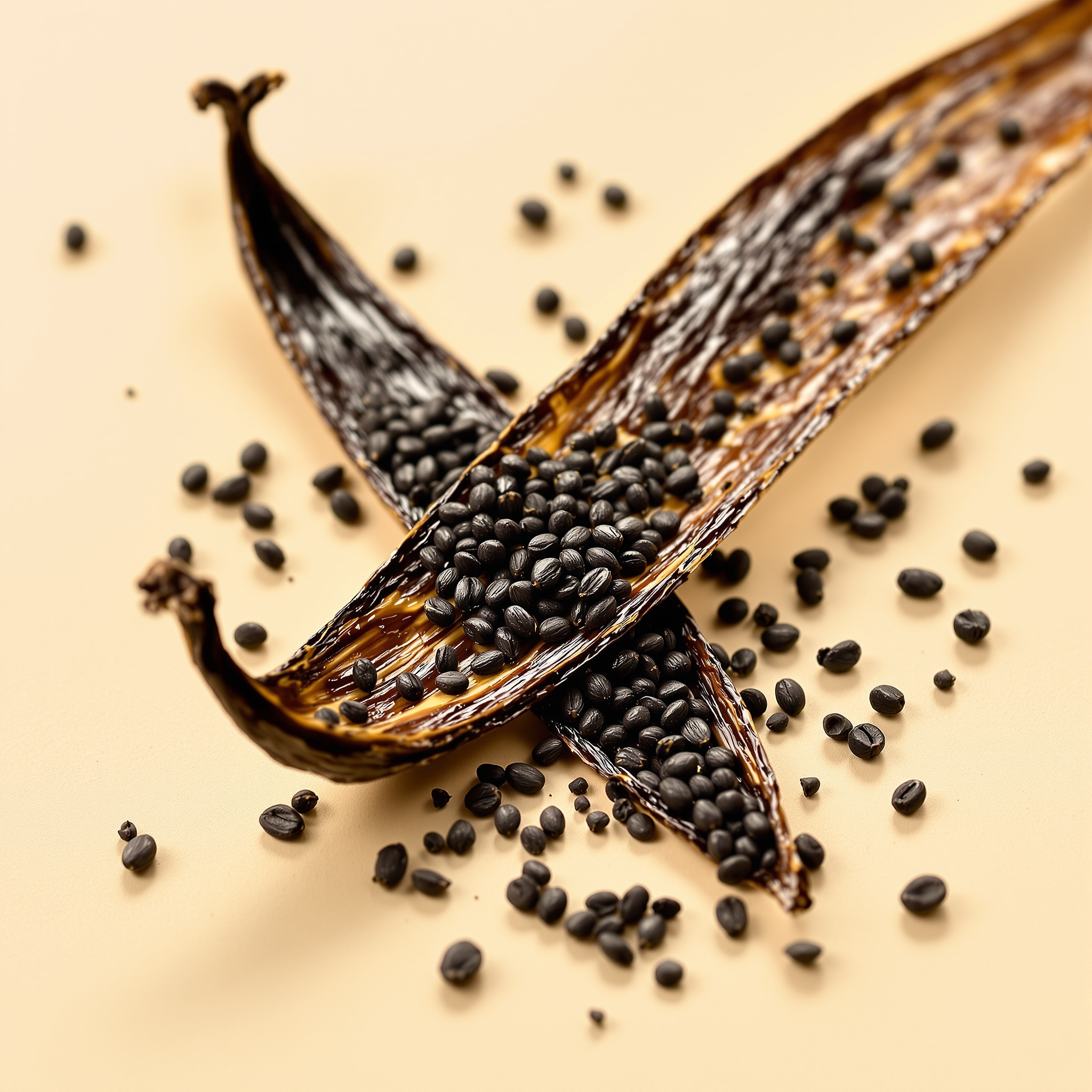
Vanilla comes from the cured seed pods of Vanilla planifolia, a climbing orchid native to Mexico now grown mainly in Madagascar, Réunion and Tahiti. Green pods are picked unripe, then blanched, sweated in the sun and slow-dried over months until they darken and develop their aroma and vanillin.
How it smells
Sweet, warm and creamy, with a balsamic depth recalling custard, caramel and dried fruit, a faint smoky tobacco-like edge sitting underneath. It opens soft and gourmand, then dries into a powdery resinous warmth that clings close to skin and reads richer than synthetic vanillin alone.
In perfumery
A base note prized for richness and lasting warmth, vanilla rounds sharp edges and anchors oriental and gourmand compositions. It pairs naturally with tonka, amber, sandalwood and spice. Many of the most enduring oriental and tobacco fragrances build their core around it.
Good to know
Vanilla ranks among the costliest spices because each orchid flower opens for one day and must be hand-pollinated, a technique devised in 1841 by Edmond Albius, a twelve-year-old enslaved boy on Réunion. Most commercial vanilla flavor now relies on synthetic vanillin.
Brown Sugar
Molasses-dark sweetness with a smoky edge
What it is
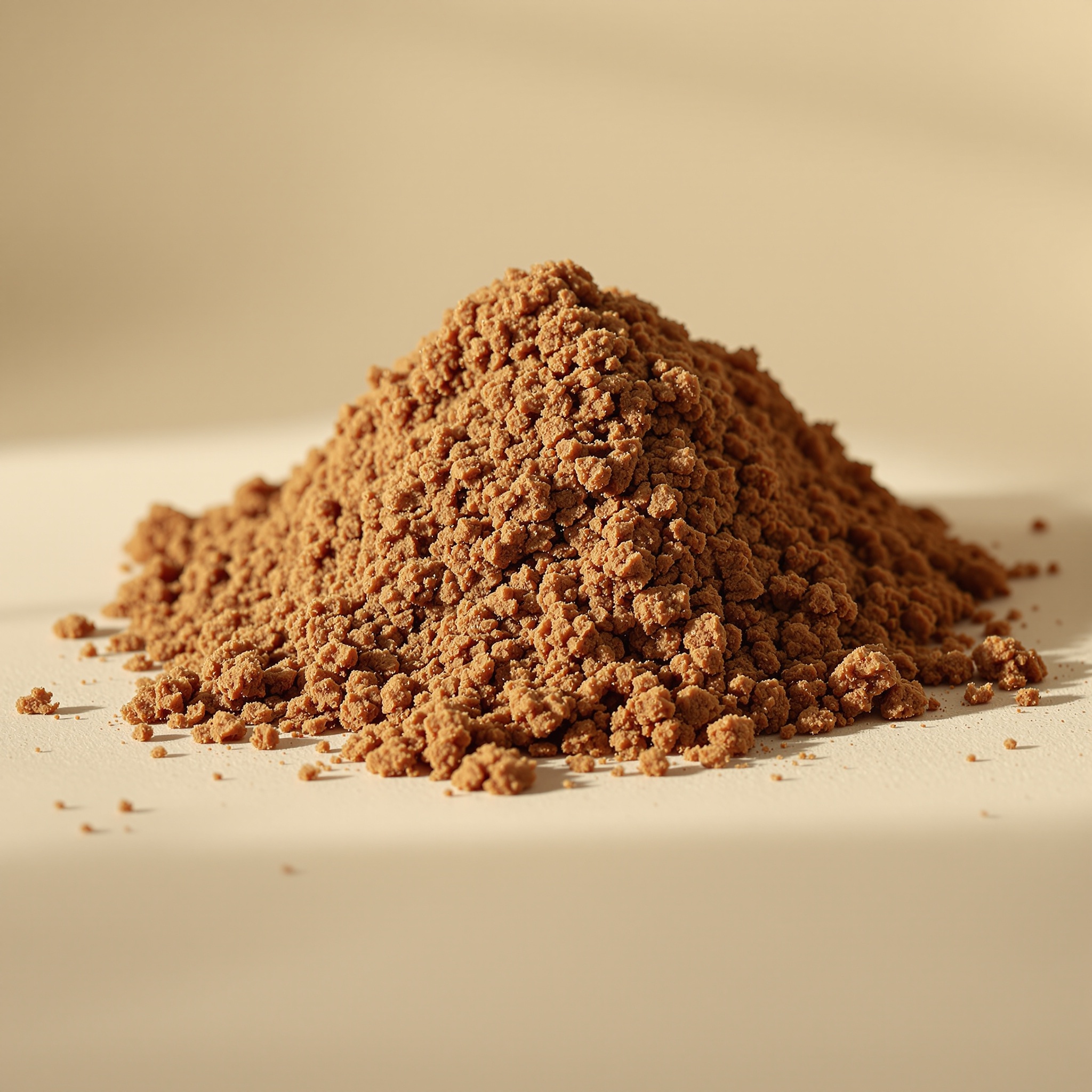
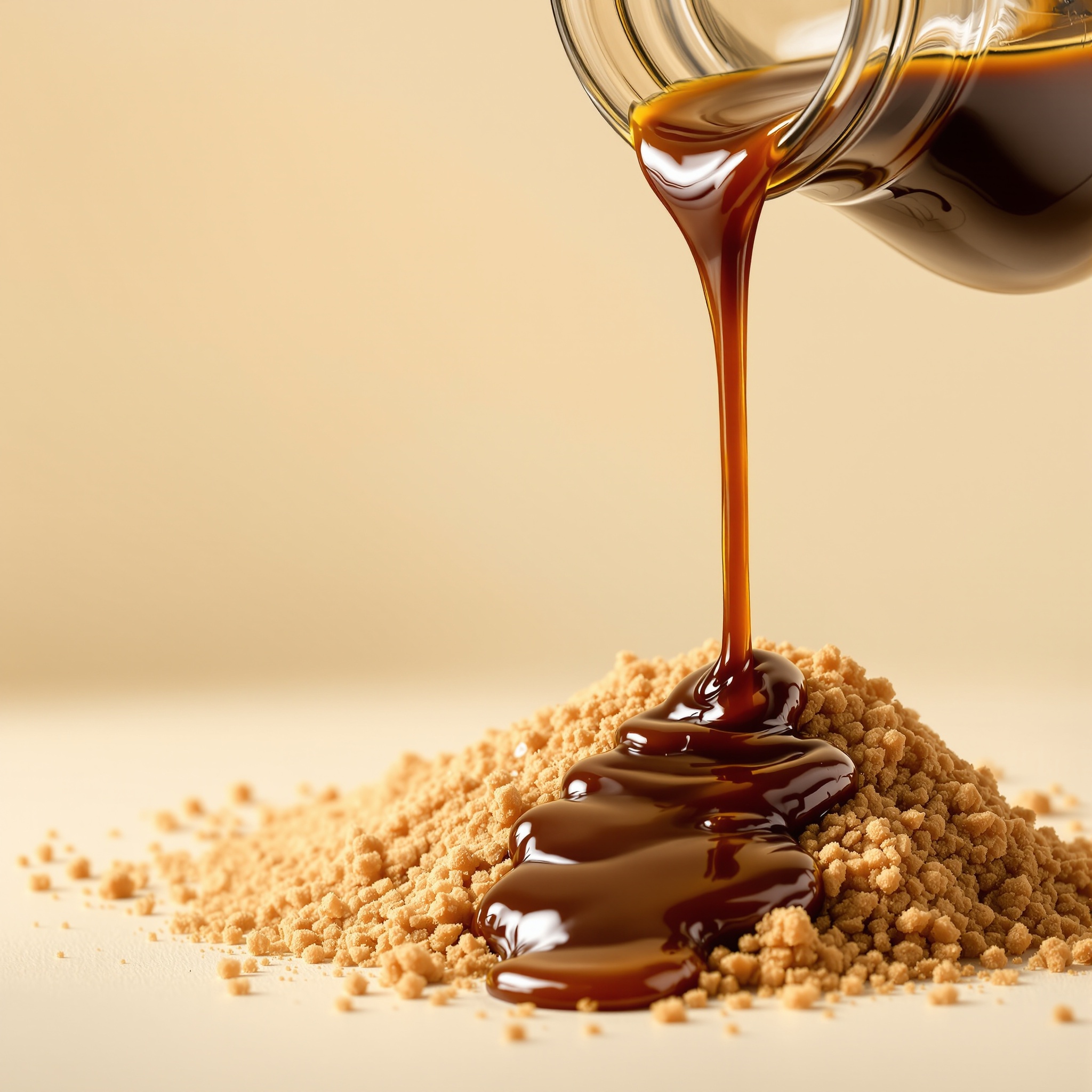
Brown sugar is refined white sugar coated with molasses, or partially refined cane sugar that retains its molasses naturally. In perfumery it is recreated as an accord, since cooked sugar yields no extract. Caramelized-sugar and molasses-like aroma chemicals supply the smell, usually led by maltol and ethyl maltol.
How it smells
Deeper and damper than plain sugar, with a toffee-like richness and a molasses tang edging toward rum and licorice. It opens sweet and caramelized, then reveals smoky, slightly burnt and resinous facets. Less candied than spun sugar, closer to syrup darkening in a hot pan.
In perfumery
A base-to-heart sweetener that grounds gourmands with cooked-sugar warmth and weight. It marries with vanilla, tonka, rum, tobacco and coffee, and lifts spicy orientals. Maltol's burnt-sugar facet forms the backbone of countless caramel and praline compositions, from genre-defining gourmands to modern dessert fragrances.
Good to know
Maltol and ethyl maltol, the molecules behind this note, double as food additives that enhance perceived sweetness, letting manufacturers cut actual sugar. Ethyl maltol is several times stronger and used at high dilution; raw, it smells unmistakably of cotton candy and warm caramel.
Custard
Warm eggy vanilla cream cooling on the counter
What it is
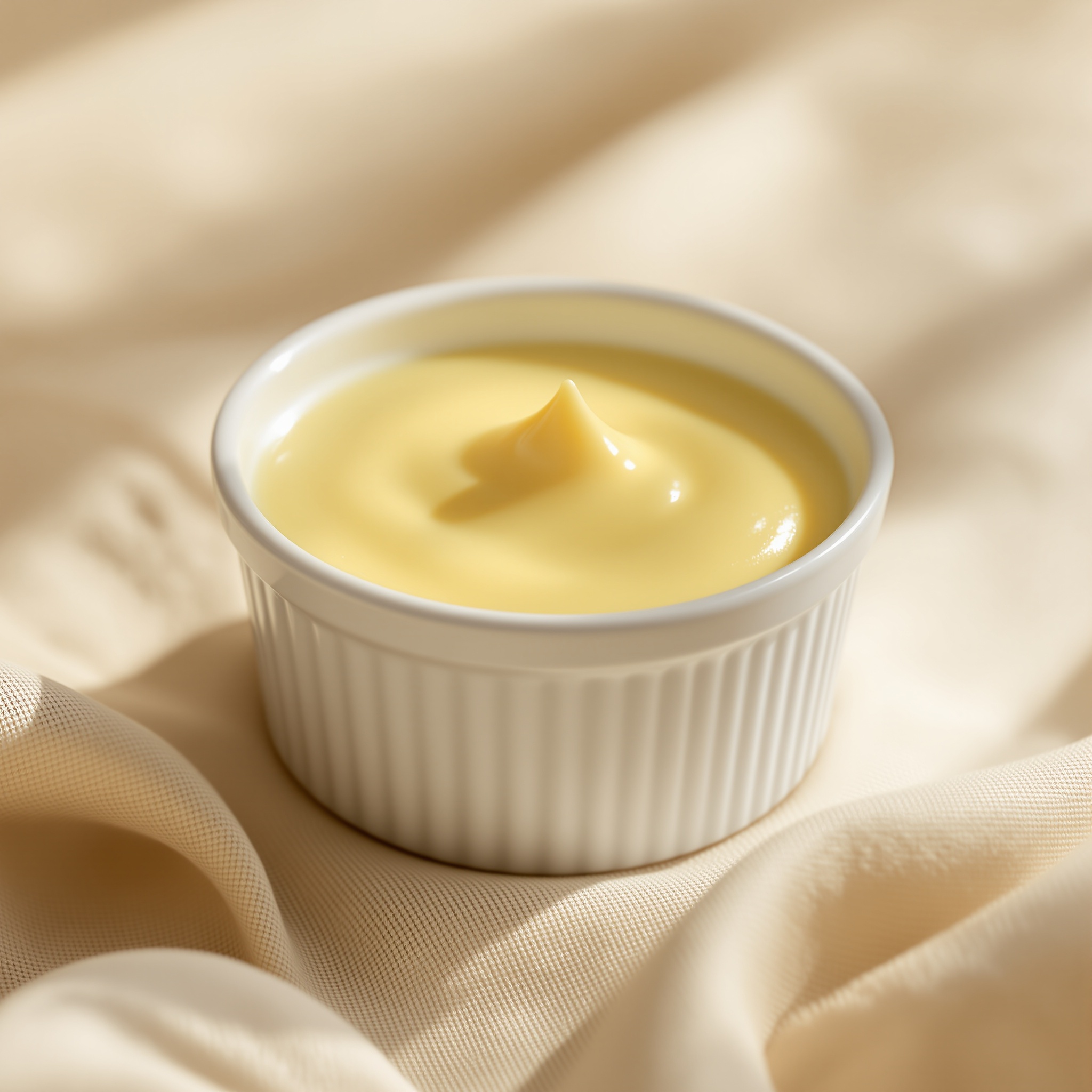
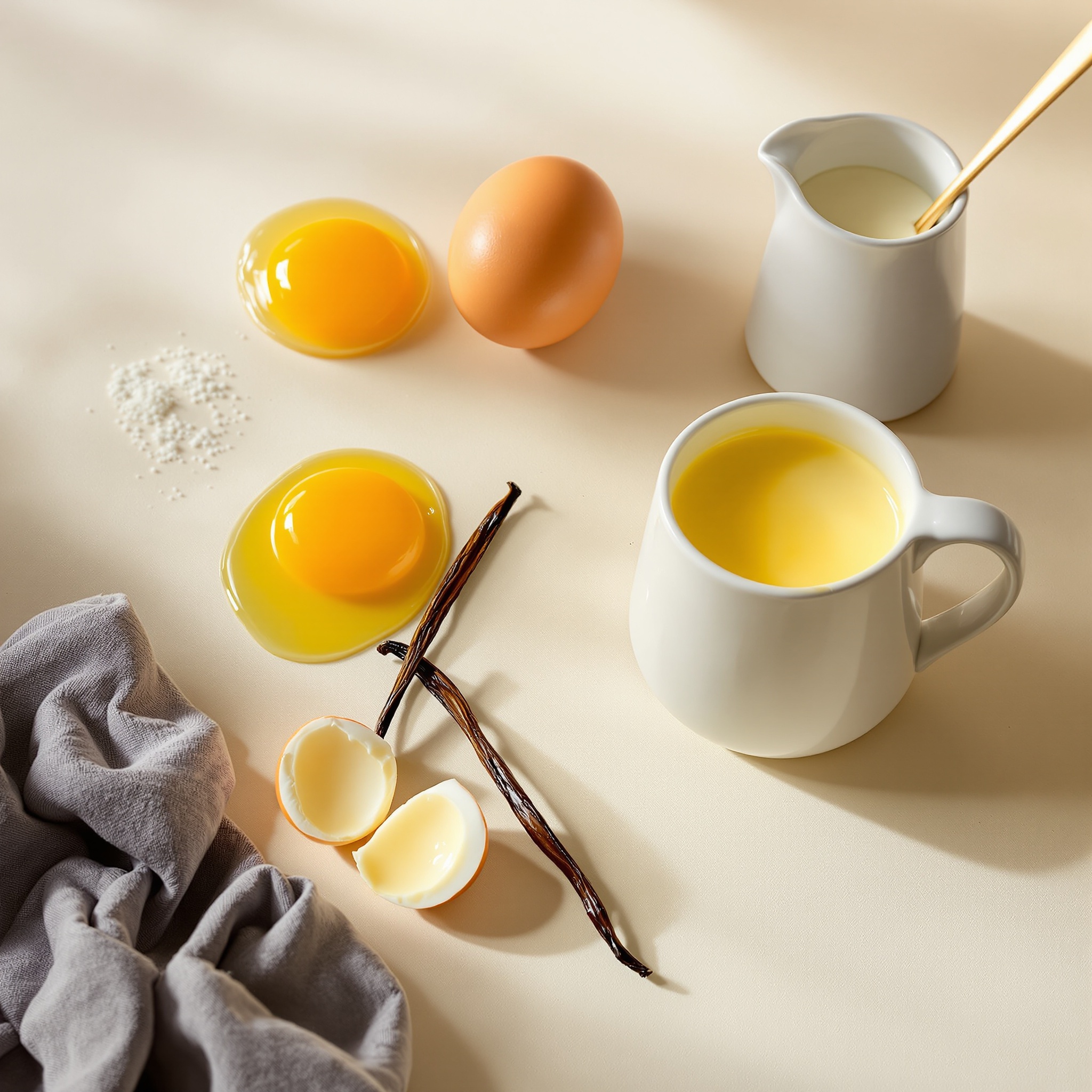
A gourmand accord rather than a single ingredient, built to smell like custard, a cooked dessert of milk, sugar and egg yolks. Perfumers construct it from vanillin and vanilla absolute layered with creamy lactones and trace egg-like sulfur molecules that supply richness beyond plain sweetness.
How it smells
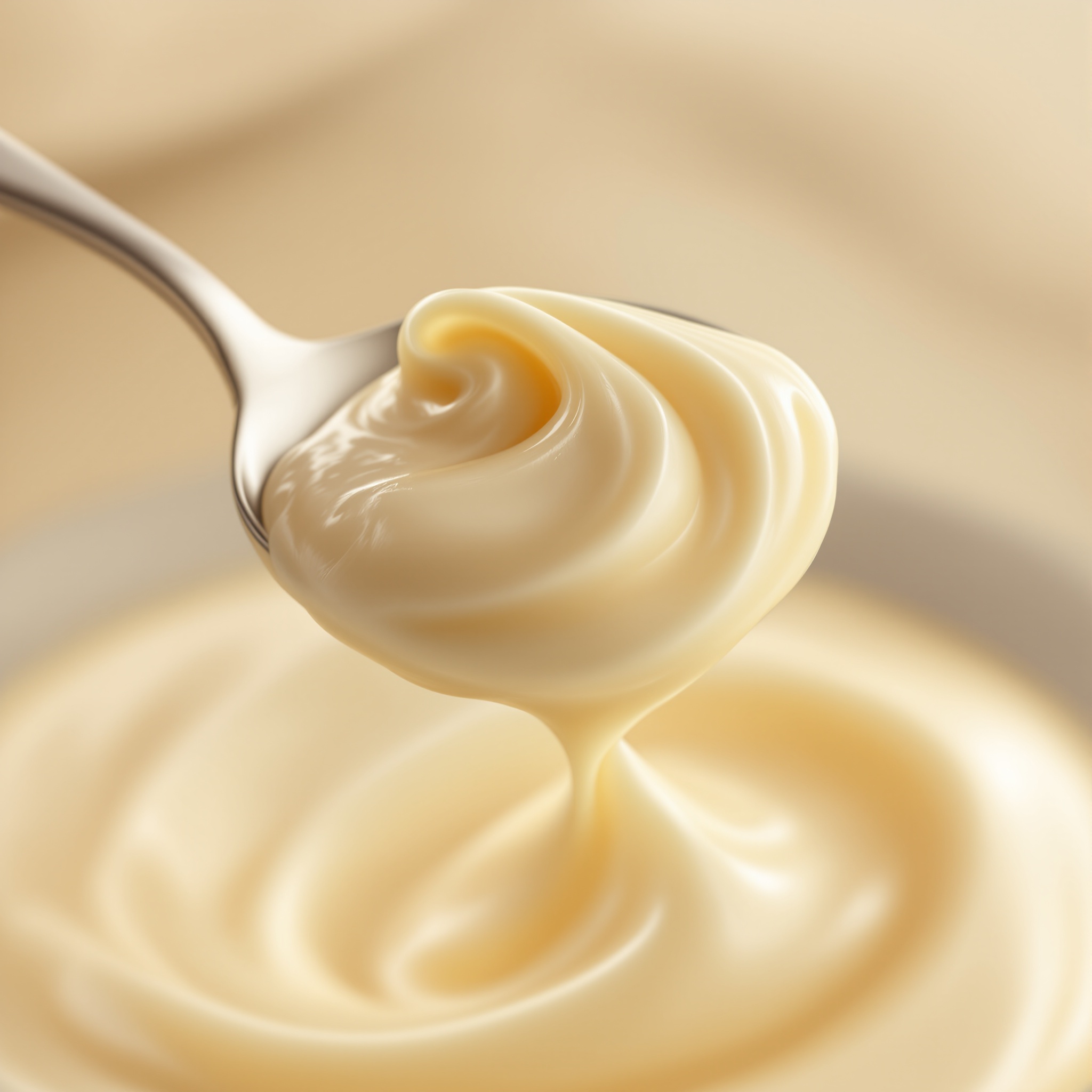
Rich, soft and edible, like freshly poured vanilla custard left to cool. Sweet vanilla and warm butter meet a velvety lactonic creaminess, with faint caramel, brown sugar and a rounded eggy warmth. It feels thick and comforting rather than sugary-sharp, sometimes brushed with coconut or praline.
In perfumery
A heart-to-base note central to modern gourmands, lending body, warmth and dessert-like plushness. It pairs with vanilla, tonka, caramel, coconut and milk, and softens woods and ambers. Jovoy Fire At Will reads as vanilla custard enriched with egg yolk, a clear showcase of the accord.
Good to know
The egg facet that makes custard convincing comes from sulfur chemistry. The same molecules that smell harsh and rotten at high strength turn warm, cooked and animalic at trace doses, adding the rich underside that pure vanilla sweetness alone could never reach.
Tonka
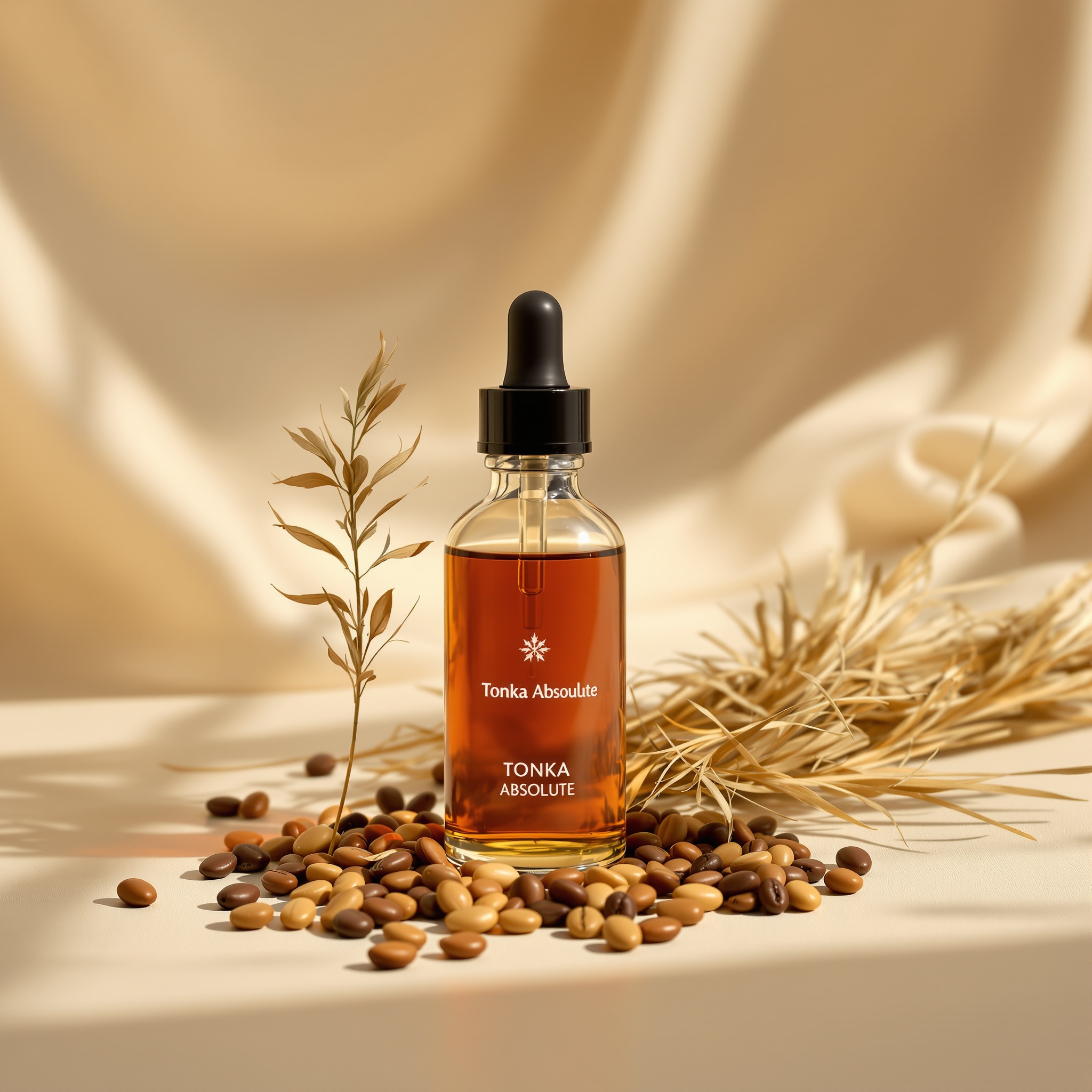
Warm almond and vanilla with a hint of hay
What it is
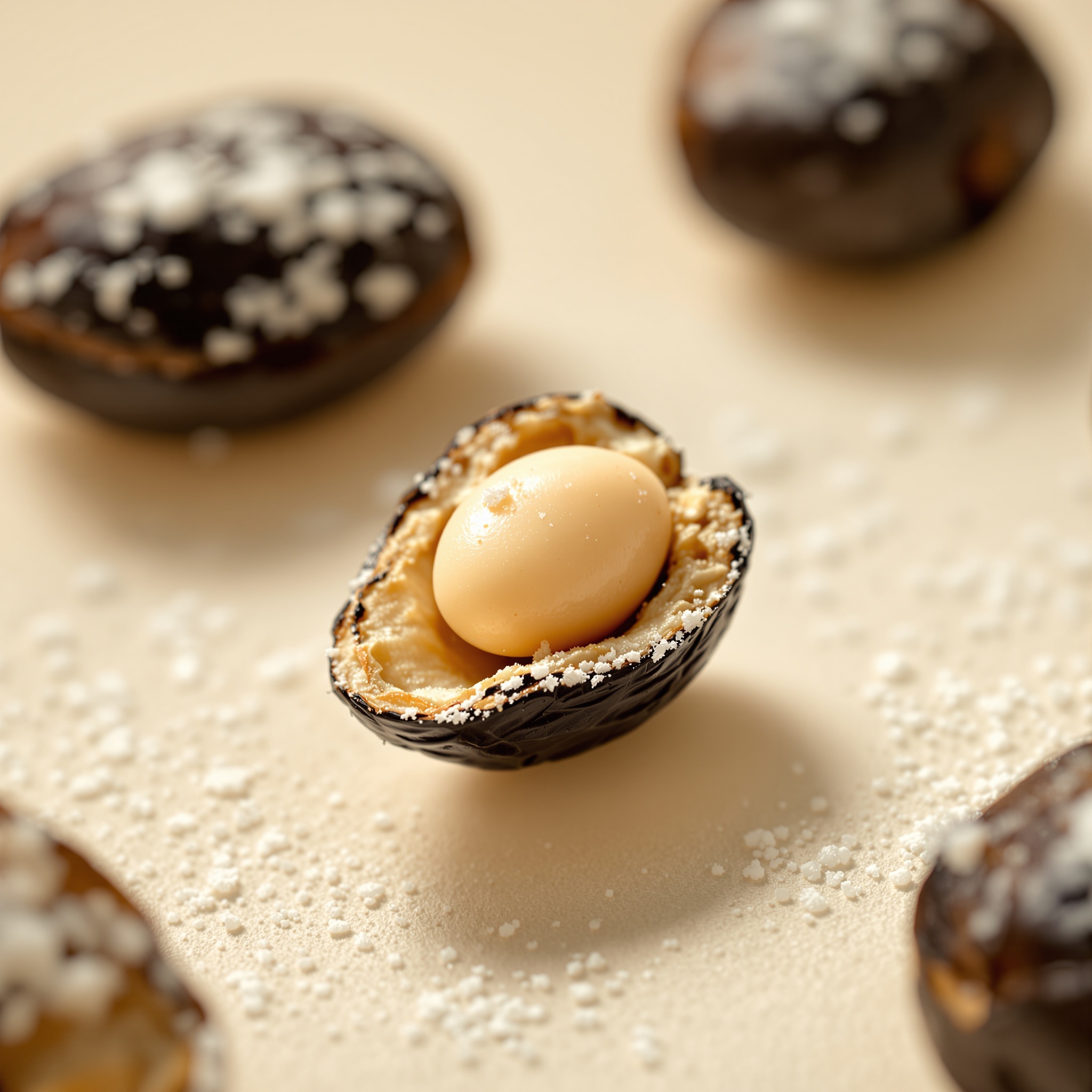
The wrinkled black seed of Dipteryx odorata, a tall legume tree of northern South America, with most beans coming from Venezuela and Brazil. Seeds are soaked in alcohol, often rum, which draws coumarin to the surface as crystals, then dried and processed into a tincture or absolute.
How it smells
Soft, warm and sweet, weaving vanilla, bitter almond, fresh-cut hay, tobacco and caramel with a powdery, slightly boozy edge. The coumarin lends a hay-like, almost cherry-cake sweetness. It opens cozy and gourmand and dries into a creamy, nutty warmth that lingers for hours.
In perfumery
A versatile base note adding sweetness, warmth and a soft powdery finish without weight. It blends with vanilla, lavender, amber, tobacco and woods, and forms the heart of the fougere accord. Tonka warms everything from vintage powdery orientals to modern tobacco-vanilla compositions.
Good to know
Tonka owes its character to coumarin, first synthesized by William Perkin in 1868 and central to the 1882 perfume that launched the fougere family. The raw seed is banned as a US food additive, since high doses of coumarin can be toxic to the liver.

Benzoin
Warm vanilla balsam wept from a tapped tree
What it is
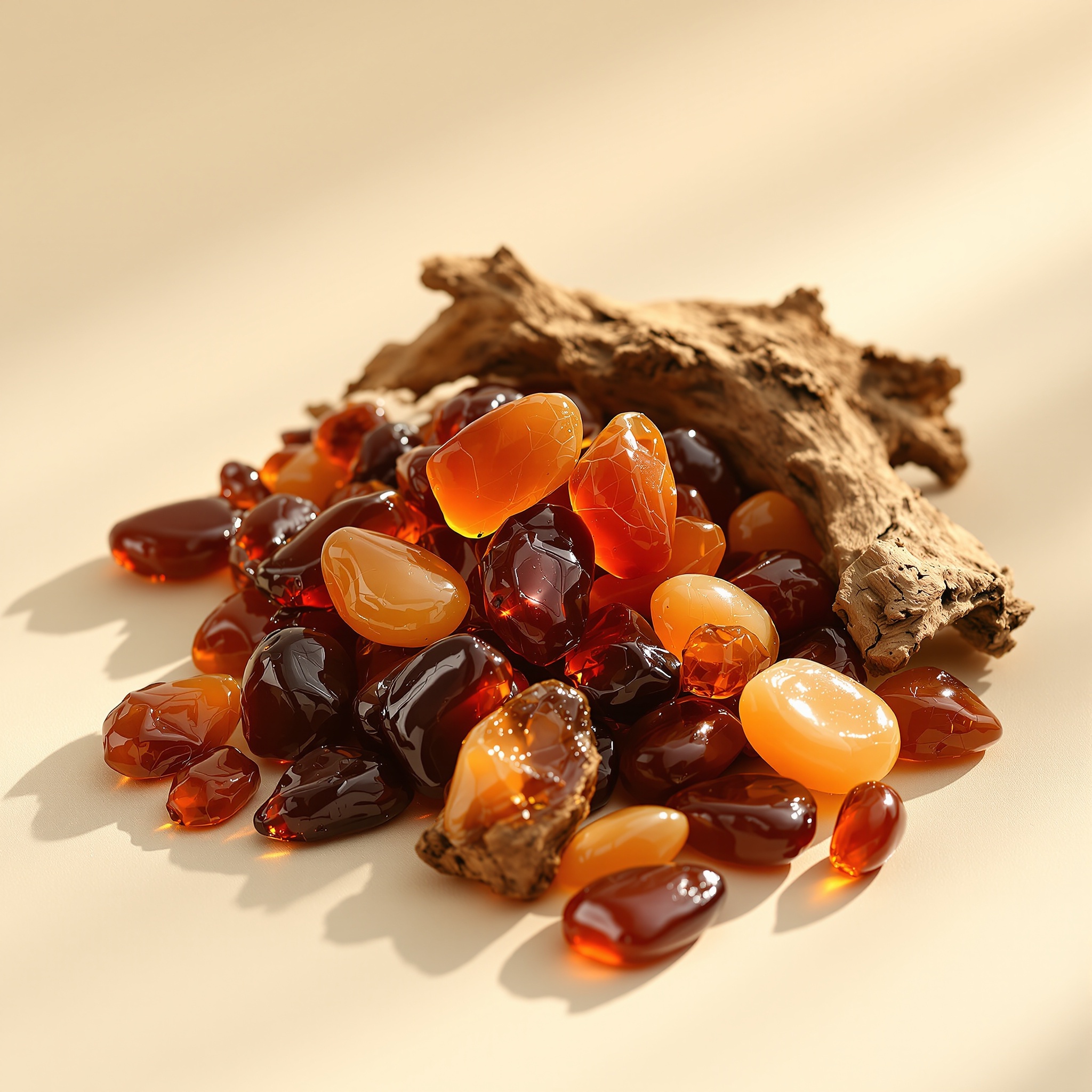
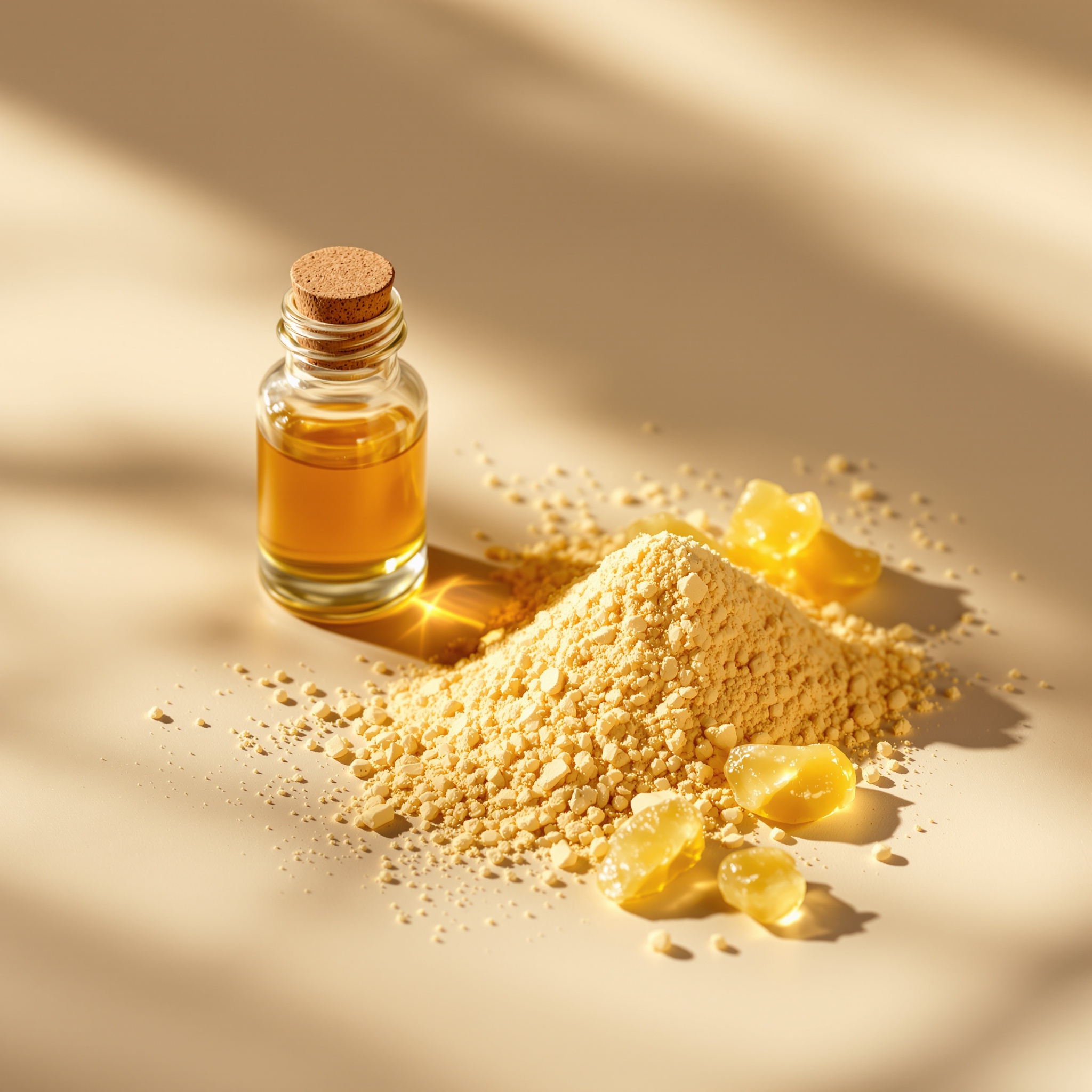
Benzoin is a balsamic resin from Styrax trees of Southeast Asia. Siam benzoin comes from Styrax tonkinensis (Laos, Vietnam), Sumatra benzoin from Styrax benzoin (Indonesia). Incisions in the bark make the tree exude a gum that hardens over months into reddish tears, processed into resinoid and absolute.
How it smells
Sweet, warm and balsamic with a pronounced vanilla character and powdery, ambery, faintly cinnamic facets. Siam is rounder and more vanillic; Sumatra is smokier with a cinnamon-styrax edge. It opens soft and creamy, then dries into a cozy, resinous, almost caramelized sweetness.
In perfumery
A warm base note and gentle fixative lending sweetness, body and a vanillic glow to amber accords. It blends with labdanum, vanilla, tonka and incense, smoothing orientals and gourmands. Benzoin is a defining warmth in golden-age oriental classics and countless amber compositions.
Good to know
Benzoin gave its name to benzoic acid and, through it, to the chemical term benzene. The word itself traces to the Arabic luban jawi, "frankincense of Java." The resin never flows on its own; every tear is the tree healing an incision deliberately cut into its bark.
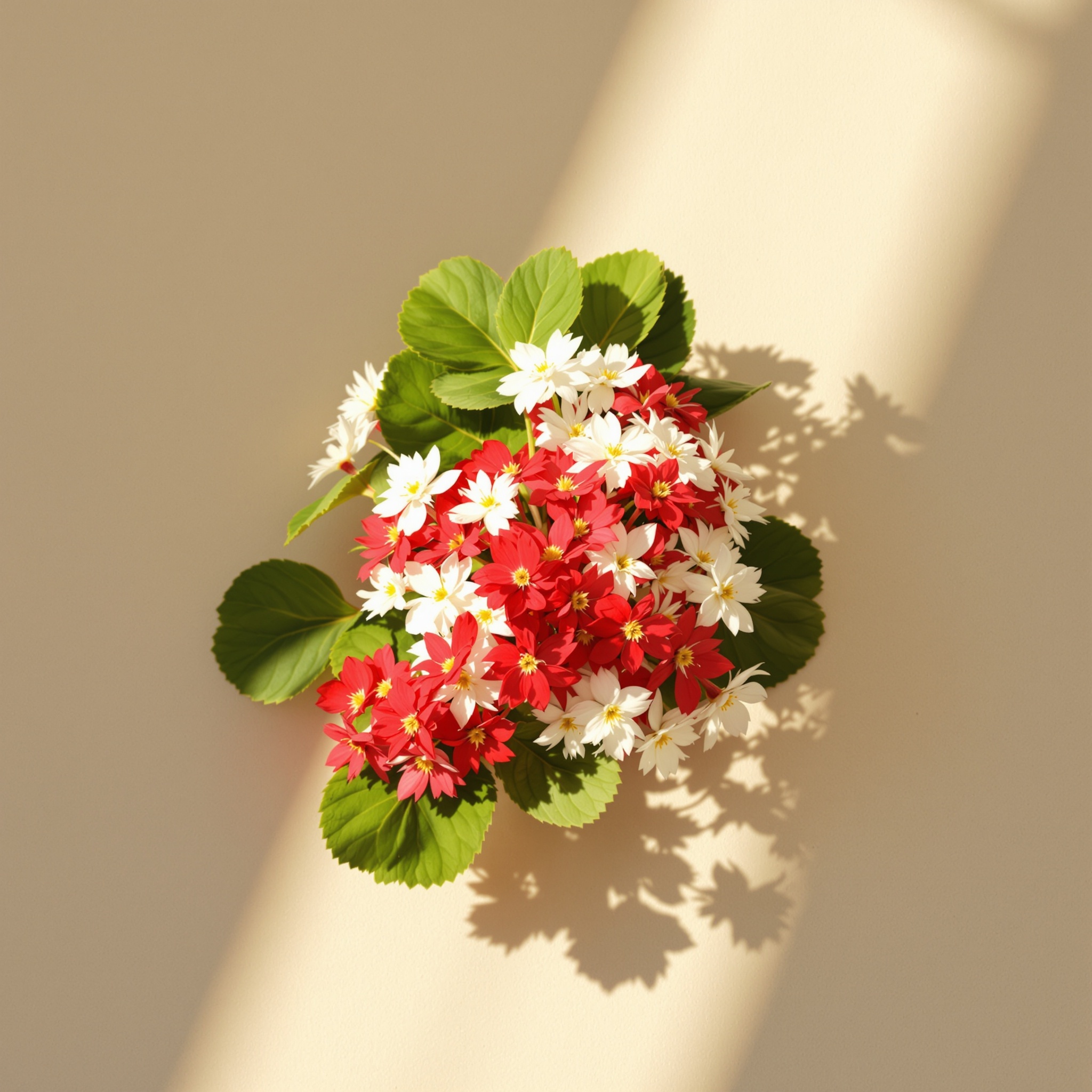
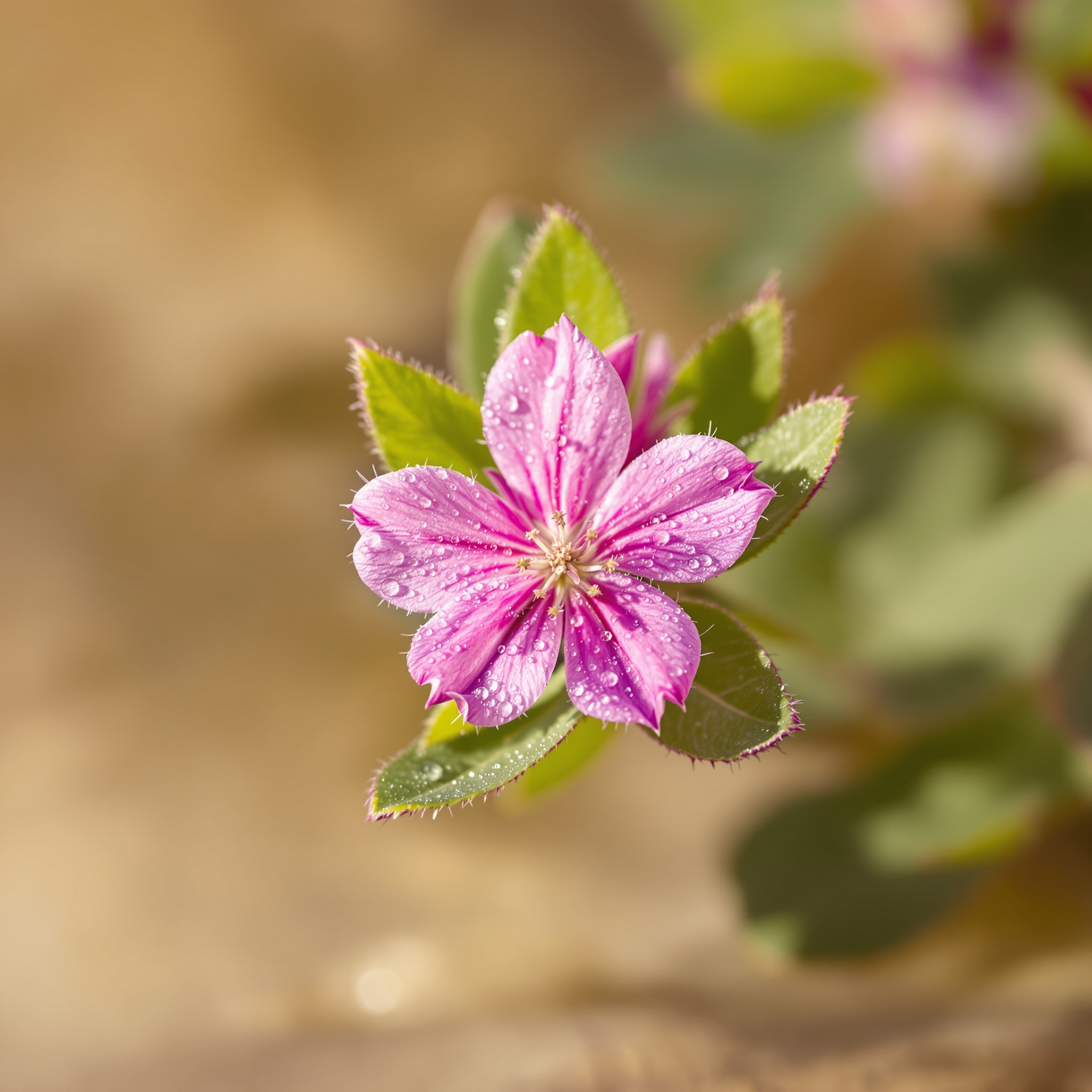
Clover
Green meadow sweetness with a coumarin warmth
What it is
Clover is the small meadow legume of the Trifolium genus, with sweet clover (Melilotus) a close relative. In perfumery the scent is largely a reconstruction built around coumarin from the dried plant, since true clover blossom yields far too little oil to extract economically.
How it smells
Fresh, green and honeyed, like crushed clover heads in a sunny field. There is a soft, hay-like sweetness from coumarin, a touch of almond and new-mown grass, and a clean floral nuance. The effect is gentle, airy and nostalgically pastoral.
In perfumery
A heart note lending green, honeyed sweetness and a meadow-fresh transparency. It softens florals and supports fougere and chypre accords through its coumarin facet. It pairs with lavender, tonka, hay and grass notes to evoke open countryside in green and aromatic compositions.
Good to know
Coumarin gives fresh-cut hay its smell, and sweet clover is rich in it. In the 1920s, moldy sweet-clover hay sickened cattle with fatal bleeding; chemist Karl Link traced it to dicoumarol, the lead that produced the anticoagulant warfarin. The four-leaf clover remains the emblem of luck.
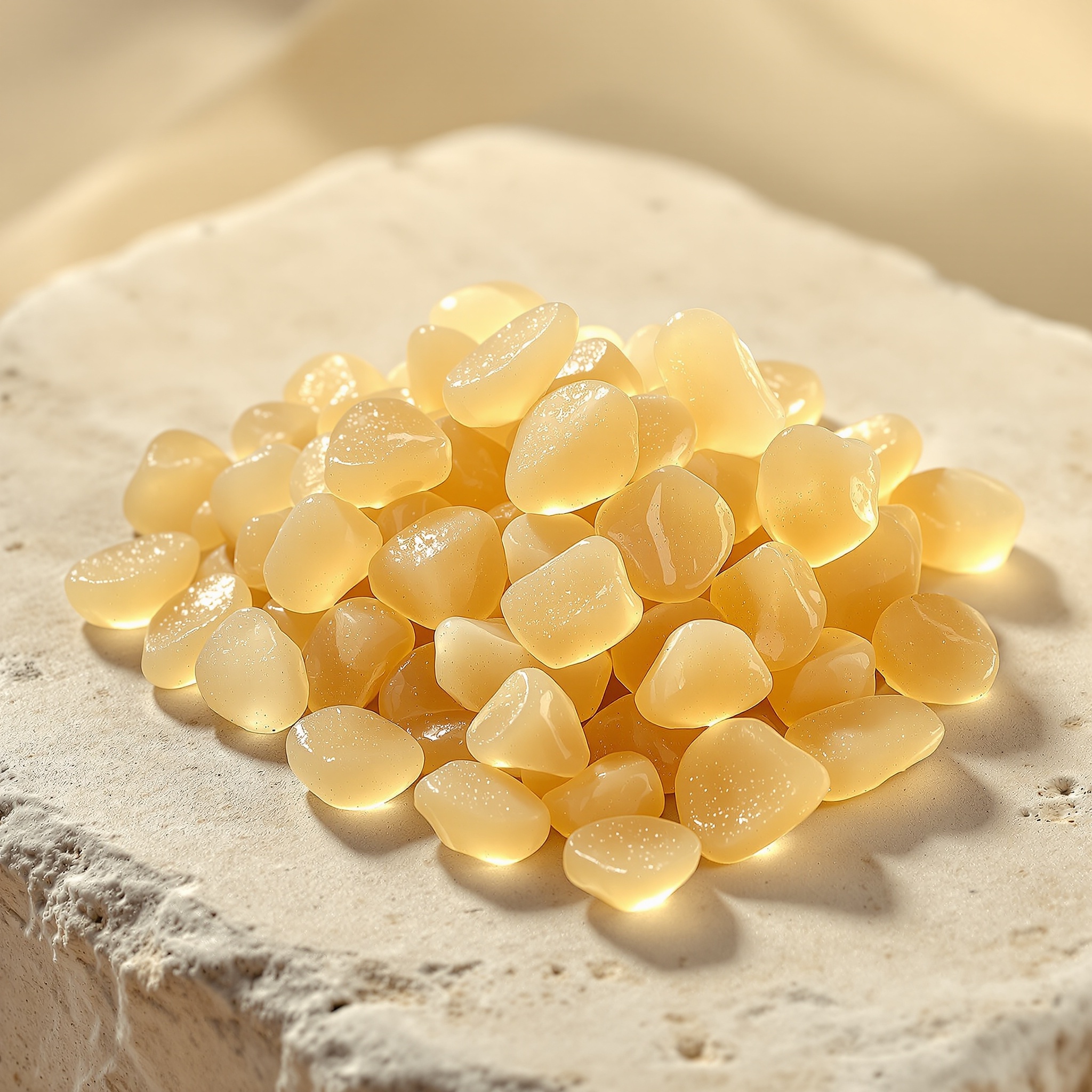
Incense
Sacred smoke curling from resin and embers
What it is
In perfumery, incense usually means olibanum, the oleo-gum-resin of Boswellia trees from Oman, Somalia and Ethiopia. The bark is slashed, weeps a milky exudate that hardens into amber tears, and these are steam-distilled to an essential oil or solvent-extracted to an absolute; blends often add labdanum and styrax.
How it smells
Cool, dry and resinous, with a sharp citrus-pine lift over smoky, peppery warmth. There is a clean church-air quality: balsamic, slightly soapy, faintly green. It opens bright and turpentine-fresh, then settles into a meditative, ashen-sweet woodiness that lingers close to the skin.
In perfumery
A heart-to-base material prized for its contemplative, smoky-resinous character. It cools florals, sharpens woods and lends ritual gravity to oriental and chypre accords. It defines the great church-incense scents and the cold, mineral incense of many a meditative niche composition.
Good to know
Frankincense was once worth its weight in gold, carried along ancient Arabian caravan routes to temples across the Mediterranean and beyond. Wild Boswellia stands are now threatened by over-tapping, grazing and climate stress, prompting growing interest in sustainable harvesting and tapping quotas.
Gunpowder
Smoke, sulphur and struck char on the wind
What it is
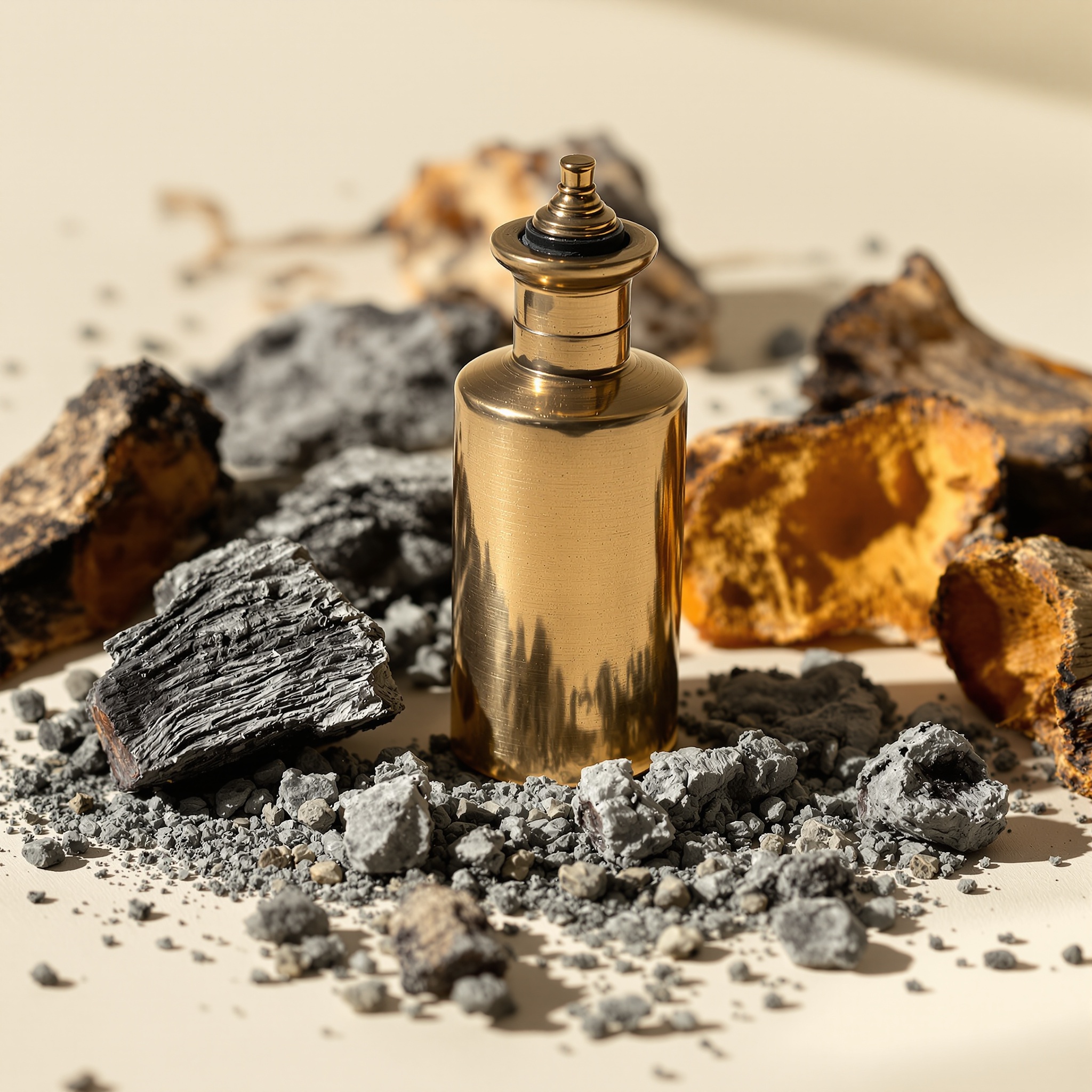
Gunpowder is not a botanical but an accord built by perfumers. Black powder itself is saltpetre, charcoal and sulphur; its scent-image is reconstructed from smoky woods, sulphurous and burnt-match materials, tarry birch and trace metallic, mineral notes layered to suggest combustion and spent fireworks.
How it smells
It opens sharp and acrid, like a freshly struck match or a spent firecracker, with sulphur, hot metal and ash. Beneath sits dry charred wood and a flinty mineral edge. The drydown settles toward warm smoke, gunflint and singed paper rather than open flame.
In perfumery
A heart-to-base effect prized in dark, smoky and incense compositions for tension and edge, pairing with leather, oud, incense, vetiver and saffron. The flinty gunpowder facet, paired with flint and smoke, drives a number of green and mineral niche compositions and runs through many mineral niche leathers.
Good to know
The smell of fireworks owes more to vaporised metallic salts and sulphur than to the powder itself. Perfumers chase the effect with sulphur-bearing molecules and smoky materials; many cult smoky scents also lean on birch tar, which is why some read faintly of campfire and old leather.
Skin
Warmth of bare skin, intimate and quietly human
What it is
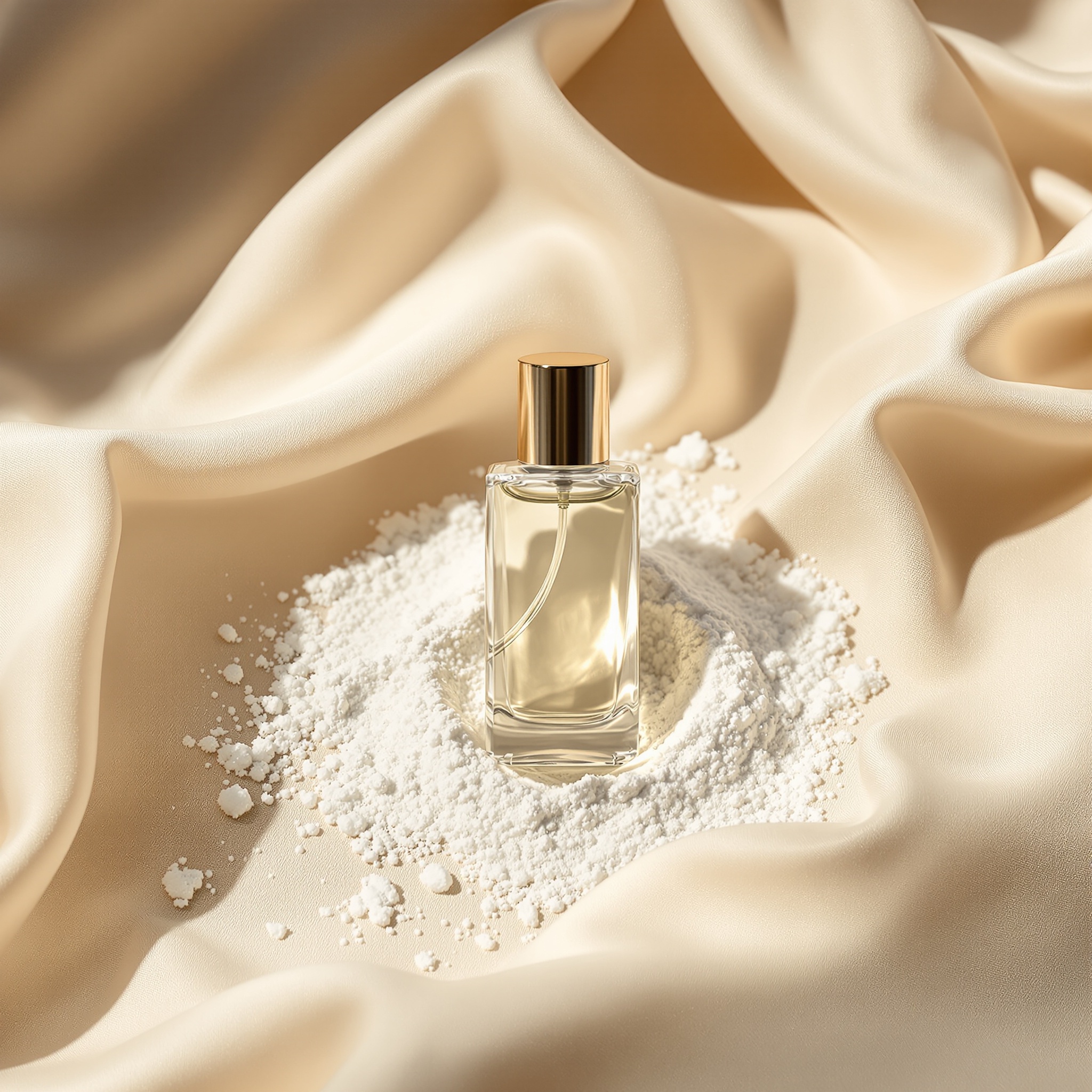
An abstract accord rather than a single material, built to read as clean human skin. Perfumers assemble it from soft white musks, ambroxan, a little iris or suede and faint warm spices such as cumin, evoking body heat and skin's salty-milky surface without literal sweat.
How it smells
Soft, warm and faintly powdery, like the nape of a neck or skin just after a shower. It reads slightly salty and milky, with a low animalic hum from musk. It barely has a top, sitting close as a quiet radiant glow rather than a defined scent.
In perfumery
A base and fixative accord lending intimacy and a second-skin effect, making other notes feel worn rather than sprayed. It pairs with iris, suede, vanilla and musks, and anchors the modern skin-scent genre of fragrances designed to smell like a warmer, cleaner version of your own skin.
Good to know
There is no skin essential oil, and natural deer musk is largely banned under CITES, so the effect leans on synthetic white musks and ambroxan. Much of what reads as your own skin is those molecules binding to and amplifying personal chemistry, so the note smells different on everyone.
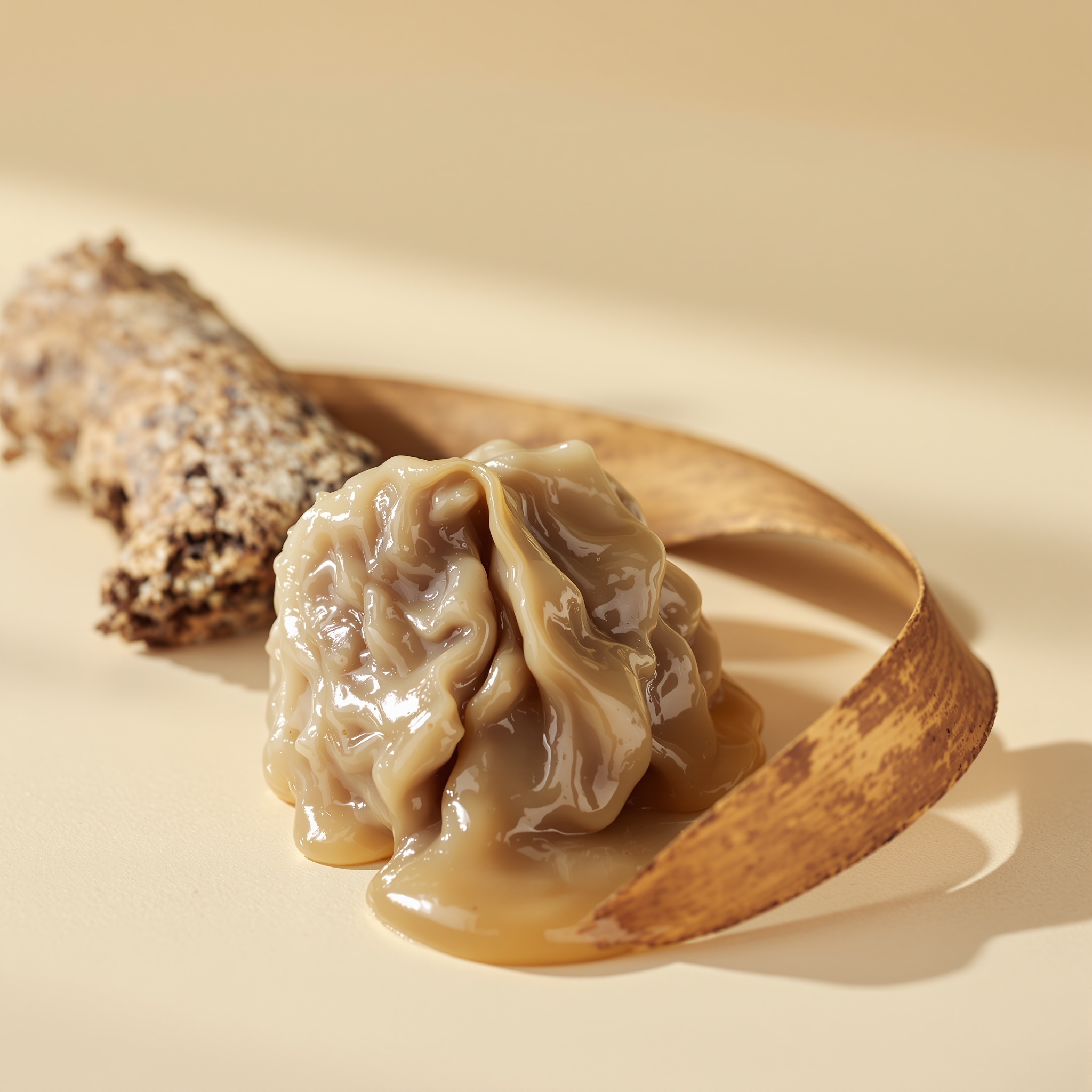

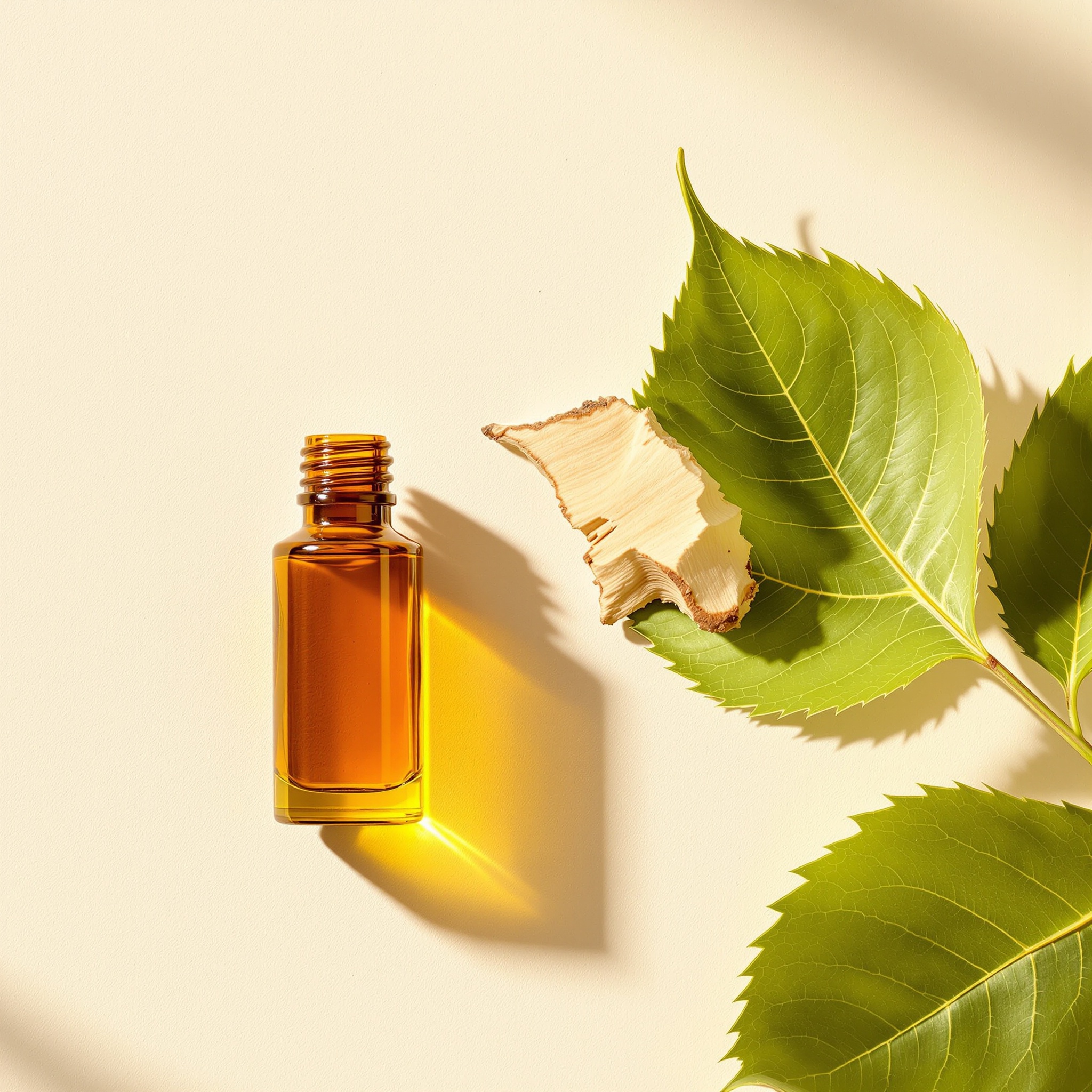
Styrax
Warm balsam, soft leather and skin-like resin
What it is
Styrax, also called storax, is a fragrant balsam exuded from the wounded bark of the Liquidambar tree, chiefly Liquidambar orientalis in Turkey and L. styraciflua in the Americas. The grey, sticky raw balsam is purified and distilled into a resinoid, essential oil or absolute for perfumery.
How it smells
Warm, sweet and balsamic with a leathery, slightly smoky edge and a hint of cinnamon and pine. Beneath runs a soft, almost vanillic, skin-like warmth. It opens resinous and a touch medicinal, then dries down rich and ambery, persistent and clinging like cured leather.
In perfumery
A base note and quality fixative giving warmth, leather and animalic depth. It pairs with labdanum, benzoin, vanilla, incense and florals in orientals and chypres. It lends body to classic leathers and ambers, and is threaded through 1920s landmarks of the genre.
Good to know
The name causes confusion: this storax comes from Liquidambar, not from trees of the genus Styrax, which instead yield benzoin. Storax has been traded since antiquity as incense and medicine, burned in temples and valued for its skin-like, almost human warmth.
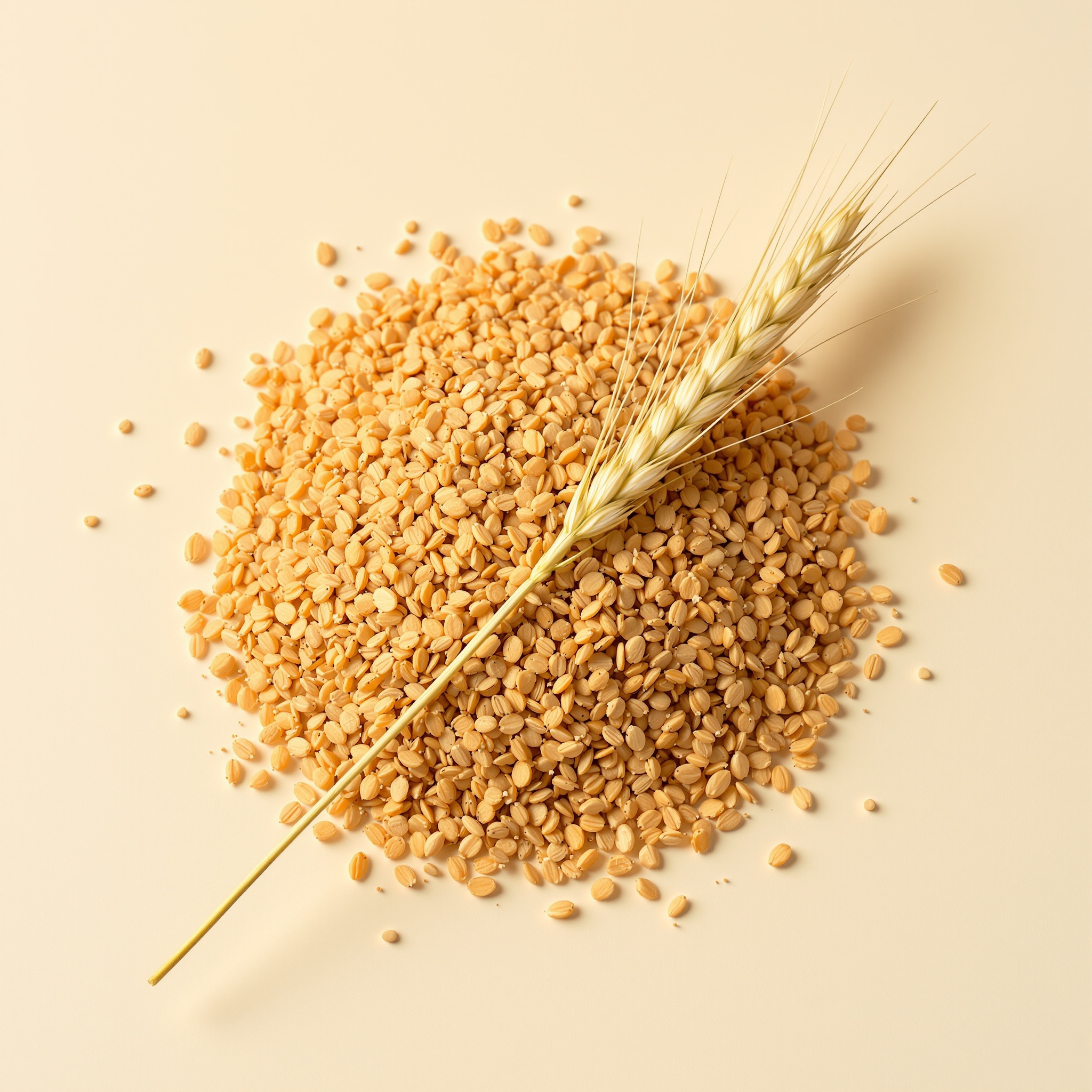
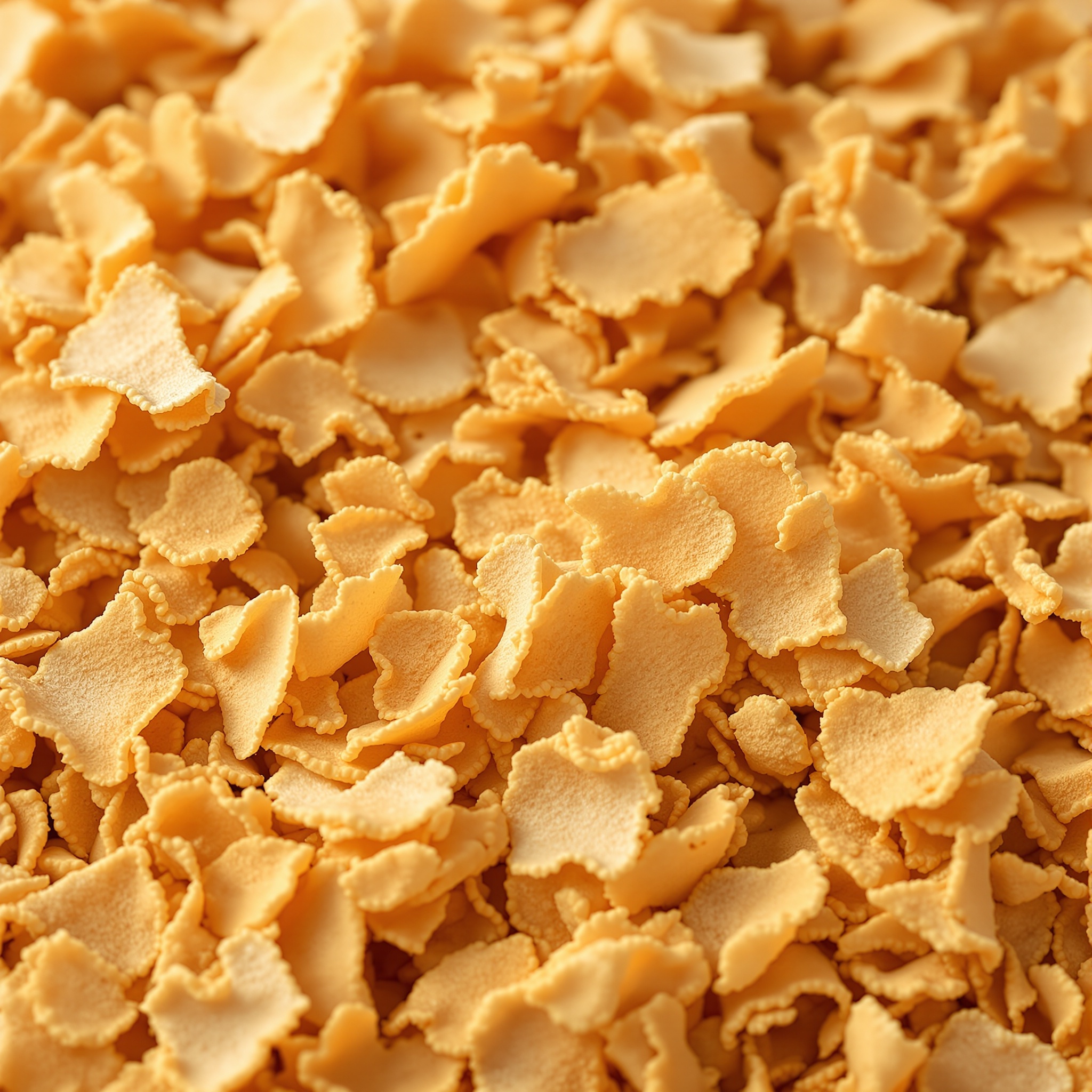
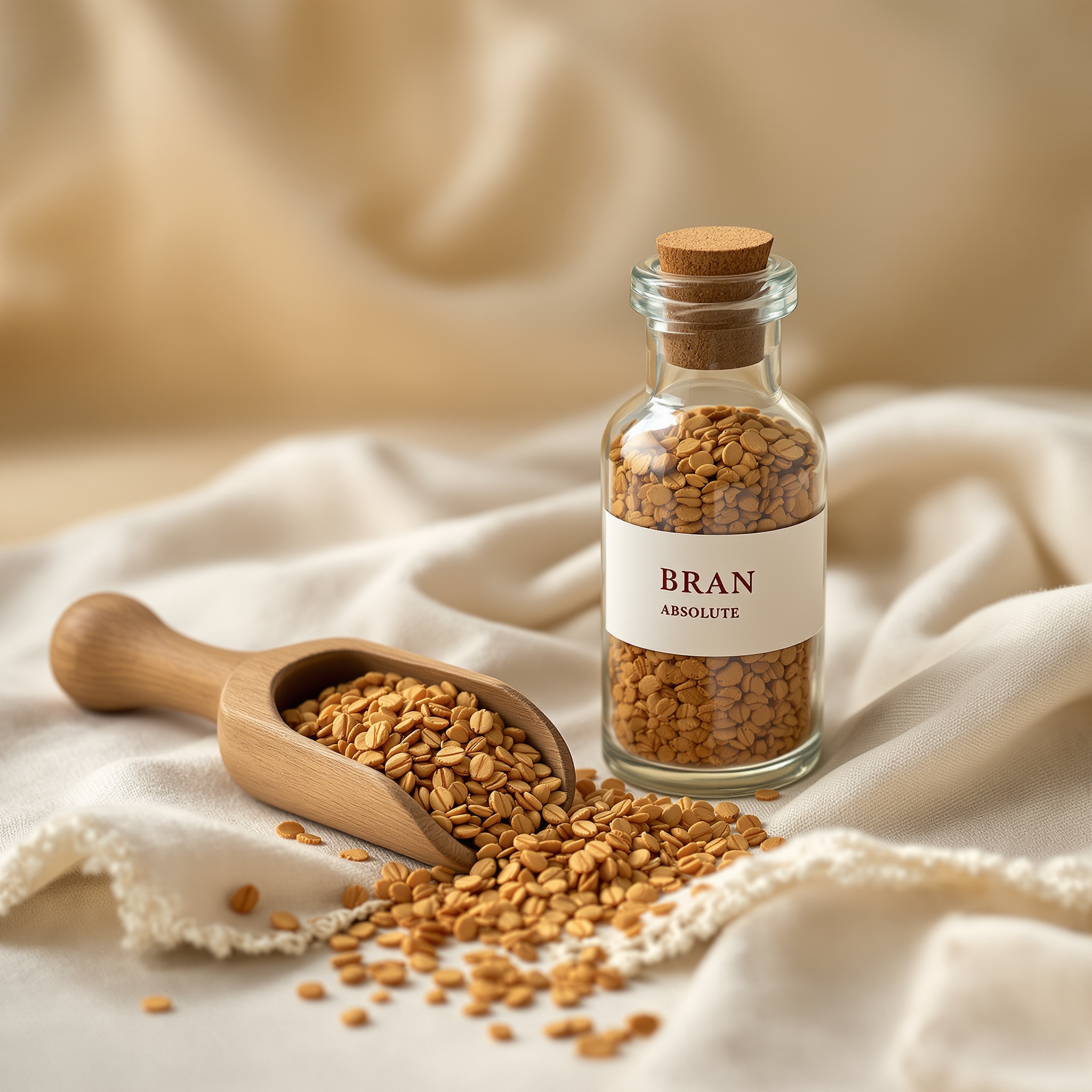
Bran
Toasted cereal husk, nutty and quietly comforting
What it is
Bran is the fibrous outer layer of cereal grain, most often wheat (Triticum aestivum), separated from the kernel during milling. The perfumery material is bran absolute, produced by solvent extraction of the milled husk; LMR by IFF sources its bran from the Massif Central region of France.
How it smells
Warm, soft, and nutty, like toasted grain or the crust of fresh bread. A gentle sweetness carries hay-like and faintly milky facets, alongside surprising dried-fruit undertones of apricot and honey. The overall effect stays dry, grainy, and comforting rather than sugary or rich.
In perfumery
A heart-to-base accent that enriches gourmand and woody-cereal compositions, lending bakery warmth and natural texture. It pairs with vanilla, tonka, milk notes, and soft musks, and deepens the toasted-grain coziness behind modern bread, oatmeal, and rice-pudding accords without overpowering them.
Good to know
Bran absolute carries an unexpected apricot-and-hay nuance that lets perfumers suggest dried fruit without using a fruit material. It remains a niche natural, valued more for textural realism in gourmands than for projecting strength on its own from a blend.
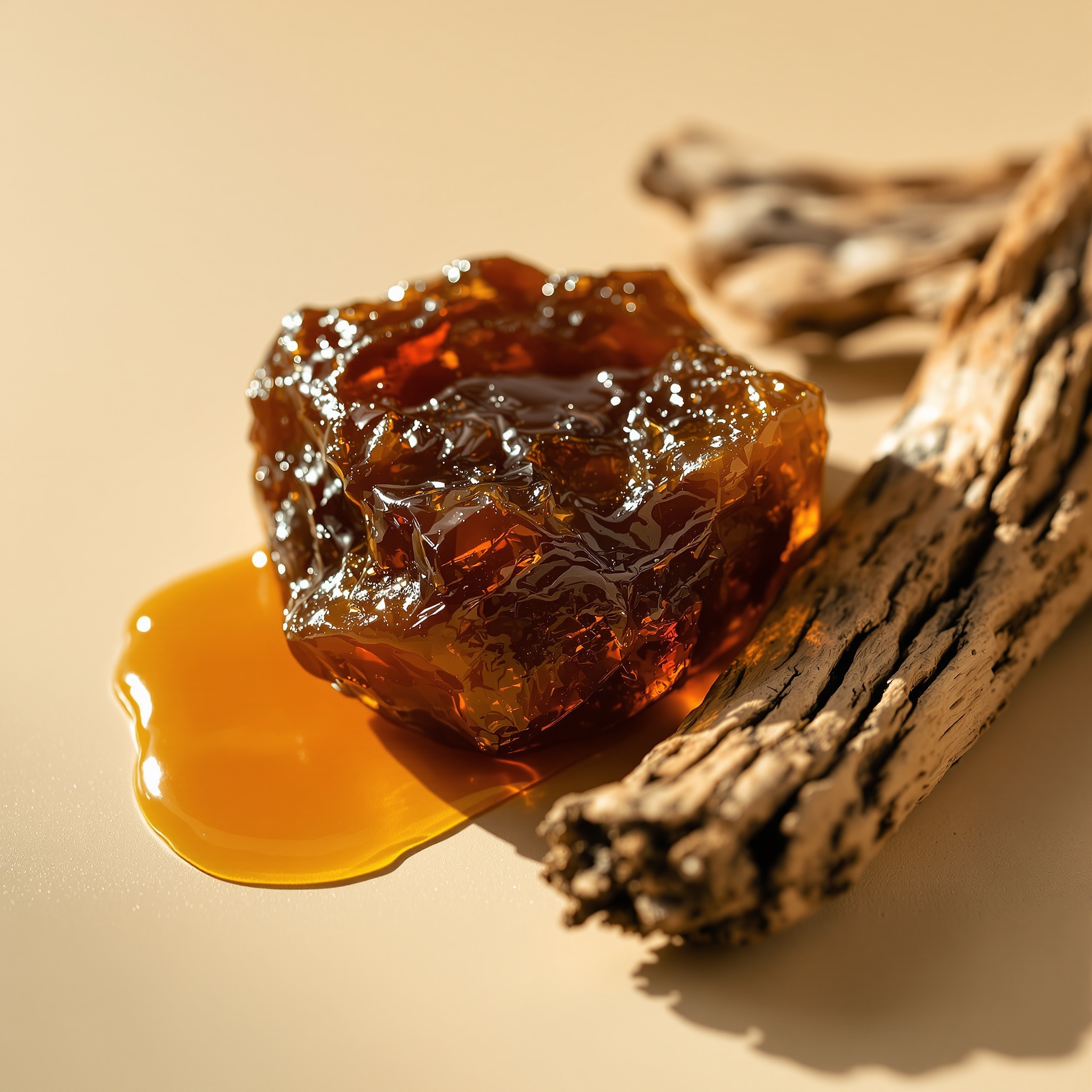
Tolu Balsam
Honeyed resin tapped from a South American tree
What it is
A semisolid resin from Myroxylon balsamum, a tall legume tree native to Colombia, Peru and Venezuela. Workers cut V-shaped wounds in the trunk and gather the brown sticky exudate, which oxidizes and hardens. Rich in benzoic and cinnamic acid esters, it is processed into resinoid or absolute.
How it smells
Warm and sweet with a soft balsamic body, threaded with cinnamon spice, vanilla and dried honey. The opening reads resinous and faintly floral; over hours it settles into a mellow amber glow recalling caramelized sugar, old wood and cured tobacco. Smooth, never sharp.
In perfumery
A base and fixative material lending warmth, sweetness and staying power to amber, oriental and gourmand accords. It pairs naturally with vanilla, benzoin, labdanum and tobacco, and threads through the classic balsamic builds and amber compositions at the heart of the oriental tradition.
Good to know
The name traces to Tolú in Sucre, Colombia, after the pre-Columbian Tolú people who first used the resin, recorded in early Spanish chronicles. Long before perfumery, tolu balsam was a staple of cough syrups and lozenges, valued as an expectorant and wound treatment.
Papyrus
Dry reed and ink along a sunlit river
What it is
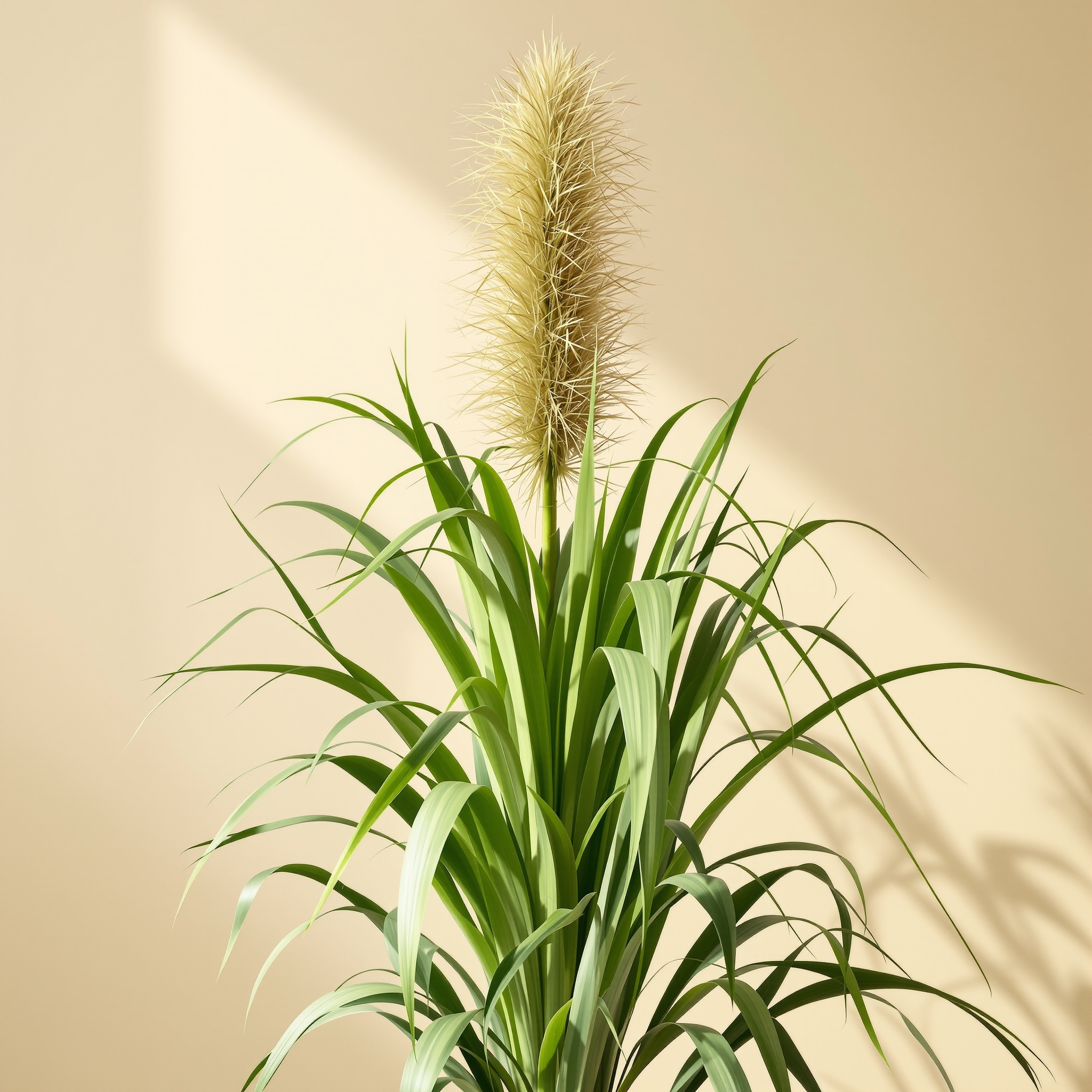
Papyrus is the tall aquatic sedge Cyperus papyrus, native to Nile wetlands and used by ancient Egyptians for paper. In perfumery the woody-smoky note is mostly reconstructed, often built around cypriol (nagarmotha), the oil distilled from the roots of the related Indian sedge Cyperus scariosus.
How it smells
A dry, papery woodiness with smoky, earthy and faintly inky facets, recalling cut reeds, aged paper and warm sun-baked grass. It reads more arid and mineral than cedar, carrying a subtle resinous bitterness over a clean, slightly green herbal edge.
In perfumery
A base note that brings dry, smoky structure and a modern minimalist woodiness, often extending or standing in for vetiver. It pairs with incense, cedar, citrus and leather. It anchors many contemporary niche woods built around dry, papery smoke.
Good to know
The scent labelled papyrus is usually not the Egyptian plant at all. Because true Cyperus papyrus gives little usable oil, perfumers lean on cypriol from its Indian cousin Cyperus scariosus, so the name evokes the Nile while the smell comes from Madhya Pradesh.
Fragrance Character
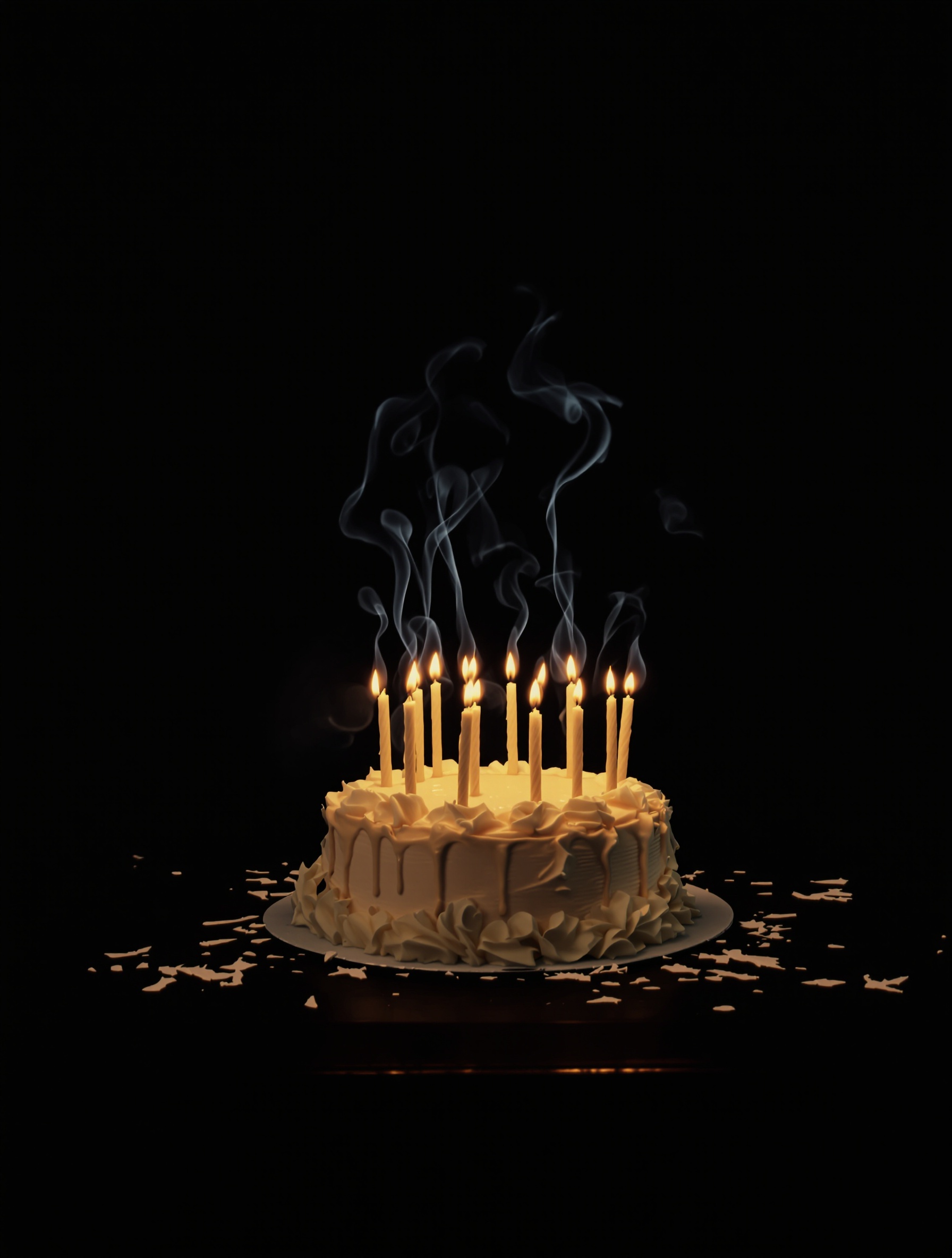
The opening is dense and slightly acrid, bitter almond and gunpowder sharpening the hazelnut cocoa so the effect reads more like scorched caramel than confection. Brandy and custard soften the centre, but benzoin and tonka keep it ambiguous, warm yet faintly medicinal. It settles close to skin as incense, tolu balsam, and papyrus absorb what remains of the sugar, leaving something dry, resinous, and quietly unsettling.

Best Worn
A cold night, indoors or in movement through winter air, for the wearer who wants sweetness with a lit fuse beneath it.
Why the Last Birthday Cake Decant
The gunpowder and cork make this a genuinely divisive composition, and a decant lets you decide whether its particular darkness is one you want to commit to in full bottle.
Official Notes
Bitter Almond · Milk · Hazelnut Cocoa Spread · Cork · Malt · Calla Lily · Cake · Brandy · Vanilla · Brown Sugar · Custard · Tonka · Benzoin · Clover · Incense · Gunpowder · Skin · Styrax · Bran · Tolu Balsam · Papyrus
Explore more: Ultra-Niche Perfume Decants · All Fragrance Decants
Choose options
The Vibe



Select your decant size

You are selecting a decant size, not the full bottle