


Toskovat - Inexcusable Evil
Gunpowder and iodine crack open Inexcusable Evil with the cold sting of a wound, blood and ozonic minerals bleeding into dark flowers and the resinous pull of copaiba balm.
The Nose
Composed by David-Lev Jipa-Slivinschi for Toskovat, also behind Age of Innocence and Desert Sermons.
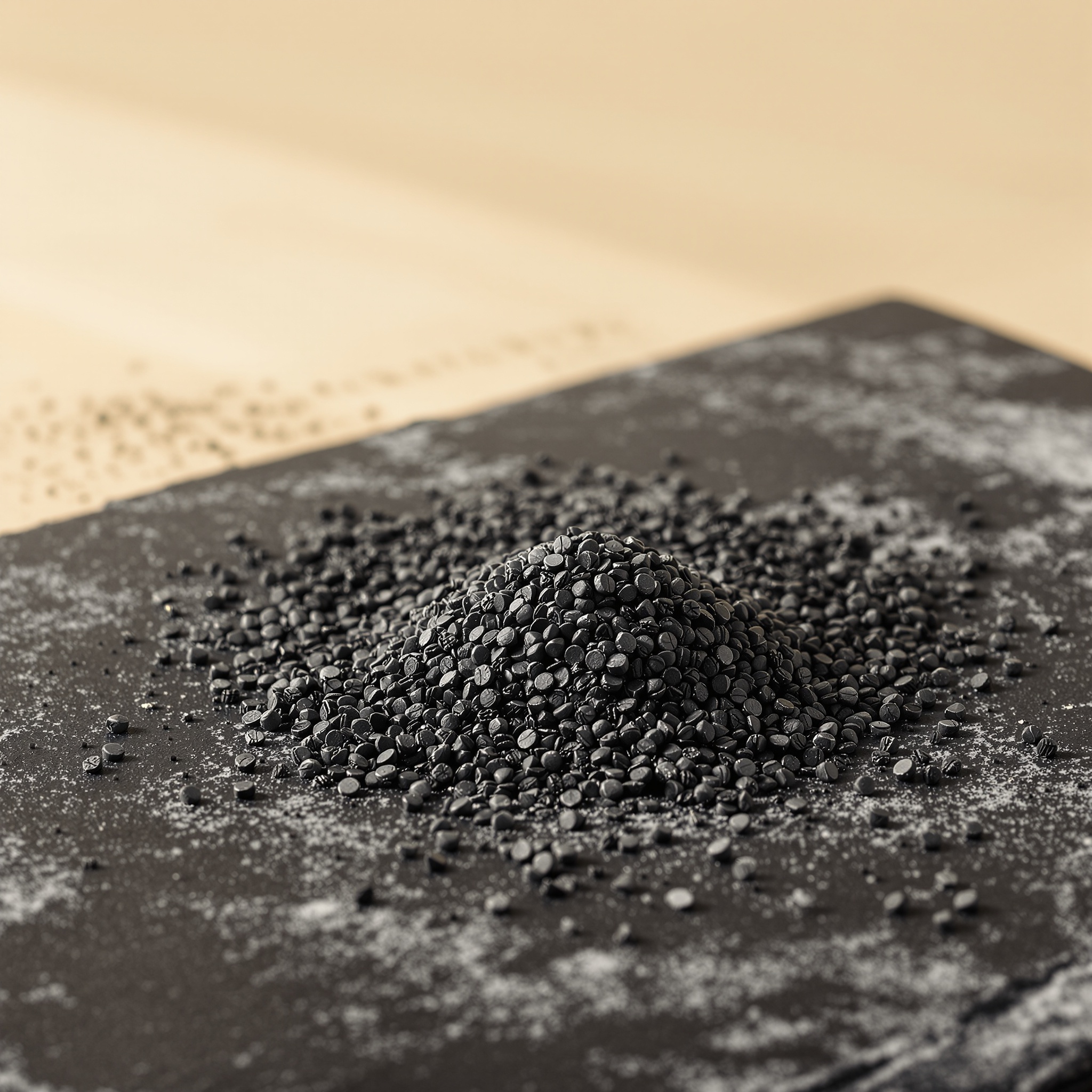
Gunpowder
Smoke, sulphur and struck char on the wind
What it is
Gunpowder is not a botanical but an accord built by perfumers. Black powder itself is saltpetre, charcoal and sulphur; its scent-image is reconstructed from smoky woods, sulphurous and burnt-match materials, tarry birch and trace metallic, mineral notes layered to suggest combustion and spent fireworks.
How it smells
It opens sharp and acrid, like a freshly struck match or a spent firecracker, with sulphur, hot metal and ash. Beneath sits dry charred wood and a flinty mineral edge. The drydown settles toward warm smoke, gunflint and singed paper rather than open flame.
In perfumery
A heart-to-base effect prized in dark, smoky and incense compositions for tension and edge, pairing with leather, oud, incense, vetiver and saffron. The flinty gunpowder facet, paired with flint and smoke, drives a number of green and mineral niche compositions and runs through many mineral niche leathers.
Good to know
The smell of fireworks owes more to vaporised metallic salts and sulphur than to the powder itself. Perfumers chase the effect with sulphur-bearing molecules and smoky materials; many cult smoky scents also lean on birch tar, which is why some read faintly of campfire and old leather.
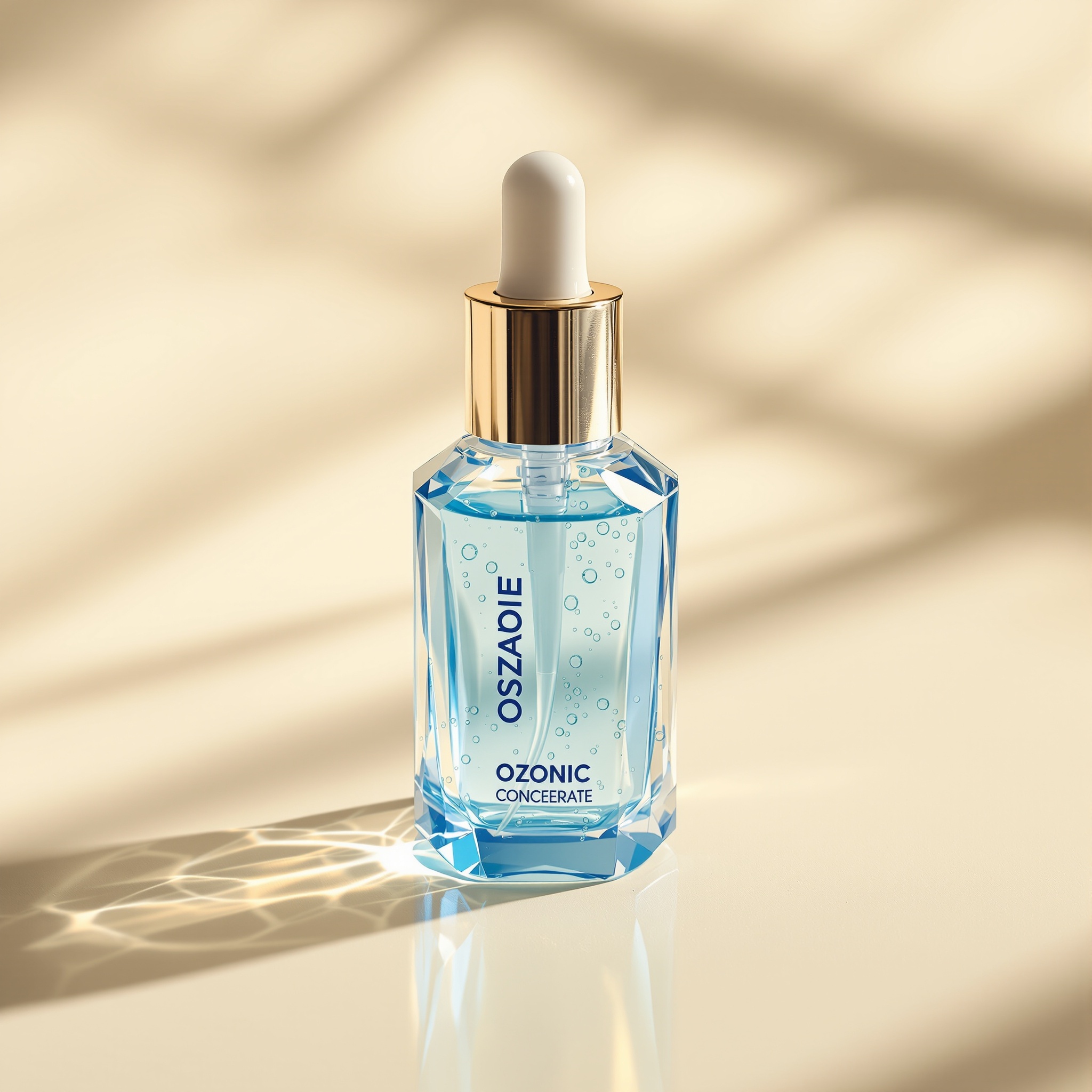

Ozonic Notes
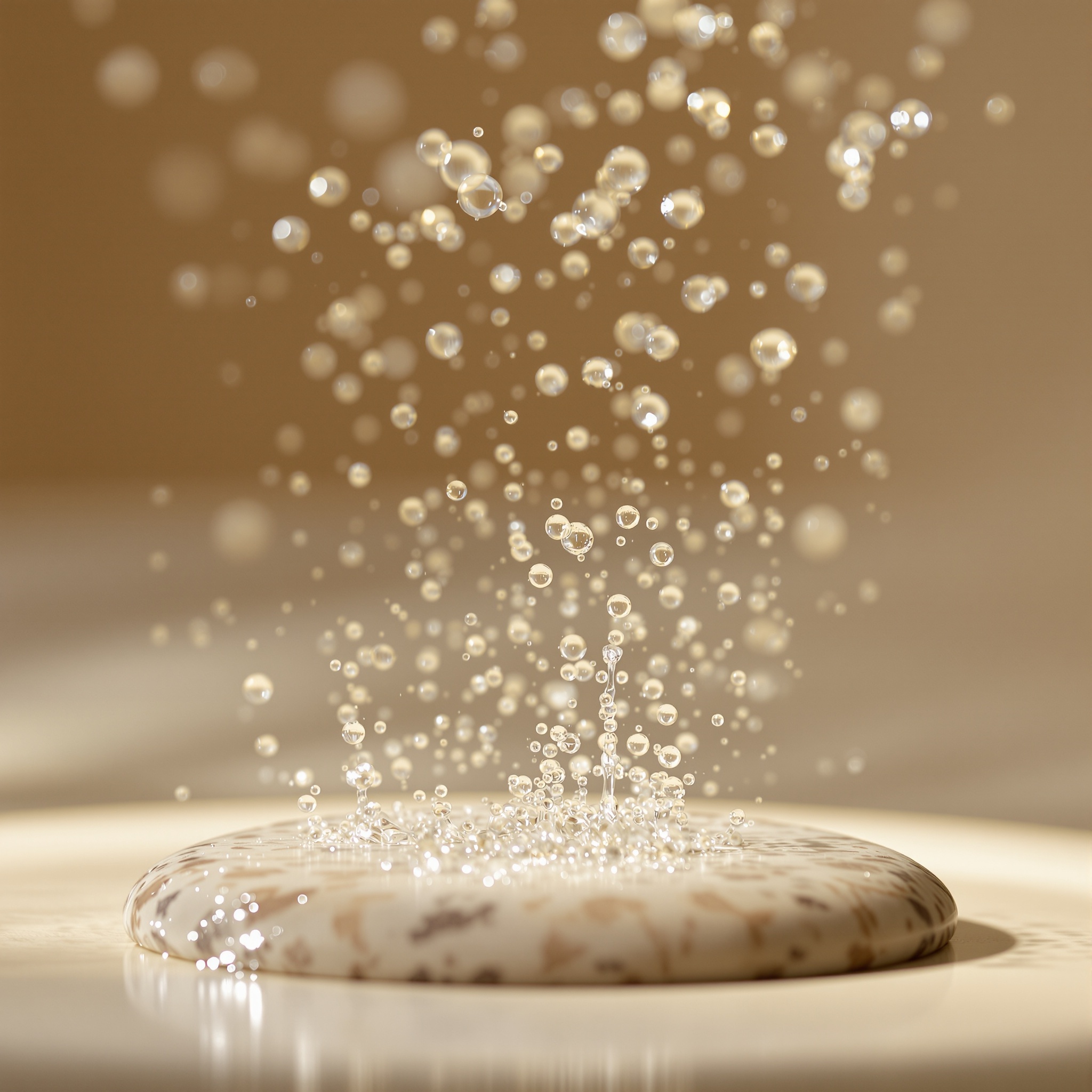
The smell of air after lightning
What it is
Not a natural extract but a family of synthetic aroma-chemicals built to evoke fresh air, sea spray and the charged tang after a storm. Molecules such as Calone, Floralozone and certain aldehydes are made in the lab; ozone itself is too unstable to bottle, so chemistry stands in for it.
How it smells
Clean, cool and weightless, with a metallic, slightly salty freshness recalling wind off the water and rain on hot pavement. Calone adds a watermelon-marine facet; aldehydic versions read sparkling and airy. The effect is transparent and diffusive, opening bright and thinning into a faint mineral coolness.
In perfumery
A top-note effect that creates space, light and a sense of open air, central to the aquatic and marine genre born in the 1990s. It pairs with melon, cucumber, dewy florals and clean musks. It defined the wave of watery aquatics and crisp unisex colognes that dominated that decade.
Good to know
The marine craze traces to Calone 1951, a benzodioxepinone made at Pfizer in 1966 by chemists synthesizing sedative-like derivatives; its oceanic smell was an accident. Tiny doses go a long way, and overuse quickly tips a fragrance into a dated, soapy-fresh nineties signature.
Iodine
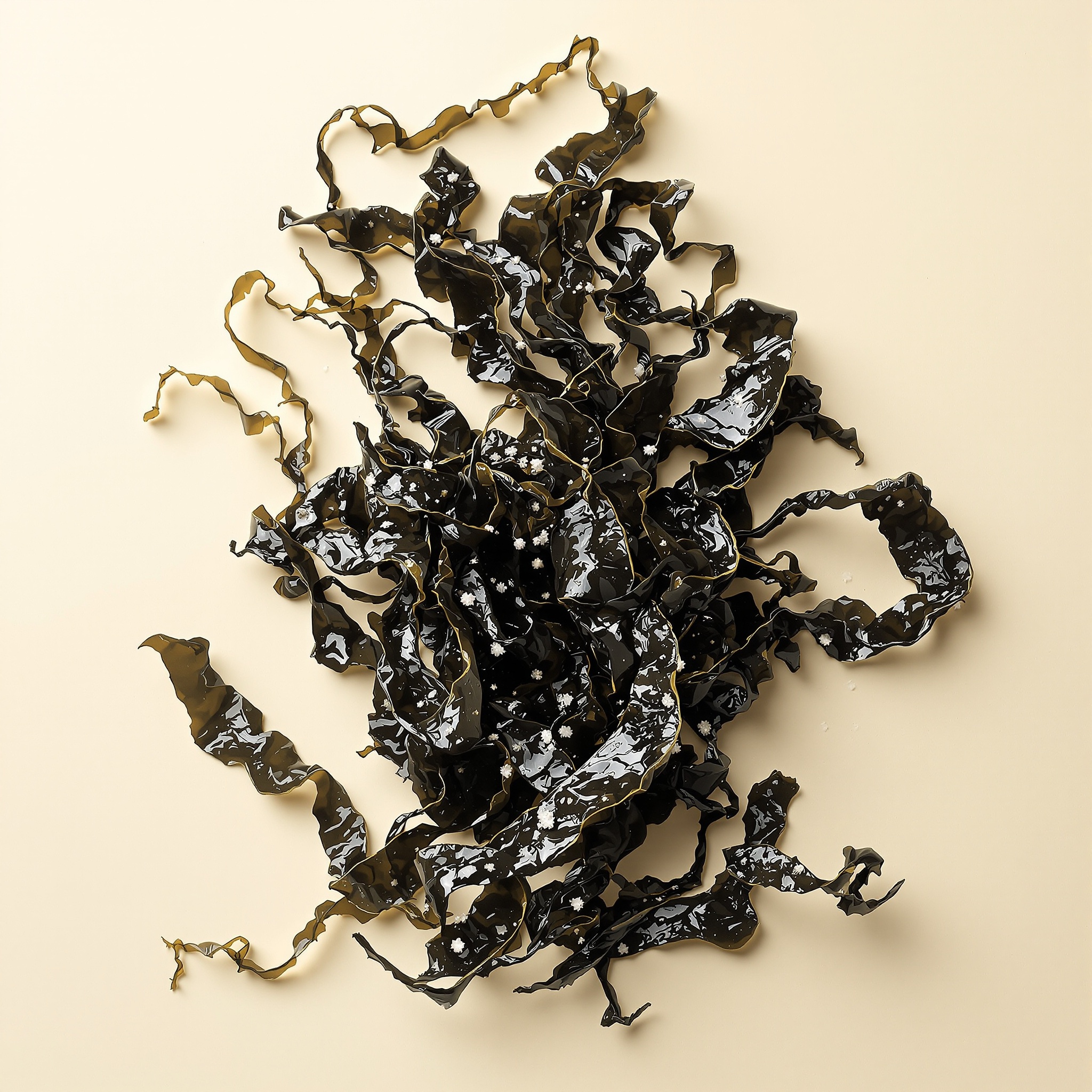
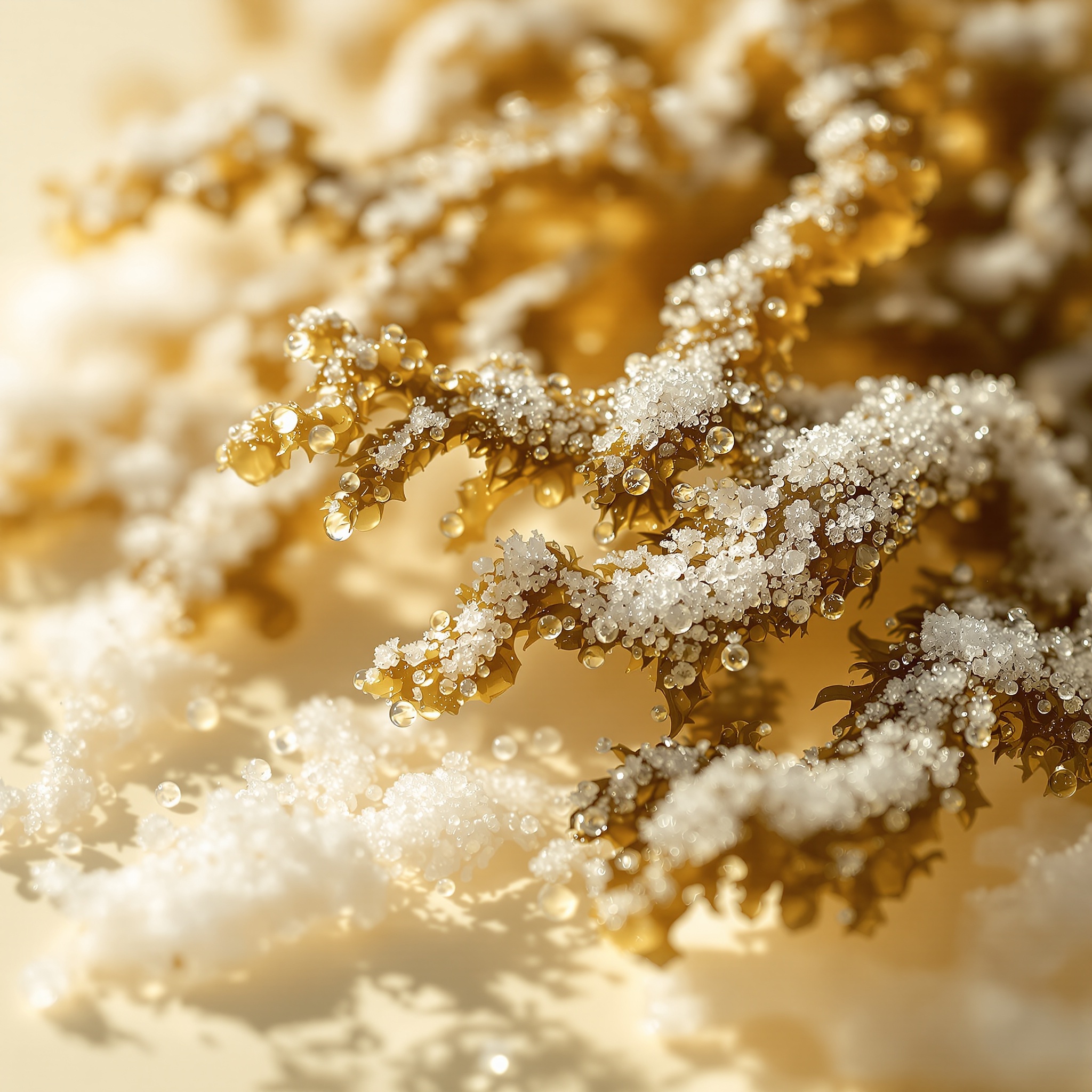
Salt-sharp tang of seaweed at low tide
What it is
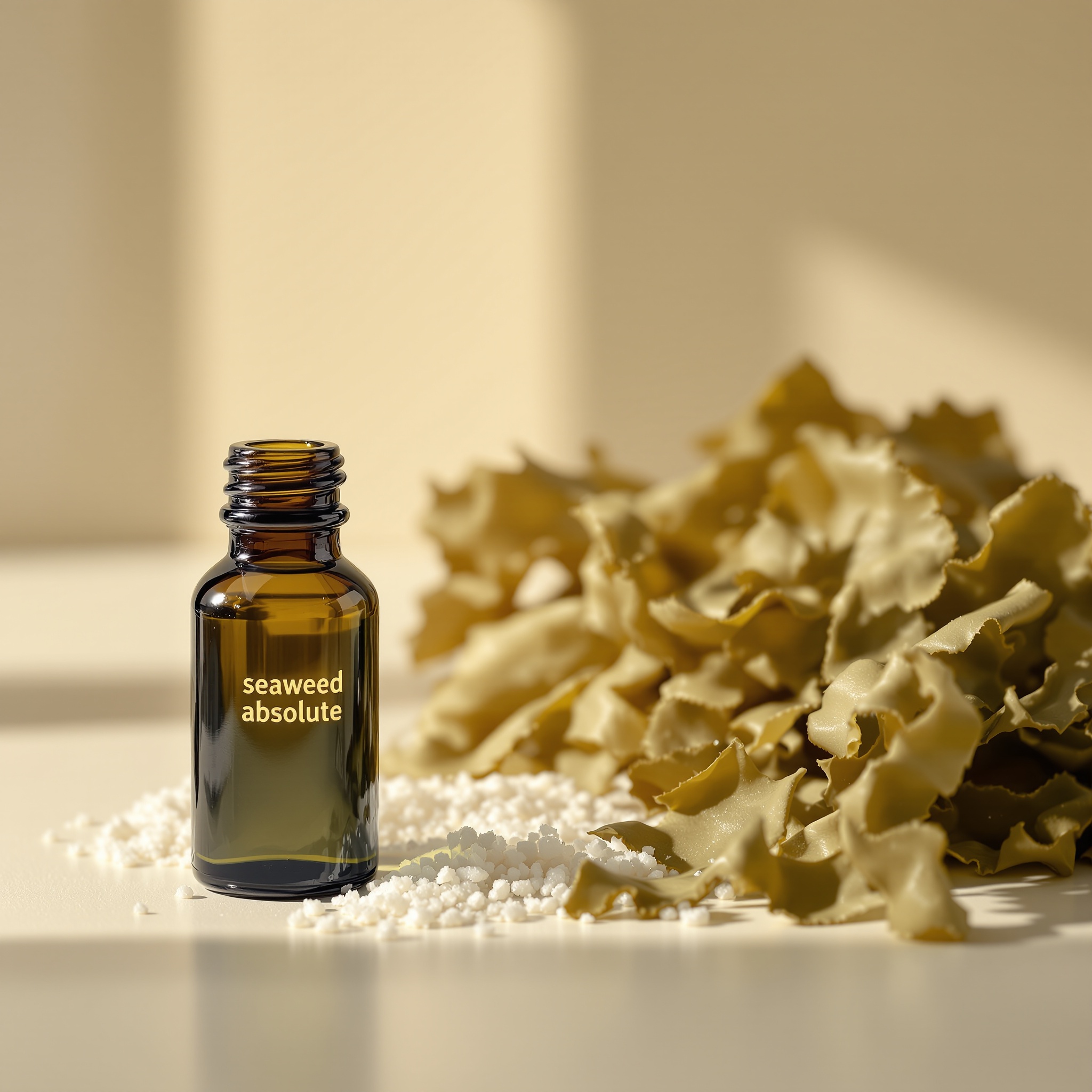
In perfumery, iodine is an olfactory effect rather than the element, which is essentially odorless. The note is built from seaweed absolute, solvent-extracted from marine algae, plus phenolic traces and synthetics such as Calone and Aquazone that conjure the briny, mineral tang of coastal air and kelp.
How it smells
Sharp, salty and metallic-marine, like cracked seashell, wet rocks and seaweed drying on a beach at low tide. It carries a green, slightly medicinal phenolic bite and a cool ozonic lift, reminiscent of an antiseptic tincture crossed with the smell of the open shore.
In perfumery
A top-to-heart accent that injects realism and edge into marine and aquatic compositions, cutting sweetness and adding a raw saline lift. It pairs with seaweed, ambergris, salt and ozonic notes. Iodine sharpens the briny character of aquatics such as Heeley Sel Marin and modern skin-salt scents.
Good to know
The marine smell people call iodine actually comes from organic compounds released by algae and sea organisms, chiefly dimethyl sulfide, not iodine itself. Seabirds even track that scent to find food. Seaweed absolute is dark and intensely concentrated, used in tiny doses to avoid swamping a blend.


Blood
Metallic warmth at the threshold of the body
What it is
Blood is a conceptual note, not a harvested material; no perfume contains actual blood. Perfumers evoke it abstractly with metallic and animalic aroma-chemicals, salty and iron-like accents, and warm skin facets, building the idea of blood from synthetics rather than any extracted substance.
How it smells
Sharp, metallic and mineral, like the cold tang of iron or a coin warmed in the palm, edged with salt and a faint sweetness. It reads as warm skin turned slightly raw, more sensation than fruit or flower, unsettling and intimate at once.
In perfumery
An accent rather than a structural pillar, used to shock, to add carnal realism, or to make florals feel alive and bodily. It pairs with rose, leather, musk and incense in dark, provocative perfumes, often niche releases courting an unsettling, gothic register.
Good to know
The metallic scent of blood and handled coins is largely 1-octen-3-one, detectable by the nose at a few parts per trillion. It forms when iron triggers the breakdown of skin oils, so the smell of metal actually rises from the body, not the metal itself.

Flowers
A whole garden gathered into one breath
What it is
Not a single botanical but an abstract bouquet, a blend of many floral materials standing in for a generalized field of blossoms. Perfumers build it from naturals like rose, jasmine and orange blossom alongside aroma-chemicals, since most flowers yield no usable oil by distillation or extraction.
How it smells
A diffuse, rounded floralcy with no single flower dominating, soft, sweet, slightly green and dewy. Depending on the accord it can lean fresh and watery, powdery and pollen-rich, or honeyed and heady. It reads as the impression of many petals rather than one species.
In perfumery
A heart accord giving body and a recognizably feminine bloom to floral, fruity-floral and chypre structures. It bridges sharp top notes and warm bases, and underpins classic multifloral bouquets in the tradition of Patou's Joy and Houbigant's Quelques Fleurs.
Good to know
Because flowers like lilac, lily of the valley, gardenia and freesia cannot be commercially extracted, their scent exists in perfume only as reconstructions, so a generic flowers note is often more chemistry than horticulture, a painted bouquet rather than a pressed one.
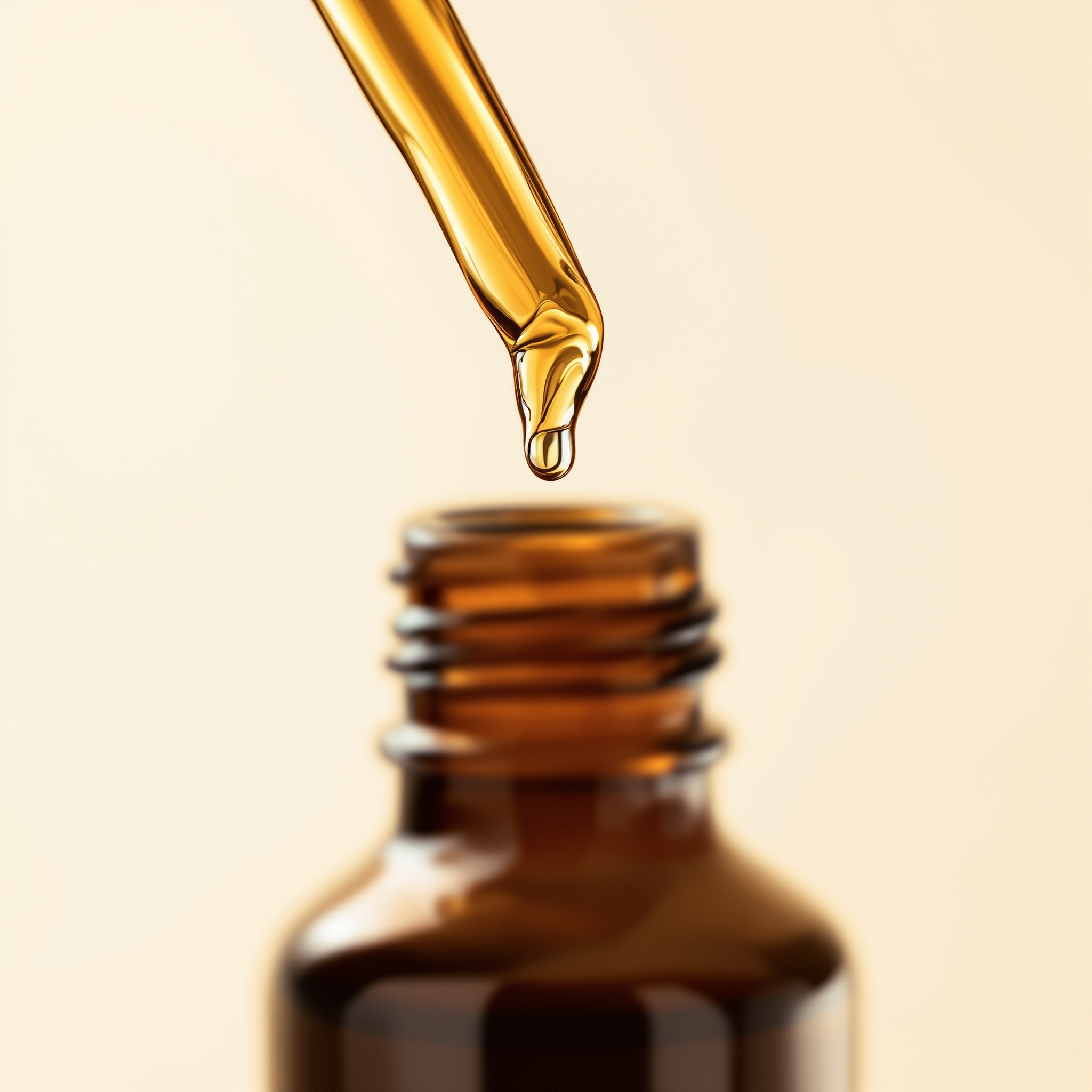
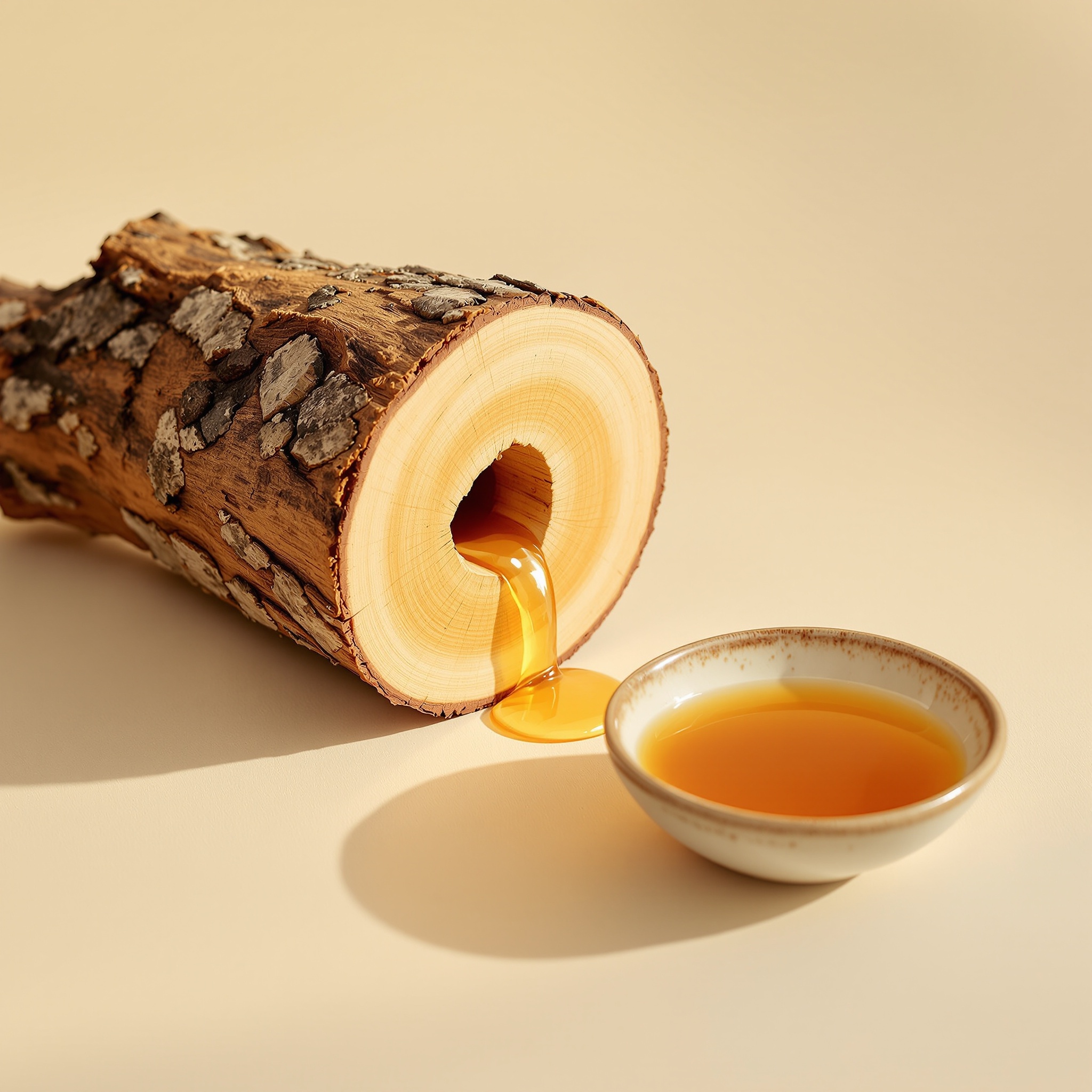
Copaiba Balm
Soft balsamic woods, warm transparent resin
What it is
Copaiba balm is an oleoresin tapped from the trunks of South American Copaifera trees, chiefly Copaifera officinalis and Copaifera langsdorffii. Holes are drilled into the living trunk and the thick gold-to-brown exudate drains out; distilling it yields a clearer essential oil rich in the sesquiterpene beta-caryophyllene.
How it smells
Soft, warm and balsamic with a gently woody, faintly peppery-spicy character. It is smoother and more transparent than heavier balsams like benzoin or Peru, mildly sweet and resinous without stickiness. The drydown is quiet and rounded, a hazy amber-wood warmth that blends rather than shouts.
In perfumery
A base note prized mainly as a fixative, copaiba extends and softens other materials while adding subtle balsamic woodiness. It harmonizes with amber, woods, incense and florals, smoothing rough edges. Its low cost and gentle profile make it a quiet workhorse in oriental and woody accords.
Good to know
Copaiba is one of the cheapest natural fixatives on the perfumer's palette, which is largely why it is used. Tapped trees are rested for years between extractions. The oleoresin has long served in Amazonian folk medicine, and its dominant beta-caryophyllene also occurs in black pepper and cloves.
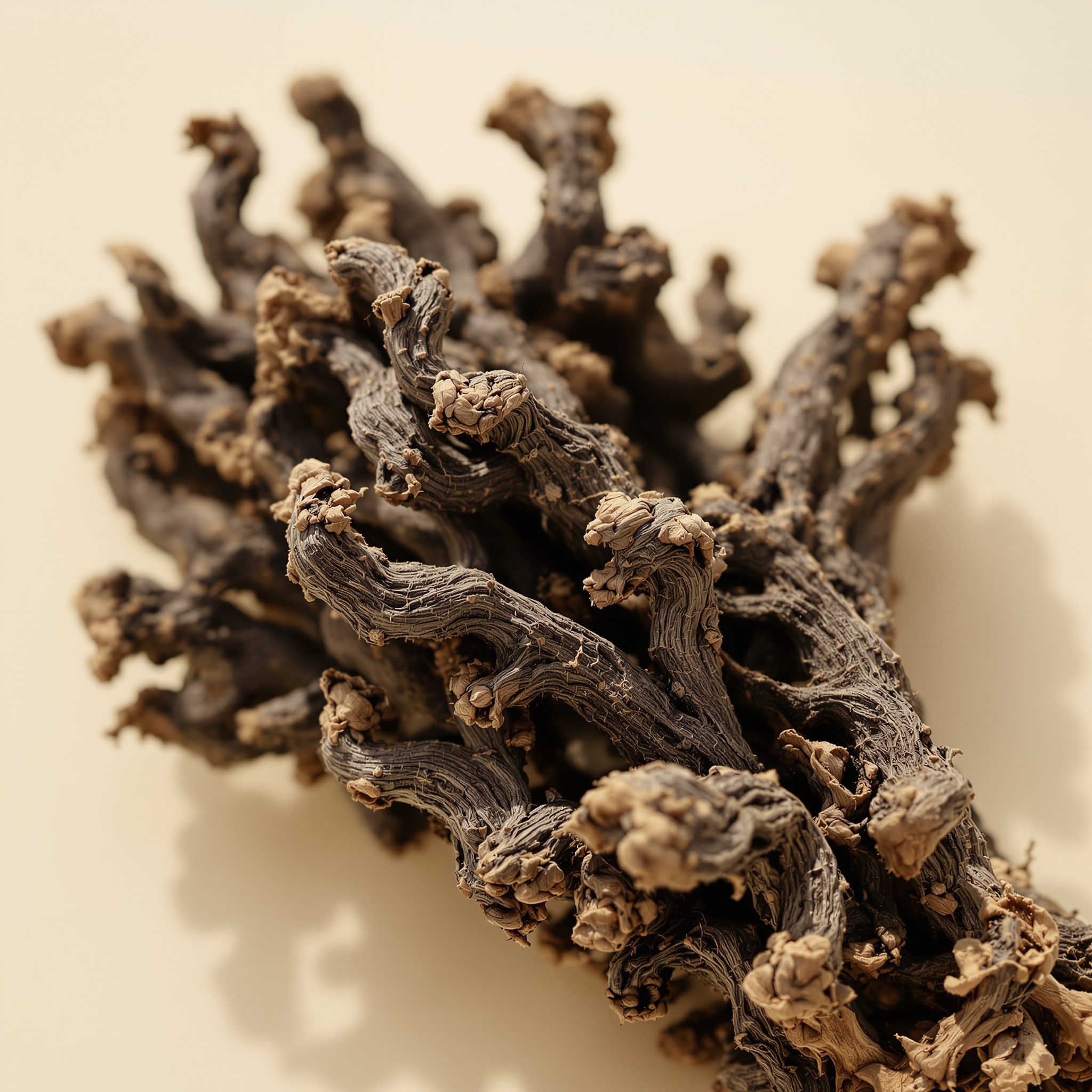
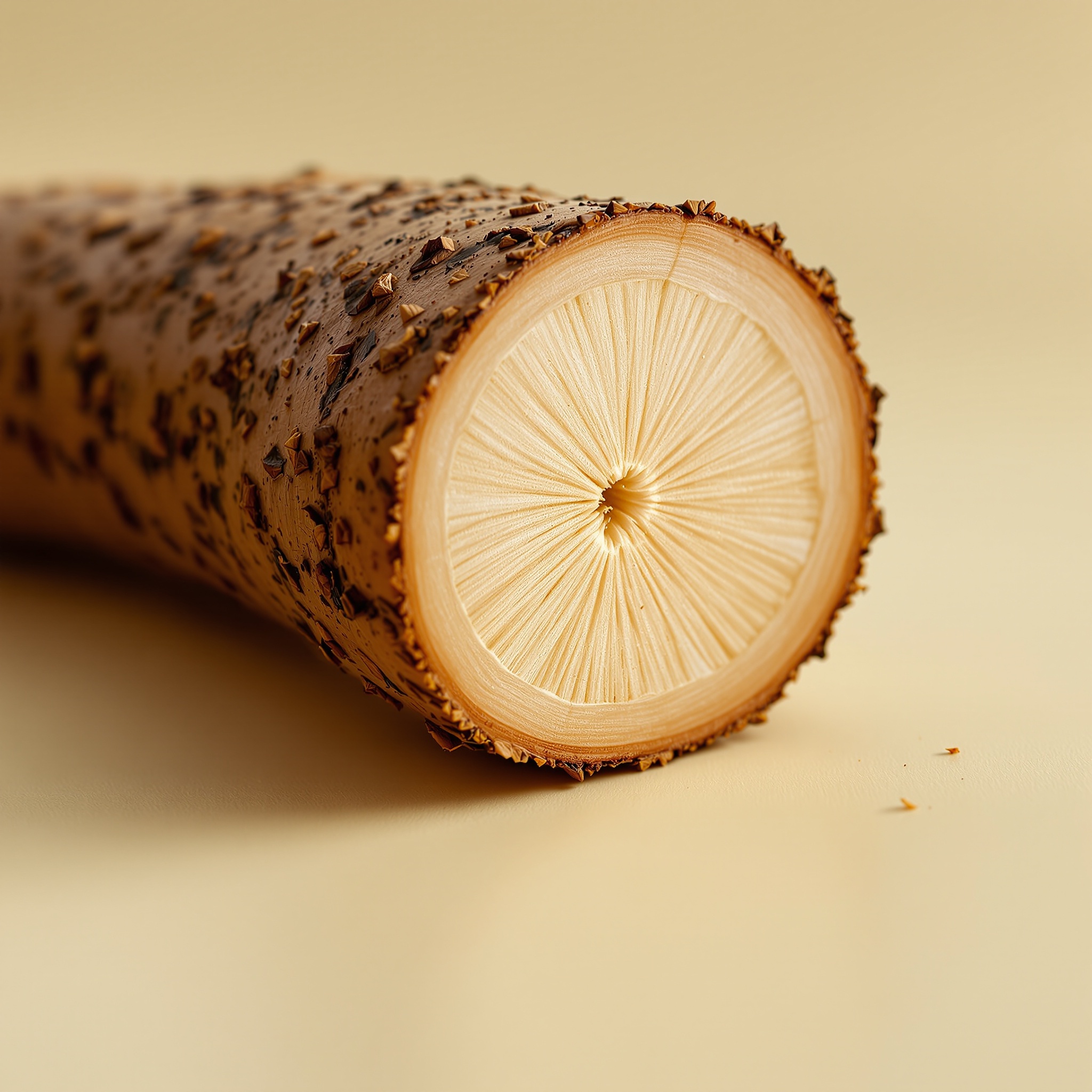
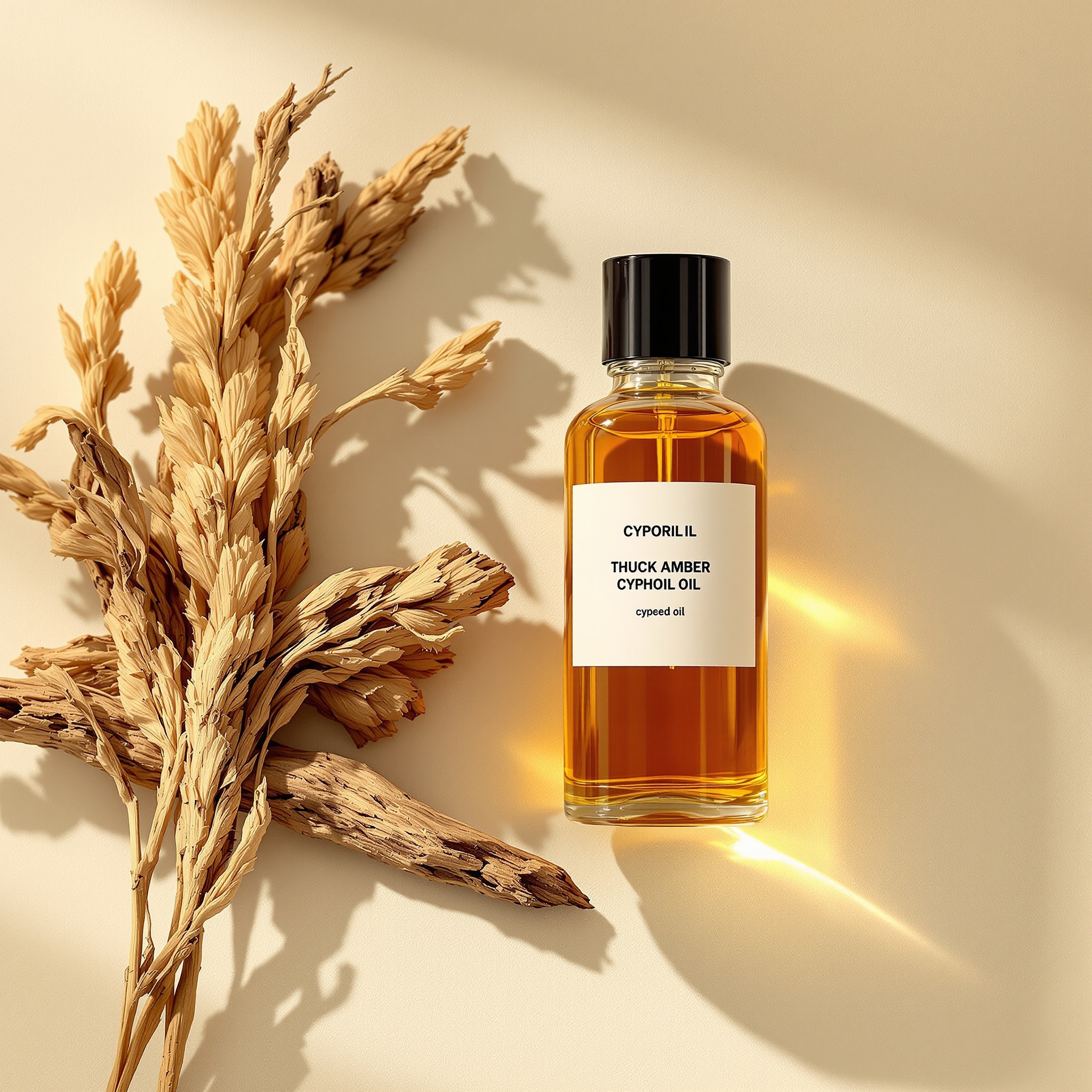
Cypriol Oil or Nagarmotha
Smoky earth, leather and dark woody root
What it is
An oil steam-distilled from the dried roots and rhizomes of Cyperus scariosus, a sedge known in India as nagarmotha and grown widely in Madhya Pradesh. The tubers are cleaned, dried and distilled, yielding a thick, dark oil rich in sesquiterpenes such as cyperene and cyperone.
How it smells
Deeply woody and earthy, with smoky, leathery and peppery facets and a persistent, diffusive character. It recalls vetiver and patchouli crossed with dry tobacco and charred wood. Its rotundone content lends a black-pepper spiciness, while the base stays tenacious and resinous.
In perfumery
A base note giving smoky, woody-leather depth and a natural oud-like darkness without animal materials, paired with vetiver, patchouli, saffron, rose and incense. It also acts as a fixative and grounds many modern woody and oud-style compositions as a sustainable building block.
Good to know
Cypriol carries rotundone, the very molecule that gives black pepper and Syrah wine their peppery bite, and it registers as one of the oil's most odour-active compounds. The sedge often behaves as a stubborn weed, so harvesting its roots turns a nuisance plant into a prized natural.
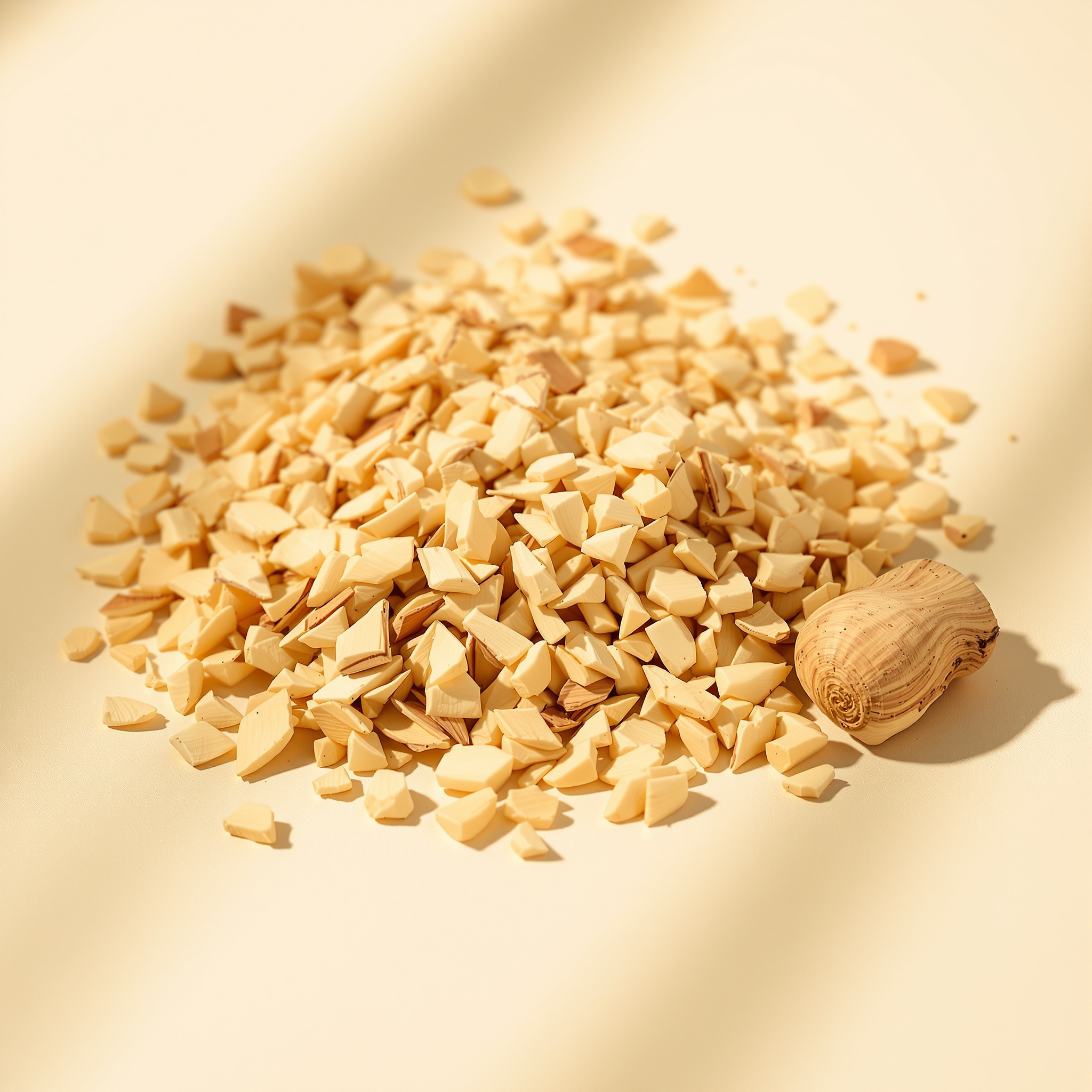
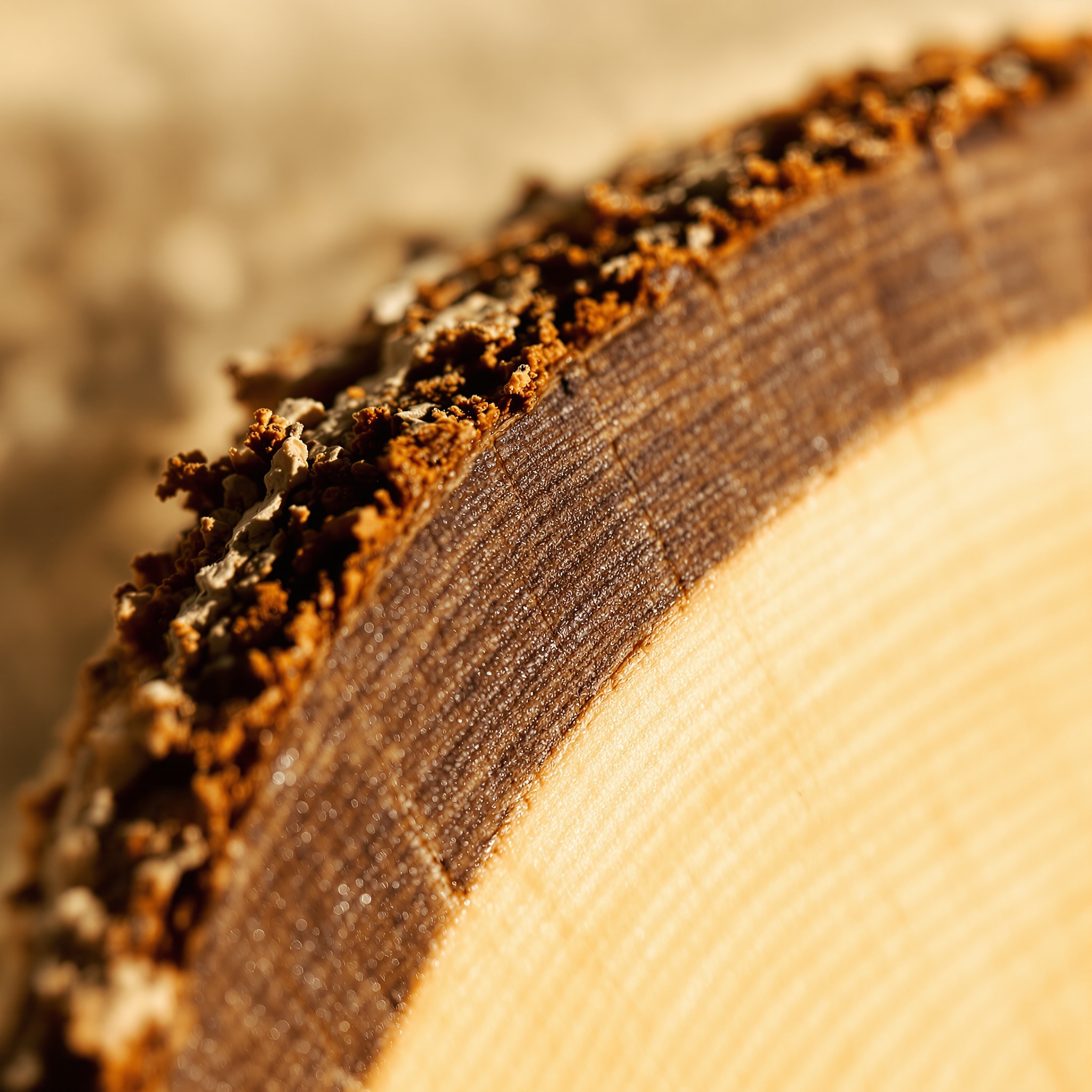
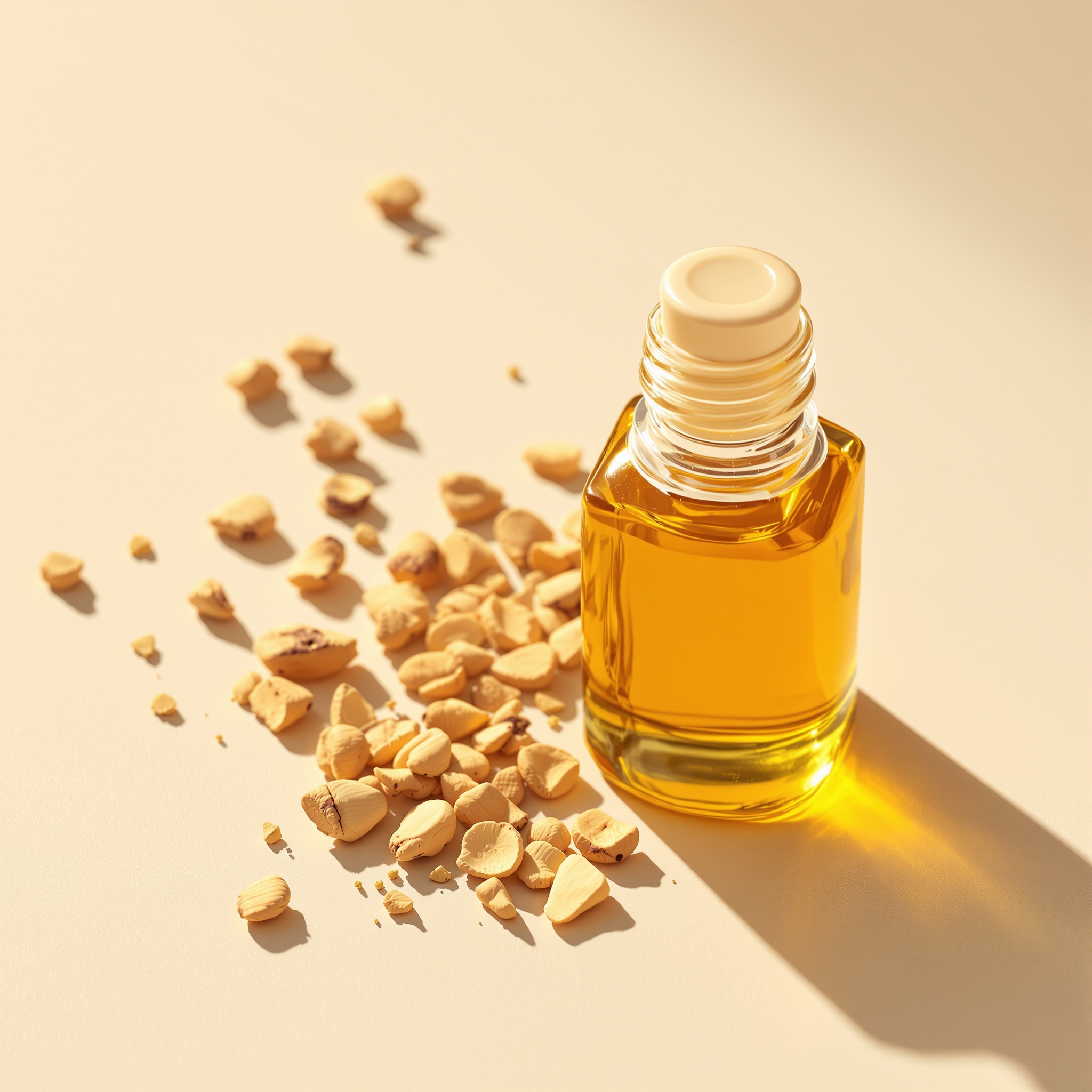
Guaiac Wood
Smoldering rosewood from the arid Gran Chaco
What it is
Guaiac wood oil comes from Bulnesia sarmientoi, a slow-growing hardwood of the Gran Chaco across Paraguay, Argentina and Bolivia. Chipped heartwood and sawdust are steam-distilled into a pale amber, waxy oil that solidifies at room temperature and melts close to skin warmth.
How it smells
Warm, smoky and balsamic, like a smoldering ember rather than open flame. A soft, sweet woodiness carries a distinct tea-rose facet, with powdery, peppery and faintly tar-like nuances. It dries down rounded and quietly creamy, blurring the line between wood and gentle incense.
In perfumery
A base note valued as much for fixative power as for scent, extending and grounding a blend. It rounds rough woods and smoky leathers, pairing with rose, vetiver and tobacco. Its hushed smokiness threads through many modern niche woody and oud-style compositions.
Good to know
Bulnesia sarmientoi has been on CITES Appendix II since 2010, so logs, extracts and oil need permits as overharvesting threatens the species. Sold as Argentine lignum vitae, it is a substitute for true lignum vitae, the unrelated Guaiacum genus listed by CITES decades earlier.

Concrete
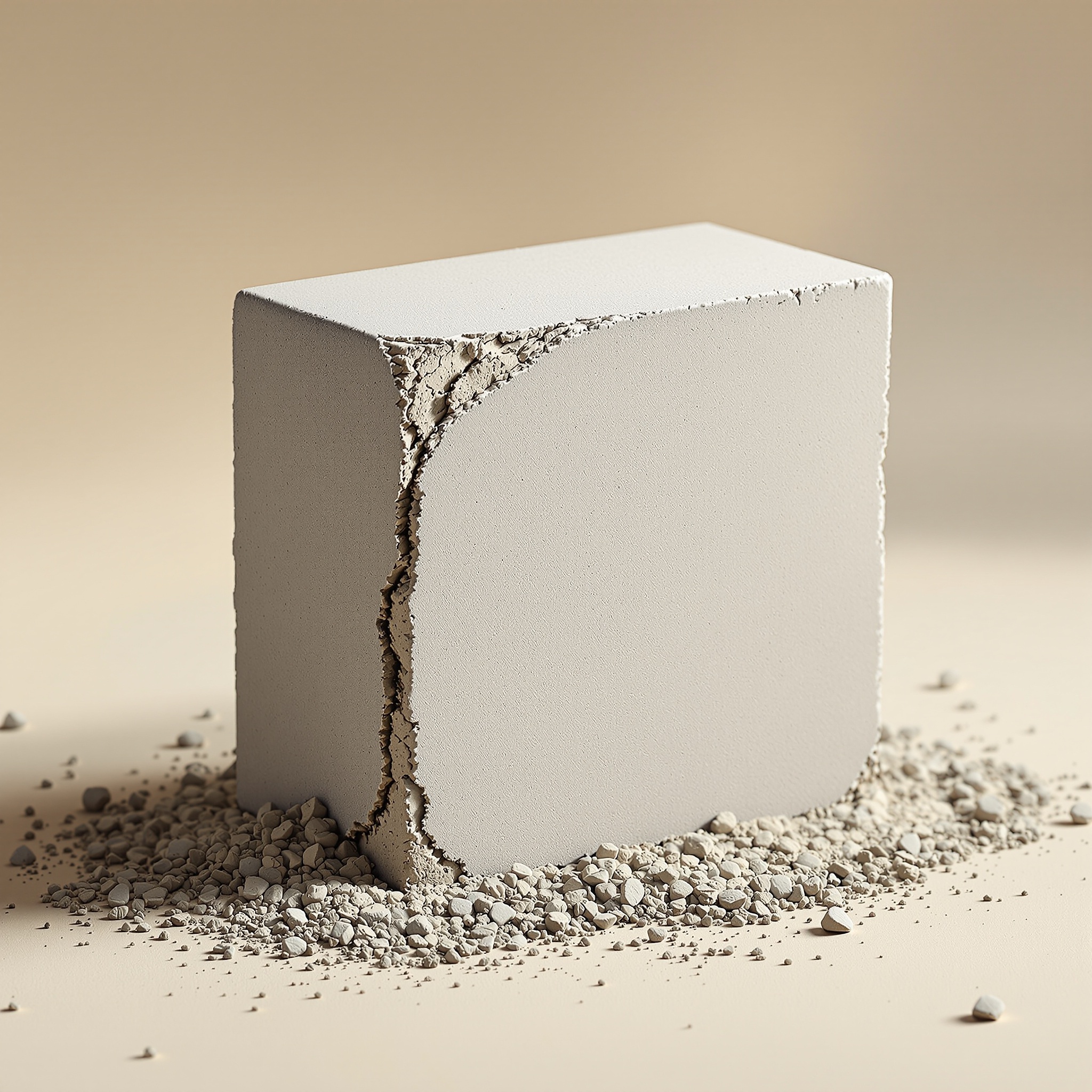
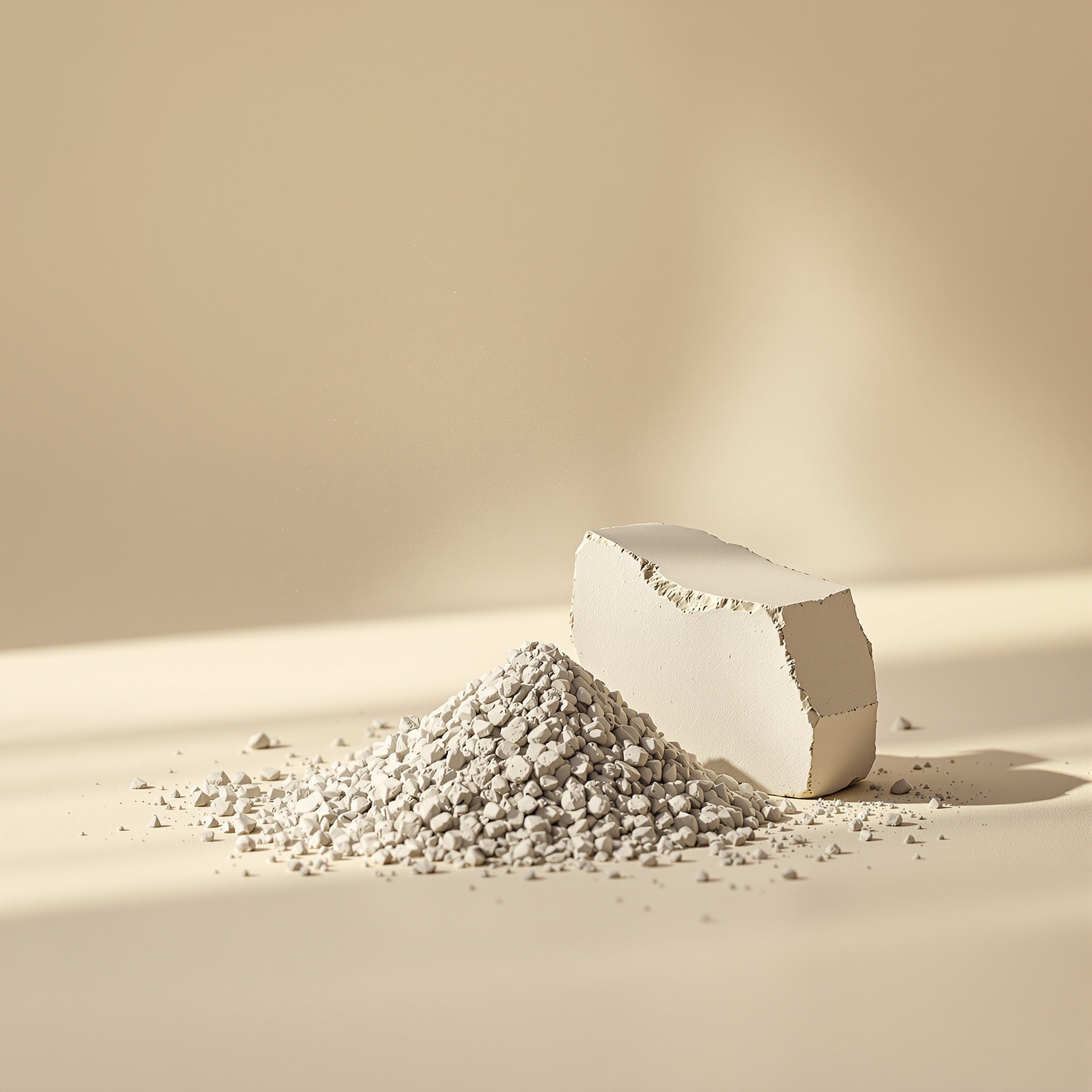
Wet pavement, alkaline dust, cool stone
What it is
As a scent note, concrete evokes the building material, a cured mix of Portland cement, sand, gravel and water that smells sharpest freshly poured or rain-wet. It cannot be extracted; perfumers reconstruct it from mineral, chalky and dusty aroma-chemicals such as Cashmeran, which can read like warm damp stone.
How it smells
Cool, dry and alkaline, with a chalky-mineral edge and a faint sulfurous bite from hydrating cement. It suggests wet pavement after rain, dust on a building site and bare stone. The effect is grey and airy rather than sweet, often laced with ozone and a clean, dampened greyness.
In perfumery
A modern abstract note used in the heart and base to bring urban mineral coolness and architectural austerity. It pairs with vetiver, ozone, metallic notes and dry woods. Conceptual compositions built around the theme lean on deconstructed sandalwood and spice rather than literal grit.
Good to know
The term collides with another in perfumery: a botanical concrete is a waxy, solvent-extracted floral paste, an early step toward absolute. The building-material note is unrelated, a deliberately conceptual mineral accord born from fragrance's recent taste for raw, urban textures.


Rain Notes
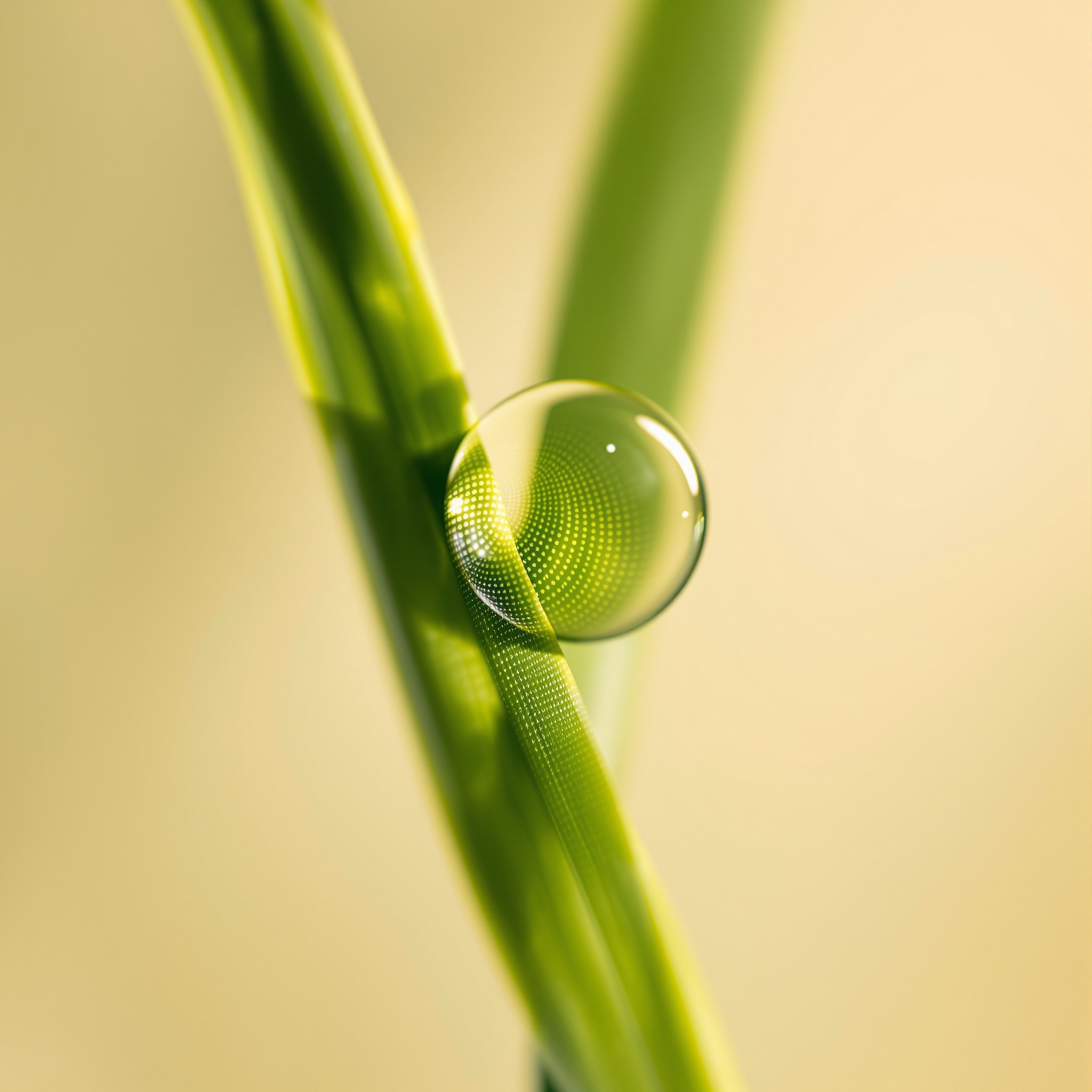
The clean ghost of a coming storm
What it is
Not a harvested material but an abstract accord built from aroma-chemicals. Perfumers reconstruct the smell of rain using molecules such as Calone, dihydromyrcenol, aldehydes and ozonic synthetics, layered over green, mineral and watery facets to suggest petrichor and washed air after a storm.
How it smells
Cool, transparent and faintly metallic, like wet pavement and ozone after a downpour. It opens sharp and airy, almost saline, then softens toward damp earth, crushed green leaves and rain-soaked stone. The overall impression reads dewy, weightless and oddly nostalgic.
In perfumery
A top-to-heart effect prized for freshness and atmosphere, structuring aquatic and ozonic compositions. It pairs with melon, cucumber, violet leaf and ambroxan. The Calone-driven aquatics that defined 1990s perfumery built a whole genre around this rainy-air sensation.
Good to know
The earthy smell of real rain comes from geosmin, released by soil bacteria, plus petrichor, the oily compounds plants exude that raindrops fling into the air. Most rain accords skip geosmin entirely, chasing the cleaner ozonic side instead of true wet soil.
Incense
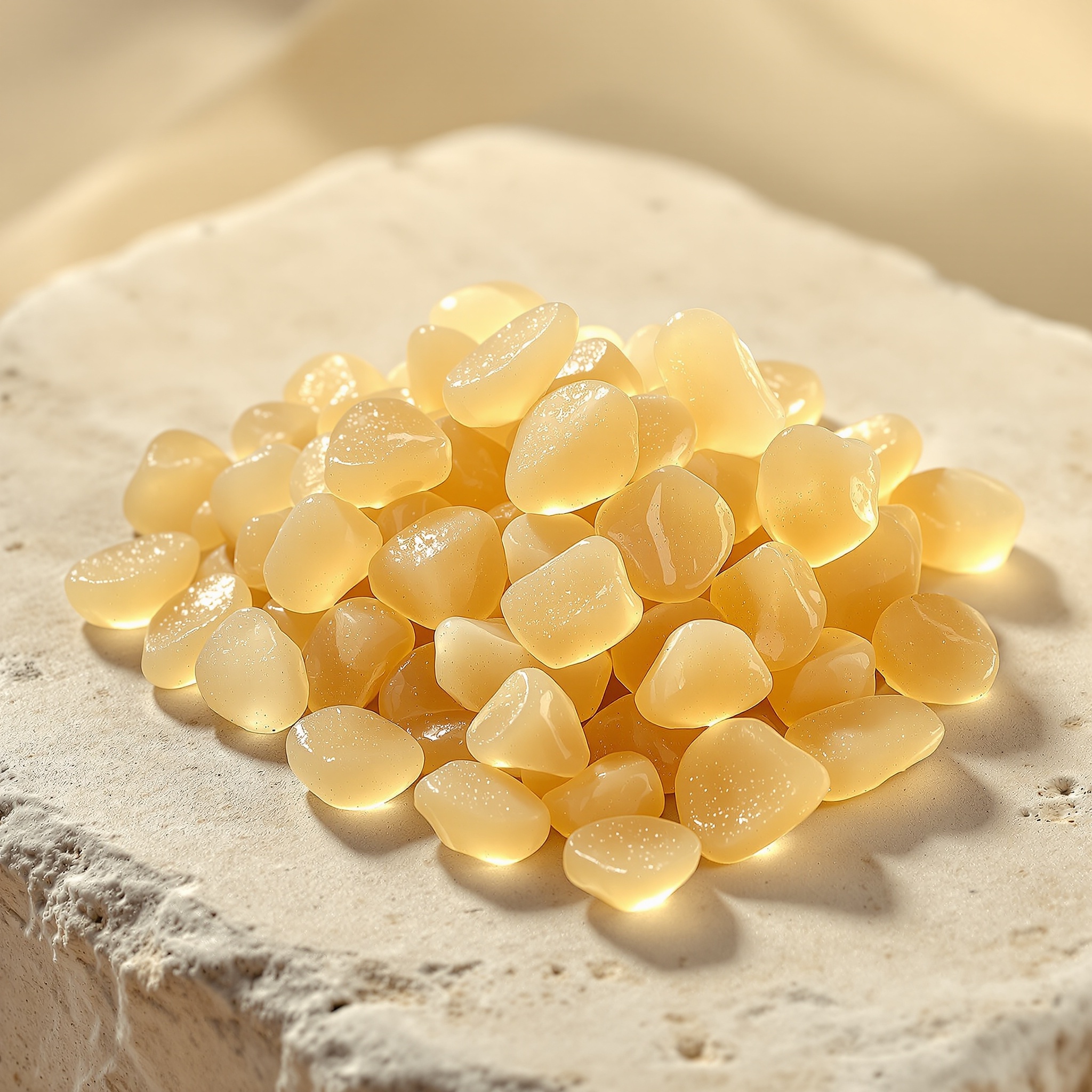
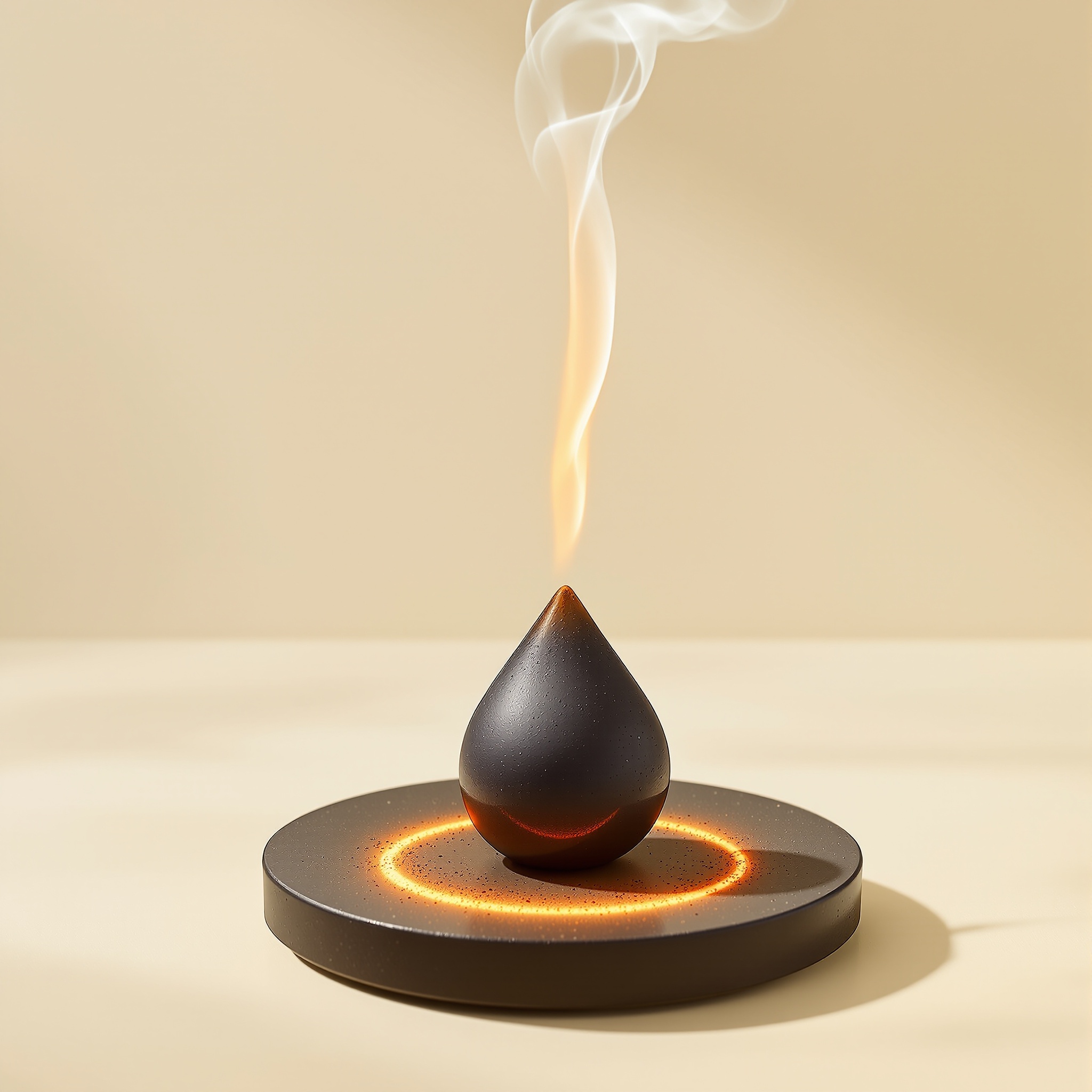
Sacred smoke curling from resin and embers
What it is
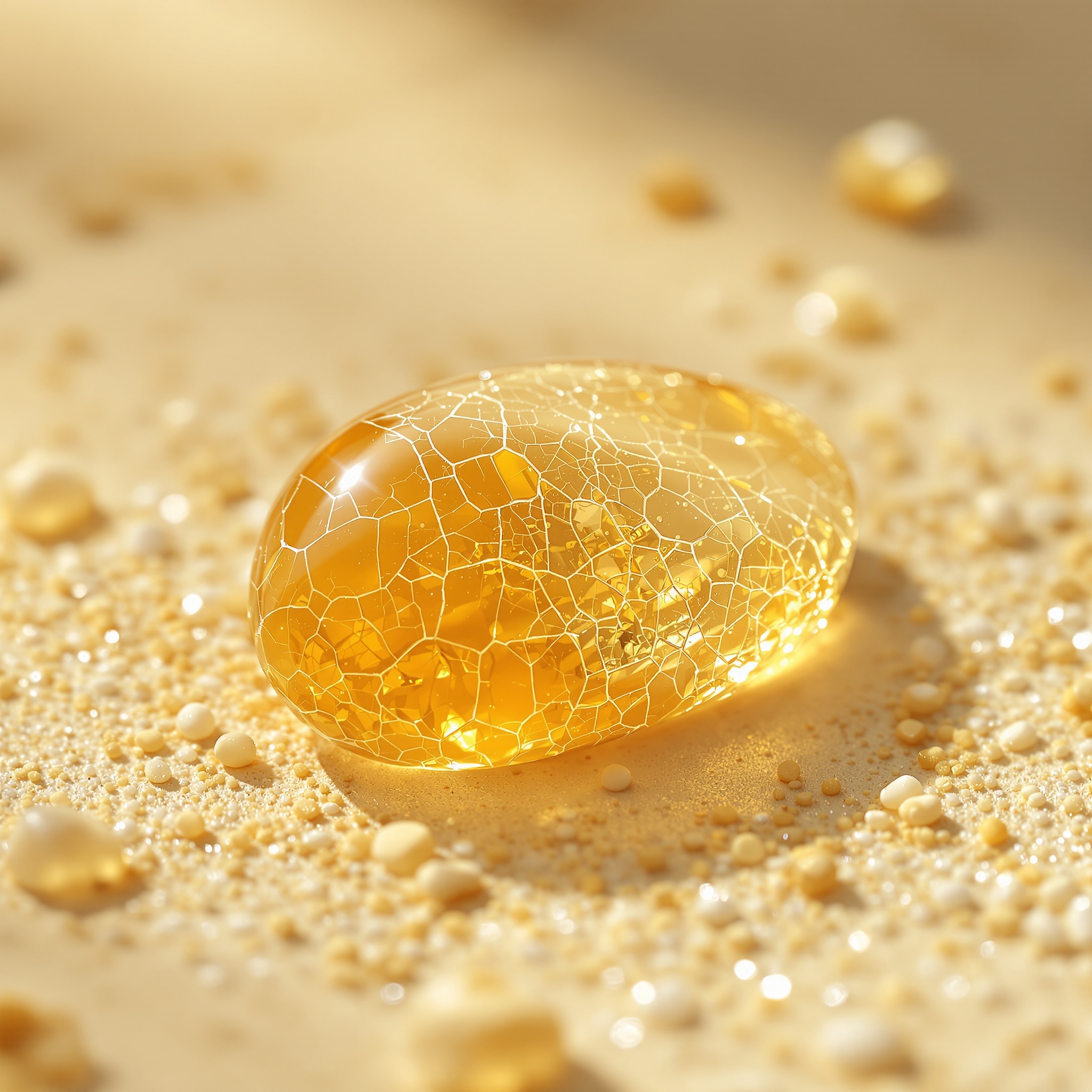
In perfumery, incense usually means olibanum, the oleo-gum-resin of Boswellia trees from Oman, Somalia and Ethiopia. The bark is slashed, weeps a milky exudate that hardens into amber tears, and these are steam-distilled to an essential oil or solvent-extracted to an absolute; blends often add labdanum and styrax.
How it smells
Cool, dry and resinous, with a sharp citrus-pine lift over smoky, peppery warmth. There is a clean church-air quality: balsamic, slightly soapy, faintly green. It opens bright and turpentine-fresh, then settles into a meditative, ashen-sweet woodiness that lingers close to the skin.
In perfumery
A heart-to-base material prized for its contemplative, smoky-resinous character. It cools florals, sharpens woods and lends ritual gravity to oriental and chypre accords. It defines the great church-incense scents and the cold, mineral incense of many a meditative niche composition.
Good to know
Frankincense was once worth its weight in gold, carried along ancient Arabian caravan routes to temples across the Mediterranean and beyond. Wild Boswellia stands are now threatened by over-tapping, grazing and climate stress, prompting growing interest in sustainable harvesting and tapping quotas.
Sandalwood
Creamy meditative woods that breathe in slowly
What it is
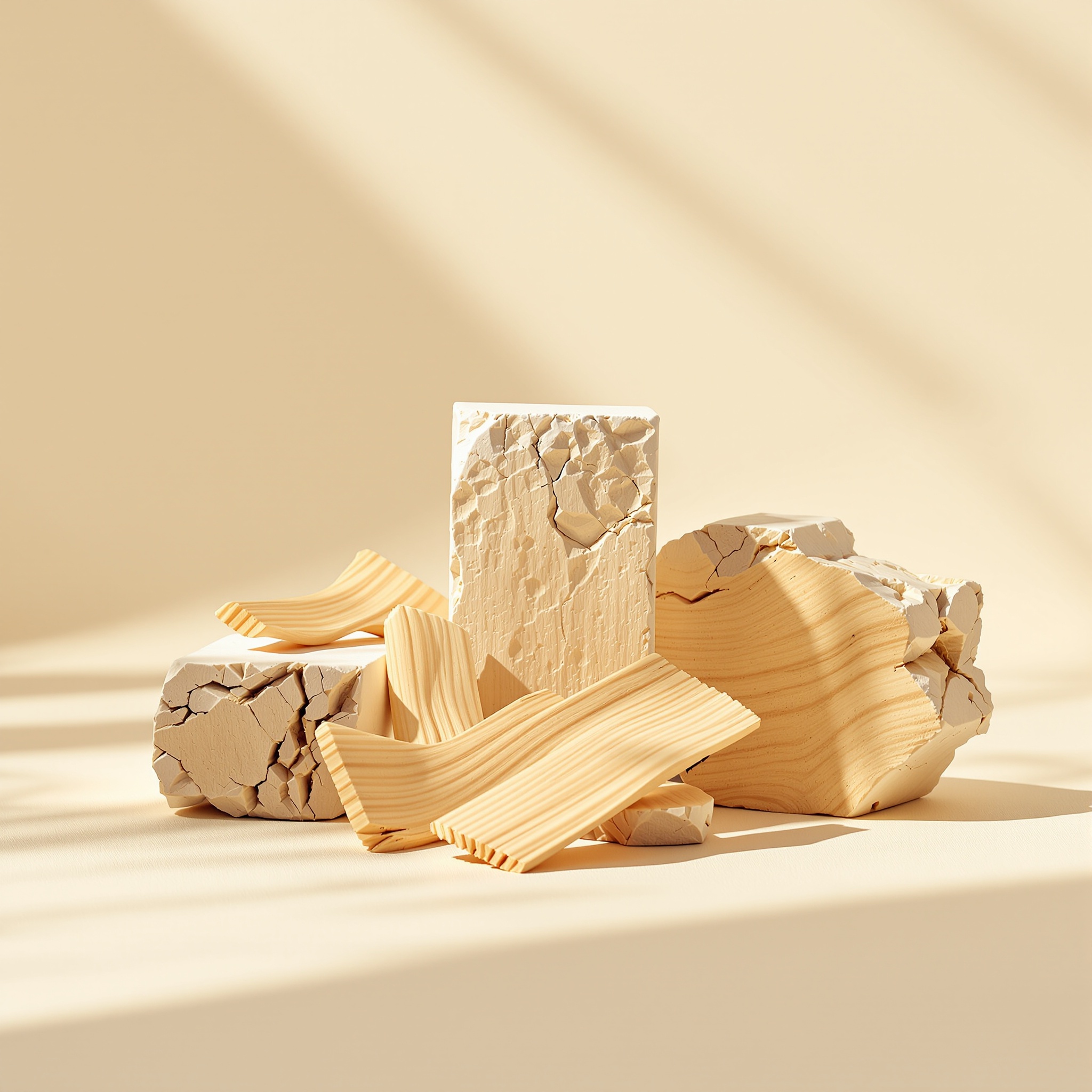
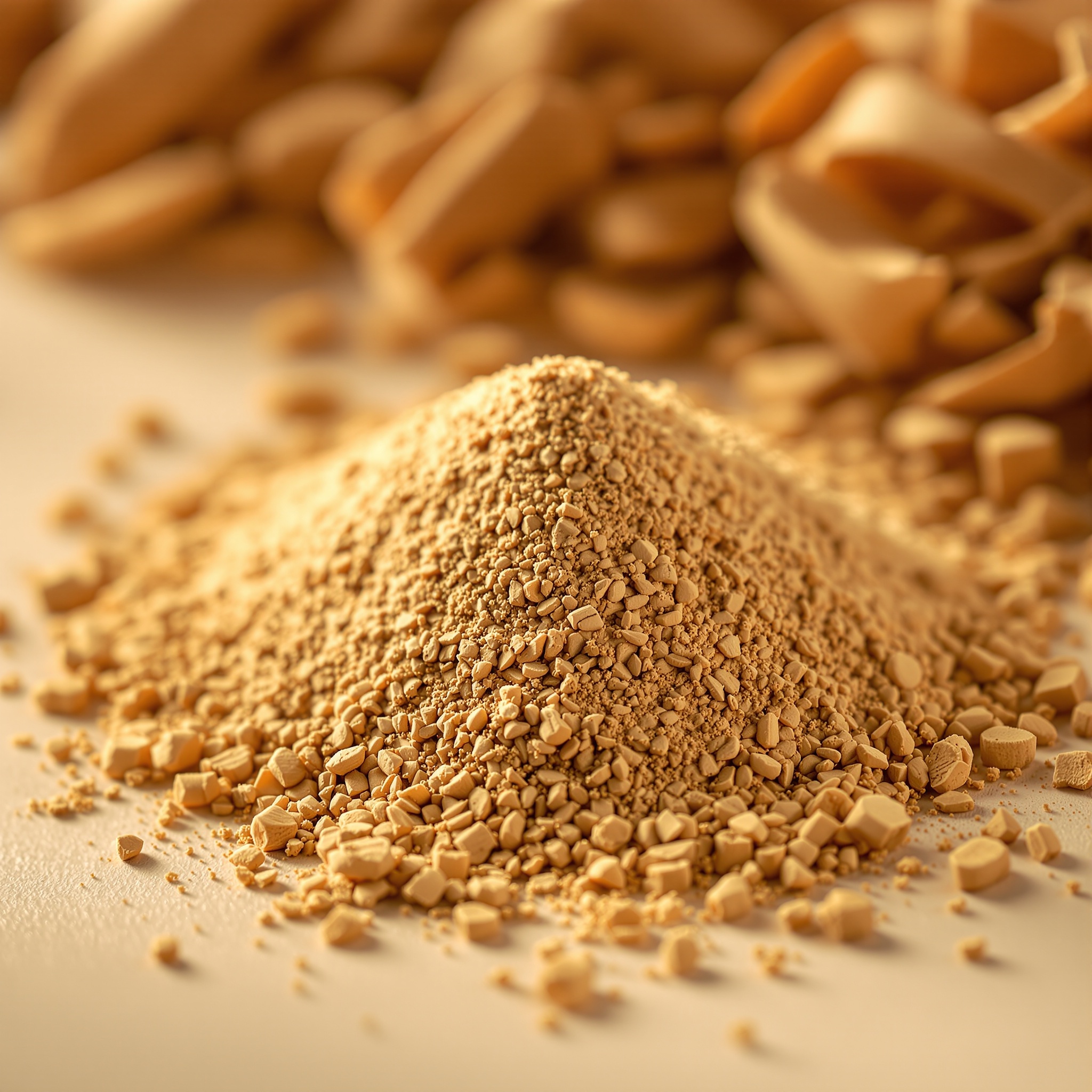
Sandalwood oil is steam-distilled from the heartwood and roots of slow-growing Santalum trees, classically Santalum album of Mysore, India. As the wild Indian source neared collapse, plantations of the same species in tropical Western Australia now supply much of the world's perfumery-grade oil.
How it smells
Soft, creamy and milky, with a smooth woody warmth and a faintly sweet, rosy, almost buttery edge. It carries no sharpness, only a rounded balsamic depth. It stays remarkably steady on skin, glowing quietly for hours rather than opening and drying in distinct stages.
In perfumery
A base note valued as both scent and fixative, sandalwood lends creaminess, warmth and a meditative softness that binds compositions together. It pairs beautifully with rose, jasmine, vetiver and spice. Many meditative woody and incense fragrances celebrate it at their heart.
Good to know
Genuine Mysore sandalwood was so overharvested that India tightened export controls and the wild tree became vulnerable, with oil prices reported around two thousand dollars per kilogram. Plantations of Santalum album grown near Kununurra in Western Australia now sustainably recreate the original creamy profile.
Fragrance Character
The opening is blunt and metallic, gunpowder and iodine sitting on skin with an almost clinical sharpness before cypriol adds a rootlike, smoky depth and guaiac wood draws in a dry, pencil-shaving warmth. Blood and crushed flowers hold the heart in a strange tension between organic decay and something almost sacred. The base resolves into wet concrete and incense, sandalwood softening the edges until the whole thing settles close to skin like ash on stone after rain.
Best Worn
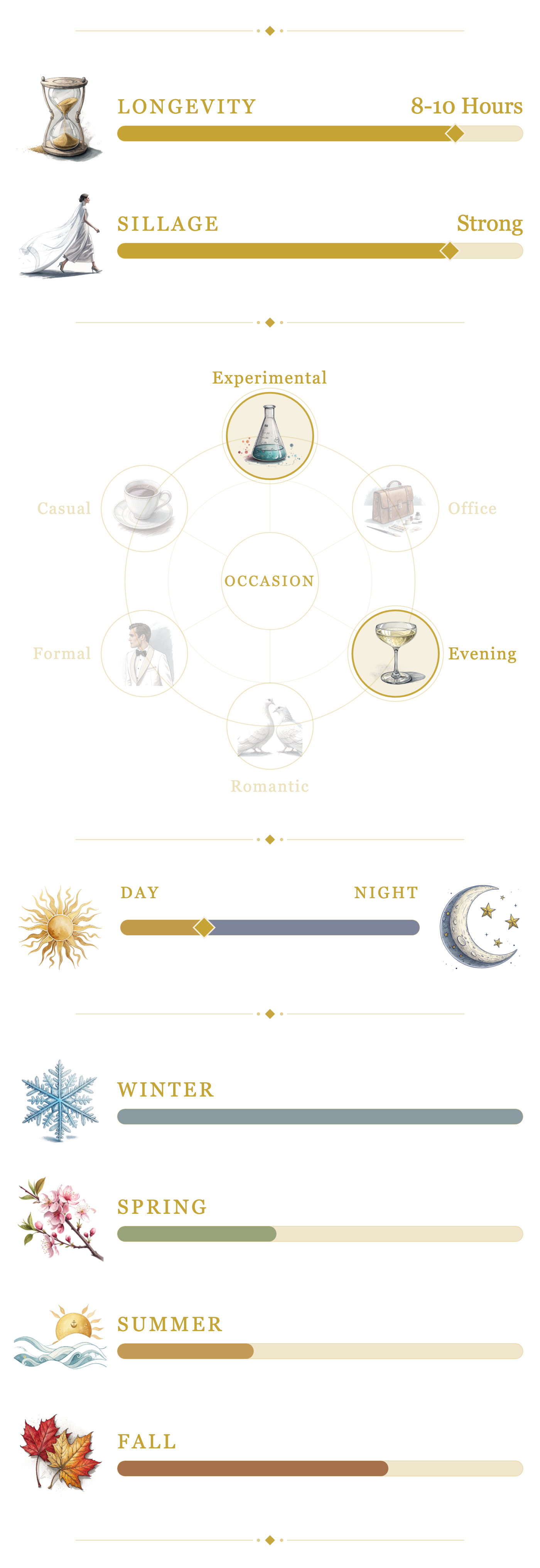
A winter night or an autumn evening deep into the week, worn by someone who finds comfort in the austere and slightly dangerous.
Why the Inexcusable Evil Decant
Inexcusable Evil is the kind of fragrance whose metallic, bloodied opening will end the conversation for some and define it entirely for others, making a decant the only honest way to know which side you land on.
Official Notes
Gunpowder · Ozonic Notes · Iodine · Blood · Flowers · Copaiba Balm · Cypriol Oil or Nagarmotha · Guaiac Wood · Concrete · Rain Notes · Incense · Sandalwood
Explore more: Ultra-Niche Perfume Decants · All Fragrance Decants
Choose options
The Vibe




Select your decant size

You are selecting a decant size, not the full bottle