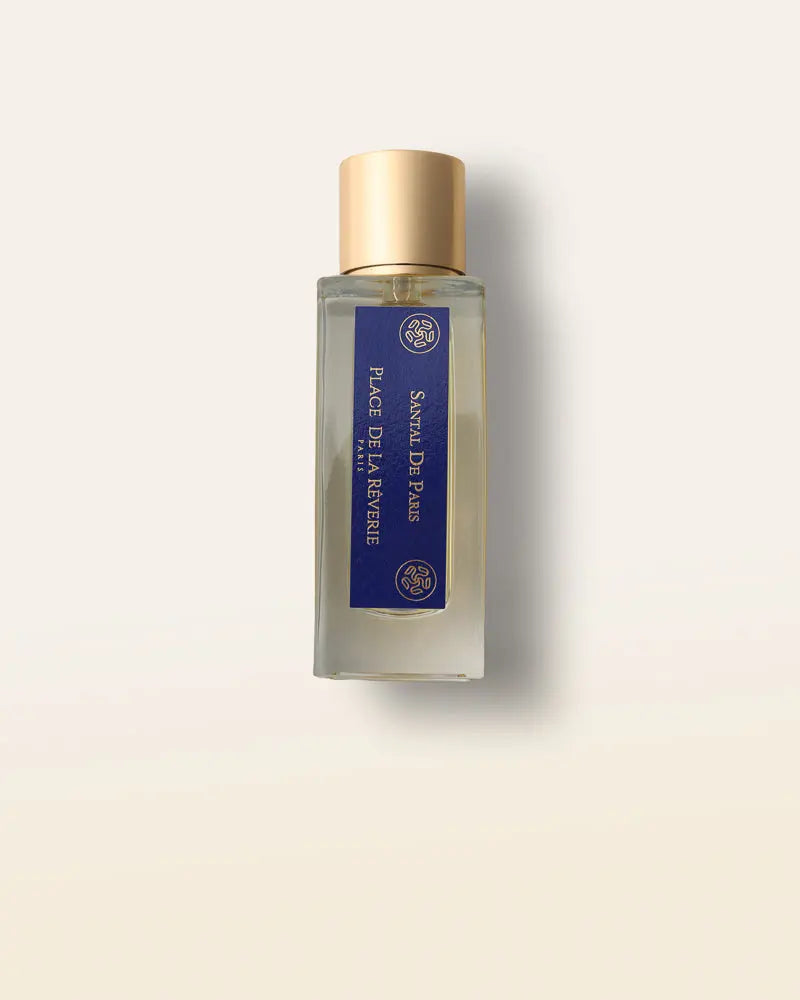
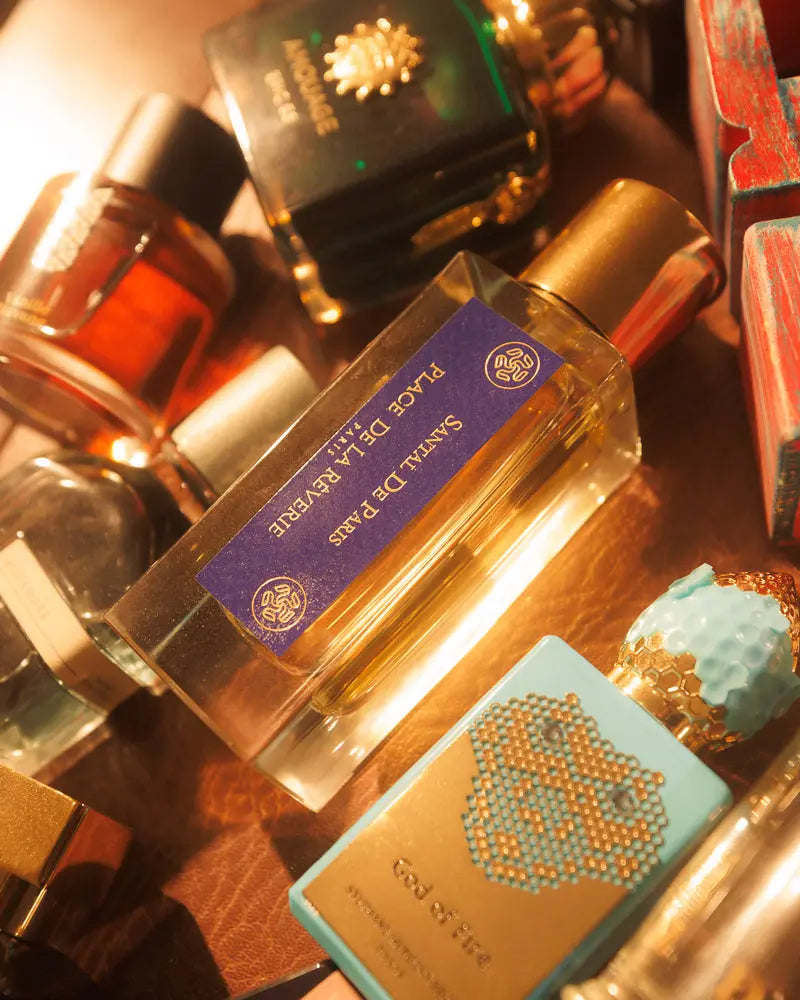

Place de la Rêverie - Santal de Paris
Santal de Paris opens on a powder-dusted lily, its floral softness quickly overtaken by the dense, almost fatty warmth of Mysore sandalwood anchored in labdanum and benzoin. Ambrette and ambroxan breathe skin-like musk through the whole arc, keeping it intimate even as the base settles into a slow, resinous vanilla.
The Nose
Composed by Nathalie Feisthauer for Place de la Rêverie, also behind Hermès Eau des Merveilles, Amouage Honor Man and État Libre d'Orange Putain des Palaces.
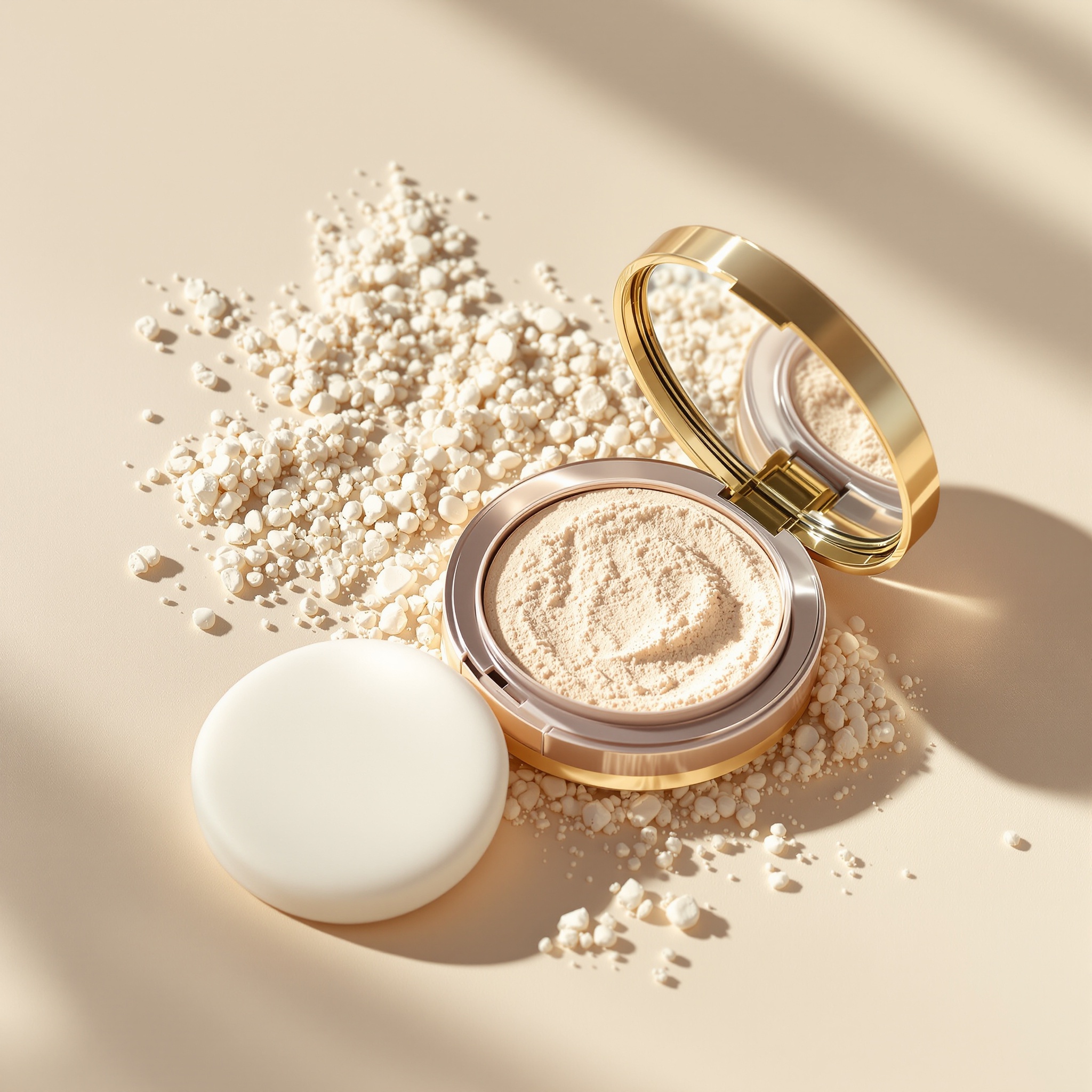
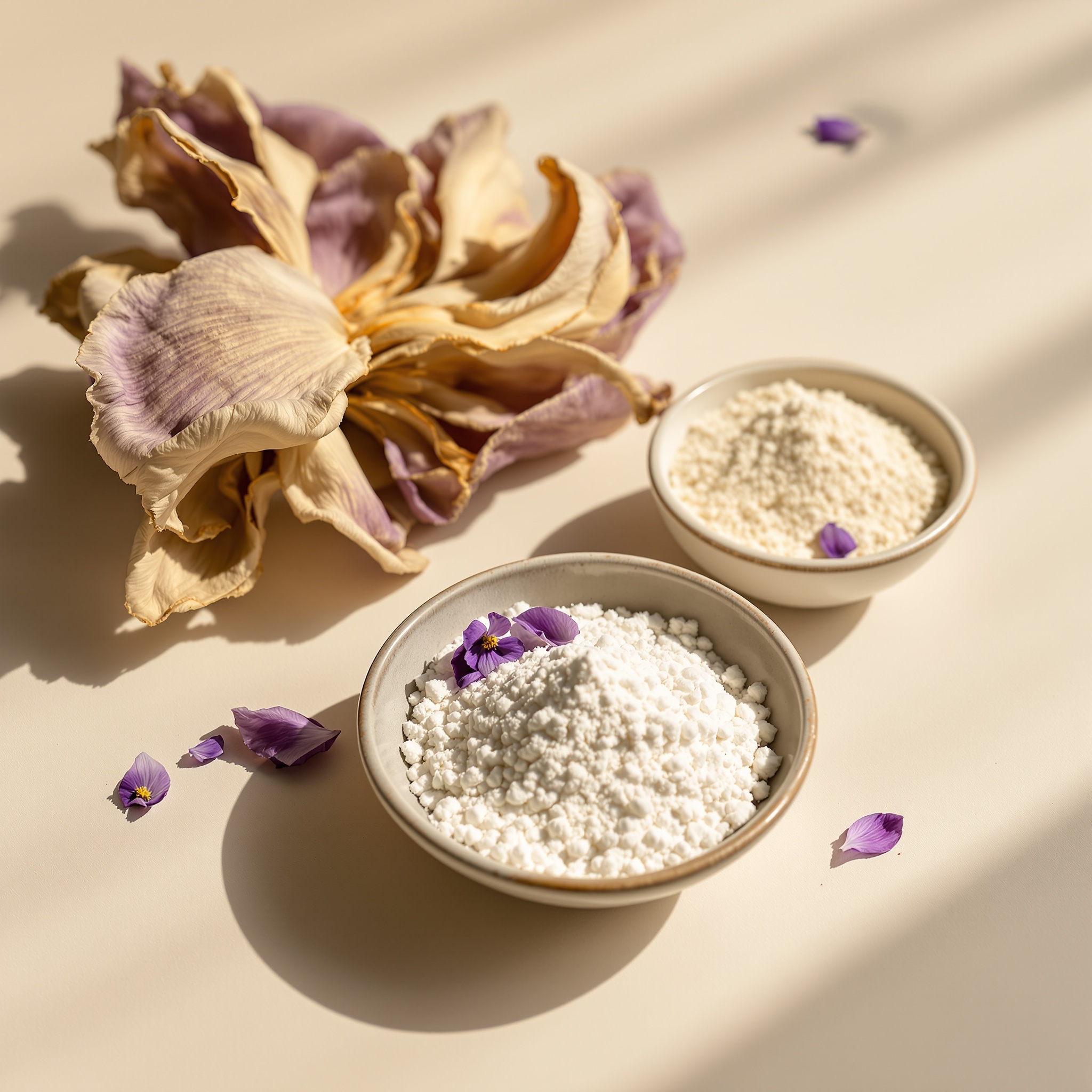
Powdery Notes
Soft veil of warm clean comfort
What it is
Not a single ingredient but an olfactory effect: the impression of face powder, talc and cosmetics. It is built from materials such as orris (iris root), violet-scented ionones, heliotropin, musks, vanilla and tonka, plus the soft methyl ionones, which together produce a dusty, makeup-like, faintly sweet character.
How it smells
Soft, dry and faintly sweet, like talcum powder, lipstick and warm clean skin. It can lean cool and rooty from iris, floral from violet and rose, or cozy and almond-sweet from vanilla and heliotropin. It reads as a diffuse haze rather than a sharp, defined scent.
In perfumery
A connective texture spanning heart and base, rounding edges and adding a vintage, makeup-counter softness with smooth diffusion. It supports florals, vanilla and musk. The effect defines many classic powdery orientals, and some modern compositions treat the powdery accord as their whole subject.
Good to know
The powdery accord is strongly tied to memory, recalling a grandmother's vanity, cosmetics and baby powder, which is why such scents often feel comforting or old-fashioned. Its core building blocks, the ionones, were the first synthetics, isolated in the 1890s, to convincingly recreate the scent of violets.
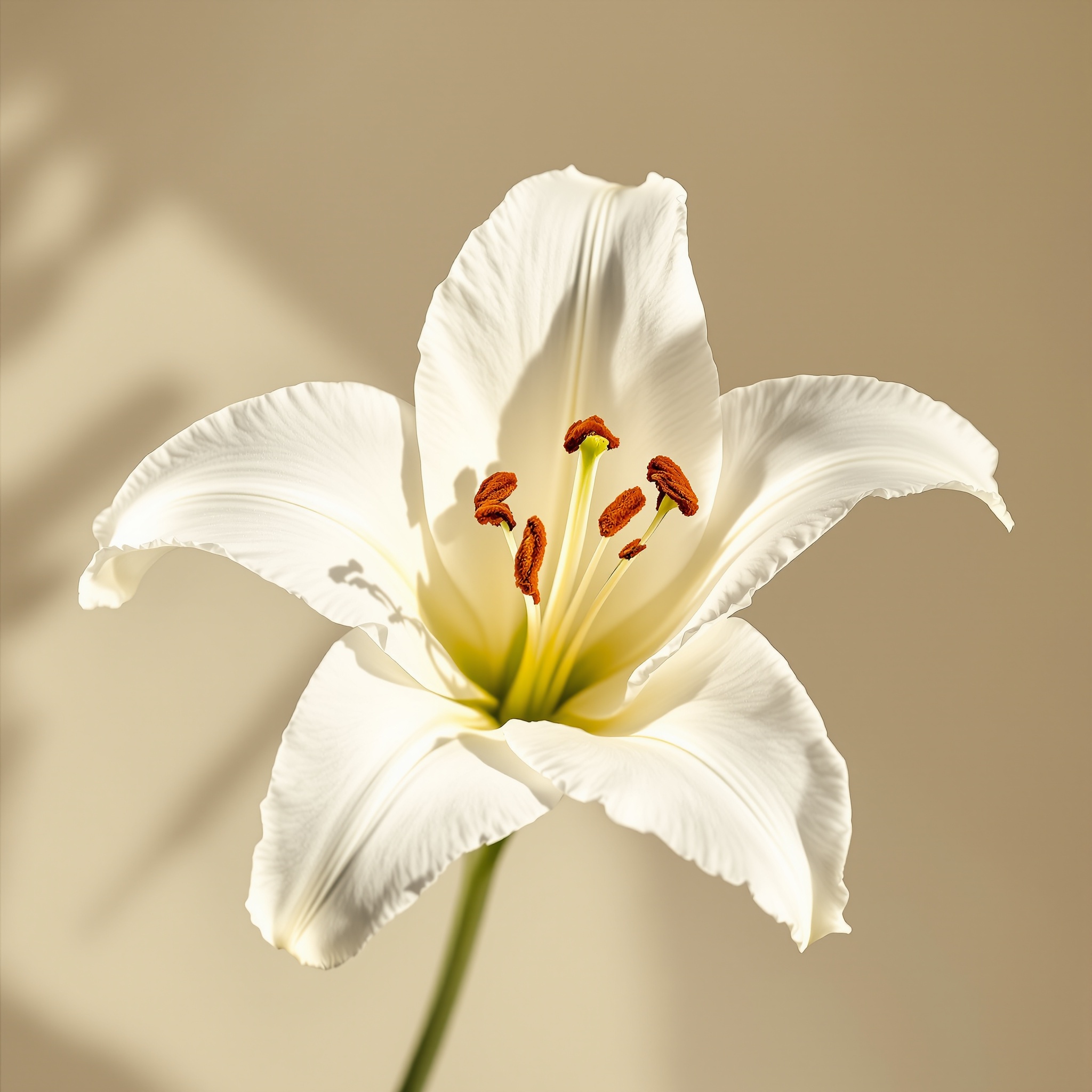
Lily
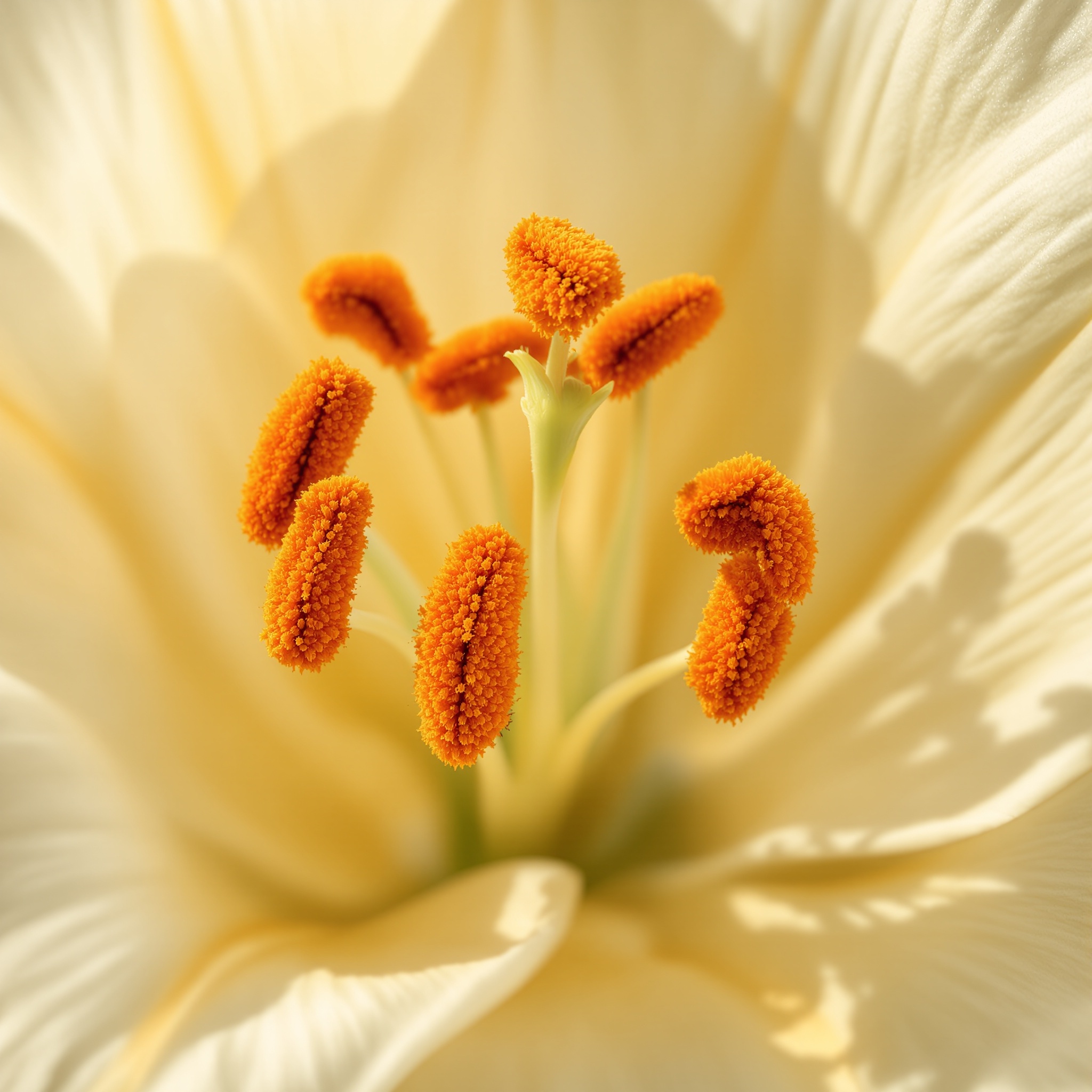
Cool white trumpets, green stems and golden pollen
What it is
Lily refers to true lilies of the genus Lilium, large trumpet-shaped flowers such as Casablanca and stargazer. The living blooms yield almost no extractable oil, so the lily note is built largely as a perfumer's headspace reconstruction, recreating the flower's scent from synthetic and natural floral materials.
How it smells
Fresh, cool and creamy white-floral with a green, slightly waxy edge and a peppery, spicy lift. A dewy, watery transparency sits over a fuller honeyed heart, with a touch of golden pollen warmth. It falls between the lushness of tuberose and the clean coolness of magnolia.
In perfumery
A heart note giving radiant, dewy volume to white-floral and modern bouquets, blending with rose, freesia, magnolia, green notes and soft musks. The cool lily accord shapes single-flower lily soliflores and lends a powdery floral character to many modern bouquets.
Good to know
Because true lily cannot be steam-distilled economically, the note is an act of reconstruction built from headspace analysis of the live flower. Note that lily of the valley, or muguet, is an unrelated plant and also a reconstruction, so the two lily notes smell quite different.
Amyris
Caribbean wood that whispers like soft sandalwood
What it is
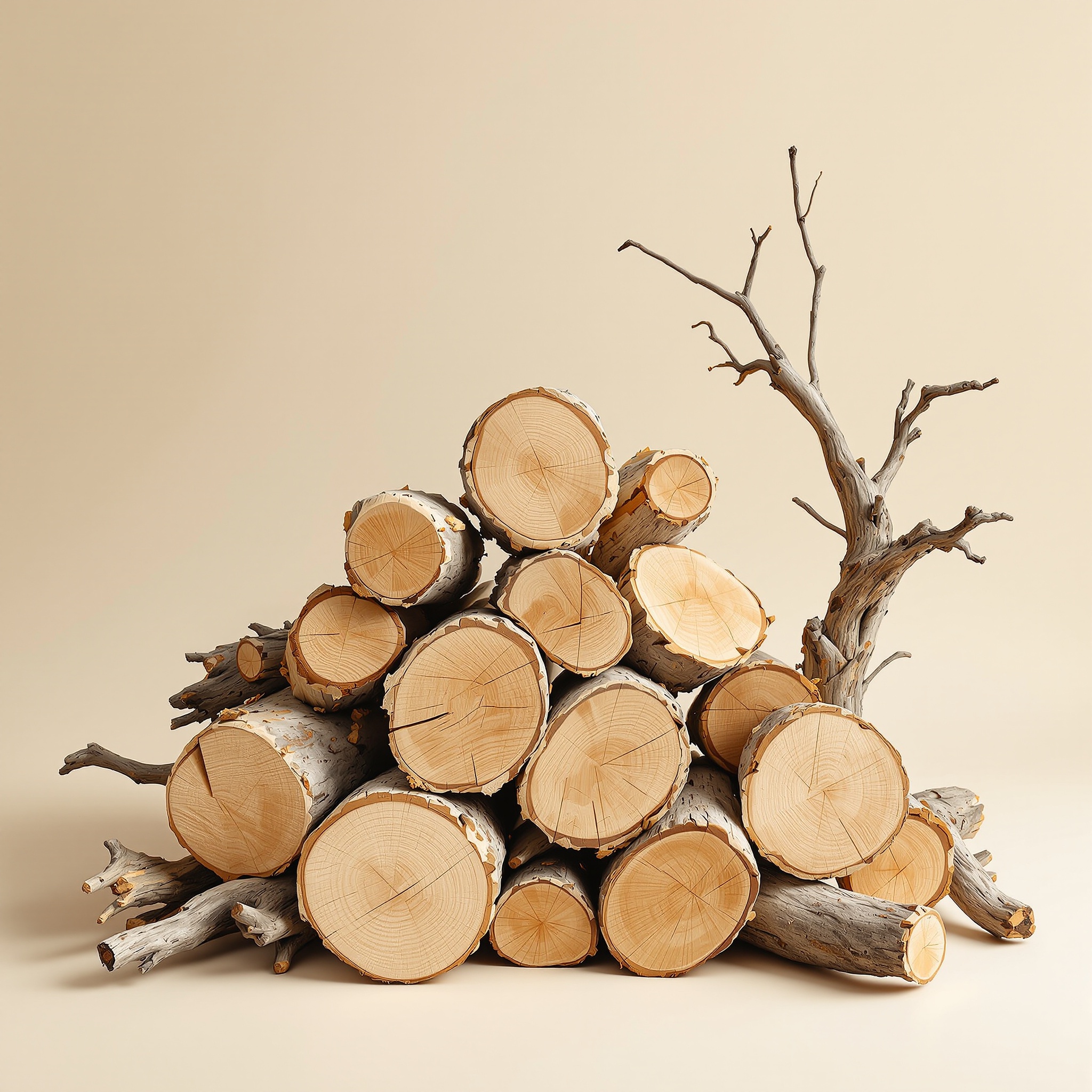
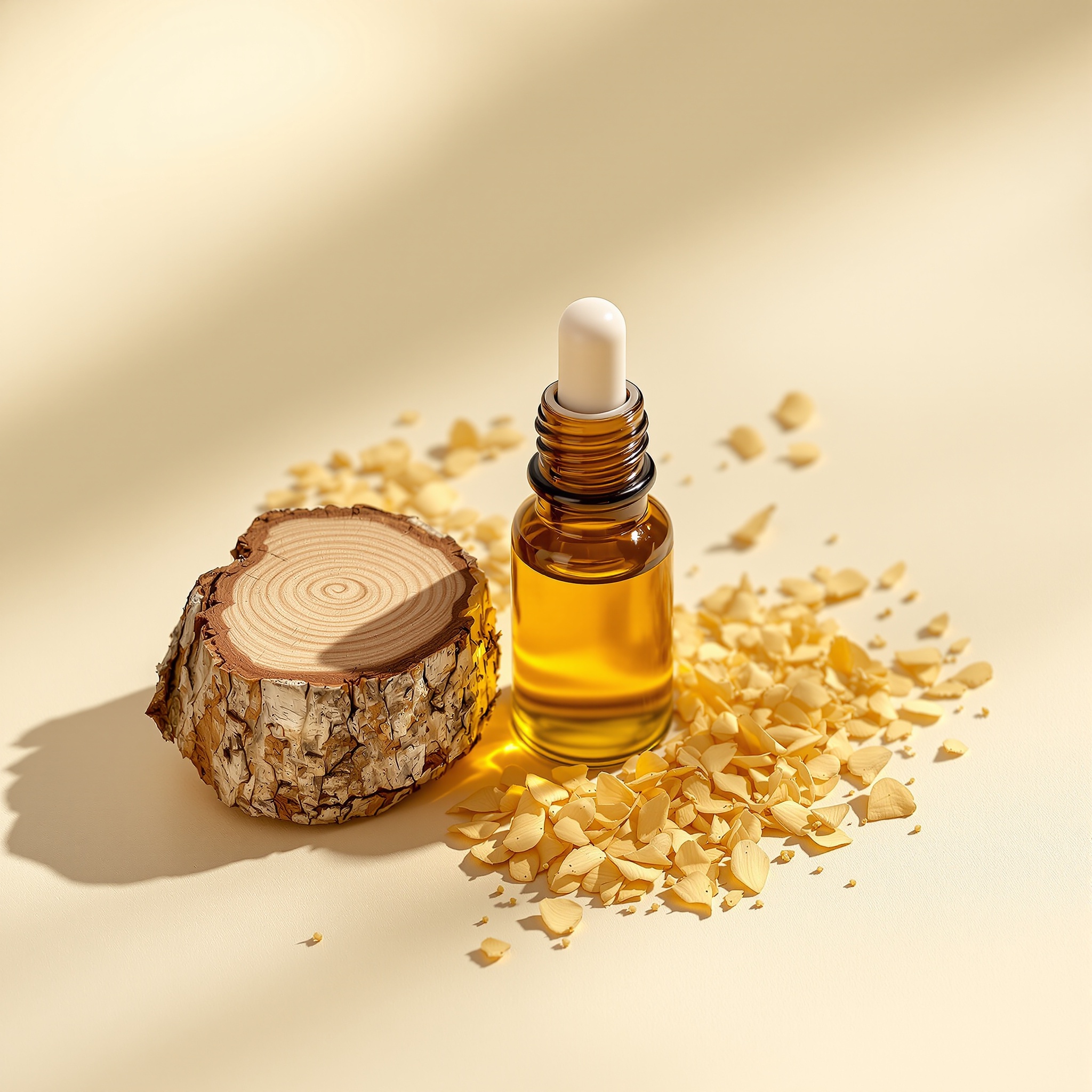
Amyris is the essential oil steam-distilled from the heartwood of Amyris balsamifera, a small tropical tree of the citrus family native to Haiti and the Caribbean. Called West Indian sandalwood, it is botanically unrelated to true sandalwood. Aged, fallen wood, dense with oil, is slowly distilled.
How it smells
Soft, dry and woody with a faint balsamic, resinous warmth and a light peppery smokiness. It is quieter and less creamy than true sandalwood, a touch oily and slightly sweet, with a clean cedar-like dryness that settles into a muted, grounding woody base.
In perfumery
A base note used mainly as an affordable fixative and woody extender, prolonging and grounding lighter materials. It pairs with citrus, lavender, cedar and sandalwood. It rounds out countless colognes and soliflores and props up the woody base of many mass-market and natural fragrances.
Good to know
Its nickname West Indian sandalwood is purely commercial; chemically it shares little with Santalum sandalwood, which sells for many times the price. The wood is so oil-rich that dried branches were once lit as natural torches, earning the tree the names candlewood and torchwood.
Ambrette
Plant musk pressed from a mallow seed
What it is
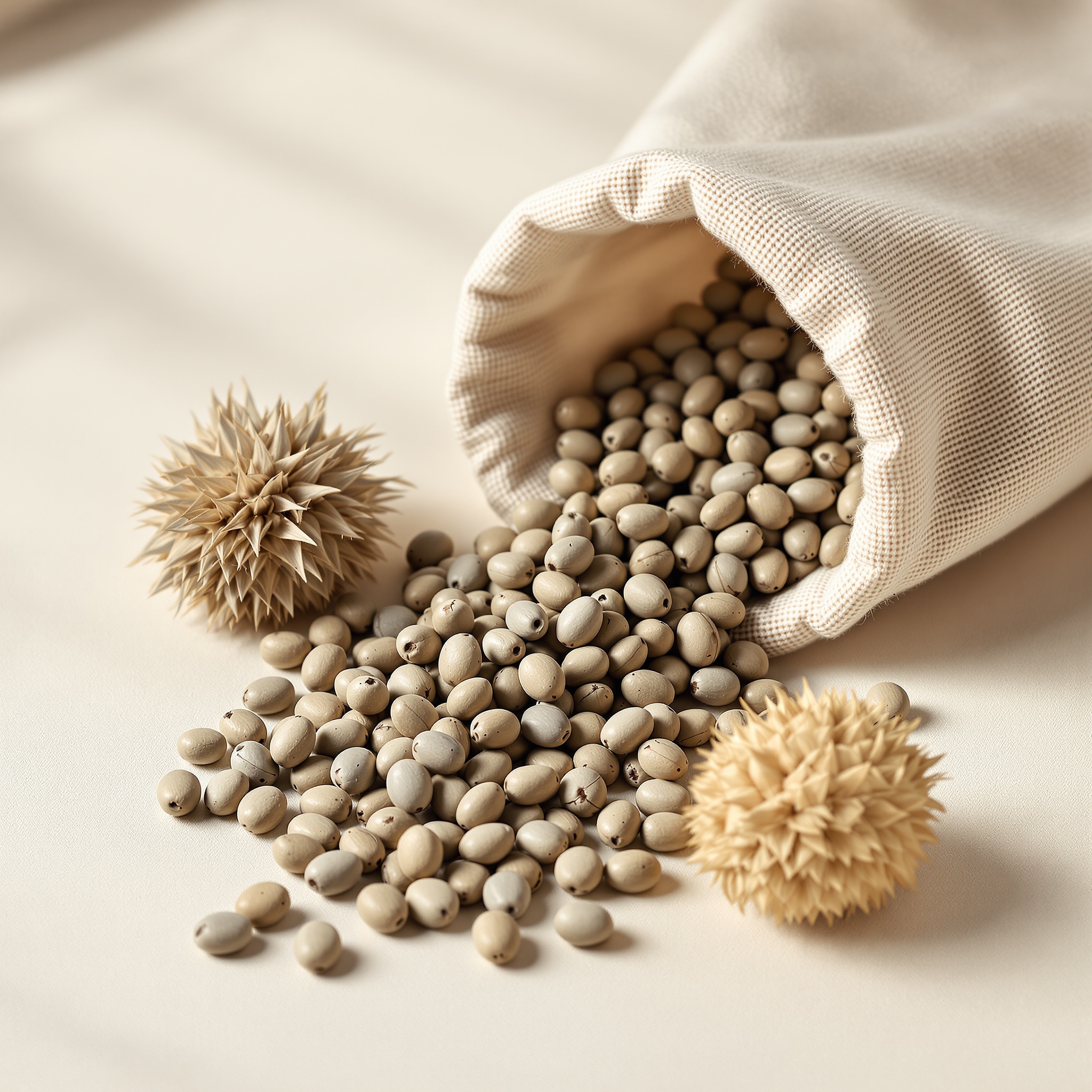
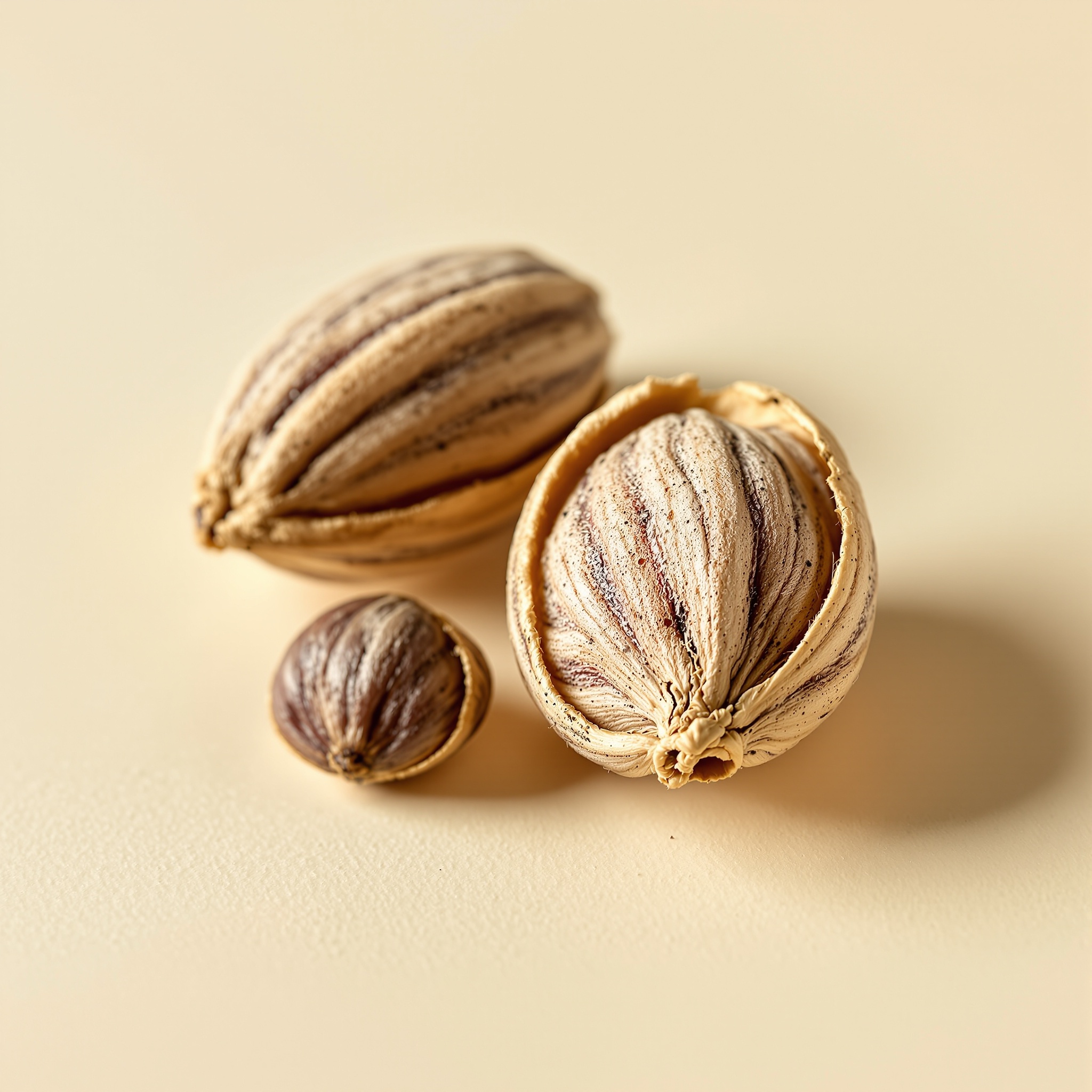
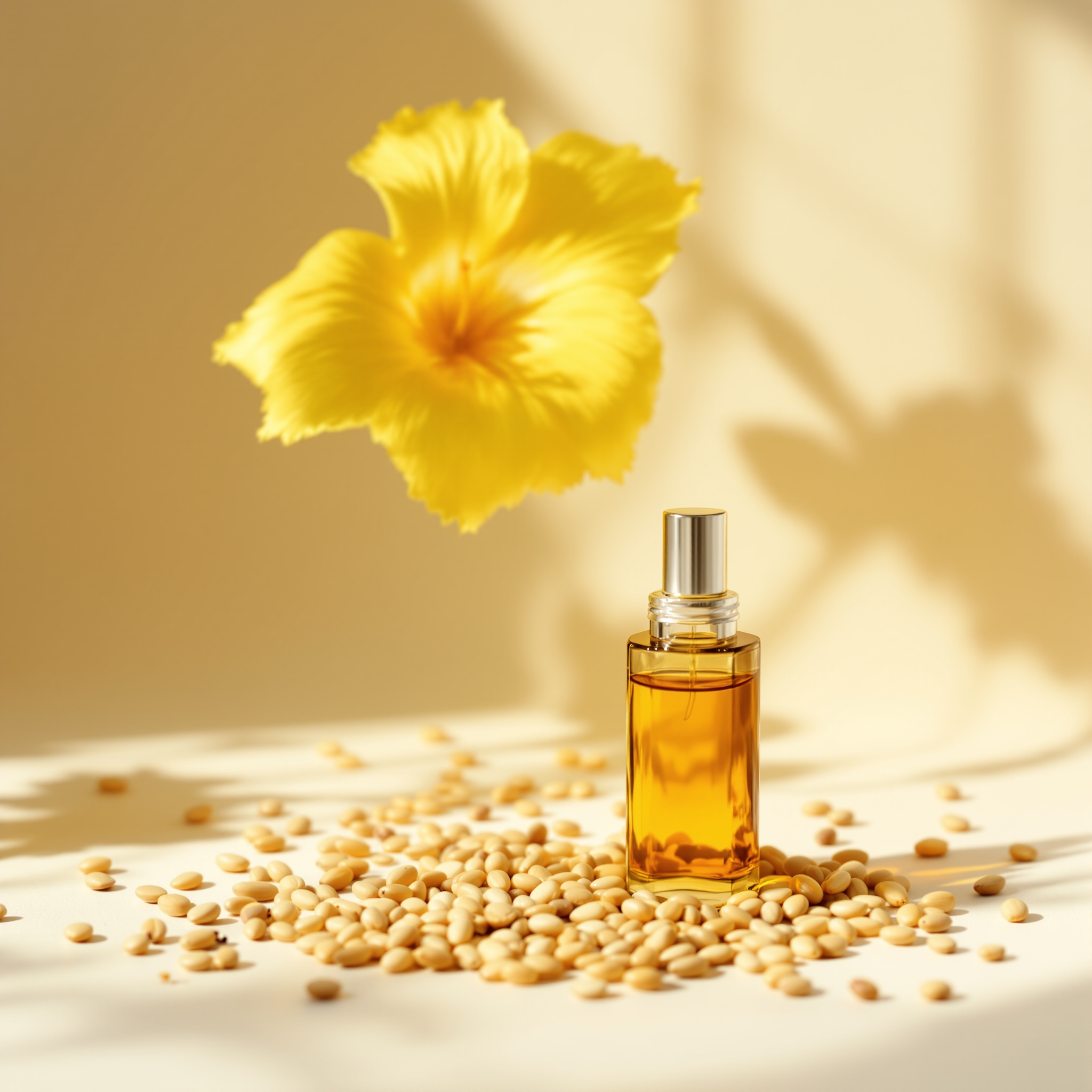
Ambrette is the seed of Abelmoschus moschatus, a hibiscus-like mallow plant native to India and grown across tropical Africa, Asia and South America. The small, musky-smelling seeds are steam-distilled or CO2-extracted to yield an oil rich in ambrettolide, a macrocyclic musk lactone.
How it smells
Soft, warm and genuinely musky in a way no synthetic quite matches: powdery and skin-like, with a sweet, slightly nutty amber facet and a fruity pear-and-iris floralcy. It feels velvety and human, smoother and rounder than synthetic musks, blooming slowly into a clean, intimate warmth.
In perfumery
A base note and exalting fixative, the finest plant-derived musk available to perfumers. It lifts and rounds blends, adding skin-like sensuality to florals, iris and gourmands. Classic aldehydic florals and modern musk compositions use it to give natural muskiness without animal sources.
Good to know
Ambrette became vital after nitro-musks were restricted and animal musk fell from use, offering a rare botanical alternative whose ambrettolide is chemically akin to muscone. Yields are tiny, making it one of the costliest naturals and a quiet luxury hidden in many fine perfumes.
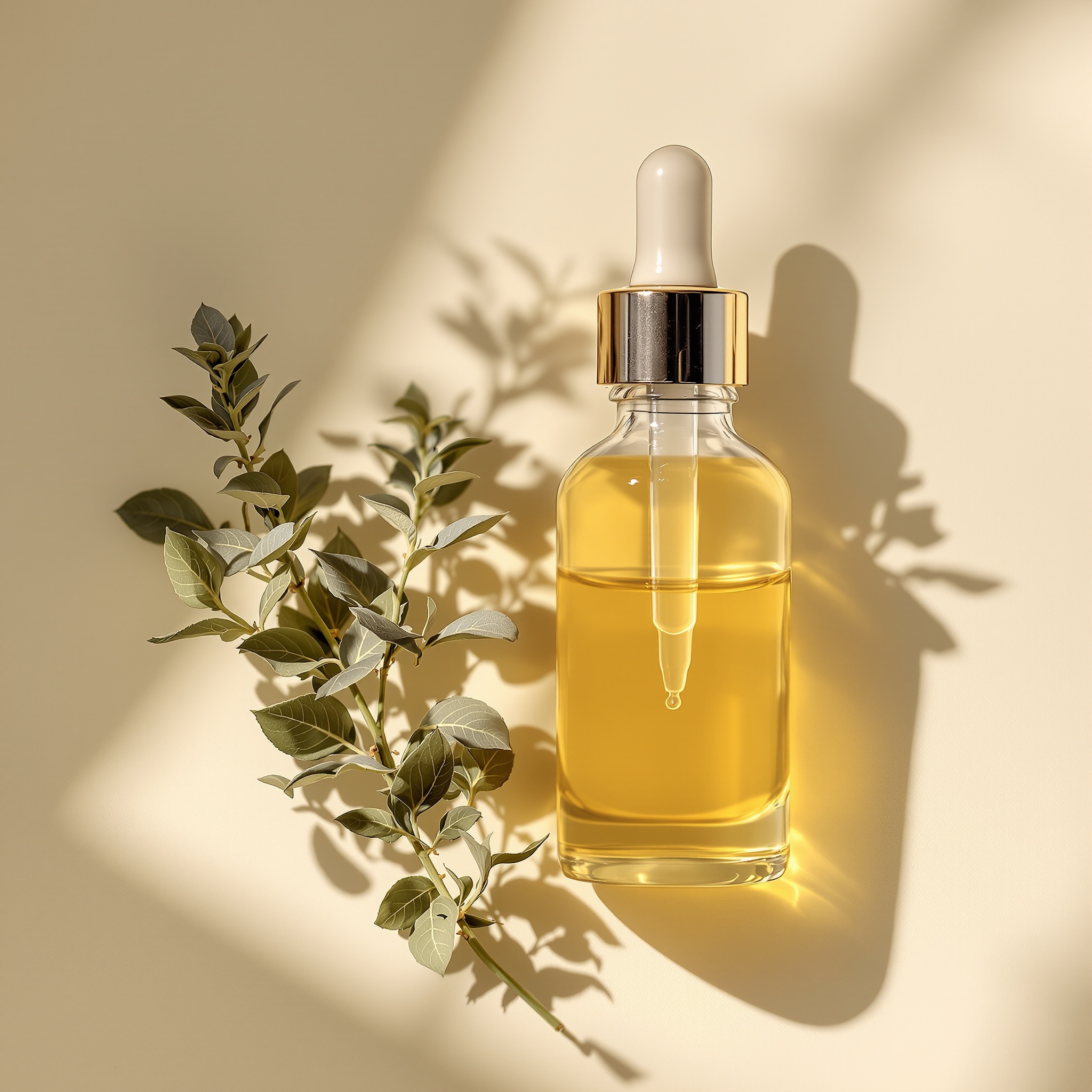
Ambroxan
Synthetic ambergris that glows like warm skin
What it is
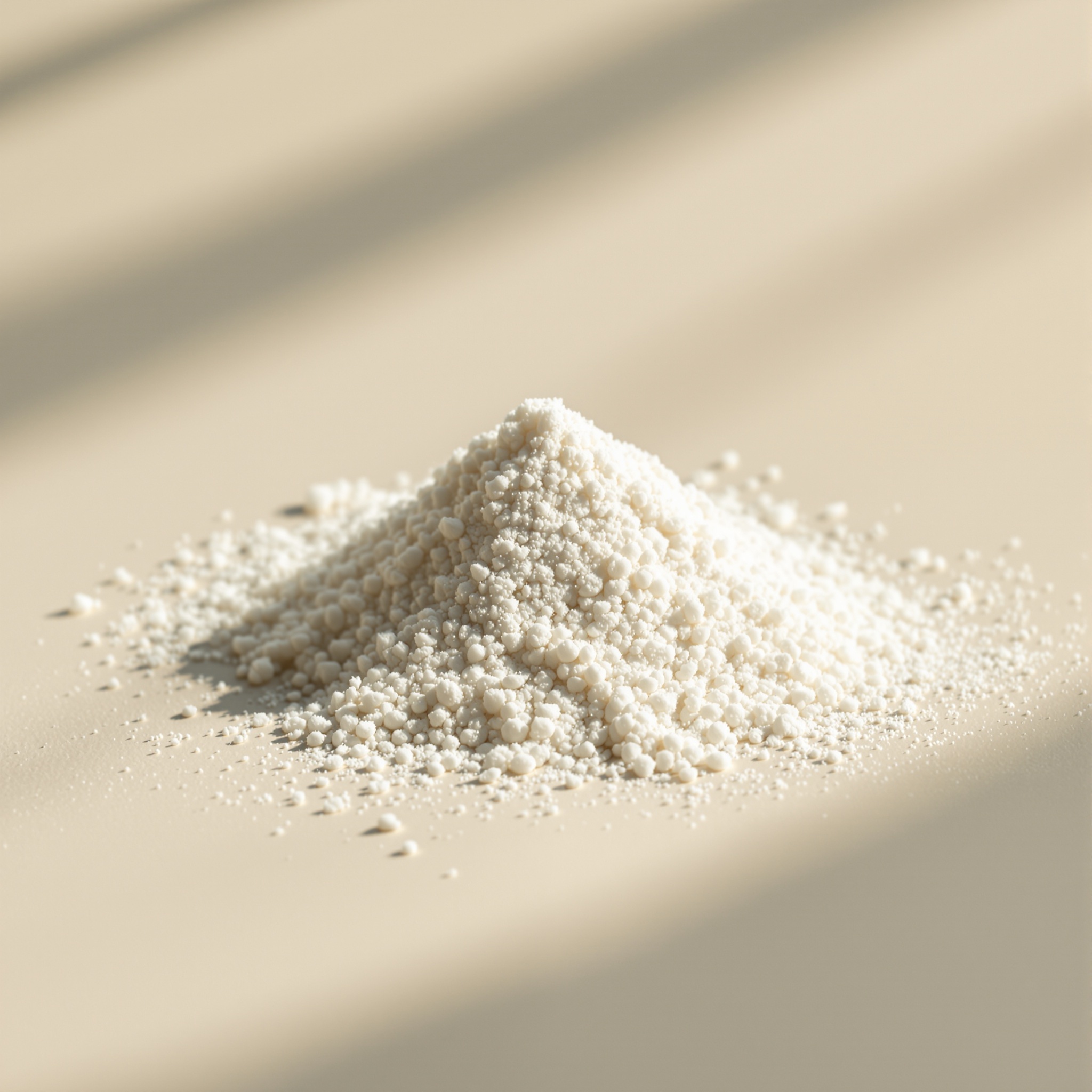
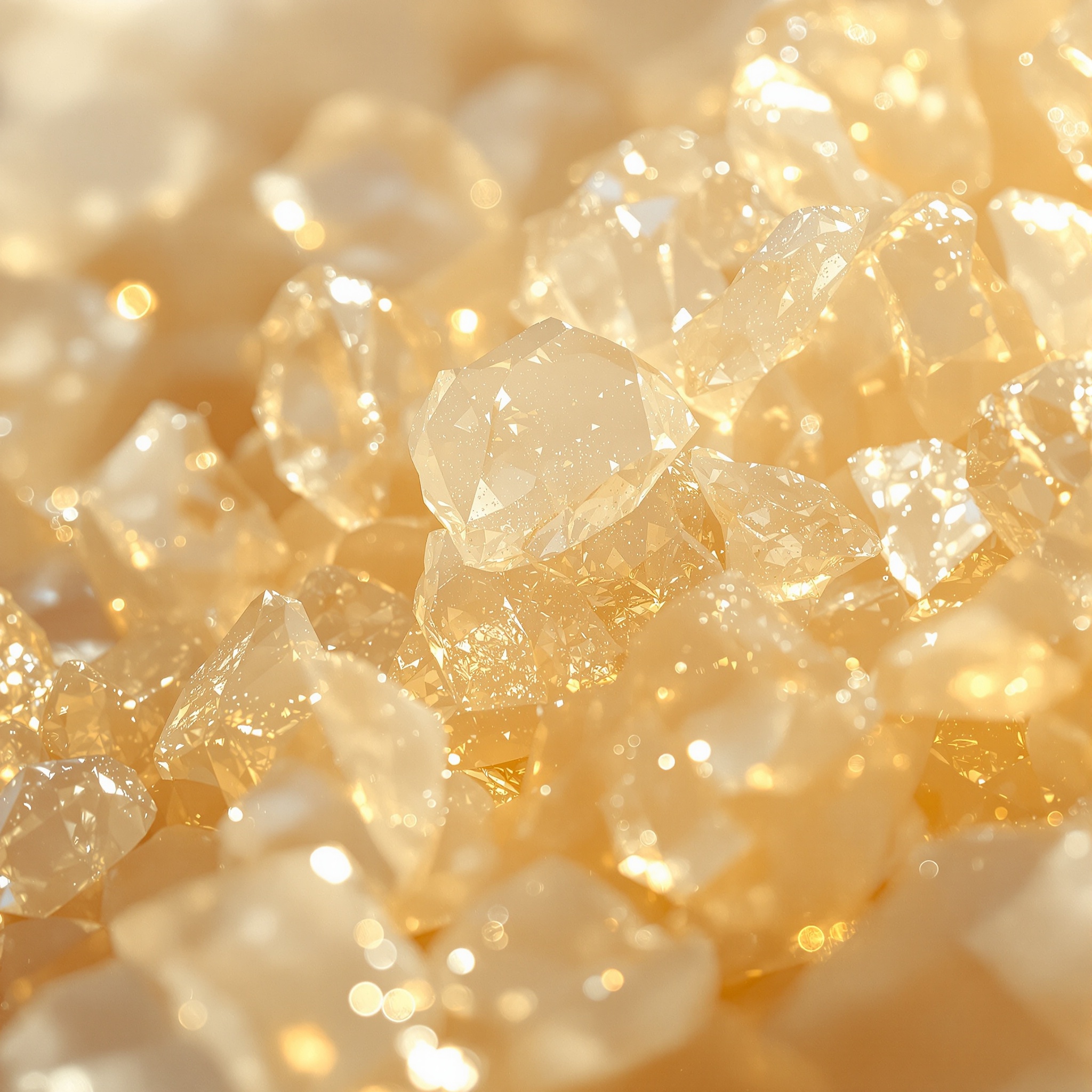
Ambroxan is a synthetic aroma-chemical, a tetramethyl naphthofuran first made by Firmenich to mimic ambergris. It is semi-synthesised from sclareol, a molecule extracted from clary sage (Salvia sclarea), which is oxidatively degraded then cyclised into ambroxide. Modern biotech routes now ferment sclareol for higher yield.
How it smells
Dry, warm and ambery with a clean mineral-woody character, faintly salty and musky. It reads as soft skin, blond woods and a touch of velvety sweetness, almost odourless up close yet vast in projection. It diffuses without sharp edges, smelling like sun-warmed air.
In perfumery
A powerhouse base and fixative giving radiance, longevity and a skin-like glow, often used to amplify woods and ambers and to project a whole composition. It is the engine of countless modern fresh and ambery blockbusters and the near-solo star of several minimalist single-note compositions.
Good to know
Ambergris is a rare waxy substance formed in sperm whale guts and found washed ashore. Ambroxan delivers its key facet without harming whales, sidestepping legal and ethical issues. Firmenich's fermentation route, using clary sage enzymes expressed in microbes, made it cheaper and far greener to manufacture.
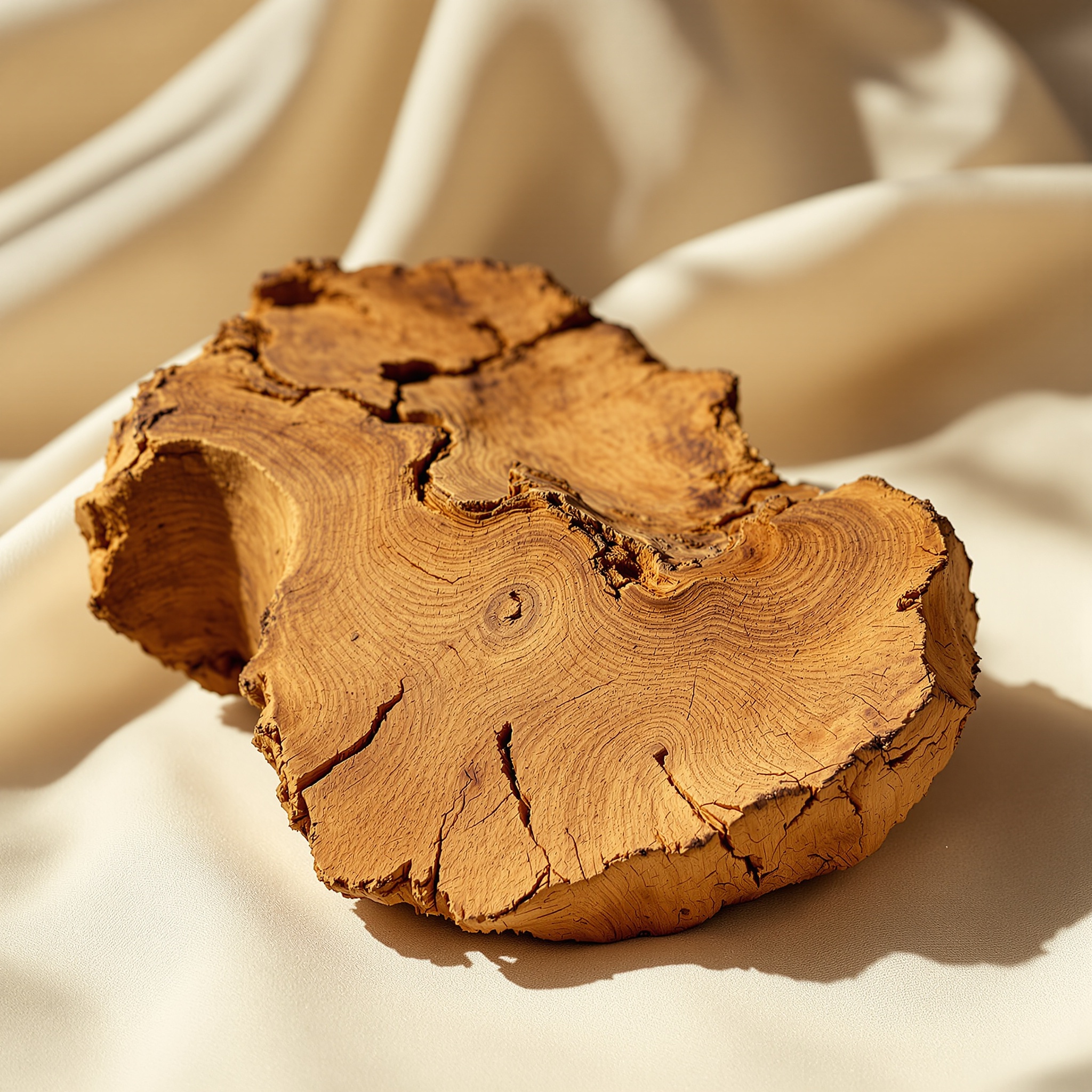
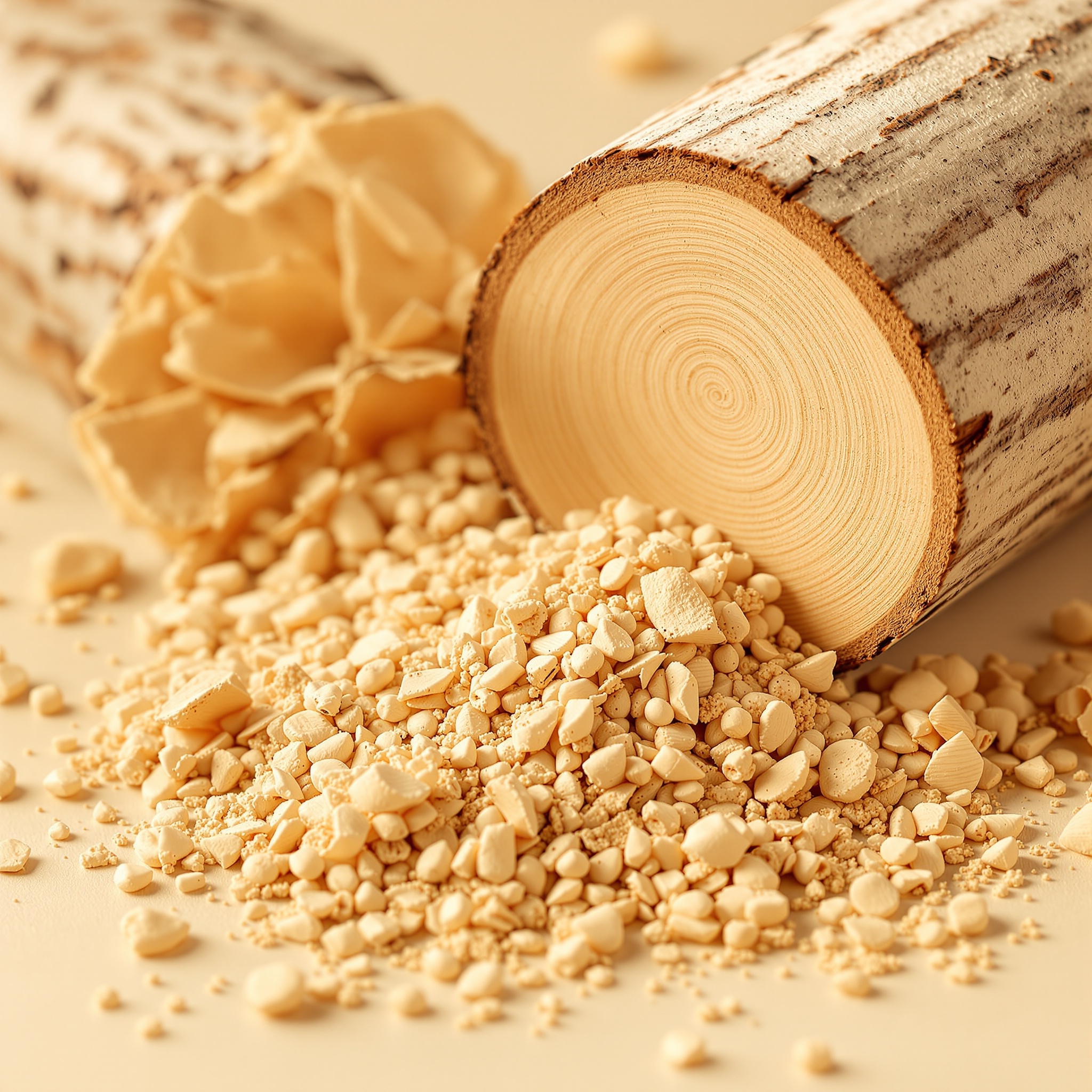
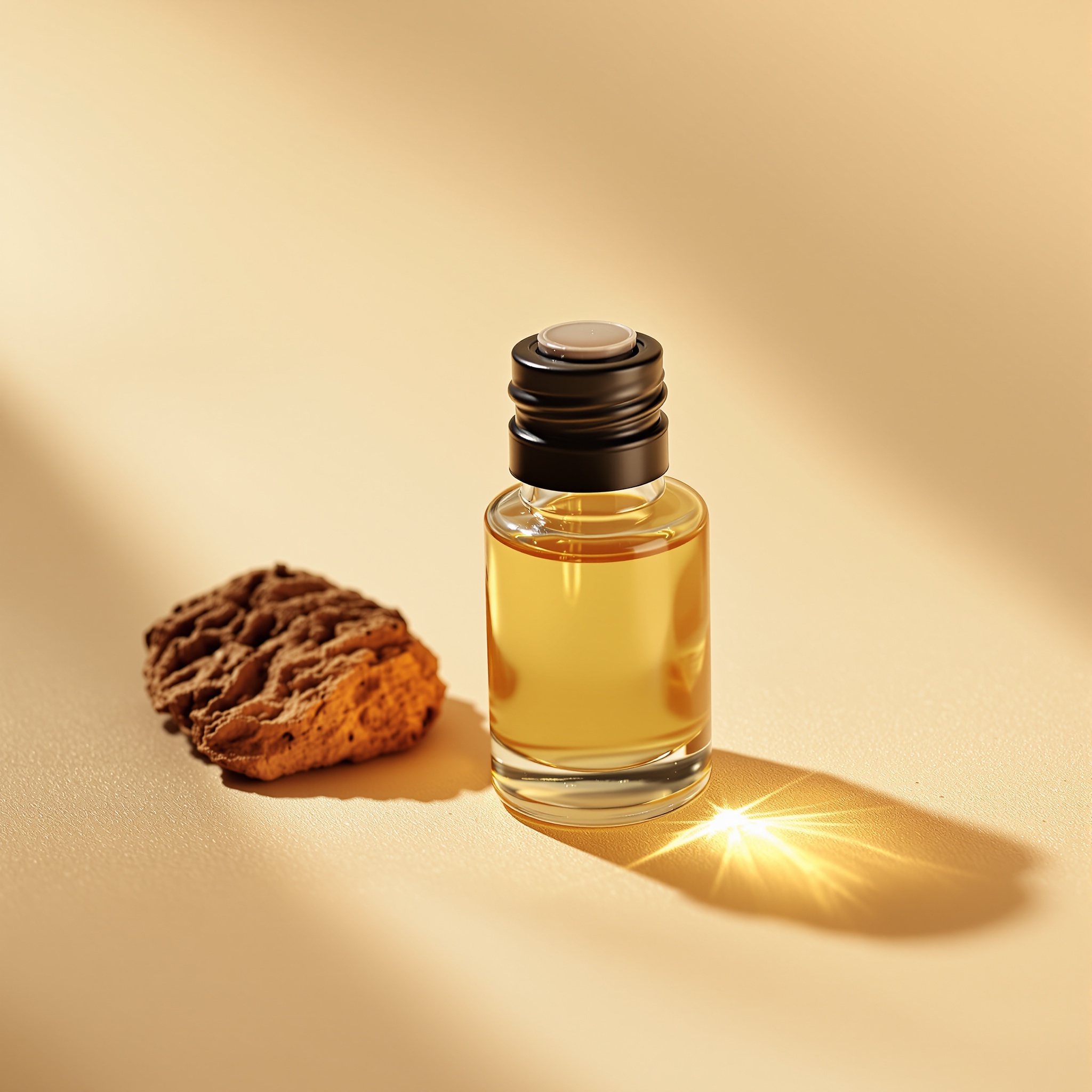
Mysore Sandalwood
The creamy gold standard of fragrant wood
What it is
Heartwood of Santalum album, a slow-growing semi-parasitic tree historically prized from the Mysore region of Karnataka, India. The dense inner wood and roots are chipped and steam-distilled. Fragrant oil concentrates only in mature heartwood, developing meaningfully after roughly thirty years of growth.
How it smells
Soft, creamy and milky, with a rounded woody-sweet body and a faint sour-buttery edge that turns almost lactic. Warm rosy and balsamic facets sit underneath. It opens smooth and unfolds slowly, drying into a quiet, skin-like, persistent woodiness without sharpness or smoke.
In perfumery
A base note valued for long, smooth tenacity and its power to fix and round other materials. It pairs with rose, jasmine, violet and oud. Mysore-rich sandalwood defines the great vintage milky-woody orientals and lends a creamy woody heart to countless smooth, skin-like compositions.
Good to know
Indian sandalwood was over-harvested nearly to collapse; standing trees and trade fall under strict Indian government license and auction control. Genuine aged Mysore oil has grown rare and costly, pushing perfumers toward plantation-grown Australian Santalum album and synthetics like Javanol.
Vanilla
The warm sweet heart of comfort itself
What it is
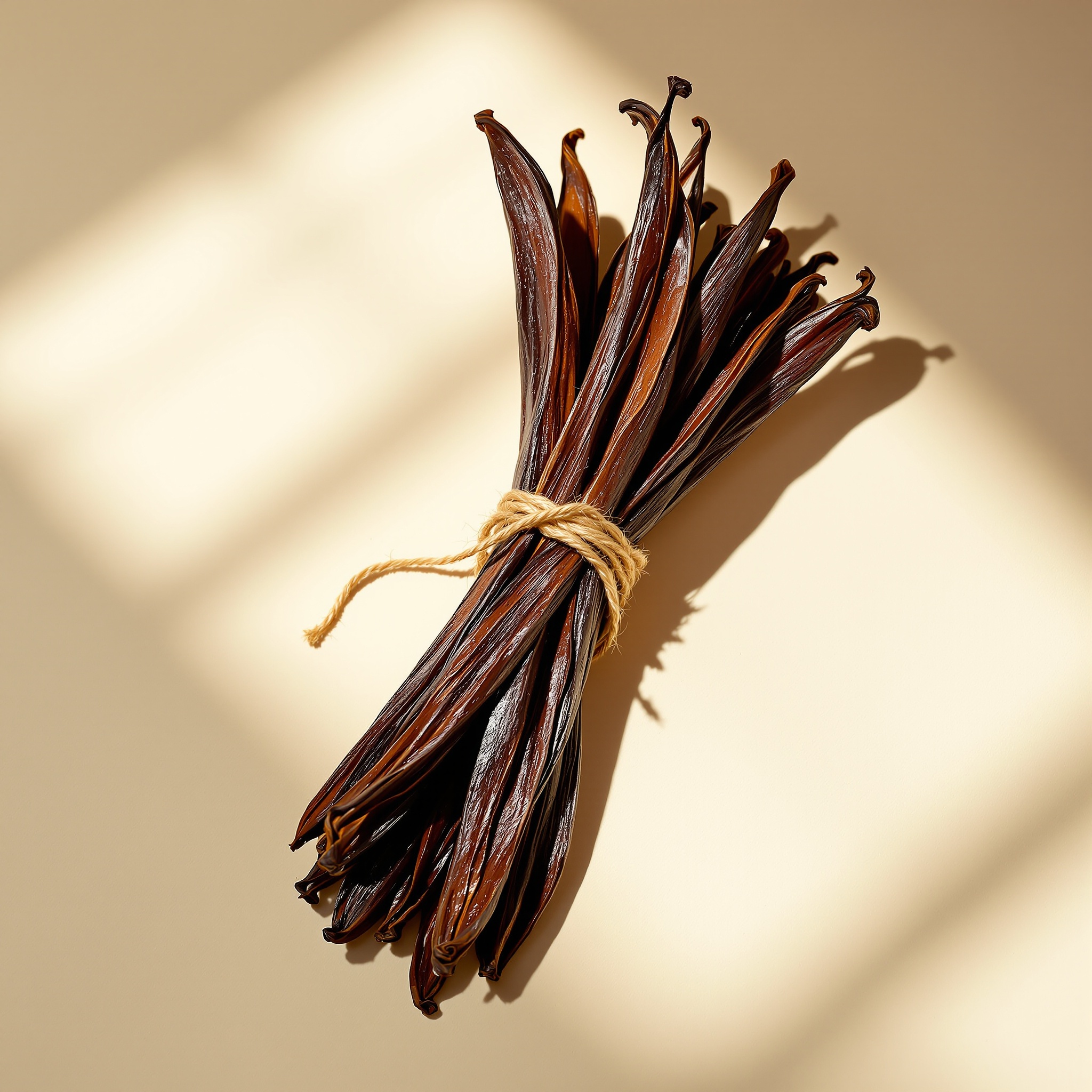
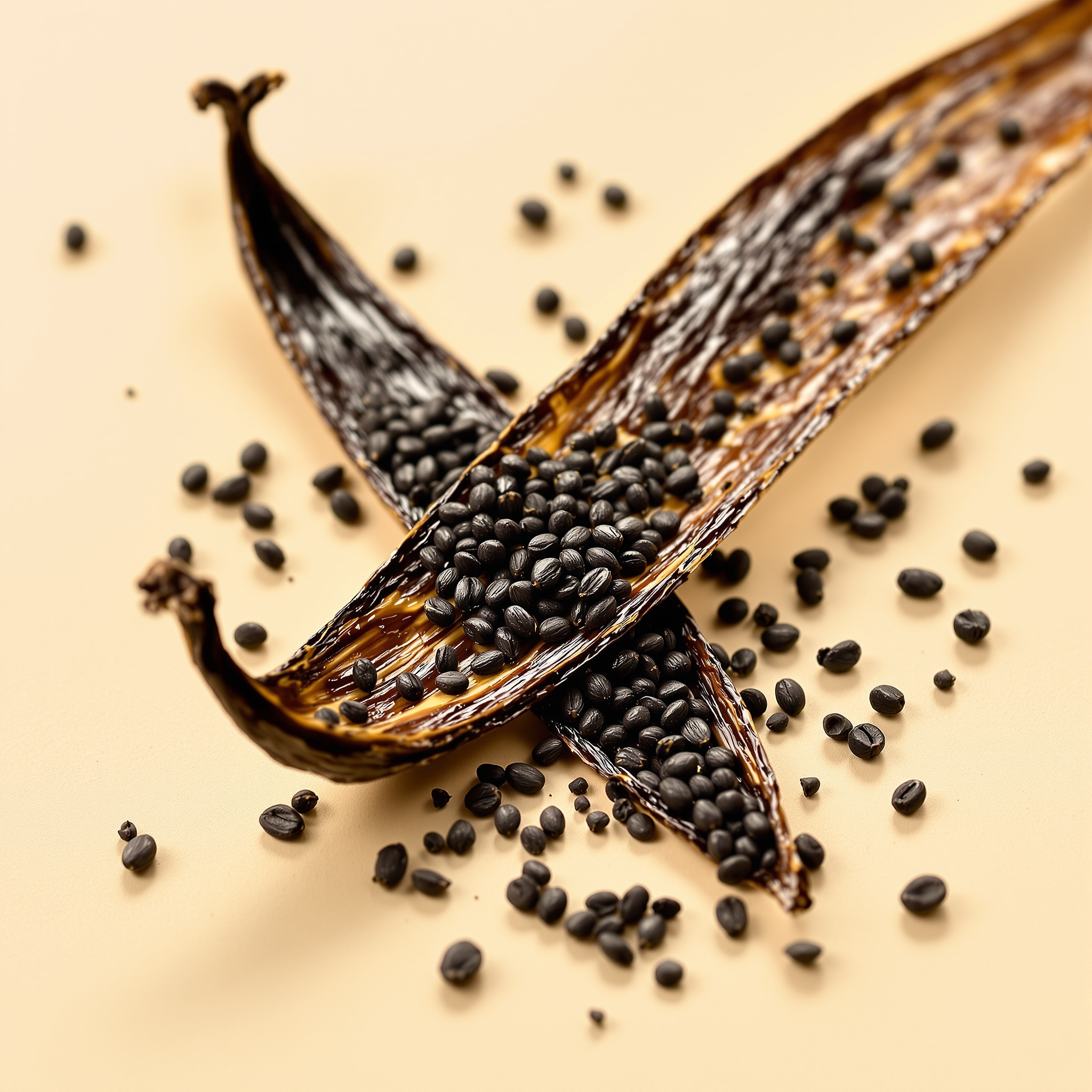
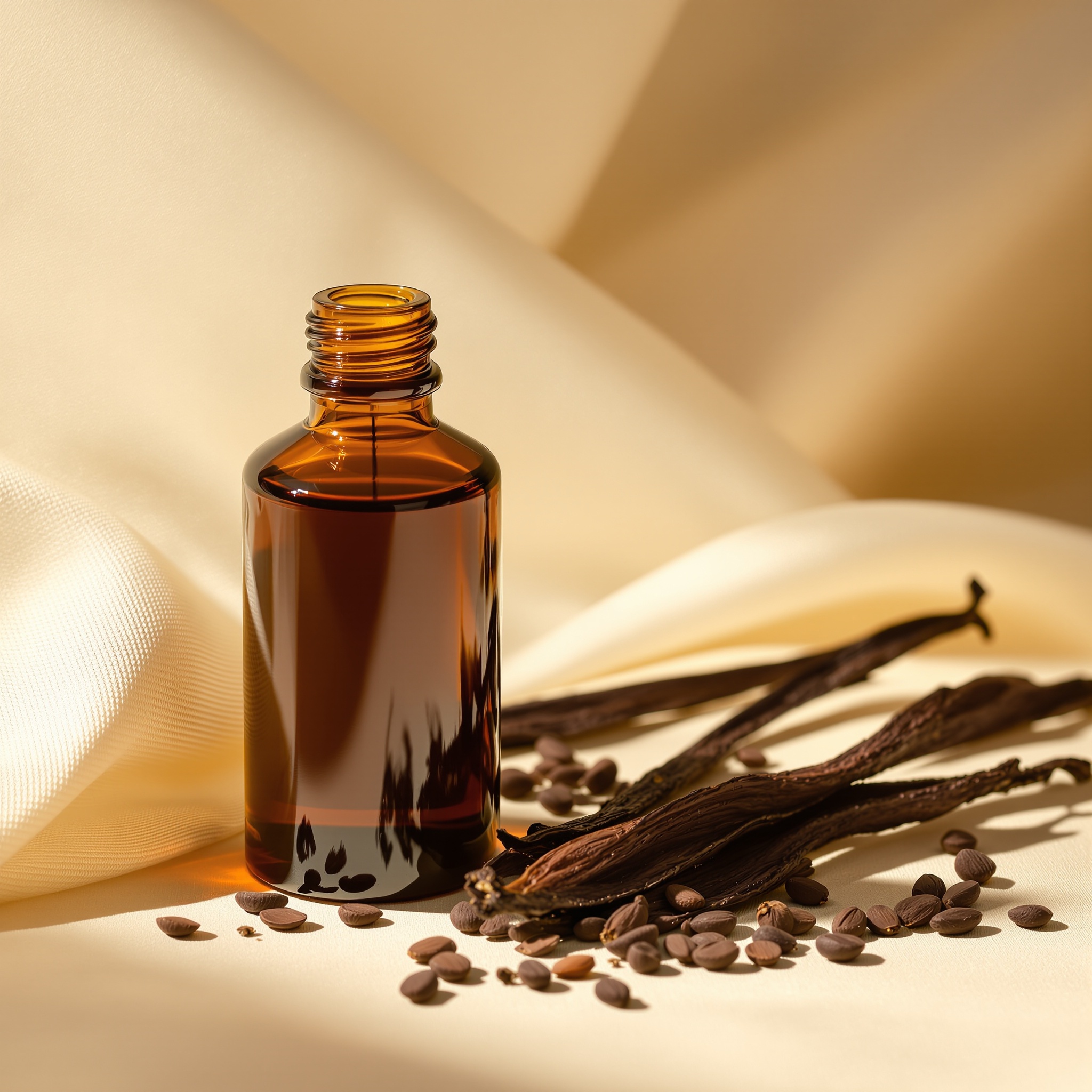
Vanilla comes from the cured seed pods of Vanilla planifolia, a climbing orchid native to Mexico now grown mainly in Madagascar, Réunion and Tahiti. Green pods are picked unripe, then blanched, sweated in the sun and slow-dried over months until they darken and develop their aroma and vanillin.
How it smells
Sweet, warm and creamy, with a balsamic depth recalling custard, caramel and dried fruit, a faint smoky tobacco-like edge sitting underneath. It opens soft and gourmand, then dries into a powdery resinous warmth that clings close to skin and reads richer than synthetic vanillin alone.
In perfumery
A base note prized for richness and lasting warmth, vanilla rounds sharp edges and anchors oriental and gourmand compositions. It pairs naturally with tonka, amber, sandalwood and spice. Many of the most enduring oriental and tobacco fragrances build their core around it.
Good to know
Vanilla ranks among the costliest spices because each orchid flower opens for one day and must be hand-pollinated, a technique devised in 1841 by Edmond Albius, a twelve-year-old enslaved boy on Réunion. Most commercial vanilla flavor now relies on synthetic vanillin.
Benzoin
Warm vanilla balsam wept from a tapped tree
What it is
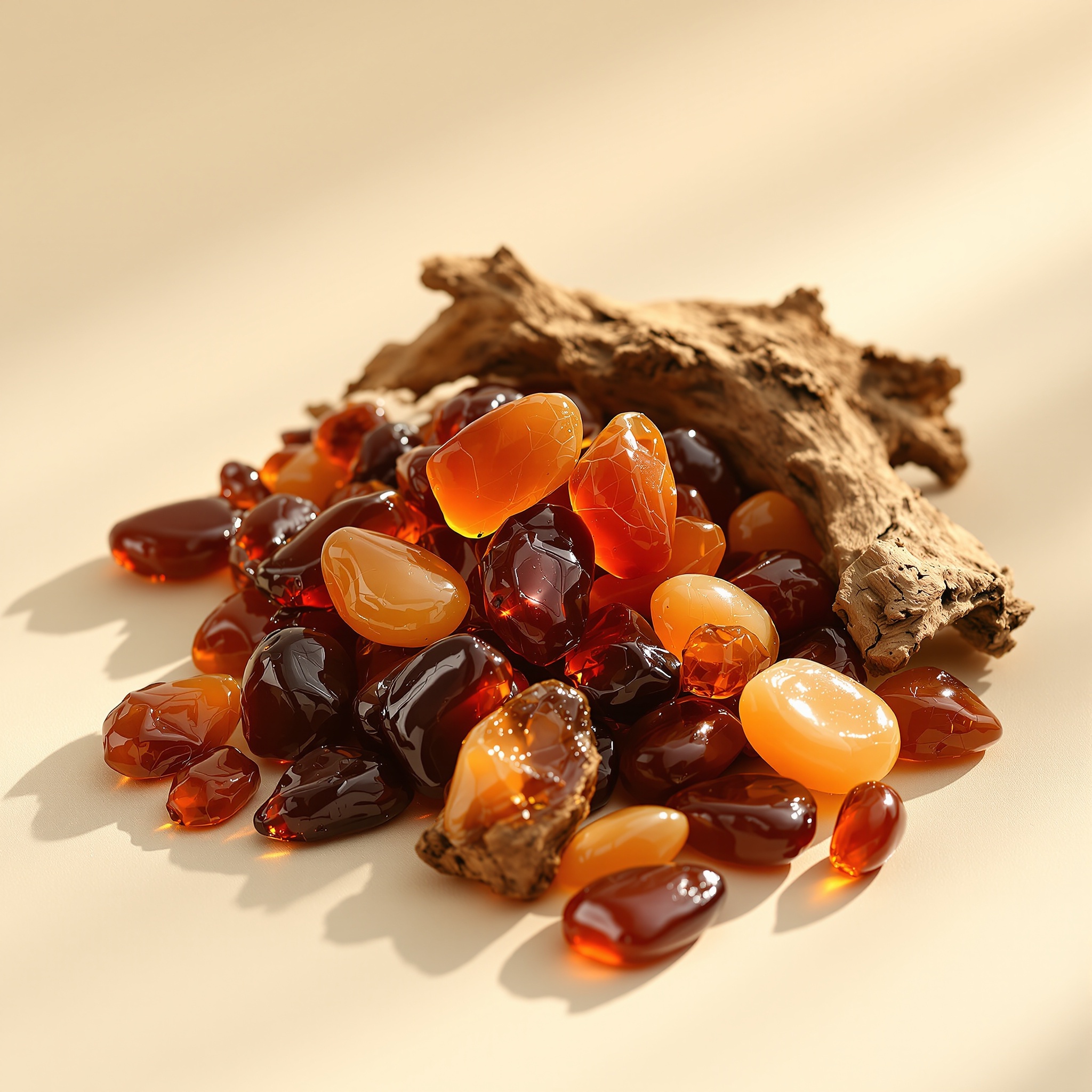
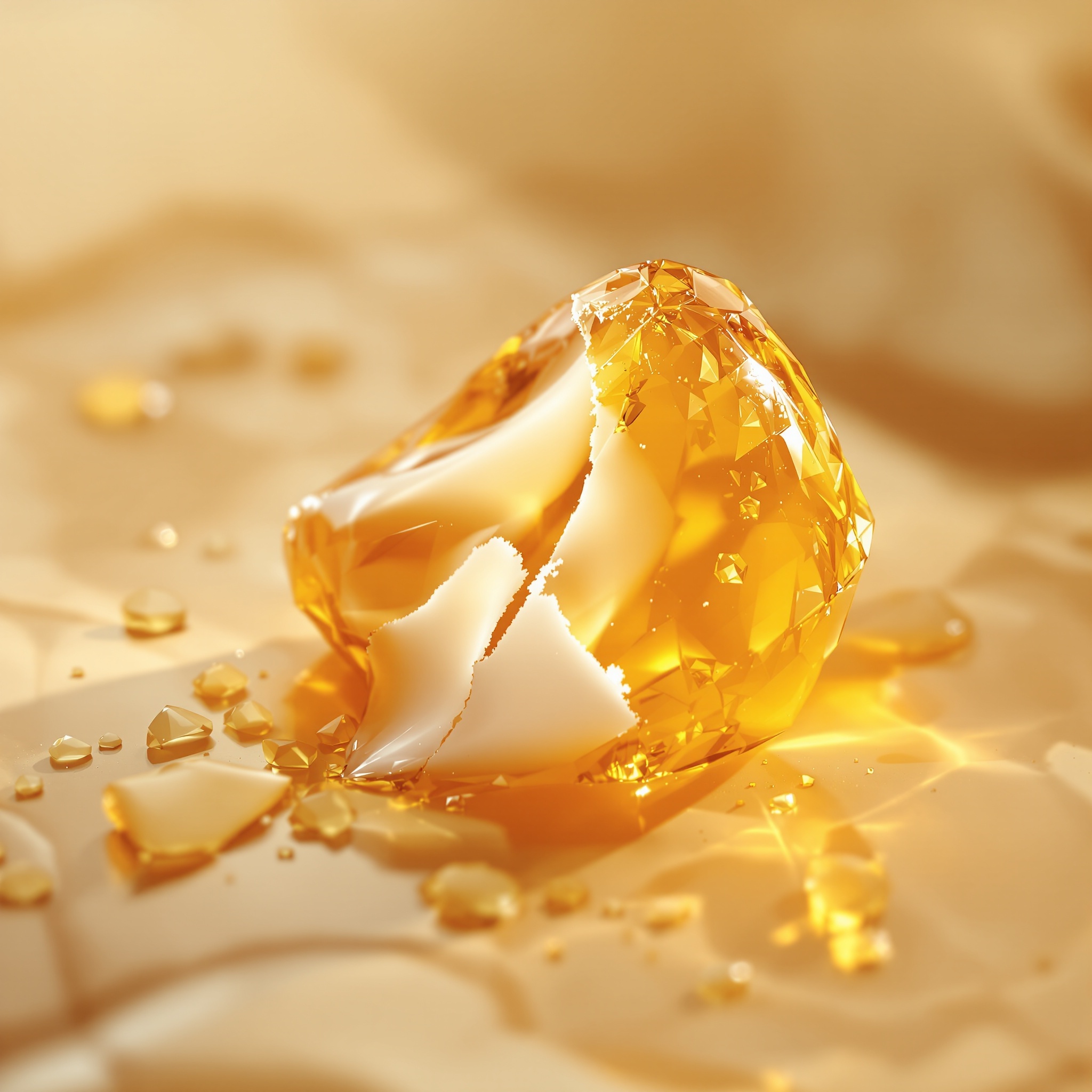
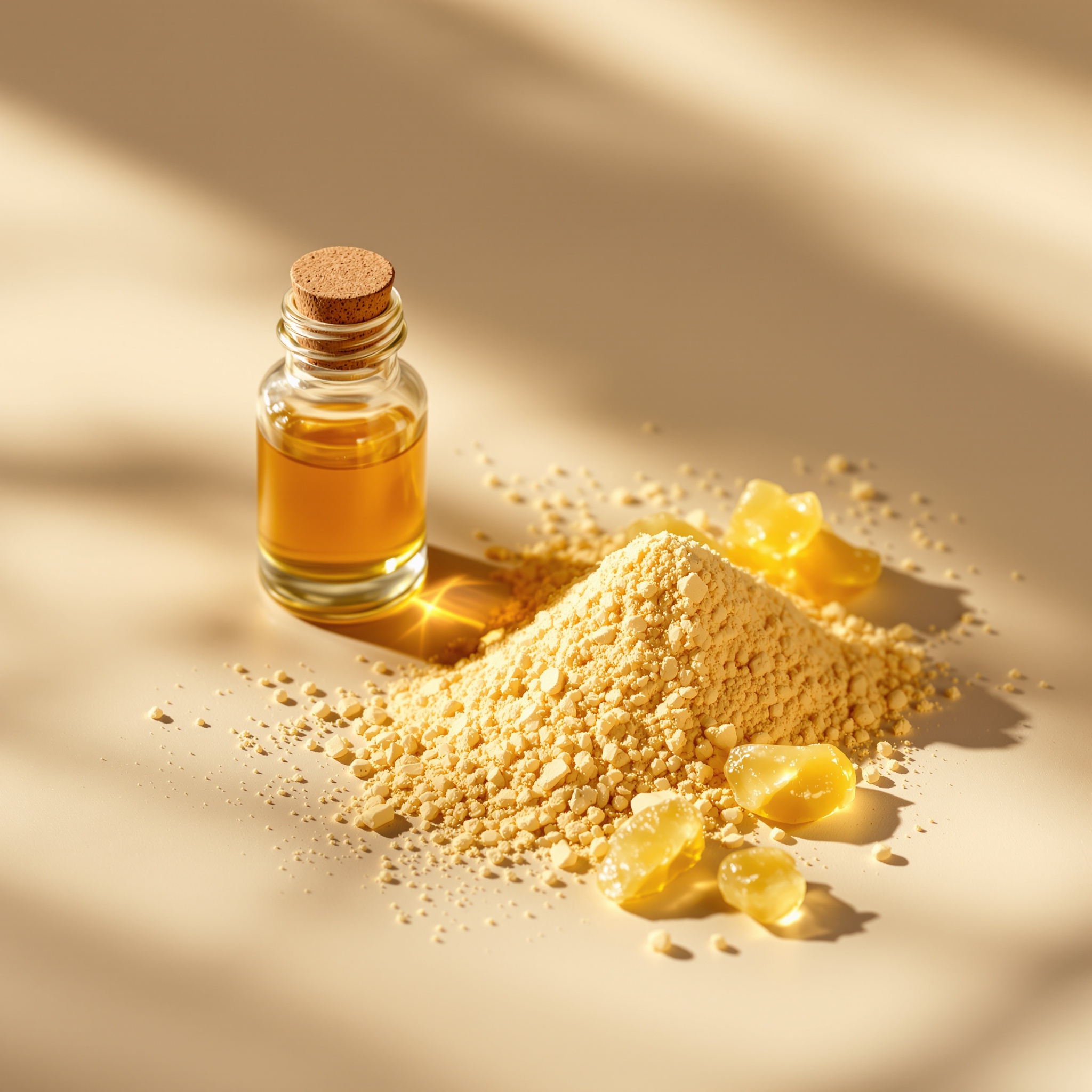
Benzoin is a balsamic resin from Styrax trees of Southeast Asia. Siam benzoin comes from Styrax tonkinensis (Laos, Vietnam), Sumatra benzoin from Styrax benzoin (Indonesia). Incisions in the bark make the tree exude a gum that hardens over months into reddish tears, processed into resinoid and absolute.
How it smells
Sweet, warm and balsamic with a pronounced vanilla character and powdery, ambery, faintly cinnamic facets. Siam is rounder and more vanillic; Sumatra is smokier with a cinnamon-styrax edge. It opens soft and creamy, then dries into a cozy, resinous, almost caramelized sweetness.
In perfumery
A warm base note and gentle fixative lending sweetness, body and a vanillic glow to amber accords. It blends with labdanum, vanilla, tonka and incense, smoothing orientals and gourmands. Benzoin is a defining warmth in golden-age oriental classics and countless amber compositions.
Good to know
Benzoin gave its name to benzoic acid and, through it, to the chemical term benzene. The word itself traces to the Arabic luban jawi, "frankincense of Java." The resin never flows on its own; every tear is the tree healing an incision deliberately cut into its bark.
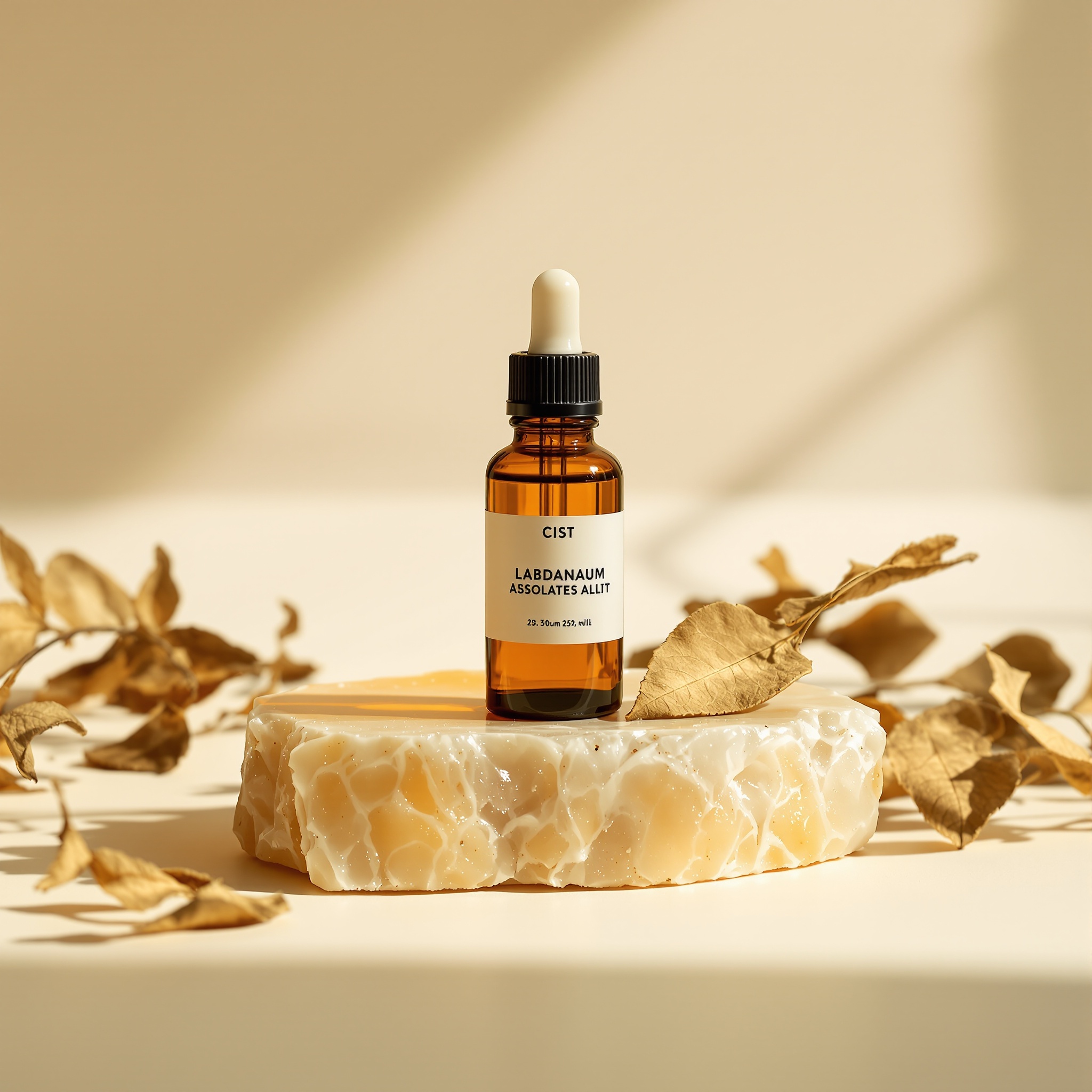
Labdanum
Sticky amber resin scraped from sun-baked rockrose
What it is
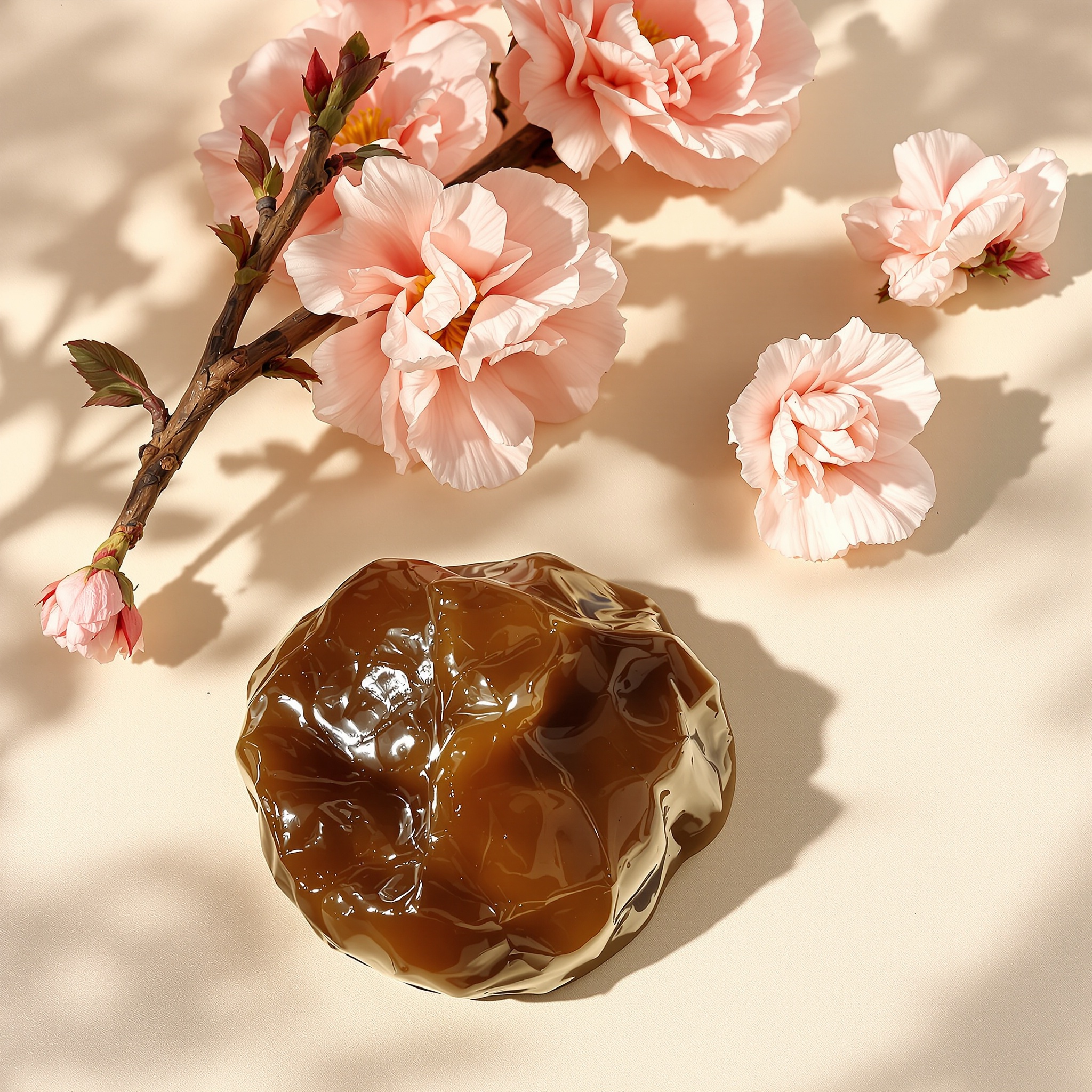
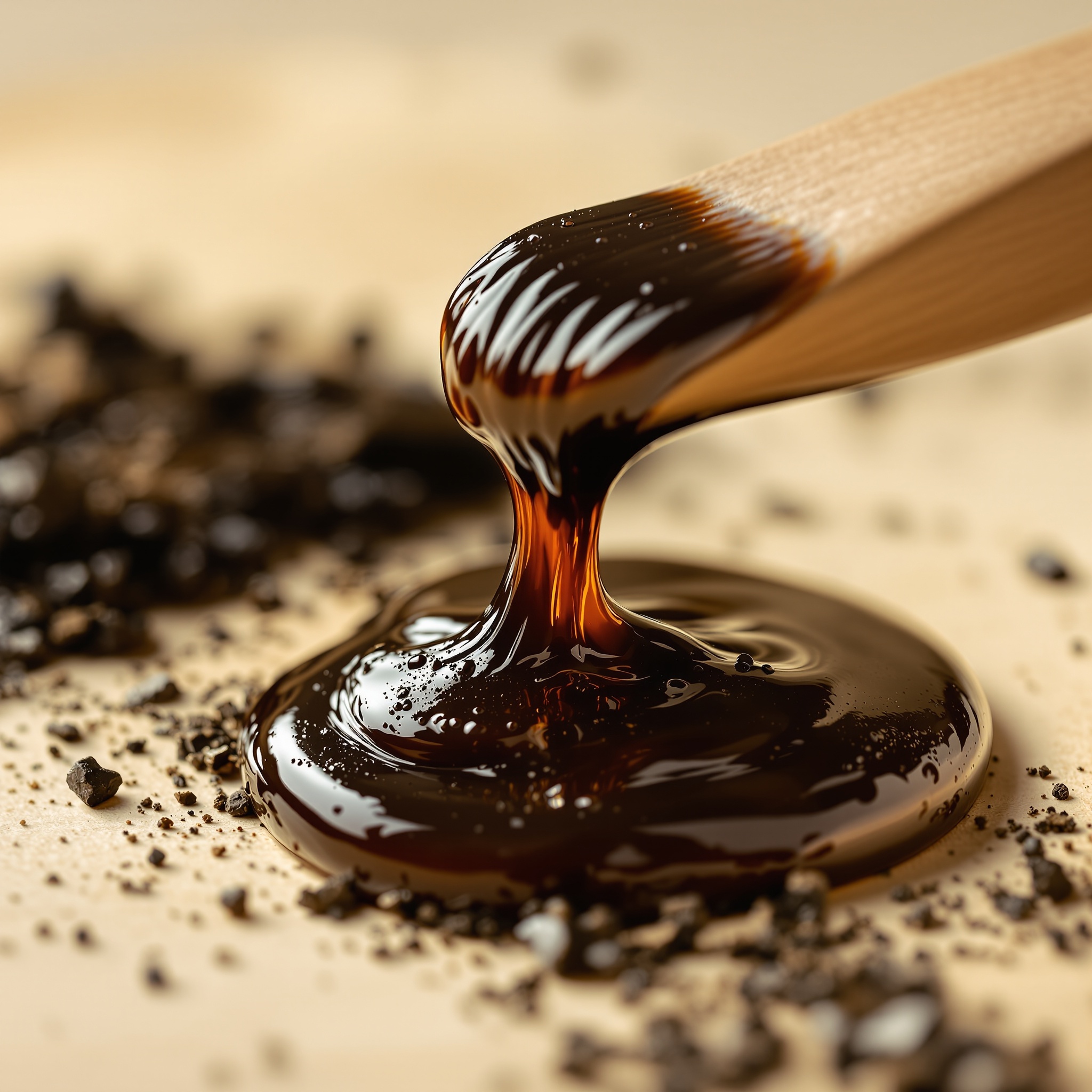
Labdanum is a dark, sticky resin from the rockrose shrub Cistus ladanifer, native to the western Mediterranean. The plant exudes a fragrant gum on its leaves and twigs in summer heat; branches are boiled or scraped to recover the crude resin, which is then solvent-extracted into absolute and resinoid.
How it smells
Deep, warm and balsamic with leathery, animalic and faintly sweet facets that read as soft amber. Dried-fruit, honey, smoke and pine undertones run through it. It opens resinous and almost ambergris-like, then dries into a brown tobacco-and-leather warmth that lingers for hours.
In perfumery
A foundational base note and the natural backbone of most amber accords, usually built with vanilla and benzoin. A strong fixative, it deepens chypres, orientals and leathers and pairs with rose, oakmoss and incense. It underpins many golden-age oriental classics and countless amber compositions.
Good to know
In antiquity labdanum was combed from the matted beards and thighs of goats and sheep that had browsed through cistus thickets, then raked off with a toothed tool called a ladanisterion. It is one of the oldest aromatic materials, predating distillation by millennia.
Fragrance Character
At the opening, powdery lily and amyris read as a luminous, slightly waxy brightness that projects with real weight. As the sandalwood takes hold, the composition thickens, pulling close to the skin with a creamy, resinous density. The drydown is long and unhurried, benzoin and labdanum feeding the vanilla a smokier, amber quality that clings well past midnight.
Best Worn
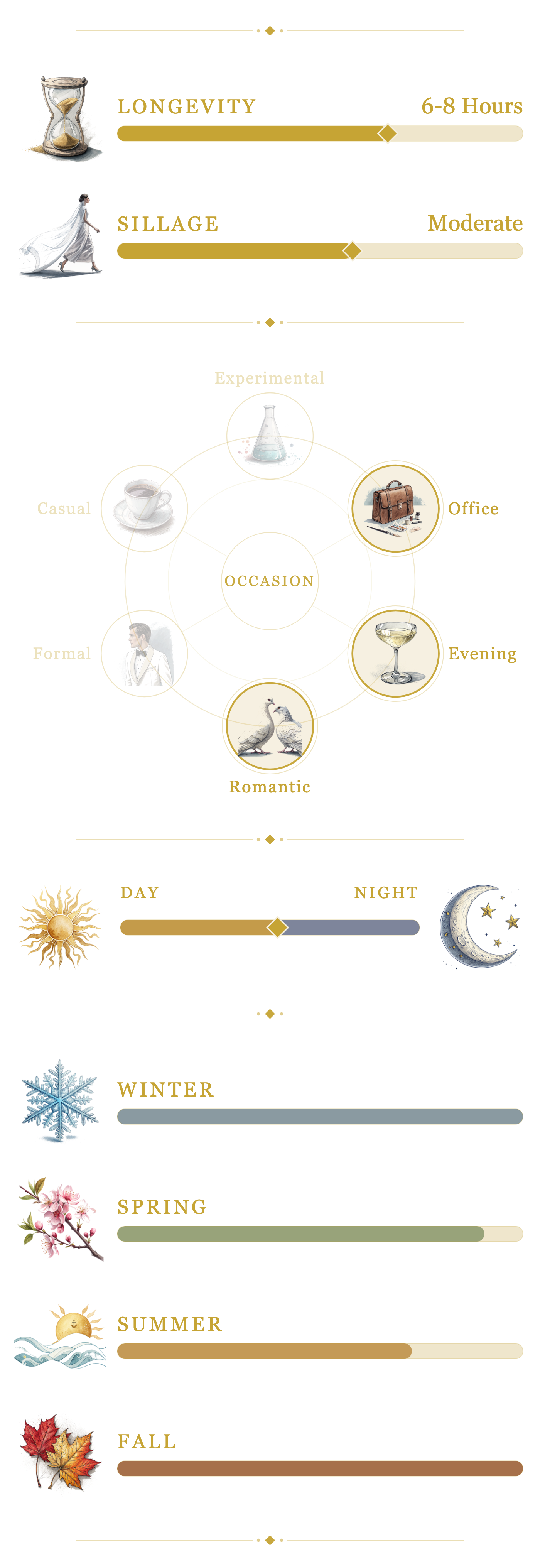
Suited to the cold months of winter and fall, its creamy Mysore sandalwood moving from professional daytime settings into intimate evenings worn close, like a second skin rather than a perfume.
Why the Santal de Paris Decant
Mysore sandalwood at this concentration sits in a register that is genuinely polarising, either intoxicating or oppressive depending on skin chemistry, and a decant lets you spend real time with it before committing to a full bottle.
Official Notes
Powdery Notes · Lily · Amyris · Ambrette · Ambroxan · Mysore Sandalwood · Vanilla · Benzoin · Labdanum
Explore more: Ultra-Niche Perfume Decants · All Fragrance Decants
Choose options
The Vibe


Select your decant size

You are selecting a decant size, not the full bottle