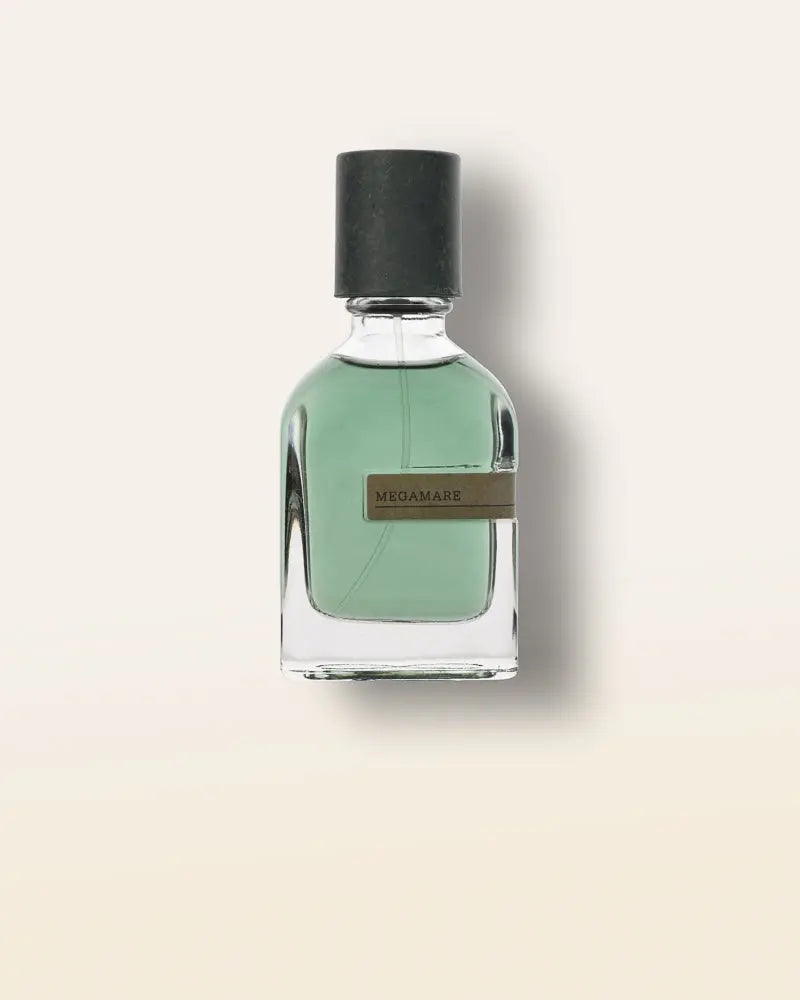


Orto Parisi - Megamare
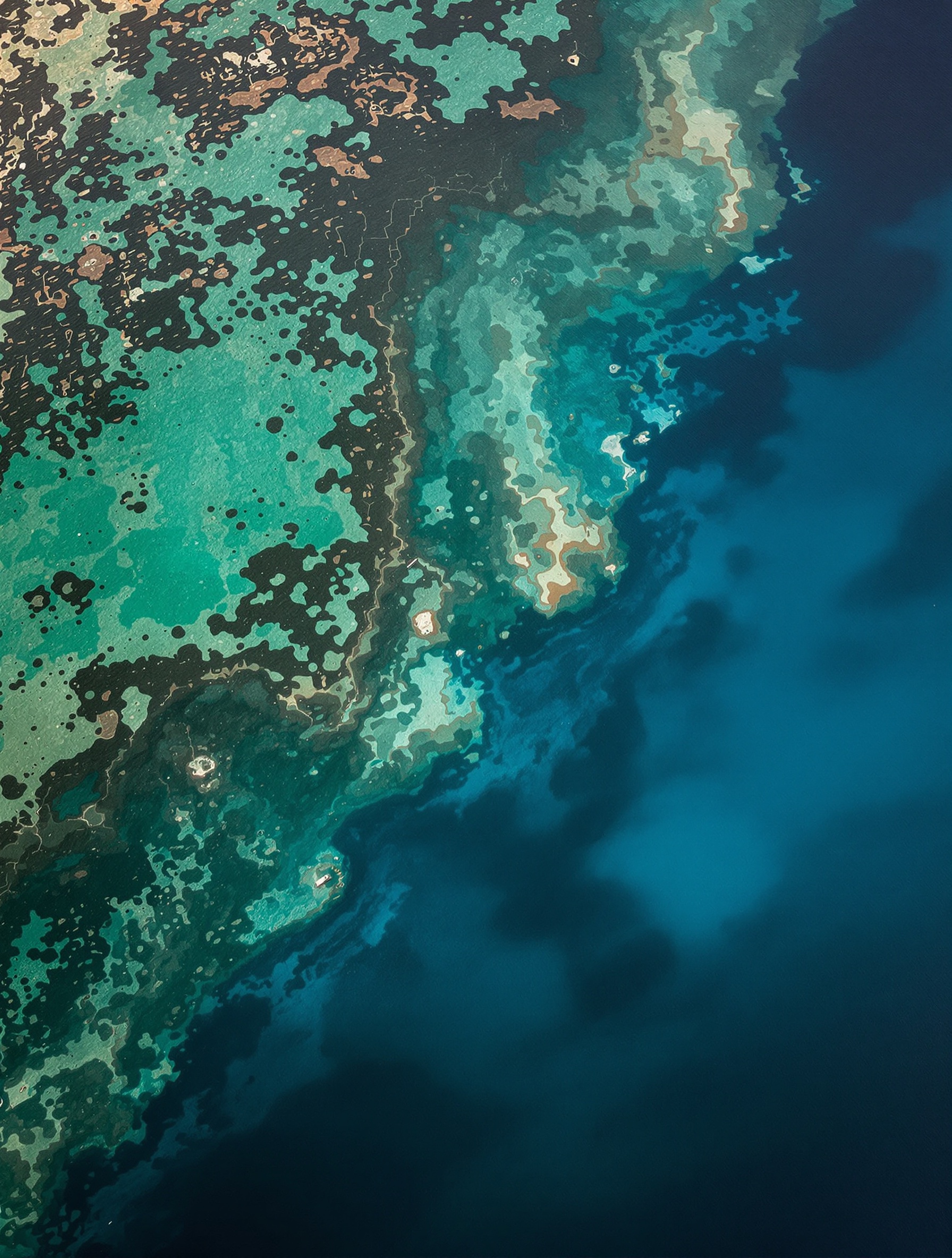
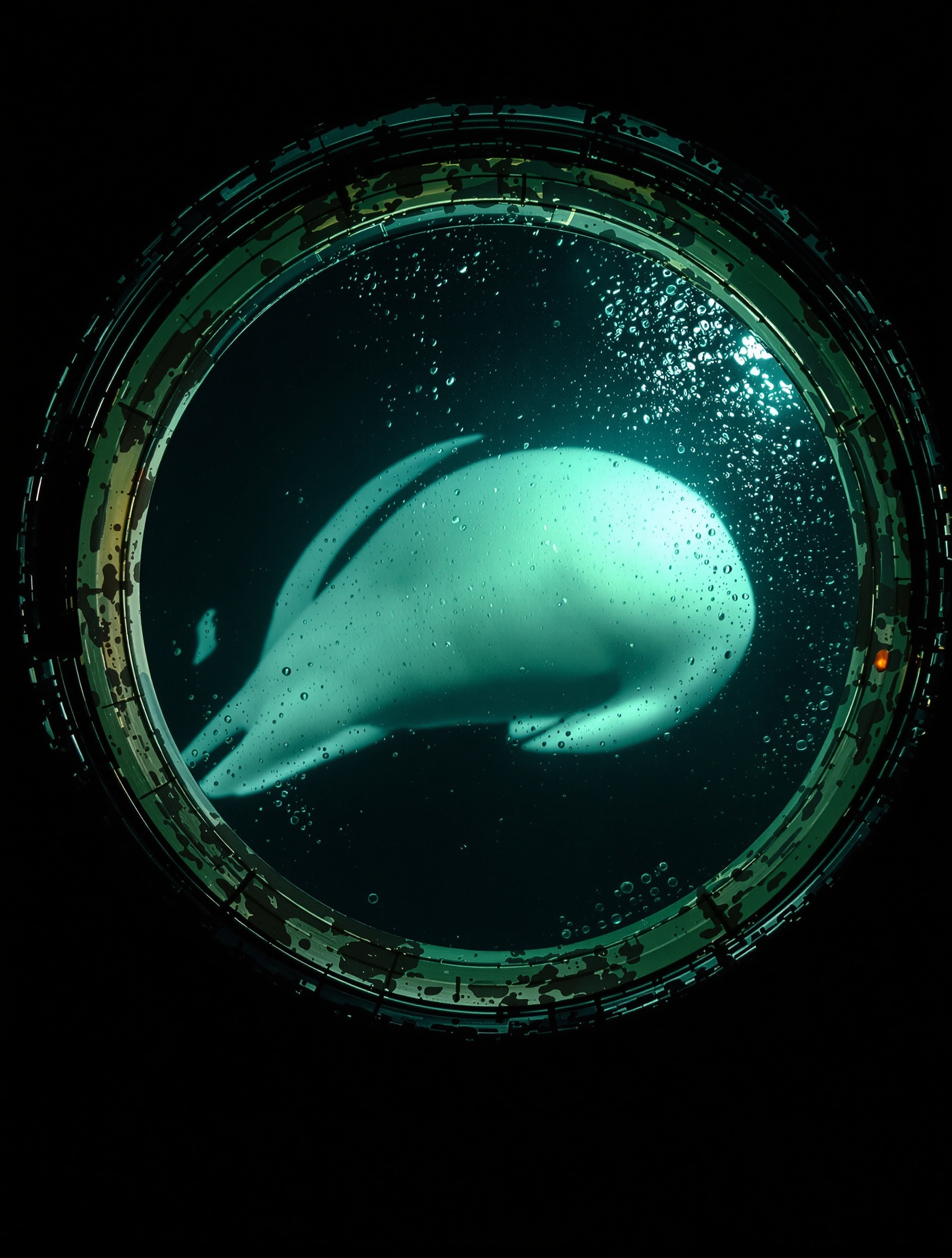
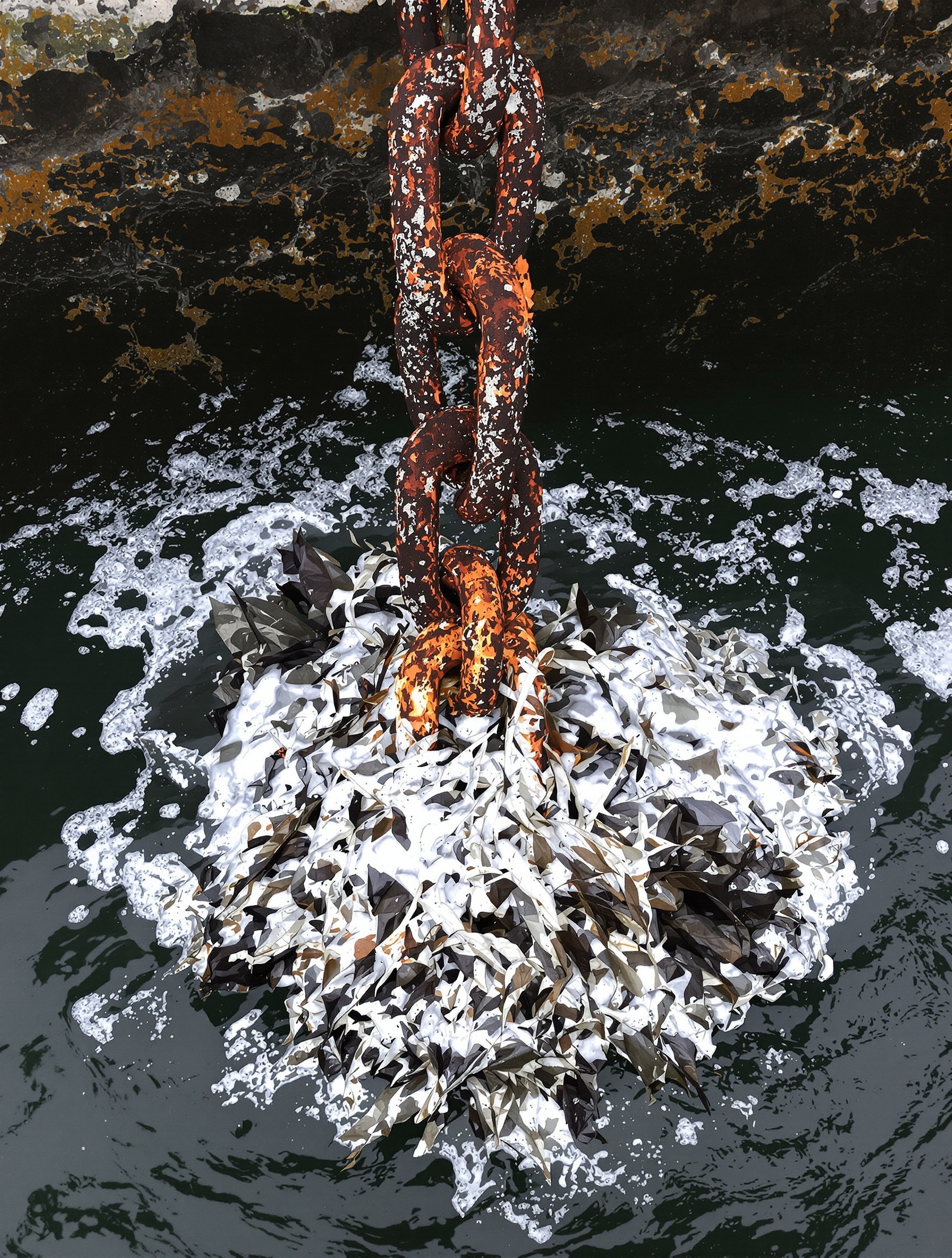
Megamare is the sea rendered absolute: cold saltwater and calone pushed to near-industrial scale, then anchored into skin by ambroxan and musk until the ocean refuses to leave.
The Nose
Composed by Alessandro Gualtieri, the founder behind Nasomatto and Orto Parisi, also behind Nasomatto Black Afgano, Stercus and Terroni.
Bergamot
Sparkling citrus light with a bittersweet edge
What it is
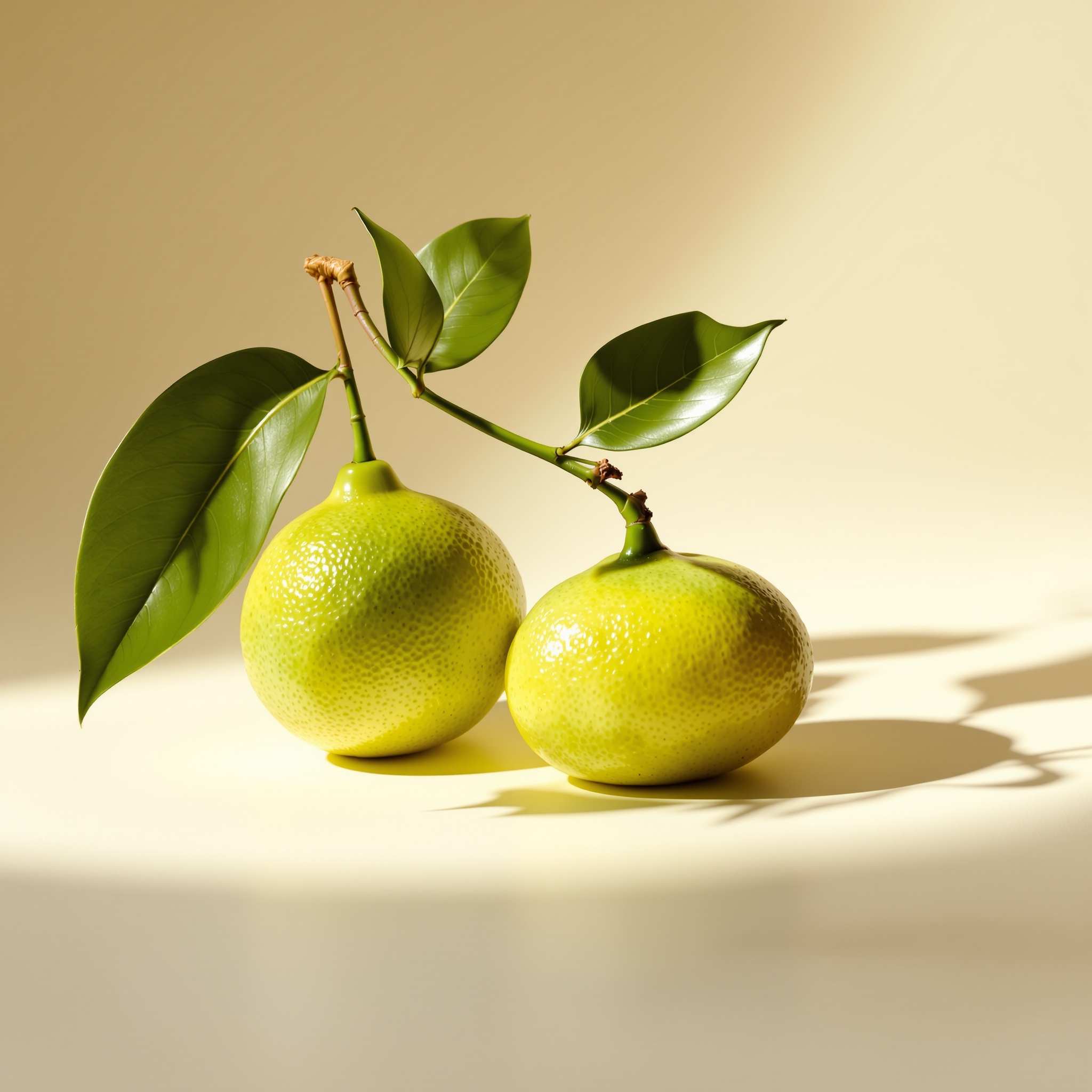
Bergamot is a small citrus fruit, Citrus bergamia, grown almost entirely along the Calabrian coast of southern Italy. The aromatic oil sits in glands in the rind of the unripe green-yellow fruit and is cold-pressed mechanically from the peel rather than distilled, preserving its fresh brightness.
How it smells
Bright, zesty and green, a sweet citrus sparkle softened by a floral, almost tea-like smoothness. Underneath runs a faintly bitter, balsamic warmth that sets it apart from lemon or orange. It flashes lively on opening, then fades quickly into a soft, slightly spicy hum.
In perfumery
The classic top note, bergamot adds freshness and lift while blending sharp citrus into the heart. It defines eau de cologne and the fougère family, harmonizing with lavender, neroli and oakmoss. It opens countless modern fresh-floral compositions, and its oil gives Earl Grey tea its scent.
Good to know
Natural bergamot oil contains bergapten, a furocoumarin that makes skin highly sensitive to sunlight and can cause burns. Modern perfumery uses bergapten-free (FCF) oil to meet IFRA safety limits, so most contemporary bergamot in fragrance is purified rather than raw cold-pressed oil.
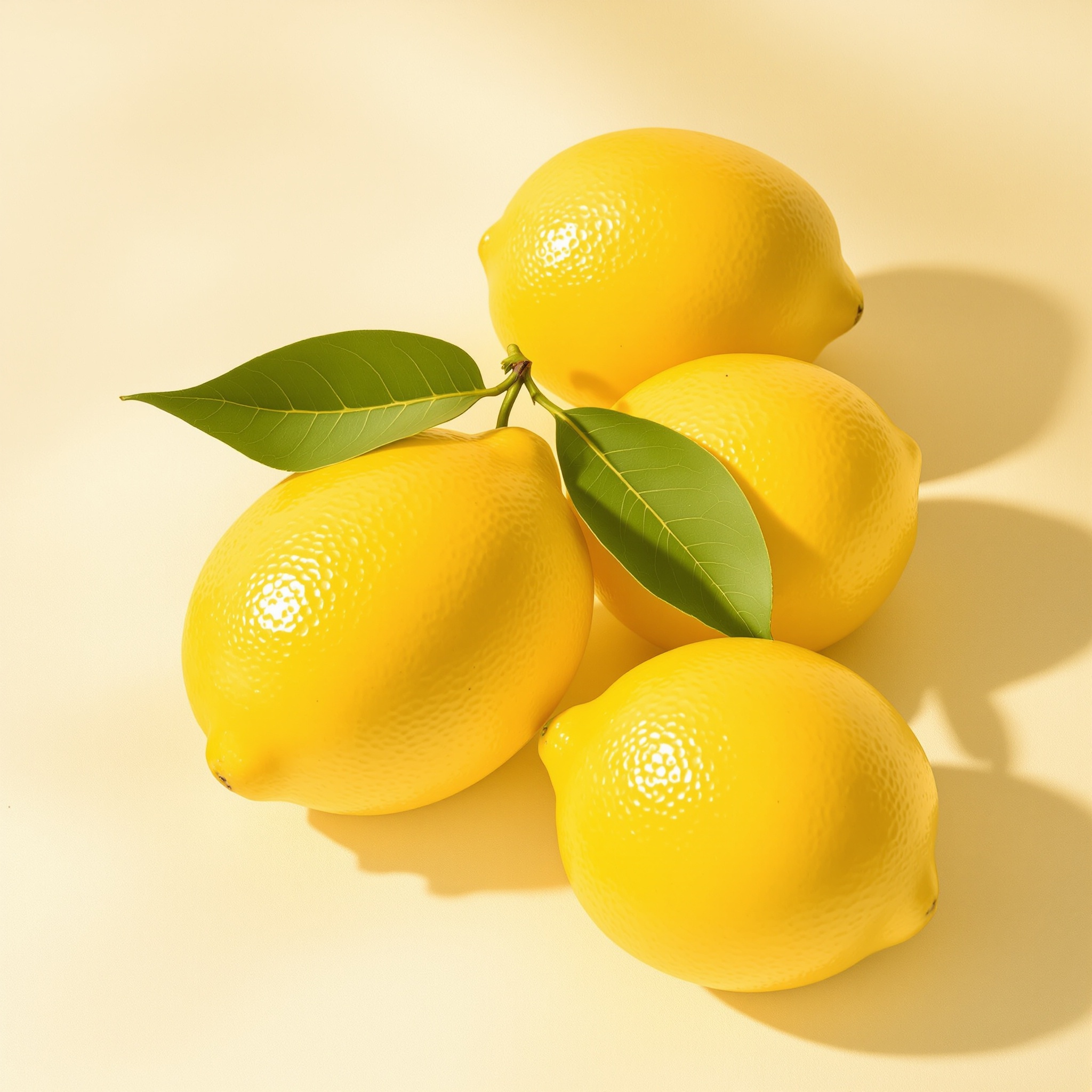
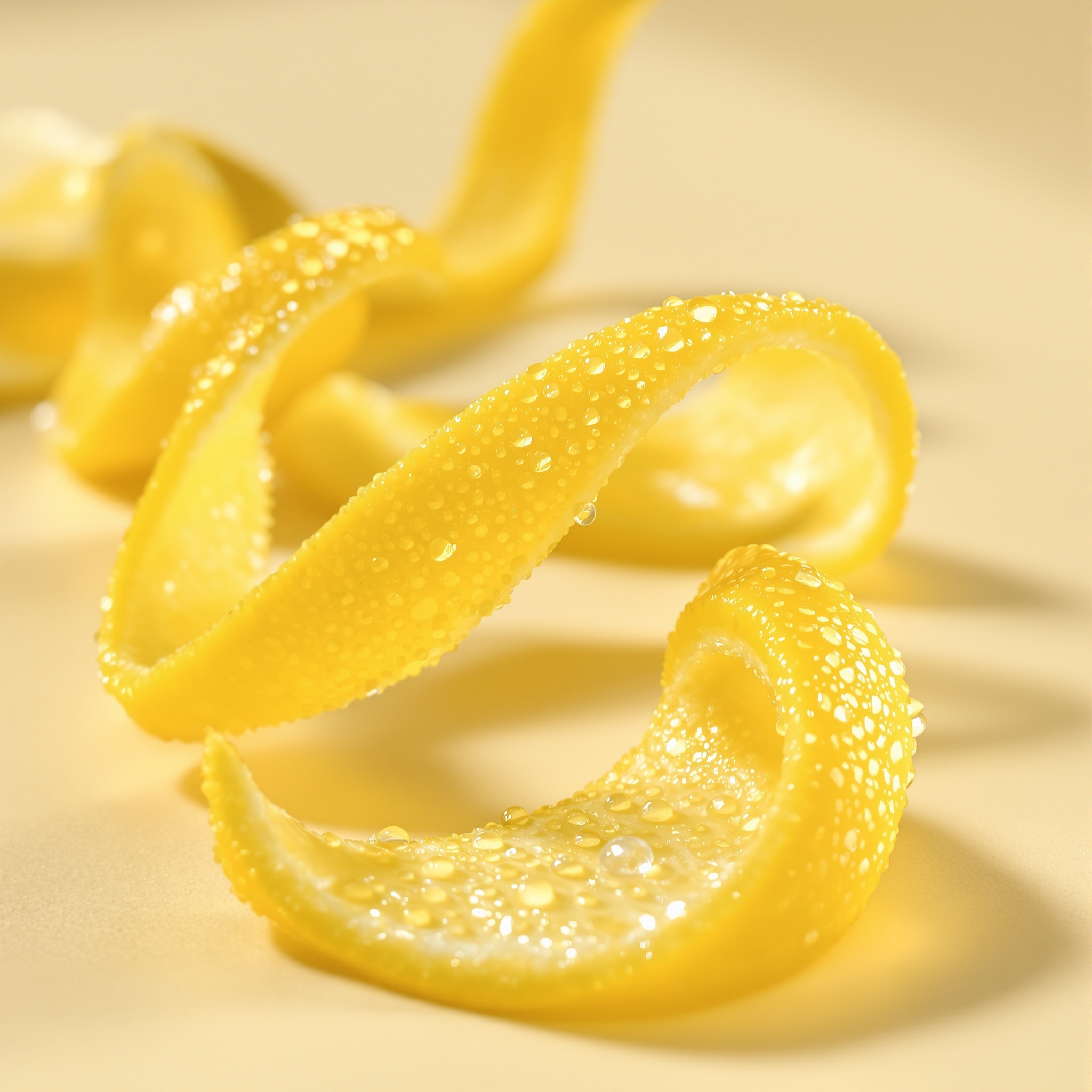
Lemon
Cold yellow zest snapping into bright sun
What it is
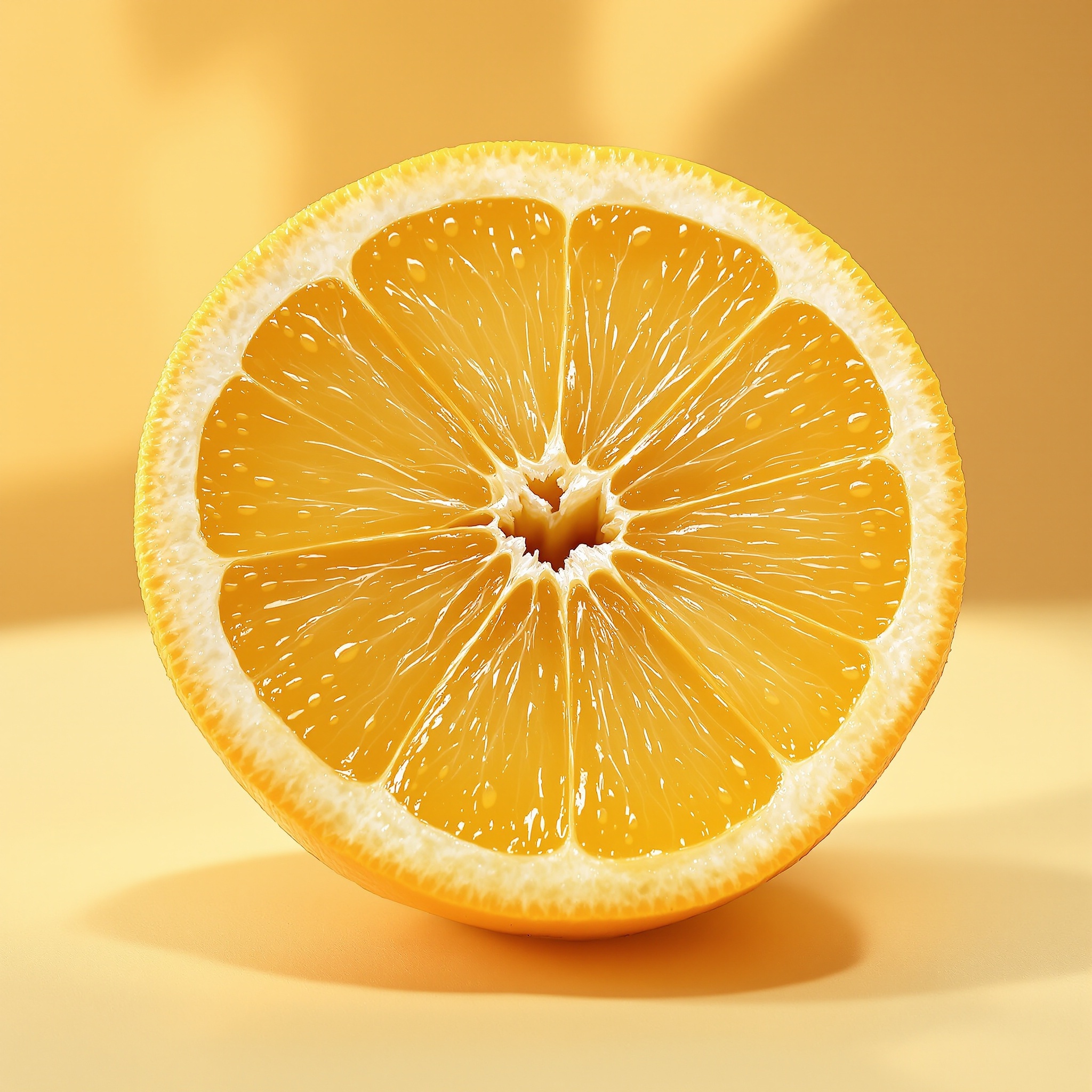
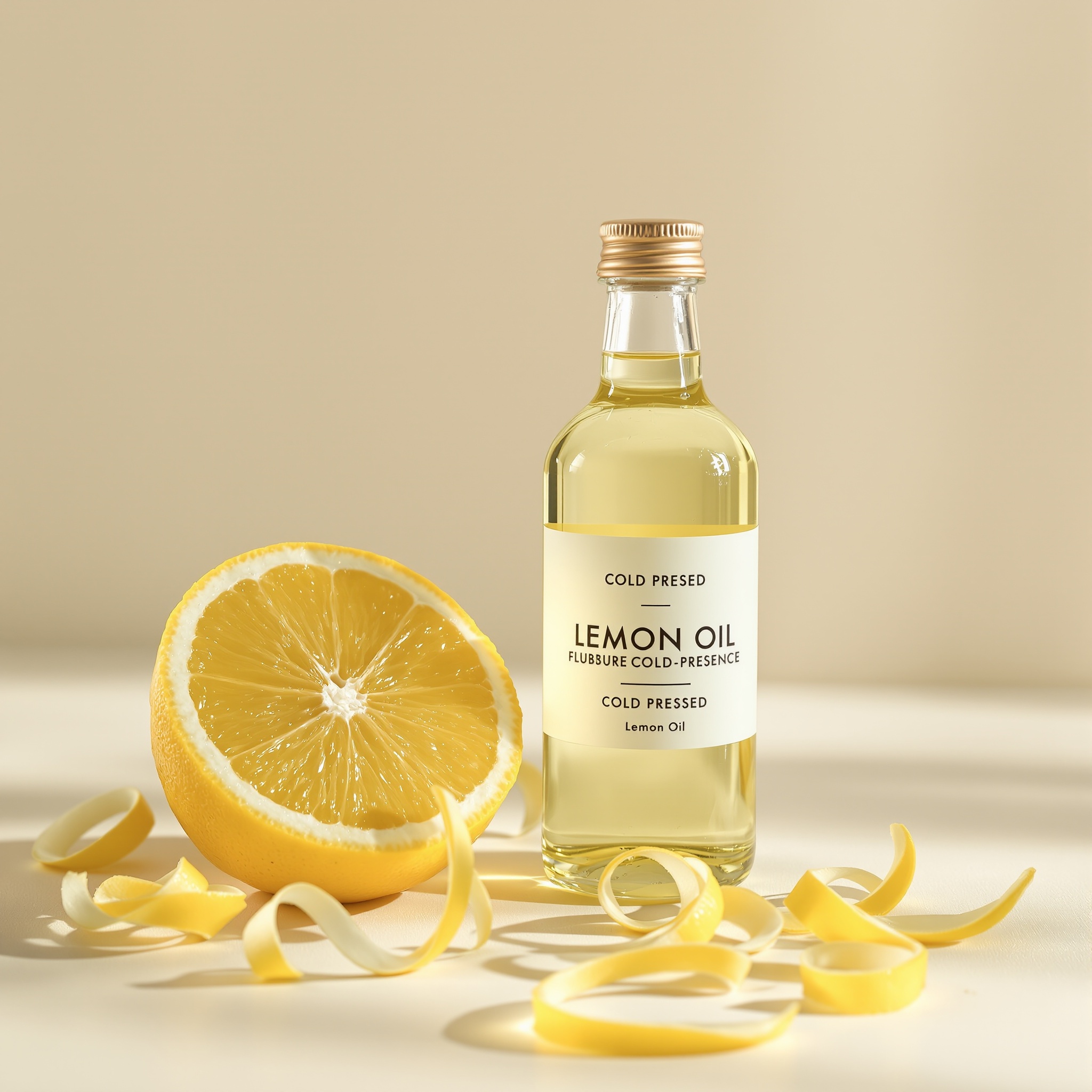
Lemon is the fruit of Citrus limon, a small evergreen tree grown around the Mediterranean, especially Sicily and Calabria, and in California. The aromatic oil sits in tiny glands in the colored peel and is cold-pressed mechanically from the rind, a squeezing and scraping rather than distillation.
How it smells
Sharp, juicy and instantly recognizable, a cold bright zest with sparkling sourness. The opening is tart, green and effervescent, driven by limonene and citral; beneath sits a faint sweet pith and a clean, slightly waxy peel facet. It is fleeting, fading within minutes.
In perfumery
A classic top note prized for lift, freshness and instant cleanliness, it powers the eau de cologne tradition alongside bergamot, neroli and petitgrain. Because it evaporates fast, it is often reinforced with citral. It defines the great classic colognes and the bright, sparkling opening of countless fresh fragrances.
Good to know
Cold-pressed lemon oil contains photosensitizing furocoumarins that can trigger sun-induced skin burns, so perfumers often use a furocoumarin-free version. It also oxidizes quickly, turning harsh and turpentine-like, which is why citrus fragrances are notoriously hard to keep stable in the bottle.
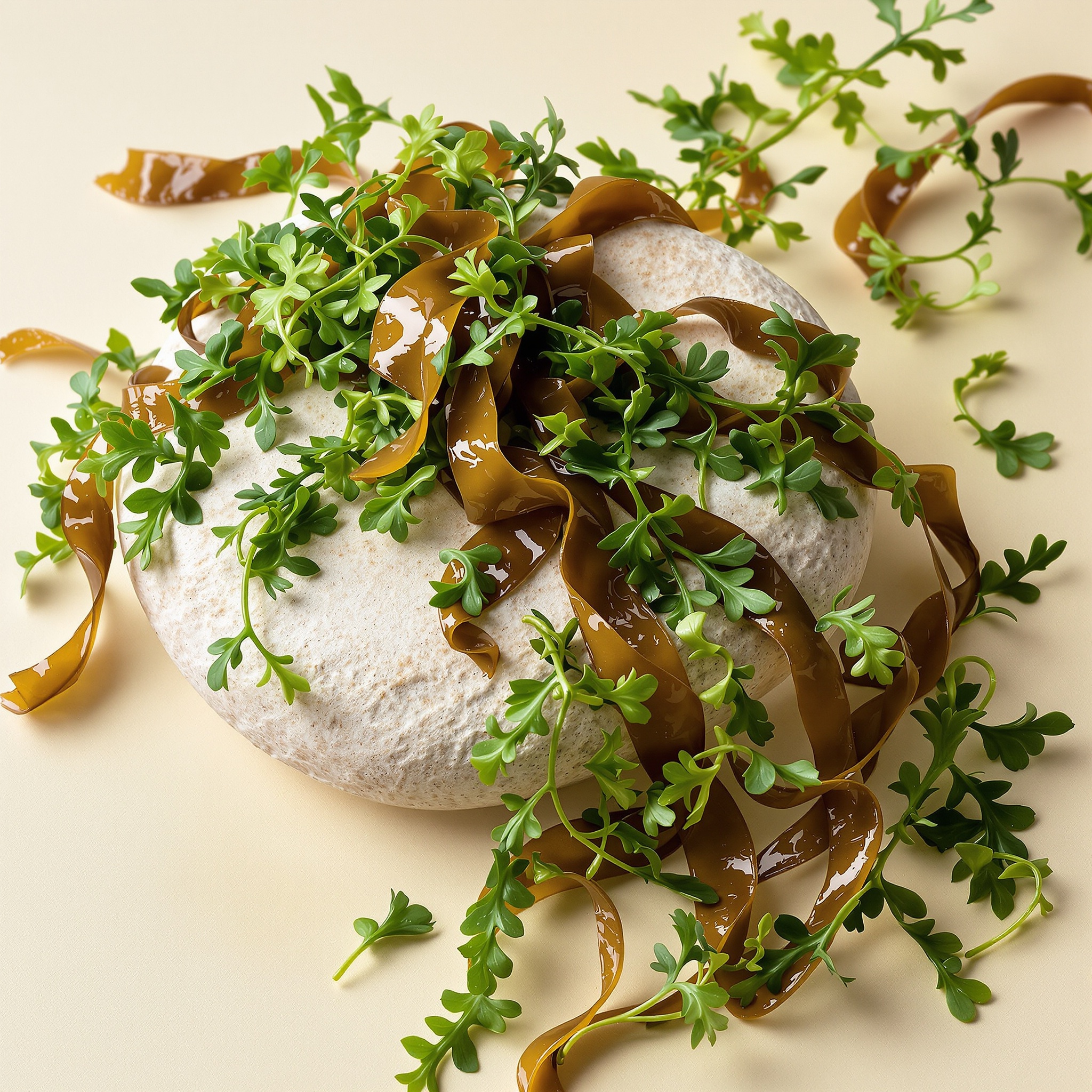
Seaweed
Green tidewrack breathing iodine and salt
What it is
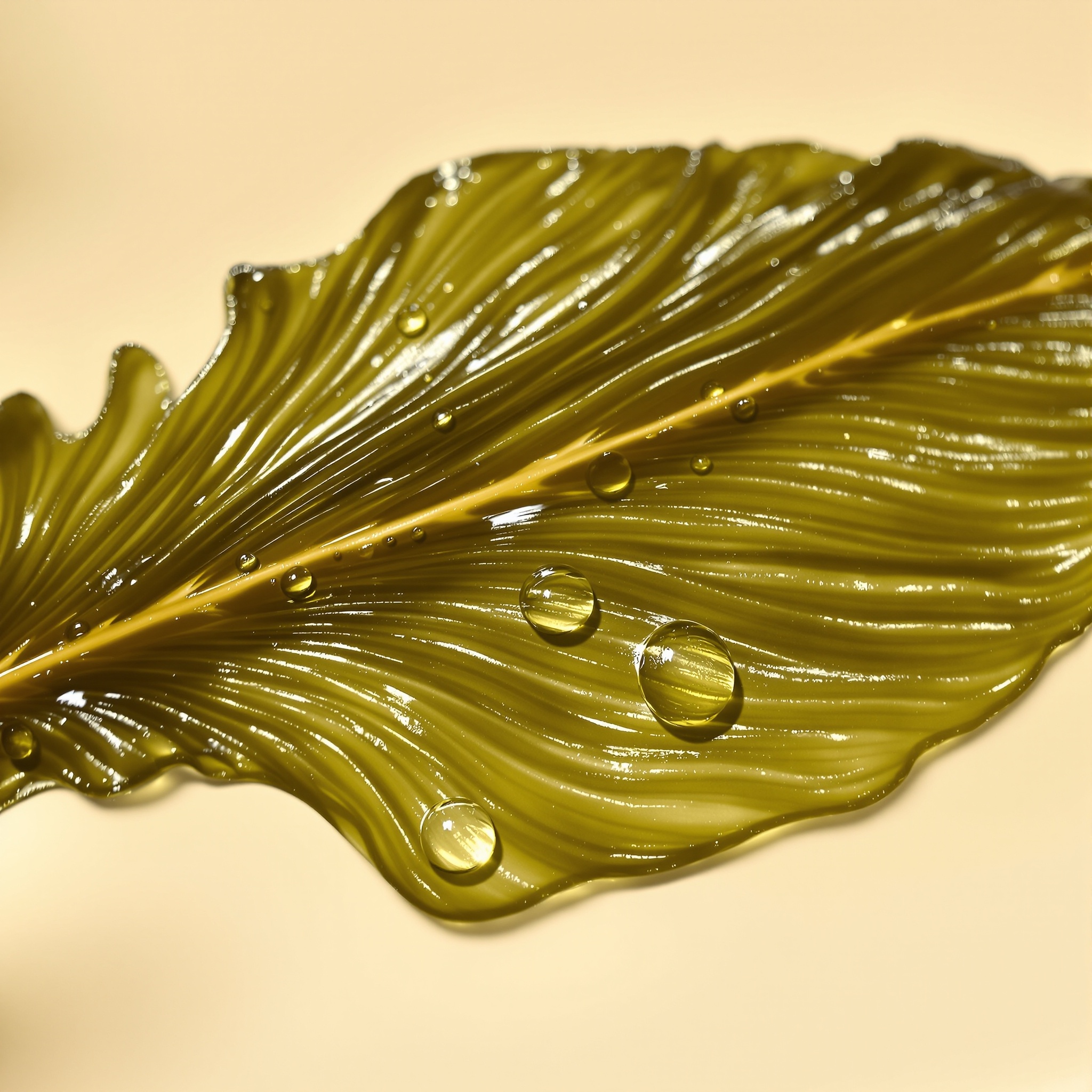
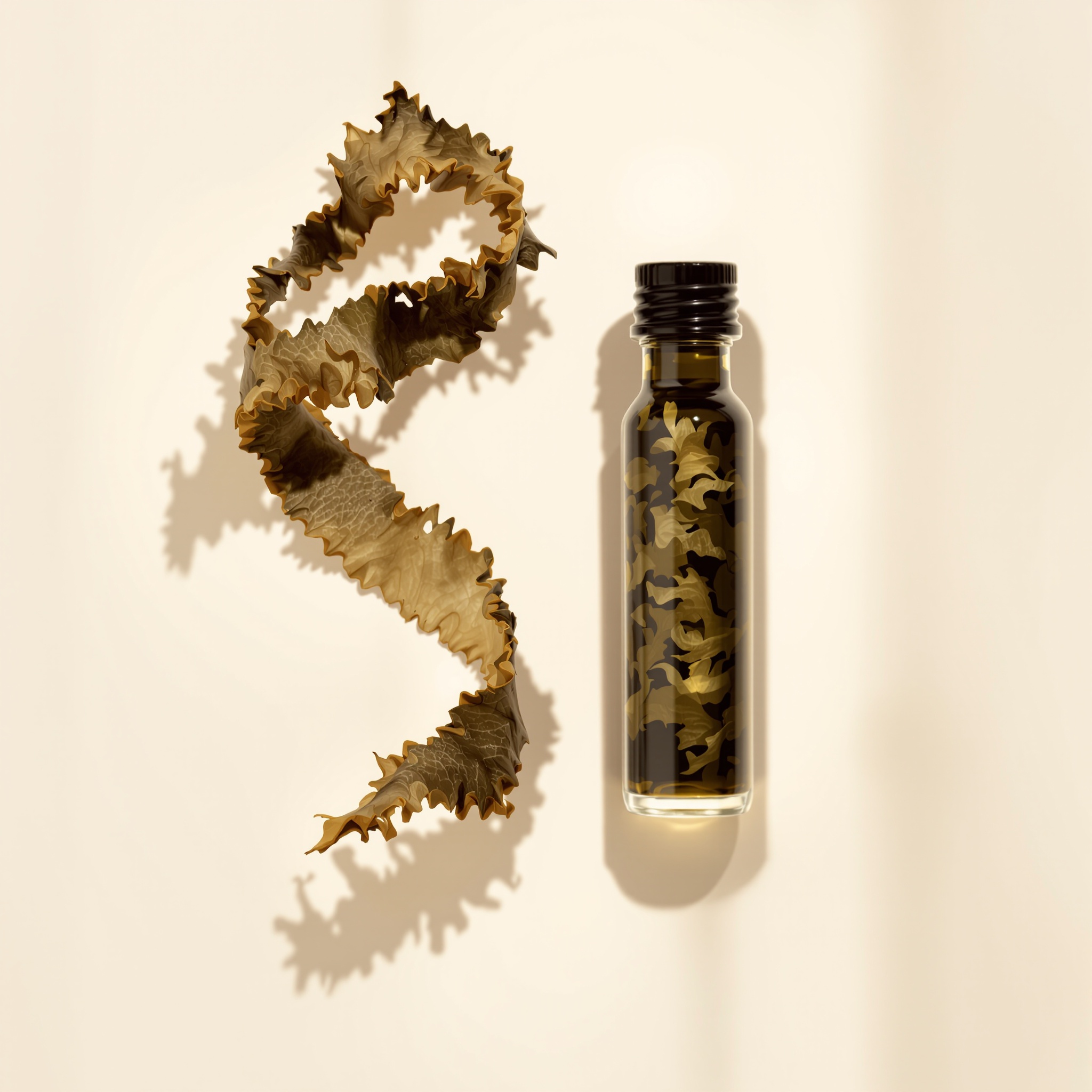
Seaweed as a note comes from marine algae, often kelp and other brown or green seaweeds harvested from coastal waters. The dried plant is solvent-extracted to an absolute, a dark green-brown viscous mass, frequently supported by synthetic marine molecules that round out the briny, oceanic effect.
How it smells
Green, salty and iodine-rich, with a damp, mineral, low-tide character. It carries wet rock, brine and a faint marine funk, drying to a leathery, slightly smoky and animalic depth. Less fresh than aquatic notes, more like the shoreline laid bare at ebb tide.
In perfumery
A heart-to-base material adding briny realism, iodine bite and a dark green marine depth that clean aquatic molecules lack. It pairs with salt, ambergris, vetiver and incense to build raw coastal accords, appearing in marine and shoreline compositions across niche and artisanal houses.
Good to know
Seaweed absolute is scarce and costly, with a heavy, tenacious smell so intense that only trace amounts are used. The same algae chemistry that flavours kombu broth and nori sheets gives the note its savoury, umami-tinged marine signature, the taste of the sea made wearable.
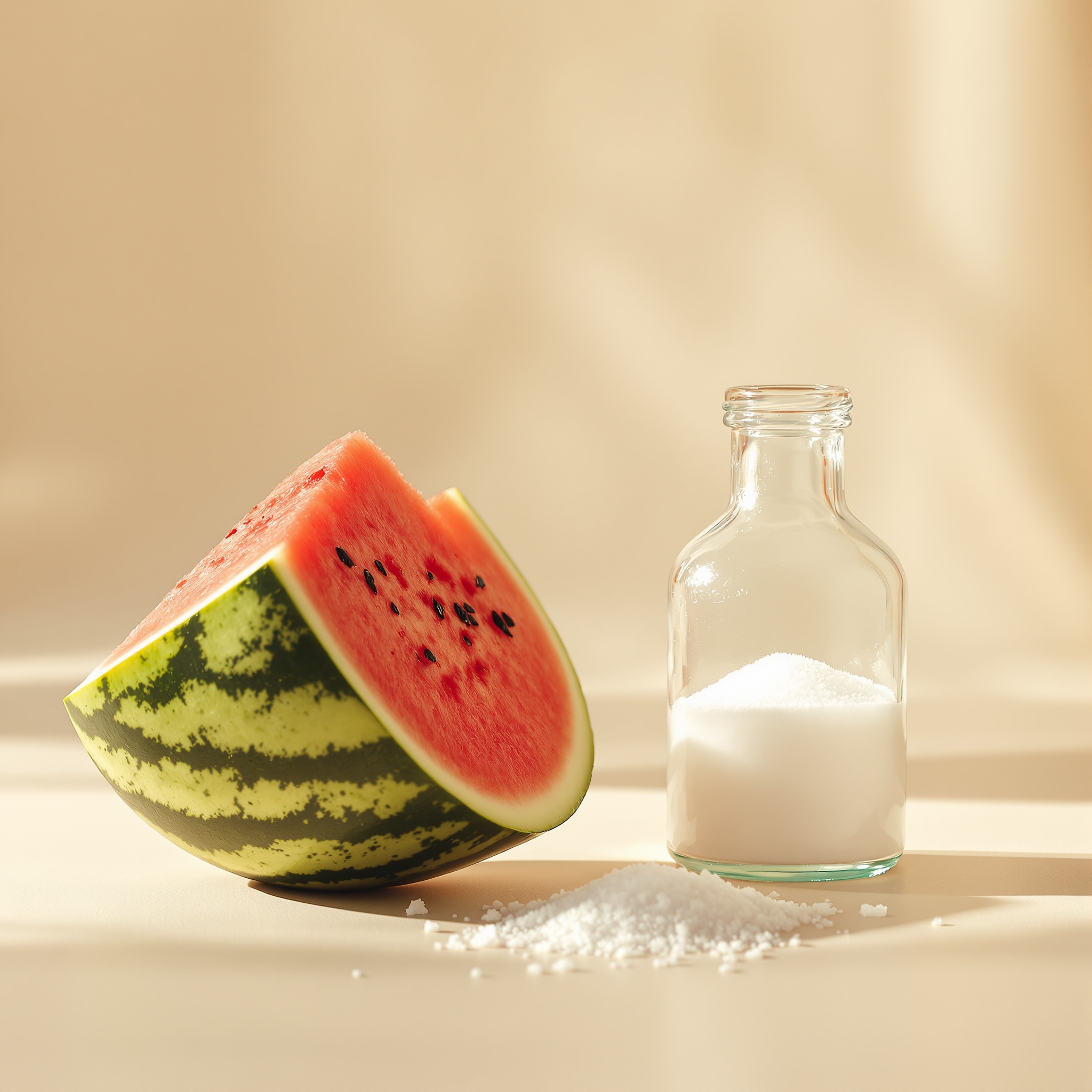
Calone
The sea breeze captured in a molecule
What it is
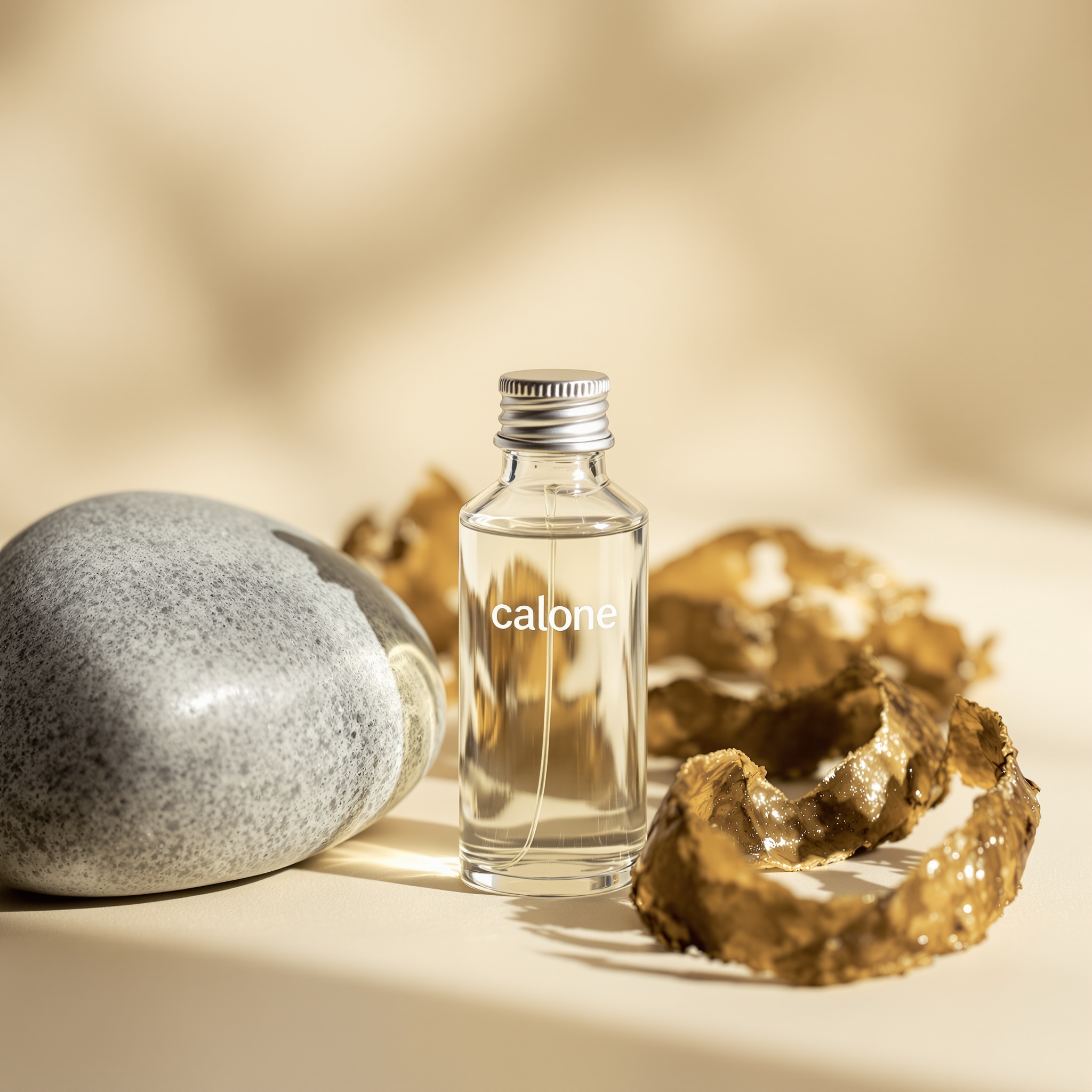
A synthetic aroma-chemical, methylbenzodioxepinone, also called Calone 1951 or watermelon ketone. It was discovered by chemists at Pfizer in 1966 and is manufactured industrially. Its structure echoes scent compounds emitted by brown algae, which partly explains its uncanny seashore character.
How it smells
Fresh, watery and ozonic, conjuring sea spray, wet stone and salt air. Beneath the marine coolness sit green and melon facets, with a recognisable watermelon-rind and faint oyster nuance. In dilution it reads clean and airy; concentrated, it turns metallic and almost briny.
In perfumery
A top-to-heart note that defines the aquatic and ozonic genre. Combined with dihydromyrcenol, florals and musks it builds open-air freshness. It powered the 1990s marine wave, becoming the signature of the era's defining aquatic and ozonic fragrances.
Good to know
Calone is so potent and recognisable that perfumers now use it sparingly: a trace adds sea air, while a heavy hand instantly dates a fragrance to the early 1990s. Its watermelon facet also makes it useful in fruity accords far from any marine theme.
Hedione
Transparent jasmine that makes a fragrance breathe
What it is
Hedione is a synthetic aroma-chemical, methyl dihydrojasmonate, related to a trace component of jasmine. Edouard Demole achieved its synthesis in 1958, and the material was patented as Hedione in 1962. It is now made industrially and ranks among the most-used ingredients in modern perfumery.
How it smells
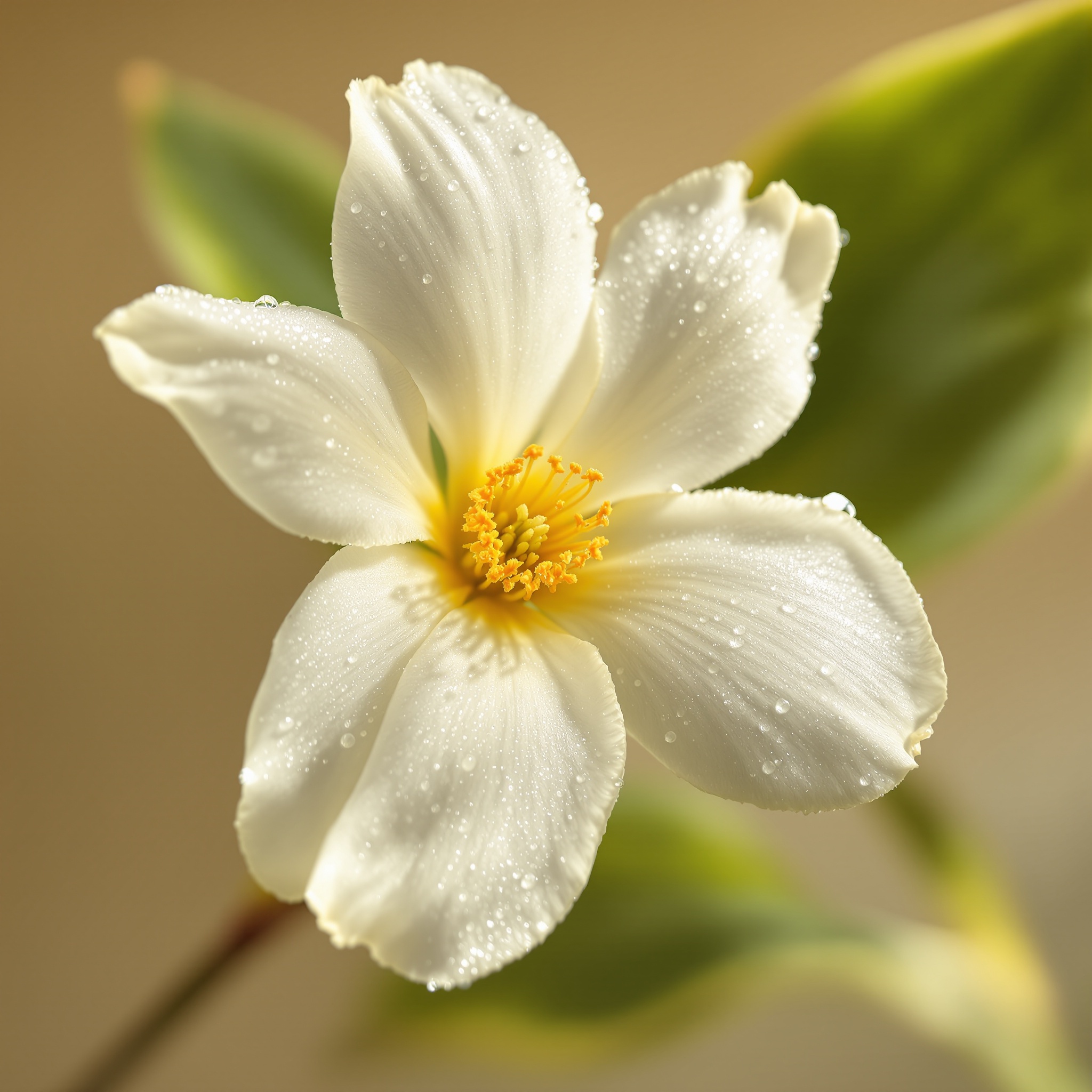
Limpid, airy and luminous: a soft green-floral jasmine without the heavy indolic density of the real flower. It reads of magnolia and dewy petals, faintly citrusy and watery. It adds lift and radiance, lending compositions a fizzy, transparent quality often likened to champagne.
In perfumery
A heart-note diffuser and blender used at high levels to add space, glow and naturalness, smoothing citrus, bolstering white florals and lengthening drydowns. It was put centre stage in a landmark fresh masculine of 1966, and it also defines the airy bloom of countless modern florals.
Good to know
Hedione is estimated to appear in a large share of all fine fragrances, a figure sometimes cited near eighty percent. Research has suggested its high-purity form can weakly activate a putative human pheromone receptor, fuelling its reputation as a quietly attractive, skin-flattering molecule.
Synthetic Musk
The clean lab musk in nearly everything
What it is
Lab-made musk molecules created to replace animal-derived deer musk. The familiar workhorses are Galaxolide, Habanolide and ethylene brassylate, spanning the polycyclic and biodegradable macrocyclic families, after the old nitro musks were largely restricted over persistence and toxicity concerns.
How it smells
Clean, soft and radiant, with none of the fecal animalic edge of raw deer musk. Galaxolide is sweet, round and floral-woody; Habanolide leans metallic and waxy, the so-called hot-iron musk; ethylene brassylate is soft and powdery. Together they read as fresh laundry, warm skin and airy powder.
In perfumery
Nearly all musk in modern fragrance is synthetic. These molecules anchor base notes, lend lasting power and supply the clean white-musk drydown of countless designer scents. Inexpensive, free of CITES restrictions and ethical relative to deer musk, they made musk universal across fine fragrance and detergent alike.
Good to know
White musk and synthetic musk are one family, the laundered counterpoint to animalic deer musk. Some polycyclic musks raise persistence and bioaccumulation concerns, pushing the industry toward biodegradable macrocyclics. None carry the living, sweet-animalic depth of genuine Tonkin deer musk.
Ambroxan
Synthetic ambergris that glows like warm skin
What it is
Ambroxan is a synthetic aroma-chemical, a tetramethyl naphthofuran first made by Firmenich to mimic ambergris. It is semi-synthesised from sclareol, a molecule extracted from clary sage (Salvia sclarea), which is oxidatively degraded then cyclised into ambroxide. Modern biotech routes now ferment sclareol for higher yield.
How it smells
Dry, warm and ambery with a clean mineral-woody character, faintly salty and musky. It reads as soft skin, blond woods and a touch of velvety sweetness, almost odourless up close yet vast in projection. It diffuses without sharp edges, smelling like sun-warmed air.
In perfumery
A powerhouse base and fixative giving radiance, longevity and a skin-like glow, often used to amplify woods and ambers and to project a whole composition. It is the engine of countless modern fresh and ambery blockbusters and the near-solo star of several minimalist single-note compositions.
Good to know
Ambergris is a rare waxy substance formed in sperm whale guts and found washed ashore. Ambroxan delivers its key facet without harming whales, sidestepping legal and ethical issues. Firmenich's fermentation route, using clary sage enzymes expressed in microbes, made it cheaper and far greener to manufacture.

Cedar
Dry sharpened pencils and sun-warmed timber
What it is
Cedar in perfumery comes mainly from the heartwood of Atlas cedar (Cedrus atlantica) and, more commonly, the aromatically similar Virginia and Texas "cedars" of the Juniperus genus. Wood chips and sawmill shavings are steam-distilled into an oil rich in cedrol and cedrene, the molecules carrying the scent.
How it smells
Dry, woody and resinous, recalling freshly sharpened pencils and cedar-lined closets. Atlas cedar leans warm, smoky and balsamic; Virginia cedar reads sharper and cleaner. It opens crisp and pencil-like, then settles into a soft, sawdust-warm, faintly sweet timber that holds for hours.
In perfumery
A workhorse heart and base note prized for its smooth woody backbone and fixative power. It anchors chypres, fougeres and modern woods, pairing with vetiver, rose, citrus and amber. Cedar lends a signature plummy-woody core to spiced floral-woods and threads through countless unisex woods.
Good to know
Most perfumery "cedar" is not botanical cedar at all but juniper; true Cedrus and the unrelated Juniperus share a name through scent, not lineage. Cedarwood oil was burned in ancient Egyptian embalming and used to scent tombs, coffins and ships' timbers.
Fragrance Character
Bergamot and lemon open with a clean, almost electric brightness that dissolves quickly into the heart's dense marine core, where seaweed and calone read less like a beach and more like open water at depth. Hedione lifts the composition just enough to keep it from becoming suffocating. On the drydown, cedar gives the musk and ambroxan a dry, woody grip that holds the saline character close to the skin for hours.

Best Worn
This belongs to summer heat and nights that still carry the warmth of the day, worn by someone unbothered by taking up space in a room.
Why the Megamare Decant
Megamare projects with a force that borders on aggressive in its first hours, making a decant the only sensible way to gauge how much of it you can actually wear.
Official Notes
Bergamot · Lemon · Seaweed · Calone · Hedione · Musk · Ambroxan · Cedar
Explore more: Ultra-Niche Perfume Decants · All Fragrance Decants
Choose options
The Vibe

Select your decant size

You are selecting a decant size, not the full bottle