


Louis Vuitton - Imagination
Imagination opens on a bright collision of citron, Calabrian bergamot, and Sicilian orange, tart and clean before Tunisian neroli and Nigerian ginger pull it toward something warmer and more considered. Chinese black tea and ambroxan anchor the drydown, casting a dry, skin-close luminosity that lingers well past the first impression.
The Nose
Composed by Jacques Cavallier Belletrud for Louis Vuitton, also behind Ombre Nomade, Issey Miyake L'Eau d'Issey and Stellar Times.
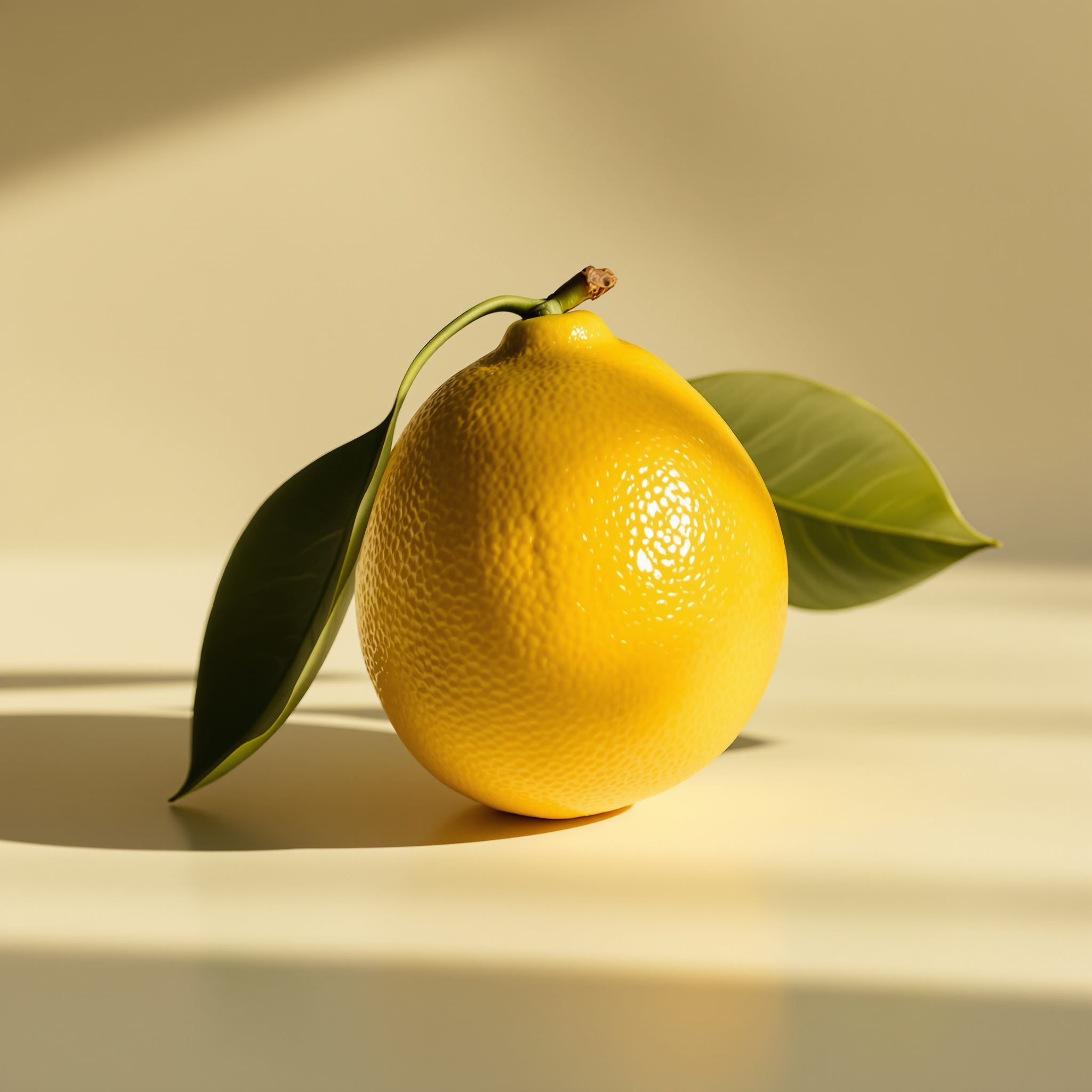
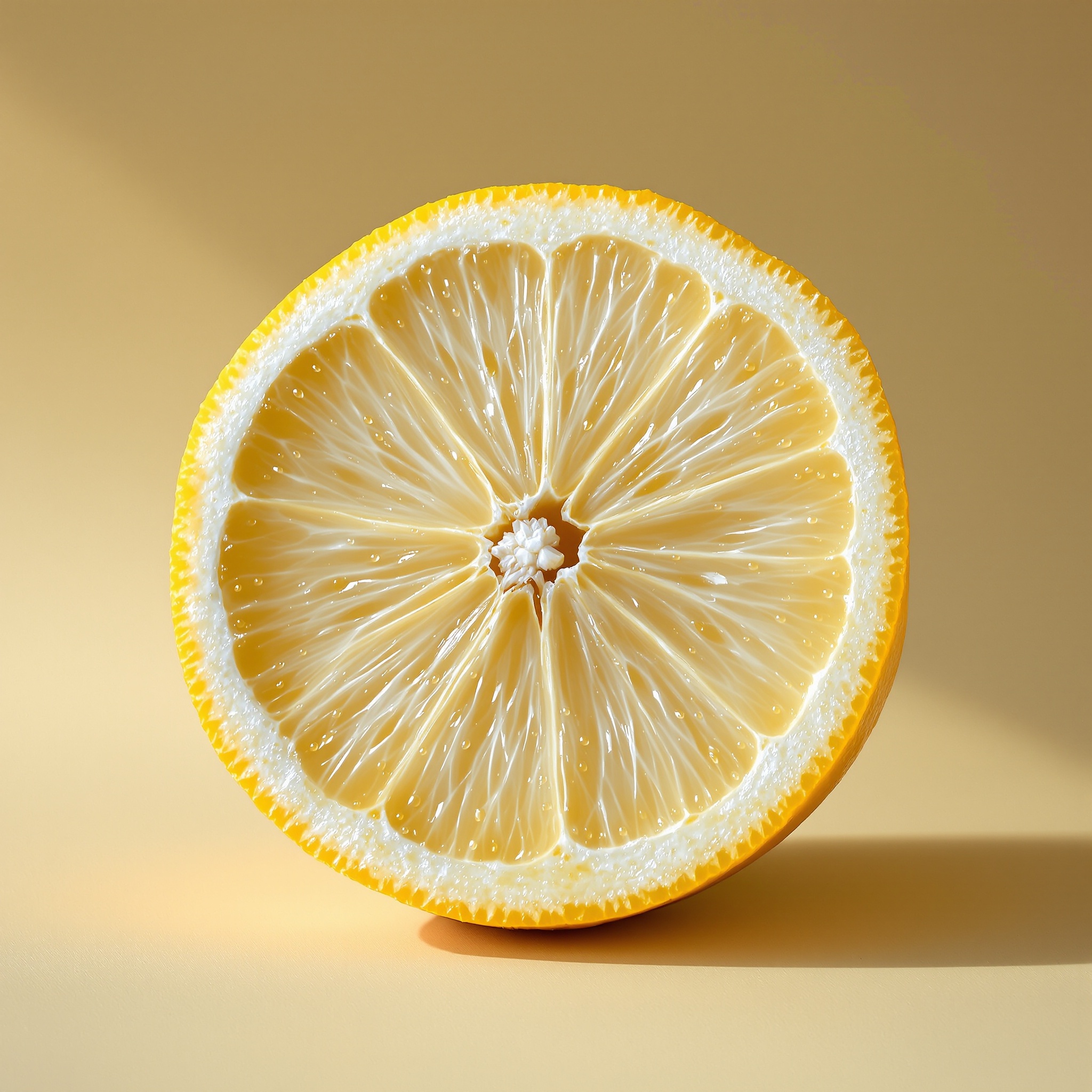
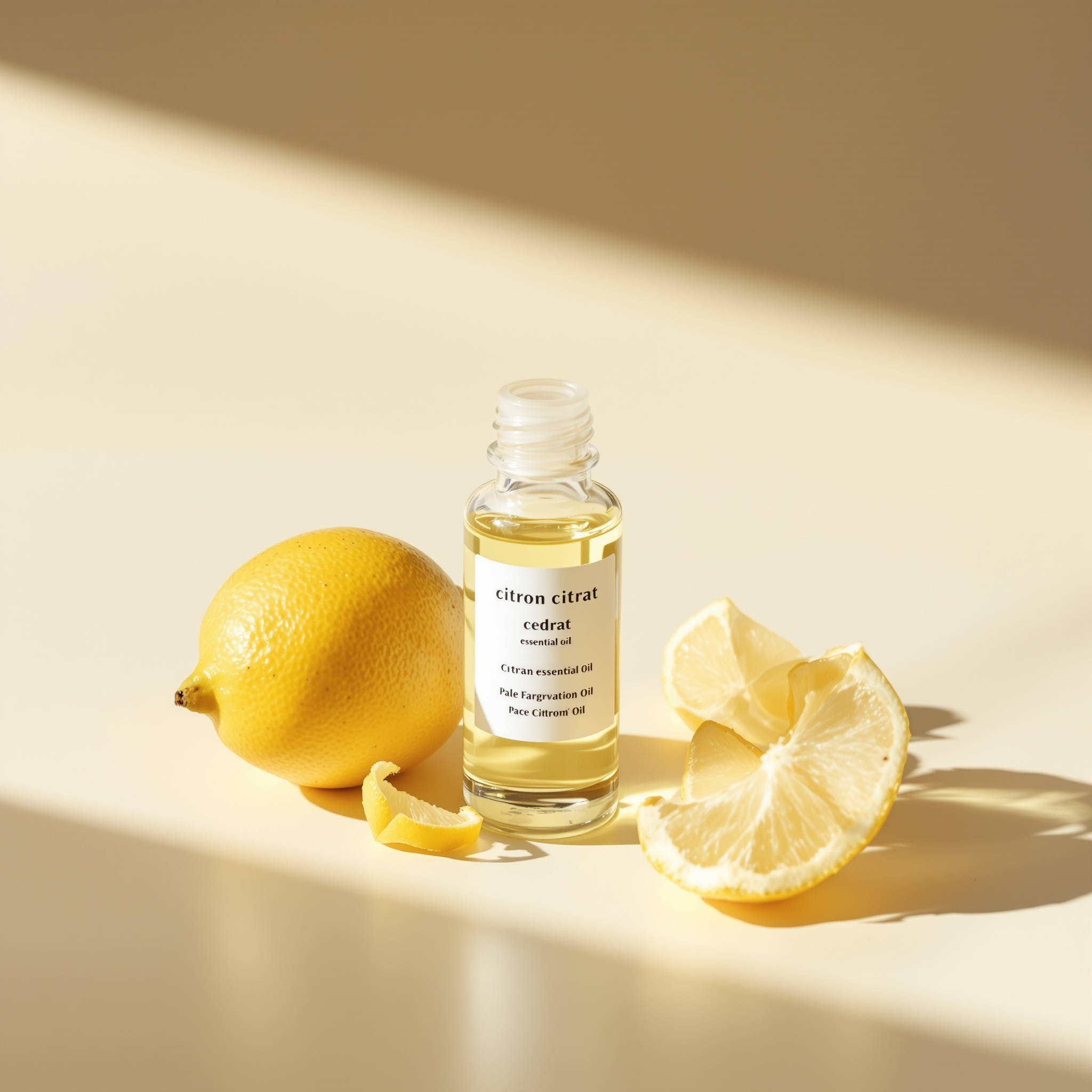
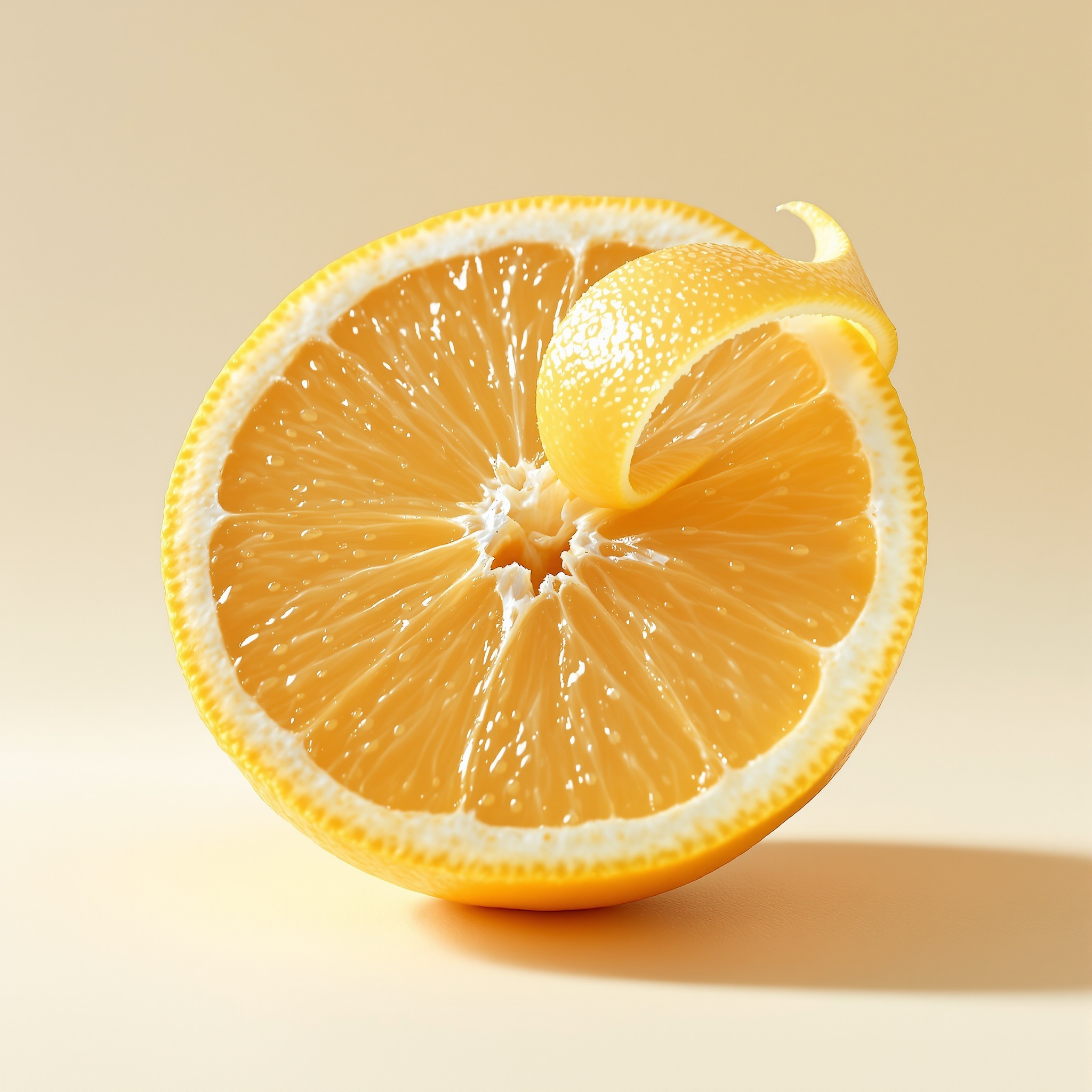
Citron
The ancient knobbly citrus of dry, green light
What it is
Citron is Citrus medica, one of the oldest cultivated citrus species and a genetic ancestor of the lemon. The large, oblong fruit is mostly thick, knobbly, leathery rind with little juice; its essential oil, called cedrat, is cold-pressed from that fragrant peel.
How it smells
Tangy and sparkling like lemon but rounder and more velvety, with light floral nuances and a clean, dry bitterness. It opens crisp and zesty, then reveals a subtle, refined citrus edge that feels less acidic and more polished than common lemon.
In perfumery
A bright top note bringing dynamic, uplifting freshness and a dry citrus facet to colognes and modern citrus accords. It pairs naturally with neroli, petitgrain and herbs, and gives its name, under the French term cedrat, to a whole genre of cedrat scents.
Good to know
The fingered citron variety, Buddha's hand, splits into tendril-like segments and is used in religious offerings across Asia. A separate citron cultivar, the etrog, is one of the four sacred plants of the Jewish autumn festival of Sukkot.
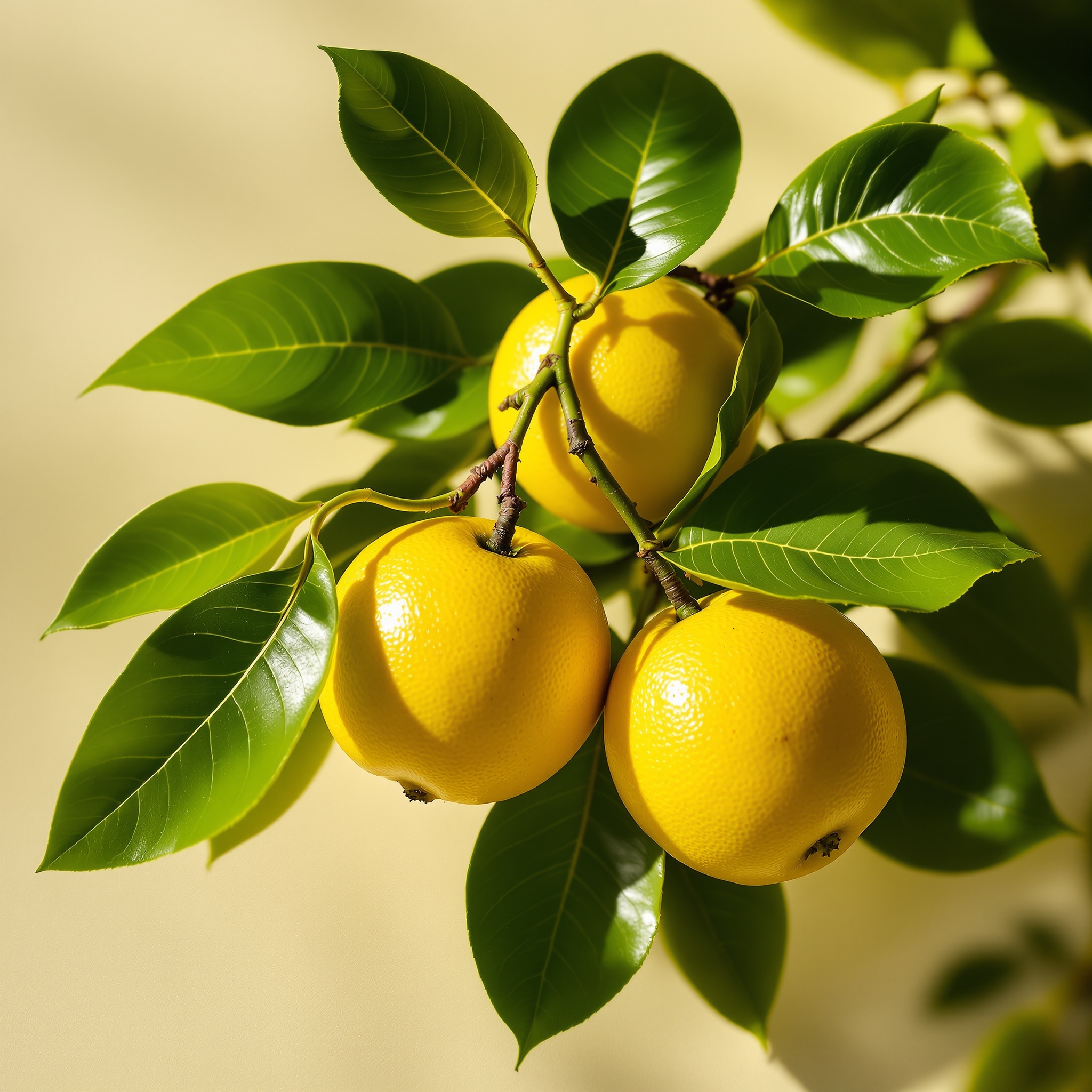
Calabrian Bergamot
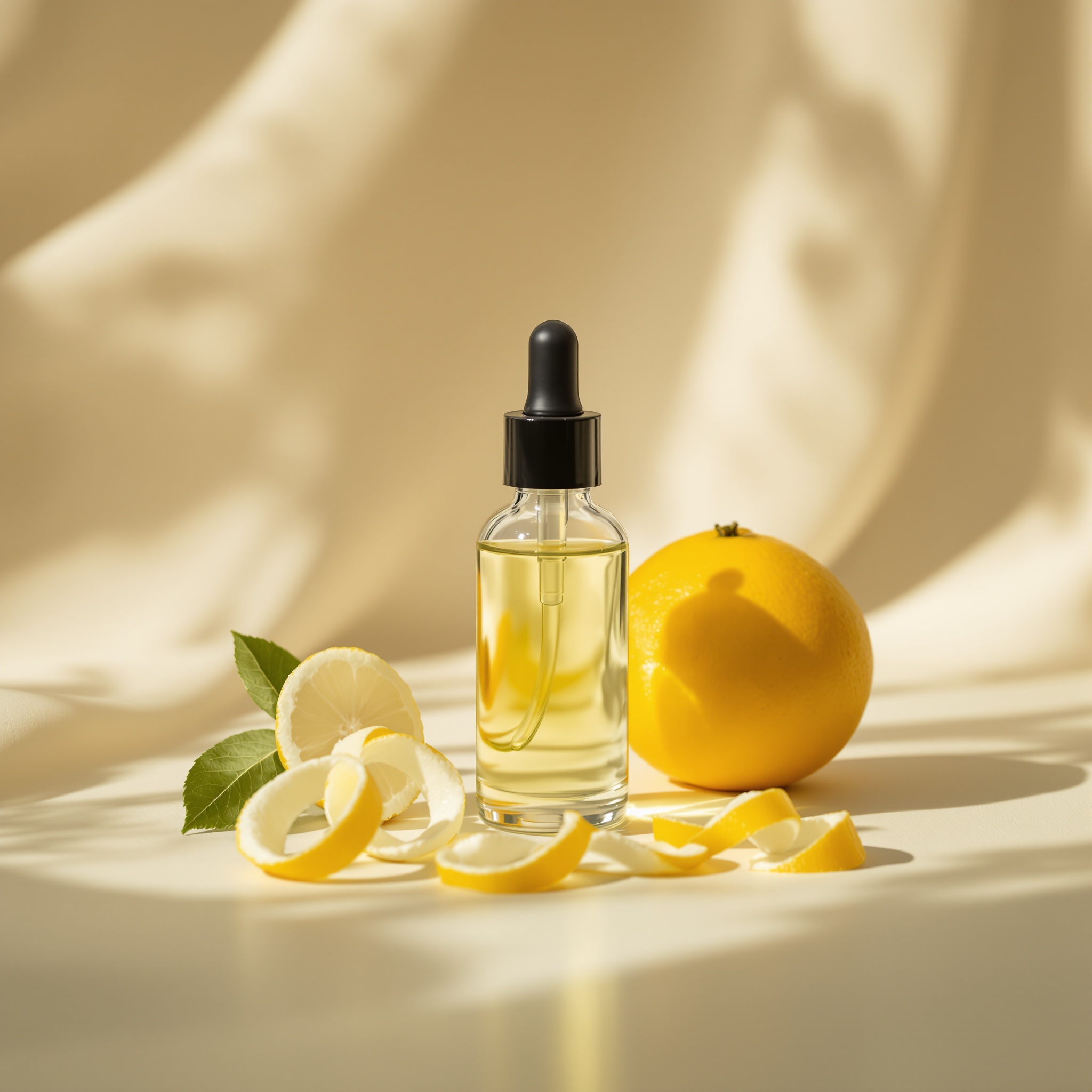
The radiant top note born on one Italian coast
What it is
Calabrian bergamot is the fruit of Citrus bergamia, a small sour citrus grown almost exclusively along a narrow strip of the Ionian coast of Reggio Calabria, Italy, which supplies roughly ninety percent of the world's bergamot oil. The essence is cold-pressed from the green-gold peel.
How it smells
Bright and sparkling citrus with a floral, faintly spicy lift and a soft, slightly bitter green edge. Less sharp than lemon, it carries a rounded sweetness and a delicate tea-like facet that feels both fresh and refined as it opens a fragrance.
In perfumery
The quintessential top note, prized for an effervescent yet elegant freshness and its gift for tying citrus to florals, leathers and chypres. It opens countless classic colognes and oriental masterpieces, and flavours Earl Grey tea.
Good to know
The fruit carries a PGI designation safeguarding Reggio Calabria origin. Raw bergamot oil contains bergapten, a phototoxic furocoumarin that can burn sun-exposed skin, so most modern perfumery relies on a bergapten-free, FCF-reduced grade.
Sicilian Orange
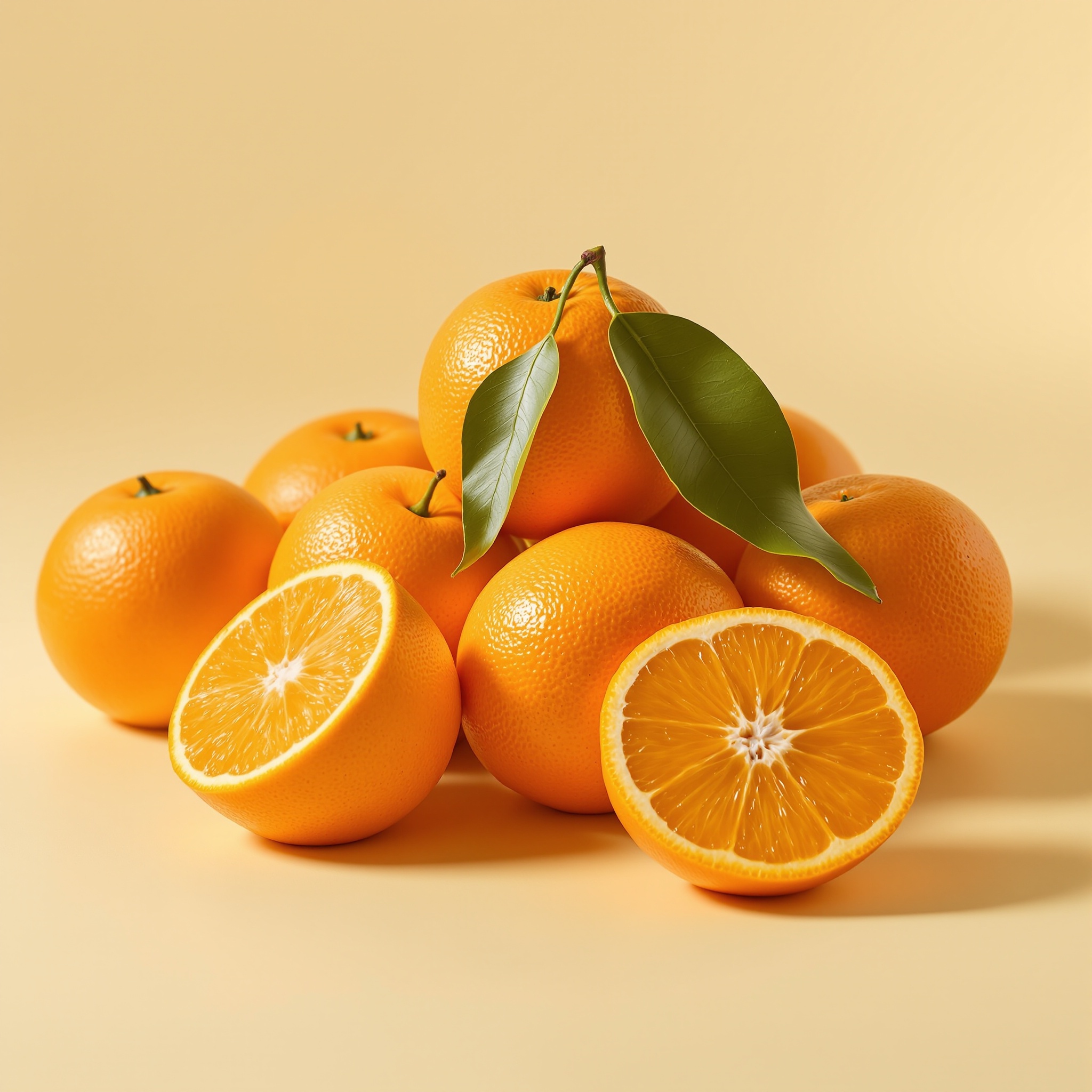
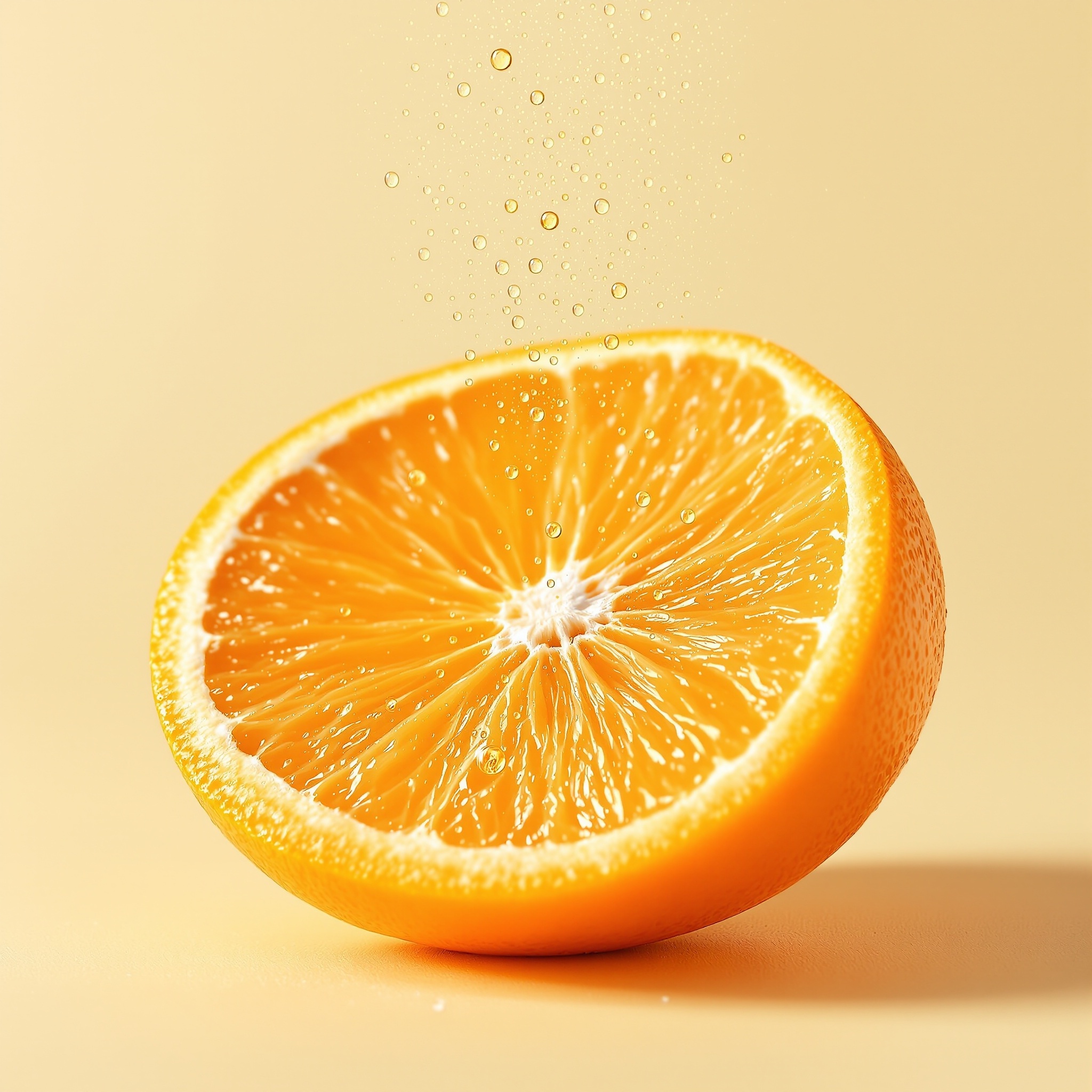
Sweet sunlit peel, juicy and instantly cheerful
What it is
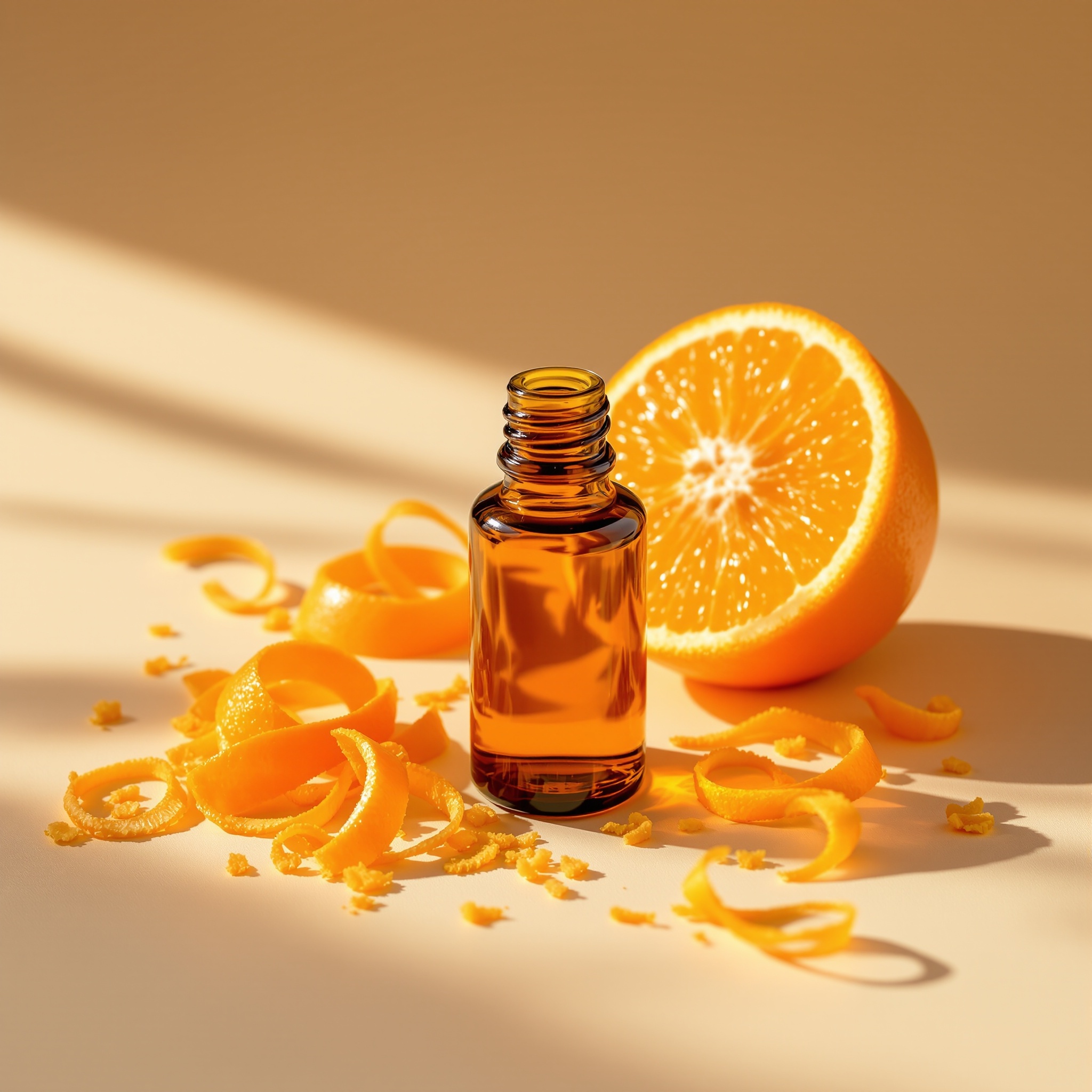
The cold-pressed essential oil of sweet orange, Citrus sinensis, grown in Sicily's groves. The ripe peel is abraded and pressed so oil escapes from glands in the colored rind, producing an orange-hued expressed oil that is roughly ninety-five percent limonene, recovered alongside the juice from the same fruit.
How it smells
Rounder and sweeter than lemon: bright, fruity and sunny, like fresh-squeezed juice and warm peel rather than sharp zest. It opens juicy and faintly candied over a soft pithy facet, then evaporates quickly, leaving a thin sweet-waxy trace of rind.
In perfumery
A cheerful, accessible top note adding sweetness and lift to citrus, gourmand and oriental openings. It blends with neroli, vanilla, clove, cinnamon and other citruses, and brightens the start of fragrances like Atelier Cologne Orange Sanguine and many festive orange-spice compositions.
Good to know
Sweet orange oil is among the cheapest naturals in perfumery, since vast quantities flow from the same lines that press the world's orange juice. Its limonene content can exceed ninety percent, which also makes it a common biodegradable degreaser in household cleaners.
Tunisian Neroli
Cap Bon orange blossom, green and luminous
What it is
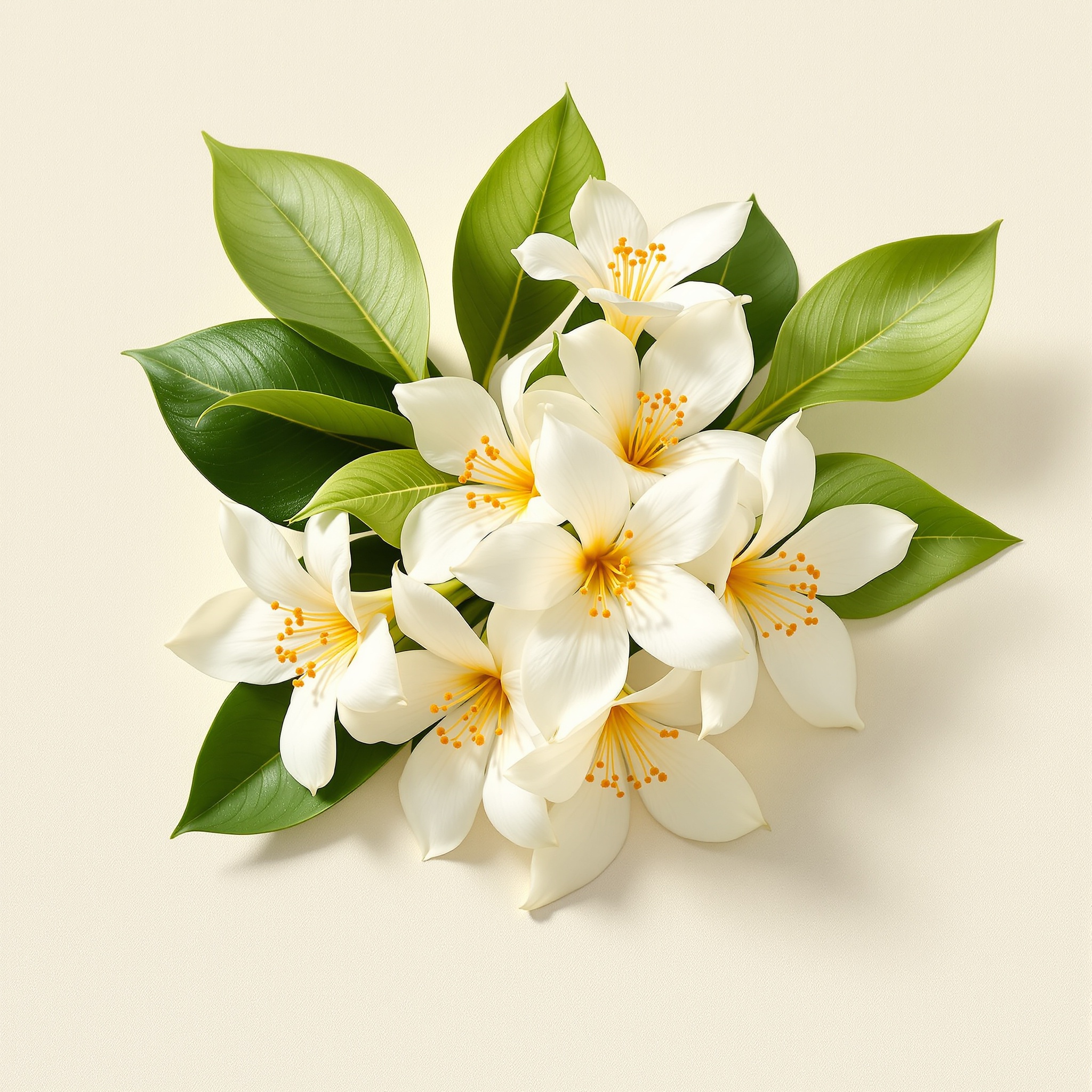
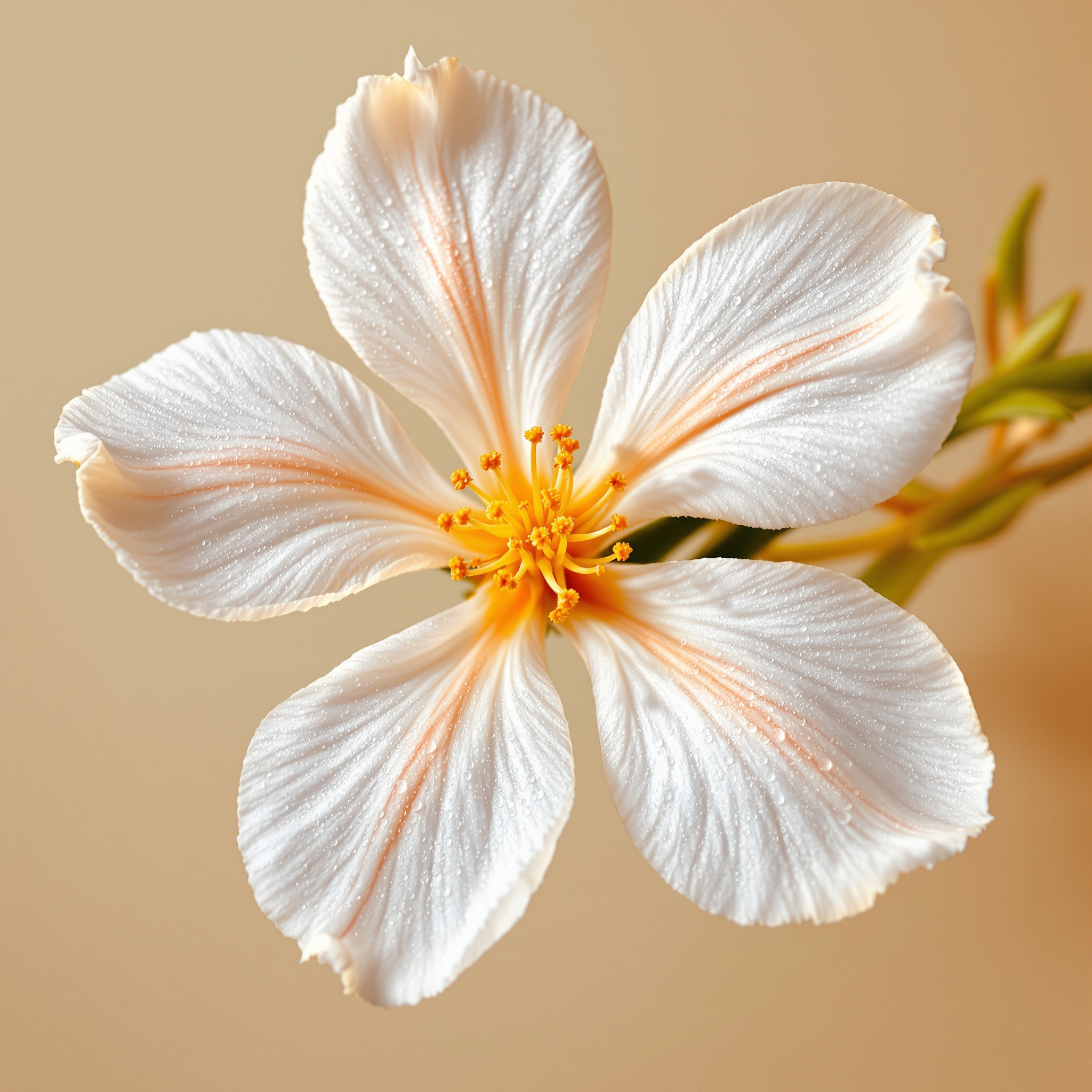
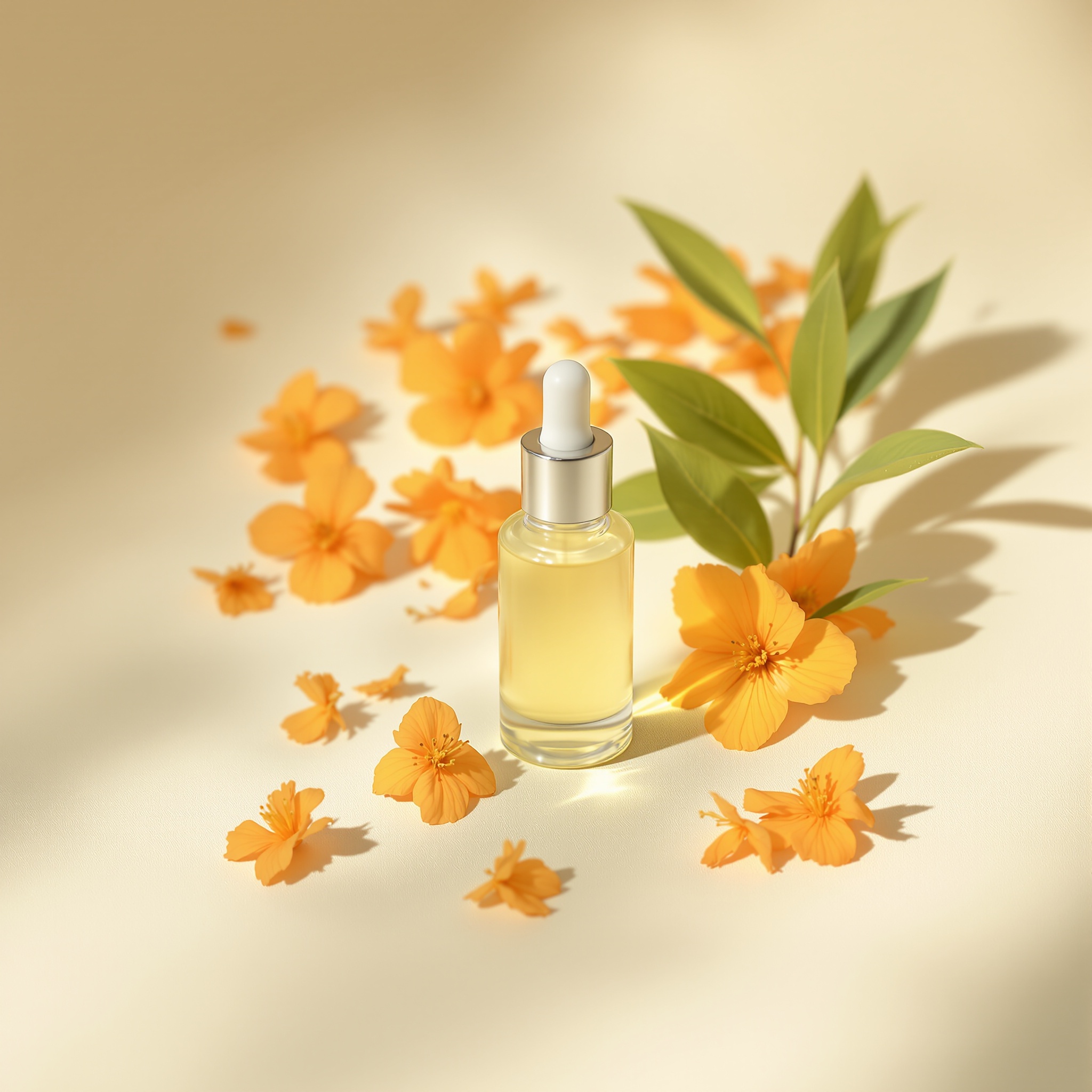
Tunisian Neroli is the steam-distilled essential oil of bitter orange flowers, Citrus aurantium var. amara, grown on the Cap Bon peninsula around Nabeul. Blossoms are handpicked each spring and distilled within hours; roughly a tonne of fresh flowers yields only about one kilogram of oil.
How it smells
Bright, green and honeyed, with a clean citrus-floral radiance and a faint bitter, metallic sparkle distinct to neroli. Less indolic and animalic than orange blossom absolute, it opens fresh and airy, then dries to a soft, slightly waxy, transparent floral warmth.
In perfumery
A top-to-heart note central to colognes and fresh florals, it lends sparkling lift and a sunlit cleanliness. It pairs with bergamot, petitgrain, jasmine, musk and amber. It is a backbone of classic eaux de cologne and shines in sun-drenched neroli soliflores.
Good to know
Tunisia's Nabeul region is one of the world's largest neroli sources, processing thousands of tonnes of blossom each spring. The hydrosol left after distillation becomes orange flower water, a fragrant by-product long used in North African pastries and drinks.
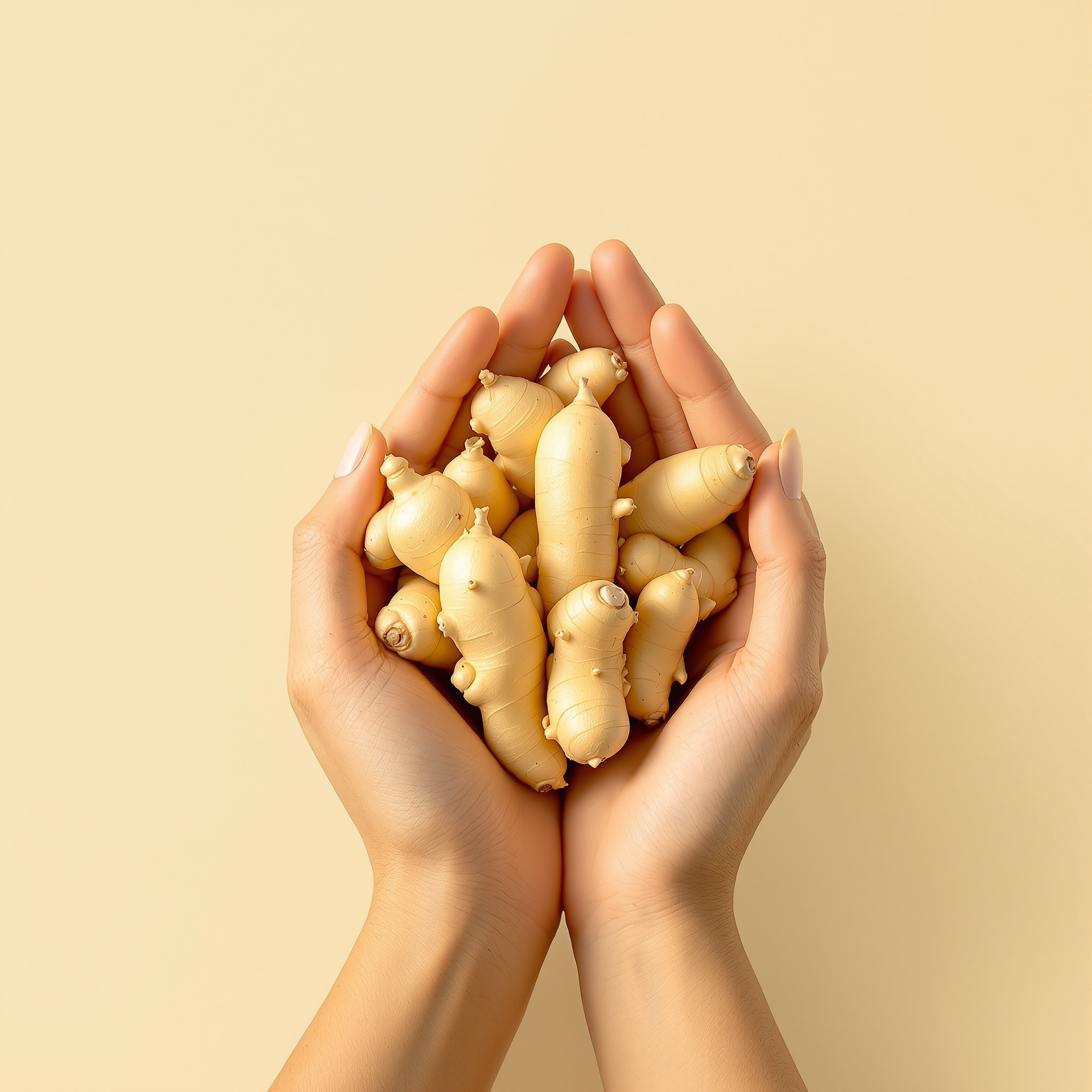
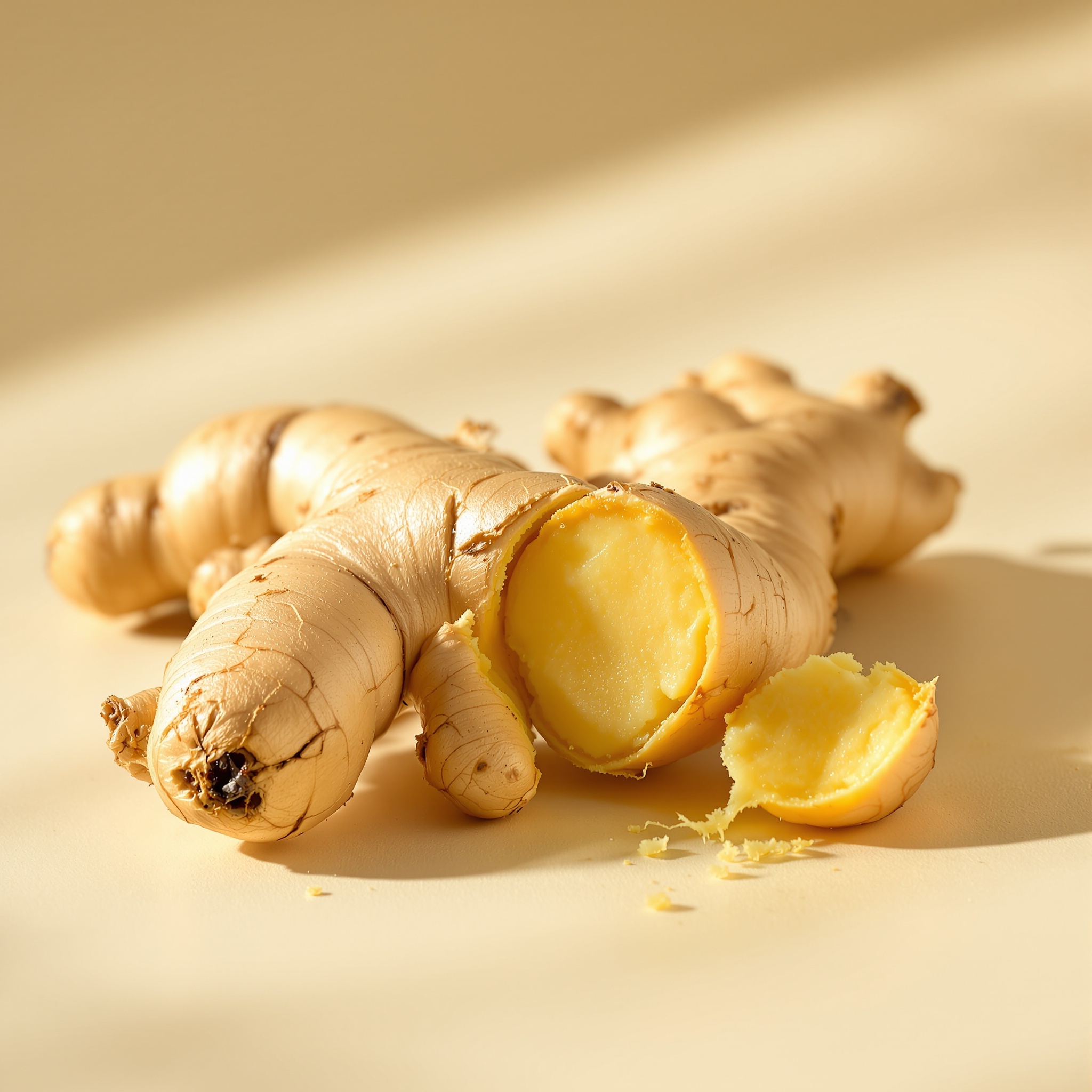
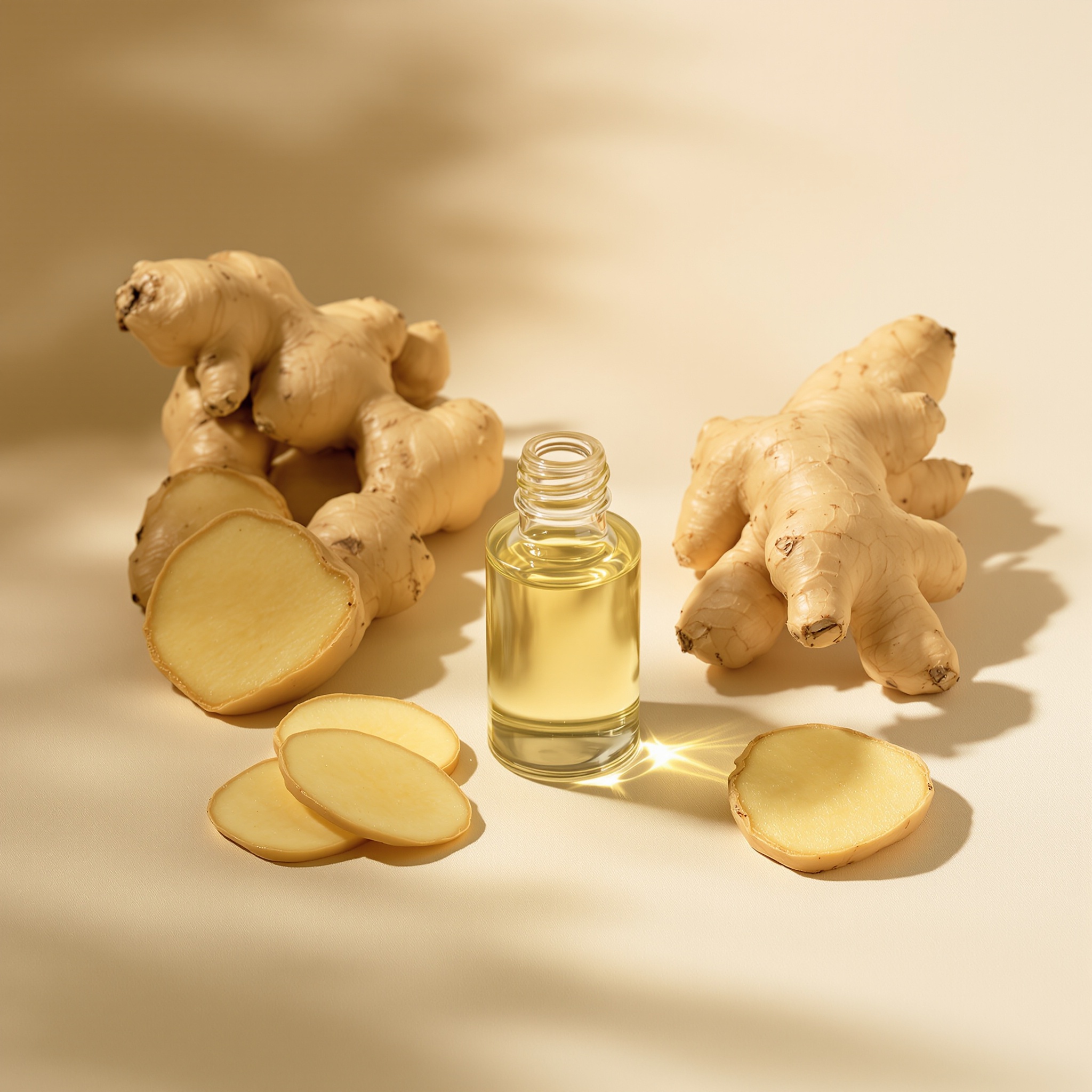
Nigerian Ginger
Dry African spice, warm root and pepper
What it is
Essential oil from the rhizome of Zingiber officinale grown in Nigeria, a leading producer whose root is noted for high pungency. The knobbly underground stems are dried, then steam- or hydro-distilled, yielding an oil rich in the sesquiterpene zingiberene with sesquiphellandrene close behind.
How it smells
Warm, dry and spicy with a rooty, woody body rather than the bright lemony lift of fresh ginger. Distilled from dried rhizome the oil reads grounded and earthy-peppery, faintly resinous, with a gentle fizzing heat. It opens spicy-warm and settles into a soft, woody-spiced base.
In perfumery
A middle-to-top note bringing warmth, dry spice and energy. It bridges citrus, woody and spicy materials, sparking fresh openings and adding a peppery glow to ambers and orientals. It pairs readily with bergamot, cardamom, sandalwood, vetiver and rose.
Good to know
Nigerian ginger is among the world's most pungent, and analysis of the dried oil places zingiberene near thirty percent of its makeup, with sesquiphellandrene close behind. Distilling dried versus fresh root yields different oils, the dried rootier and warmer, the fresh brighter and zestier.

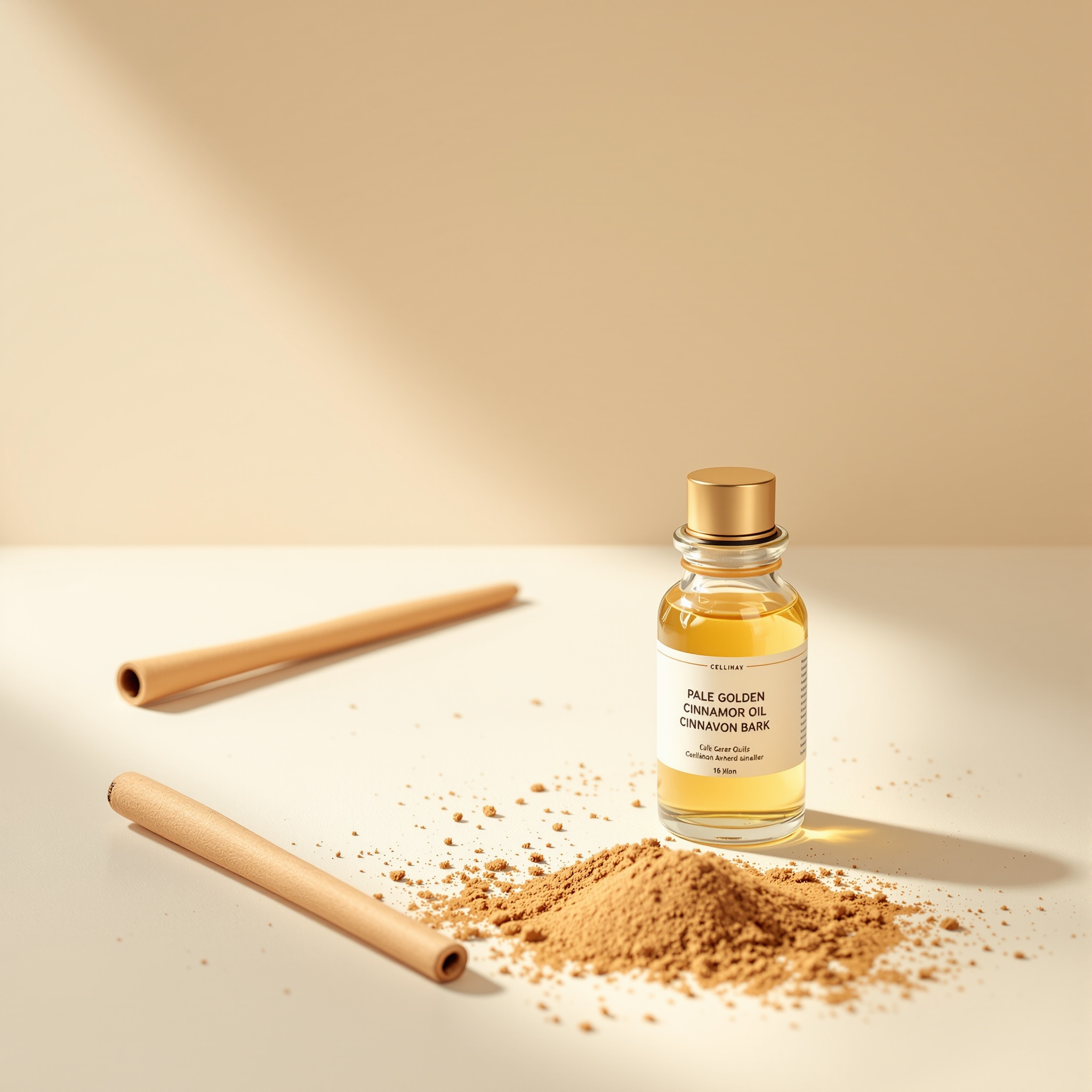
Ceylon Cinnamon
True cinnamon, gentle and warmly fragrant
What it is
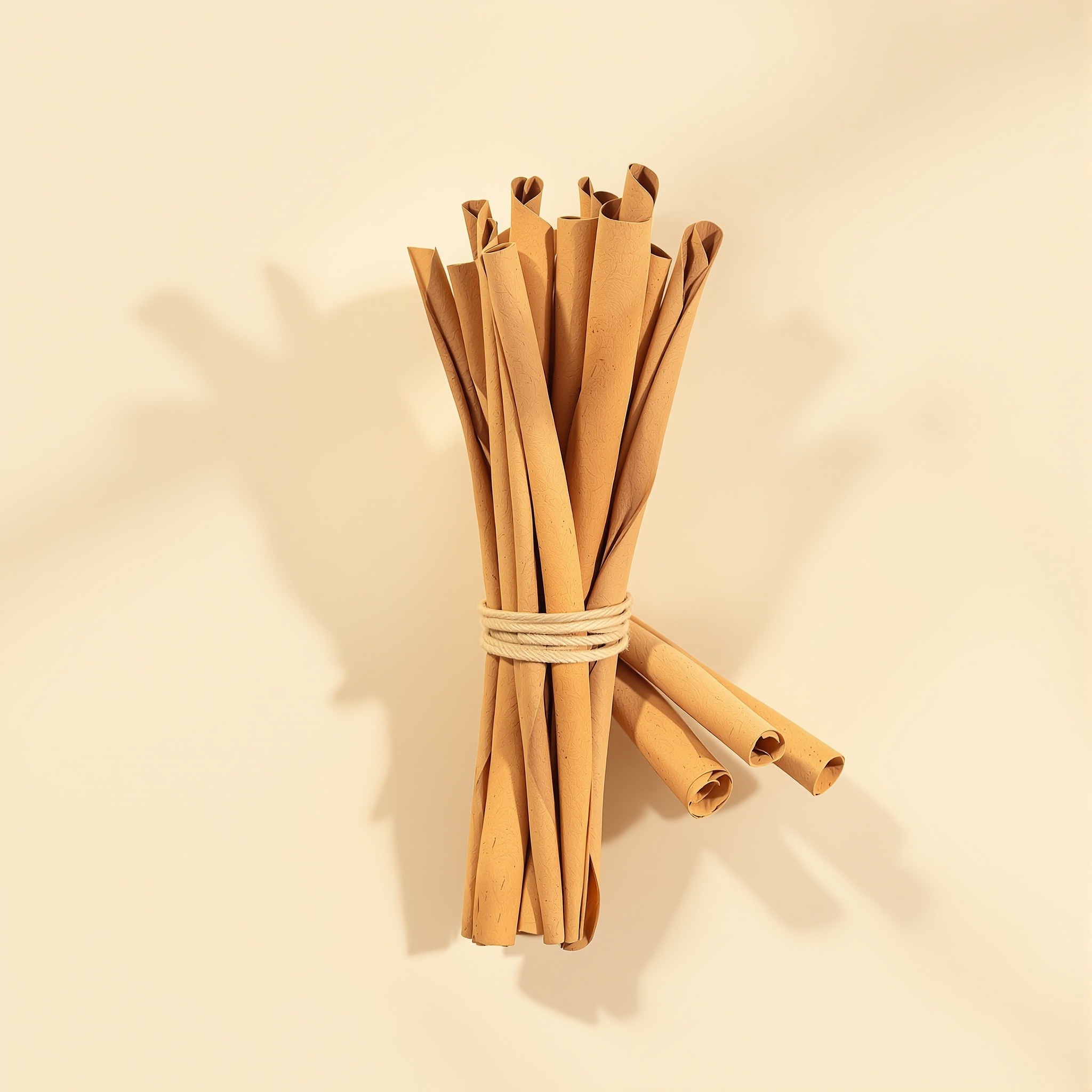
Ceylon cinnamon is the bark of Cinnamomum verum, native to Sri Lanka, the island once called Ceylon. Only the thin inner bark is used, peeled and hand-rolled into delicate papery quills through a craft passed down for generations. A bark oil is produced from it by steam distillation.
How it smells
Softer, sweeter and more complex than cassia, with a smooth warm-spicy heart. Cinnamaldehyde gives the familiar bakery warmth, while a higher eugenol content lends a clove-like, faintly floral and woody nuance. It opens bright and dries into a rounded, gently powdery sweetness without harsh bite.
In perfumery
Prized as a refined heart spice in orientals, gourmands, ambers and spiced florals. Its eugenol facet bridges into carnation and rose accords, and it pairs with vanilla, tonka, benzoin and citrus. Perfumers reach for its rounded warmth when cassia would read too harsh, lending festive, glowing depth.
Good to know
Genuine Ceylon cinnamon is far costlier and rarer than cassia, which dominates global trade. Its quills are pale, brittle and tightly rolled into many thin layers, unlike cassia's single thick curl. It contains markedly less coumarin, making it the spice favored for delicate work.
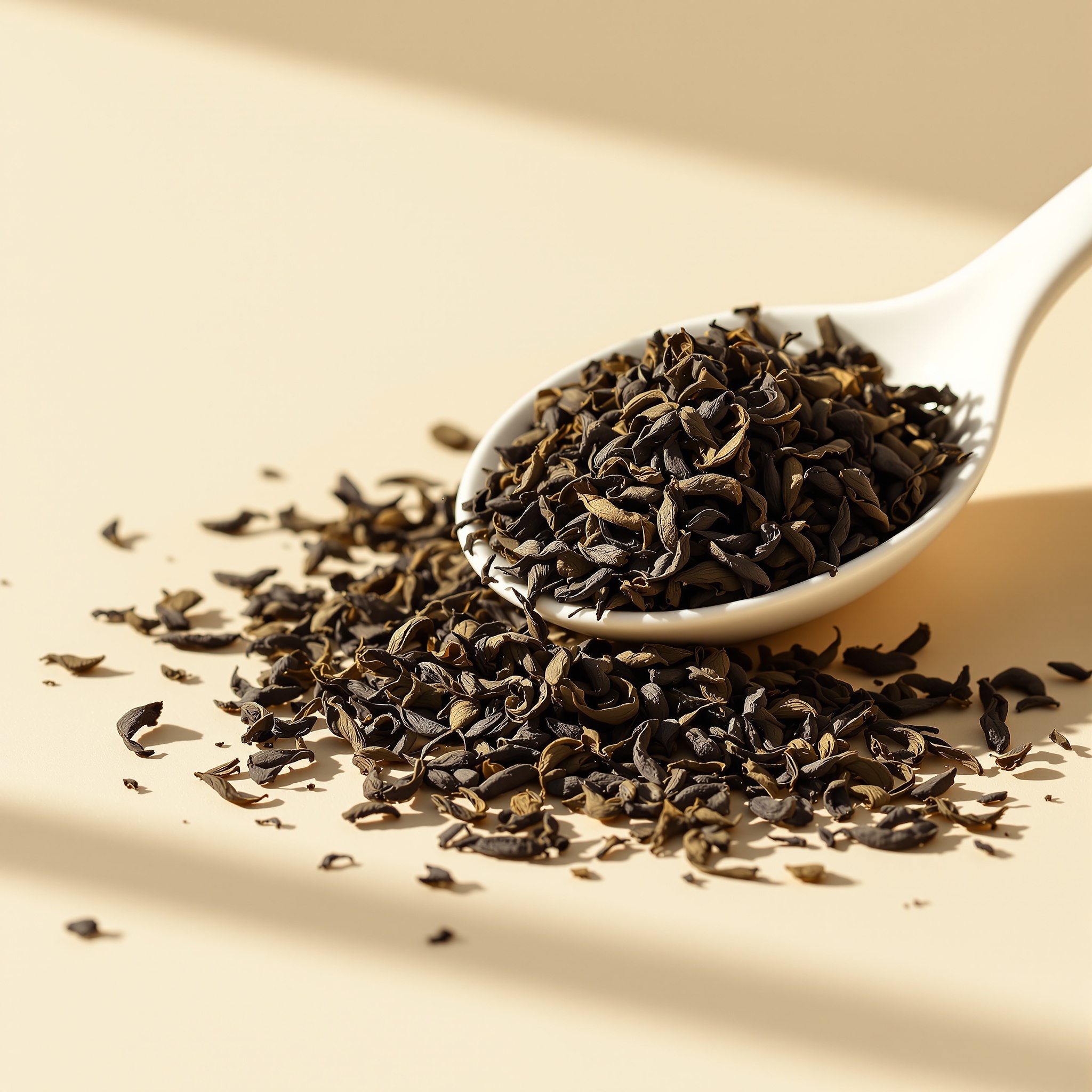
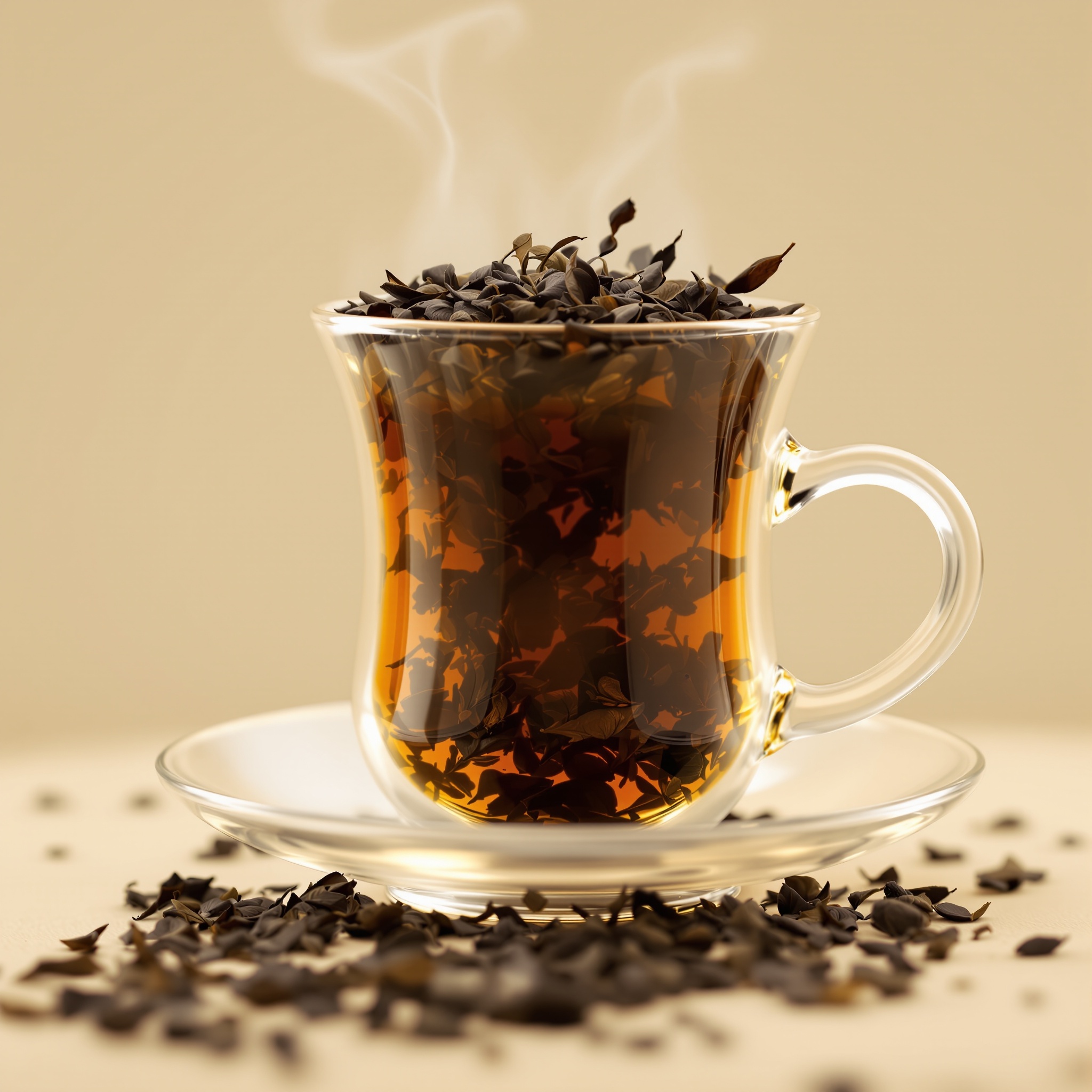
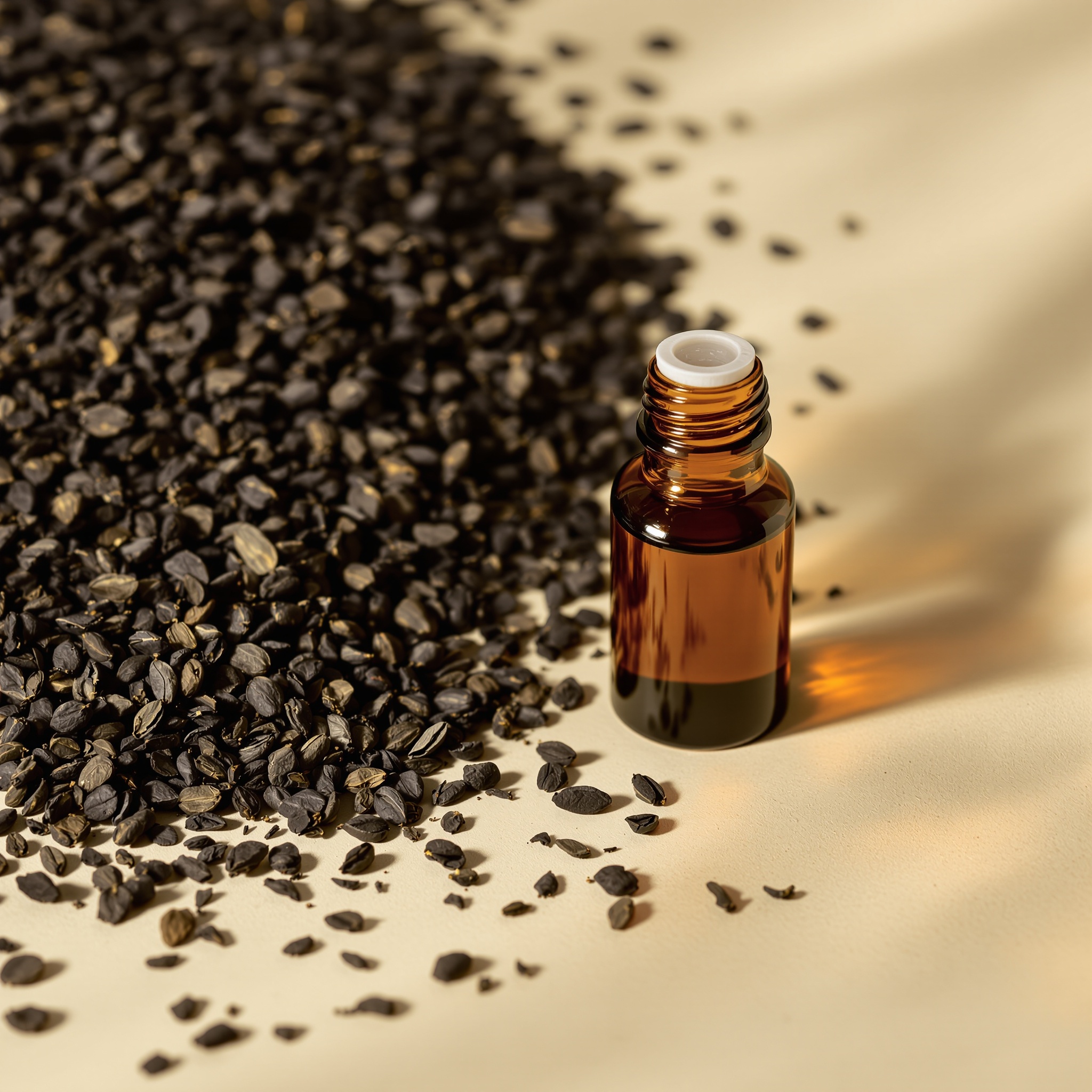
Chinese Black Tea
Tannic warmth steeping with hay and tobacco
What it is
Fully oxidized leaves of Camellia sinensis, long cultivated across China. Plucked leaves are withered, rolled, fully oxidized and dried, deepening their color and aroma. Perfumery draws on rare tea absolutes and CO2 extracts, though the note is most often rebuilt from aroma chemicals as an accord.
How it smells
Astringent and warm, sitting between rose and jasmine softened by powdery ionones. Dried-leaf bitterness carries hints of hay, tobacco and worn leather over a tannic dryness. It opens crisp and airy, then settles into a smoky, woody calm.
In perfumery
A versatile heart note that grounds compositions, its tannic edge balancing sweetness with powdery elegance and an airy, soothing lift. Built from ionones, theaspirane, tabanone and guaiacwood, it pairs with citrus, florals and woods, defining many modern tea fragrances.
Good to know
Genuine tea extracts exist from specialist naturals suppliers, but most tea notes are reconstructions because true extracts are scarce and costly. Theaspirane, identified in tea volatiles in the early 1970s, supplies the sharp metallic tannin, while tabanone adds a warm tobacco-and-acorn nuance.
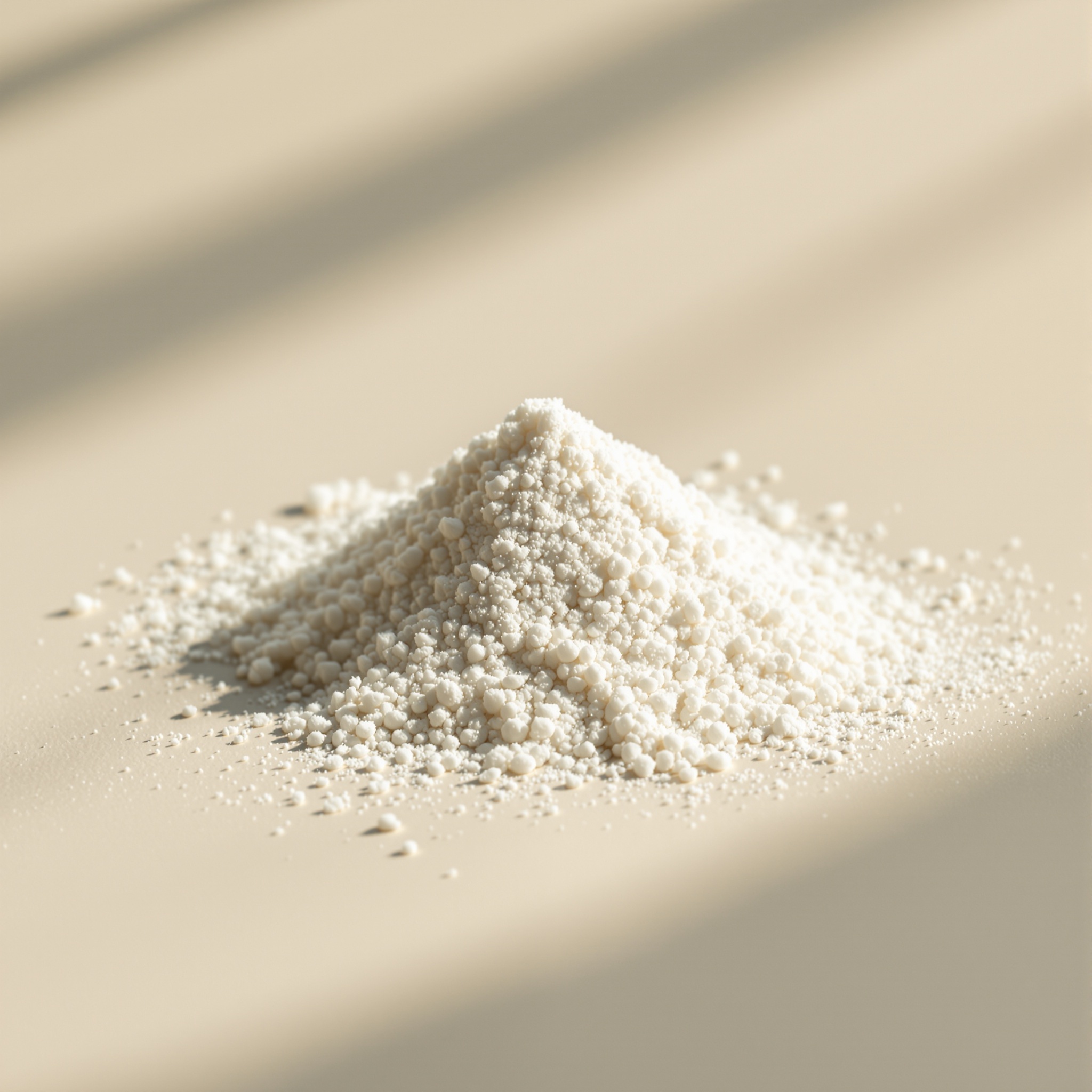
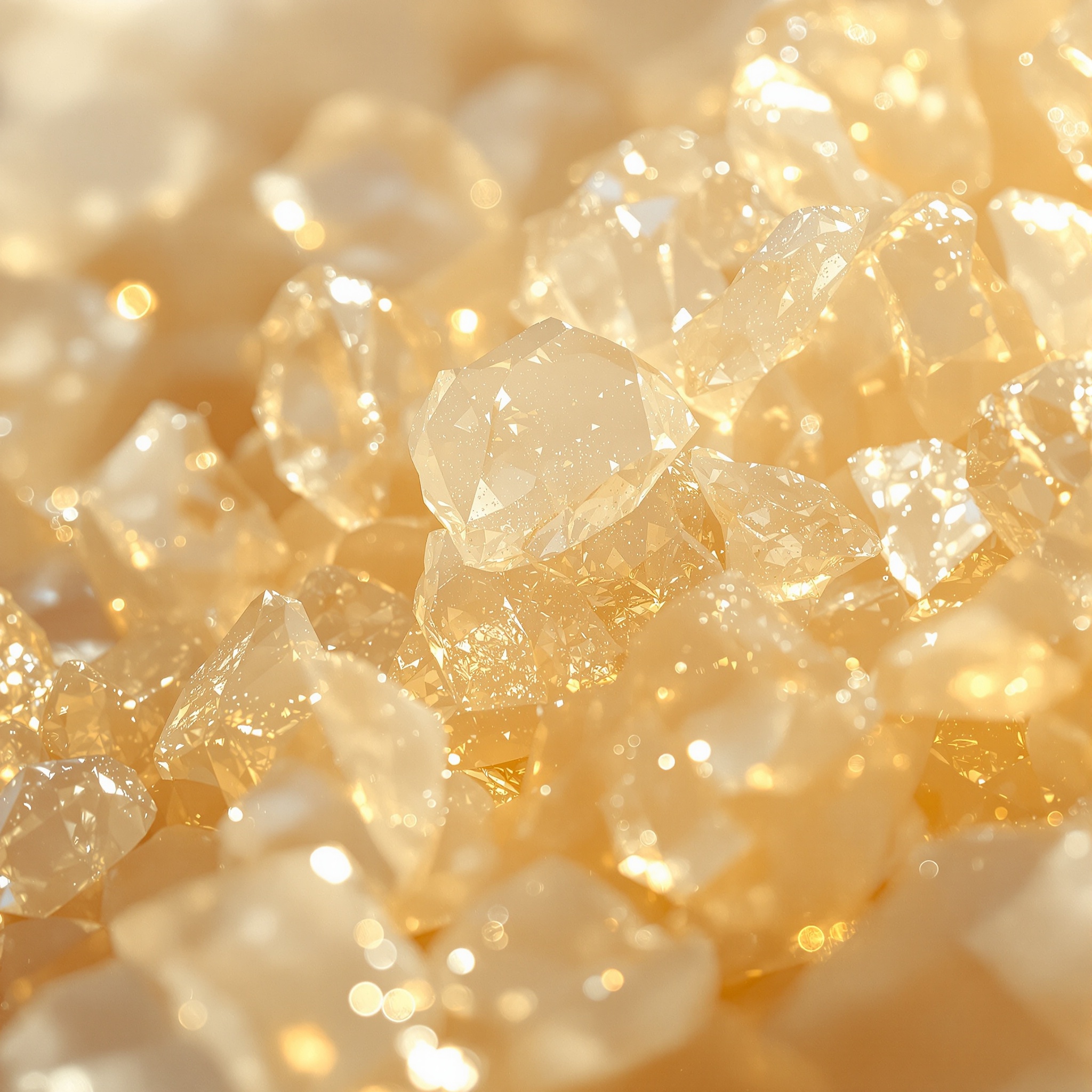
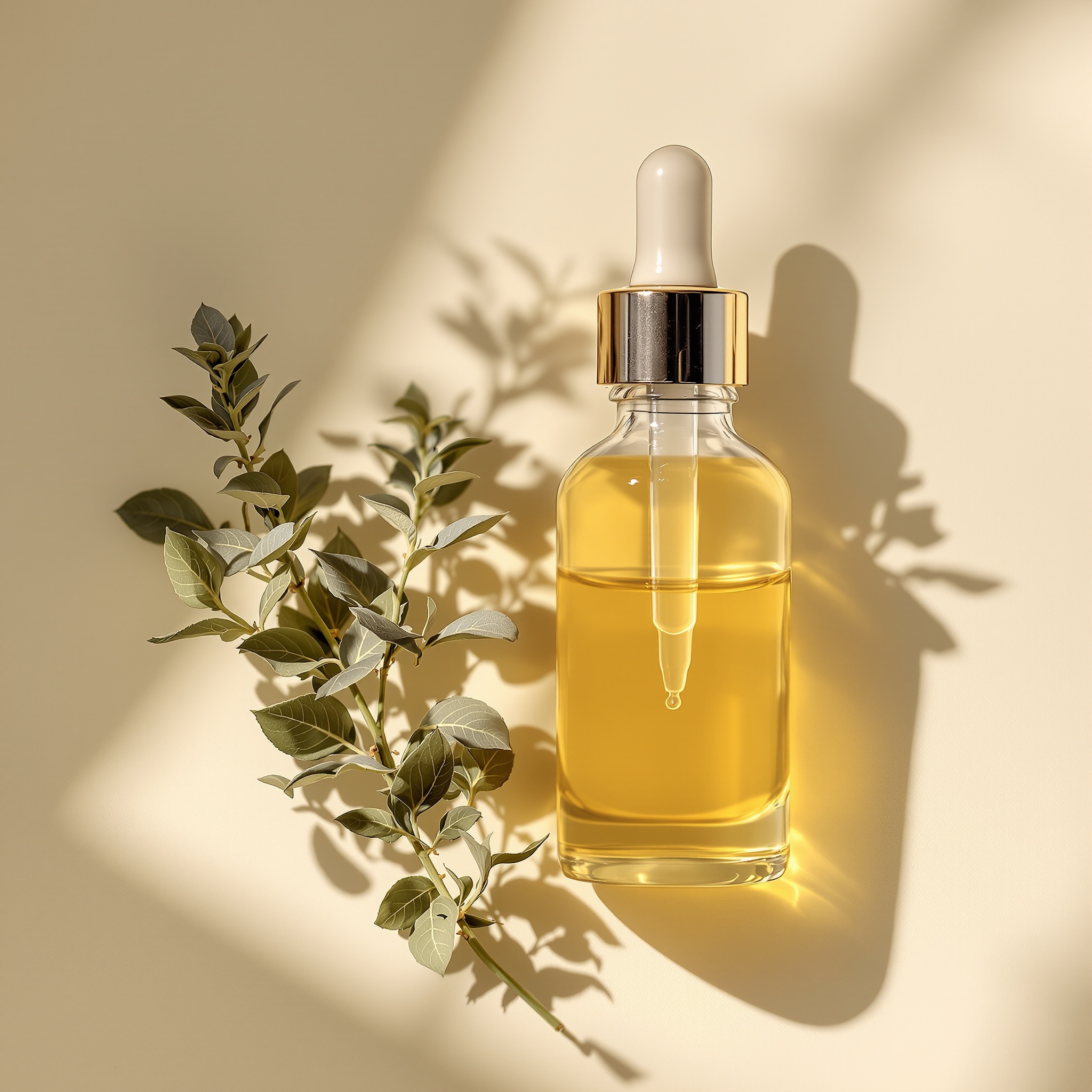
Ambroxan
Synthetic ambergris that glows like warm skin
What it is
Ambroxan is a synthetic aroma-chemical, a tetramethyl naphthofuran first made by Firmenich to mimic ambergris. It is semi-synthesised from sclareol, a molecule extracted from clary sage (Salvia sclarea), which is oxidatively degraded then cyclised into ambroxide. Modern biotech routes now ferment sclareol for higher yield.
How it smells
Dry, warm and ambery with a clean mineral-woody character, faintly salty and musky. It reads as soft skin, blond woods and a touch of velvety sweetness, almost odourless up close yet vast in projection. It diffuses without sharp edges, smelling like sun-warmed air.
In perfumery
A powerhouse base and fixative giving radiance, longevity and a skin-like glow, often used to amplify woods and ambers and to project a whole composition. It is the engine of countless modern fresh and ambery blockbusters and the near-solo star of several minimalist single-note compositions.
Good to know
Ambergris is a rare waxy substance formed in sperm whale guts and found washed ashore. Ambroxan delivers its key facet without harming whales, sidestepping legal and ethical issues. Firmenich's fermentation route, using clary sage enzymes expressed in microbes, made it cheaper and far greener to manufacture.
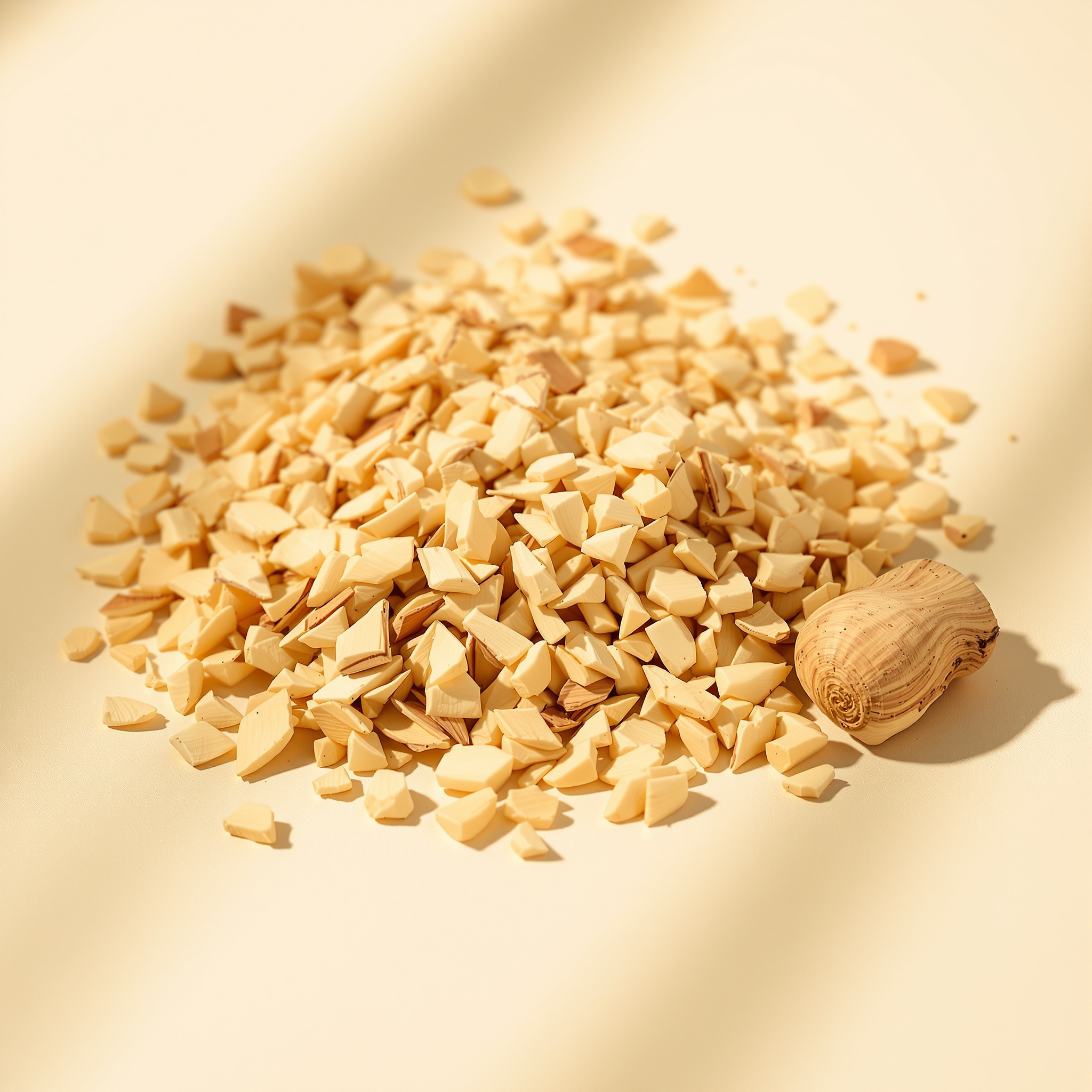
Guaiac Wood
Smoldering rosewood from the arid Gran Chaco
What it is
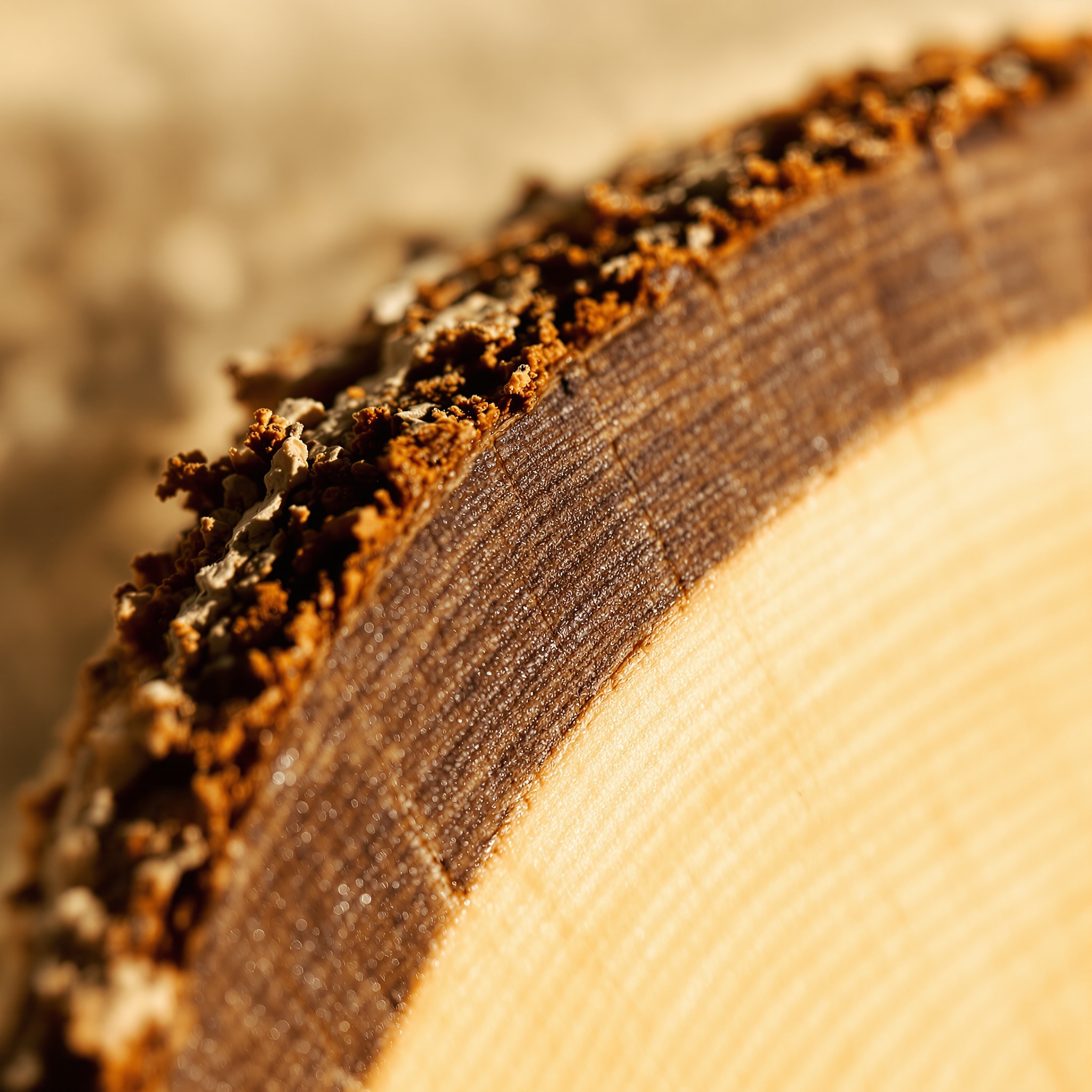
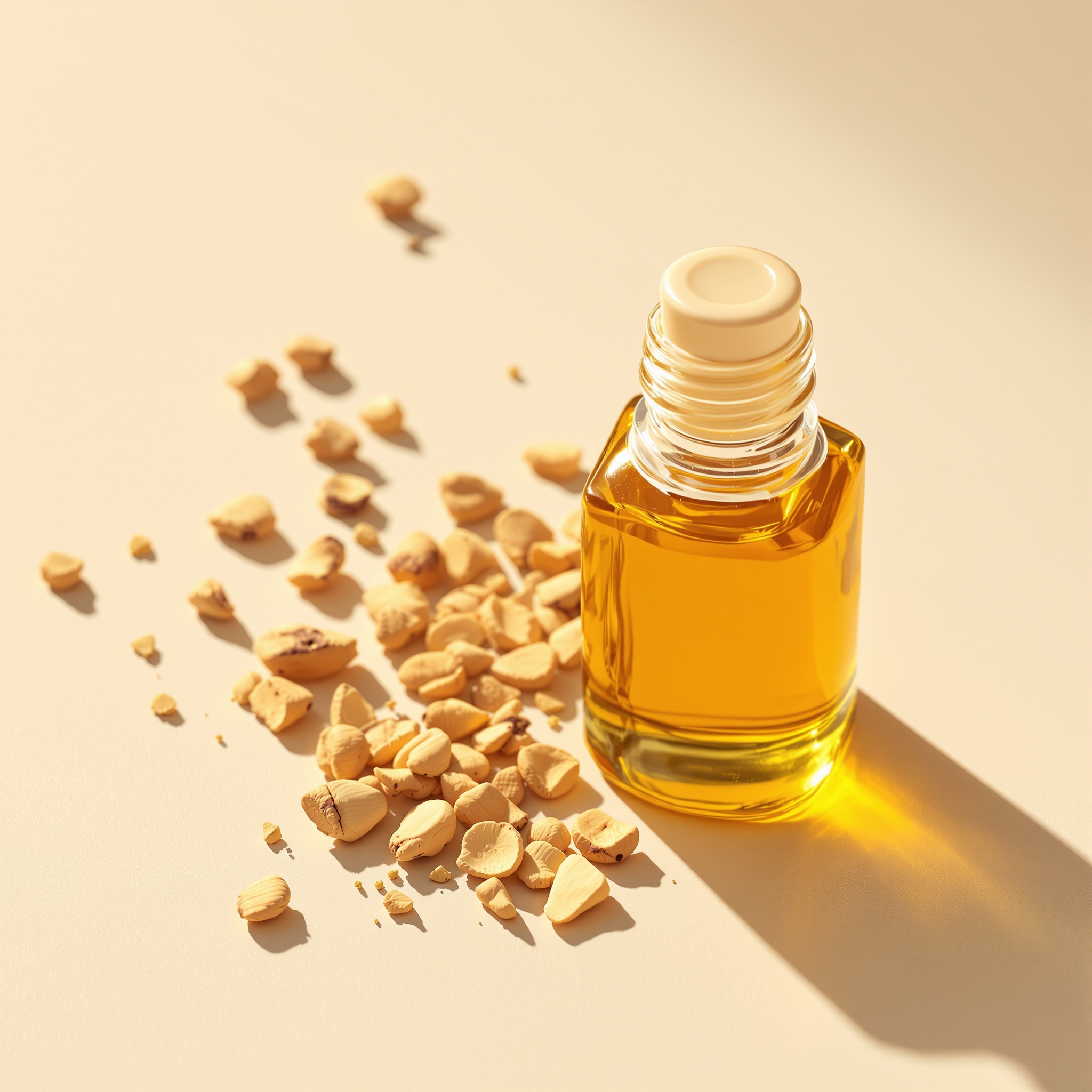
Guaiac wood oil comes from Bulnesia sarmientoi, a slow-growing hardwood of the Gran Chaco across Paraguay, Argentina and Bolivia. Chipped heartwood and sawdust are steam-distilled into a pale amber, waxy oil that solidifies at room temperature and melts close to skin warmth.
How it smells
Warm, smoky and balsamic, like a smoldering ember rather than open flame. A soft, sweet woodiness carries a distinct tea-rose facet, with powdery, peppery and faintly tar-like nuances. It dries down rounded and quietly creamy, blurring the line between wood and gentle incense.
In perfumery
A base note valued as much for fixative power as for scent, extending and grounding a blend. It rounds rough woods and smoky leathers, pairing with rose, vetiver and tobacco. Its hushed smokiness threads through many modern niche woody and oud-style compositions.
Good to know
Bulnesia sarmientoi has been on CITES Appendix II since 2010, so logs, extracts and oil need permits as overharvesting threatens the species. Sold as Argentine lignum vitae, it is a substitute for true lignum vitae, the unrelated Guaiacum genus listed by CITES decades earlier.
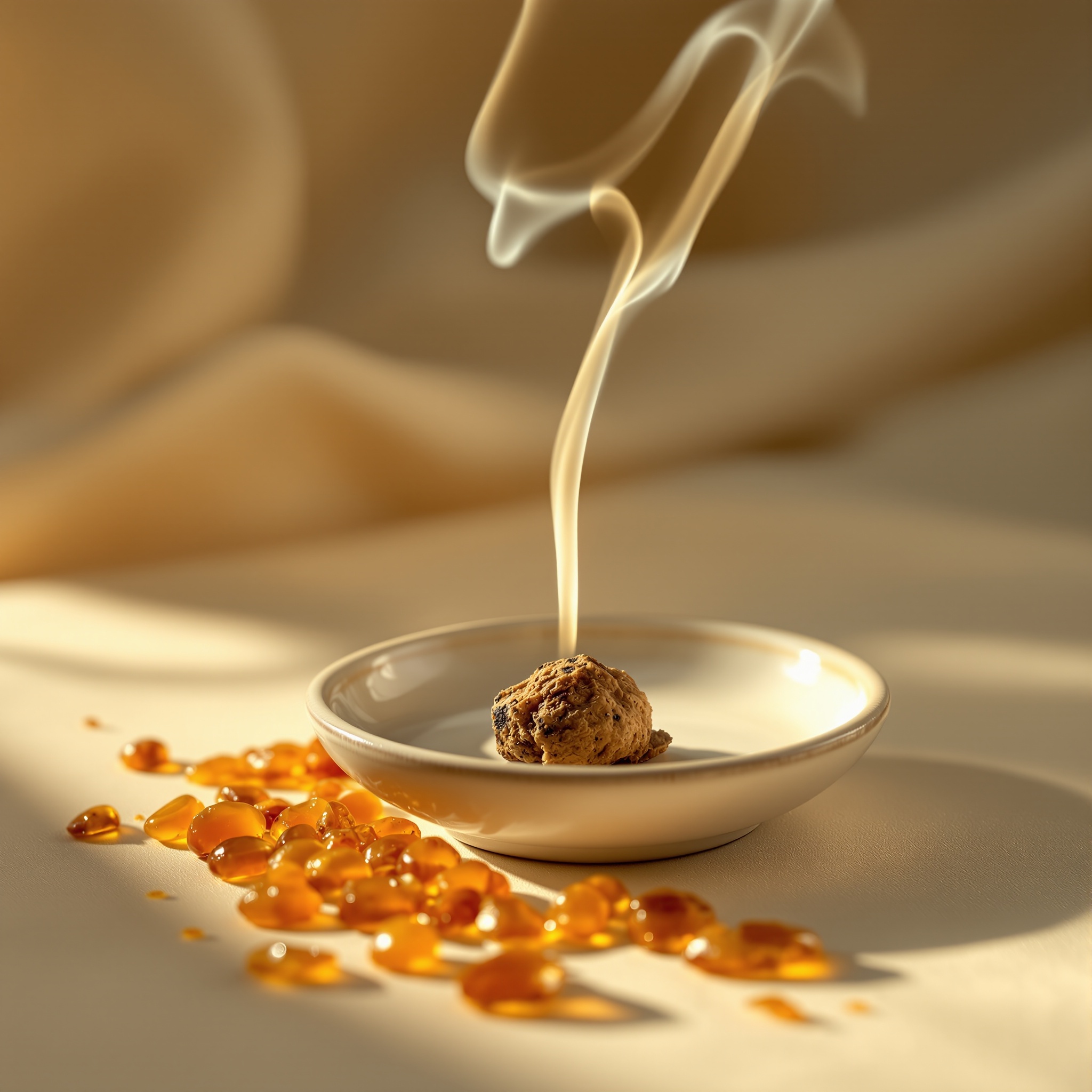
Olibanum
Sun-baked resin tears that smell of sacred smoke
What it is
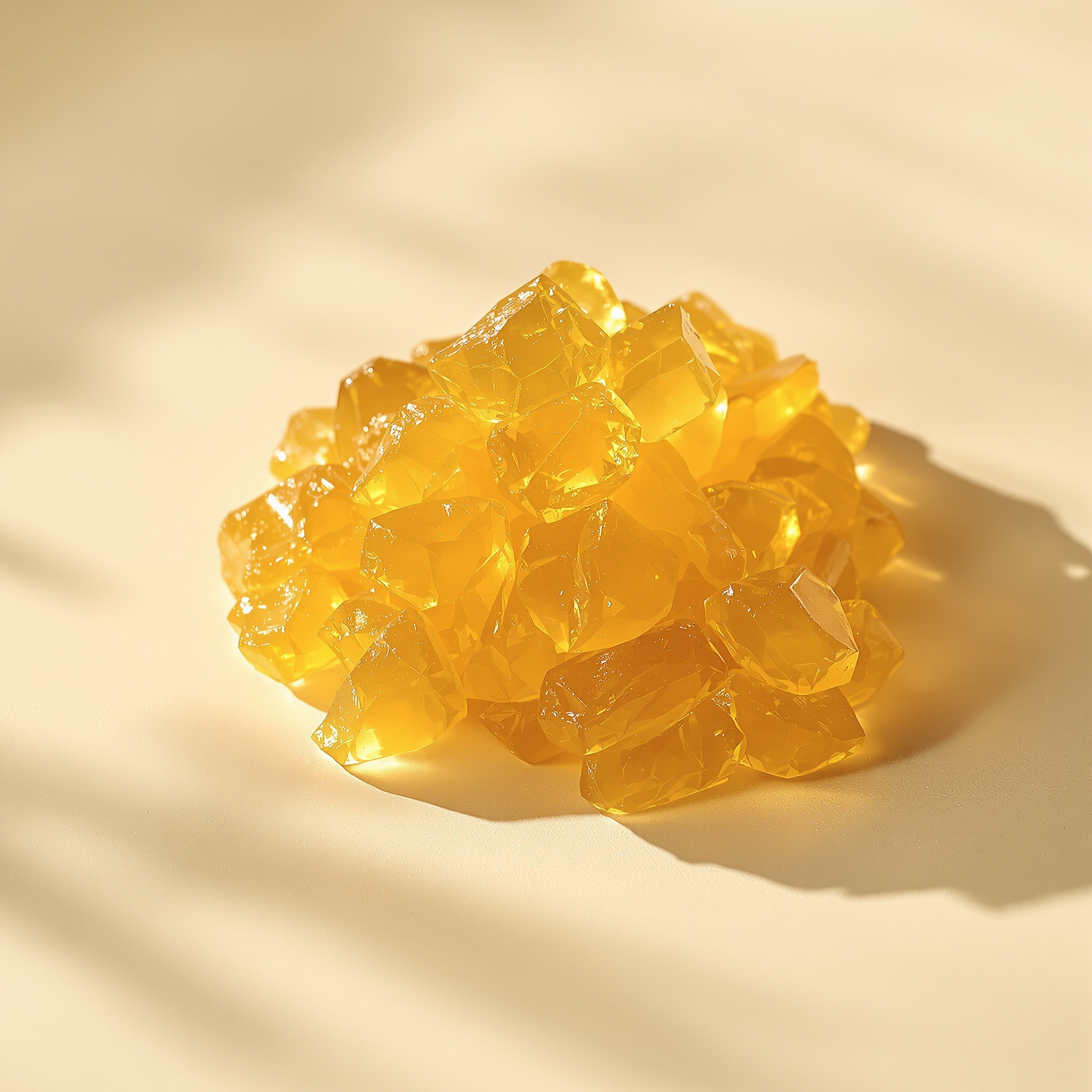
Olibanum is frankincense, the dried gum resin of Boswellia trees, chiefly Boswellia sacra and Boswellia carterii of Oman, Yemen and Somalia. Harvesters score the bark, and the milky sap bleeds out and hardens in the sun into amber tears that are then steam-distilled or solvent-extracted.
How it smells
Bright, dry and resinous, opening with cool lemon-pine and green terpenes over a balsamic warmth. Beneath runs peppery incense, a faint waxy sweetness and a smoky, slightly camphoraceous lift. As it dries it turns soft, ambery and meditative, recalling old stone churches and warm dust.
In perfumery
A versatile heart-to-base material prized in incense and oriental compositions, lending lift, cool radiance and a spiritual signature. It pairs with myrrh, rose, citrus and labdanum, and defines the smoky cathedral-incense and dry woody-incense styles built around it.
Good to know
Frankincense was once valued like gold and traded along Arabian caravan routes, and it appears in the Nativity story. Overtapping, overgrazing and pest damage now stress wild Boswellia stands, with Boswellia sacra listed as Near Threatened, raising real sustainability concerns for the trade.
Fragrance Character
The citrus trio arrives with genuine sharpness, the kind that prickles the nose for the first half-hour before Ceylon cinnamon and ginger begin to soften the edges. Neroli bridges the transition gracefully, its slightly soapy florality keeping things airy as the base assembles. Guaiac wood and olibanum add a faint smokiness underneath the ambroxan glow, which finally pulls everything close to skin, cool and faintly resinous.
Best Worn
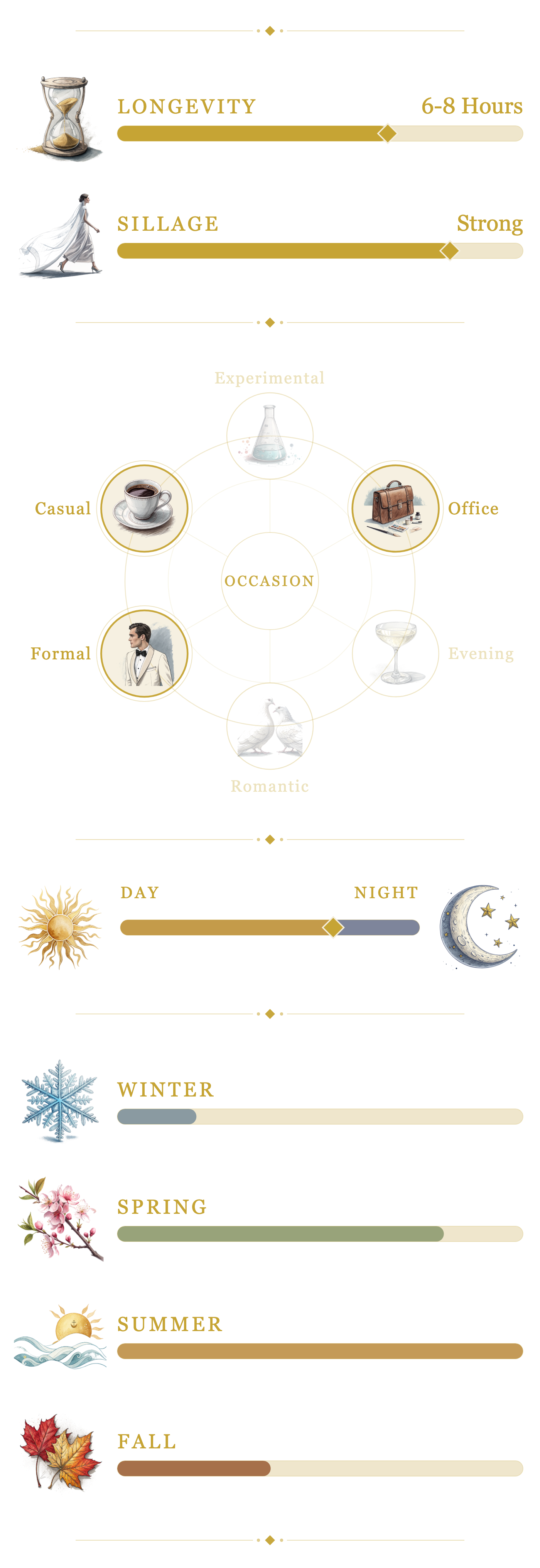
Best suited to summer heat, when the citrus reads as relief rather than opening act; equally at home at a rooftop dinner or a slow Saturday afternoon that bleeds into evening.
Why the Imagination Decant
Ambroxan sits at the centre of this formula in a way that reads very differently depending on skin chemistry, making a decant the only sensible way to know whether it turns radiant or soapy on yours.
Official Notes
Citron · Calabrian Bergamot · Sicilian Orange · Tunisian Neroli · Nigerian Ginger · Ceylon Cinnamon · Chinese Black Tea · Ambroxan · Guaiac Wood · Olibanum
Explore more: Ultra-Niche Perfume Decants · All Fragrance Decants
Choose options
The Vibe




Select your decant size

You are selecting a decant size, not the full bottle