


Louis Vuitton
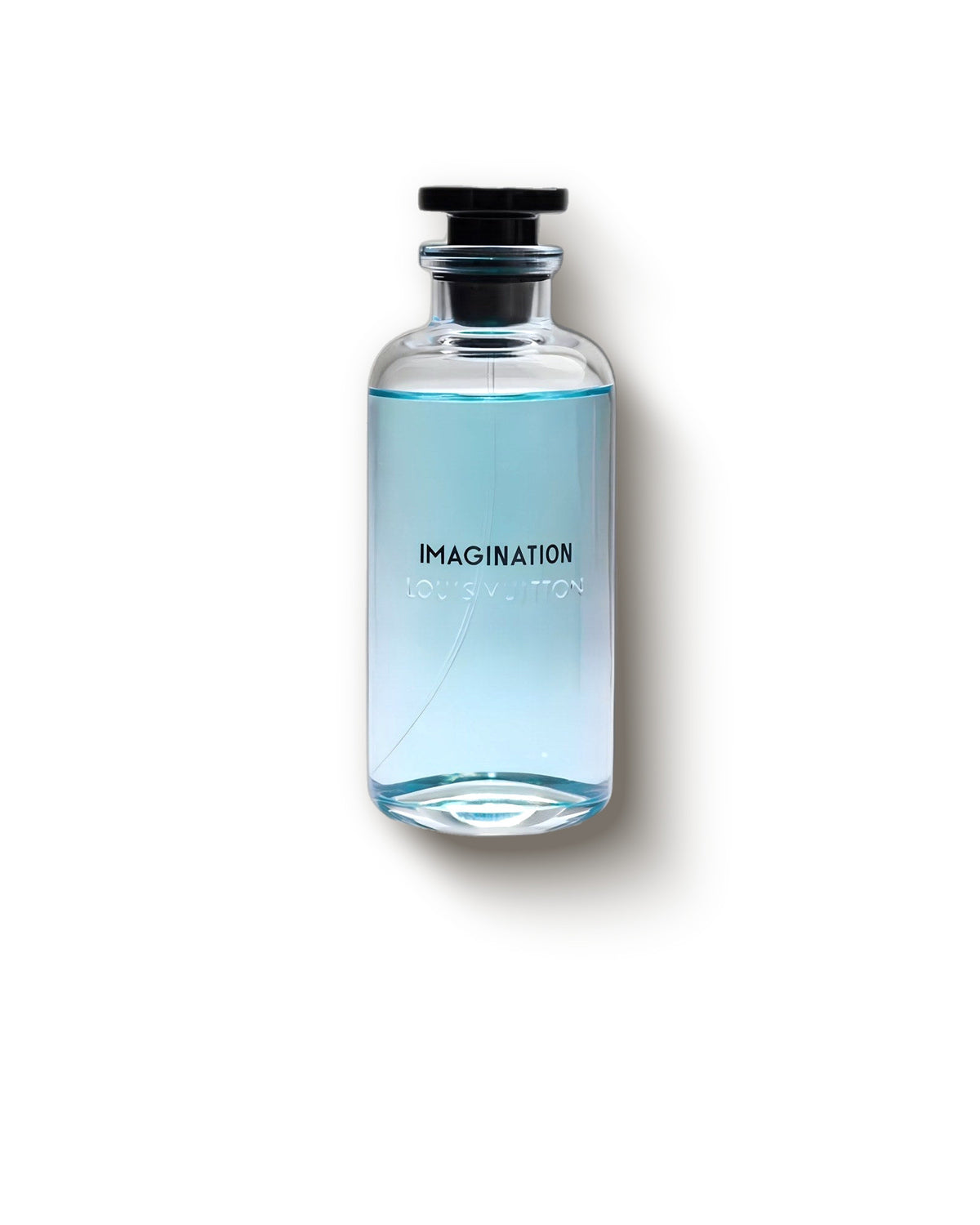
Imagination
The Story
Imagination was built around the idea of travel as something that changes a person, opening on citrus and turning on a rare Chinese black tea extracted with CO2, which brings in grass, straw and a faint edge of smoke. The result moves from daylight to resin without ever quite becoming a woody scent.


Citrus
First bright zest of morning
The juicy, rind-snapping brightness of lemon, bergamot, and orange peel, tart and effervescent with a clean bitter edge. It opens a scent with instant lift and sparkle, fresh and energizing, evaporating quickly like sunlight on water.


Fresh Spicy
Cool bite of cracked pepper
Pink pepper, cardamom and ginger, spice that prickles rather than warms. It fizzes near the top of a fragrance, dry and faceted, closer to crushed peppercorns and a split cardamom pod than to anything simmering in a kitchen. Bright, never comforting.


Fresh
Cold water, open air, washed skin
Cool water, laundered cotton, air with nothing in it yet. The lift can go citrus-zesty or salt-aquatic, but the effect is the same either way: it registers as clean rather than as a scent, the way a room reads different five minutes after you open a window.


Green
Sap on your hands after weeding
Snap a stem and this is what comes off: sappy, cool, a little bitter, more vegetable than floral. Cut grass, bruised leaves, the inside of a hedge after the shears. Nothing here is sweet.


Amber
Resin warmed until it goes sweet
Labdanum, benzoin and vanilla melted together into something sweet but dusky, like tree sap gone soft in the sun with a thread of incense smoke through it. Amber does not sparkle or shout. It sits close to the skin and gives off heat for hours.


Citron
The ancient knobbly citrus of dry, green light
What it is
Older than almost any citrus in cultivation, and the lemon's ancestor. Cut one open and there is barely any juice, just thick, knobbly, leathery rind, which is exactly where the oil lives. Cold-pressed, it is called cedrat.
How it smells
Lemon, but rounder and less acid, with a velvety weight behind the zest and a dry bitterness at the end. There is a small floral lift in there too. Polished is the word, where lemon is simply sharp.
In perfumery
A top note for colognes and modern citrus accords, brighter and drier than lemon, at home with neroli, petitgrain and green herbs. Under its French name, cedrat, it has a whole genre of fragrances named after it.
Good to know
One variety barely bothers with flesh, splitting instead into a cluster of yellow fingers. Buddha's hand, it is called, and in China and Japan it is placed on temple altars and used to scent rooms and clothes.


Calabrian Bergamot
The radiant top note born on one Italian coast
What it is
Almost every bergamot in every bottle comes from one strip of the Ionian coast around Reggio Calabria. The fruit is too sour to eat. It is grown for the oil pressed cold from its green-gold peel.
How it smells
Brighter than lemon but never as sharp: a sparkling citrus with floral lift, a faint spice, and a green bitterness that keeps the sweetness honest. There is tea in it too, which is not a coincidence.
In perfumery
This is the opening of a thousand colognes, and the reason is diplomatic: it gets citrus to sit down with florals, leather and moss without a fight. Earl Grey is black tea plus this same oil.
Good to know
What makes it sparkle can also burn: bergapten leaves skin hypersensitive to sunlight, so perfumers keep the dose low or strip the molecule out. Like a wine, the oil is protected by name, Bergamotto di Reggio Calabria.


Orange
Sun in the rind, bright and bittersweet
What it is
Squeeze a fresh peel and the mist that flies off it is the perfume material, pressed cold from the rind rather than distilled. Bitter orange is a separate tree, its blossom giving neroli and its leaves petitgrain.
How it smells
Sweet pulp over a rind that bites back. It opens sparkling, sunlit and briefly tart, then rounds off into something candied. Next to lemon it is warmer and softer, less a knife than a glass of juice.
In perfumery
Nearly always a top note: the burst is bright and gone within the hour. It works with neroli, bergamot, clove and warm spice, and carries Atelier Cologne Orange Sanguine and the whole eau de cologne tradition.
Good to know
Cold-pressed sweet orange peel carries almost none of the molecules behind citrus photosensitivity, so it is not treated as phototoxic the way bergamot, lime and bitter orange are. It is volatile, though, and oxidizes fast: brilliant, brief.


Tunisian Neroli
Cap Bon orange blossom, green and luminous
What it is
A tonne of hand-picked blossom goes into the still and about a kilo of oil comes out. These are bitter orange flowers from the Cap Bon peninsula, distilled within hours of picking, before they can turn.
How it smells
Green and honeyed, with a bitter metallic sparkle that is neroli's own signature and nothing else's. Set beside orange blossom absolute it is far less indolic, far less animal. Fresh and airy first, then waxy and transparent.
In perfumery
Cologne runs on this. It sits between the top and the heart, lending lift and a scrubbed, sunlit cleanliness, and it will hold a soliflore on its own. Bergamot, petitgrain and musk are its usual company.
Good to know
Nabeul works through thousands of tonnes of blossom each spring, and nothing is wasted. The water left in the still once the oil is skimmed off is orange flower water, long poured into North African pastries and drinks.


Nigerian Ginger
Ginger with the lemon dried out of it
What it is
Ginger from Nigeria, a leading producer, taken from the knobbly underground stems rather than anything above ground. The rhizomes are dried first, then distilled, which is the choice that decides what the oil will be.
How it smells
Warm and dry, with a rooty, woody body and a peppery fizz that builds rather than cuts. There is no lemon in it, none of the zing of the fresh root. It settles into a soft, spiced woodiness.
In perfumery
It sits high in the blend, bringing dry spice and energy to an opening. Ginger bridges citrus and wood, throwing a peppery glow over ambers, and it takes easily to bergamot, cardamom, sandalwood, vetiver and rose.
Good to know
Nigeria's crop is reckoned among the most pungent grown anywhere, and drying is what turns it woody. Distil the same rhizome fresh and the oil comes out bright and zesty instead. One plant, two materials.


Ceylon Cinnamon
Paper-thin quills of the true cinnamon
What it is
Only the thin inner bark is worth anything. Peelers strip it in Sri Lanka, the island once called Ceylon, and roll it by hand into fragile quills, layer inside layer. The oil comes from steam-distilling that bark.
How it smells
Sweeter and rounder than cassia, with none of the sting. Cinnamaldehyde supplies the bakery warmth while a heavier load of eugenol adds a clove-like, almost floral edge. It opens bright and settles powdery.
In perfumery
It behaves as a heart spice, warming ambers, gourmands and spiced florals from the inside, and perfumers choose it whenever cassia would burn through. The eugenol facet lets it slide sideways into carnation and rose accords.
Good to know
Cassia owns the world's cinnamon trade and this is the small remainder, costlier and harder to find. You can tell them apart by eye: many pale, brittle layers rolled tight, against cassia's single thick curl of dark bark.


Chinese Black Tea
Dry leaves, tannin and a whisper of smoke
What it is
Leaves withered, rolled, then left to oxidise right through: that is what turns them black and takes the smell from grassy to dark. China has done this for centuries. Real tea absolute is rare, so perfumery rebuilds it.
How it smells
Dry and astringent, the way the third cup of the pot tastes. Hay and worn leather sit under it, with a rose-and-jasmine softness held down by powder. It starts crisp and airy, then goes quiet, smoky and woody.
In perfumery
A heart note that does the job of a brake: its tannin cuts sweetness and keeps a floral from turning syrupy. Citrus lifts it, woods carry it, and most modern tea fragrances are some version of this balance.
Good to know
Two molecules add signature touches. Theaspirane throws a blackcurrant brightness over a cool green edge; tabanone brings tobacco and something like acorn. Ionones and guaiacwood fill in the powder and the wood around them.


Ambroxan
Synthetic ambergris that glows like warm skin
What it is
A molecule built to stand in for ambergris, and it starts in a field: clary sage yields sclareol, which is converted into ambroxide. Newer routes skip the plant: microbes ferment sugar into a precursor and an enzyme closes it into ambroxide.
How it smells
Put your nose right on it and there is almost nothing there. Step back and it fills the room: dry, warm, faintly salty, mineral, blond woods and sun-warmed skin. It diffuses without a single sharp edge.
In perfumery
Plenty of modern scents that seem to hang in the air owe it to this molecule. It pushes woods and ambers outward and hands a whole composition its reach. A few are built on almost nothing else.
Good to know
Real ambergris forms inside sperm whales and washes ashore when it does, a supply no one can plan. Ambroxan gives the part that matters, no whale involved, and the fermentation route made it far greener to produce.


Guaiac Wood
Smoldering wood with a tea-rose heart
What it is
The oil arrives as a solid. Guaiac is a slow-growing Gran Chaco hardwood whose chipped heartwood steam-distills to a pale amber, waxy oil, one that sets at room temperature and has to be warmed before it will pour.
How it smells
An ember, not an open flame. Warm, smoky and balsamic, with a sweet woodiness and a distinct tea-rose facet running through it, plus powdery, peppery, faintly tarry edges. It dries creamy, closer to incense than to timber.
In perfumery
It earns its place in the base twice over: as a scent, and as a fixative that stretches everything around it. It rounds rough woods and smoky leathers, and sits well with rose, vetiver and tobacco.
Good to know
Demand has outrun the forest. Overharvesting put the species under international protection, so logs, extract and oil all travel on permits. It is still traded, just closely counted.


Olibanum
Sun-baked resin tears that smell of sacred smoke
What it is
Olibanum and frankincense are the same thing, one word older than the other. Harvesters score the bark of Boswellia trees in Oman, Yemen and Somalia; the milky sap bleeds out and hardens in the sun into amber tears.
How it smells
Bright and dry, lemon-peel and pine over a balsamic warmth, with pepper and a cool camphor lift running through it. It softens as it goes, turning ambery and still. Old stone, warm dust, an empty church.
In perfumery
Perfumers reach for it when a blend needs air: it gives incense and amber compositions lift and a cool radiance rather than weight. Myrrh, rose, citrus and labdanum all sit comfortably beside it.
Good to know
Frankincense was once valued like gold and moved north along the Arabian caravan roads, which is why it turns up in the Nativity. Overtapping, overgrazing and beetle damage are now thinning the wild stands.
Fragrance Character
The citrus trio arrives with genuine sharpness, the kind that prickles the nose for the first half-hour before Ceylon cinnamon and ginger begin to soften the edges. Neroli bridges the transition gracefully, its slightly soapy florality keeping things airy as the base assembles. Guaiac wood and olibanum add a faint smokiness underneath the ambroxan glow, which finally pulls everything close to skin, cool and faintly resinous.


Longevity
how long it stays on skin
The hourglass reads wear time: how many hours the fragrance keeps speaking before it fades. A bar that barely leaves the start means a few fleeting hours. One that runs the full length carries from morning into evening. Treat it as typical, not promised. Oily skin holds scent far longer than dry.


Sillage
the size of its scent trail
Sillage is French for a ship's wake, and that is exactly what this measures: how much of the scent reaches the room instead of staying on you. Low is a whisper only close friends catch. Enormous fills the room, then keeps filling it after you leave.


Experimental
Built to provoke, not to please
Some perfumes are made to be liked. These are made to be argued about: inky tar, hot rubber, fruit on the turn, metal and fur where you expected flowers. The coin glows for a scent that provokes and dims for one that plays it safe, which is sometimes the point.


Office
Polished, and never louder than the room
Scent is manners in a shared room. At this range it should reach the person across the desk and stop there: tidy citrus, soft musk, pale woods, all of it reading competent and considerate. A glowing coin means nobody has to mention it. A dim one means it travels.


Evening
After dark, when it deepens
Dinner, drinks, the night that runs long. Low light is where ambers, resins and smoky woods stop being polite, and where a plush floral finally blooms. A glowing coin means it is waiting for exactly this hour. A dim one means it did its best work in daylight.


Romantic
Close enough to be felt
A fragrance can hum against skin instead of announcing itself across a table. That is the register here: creamy florals, vanilla, soft musk, a thread of spice, warm enough to make someone lean in. The coin glows when a scent sets that mood and dims when it is more practical than seductive.


Formal
Quiet authority in a dressed-up room
A wedding, a ceremony, a room where everyone has thought about their shoes. What works here is structure, not volume: smooth woods, disciplined florals, soft leather. A glowing coin means it holds its posture all evening. A dim one means it is too casual for the room.


Casual
Easy comfort for unhurried days
Errands, coffee, a slow Saturday with nowhere to be. Nothing here has to impress anyone, so the fit is soft and easy: fresh citrus, light woods, a little warmth off the skin. A glowing coin says yes to all that. A dim one means the fragrance is asking for a bigger night.


Day to Night
where its mood naturally falls
A bar running from sun to moon, reading the hour the fragrance was made for. The more of it that stays gold, the more the scent belongs to daylight and open air. The further the blue reaches back toward the sun, the deeper and warmer it turns: evening, candlelight, low rooms.


Winter
Warmth that carries through cold air
Cold air mutes a fragrance and slows it down, which is why winter belongs to the dense and the warm: resin, smoke, vanilla, leather, ambered spice. The bar reads how well this one pushes back, glowing against the chill instead of thinning out in it.


Spring
Fresh blooms in mild, rising warmth
Mild, humid air lifts a light composition, so the season belongs to dewy florals, green stems, soft powder and citrus you can see through. Alive rather than heavy. The further the green runs along the bar, the more comfortably this one wears in that weather.


Summer
Bright and airy in real heat
Heat does the projecting for you, which is why the wrong perfume turns unbearable by noon. What survives is cool and breathable: sharp citrus, salt air, aromatic herbs, water. Things that refresh instead of cloy. A short bar here means save it for cooler months.


Fall
Spiced warmth for cooling days
As the air cools, the rich materials stop smothering and start reading clearly: dry woods, warm spice, tobacco, amber, fruit gone golden. It is the season perfume turns contemplative. The bar fills according to how naturally this one settles into crisp, cooling days.
Best Worn
Best suited to summer heat, when the citrus reads as relief rather than opening act; equally at home at a rooftop dinner or a slow Saturday afternoon that bleeds into evening.
Choose options
The Vibe


The Nose
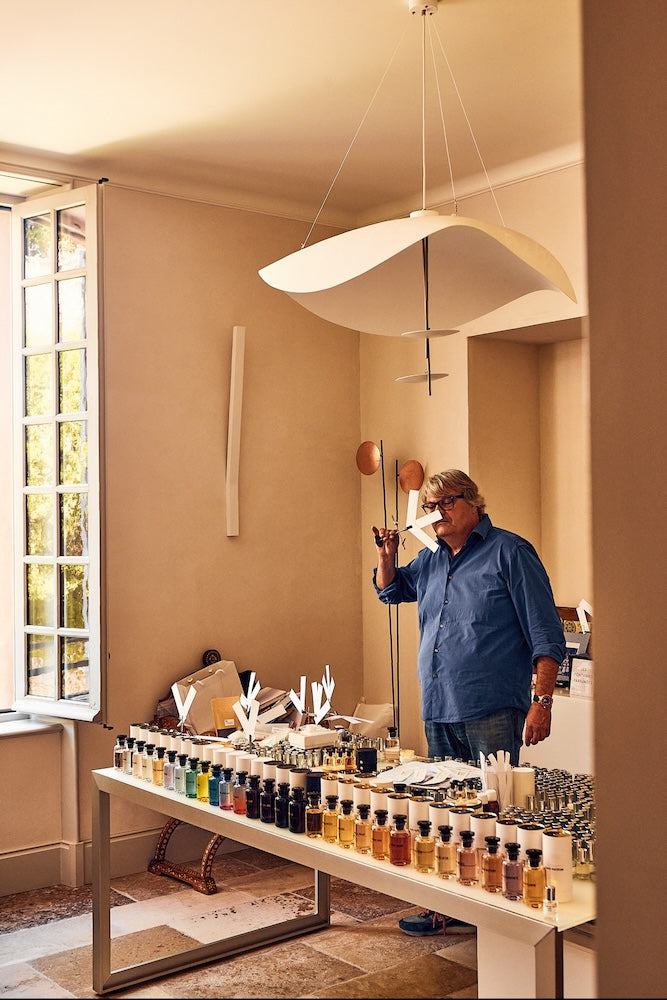
Jacques Cavallier Belletrud
Master perfumer
Born in Grasse to a family of perfumers, he joined Firmenich in 1990 and became Louis Vuitton's in-house perfumer in 2012. He composed Issey Miyake L'Eau d'Issey, Jean Paul Gaultier Classique, Yves Saint Laurent Opium pour Homme, Lancôme Poême and Louis Vuitton L'Immensité.
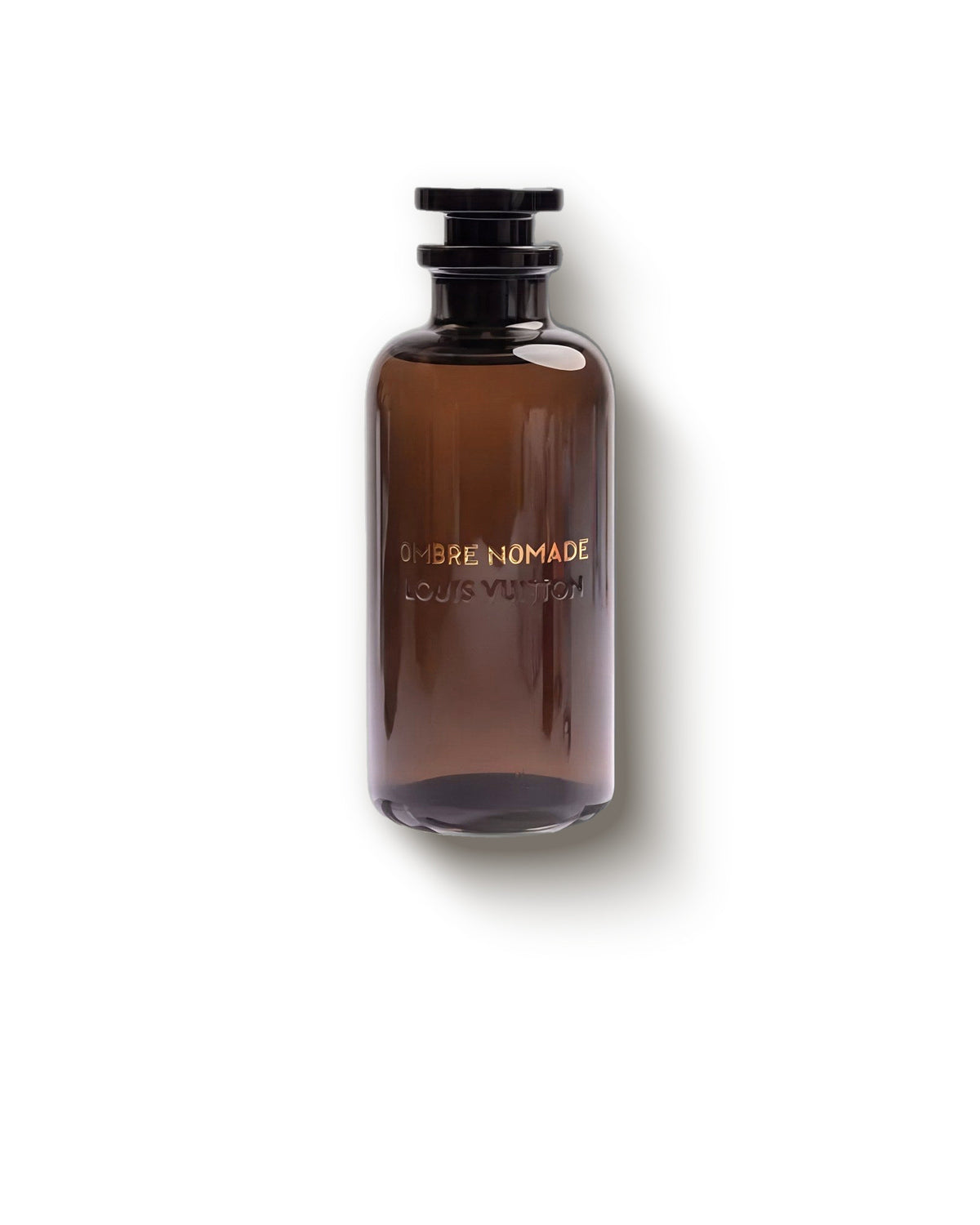
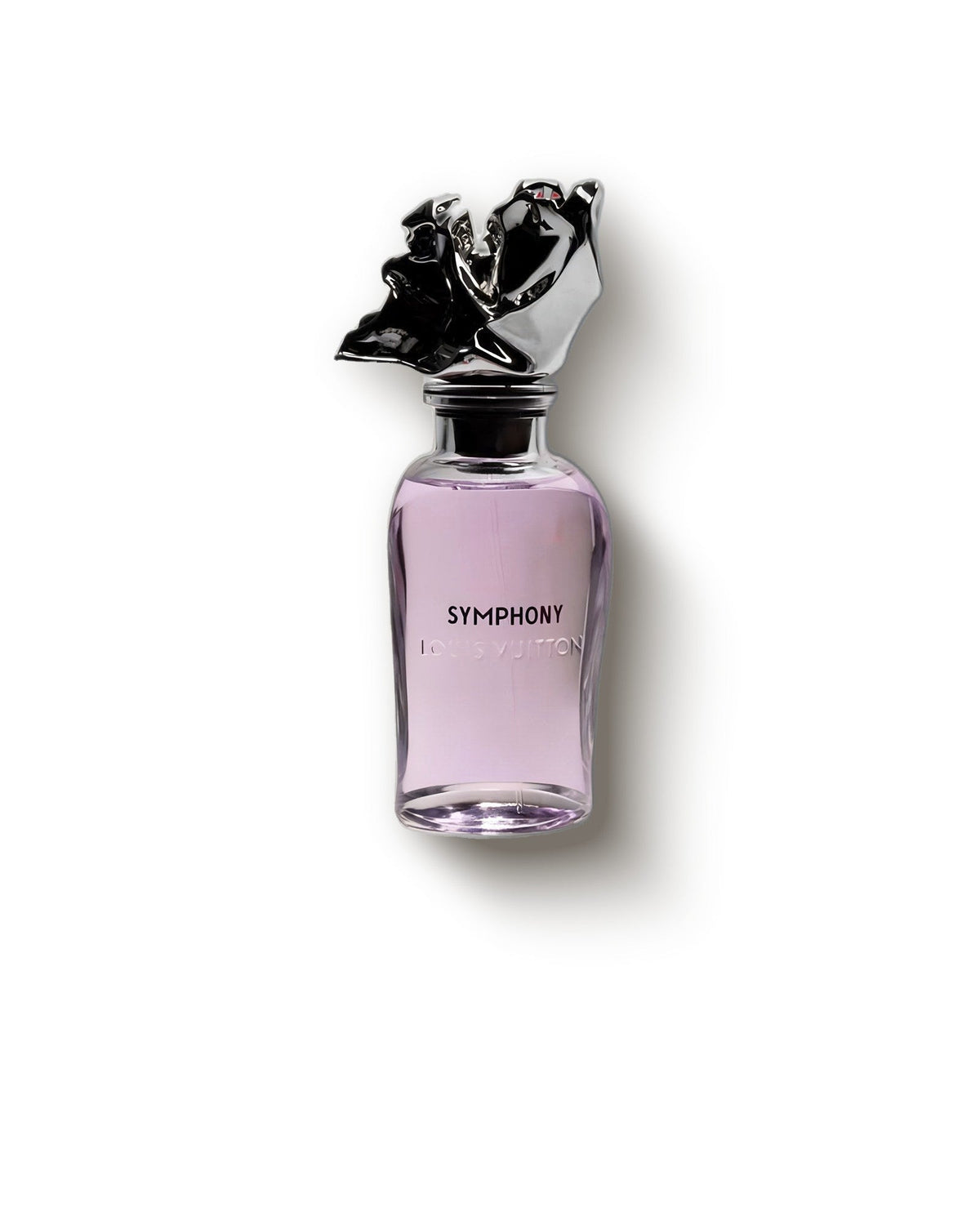
More by this noseOmbre NomadeSymphonyAttrape-Rêves
The Maison

Ombre Nomade’s smoked oud and Attrape-Rêves’ lychee daydream, so the skin test costs a coffee.
Louis Vuitton perfumery trades in mood and travel, a fragrance meant to feel like a passport stamp rather than a note pyramid. The range swings from sun struck citrus to a dense smoky oud built for a long evening, all of it carrying the same polished, unhurried confidence.
- Origin
- Paris, France
- Founded
- 1854, perfumes relaunched in 2016
- Known for
- Ombre Nomade, Attrape-Rêves

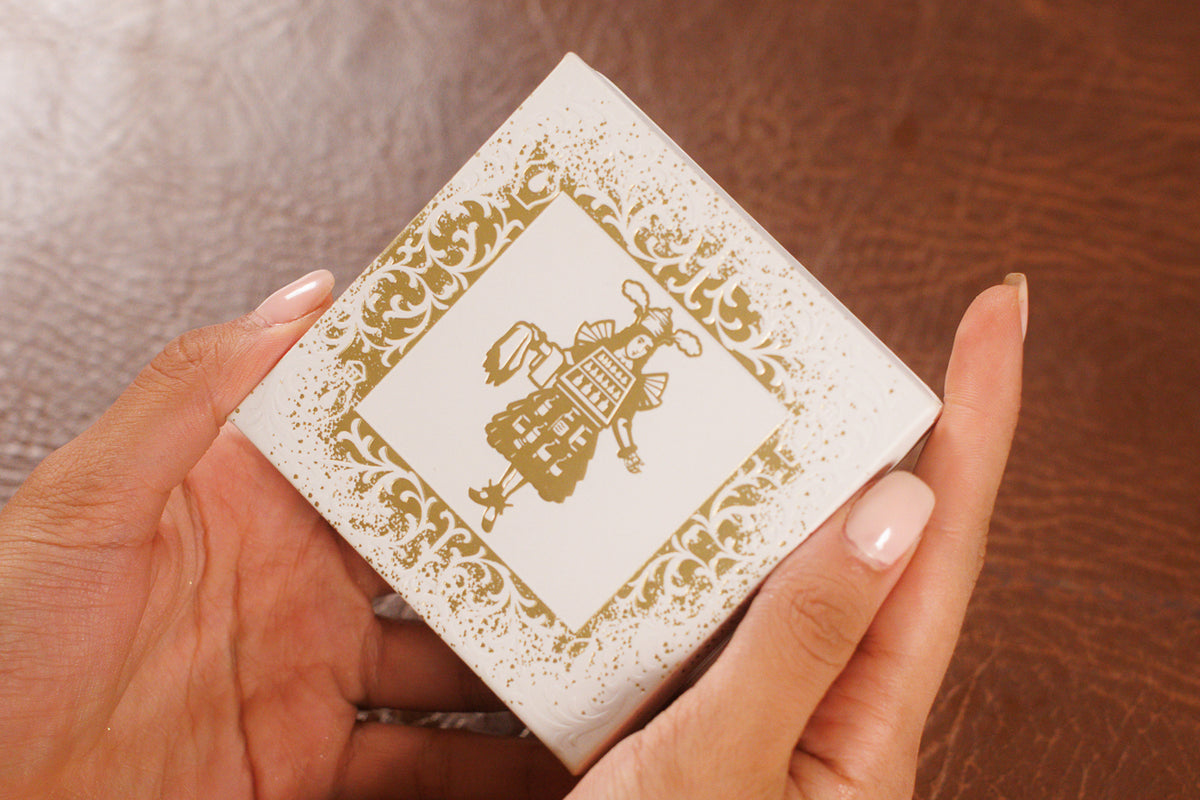
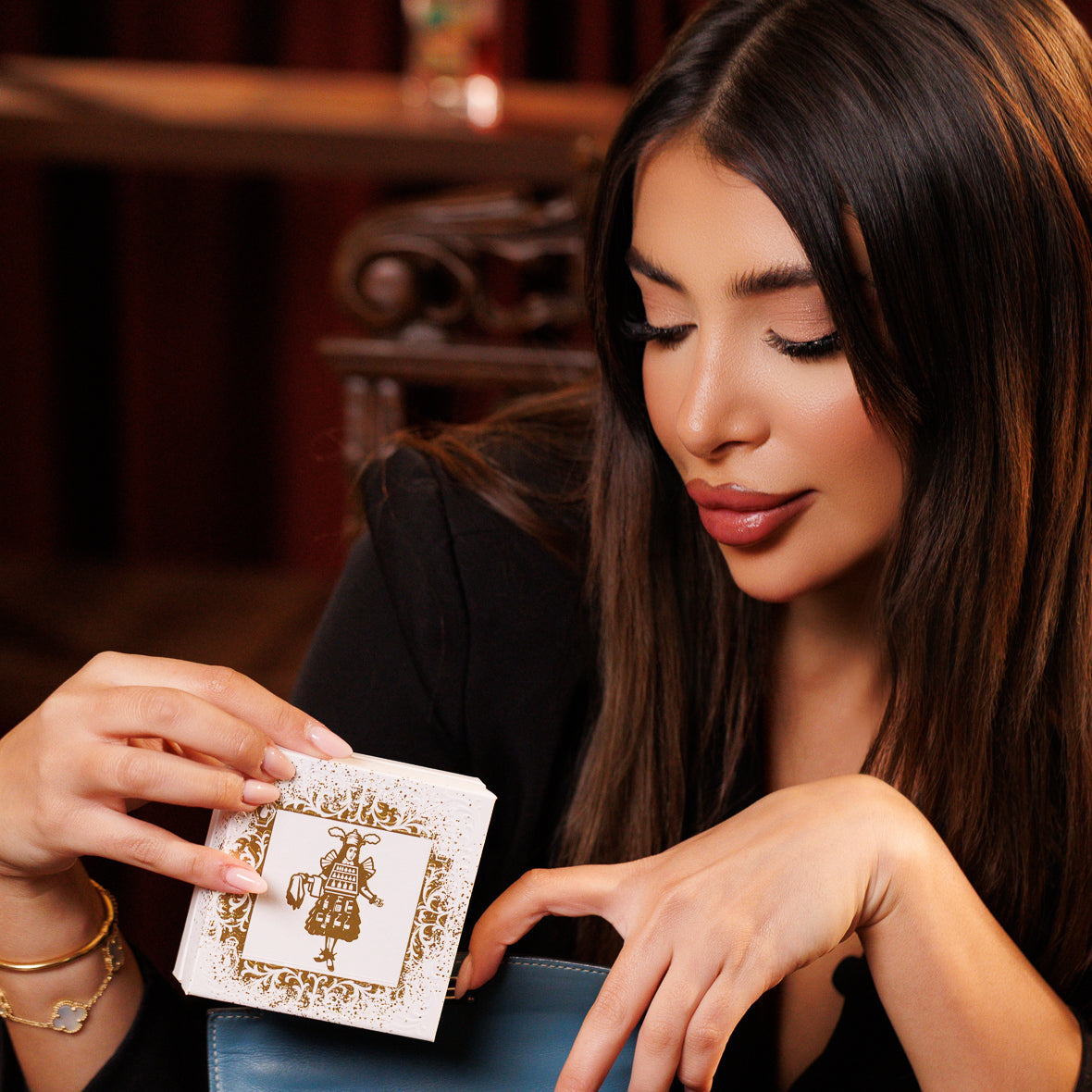
EVERY DECANT
From the original bottle to your door
We buy the original flacon at full retail price, direct from the house.
A medical grade Socorex syringe takes the exact millilitres straight from the flacon.
Packed into the hot foiled box and handed to DHL, every duty already paid. How a decant is made
More from Louis Vuitton
You may also like