Louis Vuitton
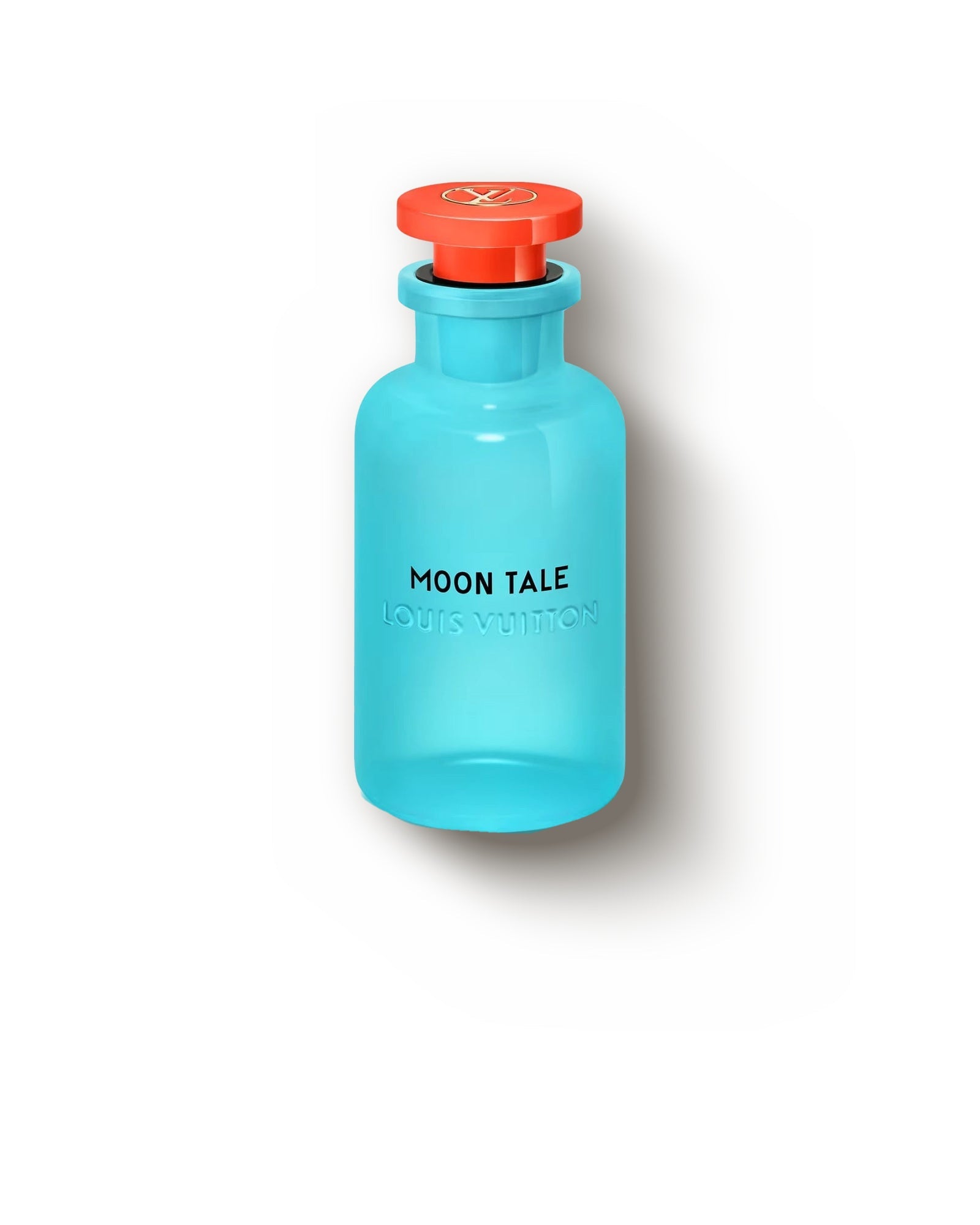
Moon Tale
The Story
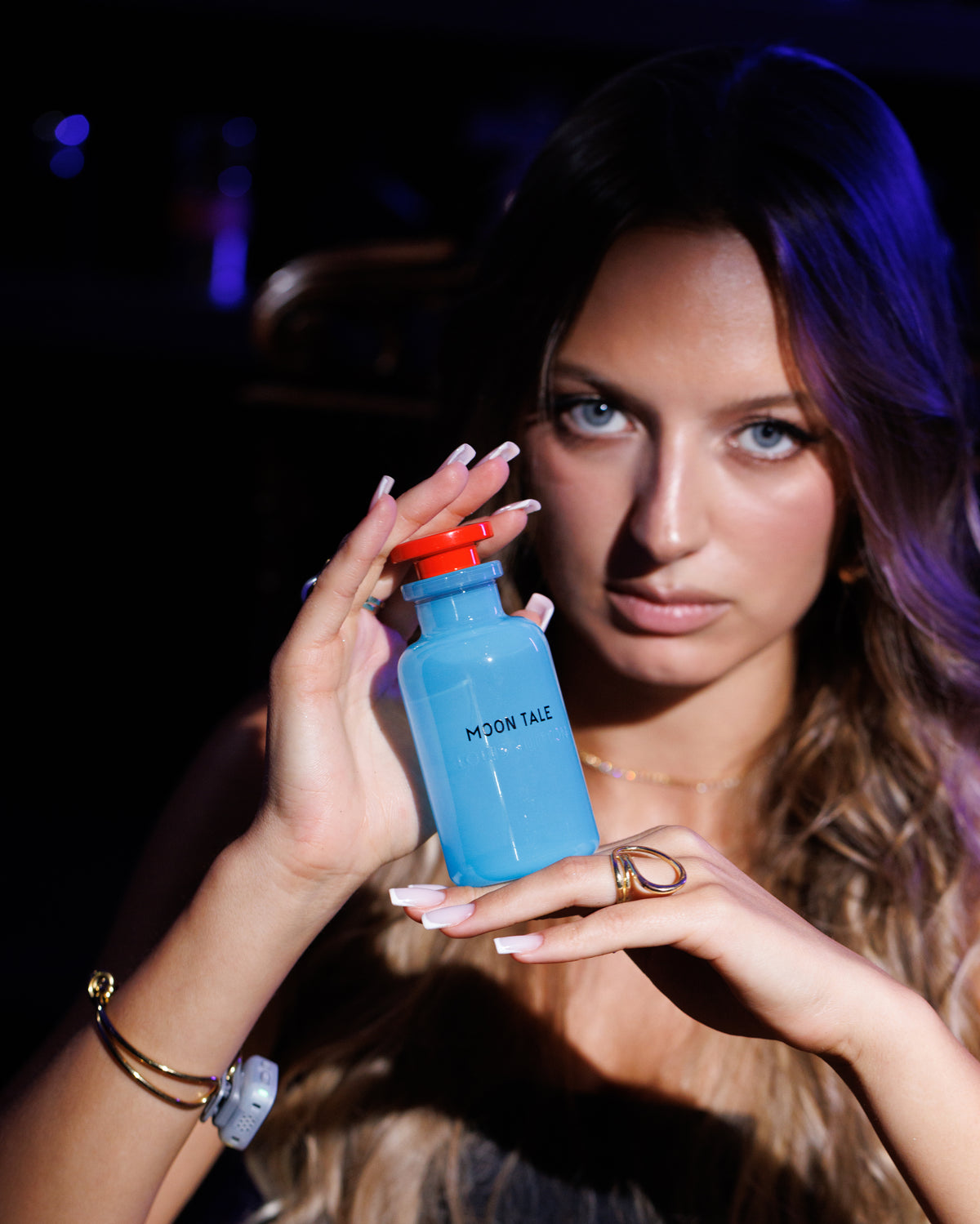
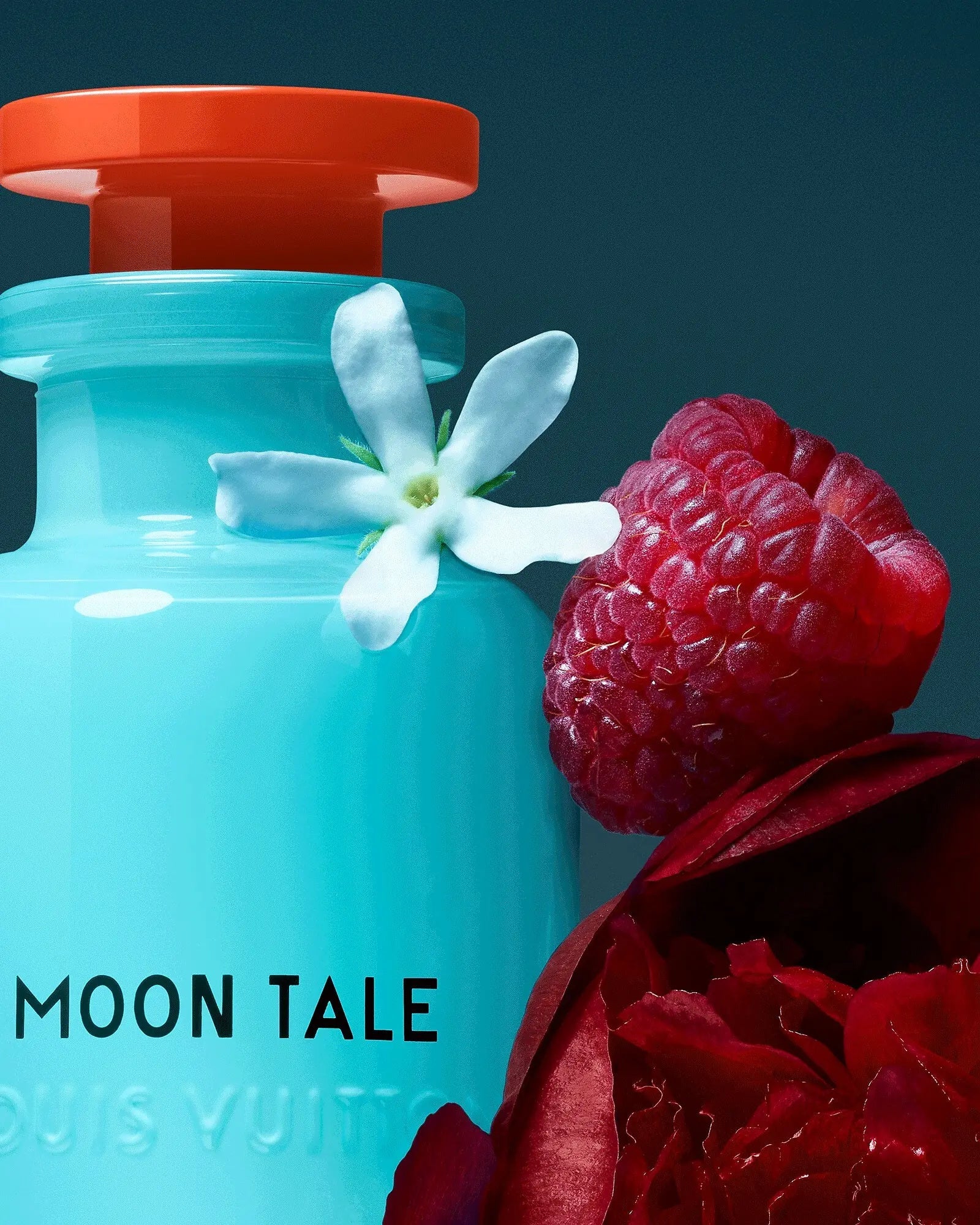
Moon Tale is one of three scents in Journey to China, the Louis Vuitton chapter Jacques Cavallier Belletrud composed with his daughter Camille. Marc Newson's apothecary flacon was reworked here as a Chinese snuff bottle, opalescent glass under a lacquered cap coloured after tian-tsui, the old craft of setting kingfisher feathers and coral into jewellery.


Floral
A whole garden, never one flower
Not one flower but the impression of many, usually rose, jasmine and orange blossom leaning on each other until no single one is recognizable. Sweet, dewy, faintly powdery, with nectar underneath. It is what people mean when a perfume smells like flowers and they cannot say which.


Fruity
Peach skin, not lemon peel
Peach, pear, apple, berry: this is sweetness in the flesh rather than the rind, dewy and nectar-heavy where citrus is sharp and thin. It plays young and slightly greedy, the sort of ripeness you can almost feel running down a wrist.


White Floral
The flowers you smell across a garden
Jasmine and tuberose share it: thick creamy petals with a ripe, almost animal sweetness underneath, the indole that keeps big florals from ever smelling polite. Green at the edges, overripe fruit in the middle, and louder on warm skin.


Fresh
Cold water, open air, washed skin
Cool water, laundered cotton, air with nothing in it yet. The lift can go citrus-zesty or salt-aquatic, but the effect is the same either way: it registers as clean rather than as a scent, the way a room reads different five minutes after you open a window.


Sweet
Warm sugar you cannot quite name
Caramel, honey, spun sugar: sweetness that hovers between all three and never settles on one. This is the gourmand pull, the thing that makes someone lean in closer than they meant to, warm and soft and a half step short of edible.


Rose
Velvet petals, honey and thorn
Dewy and fruity on top, then a jammy, honeyed heart with a green peppery bite underneath. Very little of it is distilled flower. A rose accord is built, and a good one can smell more like a rose than the rose does.


Raspberry
A berry conjured, since none can be extracted
What it is
The fruit gives up nothing: no oil, no absolute. The note is always built, from raspberry ketone with beta-ionone for a violet edge and furaneol for cooked sweetness, or from boronia absolute, davana, rose and violet leaf.
How it smells
Jammy and ripe, sweeter than it is sharp, with a powdery floral shadow that surfaces as it dries. The lab version is brighter, a little candied, and holds its shape. The boronia route runs warmer, greener, wilder.
In perfumery
It lives in fruity-florals and gourmands, next to rose, violet and vanilla. Raspberry ketone is unusual among fruit materials for its tenacity: it is still there in the dry-down, long after pear and peach have evaporated.
Good to know
Raspberry leaf absolute exists, but it reads green, leathery and balsamic with a jammy sweetness, closer to mulled wine than fresh fruit. Boronia smells of raspberry jam and tea, and is scarce enough that botanical raspberry stays rare.


Peony
Dewy ruffles, fresh and quietly green
What it is
Ruffled spring bloom of the Paeonia genus, herbaceous bushes and tree peonies alike. The living flower yields no oil at usable scale, so every peony in a bottle is assembled from rosy, green and watery aroma-chemicals.
How it smells
Cool, dewy and see-through: a soft rose heart lifted by crisp green stems and a faint honey. Think pale pink rather than red, a bud just opening, water on the petal. It never turns jammy.
In perfumery
The heart note of a thousand pink florals, radiant and light where rose would be heavy. It leans on lychee, freesia, magnolia and white musks, and shimmers through countless spring-toned bouquets.
Good to know
Since there is nothing to distil, every peony is a perfumer's guess at a flower, so two of them can smell almost unrelated. China has called it the king of flowers, a symbol of honor and wealth.


Magnolia
Lemon-cream petals breathing over a southern garden
What it is
Magnolia belongs to one of the oldest lineages of flowering plants, with fossils some 95 million years old, and its petals are tough enough to survive the beetles that pollinate them. The absolute comes from fresh petals.
How it smells
Lemon peel and cream, pitched between citrus and tea rose. It opens fizzy, softens into milky petal, green stem and a small clove warmth, then dries clean and faintly fruity. Lighter on its feet than jasmine.
In perfumery
Perfumers reach for it in the heart when a white flower needs to stay light: dewy and luminous, without the indolic weight of tuberose or gardenia. It sits easily with citrus, peony, lily and soft musks.
Good to know
The absolute is rare and costly to extract, so the magnolia in most bottles is built from aroma-chemicals rather than drawn from flowers. A good reconstruction is convincing. It is still a portrait, not a photograph.

Jasmine Sambac
Tea-green jasmine that opens after dark
What it is
The flowers open after dark, which is when they smell strongest, so pickers take them as buds in the early morning, before they unfurl. Solvent extraction gives a waxy concrete, and washing that with alcohol gives the absolute.
How it smells
Greener and more tea-like than the grandiflorum kind, and much less fruity. It starts crisp and a little waxy, almost banana-tinged, then warms into indolic sweetness. That indole is the animal in it: heady up close, still luminous.
In perfumery
A heart note that gives white-floral bouquets their body and their lift. It works with rose, tuberose, sandalwood and green tea, rounds off sharp citrus, and some night-blooming soliflores are built on almost nothing else.
Good to know
This is sampaguita, the national flower of the Philippines, strung into garlands and used to scent Chinese tea. Tiny blooms picked by hand every morning across a long season put the absolute among the costliest florals.


Geranium
A rose with green stems and crushed mint
What it is
The perfumer's geranium is not a geranium at all. It is a pelargonium, and the rose smell sits in the leaves and stems, which is the part that goes into the still.
How it smells
Crush a leaf and you get rose, but rose with the stem still attached: green, crisp, a little peppery, cooled by something minty. Lemon and a powdery sweetness thread through it.
In perfumery
It works the heart, bridging florals and fougeres, and its herbal edge is the reason so much of it ends up in scents marketed to men. Rose, mint, clove, bergamot and vetiver all take it well.
Good to know
Geranium and rose share citronellol, which is why geranium can stand in for part of a rose accord far more affordably. Reunion's Bourbon crop, once the benchmark, has thinned as growing shifted to Egypt and China.
Fragrance Character
Raspberry opens it bright and a little tart, the house's translation of cosmetic red. Peony carries the middle, geranium sharpening its edges, while sambac jasmine turns intense and magnolia keeps it airy rather than heavy. A soft musk closes it, and that is where it goes, powdery and clean against skin.


Longevity
how long it stays on skin
The hourglass reads wear time: how many hours the fragrance keeps speaking before it fades. A bar that barely leaves the start means a few fleeting hours. One that runs the full length carries from morning into evening. Treat it as typical, not promised. Oily skin holds scent far longer than dry.


Sillage
the size of its scent trail
Sillage is French for a ship's wake, and that is exactly what this measures: how much of the scent reaches the room instead of staying on you. Low is a whisper only close friends catch. Enormous fills the room, then keeps filling it after you leave.


Experimental
Built to provoke, not to please
Some perfumes are made to be liked. These are made to be argued about: inky tar, hot rubber, fruit on the turn, metal and fur where you expected flowers. The coin glows for a scent that provokes and dims for one that plays it safe, which is sometimes the point.


Office
Polished, and never louder than the room
Scent is manners in a shared room. At this range it should reach the person across the desk and stop there: tidy citrus, soft musk, pale woods, all of it reading competent and considerate. A glowing coin means nobody has to mention it. A dim one means it travels.


Evening
After dark, when it deepens
Dinner, drinks, the night that runs long. Low light is where ambers, resins and smoky woods stop being polite, and where a plush floral finally blooms. A glowing coin means it is waiting for exactly this hour. A dim one means it did its best work in daylight.


Romantic
Close enough to be felt
A fragrance can hum against skin instead of announcing itself across a table. That is the register here: creamy florals, vanilla, soft musk, a thread of spice, warm enough to make someone lean in. The coin glows when a scent sets that mood and dims when it is more practical than seductive.


Formal
Quiet authority in a dressed-up room
A wedding, a ceremony, a room where everyone has thought about their shoes. What works here is structure, not volume: smooth woods, disciplined florals, soft leather. A glowing coin means it holds its posture all evening. A dim one means it is too casual for the room.


Casual
Easy comfort for unhurried days
Errands, coffee, a slow Saturday with nowhere to be. Nothing here has to impress anyone, so the fit is soft and easy: fresh citrus, light woods, a little warmth off the skin. A glowing coin says yes to all that. A dim one means the fragrance is asking for a bigger night.


Day to Night
where its mood naturally falls
A bar running from sun to moon, reading the hour the fragrance was made for. The more of it that stays gold, the more the scent belongs to daylight and open air. The further the blue reaches back toward the sun, the deeper and warmer it turns: evening, candlelight, low rooms.


Winter
Warmth that carries through cold air
Cold air mutes a fragrance and slows it down, which is why winter belongs to the dense and the warm: resin, smoke, vanilla, leather, ambered spice. The bar reads how well this one pushes back, glowing against the chill instead of thinning out in it.


Spring
Fresh blooms in mild, rising warmth
Mild, humid air lifts a light composition, so the season belongs to dewy florals, green stems, soft powder and citrus you can see through. Alive rather than heavy. The further the green runs along the bar, the more comfortably this one wears in that weather.


Summer
Bright and airy in real heat
Heat does the projecting for you, which is why the wrong perfume turns unbearable by noon. What survives is cool and breathable: sharp citrus, salt air, aromatic herbs, water. Things that refresh instead of cloy. A short bar here means save it for cooler months.


Fall
Spiced warmth for cooling days
As the air cools, the rich materials stop smothering and start reading clearly: dry woods, warm spice, tobacco, amber, fruit gone golden. It is the season perfume turns contemplative. The bar fills according to how naturally this one settles into crisp, cooling days.
Best Worn
Reviewers on Parfumo lean spring and summer, and treat it as an everyday fruity floral that works at noon as easily as after dark. Louis Vuitton frames it differently, as the last gesture before going out into the night. Either reading holds. Wear it casually, or close, on someone you want standing near you.
Choose options
The Vibe


The Nose
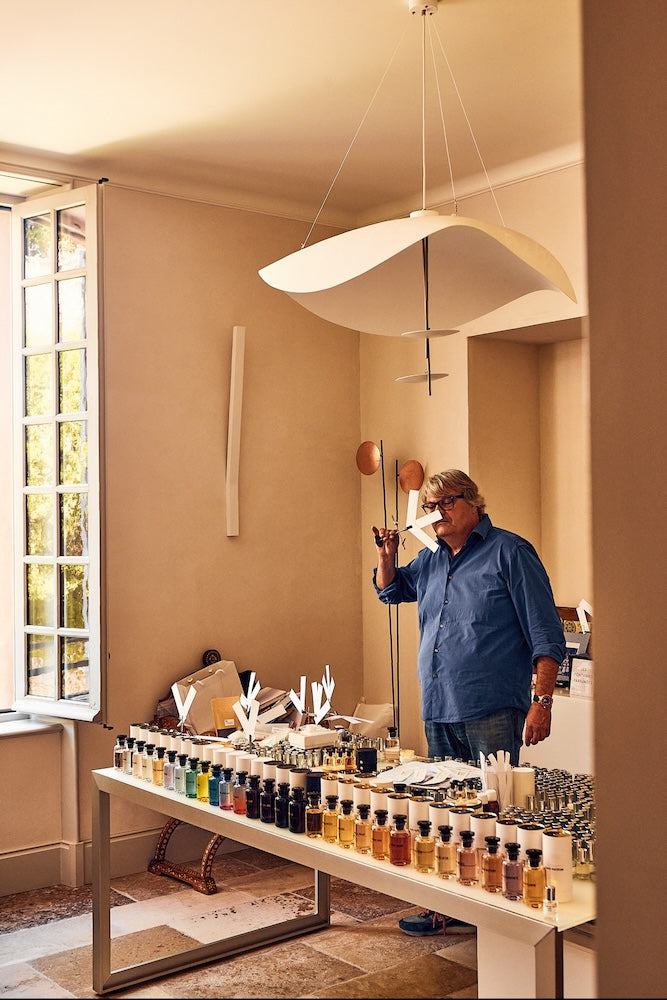
Jacques Cavallier Belletrud
Master perfumer
Born in Grasse to a family of perfumers, he joined Firmenich in 1990 and became Louis Vuitton's in-house perfumer in 2012. He composed Issey Miyake L'Eau d'Issey, Jean Paul Gaultier Classique, Yves Saint Laurent Opium pour Homme, Lancôme Poême and Louis Vuitton L'Immensité.
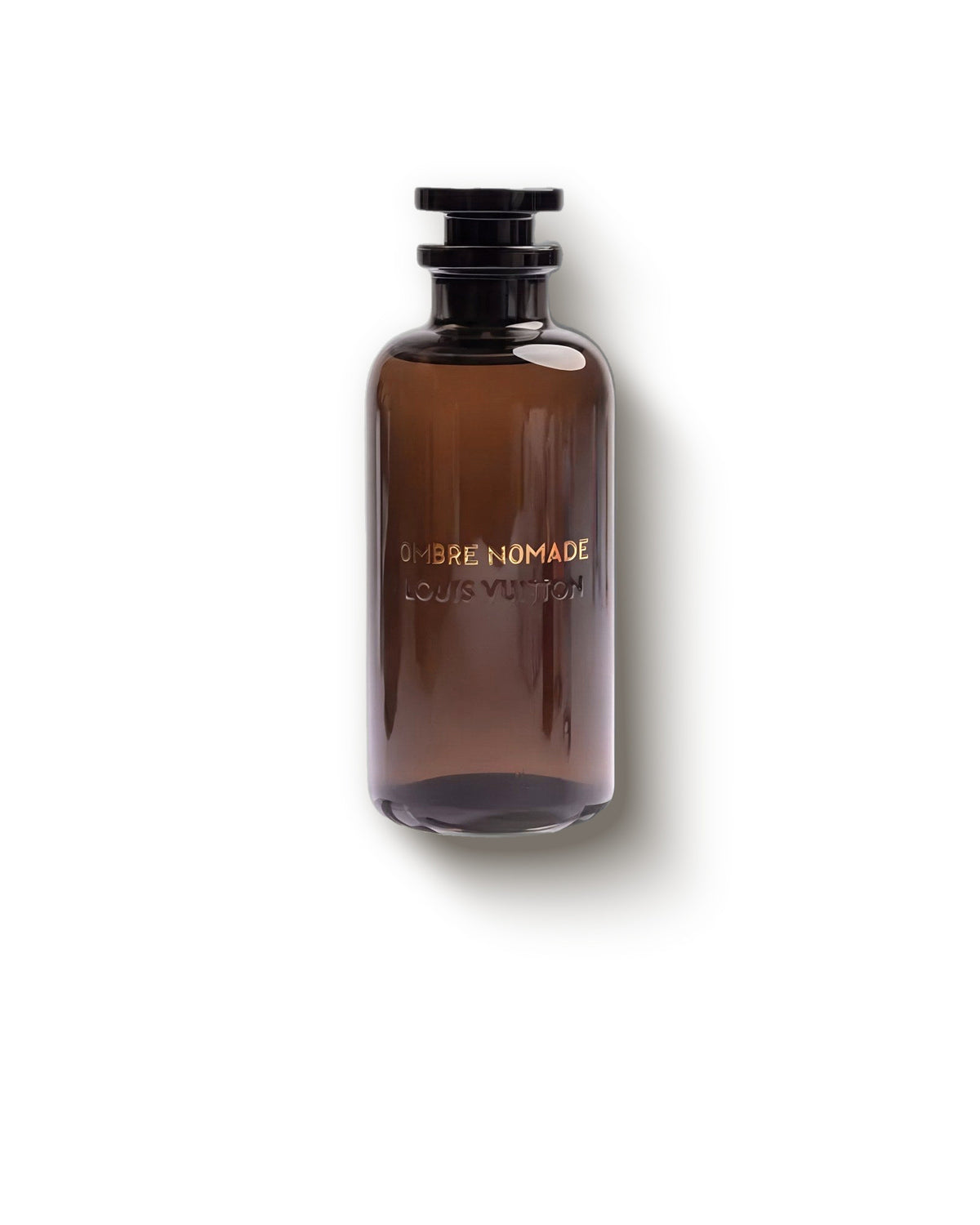
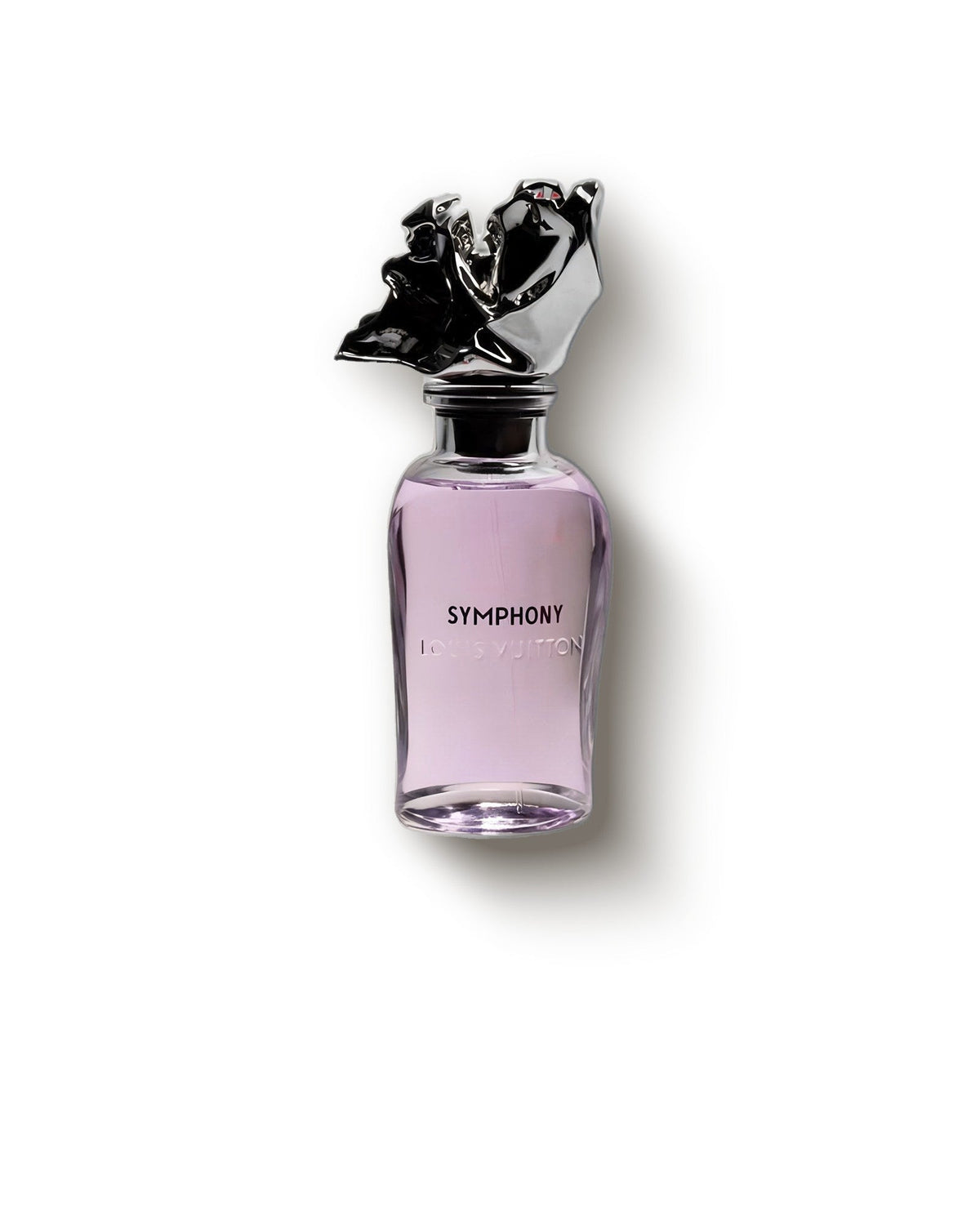
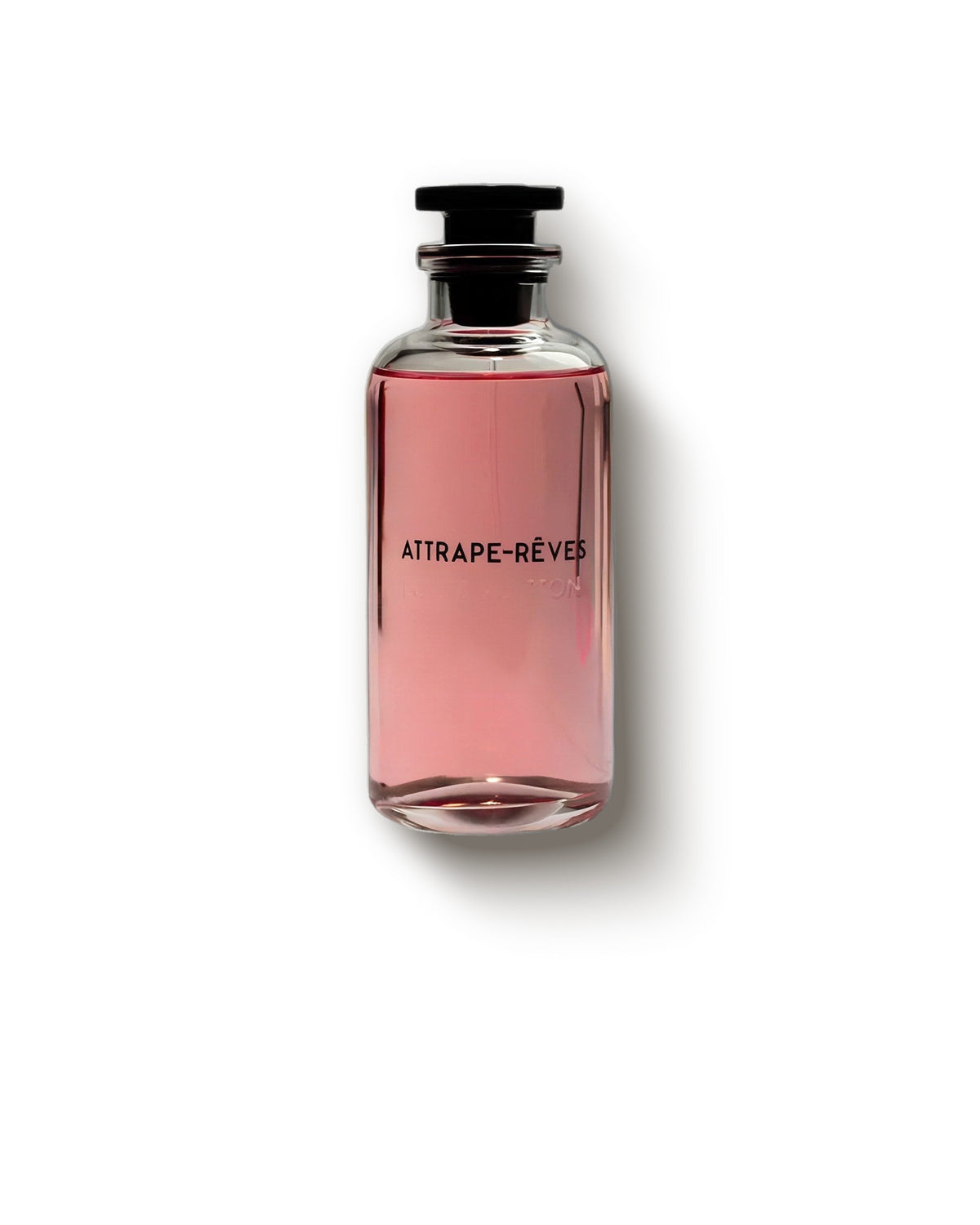
More by this noseOmbre NomadeSymphonyAttrape-Rêves
The Maison

Ombre Nomade’s smoked oud and Attrape-Rêves’ lychee daydream, so the skin test costs a coffee.
Louis Vuitton perfumery trades in mood and travel, a fragrance meant to feel like a passport stamp rather than a note pyramid. The range swings from sun struck citrus to a dense smoky oud built for a long evening, all of it carrying the same polished, unhurried confidence.
- Origin
- Paris, France
- Founded
- 1854, perfumes relaunched in 2016
- Known for
- Ombre Nomade, Attrape-Rêves

EVERY DECANT
From the original bottle to your door
We buy the original flacon at full retail price, direct from the house.
A medical grade Socorex syringe takes the exact millilitres straight from the flacon.
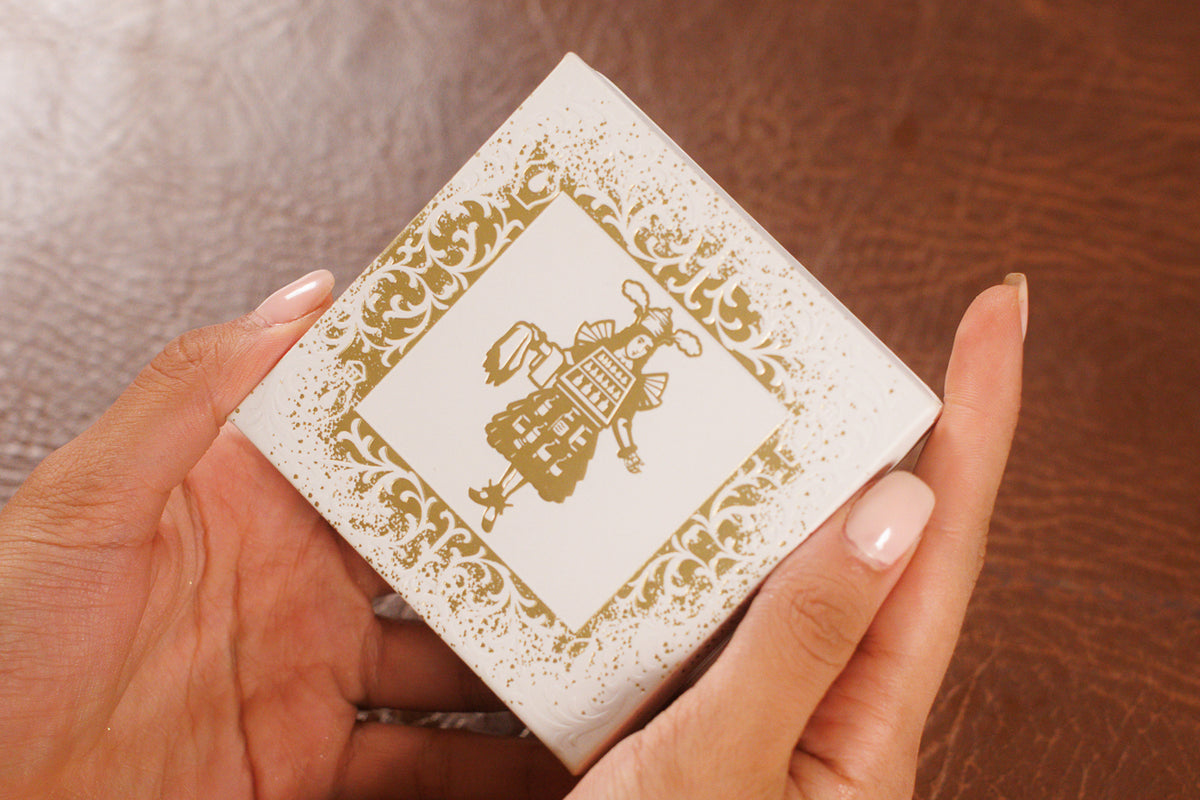
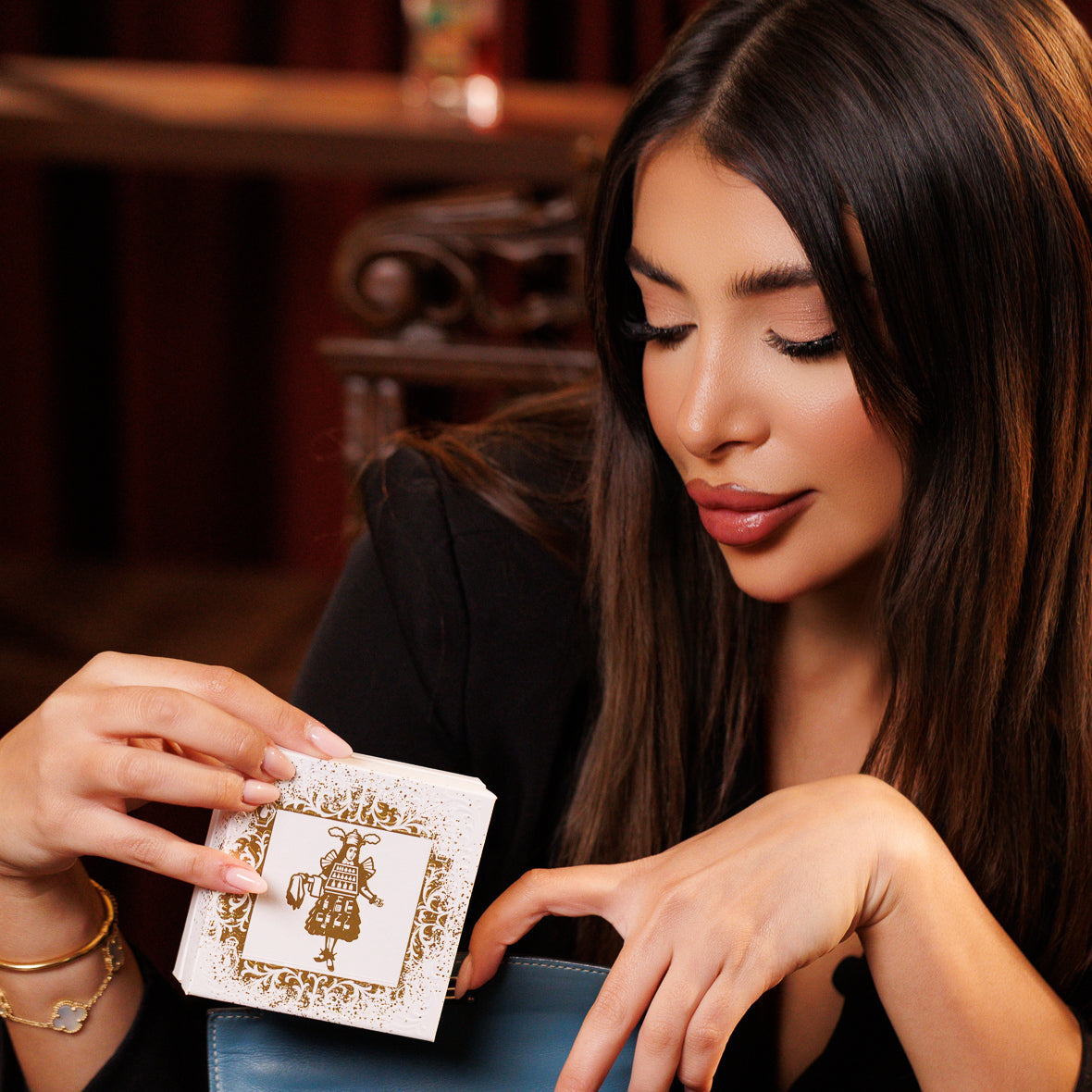
Packed into the hot foiled box and handed to DHL, every duty already paid. How a decant is made
More from Louis Vuitton
You may also like