Ex Nihilo
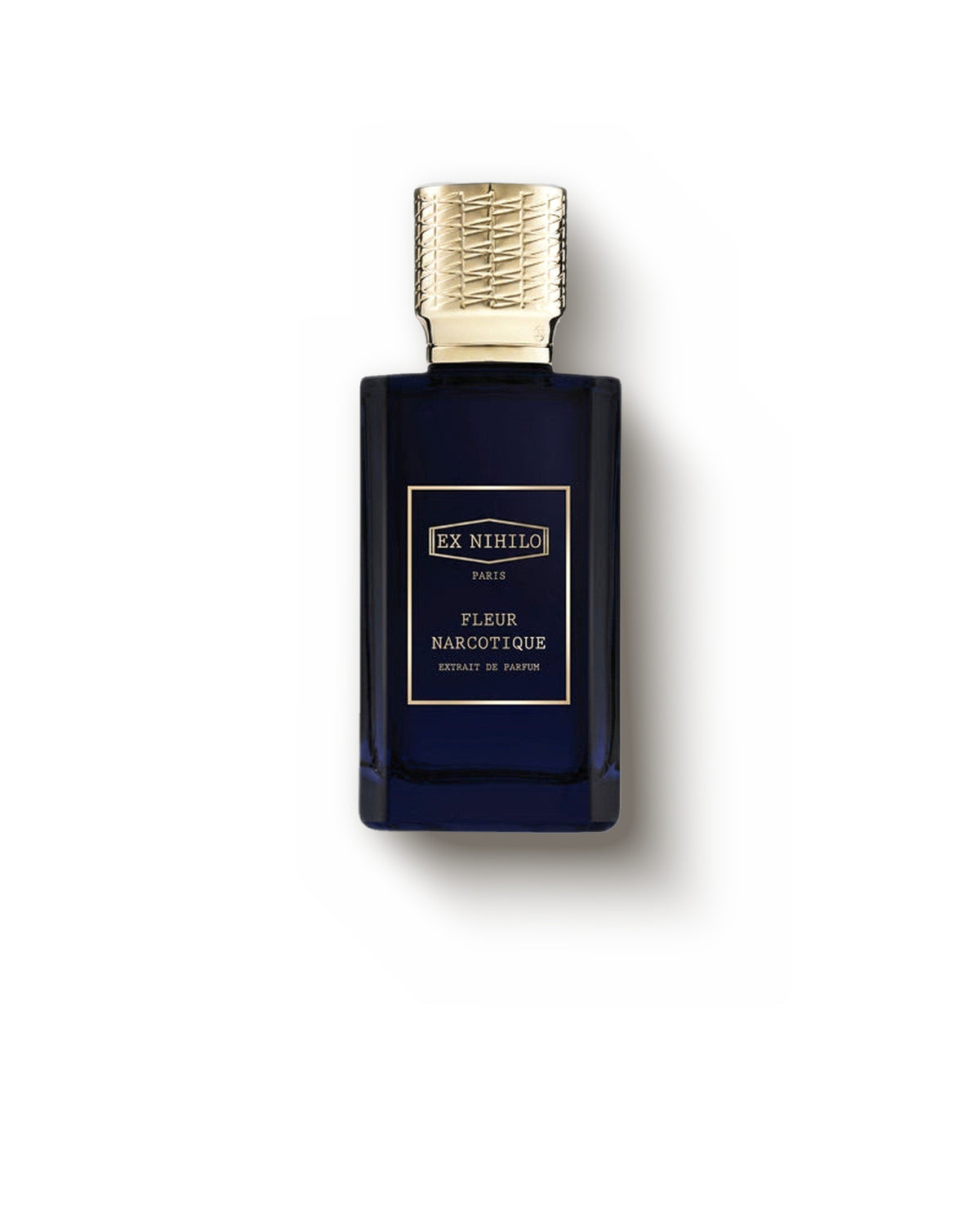
Fleur Narcotique Extrait
The Story
Quentin Bisch built Fleur Narcotique as a floral overdose, a bright fruity opening that gives way to a hypnotic heart of peony, jasmine and orange blossom. The extrait concentration pushes that second half further and holds it there longer.


Floral
A whole garden, never one flower
Not one flower but the impression of many, usually rose, jasmine and orange blossom leaning on each other until no single one is recognizable. Sweet, dewy, faintly powdery, with nectar underneath. It is what people mean when a perfume smells like flowers and they cannot say which.


Fresh
Cold water, open air, washed skin
Cool water, laundered cotton, air with nothing in it yet. The lift can go citrus-zesty or salt-aquatic, but the effect is the same either way: it registers as clean rather than as a scent, the way a room reads different five minutes after you open a window.


Fruity
Peach skin, not lemon peel
Peach, pear, apple, berry: this is sweetness in the flesh rather than the rind, dewy and nectar-heavy where citrus is sharp and thin. It plays young and slightly greedy, the sort of ripeness you can almost feel running down a wrist.


White Floral
The flowers you smell across a garden
Jasmine and tuberose share it: thick creamy petals with a ripe, almost animal sweetness underneath, the indole that keeps big florals from ever smelling polite. Green at the edges, overripe fruit in the middle, and louder on warm skin.


Citrus
First bright zest of morning
The juicy, rind-snapping brightness of lemon, bergamot, and orange peel, tart and effervescent with a clean bitter edge. It opens a scent with instant lift and sparkle, fresh and energizing, evaporating quickly like sunlight on water.


Tropical
Sun-warmed fruit and creamy bloom
A juicy swell of ripe mango, pineapple, and overripe banana laced with coconut milk and sticky white petals. It smells of heat on bare skin, suntan lotion, and fruit left to soften in the sun, breezy and indulgent at once.

Litchi
Pink-skinned fruit that smells of roses and rain
What it is
Rough red shell, translucent white flesh, and nothing worth distilling. The fruit carries too little odorant to work at usable scale, and heat flattens what is there, so every litchi note is built from aroma-chemicals.
How it smells
Juicy and candied at first, almost rosewater, then a cool watery transparency takes over. Ripe tropical sweetness with a rosy, faintly metallic edge and a green dewiness underneath.
In perfumery
It sits at the top of fruity-florals, and its rose-oxide chemistry makes rose, peony and freesia natural partners. That pairing is the fruity-rose accord at the heart of most modern rose bouquets.
Good to know
Litchi and rose share a molecule, cis-rose oxide, which is why the fruit smells faintly floral and slips so easily into rose accords. The same compound gives the Gewurztraminer grape its lychee aroma.


Osmanthus
Apricot and soft leather in a tiny gold flower
What it is
Tiny orange-gold flowers that China has scented its tea and its wine with for centuries. They are gathered by hand, drawn into a waxy concrete with solvent, then washed down to the absolute perfumers buy.
How it smells
Apricot first, ripe and almost jammy, then peach and black tea. Give it a minute and suede appears, soft and slightly smoky, the way a well-worn glove smells. It dries toward raisin rather than sugar.
In perfumery
A heart note that sits exactly between fruit, flower and leather, which is why it can sweeten a composition without any sugar in it. Black tea, rose and apricot accords go with it naturally; so does actual leather.
Good to know
It takes about a tonne of those minuscule flowers to make one kilo of absolute. The tree belongs to the harvest moon and to love there, a lot of meaning for a flower this small.

Bergamot
Sparkling citrus light with a bitter edge
What it is
Nobody eats bergamot. It is sour, seedy and disappointing, and almost the whole world's supply grows on one strip of Calabrian coast, farmed purely for the oil pressed cold from its green rind.
How it smells
Zest and green light in the first second, then something rounder than lemon: a floral, tea-like smoothness sitting on a faintly bitter warmth. It burns off fast. What stays behind is a quiet, slightly spiced hum.
In perfumery
It defines eau de cologne, and sits on top of nearly every fougère alongside lavender and oakmoss. Perfumers want the first bright second it gives, and the oil is also what makes Earl Grey smell like Earl Grey.
Good to know
The thing that makes it sparkle can also burn. Bergamot carries bergapten, which leaves skin hypersensitive to sunlight, so perfumers either keep the dose low or reach for a grade with the molecule stripped out.


Freesia
Peppery petals with a citrus-cool whisper
What it is
A South African cousin of the iris, its funnel-shaped blooms all leaning down one side of the stem. Freesia gives almost nothing to distillation or solvent extraction, so the note is assembled from ionones, linalool and rosy citrus molecules.
How it smells
Light and watery, with a peppery snap and a cool green-citrus edge. Rosy and violet facets sit over something faintly soapy and dew-fresh. It never turns heady. It stays transparent, and then it is simply gone.
In perfumery
Top-to-heart sparkle for fruity-florals and white bouquets, where it lifts heavier flowers like jasmine and tuberose. Pear, peony and musk keep it company. It is the clean bright signature threading through much modern floral work.
Good to know
Freesia notes are built, not extracted. Perfumers have worked from headspace readings of the living flower since the 1980s, then tuned the result against what people remember the florist's bunch smelling like.

Jasmine
The heady white flower at perfumery's beating heart
What it is
Picking runs by hand in the dark, from before first light into the morning. The blossoms are too fragile to distill, so solvent lifts their oil into a waxy concrete, and alcohol washes the absolute out of that.
How it smells
Sweet, heavy and honeyed, with something faintly animal underneath. Sambac reads green, tea-like and luminous; grandiflorum is fruitier, creamier, heavier on the skin. Both dry down warm and soft, with a mushroomy musk you notice only up close.
In perfumery
Put it in the heart and it ties a citrus opening to the woods underneath, adding volume to both. Rose, tuberose, sandalwood and musk all take it well. Plenty of perfumes are built on jasmine and nothing else.
Good to know
Roughly six thousand hand-picked blossoms go into one gram of absolute, among the costliest materials in perfumery. Part of its depth is indole, which smells like decay when concentrated and turns radiant at the trace the flower carries.


Petalia (TM)
A laboratory rose petal, dewy and weightless
What it is
Givaudan built this one and kept it to itself. A nitrile made in the lab, no plant involved, and without the aldehyde or ester groups that make many perfume materials fragile, so it holds up well in a formula.
How it smells
Rosy and petal-soft with a juicy edge of lychee, like the dewy underside of a fresh bloom. Palmarosa and a grapefruit-peony brightness float under it. Never jammy: it stays watery and translucent as it settles.
In perfumery
Top and heart both, brightening rose, peony and muguet without adding an ounce of weight. Perfumers use it to make a floral feel watery and current rather than nostalgic.
Good to know
One molecule can give a house a rose nobody else is allowed to make. That is the point of a captive: rivals cannot buy it while the patent holds, so Givaudan's roses keep a signature until it lapses.


Orange Blossom
White petals between honey and bitter green
What it is
Neroli and orange blossom absolute come off the same hand-picked white flower of the bitter orange tree: one steam-distilled, the other drawn out with solvent into a waxy concrete. Tunisia, Morocco and the Mediterranean supply most of it.
How it smells
Honeyed nectar at the centre, cut by a clean bitter-green edge and a faint metallic cool. Neroli is the brighter, soapier of the two; the absolute runs warmer and more indolic, with a musky depth under the sweetness.
In perfumery
It is the hinge between citrus and skin: bright enough to follow a lemon top, warm enough to melt into musk. Colognes use the sparkling side; big white florals use the plush, indolic one.
Good to know
Neroli is named for a seventeenth-century princess of Nerola who scented her gloves and her bathwater with it. A kilo of the oil takes roughly a tonne of hand-picked blossoms.


Musk
Soft, skin-close warmth that anchors the base
What it is
The house lists musk without saying which material it uses. In modern perfumery a musk note almost always means one of the synthetic musks, a large family of molecules, because natural deer musk is restricted and rarely used.
How it smells
Synthetic musks smell clean, soft and warm: hot-ironed linen, fresh cotton, skin rather than fur. Depending on the molecule they lean sweet and faintly fruity, powdery, or smooth and almost waxy, but all share a quiet, rounded warmth.
In perfumery
Musk is the floor a composition stands on: it fixes what sits above, stretches the wear and adds that second-skin glow. Synthetic musks do this so reliably that most modern fragrances carry at least one in the base.
Good to know
One bottle can smell radiant on you and like almost nothing on the next person. Many people cannot smell certain synthetic musks at all, a quirk called specific anosmia, which is one reason perfumers often blend several musks together.


Sandalwood
Creamy wood, pulled up by the roots
What it is
The richest oil sits in the roots, so the whole tree is pulled up and steam-distilled rather than felled. Mysore in southern India was the classic source, until decades of overcutting pushed the wild trees to the edge.
How it smells
Milk and warm wood, with a rosy, almost buttery edge and nothing sharp at all. What surprises people is how little it moves: no bright opening, no dry-down drama, just the same quiet glow for hours.
In perfumery
It works twice over: as a smell, and as a fixative that holds rose or jasmine in place. Sandalwood is also graded, and the darkest, densest, most resin-heavy old heartwood carries its own name: red meat.
Good to know
A heart worth taking takes about thirty years to form. Plantations of the same species in Western Australia now supply a large share of the world's oil, close to the old Mysore chemistry if not quite its creaminess.


Moss
Damp forest floor pinned into a bottle
What it is
Perfumery moss is not moss at all. Oakmoss and tree moss are lichens, pale grey-green strap-shaped tufts gathered by hand from oak and conifer bark, then washed in solvent to a waxy concrete and refined into a dark, sticky absolute.
How it smells
Wet bark, leaf litter and cellar stone, with an inky bitterness under it. Tree moss runs drier and more tar-like than oakmoss. Both smell like shade rather than sunlight, cool and green and unmistakably out of doors.
In perfumery
The chypre is built on it: bergamot at the top, labdanum and patchouli below, moss holding the shadow underneath. Take it out and the structure loses its floor. Green, leather and fougere builds lean on it too.
Good to know
Two allergens in oakmoss, atranol and chloroatranol, forced the industry's hand. The great vintage chypres were reformulated: a forest floor rebuilt with much less natural oakmoss and moss notes made from other materials. Purified grades keep it in play.
Fragrance Character
Litchi and osmanthus open it fresh and faintly apricot-skinned, with bergamot keeping the fruit clean. The heart is the reason for the name, peony, freesia, orange blossom and jasmine banked together until the florals read heady rather than pretty. Musk, sandalwood and moss settle it into skin, and at extrait strength that base holds considerably longer.


Longevity
how long it stays on skin
The hourglass reads wear time: how many hours the fragrance keeps speaking before it fades. A bar that barely leaves the start means a few fleeting hours. One that runs the full length carries from morning into evening. Treat it as typical, not promised. Oily skin holds scent far longer than dry.


Sillage
the size of its scent trail
Sillage is French for a ship's wake, and that is exactly what this measures: how much of the scent reaches the room instead of staying on you. Low is a whisper only close friends catch. Enormous fills the room, then keeps filling it after you leave.


Experimental
Built to provoke, not to please
Some perfumes are made to be liked. These are made to be argued about: inky tar, hot rubber, fruit on the turn, metal and fur where you expected flowers. The coin glows for a scent that provokes and dims for one that plays it safe, which is sometimes the point.


Office
Polished, and never louder than the room
Scent is manners in a shared room. At this range it should reach the person across the desk and stop there: tidy citrus, soft musk, pale woods, all of it reading competent and considerate. A glowing coin means nobody has to mention it. A dim one means it travels.


Evening
After dark, when it deepens
Dinner, drinks, the night that runs long. Low light is where ambers, resins and smoky woods stop being polite, and where a plush floral finally blooms. A glowing coin means it is waiting for exactly this hour. A dim one means it did its best work in daylight.


Romantic
Close enough to be felt
A fragrance can hum against skin instead of announcing itself across a table. That is the register here: creamy florals, vanilla, soft musk, a thread of spice, warm enough to make someone lean in. The coin glows when a scent sets that mood and dims when it is more practical than seductive.


Formal
Quiet authority in a dressed-up room
A wedding, a ceremony, a room where everyone has thought about their shoes. What works here is structure, not volume: smooth woods, disciplined florals, soft leather. A glowing coin means it holds its posture all evening. A dim one means it is too casual for the room.


Casual
Easy comfort for unhurried days
Errands, coffee, a slow Saturday with nowhere to be. Nothing here has to impress anyone, so the fit is soft and easy: fresh citrus, light woods, a little warmth off the skin. A glowing coin says yes to all that. A dim one means the fragrance is asking for a bigger night.


Day to Night
where its mood naturally falls
A bar running from sun to moon, reading the hour the fragrance was made for. The more of it that stays gold, the more the scent belongs to daylight and open air. The further the blue reaches back toward the sun, the deeper and warmer it turns: evening, candlelight, low rooms.


Winter
Warmth that carries through cold air
Cold air mutes a fragrance and slows it down, which is why winter belongs to the dense and the warm: resin, smoke, vanilla, leather, ambered spice. The bar reads how well this one pushes back, glowing against the chill instead of thinning out in it.


Spring
Fresh blooms in mild, rising warmth
Mild, humid air lifts a light composition, so the season belongs to dewy florals, green stems, soft powder and citrus you can see through. Alive rather than heavy. The further the green runs along the bar, the more comfortably this one wears in that weather.


Summer
Bright and airy in real heat
Heat does the projecting for you, which is why the wrong perfume turns unbearable by noon. What survives is cool and breathable: sharp citrus, salt air, aromatic herbs, water. Things that refresh instead of cloy. A short bar here means save it for cooler months.


Fall
Spiced warmth for cooling days
As the air cools, the rich materials stop smothering and start reading clearly: dry woods, warm spice, tobacco, amber, fruit gone golden. It is the season perfume turns contemplative. The bar fills according to how naturally this one settles into crisp, cooling days.
Best Worn
Equally suited to the workday and to easy off-hours, this bright floral-fruity carries through spring and summer from daylight into the going-out hours after dark, led by litchi and osmanthus over soft musk.
Choose options
The Vibe


The Nose

Quentin Bisch
Perfumer
Givaudan perfumer based in Paris. He spent a year as an assistant perfumer at Robertet in Grasse under Michel Almairac, then trained at the Givaudan Perfumery School. His work includes Parfums de Marly Delina, Chloé Nomade, Ex Nihilo Fleur Narcotique and Mugler Angel Muse.
More by this noseGuidance 46Delina ExclusifValaya
The Maison

Parisian modernity with a lab streak, sized to try before the flacon.
Ex Nihilo runs cool and self assured, chic minerality and clean florals set against dry woods and modern amber. Nothing shouts. Fleur Narcotique was the breakout that put the house on the map, and the line has kept that same quiet, bespoke feeling since.
- Origin
- Paris, France
- Founded
- 2013
- Known for
- Fleur Narcotique, cool modern woods

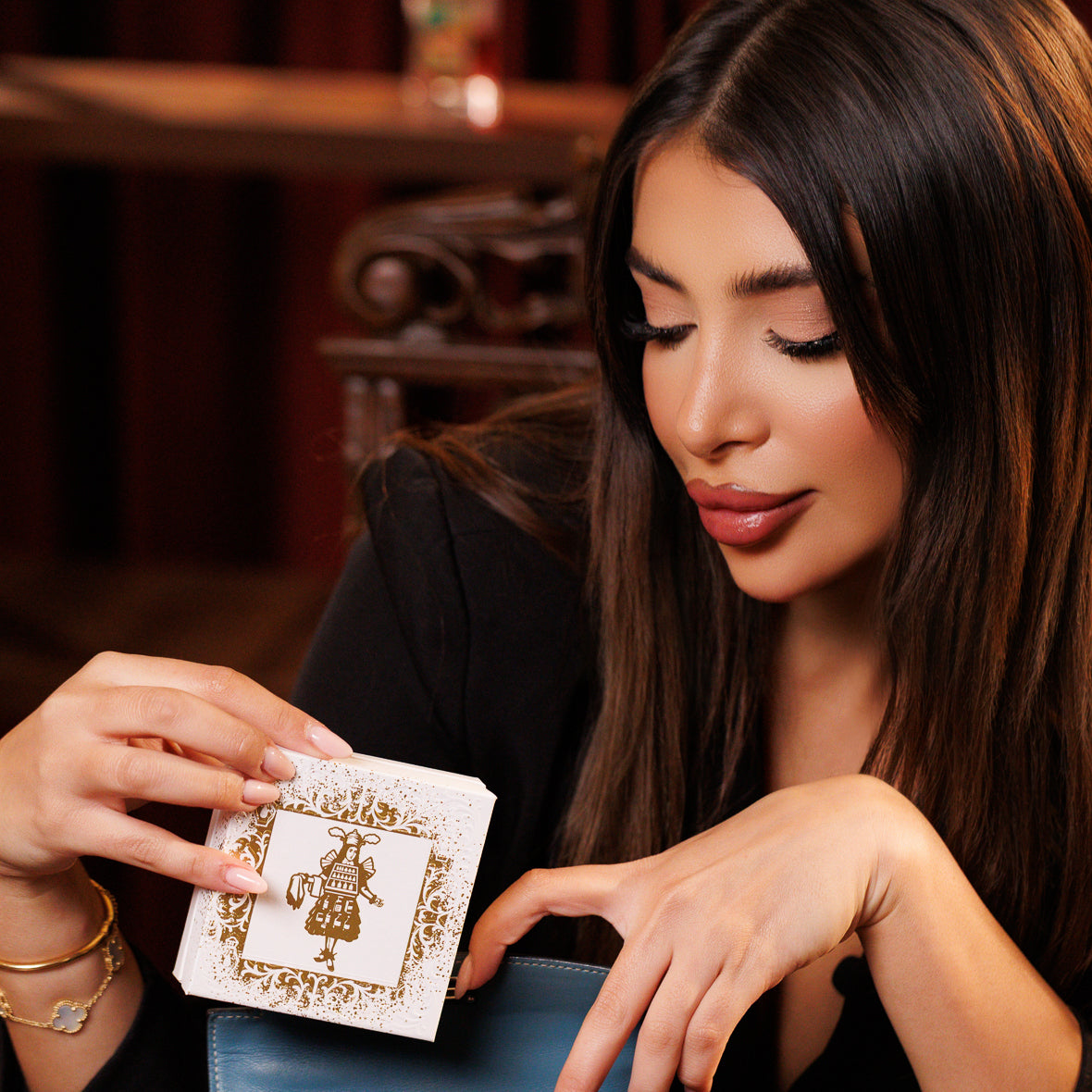
EVERY DECANT
From the original bottle to your door
We buy the original flacon at full retail price, direct from the house.
A medical grade Socorex syringe takes the exact millilitres straight from the flacon.
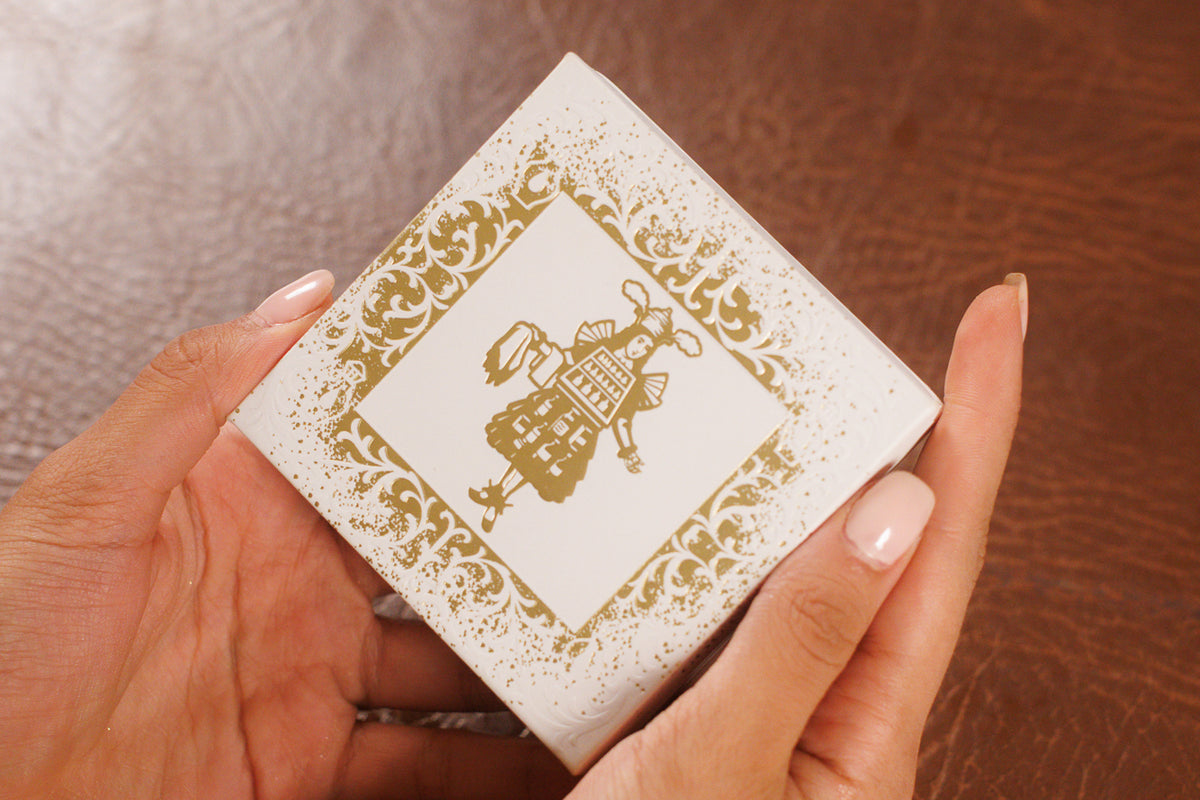
Packed into the hot foiled box and handed to DHL, every duty already paid. How a decant is made
More from Ex Nihilo
You may also like