
Ensar Oud
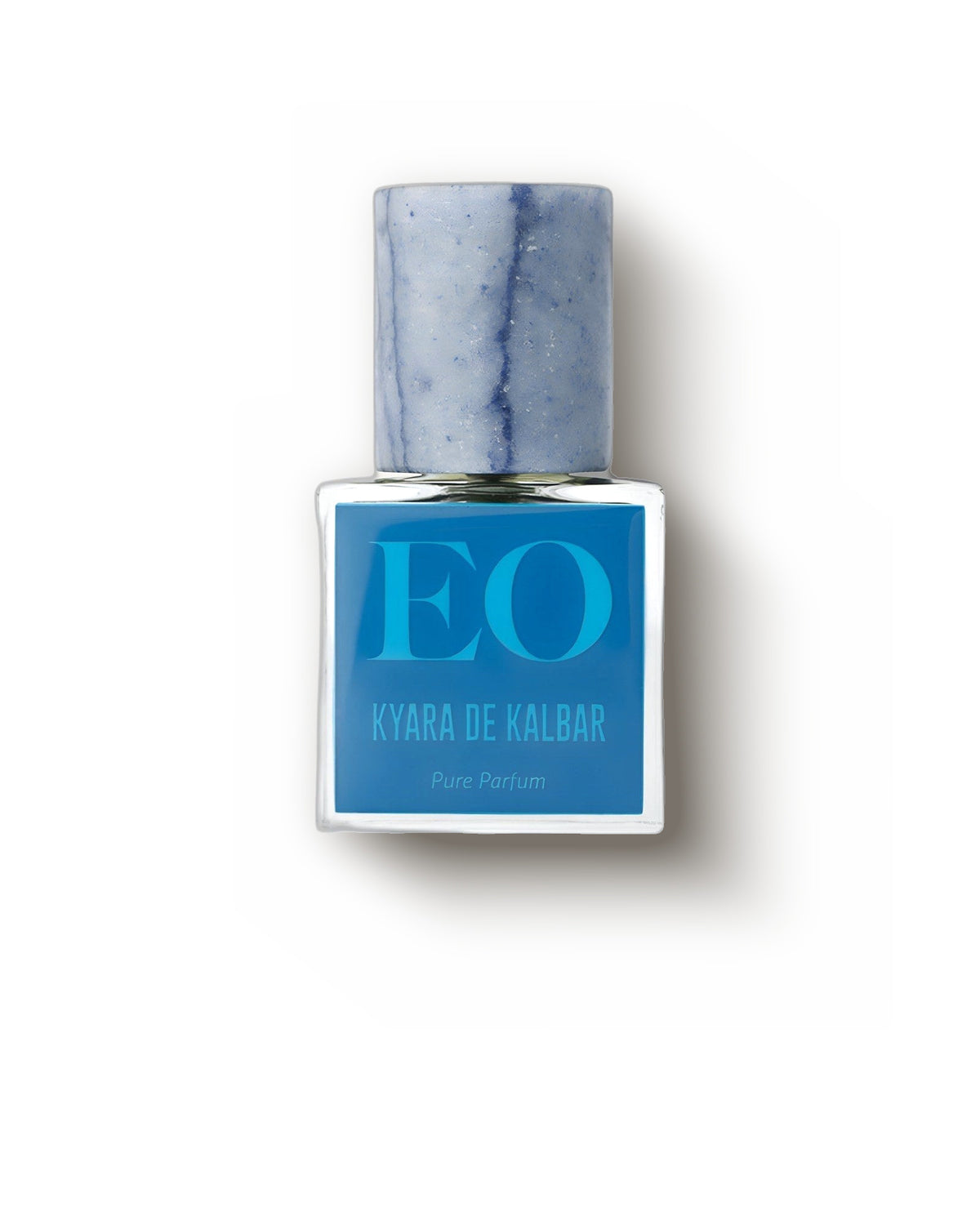
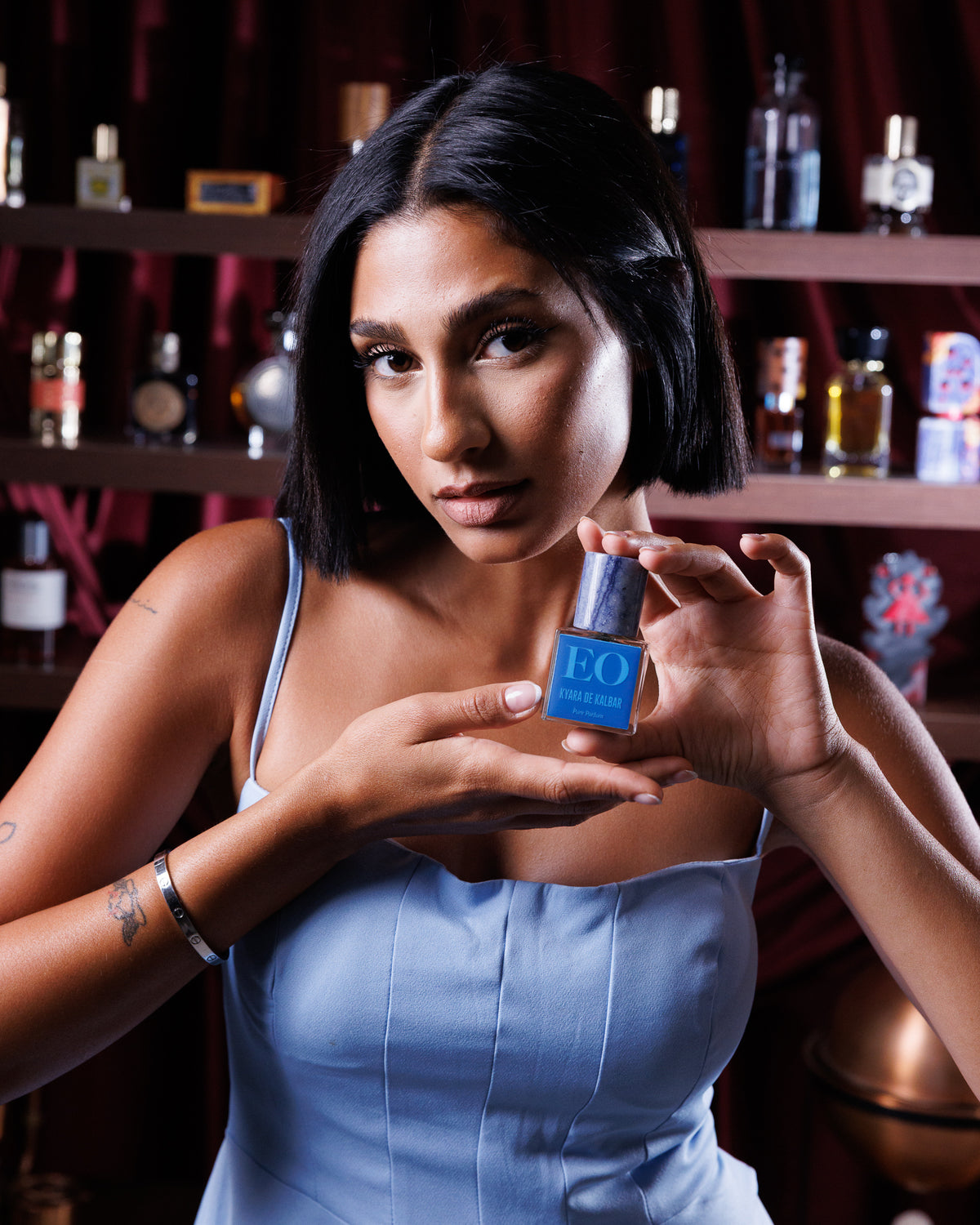
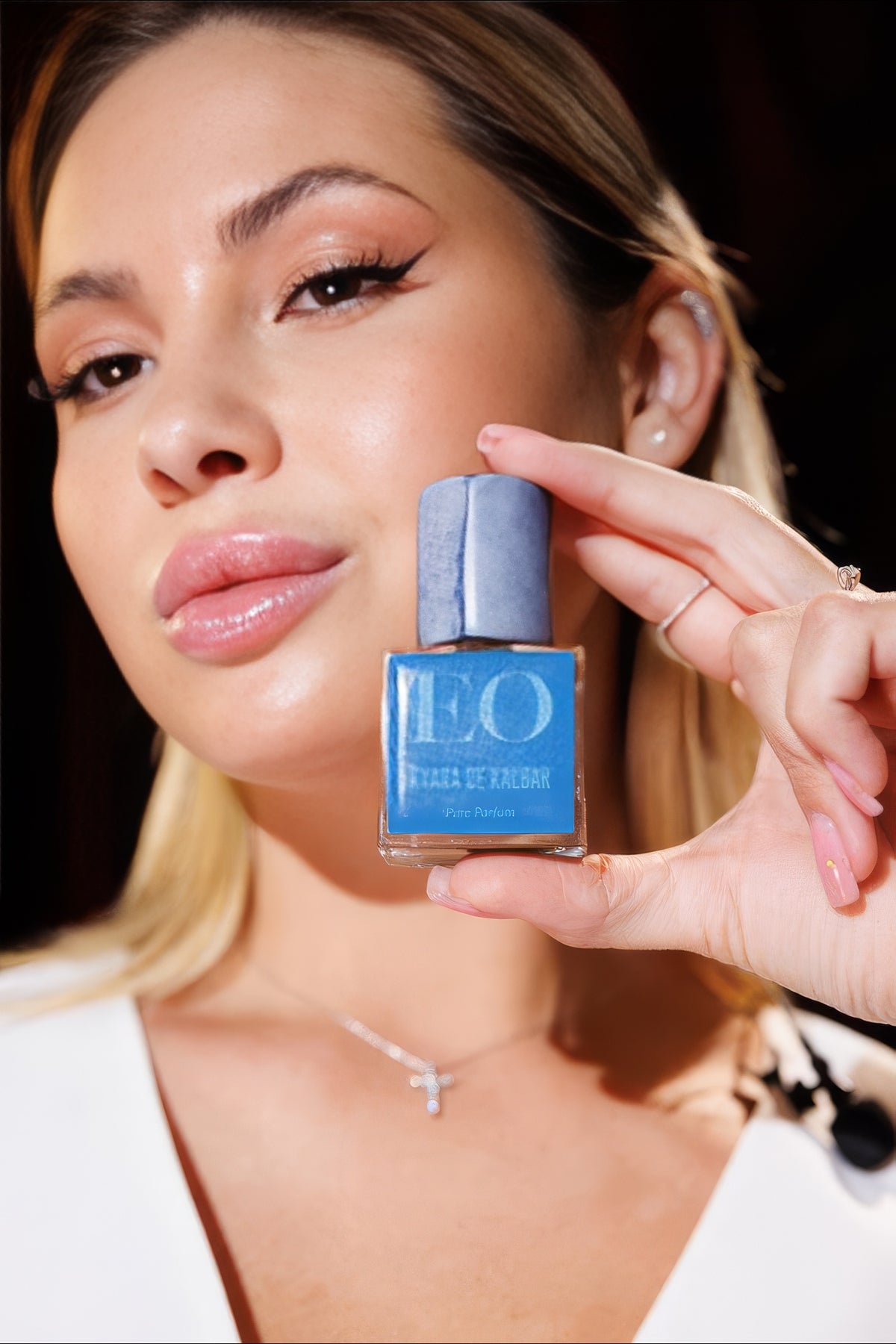
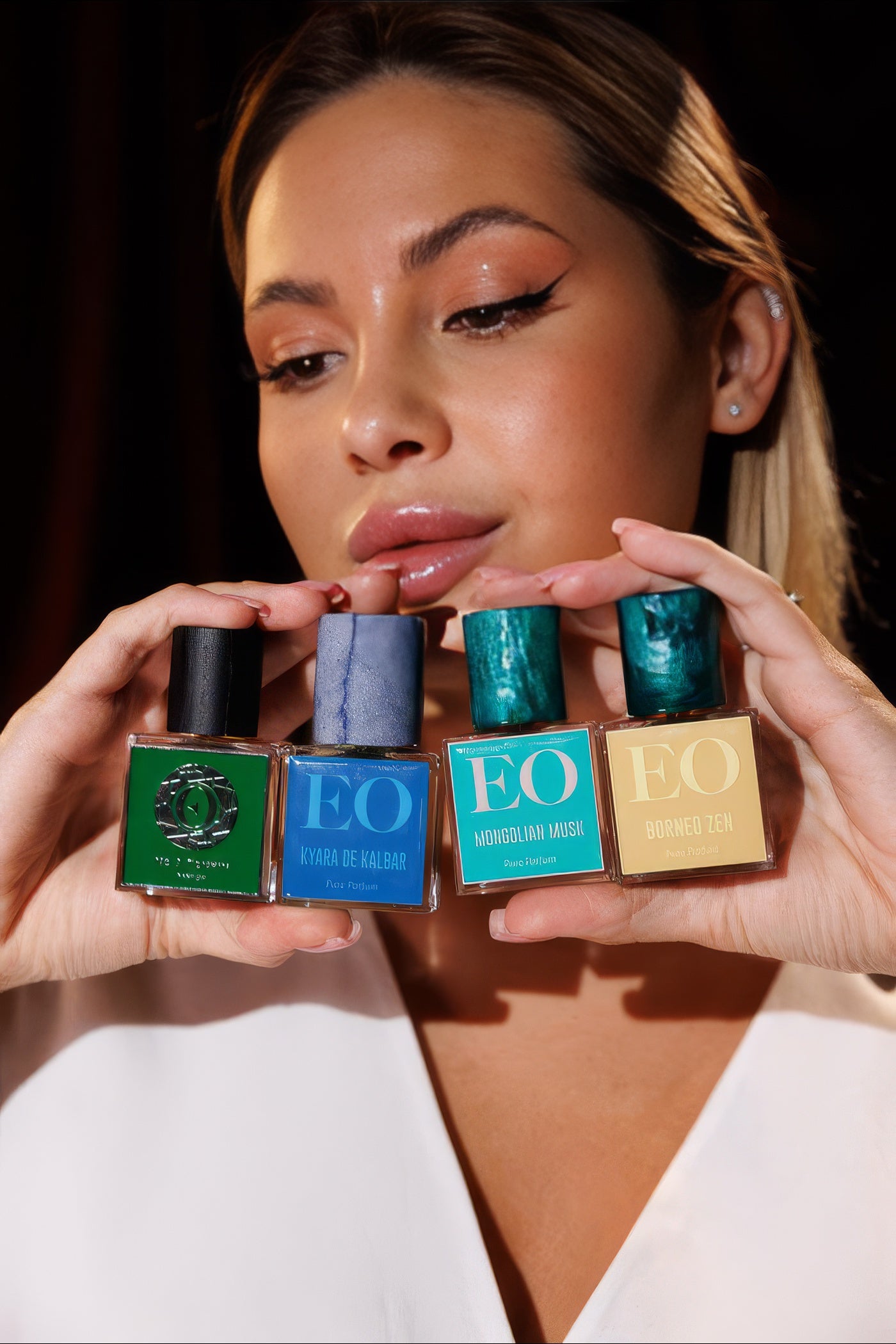
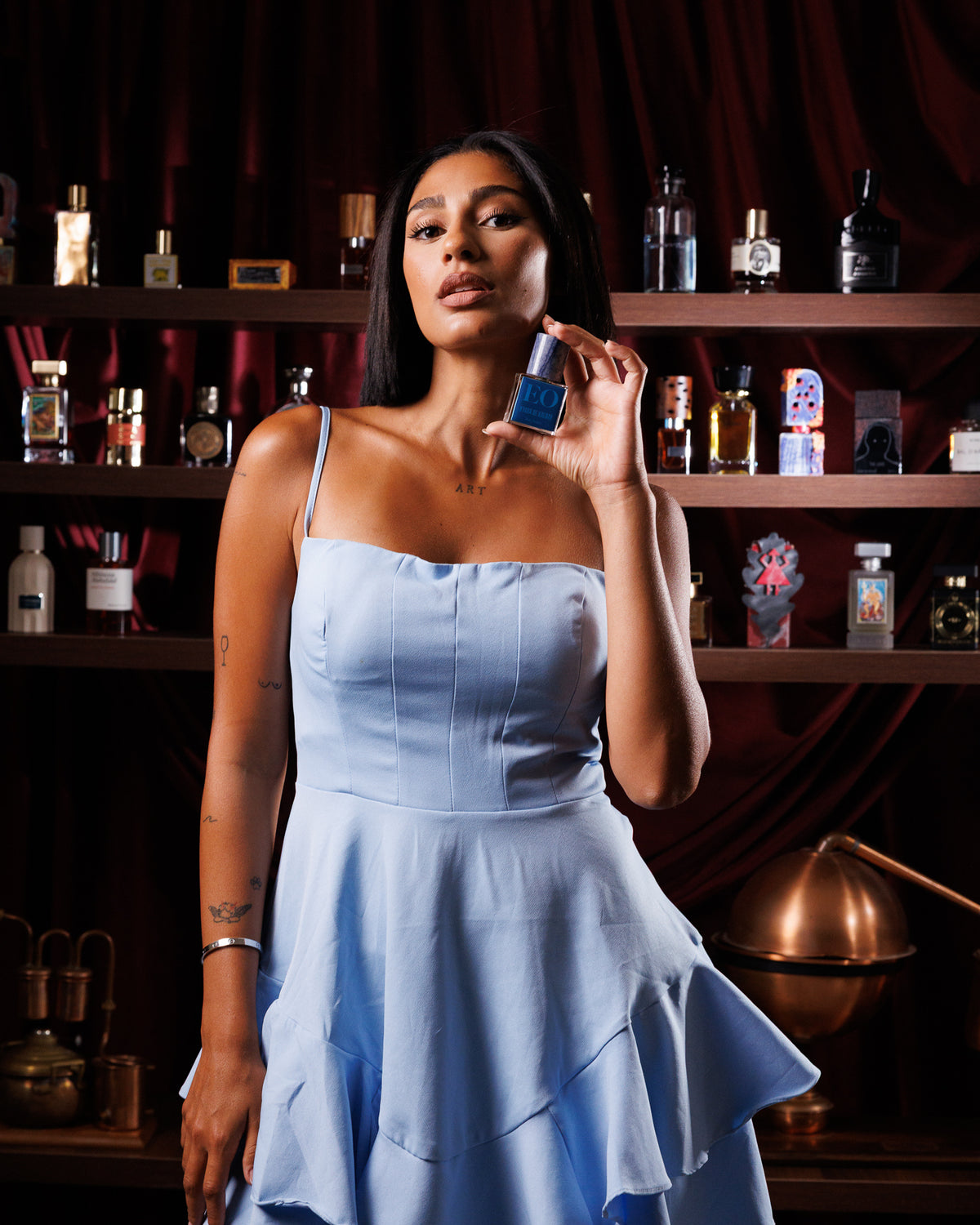
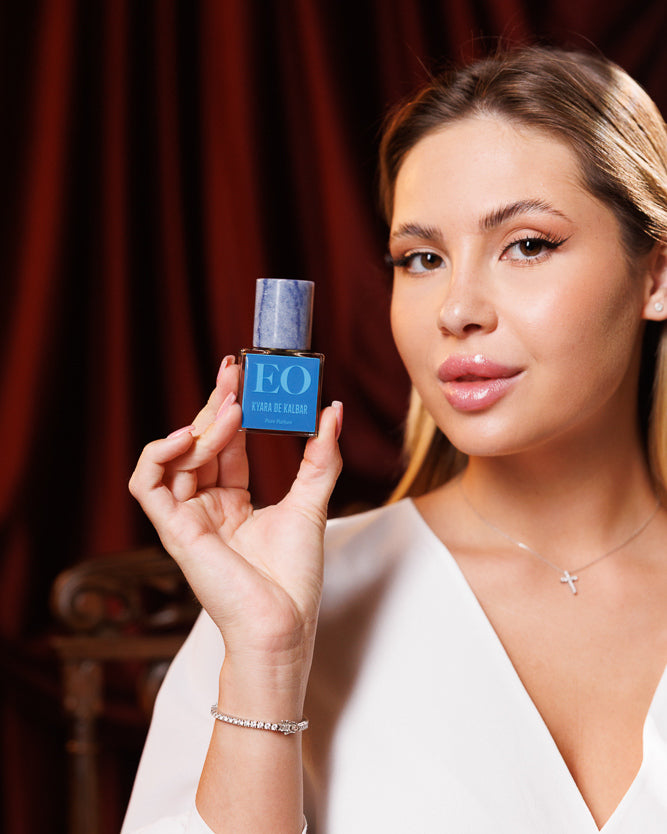
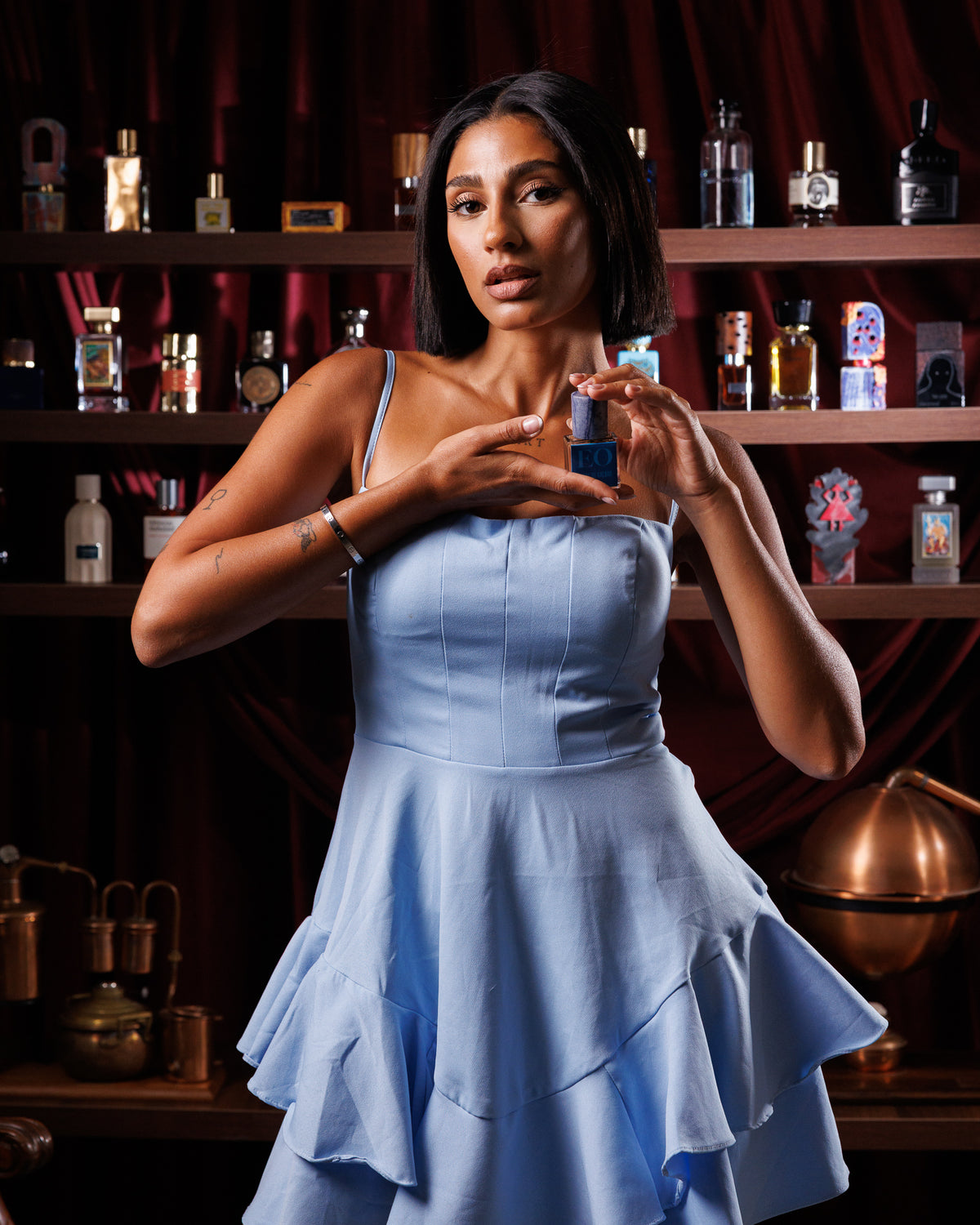
Kyara de Kalbar
The Story
Kyara is the highest grade of agarwood there is, and this was distilled from Brunei kyara of a quality that now commands thousands of dollars a kilogram. The bitter-sweet kinamic bite at its centre is the marker collectors use to identify the grade.


Floral
A whole garden, never one flower
Not one flower but the impression of many, usually rose, jasmine and orange blossom leaning on each other until no single one is recognizable. Sweet, dewy, faintly powdery, with nectar underneath. It is what people mean when a perfume smells like flowers and they cannot say which.


Fruity
Peach skin, not lemon peel
Peach, pear, apple, berry: this is sweetness in the flesh rather than the rind, dewy and nectar-heavy where citrus is sharp and thin. It plays young and slightly greedy, the sort of ripeness you can almost feel running down a wrist.


Woody
Dry grain of cut timber
The smell of cedar shavings, sandalwood, and dry vetiver roots, a sanded, resinous warmth with a faint pencil-box rasp. It feels grounded and composed, the quiet backbone that makes a scent read as serious and lasting.


Black Grape
Concord character, built rather than pressed from fruit
What it is
The purple smell belongs to Concord grapes, not to the wine grapes or the black ones on the table. One compound, methyl anthranilate, carries almost all of it. Naturals-only builds go looking for it in mandarin petitgrain.
How it smells
Grape soda more than fruit: sweet, dark-skinned, with a faint tannic green edge. The lab version is brighter and holds one line throughout. A naturals build pulls floral, since the oil carrying the grape carries orange flower too.
In perfumery
Top and heart, where it lends a wine-dark juiciness to rose, violet and berry accords. Dose it heavily and it turns candied. Cognac oil, distilled from wine lees, is another animal: barrel and ferment, not fresh fruit.
Good to know
No black grape gives a usable extract, so the note is always constructed. Neroli and orange blossom hold traces of the same compound, too little to build a grape on, enough to explain why it keeps drifting floral.


Blackcurrant
Tart cassis with a wild, animalic snarl
What it is
Perfumery mostly ignores the berry. The material that matters is cassis bud absolute, extracted from the sticky, resinous leaf buds of the shrub, usually propped up with sulphur molecules that carry the fruit's tart snap.
How it smells
Sharp, tart, unmistakably purple, then something feral cuts across it: a green, leafy, faintly sweaty pungency that sits closer to cat than to fruit. Ripe berry with a growl behind it.
In perfumery
A top note with claws. It cuts through sweetness, puts an edge on rose, and gives a fruity-floral something to push against. The classic chypre opening starts here, and it still jolts open modern fruity compositions.
Good to know
The catty edge comes from thiols your nose can catch at parts per trillion, the same family behind tomcat spray and a glass of Sauvignon Blanc. Perfumers dose cassis in drops, not millilitres.


Persimmon
A fruit with no oil, rebuilt from memory
What it is
Squeeze a persimmon and you get nothing a perfumer can use. There is no essential oil, so the note is assembled: beta-ionone for the glow, fruity esters, a soft lactone for the flesh.
How it smells
Sweet and succulent, with the plush give of ripe apricot. Something earthy sits under the sugar, a faint warm spice, and the whole thing is jammier and rounder than the tart tropical fruits it gets shelved beside.
In perfumery
It works in the heart, bridging flowers and base with a mellow autumn warmth. Woods, soft musks and a little cinnamon suit it. Cosy rather than sharp, which is why it lands in gourmand-leaning compositions.
Good to know
Bite an unripe one and your mouth puckers shut; the tannins have to break down until the fruit is almost jelly before it turns sweet. And with no extract to anchor it, two persimmon fragrances need not smell alike.


Raspberry
A berry conjured, since none can be extracted
What it is
The fruit gives up nothing: no oil, no absolute. The note is always built, from raspberry ketone with beta-ionone for a violet edge and furaneol for cooked sweetness, or from boronia absolute, davana, rose and violet leaf.
How it smells
Jammy and ripe, sweeter than it is sharp, with a powdery floral shadow that surfaces as it dries. The lab version is brighter, a little candied, and holds its shape. The boronia route runs warmer, greener, wilder.
In perfumery
It lives in fruity-florals and gourmands, next to rose, violet and vanilla. Raspberry ketone is unusual among fruit materials for its tenacity: it is still there in the dry-down, long after pear and peach have evaporated.
Good to know
Raspberry leaf absolute exists, but it reads green, leathery and balsamic with a jammy sweetness, closer to mulled wine than fresh fruit. Boronia smells of raspberry jam and tea, and is scarce enough that botanical raspberry stays rare.


Blue Lotus
The sacred water lily of pharaohs and dreams
What it is
Egypt made this flower sacred, though the absolute sold today comes mostly from Thailand and India. The lily roots in mud; its star-shaped blossoms are washed with solvent, then alcohol, into a thick dark extract.
How it smells
Cool and watery to begin with, like a pond at dawn, with a honeyed sweetness and a lychee-soft fruitiness underneath. Then it warms: earthy, faintly spicy, powdery, drying down resinous rather than bright. More meditative than pretty.
In perfumery
A heart note that bridges water and warmth. Perfumers reach for it when a floral needs to feel ancient rather than fresh, mostly in niche work and in amber-incense accords on Egyptian themes.
Good to know
Tomb walls are full of it, a symbol of the sun and rebirth, and the Egyptians are thought to have steeped it in wine for a mild psychoactive lift. The symbolism was earned: it opens through the morning and closes at dusk.


Orris Root
Cool powdery violet wrung from patient roots
What it is
The iris flower gives nothing. Everything is in the rhizome, which comes out of the ground with next to no scent, then waits three to five years before grinding and distillation turn it into a waxy butter.
How it smells
Cool, dry and powdery, a violet sweetness with something rooty behind it, carrot and suede. It reads silvery and almost edible, iris over warm rice powder, and it never raises its voice. Think makeup rather than bouquet.
In perfumery
Perfumers use it from heart to base for the irones, the molecules that read as violet and suede at once. It sits well with rose, violet, leather and musk, and it is the powder in most iris-forward masculines.
Good to know
Hundreds of kilos of root come down to barely one kilo of butter, and the years of waiting cannot be hurried, which puts orris among the most expensive naturals a perfumer can reach for.


Wild Fig
Green milky leaf over warm sunlit fruit
What it is
Fig the note is the whole tree, not the fruit. Figs give up almost no oil, so perfumers build the smell instead, out of leaf extract and green aroma molecules: sap, bark, shade and ripe fruit together.
How it smells
Green and lactic at the top, like a snapped leaf weeping bitter white sap, over the milky, coconut-tinged sweetness of warm fruit. Underneath, a dry, almost cedar-like wood. Shady and sun-warmed at once, more garden than fruit bowl.
In perfumery
Few notes stretch like this one: green at the top, milky in the middle, woody at the bottom, so it can carry a whole composition alone. Coconut, cedar, milk and citrus sit naturally beside it.
Good to know
Before 1994 there were almost no fig perfumes, because nobody could make a fig leaf smell like a fig leaf. One molecule, stemone, solved it, and the note has been a niche signature ever since.


Jasmine
The heady white flower at perfumery's beating heart
What it is
Picking runs by hand in the dark, from before first light into the morning. The blossoms are too fragile to distill, so solvent lifts their oil into a waxy concrete, and alcohol washes the absolute out of that.
How it smells
Sweet, heavy and honeyed, with something faintly animal underneath. Sambac reads green, tea-like and luminous; grandiflorum is fruitier, creamier, heavier on the skin. Both dry down warm and soft, with a mushroomy musk you notice only up close.
In perfumery
Put it in the heart and it ties a citrus opening to the woods underneath, adding volume to both. Rose, tuberose, sandalwood and musk all take it well. Plenty of perfumes are built on jasmine and nothing else.
Good to know
Roughly six thousand hand-picked blossoms go into one gram of absolute, among the costliest materials in perfumery. Part of its depth is indole, which smells like decay when concentrated and turns radiant at the trace the flower carries.
Brunei Kyara


Malayan Oud
The jammy, leathered resin of peninsular Malaysian agarwood
What it is
Malaysian distillers call the black resin striations tigerwood, and the storm-struck peninsular jungles it comes from the Land of Lightning. This is old-growth wood distilled to a pure aged oil, never a blended oud accord.
How it smells
It arrives in two layers. Smoke and incense resin on top, then a jammy fruit-leather heart underneath: mahogany sweetness, stewed dark fruit, a gently animalic underbelly over cool mineral amber. Dense and syrupy rather than airy.
In perfumery
A sweet-dark base lending body, leather and resinous gravity without the rasp of cruder ouds. Houses wear it neat or anchor incense builds with it, and its mineral-amber facet bridges into ambergris, rose, honey and spice.
Good to know
Judge it on the heart, not the first minute: the smoke reads sharper at the start, and the fruity leather shows once it settles. Wild peninsular wood is scarce, batches differ, and the oil deepens toward velvet with age.


King Super Oud
Ensar's benchmark Tigerwood sinker, black as treacle
What it is
King Super is a grade, not a place: Ensar Oud's name for its densest sinking Tigerwood, black-striped with resin. Decades of the living tree's oleoresin had sunk it before it was cut, and the oil is a vintage sinking-grade distillation that pre-dates Ensar's Tigerwood 1995.
How it smells
It opens sooty and black-resinous, a forest floor rolled in coffee grounds and bittersweet cacao, with a wisp of smoke and Peru balsam underneath. Then a cool camphor lift, and a treacle-thick resin that carries weight without sharpness.
In perfumery
Worn neat, or dosed by the gram into a blend, it gives bittersweet resinous depth without the bite of a green distillation. In Ensar's own Tigerwood: King Super it lacquers cacao in coffee and tobacco.
Good to know
Ensar's own line is blunt: this caliber cannot be distilled today. Where a Cambodi reads fruity and a Hindi turns barnyard, King Super goes the other way, fruit cooked out, funk absent, the young oud's edges sanded smooth by age.
Fragrance Character
Black grape and blackcurrant press dark against the mineral edge of orris root before persimmon softens the contrast. Blue lotus and jasmine rise briefly in the heart, lending a faint aquatic sweetness that keeps the composition from sealing shut. Then the base takes over fully: the Brunei kyara of Kyara de Kalbar itself, with a vintage sinking-grade Kelantan, sinking-grade Terengganu and King Super, settling into a resinous, almost meditative drydown that carries cool and far for hours.


Longevity
how long it stays on skin
The hourglass reads wear time: how many hours the fragrance keeps speaking before it fades. A bar that barely leaves the start means a few fleeting hours. One that runs the full length carries from morning into evening. Treat it as typical, not promised. Oily skin holds scent far longer than dry.


Sillage
the size of its scent trail
Sillage is French for a ship's wake, and that is exactly what this measures: how much of the scent reaches the room instead of staying on you. Low is a whisper only close friends catch. Enormous fills the room, then keeps filling it after you leave.


Experimental
Built to provoke, not to please
Some perfumes are made to be liked. These are made to be argued about: inky tar, hot rubber, fruit on the turn, metal and fur where you expected flowers. The coin glows for a scent that provokes and dims for one that plays it safe, which is sometimes the point.


Office
Polished, and never louder than the room
Scent is manners in a shared room. At this range it should reach the person across the desk and stop there: tidy citrus, soft musk, pale woods, all of it reading competent and considerate. A glowing coin means nobody has to mention it. A dim one means it travels.


Evening
After dark, when it deepens
Dinner, drinks, the night that runs long. Low light is where ambers, resins and smoky woods stop being polite, and where a plush floral finally blooms. A glowing coin means it is waiting for exactly this hour. A dim one means it did its best work in daylight.


Romantic
Close enough to be felt
A fragrance can hum against skin instead of announcing itself across a table. That is the register here: creamy florals, vanilla, soft musk, a thread of spice, warm enough to make someone lean in. The coin glows when a scent sets that mood and dims when it is more practical than seductive.


Formal
Quiet authority in a dressed-up room
A wedding, a ceremony, a room where everyone has thought about their shoes. What works here is structure, not volume: smooth woods, disciplined florals, soft leather. A glowing coin means it holds its posture all evening. A dim one means it is too casual for the room.


Casual
Easy comfort for unhurried days
Errands, coffee, a slow Saturday with nowhere to be. Nothing here has to impress anyone, so the fit is soft and easy: fresh citrus, light woods, a little warmth off the skin. A glowing coin says yes to all that. A dim one means the fragrance is asking for a bigger night.


Day to Night
where its mood naturally falls
A bar running from sun to moon, reading the hour the fragrance was made for. The more of it that stays gold, the more the scent belongs to daylight and open air. The further the blue reaches back toward the sun, the deeper and warmer it turns: evening, candlelight, low rooms.


Winter
Warmth that carries through cold air
Cold air mutes a fragrance and slows it down, which is why winter belongs to the dense and the warm: resin, smoke, vanilla, leather, ambered spice. The bar reads how well this one pushes back, glowing against the chill instead of thinning out in it.


Spring
Fresh blooms in mild, rising warmth
Mild, humid air lifts a light composition, so the season belongs to dewy florals, green stems, soft powder and citrus you can see through. Alive rather than heavy. The further the green runs along the bar, the more comfortably this one wears in that weather.


Summer
Bright and airy in real heat
Heat does the projecting for you, which is why the wrong perfume turns unbearable by noon. What survives is cool and breathable: sharp citrus, salt air, aromatic herbs, water. Things that refresh instead of cloy. A short bar here means save it for cooler months.


Fall
Spiced warmth for cooling days
As the air cools, the rich materials stop smothering and start reading clearly: dry woods, warm spice, tobacco, amber, fruit gone golden. It is the season perfume turns contemplative. The bar fills according to how naturally this one settles into crisp, cooling days.
Best Worn
This belongs to cold nights and formal occasions, the kind of stillness that lets slow-burning wood announce itself without competition.
Choose options
The Vibe


The Nose
Composed in-house.
The Maison

Pure artisanal oud, the real resinous thing, poured from the source bottle into your vial.
Ensar Oud treats agarwood the way a vintner treats a single hillside of old vines. These are dense, slow, deeply serious extraits built around aged ouds, grey ambergris and animalic musks most people have only read about. A drop blooms for hours, shifting from smoke to resin to something warm and skin close.
- Origin
- New York, United States
- Founded
- 2004, as Oriscent
- Known for
- Sultani grade oud, true musk

EVERY DECANT
From the original bottle to your door
We buy the original flacon at full retail price, direct from the house.
A medical grade Socorex syringe takes the exact millilitres straight from the flacon.
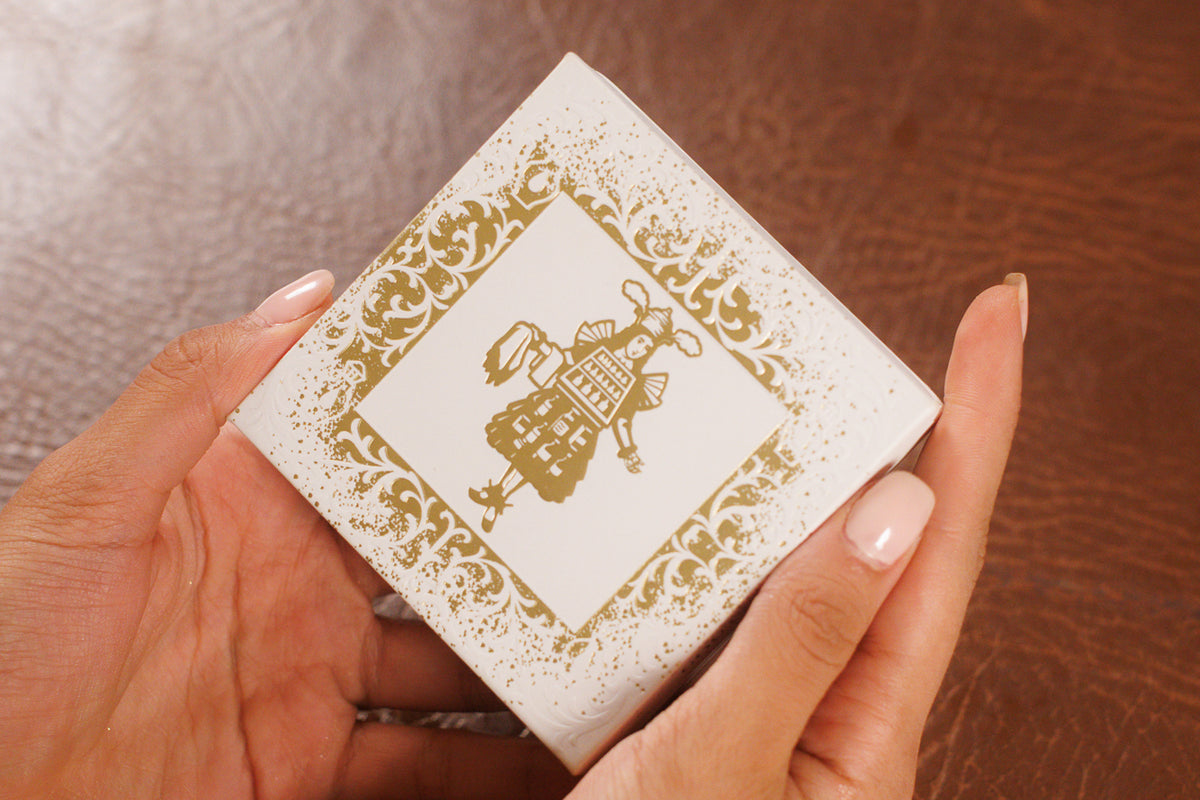
Packed into the hot foiled box and handed to DHL, every duty already paid. How a decant is made
More from Ensar Oud
You may also like