
Ensar Oud
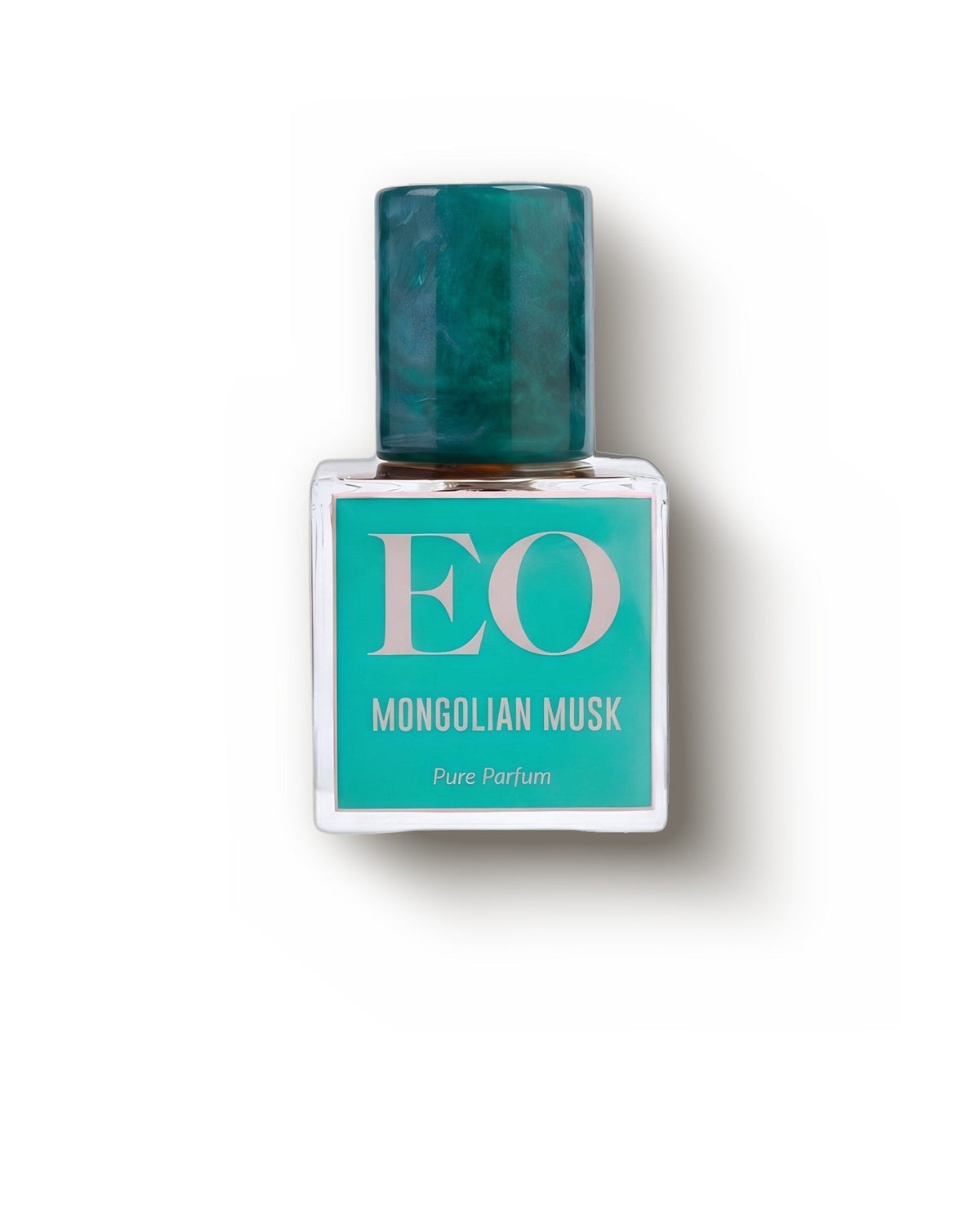
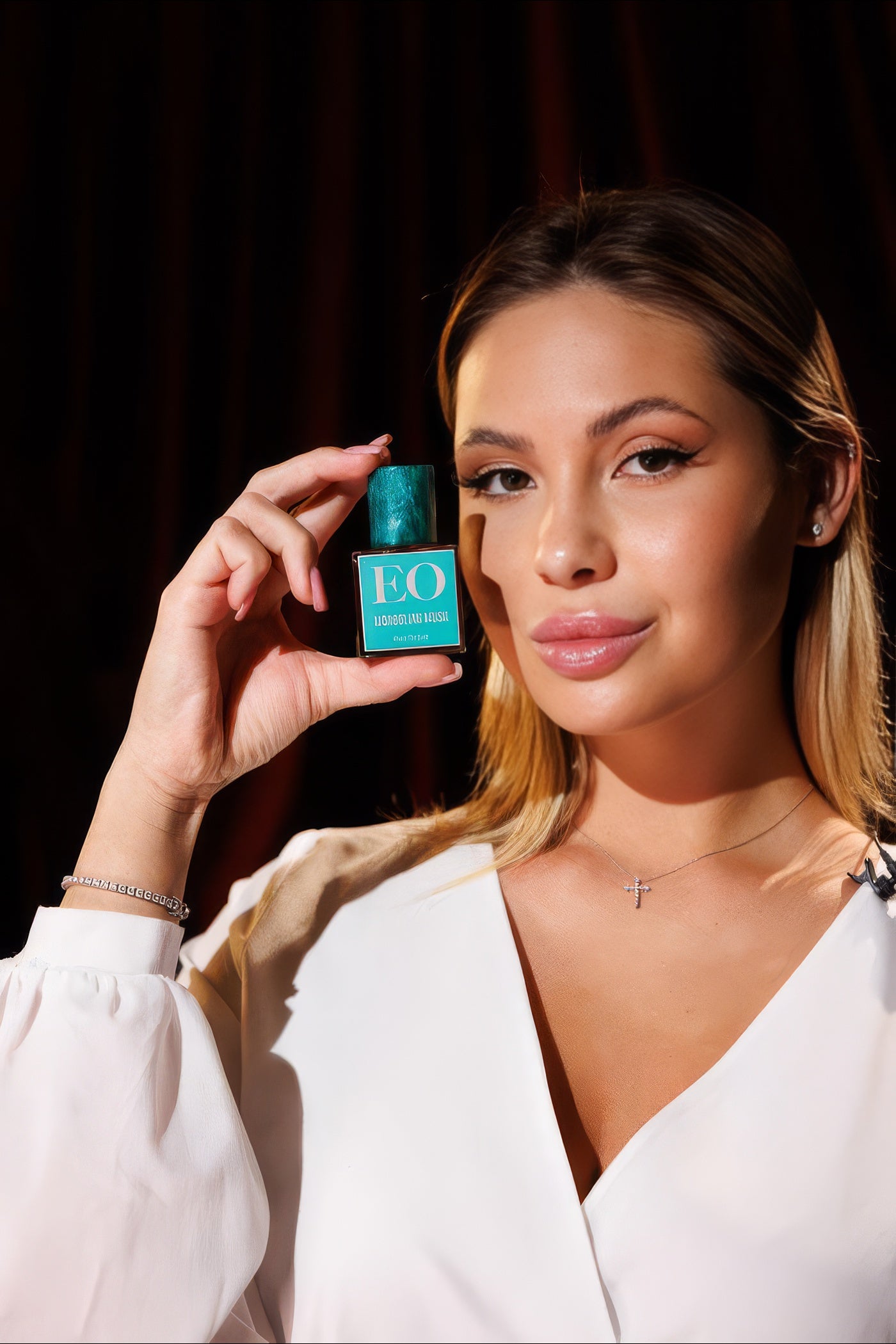
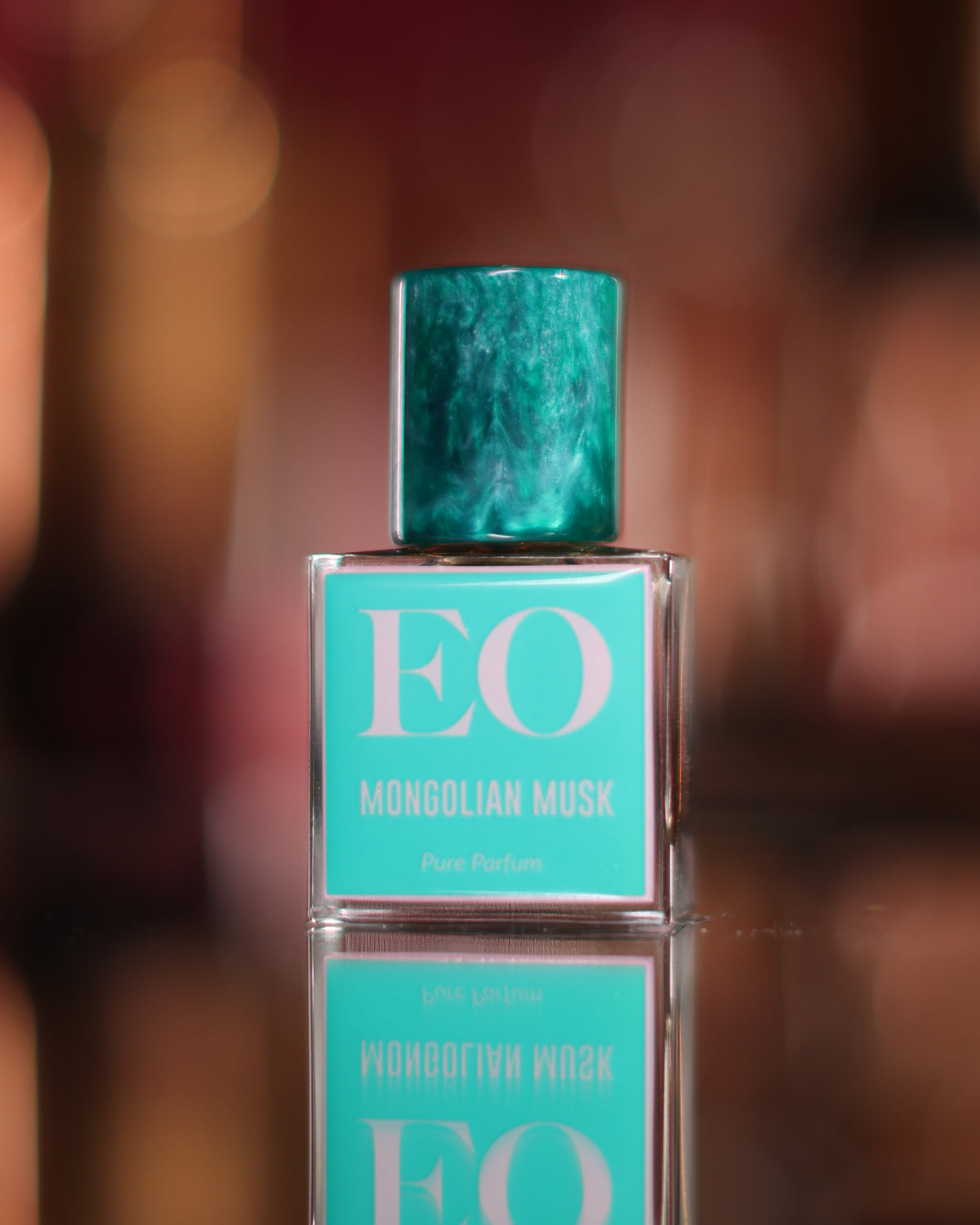
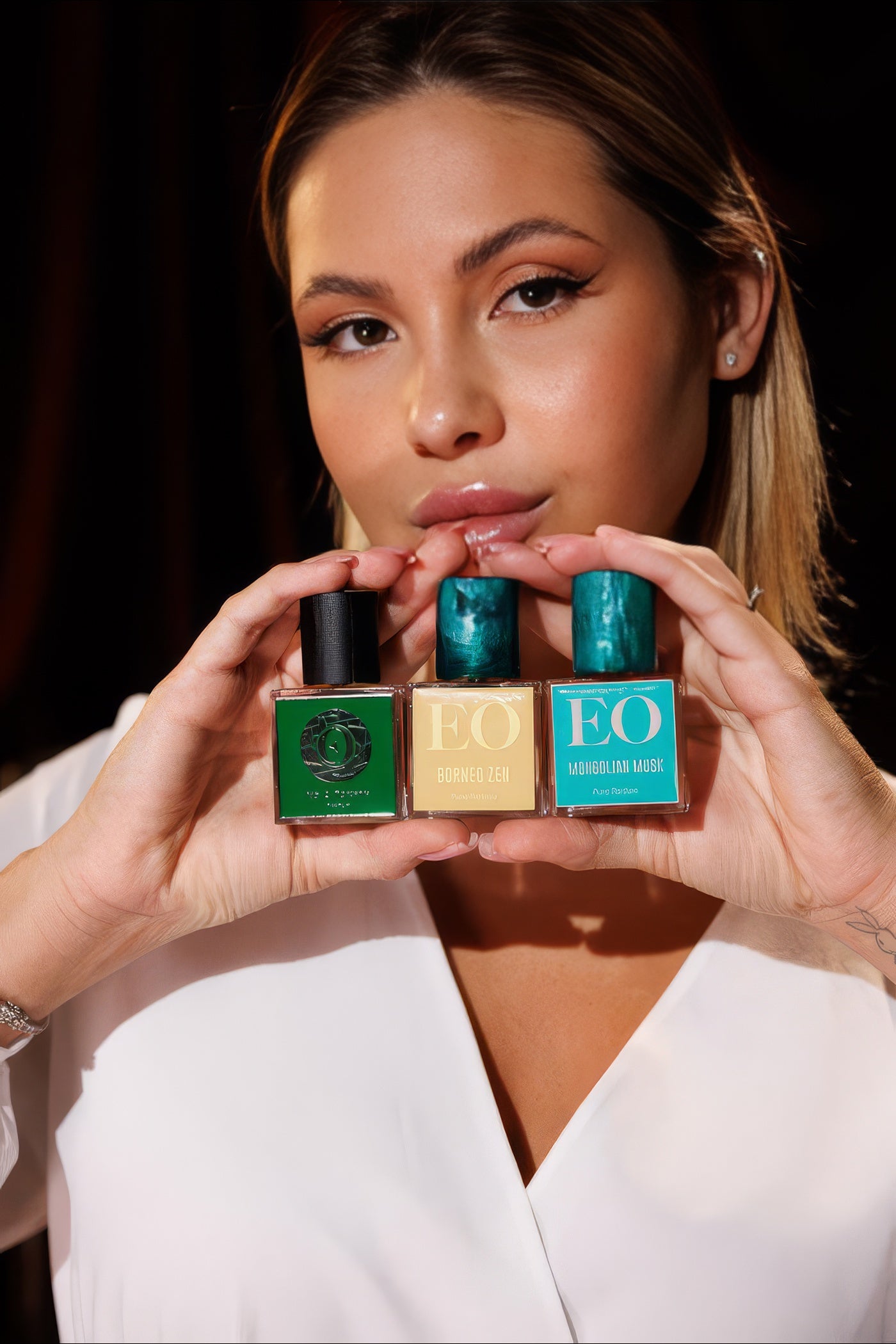
Mongolian Musk
The Story
Built on Mongolian deer musk, this works with one of the few materials as scarce as the oud beside it. The pods behind it are easily a century old, and the heart holds an attar made by Sultan Qaboos himself, set among puerh, honey and cinnamon.


Spicy
A spice stall in the open air
Black pepper, cardamom and pimento berry, dry rather than sweet, with a heat that catches at the top of the nose before you have finished inhaling. It does not sit quietly under anything. Spice raises the temperature of whatever it is put next to.


Animalic
Skin, fur and something not quite tame
A raw, body-warm muskiness that reads of skin, hair and fur, sometimes sweet and powdery, sometimes sharp and faintly feral. At its best you cannot tell where the perfume stops and the wearer starts. At its strongest, it is the reason some people back away.


Woody
Dry grain of cut timber
The smell of cedar shavings, sandalwood, and dry vetiver roots, a sanded, resinous warmth with a faint pencil-box rasp. It feels grounded and composed, the quiet backbone that makes a scent read as serious and lasting.


Sweet
Warm sugar you cannot quite name
Caramel, honey, spun sugar: sweetness that hovers between all three and never settles on one. This is the gourmand pull, the thing that makes someone lean in closer than they meant to, warm and soft and a half step short of edible.


Balsamic
Tree sap gone thick and golden
Tree resins and golden amber, thickened to syrup and touched with vanilla. It does not sparkle or move; it settles, warming the skin the way candlelight warms a room, and it stays there long after the top notes have gone quiet.


Cinnamon
Sweet bark heat, glowing rather than stinging
What it is
The prized part is the inner bark. Strips are peeled from the tree and curled into quills for the spice trade; the oil is steam-distilled from the trimmings and broken bark. Sri Lanka's true cinnamon is the delicate one; the coarser, lower-priced cassia is what fills most kitchen jars.
How it smells
Warm, dry and sweet, with a red glow from cinnamaldehyde and a clove-like edge behind it. True cinnamon smells rounder and faintly floral; cassia bites. The dry-down goes woody and balsamic, with a whisper of leather.
In perfumery
A heart note, and the reason gourmands and orientals feel like a warm room. It works with vanilla, amber, rose, apple and tobacco, and the whole trick is restraint: a touch gives glow, a fraction more gives sting.
Good to know
The Dutch once burned their own stockpiles to keep the price up, back when this bark outvalued gold and Ceylon was worth conquering for it. Modern caution is duller: cinnamaldehyde sensitizes skin, so the dose is capped.


Carob Tree
Mediterranean pods of cocoa, caramel and leather
What it is
Long brown pods hang from a Mediterranean evergreen, packed with sweet, starchy pulp. Roasted and ground, they become the caffeine-free cocoa substitute; pulled through solvent instead, they give a dark, viscous resinoid.
How it smells
Cocoa and roasted coffee, with leather sitting behind them. Drier than cocoa absolute and less sweet, it carries a faint fermented tang underneath that stops the whole thing reading as candy.
In perfumery
A base note in gourmand, woody and amber accords, where it adds edible depth without sugar. Niche houses reach for its cocoa-and-leather side to darken a blend rather than to build a whole scent on it.
Good to know
The carat comes from this tree: carob seeds were the reference weight for gemstones. The old story that they are freakishly uniform is wrong. They vary like any seed, and traders simply picked the ones nearest average.


Honey
Beeswax and dried fruit turning faintly feral
What it is
Bees concentrate flower nectar into a syrup that smells of whatever they foraged. Raw honey resists clean extraction, so the note in a bottle is nearly always built from beeswax absolute and aroma chemicals.
How it smells
Thick and golden, sticky with dried fruit and warm wax, and never quite polite. Under the sweetness runs something animal, closer to skin than to a jar. Push the dose and it turns leathery.
In perfumery
A heart-to-base warmth that rounds tobacco, orange blossom, immortelle and leather, softening their edges while smuggling in body heat. Orientals use it to make sweetness feel lived-in rather than confected.
Good to know
Much of that feral edge comes from phenylacetic acid, which smells of honey with an animal undertone and edges toward civet. Overdose it and the perfume goes barnyard, so perfumers weigh it in fractions.


Black Pepper
Dry heat that prickles and sharpens
What it is
Peppercorns start out green; drying is what turns them black and wrinkled. They grow on a climbing vine, and the scent is drawn out by steam or by CO2.
How it smells
Sharp and dry, a bite that tingles the inside of your nose. Underneath, woody and resinous with a lift of citrus. The distilled oil is airy; the CO2 extract smells like a peppercorn cracked a second ago.
In perfumery
It snaps a fragrance awake from the top, then works lower down as a foil for rose, vetiver and amber. Some are built on nothing but that dry crackle over cedar, which turns out to be enough.
Good to know
Pepper was once used as currency and accepted as rent. And the heat you taste is piperine, which is too heavy to travel in a distillation, so the oil smells peppery without burning anything at all.


Pu-erh Tea
Tea aged like wine, damp and dark
What it is
Pressed into cakes in Yunnan and left to sit, sometimes for decades, while microbes work through the leaf. That slow fermentation is the point: the tea is deliberately allowed to change rather than kept fresh.
How it smells
Wet forest floor more than teacup: damp cellar, mushroom, old wood. It opens green and almost floral, turns bitter and herbaceous, then dries down smoky, with dried fruit somewhere in the back.
In perfumery
Captured as an absolute or rebuilt from other materials, it works in the heart and base, where it gives an earthy, contemplative weight that green and black tea cannot. Vetiver, leather and incense sit well beside it.
Good to know
The earthiness is not a flavouring. It is genuine microbial fermentation, the same trick that makes wine and cheese, and the good cakes keep deepening in storage for decades.


Ylang-ylang
Sun-warmed tropical bloom, banana-cream and jasmine
What it is
A drooping yellow star of a flower, hand-picked from a tropical tree and held in the still for fifteen to twenty hours. The run is drawn off in stages, each one a different grade, Extra down to Third.
How it smells
Creamy and heady, jasmine over something like banana custard, with rubber and clove threaded through. Extra grade is the bright, fruity, spicy one; the later fractions go deeper, fatter and faintly medicinal, drying down waxy and round.
In perfumery
In the heart it bridges jasmine, rose and tuberose, and it keeps citrus tops from turning thin. It carries the floral bouquet inside the aldehydic classics, and it is the reason a solar tiare accord smells tropical.
Good to know
In Indonesia the blossoms are scattered over the beds of newlyweds. The name is Tagalog, ilang-ilang, flower of flowers. The most fragrant blooms are taken at dawn, while they are still cool.


Mongolian Musk
Chocolate, dust and a warm animal hum
What it is
Deer musk from the cold end of its range, the forested mountains where Mongolia meets southern Siberia. Perfumers grade it against Tonkin, the Tibetan and Chinese musk named for its old trade route, which every other musk is measured by.
How it smells
Sweeter than expected, almost chocolatey, with earth and resin underneath and a dry sandy warmth close to ambergris. Muddier than the floral prettiness of Tonkin, softer than the feral Siberian grade. It sits on skin, not above it.
In perfumery
A trace holds everything above it in place for hours and gives a blend its brooding, skin-close weight. All-natural houses set it against oud, where its earthy backbone meets the smoke halfway.
Good to know
Almost everything sold as musk today is synthetic and unrelated to any deer, which is why the word tells you so little on a note list. Tonkin stays the benchmark; taiga grades read rougher and more barnyard.


Sandalwood
Creamy wood, pulled up by the roots
What it is
The richest oil sits in the roots, so the whole tree is pulled up and steam-distilled rather than felled. Mysore in southern India was the classic source, until decades of overcutting pushed the wild trees to the edge.
How it smells
Milk and warm wood, with a rosy, almost buttery edge and nothing sharp at all. What surprises people is how little it moves: no bright opening, no dry-down drama, just the same quiet glow for hours.
In perfumery
It works twice over: as a smell, and as a fixative that holds rose or jasmine in place. Sandalwood is also graded, and the darkest, densest, most resin-heavy old heartwood carries its own name: red meat.
Good to know
A heart worth taking takes about thirty years to form. Plantations of the same species in Western Australia now supply a large share of the world's oil, close to the old Mysore chemistry if not quite its creaminess.


Indonesian Sandalwood
Mysore's own species, raised on drier islands
What it is
It cannot grow alone. Sandalwood taps the roots of neighbouring plants for water and nutrients, and on Timor and Sumba it does so slowly, building the fragrant heartwood that gets ground and distilled.
How it smells
Creamy and milky at first, warm and balsamic underneath, with a faint sour-green bite the Indian wood does not have. It runs drier and sharper than Mysore, and it builds on skin rather than fading.
In perfumery
Base note and fixative. It does the smoothing: sharp materials laid over it lose their edges, and rose, jasmine and oud gain a velvety floor that holds them in place for hours.
Good to know
Botanically this is the same plant as Mysore, so the difference comes largely from soil, island and the age of the tree. When India restricted its exports, Indonesian and Australian wood filled the gap.


Massoia Bark
Coconut cream distilled out of rainforest bark
What it is
Strip the bark from this New Guinea rainforest tree and steam it, and what comes off smells like coconut cream. One lactone does nearly all of that work.
How it smells
Fatty, milky, unapologetically coconut. Think toasted flakes and warm milk on opening, sweet almost to the point of too much, then a soft dairy warmth on skin with a dried-fruit, faintly rum-like tail.
In perfumery
At heart and base it gave gourmands, tropical florals and beach accords their creamy volume and sun-warmed-skin softness, alongside tonka, sandalwood and vanilla. Modern coconut-and-milk scents reach the same effect through other creamy lactones.
Good to know
The sensitisation test was never finished. It was too strong, and both the bark oil and the pure lactone are now IFRA-prohibited. Wild Papuan bark is thinning too, because taking it kills the tree.


Indian Oud
The fermented, leathered, animalic king of agarwood
What it is
Agarwood from Assam, and collectors call it Hindi. What makes an oud Hindi is not the tree but the method: it soaks and ferments for days, then goes into a copper still with the water it rotted in.
How it smells
The opening is not pretty: barnyard, stable floor, frankly fecal. Give it twenty minutes. It resolves into buttery leather, dry hay, black pepper and clove, then a deep smoky base. Aged oils add chai and dried fruit.
In perfumery
Every other oud is measured against this one. The intensity that sends newcomers running is exactly what collectors pay for. Rose is the classic partner, the Arabian mukhallat, though in practice a Hindi oil is usually worn neat.
Good to know
Cambodi is sweet and honeyed, Borneo cool with pine, Thai medicinal. India alone owns the fermented register. Young, a Hindi hits hardest; ageing turns the funk to smooth leather. Loudness proves nothing: a badly cured oil shouts too.


Thai Oud
Smouldering leather with a fruity thread
What it is
Oud distilled in Thailand, much of it from plantations in the eastern provinces around Trat, though Thai stills run on more than one Aquilaria species. Wood is commonly aged for years before it ever reaches the pot.
How it smells
Smouldering rather than burning: tannic leather, warm spice and honeyed tobacco with a bright fruity thread running under it. The camphor edge keeps things bracing, almost antiseptic, and a faint animal warmth sits beneath.
In perfumery
It sits between the sweet Cambodian style and the animalic Hindi one: smoky leather depth without the barnyard, which is why artisan distillers and blenders both reach for it. Trat oils are the most sought of the lot.
Good to know
Trat shares the Cardamom range with Cambodia, so border oils can echo Khmer sweetness while carrying far more leather and smoke. Years of ageing before distillation is what rounds off the medicinal sharpness.
Fragrance Character
The first hour radiates heat, spice, and fermented sweetness, projecting with real force. As the top layer burns off, the pu-erh tea lends a damp, aged-wood quality while ylang-ylang softens the transition without sweetening it. The drydown belongs to musk and oud in close collaboration, barnyard and resin pressed together against sandalwood and massoia, wearing close to skin but leaving an unmistakable trace.


Longevity
how long it stays on skin
The hourglass reads wear time: how many hours the fragrance keeps speaking before it fades. A bar that barely leaves the start means a few fleeting hours. One that runs the full length carries from morning into evening. Treat it as typical, not promised. Oily skin holds scent far longer than dry.


Sillage
the size of its scent trail
Sillage is French for a ship's wake, and that is exactly what this measures: how much of the scent reaches the room instead of staying on you. Low is a whisper only close friends catch. Enormous fills the room, then keeps filling it after you leave.


Experimental
Built to provoke, not to please
Some perfumes are made to be liked. These are made to be argued about: inky tar, hot rubber, fruit on the turn, metal and fur where you expected flowers. The coin glows for a scent that provokes and dims for one that plays it safe, which is sometimes the point.


Office
Polished, and never louder than the room
Scent is manners in a shared room. At this range it should reach the person across the desk and stop there: tidy citrus, soft musk, pale woods, all of it reading competent and considerate. A glowing coin means nobody has to mention it. A dim one means it travels.


Evening
After dark, when it deepens
Dinner, drinks, the night that runs long. Low light is where ambers, resins and smoky woods stop being polite, and where a plush floral finally blooms. A glowing coin means it is waiting for exactly this hour. A dim one means it did its best work in daylight.


Romantic
Close enough to be felt
A fragrance can hum against skin instead of announcing itself across a table. That is the register here: creamy florals, vanilla, soft musk, a thread of spice, warm enough to make someone lean in. The coin glows when a scent sets that mood and dims when it is more practical than seductive.


Formal
Quiet authority in a dressed-up room
A wedding, a ceremony, a room where everyone has thought about their shoes. What works here is structure, not volume: smooth woods, disciplined florals, soft leather. A glowing coin means it holds its posture all evening. A dim one means it is too casual for the room.


Casual
Easy comfort for unhurried days
Errands, coffee, a slow Saturday with nowhere to be. Nothing here has to impress anyone, so the fit is soft and easy: fresh citrus, light woods, a little warmth off the skin. A glowing coin says yes to all that. A dim one means the fragrance is asking for a bigger night.


Day to Night
where its mood naturally falls
A bar running from sun to moon, reading the hour the fragrance was made for. The more of it that stays gold, the more the scent belongs to daylight and open air. The further the blue reaches back toward the sun, the deeper and warmer it turns: evening, candlelight, low rooms.


Winter
Warmth that carries through cold air
Cold air mutes a fragrance and slows it down, which is why winter belongs to the dense and the warm: resin, smoke, vanilla, leather, ambered spice. The bar reads how well this one pushes back, glowing against the chill instead of thinning out in it.


Spring
Fresh blooms in mild, rising warmth
Mild, humid air lifts a light composition, so the season belongs to dewy florals, green stems, soft powder and citrus you can see through. Alive rather than heavy. The further the green runs along the bar, the more comfortably this one wears in that weather.


Summer
Bright and airy in real heat
Heat does the projecting for you, which is why the wrong perfume turns unbearable by noon. What survives is cool and breathable: sharp citrus, salt air, aromatic herbs, water. Things that refresh instead of cloy. A short bar here means save it for cooler months.


Fall
Spiced warmth for cooling days
As the air cools, the rich materials stop smothering and start reading clearly: dry woods, warm spice, tobacco, amber, fruit gone golden. It is the season perfume turns contemplative. The bar fills according to how naturally this one settles into crisp, cooling days.
Best Worn
Made for the cold half of the year and evenings where a scent is meant to be discovered rather than announced, it suits someone comfortable with raw, pre-perfumery materials rendered in a modern composition.
Choose options
The Vibe


The Nose
Composed in-house.
The Maison

Pure artisanal oud, the real resinous thing, poured from the source bottle into your vial.
Ensar Oud treats agarwood the way a vintner treats a single hillside of old vines. These are dense, slow, deeply serious extraits built around aged ouds, grey ambergris and animalic musks most people have only read about. A drop blooms for hours, shifting from smoke to resin to something warm and skin close.
- Origin
- New York, United States
- Founded
- 2004, as Oriscent
- Known for
- Sultani grade oud, true musk

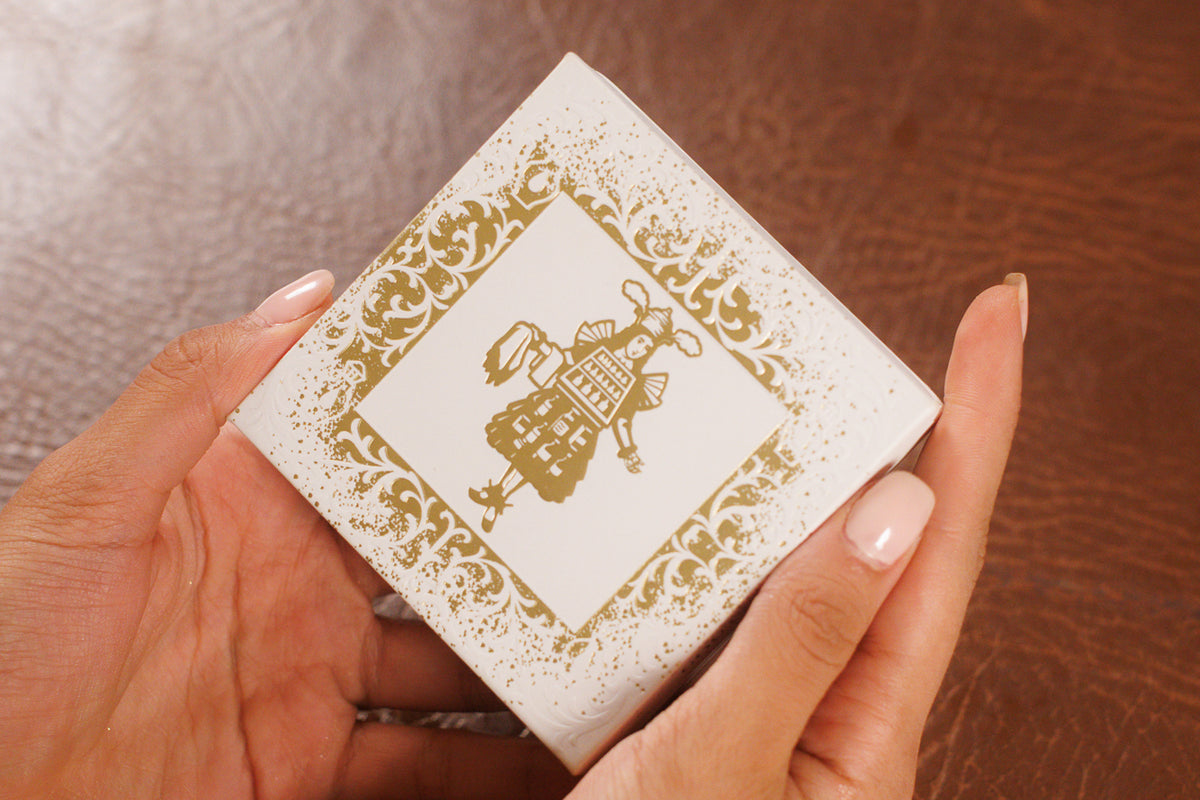
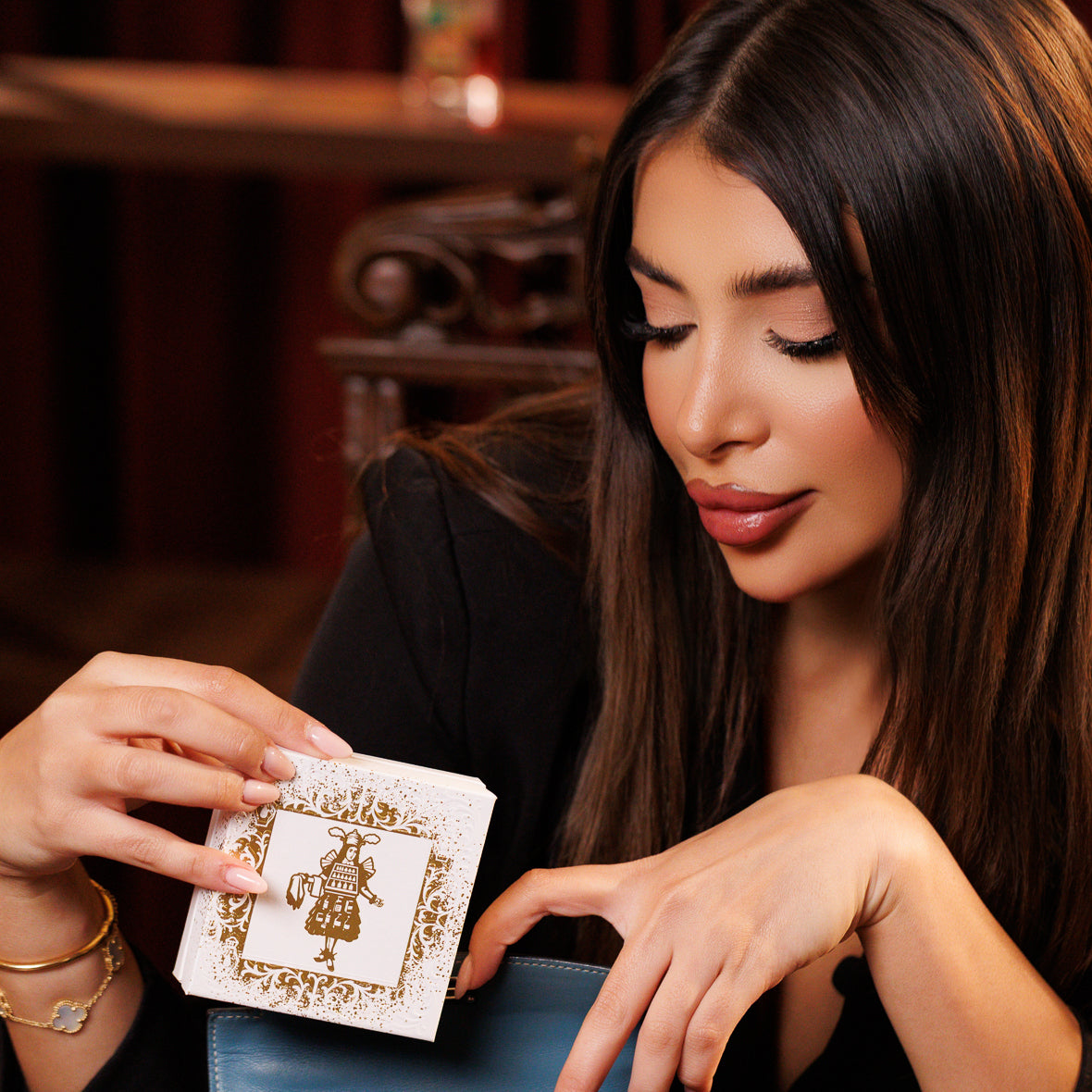
EVERY DECANT
From the original bottle to your door
We buy the original flacon at full retail price, direct from the house.
A medical grade Socorex syringe takes the exact millilitres straight from the flacon.
Packed into the hot foiled box and handed to DHL, every duty already paid. How a decant is made
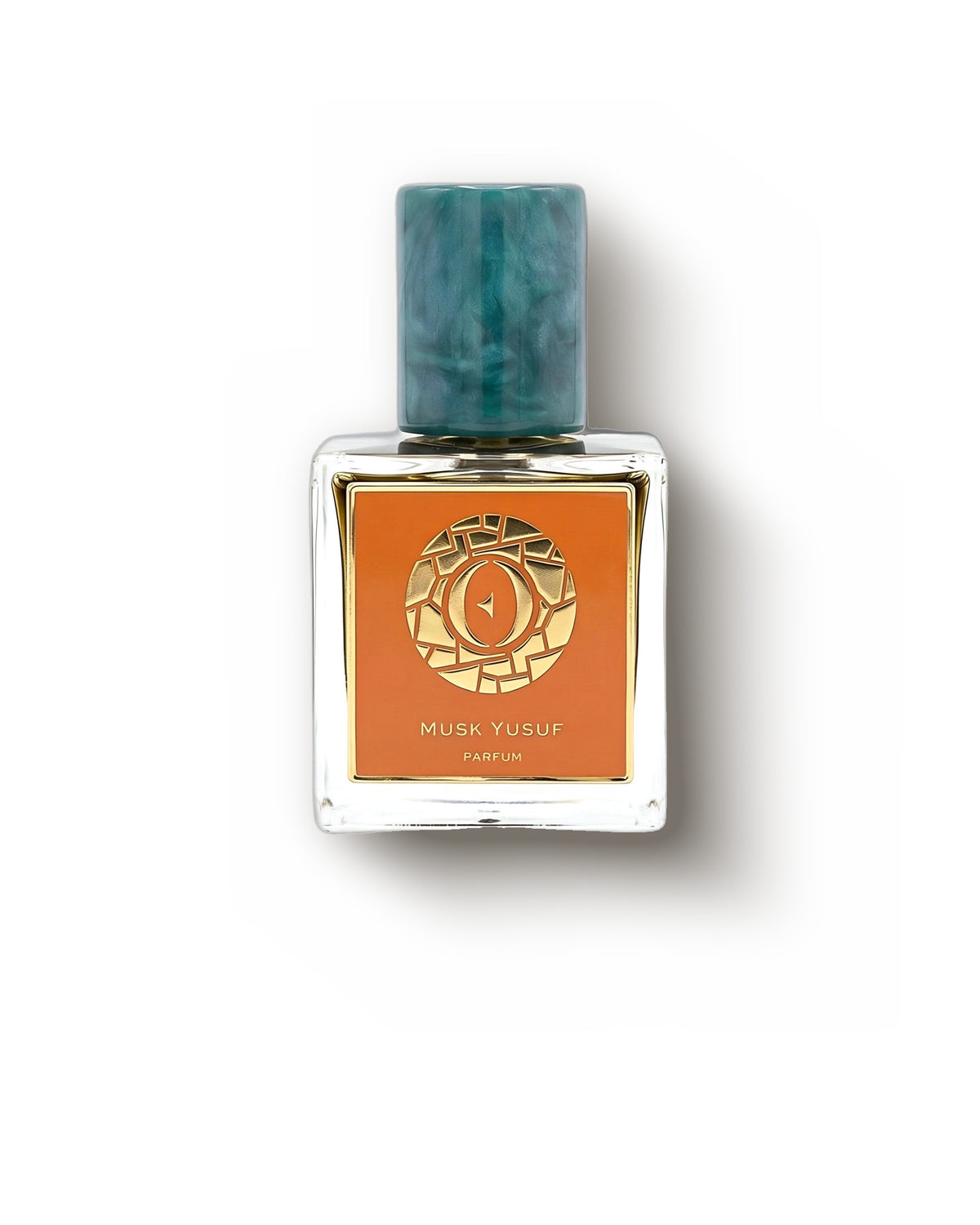
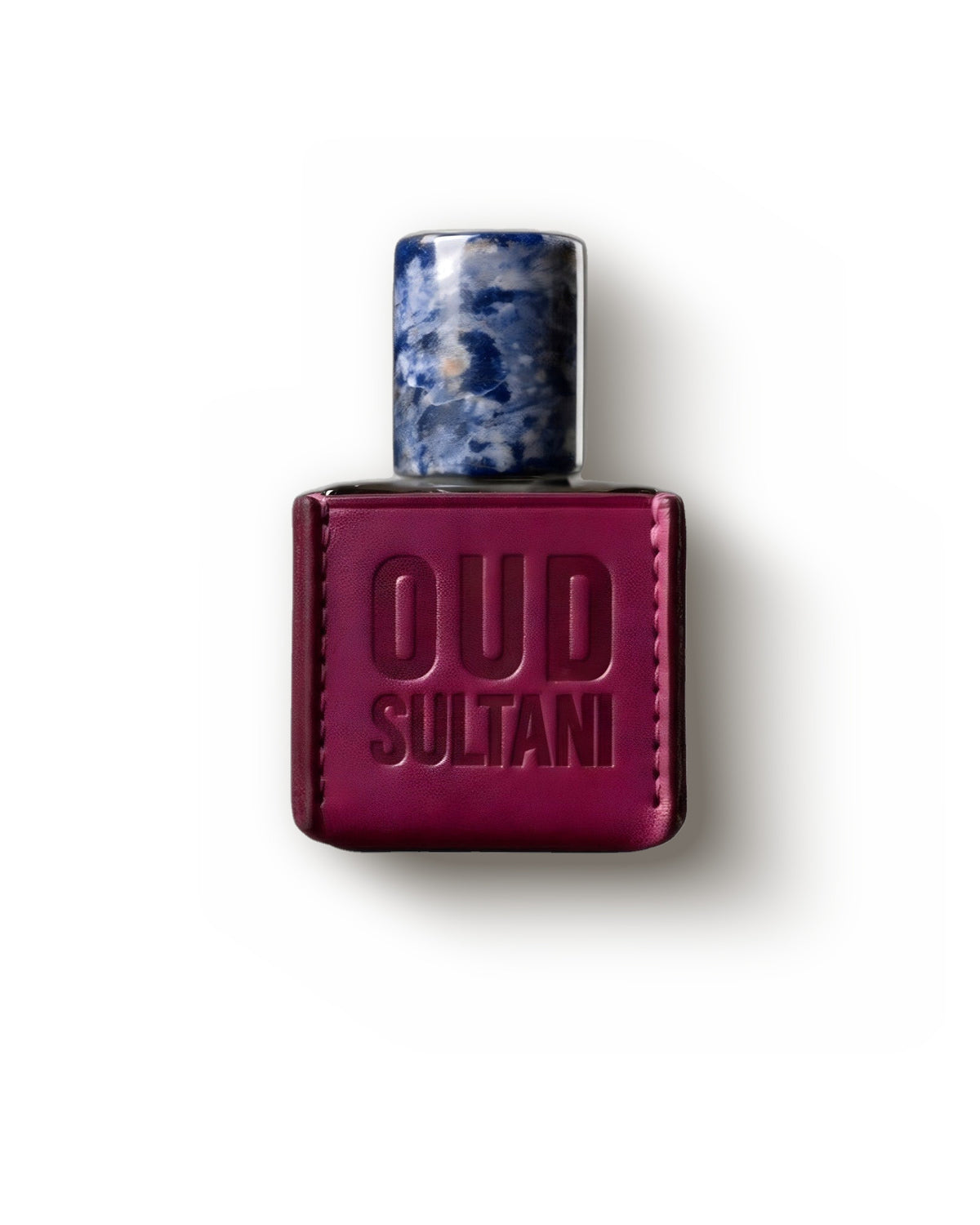
More from Ensar Oud
You may also like