Ensar Oud
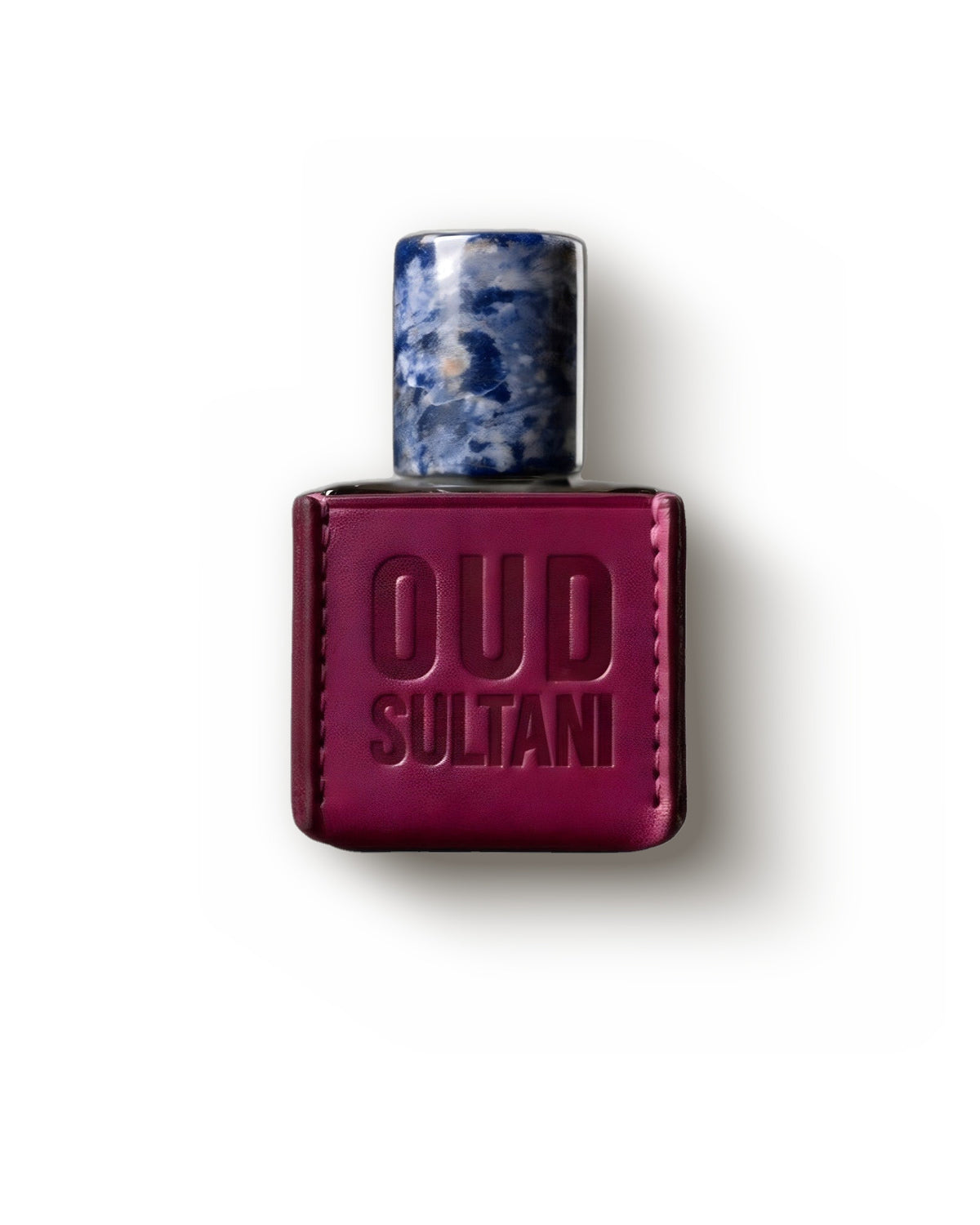
Oud Sultani: Kannan Koh
The Story
The Kannan Koh edition is formulated around a grade and profile of oud that belongs to another era. The composition is dense with aged oud, and that density is the point: it exists as a record of what those materials, combined, once smelled like.


Sweet
Warm sugar you cannot quite name
Caramel, honey, spun sugar: sweetness that hovers between all three and never settles on one. This is the gourmand pull, the thing that makes someone lean in closer than they meant to, warm and soft and a half step short of edible.


Fruity
Peach skin, not lemon peel
Peach, pear, apple, berry: this is sweetness in the flesh rather than the rind, dewy and nectar-heavy where citrus is sharp and thin. It plays young and slightly greedy, the sort of ripeness you can almost feel running down a wrist.


Floral
A whole garden, never one flower
Not one flower but the impression of many, usually rose, jasmine and orange blossom leaning on each other until no single one is recognizable. Sweet, dewy, faintly powdery, with nectar underneath. It is what people mean when a perfume smells like flowers and they cannot say which.


Powdery
Soft hush of dressed skin
A velvety, slightly dry softness of iris root, violet, and fine talc, like face powder or clean linen warmed by skin. It feels intimate, refined, and nostalgic, blurring a fragrance into a gentle, cushioned haze.


Woody
Dry grain of cut timber
The smell of cedar shavings, sandalwood, and dry vetiver roots, a sanded, resinous warmth with a faint pencil-box rasp. It feels grounded and composed, the quiet backbone that makes a scent read as serious and lasting.
Nepalese Spikenard
High-mountain root of damp earth and old wood
What it is
Dug by hand from Himalayan slopes three to five thousand metres up, then dried and steam-distilled. The knotted rhizomes come out of Nepal, Sikkim and Bhutan, and the oil runs amber.
How it smells
Damp earth, old wood, wet moss. It leans animalic, almost goat-like at full strength, and sits close to valerian but darker and warmer, with a bitter spice underneath that settles into something calm and soil-deep.
In perfumery
A base note with gravity. It gives chypres, incense blends and meditative compositions a rooted, ancient floor, and it holds its own under vetiver, patchouli, oakmoss and frankincense without turning polite.
Good to know
Overharvesting has made the wild plant a protected, threatened species. This is the nard the Gospel describes being poured over Christ's feet, and it was reckoned costly then too.


Bourbon Vanilla
Rum, raisin and cream from a cured pod
What it is
Nothing to do with whiskey. Bourbon here means Reunion, formerly the Ile Bourbon, and the name stuck to pods cured there, on Madagascar and in the Comoros: blanched, sweated, sun-dried, then rested in closed boxes for months until the aroma arrives.
How it smells
Dark and creamy, with a rum-and-raisin warmth that ordinary vanilla never reaches. Look under the cream and there is tobacco, prune and a woody spice. It unfolds slowly and stays as a soft, enveloping sweetness.
In perfumery
As a base note it does two jobs, sweetening the composition and holding everything else in place. It sits with tonka, benzoin and sandalwood, forming the plush core of orientals and the dessert drydown of gourmands.
Good to know
Only saffron costs more by weight. Each flower opens for a single day and must be pollinated by hand within hours. The boozy depth is not borrowed from the name: it comes from the curing.


Vintage Orris
The frostiest root in perfumery
What it is
Three years in the ground, then roughly three more before any violet appears. Odorless iridals in the rhizome oxidize into irones as it waits, and vintage stock waits longer still. It comes out a waxy butter, not an oil.
How it smells
Cold and silvery: a powdery violet that smells less like a flower than like the inside of a leather glove, or a freshly peeled carrot. Pressed face powder and raw suede sit underneath. Young orris reads thin beside it.
In perfumery
A trace gives a composition a cool powdery spine and lifts everything around it. Natural houses accept the cost where others reach for synthetic ionones. Rose, violet leaf and soft woods sit best beside it.
Good to know
Being a butter, it is firm at room temperature and dosed in specks. The ageing is real chemistry, not a label: longer maturation keeps rounding the irones. Powdery violet sold for pennies is synthetic ionone, not this.


Castoreum
Real castoreum, smoky hide with an aspirin edge
What it is
This is real castoreum rather than an accord built to imitate it: the secretion of the beaver's castor sacs, which the animal uses to mark its territory. The sacs are dried and worked into a tincture or absolute, the form in which perfumers usually use it.
How it smells
Dark, tarry leather with a medicinal edge, like birch smoke off a wet coat. Underneath there is sweetness: dried fruit, hay, a smear of vanilla. Dilute it far enough and the growl turns to warm suede.
In perfumery
It anchors the base and holds everything above it: the hide of a leather scent, the smoke of a Russian-leather style, the long tail of an old oriental. Natural perfumers sometimes age or macerate other materials with it, oud among them, to lend them its leathery depth.
Good to know
Beavers live on willow and poplar bark, thick with salicin, the compound behind aspirin, and it carries through: a cool, almost medicinal thread under all that leather. It has long been a flavouring material as well.

Jasmine
The heady white flower at perfumery's beating heart
What it is
Picking runs by hand in the dark, from before first light into the morning. The blossoms are too fragile to distill, so solvent lifts their oil into a waxy concrete, and alcohol washes the absolute out of that.
How it smells
Sweet, heavy and honeyed, with something faintly animal underneath. Sambac reads green, tea-like and luminous; grandiflorum is fruitier, creamier, heavier on the skin. Both dry down warm and soft, with a mushroomy musk you notice only up close.
In perfumery
Put it in the heart and it ties a citrus opening to the woods underneath, adding volume to both. Rose, tuberose, sandalwood and musk all take it well. Plenty of perfumes are built on jasmine and nothing else.
Good to know
Roughly six thousand hand-picked blossoms go into one gram of absolute, among the costliest materials in perfumery. Part of its depth is indole, which smells like decay when concentrated and turns radiant at the trace the flower carries.


Rose
Dewy sweetness over a green, peppery bite
What it is
Most perfumery rose is one of two: damascena from Bulgaria and Turkey, centifolia from Grasse. Whole blossoms are picked by hand from before sunrise until about ten thirty, then distilled into otto or solvent-extracted into absolute.
How it smells
Fresh, honeyed, green at the edges, with something dewy still on it. Spice and fruit sit underneath, and in the absolute a jammy darkness. Otto opens crisp and bright; absolute is warmer, smokier, closer to skin.
In perfumery
Rose behaves less like one note than a whole palette. It carries a perfume alone or vanishes into a chypre, turns dark against oud and patchouli, goes powdery beside violet, and holds a floral heart together.
Good to know
The two extractions are not the same bargain. Otto takes three to four thousand kilograms of blossoms to yield one kilogram of oil. Absolute, pulled out with solvent, gets there on roughly a seventh of the flowers.

Violet Leaf
Cool green leaf breathing crushed grass and cucumber
What it is
This is the leaf, not the flower, and it smells nothing like it. A ton of leaves from the fields around Grasse or in Egypt, washed down with solvent, yields under a kilogram of thick, deep-green absolute.
How it smells
Green and watery rather than floral. Crushed leaf and cut grass first, over a cold cucumber tang with something faintly metallic in it. Then it dries: leathery, earthy, a long way from the candied purple sweet everyone expects.
In perfumery
A top-to-heart note that cools a fougere down and gives leather a transparent, green lift. It works with iris, rose and cucumber, and signs the classic green-leather compositions. Many violet-leaf openings lean on methyl octine carbonate.
Good to know
Cut a cucumber and you are smelling the same molecule: violet leaf aldehyde. It makes up around one percent of the absolute and does almost all of the smelling.


Tigerwood 1991 Oud
Vintage Malaysian tigerwood, jammy red-musk velvet
What it is
A single lot from Ensar Oud, distilled from West Malaysian agarwood of the tigerwood grade: heartwood shot through with black resin like tiger stripes. The distillers gathered all the tigerwood they could while it still came to market.
How it smells
Green and camphoraceous, a mentholated pitch that rises and falls like sweetness lifting off a tiger chip set over heat. Beneath it a jammy, almost leathery body threaded with red musk. Three decades on, it is velvet, not dust.
In perfumery
Dab it on pulse points; this is not a material to blend into a pyramid, and it plays as a finished composition. Creamy and full spectrum, it echoes Kelantan and Terengganu over incense: the regal, meditative end of oud.
Good to know
1991 is not a style, it is a date. Wood of this grade is scarce at the still today, and the same oil would be far harder to put together now. For its age it stays clear and alive, and one careful dab is the dose.


Kannan Koh Oud
West-Malaysian sinking oud, a purple-plum kinam
What it is
The name sounds South Indian; the wood is West Malaysian, so loaded with resin that it sinks. From a grade of West Malaysian wood that seldom comes to the still now, it anchors a small multi-oud perfume.
How it smells
A dense purple plume: plum-fruited, musky-sweet, more sticky kyara sherbet than ordinary distilled oud. Syrupy and faintly smoky, floral-forward and still unmistakably oudy, with almost none of the rough edge the word oud usually promises.
In perfumery
Collectors wear it neat, or make it the soul of an attar. Its plum-honeyed body carries jasmine, rose and orris without the medicinal bite that makes Indian oud hard to wear. Star note and fixative at once.
Good to know
It sits between the poles: none of Hindi's barnyard sternness, darker and plummier than the red-berry honey of Cambodi. Treat it like old spirits, a smear blooms for hours, and this grade of wood belongs to another era.
Raw Agarwood Resin
The raw resin of the wood, not the distilled oil
What it is
Cold, a chip gives almost nothing: faint sweetness, a little wood. Set it on a coal and the resin trapped in the heartwood lets go at once. Nothing has been distilled, and this raw agarwood resin is an ingredient of the perfume in its own right.
How it smells
Drier and smokier than oud oil: incense wood, cedar, a cool camphor edge, finishing on faintly honeyed smoke. Little of the fermented funk a distilled Hindi carries. On a coal it fills a room as smoke, then leaves.
In perfumery
Few perfumes list it as an ingredient. Raw wood is mostly for burning, and it is the reference a perfumer works back toward when they want oud to read as dry temple smoke rather than heavy animalic oil.
Good to know
Grade and origin outrank the word oud. A Hindi chip burns dark and leathery; a Trat chip burns sweet and bright. Heat decides the rest: a low coal draws clean honeyed smoke, a hot one scorches it to char.


Tonkin Musk Absolute
Honeyed animal warmth that clings for days
What it is
Every other natural musk gets measured against this one. Tonkin takes its name from northern Vietnam, and what circulates now is old material, held for decades.
How it smells
Velvety and warm-blooded, wrapped in something honeyed and waxy that edges toward chocolate, finishing powdery like suede. There is a bite to it, unmistakably animal, but suave rather than sharp. One drop reads for days.
In perfumery
Dosed in the smallest fractions, it works as a fixative, welding unrelated notes into one glowing accord and stretching a composition toward days. Used well you never smell musk, only a scent that will not let go.
Good to know
The white musk on most ingredient lists is a laboratory molecule, clean and one-note by design. Among the real ones Tonkin is the sweetest and most floral-friendly, where Mongolian reads calmer and sharper, Kashmiri drier.


Ambergris
Sea-aged whale gold breathing warm salt air
What it is
This is real ambergris, the material Ambroxan was made to echo. Perhaps one sperm whale in a hundred makes it: a waxy mass in the gut, thought to coat the squid beaks it cannot digest. Expelled, it can drift for years, curing in sun and salt before washing ashore.
How it smells
Fresh from the whale it is faecal and marine. Cured by years at sea it turns sweet, animalic and softly mineral, all tobacco, dry seaweed and old wood. It reads less as an odour than as warmth, diffusion and breath.
In perfumery
Perfumers traditionally work it as a tincture, the grated lumps steeped in alcohol for months until the liquid matures. In a base it slows everything down, lends a skin-like radiance and makes the notes around it bloom and last.
Good to know
Today it is found rather than harvested: lumps wash up on shorelines or are spotted drifting at sea. Pieces are judged largely by colour, from fresh black through grey to white, and the palest, longest-cured ones are the most prized for their sweetness.
Fragrance Character
On first contact, the oud asserts itself with resinous force, a dense purple plume of plum and kyara-like sweetness edged by raw agarwood smoke and the rooty, medicinal pull of spikenard. Jasmine and rose surface in the heart with a dark, crimson sweetness, their petals bruised rather than fresh, pressed into the castoreum and tonkin musk. The drydown settles close to skin but loses nothing of its density, bourbon vanilla and ambergris rounding the base into something skin-warm and unyielding.


Longevity
how long it stays on skin
The hourglass reads wear time: how many hours the fragrance keeps speaking before it fades. A bar that barely leaves the start means a few fleeting hours. One that runs the full length carries from morning into evening. Treat it as typical, not promised. Oily skin holds scent far longer than dry.


Sillage
the size of its scent trail
Sillage is French for a ship's wake, and that is exactly what this measures: how much of the scent reaches the room instead of staying on you. Low is a whisper only close friends catch. Enormous fills the room, then keeps filling it after you leave.


Experimental
Built to provoke, not to please
Some perfumes are made to be liked. These are made to be argued about: inky tar, hot rubber, fruit on the turn, metal and fur where you expected flowers. The coin glows for a scent that provokes and dims for one that plays it safe, which is sometimes the point.


Office
Polished, and never louder than the room
Scent is manners in a shared room. At this range it should reach the person across the desk and stop there: tidy citrus, soft musk, pale woods, all of it reading competent and considerate. A glowing coin means nobody has to mention it. A dim one means it travels.


Evening
After dark, when it deepens
Dinner, drinks, the night that runs long. Low light is where ambers, resins and smoky woods stop being polite, and where a plush floral finally blooms. A glowing coin means it is waiting for exactly this hour. A dim one means it did its best work in daylight.


Romantic
Close enough to be felt
A fragrance can hum against skin instead of announcing itself across a table. That is the register here: creamy florals, vanilla, soft musk, a thread of spice, warm enough to make someone lean in. The coin glows when a scent sets that mood and dims when it is more practical than seductive.


Formal
Quiet authority in a dressed-up room
A wedding, a ceremony, a room where everyone has thought about their shoes. What works here is structure, not volume: smooth woods, disciplined florals, soft leather. A glowing coin means it holds its posture all evening. A dim one means it is too casual for the room.


Casual
Easy comfort for unhurried days
Errands, coffee, a slow Saturday with nowhere to be. Nothing here has to impress anyone, so the fit is soft and easy: fresh citrus, light woods, a little warmth off the skin. A glowing coin says yes to all that. A dim one means the fragrance is asking for a bigger night.


Day to Night
where its mood naturally falls
A bar running from sun to moon, reading the hour the fragrance was made for. The more of it that stays gold, the more the scent belongs to daylight and open air. The further the blue reaches back toward the sun, the deeper and warmer it turns: evening, candlelight, low rooms.


Winter
Warmth that carries through cold air
Cold air mutes a fragrance and slows it down, which is why winter belongs to the dense and the warm: resin, smoke, vanilla, leather, ambered spice. The bar reads how well this one pushes back, glowing against the chill instead of thinning out in it.


Spring
Fresh blooms in mild, rising warmth
Mild, humid air lifts a light composition, so the season belongs to dewy florals, green stems, soft powder and citrus you can see through. Alive rather than heavy. The further the green runs along the bar, the more comfortably this one wears in that weather.


Summer
Bright and airy in real heat
Heat does the projecting for you, which is why the wrong perfume turns unbearable by noon. What survives is cool and breathable: sharp citrus, salt air, aromatic herbs, water. Things that refresh instead of cloy. A short bar here means save it for cooler months.


Fall
Spiced warmth for cooling days
As the air cools, the rich materials stop smothering and start reading clearly: dry woods, warm spice, tobacco, amber, fruit gone golden. It is the season perfume turns contemplative. The bar fills according to how naturally this one settles into crisp, cooling days.
Best Worn
Made for cold evenings and formal occasions, the kind of winter night where the weight of the fragrance matches the weight of the room. It suits someone who wears scent as a deliberate statement rather than an afterthought.
Choose options
The Vibe


The Nose
Composed in-house.
The Maison

Pure artisanal oud, the real resinous thing, poured from the source bottle into your vial.
Ensar Oud treats agarwood the way a vintner treats a single hillside of old vines. These are dense, slow, deeply serious extraits built around aged ouds, grey ambergris and animalic musks most people have only read about. A drop blooms for hours, shifting from smoke to resin to something warm and skin close.
- Origin
- New York, United States
- Founded
- 2004, as Oriscent
- Known for
- Sultani grade oud, true musk

EVERY DECANT
From the original bottle to your door
We buy the original flacon at full retail price, direct from the house.
A medical grade Socorex syringe takes the exact millilitres straight from the flacon.
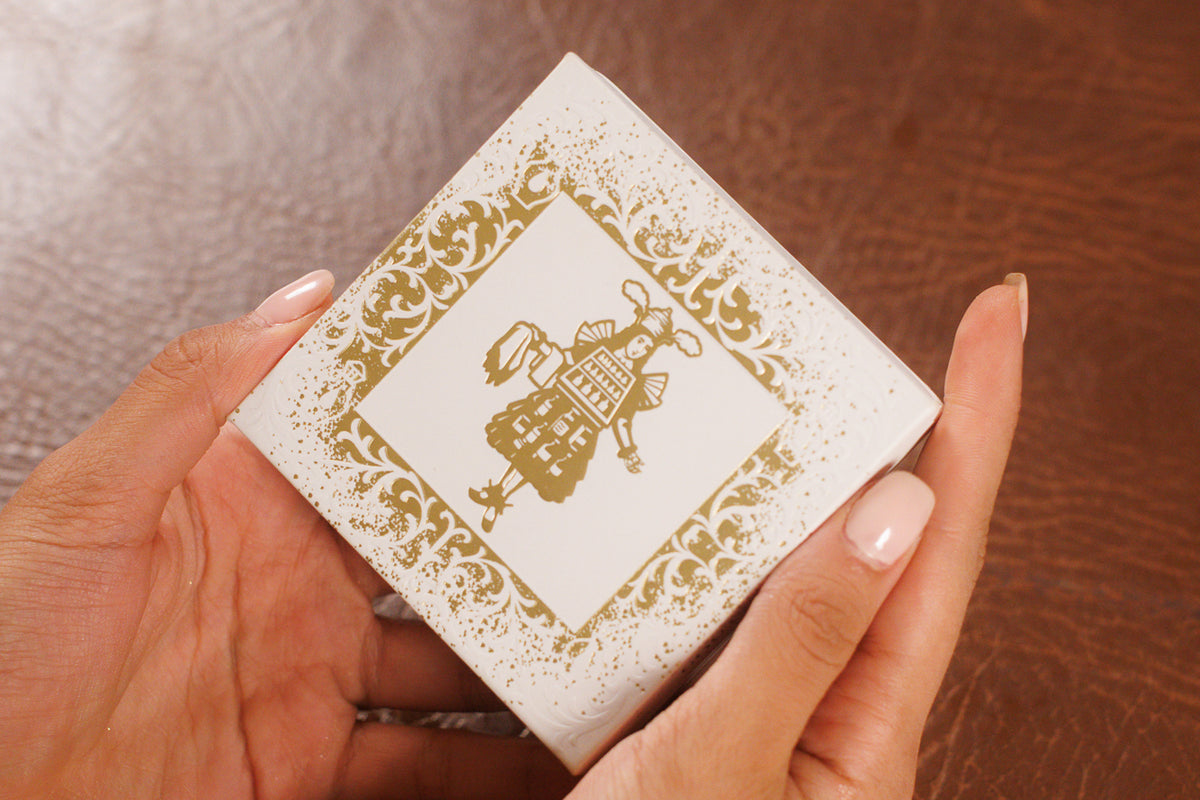
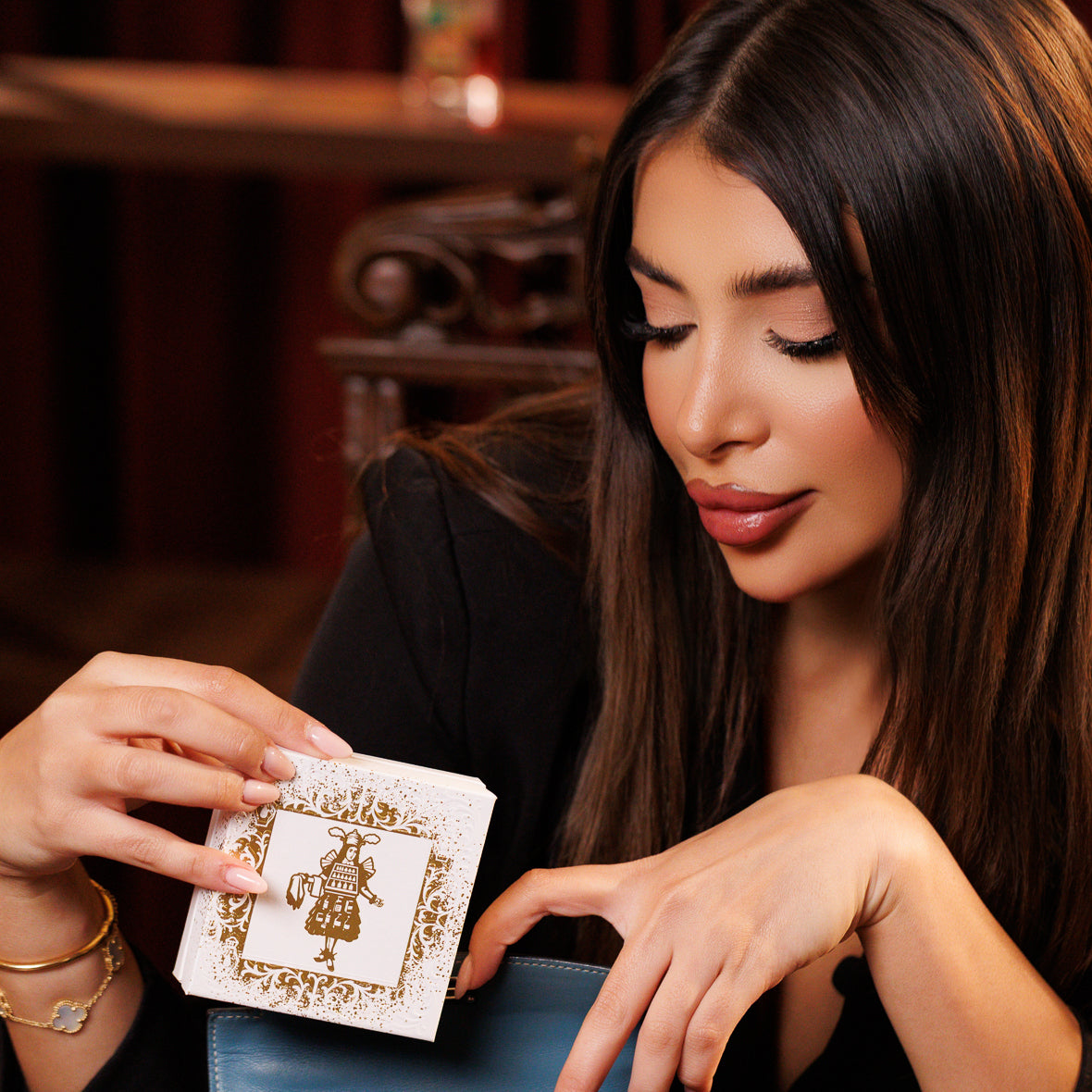
Packed into the hot foiled box and handed to DHL, every duty already paid. How a decant is made
More from Ensar Oud
You may also like