Ensar Oud
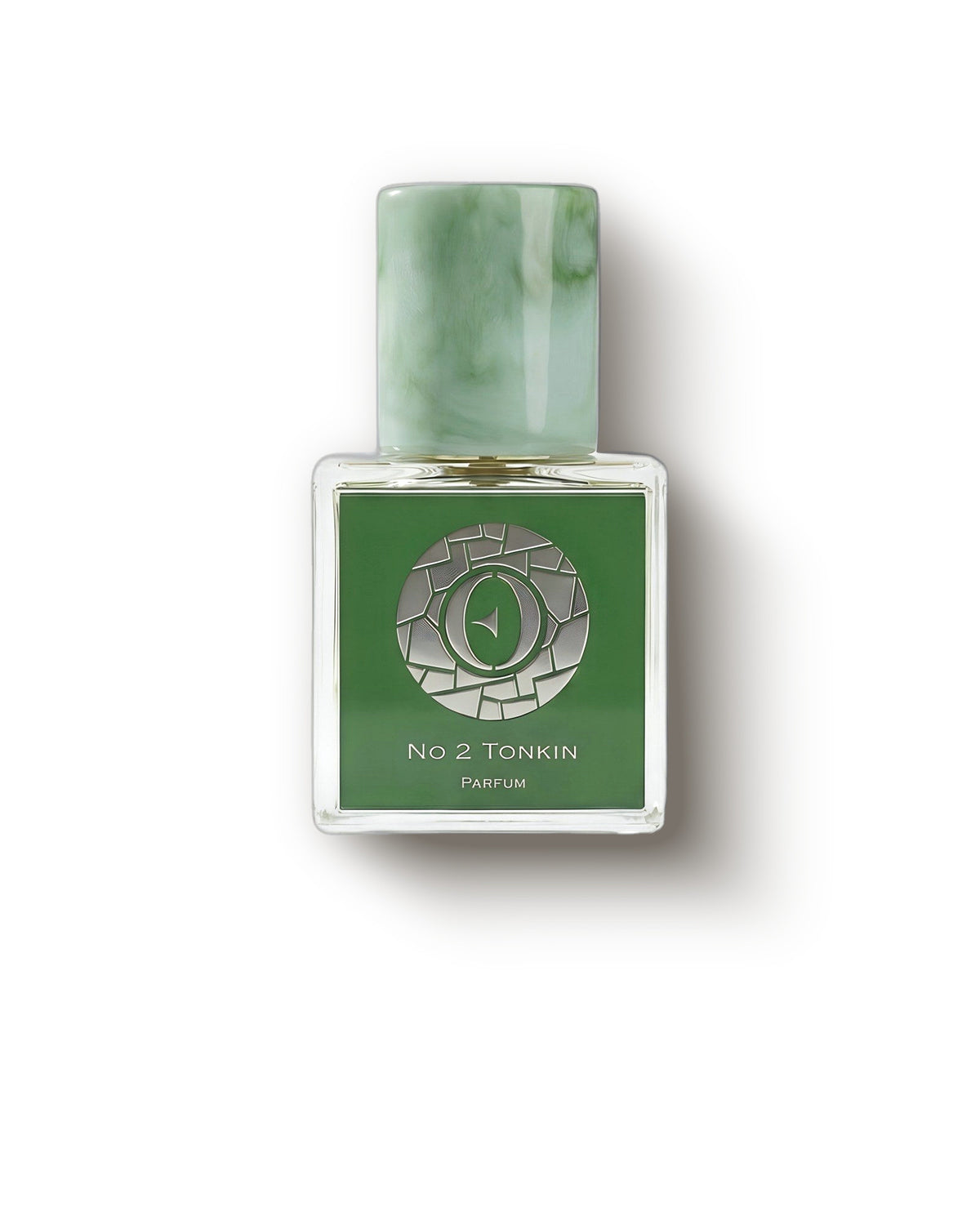
EO2 Tonkin
The Story
EO2 is built on vintage Tonkin musk from the Sultan's vault, old, sticky and black with an animalic roar, set against wild Kepi agarwood, castoreum and civet. It has the structure of a modern perfume carrying the weight of a raw animalic material.


Spicy
A spice stall in the open air
Black pepper, cardamom and pimento berry, dry rather than sweet, with a heat that catches at the top of the nose before you have finished inhaling. It does not sit quietly under anything. Spice raises the temperature of whatever it is put next to.


Woody
Dry grain of cut timber
The smell of cedar shavings, sandalwood, and dry vetiver roots, a sanded, resinous warmth with a faint pencil-box rasp. It feels grounded and composed, the quiet backbone that makes a scent read as serious and lasting.


Animalic
Skin, fur and something not quite tame
A raw, body-warm muskiness that reads of skin, hair and fur, sometimes sweet and powdery, sometimes sharp and faintly feral. At its best you cannot tell where the perfume stops and the wearer starts. At its strongest, it is the reason some people back away.


Musk
warm skin, soft and clinging
A soft, skin-like warmth, slightly powdery and gently animalic, the way real deer musk or the musky side of a natural oud oil smells: sun-warmed bare arms, a little fur, faintly sweet. It hums low and close, rounding off sharper notes and leaving a quiet, intimate trail that reads almost like your own skin amplified.
Sichuan Pepper
Bright citrus spice with a tingling edge
What it is
Not a peppercorn at all. The reddish husks come from a tree in the citrus family, closer kin to a lemon than to black pepper, and only the husk is used, distilled or taken with CO2.
How it smells
Grapefruit zest over a warm rosy spice, fizzing rather than burning. There is a metallic, faintly vetiver shadow underneath. In food the husk makes your tongue buzz; in perfume what carries over is the zest, not the numbness.
In perfumery
Perfumers use it up top for fizz and lift, a modern peppery sparkle that has opened a great many contemporary unisex scents. It plays well with citrus, rose, vetiver and incense.
Good to know
The tingle is neither taste nor heat. The molecule behind it excites the light-touch nerve fibers in your skin at roughly fifty times a second, so the brain reports a genuine vibration.

Pink Pepper
Bright rosy berries with a spice fizz
What it is
It is not pepper. The rose-colored berries come from a South American tree with no botanical link to the pepper vine at all, dried and then steam-distilled or extracted with CO2.
How it smells
Rosier and fruitier than black pepper, with only a prickle of heat. Crushed berries, a juniper-ish resin, a flick of citrus. It flashes on the opening and is gone quickly, leaving a gentle warm spiciness behind.
In perfumery
Perfumers reach for it when a composition needs spice without heat. It puts a rosy fizz over florals, freshens woods and ambers, and sits well with bergamot and patchouli. The fizz is a signature of the modern fruity-floral.
Good to know
The family it actually belongs to is the cashews, close enough that people who react to cashew or mango sometimes react to these berries too. Worth knowing before you cook with them.


Cedar
Dry sharpened pencils and sun-warmed timber
What it is
Most perfumery cedar is not cedar. It is juniper, from the Virginia and Texas trees, steam-distilled from chips and sawmill shavings. True Atlas cedar exists and is used, but it is the smaller source.
How it smells
Freshly sharpened pencils, then the inside of a cedar-lined closet. Atlas leans warm, smoky and balsamic; Virginia reads sharper and cleaner. Either way it settles into soft sawdust warmth and stays there for hours.
In perfumery
A workhorse. It gives woody compositions their backbone and holds lighter materials in place, sitting comfortably beside vetiver, rose, citrus and amber. Its plummy-woody core runs through most modern unisex woods.
Good to know
Egyptian embalmers poured cedar oil into the body rather than burning it, and cedar timber lined the tombs and coffins they meant to outlast them. The true cedars and the junipers share a name through smell, not lineage.
Coriander
Spice that smells nothing like cilantro
What it is
Same plant, two smells. The ripe seed dries warm and woody; the fresh leaf, sold as cilantro, is another thing entirely and almost never sees a perfume. Only the crushed seed goes to the still.
How it smells
Warm and sweet up front, with a peppery lift and a squeeze of citrus. Then it rounds out: lavender, rosewood, a faint gingerbread warmth that sits closer to a fougere than a spice rack.
In perfumery
Perfumers slot it between top and heart for freshness, spice and a lavender-like roundness, alongside bergamot, lavender, geranium and ambery bases. It is a classic heart in vintage citrus-aromatics and all over the fougeres.
Good to know
Archaeologists found coriander seeds sealed in Tutankhamun's tomb, one of the oldest spices anyone bothered to farm. The oil is mostly linalool, which gives perfumers a rounder, gentler source of that smell than the isolated molecule.
Cumin
The spice that smells like a person
What it is
Cook with it and it is a kitchen spice. Distil it and it turns into something closer to a body. The crescent-shaped seeds carry cuminaldehyde, one compound doing both jobs: the food and the flesh.
How it smells
Hot, dusty and green at the top, then unmistakably skin. A trace reads as warmth off a collarbone. A little more and it is a shirt worn two days running. Underneath sits something nutty and oddly comforting.
In perfumery
Perfumers keep it to fractions of a percent, at the heart, where it puts a carnal pulse under rose, leather, labdanum and orange blossom. It warms several oriental classics. One drop too many tips the whole formula.
Good to know
Cumin's sweaty warmth sits close enough to the smell of skin that nobody is neutral about it: the same skin, the same dose, and one person reads intimate while the next reads unwashed.


Black Tea
Dry leaves, tannin and a whisper of smoke
What it is
Leaves withered, rolled, then left to oxidise right through: that is what turns them black and takes the smell from grassy to dark. China has done this for centuries. Real tea absolute is rare and costly, so a natural tea note draws on it, or on osmanthus, hay, tobacco and maté, which echo its facets.
How it smells
Dry and astringent, the way the third cup of the pot tastes. Hay and worn leather sit under it, with a rose-and-jasmine softness held down by powder. It starts crisp and airy, then goes quiet, smoky and woody.
In perfumery
A heart note that does the job of a brake: its tannin cuts sweetness and keeps a floral from turning syrupy. Citrus lifts it, woods carry it, and most modern tea fragrances are some version of this balance.
Good to know
Two molecules do much of the work, and in natural blends they come from the plants that hold them. Theaspirane, which osmanthus shares with tea, throws a blackcurrant brightness over a cool green edge; tabanone, found in cured tobacco, brings tobacco and something like acorn.

Everlasting Flower
Sun-baked hay laced with maple and curry
What it is
Gardeners call this silvery Mediterranean shrub the curry plant, and one crushed leaf explains the nickname. Its small yellow flower heads are steam-distilled for an oil or solvent-extracted into an absolute.
How it smells
Dried chamomile and hot straw, then a curry-leaf sharpness you will not expect. The sweetness follows: burnt maple syrup, caramel, a breath of tobacco. It ends honeyed and fenugreek-spiced, with something faintly medicinal underneath.
In perfumery
It works in the heart and base, where its tobacco-and-liqueur warmth sits easily with woods, leather and amber. Perfumers set it against lavender when they want the sweetness to read as contrast rather than dessert.
Good to know
Everlasting is the literal meaning: cut and dried, the flowers keep shape and colour for years, which won them a place in ancient funeral wreaths. Yields are tiny either way, so immortelle sits among the costlier naturals.


Georgian Rose Otto
The sunlit, honey-clear damask of the Caucasus
What it is
Damask rose grown in the valleys of the Caucasus and distilled rather than solvent-extracted, which is the whole difference. Otto keeps the crystalline top of the flower; absolute keeps the dark jammy depth. Georgia's comes out unusually clear.
How it smells
Bright, warm and lit from inside: a clear honeyed damask with musky powder under it and a green, almost geranium lift at the top. In the drydown you get the whole shrub, leaves and stems included.
In perfumery
Perfumers use it to put daylight into a dark blend: against oud or musk it lifts rather than thickens. A few drops read clean and floral, while a heavier hand turns it velvety and powdery without clouding it.
Good to know
A true otto congeals in a cool room, around 20C, and melts again in your hand, which is one way to tell it has not been stretched. Hundreds of pounds of blossoms go into a single ounce.


Blackcurrant
Tart cassis with a wild, animalic snarl
What it is
Perfumery mostly ignores the berry. The material that matters is cassis bud absolute, extracted from the sticky, resinous leaf buds of the shrub, whose natural sulphur facets carry the fruit's tart snap. Some ouds have a dark berry note of their own, so in an oud perfume the berry can come from the wood itself.
How it smells
Sharp, tart, unmistakably purple, then something feral cuts across it: a green, leafy, faintly sweaty pungency that sits closer to cat than to fruit. Ripe berry with a growl behind it.
In perfumery
A top note with claws. It cuts through sweetness, puts an edge on rose, and gives a fruity-floral something to push against. It still jolts open modern fruity compositions.
Good to know
The catty edge comes from thiols your nose can catch at parts per trillion, the same family behind tomcat spray and a glass of Sauvignon Blanc. Perfumers dose cassis in drops, not millilitres.


Civet
Real civet, the animal warmth that makes flowers bloom
What it is
This is real civet rather than a synthetic built to echo it: a soft paste gathered from a scent pouch under the tail of the civet, a nocturnal, cat-like animal. It has long reached perfumery mainly from the African civet, and perfumers usually work it into a tincture or absolute before it goes into a formula.
How it smells
Neat, the paste is fierce: faecal, indolic, more soiled stable than perfume. At a trace it turns honeyed and leathery, warm as skin, with a low tobacco hum. The whole shift from feral to alluring happens through dilution.
In perfumery
Perfumers use it in traces, as base and fixative, to make jasmine and rose smell like they are growing on a living body rather than sitting in a bottle. Natural perfumers sometimes infuse it into oud or tincture it together with musk, so its warmth melts into the whole.
Good to know
Its name came into European languages from the Arabic zabad, and it has scented Europe for centuries. Shakespeare's King Lear calls for an ounce of civet to sweeten his imagination.

Jasmine Sambac
Tea-green jasmine that opens after dark
What it is
The flowers open after dark, which is when they smell strongest, so pickers take them as buds in the early morning, before they unfurl. Solvent extraction gives a waxy concrete, and washing that with alcohol gives the absolute.
How it smells
Greener and more tea-like than the grandiflorum kind, and much less fruity. It starts crisp and a little waxy, almost banana-tinged, then warms into indolic sweetness. That indole is the animal in it: heady up close, still luminous.
In perfumery
A heart note that gives white-floral bouquets their body and their lift. It works with rose, tuberose, sandalwood and green tea, rounds off sharp citrus, and some night-blooming soliflores are built on almost nothing else.
Good to know
This is sampaguita, the national flower of the Philippines, strung into garlands and used to scent Chinese tea. Tiny blooms picked by hand every morning across a long season put the absolute among the costliest florals.

Tonkin Musk
Honeyed animal warmth that clings for days
What it is
Every other natural musk gets measured against this one. Tonkin takes its name from northern Vietnam, and what circulates now is old material, held for decades.
How it smells
Velvety and warm-blooded, wrapped in something honeyed and waxy that edges toward chocolate, finishing powdery like suede. There is a bite to it, unmistakably animal, but suave rather than sharp. One drop reads for days.
In perfumery
Dosed in the smallest fractions, it works as a fixative, welding unrelated notes into one glowing accord and stretching a composition toward days. Used well you never smell musk, only a scent that will not let go.
Good to know
The white musk on most ingredient lists is a laboratory molecule, clean and one-note by design. Among the real ones Tonkin is the sweetest and most floral-friendly, where Mongolian reads calmer and sharper, Kashmiri drier.


Beeswax
Golden honeyed wax, the warmth of the hive
What it is
Worker bees secrete wax to build the comb, and the comb keeps everything that happens inside it. Solvent-extracted, it becomes a dark gold absolute still carrying honey, pollen and propolis.
How it smells
Honey first, then the smell of a candle just blown out. Underneath there is hay, a little tobacco, and something faintly animal from the propolis. Golden, waxy, round, and warmer than any of those words suggest.
In perfumery
Heart to base, where it rounds a floral and thickens an amber with something close to texture. Orange blossom, immortelle, tobacco and labdanum are its usual neighbours. Niche houses often leave it raw and let the hive show.
Good to know
Bees eat about eight kilos of honey to make one kilo of wax, and a hundred kilos of that wax renders down to a single kilo of absolute. Very little of it ever reaches a bottle.


Sandalwood
Creamy wood, pulled up by the roots
What it is
The richest oil sits in the roots, so the whole tree is pulled up and steam-distilled rather than felled. Mysore in southern India was the classic source, until decades of overcutting pushed the wild trees to the edge.
How it smells
Milk and warm wood, with a rosy, almost buttery edge and nothing sharp at all. What surprises people is how little it moves: no bright opening, no dry-down drama, just the same quiet glow for hours.
In perfumery
It works twice over: as a smell, and as a fixative that holds rose or jasmine in place. Sandalwood is also graded, and the darkest, densest, most resin-heavy old heartwood carries its own name: red meat.
Good to know
A heart worth taking takes about thirty years to form. Plantations of the same species in Western Australia now supply a large share of the world's oil, close to the old Mysore chemistry if not quite its creaminess.

Castoreum
Real castoreum, smoky hide with an aspirin edge
What it is
This is real castoreum rather than an accord built to imitate it: the secretion of the beaver's castor sacs, which the animal uses to mark its territory. The sacs are dried and worked into a tincture or absolute, the form in which perfumers usually use it.
How it smells
Dark, tarry leather with a medicinal edge, like birch smoke off a wet coat. Underneath there is sweetness: dried fruit, hay, a smear of vanilla. Dilute it far enough and the growl turns to warm suede.
In perfumery
It anchors the base and holds everything above it: the hide of a leather scent, the smoke of a Russian-leather style, the long tail of an old oriental. Natural perfumers sometimes age or macerate other materials with it, oud among them, to lend them its leathery depth.
Good to know
Beavers live on willow and poplar bark, thick with salicin, the compound behind aspirin, and it carries through: a cool, almost medicinal thread under all that leather. It has long been a flavouring material as well.


Wild Kepi Agarwood
Papuan agarwood from the river country around Kepi
What it is
Agarwood gathered around Kepi, the river town at the heart of the Mappi country of southern Papua, Indonesia, and distilled in small artisanal batches. Papua's agarwood is largely Gyrinops and Aquilaria filaria rather than the Aquilaria malaccensis of the subcontinent, and the region has only been worked for oud since the late twentieth century.
How it smells
Green and untamed, opening on wet earth and forest floor before a fermented herbal funk comes through, with mushroom, dark coffee and a vaporous, almost metallic edge above it. Less sweet than Cambodian oud and less fecal than Hindi, but wilder than either, and it stays restless on the skin for hours.
In perfumery
A connoisseur material distilled in tiny quantities rather than a commercial ingredient. Its green, tart wildness is the point: it is used where a composition is meant to feel like a place rather than a perfume, and it needs very little space to dominate one.
Good to know
Papuan oud comes from a young, tightly managed supply and yields are often a fraction of a percent, so genuine distillate is scarce and expensive. Papua's resinous wood forms slowly and unevenly, so a distiller can work a whole season's gathering and still fill only a few vials. Anything sold as Papuan oud at a mass-market price is an accord, not the oil.
Fragrance Character
The first minutes crackle with spice, coriander and both peppers cutting through cedar before the heart softens into Georgian rose otto, jasmine sambac, and black tea. Civet and castoreum surface steadily through the middle, pulling the florals into something damp, warm, and faintly feral. On the drydown, Tonkin musk and beeswax seal everything into a dense, skin-close resin that lingers for hours without announcing itself.


Longevity
how long it stays on skin
The hourglass reads wear time: how many hours the fragrance keeps speaking before it fades. A bar that barely leaves the start means a few fleeting hours. One that runs the full length carries from morning into evening. Treat it as typical, not promised. Oily skin holds scent far longer than dry.


Sillage
the size of its scent trail
Sillage is French for a ship's wake, and that is exactly what this measures: how much of the scent reaches the room instead of staying on you. Low is a whisper only close friends catch. Enormous fills the room, then keeps filling it after you leave.


Experimental
Built to provoke, not to please
Some perfumes are made to be liked. These are made to be argued about: inky tar, hot rubber, fruit on the turn, metal and fur where you expected flowers. The coin glows for a scent that provokes and dims for one that plays it safe, which is sometimes the point.


Office
Polished, and never louder than the room
Scent is manners in a shared room. At this range it should reach the person across the desk and stop there: tidy citrus, soft musk, pale woods, all of it reading competent and considerate. A glowing coin means nobody has to mention it. A dim one means it travels.


Evening
After dark, when it deepens
Dinner, drinks, the night that runs long. Low light is where ambers, resins and smoky woods stop being polite, and where a plush floral finally blooms. A glowing coin means it is waiting for exactly this hour. A dim one means it did its best work in daylight.


Romantic
Close enough to be felt
A fragrance can hum against skin instead of announcing itself across a table. That is the register here: creamy florals, vanilla, soft musk, a thread of spice, warm enough to make someone lean in. The coin glows when a scent sets that mood and dims when it is more practical than seductive.


Formal
Quiet authority in a dressed-up room
A wedding, a ceremony, a room where everyone has thought about their shoes. What works here is structure, not volume: smooth woods, disciplined florals, soft leather. A glowing coin means it holds its posture all evening. A dim one means it is too casual for the room.


Casual
Easy comfort for unhurried days
Errands, coffee, a slow Saturday with nowhere to be. Nothing here has to impress anyone, so the fit is soft and easy: fresh citrus, light woods, a little warmth off the skin. A glowing coin says yes to all that. A dim one means the fragrance is asking for a bigger night.


Day to Night
where its mood naturally falls
A bar running from sun to moon, reading the hour the fragrance was made for. The more of it that stays gold, the more the scent belongs to daylight and open air. The further the blue reaches back toward the sun, the deeper and warmer it turns: evening, candlelight, low rooms.


Winter
Warmth that carries through cold air
Cold air mutes a fragrance and slows it down, which is why winter belongs to the dense and the warm: resin, smoke, vanilla, leather, ambered spice. The bar reads how well this one pushes back, glowing against the chill instead of thinning out in it.


Spring
Fresh blooms in mild, rising warmth
Mild, humid air lifts a light composition, so the season belongs to dewy florals, green stems, soft powder and citrus you can see through. Alive rather than heavy. The further the green runs along the bar, the more comfortably this one wears in that weather.


Summer
Bright and airy in real heat
Heat does the projecting for you, which is why the wrong perfume turns unbearable by noon. What survives is cool and breathable: sharp citrus, salt air, aromatic herbs, water. Things that refresh instead of cloy. A short bar here means save it for cooler months.


Fall
Spiced warmth for cooling days
As the air cools, the rich materials stop smothering and start reading clearly: dry woods, warm spice, tobacco, amber, fruit gone golden. It is the season perfume turns contemplative. The bar fills according to how naturally this one settles into crisp, cooling days.
Best Worn
Best suited to the cool, contracting days of autumn and deep winter, worn in the evening by someone comfortable with fragrance that is unambiguously animalic.
Choose options
The Vibe


The Nose
Composed in-house.
The Maison

Pure artisanal oud, the real resinous thing, poured from the source bottle into your vial.
Ensar Oud treats agarwood the way a vintner treats a single hillside of old vines. These are dense, slow, deeply serious extraits built around aged ouds, grey ambergris and animalic musks most people have only read about. A drop blooms for hours, shifting from smoke to resin to something warm and skin close.
- Origin
- New York, United States
- Founded
- 2004, as Oriscent
- Known for
- Sultani grade oud, true musk

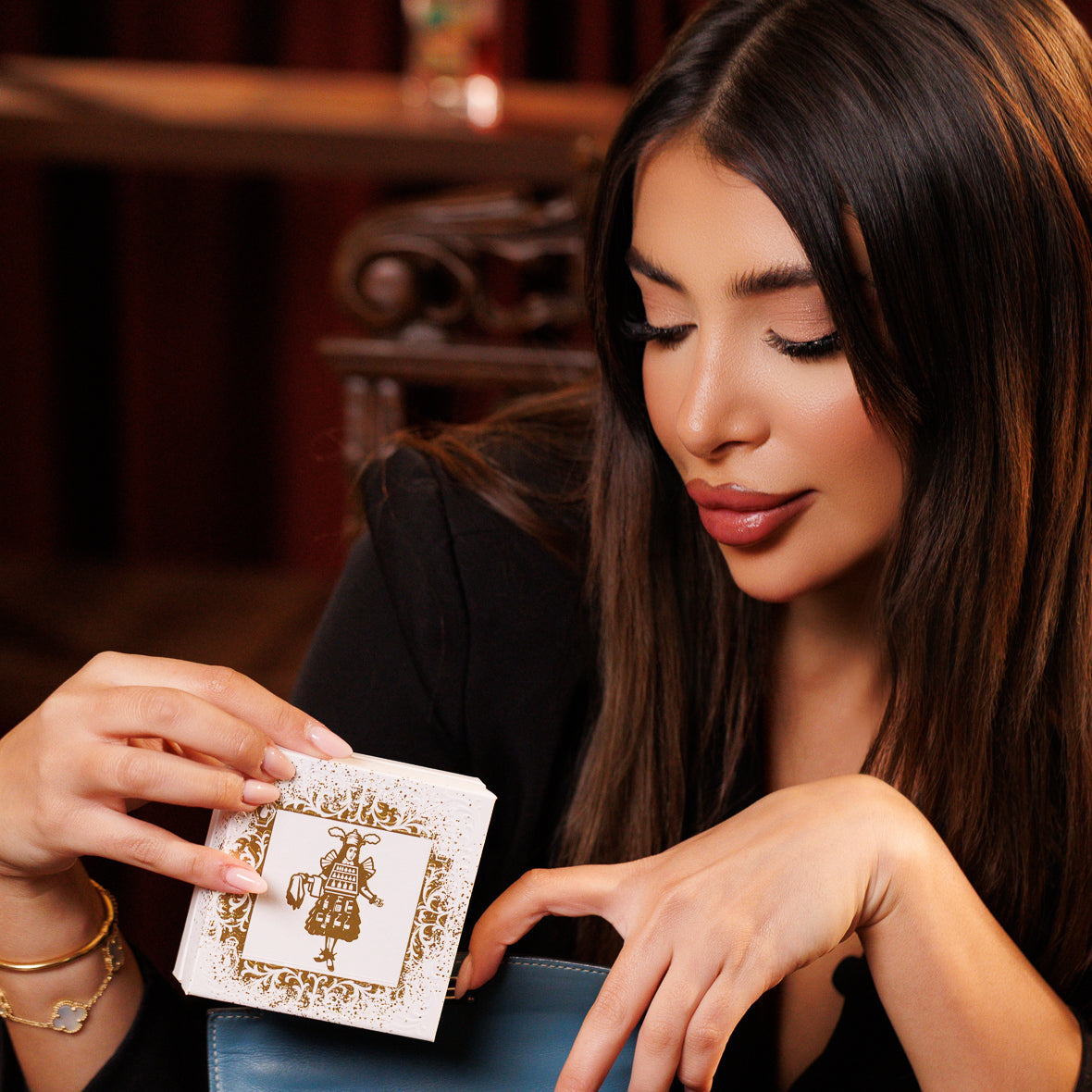
EVERY DECANT
From the original bottle to your door
We buy the original flacon at full retail price, direct from the house.
A medical grade Socorex syringe takes the exact millilitres straight from the flacon.
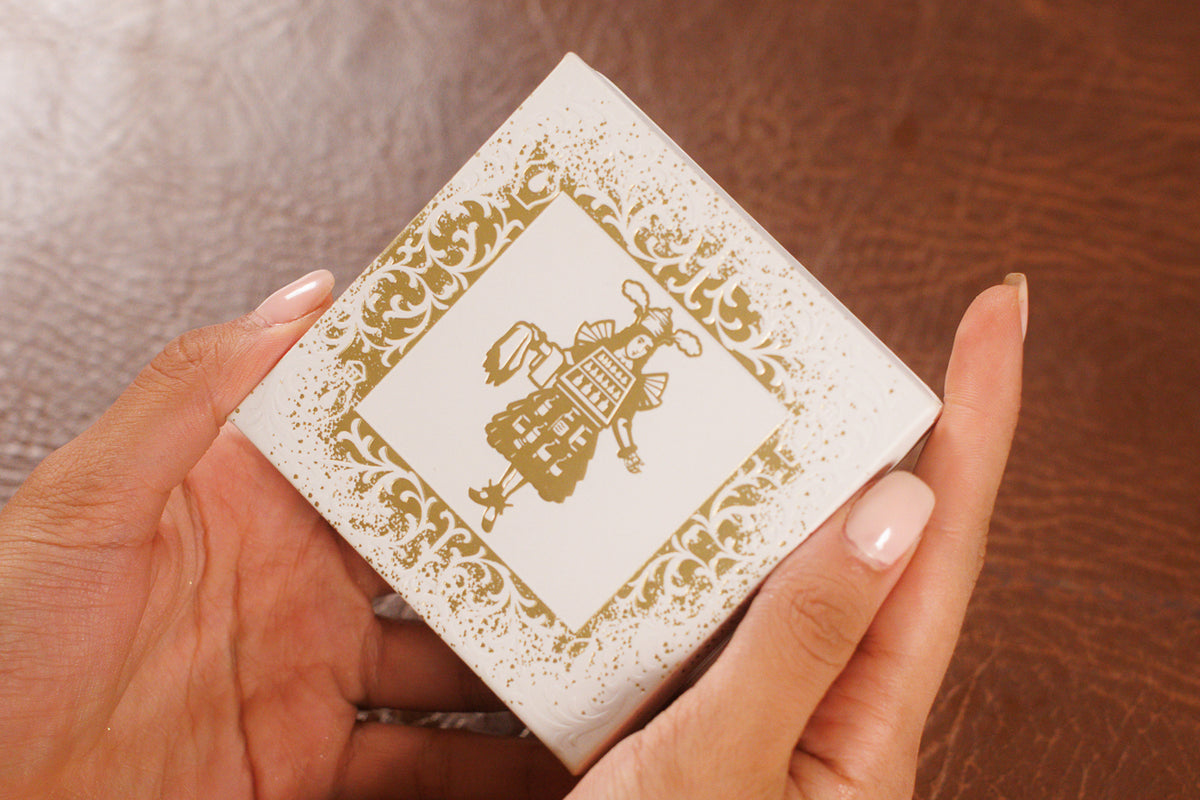
Packed into the hot foiled box and handed to DHL, every duty already paid. How a decant is made
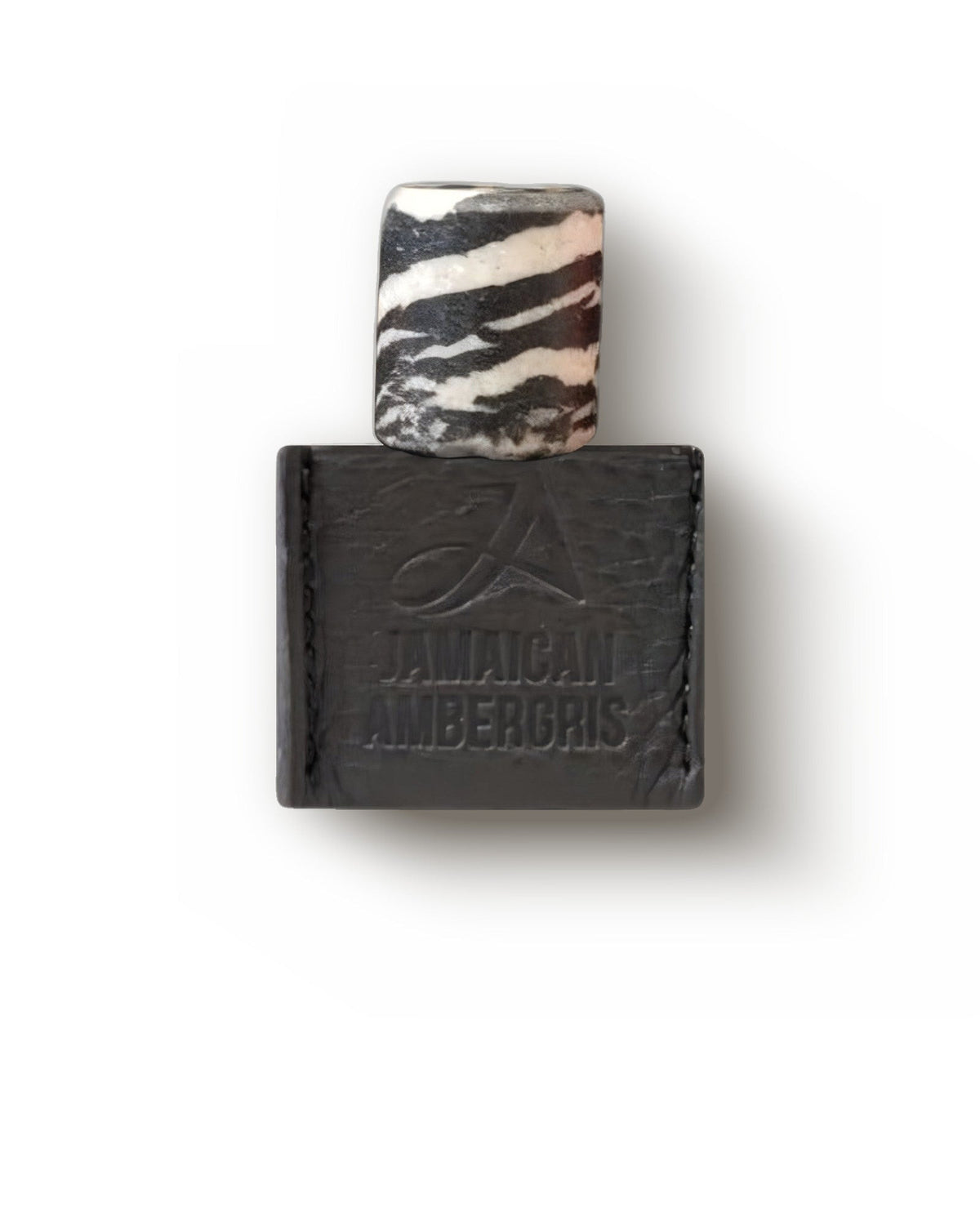
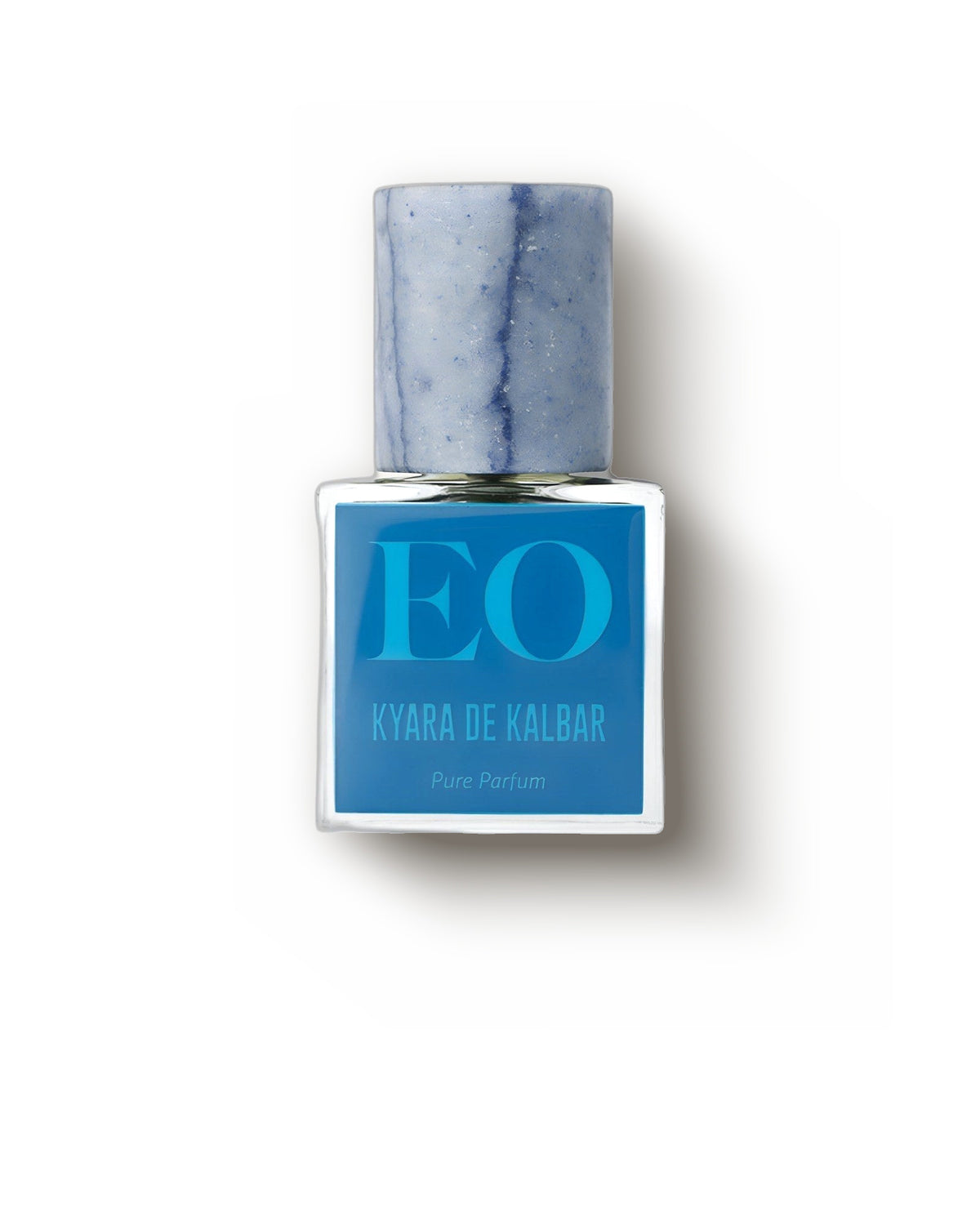
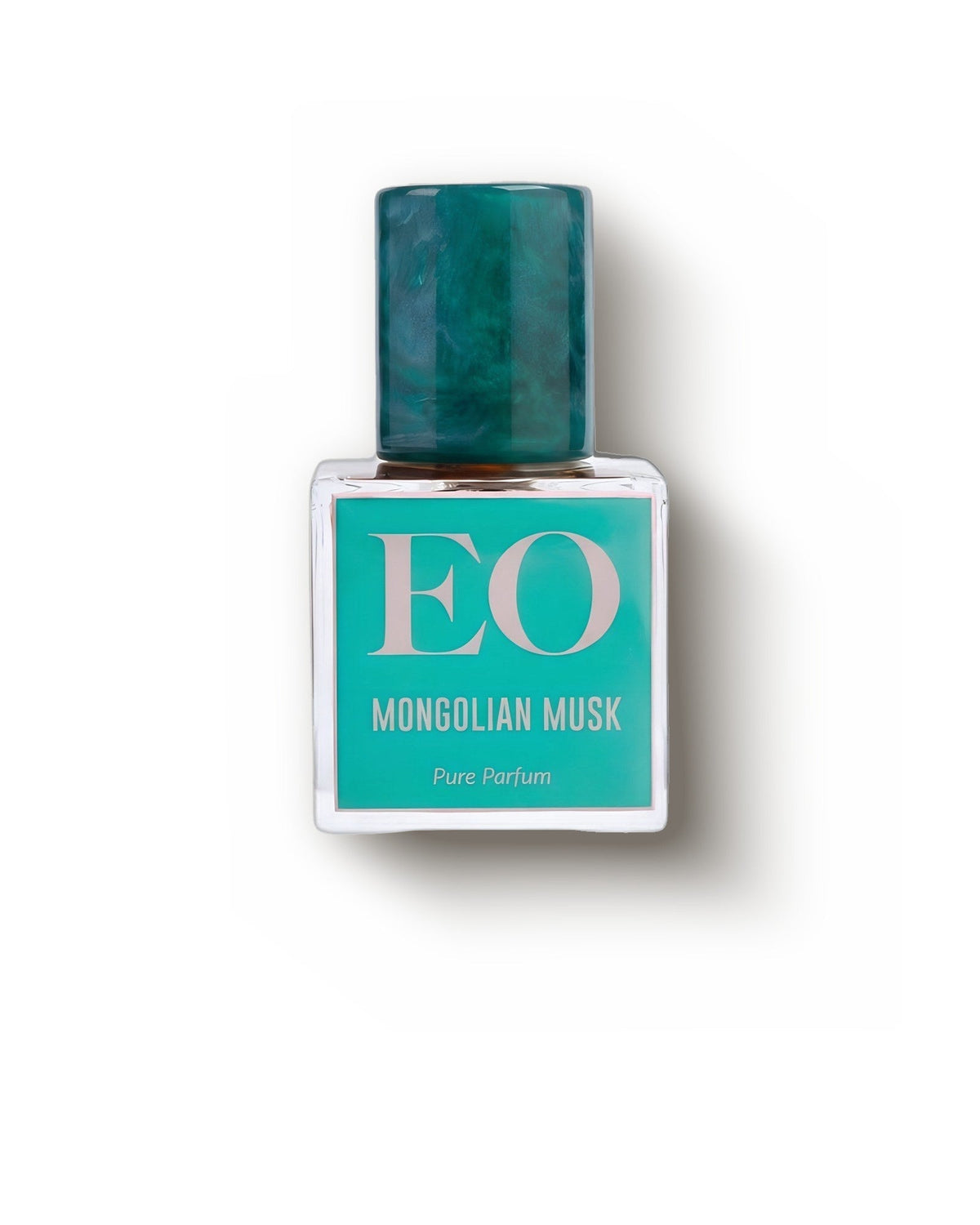
More from Ensar Oud
You may also like