
Louis Vuitton
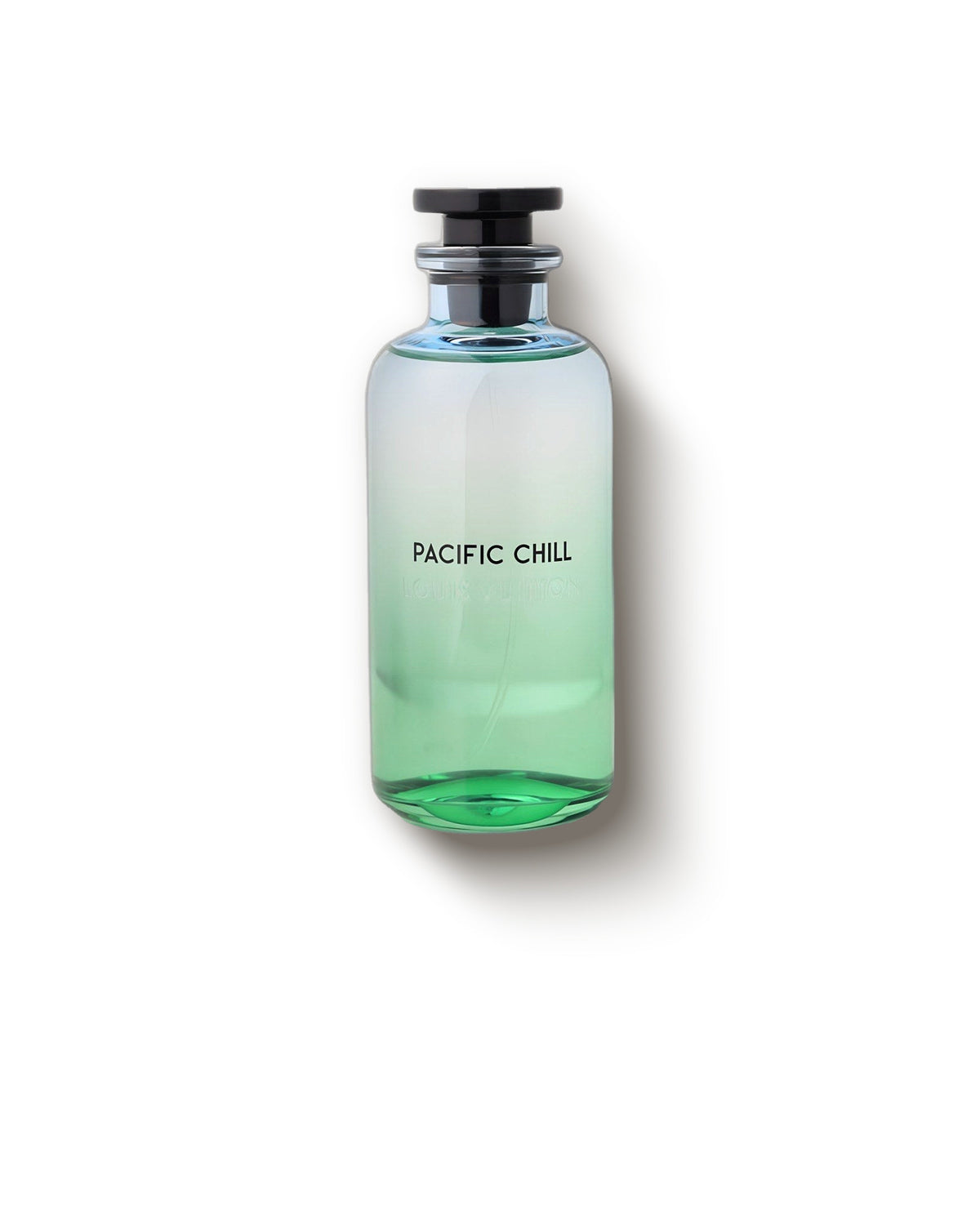
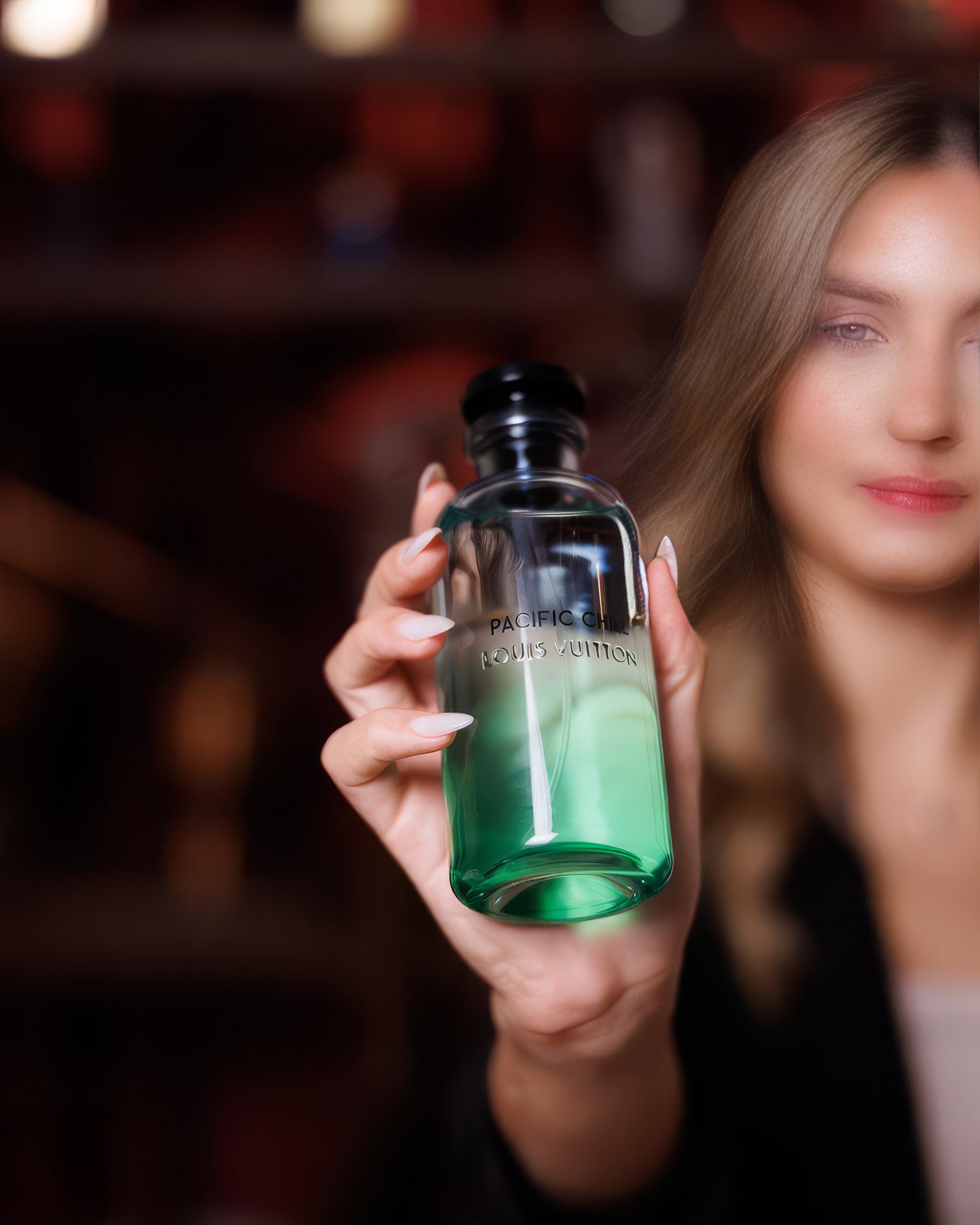
Pacific Chill
The Story
Pacific Chill began with a detox smoothie. Cavallier Belletrud ordered one in Los Angeles while talking with the artist Alex Israel, and set out to put the effect of that drink into a cologne, which is why it runs on mint, black currant, carrot seed and basil rather than a standard citrus structure.


Citrus
First bright zest of morning
The juicy, rind-snapping brightness of lemon, bergamot, and orange peel, tart and effervescent with a clean bitter edge. It opens a scent with instant lift and sparkle, fresh and energizing, evaporating quickly like sunlight on water.


Fresh Spicy
Cool bite of cracked pepper
Pink pepper, cardamom and ginger, spice that prickles rather than warms. It fizzes near the top of a fragrance, dry and faceted, closer to crushed peppercorns and a split cardamom pod than to anything simmering in a kitchen. Bright, never comforting.


Aromatic
Crushed herbs in cool air
The green, camphorous coolness of lavender, rosemary, sage, and thyme, like herbs bruised between the fingers. It feels clean, invigorating, and a touch austere, the crisp backbone of a classic barbershop freshness.


Green
Sap on your hands after weeding
Snap a stem and this is what comes off: sappy, cool, a little bitter, more vegetable than floral. Cut grass, bruised leaves, the inside of a hedge after the shears. Nothing here is sweet.


Fruity
Peach skin, not lemon peel
Peach, pear, apple, berry: this is sweetness in the flesh rather than the rind, dewy and nectar-heavy where citrus is sharp and thin. It plays young and slightly greedy, the sort of ripeness you can almost feel running down a wrist.


Sweet
Warm sugar you cannot quite name
Caramel, honey, spun sugar: sweetness that hovers between all three and never settles on one. This is the gourmand pull, the thing that makes someone lean in closer than they meant to, warm and soft and a half step short of edible.
Citron
The ancient knobbly citrus of dry, green light
What it is
Older than almost any citrus in cultivation, and the lemon's ancestor. Cut one open and there is barely any juice, just thick, knobbly, leathery rind, which is exactly where the oil lives. Cold-pressed, it is called cedrat.
How it smells
Lemon, but rounder and less acid, with a velvety weight behind the zest and a dry bitterness at the end. There is a small floral lift in there too. Polished is the word, where lemon is simply sharp.
In perfumery
A top note for colognes and modern citrus accords, brighter and drier than lemon, at home with neroli, petitgrain and green herbs. Under its French name, cedrat, it has a whole genre of fragrances named after it.
Good to know
One variety barely bothers with flesh, splitting instead into a cluster of yellow fingers. Buddha's hand, it is called, and in China and Japan it is placed on temple altars and used to scent rooms and clothes.


Orange
Sun in the rind, bright and bittersweet
What it is
Squeeze a fresh peel and the mist that flies off it is the perfume material, pressed cold from the rind rather than distilled. Bitter orange is a separate tree, its blossom giving neroli and its leaves petitgrain.
How it smells
Sweet pulp over a rind that bites back. It opens sparkling, sunlit and briefly tart, then rounds off into something candied. Next to lemon it is warmer and softer, less a knife than a glass of juice.
In perfumery
Nearly always a top note: the burst is bright and gone within the hour. It works with neroli, bergamot, clove and warm spice, and carries the whole eau de cologne tradition.
Good to know
Cold-pressed sweet orange peel carries almost none of the molecules behind citrus photosensitivity, so it is not treated as phototoxic the way bergamot, lime and bitter orange are. It is volatile, though, and oxidizes fast: brilliant, brief.


Lemon
Cold yellow zest snapping into bright sun
What it is
Squeezed, not distilled: the colored rind is pressed and scraped until the glands give up their oil. Argentina presses the most, and Sicily gives the classic perfumery grade. The tree's white blossom is a different note entirely.
How it smells
Tart, green and fizzing, all cold rind and mouth-watering sourness, with a faint sweet pith underneath and a waxy edge from the peel itself. Enjoy it fast: it is gone within minutes.
In perfumery
It powers the eau de cologne tradition, working with bergamot, neroli and petitgrain to open a fragrance in full sunlight. Because it burns off so fast, perfumers reinforce it with citral.
Good to know
Cold-pressed lemon carries furocoumarins that leave skin liable to burn in sunlight, so perfumers often reach for a grade with the sun-sensitizing compounds removed. It also spoils in the bottle, oxidizing toward turpentine, which is why citrus fragrances are hard to stabilize.


Mint
Two mints, one icy and one sweet
What it is
Two plants, two different jobs. Peppermint carries menthol and reads cold. Spearmint carries carvone instead and reads sweet, round and herbal. Both are steam-distilled from leaves and flowering tops, and swapping one for the other changes everything.
How it smells
Peppermint is piercing and icy, with a camphor edge that clears your head whether you asked or not. Spearmint is gentler: sweet, faintly fruity, no cold bite. Both start green and watery, then settle to a clean herbal hum.
In perfumery
A top note, and a fast one: it flashes through fougeres, colognes and fresh masculines, then it is gone. Peppermint handles the bracing openings. Both work with lavender, basil, citrus and, less obviously, chocolate.
Good to know
Menthol does not cool anything. It switches on the nerve receptors that report cold, so your brain reads cold where there is none. That is the trick behind toothpaste and gum, and spearmint cannot do it.


Black Currant
Tart cassis with a wild, animalic snarl
What it is
Perfumery mostly ignores the berry. The material that matters is cassis bud absolute, extracted from the sticky, resinous leaf buds of the shrub, usually propped up with sulphur molecules that carry the fruit's tart snap.
How it smells
Sharp, tart, unmistakably purple, then something feral cuts across it: a green, leafy, faintly sweaty pungency that sits closer to cat than to fruit. Ripe berry with a growl behind it.
In perfumery
A top note with claws. It cuts through sweetness, puts an edge on rose, and gives a fruity-floral something to push against. It still jolts open modern fruity compositions.
Good to know
The catty edge comes from thiols your nose can catch at parts per trillion, the same family behind tomcat spray and a glass of Sauvignon Blanc. Perfumers dose cassis in drops, not millilitres.
Coriander
Spice that smells nothing like cilantro
What it is
Same plant, two smells. The ripe seed dries warm and woody; the fresh leaf, sold as cilantro, is another thing entirely and almost never sees a perfume. Only the crushed seed goes to the still.
How it smells
Warm and sweet up front, with a peppery lift and a squeeze of citrus. Then it rounds out: lavender, rosewood, a faint gingerbread warmth that sits closer to a fougere than a spice rack.
In perfumery
Perfumers slot it between top and heart for freshness, spice and a lavender-like roundness, alongside bergamot, lavender, geranium and ambery bases. It is a classic heart in vintage citrus-aromatics and all over the fougeres.
Good to know
Archaeologists found coriander seeds sealed in Tutankhamun's tomb, one of the oldest spices anyone bothered to farm. The oil is mostly linalool, which gives perfumers a rounder, gentler source of that smell than the isolated molecule.


Apricot
Sun-warmed velvet with no fruit in it
What it is
There is no apricot in apricot. The fruit gives up nothing worth distilling, so the note gets built: lactones and bright esters in most hands, or osmanthus absolute, which smells of dried apricot and leather on its own.
How it smells
Velvety and sun-warmed, the blush of ripe skin over something creamy and waxy. The lab build holds one apricot shape start to finish. The naturals build is hazier, threaded with tea and honey, and will not sit still.
In perfumery
It sits in the top and heart of fruity florals, chypres and gourmands, adding plush sweetness and lift. Lactones dose predictably and give volume. Osmanthus and davana are costly and harvest-dependent, so they get treated as the centrepiece.
Good to know
Osmanthus and davana turn up in mainstream formulas too, so seeing them on a list proves nothing about how natural a perfume is. The tell is behaviour: a lab apricot stays put and projects, a botanical one wanders.


Basil
Green pepper-sweet leaf, just-bruised and alive
What it is
The Greeks called it basilikon, royal, which is a lot of ceremony for a mint-family herb you tear over tomatoes. The oil is steam-distilled from leaves and flowering tops.
How it smells
Peppery and green on contact, with an aniseed edge under it. Some grades stay soft and almost floral; others go sharp and liquorice-like. It dries warm and faintly minty, like a leaf bruised between your fingers.
In perfumery
A top note with a jolt in it. Basil snaps a citrus opening awake and gives fougeres a green edge, working well with bergamot, lavender, geranium and vetiver. Overdose it and the whole thing smells like pesto.
Good to know
The basil grown at Hindu temple doors is not this one. Tulsi is holy basil, a separate species, and it smells sharper and more clove-like. Sweet basil is the kitchen plant and the perfumer's.
Carrot Seeds
Earthy roots and powdery violets from the field
What it is
Not the root. This is the dried seed of wild carrot, Queen Anne's lace, grown around the Mediterranean and steam-distilled for hours into an oil rich in carotol.
How it smells
Dusty and earthy, like soil shaken off a root, and then the surprise: violets. Trace ionones push a powdery iris sweetness up through the dirt, and it dries soft, close to ambrette.
In perfumery
Perfumers use it in the heart as the affordable stand-in for orris: powdery, rooty, faintly like face powder. It sits with violet, ambrette and oakmoss in chypres and in anything built around iris.
Good to know
The carrot on your chopping board is the same species, bred over centuries for a fat, sweet root. Nobody was breeding for the seed, and the seed is the half that smells of iris and old powder compacts.


May Rose
Grasse rose de mai, jammy and green
What it is
One bloom a year, in May. The hundred-petalled cabbage rose gives Grasse its rose de mai, with Morocco and Egypt now picking too, and the fresh blossoms go straight into solvent, then a waxy concrete, then absolute.
How it smells
Rounder and softer than the Bulgarian damask most people picture: honey and jam, lifted by something green and peppery. Fresh and dewy at first, then warm and faintly fruity, with a clean, tea-like clarity and no harsh edge.
In perfumery
Perfumers reach for it when a rose needs to feel velvety rather than sharp. It sits easily beside jasmine, iris, aldehydes and patchouli, and one of the foundational aldehydic florals of the 1920s was built on it.
Good to know
Hundreds of kilograms of hand-picked blossoms go into one kilogram of absolute, and it can cost several thousand euros. Picking starts before sunrise and stops mid-morning, once the sun has begun thinning the oil in the flowers.
Fig
Green milky leaf over warm sunlit fruit
What it is
Fig the note is the whole tree, not the fruit. Figs give up almost no oil, so perfumers build the smell instead, out of leaf extract and green aroma molecules: sap, bark, shade and ripe fruit together.
How it smells
Green and lactic at the top, like a snapped leaf weeping bitter white sap, over the milky, coconut-tinged sweetness of warm fruit. Underneath, a dry, almost cedar-like wood. Shady and sun-warmed at once, more garden than fruit bowl.
In perfumery
Few notes stretch like this one: green at the top, milky in the middle, woody at the bottom, so it can carry a whole composition alone. Coconut, cedar, milk and citrus sit naturally beside it.
Good to know
Fig perfumes only took off in the 1990s, once perfumers learned to build the note from the green molecule stemone and a coconut-like aldehyde, and it has been a niche signature ever since.

Dates
Sticky sweetness of sun-dried desert fruit
What it is
Dates concentrate their sugar as they dry on the palm, ripening to a deep amber-brown. There is no date oil to extract, so the note is assembled from fruity, dried-fruit and caramelic materials.
How it smells
Warm, syrupy and brown-sweet, a pressed Medjool: honeyed molasses with prune and fig, a faint rummy edge, and something leathery, almost tobacco, underneath. Jammy and sticky rather than fresh, finishing dry and caramelized.
In perfumery
It sweetens with weight rather than sugar, rounding amber and oriental structures out through the heart and base. Oud, rose, honey and warm spice are its Middle Eastern company, and it gives boozy, figgy attar bases their chew.
Good to know
One mature palm can drop over a hundred kilograms of fruit in a year, and has fed desert cities for six thousand years. Its old name, the tree of life, was a description rather than a compliment.
Ambrette
The one musk that grows on a bush
What it is
The seeds of a mallow, a scruffy hibiscus relative, smell of musk before anyone does anything to them. Steam distillation, CO2 or a solvent wash for an absolute all draw out the same musk, carried by ambrettolide.
How it smells
Warm, powdery and closer to skin than any synthetic quite manages. There is a pear-like fruitiness in it, a nutty amber sweetness, a touch of iris. It blooms slowly, and reads as a person rather than a perfume.
In perfumery
A base note that works as an exalter: it rounds and lifts whatever sits above it, giving florals, iris and gourmands a skin-warm undertow. Nothing else from a plant smells this much like musk.
Good to know
Yields are tiny, which puts ambrette among the costliest things on a perfumer's shelf. Its ambrettolide is close kin to muscone, the musk molecule itself, which is why a seed does the job at all.
Fragrance Character
The first minutes project loudly, the citrus and mint almost abrasive in their clarity before the coriander adds a dry, slightly smoky pivot. Apricot and carrot seed draw the composition inward, lending a pulpy, root-vegetable warmth that keeps the rose from reading as floral in any traditional sense. By the drydown, fig skin and dates give it a muted sweetness, the ambrette holding everything close to skin with a soft, musky persistence.


Longevity
how long it stays on skin
The hourglass reads wear time: how many hours the fragrance keeps speaking before it fades. A bar that barely leaves the start means a few fleeting hours. One that runs the full length carries from morning into evening. Treat it as typical, not promised. Oily skin holds scent far longer than dry.


Sillage
the size of its scent trail
Sillage is French for a ship's wake, and that is exactly what this measures: how much of the scent reaches the room instead of staying on you. Low is a whisper only close friends catch. Enormous fills the room, then keeps filling it after you leave.


Experimental
Built to provoke, not to please
Some perfumes are made to be liked. These are made to be argued about: inky tar, hot rubber, fruit on the turn, metal and fur where you expected flowers. The coin glows for a scent that provokes and dims for one that plays it safe, which is sometimes the point.


Office
Polished, and never louder than the room
Scent is manners in a shared room. At this range it should reach the person across the desk and stop there: tidy citrus, soft musk, pale woods, all of it reading competent and considerate. A glowing coin means nobody has to mention it. A dim one means it travels.


Evening
After dark, when it deepens
Dinner, drinks, the night that runs long. Low light is where ambers, resins and smoky woods stop being polite, and where a plush floral finally blooms. A glowing coin means it is waiting for exactly this hour. A dim one means it did its best work in daylight.


Romantic
Close enough to be felt
A fragrance can hum against skin instead of announcing itself across a table. That is the register here: creamy florals, vanilla, soft musk, a thread of spice, warm enough to make someone lean in. The coin glows when a scent sets that mood and dims when it is more practical than seductive.


Formal
Quiet authority in a dressed-up room
A wedding, a ceremony, a room where everyone has thought about their shoes. What works here is structure, not volume: smooth woods, disciplined florals, soft leather. A glowing coin means it holds its posture all evening. A dim one means it is too casual for the room.


Casual
Easy comfort for unhurried days
Errands, coffee, a slow Saturday with nowhere to be. Nothing here has to impress anyone, so the fit is soft and easy: fresh citrus, light woods, a little warmth off the skin. A glowing coin says yes to all that. A dim one means the fragrance is asking for a bigger night.


Day to Night
where its mood naturally falls
A bar running from sun to moon, reading the hour the fragrance was made for. The more of it that stays gold, the more the scent belongs to daylight and open air. The further the blue reaches back toward the sun, the deeper and warmer it turns: evening, candlelight, low rooms.


Winter
Warmth that carries through cold air
Cold air mutes a fragrance and slows it down, which is why winter belongs to the dense and the warm: resin, smoke, vanilla, leather, ambered spice. The bar reads how well this one pushes back, glowing against the chill instead of thinning out in it.


Spring
Fresh blooms in mild, rising warmth
Mild, humid air lifts a light composition, so the season belongs to dewy florals, green stems, soft powder and citrus you can see through. Alive rather than heavy. The further the green runs along the bar, the more comfortably this one wears in that weather.


Summer
Bright and airy in real heat
Heat does the projecting for you, which is why the wrong perfume turns unbearable by noon. What survives is cool and breathable: sharp citrus, salt air, aromatic herbs, water. Things that refresh instead of cloy. A short bar here means save it for cooler months.


Fall
Spiced warmth for cooling days
As the air cools, the rich materials stop smothering and start reading clearly: dry woods, warm spice, tobacco, amber, fruit gone golden. It is the season perfume turns contemplative. The bar fills according to how naturally this one settles into crisp, cooling days.
Best Worn
A hot summer morning by the water, or a bright spring day that runs long. It suits someone who wears fruit and spice without wanting either to dominate.
Choose options
The Vibe


The Nose
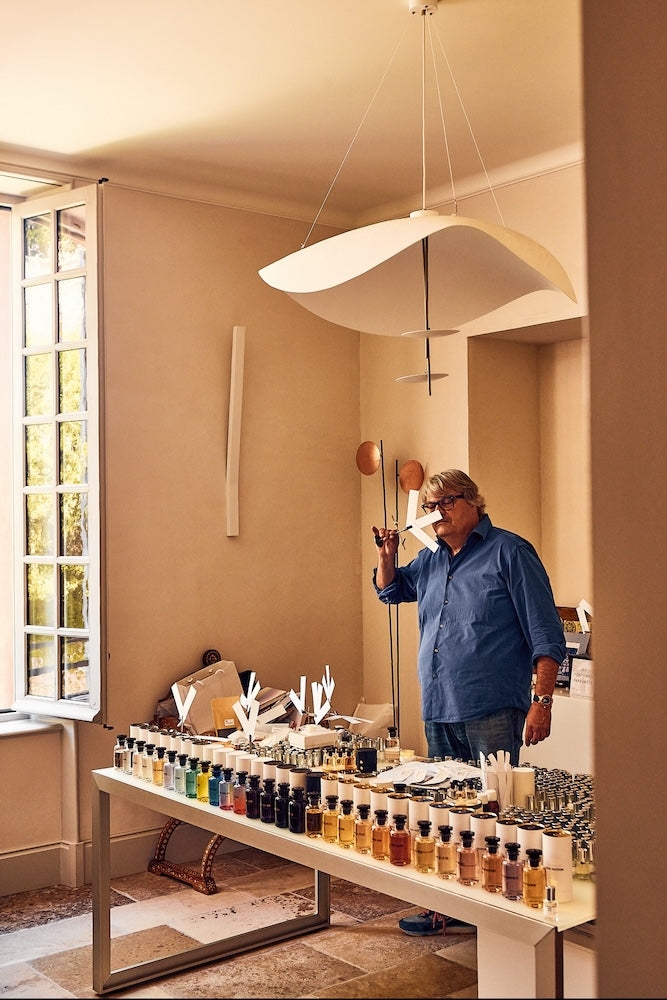
Jacques Cavallier Belletrud
Master perfumer
Born in Grasse to a family of perfumers, he joined Firmenich in 1990 and became Louis Vuitton's in-house perfumer in 2012. He composed Issey Miyake L'Eau d'Issey, Jean Paul Gaultier Classique, Yves Saint Laurent Opium pour Homme, Lancôme Poême and Louis Vuitton L'Immensité.
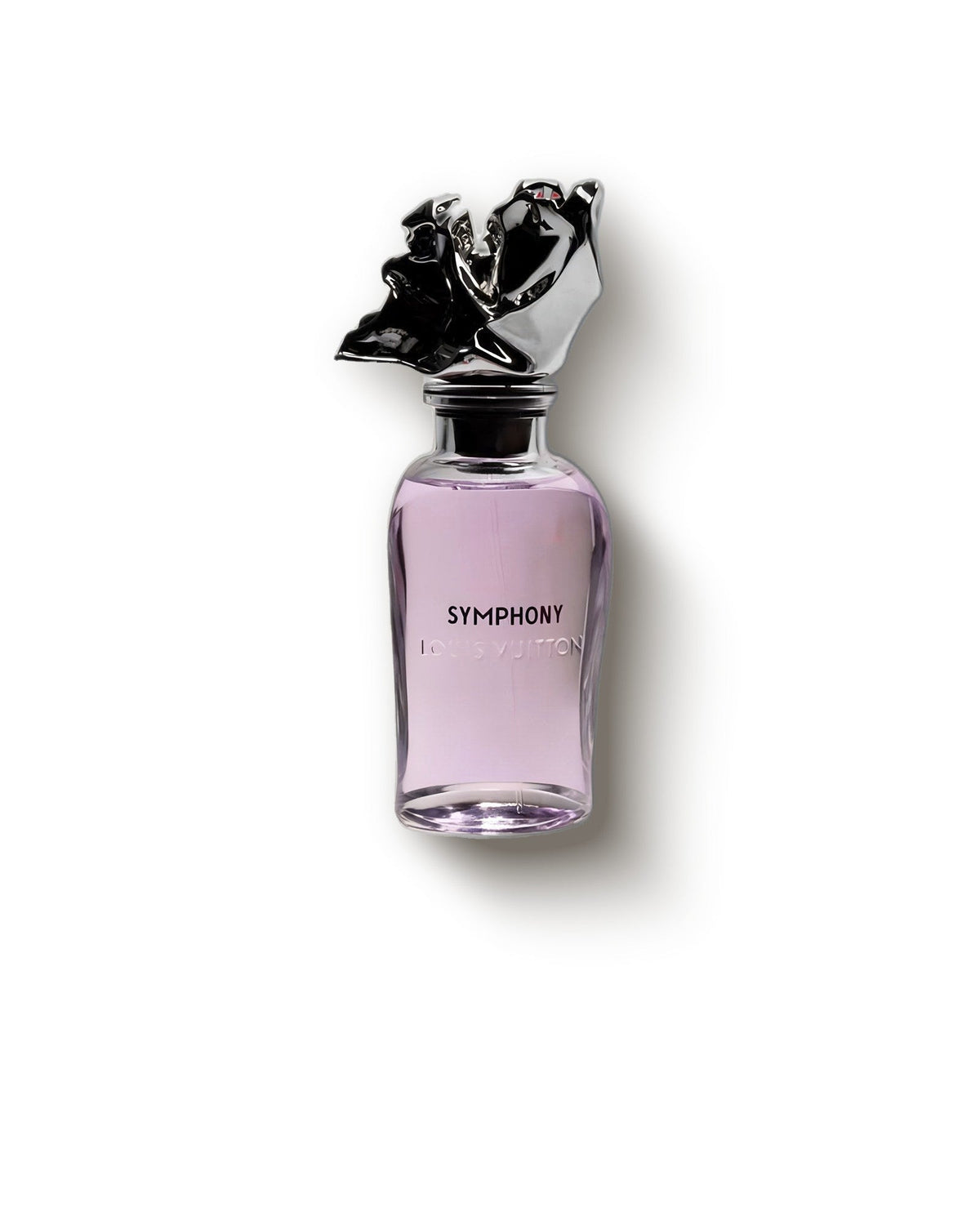
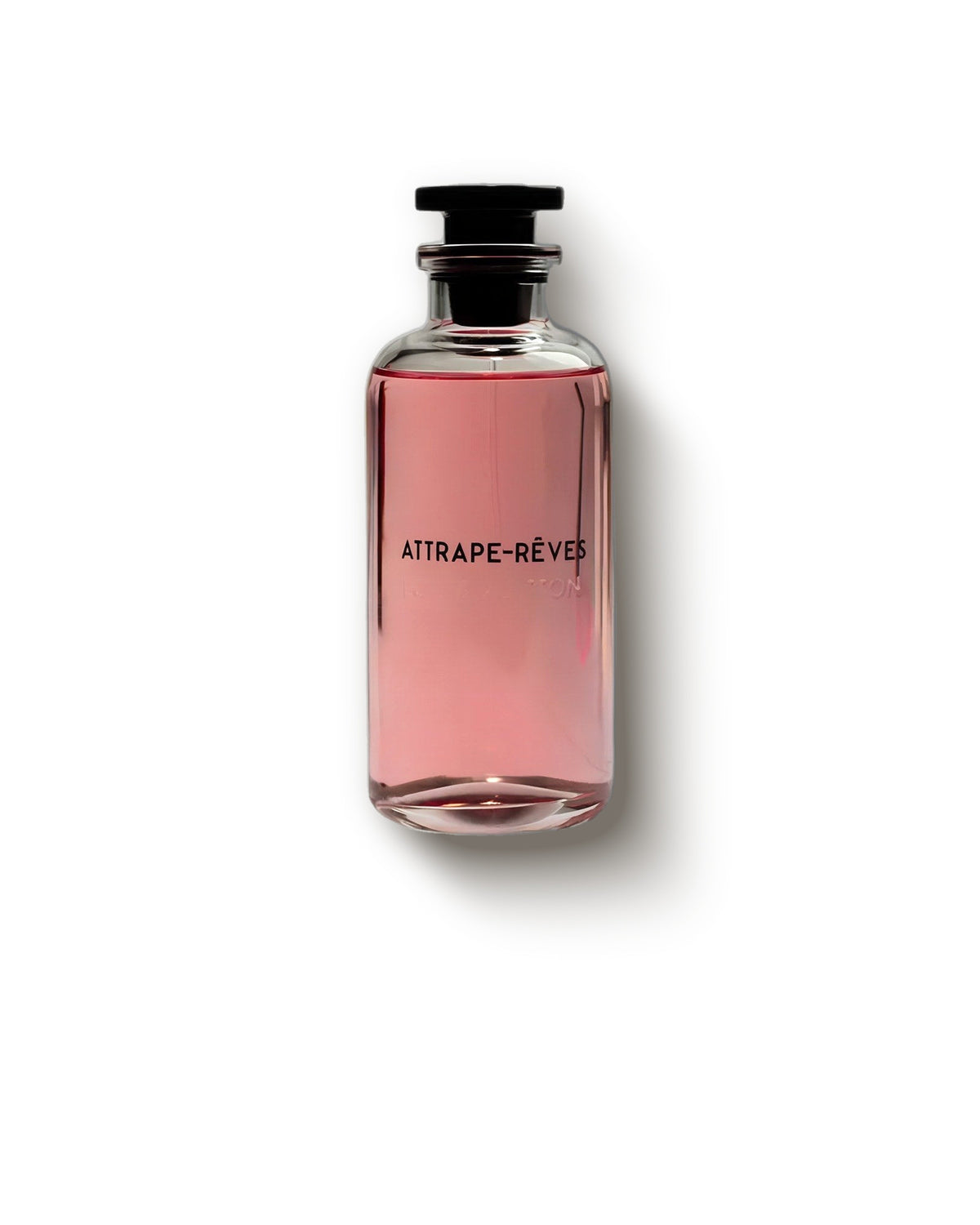
More by this noseOmbre NomadeSymphonyAttrape-Rêves
The Maison

Ombre Nomade’s smoked oud and Attrape-Rêves’ lychee daydream, so the skin test costs a coffee.
Louis Vuitton perfumery trades in mood and travel, a fragrance meant to feel like a passport stamp rather than a note pyramid. The range swings from sun struck citrus to a dense smoky oud built for a long evening, all of it carrying the same polished, unhurried confidence.
- Origin
- Paris, France
- Founded
- 1854, perfumes relaunched in 2016
- Known for
- Ombre Nomade, Attrape-Rêves

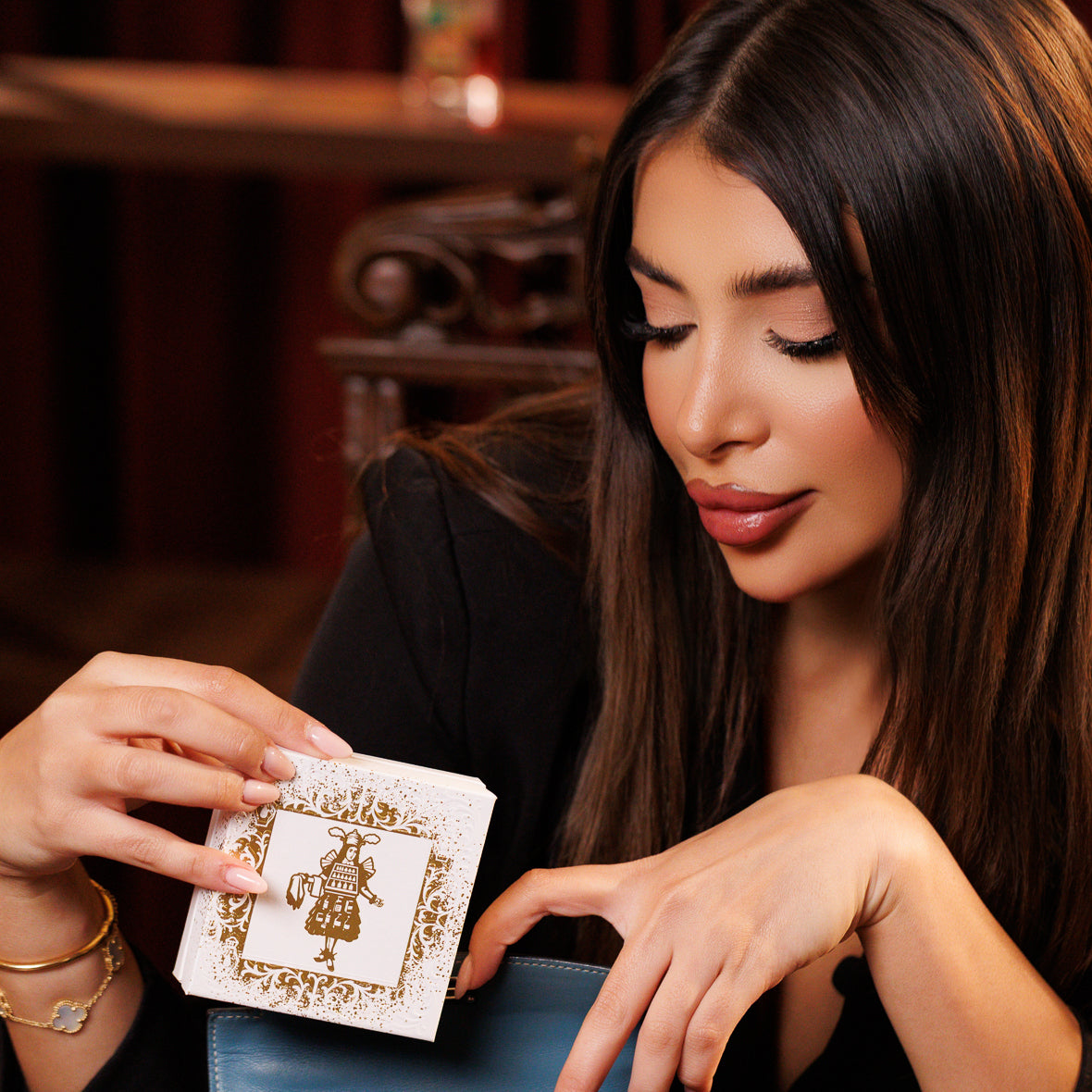
EVERY DECANT
From the original bottle to your door
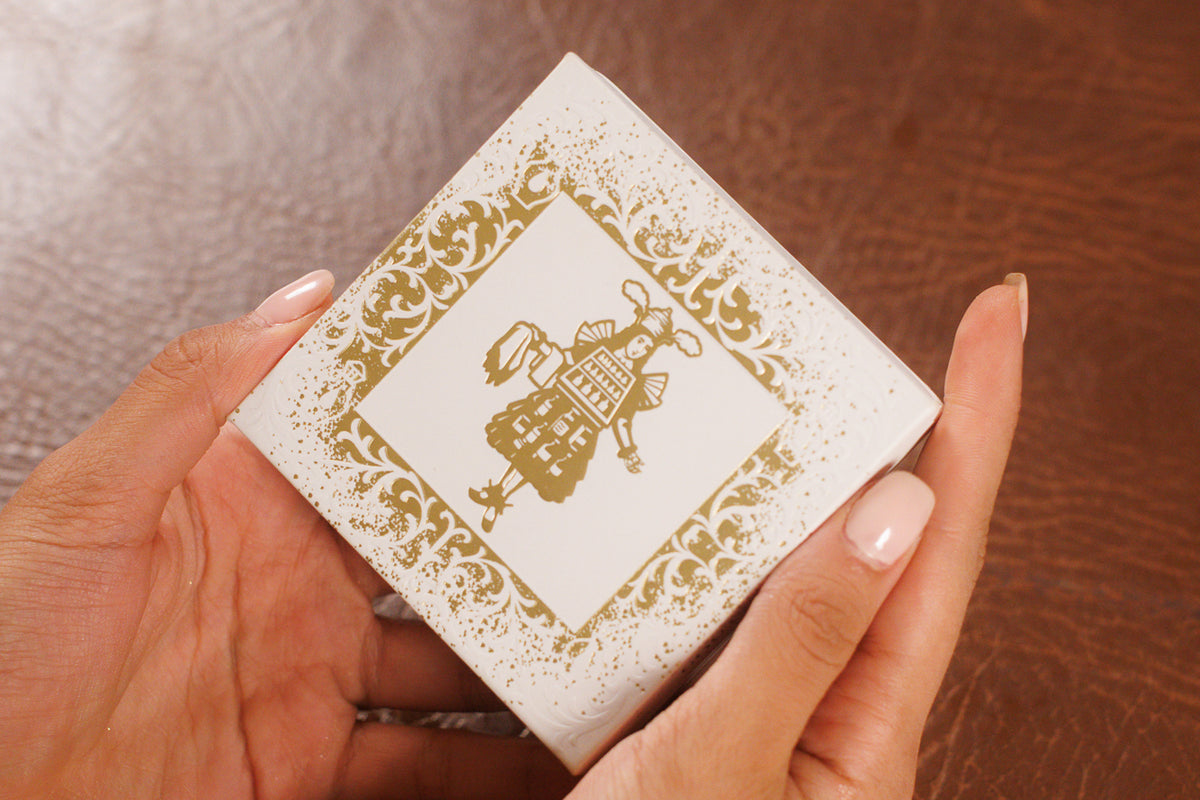
We buy the original flacon at full retail price, direct from the house.
A medical grade Socorex syringe takes the exact millilitres straight from the flacon.
Packed into the hot foiled box and handed to DHL, every duty already paid. How a decant is made
More from Louis Vuitton
You may also like