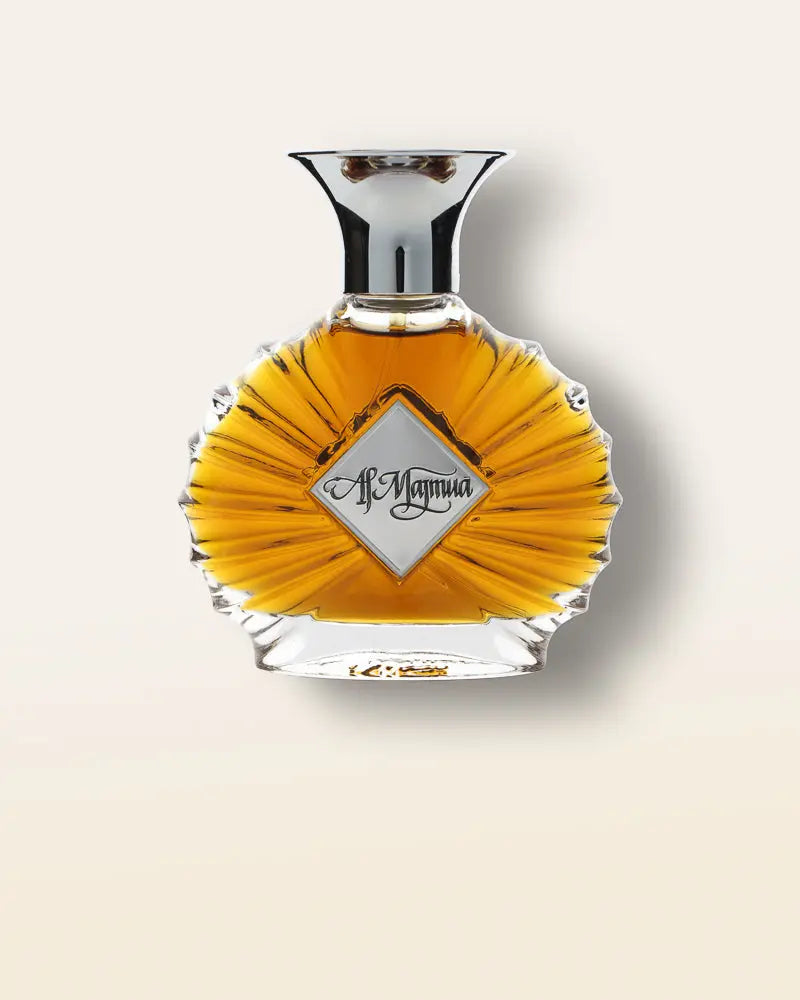


Areej Le Doré - Al Majmua
Al Majmua is a green, mossy natural composition, bergamot and blackcurrant brightening a heart of vetiver, patchouli and exotic Indian florals (pandanus/kewda and kadam), grounded in oakmoss, iris and cedar.
The Story
Russian Adam's Areej Le Doré works only in natural and vintage materials, and Al Majmua, "the gathering", is a chypre-leaning blend of raw vetiver, real oakmoss and Indian attars: earthy, green and old-world.
The Nose
Composed by Russian Adam, founder of Areej Le Doré, also behind Oud Zen, Russian Oud and Russian Musk.
Bergamot
Sparkling citrus light with a bittersweet edge
What it is
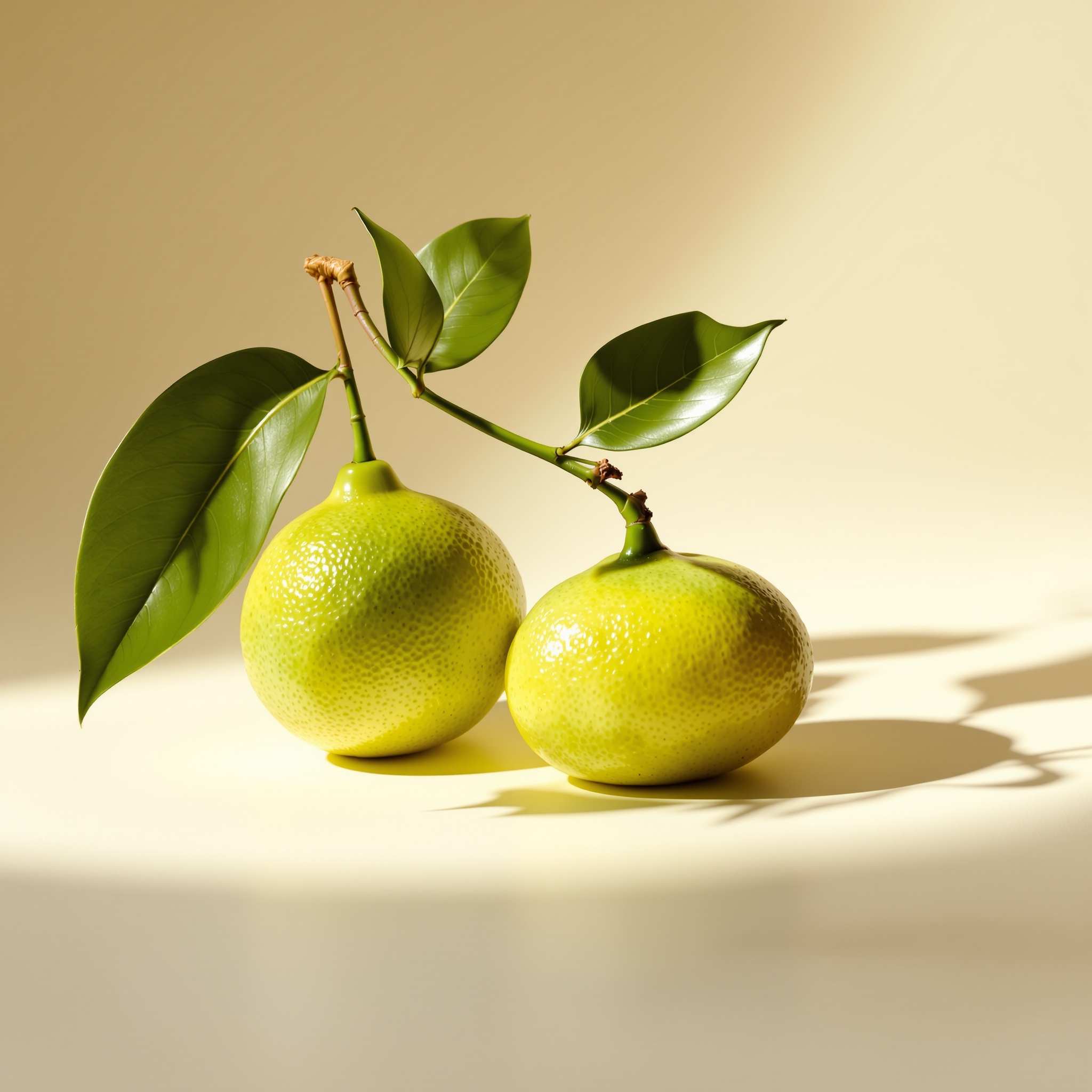
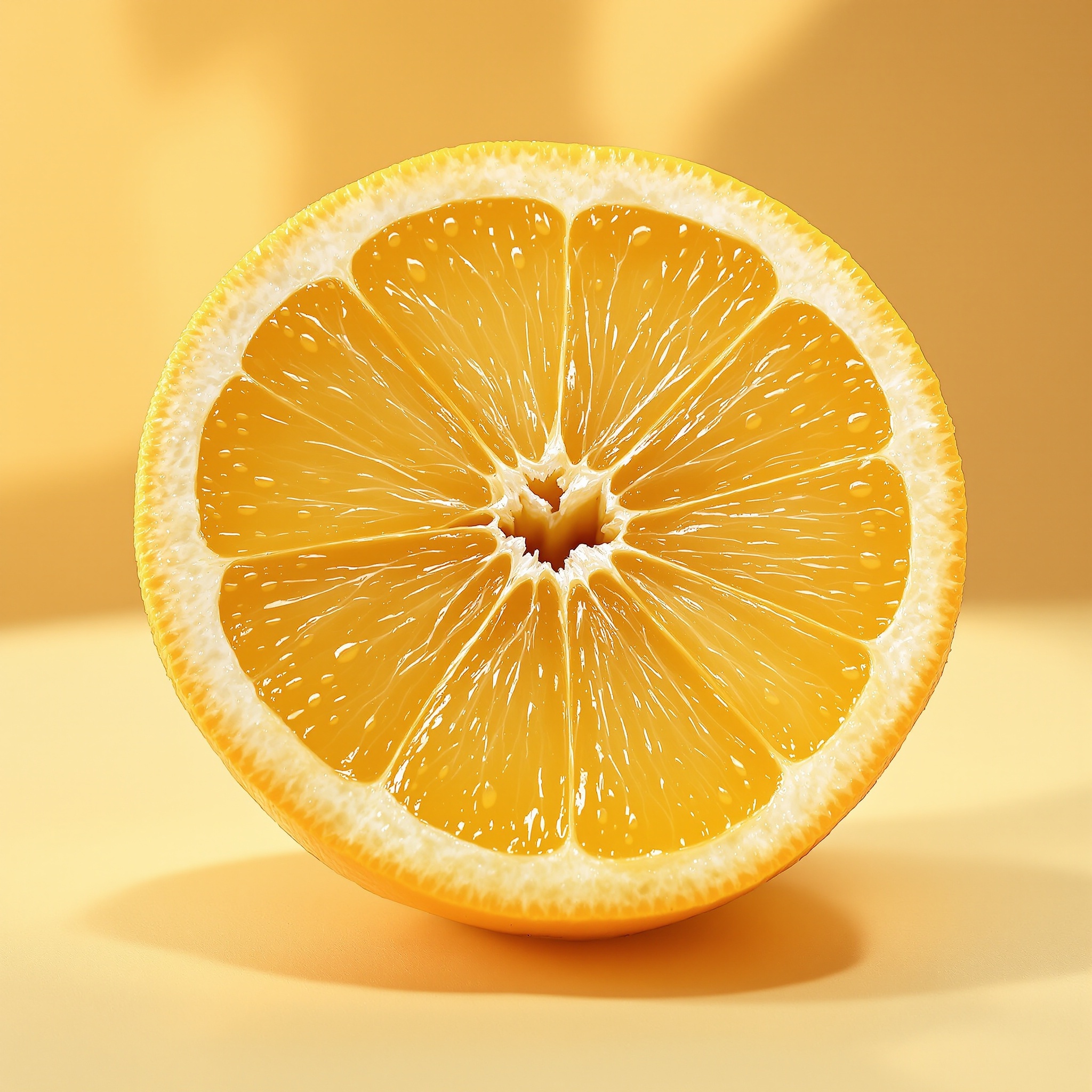
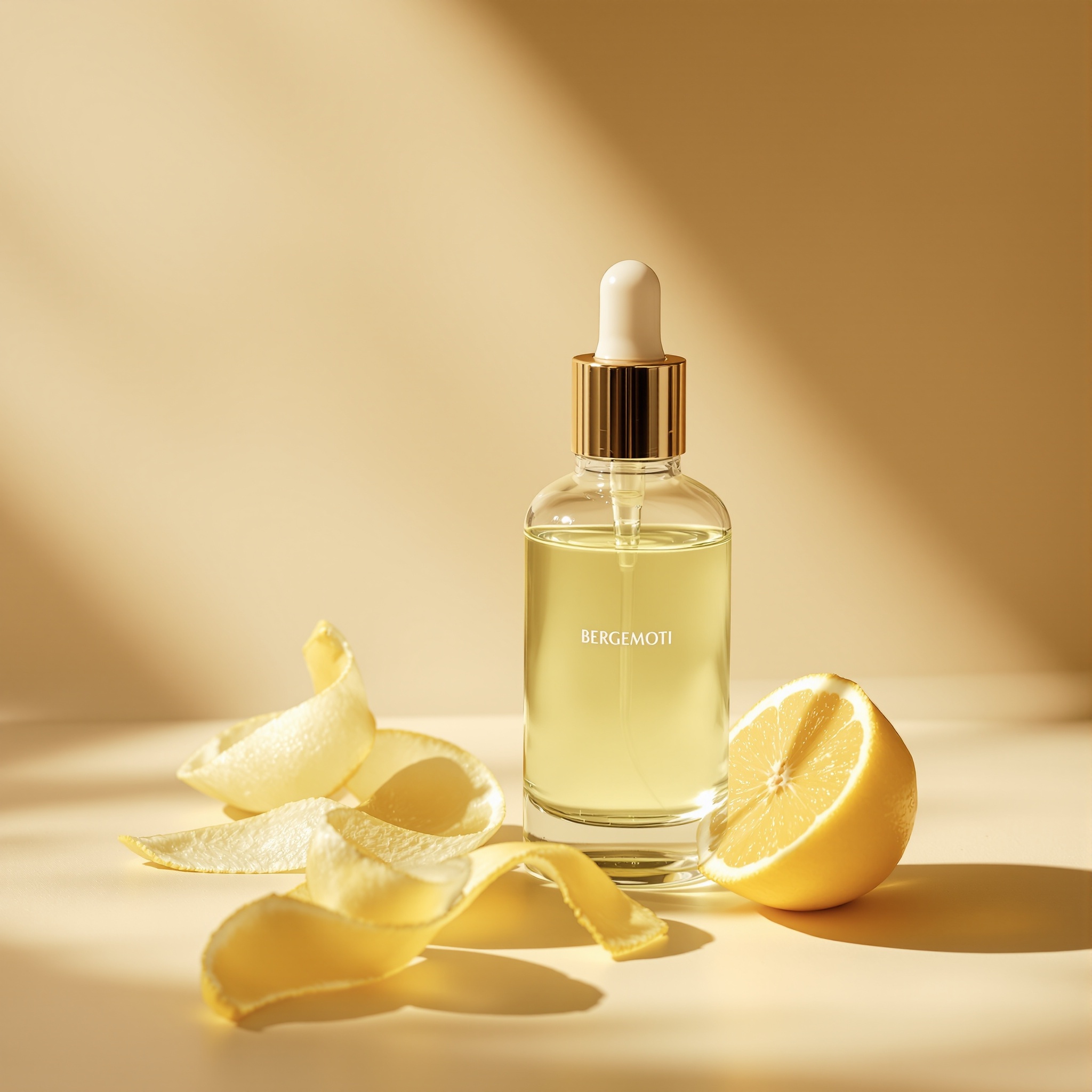
Bergamot is a small citrus fruit, Citrus bergamia, grown almost entirely along the Calabrian coast of southern Italy. The aromatic oil sits in glands in the rind of the unripe green-yellow fruit and is cold-pressed mechanically from the peel rather than distilled, preserving its fresh brightness.
How it smells
Bright, zesty and green, a sweet citrus sparkle softened by a floral, almost tea-like smoothness. Underneath runs a faintly bitter, balsamic warmth that sets it apart from lemon or orange. It flashes lively on opening, then fades quickly into a soft, slightly spicy hum.
In perfumery
The classic top note, bergamot adds freshness and lift while blending sharp citrus into the heart. It defines eau de cologne and the fougère family, harmonizing with lavender, neroli and oakmoss. It opens countless modern fresh-floral compositions, and its oil gives Earl Grey tea its scent.
Good to know
Natural bergamot oil contains bergapten, a furocoumarin that makes skin highly sensitive to sunlight and can cause burns. Modern perfumery uses bergapten-free (FCF) oil to meet IFRA safety limits, so most contemporary bergamot in fragrance is purified rather than raw cold-pressed oil.
Blackcurrant
Tart cassis with a wild, animalic snarl
What it is
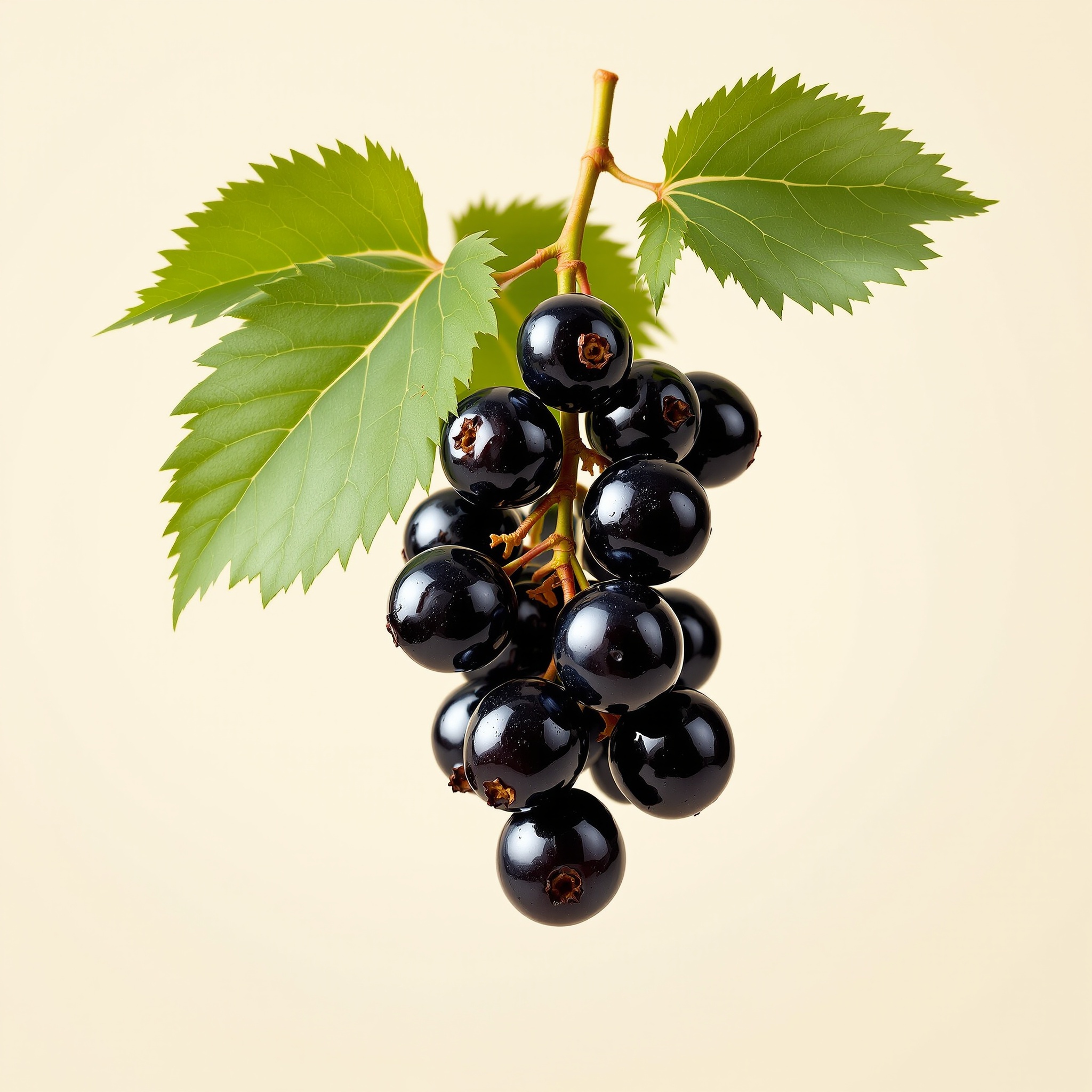
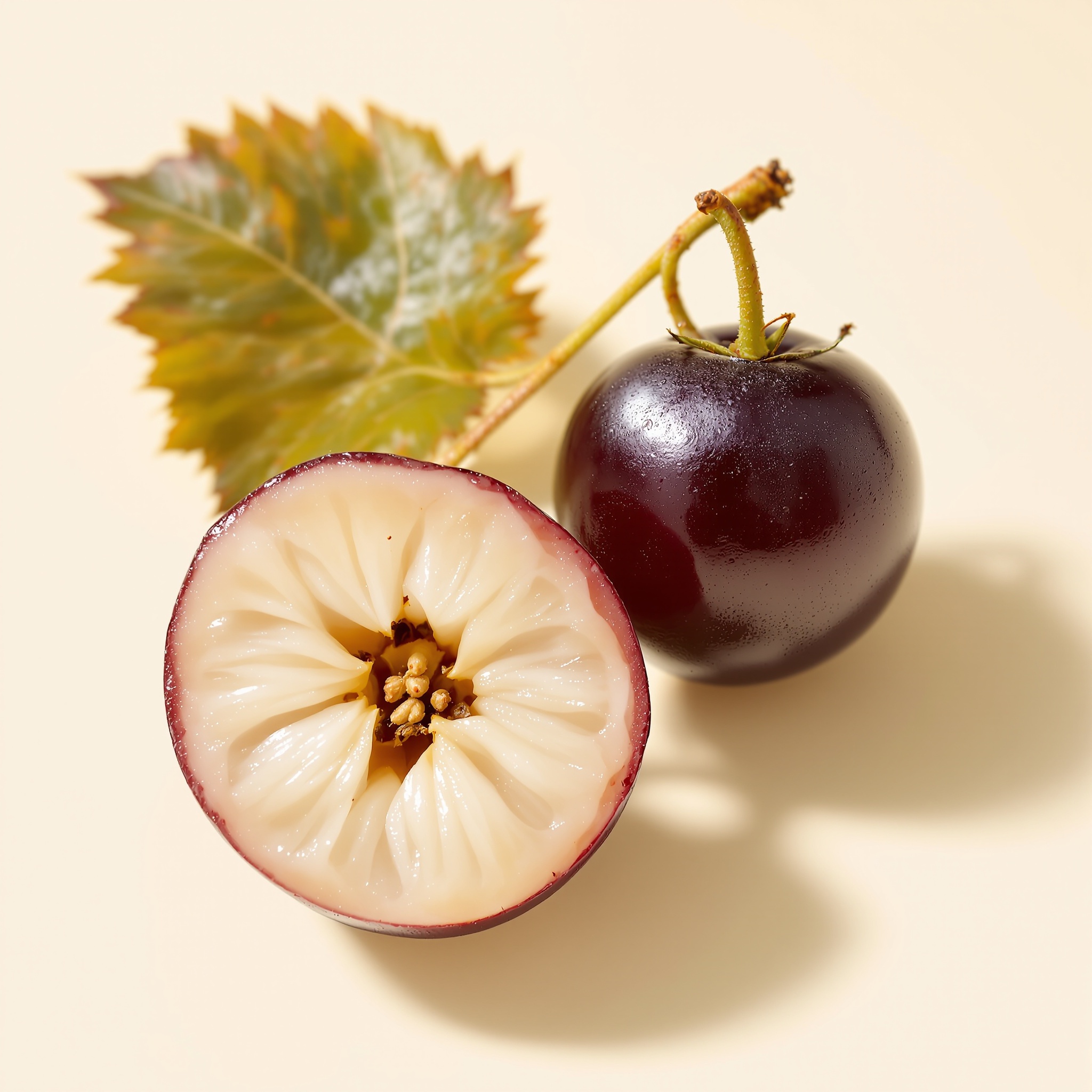
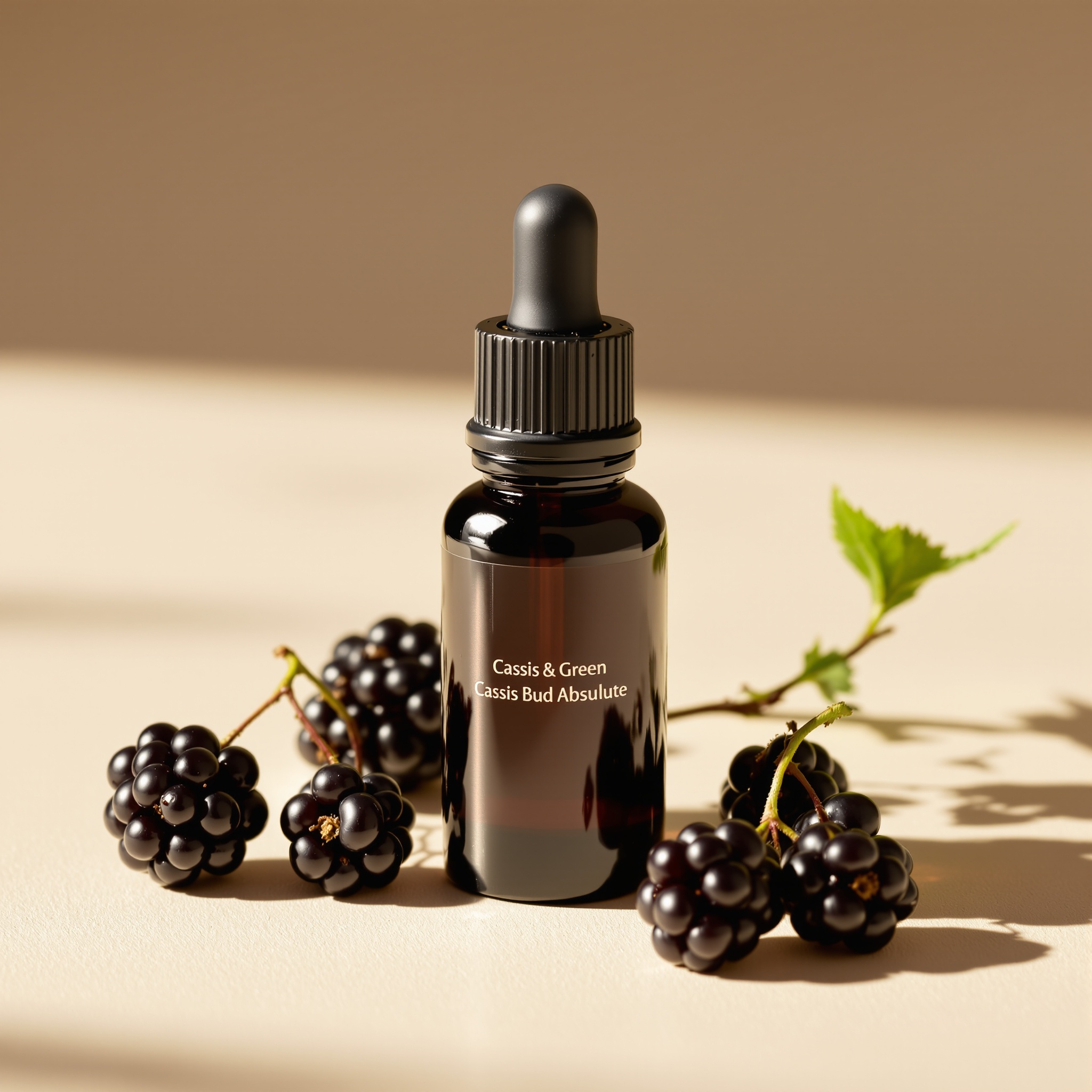
From Ribes nigrum, a small deciduous shrub grown across Europe, notably Burgundy. Perfumery rarely uses the berry; the prized material is cassis bud absolute, hexane-extracted from the resinous leaf buds, often supplemented by sulphur-containing aroma molecules that capture the fruit's pungent tartness.
How it smells
Sharply fruity and tart, the bud absolute carries a green, leafy, almost catty pungency with a sweat-like, sulphurous bite beneath the berry sweetness. The effect is wild and unmistakable: ripe blackcurrant fruit edged with green sap and a faintly animalic growl.
In perfumery
A top note delivering tart fruit and a bracing green realism that lifts a composition. It sharpens rose and adds bite to fruity-floral and chypre accords. Cassis is a classic chypre opening and a recurring jolt in modern fruity perfumes.
Good to know
The catty, sulphurous facet comes from trace thiols so potent they register at parts per trillion, the same molecule family behind the scent of cat spray and certain Sauvignon Blanc wines. A drop of cassis bud absolute goes a very long way.
Vetiver
Cool damp earth pulled from tangled roots
What it is
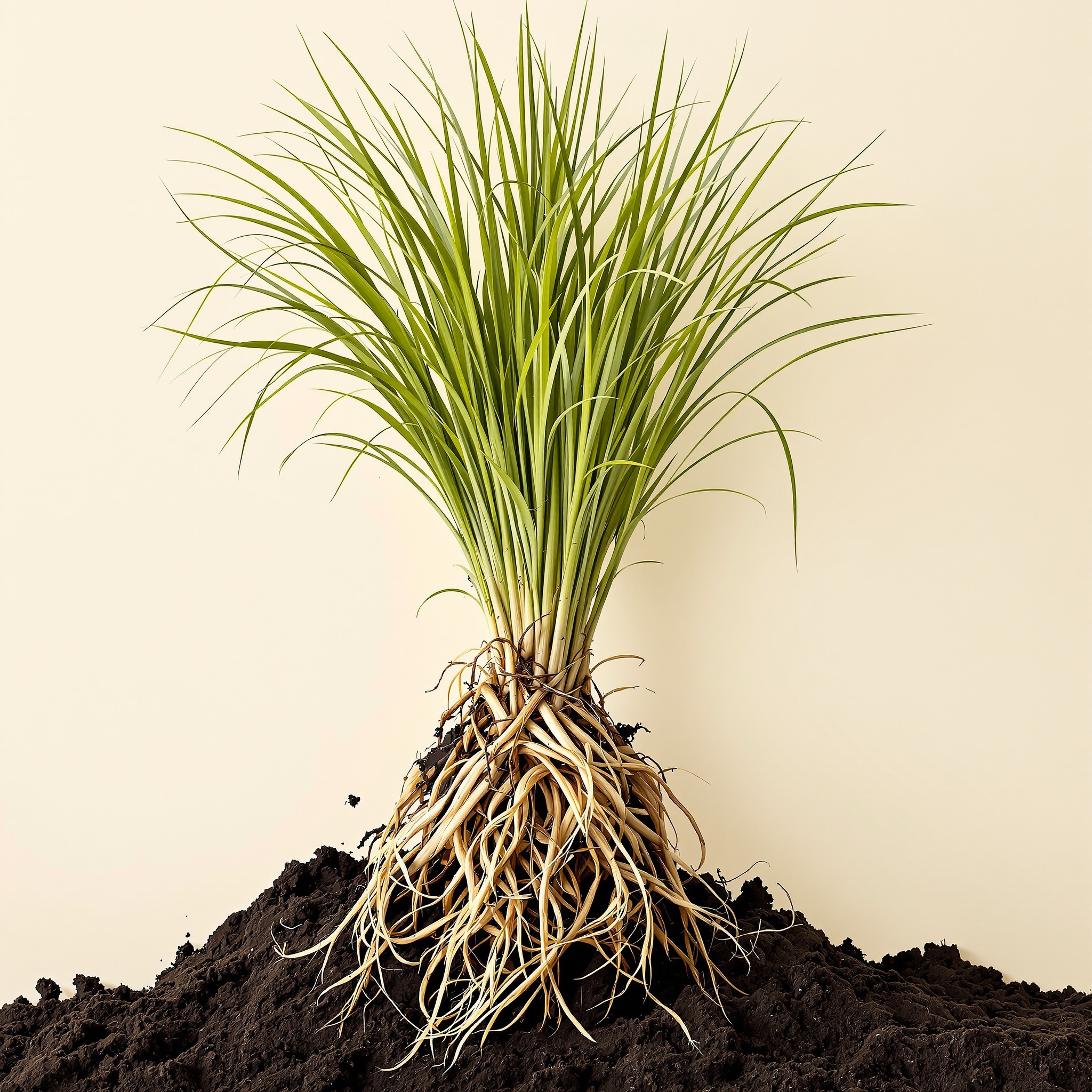
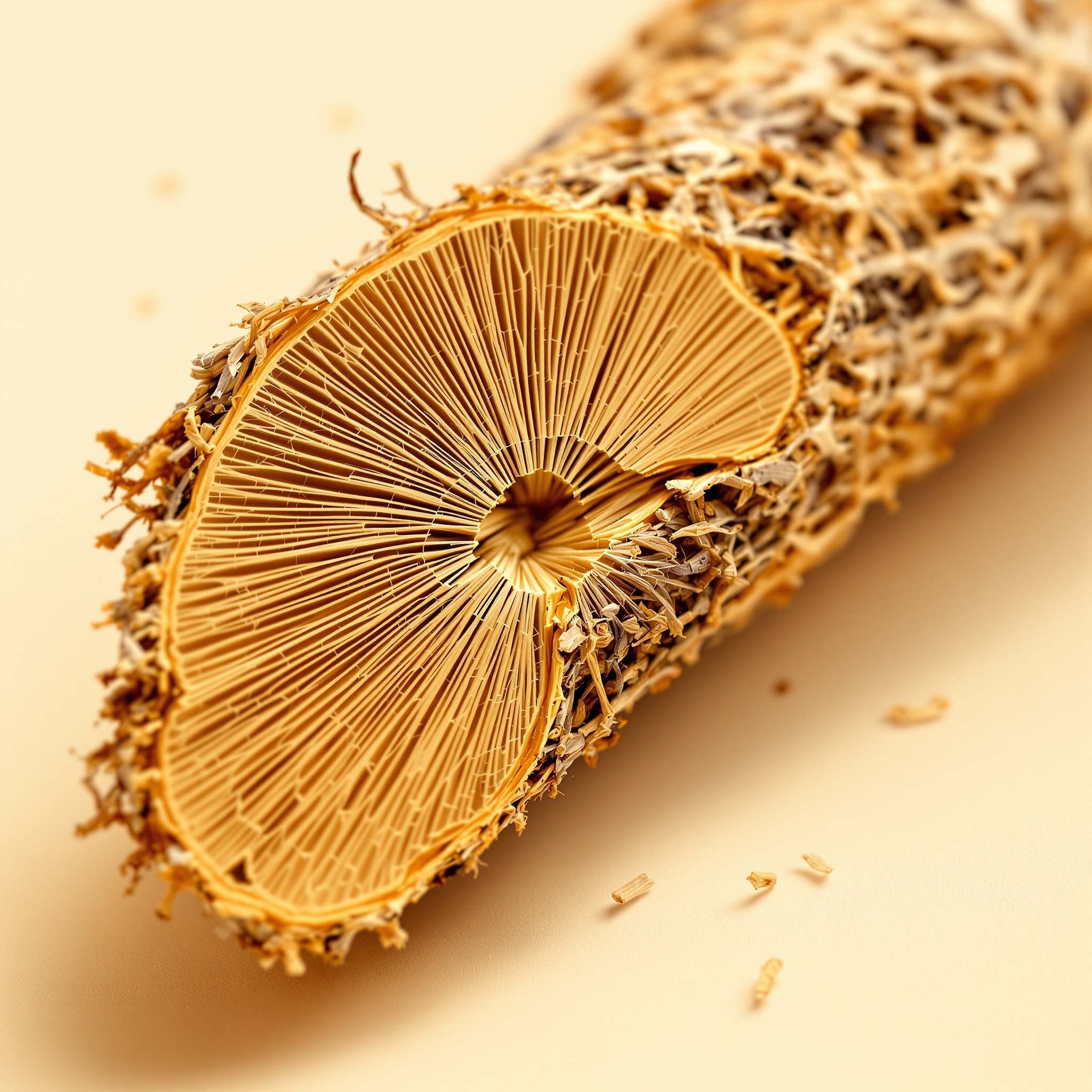
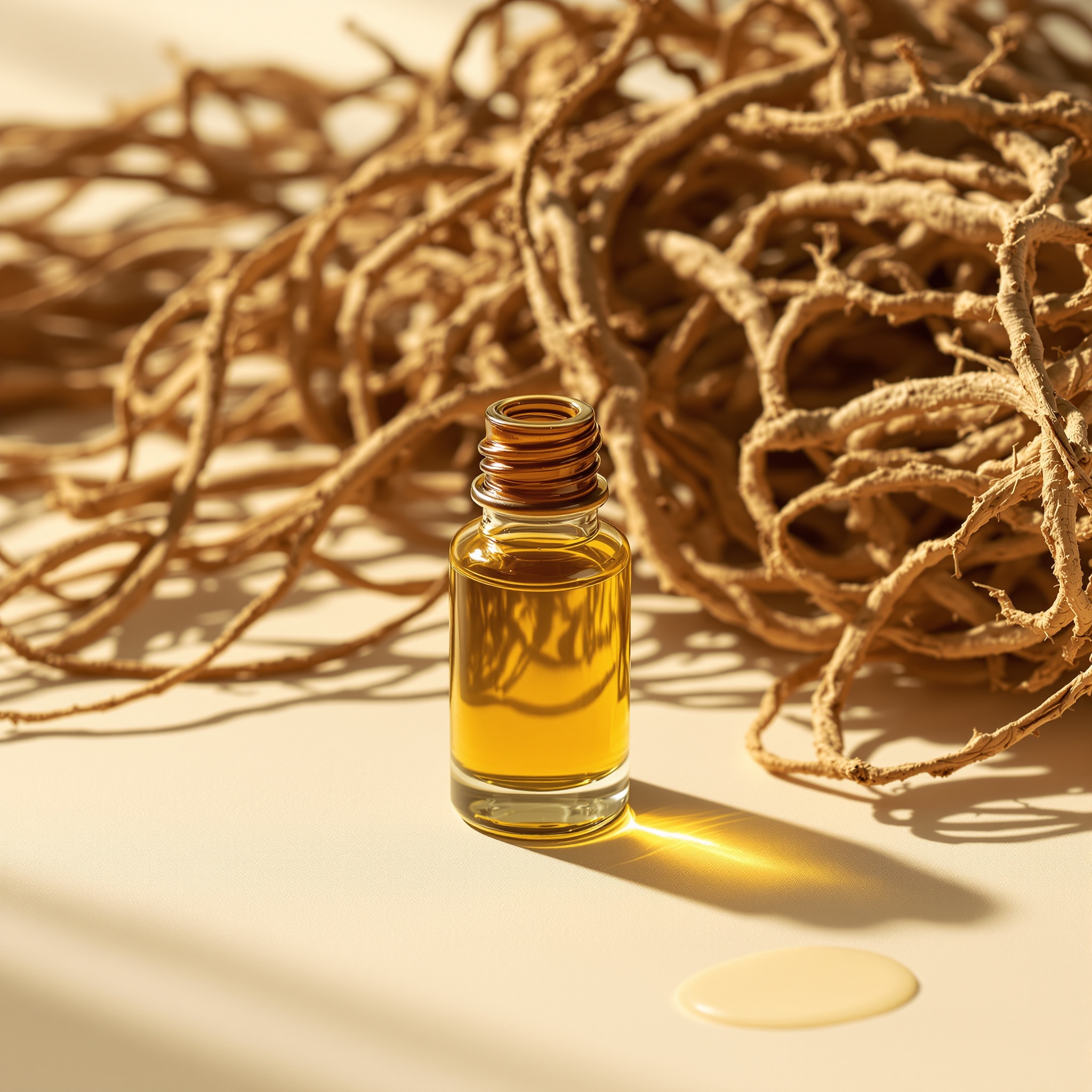
Vetiver is a tall tropical bunchgrass, Chrysopogon zizanioides, native to India and now grown mainly in Haiti, Java, and Réunion. The prized part is its dense network of fibrous underground roots, which are dug up, washed, dried, and steam-distilled into a thick amber-green essential oil.
How it smells
Cool, damp earth and freshly cut grass over a woody, rooty base. Haitian oil reads smooth, smoky, and faintly hazelnut-sweet; Java leans darker and more leathery. Beneath sit dry cedar, grapefruit-like bitterness, and a persistent green minerality that lingers for hours as it dries down.
In perfumery
A base note valued for tenacity, grounding earthiness, and natural fixative power. It anchors chypres and fougères, pairing with citrus, leather, and tobacco. Many vetiver soliflores are built around it, while its smokier, ashier side is showcased beside cypress and cedar.
Good to know
Haiti supplies roughly half the world's vetiver oil, most of it grown by smallholder farmers. The same deep roots that perfume a bottle are planted on hillsides worldwide as living barriers, gripping soil against erosion and stabilizing slopes where little else will hold.
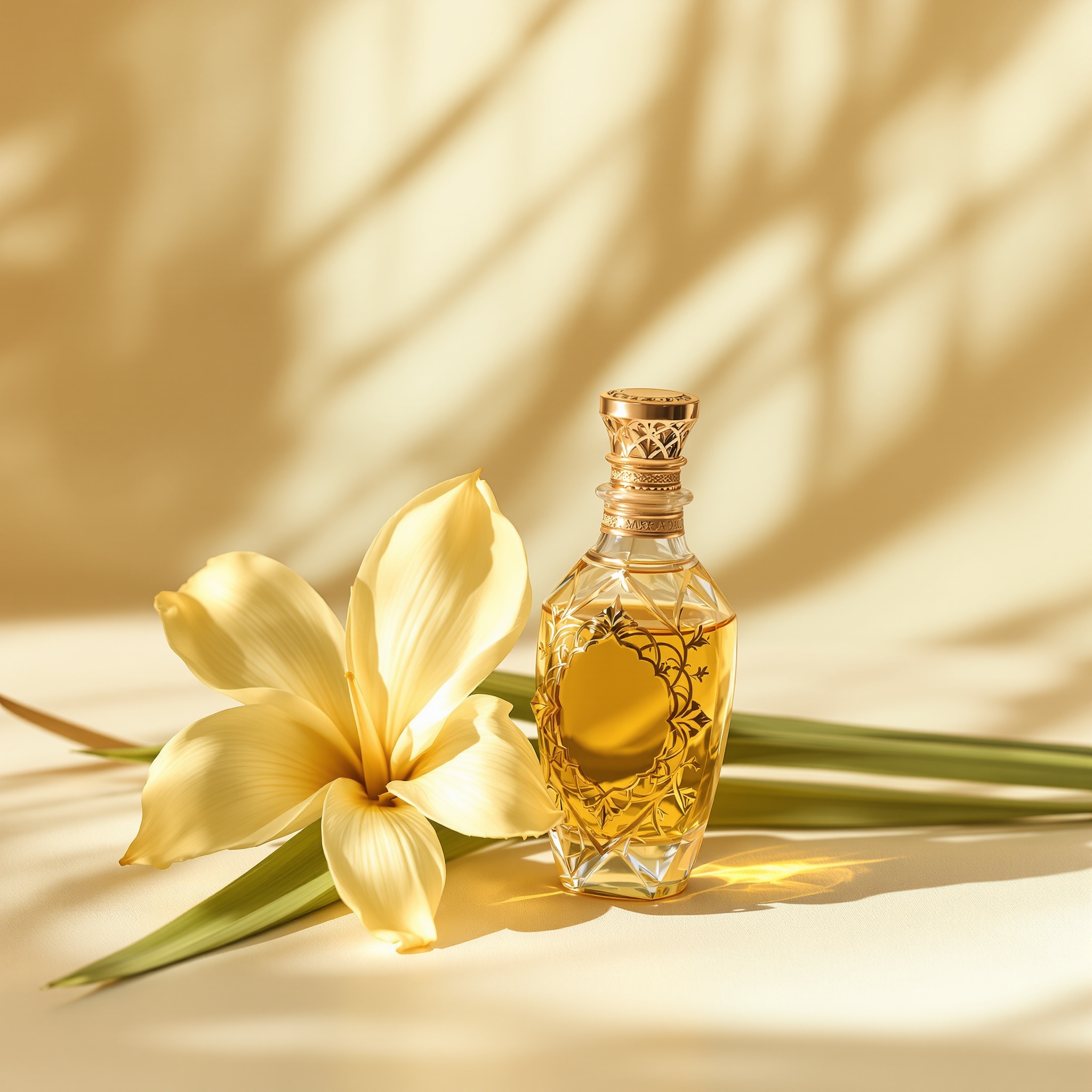
Pandanus (Kewda)
Honeyed tropical bloom with an aquatic whisper
What it is
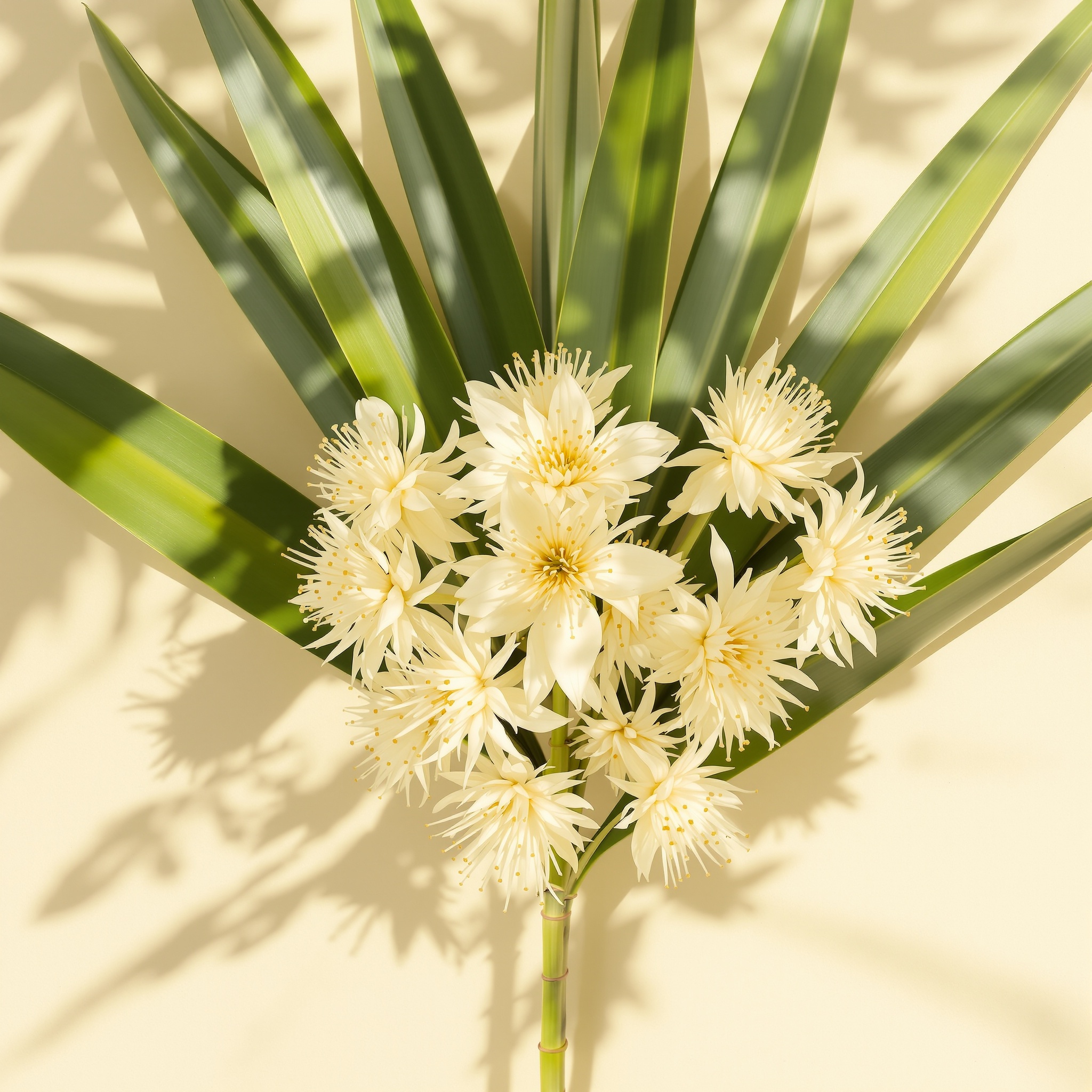
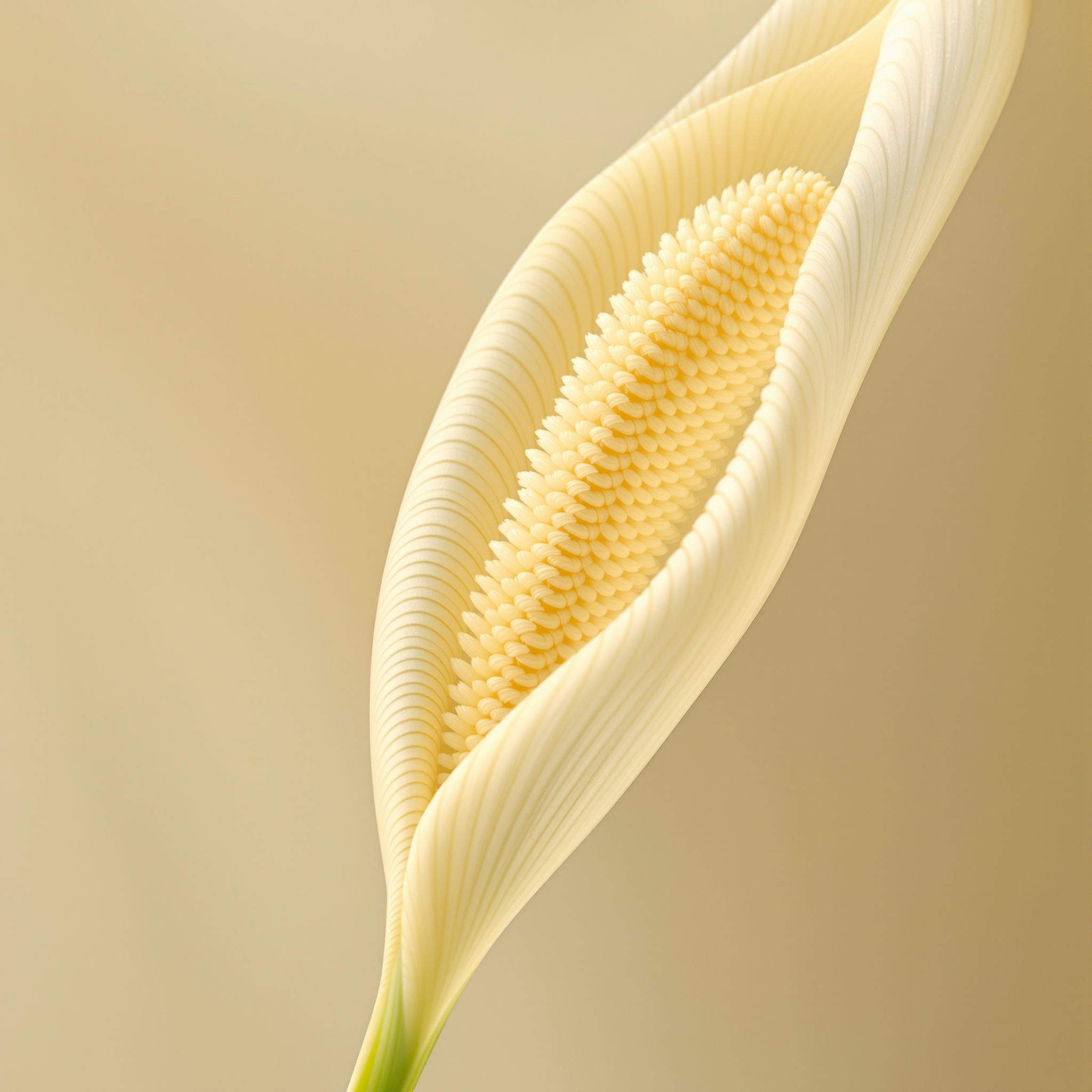
An aroma drawn from the fragrant male flowers of Pandanus odoratissimus, a screwpine of coastal India and Southeast Asia. The blossoms, known as kewda or kewra, are hand-plucked at dawn and hydro-distilled by the traditional deg-and-bhapka method, the resulting vapor often captured into a sandalwood-oil attar.
How it smells
Sweet, heady and floral with a honeyed, rosy warmth and a distinct green, slightly aquatic coolness. There is a fruity, almost hyacinth-like richness over a soft watery freshness. It opens lush and intoxicating, then mellows into a smooth, balmy floral sweetness with a faint spicy edge.
In perfumery
A heart note prized in traditional Indian attars and incense, where it adds a tropical, honeyed floralcy distinct from rose or jasmine. It blends with sandalwood, saffron, rose and oud in oriental and attar compositions, and appears in niche florals seeking an unusual, exotic blossom signature.
Good to know
The flowers lose their scent within hours of opening, so harvest races the dawn, and only male inflorescences are used. The Ganjam kewda of Odisha, which supplies most Indian production, is distinctive enough to hold a Geographical Indication, and the attar consumes vast numbers of blossoms.
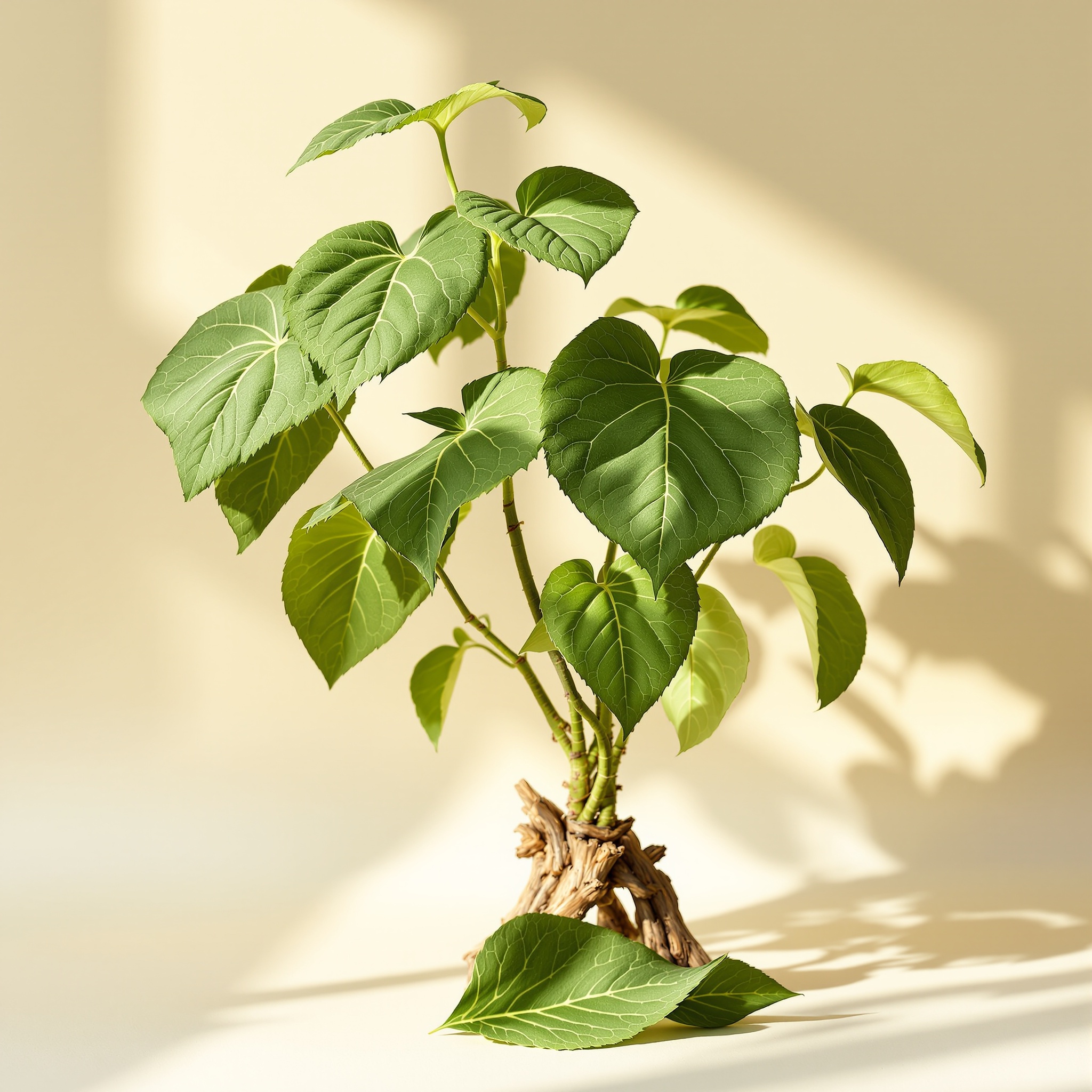
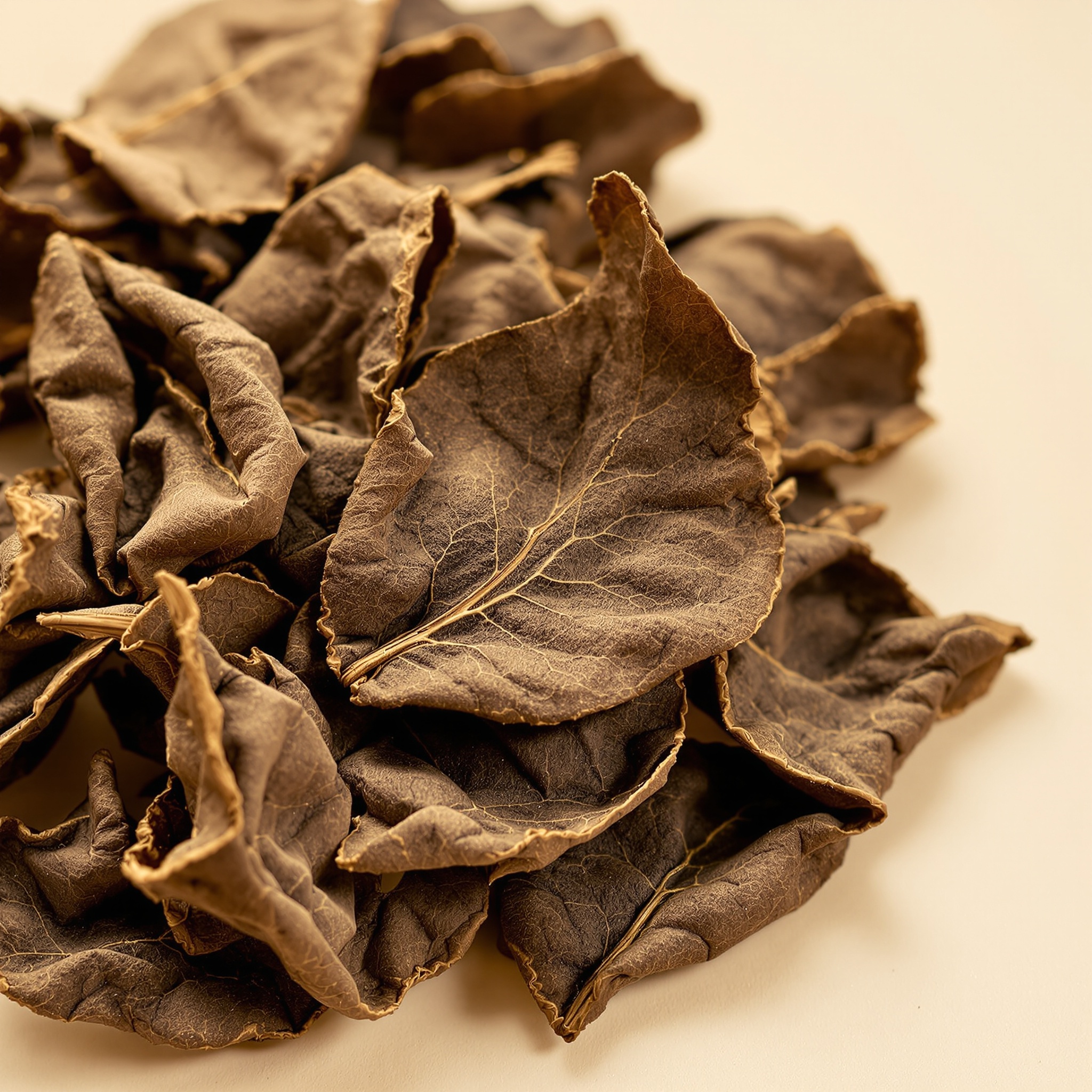
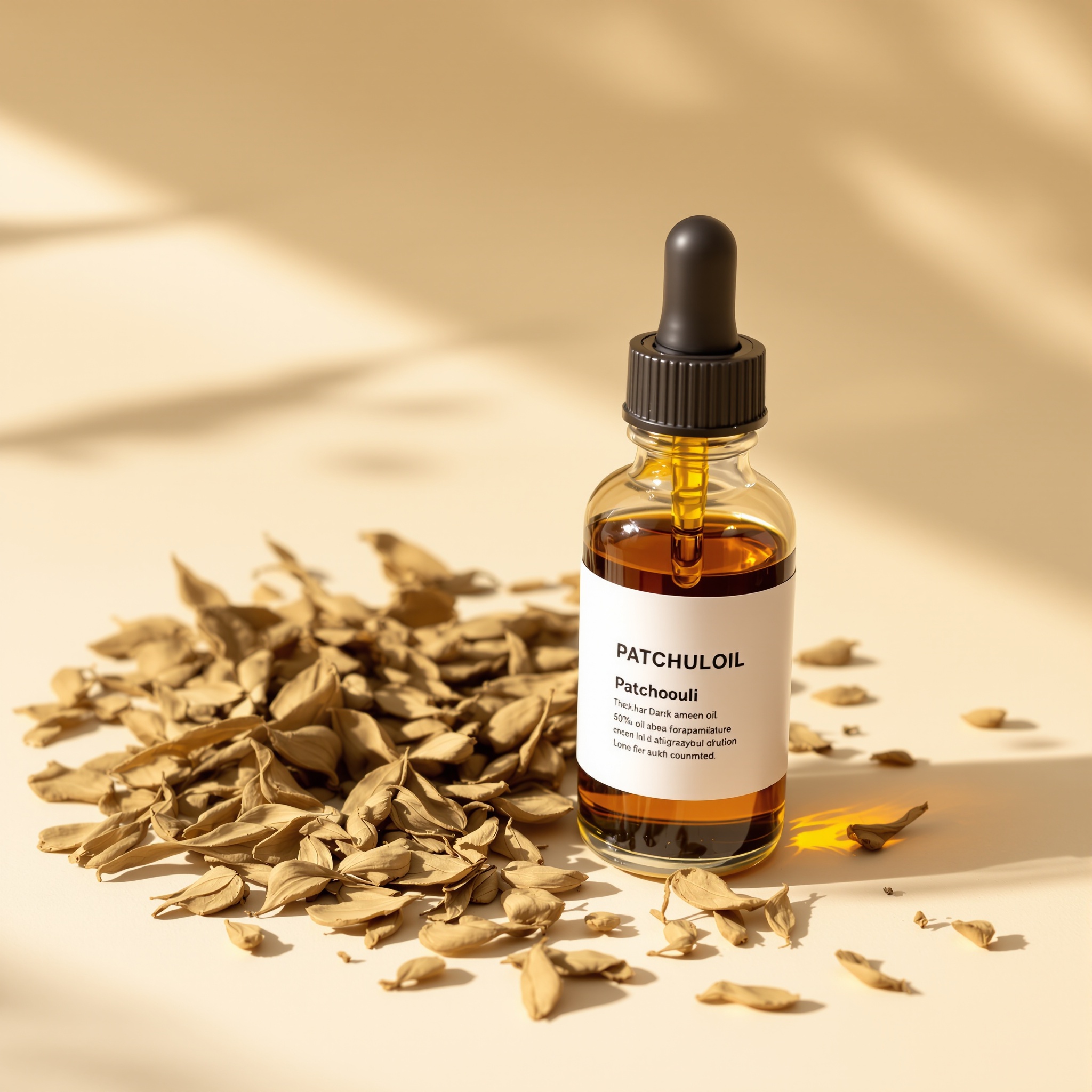
Patchouli
Damp earth and dark wood after rain
What it is
Patchouli comes from Pogostemon cablin, a leafy bush in the mint family native to tropical Asia and grown mainly in Indonesia, India and Sri Lanka. The harvested leaves are dried and lightly cured or fermented, then steam-distilled or hydrodistilled into a thick, dark essential oil.
How it smells
Deeply earthy and woody, like damp forest floor, wet soil and old cellars, threaded with a winey, slightly sweet darkness. Fresh oil can read sharp, almost camphorous and green; with age it rounds into chocolate, leather and dried-fruit warmth that clings for hours.
In perfumery
A base note and powerful fixative, patchouli anchors a composition and lengthens its wear. It forms the backbone of chypres and orientals, pairing with rose, vetiver, labdanum and vanilla. It defines many gourmand-oriental blends and carries the woody-balsamic heart of plush chypre accords.
Good to know
In the 19th century, real Kashmiri shawls were packed with dried patchouli leaves to repel moths in transit, so Europeans learned to recognise genuine imports by smell. Unlike most essential oils, patchouli improves with age, deepening and mellowing over years much like wine.
Kadam
Honeyed monsoon bloom of Krishna's sacred tree
What it is
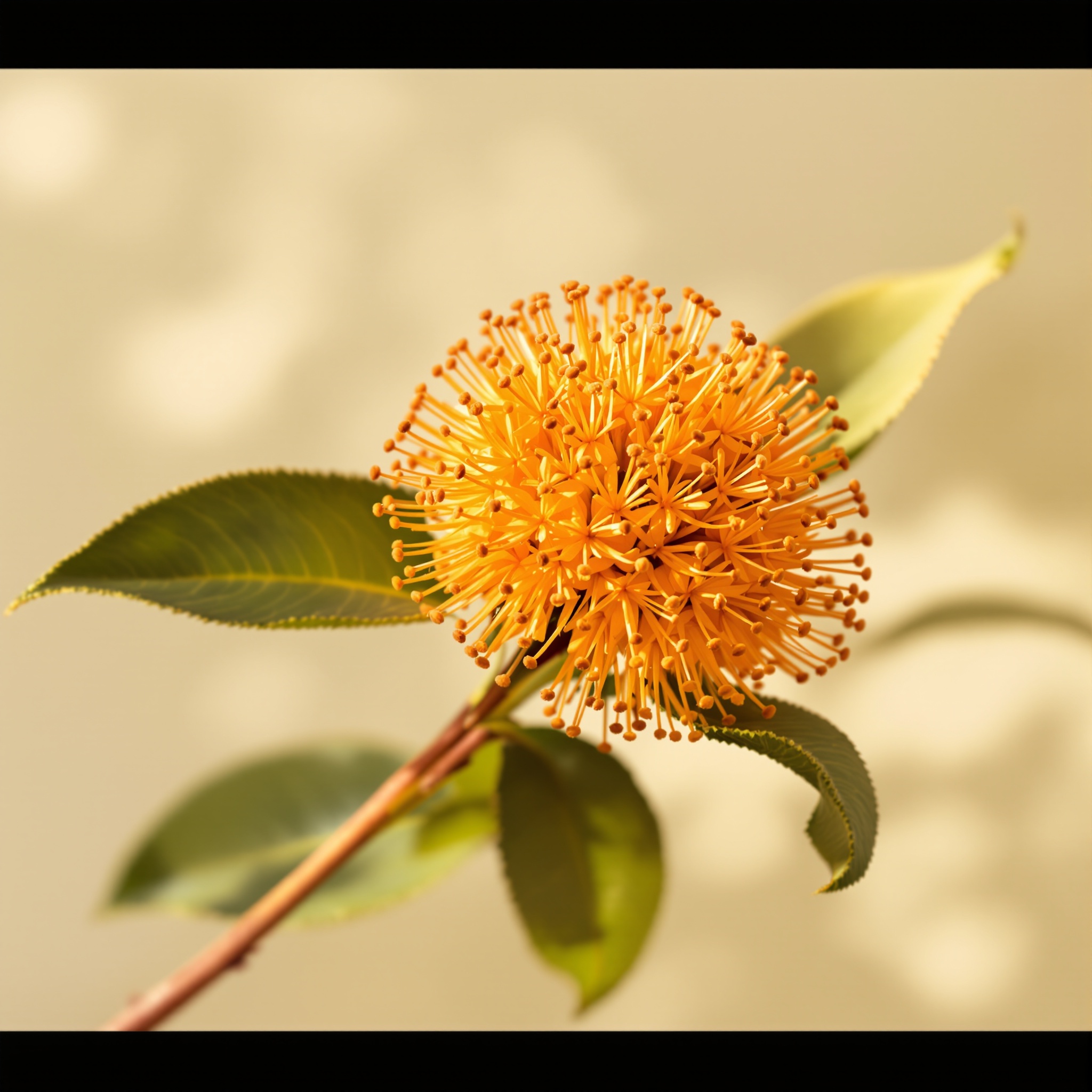
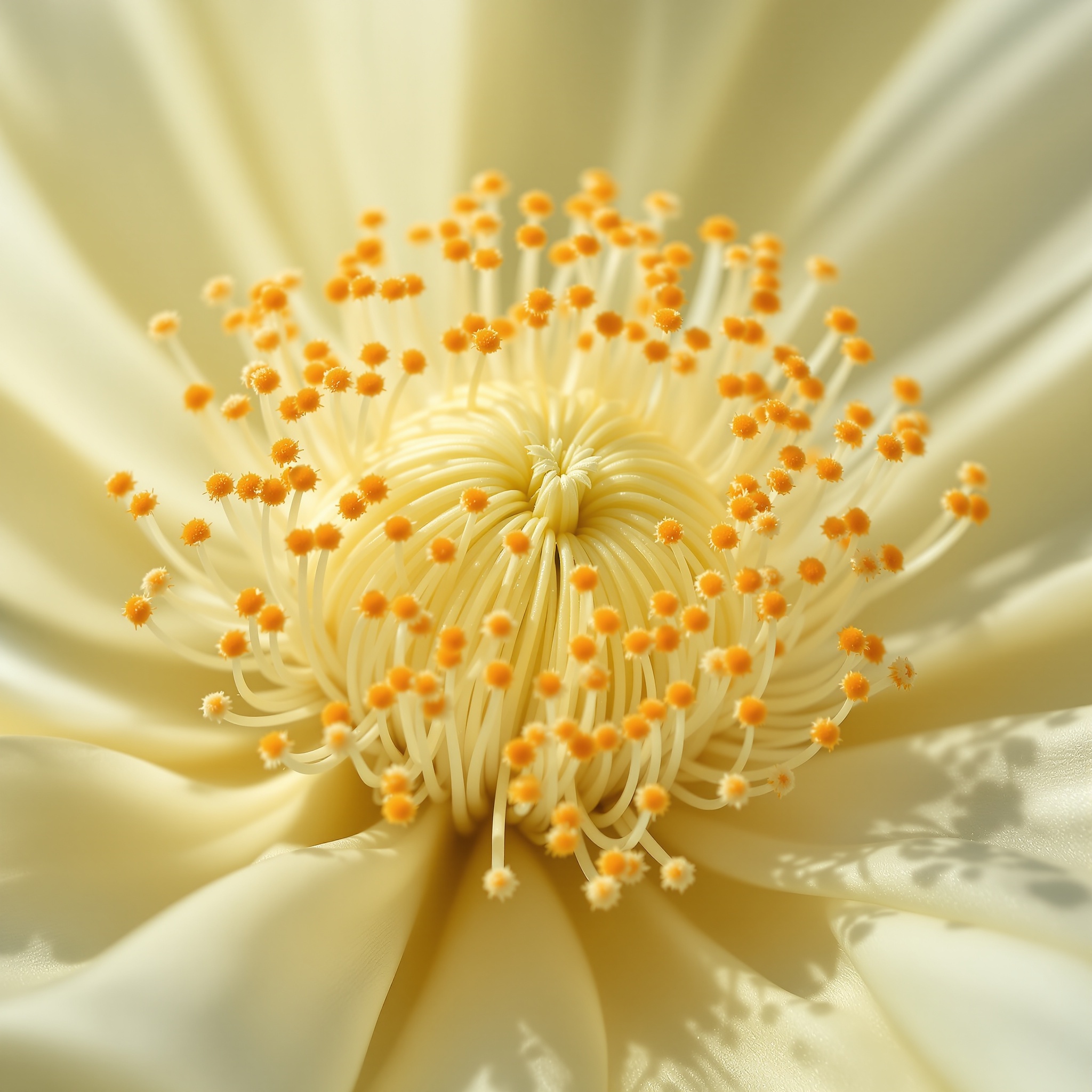
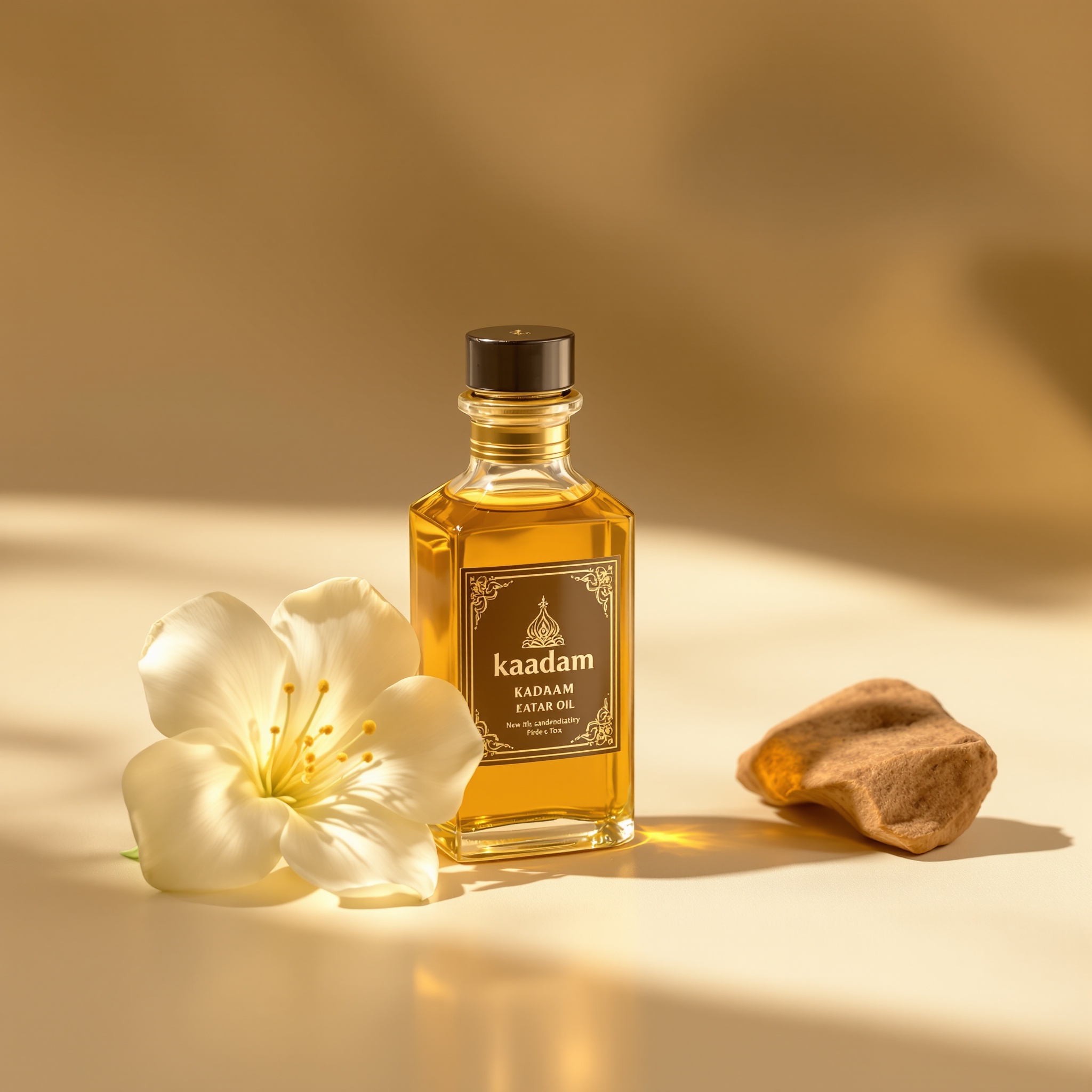
Kadam is the flower of Neolamarckia cadamba, a tall tropical tree of the Indian subcontinent bearing dense orange, ball-shaped blossom clusters. For attar, the fresh night-blooming flowers are hydro-distilled in a copper still and the aromatic vapor is captured into sandalwood oil, the Kannauj deg-bhapka tradition.
How it smells
Soft, creamy and honey-sweet, a warm tropical floral with mild fruity richness and gentle green, faintly spicy edges. The sandalwood carrier lends a milky woody depth underneath. It feels rounded and soothing rather than sharp, opening floral and settling into a calm, balsamic warmth.
In perfumery
Largely a heart note within traditional Indian attars, valued for a lush, naturalistic floral body. The sandalwood base makes it long-lasting and wearable alone as a soliflore, while it also rounds out other florals and warm woody-amber blends in Eastern-style compositions.
Good to know
Kadam carries deep cultural weight, traditionally linked to the monsoon and to Lord Krishna in Hindu lore. The blossoms open in the small hours, roughly three to six in the morning, which is why distillers gather them through the night to capture the flowers at peak aroma.
Oakmoss
The damp green soul of the forest floor
What it is
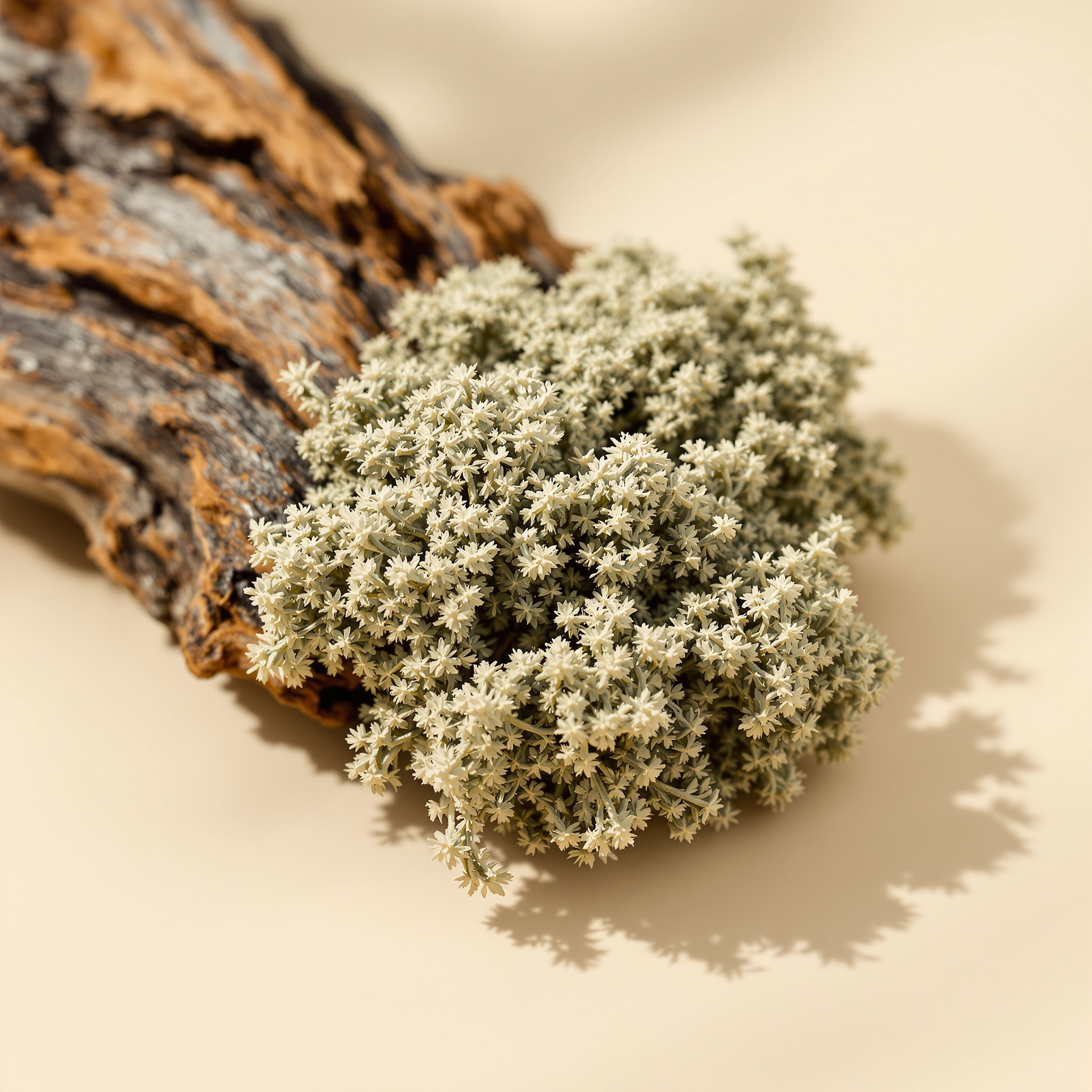
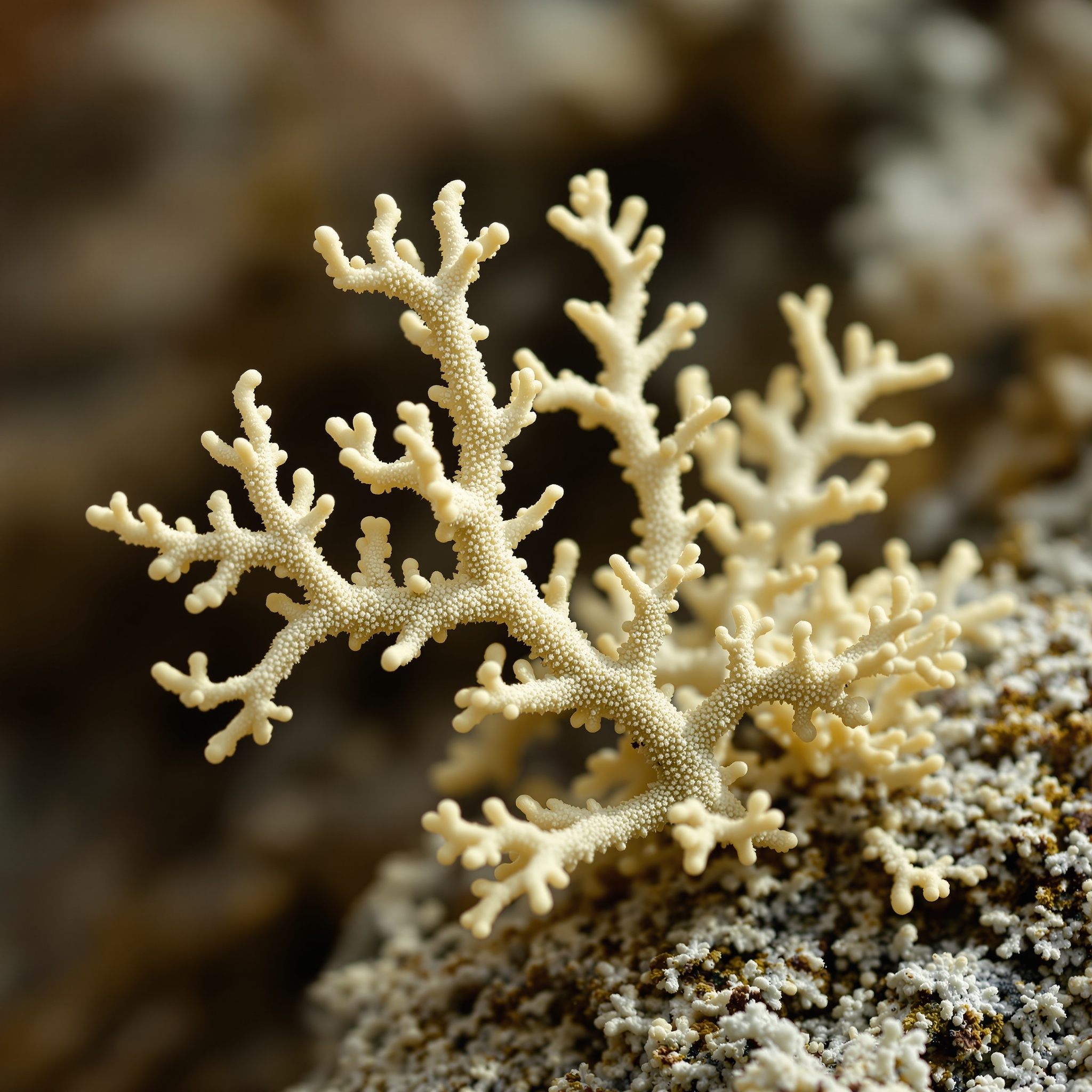
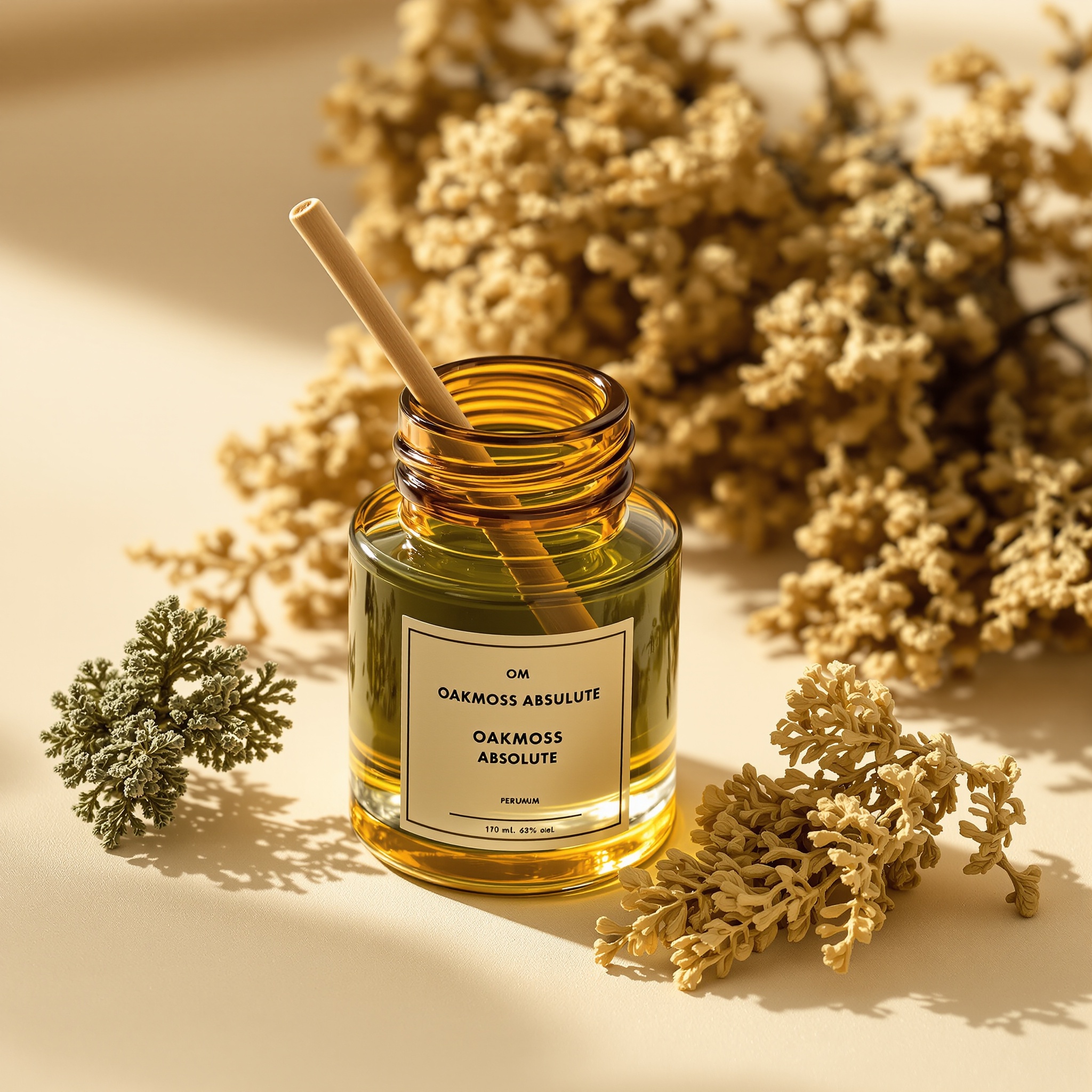
Oakmoss is not a true moss but a lichen, Evernia prunastri, growing on oak and other deciduous bark across temperate Europe, notably the Balkans, France and Morocco. The harvested thalli are solvent-extracted into a dark, viscous concrete and absolute, the raw materials used in perfumery.
How it smells
Deeply earthy and forest-green, with damp bark, wet stone and a leathery, inky undertone. A dry, faintly bitter mossiness carries marine and tar-like facets. The effect is shadowy rather than fresh, evoking the cool floor beneath old trees after rain has soaked the ground.
In perfumery
A base note and the backbone of the chypre family, lending structure, depth and a vintage signature. It pairs classically with bergamot, labdanum and patchouli. It defines the great peach-spiced chypres and the green core of classic galbanum florals, plus countless mossy fougères and masculines.
Good to know
Oakmoss extracts contain atranol and chloroatranol, potent skin allergens the EU effectively banned in 2017. IFRA now requires reduced-allergen, low-atranol versions, capping these molecules to trace levels, which has quietly reshaped how the classic chypre smells in reformulated modern perfumes.
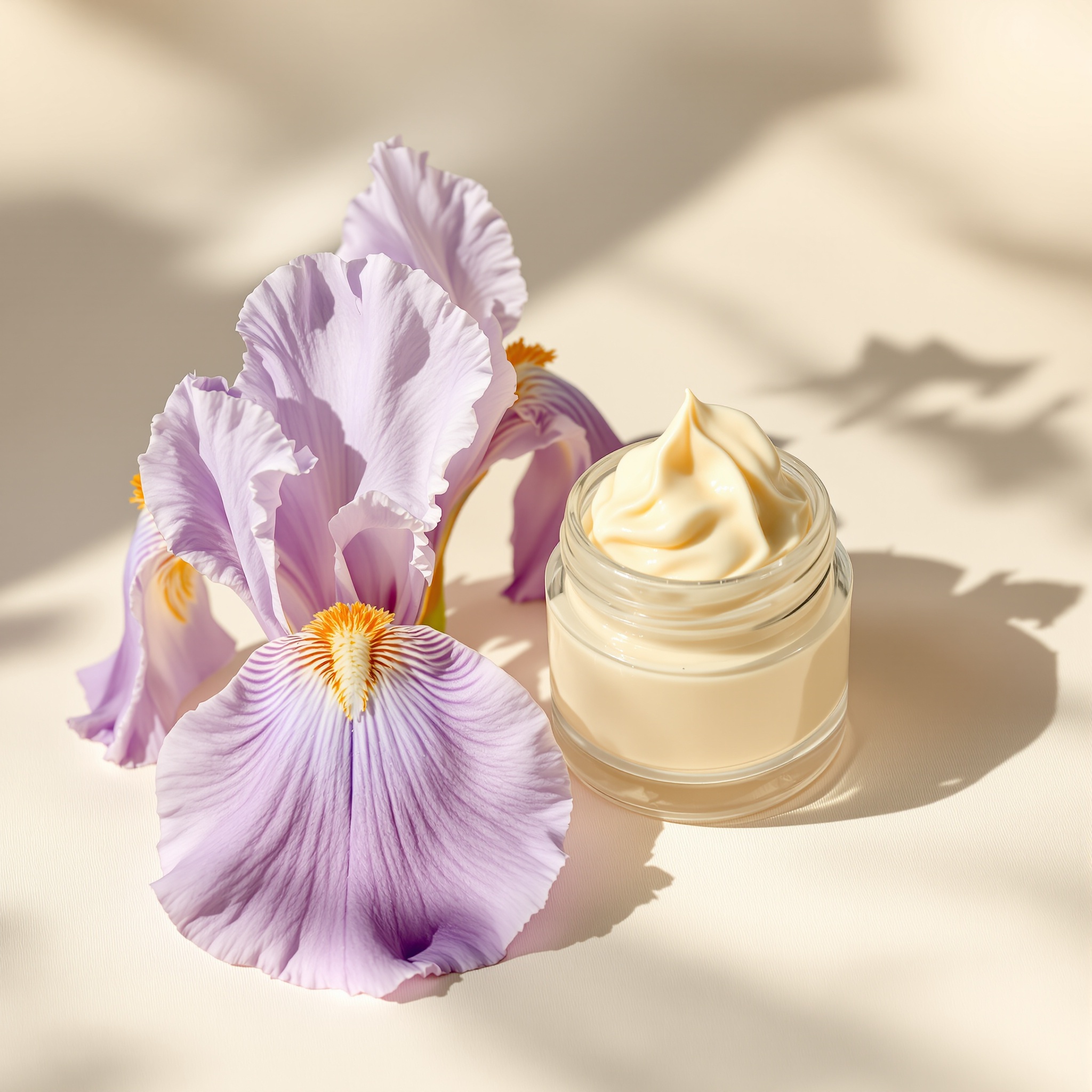
Iris
Cool powdered earth from a patiently aged root
What it is
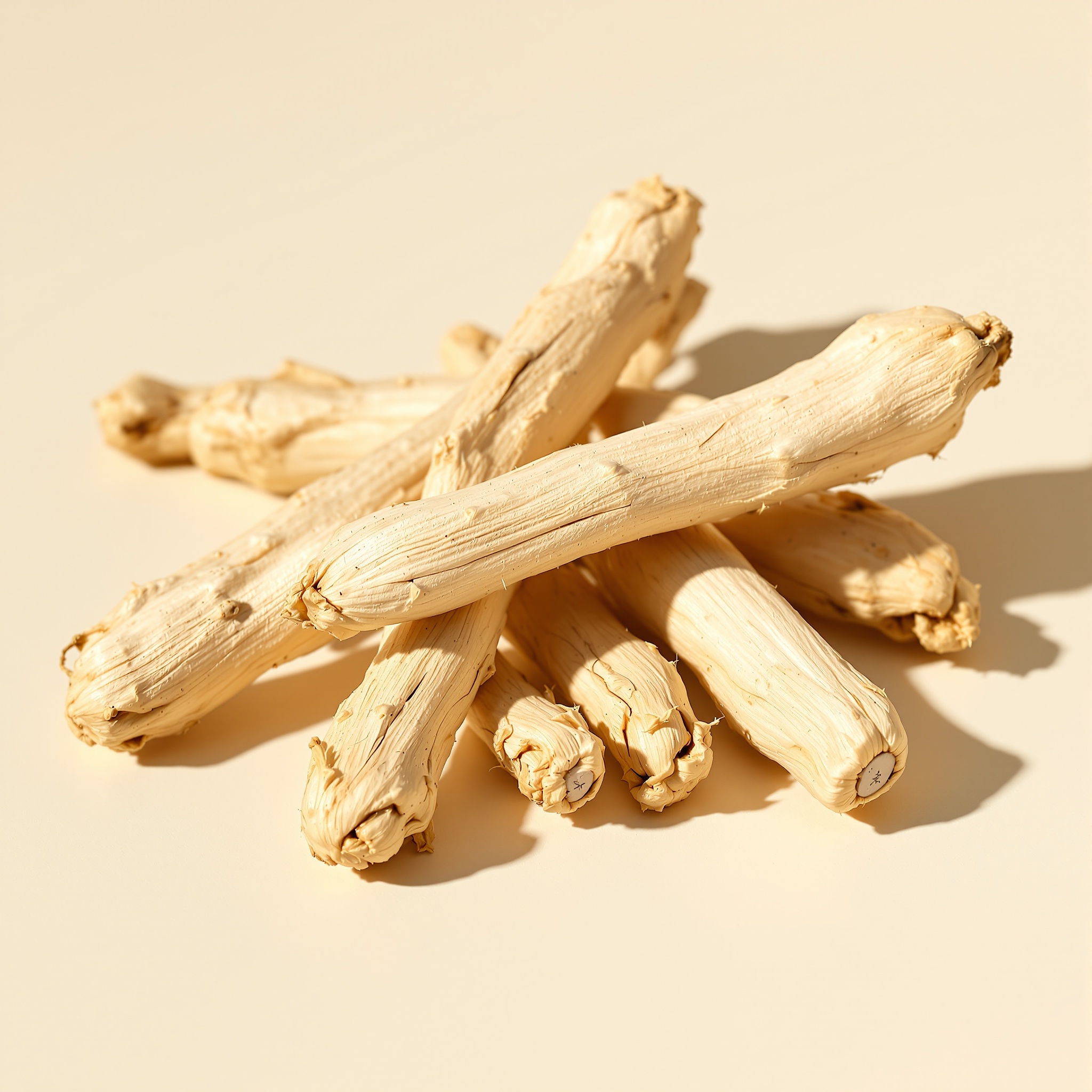
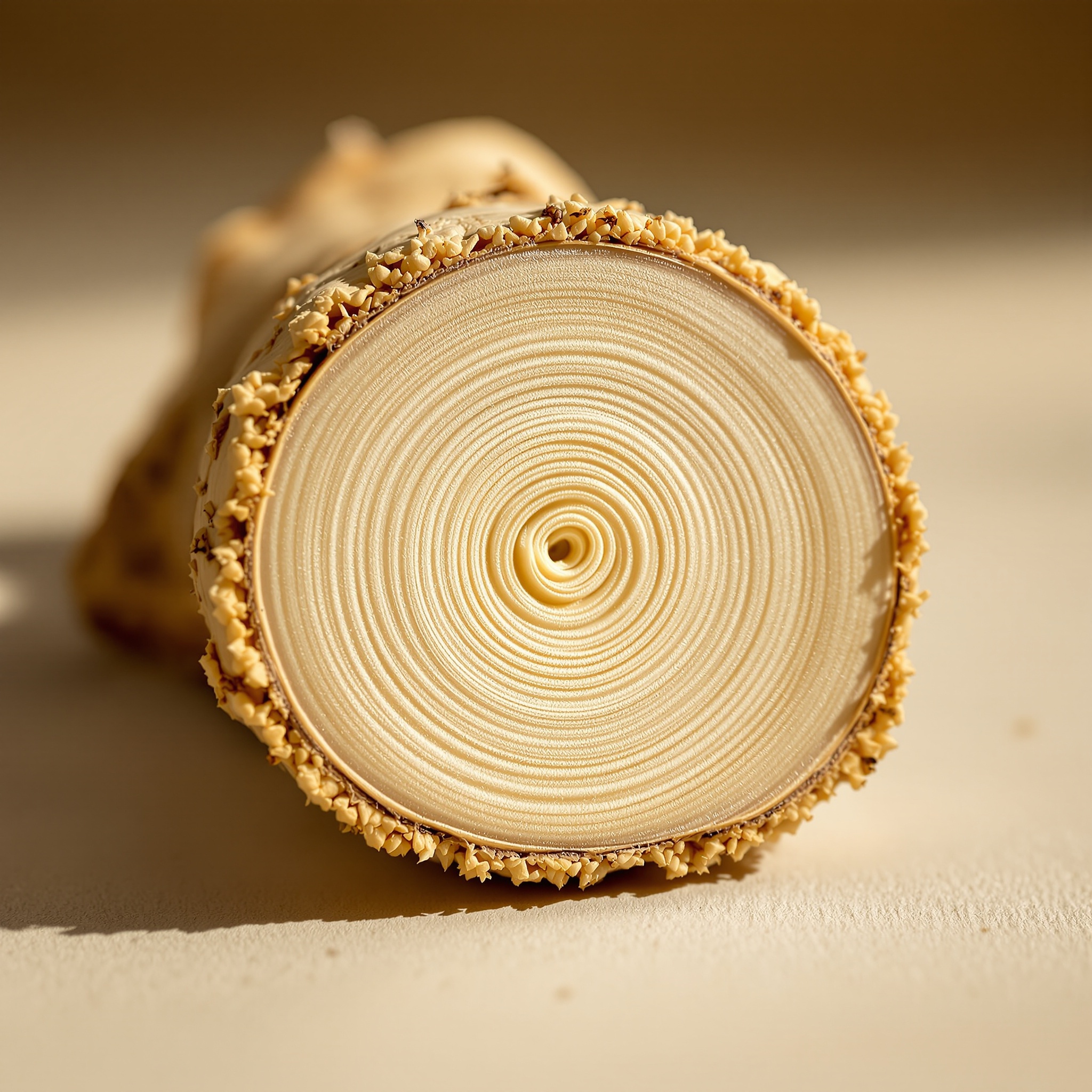
Perfumery iris comes not from the flower but the rhizome of Iris pallida and Iris germanica, grown mainly in Tuscany and Morocco. The dug rhizomes are dried and aged about three years so aromatic irones develop, then ground and steam-distilled into waxy orris butter.
How it smells
Cool, powdery and rooty, suggesting violet, suede and fresh-sawn wood dusted with face powder. There is a damp earthy minerality, a faint carrot-like sweetness and a buttery, almost doughy softness. It feels silvery and restrained, more texture than perfume, lingering quietly on skin.
In perfumery
A precious heart-note material giving powdery elegance, cool depth and a velvety, refined backbone to chypres and florals. It pairs with violet, rose, sandalwood and ambrette. It is the soul of cool powdery masculines, austere green florals and minimalist orris-forward compositions.
Good to know
Orris butter is among perfumery's costliest materials: a tonne of dried, aged rhizome yields only about two kilograms of butter, and high-irone grades can fetch tens of thousands of euros per kilo. The multi-year aging that builds its scent is what makes true iris so rare.

Cedar
Dry sharpened pencils and sun-warmed timber
What it is
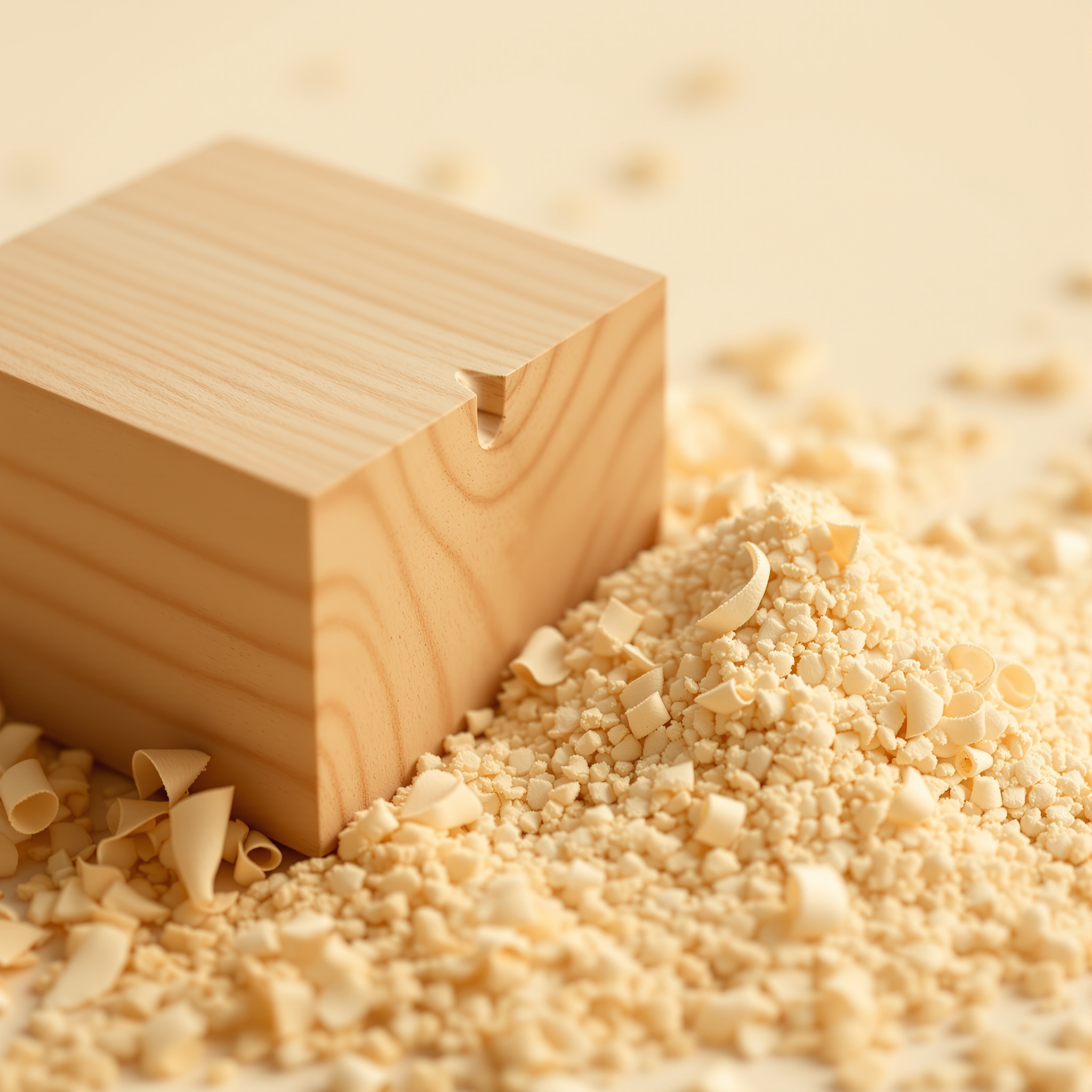
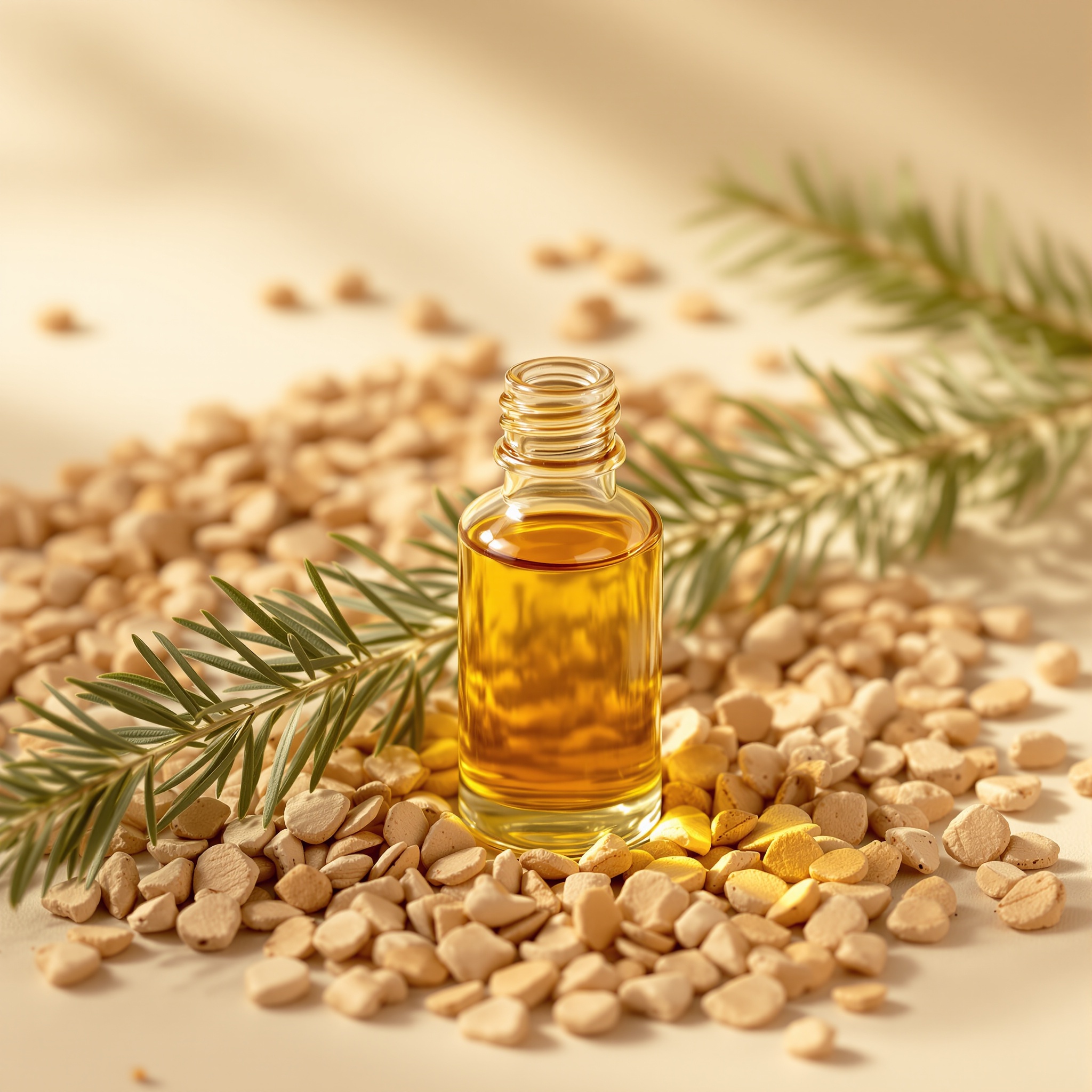
Cedar in perfumery comes mainly from the heartwood of Atlas cedar (Cedrus atlantica) and, more commonly, the aromatically similar Virginia and Texas "cedars" of the Juniperus genus. Wood chips and sawmill shavings are steam-distilled into an oil rich in cedrol and cedrene, the molecules carrying the scent.
How it smells
Dry, woody and resinous, recalling freshly sharpened pencils and cedar-lined closets. Atlas cedar leans warm, smoky and balsamic; Virginia cedar reads sharper and cleaner. It opens crisp and pencil-like, then settles into a soft, sawdust-warm, faintly sweet timber that holds for hours.
In perfumery
A workhorse heart and base note prized for its smooth woody backbone and fixative power. It anchors chypres, fougeres and modern woods, pairing with vetiver, rose, citrus and amber. Cedar lends a signature plummy-woody core to spiced floral-woods and threads through countless unisex woods.
Good to know
Most perfumery "cedar" is not botanical cedar at all but juniper; true Cedrus and the unrelated Juniperus share a name through scent, not lineage. Cedarwood oil was burned in ancient Egyptian embalming and used to scent tombs, coffins and ships' timbers.
Fragrance Character
Tart blackcurrant and bergamot open it before a deep green heart, grassy vetiver, dark patchouli and the heady, almost honeyed scent of kewda and kadam. Oakmoss, iris and cedar give a dry, mossy chypre base.
Best Worn
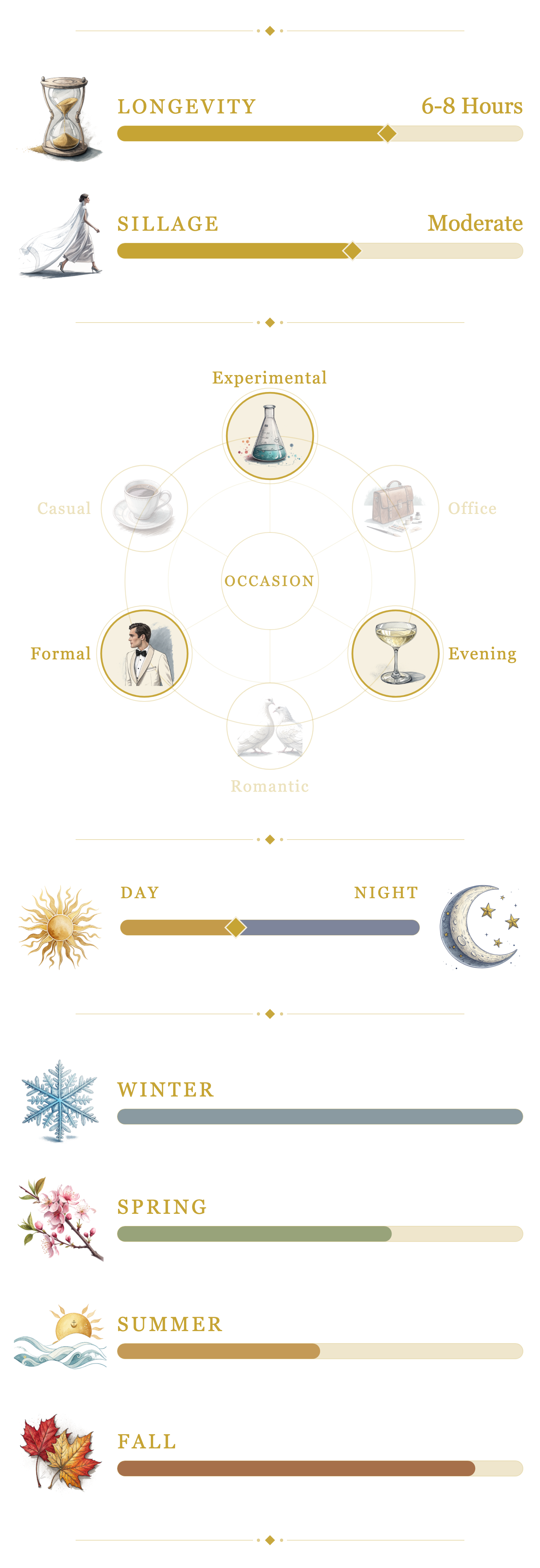
An after-dark green for autumn and winter nights, its tart opening giving way to a dark, mossy chypre depth, suited to the adventurous and to refined, dressed-up occasions.
Why the Al Majmua Decant
Built from rare naturals in small batches, a decant is the ideal way to experience an Areej Le Doré before committing.
Official Notes
Bergamot · Blackcurrant · Vetiver · Pandanus (Kewda) · Patchouli · Kadam · Oakmoss · Iris · Cedar
Explore more: Ultra-Niche Perfume Decants · All Fragrance Decants
Choose options
The Vibe



Select your decant size

You are selecting a decant size, not the full bottle