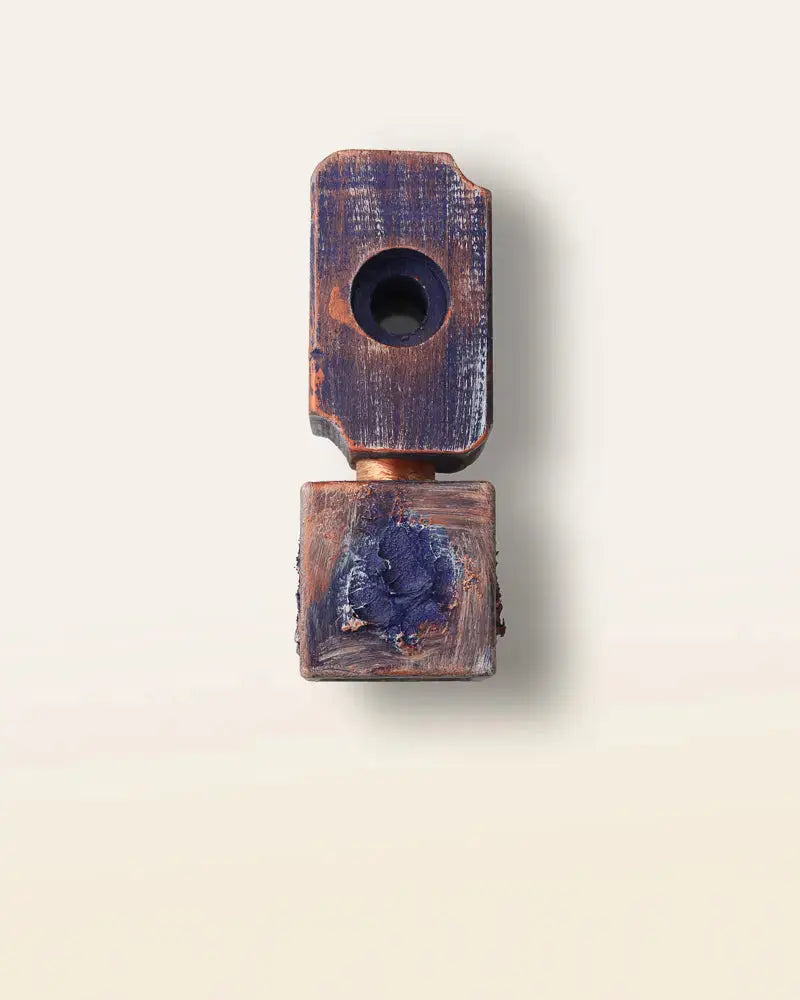


Adi Ale Van - Decembrie 89 Freedom Elixir
Decembrie 89 Freedom Elixir opens on crisp apple and citrus before plunging into a deep, boozy vanilla, Madagascar vanilla and vanilla absolute spiked with rum and warmed by hazelnut. Celebration in a bottle: rich, sweet and unmistakably festive.
The Story
Named for Romania's December 1989 revolution, Adi Ale Van's elixir bottles the giddy warmth of newfound freedom, a maximal gourmand of triple vanilla, dark rum and roasted nuts, enormous in projection and built to last.
The Nose
Composed by Jimmy Bodin for Adi Ale Van, also behind Jousset Parfums Creme Brulee, Jousset Parfums Accident a la Vanille and Jousset Parfums Le Gourmand.

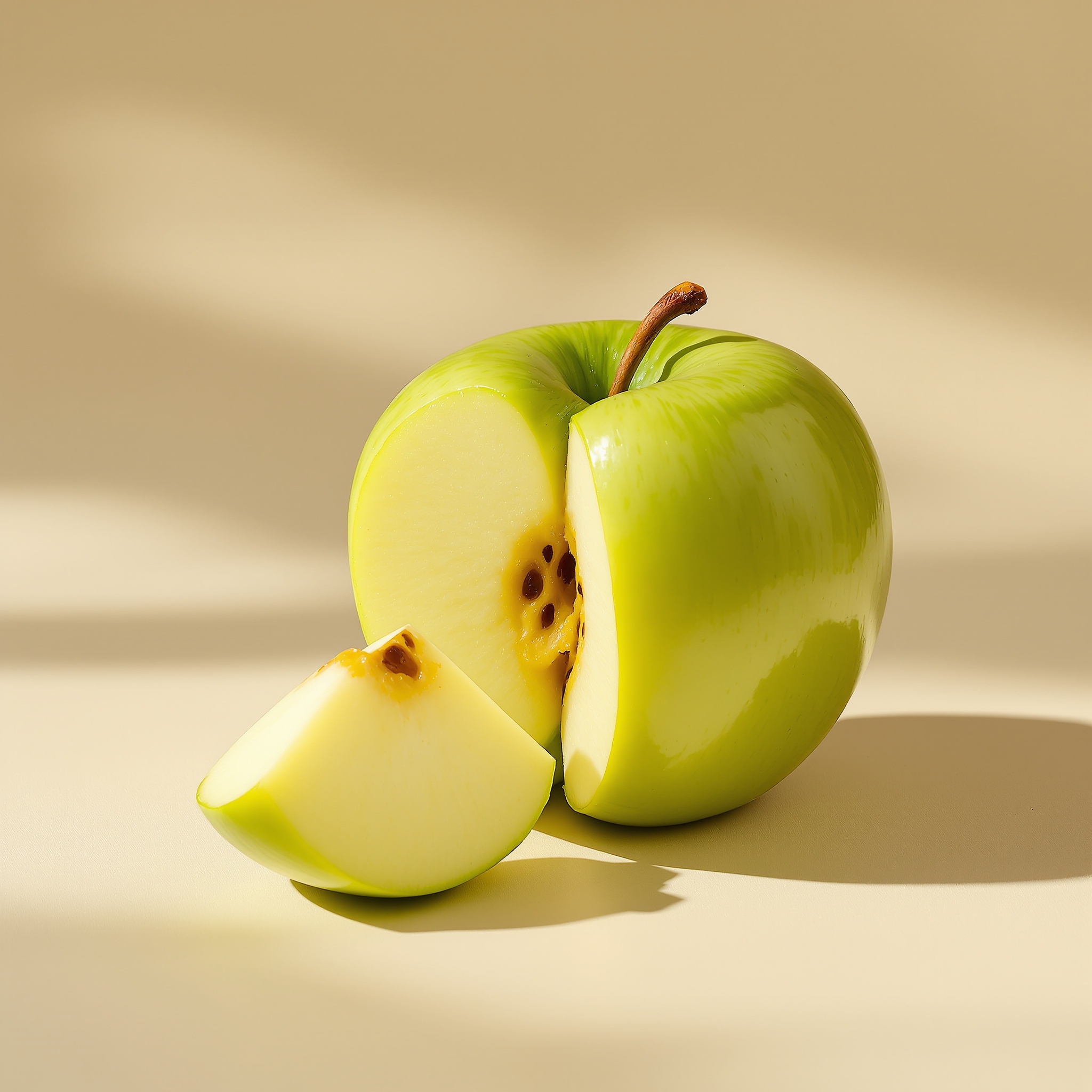
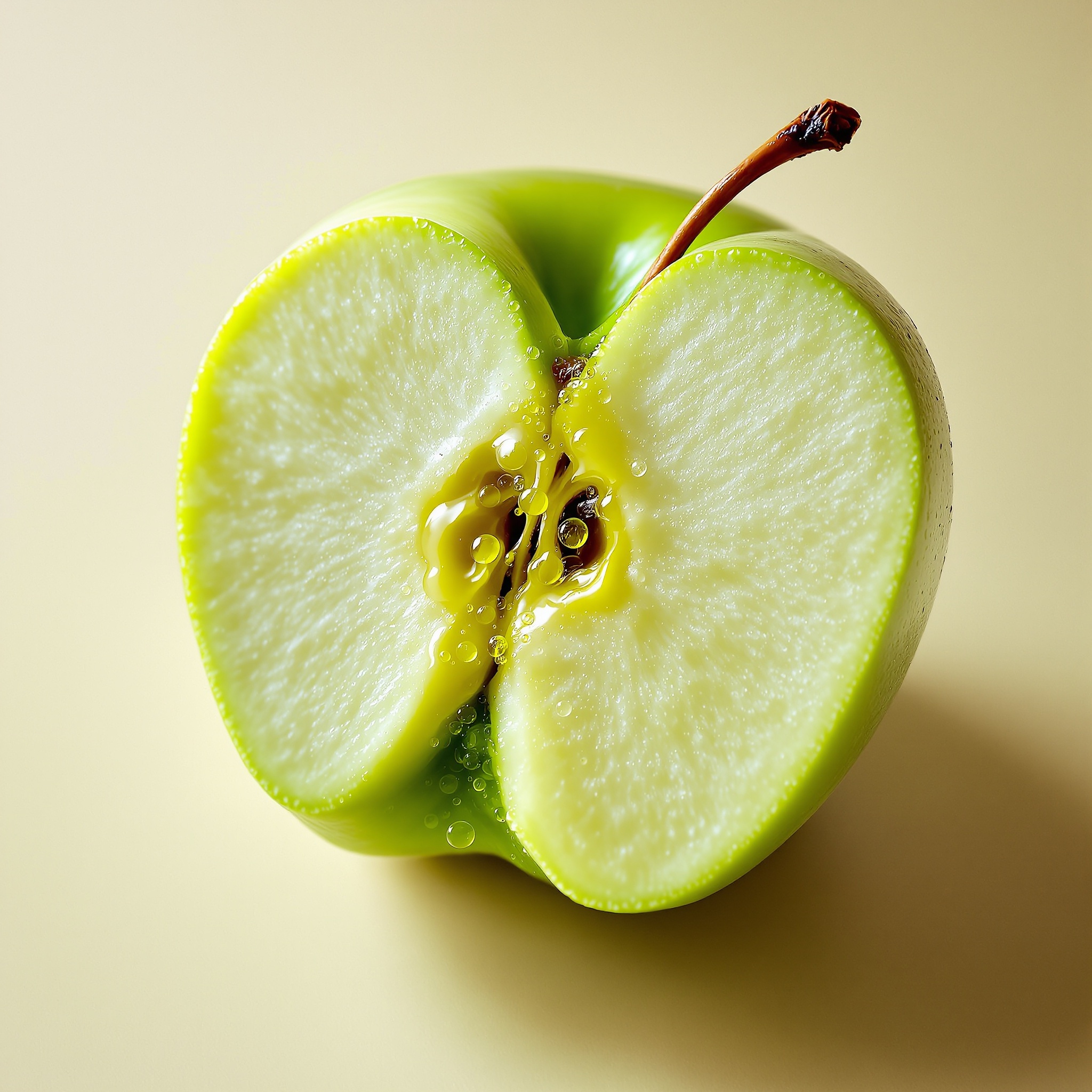
Apple
Crisp orchard fruit, mostly conjured by synthesis
What it is
The fruit of Malus domestica, a rosaceous orchard tree grown worldwide. Apple yields almost no usable essential oil, so the perfumery note is built from aroma-chemicals, chiefly fruity esters such as Manzanate, which smells of green apple, blended to suggest flesh, peel and juice.
How it smells
Bright, juicy and watery-sweet, ranging from tart green apple skin to ripe red sweetness and stewed baked fruit. Green renditions feel crisp and snappy, almost dewy; redder ones turn jammy and rounded. A faint sourness keeps it fresh and mouthwatering rather than candied.
In perfumery
A top note adding sparkle, freshness and a fruity lift to florals, fruity-florals and modern gourmands. It pairs with rose, jasmine, pear and woody musks. Green apple is the signature shimmer of DKNY Be Delicious, while a red-apple accord powers Nina Ricci's Nina.
Good to know
True apple has no extractable oil, so every apple note is a reconstruction; the workhorse molecule Manzanate also carries pineapple and cider facets. Many fruity accords lean on a single ester, isoamyl acetate, that reads just as strongly of banana and pear.
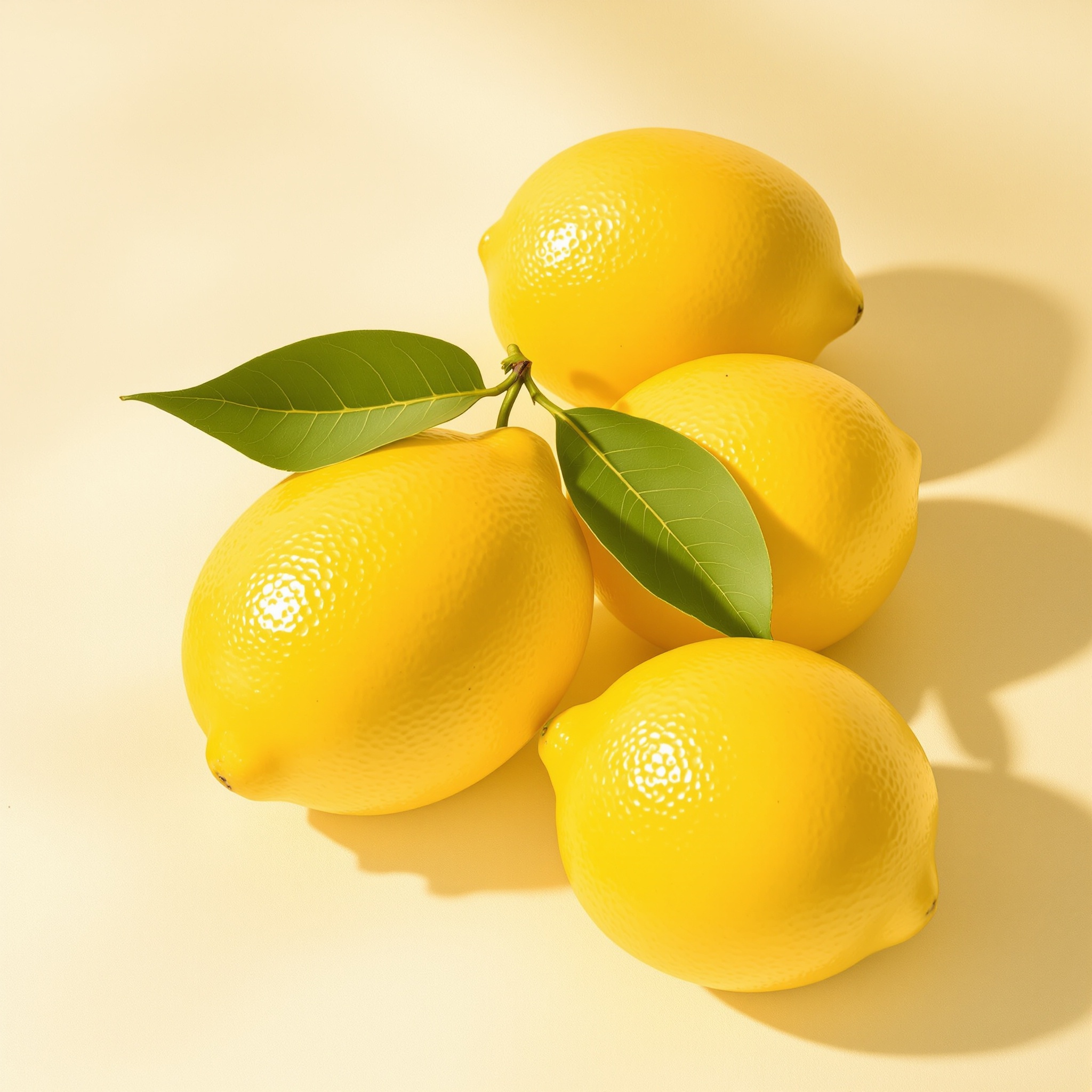
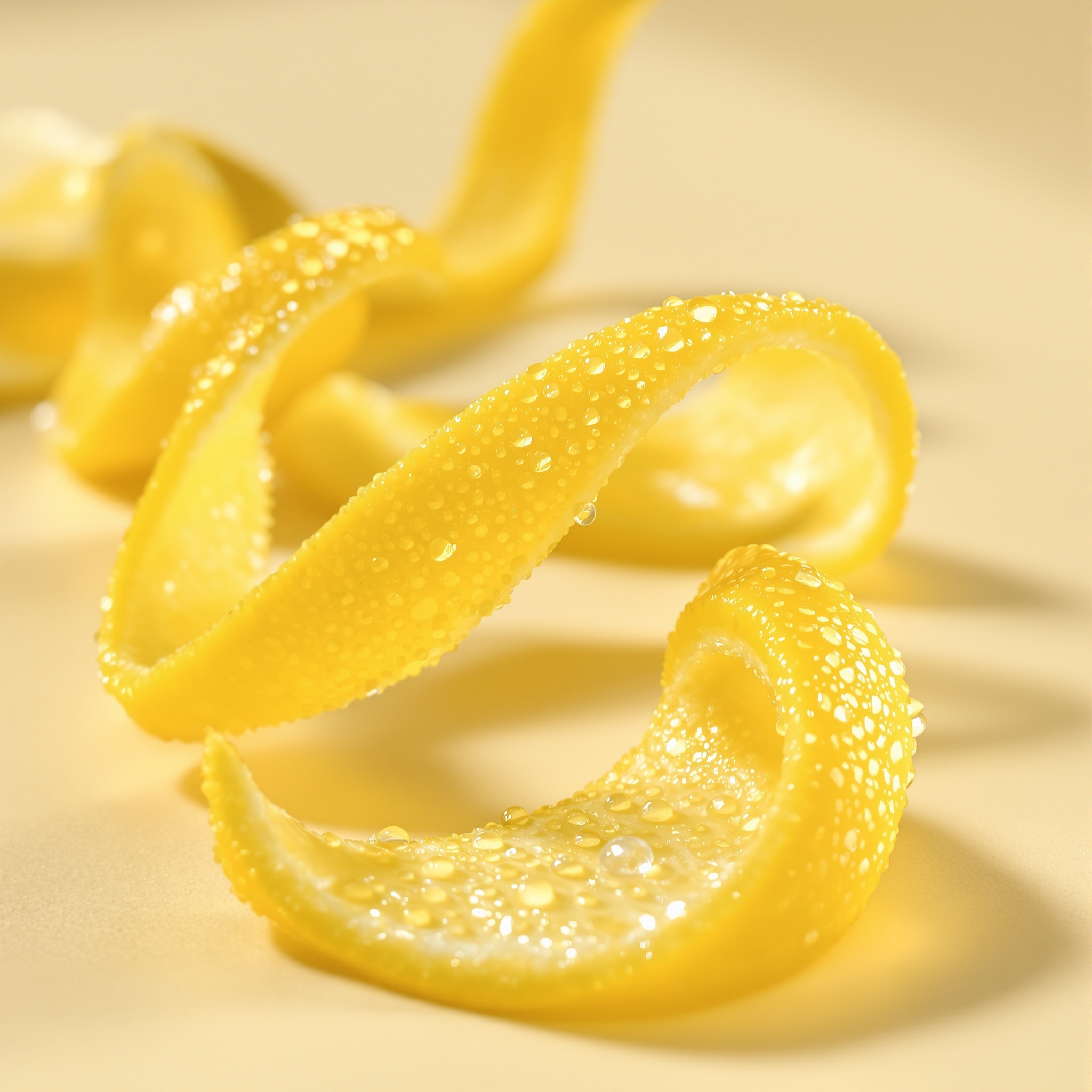
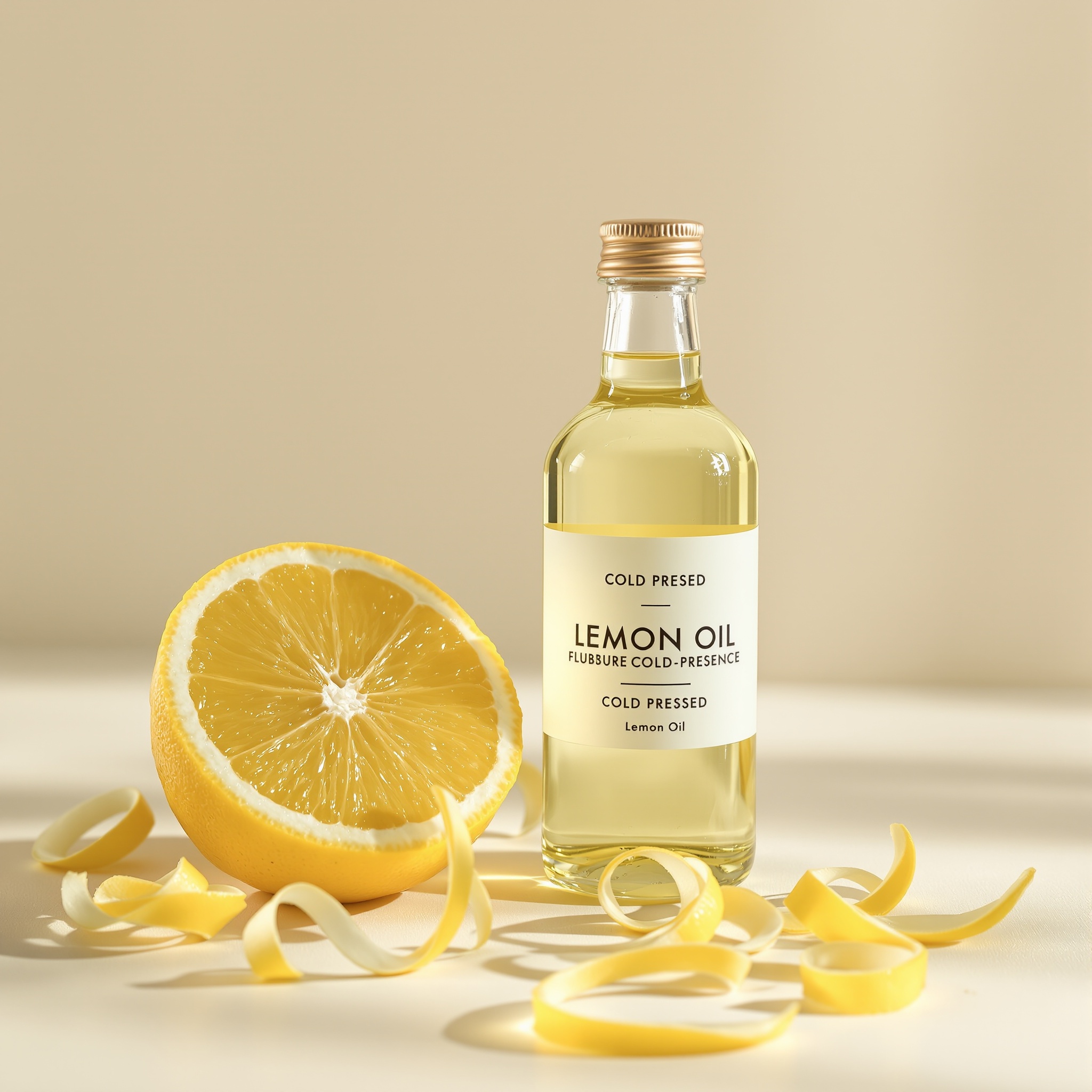
Lemon
Cold yellow zest snapping into bright sun
What it is
Lemon is the fruit of Citrus limon, a small evergreen tree grown around the Mediterranean, especially Sicily and Calabria, and in California. The aromatic oil sits in tiny glands in the colored peel and is cold-pressed mechanically from the rind, a squeezing and scraping rather than distillation.
How it smells
Sharp, juicy and instantly recognizable, a cold bright zest with sparkling sourness. The opening is tart, green and effervescent, driven by limonene and citral; beneath sits a faint sweet pith and a clean, slightly waxy peel facet. It is fleeting, fading within minutes.
In perfumery
A classic top note prized for lift, freshness and instant cleanliness, it powers the eau de cologne tradition alongside bergamot, neroli and petitgrain. Because it evaporates fast, it is often reinforced with citral. It defines colognes like 4711 and the bright opening of Dior's Eau Sauvage.
Good to know
Cold-pressed lemon oil contains photosensitizing furocoumarins that can trigger sun-induced skin burns, so perfumers often use a furocoumarin-free version. It also oxidizes quickly, turning harsh and turpentine-like, which is why citrus fragrances are notoriously hard to keep stable in the bottle.
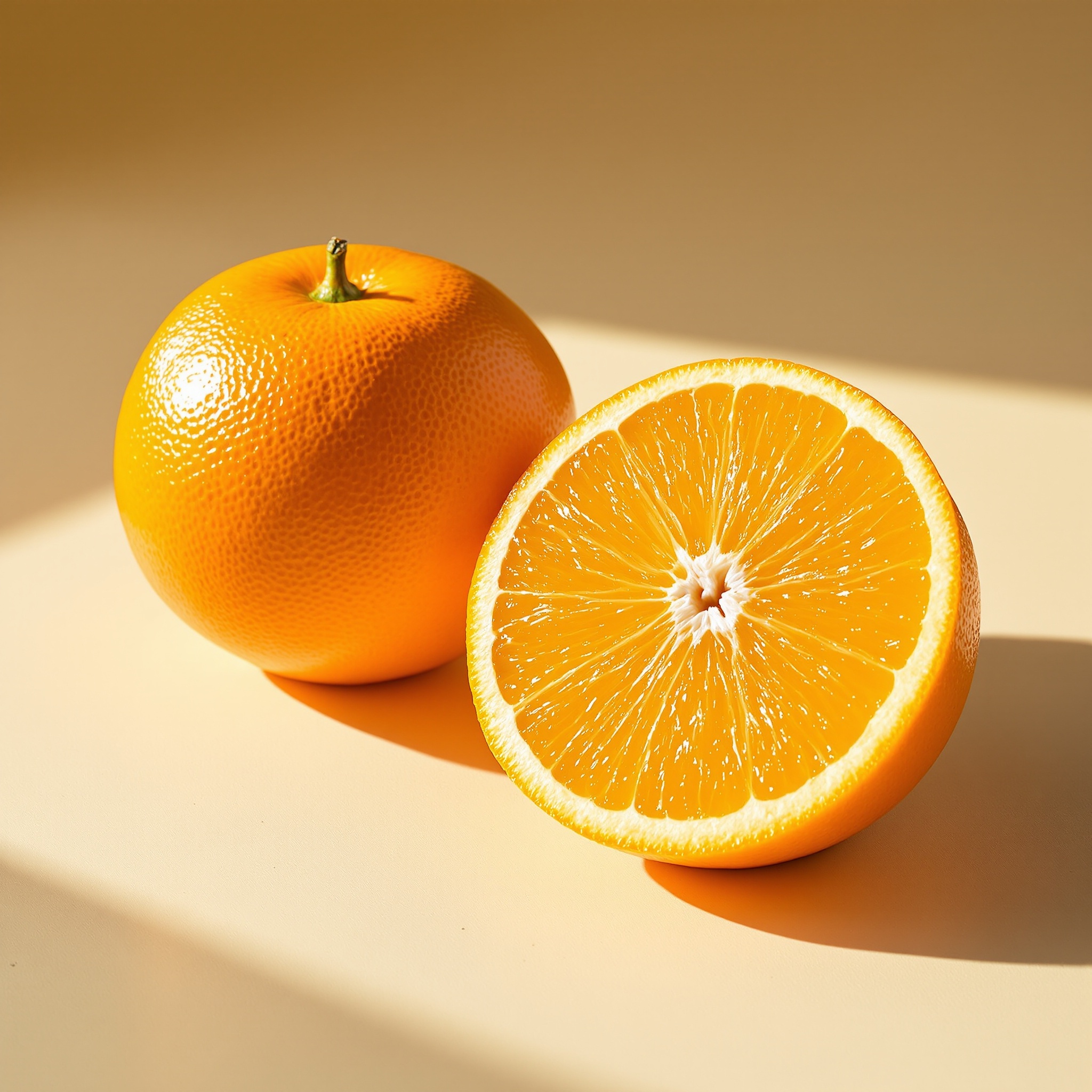
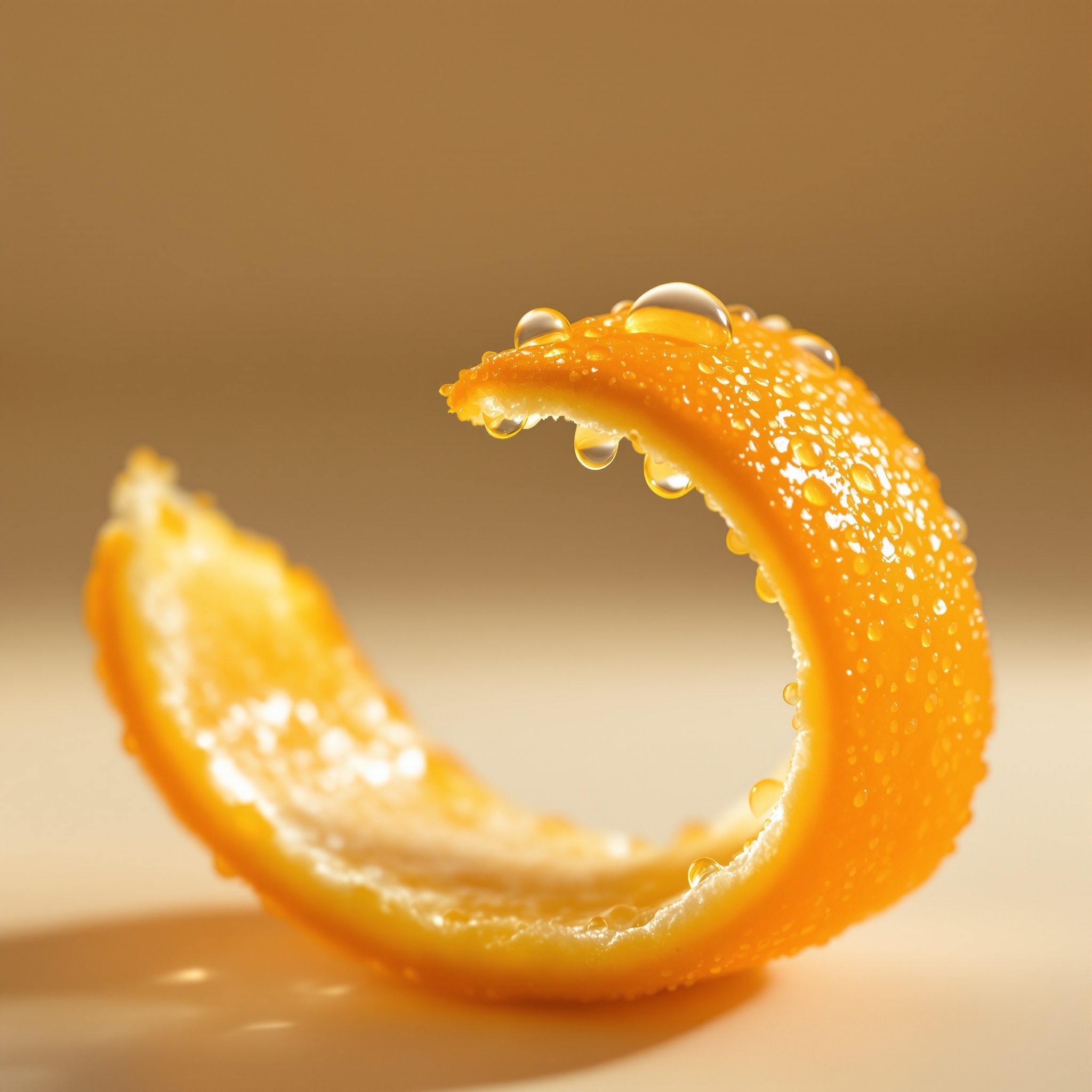
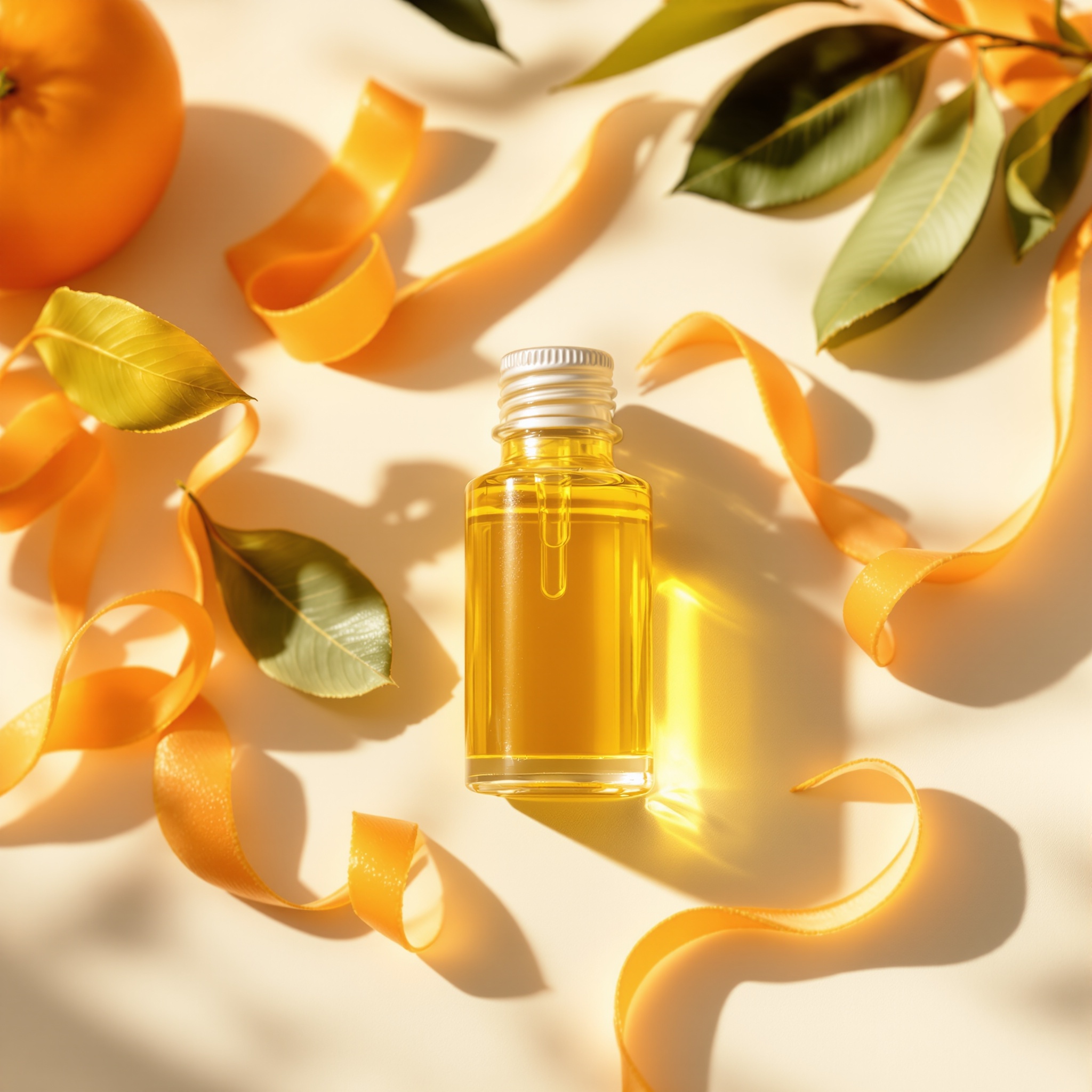
Orange
Sun in the rind, bright and bittersweet
What it is
Orange comes from Citrus sinensis, the sweet orange tree cultivated across the Mediterranean, Brazil and Florida. The aroma material is cold-pressed from the peel, where tiny glands hold the essential oil. Bitter orange and its blossom and leaves yield separate materials such as neroli and petitgrain.
How it smells
Bright, juicy and immediately recognizable: sweet pulp over a zesty, slightly bitter rind. It opens sparkling and effervescent with a sunlit tang, then softens into a rounder, candied sweetness. Compared with lemon it is warmer and less sharp, more rounded and sugary on the skin.
In perfumery
Almost always a top note, prized for a radiant, cheerful burst that fades within an hour. It pairs with neroli, bergamot, clove and warm spices, and anchors classic colognes and gourmand openings. It sparkles in Atelier Cologne Orange Sanguine and countless traditional eaux de cologne.
Good to know
Citrus oils are highly volatile and oxidize quickly, which is why orange-heavy fragrances feel brilliant but brief. Cold-pressed peel oils also contain furocoumarins that can cause photosensitivity, so perfumers often use bergapten-reduced or distilled grades to keep formulas safe in sunlight.
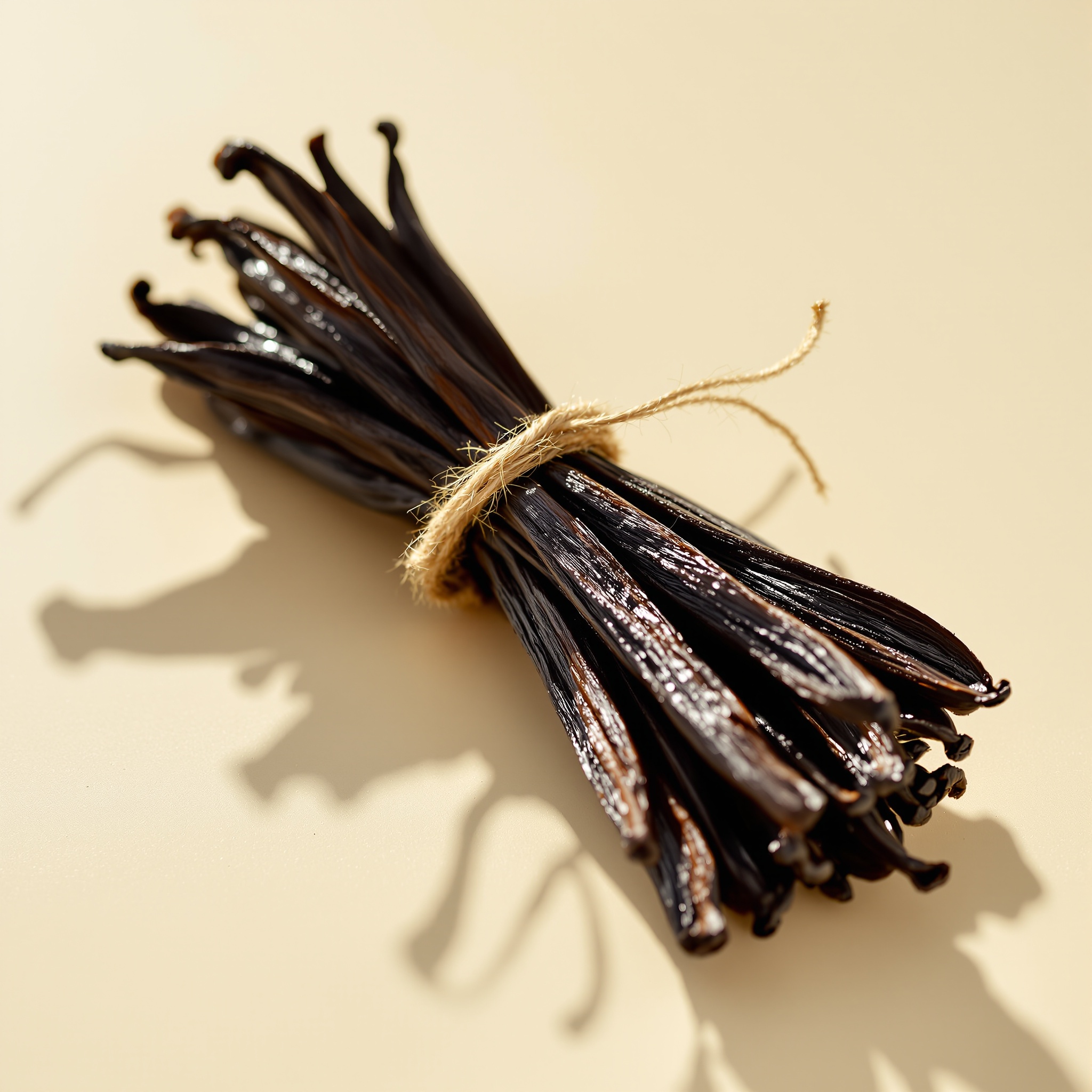
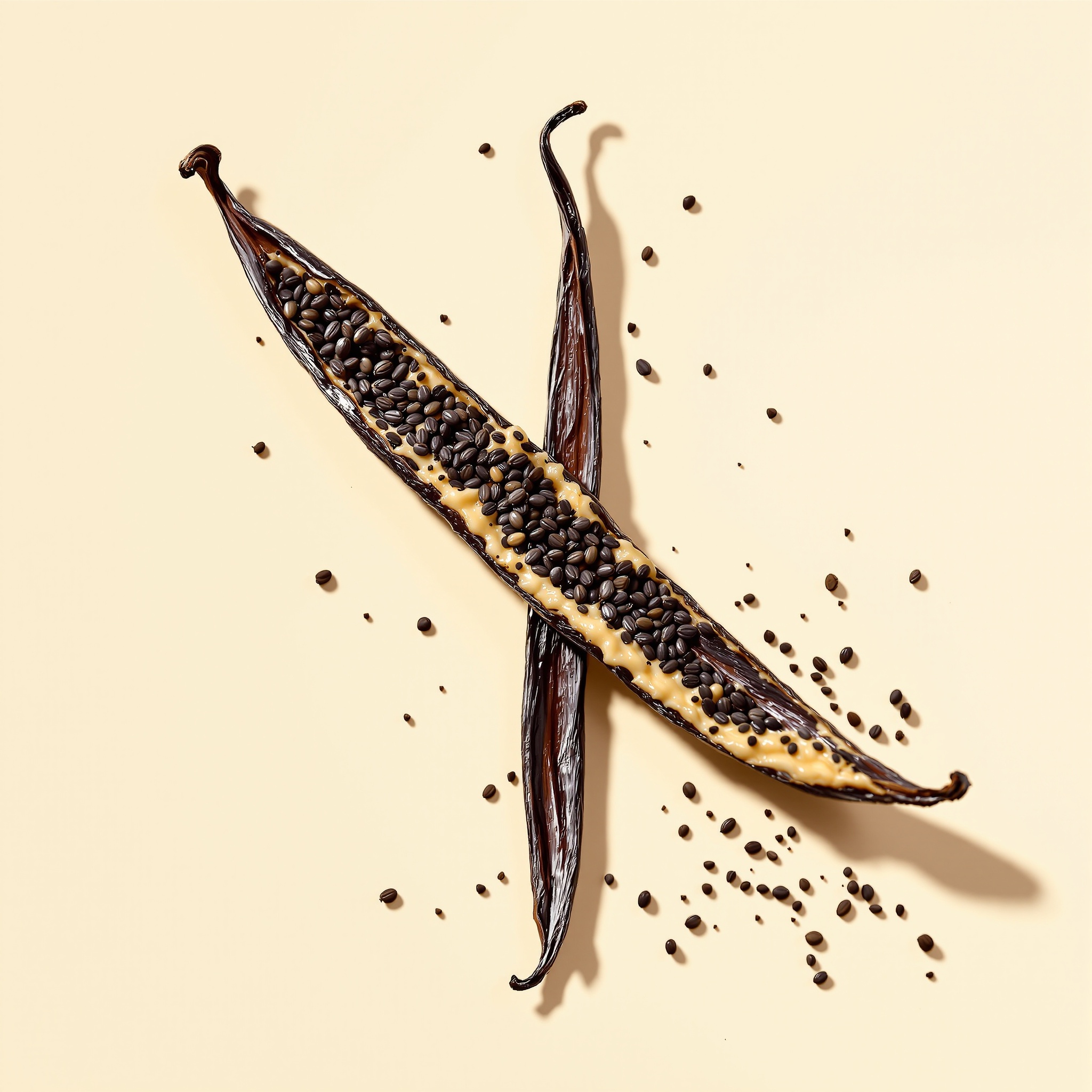
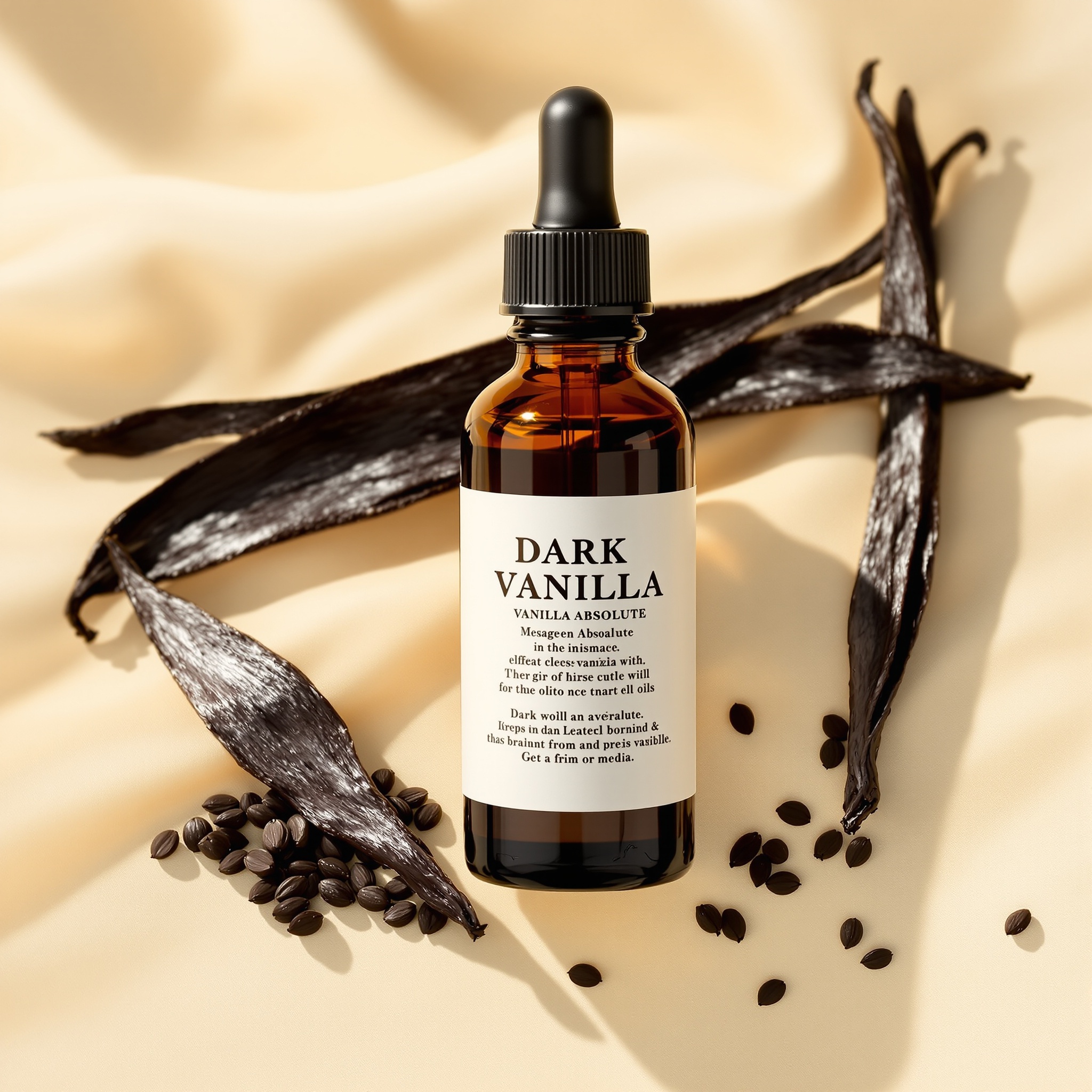
Vanilla Bean
A black pod holding boozy, smoky sweetness
What it is
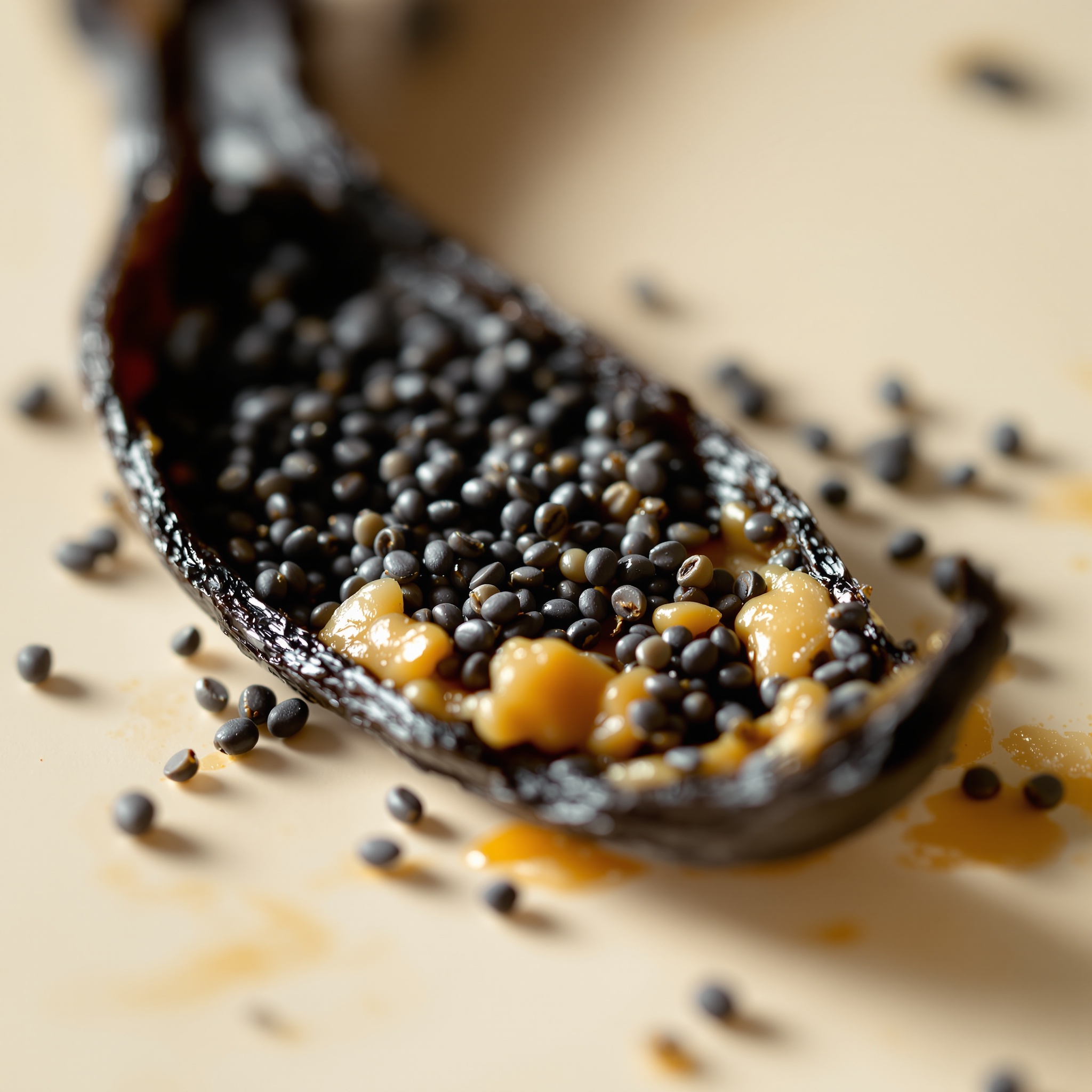
The cured seed pod of Vanilla planifolia, a climbing orchid native to Mexico and now grown mainly in Madagascar, Réunion and Tahiti. Hand-pollinated flowers yield green pods that are blanched, sweated and slowly sun-dried for months until they blacken and develop vanillin and hundreds of aroma compounds.
How it smells
Deep, dark and resinous rather than simple sugar. The opening is balsamic and slightly boozy, with rum, dried fig and tobacco facets. Beneath sits creamy vanillin sweetness, a hint of smoke, leather and prune. It dries soft, powdery, lightly animalic and warm.
In perfumery
A base note prized for warmth, sweetness and fixative depth. It rounds harsh edges and bridges woods, amber, tobacco and florals. Absolutes and CO2 extracts carry the richest character. It anchors Guerlain Shalimar, Tom Ford Tobacco Vanille and countless oriental gourmands.
Good to know
Vanilla ranks as the second most expensive spice after saffron, partly because every flower opens for only a day and must be hand-pollinated. Natural bean extract costs vastly more than synthetic vanillin, so most affordable vanilla scents are largely lab-made.
Hazelnut
Roasted nut warmth, sweet and softly toasted
What it is
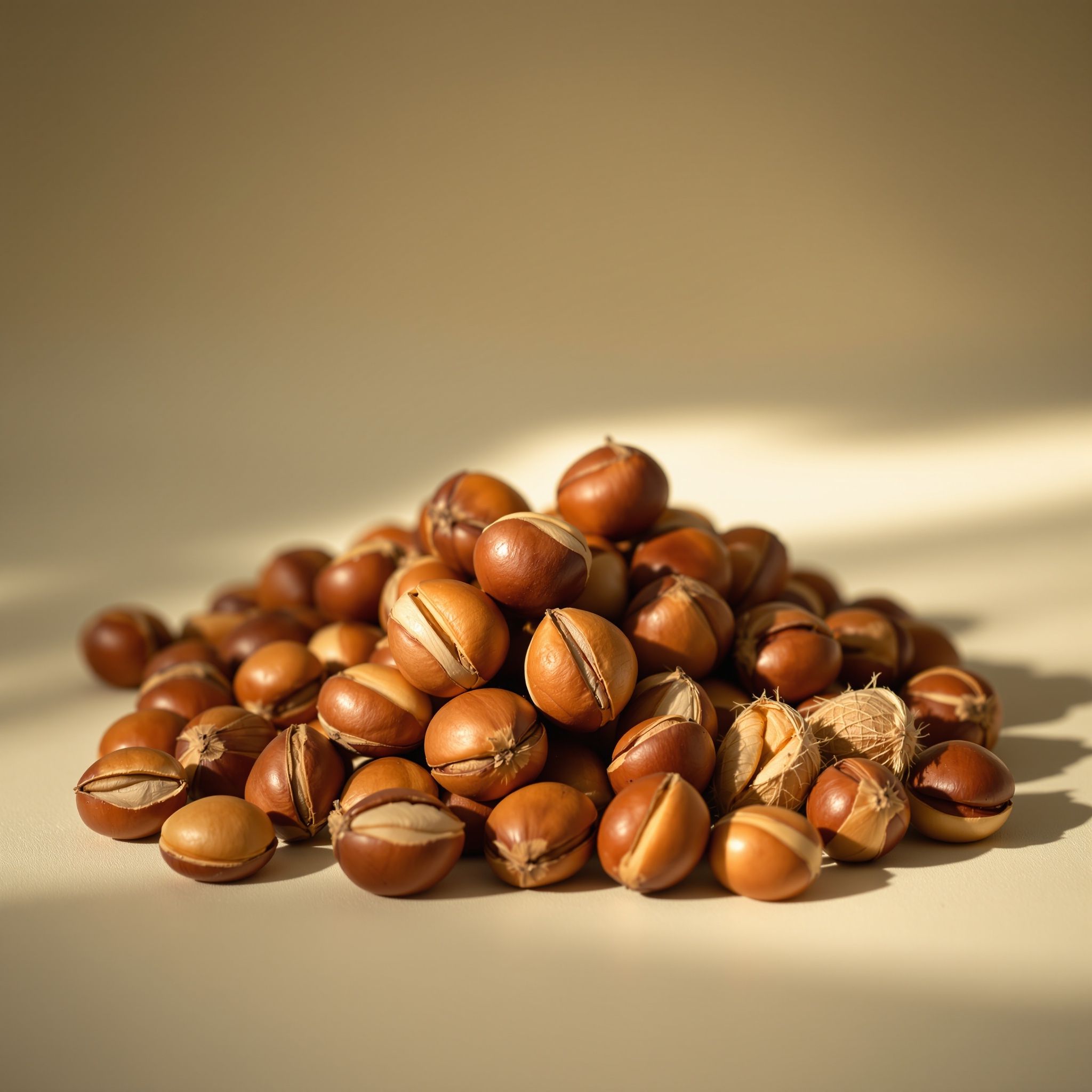
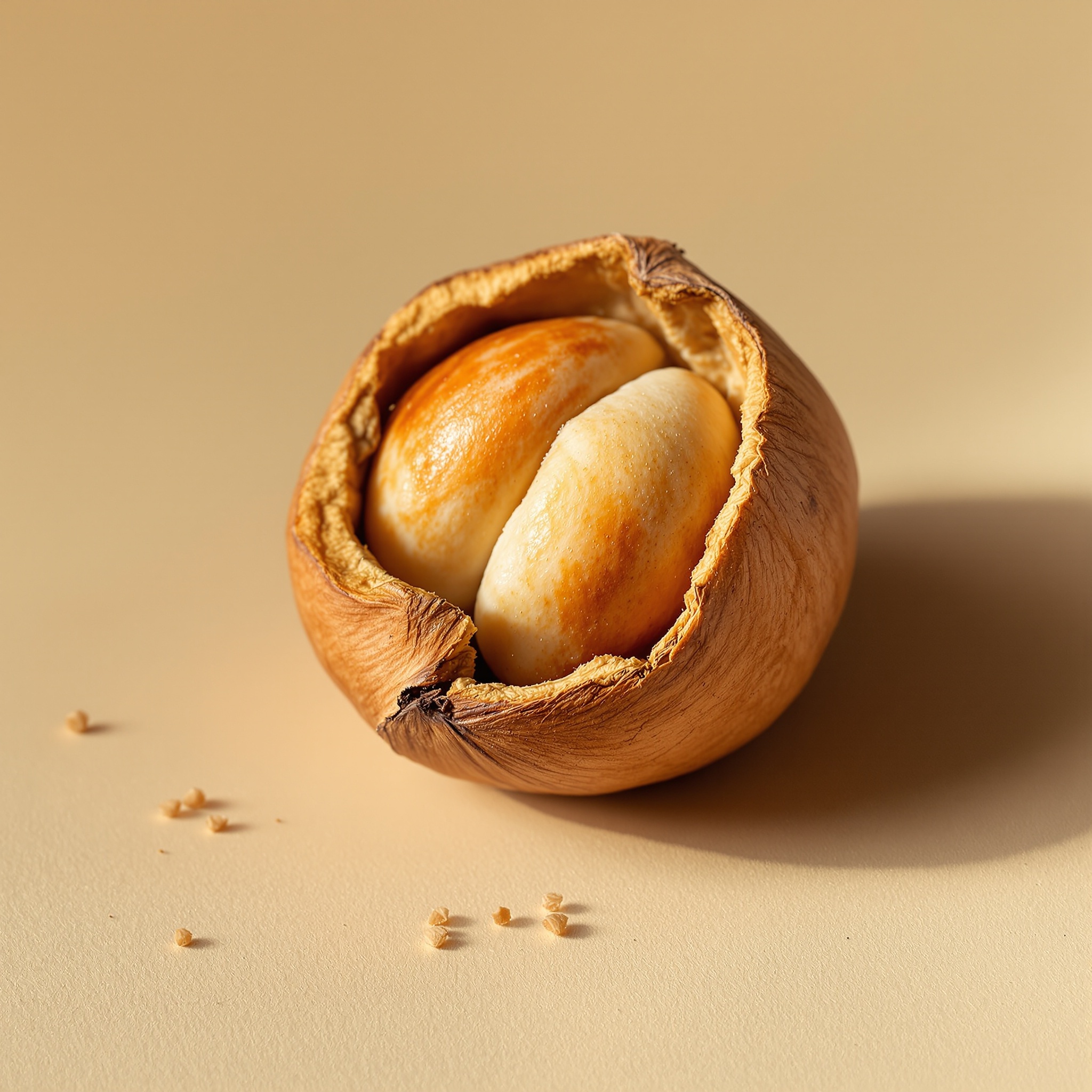
The seed of Corylus avellana, a shrubby tree grown heavily in Turkey and Italy, which together supply most of the world crop. The edible nut is roasted to develop its aroma; in perfumery the scent is almost always rebuilt with aroma-chemicals and pyrazines, since the nut yields little fragrant oil.
How it smells
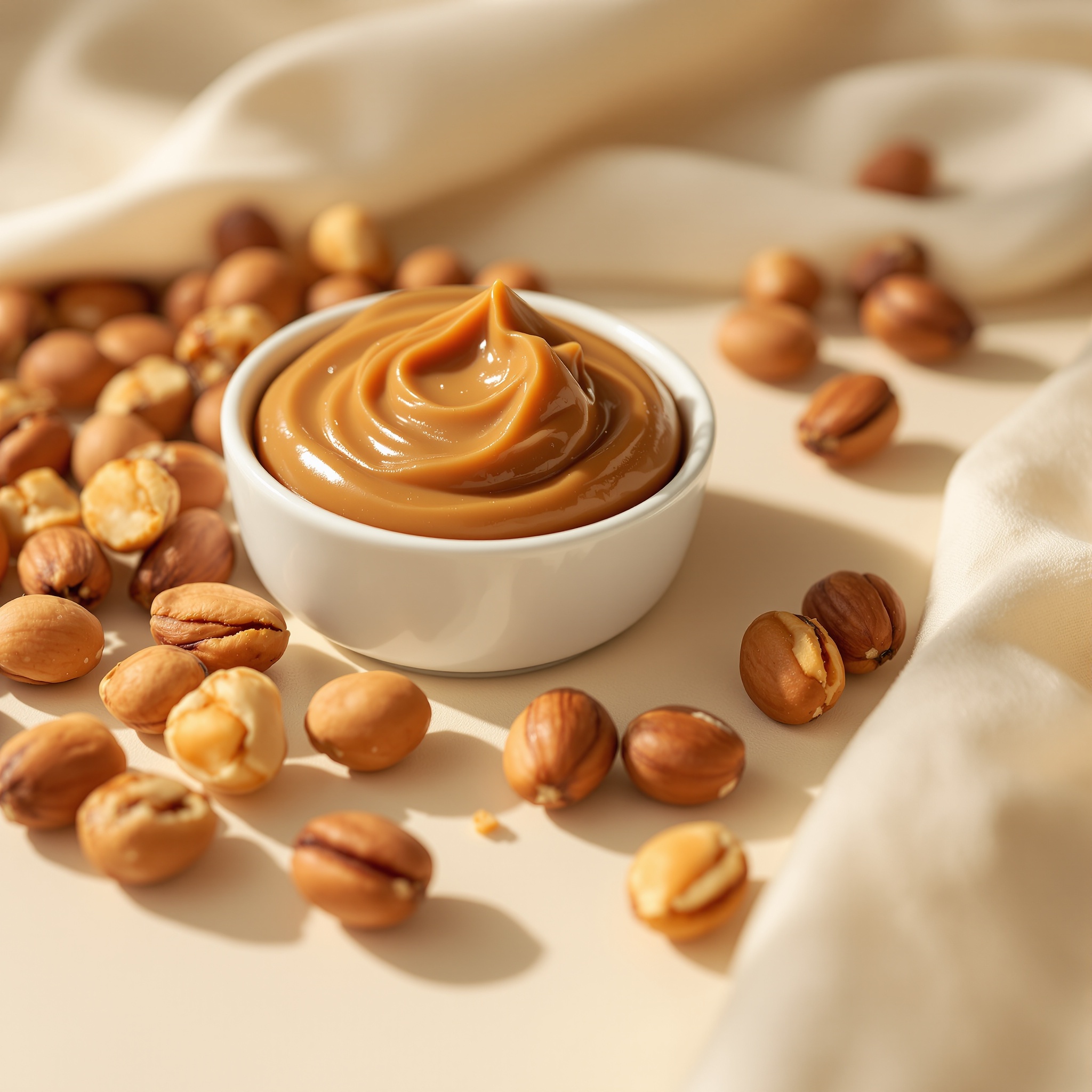
Warm, roasted and buttery, with toasted-bread and praline facets and a faint cocoa edge. It reads nutty and rounded rather than sharp, often tipping into gianduja sweetness. The effect is comforting and gourmand, sitting somewhere between coffee, hot milk and lightly burnt sugar.
In perfumery
A heart-to-base gourmand accent that adds toasted, edible richness. It pairs naturally with coffee, cocoa, vanilla, tonka and caramel. Mugler Angel and many praline-driven gourmands lean on roasted hazelnut-like notes to build their dessert-shop warmth, density and lingering sugary trail.
Good to know
Much of the world's hazelnut crop is funnelled into chocolate-hazelnut spread, so the nut's roasted aroma is culturally fused with gianduja. That toasty smell owes much to pyrazines, the same class of molecules that gives roasted coffee, cocoa and baked bread their character.
Madagascar Vanilla
Cured black pods breathing deep boozy sweetness
What it is
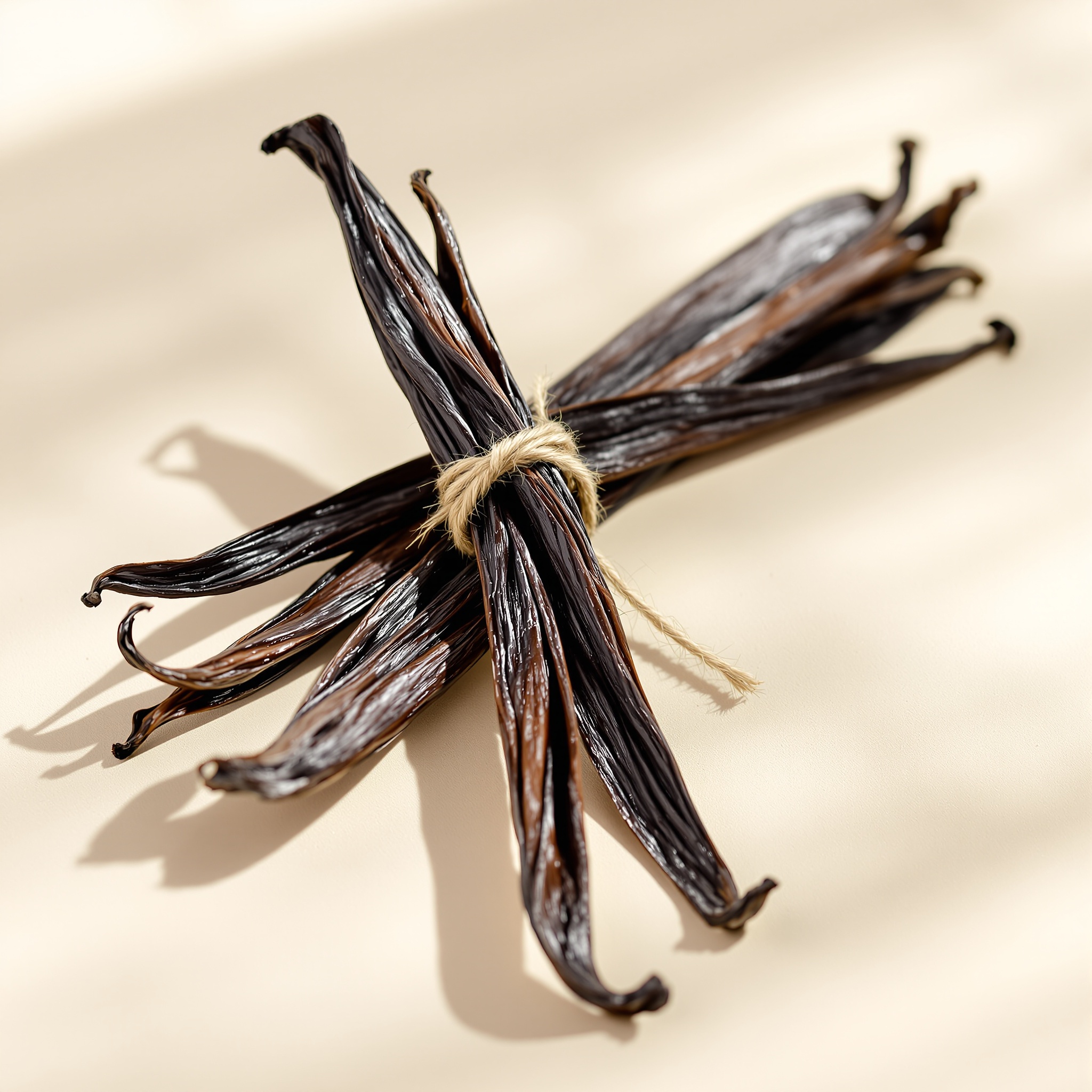
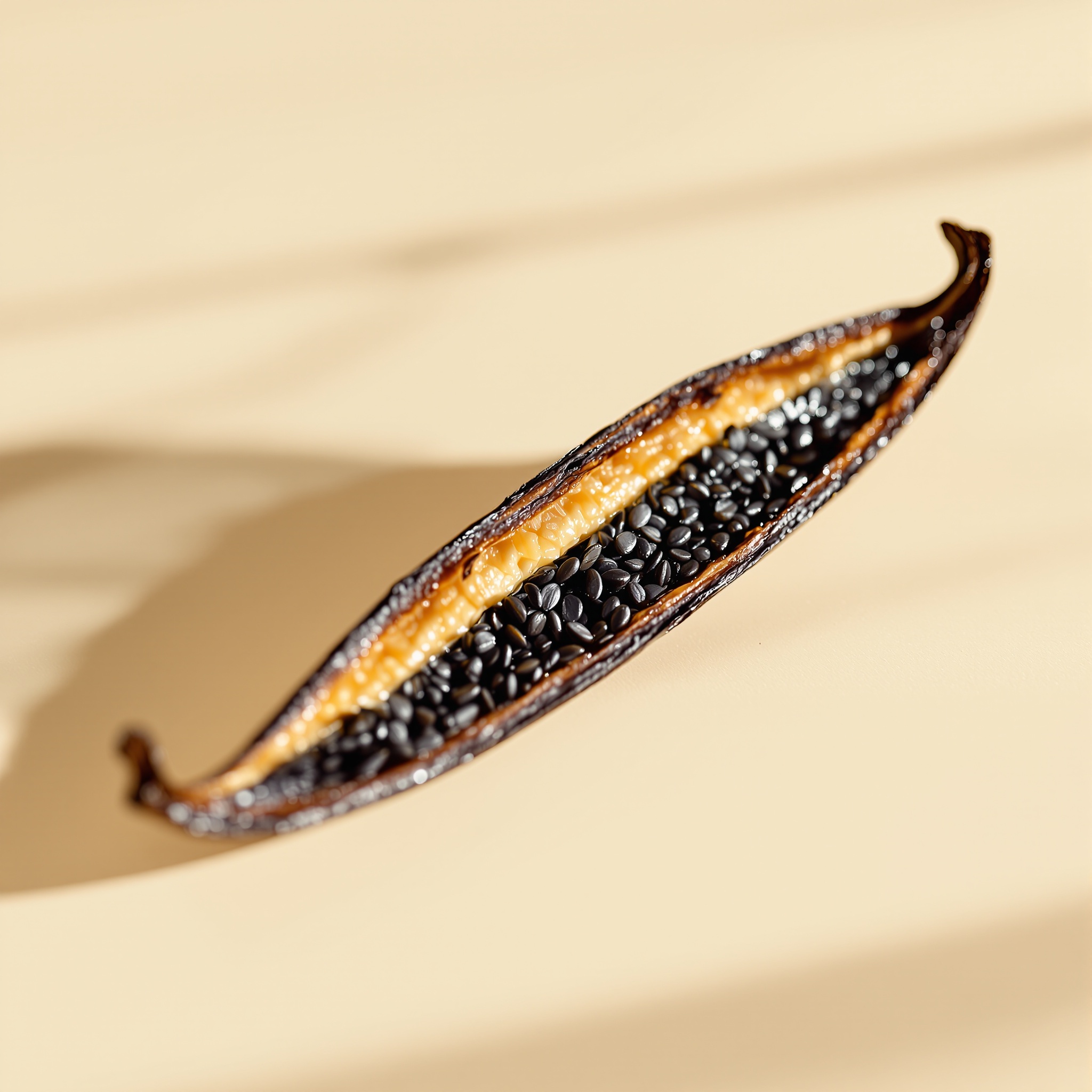
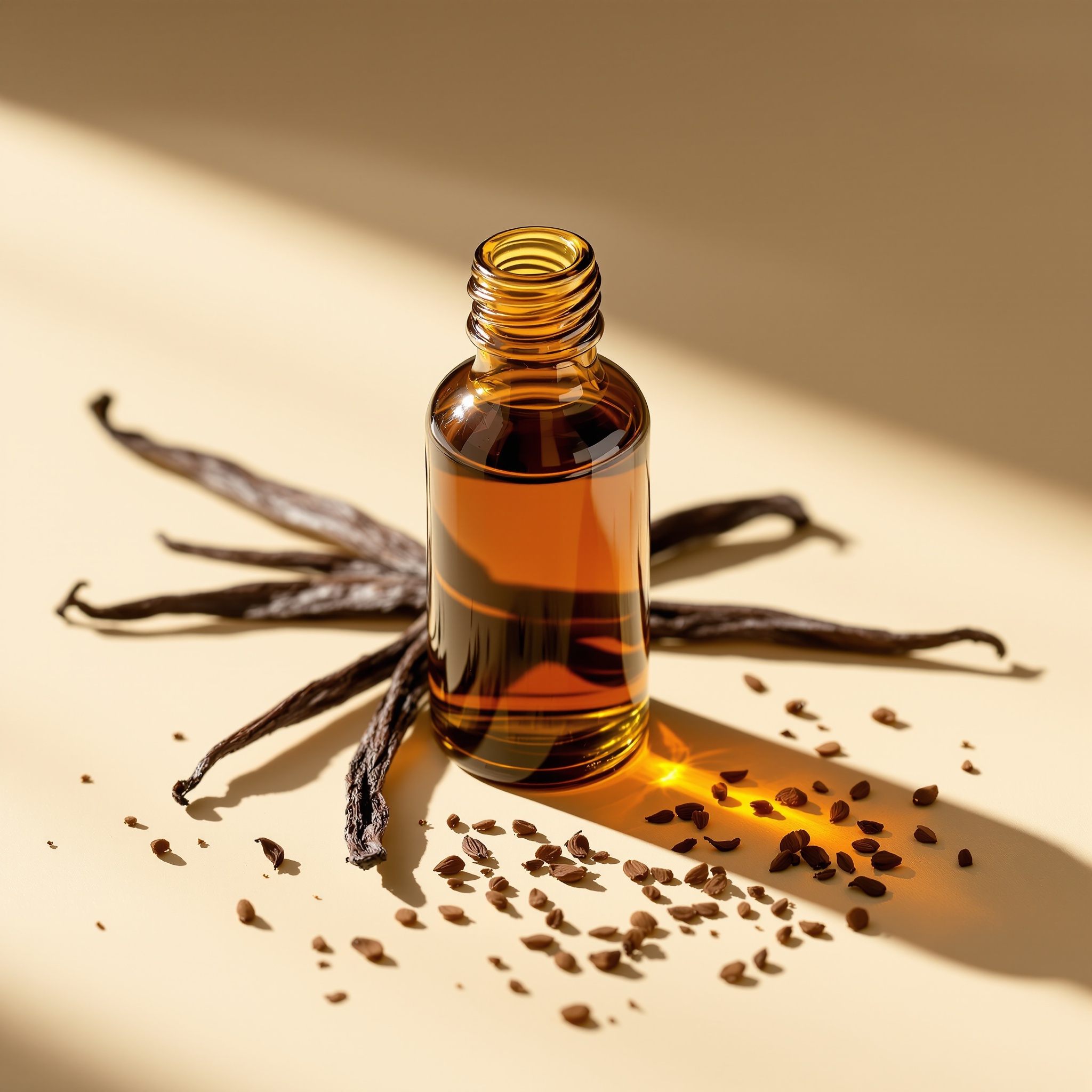
The cured seed pods of the orchid Vanilla planifolia, grown on Madagascar's northeast coast, which supplies most of the world's vanilla. Hand-pollinated flowers ripen into green pods that are blanched, sweated, sun-dried and conditioned for months, then extracted as absolute or tincture.
How it smells
Warm, sweet and rounded: creamy custard and dried fruit over a boozy, rum-like depth, with smoky, woody and faintly tobacco facets that cheaper synthetic vanillin lacks. It opens rich and balsamic, then dries to a soft, powdery, almost leathery sweetness.
In perfumery
A base note delivering rounded sweetness, warmth and fixative staying power. It pairs with amber, tonka, sandalwood and spice in oriental and gourmand blends. The natural material lends depth to Guerlain's Shalimar and Spiritueuse Double Vanille.
Good to know
Outside its native Mexico the orchid lacks its natural bee pollinator, so every flower is pollinated by hand within hours of opening, a technique twelve-year-old enslaved boy Edmond Albius devised on Reunion in 1841. This labor keeps vanilla among the costliest spices.
Vanilla Absolute
Cured orchid pods rendered into dark sweet resin
What it is
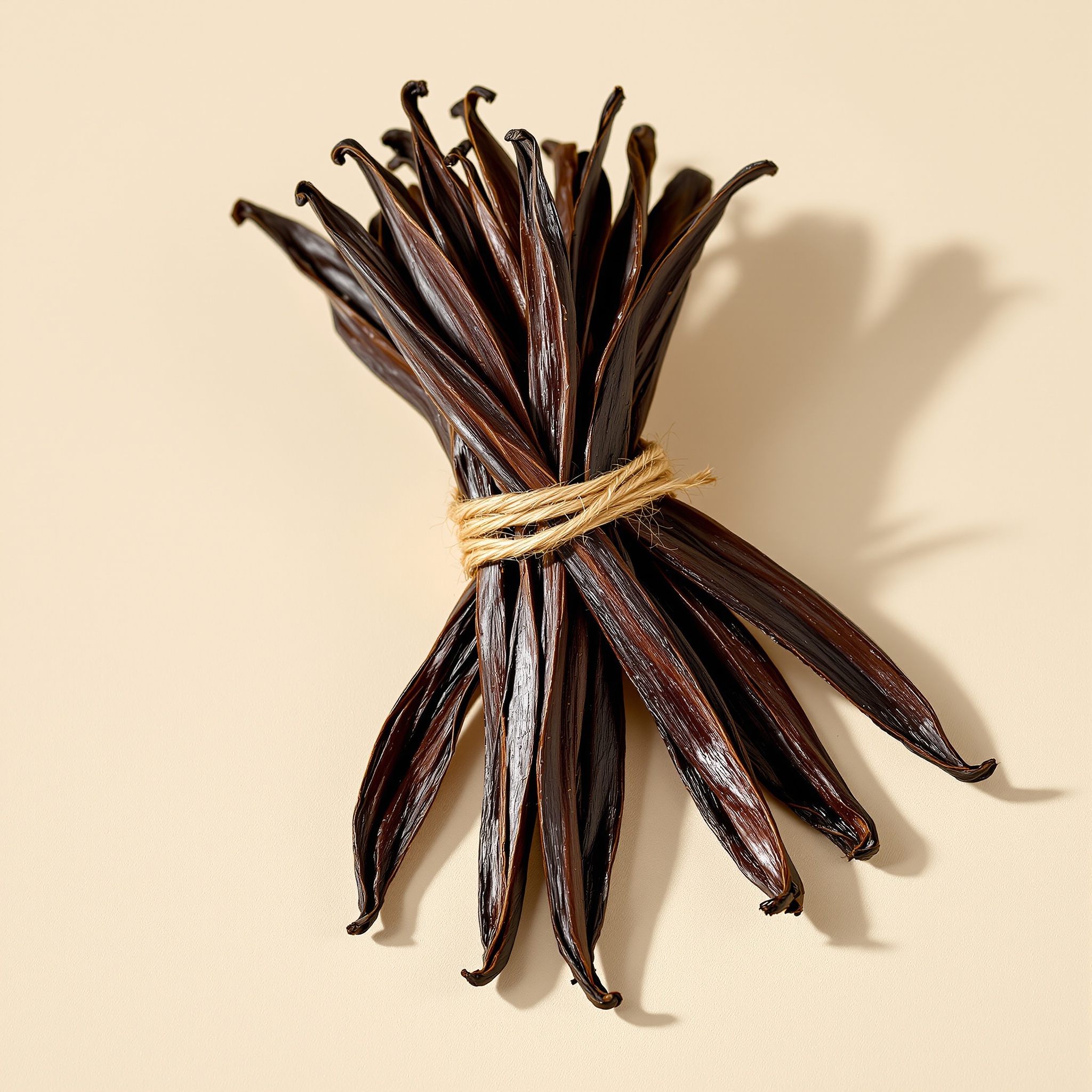
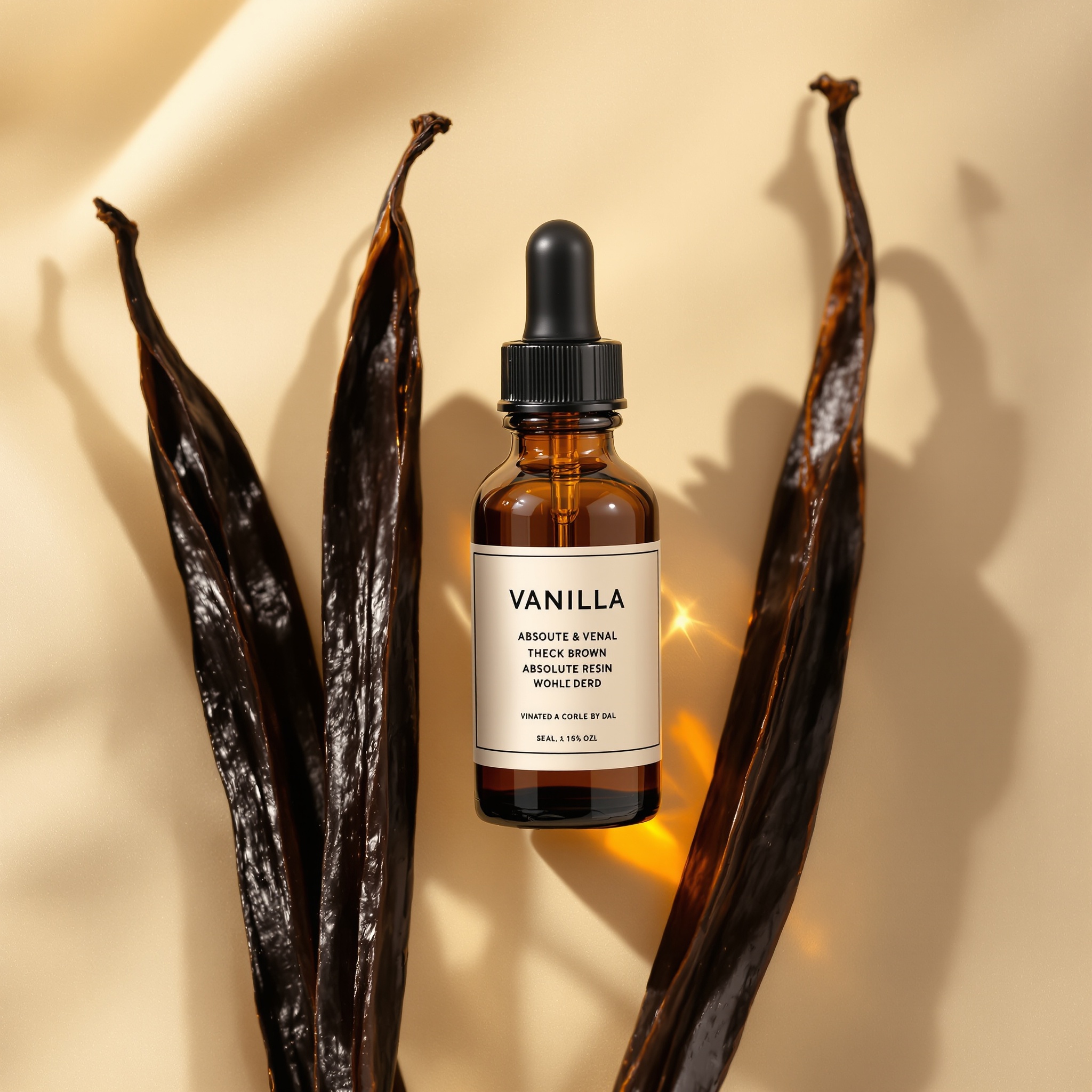
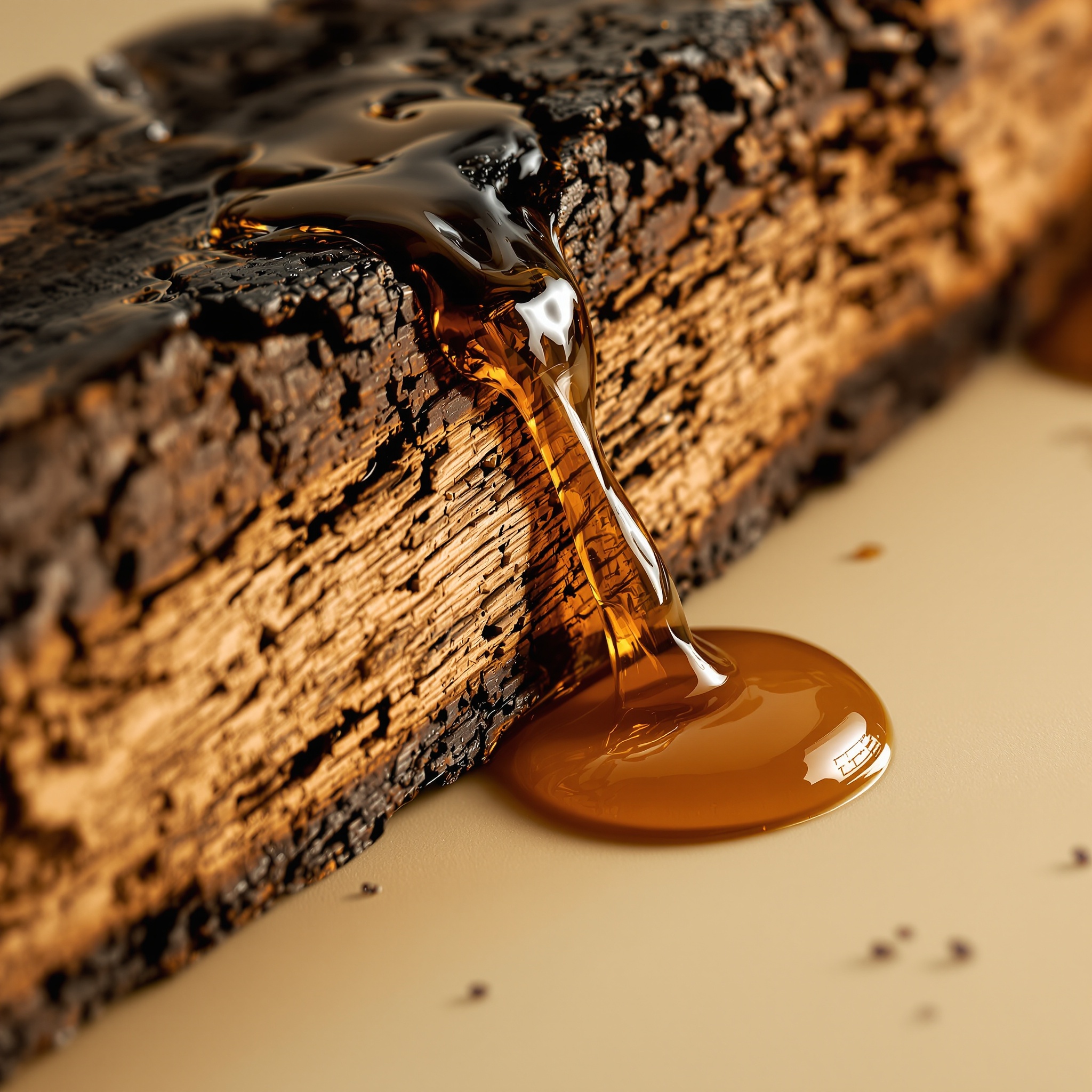
A solvent extraction of cured pods from the climbing orchid Vanilla planifolia, native to Mexico and now grown mostly in Madagascar. Hand-pollinated flowers form green pods that are blanched, sun-dried and slowly sweated for months, then washed with ethanol to yield a thick dark resin.
How it smells
Deep, dark and balsamic rather than bakery-sweet, carrying boozy rum facets, dried prune, tobacco and faint smoke from the curing. It opens rounded and warm, then settles into a resinous, slightly leathery sweetness, far richer and more shadowed than synthetic vanillin alone.
In perfumery
A heart-to-base fixative prized for warmth and tenacity, softening sharp edges and binding compositions. It pairs with amber, tonka, sandalwood and oud, and anchors gourmand and oriental scents. It underpins Guerlain Shalimar and lends body to many modern vanilla-forward fragrances.
Good to know
Vanilla is the second most expensive spice after saffron, since each flower is pollinated by hand and the pods are cured for months. Roughly six hundred blossoms are needed for one kilo of cured pods, and Madagascar price swings ripple through the whole fragrance trade.
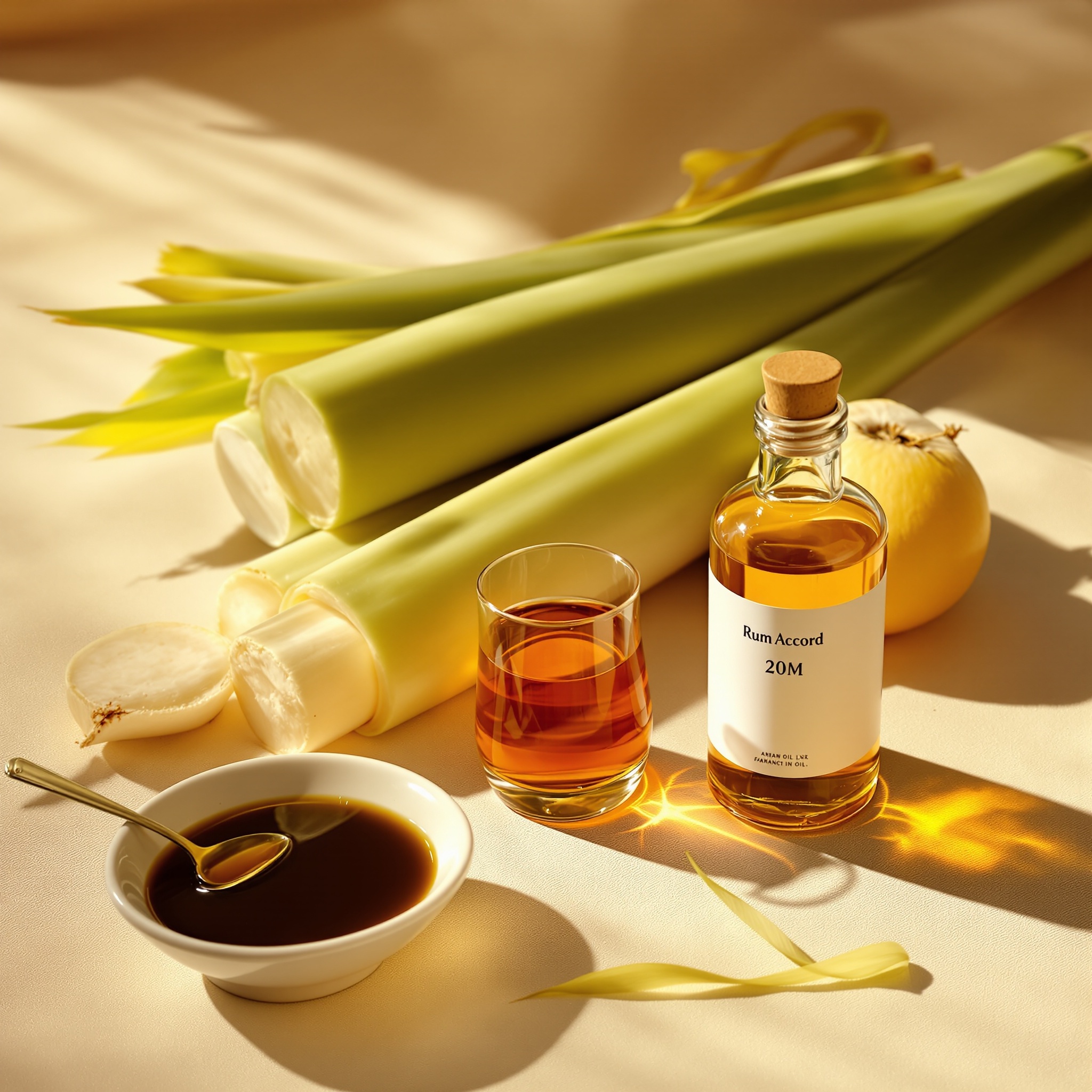
Rum
Boozy warmth of barrel-aged sugarcane and caramelized spice
What it is
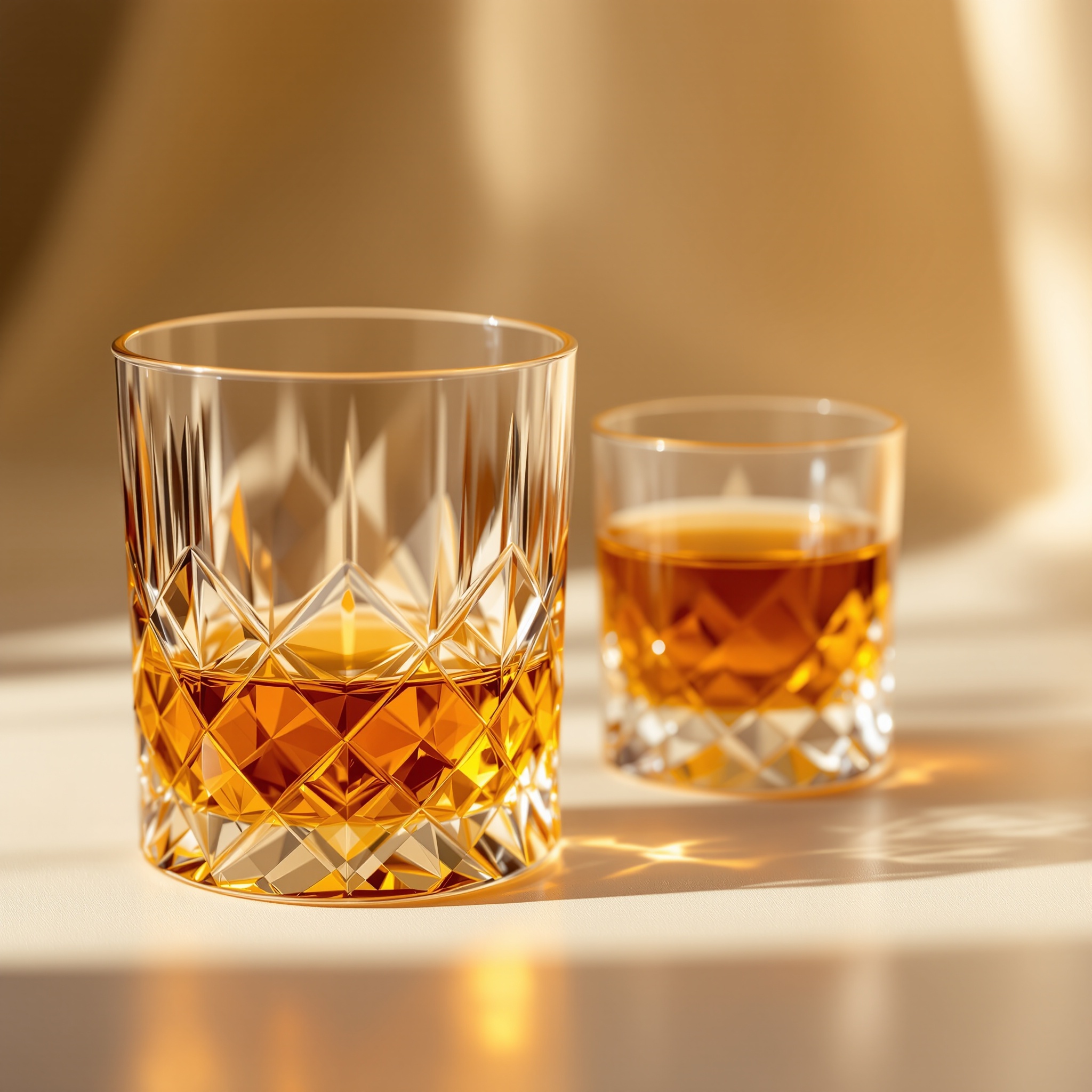
Rum is a spirit distilled from sugarcane, either fresh-pressed juice or molasses, then aged in oak. In perfumery it is never a single extract but a built accord, reconstructed from molecules such as ethyl maltol, rum ether, vanillin and oak lactones to mimic the drink.
How it smells
Sweet, dark and heady: caramelized sugar and molasses up front, threaded with vanilla, dried fruit and a warm alcoholic lift. Oak aging adds woody, slightly smoky depth. As it settles, the boozy sweetness softens into toffee, spice and a leathery, tobacco-tinged warmth.
In perfumery
Rum works as a top-to-heart accord, contributing gourmand sweetness, warmth and a boozy character. It pairs naturally with tobacco, vanilla, tonka, cinnamon and dark woods. Dior Sauvage Elixir folds rum into its spiced base, while Dior Vanilla Diorama sets it against cacao and cardamom.
Good to know
There is no true rum essential oil; the note is always a composed accord, so its intensity and style vary widely between houses. Rum ether, a core building block, is a fruity-boozy material also used in food flavoring, blurring the line between perfumery and confectionery.
Fragrance Character
Bright fruit and lemon flash at the top, then give way fast to a thick, creamy vanilla core. Rum keeps it boozy and adult; hazelnut adds praline richness; and the triple-vanilla base runs long and loud.
Best Worn
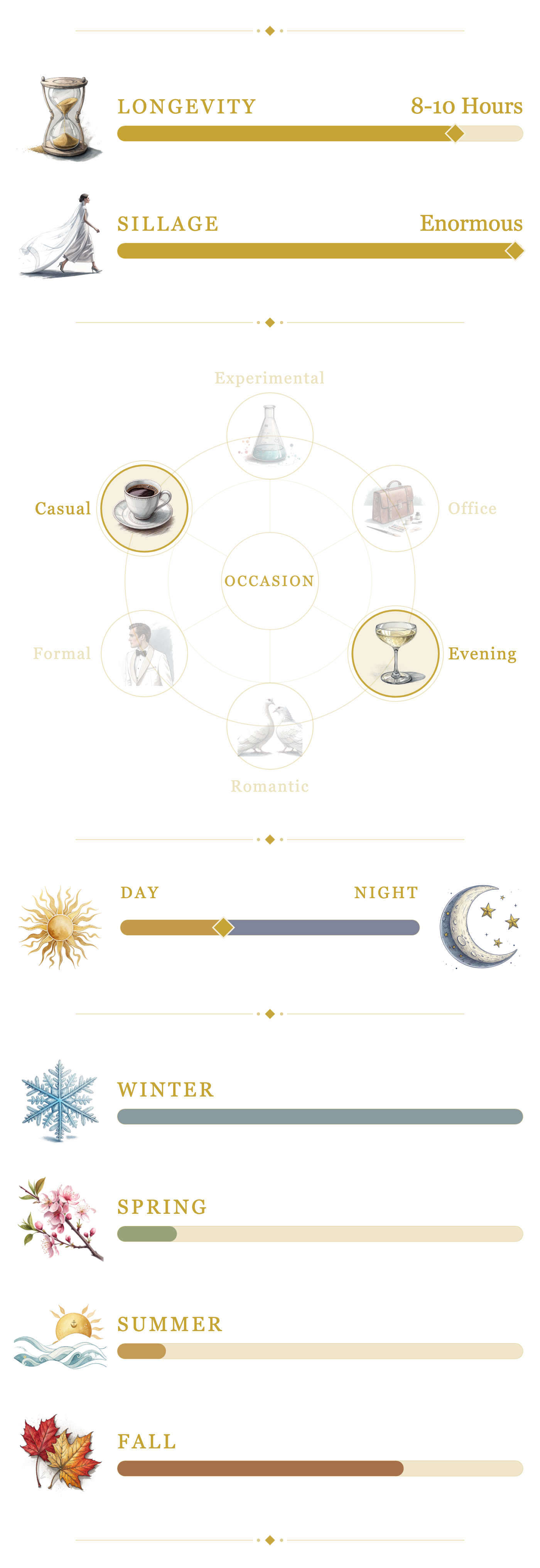
A cold-weather, festive scent, winter nights and celebrations, casual or evening, when you want warmth and presence.
Why the Decembrie 89 Decant
Enormously potent and sweet, a decant is the smart way to test a vanilla bomb of this size before a full bottle.
Official Notes
Apple · Lemon · Orange · Vanilla Bean · Hazelnut · Madagascar Vanilla · Vanilla Absolute · Rum
Explore more: Ultra-Niche Perfume Decants · All Fragrance Decants
Choose options
The Vibe




Olfactory Journey
Experience the evolution
Apple, Lemon, Orange
0-30 min
Select your decant size

You are selecting a decant size, not the full bottle